
Normal view

Ugly Americans? Colombia Expels Americans, Others Deemed Undesirable For Behavior & Vice Accusations

13 April 2026 at 22:01

Enhanced enforcement seeks to promote family-friendly tourism & unwelcome sex & vice-oriented tourism.

Migración Colombia, Colombia’s immigration agency, has executed the expulsion of two US citizens from Medellín following separate investigations into activities deemed a risk to public security and peaceful coexistence. The administrative measures targeted Steve Newland, a digital content creator known as “Chill Capo,” and Samuel McVey, a former teacher from New York. Both individuals were transported to the Aeropuerto Internacional José María Córdova in Rionegro and placed on a flight to Miami, Florida.
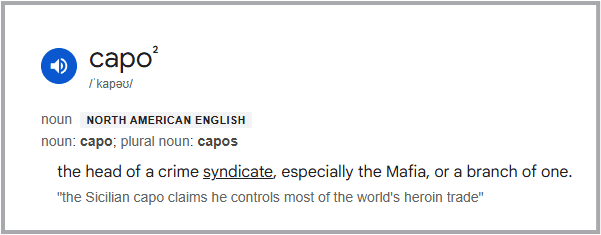
Definition of "Capo" according to Google.

Definition of “Capo” according to Google.

The actions come amid a broader strategy by the Colombian government to address concerns regarding sex tourism and the presence of foreign nationals with outstanding legal issues in their home countries. According to Paola Salazar, the Regional Director of Migración Colombia, the agency has adopted a stricter posture to ensure that Colombia is not utilized as a refuge for individuals linked to fraudulent or illicit activities.

The Case of Steve “Chill Capo”Newland

Steve Newland, a 42-year-old US citizen born in Willingboro, New Jersey, had been residing in Medellín since 2022. Operating under the digital brand “Chill Capo,” Newland promoted luxury lifestyle experiences and nightlife events. However, an investigation by Migración Colombia determined that Newland used his digital platforms to promote encounters with alleged purposes of sexual exploitation.

“Lo están esperando y lo capturan, (they are waiting for them and they will capture them)” stated Federico Gutiérrez, the Mayor of Medellín, referring to the coordination with US authorities regarding the return of the individuals.

The agency reported that Newland’s content included advice on how to evade immigration controls at the airport, such as using false medical certificates or simulating injuries to bypass rigorous inspections. His publications also mentioned accommodations linked to historical criminal figures, specifically the penthouses de Pablo Escobar, and provided instructions on how to avoid being targeted with escopolamina during social outings. Following the investigation, authorities confirmed Newland was in an irregular migration status. He has been banned from reentering Colombia for a minimum of five years.

Newland has publicly denied the allegations via his social media channels. He asserted that his primary objective was to educate visitors on safety and help them avoid dangerous situations. Newland claimed that his events were legal, safe, and conducted in collaboration with established Colombian businesses in the Parque Lleras district. He further contended that his visa had been renewed multiple times since 2022, suggesting that any illegal activity would have prevented such renewals. Newland challenged authorities to present specific evidence or identify victims related to the claims of exploitation.

🔴 #Noticia | Influenciador estadounidense que promovía turismo con fines de explotación sexual en Medellín, fue deportado por Migración Colombia.
El extranjero no podrá ingresar al país en los próximos cinco años, luego de este tiempo tendrá que solicitar una visa. pic.twitter.com/9QhZKJ7C8X

— Migración Colombia (@MigracionCol) April 11, 2026

Samuel McVey: School Incidents and US Warrants
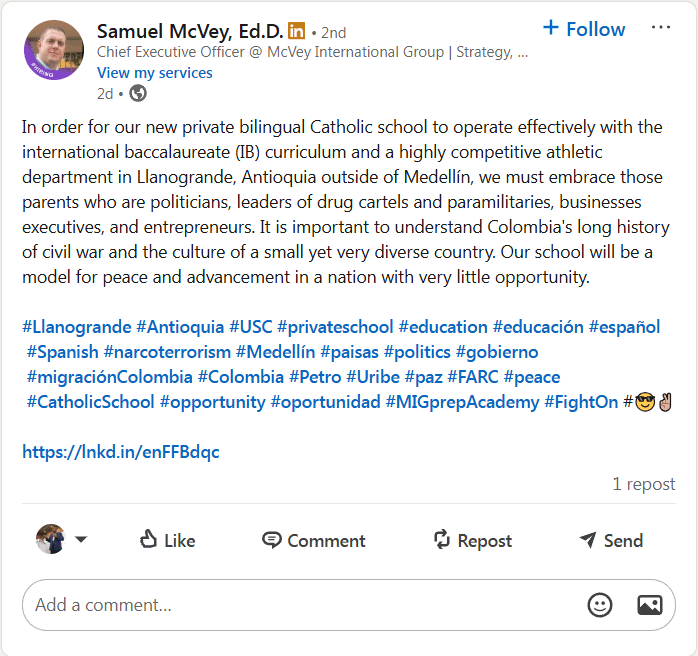
Samuel McVey crazy man

On LinkedIn, McVey claims to have a new private school in Llanogrande, Antioquia, that embraces “leaders of drug cartels and paramilitaries” among others.

In a separate incident, 46-year-old Samuel McVey, who was fired as a primary school teacher but styles himself as “Chief Executive Officer @ McVey International Group” on LinkedIn, was expelled following a series of disturbances at educational institutions in the Valle de Aburrá (Metro Medellín) and the city’s eastern Antioquia bedroom community of Rionegro. On April 8, 2026, McVey reportedly entered at least three schools in the wealthy Las Palmas sector of Medellín, where he allegedly initiated confrontations and made threats against staff and students. He subsequently traveled to Rionegro, where he attempted to gain entry to the Colegio Monteluna in Llanogrande by posing as an English language instructor.

When denied access, McVey reportedly directed threats toward students, prompting school officials to contact the Policía Nacional. He was apprehended by units from the Estación Llanogrande near a local strip mall. Manuel Villa Mejía, the Secretary of Security and Coexistence of Medellín, described McVey as a risk to the community and confirmed that the individual was in a state of high agitation upon his detention.Samuel McVey (photo from LinkedIn)

Investigation into McVey’s background revealed that he is a fugitive from New Rochelle, New York. In the United States, McVey faces charges of aggravated harassment in the second degree, a misdemeanor. The charges stem from an investigation by the New Rochelle Police Department involving threats made against Dr. Corey W. Reynolds, the Superintendent of the City School District of New Rochelle. McVey, a former Spanish teacher at Isaac E. Young Middle School, was terminated in early 2026. New Rochelle authorities had issued two bench warrants for his arrest after he failed to appear for court proceedings on March 26 and April 1, 2026.

Despite the outstanding warrants, the New Rochelle Police Department noted that they do not typically extradite individuals for misdemeanor offenses. Consequently, Colombian authorities processed his departure as an immediate expulsion based on his conduct within Colombia. McVey has been prohibited from entering Colombia for ten years.

Regional Enforcement Trends and Peak Travel Season Operations

The expulsions of Newland and McVey come after a larger enforcement effort during the 2026 Semana Santa (Easter Week) season. Migración Colombia reported that enhanced controls at airports and land borders resulted in the detection of numerous foreign nationals with irregular status or criminal backgrounds.

Specific cases identified by the agency during this period include:

  • In Leticia, Amazonas, a Peruvian citizen was detained at a hotel; the individual was the subject of an Interpol Red Notice for alleged crimes against public health.
  • In Ibagué, a Venezuelan citizen wanted by Peruvian authorities under an Interpol Red Notice for aggravated theft was arrested in a joint operation with the Policía Nacional.
  • In Facatativá, another Venezuelan national was apprehended for an Interpol Red Notice involving charges of human trafficking for sexual exploitation and membership in criminal organizations.
  • In Bogotá, two Dominican citizens were expelled after attempting to fraudulently obtain Colombian passports to travel to Europe.
  • At the Aeropuerto Internacional José María Córdova, a man and a woman from the Dominican Republic were intercepted while attempting to travel to Peru and Argentina using fraudulent Colombian documentation.

    Inadmitted (photo courtesy Migración Colombia)
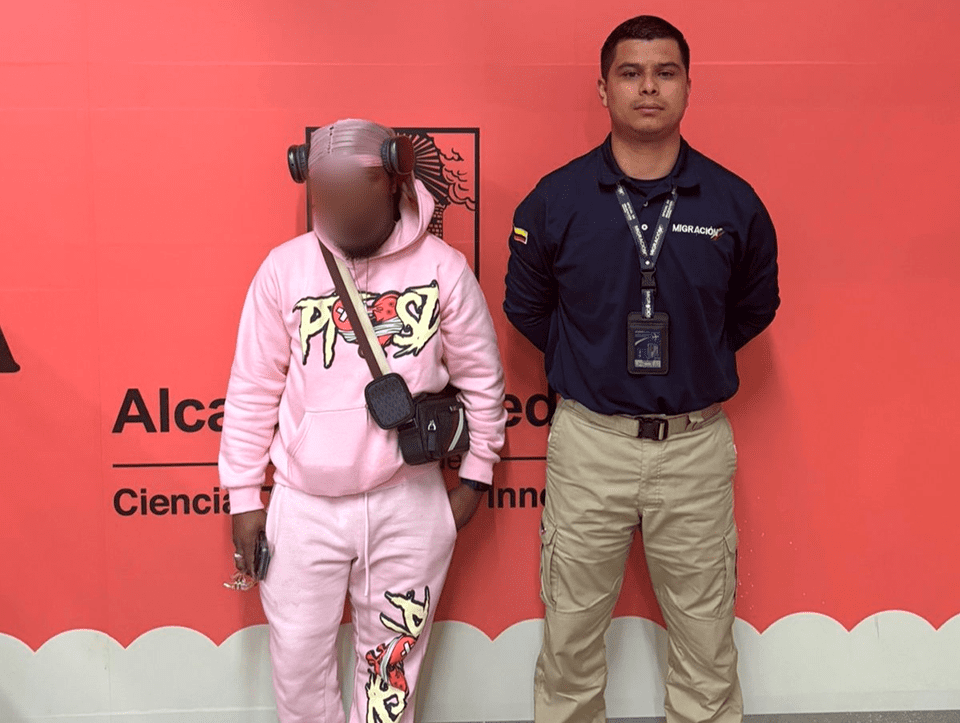
    Inadmitted (photo courtesy Migración Colombia)

Statistical Overview of Inadmissibility in 2026

In the first quarter of 2026, Migración Colombia has denied entry to over 600 foreign nationals. The primary reasons for inadmissibility include state sovereignty and security risks (153 cases), lack of required visas (133 cases), and insufficient documentation (104 cases). Additionally, 89 individuals were rejected for providing false information during immigration interviews, while 34 had documented criminal records.

The agency also noted a specific focus on preventing the Explotación Sexual Comercial de Niños, Niñas y Adolescentes (ESCNNA). Through cooperation with international intelligence agencies and the Angel Watch platform, 471 individuals have been denied entry since 2016 for reasons associated with sexual offenses. At the Rionegro terminal alone, 31 inadmissibility cases have been recorded so far in 2026 related to potential sex tourism risks.

The Director General of Migración Colombia, Gloria Esperanza Arriero, emphasized that while the country remains open to international travel and investment, visitors are required to comply with the Constitución Política de Colombia and national laws. Under Decreto 2136 de 2021, the immigration authority maintains the power to deny entry or order the immediate return of any foreign citizen who poses a risk to national security or public order.

The main nationalities of those denied entry in early 2026 include citizens from the United States (76), the Dominican Republic (64), Ecuador (55), and Venezuela (52).
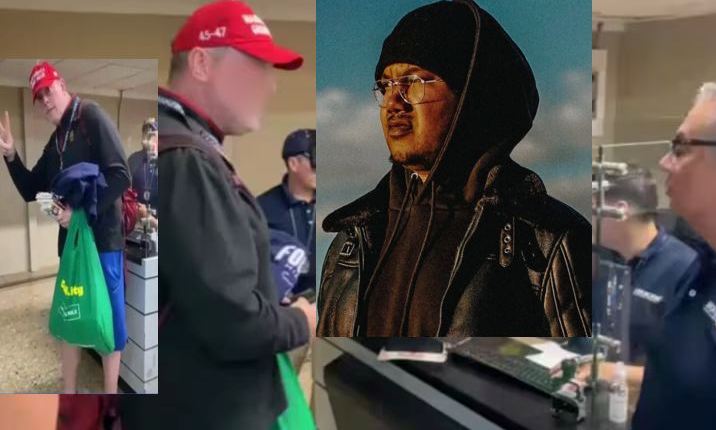
Montage of deportees Samuel McVey and Steven “Chill Capo” Newland

Video footage courtesy Migración Colombia

Colombia bars 10 foreigners in single-day crackdown on suspected sex tourism

16 March 2026 at 11:48

Colombia’s migration authority Migración Colombia denied entry last week to 10 foreign nationals suspected of seeking sex tourism, marking the largest single-day refusal of its kind at Medellín’s main international gateway, officials said.

The individuals — nine from the United States and one from Anguilla — were stopped at José María Córdova International Airport on March 11 after migration officers concluded their travel did not correspond to legitimate tourism.

Authorities said the group arrived on a flight from Miami with a stopover in Panama and voluntarily allowed inspections of their luggage. Officials reported finding sex toys and large quantities of condoms which, along with interview responses, raised suspicions about the purpose of their visit.

In a separate case the same day, the Anguillan national, arriving from the Dominican Republic, told officials he intended to “select women to have sexual relations” in his home country, prompting his immediate inadmission.

The measures form part of a broader government effort to curb human trafficking and sexual exploitation, following directives issued by President Gustavo Petro to strengthen migration controls.

“This is about protecting local communities and preventing Colombia from being used as a destination for illicit activities,” said Gloria Esperanza Arriero, director of Migración Colombia, praising officers in the Antioquia–Chocó regional unit for their rigorous enforcement.

The agency said the refusals were applied as a preventive measure under existing migration law, which grants authorities discretion to deny entry to foreigners who fail to meet requirements or pose risks to public safety or human rights.

The latest cases bring to 26 the number of foreign nationals denied entry in 2026 at the Rionegro airport for suspected links to sexual exploitation. In 2025, authorities recorded 110 such inadmissions nationwide, with roughly 80 occurring at the same terminal, the principal international gateway to Medellín.

Officials say the figures underscore the airport’s strategic importance in detecting early attempts to enter the country for illicit purposes, particularly in a city whose nightlife districts have drawn increasing international scrutiny in recent years.

Migration enforcement has also expanded beyond airports. Authorities reported recent operations in Medellín targeting suspected criminal networks linked to sexual exploitation, drug trafficking and theft in nightlife areas such as Parque Lleras.

In one case, two foreign nationals with criminal records in Venezuela were located in the El Poblado district. One of them, a Venezuelan woman known as “Kata,” had been sentenced to nine years in prison for human trafficking by a court in Caracas. She was expelled after officials confirmed the ruling through Venezuela’s consulate.

Investigators said she had operated in Colombia using falsified documents and was allegedly involved in prostitution networks and drug distribution in Medellín’s nightlife zones, highlighting the challenges authorities face in monitoring transnational criminal activity.

A second suspect, identified as “Gokú,” a dual Colombian-Venezuelan national, was wanted in Venezuela for charges including aggravated robbery, homicide and illegal possession of firearms. Authorities said he posed as a tourist while facilitating theft operations tied to criminal groups.

Separately, migration officials in Bogotá located a French national subject to an Interpol red notice in a hotel near the U.S. Embassy district. The individual was wanted for child abduction and document falsification and was handed over to the relevant authorities following verification of the international warrant.

Migración Colombia said the case was one of nearly 40 alerts recorded so far in 2026 across multiple regions, including Bogotá, Boyacá, Caquetá, Huila and Tolima, involving migration violations and international judicial requests.

The agency added that these operations have led to arrests and more than ten expulsions of foreign nationals this year, underscoring an intensification of enforcement efforts across the country.

In a separate incident underscoring authorities’ concerns, Colombian police arrested a 46-year-old U.S. citizen in Medellín after he was found with a 14-year-old girl in a short-term rental apartment in the El Poblado area, according to local media reports.

The case was triggered by an anonymous tip to the emergency line, prompting officers from the police child protection unit to respond. Authorities said the minor, still in her school uniform, told investigators the man had contacted her through social media to solicit sexual services.

The suspect was detained and faces charges related to the commercial sexual exploitation of a minor under 18, police said. Authorities did not immediately release further details on his identity or legal status.

Officials say the inadmissions at Rionegro reflect a broader trend seen in 2025, when most of the 110 foreigners denied entry over suspected sex tourism were U.S. nationals, reinforcing concerns about the international dimension of the issue.

Authorities say they will continue strengthening coordination with international bodies to prevent Colombia from being used as a destination for sexual exploitation or as a refuge for individuals attempting to evade justice.

Colombia Rescues 17 Minors From Ultra-Orthodox Lev Tahor Sect

23 November 2025 at 23:00

Colombian authorities have rescued 17 minors belonging to Lev Tahor, an ultra-Orthodox Jewish sect widely accused across several countries of child abuse, forced marriage, kidnapping and extreme coercive control. The operation — carried out by Migración Colombia in coordination with the Army’s Gaula Militar — was triggered by international alerts and concerns that the group may have been attempting to establish a new enclave inside Colombia.

Officials intervened in a hotel in the northern municipality of Yarumal after receiving intelligence reports about the presence of foreign minors linked to Lev Tahor. The hotel operation allowed officers to verify the identity and migration status of 26 people, including 17 children from the United States, Guatemala, Canada and other countries. Five of the minors had active Interpol “yellow notices,” issued when a child is reported missing or potentially at risk of crimes such as trafficking or kidnapping.

Authorities said that seven families associated with the sect had arrived in Colombia on October 22 and 23 on flights from New York City. Sister agencies abroad had previously warned Colombian counterparts about possible movements of Lev Tahor members due to ongoing investigations in other jurisdictions. Some members of the group’s leadership have prior convictions in the United States for kidnapping and the sexual exploitation of minors. There are also long-standing allegations from Guatemala of enforced pregnancies, mistreatment of minors and rape inside the community.

According to Colombian investigators, one working hypothesis is that the families may have been seeking to establish a new settlement in rural Colombia. The group has a history of sudden, secretive migrations to avoid scrutiny from foreign governments. Lev Tahor communities, estimated at around 50 families worldwide, have lived in the United States, Canada, Guatemala and Mexico, often leaving abruptly when law-enforcement pressure escalates.

Authorities emphasized that the primary goal of the operation was to protect the children and clarify their situation. The minors were transported to Migración Colombia’s Service Center in Medellín, where they spent the night under continuous supervision. Officials from the Colombian Family Welfare Institute (ICBF), child-protection attorneys and multidisciplinary teams of psychologists, social workers and medical professionals were deployed to guarantee a comprehensive assessment of the children’s well-being.

“All of our actions were guided by an absolute commitment to safeguard the rights of these boys, girls and adolescents,” said Gloria Esperanza Arriero, Director General of Migración Colombia. “This was a preventative and coordinated intervention. Our priority is to determine whether these minors were victims of abuse, coercion, or human trafficking under the guise of religious activity.”

Local and international investigators are now examining evidence to determine whether any of the minors were taken from their home countries illegally. Some preliminary findings suggest that at least a few of the children may have been transported across borders without full parental consent or in violation of court orders, raising the possibility of a trafficking scheme.

The Lev Tahor sect – founded in the 1980s – is known for its rigid, isolationist doctrine and its strict dress codes for women, who are required to wear black, head-to-toe garments. Members live in tightly controlled communities overseen by male leaders and bound by strict obedience norms. Over the past decade, authorities in Canada, the United States, Guatemala and Mexico have repeatedly intervened amid accusations of forced underage marriages, psychological abuse and extreme discipline practices.

In December 2024, Guatemalan authorities rescued 160 minors from a Lev Tahor-occupied farm after receiving reports of forced pregnancies and sexual violence. A year earlier, Mexican police dismantled a compound near the Guatemalan border, removing women and children and arresting at least one leader. And in 2021, two senior members of the group were convicted in New York for kidnapping children and attempting to force a 14-year-old girl back into an illegal sexual relationship with an adult man.

Colombian authorities say they are now collaborating with Interpol, foreign embassies, child-protection agencies, the Attorney General’s Office and the Gaula Militar to fully determine the legal status of the rescued minors, ensure they are not returned to dangerous environments and rule out any signs of human trafficking.

“Protection comes first,” Migración Colombia said in a statement. “We will use every institutional mechanism available to guarantee the safety of these children.”

❌