Reading view

Screen Protectors Without AR Coating Cancel Out iPhone 17's Anti-Reflective Display

The Ceramic Shield 2 material that Apple uses for the iPhone 17 display includes an anti-reflective coating that's designed to cut down on glare. It's a coating that prior-generation iPhone models didn't have, and it can make a difference in bright lighting conditions.


If you're someone who likes to use a screen protector with your ‌iPhone‌, you might be nullifying the anti-reflective property of the ‌iPhone 17‌ display, based on testing done by Astropad.

Compared to the ‌iPhone 17‌, Astropad found that the anti-reflective coating reduces reflections by approximately 50 percent when compared to the iPhone 16, but applying a screen protector without an anti-reflective coating of its own makes the anti-reflective Ceramic Shield 2 coating less effective. According to Astropad, this is because AR coatings are created for direct contact with air, and covering them with an extra layer of material cancels the effect.

Astropad did screen protector testing because it sells Fresh Coat, a screen protector with an anti-reflective coating, and it is promoting Fresh Coat through its testing and report. Astropad says that Fresh Coat and other screen protectors with an anti-reflective coating can replace or even outperform the anti-reflective properties of the ‌iPhone 17‌'s display.
Fresh Coat by Astropad enhances AR clarity on any iPhone, creating a surface nearly 4x less reflective than the display on an iPhone 16 and 2x less reflective than iPhone 17's Ceramic Shield 2.

Astropad did controlled testing with a light meter, and full testing results can be found on the Astropad website.
This article, "Screen Protectors Without AR Coating Cancel Out iPhone 17's Anti-Reflective Display" first appeared on MacRumors.com

Discuss this article in our forums

  •  

Apple General Counsel Kate Adams and Environment Chief Lisa Jackson Retiring in 2026

Two senior Apple executives are leaving the company, Apple announced today. Apple's Senior Vice President and General Counsel Kate Adams and Lisa Jackson, Vice President of Environment, Policy and Social Initiatives, are both retiring in 2026.


Adams will be replaced with Jennifer Newstead, who will join Apple as a senior vice president on January 1, and will become Apple's general counsel on March 1, 2026. Newstead is currently Meta's chief legal officer, and she was previously the Legal Adviser to the United States Department of State.

When Newstead takes over as general counsel, Adams will not immediately leave. She will instead oversee the Government Affairs organization after Jackson retires in late January 2026. Adams will remain at Apple until late 2026, at which point Newstead will take over. Newstead will ultimately oversee both Apple's Legal and Government Affairs organizations as Senior Vice President, General Counsel and Government Affairs.

In a statement, Apple CEO Tim Cook said that he is pleased to merge Legal and Government Affairs because of increasing overlap between the two teams.
We couldn't be more pleased to have Jennifer join our team," said Cook. "She brings an extraordinary depth of experience and skill to the role, and will advance Apple's important work all over the world. We are also pleased that Jennifer will be overseeing both the Legal and Government Affairs organizations, given the increasing overlap between the work of both teams and her substantial background in international affairs. I know she will be an excellent leader going forward.

Jackson's other responsibilities, which include Environment and Social Initiatives, will be taken over by Chief Operating Officer Sabih Khan. Cook said that Jackson played an important role in helping Apple achieve its environmental goals.
I am deeply appreciative of Lisa's contributions. She has been instrumental in helping us reduce our global greenhouse emissions by more than 60 percent compared to 2015 levels," said Cook. "She has also been a critical strategic partner in engaging governments around the world, advocating for the best interests of our users on a myriad of topics, as well as advancing our values, from education and accessibility to privacy and security.

Adams has been with Apple since 2017, and before that, she worked for Honeywell. Jackson joined Apple in 2013 after serving as Administrator of the U.S. Environmental Protection Agency, and she has been the face of Apple's environmental messaging since then.

Apple's announcement comes shortly after lead interface designer Alan Dye left the company, and after AI chief John Giannandrea's retirement announcement. Earlier this year, Apple lost Chief Operating Officer Jeff Williams, who is retiring, and Chief Financial Officer Luca Maestri. There have also been rumors about Apple CEO ‌Tim Cook‌ retiring, with rumors suggesting he is preparing to leave his role as soon as 2026.
This article, "Apple General Counsel Kate Adams and Environment Chief Lisa Jackson Retiring in 2026" first appeared on MacRumors.com

Discuss this article in our forums

  •  

Apple Seeds Second tvOS 26.2 Release Candidate

Apple today provided developers and public beta testers with a second release candidate version of tvOS 26.2 and HomePod Software 26.2, which is based on tvOS. The second RC comes one day after the first RC and has a build number of 23K53, up from 23K51.


tvOS 26.2 can be downloaded through the Software Update section of the Apple TV settings app.

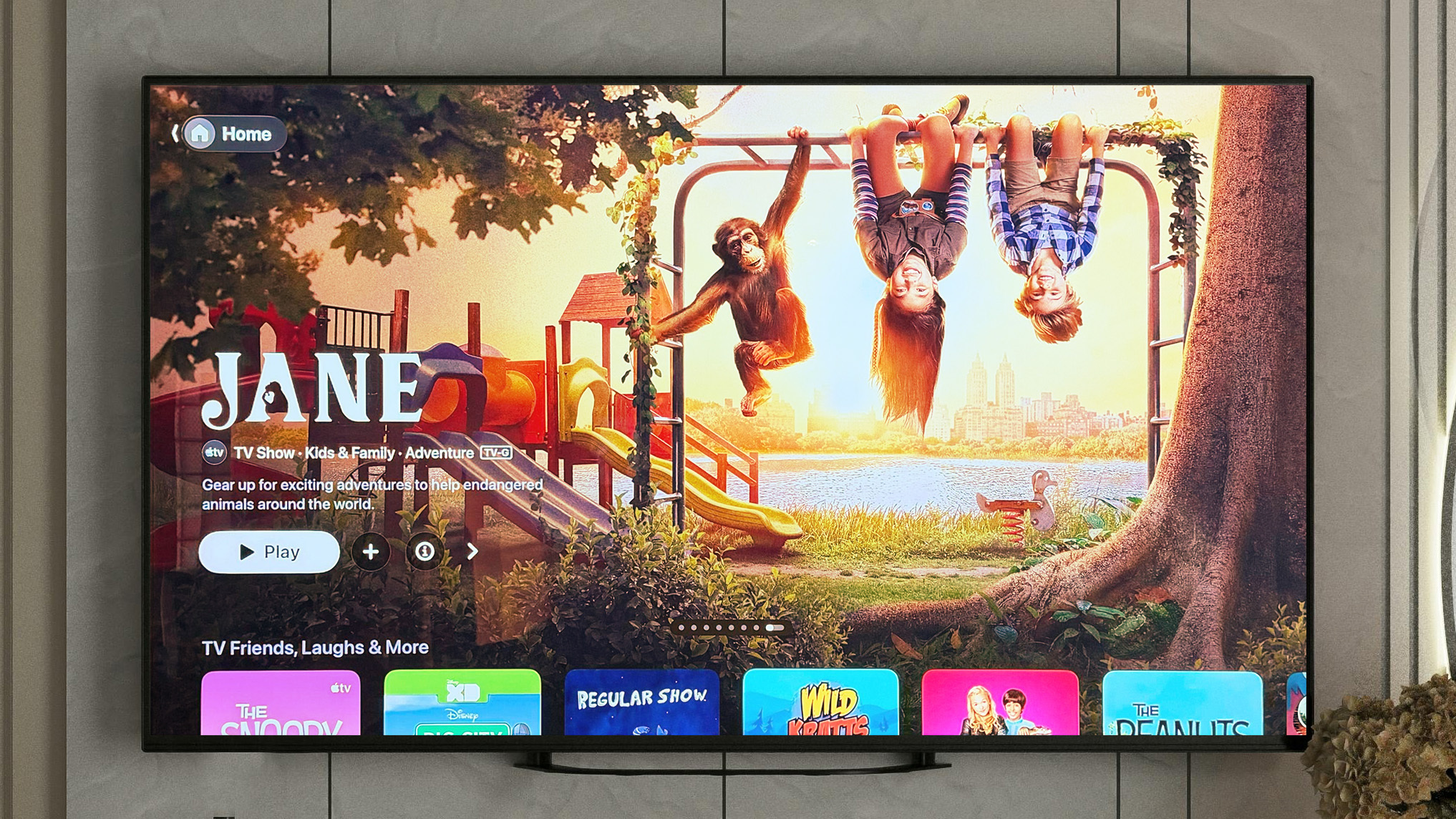
With tvOS 26.2, Apple is adding support for creating a profile without an Apple Account, and there is a dedicated ‌Apple TV‌ app kids mode that's available for children's profiles.

Apple doesn't provide beta release notes, so it's not clear what's changed between the first RC and the second RC. Typically, release candidates are updated if there is a major bug discovered during the testing period. RCs represent the final version of the software that will be released to the public.

We're expecting tvOS 26.2 and ‌HomePod‌ Software 26.2 to come out next week.
This article, "Apple Seeds Second tvOS 26.2 Release Candidate" first appeared on MacRumors.com

Discuss this article in our forums

  •  

Bluetti Elite 30 V2 Review: A Lightweight Portable Power Station for Camping and Backup Power

Bluetti's Elite 30 V2 that came out earlier this year is a portable power station that's ideal for short trips, plus it works well as a temporary backup for powering small electronics in a power outage.


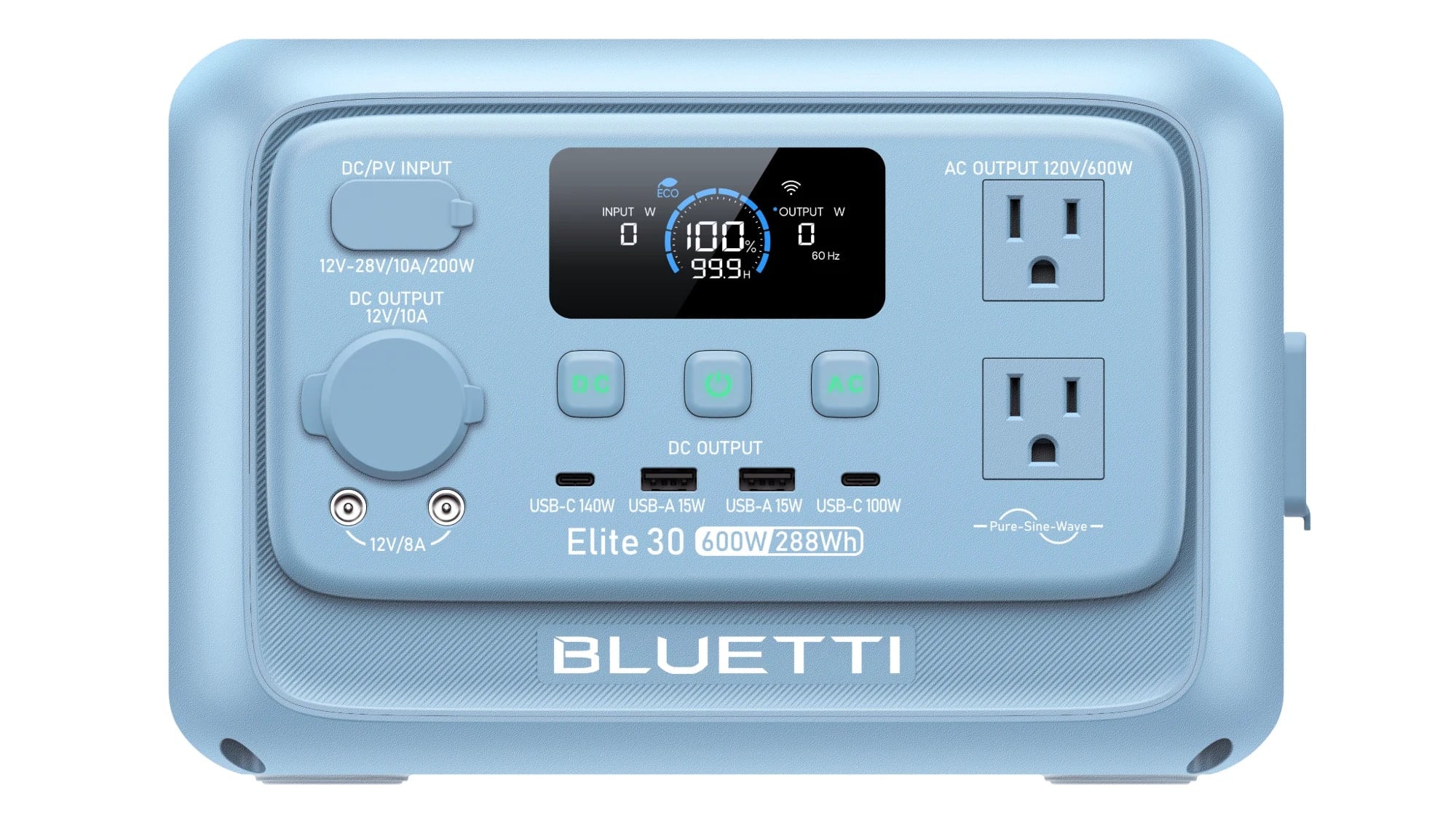
The Elite 30 V2 is one of many power stations that Bluetti offers, and it is on the smaller, more compact side with a 288-watt-hour capacity. This is the first Bluetti power station that I've reviewed, but I have experience with larger power banks from Jackery, DJI, Anker, and other companies. The Elite 30 V2 has a LiFePO4 battery, which Bluetti says will last for over 3,000 charging cycles and 10 years. There's a five-year warranty, which is solid.


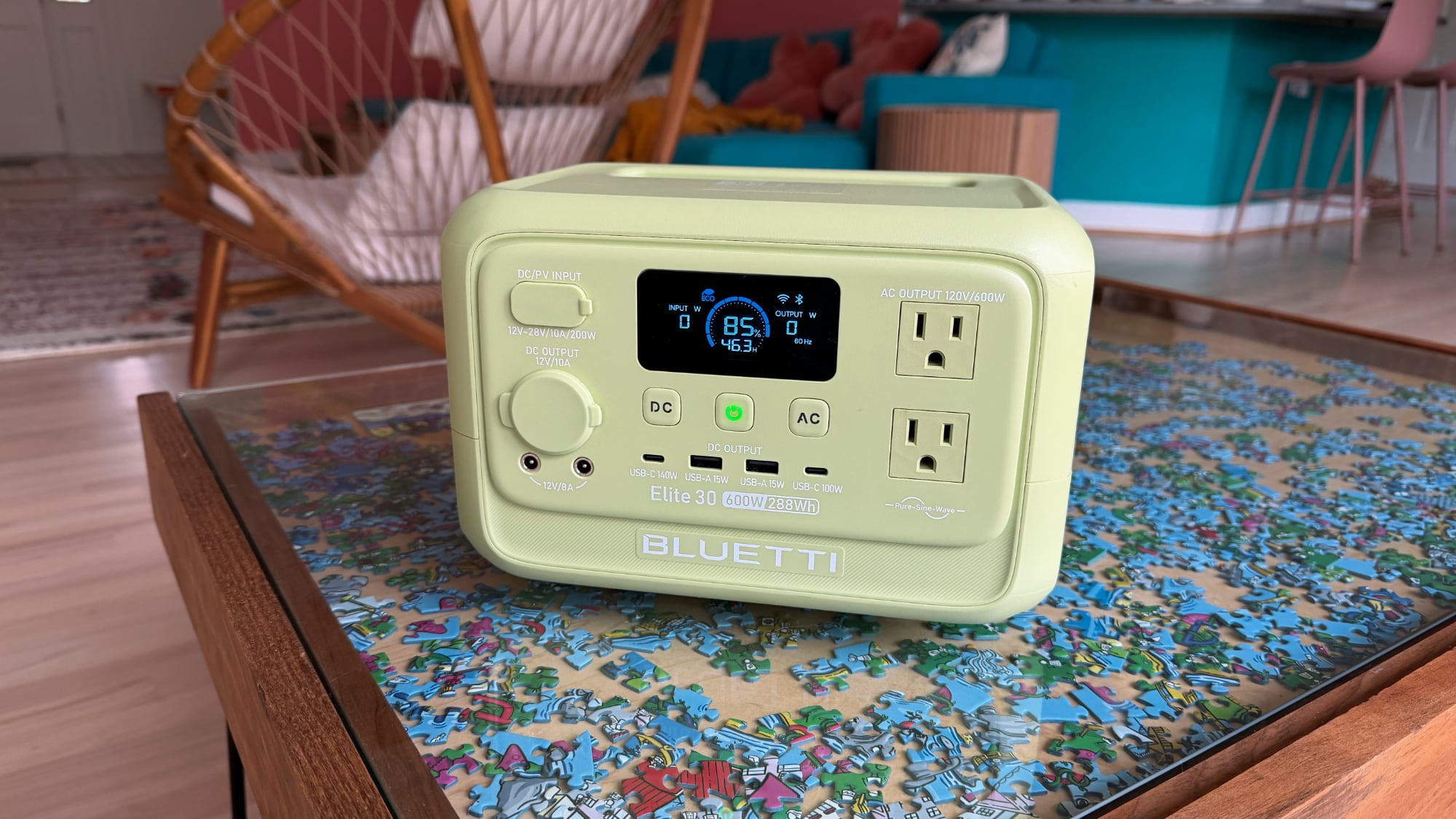
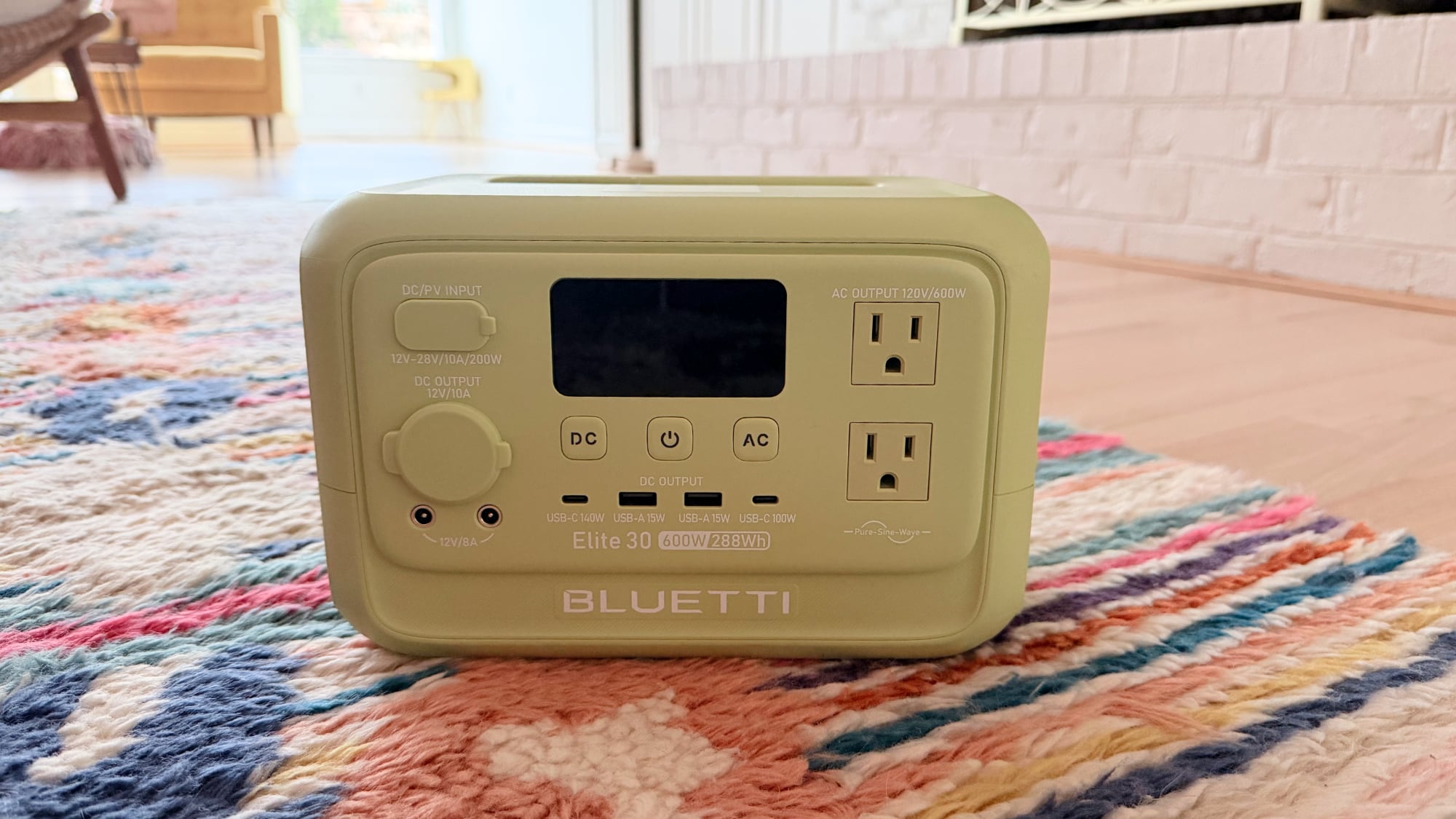
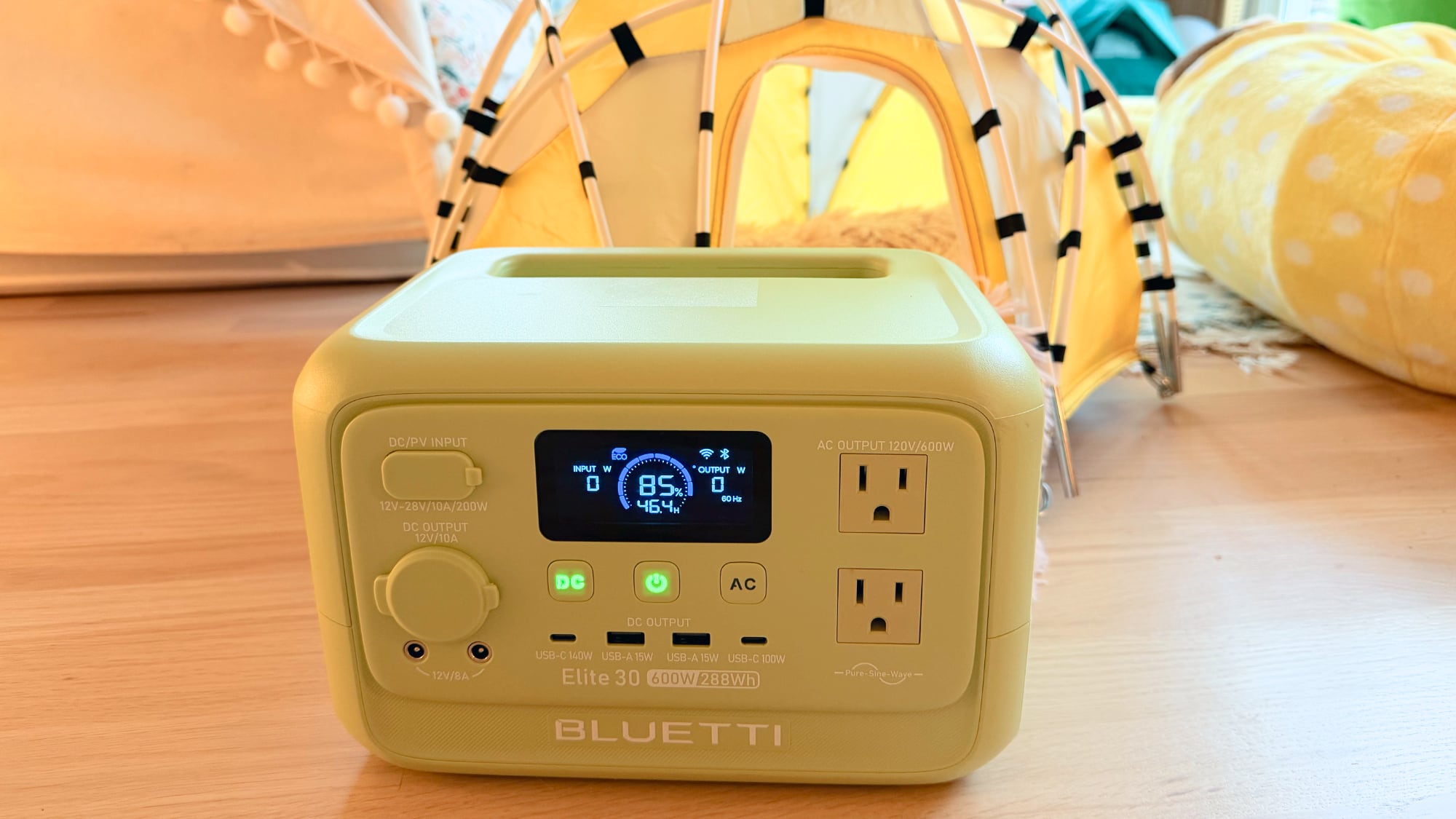
Most power stations are utilitarian, with a black or gray plastic design, but the Elite 30 V2 comes in several fun colors. There's nothing wrong with a simple design for battery equipment, but colors make Bluetti's little power station stand out. The model I tested is green, but it also comes in blue, purple, pink, light gray, and dark gray.

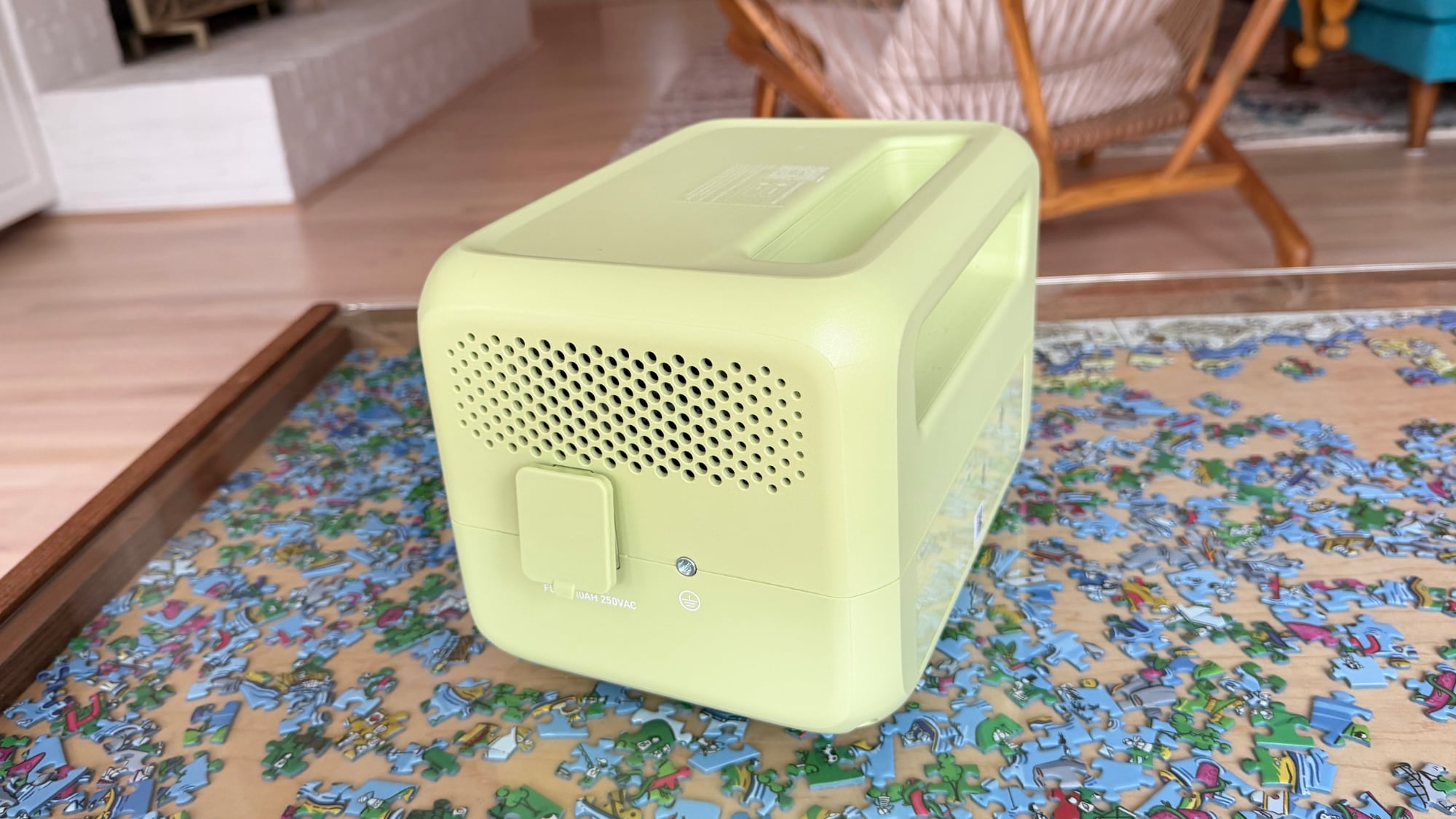
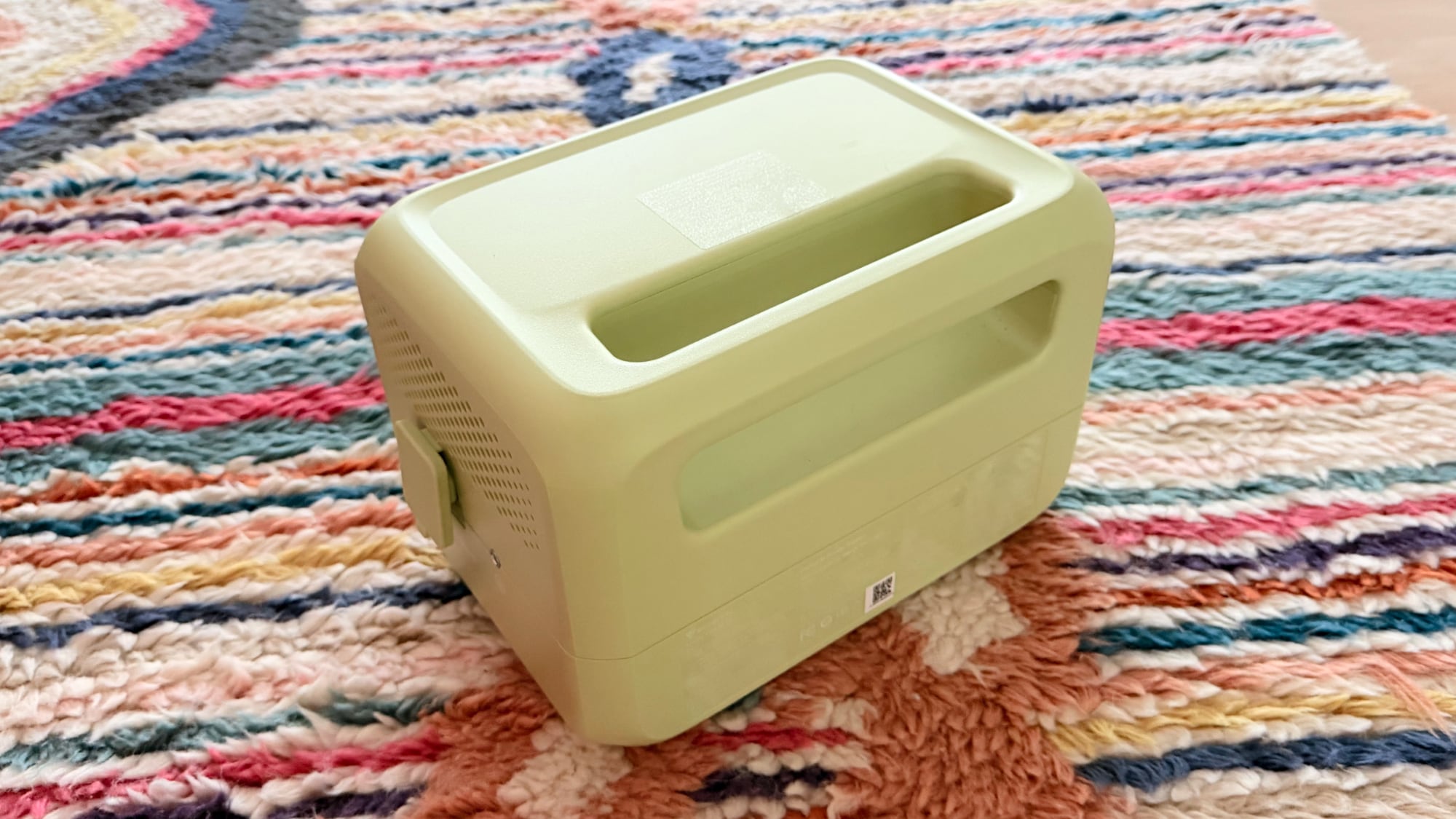
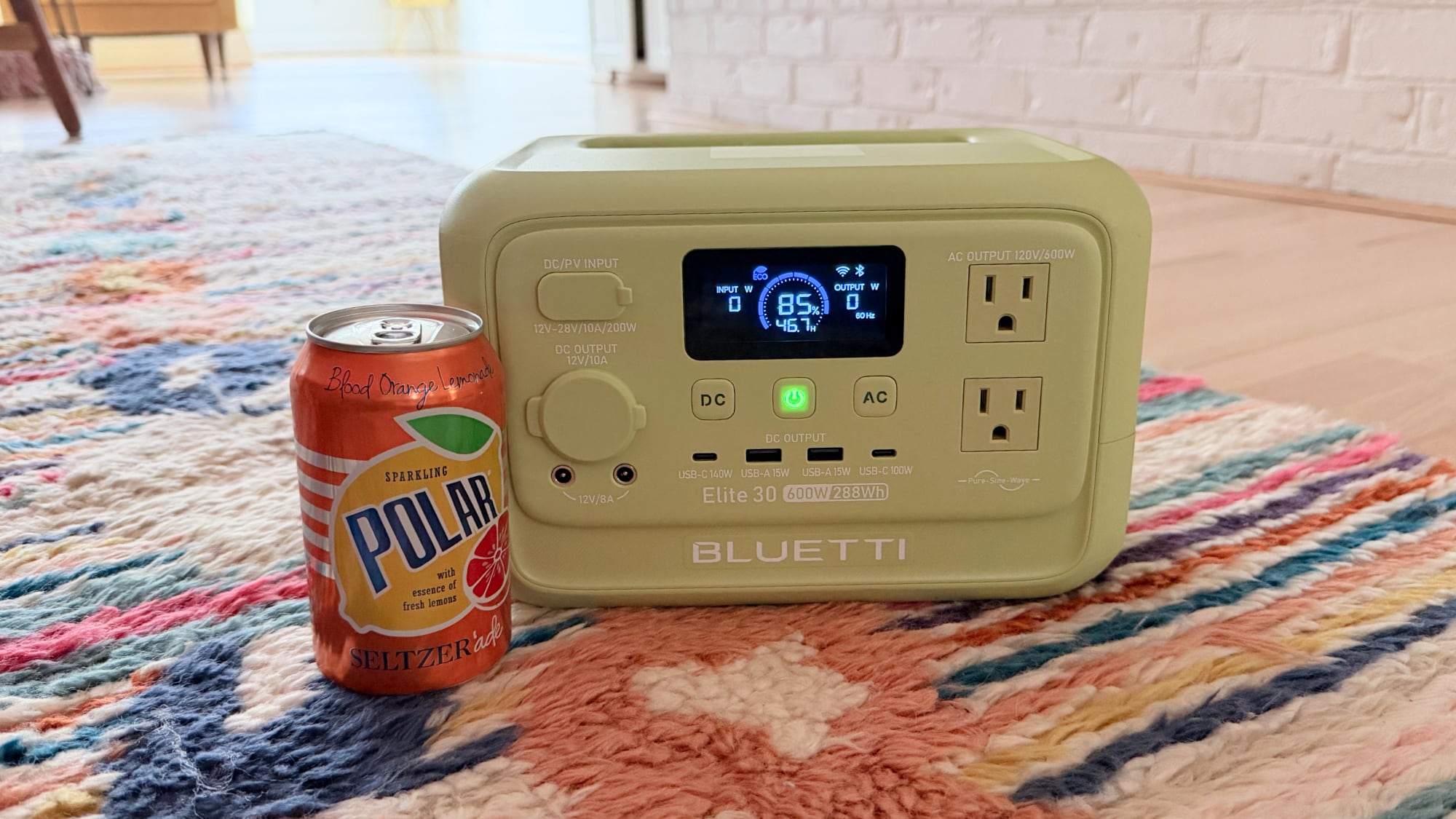
Appearance isn't going to matter to most, but if you're going to have a battery out for people to use at the beach, on a camping trip, at the park, or during some other activity, it might as well have some pizazz. The power station is just about 9.5 pounds, and it measures 9.8 inches long, 7 inches wide and 6.6 inches tall. There's a handle for carrying it, and an LCD display shows you input, output, charge level, and an estimate of how long the power will last based on what's plugged in.


The Elite 30 V2 supports 600W charging, though it can handle up to 1500W temporarily as part of a Power Lifting mode. The Elite 30 V2 has more ports than you might even need on a power station this size, and it can charge up multiple devices at a time. There's a 140W USB-C port, a 100W USB-C port, two 15W USB-A ports, and two AC outlets. There are also AC and DC inputs for charging, a cigarette lighter port, a grounding terminal, and a pair of 12V/8A barrel ports. Both USB-C ports can be used at full power at the same time.

There's a power button, a button to turn on DC power to the USB-C/USB-A ports, and an AC button to turn on power to the AC outlets. When you plug something in, you have to turn on power to the appropriate port before charging will begin. It's also a good idea to turn it off when you're done to ensure there's no power drain when you're not charging anything. The power stations that I've tested in the past haven't had separate buttons for DC power (just AC power), but that's the way Bluetti's power stations are designed.


I've been using the Elite 30 V2 to charge my Apple devices for the last several weeks to get an idea of what it's useful for. Charging my iPhone 17 Pro Max from 0 to 80 percent drains the power station from 100 percent to 90 percent, and it's about the same for an iPhone 16 Pro Max and an iPhone 15 Pro Max.

I can charge my ‌iPhone‌'s battery between 9 and 10 times, though I do limit my charging to 80 percent. The variation is because the power station's battery level can drop slightly with nothing plugged in unless it's turned off. Over a four-hour period, the battery dropped around 10 percent with DC power on.


It charges my MacBook Air three and a half times. It was able to run my MacBook Pro, Studio Display, and two lights (my desk setup) for half of my work day (12:51 p.m. to right around 5:00 p.m.). It ranged from 60W to 110W depending on workload. Charging takes around an hour and 20 minutes to get to full, though it can get to an 85 percent charge in around 50 minutes. It can charge through a cigarette lighter port in a car, or with solar panels for off-grid connectivity.

The Elite 30 V2 isn't the power station you want to get to run something that's power hungry like an electric heater, but it's good for smaller things like computers, lights, speakers, and consoles. You could run a mini refrigerator for a few hours, a hair dryer or flat iron long enough to do your hair, or a lower power electric kettle or coffee maker. It is able to run my entire computer setup, plus it can power my Wi-Fi for a full work day. Some people use power stations as backups for medical devices. The Elite 30 V2 may be able to run a CPAP machine for a night's sleep, but that will depend on the individual machine. I wouldn't recommend this one for other devices like an oxygen concentrator, which would draw too much power and require a much larger battery for an extended power outage.


You can use the Elite 30 V2 as a backup in case of a power outage, plugging a device into it and then plugging the power station into an outlet. In that situation, the power station will kick on automatically in a power outage with no interruption in function (Bluetti says there's a super fast 10ms response time). It actually supports up to 980W of passthrough power.

Since the Elite 30 V2 is a smaller power station, it runs and charges quietly. It is nearly silent when charging and when powering things like iPhones and Macs. The fan inside will kick on under higher loads, but it's still not unreasonably loud. I can hear it, but it's a noise I could sleep through.


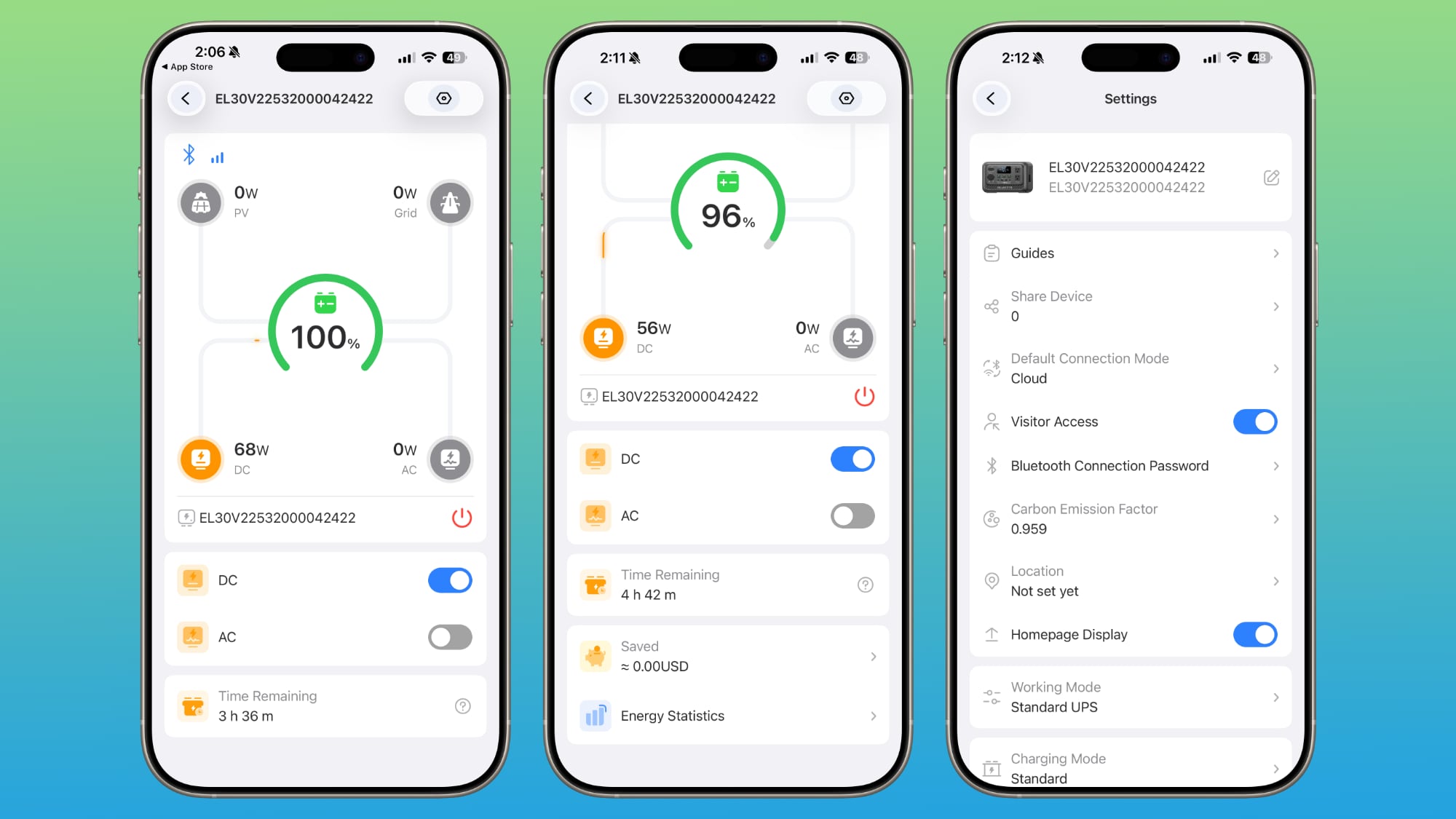
There is a Bluetti app, and you can connect to the power station via Bluetooth or Wi-Fi to monitor it remotely. The app tells you what's drawing power and how much, how long the battery will last under the current load, and your energy usage statistics. You can also remotely turn the AC/DC power on or off, choose power modes, and enable the 1500W Power Lifting feature. You should also be able to upgrade the firmware, but it wasn't working properly for me in the app (the button to actually install firmware was blank).

Bottom Line


I'm a fan of the Elite 30 V2. It provides enough power to charge multiple phones, tablets, portable gaming systems, or computers, but it's not too heavy to carry around. For an active use power station that you're using for day or weekend trips where portability is an issue, this is one of the better power stations that you can get.


I am petite and can struggle to haul around some of the bigger power 20lb+ stations that I've tested, but this one is the perfect size. I'm more likely to use a power station that is convenient for me to carry and take places.

This would be ideal as a backup battery if you just wanted to power smaller devices like smartphones and your router in a power outage. For medical devices or appliances that draw a lot of power, a bigger battery would be better.

Some power stations can cost over $1,000, but the Elite 30 V2 is much more affordable. The MSRP is $304, but it's often on sale.

How to Buy


The Bluetti Elite 30 V2 Portable Power Station can be purchased from the Bluetti website for $209 at the current time.

Note: Bluetti provided MacRumors with an Elite 30 V2 for the purpose of this review. No other compensation was received.
This article, "Bluetti Elite 30 V2 Review: A Lightweight Portable Power Station for Camping and Backup Power" first appeared on MacRumors.com

Discuss this article in our forums

  •  

$6 Fake iPhone Pocket Already Available

Days after Apple's iPhone Pocket sold out around the world, fake versions of the accessory have started to become available online.


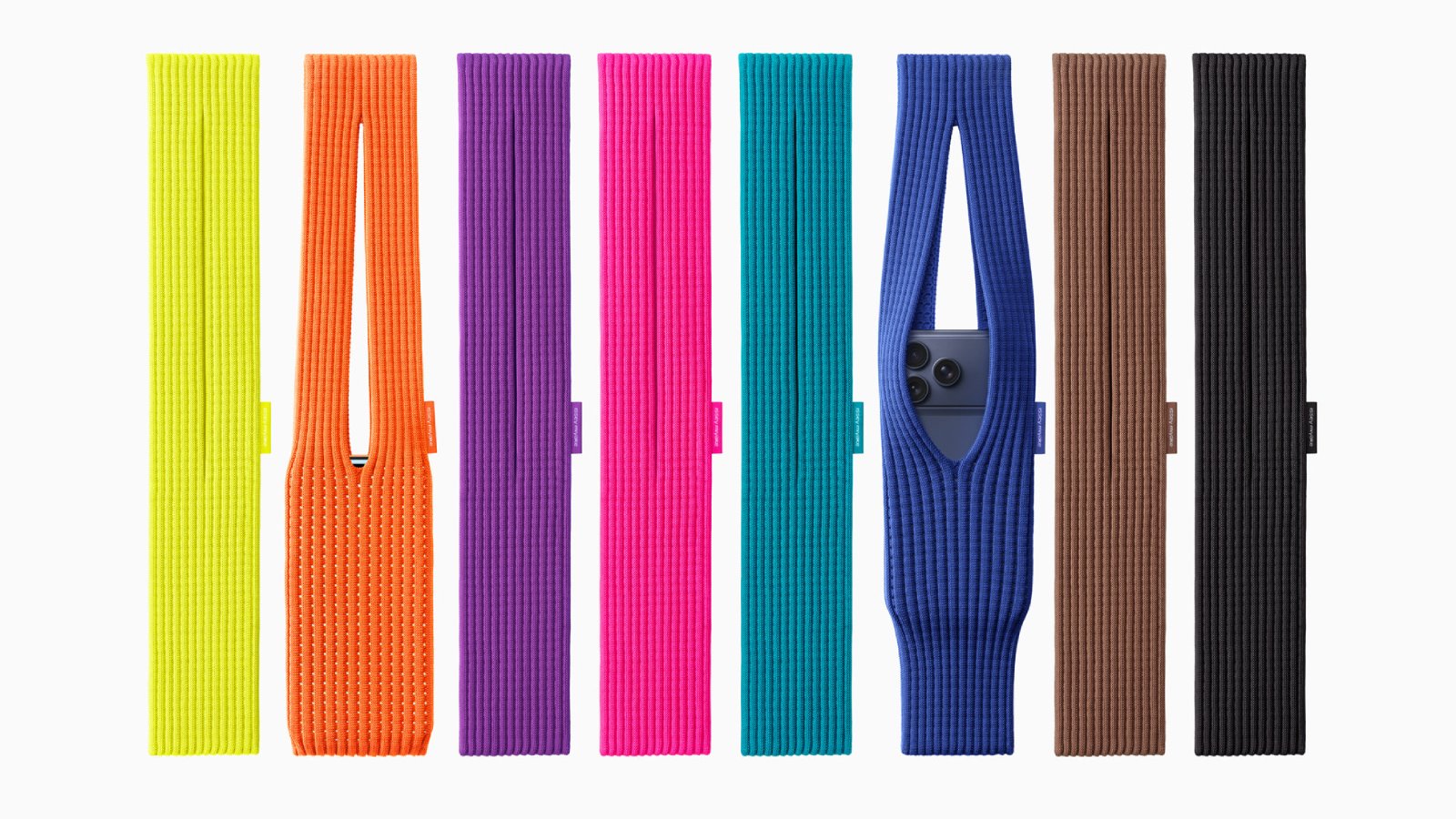
Earlier this month, Apple introduced the ‌iPhone‌ Pocket in collaboration with Japanese fashion brand ISSEY MIYAKE. The 3D-knitted limited edition accessory is designed to carry an ‌iPhone‌.

The accessory is like a stretchy pocket, not unlike an iPod Sock, but elongated to form a strap made of a ribbed, elastic textile that fully encloses an ‌iPhone‌ yet allows you to glimpse the display through its open structure. It comes in a short strap variant for $149.95 and a long strap variant for $229.95.

The ‌iPhone‌ Pocket became available to order on Apple's online store starting Friday, November 14, in the United States, France, China, Italy, Japan, Singapore, South Korea, and the United Kingdom. It quickly sold out around the world.

Now, lookalike versions of the accessories have started to become available on Chinese sites like AliExpress, where you can buy an ‌iPhone‌ Pocket clone for as little as $6. Some listings describe it as a 1:1 replica, but there is no ISSEY MIYAKE print on the label. They describe the accessory as being made with the same production processes. Both the short and long variants are available in all of the original color options.

Apple products and accessories are often replicated by manufacturers in China, but the turnaround for these particular copies has been especially fast. As with most reproductions, quality can vary, yet for customers who missed out on the limited-edition release, found it too expensive, or simply like the aesthetic, the dramatically lower price of these lookalikes may make them a tempting alternative.
This article, "$6 Fake iPhone Pocket Already Available" first appeared on MacRumors.com

Discuss this article in our forums

  •  

Apple's Founding Papers Return to Auction, Could Fetch Up to $4 Million

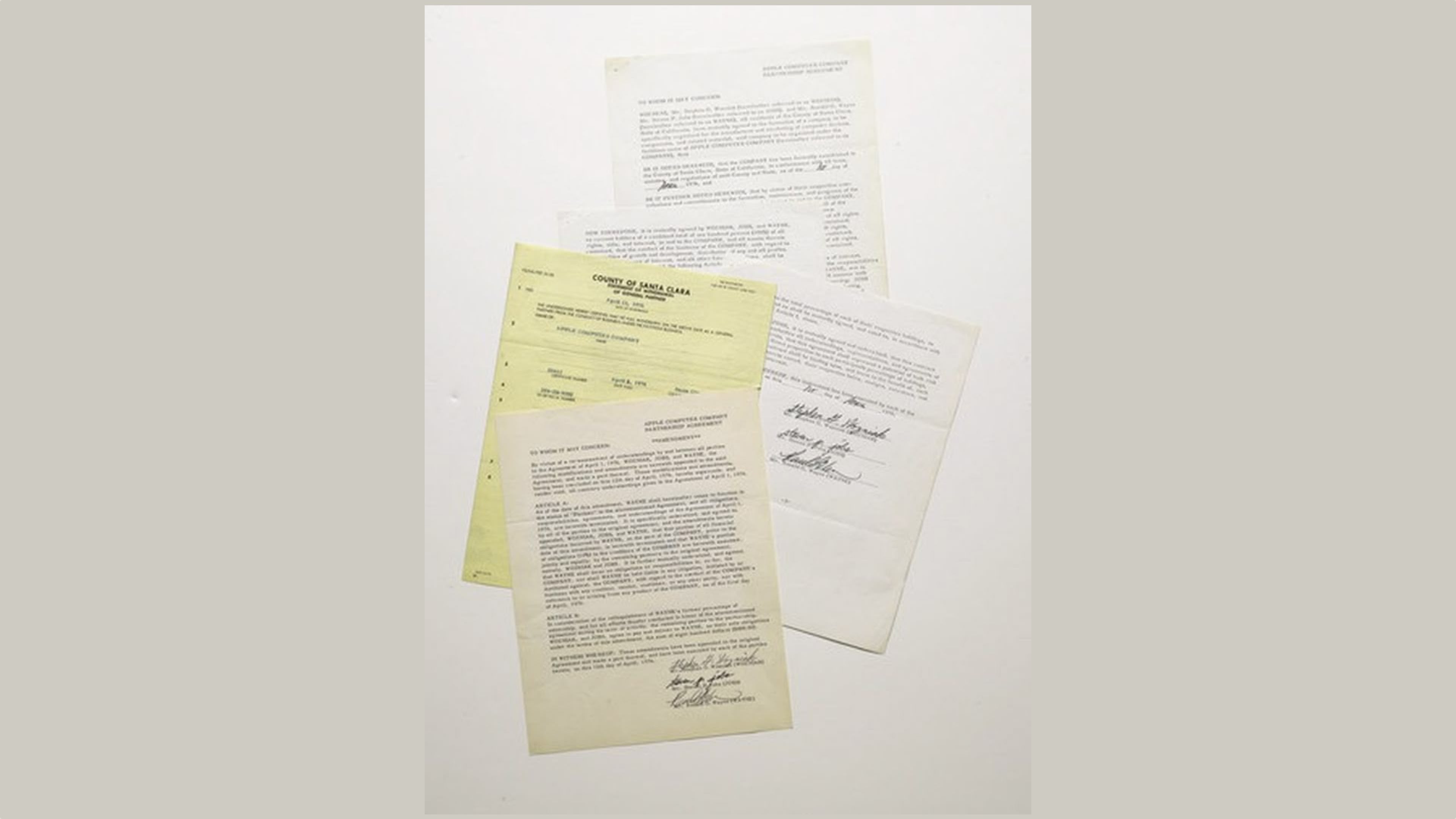
Christie's is preparing to auction off the original partnership contract that created the Apple Computer Company on April 1, 1976, valuing it in the region of $2-4 million.


The original three-page document served as the contract among Steve Jobs, Steve Wozniak, and Ron Wayne. The agreement established initial shares at 45% for Jobs, 45% for Wozniak, and 10% for Wayne.

Additional papers documenting Wayne's withdrawal as a partner just 12 days after the company was formed are also included in the auction package. Wayne initially received $800 for his 10% share of the company, and later received an additional $1,500 payment.

Wayne later stated he withdrew because he knew the venture would be a "roller coaster" and that the high-stakes ride was not for him.

If Wayne's original 10% stake had somehow remained untouched, it would be worth about $409 billion today based on Apple's $4 trillion valuation. That's only a playful comparison, mind, since decades of stock splits, new share issuances, and structural changes mean that early 10% slice has no realistic connection to Apple's modern share count!

Christie's will offer the founding contract and Wayne's withdrawal agreement as a single lot on January 23, 2026.


In the early 1990s, Wayne sold the physical copy of the founding contract for $500. Apple's founding corporate papers were last sold at auction by Sotheby's in December 2011. That lot also included Wayne's withdrawal, and it was sold to a private collector for nearly $1.6 million.

(Via Arirang TV.)
This article, "Apple's Founding Papers Return to Auction, Could Fetch Up to $4 Million" first appeared on MacRumors.com

Discuss this article in our forums

  •  

Google Launches More Intelligent Gemini 3 Model

Google today introduced Gemini 3 Pro, its newest and most intelligent AI model. Google says that Gemini offers state-of-the-art reasoning, able to understand depth and nuance. It is also better at understanding the context and intent behind a request for more relevant answers.


According to Google, Gemini 3 Pro is the best model in the world for multimodal understanding, outperforming Gemini 2.5 Pro on every major AI benchmark. Responses have been designed to be concise and direct, with less flattery. Google claims that it serves as a "true thought partner."

Gemini 3 Pro is rolling out across Google platforms. It's been incorporated into AI mode in Search for Pro and Ultra subscribers, the Gemini app (select Thinking from the model selector), AI Studio, Vertex AI, and Google Antigravity, a new agentic development platform. AI Mode in Search will use Gemini 3 to provide new generative UI experiences like immersive visual layouts and interactive tools generated on the fly.

Google AI Ultra subscribers can also use Gemini 3 with Gemini Agent as of today, with Gemini 3 able to execute multi-step workflows from start to finish.

Gemini 3 Deep Think is even more intelligent, and Google says that it can solve more complex problems than Gemini 3 Pro. Gemini 3 Deep Think Mode will be available to Google AI Ultra subscribers in the coming weeks.

As part of the Gemini 3 launch, Google redesigned the Gemini app to give it a more modern look. Google says that it's easier to start chats and find images, videos, and reports that you've created in a dedicated My Stuff folder. The shopping experience has been overhauled, incorporating product listings, comparison tables, and prices from Google's Shopping Graph.

There are new interfaces, including a visual layout that uses photos and modules, and a dynamic view that uses agentic coding capabilities to create a custom user interface in real-time suited to a query.
This article, "Google Launches More Intelligent Gemini 3 Model" first appeared on MacRumors.com

Discuss this article in our forums

  •  

Apple Releases New Firmware for 140W USB-C Power Adapter, Magic Keyboard and Magic Trackpad

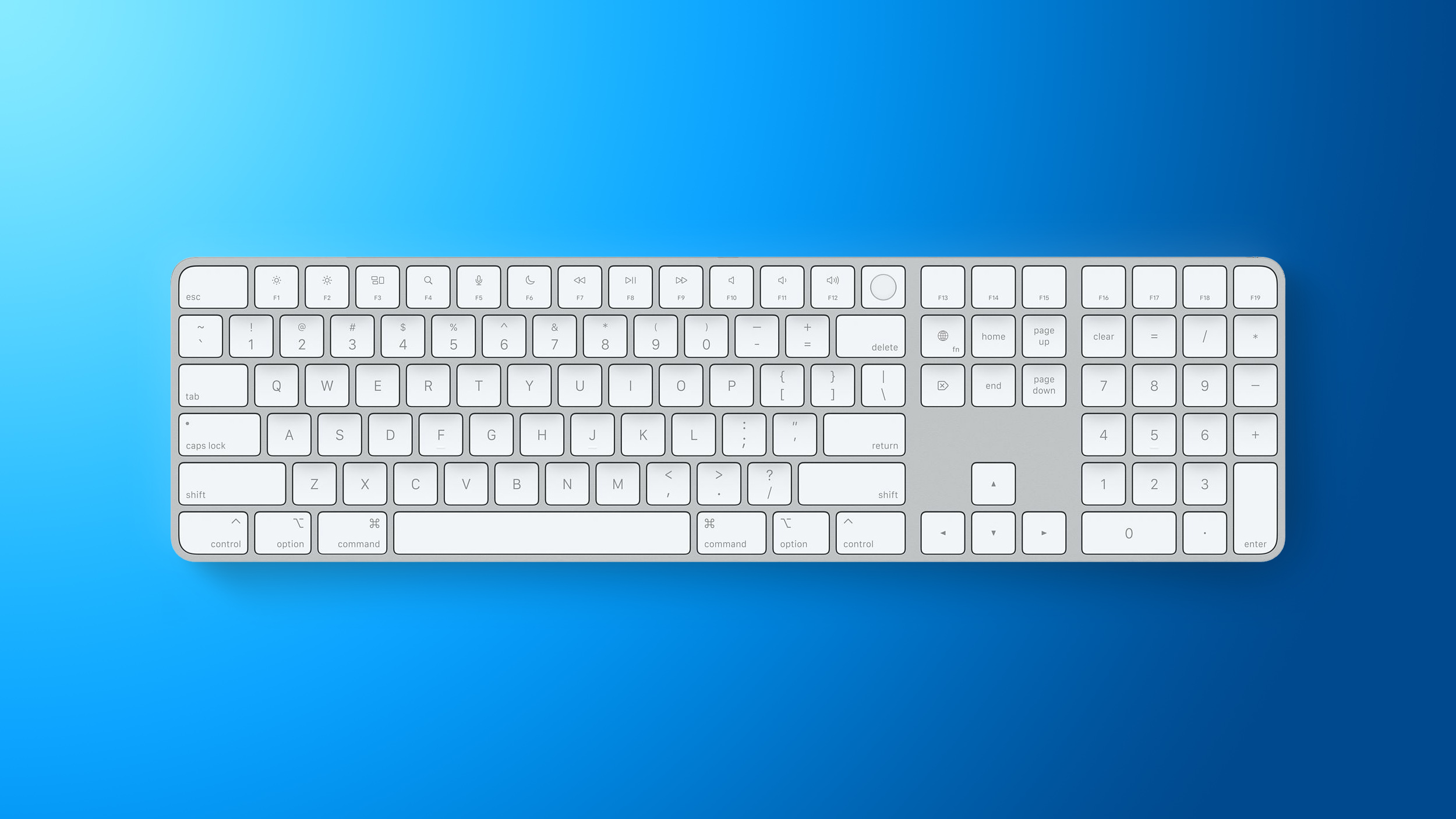
Apple today released updated firmware for several accessories, including the 140W USB-C Power Adapter, the Magic Trackpad 2, the Magic Trackpad USB-C, the Magic Keyboard with Touch ID, and the Magic Keyboard with ‌Touch ID‌ and Numeric Keypad.


There is no word on what's included in the updated firmware at this time, but it could offer performance improvements and security updates. Accessory firmware updates are infrequent. The last update to the Magic Keyboard was over a year ago, for example.

These are the first firmware update Apple has released for the USB-C version of the Magic Trackpad and Magic Keyboard that came out in October 2024. The USB-C Magic Trackpad had firmware version 3.1.1 installed at launch, while the keyboards were running version 3.1.4.

After the update, the USB-C Magic Trackpad and Keyboards should all have firmware version 3.1.9 installed.

Magic Trackpad 2 firmware was version 3.1.1 previously, while the new firmware is version 3.1.8.

The 140W USB-C Power adapter had firmware version 1.4.73, and it's been upgraded to 1.4.84.

Firmware updates for keyboards, power adapters, and trackpads are automatically installed when the accessory is actively paired to a device running iOS, iPadOS, macOS, tvOS, or visionOS.
This article, "Apple Releases New Firmware for 140W USB-C Power Adapter, Magic Keyboard and Magic Trackpad" first appeared on MacRumors.com

Discuss this article in our forums

  •  

Apple Settles With EPA After Hazardous Waste Violations at California Facility

The United States Environmental Protection Agency (EPA) today announced a settlement with Apple over claims of hazardous waste management at a semiconductor facility in Santa Clara, California.


Apple has addressed the hazardous waste management and air emissions issues, and is now in compliance with the Resource Conservation and Recovery Act, according to the EPA.

The EPA investigated Apple's facility after receiving a complaint about it, discovering that Apple had not properly labeled hazardous waste containers or controlled air emissions from a solvent waste tank, among other violations.

Apple fixed the waste management issues and installed a device to control air emissions. Apple is also paying a $261,283 penalty.

The facility is located next to apartment buildings in Santa Clara, and at least one resident complained of falling ill due to the emissions. Earlier this month, Apple spokesperson Sean Redding told SFGATE that Apple is committed to environmental protection. "The issues posed no risks to the environment and were quickly resolved, and we remain deeply committed to protecting the environment everywhere we operate," Redding said.
This article, "Apple Settles With EPA After Hazardous Waste Violations at California Facility" first appeared on MacRumors.com

Discuss this article in our forums

  •  

Apple Releases New Beta Firmware for AirPods Pro 3

Apple today released new beta firmware that's designed for the AirPods Pro 3. The firmware is limited to developers at the current time, and it has a build number of 8B5025a.


The firmware comes as Apple is testing the iOS 26.2 update. iOS 26.2 expands Live Translation for the AirPods to the European Union, so the firmware could be related to that.

There is no word on what's included in the firmware update, however.

With iOS 26, iPadOS 26, and macOS Tahoe, Apple added a beta firmware update installation option that's available from the AirPods settings interface when the AirPods are connected to an iPhone, iPad, or Mac, which facilitates beta testing.

Developers can use the beta option to turn on beta downloads.
This article, "Apple Releases New Beta Firmware for AirPods Pro 3" first appeared on MacRumors.com

Discuss this article in our forums

  •  

New HomePod Mini Coming Soon With These Features

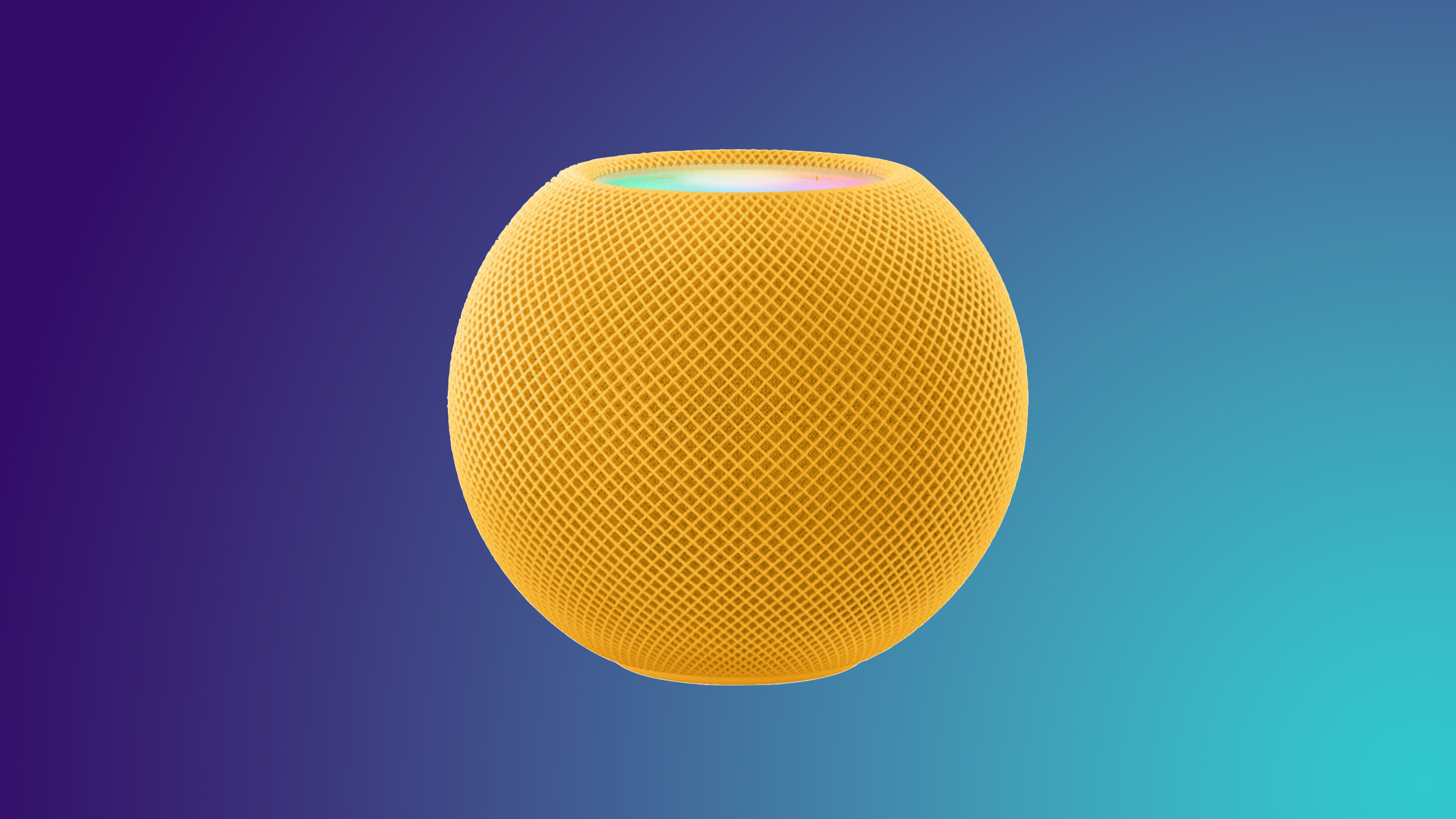
Apple is expected to announce a new HomePod mini imminently, headlining with new chips. Here are all of the new features we're expecting.


The second-generation ‌HomePod mini‌ is highly likely to contain a more up-to-date chip for more advanced computational audio and improved responsiveness. The current ‌HomePod mini‌ is equipped with the Apple Watch Series 5's S5 chip from 2019. Apple is likely to opt for the S9 chip, which was a considerable leap forward in terms of performance, or one of its derivatives such as the S10, which is a more compact iteration of the S9.

The S5 chip in the ‌HomePod mini‌ is derived from Apple's A12 Bionic architecture but runs at lower clock speeds and is tuned for always-on, low-power operation, making it well-suited for tasks like Siri processing and real-time audio tuning. In contrast, the S9 and S10 chips are based on the A13 chip, offering higher CPU and GPU performance, a more advanced Neural Engine, and greater efficiency per watt.

The new ‌HomePod mini‌ will be equipped with the N1 Apple-designed Wi-Fi and Bluetooth chip, according to Bloomberg's Mark Gurman. The chip supports Wi-Fi 6E, which is much faster and has lower latency compared to the current ‌HomePod mini‌'s Wi-Fi 4 connectivity. Wi-Fi 6E extends the capabilities of Wi-Fi 6 to the 6 GHz band, enabling faster wireless speeds and reduced signal interference with a compatible router.

Apple could also bring its second-generation Ultra Wideband chip to the ‌HomePod mini‌ for a more reliable and lower-latency Handoff experience. The chip debuted in 2023's iPhone 15 lineup. If present, the chip should allow far more precise spatial awareness than the current model, allowing it to detect the exact position and orientation of nearby devices within a few centimeters.

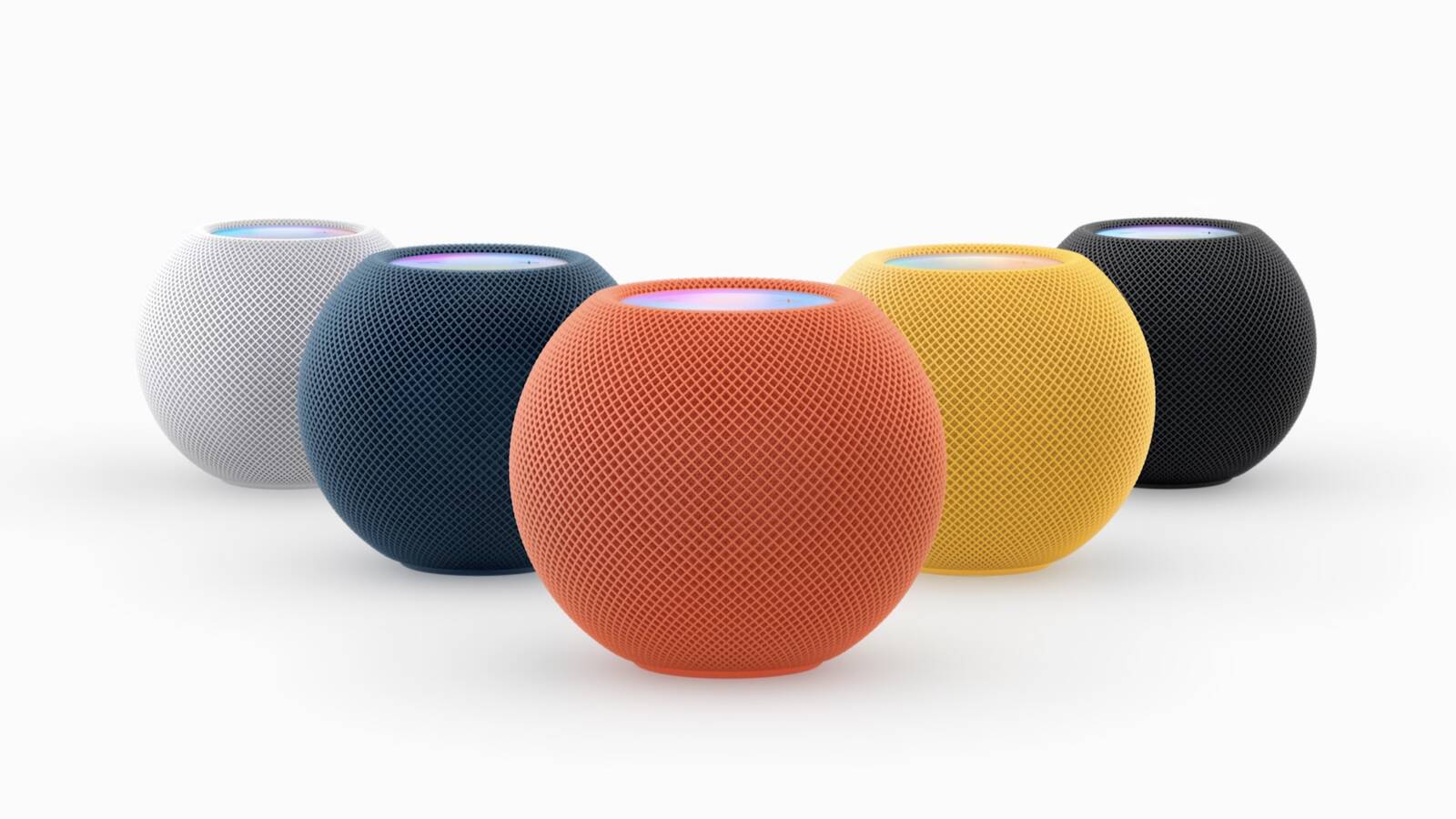
New color options are also highly likely, but specific finishes are not yet known other than red, which was reportedly in testing. The current ‌HomePod mini‌ comes in Blue, Yellow, Midnight, Orange, and White.

Gurman says that, just like the next-generation Apple TV, the new ‌HomePod mini‌ "will be built with Apple's new smart home ecosystem in mind." It is unclear if the next ‌HomePod mini‌ will have ‌Siri‌ improvements. Unlike Apple's long-rumored smart home hub product, the new ‌HomePod mini‌ is not expected to get Apple Intelligence support.

Recently, Apple retailer B&H started listing all ‌HomePod mini‌ models as discontinued. Some other retailers are also listing the ‌HomePod mini‌ as out of stock or on backorder, which suggests that a refresh is set to take place soon. Gurman believes that a new ‌HomePod mini‌ "shouldn't be far off" amid tightening inventory and planned Apple Store refreshes.
This article, "New HomePod Mini Coming Soon With These Features" first appeared on MacRumors.com

Discuss this article in our forums

  •  

Happy 24th Anniversary, iPod

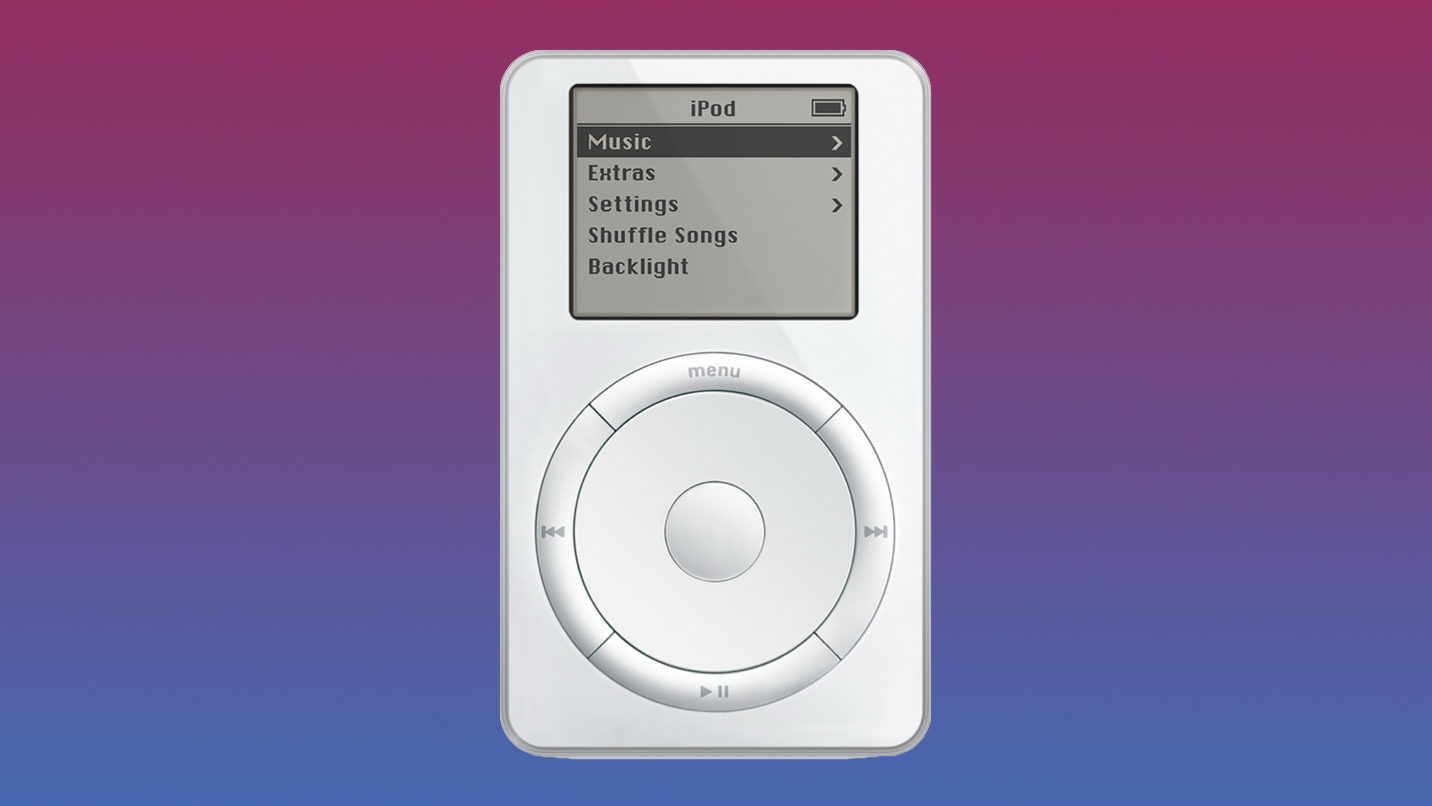
The first-generation iPod came out on November 10, 2001, making today the 24th anniversary of the device's launch. Apple announced it in late October, but November 10 was the first day customers were able to get their hands on it.


Even way back in 2001, there were leaks and fake leaks before the iPod launched. In one rumor article, Apple's upcoming device was dubbed the "iWalk" and described as a PDA with a high-color TFT-screen with handwriting recognition, which did not prove to be true. CNET suggested that it was too sophisticated to be an MP3 player, and was instead a component for a home digital stereo system, while a German website said it was "like a standalone CD-writer" that looks like "a Hifi component." The site did accurately predict that it would make it possible to "have all the music in the house stored on one place," but described it as a sort of AirPlay-enabled speaker.

More reliable rumors accurately pegged it as a digital music device able to sync with a computer, and in the days leading up to the launch, the iPod name leaked. Even with the info that came out, much of the iPod's introduction was a surprise because 2001 leaks were much less detailed than 2025 leaks.

Some MacRumors readers lined up to buy one on launch day, kicking off a tradition of long lines at Apple Stores that continued well into the iPhone launch days. As with any Apple product launch, there were some mixed reactions to the iPod, and of course a slew of early complaints. Here's what the forums had to say:

There were plenty of MacRumors readers thrilled with the iPod, and as we well know, it was a wildly popular device that spurred several subsequent models and eventually led to the launch of the ‌iPhone‌.

It was impressive to be able to have a 5GB FireWire drive in your pocket at the time, and iPod owners used it as a hard drive for file transfers. MP3 players existed, but nothing with the storage capacity and design of the iPod.

With the ‌iPhone‌ that does everything an iPod does, there's no longer a need for the iPod. The very last iPod was the iPod touch, which Apple updated sporadically and then didn't touch after 2019. It was officially discontinued in 2022, marking the end of the iPod line. Apple almost never announces when a product has been discontinued, but the iPod was an exception given its history.

In a statement, Apple's marketing chief Greg Joswiak said that the "Spirit of the iPod lives on" across all of the company's products, from the ‌iPhone‌ to Apple Watch to HomePod.

The iPod will celebrate its 25th anniversary next year. Apple has revived old products in the past, but people have little use for a music-only device in 2025. Apple is, however, working on a home hub that can play music, run apps, and control smart home products, and it's described as a small, square device with a display. It's possible Apple could reference the iPod when unveiling the device, or even borrow a part of its name like it did when naming the ‌HomePod‌.
This article, "Happy 24th Anniversary, iPod" first appeared on MacRumors.com

Discuss this article in our forums

  •  

B&H Lists HomePod Mini as Discontinued Amid Refresh Rumors

Apple product retailer B&H is listing all HomePod mini models as discontinued, and no longer offering them for sale. Some other retailers are also listing the HomePod mini as out of stock or on backorder, which suggests that an update isn't too far off.


Adorama lists the ‌HomePod mini‌ as backordered, and select colors are out of stock at Target. Walmart doesn't have any stock that's not from resellers, Staples has no HomePod minis available online, and at least one color is sold out from Verizon. The Midnight color option is unavailable for shipping from Best Buy, though other colors are in stock. Apple is still selling all colors of the speaker, with options available for both immediate shipping and pick up.

Apple is rumored to be working on a new version of the ‌HomePod mini‌, and Bloomberg said it could come as soon as this month. It's possible that the waning stock at third-party retailers is a sign that we'll get a new version of the ‌HomePod mini‌ before the end of 2025.

Apple held an event in September and did a series of product releases in October, casting some doubt that a new model is still on the immediate horizon.

The next ‌HomePod mini‌ is expected to have an upgraded S-series chip inside and Apple's N1 networking chip, but there are no design changes rumored except for refreshed color options.
This article, "B&H Lists HomePod Mini as Discontinued Amid Refresh Rumors" first appeared on MacRumors.com

Discuss this article in our forums

  •  

In-Depth iPhone Battery Experiment Pits Slow Charging Against Fast Charging

HTX Studio this week shared the results from a six-month battery test that compared how fast charging and slow charging can affect battery life over time.


Using six iPhone 12 models, the channel set up a system to drain the batteries from five percent and charge them to 100 percent over and over again. Three were fast charged, and three were slow charged.

Another set of iPhones underwent the same test, but with charging initiated at 30 percent and stopped at 80 percent, so the iPhones were always in that range.

Prior to the experiment, the capacity for each phone was tested, and after 500 cycles, the capacity was tested again. The results suggest there is minimal additional battery drain from fast charging, but keeping an ‌iPhone‌ between 30 and 80 percent charge could be minimally beneficial.

HTX Studio concluded that the best way to charge an ‌iPhone‌ is "however you like," without overthinking it and trading mental energy for a tiny bit of battery life. The same video also includes Android tests, and is well worth watching in full for those curious about the effects of fast charging.
This article, "In-Depth iPhone Battery Experiment Pits Slow Charging Against Fast Charging" first appeared on MacRumors.com

Discuss this article in our forums

  •  

Ecovacs Deebot X11 Omnicyclone Review: HomeKit Robot Vacuum With Bagless Design and Fast Charging

Ecovacs recently came out with its newest robot vacuum, the Deebot X11 Omnicyclone. Like the last couple of models, this new vacuum has Matter integration and it's able to connect to HomeKit so it can be sent off to clean the floor with Siri voice commands.

Design


The X11 is the same size as the prior-generation X9, coming in at 3.86 inches tall. I've tested several robot vacuums now, and that's on the thinner side. It can get under almost all of my furniture, including my stove, to vacuum in areas that are often untouched.

Height is the most important metric when it comes to robot vacuums, but if you have a lot of tightly spaced furniture, you also need to consider width. The X11 is about 13.8 inches across, and it could be too large for smaller apartments.
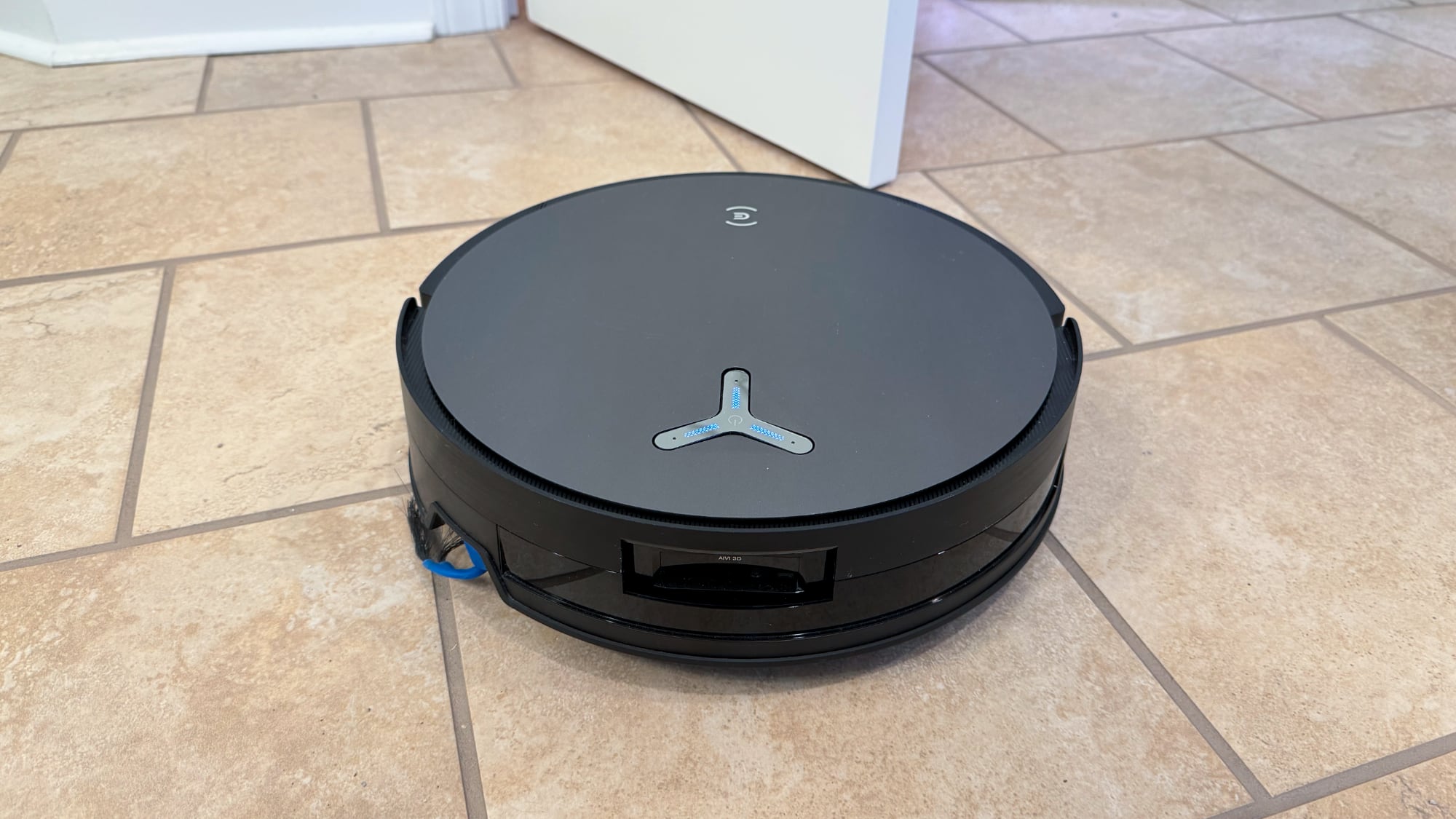

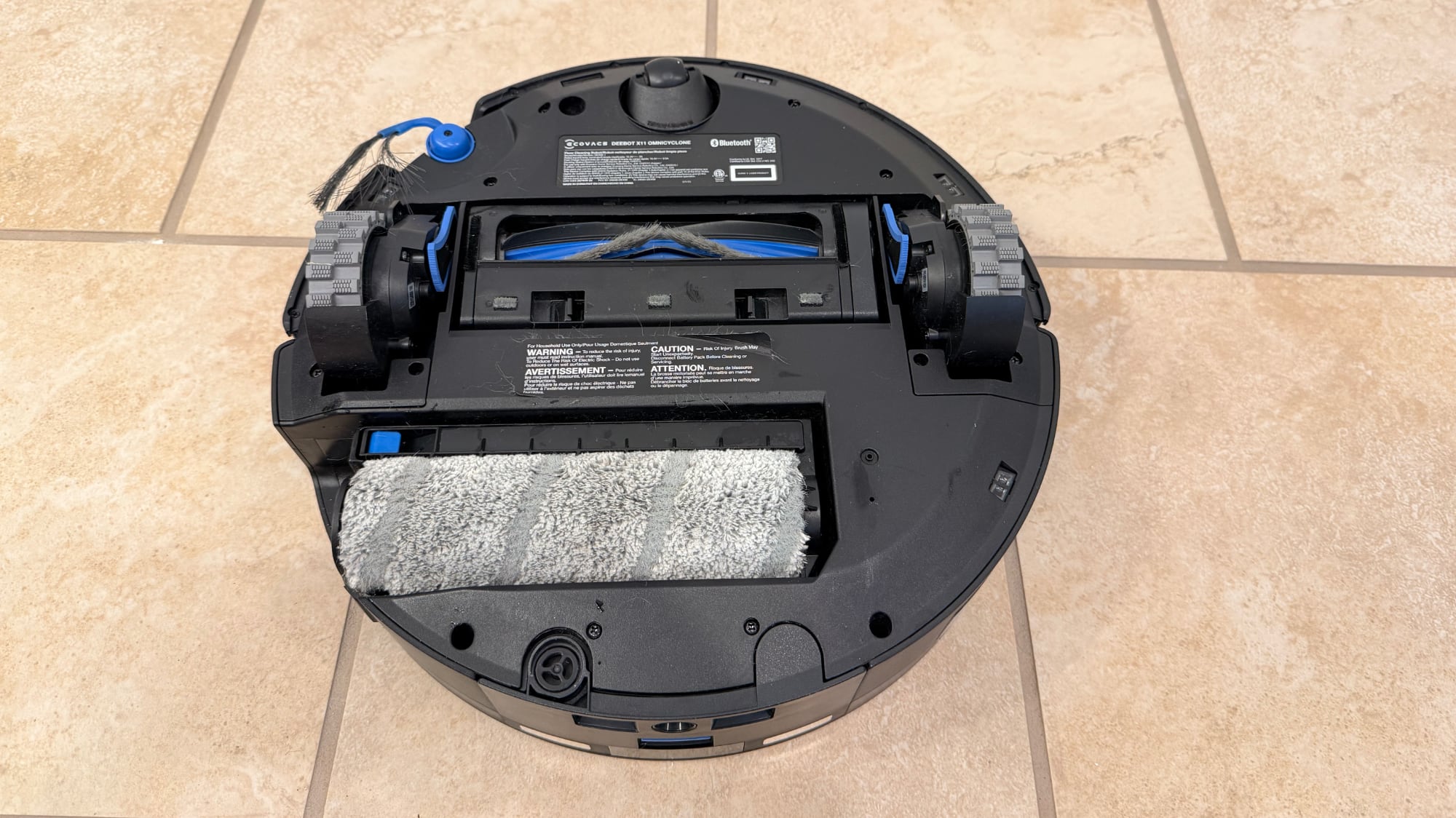
Underneath the vacuum, there's a roller bar, a mop, a brush that gets into nooks and crannies along baseboards, a canister for dust and debris, and internal areas for clean and dirty water for mop washing and cleaning. You can access the dust canister by removing the top plate of the robot and undoing the latch.

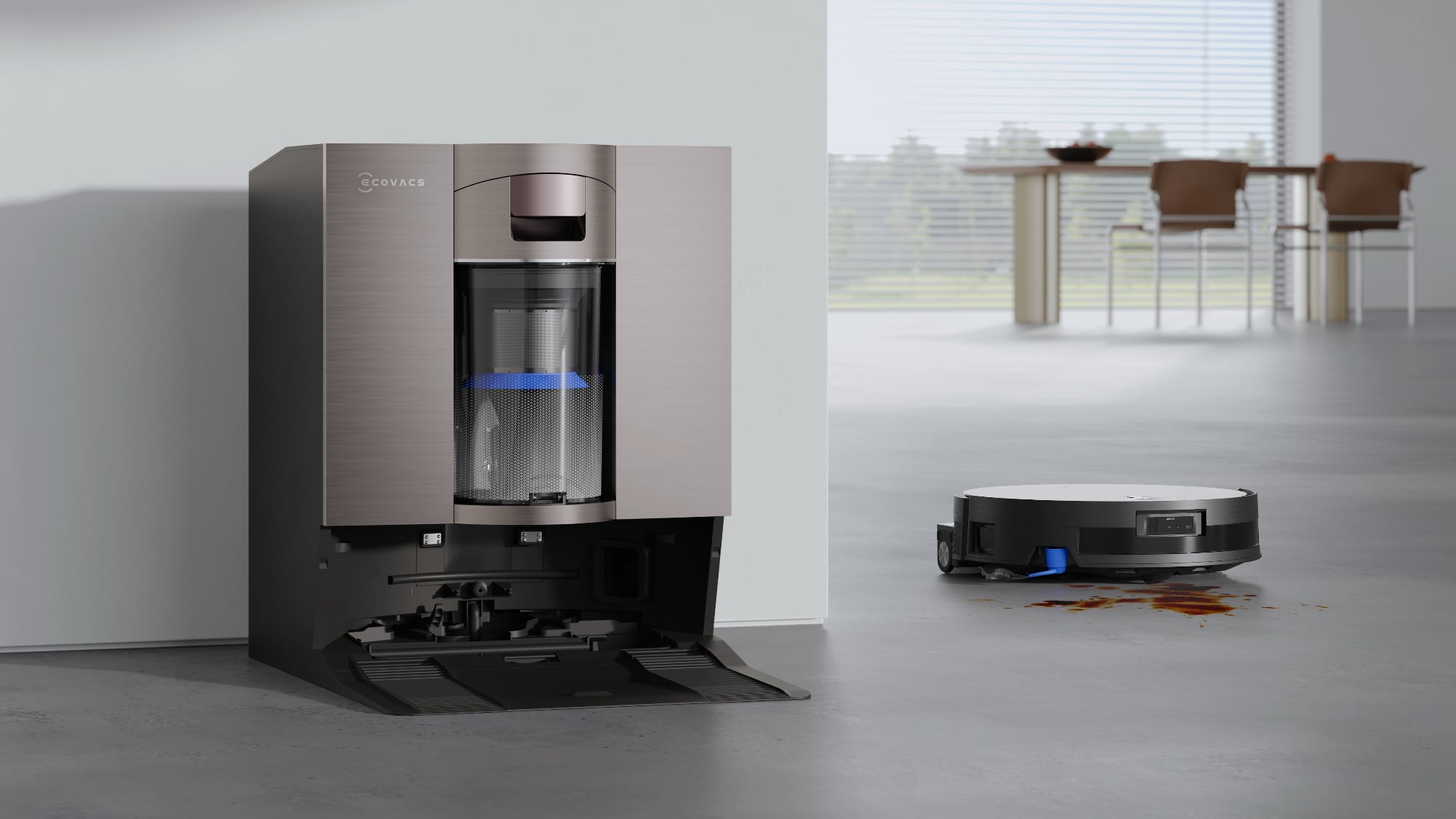
Exterior vacuum design didn't change much between the X9 and the X11, but the X11's base station is entirely different. It's significantly larger than before because it includes a reusable canister for dust instead of a bag.

The canister is why the X11 has its "Omnicyclone" name. It reminds me of a Dyson-style vacuum canister, and it's built right into the middle of the base station. You can pop it out and empty it into the trash, then stick it right back in. Large chunks of debris can get stuck, so as with a Dyson, the canister can need cleaning at times. There is no need to buy bags with the X11, which does make it stand out from other robot vacuums on the market.
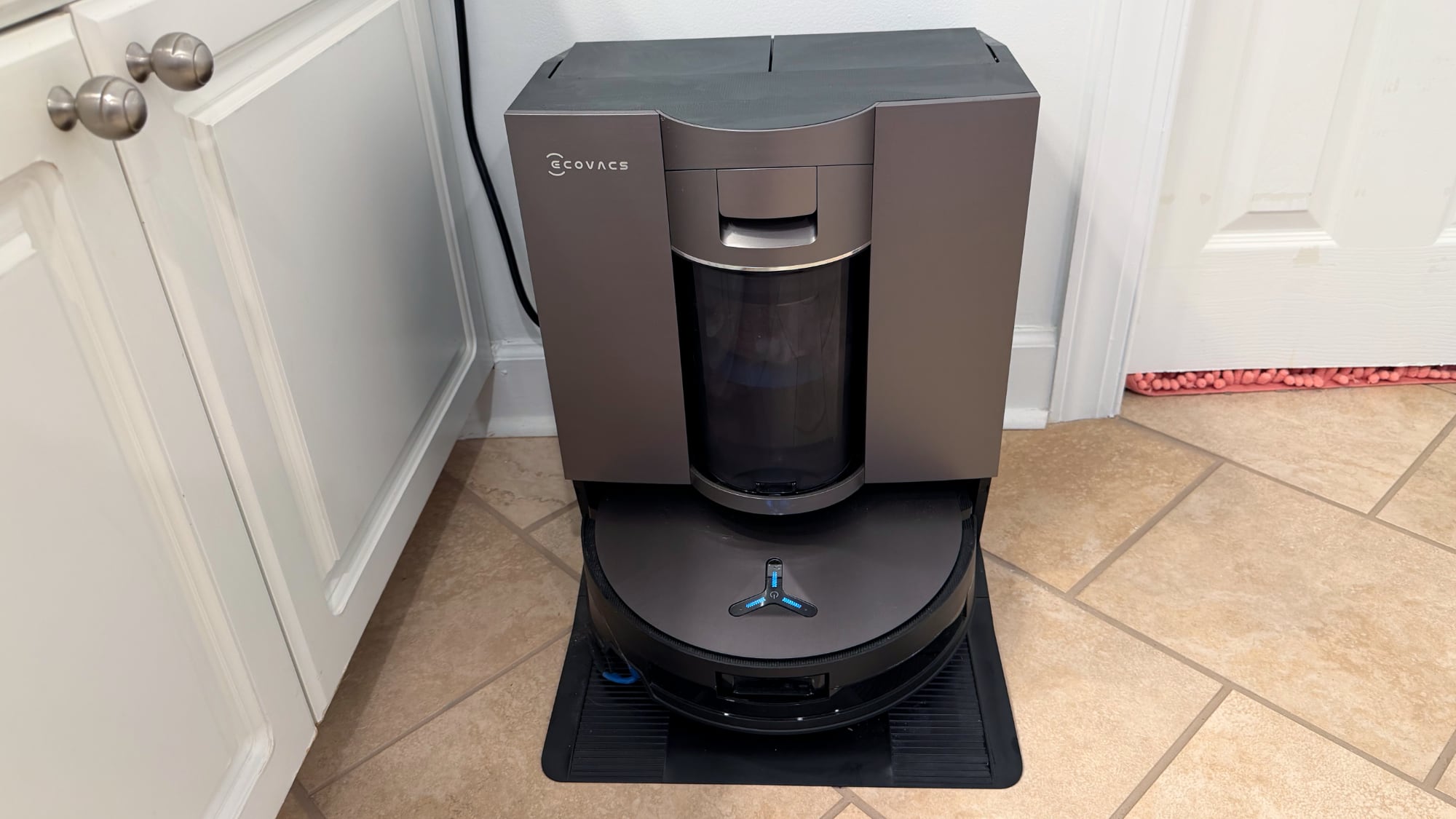

Along with the vacuum canister, the base station houses a 2.7-liter dirty water tank and a 3.2-liter clean water tank. The water tanks are larger than the tanks in the X9, which means less maintenance. I fill the clean water tank less, and I try to remember to empty the dirty water tank regularly because it can get smelly if it sits.
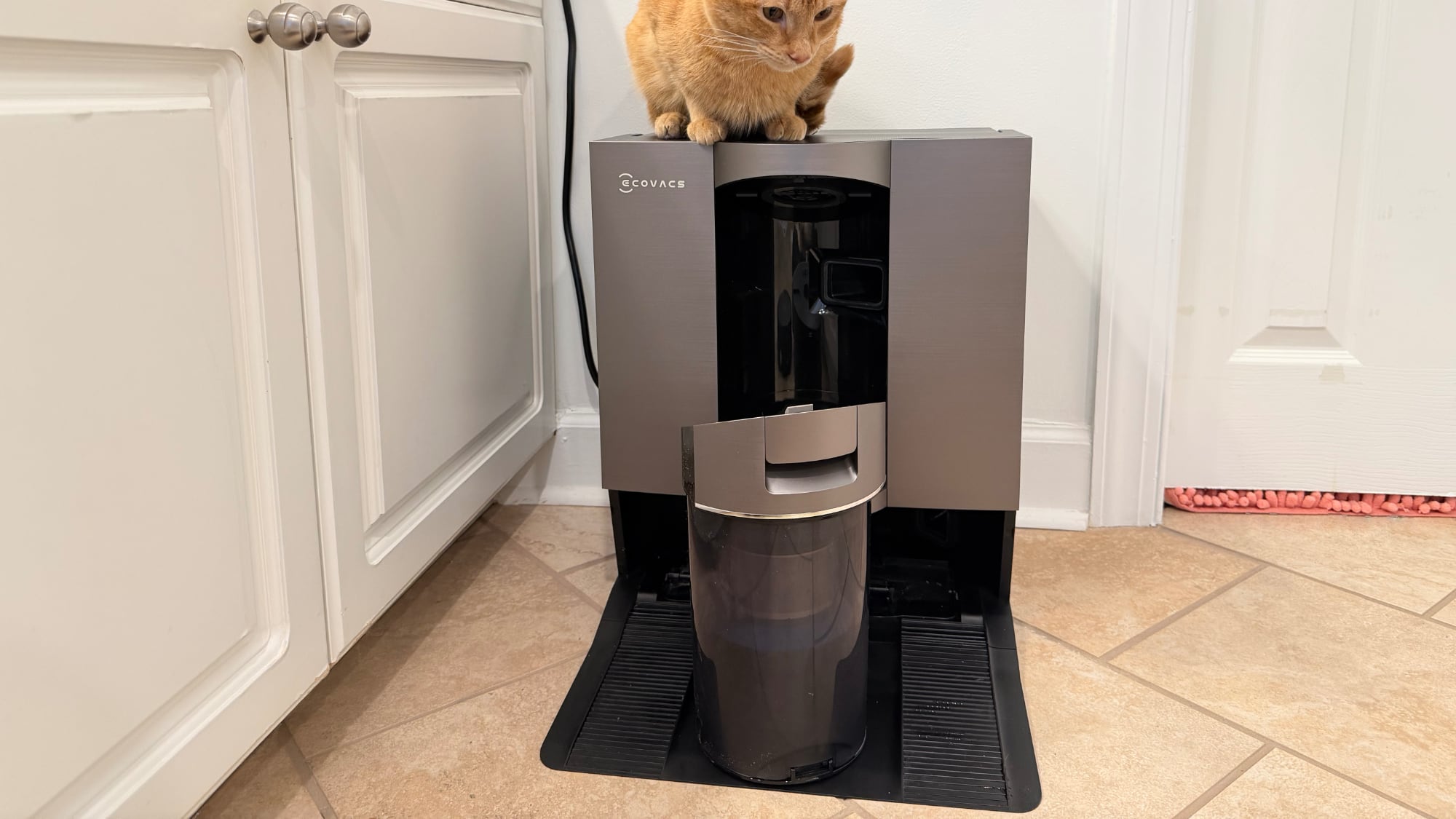

Inside the base station, there's a spot to add cleaning fluid. The X11 supports two kinds of cleaning fluid, one for standard cleaning and one for deep cleaning. Two cleaning fluid options are more expensive and more of a hassle, so I'm not a fan of the dual cleaning. Ecovacs recommends that you use Ecovacs cleaning fluid, and it sells the two variants.

Setup and Maintenance


Setting up the X11 is straightforward enough that anyone can do it. There's a single-page startup guide that has easy instructions on putting the base station components together, then it's just a matter of filling the water tank, downloading the app, turning on the robot, and following the app steps for pairing.

The X11 is simple enough that someone not technologically inclined could operate it, but the number of app settings and complicated features like voice activation could be confusing. None of those features are required, and it can clean on default settings, but if you have older parents who struggle with electronics and buy this (or any robot vacuum) for them, you're going to get calls for troubleshooting.

There is maintenance to take care of, like occasionally replacing the rollers and brush with parts purchased from Ecovacs. The site sells a bundle that includes a new roller brush, three filters and two side brushes for $60, and a new roller mop is $35.

Vacuuming


The X11 has the strongest suction of any robot vacuum that I've tried. It is excellent at picking up pet hair, dust, and debris on my hardwood and tile floors. I started tossing a handful or two of dirt on the floor to see how much robot vacuums can clean up, and the X11 got almost all of it in the first pass.

Robot vacuums are meant to clean regularly rather than deeply, which is why it's not an ideal test, but it does give me a clear metric to compare by.


According to Ecovacs, the X11 has 19,000 Pa suction and it uses the same Blast system (multi-stage suction and airflow) from prior Ecovacs robots. It's more suction than the X9, which I already thought worked well, and more suction than the Roborock vacuum I use regularly. If you have hard floors and pets or kids, it's good at getting up even trace amounts of pet hair, and it doesn't miss crumbs in the kitchen.

There's a side brush for sweeping along baseboards and in corners, and it's able to get most dirt and fur up. You'll want to manually vacuum in corners every so often, but it's not a situation where the X11 is vacuuming the main area of a room and pushing dust to the sides. It is able to use the added side brush and the improved suction to do a passable job keeping hard to reach areas clean.

Ecovacs' robots have a ZeroTangle brush, and it works. I have long hair, my partner has long hair, and we have two cats. I haven't seen the brush get tangled up with hair, and I've never had to fuss with it.
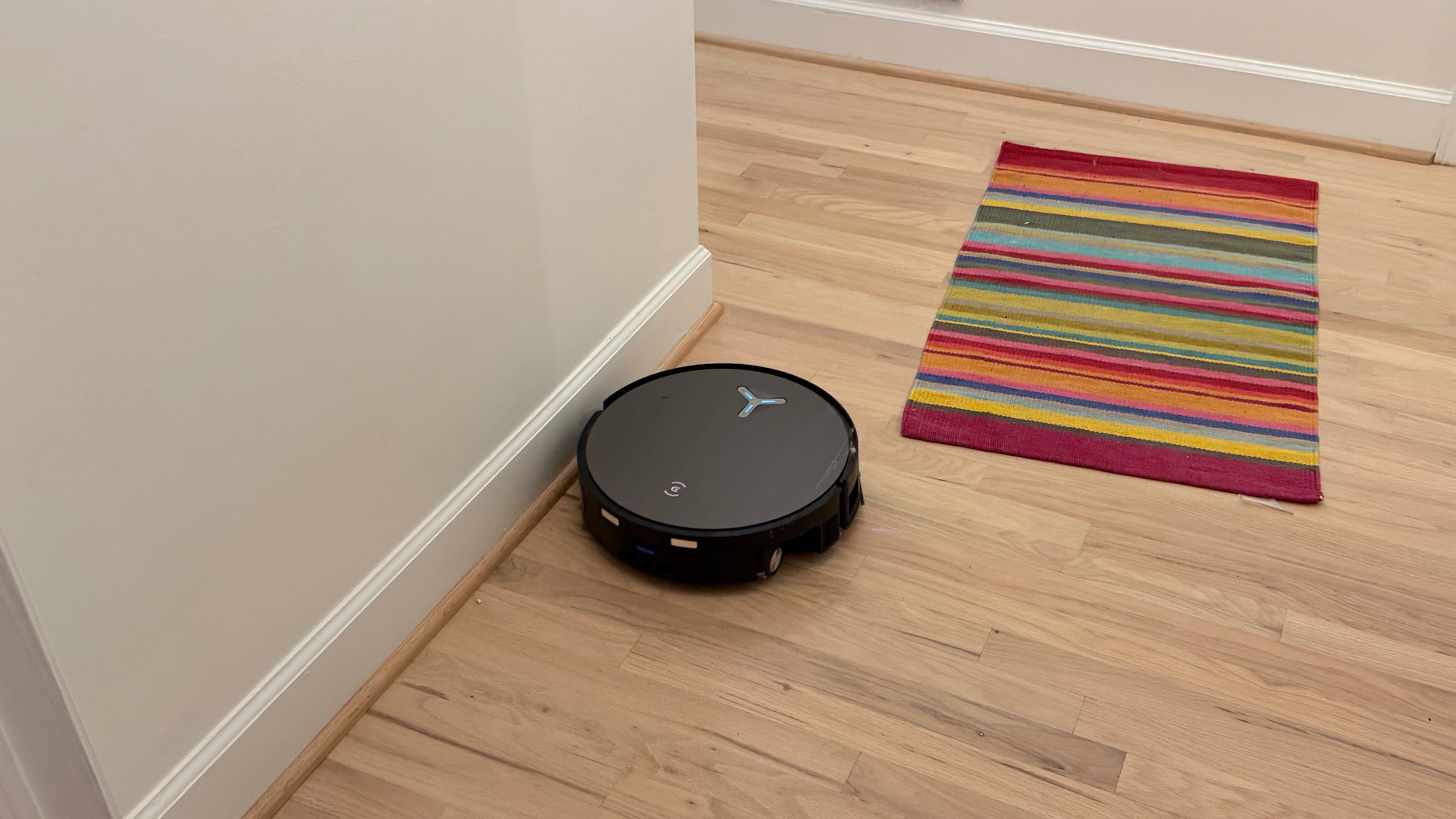

The X11 is able to get over higher thresholds than prior Ecovacs robots, so if you have a tall threshold that other robots can't handle, the X11 might be able to navigate it. It can go over thresholds as high as 2.4cm (0.95 inches). It can get into a bathroom that has a higher than average threshold, but another room with a baby gate has a threshold too high for it to overcome. I definitely notice a difference between the X11 and the older X9 when it comes to threshold navigation.

Despite stronger suction, the X11 isn't louder than prior models, measuring in at around 62 dBA in tests. I wouldn't want to sleep while the X11 is running, but I can work while it's on if I put in my AirPods Pro to block out the noise. Emptying the vacuum into the canister at the base station is the loudest action that it performs (close to 80 dBA), so keep that in mind when positioning the base station.

The X11 is one of the quieter robot vacuums that I've tried in terms of straight vacuuming and operation sound, and it has a mode that makes it even quieter. Turning down the suction level will also help.

Mopping


Like Ecovacs' prior-generation high-end robots, the X11 has a roller mop rather than two rotating mopping pads. I am a fan of this design because it continually removes dirty water, so it's washing the floor with clean water.
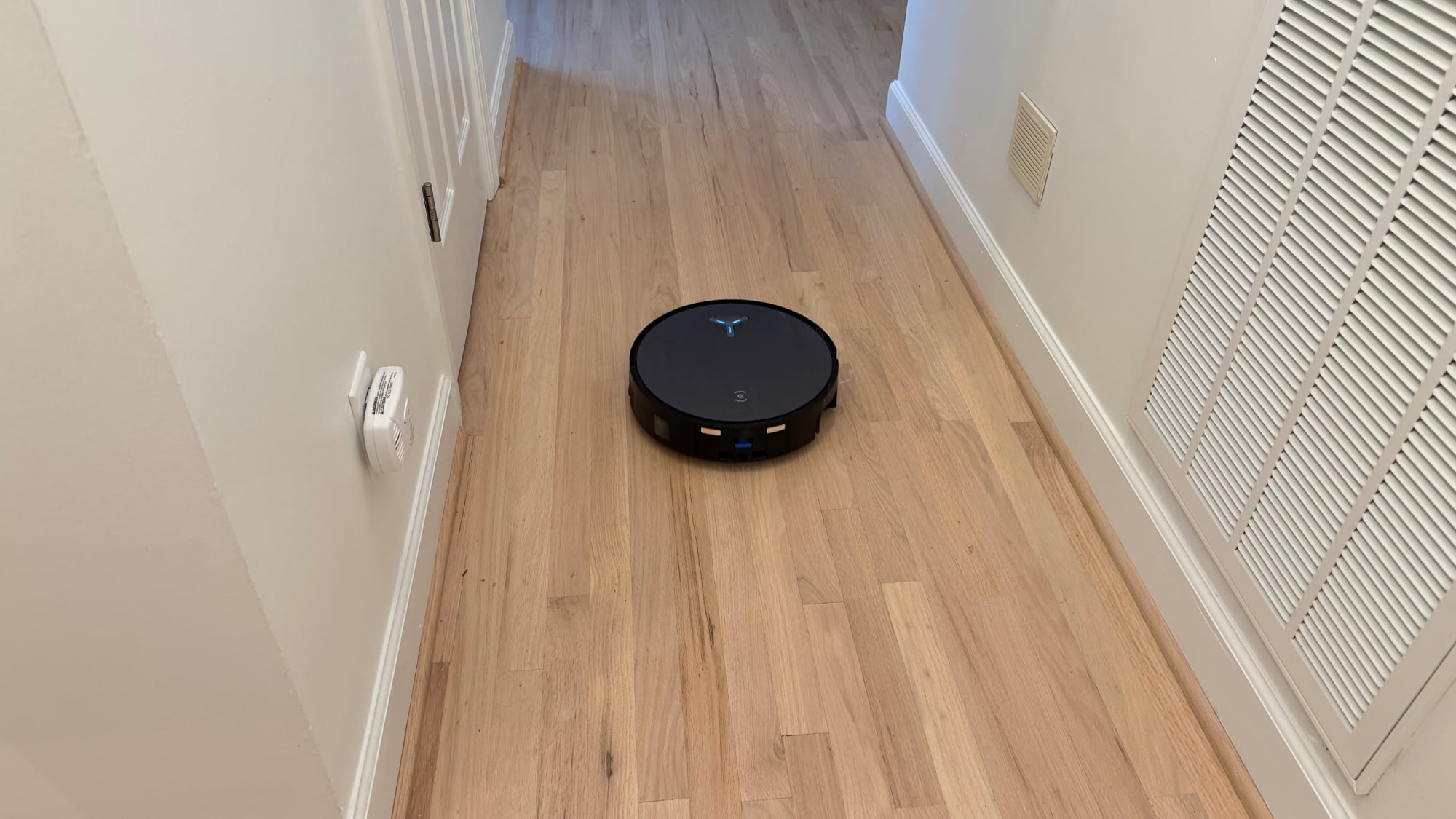

It sprays water onto the mop, cleans the floor, and squeezes the dirty water into a collection tank before starting the process over again. With this version, the roller extends out further, so it can get into corners. It's also supposed to have stain-detecting AI to go over a dirty area again, and I've seen this work as long as certain AI cleaning modes are enabled.

With wet stains, the X11 can get a mess in one go. A squirt of ketchup on the floor, for example, gets wiped up with a single cleaning. With dried-on stains, it can take a few passes. I tested dried ketchup, and needed to have the robot go over it three times to get every speck up. Anecdotally, the X11 seems to be better at getting up things like dried up cat food in fewer passes than prior Ecovacs robots.

Every so often, the X11 returns to the base station to wash the mop with hot water, and when a cleaning is finished, it's dried with hot air.

I wouldn't expect any robot vacuum to get a floor entirely spotless in one cleaning, but weekly cleanings paired with daily cleanings in specific areas like the kitchen keep the floors clean.

Time


Cleaning 2,000 square feet takes the X11 approximately five hours on the standard setting with one pass, though that can vary depending on the number of passes that it's instructed to make when mopping, how often it empties the vacuum and washes the mop, and how far it is from the base station. That time is fairly standard for the robot vacuums that I've tested, though some will take longer because of long periods for charging.

I find it useful to set up scheduled cleanings with the Ecovacs app or the Home app. I schedule the X11 to clean one area of the house per day, which keeps the floor clean but doesn't subject me to listening to a vacuum run for hours on end. It can be set to clean after meal times or more frequently just in high traffic areas, which is helpful.

Navigation and AI


When you set up the X11 for the first time, it maps each room in your house prior to cleaning. You can see the map as it goes, and it's clear that the lidar sensor at the front works well. It made a perfect map of my house, though unlike some other robot vacuums, it doesn't detect furniture and add those items to the map automatically, nor is it great at labeling rooms.

It can detect some thresholds, but it's best to go in and edit the map to make changes. My house has an open-concept main area, and it wasn't able to distinguish between the kitchen, dining room, and living room, and it also merged one bedroom with those areas. In my office, it wasn't able to tell the bathroom from the main office area, I suppose because it didn't detect the door.


The X11 is good at obstacle avoidance, using a camera-based sensor system for object detection. It hasn't run directly into anything, and it is better at not getting trapped by furniture. It knows where walls are, where furniture legs are, and it can detect and avoid items on the floor like cables, socks, pets, and more. It doesn't see smaller items like LEGO bricks, and it can suck those up.

Some vacuums will label the in-app map with items that have been detected so you can go in and tell them whether to avoid that item in the future. The X11's object detection is more behind-the-scenes, so I don't get a readout of what it's avoiding.

It's good at navigating the house, though I did see it get inexplicably lost one time. It might have been that the hallway was too dark, but it couldn't find its way back to the dock in another room.

The AI in the X11 is more transparent than in prior models, and I can better keep track of what the robot is doing, why it's doing it, where it's cleaned, where it hasn't cleaned, and where access was blocked by a closed door or another obstacle.

Rugs


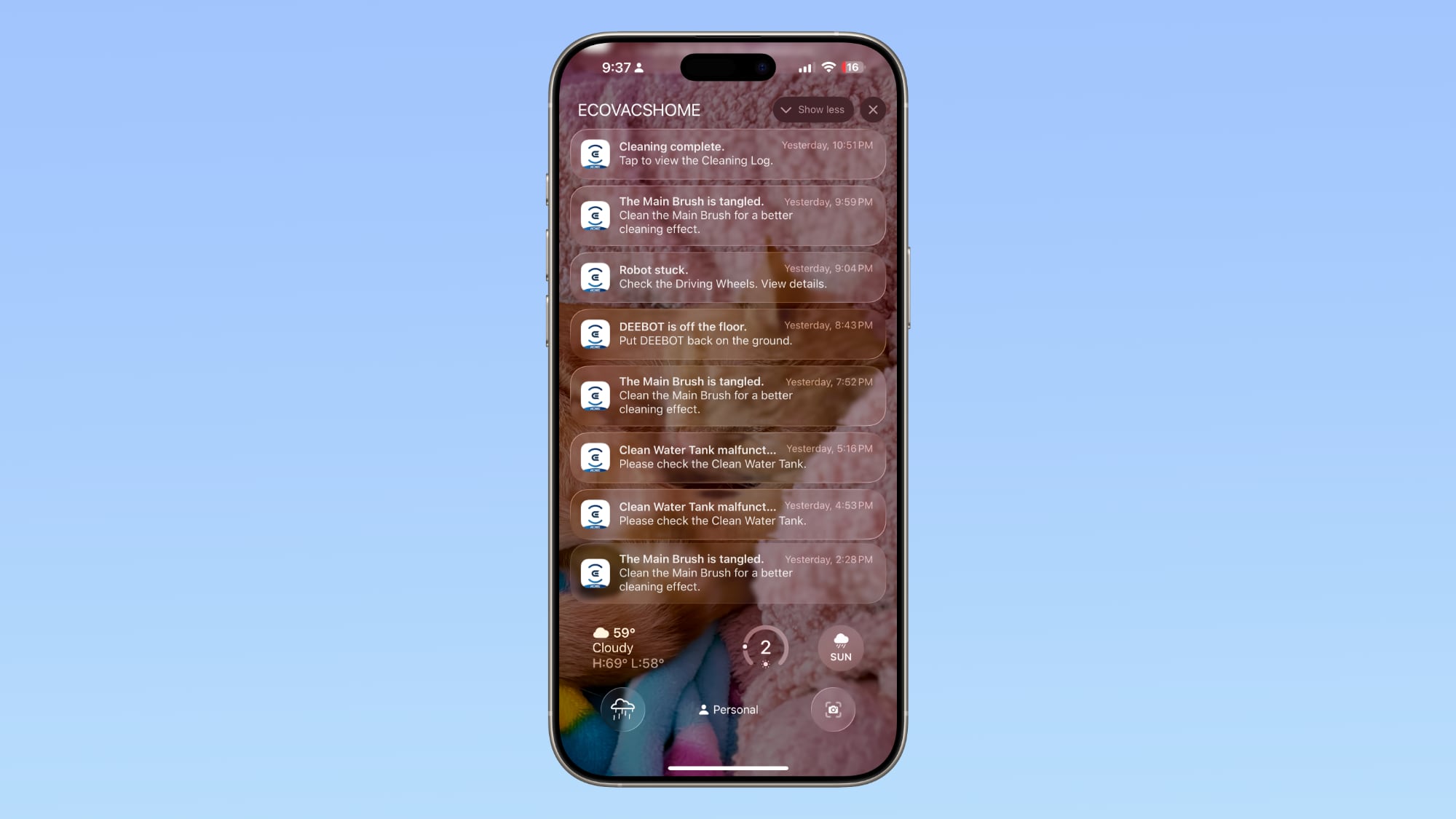
I've been frustrated with the way the Ecovacs robots handle small rugs, and there's no change with the X11 Omnicyclone. It regularly gets trapped on the rugs in bathrooms and thin, soft-backed rugs on my wood floors that don't have grip. It also cannot handle tassels. By "trapped," I mean that the roller vacuum sucks up the rug and can't release it, so I'm forced to go pull it out and set the vacuum to continue cleaning.
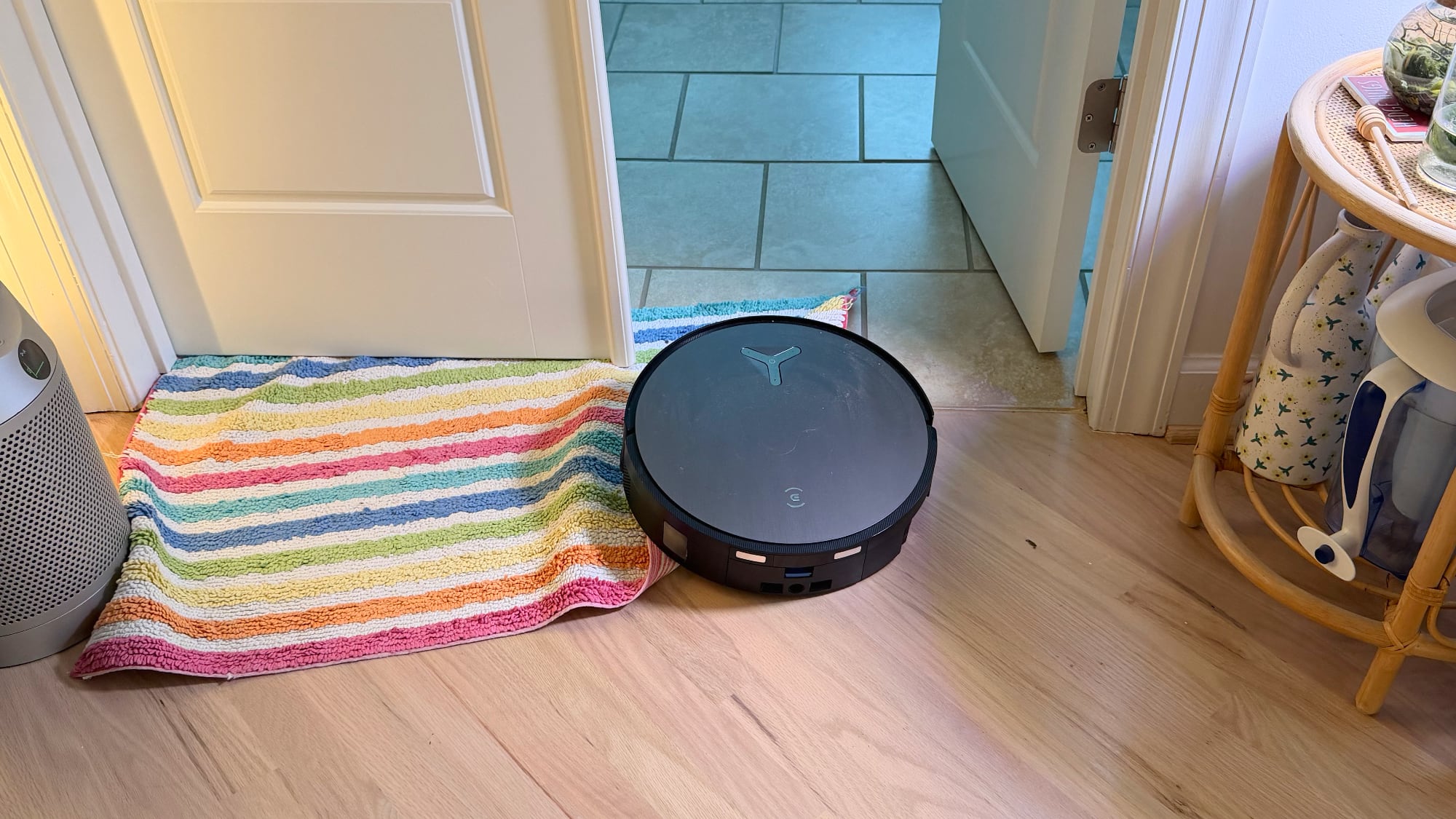

To be fair, Ecovacs does recommend picking up smaller rugs and tucking tassels away underneath the rug to avoid these issues, but that's a hassle. It's annoying to have to fix the vacuum when it sucks up a rug, and it's annoying to have to take the time to move everything out of the way every time it's running. Having to regularly move rugs makes it more difficult to automate and schedule cleanings.

With bigger, thicker rugs anchored by furniture, the X11 works with no issue. I have one rug that sheds like crazy even two years after I bought it. Sometimes the X11 will leave behind a big ball of rug fuzz, but all of my vacuums do that. My Dyson can't even clean that rug without getting clogged.

There is another rug in my laundry room that is an absolute dirt and lint magnet, and the X11 can get every speck of dust off of it. I'm satisfied with how well it cleans rugs, but it needs to be better about not getting stuck.

Battery


The X11 has a fast-charging feature where the robot can go back to the base station and quick charge for about 10 minutes. For a large home, this means that there's no multi-hour pause in cleaning.
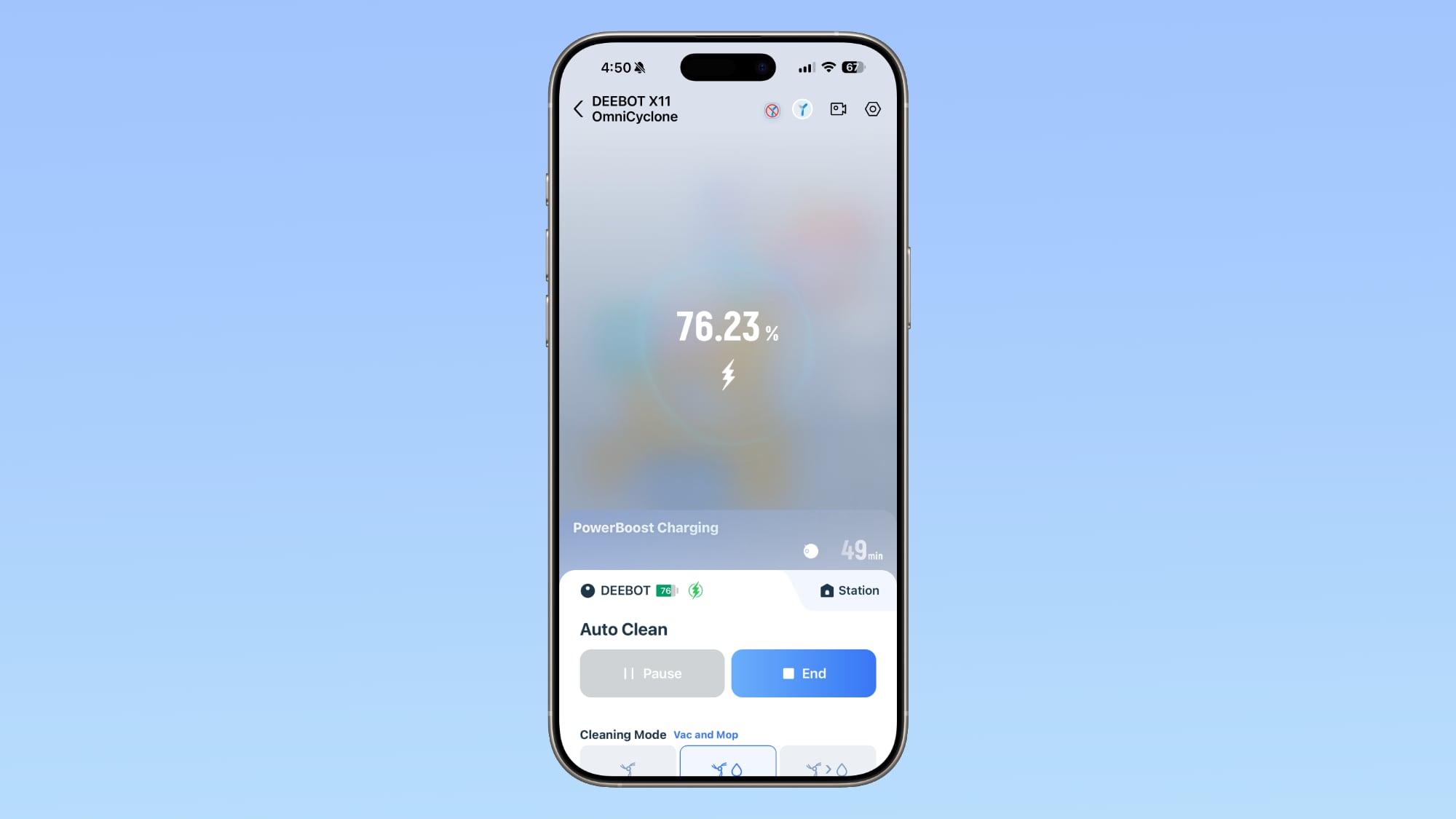

With prior Ecovacs robots, there would be a long break for charging in the middle of a cleaning. With the X11, it cleaned for six hours straight with only brief stops to quick charge.

Ecovacs recommends the fast charge system for homes that are over 2,000 square feet, and there is an option to turn it off for smaller homes. Faster charging works well, and it sets the X11 apart from other vacuums. If you have a large home, it's a reason to consider this model over other options.

Ecovacs App


Even if you're planning to use the X11 with the Home app and through ‌Siri‌ voice commands, you need the Ecovacs app. It's the only place to manage the many, many settings that are available for the vacuum, and it houses the map the robot uses for navigation.
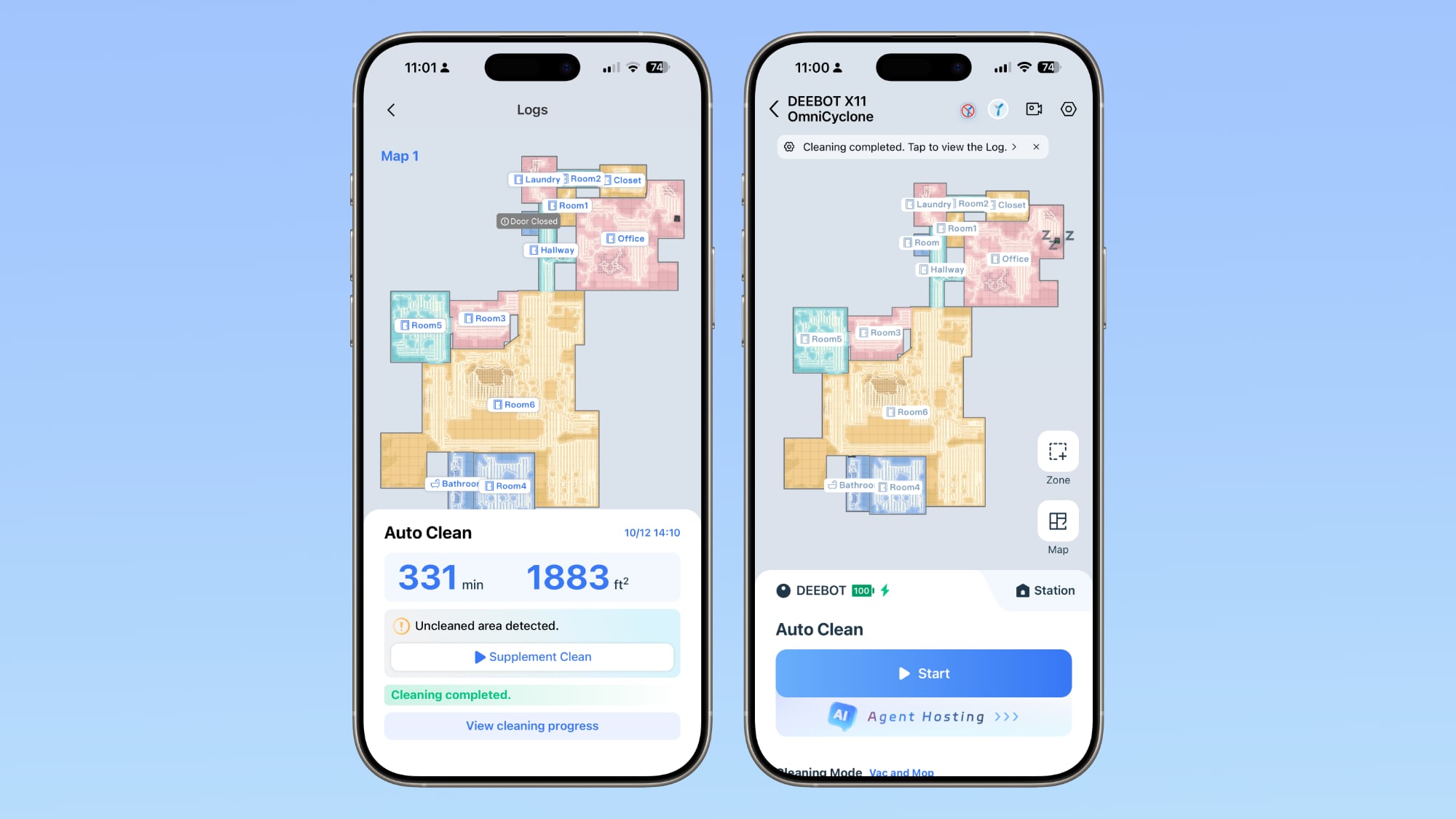

There are settings to adjust the vacuum suction, mopping water level, noise, and set up different types of cleaning such as after-meal cleaning, daily cleaning, and deep cleaning. You can set up custom scenarios for future one-touch cleanings, customize charging and station settings, adjust settings for carpet, view cleaning logs, and more. There's more than I can go over in a review, but if you get an Ecovacs robot, expect to spend a half-hour or so going through the options selecting your preferred parameters.

The X11 has an AI cleaning mode that incorporates cleaning history and preferences that you set. You can customize it with natural language commands, and it's meant to learn over time. It's new to this model, and it wasn't a feature that was available in prior Ecovacs robots I've reviewed.

The AI mode is listed in the app as "Agent Hosting," and you can tap on it instead of "Start" when beginning a cleaning. The AI will analyze your prior cleaning, take into account your app settings and preferences you've provided, and then adjust its settings on its own to clean the house.
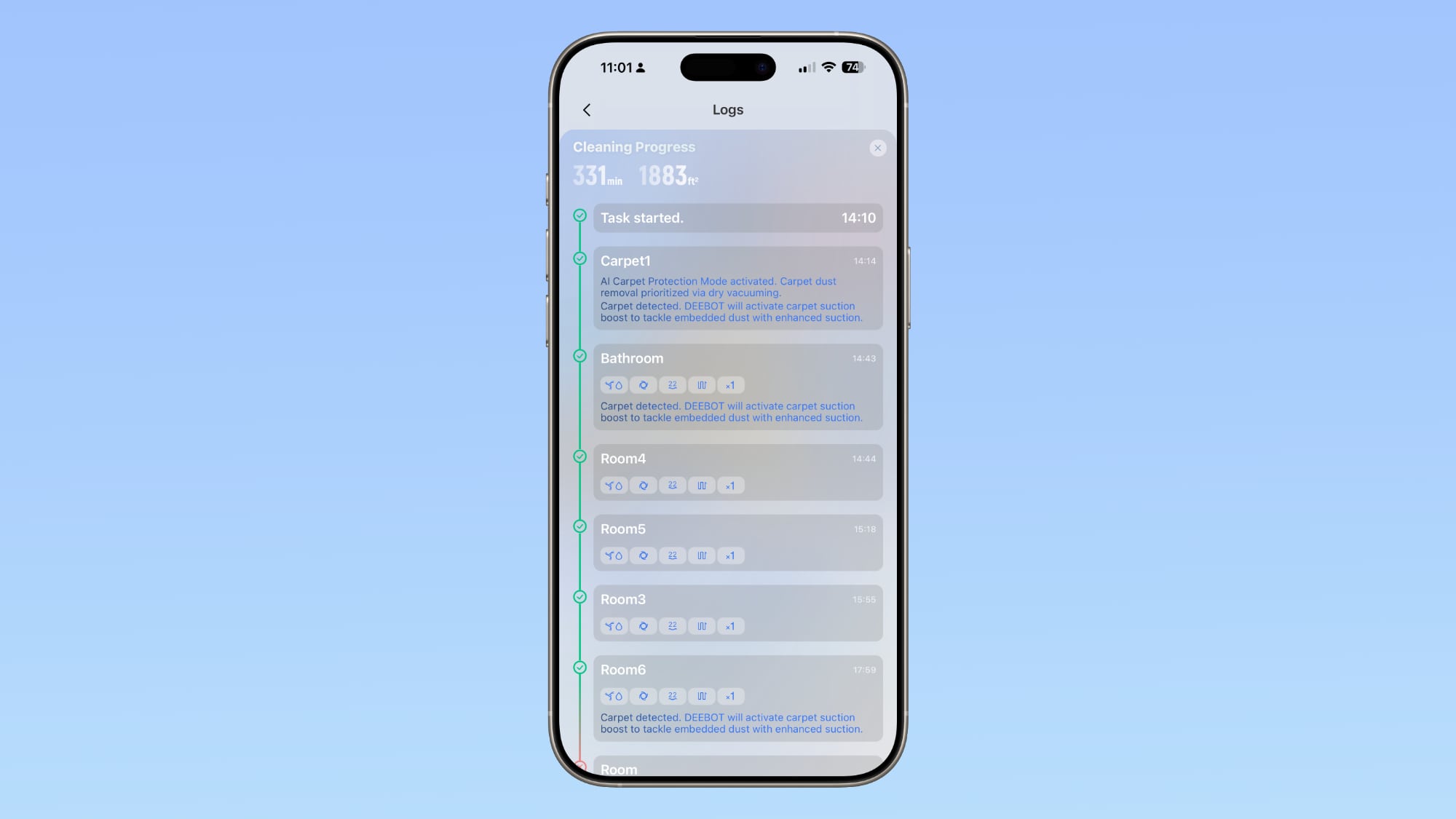

I've had mixed results with it, but I'm still working on customization. The first time I used it, it determined that the living room hadn't been cleaned for seven days, so it proceeded to clean it for like three hours (two passes) even though it wasn't dirty (the X11 hadn't vacuumed the floor in a week because I had). There is an AI feature that's supposed to notice messes and do another pass, but it clearly wasn't using that when evaluating how to clean.

The AI cleaned for 5.5 hours, and because it was doing double passes everywhere, it didn't get the task finished. I had to turn it off at around 11 p.m., and I wasn't able to resume the cleaning the next day because it can't pick up a task if the pause is more than a few hours.

In other tests, the AI performed better and selected reasonable cleaning parameters for various rooms, successfully executing a cleaning. I like that I can see what the AI is thinking and follow along as it completes each task, but there is a major issue I've run into. For some reason, the X11 has the wrong time. I started a clean at 2:30 p.m., and it thought it was 2:30 a.m. Another time, it was around 11:00 a.m., and it thought it was 11:00 p.m. The time is an issue because it will adjust suction to avoid being too loud if it's late at night.

The AI cleaning option is useful overall if you don't want to mess with settings for every clean, but it also takes time and effort to train it with your preferences. Luckily, plain old "Start" launches a standard clean where you can select the options that you want.

There's also a "Yiko" voice assistant that you can use to direct the X11 to clean. It's been present in the last several Ecovacs robots, but I don't use it often. Yiko isn't super responsive when I attempt to activate it, doesn't understand some simple commands, and doesn't do enough where I can use it instead of the app.

Home App


The X11 has Matter integration, so it connects to the Home app. You only get a few controls in the Home app, but it's enough to operate it on a basic level.

You can have the robot vacuum or vacuum and mop, selecting the entire house or just a single room. You can also choose from a standard clean or a deep clean for two mopping passes instead of one. The app will let you know if there's an error, such as when the water tank needs to be filled up. You can also play a sound so you can locate the robot if it gets itself stuck somewhere in the house.


Matter integration is useful for the ‌Siri‌ voice commands and for automations. You can use the Ecovacs app for setting schedules, or do it through the Home app if you want to use geofencing (such as having the robot clean when you leave home) or pair it with other ‌HomeKit‌ accessories.

Siri


I don't often use the Home app with robot vacuums, but I like being able to use ‌Siri‌. There are HomePods in the main areas of my house, so I can say something like "Hey ‌Siri‌, clean the kitchen" if I happen to be in the kitchen and notice crumbs on the floor.

When I first used a robot vacuum with ‌HomeKit‌, I was skeptical that it would be useful, but it's been a convenience. I wouldn't necessarily buy a robot vacuum just for the Matter integration, but if there are two robots with similar features and only one has Matter, I'm going to choose the Matter version.

I am hoping that Matter integration with products like the Omnicyclone X11 gets even better when Apple introduces the new version of ‌Siri‌ that it's been working on, and when the rumored home hub comes out.

Bottom Line


The X11 has the strongest AI functionality of a robot vacuum that I've tested, and aside from its poor performance with thin rugs, it's the best vacuum that I've tried so far. I appreciate that the X11's AI can learn my cleaning preferences and adjust, but sometimes a simple scheduled cleaning with pre-set parameters is better than AI. There's a lot of redundancy in the Ecovacs app with the option to use AI, standard settings, or the Yiko voice assistant, and it can be confusing. I'd like to see streamlining in the future.


Matter integration isn't necessarily a reason to buy one robot vacuum over another, but it is useful if you have a lot of Apple devices and tend to use ‌Siri‌ voice commands for smart home devices.

The X11 isn't leagues ahead of the X8 and X9 when it comes to cleaning performance, but there are a few features that could be a reason to consider it instead of another robot vacuum. If there's a threshold in your house that other vacuums can't climb, there's a good chance the X11 can navigate it. It's the only robot vacuum I've tested that has a vacuum chamber you can empty, eliminating the need for vacuum bags.

For larger homes, the change to charging makes a difference in how quickly cleaning gets done, and it prevents frustrating multi-hour pauses. Fast charging could be worth the cost if you have a home larger than 2,000 square feet.

If you don't need those features, Ecovacs' X8 and X9 robots clean well too, and are available at a lower price.

How to Buy


The X11 Omnicyclone can be purchased from the Ecovacs website or from Amazon for $1,499.99, but there is a promo code for $200 off at the current time, which is listed on the website. There are regular sales on Ecovacs vacuums, so don't buy one at full price.

Note: Ecovacs provided MacRumors with an X11 for the purpose of this review. No other compensation was received.
This article, "Ecovacs Deebot X11 Omnicyclone Review: HomeKit Robot Vacuum With Bagless Design and Fast Charging" first appeared on MacRumors.com

Discuss this article in our forums

  •  

iOS 26.1: Bring Back the Tap-to-Stop Alarm Button

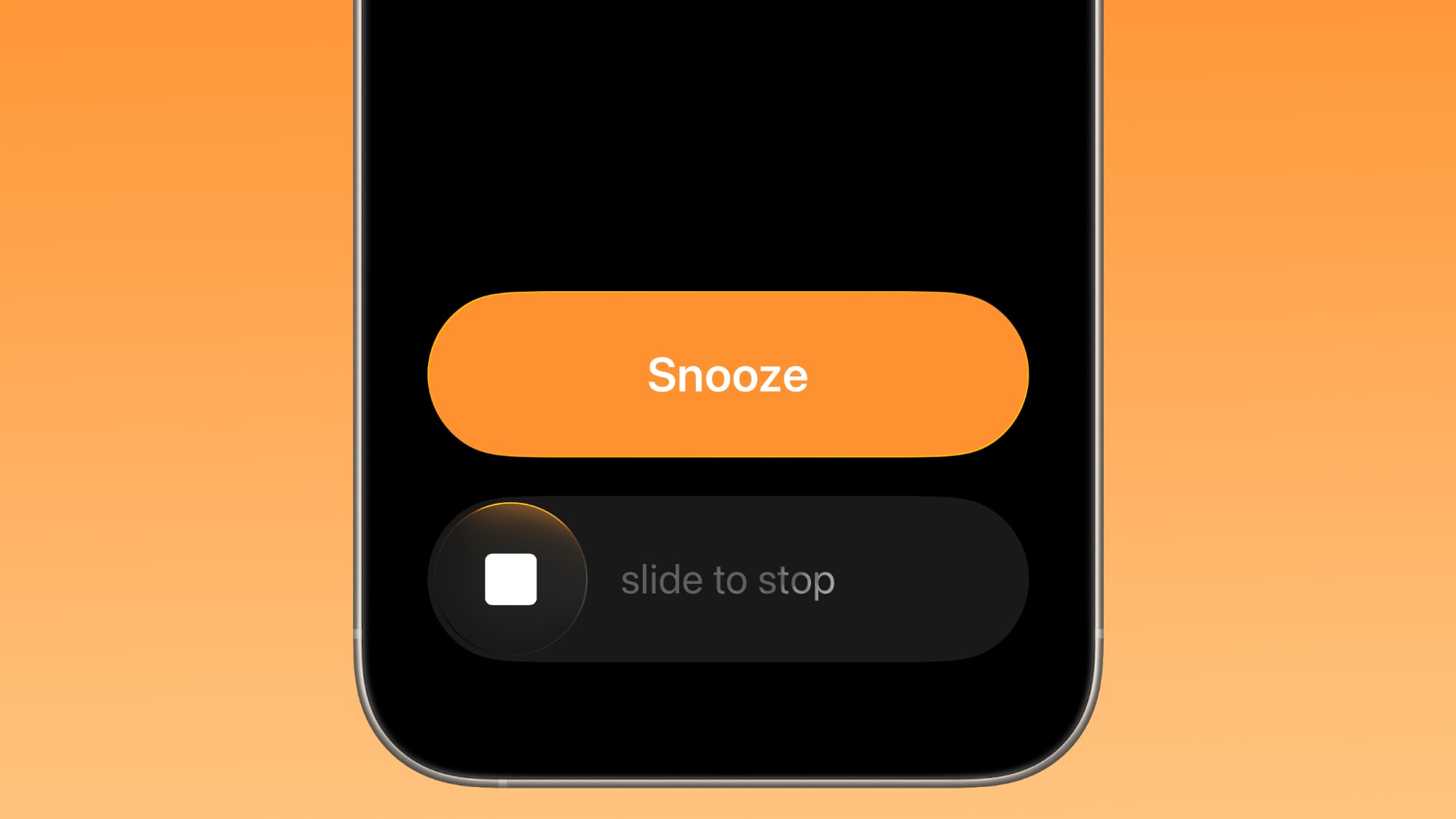
Apple has changed how you dismiss iPhone alarms in iOS 26.1, and your morning muscle memory may have needed tweaking as a result. By default, the Clock app now requires a slide gesture to stop an alarm from the Lock Screen, replacing the previous tap-to-stop button that was redesigned in iOS 26. Snoozing still works with a simple tap, but turning off an alarm entirely demands the extra swipe motion.


The change appears designed to prevent accidental dismissals when you're reaching for your phone in the morning. By requiring a more deliberate action, you're less likely to silence your alarm when you meant to hit snooze. If you don't like the change, you can revert the alarm interface back to the previous Stop button by following these steps.
  1. Open the Settings app on your iPhone.

  2. Tap Accessibility.

  3. Under "Physical and Motor," tap Touch.

  4. Swipe to the bottom of the menu and toggle on Prefer Single-Touch Actions.
The change will take effect the next time you set an alarm. If you want to revert back to the slider, simply toggle off Prefer Single-Touch Actions.
This article, "iOS 26.1: Bring Back the Tap-to-Stop Alarm Button" first appeared on MacRumors.com

Discuss this article in our forums

  •  

Canva Relaunches Affinity as Free All-in-One Design App

After acquiring Serif last year, Canva has overhauled its Affinity design suite, consolidating three creative tools into a single free app for Mac and Windows.


The newly launched Affinity by Canva unifies vector, photo, and layout capabilities that were previously spread across separate Designer, Photo, and Publisher apps. So instead of juggling multiple apps, users can now switch between the three modes through dedicated Vector, Pixel, and Layout tabs within one interface.

The redesigned app includes a customizable workspace where creators can mix tools from different studios, rearrange panels, and save multiple setups for specific project types. Custom configurations can also be shared with teams and communities for standardizing workflows.

Following Canva's 2024 acquisition of Serif, the integration brings some other changes that might give longtime Affinity users pause. Everyone now needs a Canva account to access the software, but signing up is free. Canva premium subscribers also get AI tools directly within Affinity, including Generative Fill, Expand & Edit, and Remove Background features.

In a clear bid to rival Adobe, Canva's decision to ship the app for free is likely to be a welcome surprise for users who feared a subscription model was looming. "There's no catch, no stripped-back version, and no gotchas," said Ash Hewson, CEO of Affinity, commenting on the launch. But while Affinity insists the core app will remain free without restrictions, the account requirement and AI upsells signal a freemium approach. Whether longtime users will appreciate trading a one-time purchase for ongoing Canva integration remains to be seen.

An iPad version is planned for release next year, and existing Affinity V2 license holders can continue using their purchased software if they prefer to stick with the older model without the Canva integrations. Affinity can be downloaded from the Affinity Studio website.
This article, "Canva Relaunches Affinity as Free All-in-One Design App" first appeared on MacRumors.com

Discuss this article in our forums

  •  

Apple's New Vision Pro Dual Knit Band Proves Popular

Apple introduced a new version of the Vision Pro with M5 chip this week, and it came with a Dual Knit Band that Apple says is more comfortable to wear for long periods of time. M5 Vision Pro buyers will get the new band automatically, but those who have an M2 Vision Pro also have the option to buy it separately.


It appears ‌M2‌ Vision Pro owners are eager for an accessory that makes the headset easier to wear, because the $99 Dual Knit Band is now backordered for at least a month. As of yesterday, new Dual Knit Band orders were delivering between November 7 and November 14, and wait times could get even longer.

There are some retail stores that may have the Dual Knit Band in stock starting next week, as the M5 Vision Pro will launch on Wednesday, October 22.

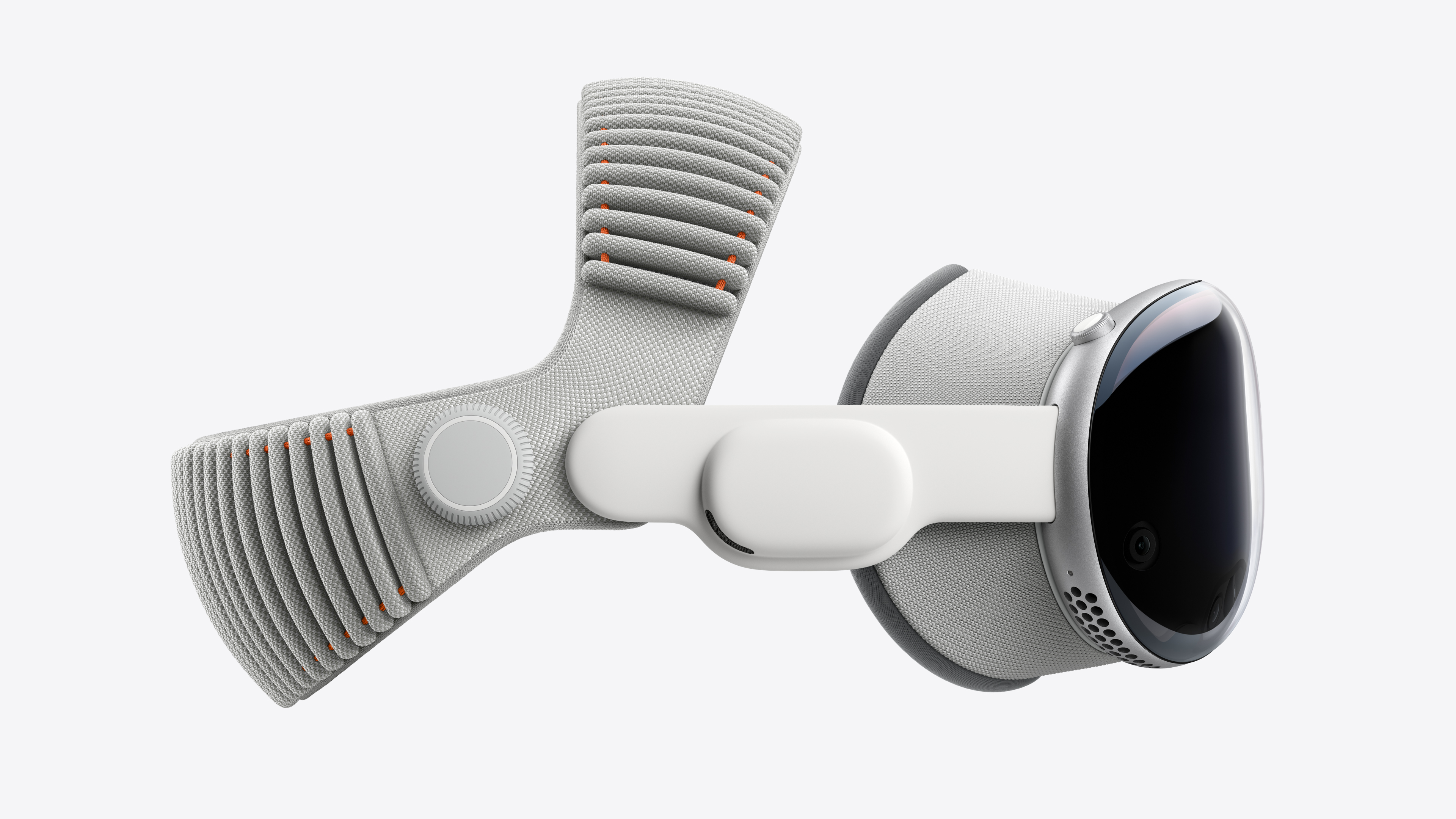
The Dual Knit Band is made from the same 3D knitted material as the Solo Knit Band, but it has a two-strap design. One strap fits at the back of the head as before, but a second strap goes over the top of the head for better weight distribution.

Apple also added tungsten inserts to the ribbed back loop for counterbalance and a fit that is supposed to improve balance and stability. Apple says that the Dual Knit Band is soft and breathable, with a Fit Dial to adjust each strap independently.

The Dual Knit Band is available in small, medium, and large sizes, and making a purchase requires using an iPhone's Face ID camera to find the right fit for your face size.
This article, "Apple's New Vision Pro Dual Knit Band Proves Popular" first appeared on MacRumors.com

Discuss this article in our forums

  •  

New iPad Pro, MacBook Pro, and Vision Pro Will Have Day-One Software Updates

Apple is preparing day-one software updates for its new iPad Pro, MacBook Pro, and Vision Pro models.


iPadOS 26.0.1 (23A8464), macOS 26.0.1 (25A8364), and visionOS 26.0.1 (23M8340) should be available upon the launch of the new ‌iPad Pro‌, ‌MacBook Pro‌, and Vision Pro, which each feature the M5 chip.

All three of the new devices likely have the current versions of their operating systems pre-installed. It is not yet clear what's in the new versions of iPadOS, macOS, and visionOS, but day-one updates usually include essential bug fixes.

The updated ‌iPad Pro‌, ‌MacBook Pro‌, and Vision Pro are now available to pre-order, and will begin arriving to customers and launch in stores on Wednesday, October 22.
This article, "New iPad Pro, MacBook Pro, and Vision Pro Will Have Day-One Software Updates" first appeared on MacRumors.com

Discuss this article in our forums

  •  

Apple Explains How to Fix iMessage Not Delivered Alert in iOS 26

Apple today updated its iMessage troubleshooting support document to add a scenario that can occur in iOS 26. If you don't activate iMessage or an eSIM when setting up a new iPhone with ‌iOS 26‌, it can prevent iMessage from working.


Apple says that iMessage does not activate automatically when setting up an eSIM in the Settings app after the initial ‌iPhone‌ setup period, so it needs to be done manually.

After activating an eSIM, users can open up the Settings app, tap on Apps, choose Messages, and then turn iMessage off and back on to get the feature to work as intended.

When iMessage is not properly activated after setting up an eSIM, users can receive a Not Delivered alert, have their messages sent as SMS/RCS messages in green bubbles, or see their iMessages delivered from an email address instead of a phone number.
This article, "Apple Explains How to Fix iMessage Not Delivered Alert in iOS 26" first appeared on MacRumors.com

Discuss this article in our forums

  •