Reading view

iMac Rumor Recap: OLED Display, M5 Max, 32-Inch Model, and More

While it appears that the iMac will not be updated in 2025, rumors indicate that Apple is planning some big changes for the all-in-one desktop computer.
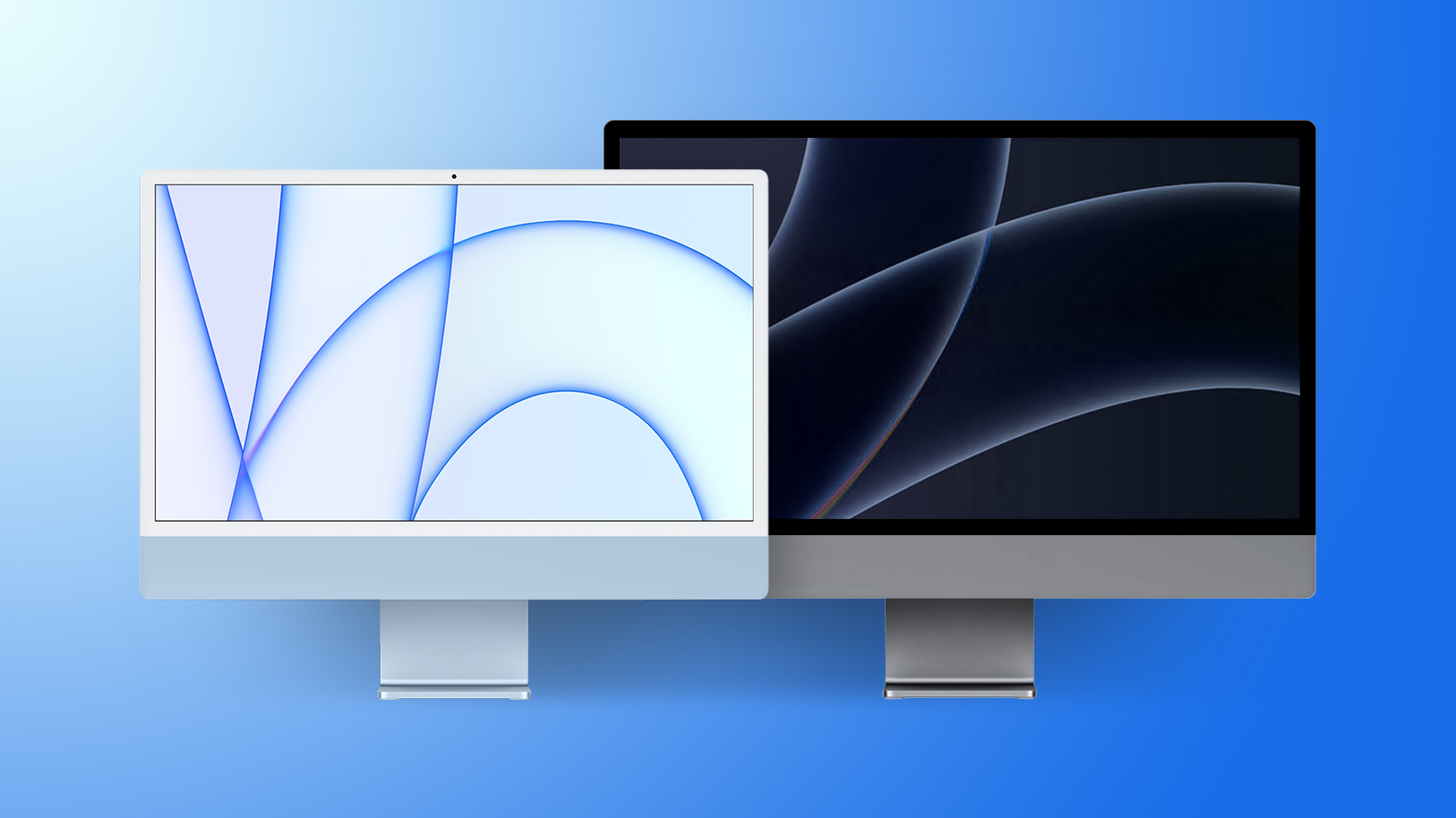

Below, we recap what has been rumored for the iMac over the next two to three years.

Current Model: M4 Chip


As a refresher, Apple last updated the 24-inch iMac in October 2024. Key upgrades included the M4 chip, up to 32GB of RAM, a 12-megapixel Center Stage camera, a nano-texture display option, Thunderbolt 4 ports, and new color options.

The overall design of the iMac has not changed since April 2021.

Next Model: M5 Chip


Apple will likely update the iMac with an M5 chip next year, but no other changes have been rumored yet, so expect a spec bump for now.

If the iMac receives some of the upgrades that the 14-inch MacBook Pro with the M5 chip did, the next iMac could be available with up to 4TB of storage (up from 2TB), and up to 2× faster SSD performance compared to the previous model.

iMac Pro With M5 Max Chip?


Earlier this year, Apple accidentally released a macOS kernel debug kit that contained internal product codenames, including for what appears to be an iMac with an M5 Max chip. It is unclear if the 24-inch iMac would be updated with M5 and M5 Max chips simultaneously next year, or if Apple plans to re-release a separate, higher-end iMac Pro with the M5 Max. The previous Intel-based iMac Pro was discontinued in March 2021.

32-Inch iMac?


It has been nearly four years since Apple discontinued the 27-inch iMac, as part of its move away from Intel processors. Since then, the 24-inch iMac has been Apple's only all-in-one desktop computer, with no larger model available.

In October 2023, Apple supply chain analyst Ming-Chi Kuo predicted that a higher-end 32-inch iMac with mini-LED backlighting would be released in 2025, but it appears that rumor was wrong given that the year is nearly over. Kuo has not commented on a larger iMac in a long time, so it is unclear if Apple plans to release such a product.

In November 2023, Apple announced that it had no plans to release a new version of the 27-inch iMac with an Apple silicon chip at that time. Instead, Apple recommended pairing its standalone Studio Display with a Mac Studio or Mac mini. Perhaps this was Apple ruling out a larger iMac entirely, but only time will tell, and decisions can change.

Wishful thinking: a 32-inch iMac Pro with an M5 Max chip and mini-LED backlighting.

OLED Display


South Korean publication The Elec this week reported that Apple is planning to release a 24-inch iMac with an OLED display in 2027 or 2028.

The primary benefit of OLED technology compared to the current iMac's LCD is better overall image quality, with higher contrast ratio and deeper blacks.

Like the iPad Pro, the iMac could go from LCD to mini-LED to OLED over the years.

Bookmark our iMac roundup to stay up to date with the latest rumors.
Related Roundup: iMac
Buyer's Guide: iMac (Caution)
Related Forum: iMac

This article, "iMac Rumor Recap: OLED Display, M5 Max, 32-Inch Model, and More" first appeared on MacRumors.com

Discuss this article in our forums

  •  

Report: Apple Developing 24-Inch OLED iMac With 600 Nits Brightness

Apple is working on a 24-inch iMac featuring an OLED display, with the aim of completing development as early as 2027, claims a new report out of Korea.


According to The Elec, Apple has sent requests for information to Samsung Display and LG Display regarding development of a 24-inch OLED panel for the iMac. Current 24-inch iMacs use a 4.5K Retina display, which is an LCD panel with LED backlighting.

The specs apparently being discussed include 600 nits of brightness and a pixel density of 218 PPI. If accurate, that would match the current 24-inch iMac's resolution but deliver a 20% brightness boost over the existing 4.5K Retina display's 500-nit maximum, making it equivalent to the brightness of Apple's Studio Display – though that also uses an inferior LCD panel.

OLED display technology benefits from several other advantages beyond brighter screens, such as deeper blacks with higher contrast, improved power efficiency, and other enhancements.

This is the first report we've seen suggesting Apple plans to bring OLED technology to its all-in-one desktop lineup. The company has already committed to OLED displays for future MacBook Pro models, with 14-inch and 16-inch versions expected to enter production next year using Samsung Display's 8th-generation IT OLED manufacturing line. OLED versions of its MacBook Air models are expected to follow.

For the iMac display, both Samsung and LG Display are expected to propose their respective large-format OLED technologies rather than the RGB OLED method Apple traditionally prefers. Samsung would likely pitch its quantum dot (QD-OLED) panels, while LG Display would offer its white (W-OLED) solution. QD-OLED produces color by passing blue light through a QD color conversion layer, while W-OLED produces color by passing white light through RGBW color filters. Both manufacturers are reportedly developing 5-stack configurations that add an extra green layer to improve brightness compared to current 4-stack designs.

The report suggests Apple prefers RGB OLED, where light and color generate at the subpixel level, but this technology apparently hasn't yet scaled reliably to the 20-30 inch range needed for desktop displays. Both panel makers are said to be exploring RGB OLED as a longer-term option.

Apple aims to complete iMac OLED panel development by 2027 or 2028, but the finished product could launch after that timeline. A recent but separate report has claimed Apple is developing a high-end iMac featuring the M5 Max chip, but there is currently no indication that OLED is destined for this rumored model. Apple could refresh the 24-inch iMac with an updated M5 chip at some point next year.
Related Roundup: iMac
Tags: OLED, The Elec
Buyer's Guide: iMac (Caution)
Related Forum: iMac

This article, "Report: Apple Developing 24-Inch OLED iMac With 600 Nits Brightness" first appeared on MacRumors.com

Discuss this article in our forums

  •  

Apple Tested a MacBook With the A15 Chip

An internal Apple kernel debug kit suggests Apple has tested a MacBook with the A15 chip, alongside a separate A18 Pro-based MacBook that appears to be closer to a shippable product.


The information comes from internal kernel debug kit files used by Apple engineers. The kit was accidentally released on Apple's website earlier this year, but it was quickly pulled after information started leaking out of it.

Within the Mac-related entries, there is a line that explicitly describes an unreleased MacBook configuration running an A15 chip. The row appears under a project label "mac14p" on a platform labeled H14P. MacRumors believes this A15 MacBook corresponds to the codename J267.

In the same dataset, there is also a separate MacBook entry tied to the A18 Pro. It has the identifier J700 and is described as using an A18 Pro chip with a "Sunrise" wireless subsystem attributed to MediaTek. Compared with the A15 test configuration, the A18 Pro MacBook entry reads more like a defined product configuration, since it is identified with a specific internal codename and accompanying subsystem details.

It is also highly unlikely that Apple would release a Mac powered by the A15 Bionic in 2026, almost five years after the chip was introduced. A MacBook with the A18 Pro chip would be markedly more capable, future-proof, and in-step with the company's current selection of chips.

The A15 MacBook was almost certainly used as an unreleased test platform ahead of widely reported plans to release a low-cost MacBook with an iPhone chip. The original Apple silicon Mac mini Developer Transition Kit featured an A12Z chip, but all Apple silicon Macs available to consumers have featured M-series chips.

Rumors suggest the low-cost MacBook will launch next year, featuring the A18 Pro chip, a 13-inch display, and silver, blue, pink, and yellow color options.
This article, "Apple Tested a MacBook With the A15 Chip" first appeared on MacRumors.com

Discuss this article in our forums
  •  

Make Your iPhone Display Flash for Alerts

Unlike some Android phones, iPhones don't have a dedicated notification LED that lights up when you get a call, text, or other alert. What iPhones do include is an optional Accessibility feature for the deaf and hard of hearing that blinks the rear camera flash and provides a visual cue for incoming notifications. And in iOS 26.2, Apple has added the ability to flash the front display, too.


Even if your hearing is fine, having a visual cue for incoming alerts can be handy to have if, say, you're in a quiet environment like a library and don't want to create a disturbance. What's more, in iOS 26.2, you can choose for both the display and the camera LED to flash. That way, you'll see the alert flash whichever way your iPhone is lying on a table.

How to Enable Flash for Alerts


Follow the steps below to turn on screen flash for alerts on your ‌iPhone‌ running iOS 26.2.
  1. Open the Settings app on your iPhone, then tap Accessibility.

  2. Under "Hearing," tap Audio & Visual.

  3. Scroll to the bottom and tap Flash for Alerts.

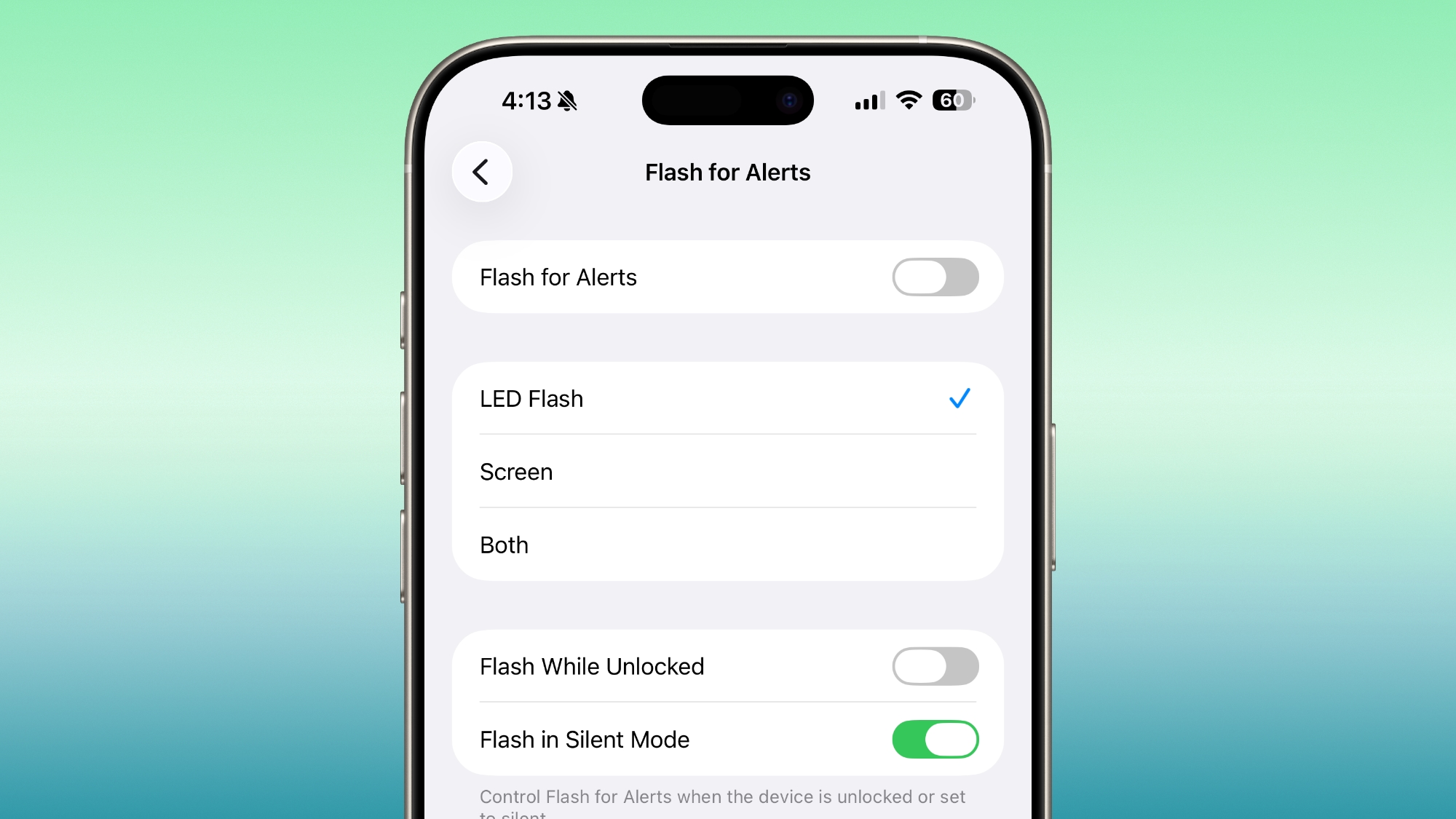
  4. Toggle on Flash for Alerts, then tap LED Flash, Screen, or Both.
You'll see that the last menu includes toggle switches so that you can control whether the flash happens when your device is unlocked, as well as if it should flash when in silent mode.
This article, "Make Your iPhone Display Flash for Alerts" first appeared on MacRumors.com

Discuss this article in our forums
  •  

MacOS Sequoia 15.7.3 & MacOS Sonoma 14.8.3 Security Updates Released

If you’re a Mac user who is continuing to run the MacOS Sequoia or macOS Sonoma operating systems, you’ll find updates available as MacOS Sequoia 15.7.3 and macOS Sonoma 14.8.3. These are security update focused and do not introduce any changes or new features. Safari 26.2 is also available as an update to these MacOS ... Read More
  •  

MacOS Tahoe 26.2 Update Released for Mac

Apple has released macOS Tahoe 26.2 to the general public, becoming available for all Mac users to download as a software update to macOS Tahoe. macOS Tahoe 26.2 includes a few new features, including the ability for adding alarms to Reminders, and a FaceTime ring lighting feature, and resolves a few bugs as well as ... Read More
  •  

Bring Falling Snow & Christmas Lights to Mac with Snowy

If you ever wished your Mac could feel a bit more seasonal and festive for the holidays and Christmas, you might just appreciate a fun app called Snowy. Snowy brings falling snow, twinkling Christmas lights, and some holiday ambiance, directly to your Mac desktop. You can have dangling twinkling Christmas lights hanging from your menu ... Read More
  •  

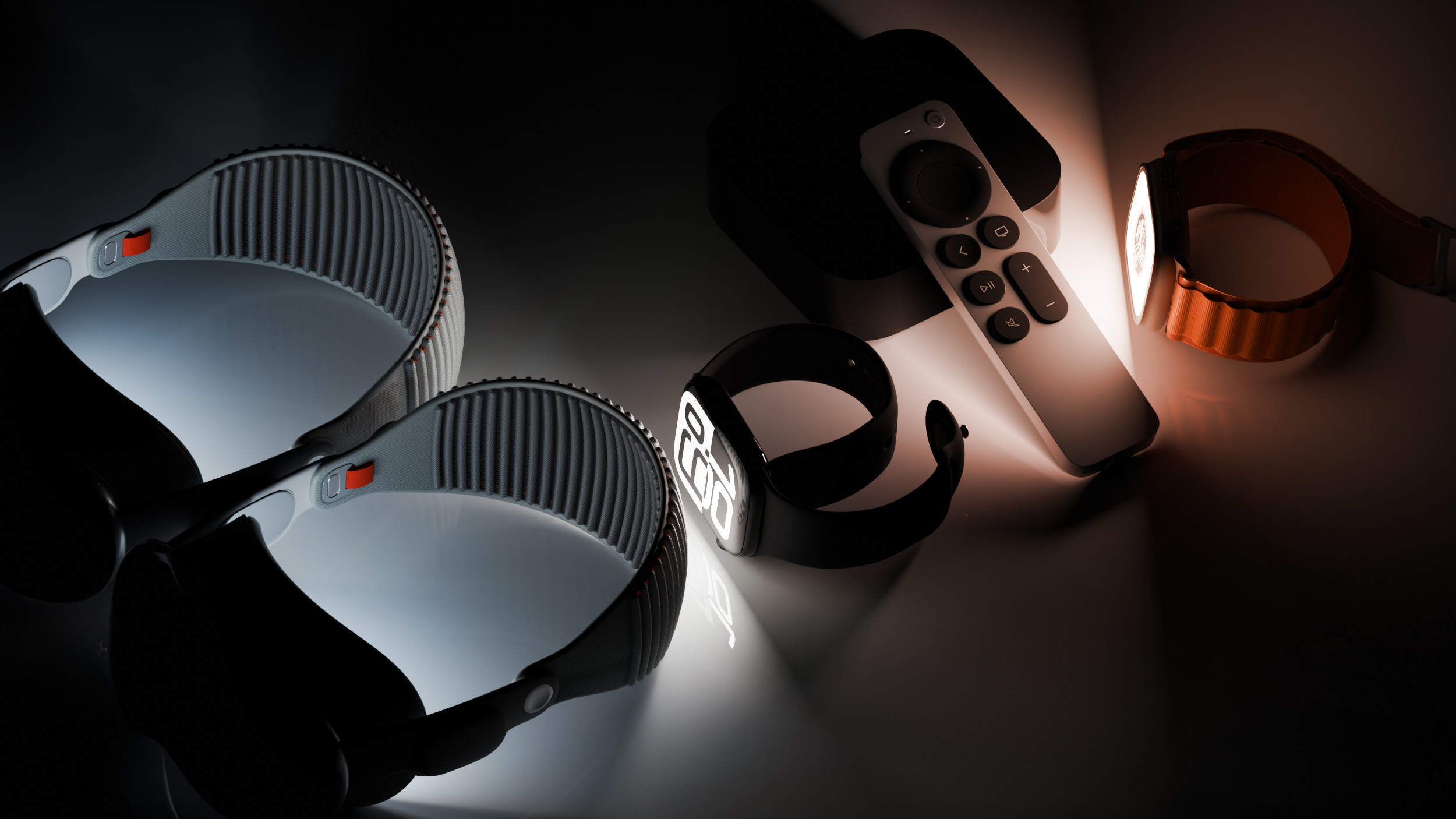
Apple Releases First watchOS 26.3, tvOS 26.3 and visionOS 26.3 Betas

Apple today provided developers with the first betas of upcoming watchOS 26.3, tvOS 26.3, and visionOS 26.3 betas for testing purposes. The software comes a few days after Apple launched the 26.2 versions of each platform.


The software updates are available through the Settings app on each device, and because these are developer betas, a free developer account is required.

We don't know what new features might be added in watchOS 26.3, visionOS 26.3, and tvOS 26.3. Apple doesn't typically provide release notes for betas, so we might not know what's new until the software updates see a public launch unless there are outward-facing changes.

Apple will likely provide public beta testers with access to the tvOS 26.3 and watchOS 26.3 betas later this week, but visionOS 26.3 will remain limited to developers. The software updates will probably launch right around the end of January based on past release timelines.
This article, "Apple Releases First watchOS 26.3, tvOS 26.3 and visionOS 26.3 Betas" first appeared on MacRumors.com

Discuss this article in our forums

  •  

ICEBlock App Developer Sues Trump Officials, Claims Apple Was Pressured to Remove App

The developer behind the ICEBlock app that Apple removed from the App Store at the Trump administration's request is suing for suppression of free speech. The lawsuit names Pam Bondi, Kristi Noem, and other government officials, accusing them of First Amendment violations (via NPR).


Key to the lawsuit is a statement from Bondi, who claimed Apple removed the app after the government asked Apple to do so. "We reached out to Apple today demanding they remove the ICEBlock app from their ‌App Store‌ -- and Apple did so," said Bondi.

ICEBlock allows iPhone users to report the location of United States Immigration and Customs Enforcement (ICE) agents when the agents are spotted in public. The app was removed from the ‌App Store‌ in early October, though people who downloaded it before it was pulled are still able to use it. ICEBlock had over a million users when it was removed from the ‌App Store‌.

Joshua Aaron, the app's developer, argues that the creation, distribution, and promotion of ICEBlock is lawful and protected by the First Amendment. He claims that the government officials named in the lawsuit used the authority of their offices to pressure, threaten, and coerce Apple to remove the app.
This lawsuit challenges these government officials' unconstitutional threats and demands against Apple, which pressured it to remove the ICEBlock app from the App Store. In particular, Attorney General Bondi's coercion of Apple has censored Aaron and ALL U Chart,Inc., which owns ICEBlock's intellectual property, by making ICEBlock--their speech--unavailable to the public.

Apple is not named in the lawsuit, and is not being targeted by Aaron. When the app was removed from the ‌App Store‌, Apple said that the app violated guideline 1.1.1, and made it clear that it was removed at the behest of the government.
Information provided to Apple by law enforcement shows that your app violates Guideline 1.1.1 because its purpose is to provide location information about law enforcement officers that can be used to harm such officers individually or as a group. For this reason, your app will be removed from the App Store

Aaron asks that the court allow ICEBlock to be reinstated, and that government officials be prevented from threatening or pressuring ICEBlock distributors.
This article, "ICEBlock App Developer Sues Trump Officials, Claims Apple Was Pressured to Remove App" first appeared on MacRumors.com

Discuss this article in our forums

  •  

Apple Launches Virtual Manufacturing Academy

Apple today announced an expansion of the Apple Manufacturing Academy with a new set of virtual training programs for small- and medium-sized businesses across the United States.


The update marks the first time the Academy's training has been accessible online. It was previously only available via in-person sessions in Detroit. Apple describes it as a free resource intended to accelerate innovation among American manufacturers as part of its broader plan to invest $600 billion in the U.S. economy over the next four years.

Apple said the new online courses cover a range of advanced manufacturing topics, including automation, predictive maintenance, quality control optimization, and the use of machine learning with vision systems. The training program also incorporates professional development content on communication and presentation skills to help participants prepare for operational and leadership roles.

The expanded program is intended to increase access for companies that have not been able to attend in-person sessions. Launched in collaboration with Michigan State University (MSU) in August, the Apple Manufacturing Academy has already provided hands-on training and consultation to more than 80 businesses from Florida, Indiana, Michigan, Missouri, and Utah.

Businesses enrolled in virtual programming at manufacturingacademy.msu.edu. The current learning materials form the initial phase of what Apple says will be a continuously expanding digital curriculum.
This article, "Apple Launches Virtual Manufacturing Academy" first appeared on MacRumors.com

Discuss this article in our forums

  •  

Make Your Active Foreground Window Obvious on MacOS Tahoe with Alan

One of the complaints about the new Liquid Glass interface on the Mac is that with such a reduction in contrast, it is increasingly challenging to quickly determine which of your app windows is active in the foreground. Developer Tyler Hall was annoyed enough by this with Tahoe that he created a simple app to ... Read More
  •  

Add Christmas Lights to Home Screen, Dock, & Desktop with Festivitas for iPhone & Mac

Festivitas is a fun app that brings some holiday spirit directly to your iPhone or Mac, by allowing you to add some animated holiday lights to your Home Screen or desktop. And if you’re using it on a Mac, you can even make it snow, or add Christmas lights to your Dock too. Deck the ... Read More
  •  

Fixing the “Civilization 6 is Damaged” Error on Mac

Civilization 6 may be an older strategy game, but it retains immense popularity and replay value for fans of the Civilization franchise. If you’re a Mac gamer who has Civilization VI (Civilization 6 for those who aren’t fans of roman numerals), you might have come across a situation where you go to play Civilization 6 ... Read More
  •  

Screen Protectors Without AR Coating Cancel Out iPhone 17's Anti-Reflective Display

The Ceramic Shield 2 material that Apple uses for the iPhone 17 display includes an anti-reflective coating that's designed to cut down on glare. It's a coating that prior-generation iPhone models didn't have, and it can make a difference in bright lighting conditions.


If you're someone who likes to use a screen protector with your ‌iPhone‌, you might be nullifying the anti-reflective property of the ‌iPhone 17‌ display, based on testing done by Astropad.

Compared to the ‌iPhone 17‌, Astropad found that the anti-reflective coating reduces reflections by approximately 50 percent when compared to the iPhone 16, but applying a screen protector without an anti-reflective coating of its own makes the anti-reflective Ceramic Shield 2 coating less effective. According to Astropad, this is because AR coatings are created for direct contact with air, and covering them with an extra layer of material cancels the effect.

Astropad did screen protector testing because it sells Fresh Coat, a screen protector with an anti-reflective coating, and it is promoting Fresh Coat through its testing and report. Astropad says that Fresh Coat and other screen protectors with an anti-reflective coating can replace or even outperform the anti-reflective properties of the ‌iPhone 17‌'s display.
Fresh Coat by Astropad enhances AR clarity on any iPhone, creating a surface nearly 4x less reflective than the display on an iPhone 16 and 2x less reflective than iPhone 17's Ceramic Shield 2.

Astropad did controlled testing with a light meter, and full testing results can be found on the Astropad website.
This article, "Screen Protectors Without AR Coating Cancel Out iPhone 17's Anti-Reflective Display" first appeared on MacRumors.com

Discuss this article in our forums
  •  

Apple General Counsel Kate Adams and Environment Chief Lisa Jackson Retiring in 2026

Two senior Apple executives are leaving the company, Apple announced today. Apple's Senior Vice President and General Counsel Kate Adams and Lisa Jackson, Vice President of Environment, Policy and Social Initiatives, are both retiring in 2026.


Adams will be replaced with Jennifer Newstead, who will join Apple as a senior vice president on January 1, and will become Apple's general counsel on March 1, 2026. Newstead is currently Meta's chief legal officer, and she was previously the Legal Adviser to the United States Department of State.

When Newstead takes over as general counsel, Adams will not immediately leave. She will instead oversee the Government Affairs organization after Jackson retires in late January 2026. Adams will remain at Apple until late 2026, at which point Newstead will take over. Newstead will ultimately oversee both Apple's Legal and Government Affairs organizations as Senior Vice President, General Counsel and Government Affairs.

In a statement, Apple CEO Tim Cook said that he is pleased to merge Legal and Government Affairs because of increasing overlap between the two teams.
We couldn't be more pleased to have Jennifer join our team," said Cook. "She brings an extraordinary depth of experience and skill to the role, and will advance Apple's important work all over the world. We are also pleased that Jennifer will be overseeing both the Legal and Government Affairs organizations, given the increasing overlap between the work of both teams and her substantial background in international affairs. I know she will be an excellent leader going forward.

Jackson's other responsibilities, which include Environment and Social Initiatives, will be taken over by Chief Operating Officer Sabih Khan. Cook said that Jackson played an important role in helping Apple achieve its environmental goals.
I am deeply appreciative of Lisa's contributions. She has been instrumental in helping us reduce our global greenhouse emissions by more than 60 percent compared to 2015 levels," said Cook. "She has also been a critical strategic partner in engaging governments around the world, advocating for the best interests of our users on a myriad of topics, as well as advancing our values, from education and accessibility to privacy and security.

Adams has been with Apple since 2017, and before that, she worked for Honeywell. Jackson joined Apple in 2013 after serving as Administrator of the U.S. Environmental Protection Agency, and she has been the face of Apple's environmental messaging since then.

Apple's announcement comes shortly after lead interface designer Alan Dye left the company, and after AI chief John Giannandrea's retirement announcement. Earlier this year, Apple lost Chief Operating Officer Jeff Williams, who is retiring, and Chief Financial Officer Luca Maestri. There have also been rumors about Apple CEO ‌Tim Cook‌ retiring, with rumors suggesting he is preparing to leave his role as soon as 2026.
This article, "Apple General Counsel Kate Adams and Environment Chief Lisa Jackson Retiring in 2026" first appeared on MacRumors.com

Discuss this article in our forums
  •  

Apple Seeds Second tvOS 26.2 Release Candidate

Apple today provided developers and public beta testers with a second release candidate version of tvOS 26.2 and HomePod Software 26.2, which is based on tvOS. The second RC comes one day after the first RC and has a build number of 23K53, up from 23K51.


tvOS 26.2 can be downloaded through the Software Update section of the Apple TV settings app.

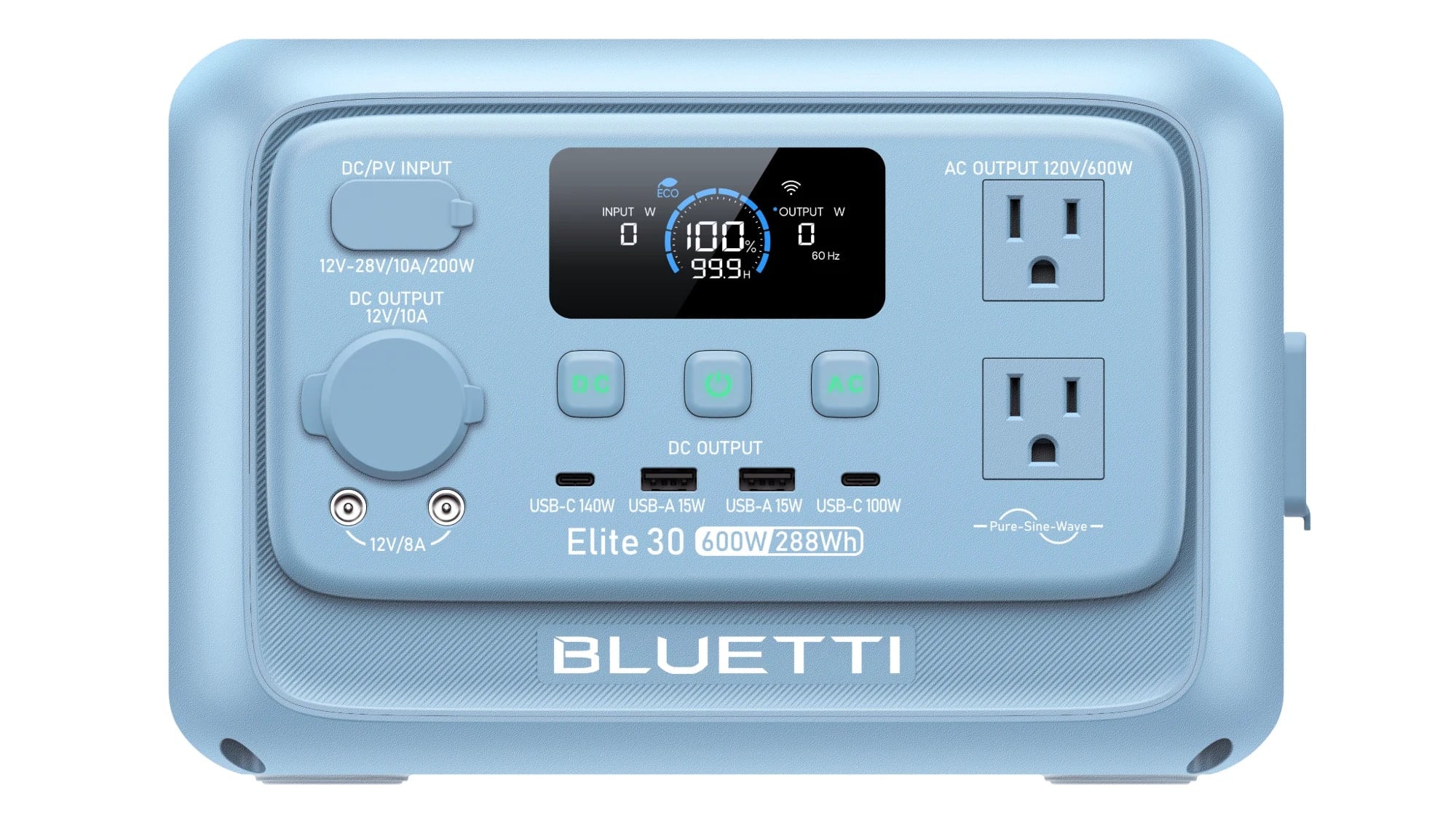
With tvOS 26.2, Apple is adding support for creating a profile without an Apple Account, and there is a dedicated ‌Apple TV‌ app kids mode that's available for children's profiles.

Apple doesn't provide beta release notes, so it's not clear what's changed between the first RC and the second RC. Typically, release candidates are updated if there is a major bug discovered during the testing period. RCs represent the final version of the software that will be released to the public.

We're expecting tvOS 26.2 and ‌HomePod‌ Software 26.2 to come out next week.
This article, "Apple Seeds Second tvOS 26.2 Release Candidate" first appeared on MacRumors.com

Discuss this article in our forums
  •  

Bluetti Elite 30 V2 Review: A Lightweight Portable Power Station for Camping and Backup Power

Bluetti's Elite 30 V2 that came out earlier this year is a portable power station that's ideal for short trips, plus it works well as a temporary backup for powering small electronics in a power outage.


The Elite 30 V2 is one of many power stations that Bluetti offers, and it is on the smaller, more compact side with a 288-watt-hour capacity. This is the first Bluetti power station that I've reviewed, but I have experience with larger power banks from Jackery, DJI, Anker, and other companies. The Elite 30 V2 has a LiFePO4 battery, which Bluetti says will last for over 3,000 charging cycles and 10 years. There's a five-year warranty, which is solid.


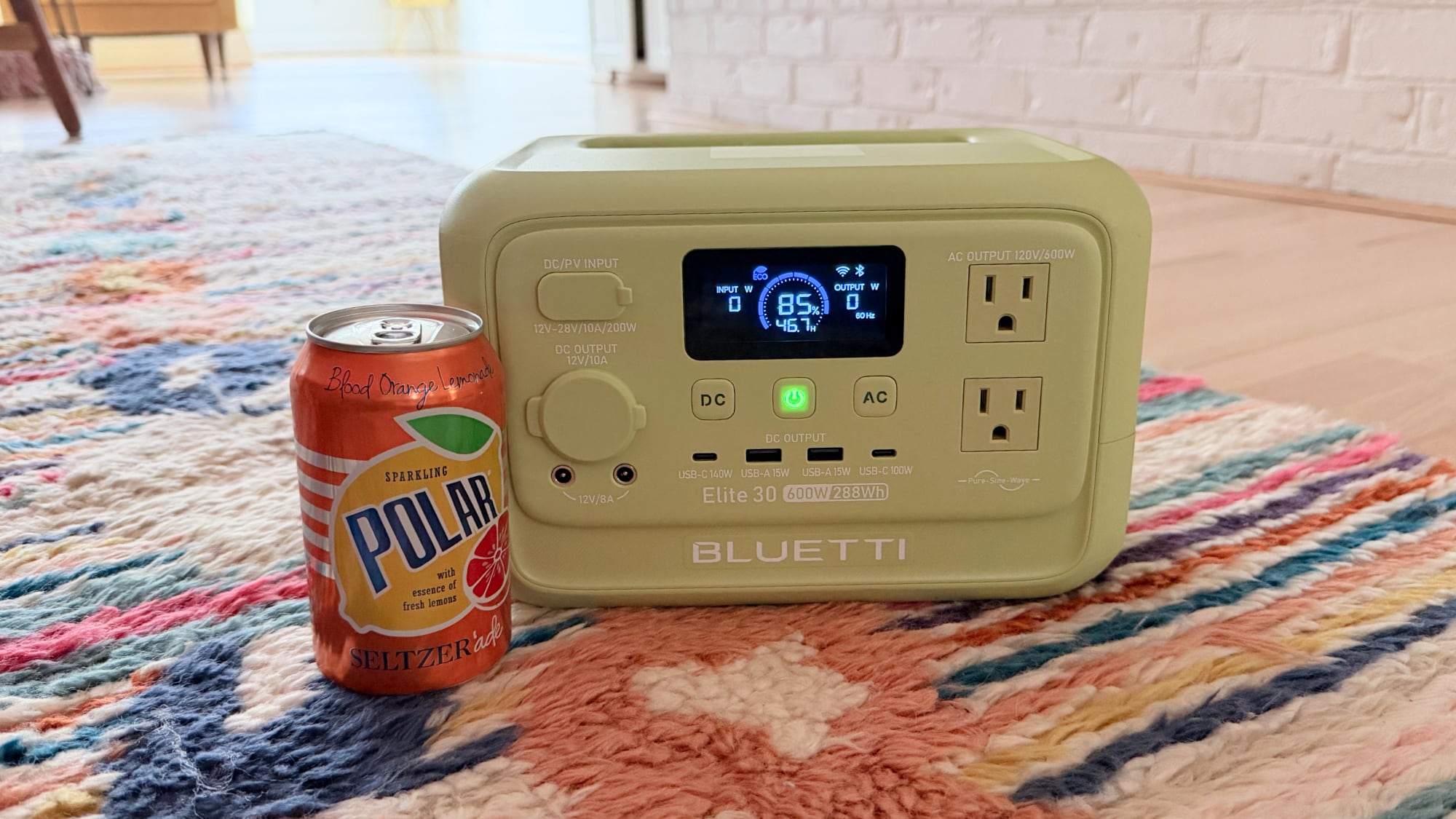
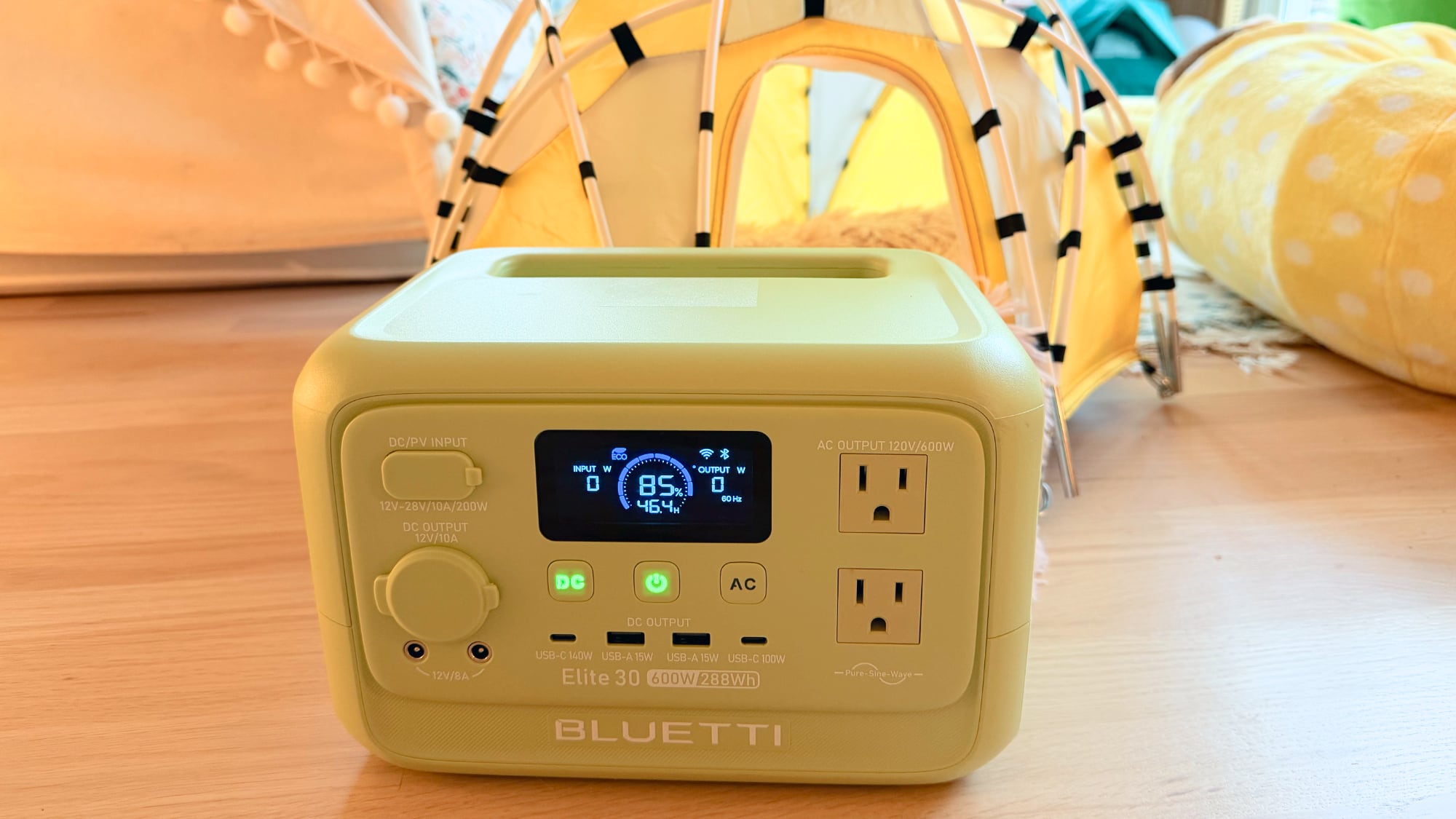
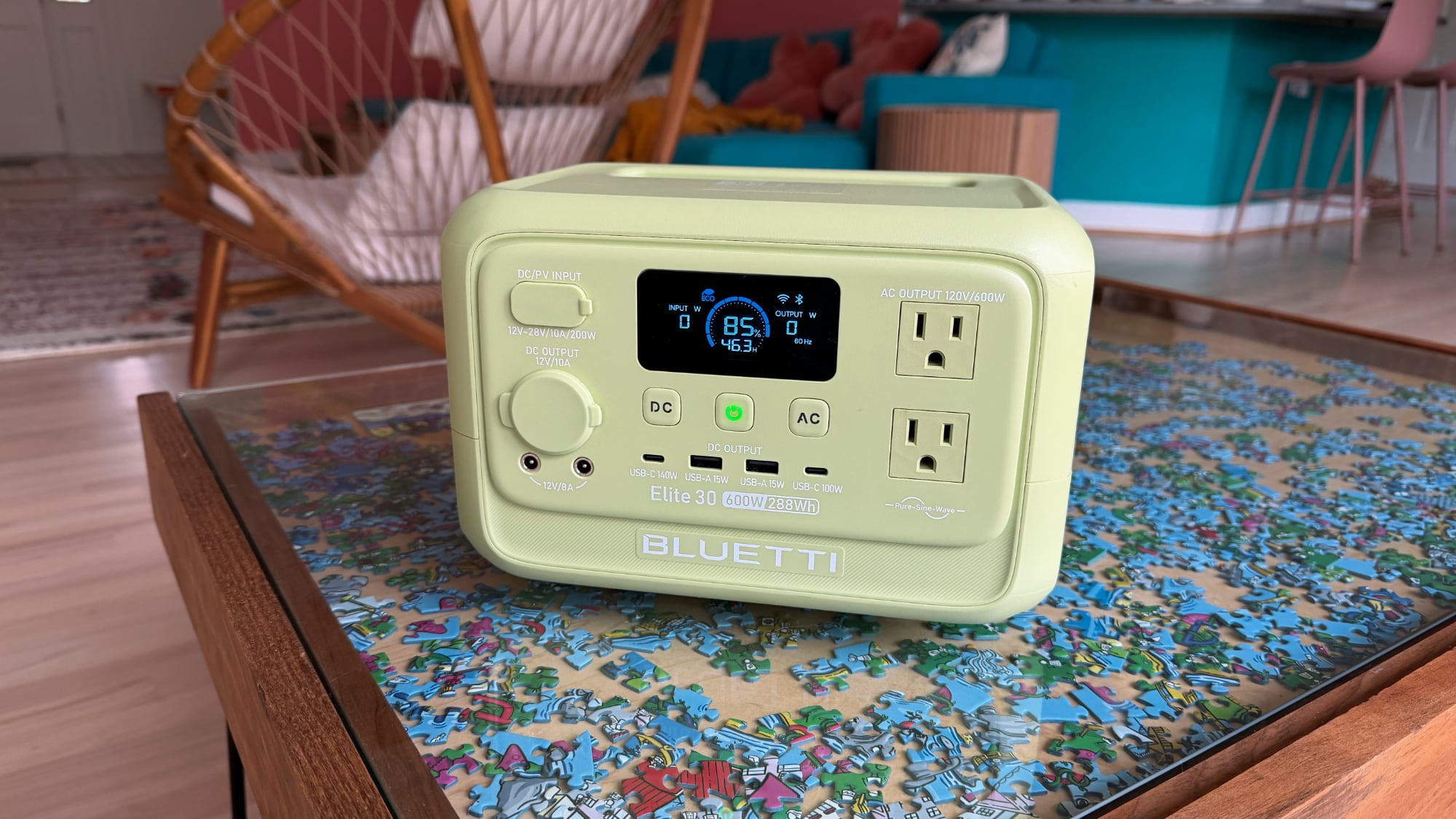
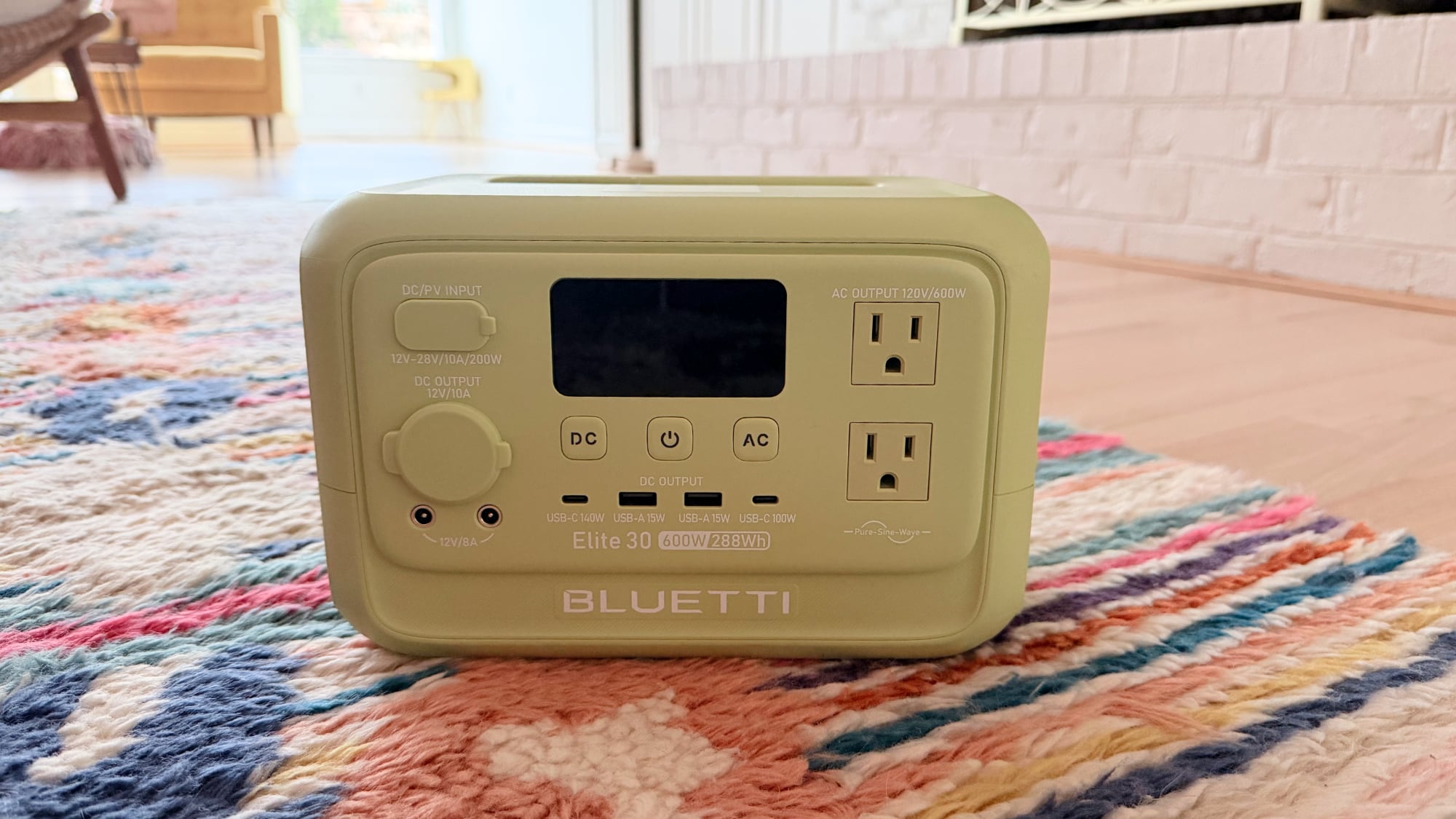
Most power stations are utilitarian, with a black or gray plastic design, but the Elite 30 V2 comes in several fun colors. There's nothing wrong with a simple design for battery equipment, but colors make Bluetti's little power station stand out. The model I tested is green, but it also comes in blue, purple, pink, light gray, and dark gray.

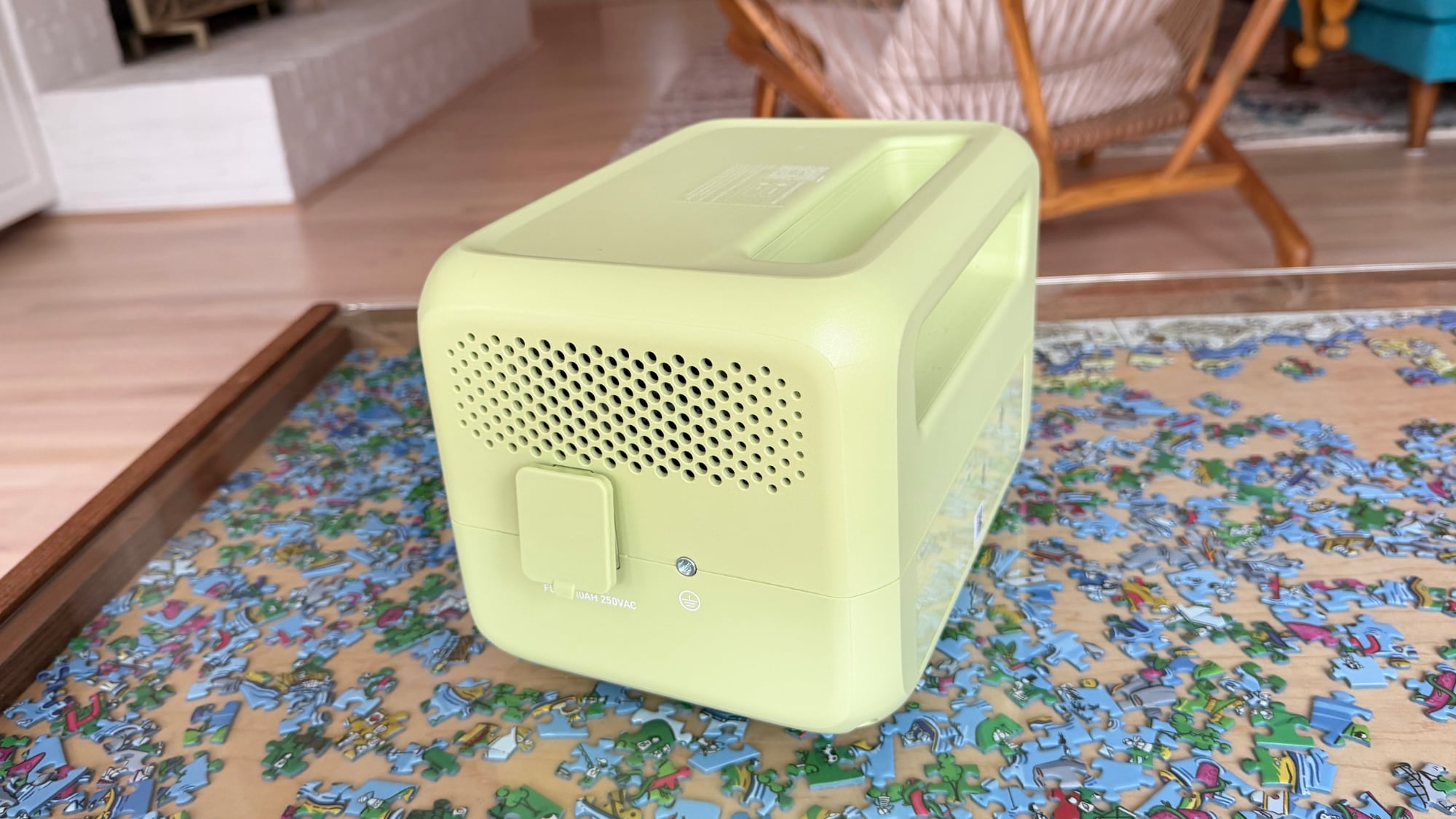
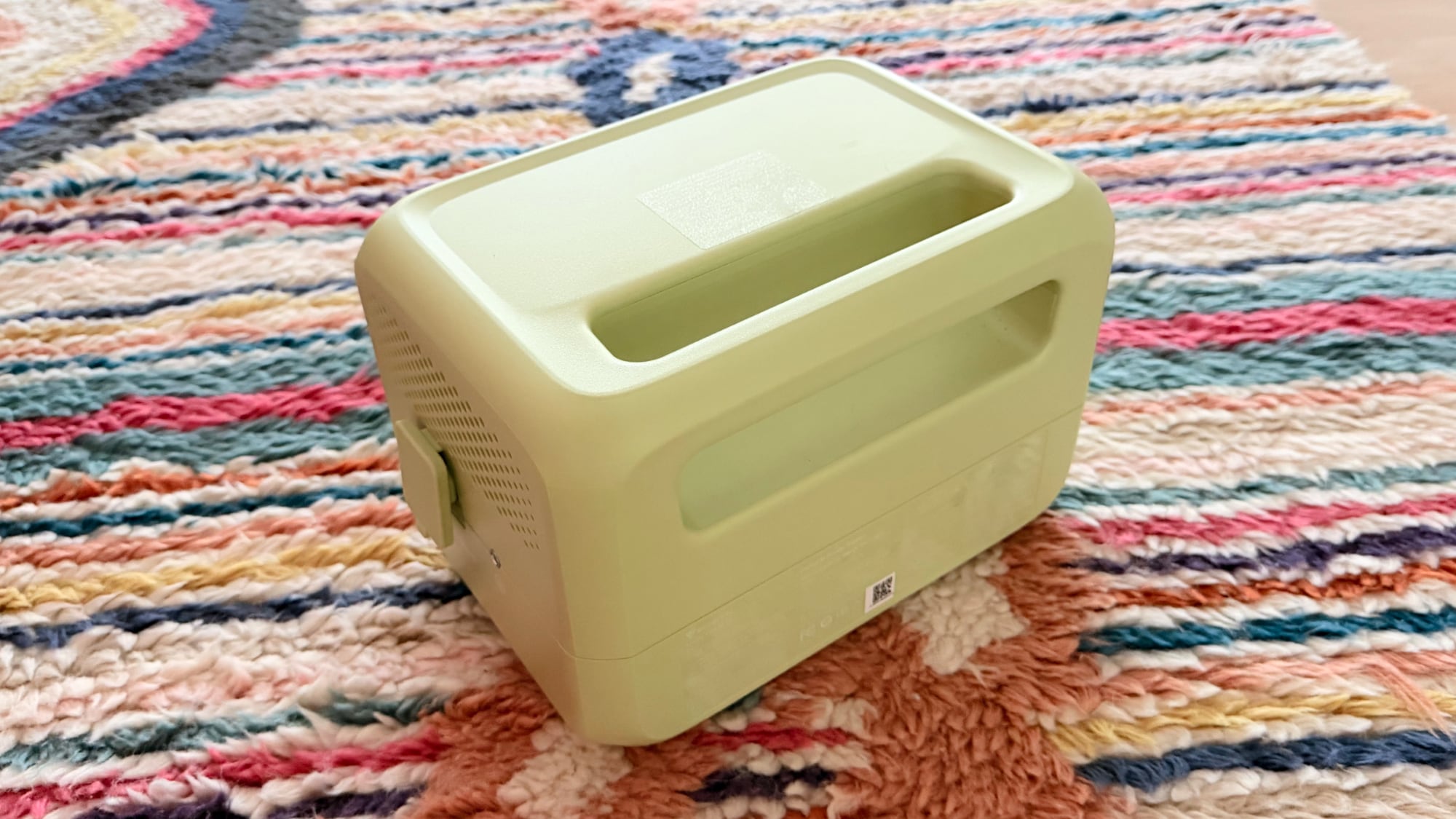
Appearance isn't going to matter to most, but if you're going to have a battery out for people to use at the beach, on a camping trip, at the park, or during some other activity, it might as well have some pizazz. The power station is just about 9.5 pounds, and it measures 9.8 inches long, 7 inches wide and 6.6 inches tall. There's a handle for carrying it, and an LCD display shows you input, output, charge level, and an estimate of how long the power will last based on what's plugged in.


The Elite 30 V2 supports 600W charging, though it can handle up to 1500W temporarily as part of a Power Lifting mode. The Elite 30 V2 has more ports than you might even need on a power station this size, and it can charge up multiple devices at a time. There's a 140W USB-C port, a 100W USB-C port, two 15W USB-A ports, and two AC outlets. There are also AC and DC inputs for charging, a cigarette lighter port, a grounding terminal, and a pair of 12V/8A barrel ports. Both USB-C ports can be used at full power at the same time.

There's a power button, a button to turn on DC power to the USB-C/USB-A ports, and an AC button to turn on power to the AC outlets. When you plug something in, you have to turn on power to the appropriate port before charging will begin. It's also a good idea to turn it off when you're done to ensure there's no power drain when you're not charging anything. The power stations that I've tested in the past haven't had separate buttons for DC power (just AC power), but that's the way Bluetti's power stations are designed.


I've been using the Elite 30 V2 to charge my Apple devices for the last several weeks to get an idea of what it's useful for. Charging my iPhone 17 Pro Max from 0 to 80 percent drains the power station from 100 percent to 90 percent, and it's about the same for an iPhone 16 Pro Max and an iPhone 15 Pro Max.

I can charge my ‌iPhone‌'s battery between 9 and 10 times, though I do limit my charging to 80 percent. The variation is because the power station's battery level can drop slightly with nothing plugged in unless it's turned off. Over a four-hour period, the battery dropped around 10 percent with DC power on.


It charges my MacBook Air three and a half times. It was able to run my MacBook Pro, Studio Display, and two lights (my desk setup) for half of my work day (12:51 p.m. to right around 5:00 p.m.). It ranged from 60W to 110W depending on workload. Charging takes around an hour and 20 minutes to get to full, though it can get to an 85 percent charge in around 50 minutes. It can charge through a cigarette lighter port in a car, or with solar panels for off-grid connectivity.

The Elite 30 V2 isn't the power station you want to get to run something that's power hungry like an electric heater, but it's good for smaller things like computers, lights, speakers, and consoles. You could run a mini refrigerator for a few hours, a hair dryer or flat iron long enough to do your hair, or a lower power electric kettle or coffee maker. It is able to run my entire computer setup, plus it can power my Wi-Fi for a full work day. Some people use power stations as backups for medical devices. The Elite 30 V2 may be able to run a CPAP machine for a night's sleep, but that will depend on the individual machine. I wouldn't recommend this one for other devices like an oxygen concentrator, which would draw too much power and require a much larger battery for an extended power outage.


You can use the Elite 30 V2 as a backup in case of a power outage, plugging a device into it and then plugging the power station into an outlet. In that situation, the power station will kick on automatically in a power outage with no interruption in function (Bluetti says there's a super fast 10ms response time). It actually supports up to 980W of passthrough power.

Since the Elite 30 V2 is a smaller power station, it runs and charges quietly. It is nearly silent when charging and when powering things like iPhones and Macs. The fan inside will kick on under higher loads, but it's still not unreasonably loud. I can hear it, but it's a noise I could sleep through.


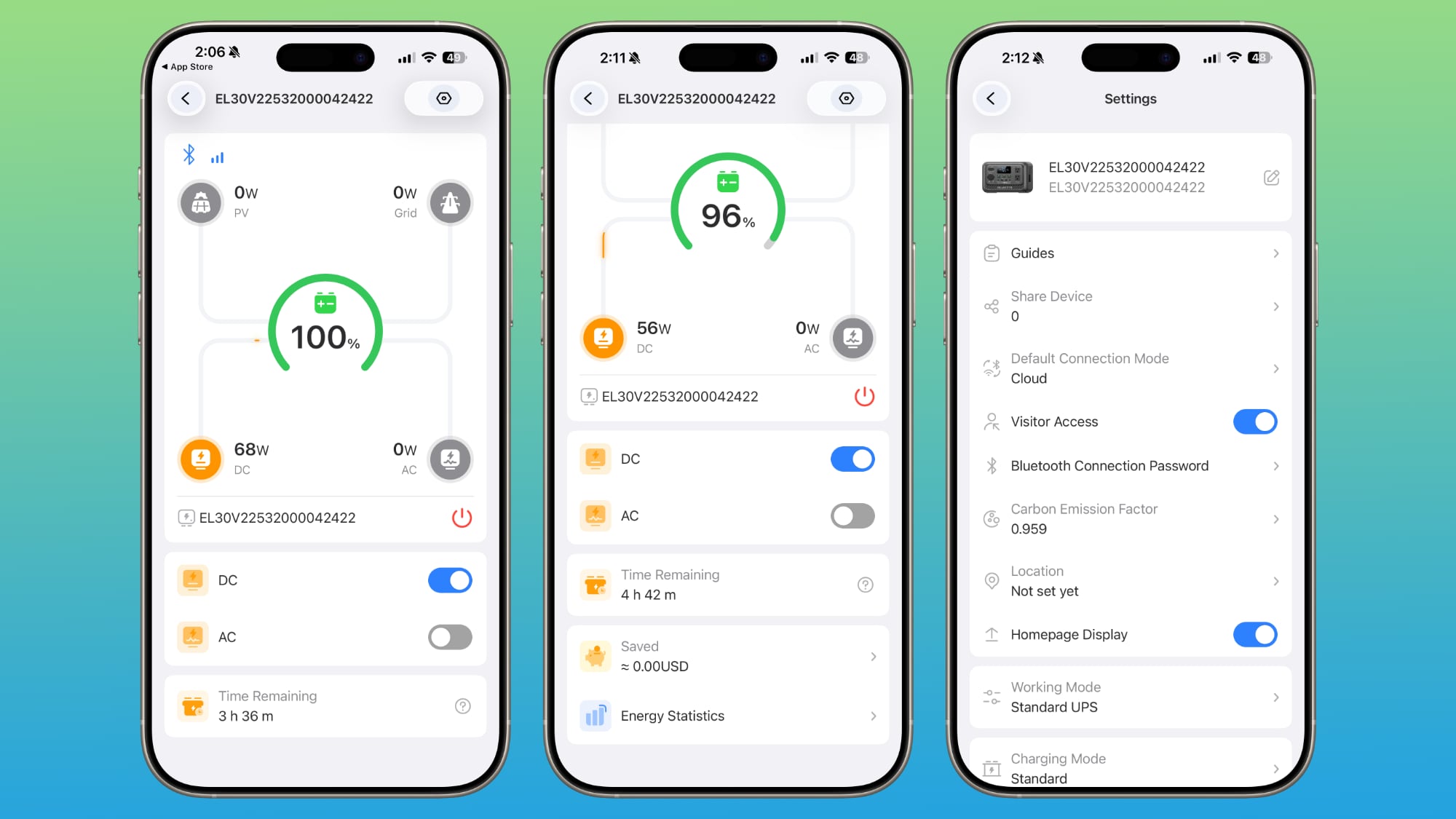
There is a Bluetti app, and you can connect to the power station via Bluetooth or Wi-Fi to monitor it remotely. The app tells you what's drawing power and how much, how long the battery will last under the current load, and your energy usage statistics. You can also remotely turn the AC/DC power on or off, choose power modes, and enable the 1500W Power Lifting feature. You should also be able to upgrade the firmware, but it wasn't working properly for me in the app (the button to actually install firmware was blank).

Bottom Line


I'm a fan of the Elite 30 V2. It provides enough power to charge multiple phones, tablets, portable gaming systems, or computers, but it's not too heavy to carry around. For an active use power station that you're using for day or weekend trips where portability is an issue, this is one of the better power stations that you can get.


I am petite and can struggle to haul around some of the bigger power 20lb+ stations that I've tested, but this one is the perfect size. I'm more likely to use a power station that is convenient for me to carry and take places.

This would be ideal as a backup battery if you just wanted to power smaller devices like smartphones and your router in a power outage. For medical devices or appliances that draw a lot of power, a bigger battery would be better.

Some power stations can cost over $1,000, but the Elite 30 V2 is much more affordable. The MSRP is $304, but it's often on sale.

How to Buy


The Bluetti Elite 30 V2 Portable Power Station can be purchased from the Bluetti website for $209 at the current time.

Note: Bluetti provided MacRumors with an Elite 30 V2 for the purpose of this review. No other compensation was received.
This article, "Bluetti Elite 30 V2 Review: A Lightweight Portable Power Station for Camping and Backup Power" first appeared on MacRumors.com

Discuss this article in our forums
  •  

Affinity is a Powerful Free Photoshop Alternative for Mac (and Windows)

Affinity is a powerful creative application that offers photo and image editing capabilities, vector design, and page layout features, all in a single app, and feature-wise it’s easily able to compete with the likes of Adobe Photoshop or Illustrator. But unlike Photoshop or Illustrator, Affinity is now completely free – though advanced features like AI ... Read More
  •  

$6 Fake iPhone Pocket Already Available

Days after Apple's iPhone Pocket sold out around the world, fake versions of the accessory have started to become available online.


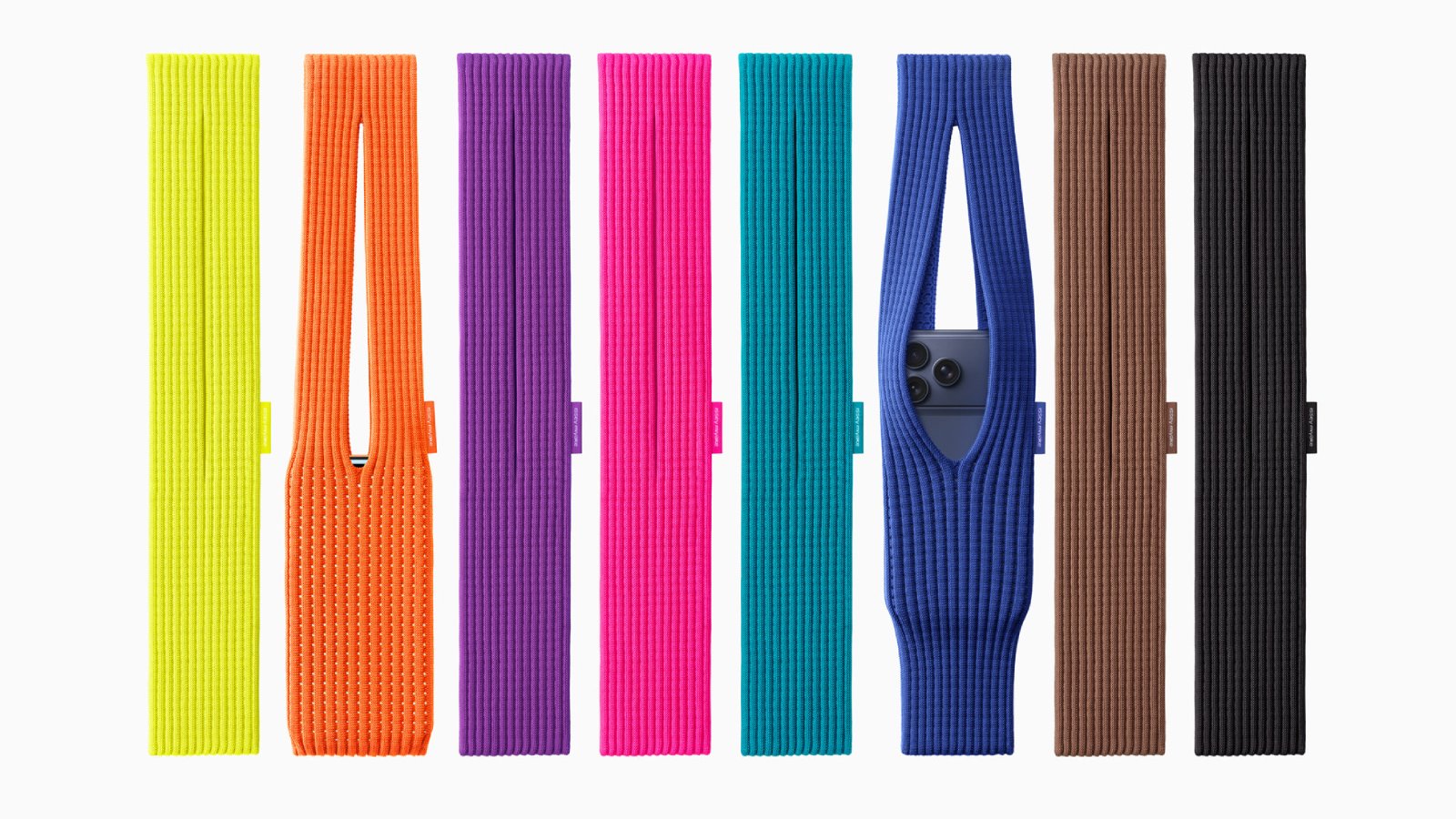
Earlier this month, Apple introduced the ‌iPhone‌ Pocket in collaboration with Japanese fashion brand ISSEY MIYAKE. The 3D-knitted limited edition accessory is designed to carry an ‌iPhone‌.

The accessory is like a stretchy pocket, not unlike an iPod Sock, but elongated to form a strap made of a ribbed, elastic textile that fully encloses an ‌iPhone‌ yet allows you to glimpse the display through its open structure. It comes in a short strap variant for $149.95 and a long strap variant for $229.95.

The ‌iPhone‌ Pocket became available to order on Apple's online store starting Friday, November 14, in the United States, France, China, Italy, Japan, Singapore, South Korea, and the United Kingdom. It quickly sold out around the world.

Now, lookalike versions of the accessories have started to become available on Chinese sites like AliExpress, where you can buy an ‌iPhone‌ Pocket clone for as little as $6. Some listings describe it as a 1:1 replica, but there is no ISSEY MIYAKE print on the label. They describe the accessory as being made with the same production processes. Both the short and long variants are available in all of the original color options.

Apple products and accessories are often replicated by manufacturers in China, but the turnaround for these particular copies has been especially fast. As with most reproductions, quality can vary, yet for customers who missed out on the limited-edition release, found it too expensive, or simply like the aesthetic, the dramatically lower price of these lookalikes may make them a tempting alternative.
This article, "$6 Fake iPhone Pocket Already Available" first appeared on MacRumors.com

Discuss this article in our forums
  •  

Apple's Founding Papers Return to Auction, Could Fetch Up to $4 Million

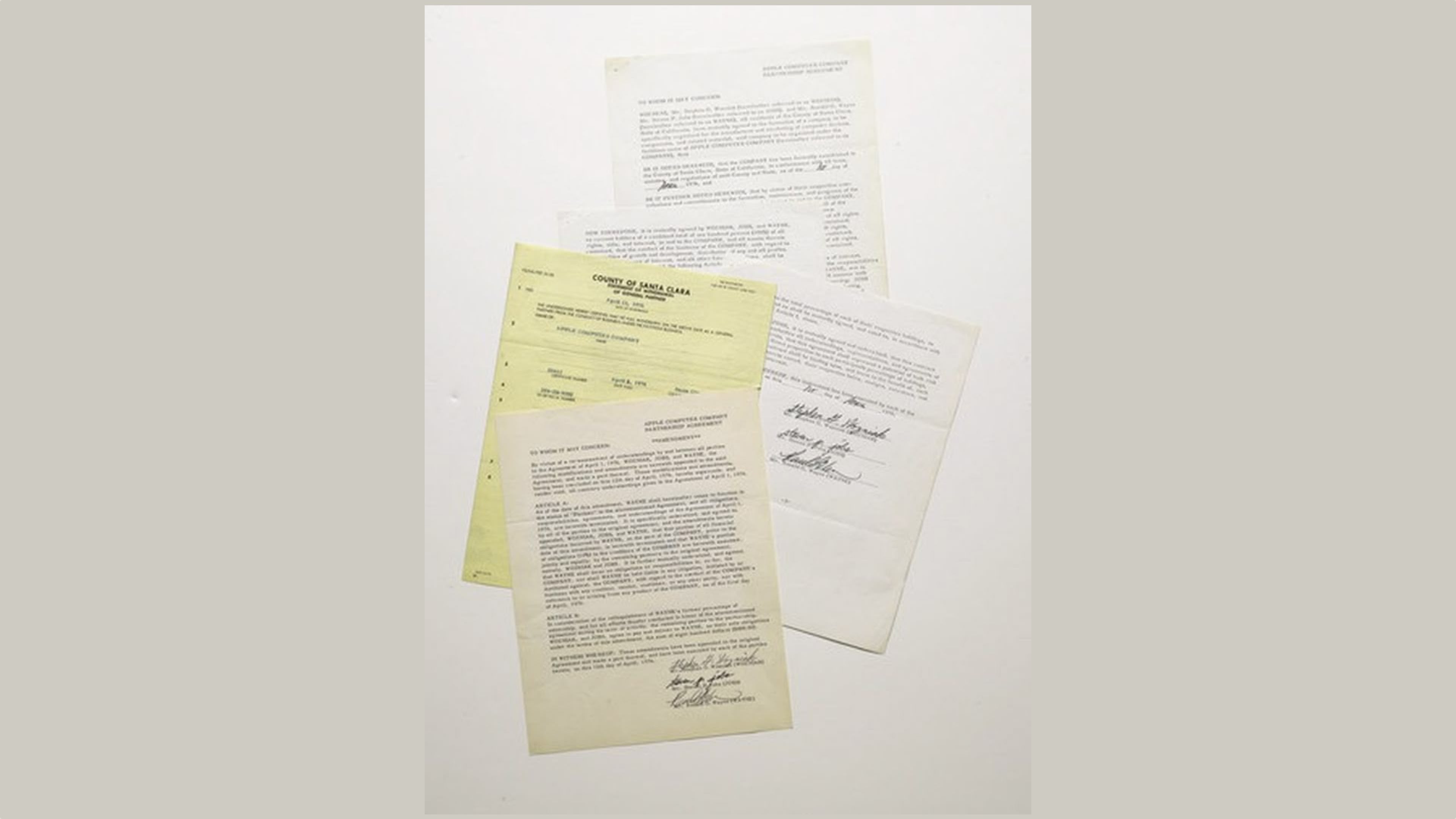
Christie's is preparing to auction off the original partnership contract that created the Apple Computer Company on April 1, 1976, valuing it in the region of $2-4 million.


The original three-page document served as the contract among Steve Jobs, Steve Wozniak, and Ron Wayne. The agreement established initial shares at 45% for Jobs, 45% for Wozniak, and 10% for Wayne.

Additional papers documenting Wayne's withdrawal as a partner just 12 days after the company was formed are also included in the auction package. Wayne initially received $800 for his 10% share of the company, and later received an additional $1,500 payment.

Wayne later stated he withdrew because he knew the venture would be a "roller coaster" and that the high-stakes ride was not for him.

If Wayne's original 10% stake had somehow remained untouched, it would be worth about $409 billion today based on Apple's $4 trillion valuation. That's only a playful comparison, mind, since decades of stock splits, new share issuances, and structural changes mean that early 10% slice has no realistic connection to Apple's modern share count!

Christie's will offer the founding contract and Wayne's withdrawal agreement as a single lot on January 23, 2026.


In the early 1990s, Wayne sold the physical copy of the founding contract for $500. Apple's founding corporate papers were last sold at auction by Sotheby's in December 2011. That lot also included Wayne's withdrawal, and it was sold to a private collector for nearly $1.6 million.

(Via Arirang TV.)
This article, "Apple's Founding Papers Return to Auction, Could Fetch Up to $4 Million" first appeared on MacRumors.com

Discuss this article in our forums
  •  
❌