MacRumors videographer Dan Barbera has been testing all four of Apple's new iPhones for the last few weeks, so if you're still thinking about getting one an iPhone 17, iPhone 17 Pro/Pro Max, or iPhone Air, you'll want to watch his latest video.
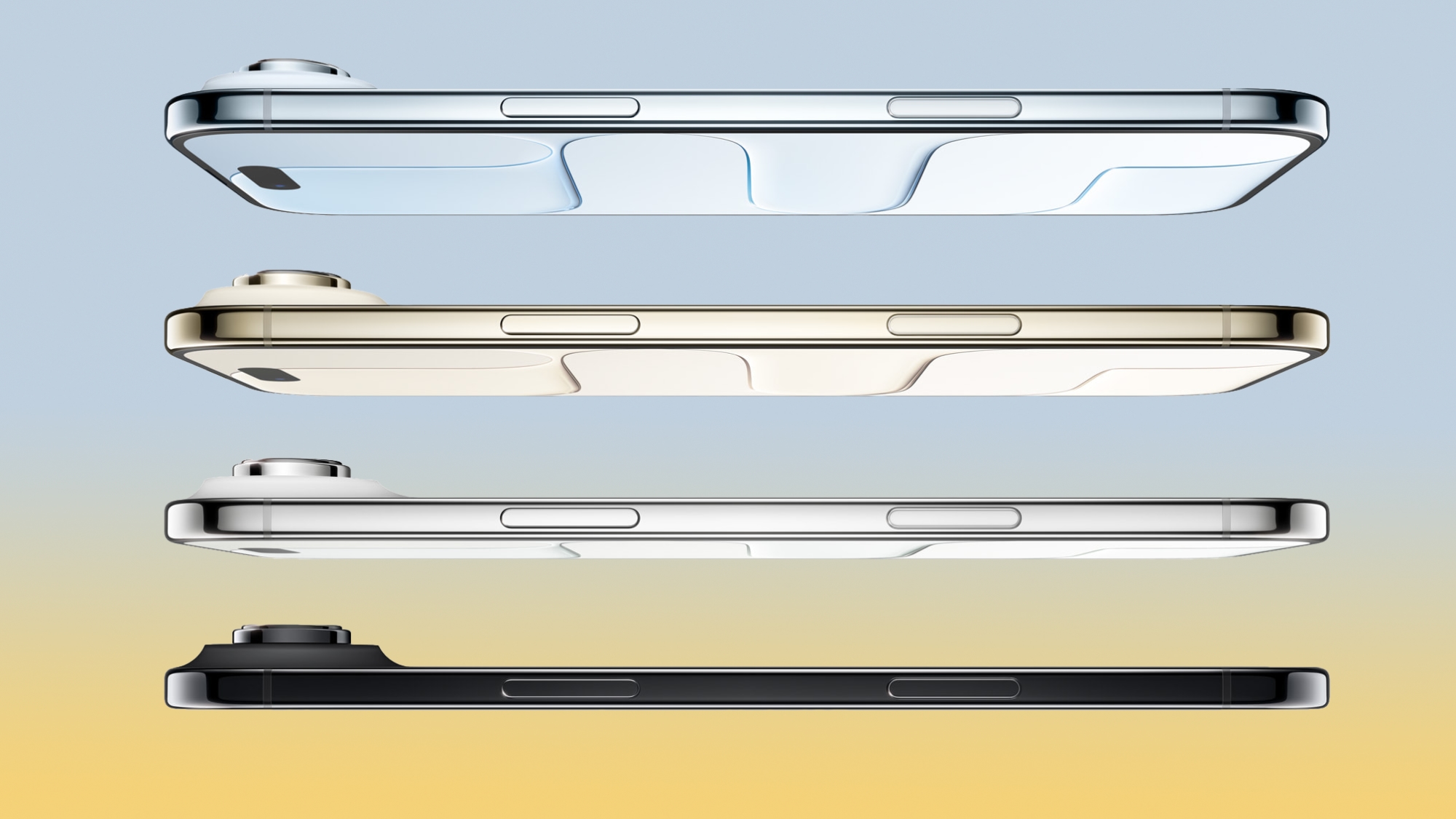
With an ultra-thin design that measures just 5.6mm at its thinnest point, Apple's new iPhone Air tops the iPhone 6 as the thinnest iPhone ever released.
With a 6.9mm frame, the iPhone 6 was prone to bending, although the most egregious examples were often seen in YouTube videos that used excessive force.
The big question: Will the iPhone Air bend?
In a video that Apple provided to Tom's Guide, Apple subjected the iPhone Air to a machine that simulated "130 pounds of pressure" on the middle of the device. The publication said the video shows the device "springs back remarkably well and doesn't show any lasting curve from the experience." You can watch it for yourself in their report.
It appears the iPhone Air should be bend-proof in most if not all real-world scenarios, but we still have to wait for independent, third-party tests.
It does seem pretty safe to say that the iPhone Air will not bend in the same way the iPhone 6 did, and a big reason for that is the device has a titanium frame, whereas the iPhone 6 was made with aluminum. Apple said the iPhone Air "exceeds" its "stringent bend strength requirements," and touted it as the most durable iPhone ever.
The report also includes a few other durability test videos from Apple, including one that tests the Ceramic Shield 2 front cover on iPhone 17 models, which is promised to offer 3× better scratch resistance compared to the previous generation. Another video subjects the iPhone 17 Pro to simulated drop tests. Unsurprisingly, given these videos are from Apple, the results are favorable. Real-world tests will confirm things soon.
The first reviews of the iPhone Air have been published by selected media outlets and YouTube channels, offering a closer look at the device ahead of its launch on Friday.
The main attraction of the iPhone Air is its ultra-thin 5.6mm design, but the device has a handful of compromises compared to the iPhone 17 Pro models, so is it still worth buying? The reviews set out to answer that question.
The compromises compared to the Pro models include shorter battery life, no Telephoto camera with up to 8× optical zoom, one speaker instead of two, a slower USB-C port for wired data transfer speeds, slightly lower maximum USB-C and MagSafe charging speeds, and a slightly slower 5-core GPU instead of a 6-core GPU.
On the other hand, the iPhone Air has some Pro features, including a ProMotion display with up to a 120Hz refresh rate, and an A19 Pro chip with the same 6-core CPU. The device also has a sleek, premium design with Ceramic Shield glass and titanium.
iPhone Air can be pre-ordered now. Below, we have rounded up some of the reviews.
Apple says the iPhone Air offers up to 27 hours of video playback per charge, compared to up to 33 hours on the iPhone 17 Pro and up to 39 hours on the iPhone 17 Pro Max.
Now for the less-good news: battery life is just okay. And honestly, that's a pretty good outcome for the Air; the situation could have been worse. If you're a light user and you spend most of your time on Wi-Fi, you might never have a problem with the battery.
Personally, it makes me a little too anxious to see that battery indicator drop into the 20s before dinnertime, though in fairness I was going pretty hard on the battery with around five hours of screen-on time. On a much lighter day on my home Wi-Fi, three hours of screen-on time took the battery down to around 40 percent by bedtime. I'd call that within the bounds of acceptable, if a little on the low end for a $1,000 phone.
The battery life of the iPhone Air is better than I expected.
The Air was generally able to last a full day with average use for me. I hit around five hours of screen-on time with around 18 percent left by 10:30 pm. This worked for me, but my expectations were also very low. I had to baby the battery so much on the last ultrathin phone I tested, the Samsung Galaxy S25 Edge, and I was surprised to find that this was not the case with the Air.
Heavy users will undoubtedly need to top up this phone during the day. On one travel day, I took the phone off the charger at 5:30 am and used it extensively for navigation, music streaming, phone calls, and Instagram Reeling, and I hit 2 percent by 4:30 pm. If that sounds like a very normal day for you, you'll most certainly feel the limits of this phone's battery life. For the most part, I didn't feel as battery anxious as with Samsung's thin phone.
Like the iPhone 17 Pro models, the iPhone Air has an A19 Pro chip, with the same 6-core CPU but a slightly reduced 5-core GPU. Geekbench results for the chip already surfaced last week, and now one review has subjected it to additional testing.
How about sustained performance? To test that, we used the 3DMark Wild Life Extreme Stress Test, which simulates gaming for about 20 minutes. We ran it once and recorded the results, then did a second run right after that to really stress test these phones.
The iPhone Air performed quite well, with stability scores that beat the Galaxy S25 Edge by a fair margin in both rounds.
More surprisingly, the iPhone Air turned in cooler temperatures than the Pro Max when we measured the back of the phones using a laser thermometer in 5 locations and averaged the results. Though the S25 Edge was even cooler.
CNET's Abrar Al-Heeti tested the iPhone Air's single 48-megapixel rear camera — the review contains a gallery of photos shot with the device:
It felt surprisingly limiting to not have an ultrawide camera, especially when I wanted to capture more sweeping landscapes. Not to turn this into a thin phone showdown, but I couldn't help but think of how the Galaxy S25 Edge does have a 12-megapixel ultrawide-angle camera, alongside a 200-megapixel wide-angle camera, which makes it feel like less of a compromise in that regard.
Otherwise, the rear camera on the iPhone Air consistently delivered. In the many pictures I took of waterfalls, tea times and urban landscapes, shadows and highlights are well balanced, colors are true to life, and there's an overall sharpness and clarity. Portrait shots (my go-to camera mode) capably blur backgrounds to help subjects -- whether it's a decadent tea tray, an art installation or CNET's talented Jesse Orrall -- stand out.
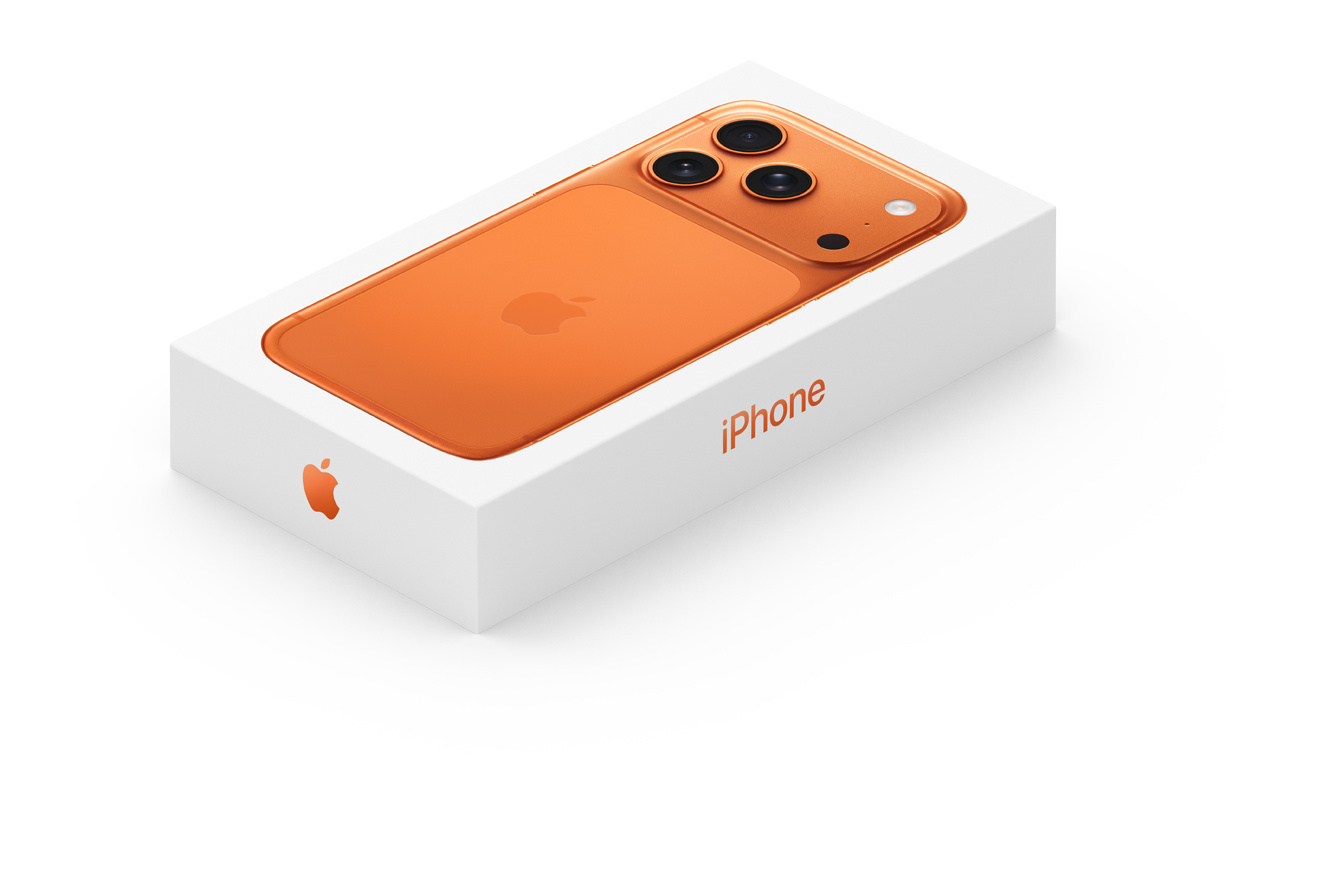
T-Mobile President Jon Freier today shared real-world photos of Apple's boxes for the iPhone Air, iPhone 17 Pro, and iPhone 17 models, which launch on Friday.
Apple has typically included iPhone box renders in its product environmental reports, but it did not do so for the latest models. However, Apple's iPhone Upgrade Program page does offer some images of the boxes, which we have shared below.
Are you the type of person who collects Apple boxes, or do you get rid of them right away?
Apple's all-new, ultra-thin iPhone Air launches on Friday, and there are some smaller details about the device that you might have missed.
Below, we outline five things to know about the iPhone Air:
As rumored, the iPhone Air only has a single speaker. The earpiece at the top of the device doubles as a speaker, but there is no speaker on the bottom of the device. The holes to the left and right of the USB-C port are for microphones. For stereo audio, use AirPods or a capable external speaker.
On the iPhone Air, the Dynamic Island is positioned slightly lower on the screen compared to the iPhone 17 and iPhone 17 Pro models. This was likely necessary due to the device's ultra-thin frame necessitating internal design changes.
While the iPhone 17 Pro models support USB 3.2 Gen 2, for data transfer speeds of up to 10 Gbps, the iPhone Air is limited to USB 2 speeds of up to 480 Mbps.
Apple says the iPhone Air can be charged to 50% in approximately 30 minutes, whereas the iPhone 17 Pro models can be charged to 50% in approximately 20 minutes. A higher-wattage charger and cable is required to achieve these speeds. In addition, MagSafe wireless charging on the iPhone Air is limited to up to 20W, compared to 25W for the iPhone 17 Pro models.
In the iPhone 17 Pro models, the A19 Pro chip has a 6-core GPU. In the iPhone Air, it has a 5-core GPU, so graphics performance will take a slight hit.
iPhone 17, iPhone 17 Pro, iPhone 17 Pro Max, and iPhone Air pre-orders began on Friday in the U.S. and many other countries. iPhone 17 Pro Max delivery estimates quickly slipped beyond the Friday, September 19 launch day for those who had yet to place an order, and now the rest of the new models have started to follow suit.
As of shortly after 11:30 a.m. Pacific Time today, select iPhone 17, iPhone 17 Pro, and iPhone Air configurations on Apple's online store in the U.S. are facing an additional 1-3 week shipping delay beyond launch day, with delivery estimates pushing into late September to mid-October. However, for some configurations, delivery or in-store pickup at select Apple Store locations on launch day is still an option at the time of writing.
We do not know how much supply Apple has for each new iPhone configuration, but if extended delivery estimates generally align with strong demand, then Cosmic Orange for the Pro models and Cloud White for the iPhone Air are proving to be especially popular color options so far. For the regular iPhone 17, Sage and Black are in demand.
On a related note, there is some good news for customers who placed a pre-order as soon as possible on Friday, as some customers who initially received a September 25 delivery estimate have now seen their orders bumped up to September 19.
Need help with making your pre-order decision? Check out our helpful buyer's guide below:
The latest iPhone 17, iPhone 17 Pro, iPhone 17 Pro Max, and iPhone Air models are equipped with Apple's all-new N1 chip for Wi-Fi 7, Bluetooth 6, and Thread connectivity. However, the chip has a Wi-Fi 7 bandwidth limitation.
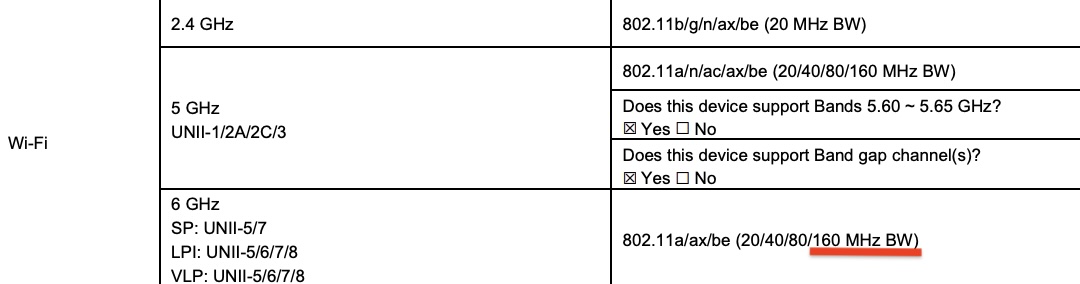
According to FCC documents reviewed by MacRumors, the N1 chip in all of the new iPhone models supports up to 160 MHz channel bandwidth for Wi-Fi 7, short of the standard's 320 MHz maximum. This limitation means the devices cannot achieve the peak theoretical speeds possible with Wi-Fi 7, but real-world performance is typically already bottlenecked by internet service providers and other factors.
For the vast majority of customers, this is a non-issue, but some iPhone users had wantedto know if the N1 chip offered 160 MHz or 320 MHz channel bandwidth for Wi-Fi 7, so we combed through FCC documents to find the answer.
FCC document showing Wi-Fi specs for iPhone 17 Pro Max
Wi-Fi 7 is still very fast. The standard allows for data transmission over the 2.4GHz, 5GHz, and/or 6GHz bands simultaneously, with a compatible router, resulting in faster speeds, lower latency, and more reliable connectivity.
All of the iPhone 16 models — excluding the iPhone 16e — also support Wi-Fi 7 with up to 160 MHz channel bandwidth. Those devices are equipped with a Broadcom chip for wireless networking, though, leading to hopes that Apple's N1 chip might raise the limit to 320 MHz. Evidently, that is not the case.
There are other benefits, though. Apple said the N1 chip improves the overall performance and reliability of features like Personal Hotspot and AirDrop, and it also contributes to power efficiency improvements in the latest iPhone models.

 Login
Login

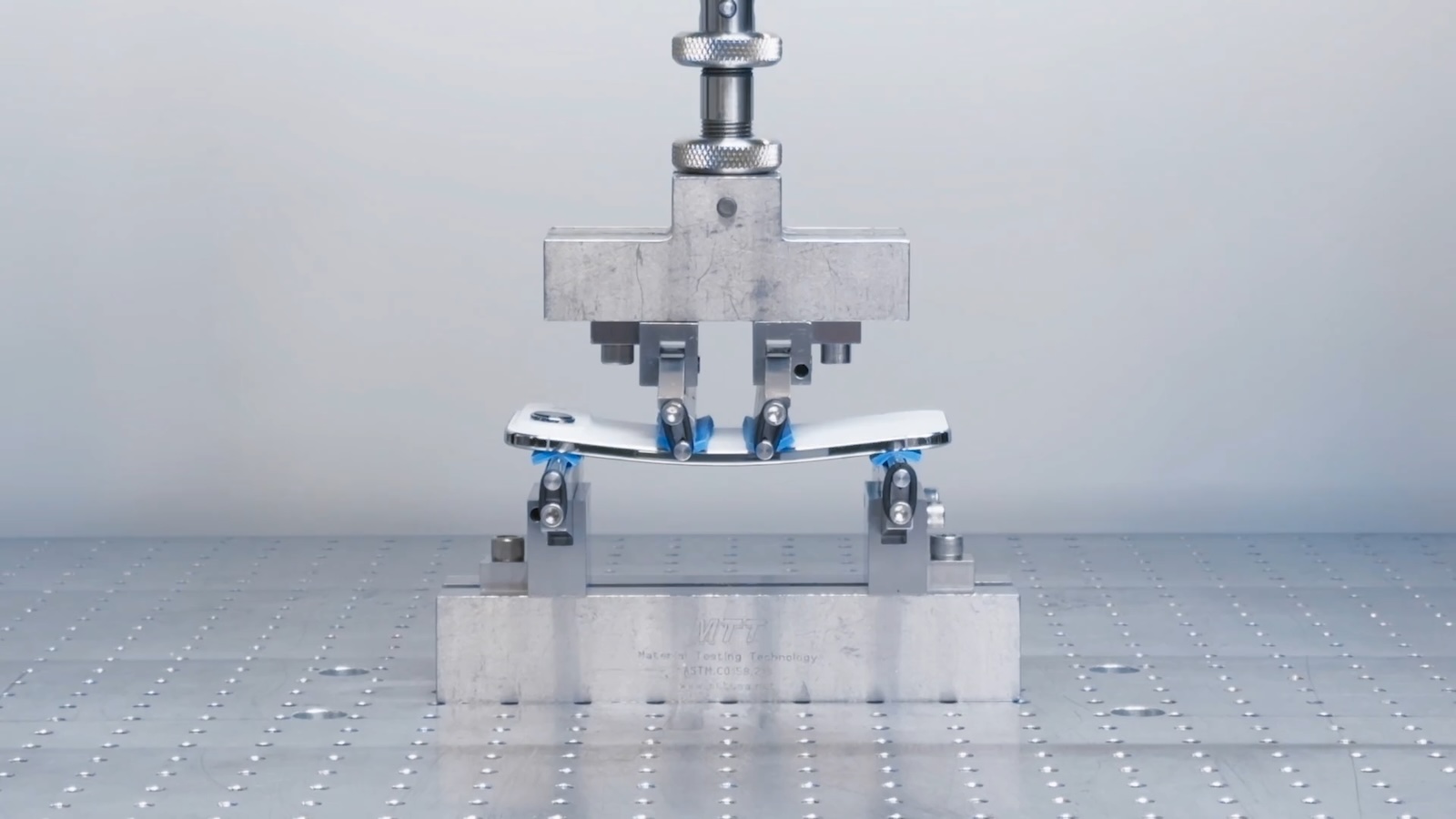
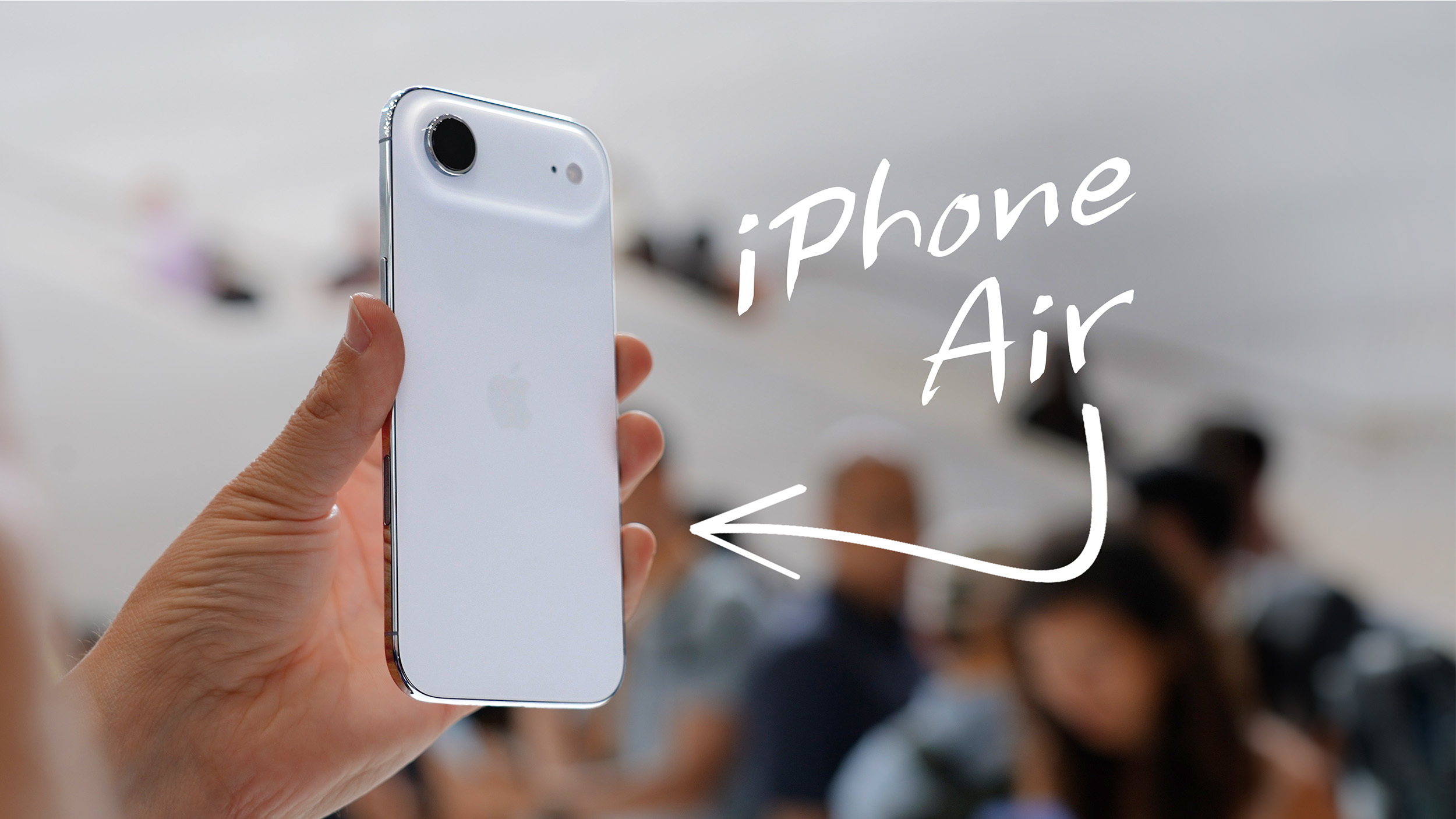
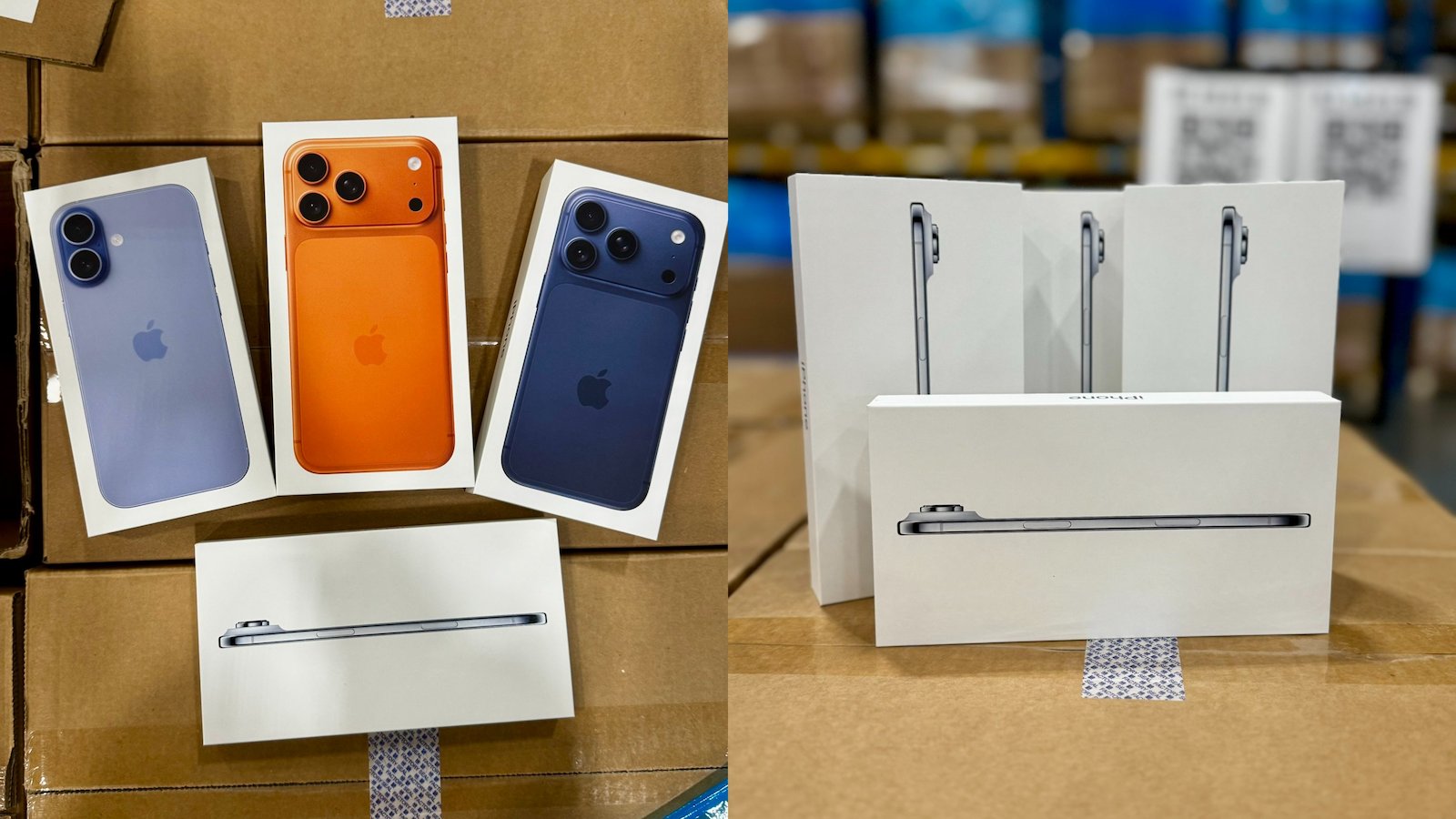 Image Credit: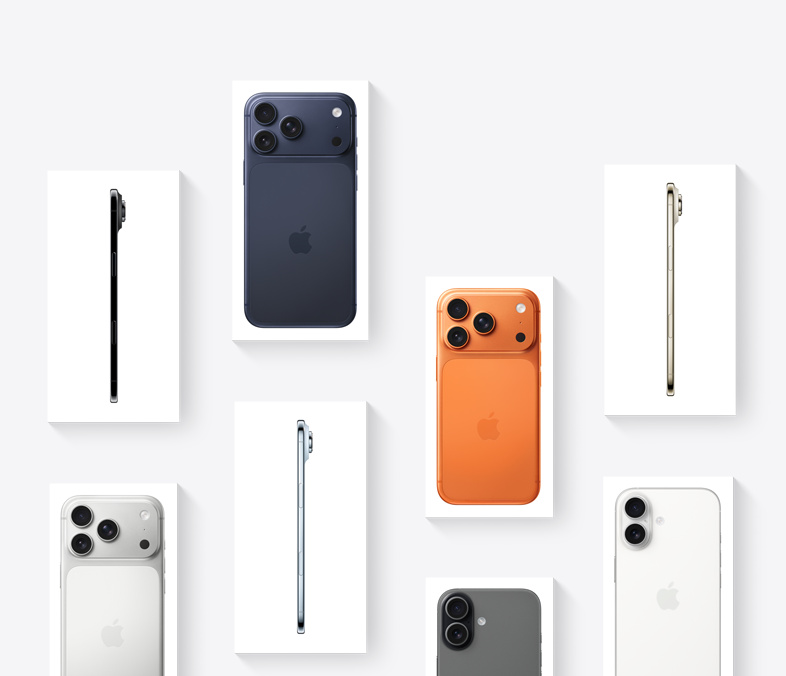
 FCC document showing Wi-Fi specs for iPhone 17 Pro Max