Reading view

Five New iPhone Features Rumored for iOS 27

Though it's been just a few months since iOS 26 launched, we're already hearing rumors about the next-generation version of iOS, iOS 27. iOS 27 will be introduced at Apple's June WWDC 2026 event before it launches in September 2026.


We don't know all of the details about iOS 27 yet, but we do have some information about what to expect.

"Snow Leopard" Update


iOS 27 will apparently focus on bug fixes and under-the-hood improvements to boost performance rather than new features. It's been referred to as a "Snow Leopard" update, because that was a version of macOS that Apple famously claimed had "zero new features" because it was all about fixing the existing software.

Apple engineers are reportedly going through iOS 26 to look for bloat, bugs, and any other issues impacting performance that can be fixed in iOS 27.

iPhone Fold


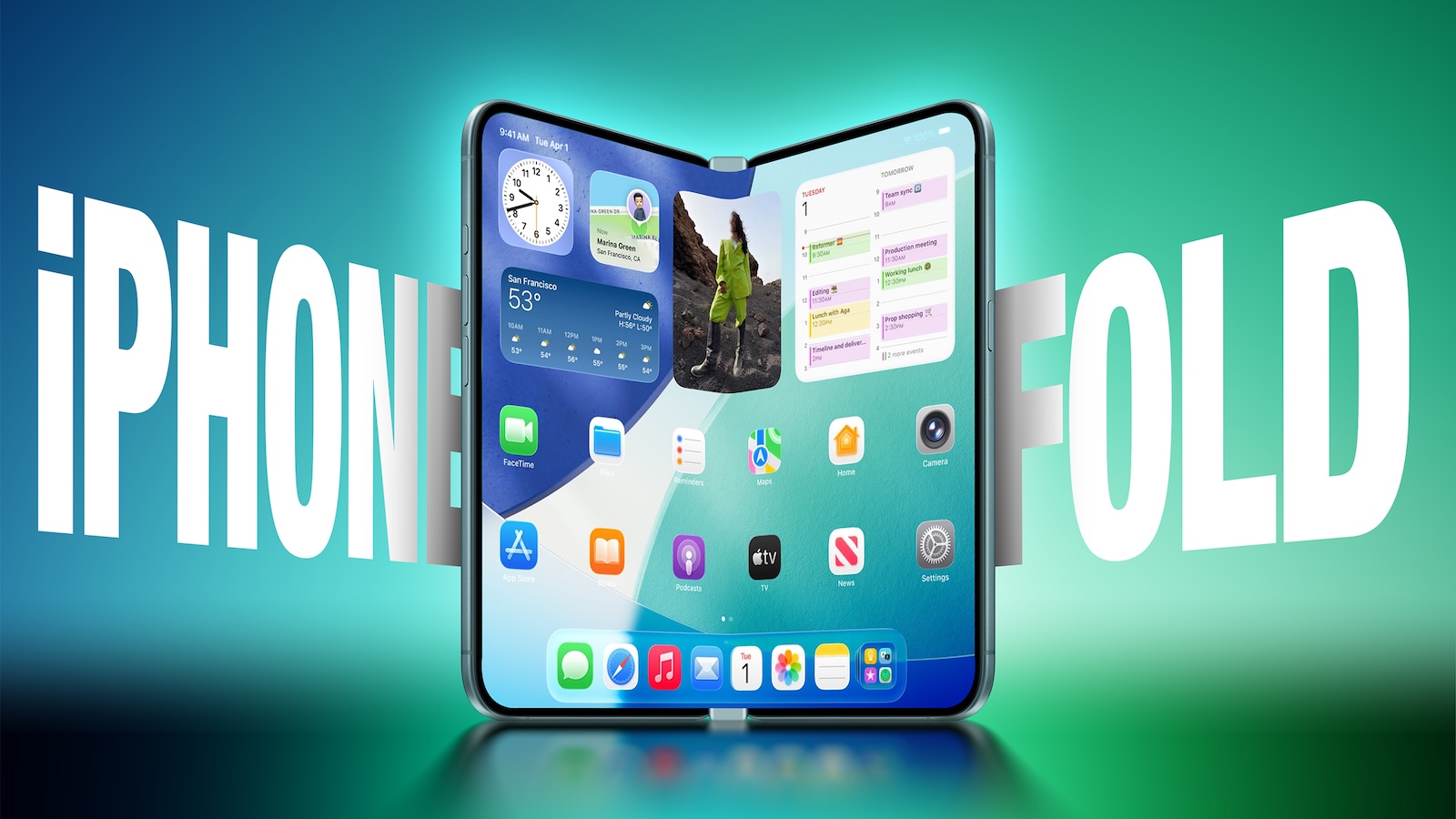
In 2026, Apple plans to launch the first foldable iPhone, a device rumors have taken to calling the ‌iPhone‌ Fold. The ‌iPhone‌ Fold is expected to have a ~5.4-inch display when folded, and a ~7.7-inch display when it's opened up like a book. It will be shorter and wider than other foldables on the market, with a 4:3 aspect ratio. At around 5.4 inches when closed, the ‌iPhone‌ Fold's outer display will be the smallest we've had since the ‌iPhone‌ 13 mini.

With Apple going back to a smaller display and simultaneously introducing a 7.7-inch display that's larger than any ‌iPhone‌ display to date, we're going to need some updates to iOS. iOS 27 will focus on introducing new interfaces and experiences for a larger display and a display that shifts between multiple sizes.

We haven't heard specifics on how Apple will tweak iOS to accommodate the ‌iPhone‌ Fold, but we could see some iPad-like options such as side bars and perhaps even multitasking views with support for multiple windows.

Liquid Glass


iOS 27 will likely include refinements for the Liquid Glass design that Apple introduced with ‌iOS 26‌. There have already been some changes in the iOS 26.1 and iOS 26.2 updates, but iOS 27 will provide Apple with the opportunity to make larger adjustments to respond to customer feedback.

Apple Intelligence


We're supposed to get the much smarter version of Siri in an iOS 26.4 update planned for spring 2026, but it's likely even more Apple Intelligence capabilities will follow in iOS 27.

We don't know specifics yet, but several existing ‌Apple Intelligence‌ features could expand to additional apps.

Apple is also working on a "World Knowledge" Siri search feature that would provide information on general search queries, which will likely be included in ‌Siri‌'s iOS 26.4 update. If it's not in iOS 26.4, the add-on ‌Siri‌ feature could instead come in iOS 27.

Siri


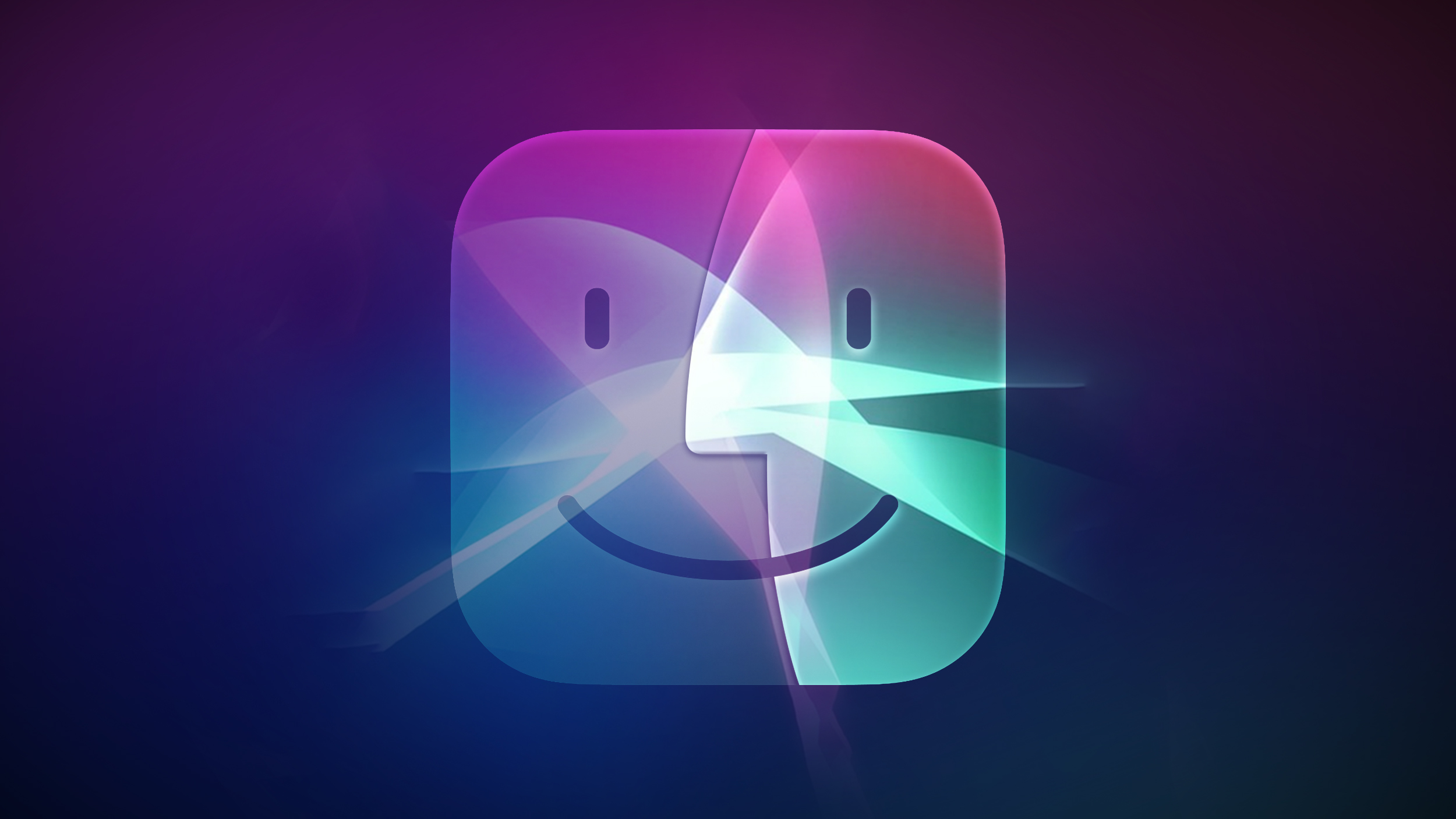
With iOS 27, Apple could update Siri's design. ‌Siri‌ will get its major overhaul in iOS 26.4, but a new visual look is supposedly planned for iOS 27. There are no specifics about what the redesign might entail, but rumors linked to Apple's upcoming tabletop robot suggest that the company might introduce a version of ‌Siri‌ that's more animated, similar to the Mac Finder logo. That more animated version of ‌Siri‌ could also come to the ‌iPhone‌ and iPad, and we could see it first in iOS 27.

Health+


Apple is developing a paid Health+ service with nutrition planning and medical suggestions, and we could see that introduced as part of iOS 27.

The medical tool would explain different health metrics and trends from the Health app, offering up personalized guidance for health improvement.

New Satellite Features


Apple is working on several new satellite features for the ‌iPhone‌, and it's possible some features could be introduced as soon as iOS 27. Timing on Apple's satellite improvements is unclear, though, and behind-the-scenes updates from Apple's satellite partner Globalstar are required.
Rumored features:

  • Apple Maps via satellite

  • Photos in Messages via satellite

  • Satellite API framework for third-party apps

  • Satellite over 5G

  • Satellite connectivity without the need for a view of the sky


Some of these features might require new hardware, but options like ‌Apple Maps‌ via satellite would not require components beyond what's available now.

Launch Date


New versions of iOS, macOS, and Apple's other software platforms will be previewed in June at WWDC before launching in September just ahead of when new ‌iPhone‌ models come out.
Tag: iOS 27

This article, "Five New iPhone Features Rumored for iOS 27" first appeared on MacRumors.com

Discuss this article in our forums

  •  

CES 2026: The Ultraloq Bolt Sense Smart Lock Uses Palm Vein and Facial Recognition to Unlock Your Door

The Xthings Ultraloq Bolt Sense is a smart lock that incorporates biometric authentication and Matter support. The Bolt Sense is able to identify a person through 3D facial recognition and palm vein authentication.


Xthings says the dual biometric approach is meant to be more secure than traditional biometric unlocking methods, but it may also exist because few companies have managed to master facial recognition as accurate as Face ID. The extra palm scan, which identifies an individual's sub-surface vein pattern, ensures that facial recognition won't fail. With biometric unlocking, users can open the door hands-free, and the palm scan works even when the hands are wet.

The Bolt Sense combines biometric unlocking with active approach sensing, advanced infrared, and adaptive low-light performance, so it works in the daytime and at night.

Xthings isn't launching the Ultraloq Bolt Sense until the second quarter of 2026, but the Ultraloq Bolt Mission, a Matter-enabled smart lock with Ultra Wideband, is available for purchase as of today. The $300 Bolt Mission uses UWB for automatic hands-free unlocking as the homeowner approaches.

It also supports unlocking via the Apple Home app, NFC, the Ultraloq app, a PIN, a physical key, or the Apple Watch. It does not support Apple Home Key, and the UWB only works with the Ultraloq app. The Bolt Mission uses 8 AA batteries that need to be replaced every six months, or users can purchase a rechargeable lithium battery pack that lasts for up to 1.5 years before it needs to be charged.

Along with the two Bolt locks, Xthings also debuted the Latch 7 Pro, a latch-style smart lock that will support Matter over Thread and Aliro, a universal smart lock standard that Apple is involved in. It's set to launch later this year.
This article, "CES 2026: The Ultraloq Bolt Sense Smart Lock Uses Palm Vein and Facial Recognition to Unlock Your Door" first appeared on MacRumors.com

Discuss this article in our forums

  •  

CES 2026: ESR Announces Qi2.2 Wireless Chargers With 25W iPhone 17 Charging

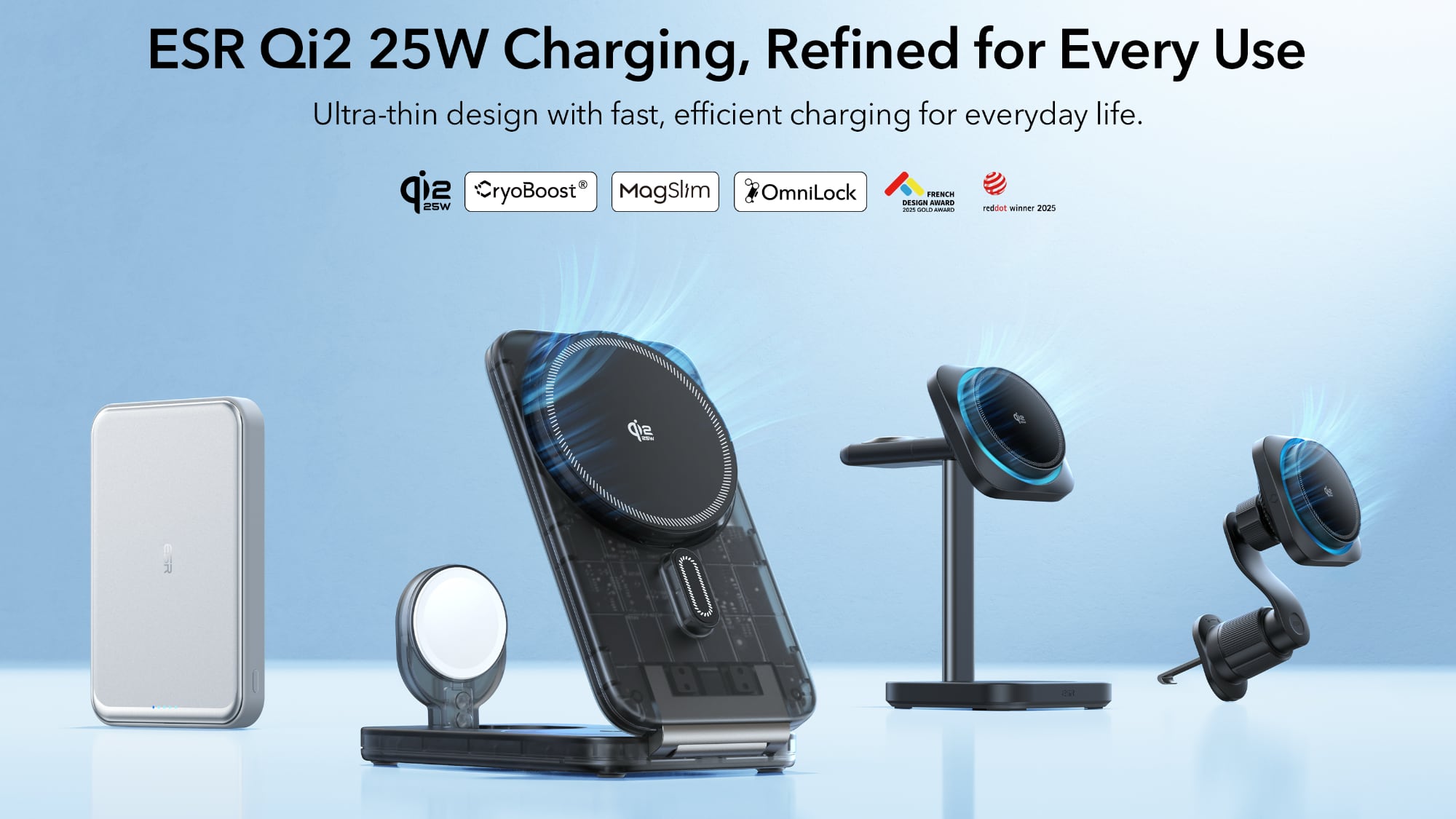
ESR is updating its line of CryoBoost chargers, adding new Qi2.2 options that can charge an iPhone 17 at up to 25W. CryoBoost is ESR's feature that uses active cooling to improve wireless charging speeds.


The $90 CryoBoost Foldable 3-in-1 Magnetic Charging Station has a compact design that's ideal for travel. It folds down to 15.8mm, but can charge an iPhone at up to 25W, an Apple Watch, and AirPods at the same time.

The $100 CryoBoost 3-in-1 Magnetic Charging Station offers the same feature set as the foldable model, but in a design optimized for the desktop. It has a detachable Apple Watch charger, and the ‌iPhone‌ charging stand supports portrait and landscape modes. Sleep Mode turns off the light and the fan for quiet, LED-free charging.

ESR says that its upcoming 10,000 mAh MagSlim Power Bank is the thinnest Qi2.2 25W power bank on the market, measuring in at 13.8mm thick. It too is able to charge the ‌iPhone 17‌ models at up to 25W, just like MagSafe.

More information on ESR's releases can be found on the ESR website.
Tags: CES 2026, ESR

This article, "CES 2026: ESR Announces Qi2.2 Wireless Chargers With 25W iPhone 17 Charging" first appeared on MacRumors.com

Discuss this article in our forums

  •  

CES 2026: LIFX Introduces Matter-Compatible Smart Mirror and Dimmer Switch

LIFX, known for its smart lighting options, debuted a new SuperColor Mirror at CES 2026. The SuperColor Mirror features both front and back lighting options, and it connects to an Apple Home setup using Matter.


There are lighting modes like Make Up Check and Anti-Fog that users can select, plus brightness and color can be adjusted. LIFX says that other Matter-enabled devices can be controlled using three physical buttons that are on the mirror.

The mirror features polychrome blended color technology with multiple lighting zones. Like other SuperColor LIFX products, the mirror's lights can shift and morph smoothly between different colors, and there are color effects like flame and paint.

The SuperColor Mirror and other LIFX devices will get a Thread upgrade later in 2026, so they can connect to Matter over Thread in addition to Wi-Fi.

LIFX is launching new Smart Dimmer switches that include four customizable buttons and a built-in 8-zone light bar. The Dimmer Switch has Matter support and it is designed to work with both smart and traditional lights. There are single tap, double tap, and long press gestures, so it can perform multiple tasks when assigned to activate scenes.

The Smart Dimmer includes dimming support for LED, Halogen, or incandescent bulbs, along with full scene and effect control for LIFX lights. With the Matter integration, it should also be able to control other Matter-connected lights.

There are also new affordable Matter-connected smart lighting options that are available from LIFX. The Everyday A19 LED Light Bulb features 800 lumens and support for multiple colors, while the 20-foot Everyday Lightstrip features 24 addressable zones for flowing effects and a 4-button physical controller for activating scenes. The Everyday Bulb is priced at $23 for two and it is available now from Amazon, while the Everyday Lightstrip will launch later in January.

The Smart Dimmer is set to launch in the second quarter of 2026 for $30. The SuperColor Mirror will also come out in the second quarter, but pricing has yet to be announced.
This article, "CES 2026: LIFX Introduces Matter-Compatible Smart Mirror and Dimmer Switch" first appeared on MacRumors.com

Discuss this article in our forums

  •  

Duolingo Used iPhone's Dynamic Island to Display Ads, Violating Apple Design Guidelines

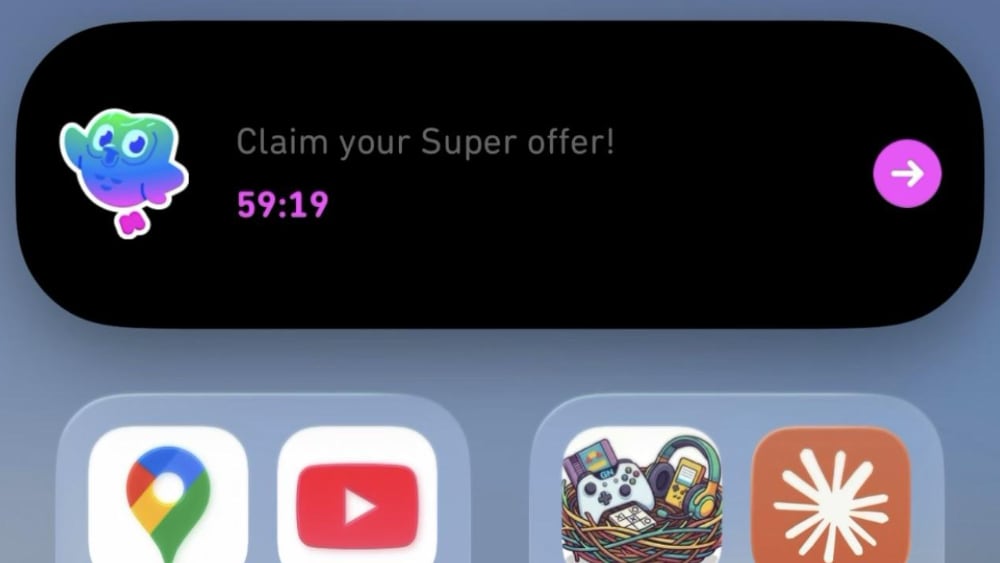
Language learning app Duolingo has apparently been using the iPhone's Live Activity feature to display ads on the Lock Screen and the Dynamic Island, which violates Apple's design guidelines.


According to multiple reports on Reddit, the Duolingo app has been displaying an ad for a "Super offer," which is Duolingo's paid subscription option.

Apple's guidelines for Live Activity state that the feature cannot be used to display ads or promotions. From Apple's developer website:
Don't use a Live Activity to display ads or promotions. Live Activities help people stay informed about ongoing events and tasks, so it's important to display only information that's related to those events and tasks.

Apps that violate Apple's interface guidelines can be pulled from the App Store.

We were not able to replicate the Live Activity ad, so it's possible that Duolingo stopped displaying it after user complaints.
This article, "Duolingo Used iPhone's Dynamic Island to Display Ads, Violating Apple Design Guidelines" first appeared on MacRumors.com

Discuss this article in our forums

  •  

CES 2026: Birdfy Debuts Hummingbird and 360-Degree Vista Feeders

Birdfy today debuted two new products, the Birdfy Feeder Vista and the Birdfy Hum Bloom, which join the company's line of camera-equipped accessories designed for bird watching.


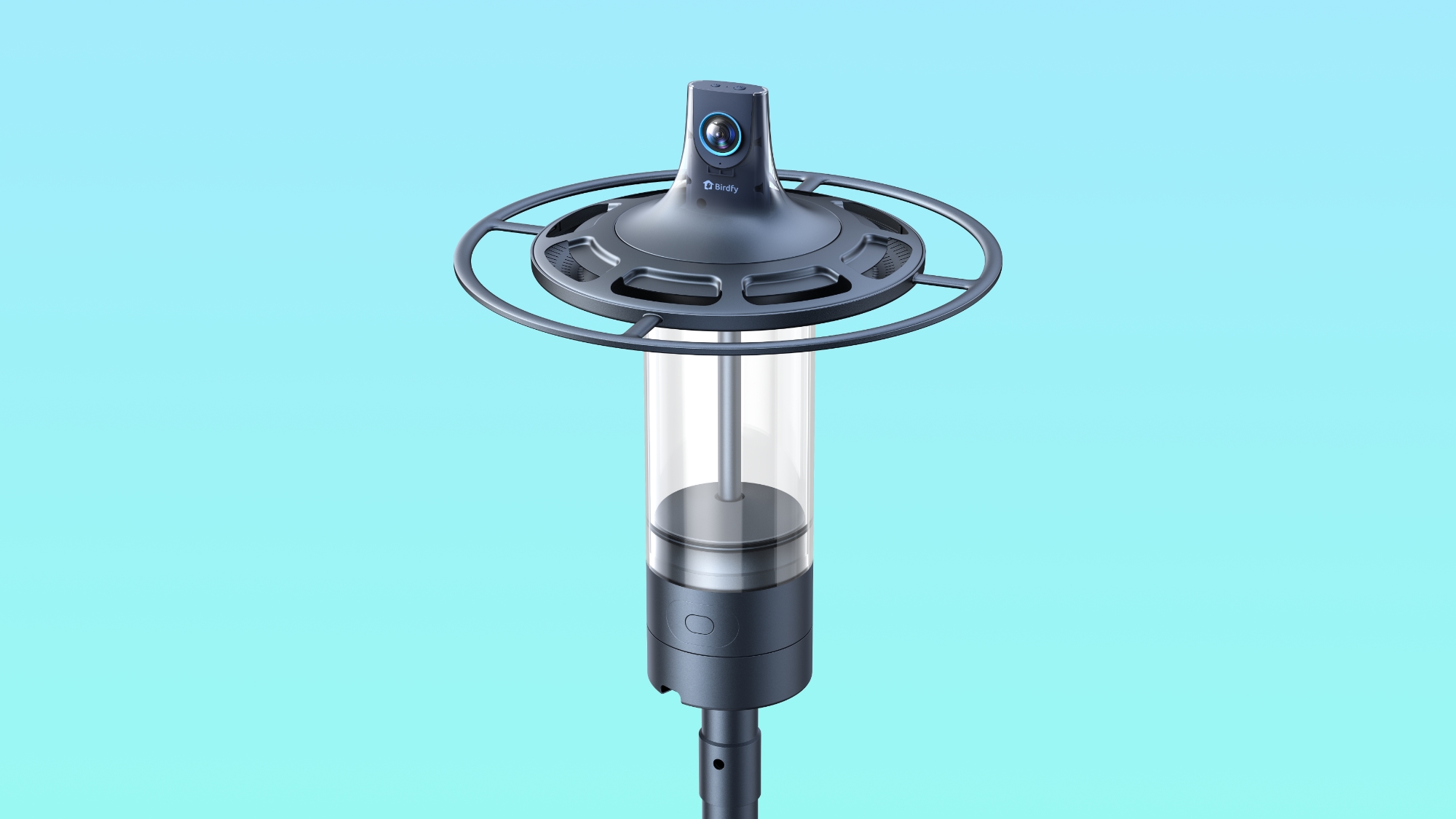
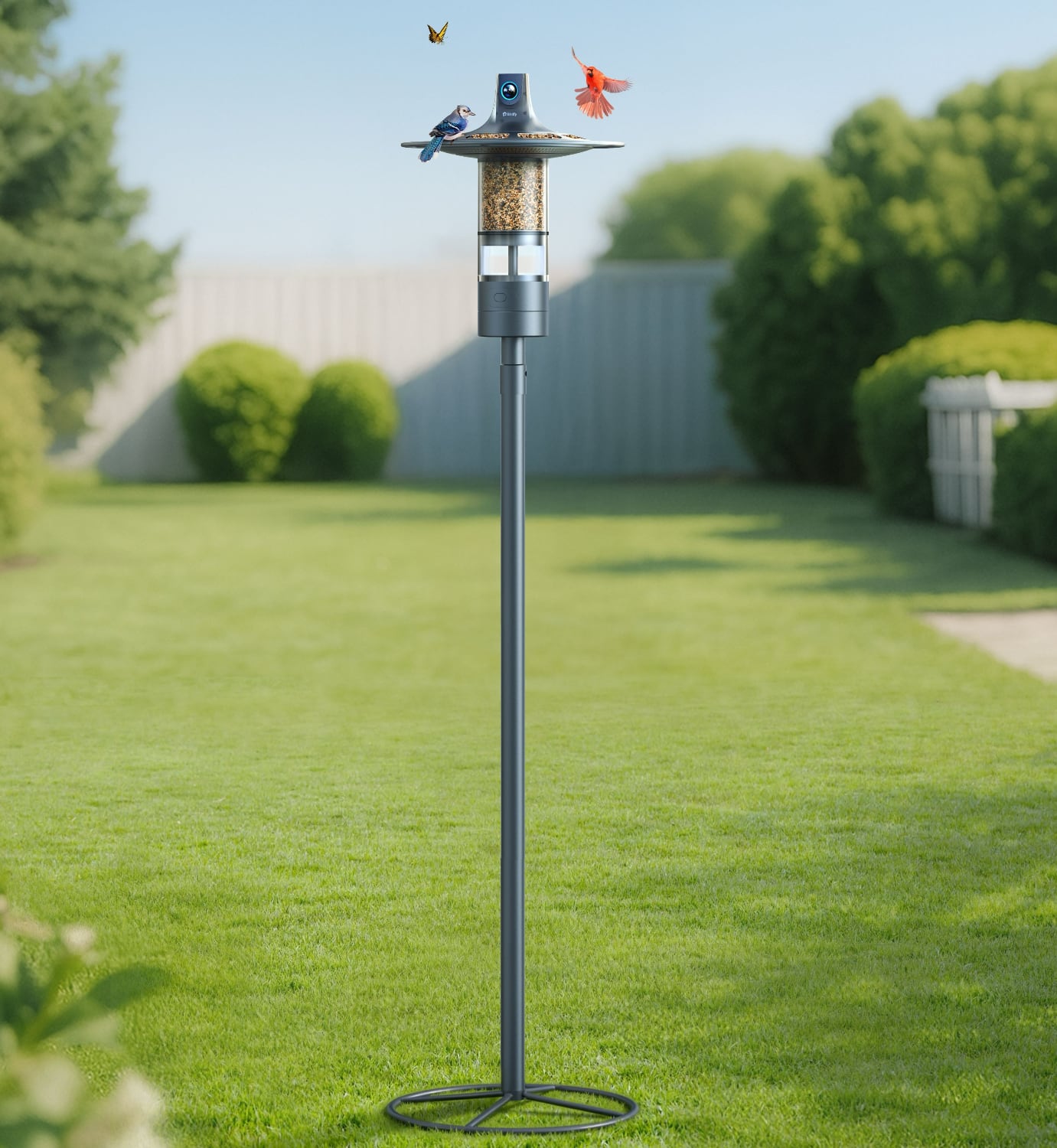
The Birdfy Feeder Vista is a 360-degree smart bird feeder that features two cameras able to capture 14-megapixel panoramic images and record 6K HD video. The Vista is a pole-based camera option that offers a bottom-up feeding system. There's an air pump that feeds seed into a sealed lower container to the feeding tray, so there is no seed hopper that blocks the view of the camera.


Users are able to switch between the 360-degree perspective and a more traditional wide-angle view. As with other Birdfy feeders, the AI will identify birds that visit, but the Vista includes 120-fps slow-motion video for bird landings and flights. The camera is triggered via weight sensors instead of motion, so bird visits aren't missed. The Vista uses an LLM-powered AI that uses contextual understanding and biological reasoning to identify birds with greater accuracy.

Birdfy says that the included air pump feeding system is able to control feed speed and portion size to cut down on waste and encourage healthier feeding habits. Seed is stored in an antibacterial seed container to minimize contamination and to cut down on refill frequency. The feeder is made from a high-strength nylon that is reinforced with glass fiber, and there is a snap-on modular system for adding accessories to attract more kinds of birds.

Along with the Vista, Birdfy is debuting the Birdfy Hum Bloom, a feeder designed for hummingbirds. The feeder is able to capture 8-megapixel images or 120 fps slow-motion videos, and like the Vista, the Hum Bloom is designed not to obstruct the camera's view.


A flower-shaped nectar bulb delivers nectar in a shape that's familiar to birds, with no visible feeding tray in images. Included sensors can track nectar level, sending an alert when a refill is needed. There's an included ant moat, and a solar panel for continuous power.

Birdfy says that the feeder uses an AI model that's trained specifically on hummingbirds, a feature that sets it apart from other camera-equipped hummingbird feeders.

More information about the feeders will be coming later this year.
This article, "CES 2026: Birdfy Debuts Hummingbird and 360-Degree Vista Feeders" first appeared on MacRumors.com

Discuss this article in our forums

  •  

What Do You Want to See From Apple in 2026?

As we shared in our annual What to Expect Guide yesterday, 2026 is going to be a busy year for Apple. There are a lot of firsts in development, including the first foldable iPhone and the first OLED MacBook, plus an all new home hub device that will kick off Apple's major expansion into smart home devices and robotics.


We'll get new M5 Macs and new iPads early in the year, along with an updated ‌iPhone‌ 17e. In the spring, we're expecting iOS 26.4 with the revamped version of Siri, and the home hub, a new Apple TV, and a new HomePod mini could launch in that same timeframe.

We're aware of what's likely to launch based on rumors and past release information, but we'd love to hear from the MacRumors community. What do you want to see Apple release this year?

Are you excited for the new version of ‌Siri‌? Planning to get an ‌iPhone‌ Fold? What do you want to see from iOS 27 and macOS 27?

Let us know your thoughts in the comments, and take a look at our What to Expect guide for an overview of the current rumors. We'll be hearing a lot more about Apple's 2026 plans in the coming months, and you can count on us to have in-depth coverage of every rumor that surfaces.

If you want to discuss Apple's 2026 products, our MacRumors forums are an excellent resource, plus they're a great place to get help on current Apple products and software, or to find like-minded folks in the Apple community.

Our readers and our forum members continue to make MacRumors the number one source for Apple news, rumors, and advice, so thank you for being here! MacRumors celebrated its 25th birthday this year, thanks to the MacRumors community. We're looking forward to another year of rumors and product launches in 2026, and we hope you are too. Happy New Year!
This article, "What Do You Want to See From Apple in 2026?" first appeared on MacRumors.com

Discuss this article in our forums

  •  

Apple Shares 'Detectives' Ad Promoting iPhone 17 Pro Camera

Apple today shared a new "Shot on iPhone" ad promoting the 8x optical zoom feature on the iPhone 17 Pro and ‌iPhone 17 Pro‌ Max.


The ad includes a series of quick zooms to show off what the ‌iPhone 17 Pro‌ models can do. Apple's video description highlight the 200mm focal length of the lens.
With an equivalent 200 mm focal length, the 8x optical-quality zoom makes this our longest iPhone Telephoto ever. So you can get dramatically closer with iPhone 17 Pro.

8x zoom is a new feature this year, exclusive to the ‌iPhone 17 Pro‌ and the ‌iPhone 17 Pro‌ Max. The prior iPhone 16 Pro models were limited to 5x optical zoom.
This article, "Apple Shares 'Detectives' Ad Promoting iPhone 17 Pro Camera" first appeared on MacRumors.com

Discuss this article in our forums

  •  

Everything Apple Is Releasing in 2026: iPhone Fold, LLM Siri, Low-Cost MacBook and More

If rumors are accurate, 2026 is going to be a huge year for Apple. We're expecting the first foldable iPhone, an all-new home hub device, updated displays, and possibly, the first OLED MacBook Pro and the first AI smart glasses.


Apple will split its ‌iPhone‌ launches, introduce a low-cost MacBook, and debut a much smarter, LLM-based version of Siri. In our 2026 guide, we've outlined everything we know about the new products coming from Apple in 2026, based on current rumors.

iPhones


While we'll get a low-cost ‌iPhone‌ 17e in 2026, the iPhone 18 that's normally sold alongside the ‌iPhone 18‌ Pro models is supposedly being held back until 2027, which means there won't be a standard ‌iPhone 18‌ in 2026. September 2026 will see Apple launching the foldable ‌iPhone‌ and the Pro ‌iPhone‌ models, so be prepared to spend some cash if you want a brand new ‌iPhone‌ in 2026.

iPhone 17e (Early 2026)


An ‌iPhone‌ 17e is expected in early 2026. It could have a refreshed design with slimmed down bezels and a Dynamic Island instead of a notch, giving it a more modern look that's more in line with the iPhone 17 lineup.
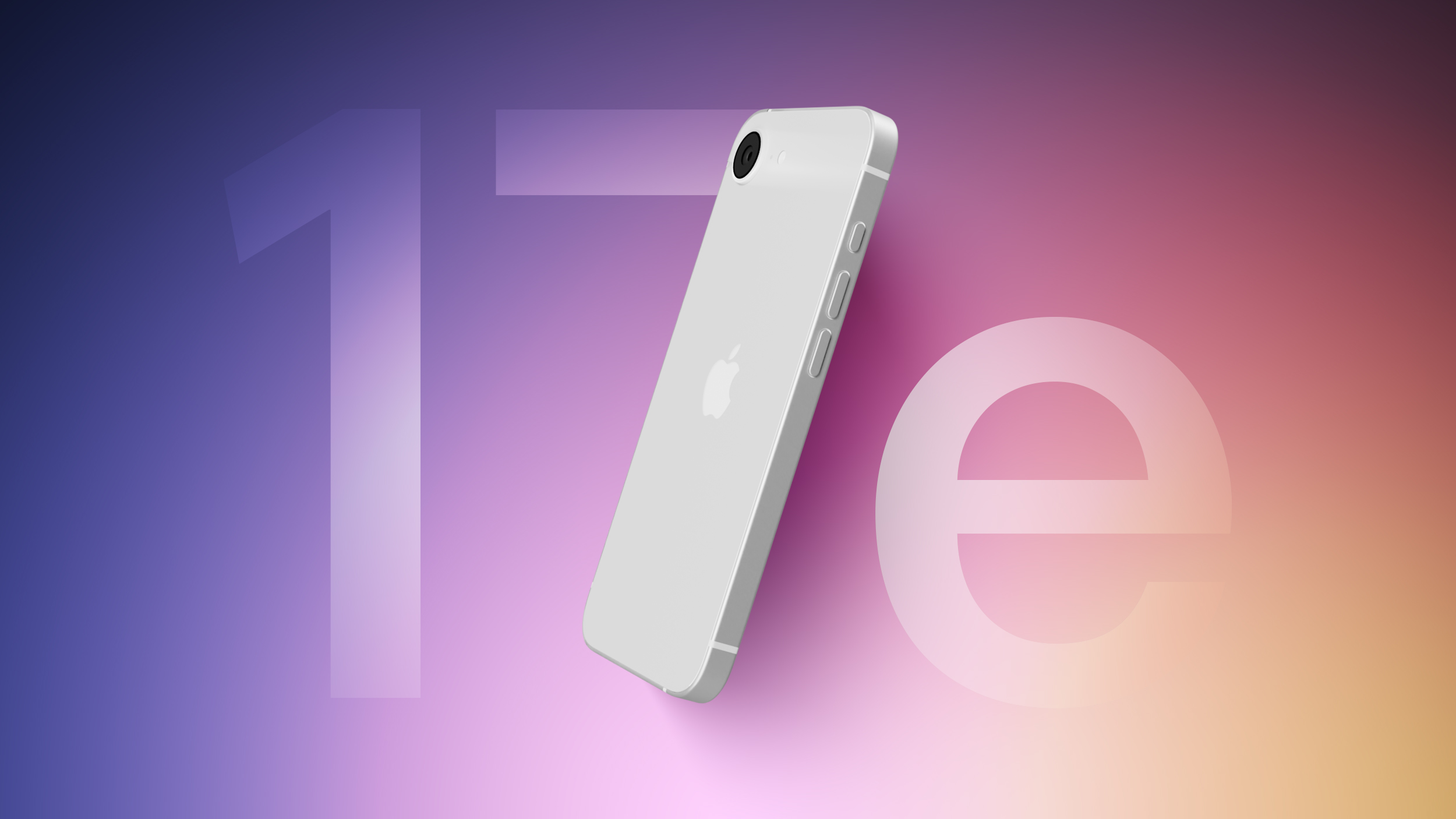

Another rumor says that it will have slimmer bezels but no ‌Dynamic Island‌, so it is not clear if it will have a notch or a ‌Dynamic Island‌.

While the iPhone 16e did not include a magnetic ring to allow it to attach to MagSafe chargers, the ‌iPhone‌ 17e could include ‌MagSafe‌ compatibility.

iPhone 18 Pro (September 2026)


The ‌iPhone 18‌ Pro models will look a lot like the iPhone 17 Pro models, but there could be some changes to the display thanks to new Face ID technology. We're expecting the same 6.3-inch and 6.9-inch size options, with the same bezel, display quality, and rear camera setup with the camera plateau that was introduced in 2025.

Apple may have finally figured out under-screen ‌Face ID‌, so 2026 could be the year that the ‌Dynamic Island‌ disappears, allowing for more screen space. Rumors suggest that the ‌Face ID‌ components will be under the display, but there will be a hole-punch camera cutout at the top left corner of the screen. It will be a noticeably different look compared to the ‌iPhone 17 Pro‌ models, and if the ‌Dynamic Island‌ is indeed going away, there will be some loss of functionality. Apple uses the ‌Dynamic Island‌ to display Live Activities and other important notifications.

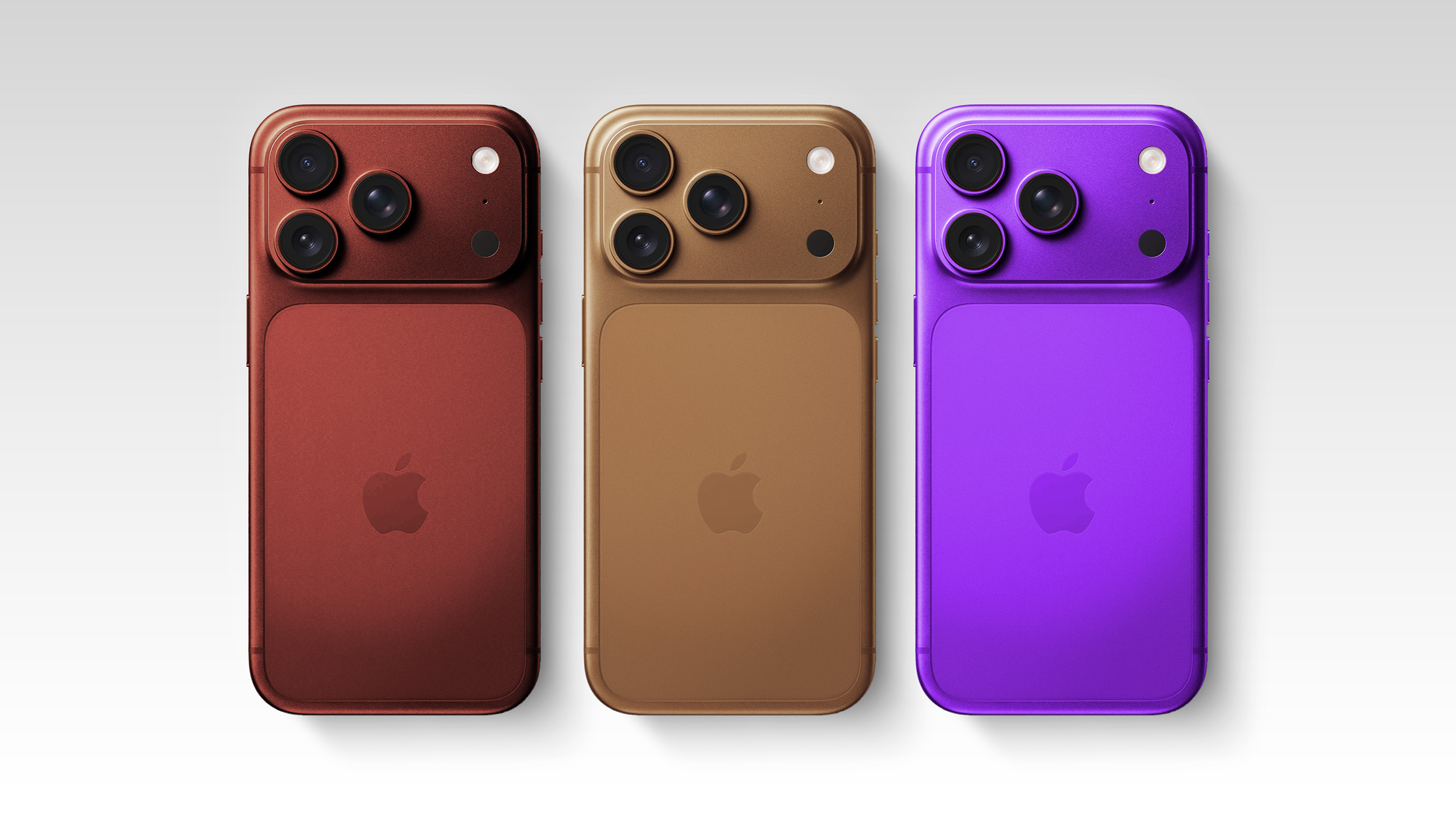
Rumors suggest the ‌iPhone 18‌ Pro Max could be slightly thicker than the 17 Pro Max, and there's also a chance Apple could use a frosted glass material for the ‌MagSafe‌ charging area to reduce the two-tone appearance between the glass and the aluminum frame. Rumored color options include burgundy, brown, and purple, but Apple is expected to choose just one to go along with more traditional colors like silver.

With the ‌iPhone 18‌ Pro models, Apple is expected to introduce its first chip built on a new 2-nanometer node, the A20. With an updated process, the A20 chip could be up to 15 percent faster than the A19, and up to 30 percent more power efficient, perhaps leading to battery life improvements. Apple is also rumored to be implementing a new packaging technology (Wafer-Level Multi-Chip Module, WL-MCM).

Apple currently uses an SoC that integrates the CPU, GPU, Neural Engine, Secure Enclave, and other supporting components like the Image Signal Processor onto a single die, but RAM is a separate chip that's stacked on top of the SoC during the packaging process. If the A20 is upgraded with WL-MCM technology, RAM will be added at the wafer level (before the wafer is cut into chips) instead of the packaging level (after the wafer is cut), reducing interconnect delays.

With WL-MCM, RAM is more closely integrated with the other chip components, improving memory bandwidth, reducing latency, and boosting efficiency.

The ‌iPhone 18‌ Pro models will continue to feature a triple-lens rear camera setup with Wide, Ultra Wide, and Telephoto lenses, but the main wide-angle lens could get an upgrade. Rumors suggest Apple will add a variable aperture, which would allow users to control the amount of light that's hitting the lens for better performance in low lighting conditions and more control over depth of field. All prior iPhones have had fixed apertures.

Apple might tweak the Camera Control button, eliminating the swipe-based touch gestures and the haptic feedback. It is easy to accidentally change image parameters when taking a photo because of the Camera Control button's swipe controls. Apple added a setting to disable the swipe functionality in iOS 26 after user complaints, but the button might be better off without it.

The ‌iPhone 18‌ Pro could get Apple's C1X modem, or an upgraded C2 modem that supports mmWave 5G. Current ‌iPhone 17 Pro‌ models use Qualcomm modems, but Apple is ready to expand its in-house modem technology to the entire ‌iPhone‌ lineup. An N1 networking chip with combined Wi-Fi 7, Bluetooth 6, and Thread is expected.

Foldable iPhone (September 2026)


The first foldable ‌iPhone‌ is on track to launch in September 2026, coming seven years after Samsung released its first foldable smartphone. Naming hasn't been announced, but rumors have taken to calling it the "‌iPhone‌ Fold."


Apple is going with a book-style design, so the ‌iPhone‌ Fold will open and close like a book. When the display is open, it will be around 7.6 inches, and when it's closed, it will be around 5.3 inches. It's said to look similar to an iPad mini when it is unfolded, and it will use OLED display technology.

Apple is prioritizing thinness, and so the foldable ‌iPhone‌ could be just 4.5mm when it's open, making it Apple's thinnest device by far. When closed, it could be between 9mm and 9.5mm.

The foldable ‌iPhone‌ won't have a notch or a ‌Dynamic Island‌, and rumors suggest that it might not have ‌Face ID‌ at all. Apple could instead use a Touch ID side button, similar to an iPad. There will be a camera in the top-left corner of the display for taking selfies, and there will also be a pair of rear cameras.

Apple has been focused on ensuring the ‌iPhone‌ Fold doesn't have a noticeable crease when it's open, a problem that the company has reportedly solved with display improvements and a strong, durable hinge made from Liquidmetal. The crease is said to be "nearly invisible" when the ‌iPhone‌ is unfolded.

Apple will use the 2-nanometer A20 chip for its fall 2026 iPhones, including the foldable ‌iPhone‌.

The ‌iPhone‌ Fold isn't going to be cheap, and rumors suggest the price will be between $2,000 and $2,500. The most recent information is on the higher end of that range.

iPads


Several iPads are getting updates in 2026, but most will be minor refreshes. The ‌iPad mini‌ is an exception, because rumors say it could get an OLED display. There's no iPad Pro rumored for 2026, with the next update expected in 2027.

iPad (Spring 2026)


A 12th-generation ‌iPad‌ could come out in spring 2026, likely around March. There are no changes expected for the design, so it will continue to have an 11-inch edge-to-edge display, ‌Touch ID‌ Side Button, USB-C, and thicker bezels than other ‌iPad‌ options.


The next low-cost ‌iPad‌ is expected to use Apple's A19 chip, which is the chip that Apple used for the ‌iPhone 17‌. It is built on a 3-nanometer process and it will offer major speed and efficiency improvements over the A16 chip that's in the current model.

The A16 chip that Apple used in 2025 does not support Apple Intelligence, but the A19 does, so that will mark a major update for Apple's affordable tablet. The 2026 model should be able to support ‌Apple Intelligence‌ features that are unavailable with the 2025 model.

The A19 also offers hardware-accelerated ray tracing and similar features for improved gameplay. The 11th-generation ‌iPad‌ has 6GB RAM, but Apple will need to bump that up to 8GB for ‌Apple Intelligence‌.

It is unusual for Apple to use such a new chip in its most affordable device, but the company may want to ensure that the ‌iPad‌ is able to keep up with all of the ‌Apple Intelligence‌ features coming in 2026, such as the new version of ‌Siri‌.

iPad Air (Spring 2026)


The iPad Air will get an early 2026 update, around the March/April timeframe. No design changes are rumored for the ‌iPad Air‌, so we can expect the same 11-inch and 13-inch size options.
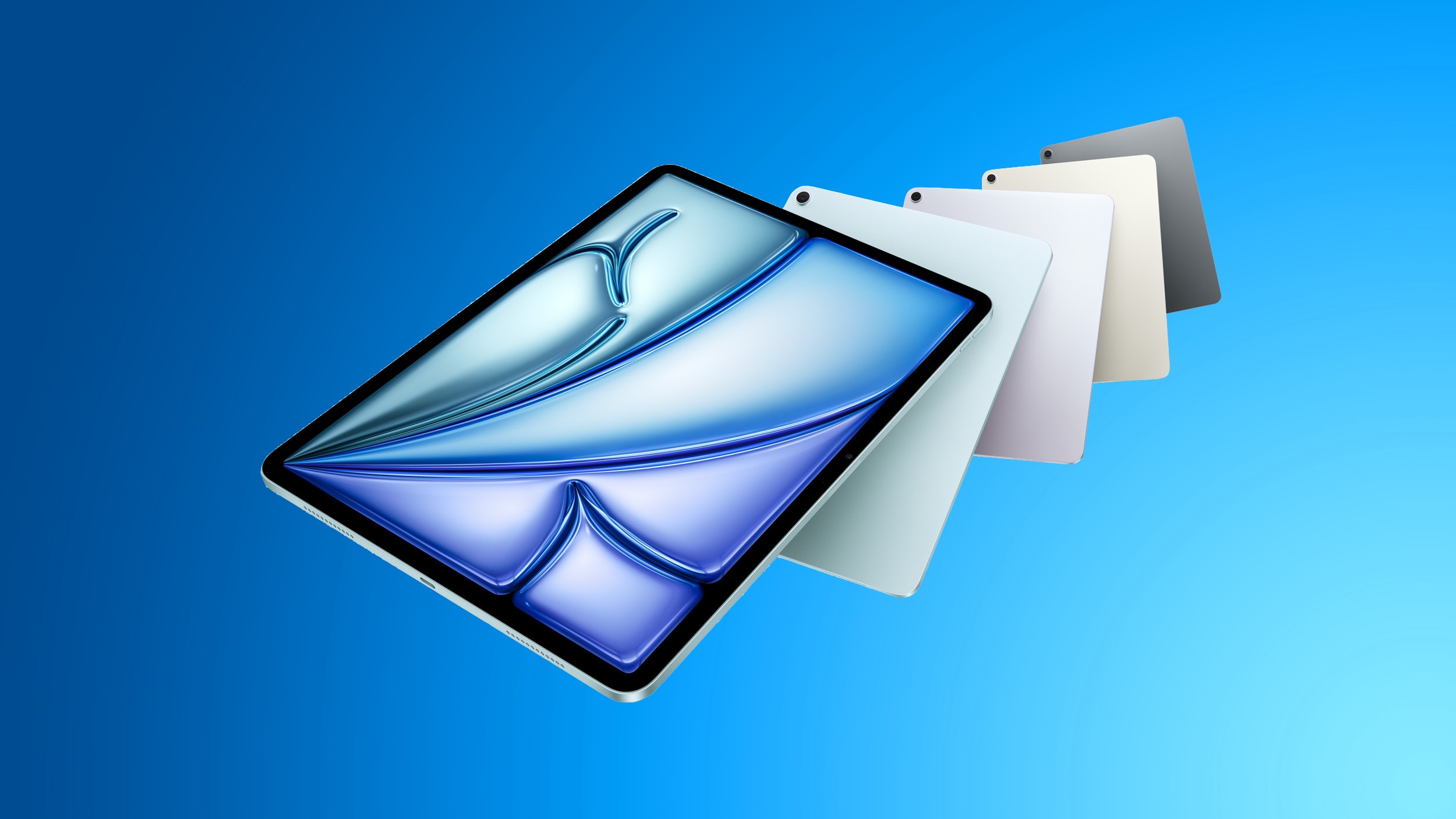

Apple will upgrade the ‌iPad Air‌ to the M4 chip. The M4 CPU is up to 30 percent faster than the M3 CPU, while the GPU is up to 21 percent faster.

In actual use, you may not see much of a difference between the M3 and M4 on the ‌iPad Air‌, though you might experience modest improvements with system intensive games and tasks like video editing.

The ‌iPad Pro‌ was upgraded with fast charge functionality with the update to the M5 chip, and that's something that could trickle down to the ‌iPad Air‌.

The ‌iPad Air‌ could get the N1 networking chip and the C1X modem.

iPad mini


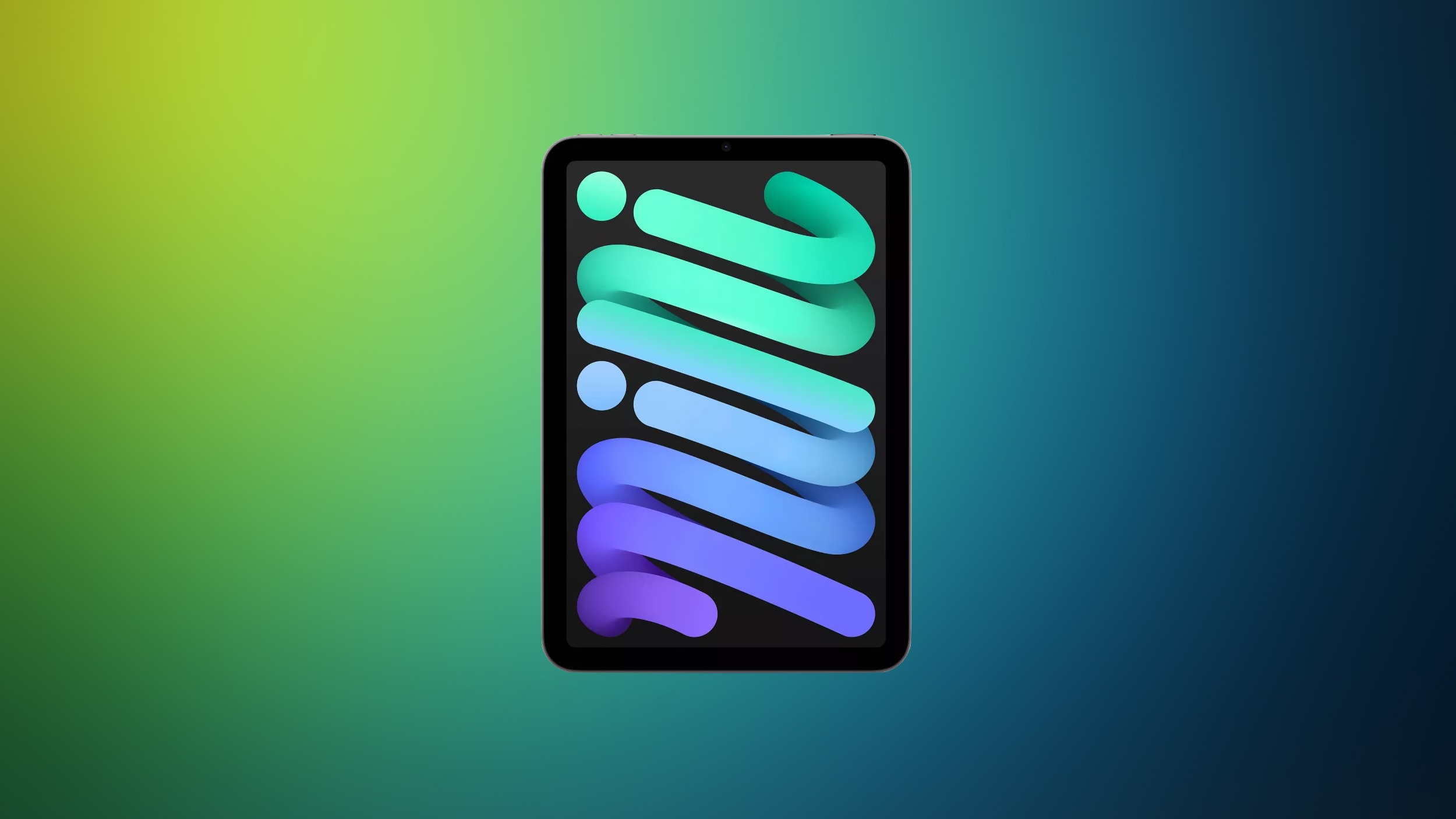
The next-generation version of the ‌iPad mini‌ is rumored to feature a major technology upgrade, with Apple set to adopt an OLED display. The ‌iPad mini‌ will be the second tablet to adopt OLED after the ‌iPad Pro‌.


Along with an OLED display, the ‌iPad mini‌ 8 is expected to have a more water resistant design that better holds up to splashes and even submersion in water. Apple is creating a vibration-based speaker system that uses the display or chassis to produce sound, eliminating the need for a traditional speaker.

With the surface vibration speaker, Apple could remove the speaker holes in the ‌iPad mini‌, making it better able to withstand exposure to moisture.

Leaked Apple code suggests that the ‌iPad mini‌ will feature the A20 Pro chip. That's the next-generation chip that we're expecting Apple to use in the ‌iPhone 18‌ Pro models, so if the ‌iPad mini‌ is using the same chip, it could come out around the same time as the ‌iPhone 18‌ Pro.

If Apple ends up going with the A19 Pro instead, the ‌iPad mini‌ could launch earlier in the year.

With OLED display technology and the more water resistant design, the ‌iPad mini‌ 8 could be $100 more expensive than the current model.

Macs


Apple will refresh the Mac lineup with M5 chips early in the year, plus there's a new low-cost model. Later in the year, there's a possibility we'll get an M6 OLED ‌MacBook Pro‌.

Low-Cost MacBook (Early 2026)


Apple is going to release a low-cost MacBook in 2026, with the device set to be more affordable than the $999 MacBook Air. With the affordable notebook, Apple is aiming to better compete with cheap Chromebooks and Windows PCs.
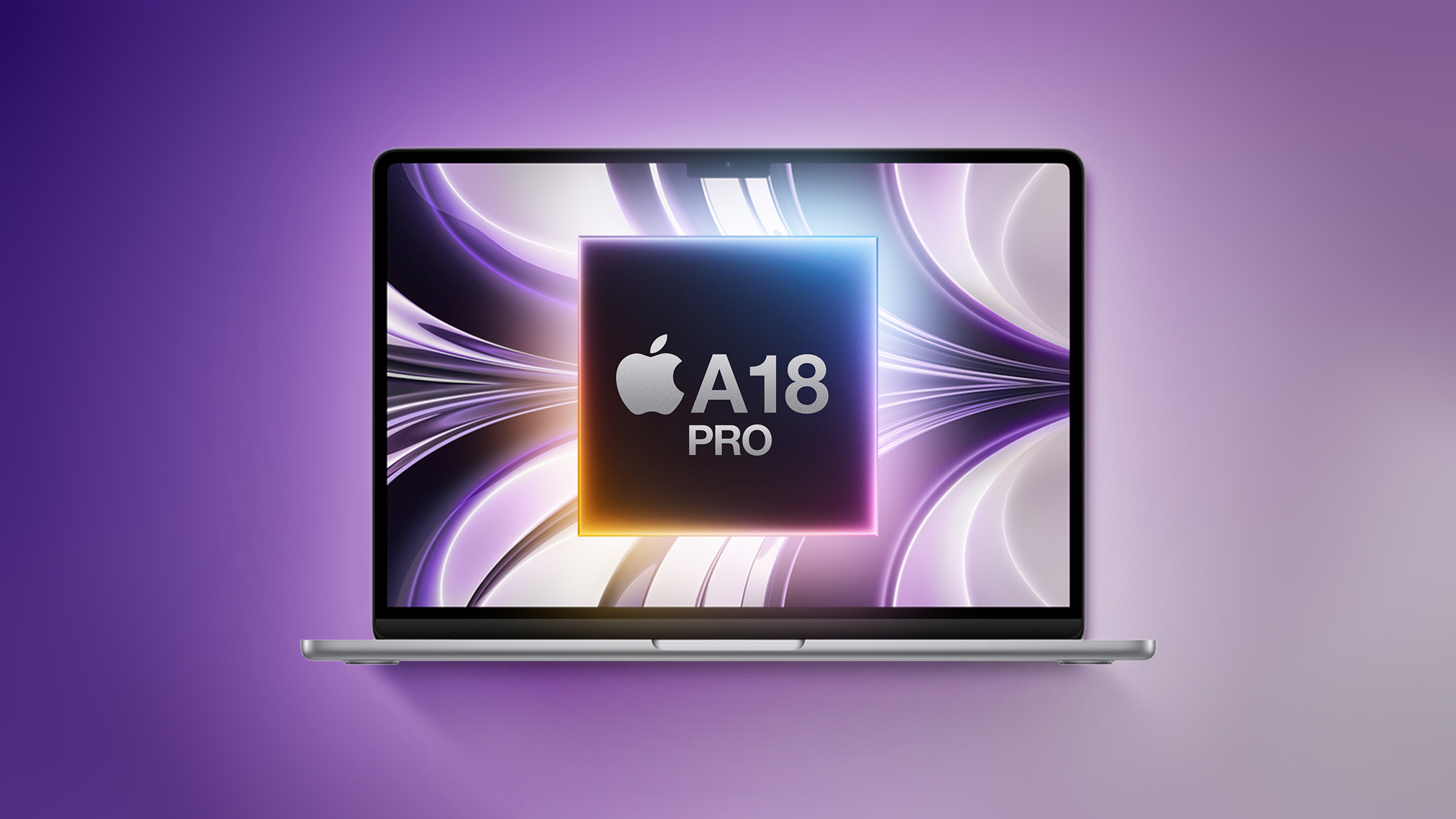

Apple analyst Ming-Chi Kuo believes the low-cost MacBook will have a display that's around 13 inches in size. The ‌MacBook Air‌ has a 13.6-inch display, so the more affordable MacBook could be slightly smaller. It's sounding like it won't be too far off from the 13-inch ‌MacBook Air‌, though.

There are no details on how thick it might be, but Apple probably won't prioritize a thin design for a machine optimized for a low price. Since the ‌MacBook Air‌ can run fine with an M-series chip and no fan in an enclosure that's 0.44 inches thick, there's no reason for the MacBook to be any thicker than that.

The low-cost MacBook will have a standard LCD display with no mini-LED technology or ProMotion refresh rate. It could come in bright colors like the iMac, with Kuo suggesting Apple will offer it in silver, blue, pink, and yellow.

Apple is planning to use its A18 Pro chip in the MacBook. We first saw the A18 Pro in the iPhone 16 Pro models. The chip is built on Apple's second-generation 3-nanometer process, featuring 8GB RAM and support for ‌Apple Intelligence‌.

It's fast and efficient, and more than capable of handling day-to-day tasks. In Geekbench 6 benchmarks, the A18 Pro offers single-core CPU performance scores at the level of the M3 Ultra, and multi-core performance scores higher than the M1 chip that Apple used in the first Apple silicon ‌MacBook Air‌. Metal scores that measure GPU performance are also similar to the ‌M1‌ chip Metal scores.

The A18 Pro will be equivalent to the ‌M1‌ for some tasks, and faster for other tasks. Apple no longer sells the ‌M1‌ ‌MacBook Air‌ from its own store, but it has offered the machine through Walmart at a $599 price point.

There are no specific details on price as of yet, but Bloomberg claims it will cost "well under $1,000." The ‌MacBook Air‌ is priced starting at $999, so it would need to come in under that.

Apple could launch the low-cost MacBook in the first half of 2026. Updates are planned for the ‌MacBook Air‌ in early 2026, so the low-cost model could launch sometime in that same timeframe.

MacBook Air (Early 2026)


Apple is working on an updated ‌MacBook Air‌, and rumors suggest that it will come out in the first few months of 2026. It's going to get the M5 chip, but no other new features are rumored. The design will remain the same, and we'll get the same 13-inch and 15-inch size options.
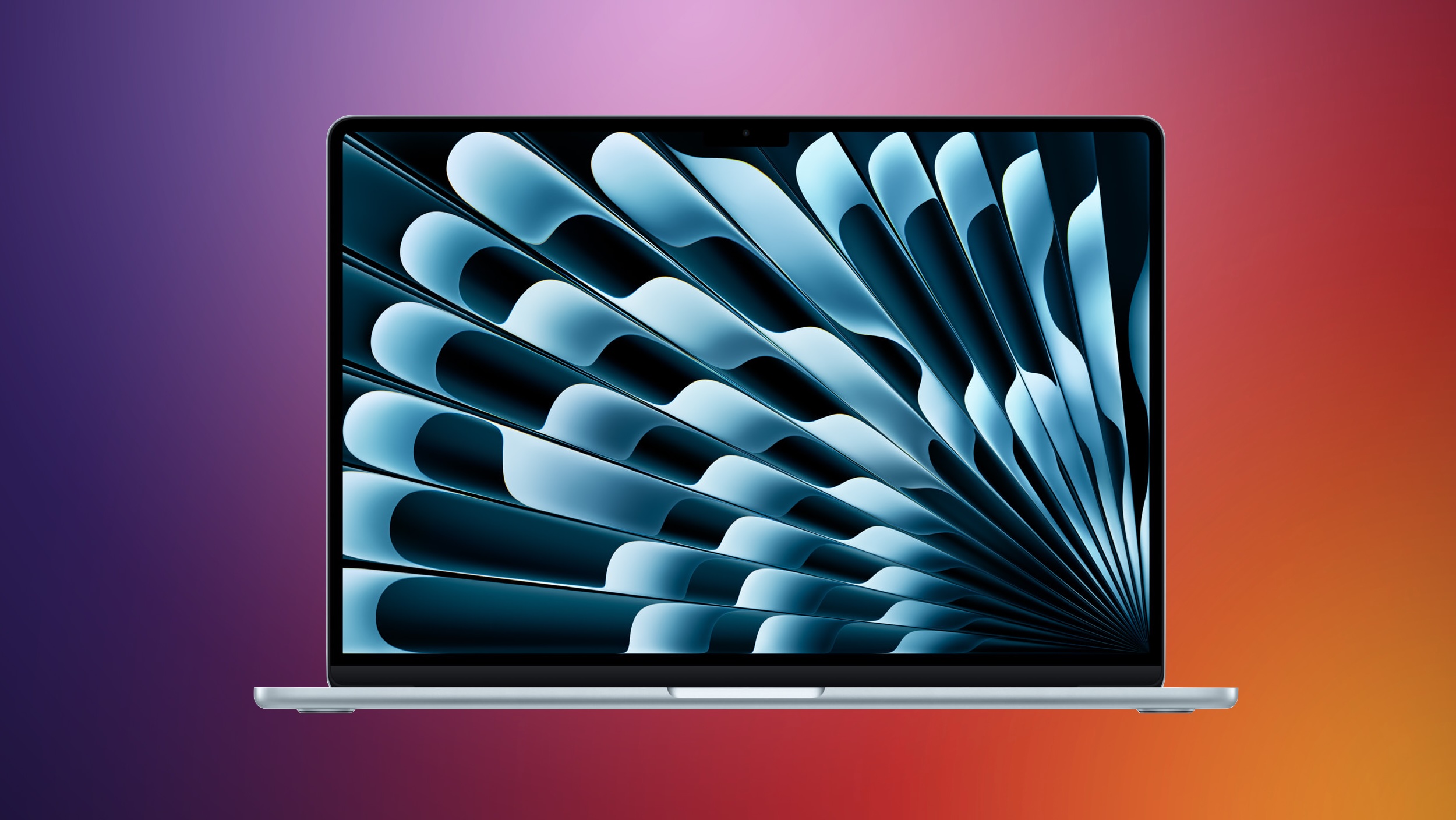

Based on updates to the 14-inch ‌MacBook Pro‌, it could also get a faster SSD, and there might be a new color option to replace the light blue from 2025.

MacBook Pro (Early 2026)


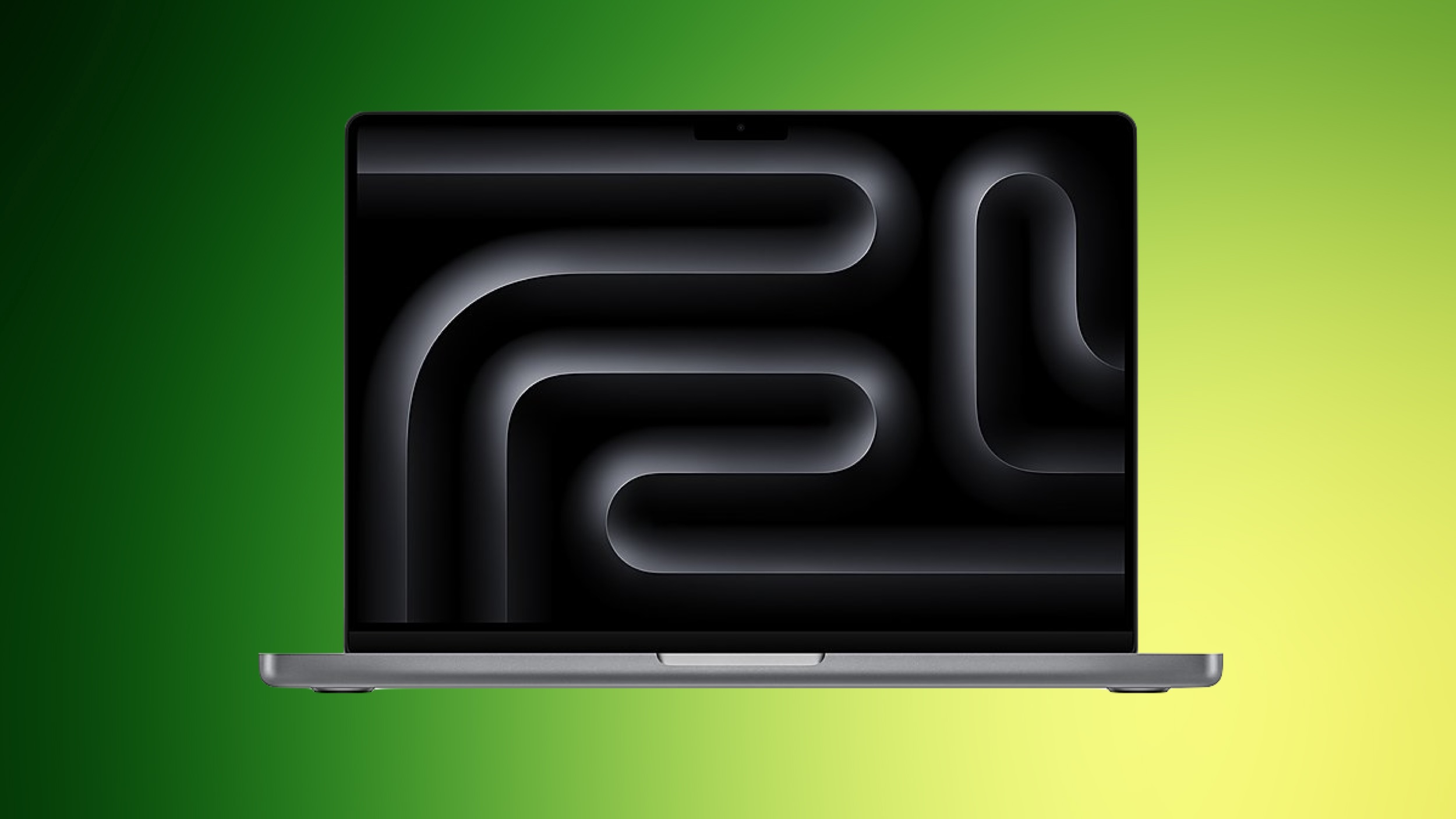
14-inch and 16-inch ‌MacBook Pro‌ models with M5 Pro and M5 Max chips are expected to join the M5 ‌MacBook Pro‌ that came out in October 2025.


The M5 Pro and M5 Max will have more CPU cores and better GPUs for improved performance, with the chips available in both 14-inch and 16-inch machines. Apple is also expected to add faster SSDs to the new machines.

As with the ‌MacBook Air‌, no design changes are expected for the early 2026 refresh, with a major overhaul coming in the final months of 2026 or the early months of 2027.

Mac mini (Mid-2026)


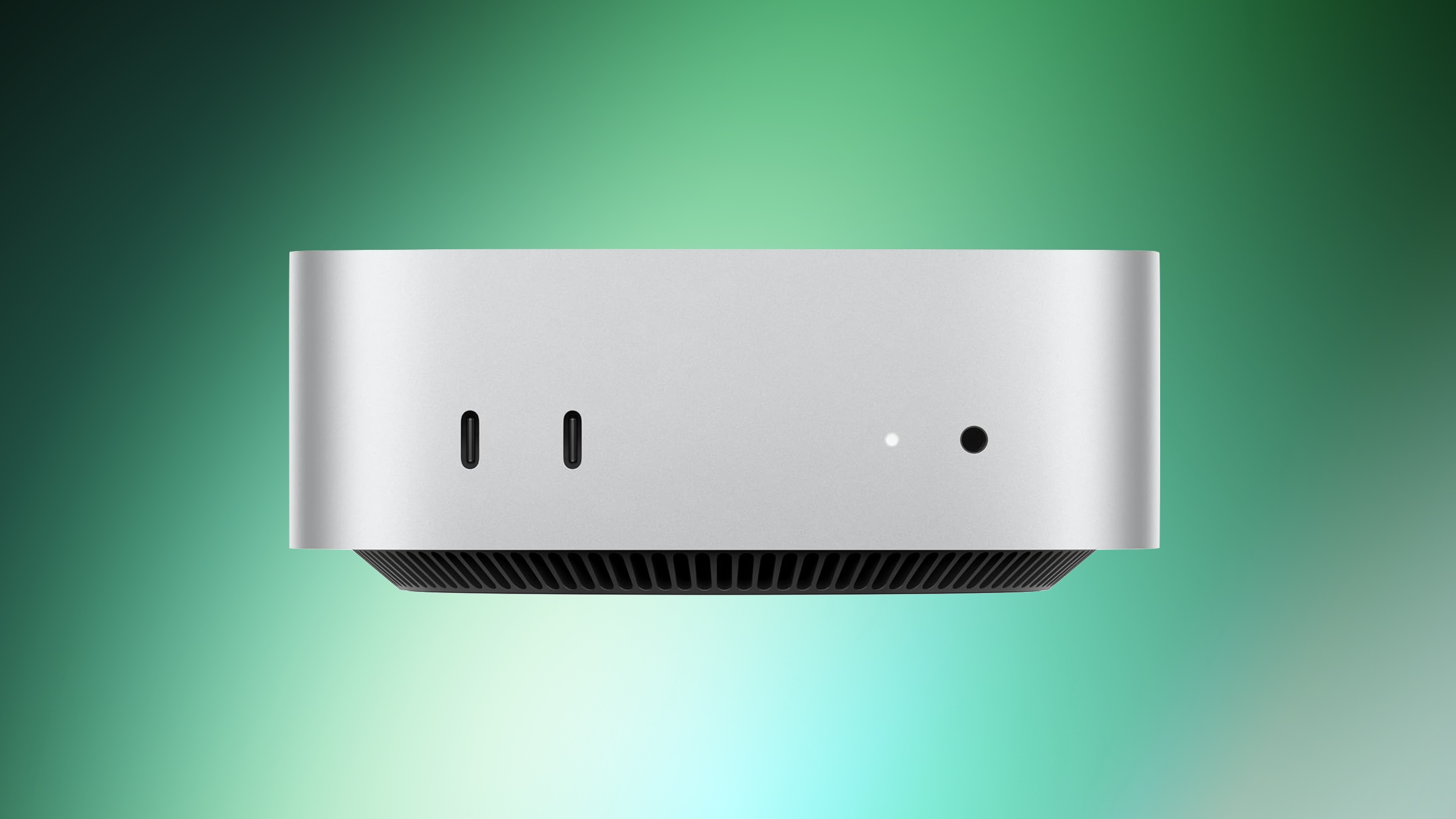
There is a new version of the Mac mini in development, with M5 and M5 Pro chips. So far, there are no rumors of design changes or other updates, but the ‌Mac mini‌ could get the same SSD improvements as Apple's 14-inch ‌MacBook Pro‌.


Mac Studio (Mid-2026)


The Mac Studio could come out in the same timeframe as the ‌Mac mini‌. Apple didn't release an M4 Ultra chip, but there will be an M5 Ultra.
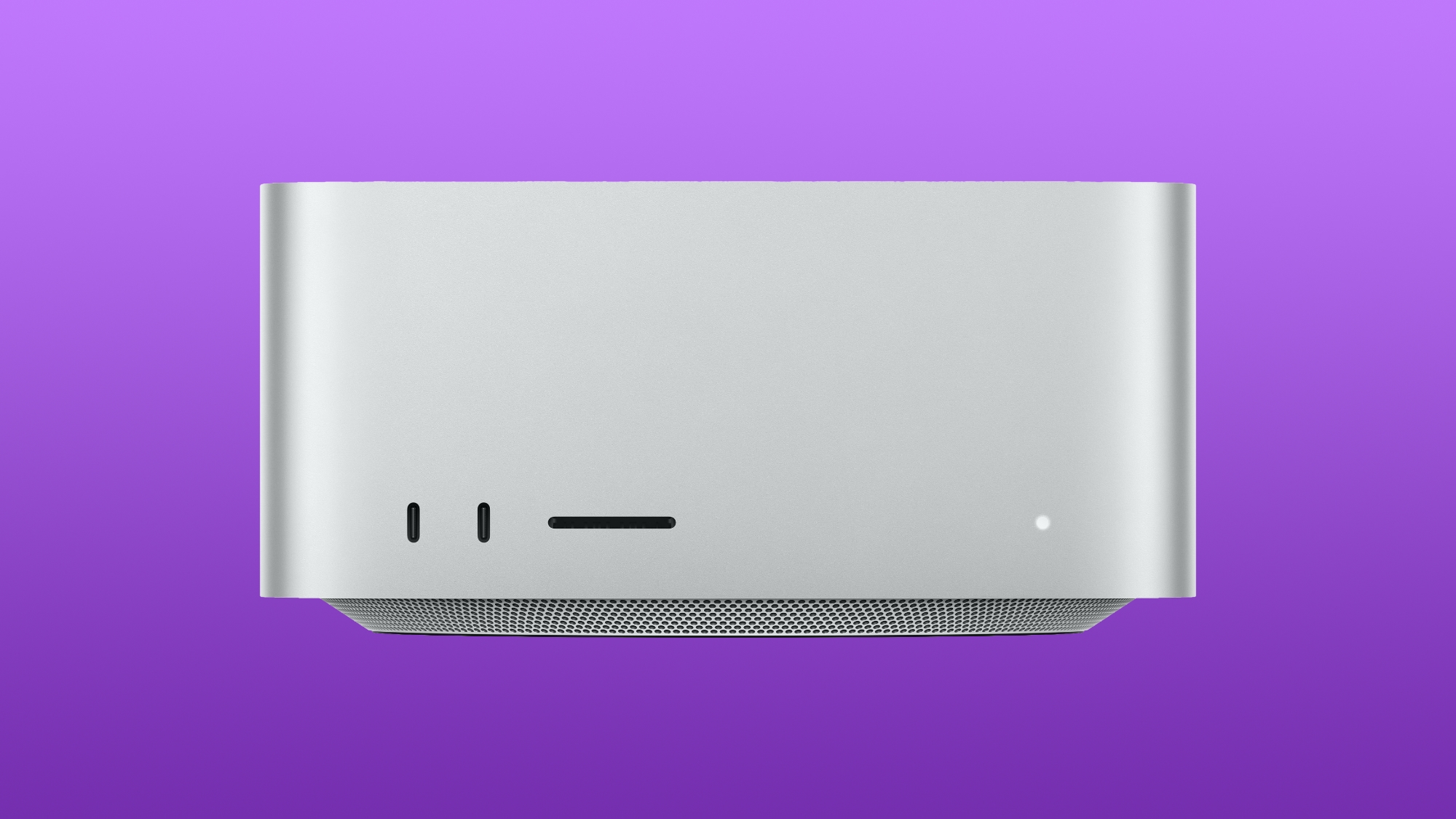

Sometime around the middle of 2026, the ‌Mac Studio‌ will get M5 Max and M5 Ultra chip technology. The M5 Max will offer much faster CPU and GPU performance than the M5, and the M5 Ultra will double the M5 Max.

We haven't heard rumors of design changes or any other updates for the ‌Mac Studio‌ as of yet.

Mac Displays (Early to Mid-2026)


Apple hasn't released a new display since the Studio Display launched in 2022, but there are apparently two new models that are in development and slated for release in 2026.
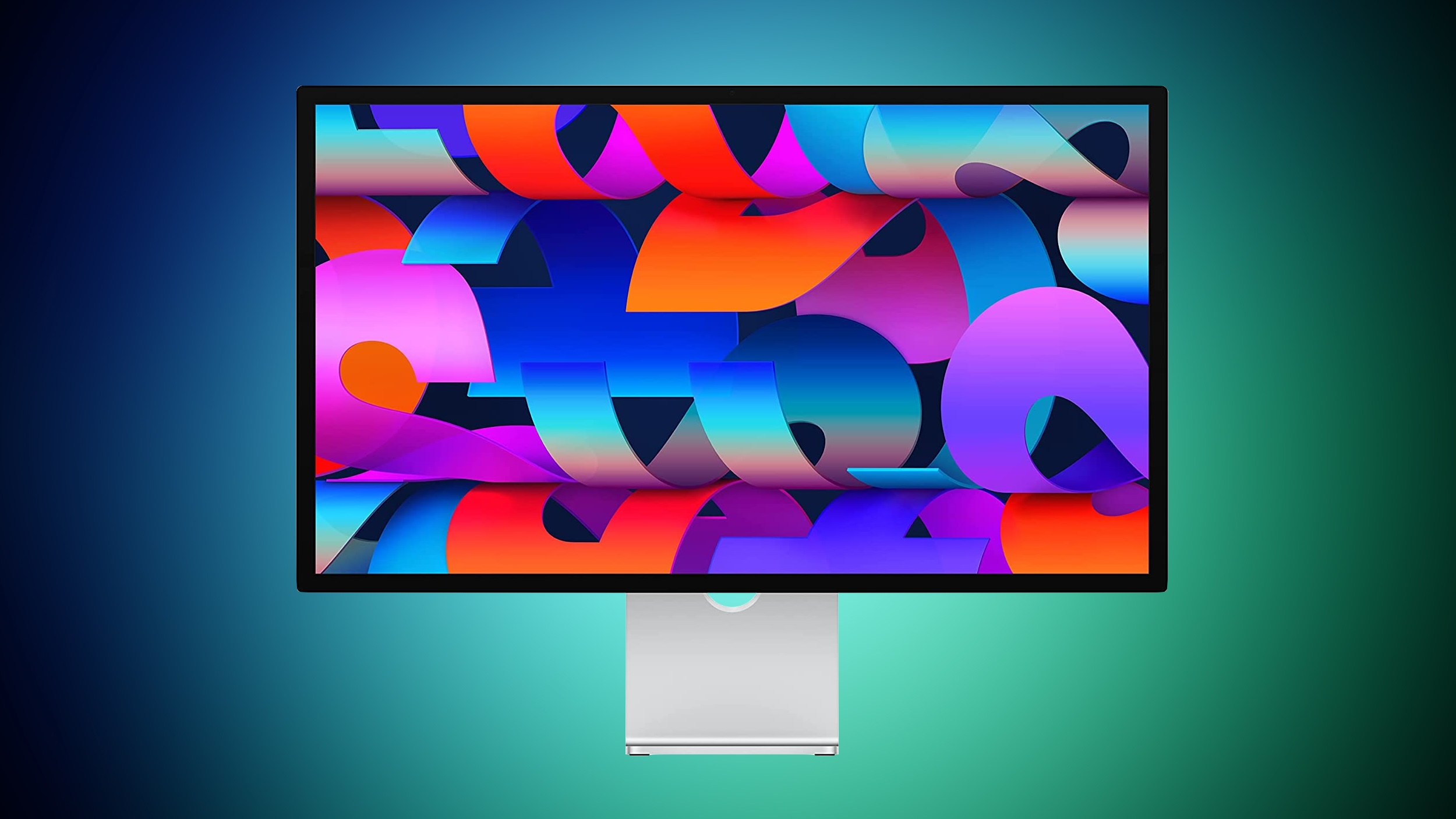

The next-generation version of the Studio Display could feature the same 27-inch screen size, but with mini-LED technology instead of LCD. mini-LED means better HDR, brightness, contrast, and colors. The current Studio Display has an A-series chip inside, and the next-generation version could get the A19 Pro that Apple used in the ‌iPhone 17 Pro‌.

There are actually two displays in development, but it's unclear if that's the next Studio Display in two sizes, or a Studio Display and a more expensive Pro Display XDR successor.

OLED MacBook Pro (Late 2026/Early 2027)


Apple is developing a revamped touchscreen OLED ‌MacBook Pro‌ that uses next-generation M6 chip technology. It's not yet clear if the machine will come out in late 2026 or early 2027, but 2026 is a possibility.
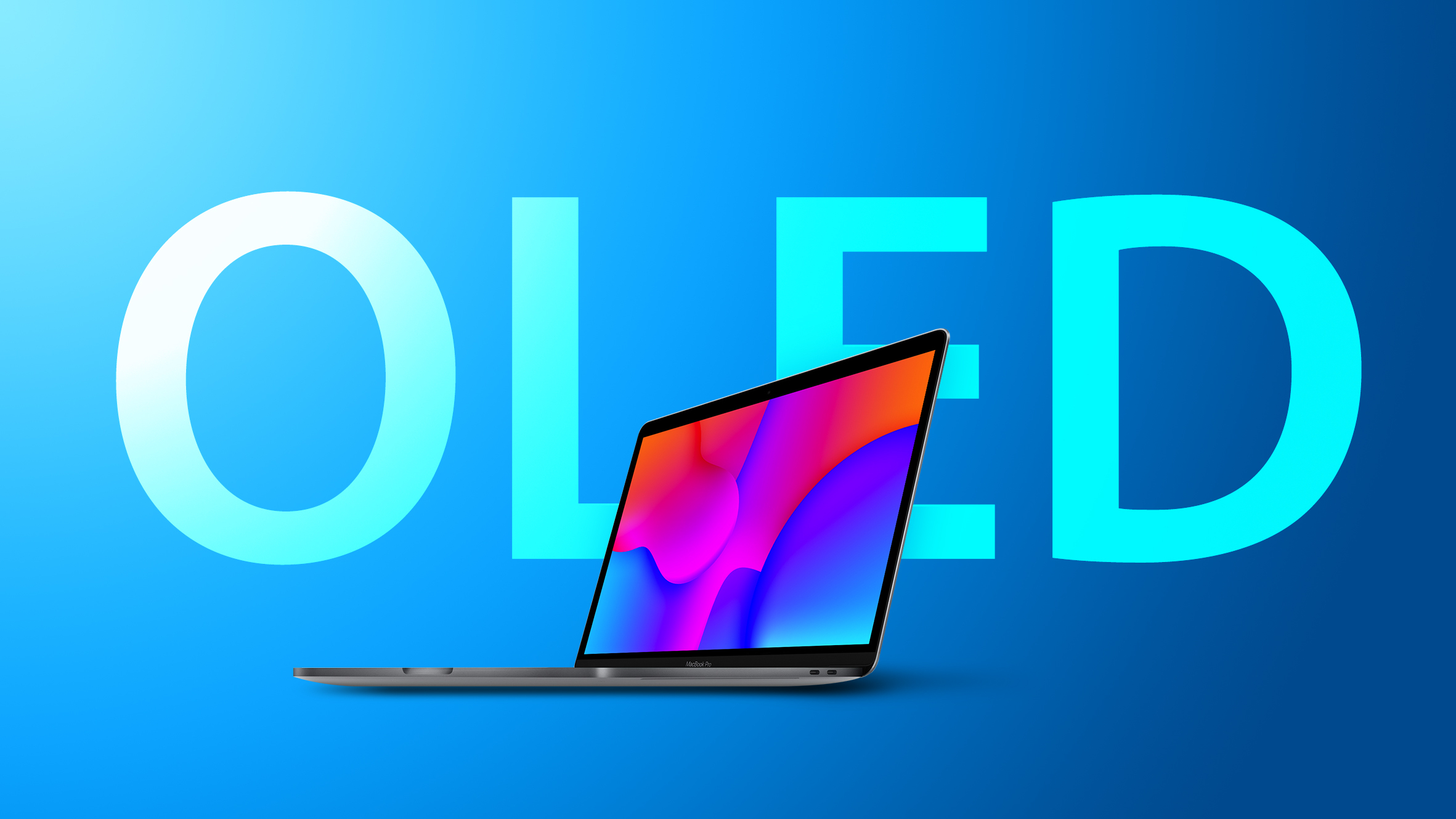

If Apple does debut the OLED ‌MacBook Pro‌ in late 2026, it will be a year with two ‌MacBook Pro‌ refreshes. Apple has done that once before when the M2 Pro and ‌M2‌ Max chips launched in early 2023 followed by M3 chips later in the year, but it is a rare occurrence.

Rumors suggest that the OLED ‌MacBook Pro‌ will feature a hole-punch camera without a notch, maximizing the available display area. The design could be closer to the ‌iPhone‌'s ‌Dynamic Island‌, but there is no sign that Apple plans to adopt ‌Face ID‌ on the Mac. Touch integration will be added to the Mac's screen for the first time, and Apple plans to adopt a reinforced hinge that stays stationary when the display is touched, and cuts down on any vibration associated with touch-based gestures.

OLED technology offers better brightness, a higher contrast ratio with deeper blacks and whiter whites, better colors, and less power usage for battery improvements.

The design of the MacBook will also be updated, and it will have a thinner, lighter chassis. There will be a keyboard and trackpad as usual, with the touch gestures augmenting existing functionality.

The M6 could be built on TSMC's 2-nanometer process, introducing speed and efficiency improvements for impressive gains in battery life without compromising power. The OLED ‌MacBook Pro‌ could also be the first MacBook to incorporate 5G connectivity, with Apple including a C2 chip in the device. The C2 chip is Apple's rumored second-generation in-house modem that will support mmWave and sub-6GHz 5G speeds.

With an OLED display and touchscreen technology, the ‌MacBook Pro‌ could see a price increase. Apple may also limit the features to higher-end, more expensive models.

M5 iMac (Timing and Status Unknown)


The ‌iMac‌ could get an M5 chip at some point in 2026, but timing isn't clear. We haven't heard anything about the ‌iMac‌ in some time, and there are no rumors of design changes or major updates on the horizon.
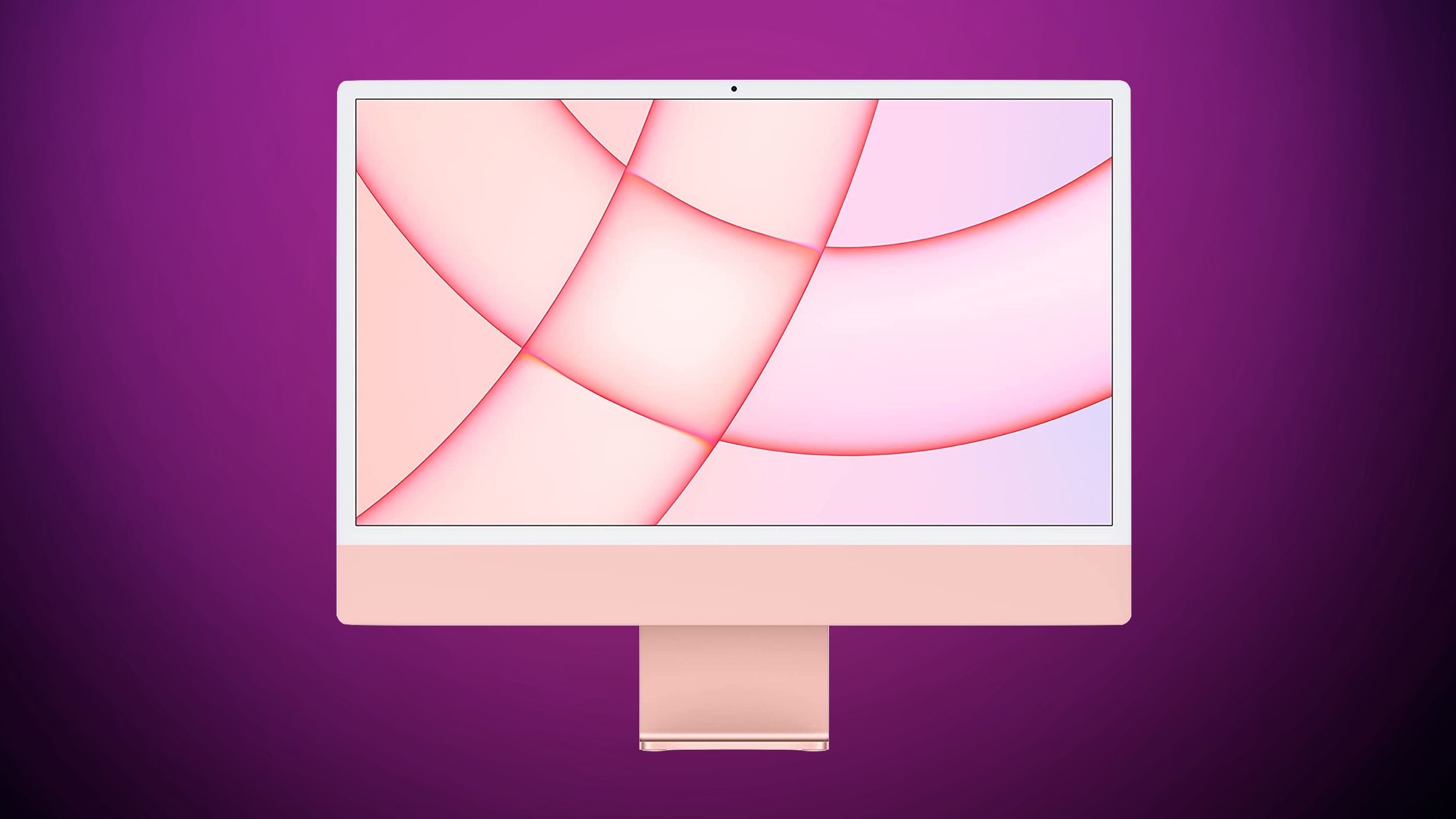

There have been nebulous rumors of an ‌iMac‌ with a larger display, but there's no sign that such a Mac is still in active development.

M5 Max iMac (Timing Unknown)


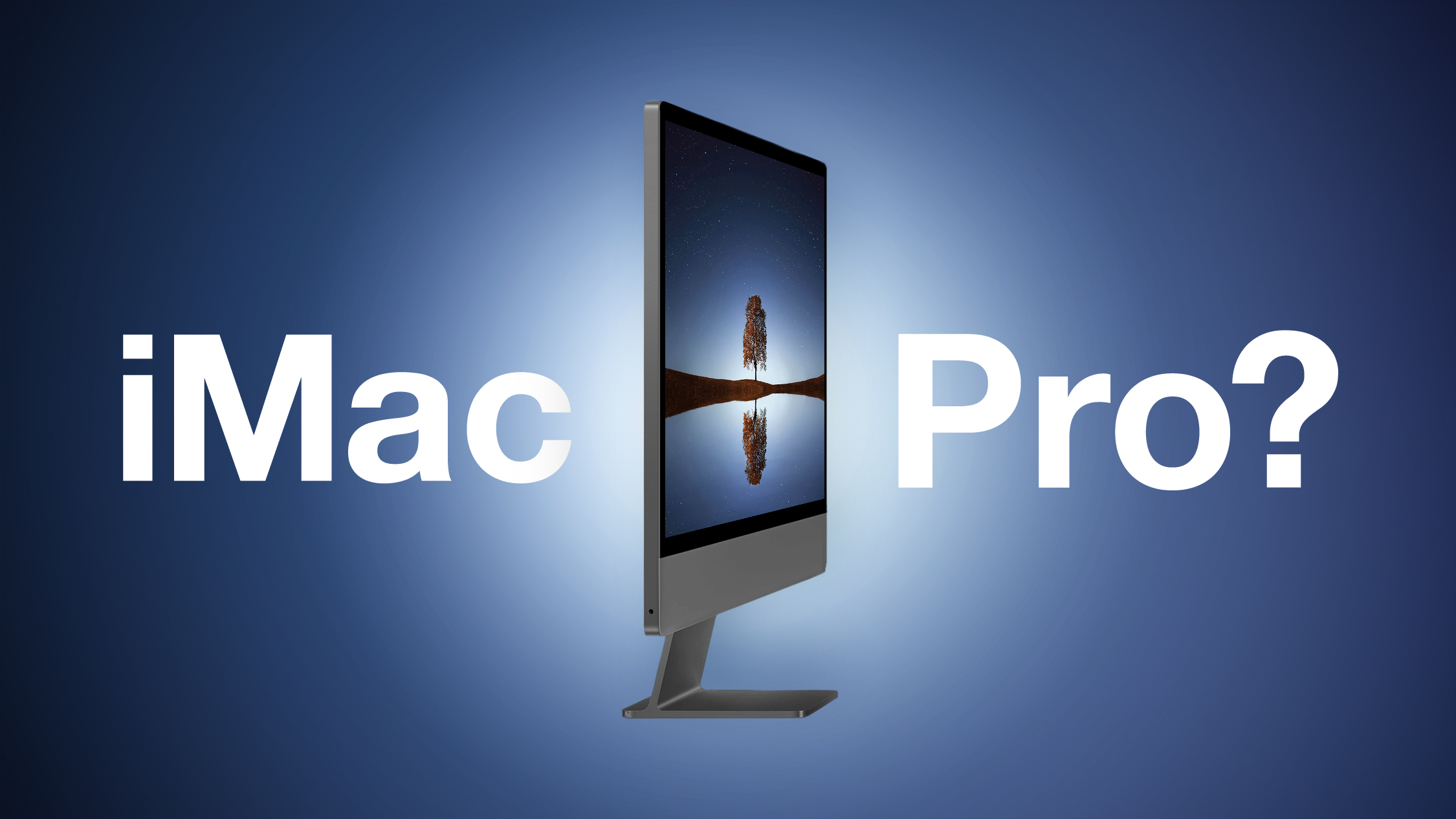
Leaked internal software suggests that Apple is developing a new version of the ‌iMac‌ that includes an M5 Max chip. Max chips are typically reserved for "Pro" machines, so it's entirely possible that Apple is planning to launch a new ‌iMac‌ Pro at some point in 2026.


Nothing else is known about this mysterious ‌iMac‌, and it could also be a machine that Apple uses exclusively for internal testing. If there is a larger-screened ‌iMac‌ in the works, it could feature mini-LED display technology, similar to the rumored Studio Display 2. Sizing is unclear, but it would presumably be larger than the standard 24-inch ‌iMac‌.

Mac Pro (Timing Unknown)


Apple is probably going to release a new Mac Pro at some point, but it's unclear when. Bloomberg originally said a ‌Mac Pro‌ would come before the end of 2025 with some kind of M4 chip, but that didn't happen, so now 2026 or later is the only option.
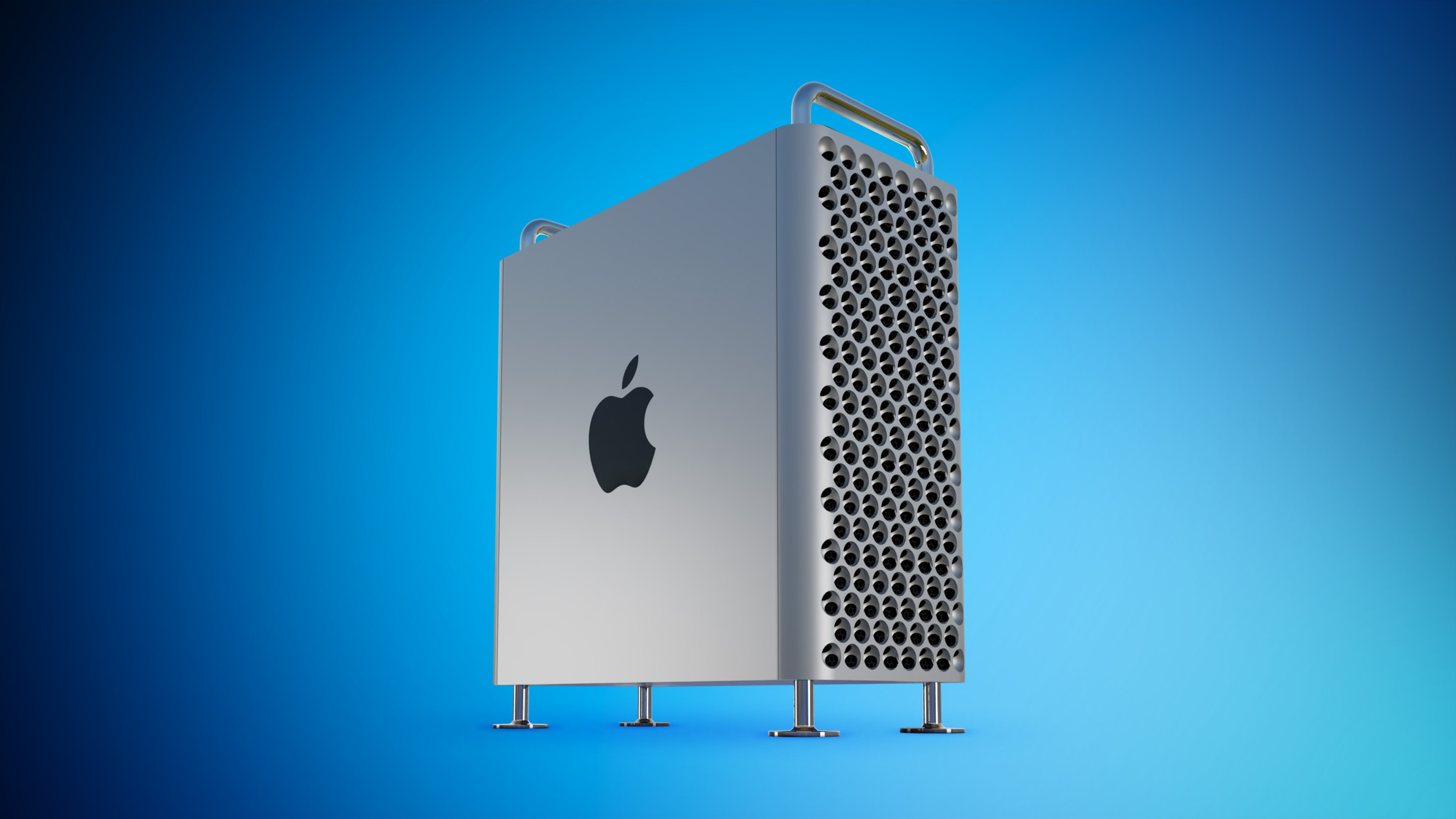

It's possible the ‌Mac Pro‌ will get a refresh with the M5 Ultra chip when the ‌Mac Studio‌ does, but we haven't heard confirmation of that and Bloomberg says it's not going to happen. The ‌Mac Pro‌ is reportedly on the back burner at Apple, so no new model could come at all.

If Apple refreshes the ‌Mac Pro‌ this year, it will get Thunderbolt 5, and it will likely support at least 512GB RAM and 16TB storage, because that's what the M3 Ultra chip supports.

Home Products


We didn't get a new HomePod mini or Apple TV in 2025, so those are expected in 2026, plus Apple is working on a new home hub device.

Home Hub (March/April 2026)


Apple is working on a home hub or "command center" that will serve as a centralized location for controlling smart home products, listening to music, making video calls, getting the weather, looking things up with ‌Siri‌, displaying photos, making notes, viewing calendar events, and more.
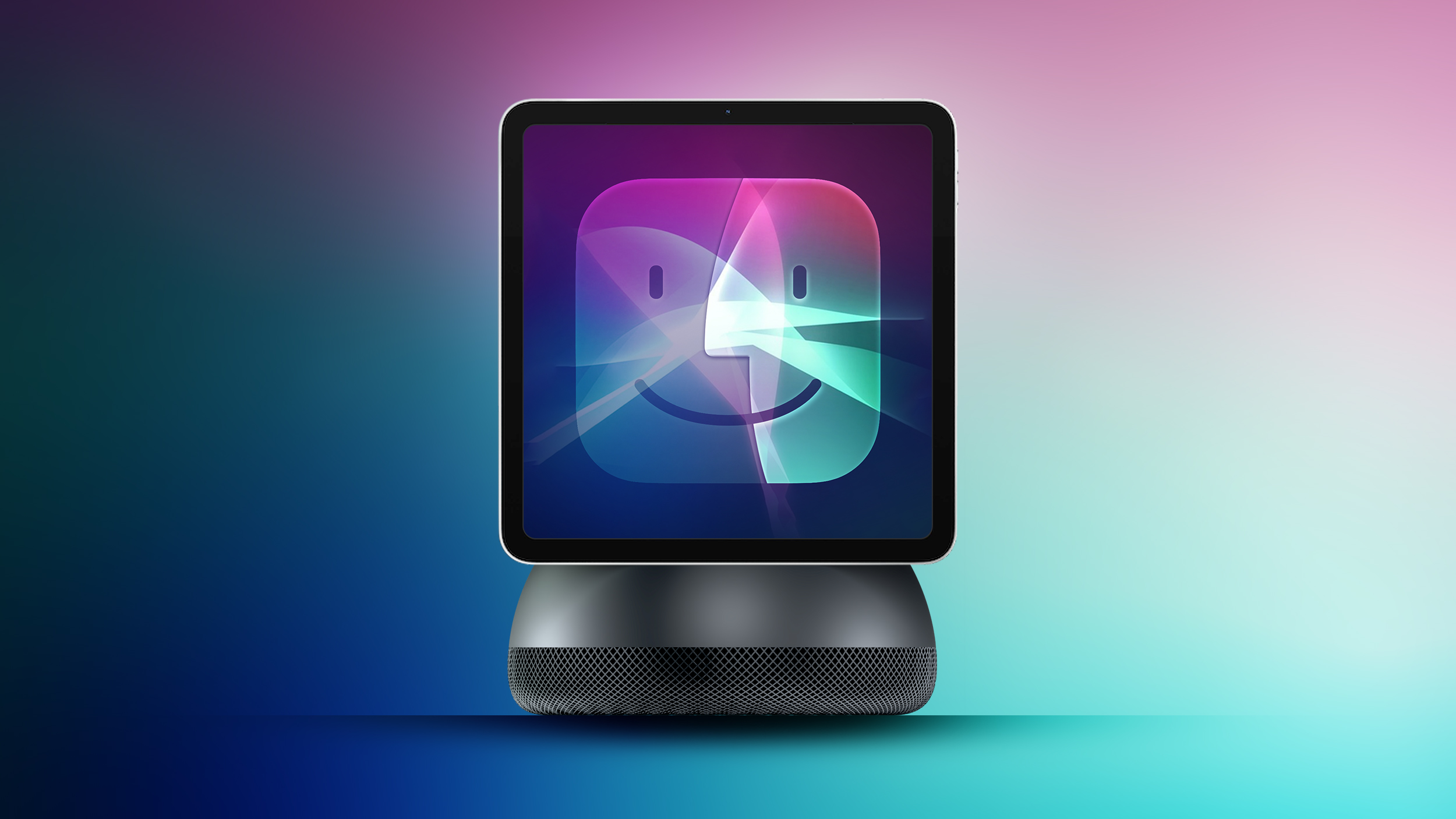

The device has an all-display design that resembles an ‌iPad‌, with a 7-inch display. It's said to be similar in size and shape to two iPhones placed side-by-side, but Apple is designing two variants. The first version is designed to be mounted on a wall, while the second version has a speaker base that looks similar to a ‌HomePod mini‌ and can be placed on a desktop or countertop.

The home hub will have its own operating system, and while there won't be an App Store, Apple apps will be available as widgets.

Built-in sensors will be able to determine when someone is near the home hub, and the features displayed will change based on presence. If no one is by the hub, it might show information like the time and temperature, but if someone approaches, it could shift to an interface for adjusting the temperature.

Presence detection will enable features like turning on the lights when someone enters the room, and it might also be able to tell one person from another. The home hub will play music, and it does have a camera that can be used for video calls.

Touch-based interactions will be available for widgets, but the hub will be heavily reliant on ‌Siri‌ voice commands. ‌Siri‌ could have a personified look on the hub, with one design described as a version of the Mac Finder icon.

While screen-based smart home devices like the Echo Show are available for under $200, Apple could price the home hub somewhere around $350. Price could vary for the version with the speaker base and the wall-mounted version without it.

Apple is aiming to launch the home hub sometime in the March to April 2026 timeframe.

HomePod mini (Early 2026)


A new ‌HomePod mini‌ is ready to launch, and it could launch in early 2026. The ‌HomePod mini‌ 2 will get an updated S-series chip based on the Apple Watch S10, and there will be new color options.
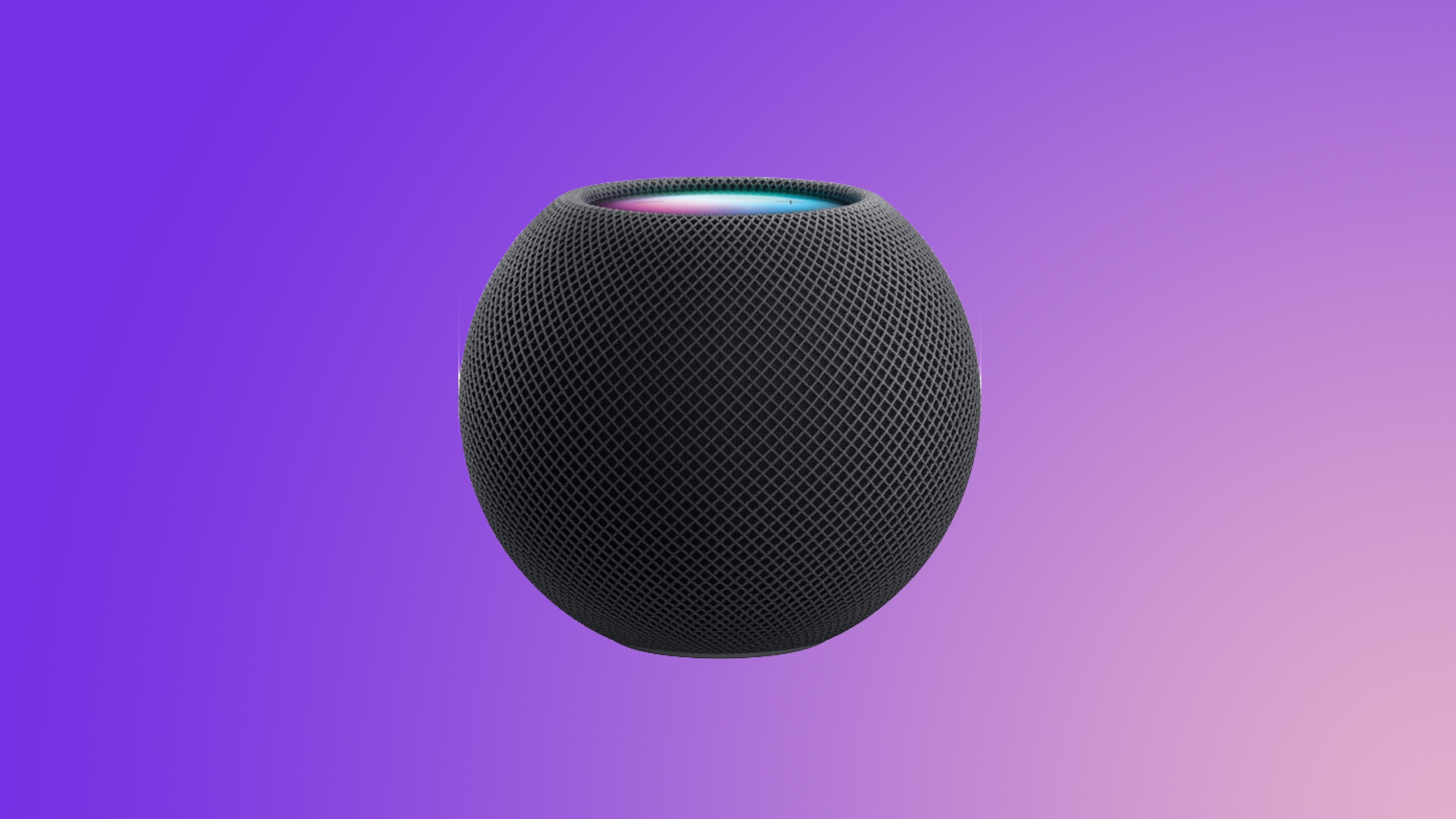

We haven't heard anything about other features that could come to Apple's small speaker, but no design changes are expected.

Apple TV (Early 2026)


Like the ‌HomePod mini‌, the next ‌Apple TV‌ 4K won't look any different, but it will get an updated A-series chip, like the A17 Pro or A18. The new chip will support ‌Apple Intelligence‌, so the next-generation ‌Apple TV‌ could be more capable than before.


Apple is expected to add the N1 networking chip to the ‌Apple TV‌ with Wi-Fi 7, Bluetooth 6, and Thread support.

The ‌HomePod mini‌ and the ‌Apple TV‌ are linked to Apple's smart home platform and serve as smart home hubs for Matter, the cross-platform protocol that opens up the number of smart home accessories that are compatible with HomeKit.

AirTag 2 (Early 2026)


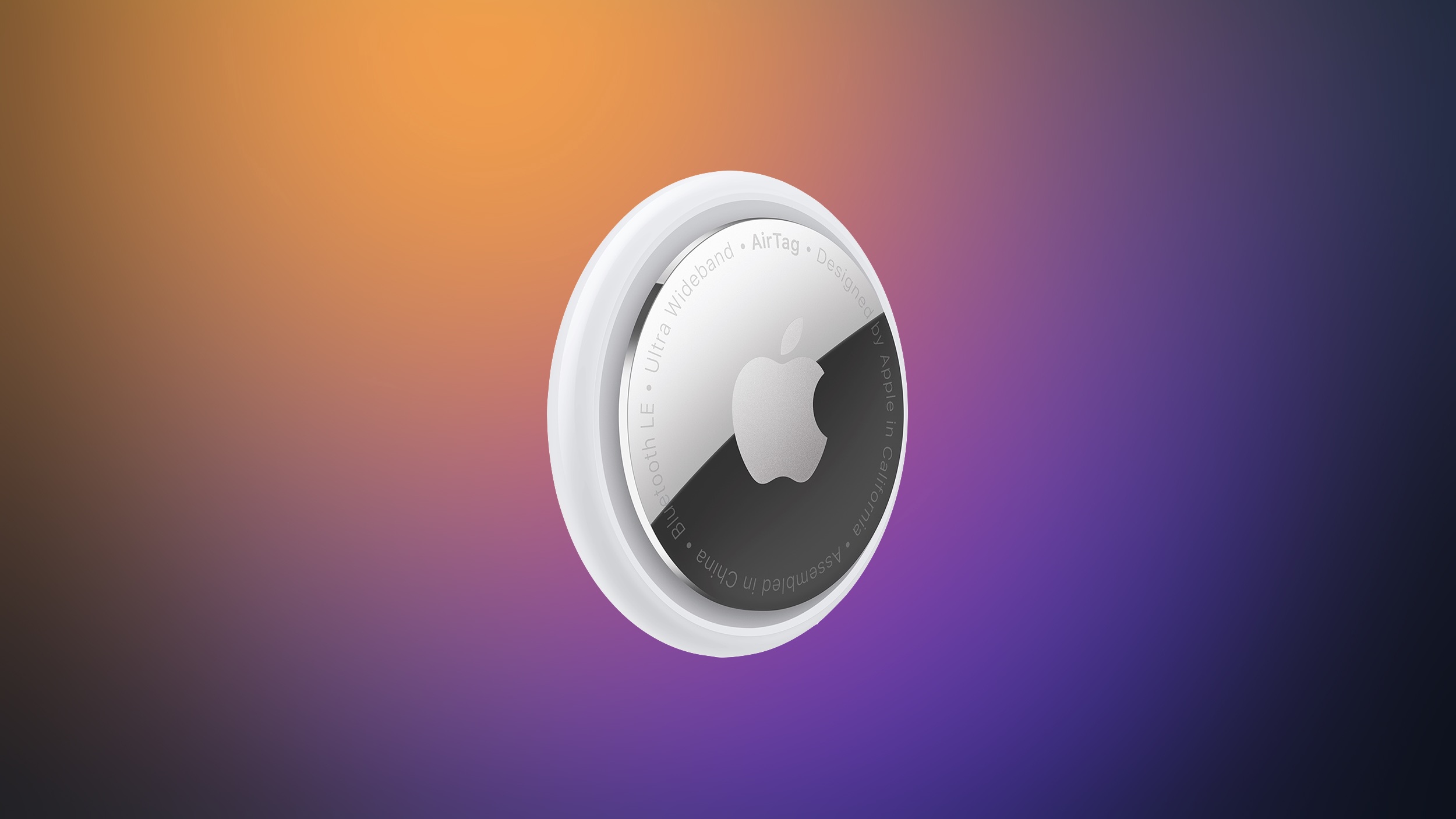
The AirTag 2 supposedly isn't getting a new design, but it will have an updated Ultra Wideband chip and a speaker that's harder to remove to prevent tampering. Leaked Apple code suggests it will get improved pairing, more detailed battery level reporting, and improvements to tracking AirTags that are moving and in crowded places.

Apple Security Cameras (Late 2026)


Rumors suggest that Apple is designing its own indoor security cameras that will connect to ‌HomeKit‌ and interface with the planned home hub.
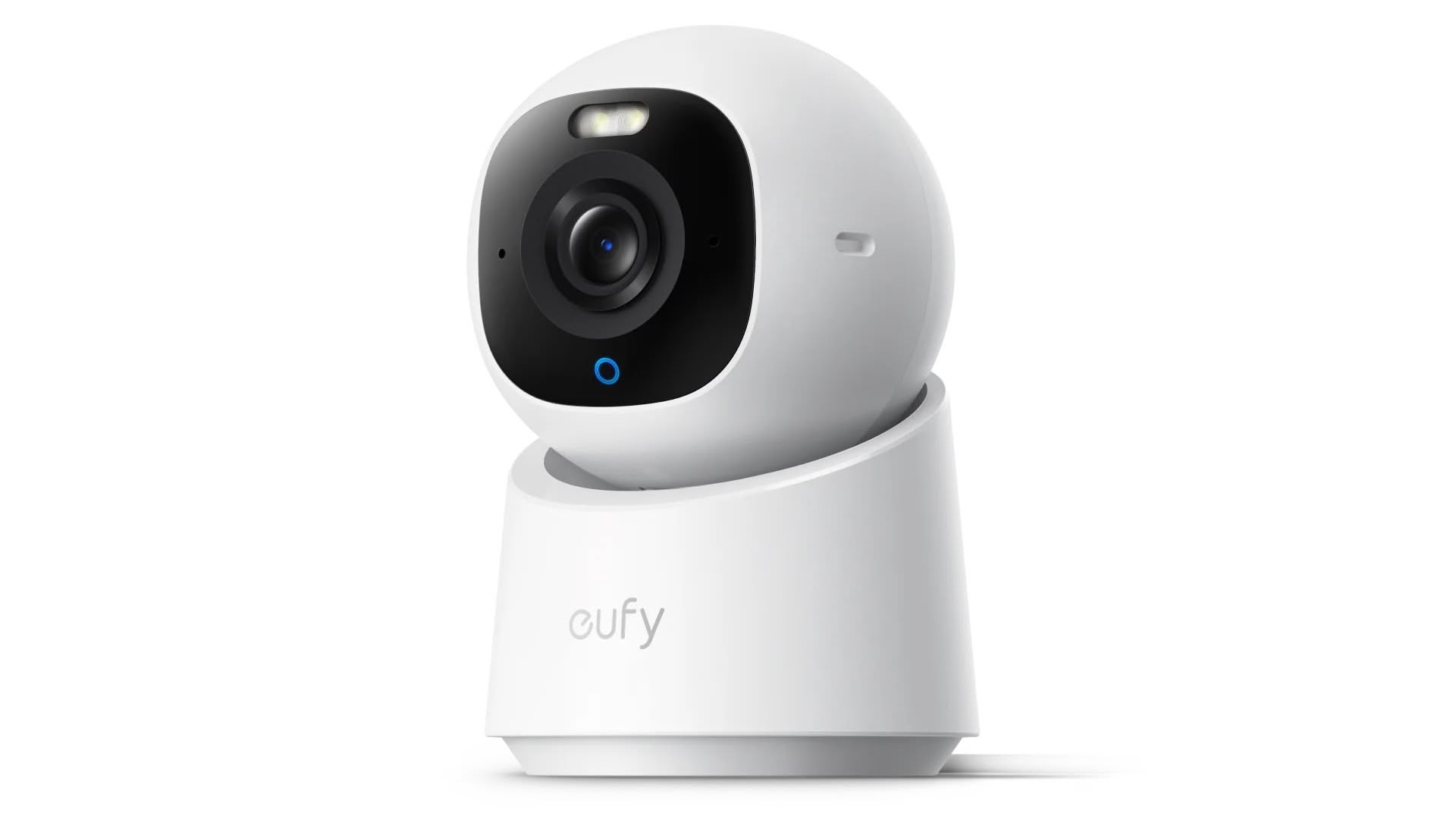

Cameras designed directly by Apple would offer unique integrations with Apple devices, and would offer greater privacy than competing devices because of Apple's dedication to privacy and security. The first cameras could come out as soon as late 2026, and we could see other accessories like doorbells follow.

Wearables


Apple could introduce AI smart glasses as soon as 2026, plus we're expecting new Apple Watch models.

Apple Watch Series 12 (September 2026)


No big design updates are expected for the 2026 Apple Watch, and another major design refresh isn't planned until 2028 at the earliest.
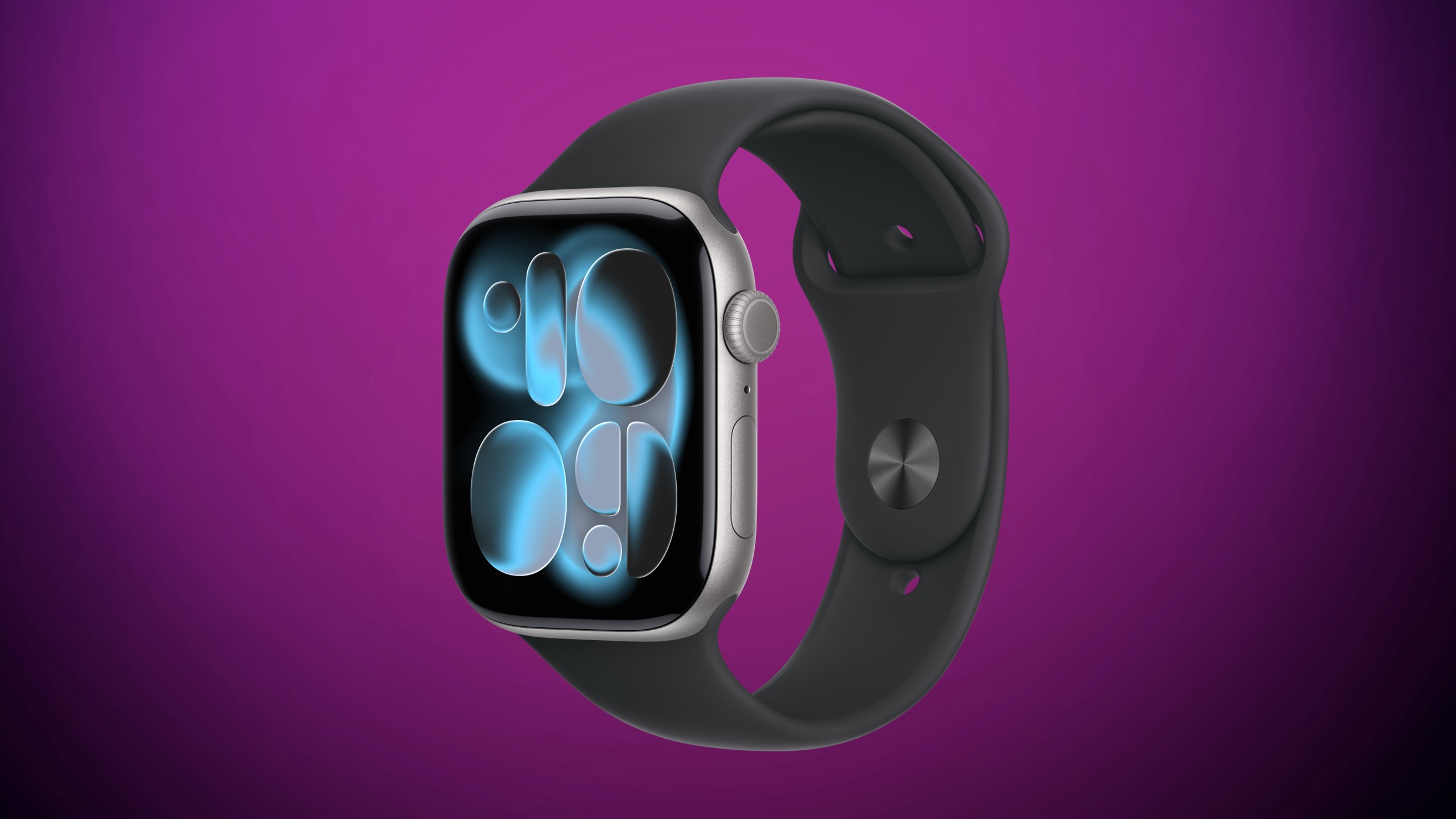

There are no health features that are ready to go, though Apple is working on non-invasive blood glucose monitoring.

It's been a long time since the Apple Watch got a major processor update, and with the ‌iPhone‌ shifting to a 2nm chip, 2026 could also be the year that the Apple Watch gets a speed boost. Apple could introduce a new S12 chip.

Apple Watch Ultra and Apple Watch SE


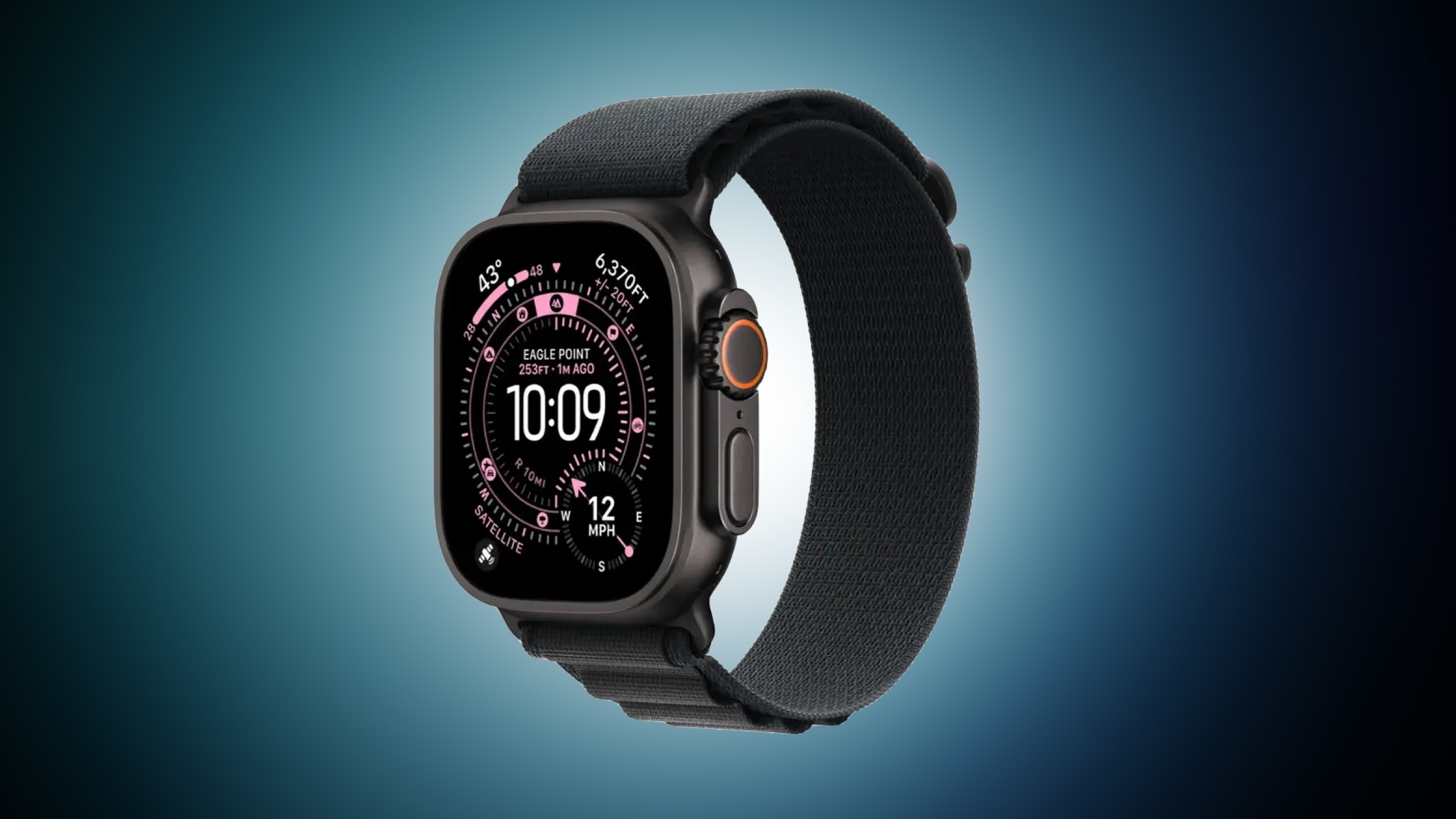
Apple doesn't update the Apple Watch Ultra and the Apple Watch SE on an annual basis, so it's not clear if we're going to get new models in 2026 yet.

AI Smart Glasses (Late 2026 Introduction)


Apple is working on smart glasses that will rival Meta's AI Ray-Bans, and we could see them as soon as 2026. Rumors suggest that Apple will show off the glasses late in the year, but a launch won't happen until 2027.


Previewing devices and features early has not worked out well for Apple with the canceled AirPower and the delayed ‌Apple Intelligence‌ ‌Siri‌ implementation, so it's still not clear if an early introduction will happen.

The smart glasses are expected to include cameras, speakers, sensors, and AI integration, but no displays will be included. The glasses will let users do things like take photos, listen to audio, make phone calls, and get answers to questions.

Processing will be done on the ‌iPhone‌, and Apple is aiming to make the glasses a fashion accessory with multiple material and frame options.

AirPods Pro (Late 2026)


Even though the AirPods Pro 3 were just released in 2025, Apple analyst ‌Ming-Chi Kuo‌ believes that another AirPods Pro update is coming in 2026.
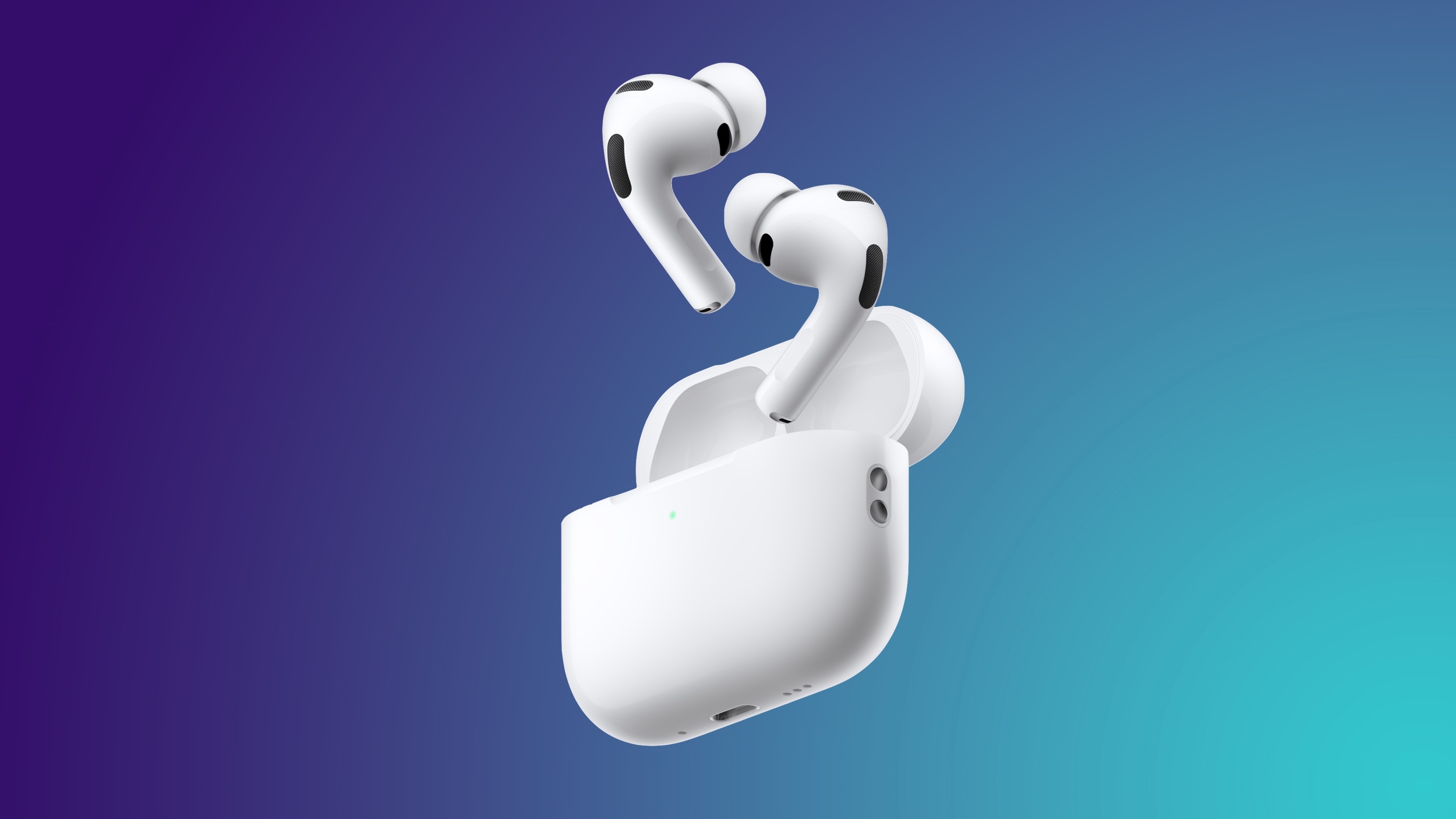

The AirPods Pro could get an infrared camera for enhanced spatial audio with the Vision Pro and support for in-air gestures. It's possible the AirPods Pro won't be a new version, but a higher-end update to the ‌AirPods Pro 3‌.

Software


We'll get iOS 27 at WWDC as usual, but the next major update will actually happen in spring when Apple releases iOS 26.4.

iOS 26.4 with LLM Siri (March/April 2026)


Right around March or April, Apple will release iOS 26.4, an update that's expected to introduce some major changes to ‌Siri‌. The software is supposed to include the smarter, more capable version of Siri that Apple debuted way back in June 2024.

Apple has held off on launching the home hub because it is waiting to debut the smarter, more capable version of ‌Siri‌ that's been in the works since ‌Apple Intelligence‌ features launched in iOS 18. The original plan was for a better version of ‌Siri‌ to come out in an iOS 18 update, but Apple decided ‌Siri‌ just wasn't good enough to do what it wanted.

‌Siri‌ was delayed so Apple could overhaul the underlying architecture that powers the personal assistant. The new ‌Siri‌ will be more similar to ChatGPT or Claude than the ‌Siri‌ of today, incorporating large language models to answer complex queries and complete more complicated tasks.

Here's what Apple originally promised ‌Siri‌ would be able to do with ‌Apple Intelligence‌:

Personal Context


With personal context, ‌Siri‌ will be able to keep track of emails, messages, files, photos, and more, learning more about you to help you complete tasks and keep track of what you've been sent.

  • Show me the files Eric sent me last week.

  • Find the email where Eric mentioned ice skating.

  • Find the books that Eric recommended to me.

  • Where's the recipe that Eric sent me?

  • What's my passport number?


Onscreen Awareness


Onscreen awareness will let ‌Siri‌ see what's on your screen and complete actions involving whatever you're looking at. If someone texts you an address, for example, you can tell ‌Siri‌ to add it to their contact card. Or if you're looking at a photo and want to send it to someone, you can ask ‌Siri‌ to do it for you.

Deeper App Integration


Deeper app integration means that ‌Siri‌ will be able to do more in and across apps, performing actions and completing tasks that are just not possible with the personal assistant right now. We don't have a full picture of what ‌Siri‌ will be capable of, but Apple has provided a few examples of what to expect.

  • Moving files from one app to another.

  • Editing a photo and then sending it to someone.

  • Get directions home and share the ETA with Eric.

  • Send the email I drafted to Eric.


This summer, Apple software engineering chief Craig Federighi said that transitioning ‌Siri‌ to new architecture was a success, and that the personal assistant is going to be an even bigger update than expected.

"The work we've done on this end-to-end revamp of ‌‌Siri‌‌ has given us the results we needed," Federighi told employees. "This has put us in a position to not just deliver what we announced, but to deliver a much bigger upgrade than that we envisioned."

Apple decided to use AI technology from Google, so ‌Siri‌ will in part be powered by a Google Gemini model that Google designed for Apple. ‌Siri‌ will be as capable as Gemini since it is using the same underlying technology, but Apple will run the model on its own Private Cloud Compute server with no information provided to Google.

The new version of ‌Siri‌ is expected to be ready for an iOS 26.4 update planned for the same March or April timeframe rumored for the home hub.

iOS 27, macOS 27 and More


New versions of iOS, macOS, and Apple's other software platforms will be previewed in June at WWDC before launching in September. New ‌Apple Intelligence‌ features are expected thanks to the improved ‌Siri‌ that Apple will be rolling out in the months ahead of WWDC.

‌Apple Intelligence‌ could be used for nutrition planning and medical suggestions, as part of a new paid Health+ service that's coming out next year. We don't know specifics yet, but ‌Apple Intelligence‌ features could also expand to additional apps.

With iOS 27, Apple could update Siri's design. ‌Siri‌ will get its major overhaul in iOS 26.4, but a new visual look is supposedly planned for iOS 27. There are no specifics about what the redesign might entail, but rumors linked to Apple's upcoming tabletop robot suggest that the company might introduce a version of ‌Siri‌ that's more animated, similar to the Mac Finder logo. That more animated version of ‌Siri‌ could also come to the ‌iPhone‌ and ‌iPad‌.

Apple is working on several new satellite features for the ‌iPhone‌, and some of these could come in iOS 27, though timing is unclear.

  • Apple Maps via satellite

  • Photos in Messages via satellite

  • Satellite API framework for third-party apps

  • Satellite over 5G

  • Satellite connectivity without the need for a view of the sky.


Some of these features could require new hardware, but options like ‌Apple Maps‌ via satellite would not require components beyond what's available now.

There will be new iOS 27 features that are designed for the foldable ‌iPhone‌, such as interfaces and experiences made for a larger screen.

Bloomberg's Mark Gurman has described iOS 27 as a "Snow Leopard" update, suggesting that Apple will focus on improving underlying performance and quality rather than introducing major new functionality.

Read More


Make sure to follow MacRumors.com and the MacRumors roundups and guides over the course of 2026 to keep up with all of the rumors we're hearing. Bookmark our What to Expect Guide and our Events Guide to see a continually updated overview of what's on the horizon.
This article, "Everything Apple Is Releasing in 2026: iPhone Fold, LLM Siri, Low-Cost MacBook and More" first appeared on MacRumors.com

Discuss this article in our forums

  •  

What's Happening With the Mac Pro?

Apple hasn't updated the Mac Pro since 2023, and according to recent rumors, there's no update coming in the near future. In fact, Apple might be finished with the ‌Mac Pro‌.


Bloomberg recently said that the ‌Mac Pro‌ is "on the back burner" and has been "largely written off" by Apple. Apple apparently views the more compact Mac Studio as the ideal high-end pro-level desktop, and it has almost replaced the ‌Mac Pro‌.

Apple is working on an M5 Ultra chip that will come out next year, but Bloomberg says the company is only planning to use it in the ‌Mac Studio‌, and not in an updated ‌Mac Pro‌. Apple has no plans to update the ‌Mac Pro‌ in 2026 in a "significant way." If we are truly at the end for the ‌Mac Pro‌, will we see Apple discontinue it when the next-generation ‌Mac Studio‌ launches?

The current ‌Mac Studio‌ has a newer, higher-end M3 Ultra chip that supports more CPU cores, more GPU cores, more maximum storage (16TB vs. 8TB), and more maximum unified memory (512GB vs. 192GB). The ‌Mac Studio‌ can support up to four 8K displays, while the ‌Mac Pro‌ is limited to three, and the ‌Mac Pro‌ doesn't have Thunderbolt 5.

The ‌Mac Pro‌ has fallen behind, and the gap will only increase with the launch of an M5 Ultra ‌Mac Studio‌. The only benefit that the ‌Mac Pro‌ offers over the ‌Mac Studio‌ is PCIe expansion slots. It's heavier, bulkier, and more expensive than the ‌Mac Studio‌ when comparing equivalent RAM and storage. For most people, there's no reason to choose a ‌Mac Pro‌ over a ‌Mac Studio‌, but some of Apple's high-end customers still need the space for things like RED capture cards and specialized audio interfaces.

Over the years, Apple has struggled with meeting the needs of pro users who want a desktop. The now-infamous "trash can" ‌Mac Pro‌ that came out in 2013 prioritized design over functionality, and the machine ended up being a failure. Apple was criticized for misunderstanding its pro user base because there was no space for internal upgrades like additional GPUs.

Apple was never able to update the trash can ‌Mac Pro‌ because it wasn't thermally capable of supporting rapidly evolving GPUs. In 2019, Apple unveiled a modular ‌Mac Pro‌ that had a more traditional enclosure able to support expansion with eight PCIe slots and three impeller fans. Apple did update the ‌Mac Pro‌ a couple of times after that, but it has once again been sidelined.

Apple is still selling the M2 Ultra version of the ‌Mac Pro‌ and it hasn't been discontinued or removed from the company's website. Until it's officially discontinued, there's a chance we could get another ‌Mac Pro‌ at some point in the future, but it doesn't sound like 2026 will be the year.
Related Roundup: Mac Pro
Buyer's Guide: Mac Pro (Neutral)
Related Forum: Mac Pro

This article, "What's Happening With the Mac Pro?" first appeared on MacRumors.com

Discuss this article in our forums

  •  

Will the Apple Pencil Work With the iPhone Fold?

Apple plans to enter the foldable smartphone market in September 2026, debuting its first foldable iPhone. We've heard multiple rumors about the design of the upcoming device, but little has been revealed about the operating system or the software features.


Rumors suggest the ‌iPhone‌ Fold will be around 5.4 inches when closed, and approximately 7.6 inches when open, giving it a 4:3 aspect ratio. We did a video featuring a rough ‌iPhone‌ Fold mockup at those dimensions yesterday, which provides an idea of what the device will look like.


When unfolded, the upcoming ‌iPhone‌ will be bigger than any ‌iPhone‌ to date, and not too far off in size from the original iPad mini. The current ‌iPad mini‌ has an 8.3-inch screen size, but the first models had a 7.9-inch display.

Since the ‌iPhone‌ Fold's inner display will be close to an iPad in size, will it run iOS or iPadOS? Will it work like a standard ‌iPhone‌ when the display is closed, and an ‌iPad‌ when it's open? Or will it get something in between?

We haven't heard much about iOS 27 as of yet or what Apple has in store for the ‌iPhone‌ Fold, so it's still a mystery. Bloomberg's Mark Gurman says that iOS 27 will lay the foundation for the foldable ‌iPhone‌ and future foldables, but that's about it.

With a larger display, the ‌iPhone‌ Fold will probably support some kind of split screen view or multitasking option, perhaps even adopting Slide Over. Apple Pencil support for a 7.6-inch display could make sense, but the ‌iPhone‌ Fold's display will be an awkward middle size between an ‌iPhone‌ and an ‌iPad‌. We haven't heard rumors that the ‌iPhone‌ Fold will work with the ‌Apple Pencil‌, but we also haven't heard rumors that it won't.

‌Apple Pencil‌ support could be useful for quick note taking, sketches, signing documents, editing photos and videos, and more. Steve Jobs famously said "Nobody wants a stylus," but in the years since he touted the ergonomics of the finger, the stylus has evolved. The ‌Apple Pencil‌ isn't one of the tiny plastic pens or imprecise rubber-tipped styluses that were around back in 2007 when Jobs commented on them. It's a writing implement that accurately mimics a pen or a pencil, and it feels natural to use.

Samsung's foldables supported the optional S Pen for many years, but the latest Galaxy Z Fold7 dropped the feature for a thinner and lighter design, which might not bode well for Apple offering the functionality. Rumors suggest the ‌iPhone‌ Fold is going to be somewhere around 4.5mm thick when unfolded, which will make it thinner than Apple's 5.1mm iPad Pro, the thinnest Apple device to date.

Some dedicated Samsung Galaxy Fold users are unhappy with the feature's removal, so there are definitely foldable smartphone customers out there who like the flexibility of being able to use a stylus. Rumors suggest that Samsung is considering bringing S Pen support back to the next-generation Galaxy Fold, which will, coincidentally, have a shorter, wider design to match the iPhone Fold. If Apple implements ‌Apple Pencil‌ support and Samsung doesn't, it's possible Apple will draw some switchers who don't want to use a foldable without a pen option. The opposite is also a possibility, so Apple could lose customers who don't want a foldable without a pen.

Google didn't design a stylus for the Pixel Fold, but it did implement support for the Universal Stylus Initiative (USI), so the device works with third-party USI pens. USI pens don't have the same functionality as the ‌Apple Pencil‌, lacking features like pressure sensitivity, but the basic stylus functionality is there for those who want it.

Apple could do something similar to Google. Add support for the ‌Apple Pencil‌ for those who want it, without making it a primary marketing point. That would make the ‌Apple Pencil‌ available for those who want the extra functionality, but it wouldn't be a necessity. Apple could also design an ‌iPhone‌ Fold-specific ‌Apple Pencil‌ that is sized to the device and able to be charged with it, but it all depends on how Apple wants to market the ‌iPhone‌ Fold.

If it's marketed as an ‌iPhone‌, ‌Apple Pencil‌ support is unlikely. Apple has long championed a touch-first approach, and no ‌Apple Pencil‌ support for the ‌iPhone‌ clearly separates it from the ‌iPad‌. If it's marketed as an ‌iPhone‌ and ‌iPad‌ hybrid device, ‌Apple Pencil‌ support seems like more of a possibility.

Apple might not be able to implement ‌Apple Pencil‌ support at all because of technical limitations. Rumors suggest that the ‌iPhone‌ Fold is so thin that it doesn't have the space for the TrueDepth camera hardware for Face ID, so Apple is instead adding a Touch ID button to the device. With space at such a premium, a digitizer layer for the ‌Apple Pencil‌ is probably impossible. Apple also needs to take into account how an ‌Apple Pencil‌ would impact ‌iPhone‌ Fold features like the crease in the middle, and that might add too much complication.

Even if the first-generation ‌iPhone‌ Fold doesn't get ‌Apple Pencil‌ support, it could be a feature that Apple adds in the future as display technology improves.

Do you want ‌Apple Pencil‌ support for the ‌iPhone‌ Fold? Let us know in the comments below.
This article, "Will the Apple Pencil Work With the iPhone Fold?" first appeared on MacRumors.com

Discuss this article in our forums

  •  

Apple Teases 'Something Big' Coming Soon to Apple Fitness+

The Apple Fitness+ Instagram account today teased that the service has "big plans" for 2026. In a video, several Apple Fitness+ trainers are shown holding up newspapers with headlines related to Apple Fitness+.


  • What's Apple Fitness+ Planning for the New Year?

  • Something Big is Coming to Apple Fitness+

  • The Countdown Begins. Apple Fitness+ 2026 is Almost Here

  • 2026 Plans Still Under Wraps-For Now


There are rumors that an AI-based Health+ service will be introduced at some point in 2026, but the Apple Fitness+ post may simply be referencing some kind of fitness program or fitness promotion that's designed to help people meet their New Year's Resolutions. It sounds like an announcement is planned for January 1, 2026.

The Health+ service that's in the works will supposedly incorporate AI for personalized health recommendations and health coaching. Health+ will rely on the LLM version of Siri that Apple has planned, which isn't expected until iOS 26.4 in the spring, so we're probably not hearing about the service in January.


Apple has a "Ring in the New Year" Apple Watch activity challenge that kicks off on January 1, so the Fitness+ announcement could be related to that.
This article, "Apple Teases 'Something Big' Coming Soon to Apple Fitness+" first appeared on MacRumors.com

Discuss this article in our forums

  •  

Apple Raised $3 Million for Global Fund's AIDS Fight Through Apple Pay Promotion

This holiday season, Apple donated $5 to The Global Fund for every purchase made using Apple Pay on Apple.com, the Apple Store app, and Apple retail stores in the U.S. and other countries.


The Global Fund this week said that Apple raised a total of $3 million for the organization, which is dedicated to fighting HIV/AIDS, tuberculosis, and malaria in developing countries.

Apple capped donations at $3 million, so that means Apple customers raised the total possible amount through their purchases. Apple ran the promotion from November 28 through December 7 to fund critical health programs that save lives.

Apple has long supported The Global Fund with similar promotions and through sales of devices manufactured in (PRODUCT)RED colors. Apple has not offered any of its iPhones or accessories in (PRODUCT)RED colorways since the launch of the 2022 iPhone 14 models, but it does raise money each December in honor of World AIDS Day.

Apple has raised more than $250 million for The Global Fund during its 19-year partnership with the (RED) brand.
This article, "Apple Raised $3 Million for Global Fund's AIDS Fight Through Apple Pay Promotion" first appeared on MacRumors.com

Discuss this article in our forums

  •  

iPhone 17 Pro and Pro Max Users Report Static Speaker Noise While Charging

iPhone 17 Pro and Pro Max owners are having trouble with the speakers of their devices, and have complained about a static or hissing noise that occurs when the iPhone is charging.


There are multiple discussions about the issue on Reddit, the MacRumors forums, and Apple's Support Community, where affected users say there is a noticeable static noise "like an old radio." Some people report hearing it when playing audio and turning the volume down, while others say the static is audible without anything playing from the speakers. In some cases, there is a low crackle or a hiss when scrolling through webpages when the ‌iPhone‌ is charging, and some people hear the noise at low volumes even when the ‌iPhone‌ isn't on a charger.

Affected users report that the noise can be heard with chargers of all types, including Apple's official chargers. MagSafe charging causes the problem as well, but users report that the static noise is quieter. Unplugging the ‌iPhone‌ from the charger eliminates the sound for users who are experiencing the static noise when charging.


Some ‌iPhone 17 Pro‌ users have exchanged their devices for new ones, but have run into the same issue.

One Reddit user has been in contact with Apple support, and says the issue has been forwarded to Apple engineers. Apple is apparently working on a fix, but the iOS updates that have been released so far do not appear to solve the problem. The sound is subtle according to most reports, so it may be a widespread issue that only those sensitive to the noise have noticed.
This article, "iPhone 17 Pro and Pro Max Users Report Static Speaker Noise While Charging" first appeared on MacRumors.com

Discuss this article in our forums

  •  

Japan App Store Gets Alternative Marketplaces, Third-Party Payments and More

Apple today introduced several changes to the App Store in Japan to meet the requirements of the Mobile Software Competition Act (MSCA) that goes into effect on December 18. The MSCA is similar to Europe's Digital Markets Act (DMA) so the Japanese ‌App Store‌ will work a lot like the EU ‌App Store‌, but there are some differences.


Here's a quick rundown of what's changing as of today:

  • Side Button - Users in Japan will be able to change what the side button does, and it will be able to activate third-party voice assistants instead of Siri.

  • Payment options - Developers can offer in-app purchases, accept third-party payments in their apps, or direct users to a website to make a purchase.

  • Alternative app marketplaces - Apps can be distributed through alternative app marketplaces instead of the ‌App Store‌. Users can set an alternative app marketplace as their default marketplace instead of the ‌App Store‌.

  • Fee changes - New fees range from 5% to 26% depending on distribution method and payment method.

  • Browser choice - Users are prompted to select a default browser at setup.

  • Search engine choice - Users are prompted to choose a default Search engine at setup.

  • Navigation apps - Users in Japan can select a different navigation app.


Alternative Payment Options


There is a notable difference between how alternative payment options are implemented in Japan and how they are implemented in the EU. Developers in Japan are required to display third-party digital purchase options alongside in-app purchase options, so customers can choose to use in-app purchase if desired.

Purchase screens can link to a website or use a third-party payment service for end-to-end checkout directly in an app, but those two alternative payment options must be displayed right alongside an in-app purchase option. Developers are required to make the in-app purchase button at least as prominent as other payment options that are displayed.

Japanese developers are able to offer different price points, so a direct payment link can be cheaper than the accompanying in-app purchase option. When a user chooses an alternative payment option or taps a link to a website to make a purchase, an in-app sheet will let them know they are no longer transacting with Apple. It informs users that refund requests and other Apple-provided services will not be available.

Alternative App Marketplaces


App developers in Japan can offer their apps through the ‌App Store‌ or through any alternative app marketplace. Apps and app marketplaces are subject to Apple's Notarization process, and there is no option to distribute apps through a website like there is in the EU.

Any developer is able to build an app marketplace. As in the EU, alternative app marketplaces will be checked for basic functionality, malware, and security threats for user protection purposes, but Apple does not have content oversight.

App marketplaces can establish their own content rules if desired, and must handle fraud prevention, customer support, and refunds. Apple says that app marketplaces will need to be authorized and will have to meet ongoing requirements to serve developers and users.

App developers in Japan can select an ‌App Store‌ or alternative app marketplace when using ‌App Store‌ Connect, and can distribute apps through one marketplace or many.

Users are able to set a default app marketplace that replaces the ‌App Store‌ as the primary app option.

Fees in Japan


Apple has established a new fee structure in Japan, and fees are based on distribution and payment method. Apple says that fees will be the same or lower for 100% of developers in Japan.

Participants in the Small Business Program, Video Partner Program, and Mini Apps Partner Program will pay the reduced rate below. Subscriptions in apps maintained after the first year are also subjected to the lower fee. The Small Business Program includes developers that earn less than 1 million USD annually. Developers that earn more than that have to pay Apple's full commission rates.

  • App Store w/ In-App Purchase - Varies from 15% to 26%. 21% base fee, 5% payment processing fee. Base fee is 10% for program participants, and 5% fee remains the same.

  • App Store w/ Alt Purchase - Varies from 10% to 21%. 21% base fee, no payment processing fee. 10% for program participants.

  • App Store w/ Web Link - Varies from 10% to 15%. 15% Store Services Fee, 10% for program participants.

  • Alternative Marketplace - 5% Core Technology Commission.


To explain it another way, all apps on the ‌App Store‌ will pay a 10% or 21% ‌App Store‌ commission. For purchases made using in-app purchase through the ‌App Store‌, Apple will collect an additional 5%. Purchases made in an app through an alternate payment method will not incur the 5% fee, but developers will need to pay the fee from whatever payment processing service they're using.

Web link fees are lower. Apple will collect 15% from standard users, or 10% from program participants. There is no payment processing fee, but developers will need to pay the fee of the third-party payment processing service.

Non-App Store distribution has the lowest fee, at 5%. The Core Technology Commission applies to the sale of digital goods and services, including paid apps in alternative app marketplaces.

Side Button Changes


Users in Japan can change the function of the Side Button, assigning a voice-based conversational app. There are criteria that apps need to meet to be eligible to operate with the Side Button, and Apple has created an API to allow developers of voice-based conversational apps to request Side Button access.

Apps that offer a conversational experience as their primary purpose are eligible to be used with the Side Button. That includes chatbot apps like ChatGPT, Claude, or Gemini.

The Side Button will be able to activate the voice chat mode in an eligible third-party app, and it will function much like the Action Button does now when launching an app using a Shortcut.

Child Protections


All apps need to provide an install sheet with a clear age rating, regardless of whether an app is distributed through the ‌App Store‌ or an app marketplace.

Apps in the Kids category will not be able to include links to websites to complete transactions at all. Apps outside of the kids category cannot link to websites for transactions for users under 13 years old. Developers are able to include a link to a website for transactions in their app, with that link only displayed to users that are over the age of 13 to meet the MSCA's requirements.

For all users under the age of 18, all ‌App Store‌ apps that use alternative payment processing or link to a website for transactions must include a parental gate that requires younger users to involve their parent before making a purchase.

Apple plans to release APIs in the future to better support the new requirements.

Browser and Search Engine Choice


During the device setup process, iPhone users in Japan are presented with browser and search engine selection screens with options displayed in a randomized order. Safari and Google Search will no longer be the automatic default in Japan.

Developers in Japan can choose alternative web browser engines other than WebKit, as long as those browser engines meet Apple's privacy requirements.

Users can change their defaults in the Defaults section of the Settings app.

Interoperability


Like in the EU, Japan's MSCA requires Apple to accept interoperability requests. Developers can ask Apple to add new features that will allow them expanded access to hardware and software features. There is also a baseline interoperability requirement.

Apple has more control over interoperability in Japan than it does in the EU, and it is able to consider security and privacy risks when deciding whether to implement an interoperability feature.

Interoperability requirements in the EU have led to delayed features like Live Translation, or have prevented Apple from implementing features like Screen Mirroring. Apple does not anticipate that interoperability requirements will lead to delayed features in Japan because Japan's law includes exceptions for privacy and security.

Navigation


‌iPhone‌ users in Japan can select a different app as the default navigation app.

MSCA vs. DMA


Apple worked with Japanese regulators on the MSCA, and sees it as a better solution than the DMA in Europe. Changes mandated by the MSCA expose users to some risk by allowing non-App Store app installations, but it maintains protections for children.

Though the MSCA allows for alternative app distribution, it does not include a provision for downloading apps directly from websites, so Apple is able to maintain some level of security by overseeing app marketplaces. Apple is able to require apps to offer both in-app purchase and alternative payment methods, allowing users in Japan to decide their preference.

The MSCA also allows Apple to deny interoperability requests that would expose users to privacy and security risks, while the DMA does not.

Fee structures and features provided by Apple are not as complicated in Japan as they are in the European Union. Japan's fees are similar to the Store Services Tier 2 fee in the EU (applicable to all apps starting on January 1, 2026), which includes all ‌App Store‌ functionality for a 15 to 20% total fee.

Japan does not have the Store Services Tier 1 option, which cuts down on ‌App Store‌ functionality that Apple delivers but also lowers fees to 10% to 12%.

Availability


Apple is implementing the ‌App Store‌ and iOS changes starting today, with the functionality built into the iOS 26.2 update that came out on December 12. Developers with iOS apps in Japan can start shipping the new features immediately, with more detailed information available on Apple's developer site. The changes are only applicable to iOS apps distributed in Japan.
This article, "Japan App Store Gets Alternative Marketplaces, Third-Party Payments and More" first appeared on MacRumors.com

Discuss this article in our forums

  •  

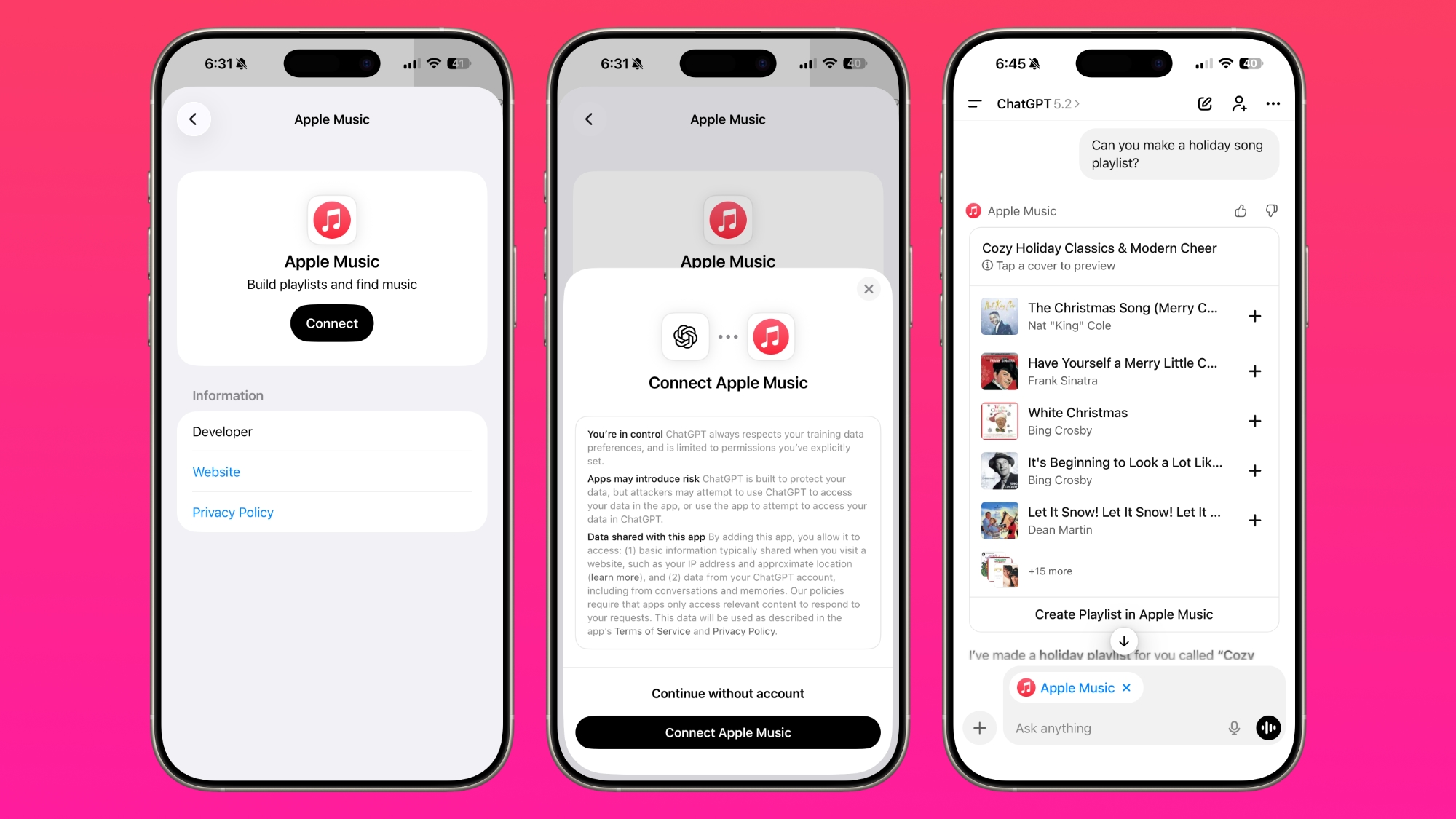
ChatGPT's Apple Music Integration Is Now Live

There's now a dedicated Apple Music app for ChatGPT, which allows ChatGPT to make music recommendations and build playlists.


‌Apple Music‌ can be added to ChatGPT through the Settings section in the Mac app, website, or iOS app. ‌Apple Music‌ is listed under the apps option, and connecting to it requires signing in with your Apple Account for authorization purposes.

ChatGPT can be used to search through the ‌Apple Music‌ catalog for songs, artists, albums, and playlists, even without an ‌Apple Music‌ subscription. OpenAI says that all users are able to discover music, generate playlists, and listen to preview clips in ChatGPT.

‌Apple Music‌ subscribers can add songs, albums, and playlists to their ‌Apple Music‌ Library using ChatGPT. When ‌Apple Music‌ is added to ChatGPT, it can be selected by tapping on the "+" button. Playlists and suggestions generated by ChatGPT can be opened directly in ‌Apple Music‌.

ChatGPT's ‌Apple Music‌ feature was first shared yesterday, but the functionality wasn't live. The app is now available to add to ChatGPT.

Update: This article originally suggested that the app could tap into a user's ‌Apple Music‌ listening history, but it does not have this capability and the user's history and playlists remain private. The app can add to a user's ‌Apple Music‌ library but does not have read access.
This article, "ChatGPT's Apple Music Integration Is Now Live" first appeared on MacRumors.com

Discuss this article in our forums

  •  

Apple Releases First macOS Tahoe 26.3 Public Beta

Apple today provided public beta testers with the first release of an upcoming macOS Tahoe 26.3 update for testing purposes. The public beta comes two days after Apple provided the beta to developers.


After signing up for beta testing on Apple's beta site, public beta testers can download the updates using the Software Update section in the System Settings app.

We don't know about any new features in macOS Tahoe 26.3 as of yet, but Apple might introduce new capabilities in later beta releases.

The beta is limited to developers and public beta testers at the current time, but we are expecting Apple to release the update at the end of January.
Related Roundup: macOS Tahoe 26
Related Forum: macOS Tahoe

This article, "Apple Releases First macOS Tahoe 26.3 Public Beta" first appeared on MacRumors.com

Discuss this article in our forums

  •  

Apple Releases First iOS 26.3 and iPadOS 26.3 Public Betas

Apple today provided beta testers with the first releases of upcoming iOS 26.3, iPadOS 26.3, tvOS 26.3, and watchOS 26.3 updates for testing purposes. The public betas come a couple of days after Apple provided the betas to developers.


Anyone can download and install public betas, and all that's required is to sign up on Apple's beta site. Once you've opted in, the software can be downloaded through the Software Update section in the Settings app on each device.

iOS 26.3 introduces a simpler way for iPhone users to transfer their data to an Android device when switching platforms, plus it includes a Notification Forwarding feature for third-party wearables in the European Union. It will allow notifications to be forwarded from the ‌iPhone‌ to a third-party device.

No new features have been found in the other beta updates as of yet.

We're expecting iOS 26.3, iPadOS 26.3, and the other software to come out somewhere around the end of January.
Related Roundups: iOS 26, iPadOS 26
Related Forum: iOS 26

This article, "Apple Releases First iOS 26.3 and iPadOS 26.3 Public Betas" first appeared on MacRumors.com

Discuss this article in our forums

  •  

Apple's 2026 and 2027 Product Roadmap: Foldable iPhone, iPhone 18 Pro, M5 Macs, and More

There has been a whirlwind of rumors over the last few days, sourced from leaked internal software designed for the iPhone and the Mac, and news sites like The Information. Below, we have a quick recap of everything we've heard this week, which serves as a guide to Apple's product plans in 2026 and beyond.


We've organized the info by likely release date, though there are some products that we don't have a timeline for. Keep in mind that the list features only rumors that we've heard over the last couple of days, so it's not a complete feature overview for each device.

Early/Spring 2026


  • iPhone 17e (V159) - The ‌iPhone‌ 17e will use Apple's C1X modem instead of the C1, and it will include MagSafe support, which was missing from the iPhone 16e. It may not include an N1 wireless chip.

  • AirTag 2 (B589) - Likely coming in early 2026. Expected to feature improved pairing, more detailed battery level reporting, and improvements to tracking AirTags that are moving and in crowded places.

  • Home hub (J490 and J491) - Apple's home hub is expected to launch in spring 2026, around when iOS 26.4 comes out. Recent rumors suggest it will have a 1080p video camera, Face ID for authentication and to identify different people, profile switching, and support for Apple Intelligence. There are two models, one that's wall mounted and another that has a HomePod-like speaker base.

  • HomePod mini 2 (B525) - A new HomePod mini is ready to launch at any time, so it could come in spring or even earlier in the year. It won't have Apple's N1 networking chip.

  • Apple TV (J355) - A new Apple TV is reportedly ready to go, and it makes the most sense for it to launch alongside other home products slated for the early 2026 timeframe.

  • Unknown home accessory (J229) - We don't know what this is, but it could be a camera, or standalone speaker base that can be added to the wall-mounted home hub after purchase. It could also be something else entirely. There are mentions of sensors in the code for this accessory.

  • iPad 12 (J581 and J582) - The latest information suggests the iPad 12 will use Apple's A19 chip, which is the same chip that's in the iPhone 17. It's an unusual choice because iPads usually get older, more affordable chips. It isn't expected to include the N1 networking chip. It's expected early in 2026.

  • M4 iPad Air (J707, J708, J737, J738) - 11-inch and 13-inch iPad Air models with M4 chips are rumored to be launching in early 2026. No major changes are expected except for the chip update.

  • Low-Cost MacBook (J700) - Apple is working on a MacBook with the A18 Pro chip, and it's expected to launch early in 2026. It will be positioned as Apple's most affordable MacBook, competing with Chromebooks and cheaper Windows laptops.

  • M5 MacBook Air (J813 and J815) - The MacBook Air is going to get updated with M5 chips as soon as early 2026. No other major changes are rumored.

  • M5 Pro/Max MacBook Pro (J714c, J714s, J716c, J716s) - M5 Pro and M5 Max MacBook Pro models are coming soon. They might get a refresh early in 2026, because there are still rumors of another ‌MacBook Pro‌ refresh later in the year.


September 2026


  • Foldable iPhone (V68) - The foldable ‌iPhone‌ will open book style, and will be wider than it is tall. It will look like a small iPad. When open, the display will be around 7.7 inches, and when closed, it will be around 5.3 inches. There will be a single front-facing camera in the top left, and no Dynamic Island. Display sizes could ultimately change, and Apple is reportedly seeing a high failure rate in current display production.

  • iPhone 18 Pro and Pro Max (V63 and V64) - The TrueDepth camera system for ‌Face ID‌ will be under the display, eliminating the ‌Dynamic Island‌. There will be a cutout for the front-facing camera at the top left of the display. At least one rear camera will have a variable aperture that lets users control the amount of light that enters the lens. Overall design will be similar to the iPhone 17 Pro models. The A20 TSMC chip will support Wafer-Level Multi-Chip Module packaging for speed improvements that could bolster AI features and on-device processing capabilities. The iPhone 18 Pro models could have either a C1X modem or a C2 modem.

  • iPad mini 8 (J510 and J511) - The iPad mini 8 could get OLED display technology and the A20 Pro chip, which is the same chip that's slated for the ‌iPhone 18‌ Pro models. That would suggest a fall launch alongside the ‌iPhone 18‌ Pro. There have also been rumors that it will use the A19 Pro that's in the ‌iPhone 17 Pro‌, and if that's the case, it could come earlier.

  • Apple Watch Series 12 (N237 and N238) - The Apple Watch Series 12 is expected in September 2026. No major changes are rumored so far.


Unknown Timing, But Likely 2026


  • Apple Studio Display 2 (J427 and J527) - There are two Apple displays in the works, that are expected to be followups to the Studio Display. These are likely to launch alongside new M5 Mac desktop machines. The two models could be different sizes or different display technology, as there are mini-LED rumors for the next-gen model.

  • M5/M5 Pro Mac mini (J873g and J873s) - The Mac mini is going to get M5 and M5 Pro chips, but timing is unclear. It could be refreshed early in 2026, or it might come later alongside other desktop Mac updates.

  • M5 Max/Ultra Mac Studio (J775c and J775d) - The Mac Studio will use the M5 Max and M5 Ultra chips, and it will likely be refreshed later in 2026 rather than earlier.

  • iMac Pro (J833c) - Apple is working on a high-end iMac with an M5 Max chip, which suggests it will launch alongside other M5 Max models sometime in 2026. Prior rumors have suggested the device could have a display around 30 inches in size.

  • M6 MacBook Pro (J804) - The entry-level ‌MacBook Pro‌ could be updated with an M6 chip toward the end of 2026.

  • M6 Pro/Max MacBook Pro (K114c, K114s, K116c, K116s) - The M6 Pro and M6 Max ‌MacBook Pro‌ models will feature a major redesign with OLED display technology. So far, rumors suggest this could happen as soon as late 2026, though that would mean two ‌MacBook Pro‌ refreshes in 2026. It's not unheard of, but Apple might also opt to hold this update until early 2027.

  • Apple Watch Ultra 4 (N240) - Apple is working on a fourth-generation version of the Apple Watch Ultra. It could come in September 2026 alongside the Series 12, but Apple doesn't update the Apple Watch Ultra on an annual basis.


2027


  • iPhone 18 - The ‌iPhone 18‌ will not launch in fall 2026 as expected, and will instead come in spring 2027. It will be an incremental update, and Apple may remove haptic feedback and touch sensing from the Camera Control button (it could also be removed from the 18 Pro models).

  • iPhone 18e - Also slated for spring 2027, the ‌iPhone‌ 18e could launch alongside the ‌iPhone 18‌. It is expected to feature few changes.

  • iPhone Air 2 (V62) - There is no second-generation iPhone Air planned for fall 2026 because Apple has delayed it. It could instead come in spring 2027. Apple is reportedly looking at adding a second camera to make the device more appealing to consumers. The next ‌iPhone Air‌ might also be more affordable.

  • 20th Anniversary iPhone - The 2027 ‌iPhone‌ will have an "enclosure on the front and back that curves around the device edges," which allows for a bigger screen with no bezels. The Information says that it is not sure if the display itself will curve around the edges, but instead of a full metal frame, it has a "narrow metal band running around the midpoint of the device's edge. The selfie camera will move under the display, and it will be the first ‌iPhone‌ with no display cutouts at all. The 20th anniversary ‌iPhone‌ will launch in September 2027.

  • Tabletop robot (J595) - Apple's tabletop robot with a thin robotic arm and swivel base is expected to be a more powerful version of the home hub. It's rumored to be launching sometime in 2027.

  • AI smart glasses (N50/N401) - Apple paused work on all of its AR/VR headsets to focus instead on AI smart glasses that will compete with the Meta Ray-Bans. The AI smart glasses are expected in 2027, but it's possible Apple will unveil them in late 2026. N50 was the original codename, but Apple is now using N401. N401 covers the AI smart glasses, and a separate set of augmented reality glasses.


Delayed or Canceled


  • Foldable iPad - Apple planned a foldable ‌iPad‌ for release in 2026, but delayed the project and redirected resources to the foldable ‌iPhone‌ to ensure that device launches on time.

  • Vision Air (N100) - The N100 is a lighter and cheaper version of the Vision Pro. It was originally rumored for 2027, but Apple has paused work on headsets to focus on AI smart glasses.

  • AR glasses prototype (N421) - N421 is a prototype set of AR glasses, but Apple apparently canceled work on this product for now. AR glasses are still Apple's ultimate plan.

  • Mac-connected AR glasses (N107) - Apple was working on AR glasses that would connect to a Mac to use the Mac's processor, but the project was scrapped.

  • Cheaper Vision Pro (N109) - Apple was developing a second-generation Vision Pro that's more affordable, and it was a product distinct from the Vision Air. Work is currently paused.


Unknown Products


There are some codenames that were in Apple's leaked information that aren't associated with a known product as of yet.

  • N110 - N110 is close to N109 and other N-series numbers Apple has used for its AR/VR headsets, so this could be a wearable.

  • N209 - N2 numbers have previously been associated with the Apple Watch.

  • N216 - N2 numbers have previously been associated with the Apple Watch.

  • J349 - Possibly a Mac that was scrapped, but could also be an ‌Apple TV‌ or some kind of home device.

  • J190 - The Mac Pro is J180, so this could be another ‌Mac Pro‌, but it's unclear.

  • J226 - J226 is close to J229, the codename for an unknown home device, so it could be some kind of home-related accessory.


Codename Key


For Apple's internal codenames that it uses for Macs, the letter at the end of the number has significance.

  • G - Base model M-series chip

  • S - Pro version of the M-series chip

  • C - Max version of the M-series chip

  • D - Ultra version of the M-series chip


Caveats


Some of this information was pulled from an internal version of iOS 26 that Apple was working on around the late May 2025 timeline, while other information comes from internal kernel debug kit files that Apple accidentally leaked earlier this year.

Apple's plans can always change. Devices can be scrapped, features can be removed, and launches can be pushed back. That's especially true of rumors about products coming in late 2026 or 2027, because production plans haven't been finalized.

Read More


We keep an upcoming products Apple guide that gets regular updates when new timeline information is made available. It's a good resource to bookmark and reference throughout the year to keep tabs on what Apple has planned. We have even more rumors about Apple's products in our device roundups and guides, which are also updated regularly.
This article, "Apple's 2026 and 2027 Product Roadmap: Foldable iPhone, iPhone 18 Pro, M5 Macs, and More" first appeared on MacRumors.com

Discuss this article in our forums

  •  

Trump Administration Threatens Retaliation Over EU's DMA and DSA Enforcement Against U.S. Tech

The Trump administration is pressuring the European Union to cut down on regulations that impact tech companies like Google, Apple, Amazon, and Meta.


The Office of the United States Trade Representative today posted a message to the European Union on social media, threatening retaliation if the EU continues to target U.S. companies. The post says the U.S. will implement fees and restrictions on foreign services, and it specifically names European companies like Accenture, DHL, Mistral, SAP, Spotify, and Siemens.
The European Union and certain EU Member States have persisted in a continuing course of discriminatory and harassing lawsuits, taxes, fines, and directives against U.S. service providers. U.S. services companies provide substantial free services to EU citizens and reliable enterprise services to EU companies, and they support millions of jobs and more than $100 billion in direct investment in Europe. The United States has raised concerns with the EU for years on these matters without meaningful engagement or basic acknowledgement of U.S. concerns.

If the EU and EU Member States insist on continuing to restrict, limit, and deter the competitiveness of U.S. service providers through discriminatory means, the United States will have no choice but to begin using every tool at its disposal to counter these unreasonable measures. Should responsive measures be necessary, U.S. law permits the assessment of fees or restrictions on foreign services, among other actions. The United States will take a similar approach to other countries that pursue an EU-style strategy in this area.

The EU's Digital Markets Act (DMA) and Digital Services Act (DSA) have forced Apple and other tech companies to make major changes to their services in the European Union, and several companies have faced fines. Earlier this year, Apple was fined 500 million euros and Meta was fined 200 million euros. Just this month, social network X was fined 120 million euros for DSA violations, and in September, Google was fined 2.95 billion euros for antitrust violations related to its adtech business.

Separately, the U.S. House Judiciary Committee held a hearing today on the threat that "discriminatory foreign regulations" modeled after the Digital Markets Act pose to American innovation and competition. Witnesses included Competere Ltd. CEO Shanker Singham, Notre Dame Law professor Roger Alford, George Washington Competition and Innovation Lab Founding Director Aurelien Portuese, and Dirk Auer, Director of Competition Policy for the International Center for Law and Economics.

During the hearing, Representative Scott Fitzgerald said the DMA isn't aimed at protecting consumers, but hobbling American companies.
The DMA does not ask whether consumers have been harmed. It does not even ask whether a business has done anything wrong. It asks whether a company is large, successful, and, most importantly, American. If the answer is yes, the rules suddenly change. Common business practices are banned, innovation is treated as a threat, and foreign rivals are handed access to data and technology they could never build or earn on their own. That is not competition policy. That's forced redistribution.

The Computer and Communications Industry Association said the DMA is discriminatory because it only applies to select companies, while NetChoice said the EU has "provided countries around the world with a blueprint" for similar regulatory measures.
Unlike traditional antitrust and competition laws that apply to all companies, however, these DMA prohibitions apply only to designated companies, creating discriminatory treatment between designated and non-designated companies, where undesignated foreign rivals gain an unfair competitive advantage over designated American companies.

President Donald Trump has previously criticized the "very unfair" European Union for fines levied on Apple and Google. In September, he threatened the EU with higher tariffs, which would disrupt trade framework established in July 2025. Trump said Apple should "get their money back" and that the U.S. "cannot let this happen to brilliant and unprecedented American Ingenuity."
This article, "Trump Administration Threatens Retaliation Over EU's DMA and DSA Enforcement Against U.S. Tech" first appeared on MacRumors.com

Discuss this article in our forums

  •  
❌