Login
Login
Mac Pro Discontinued: Reflecting on 20 Years of Apple's Desktop Tower
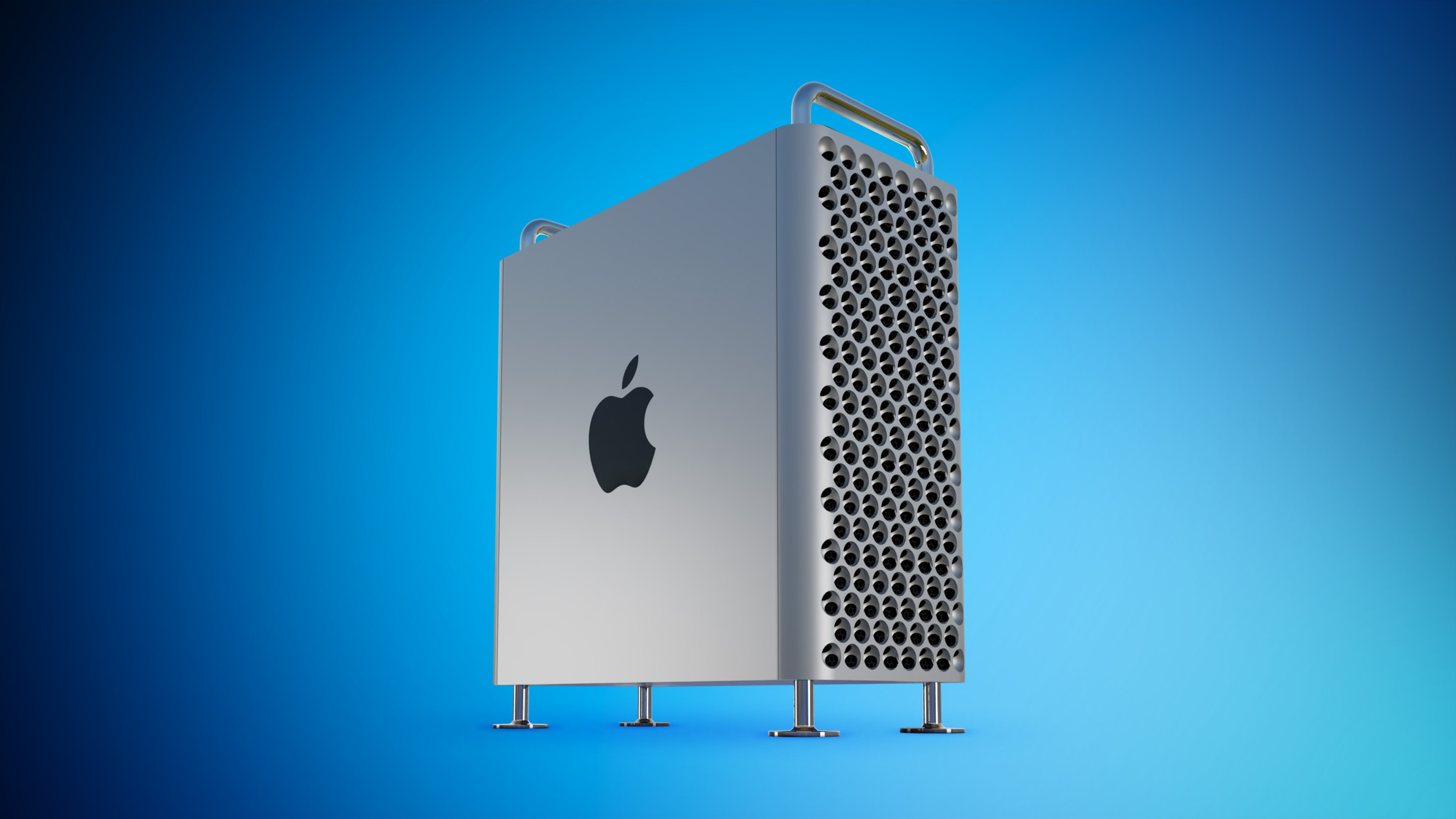
Apple this week announced that it has discontinued the Mac Pro, with new configurations no longer available and no further models planned.
Below, we reflect on nearly two decades of the Mac Pro.
In August 2006, Apple introduced the original Mac Pro, which was an Intel-based follow-up to the PowerPC-based Power Mac G5 that debuted a few years earlier.
Mac Pro was the final Mac model to transition from PowerPC to Intel processors.
"Apple has successfully completed the transition to using Intel processors in just seven months—210 days to be exact," said Apple's then-CEO Steve Jobs, in a press release announcing the first Mac Pro. "And what better product to complete it with than the new Mac Pro, the workstation Mac users have been dreaming about."
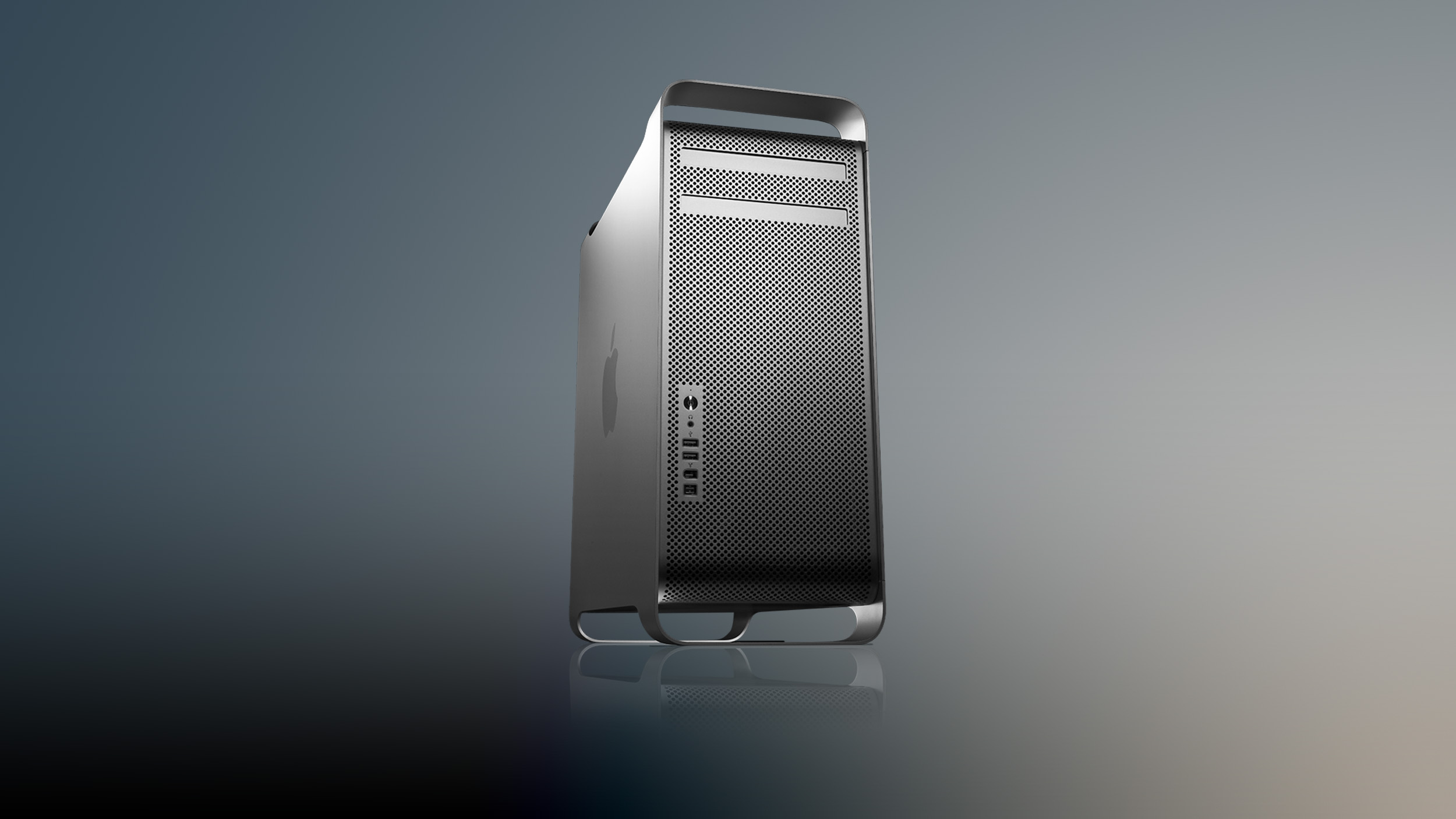
The original Mac Pro was powered by two dual-core Intel Xeon processors, making it up to twice as fast as the Power Mac G5, according to Apple. It could be configured with up to 2TB of storage—the most ever in a Mac at the time—and up to 16GB of RAM. The computer was equipped with an NVIDIA GeForce 7300 GT graphics card.
Like the Power Mac G5, the Mac Pro featured an aluminum tower with a perforated front panel, which earned it the nickname "cheese grater Mac Pro." The computer was equipped with a variety of FireWire and USB-A ports, and it had PCI Express expansion slots. In the U.S., the original Mac Pro started at $2,499.
The classic Mac Pro went on to receive faster Intel processors and other spec bumps until 2012.
"Can't innovate anymore, my ass," Apple's former marketing chief Phil Schiller infamously joked, when unveiling the redesigned Mac Pro in June 2013.
"The new Mac Pro is our vision for the future of the pro desktop, everything about it has been reimagined and there has never been anything like it," said Schiller, in a press release announcing the second-generation Mac Pro.
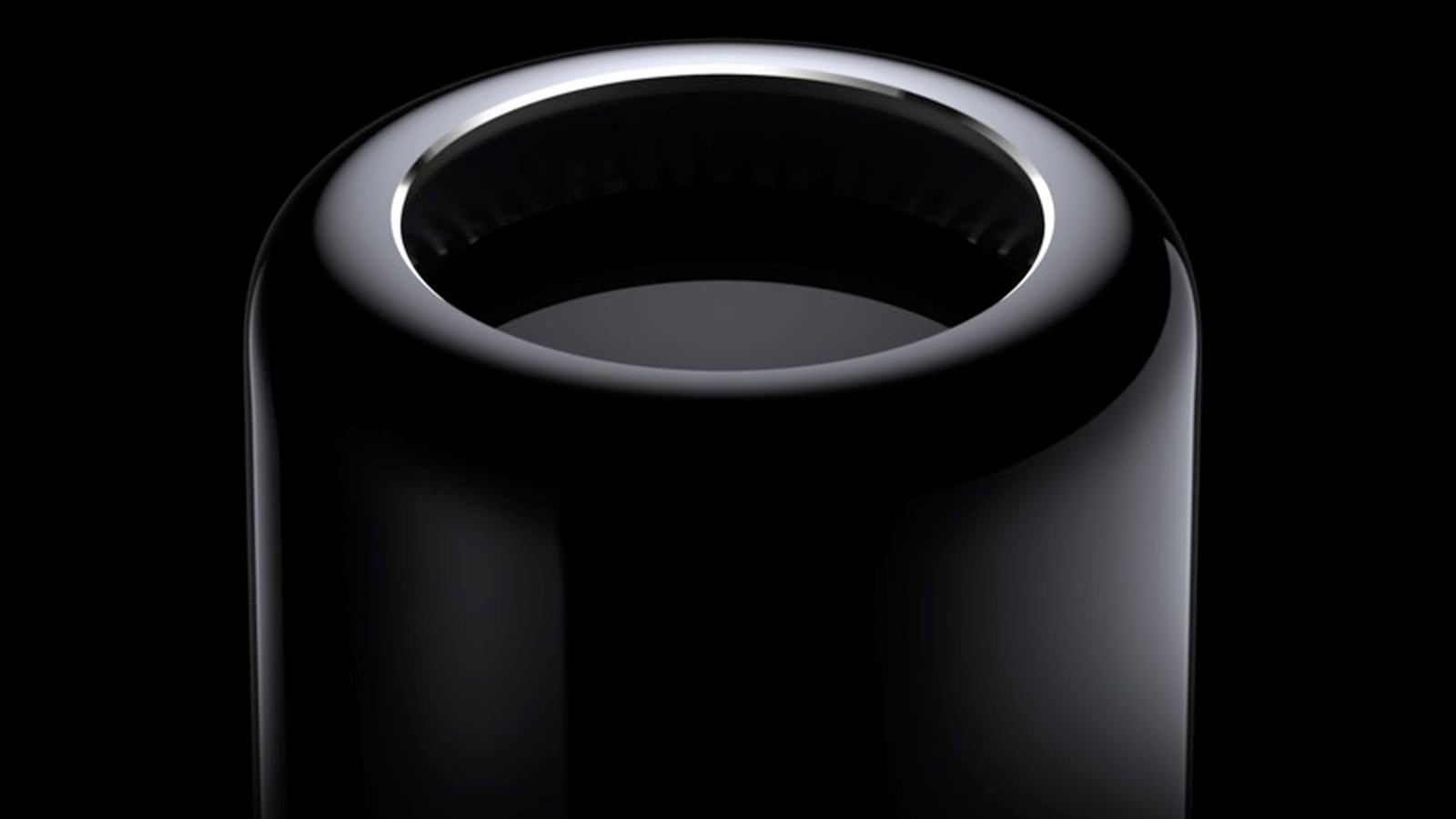
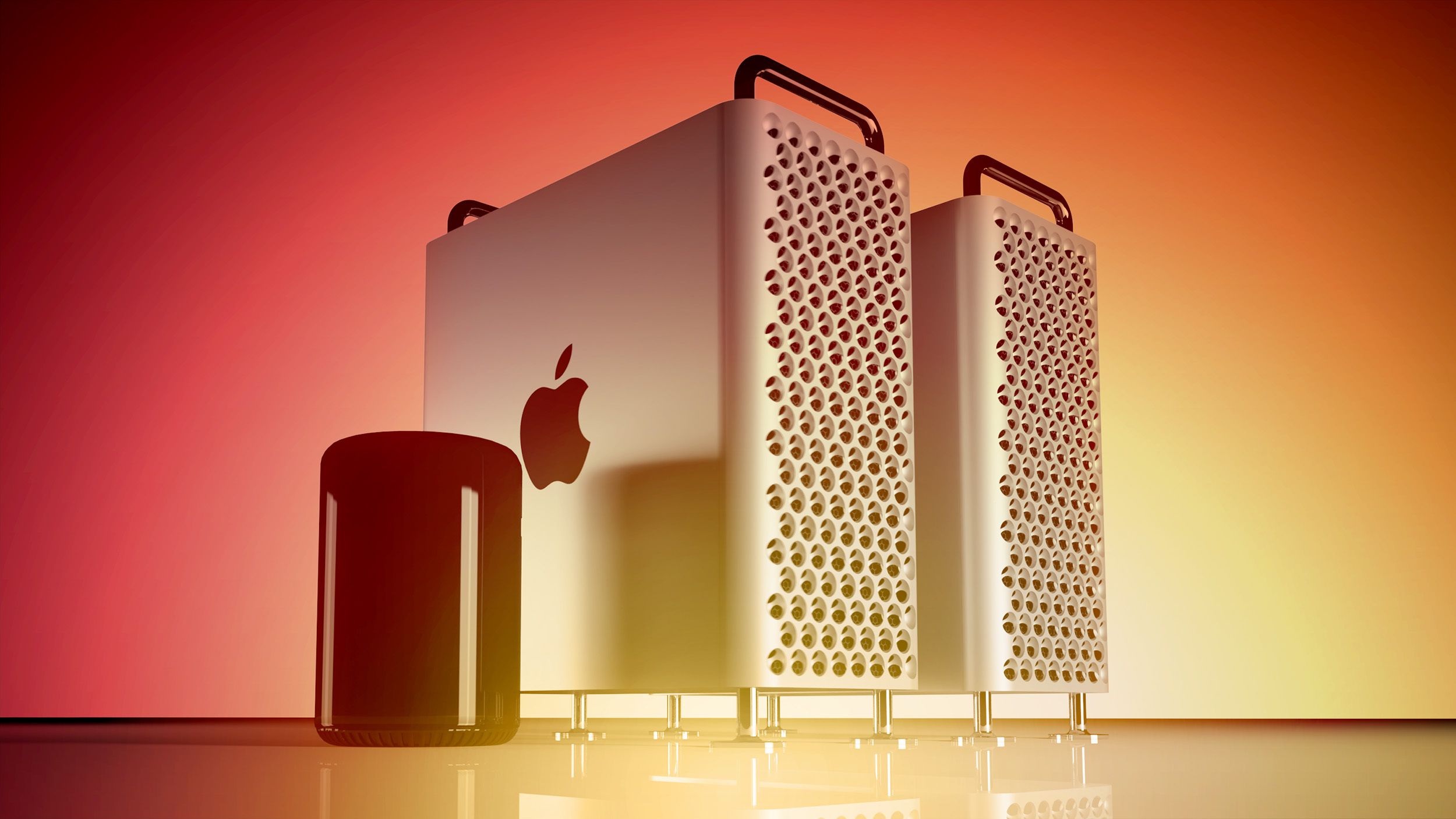
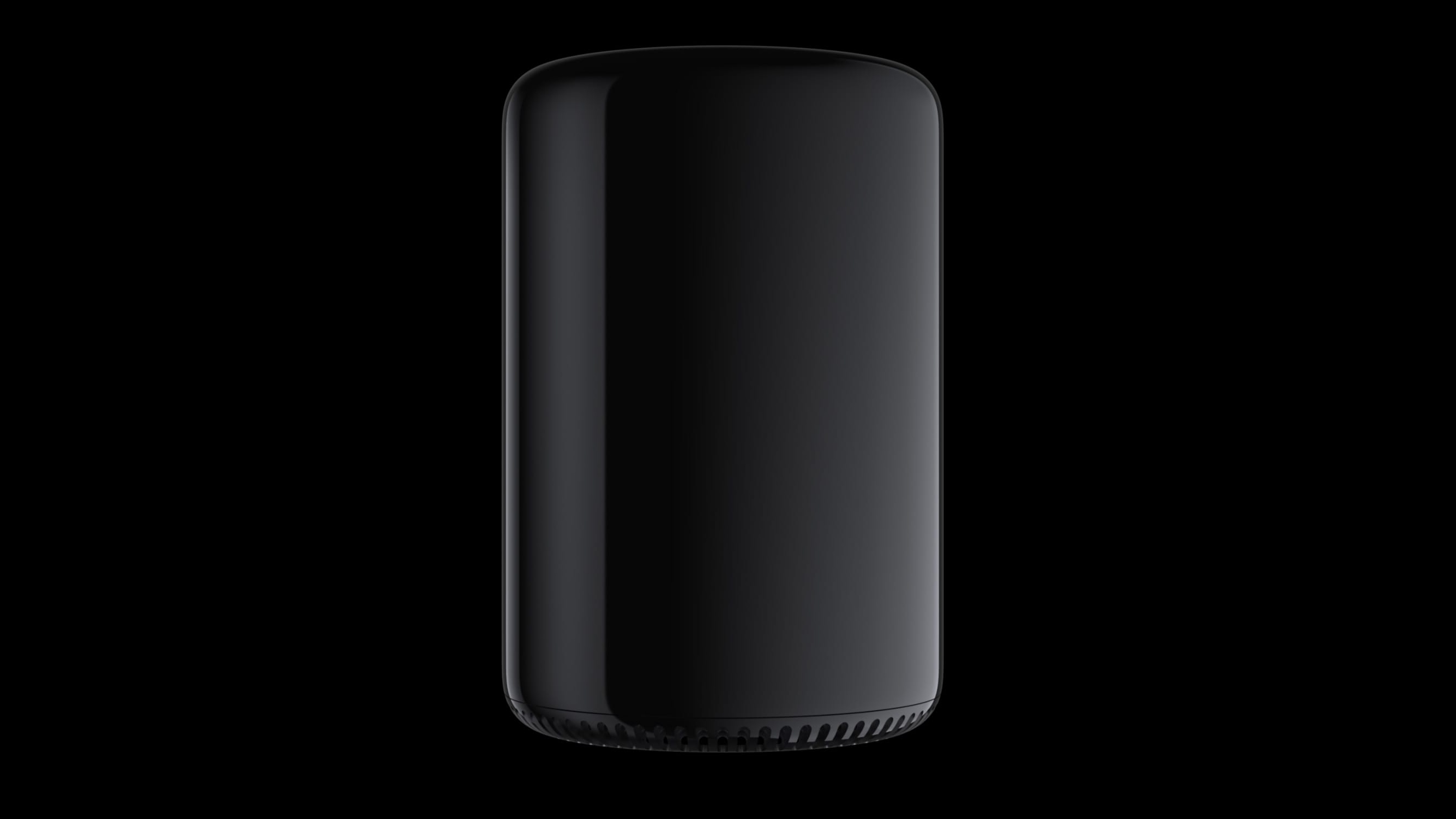
The so-called "trash can" Mac Pro featured a cylindrical design with a polished black aluminum finish and a "unified thermal core." The computer was visually striking, but Apple later admitted that it was thermally constrained, and it had poor upgradeability. Instead of internal slots, Apple pushed expansion via six Thunderbolt 2 ports.
Other specs included up to a 12-core Intel Xeon processor, dual AMD FirePro GPUs, up to 64GB of RAM, and up to a 1TB SSD. In the U.S., pricing started at $2,999.
Overall, Apple prioritized the Mac Pro's compact size, thermal efficiency, and quiet operation, when most pro users simply wanted the most performant and expandable Mac possible. Then, the Mac Pro went years without receiving upgrades, leading some to question whether Apple was still committed to the high-end Mac market.
The criticism ultimately led Apple to make the rare and surprising move of publicly apologizing to Mac users and ensuring that it remained committed to the Mac. Apple also pre-announced that it was working on a "completely rethought" Mac Pro with a modular design, along with what became the iMac Pro and Pro Display XDR.
"I think we designed ourselves into a bit of a thermal corner, if you will," said Apple's software engineering chief Craig Federighi, at the time. "We designed a system with the kind of GPUs that at the time we thought we needed, and that we thought we could well serve with a two GPU architecture. That that was the thermal limit we needed, or the thermal capacity we needed. But workloads didn't materialize to fit that as broadly as we hoped."
So, Apple went back to the drawing board.
In December 2019, the third-generation Mac Pro arrived. As promised, it fixed many of the problems that arose with the "trash can" model.
With this Mac Pro, Apple returned to a modular design with an aluminum housing that lifts off for "360-degree access" to the entire system. The computer had a "state-of-the-art thermal architecture" and eight PCI Express expansion slots.
"We designed Mac Pro for users who require a modular system with extreme performance, expansion and configurability," said Schiller, in a press release at the time. "With its powerful Xeon processors, massive memory capacity, groundbreaking GPU architecture, PCIe expansion, Afterburner accelerator card and jaw-dropping design, the new Mac Pro is a monster that will enable pros to do their life's best work."
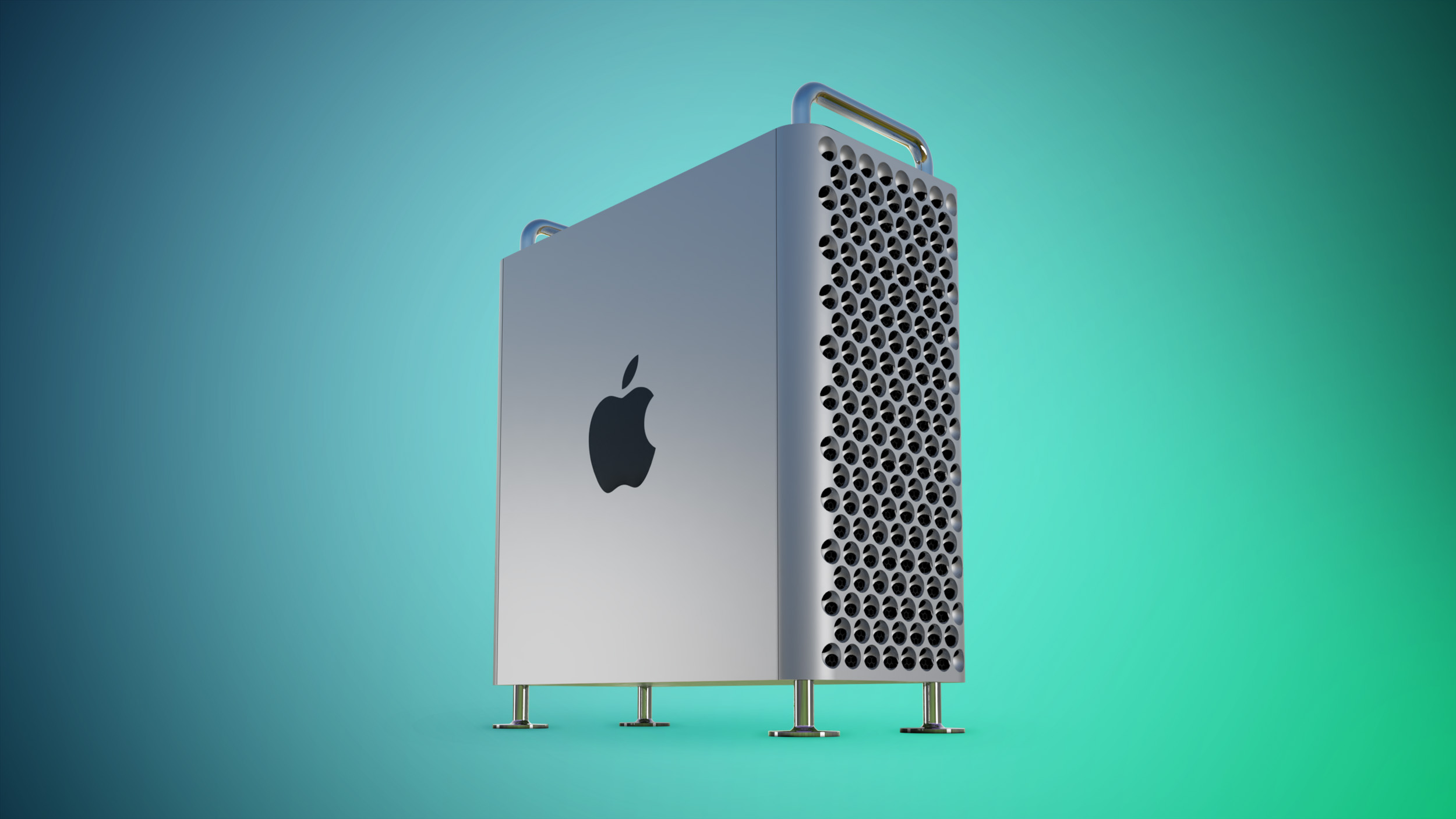
This was the final Intel-based model, with up to a 28-core Xeon processor available alongside up to 1.5TB of RAM and up to an 8TB SSD. It could be configured with AMD's Radeon Pro Vega II Duo, which Apple said was the world's most powerful graphics card at the time. Other specs included four Thunderbolt 3 ports and an Apple Afterburner accelerator card that enabled playback of three streams of 8K ProRes RAW video simultaneously.
In the U.S., pricing started at $5,999, which was much higher than the previous models.
In June 2023, the Mac Pro entered the Apple silicon era when it received the M2 Ultra chip.
Mac Pro was the final Mac model to transition from Intel to Apple silicon.
Apple stuck with the same overall design as the previous generation, but the M2 Ultra chip with unified graphics and memory freed up a lot of internal space compared to the Intel model, resulting in a "hollow" appearance. And on the exterior, the Mac Pro gained eight Thunderbolt 4 ports, up from four Thunderbolt 3 ports previously.
Other specs included up to 192GB of unified memory and up to an 8TB SSD. In the U.S., starting pricing rose to a steep $6,999.
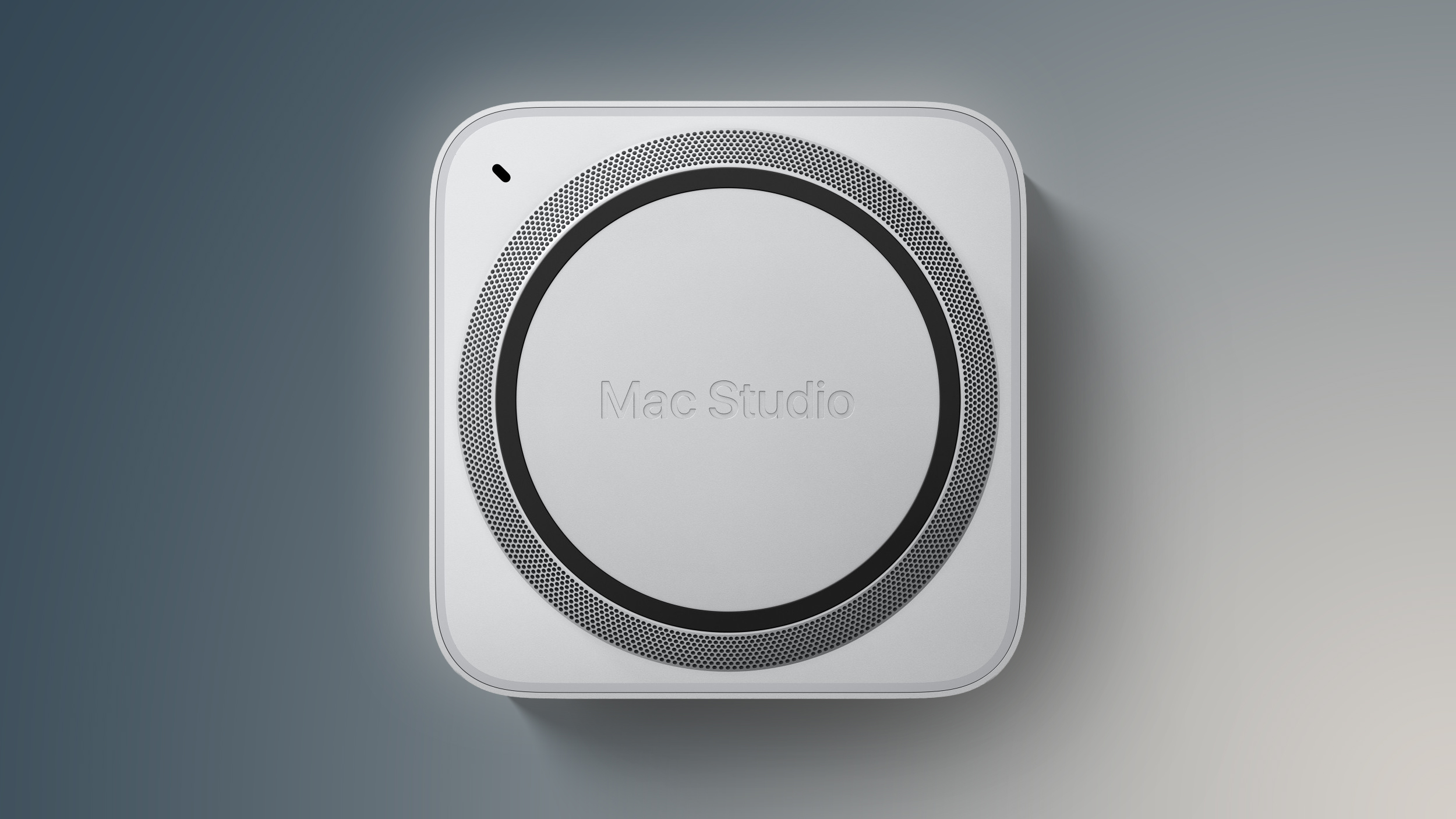
By the time the Mac Pro moved to Apple silicon, Apple had already released the Mac Studio, another desktop computer that is smaller than a Mac Pro but beefier than a Mac mini. It is currently powered by M4 Max or M3 Ultra chips, and configurations with M5 Max and M5 Ultra chips are expected to launch later this year.
The primary reason to purchase the latest Mac Pro over the Mac Studio was PCI expansion, but the Mac Pro's starting price was thousands of dollars higher than the Mac Studio, so the writing was on the wall that the Mac Pro's days were probably numbered.
Indeed, the Mac Pro was ultimately discontinued this week, marking the end of an era.
This article, "Mac Pro Discontinued: Reflecting on 20 Years of Apple's Desktop Tower" first appeared on MacRumors.com
Discuss this article in our forums
Below, we reflect on nearly two decades of the Mac Pro.
2006 to 2013
In August 2006, Apple introduced the original Mac Pro, which was an Intel-based follow-up to the PowerPC-based Power Mac G5 that debuted a few years earlier.
Mac Pro was the final Mac model to transition from PowerPC to Intel processors.
"Apple has successfully completed the transition to using Intel processors in just seven months—210 days to be exact," said Apple's then-CEO Steve Jobs, in a press release announcing the first Mac Pro. "And what better product to complete it with than the new Mac Pro, the workstation Mac users have been dreaming about."
The original Mac Pro was powered by two dual-core Intel Xeon processors, making it up to twice as fast as the Power Mac G5, according to Apple. It could be configured with up to 2TB of storage—the most ever in a Mac at the time—and up to 16GB of RAM. The computer was equipped with an NVIDIA GeForce 7300 GT graphics card.
Like the Power Mac G5, the Mac Pro featured an aluminum tower with a perforated front panel, which earned it the nickname "cheese grater Mac Pro." The computer was equipped with a variety of FireWire and USB-A ports, and it had PCI Express expansion slots. In the U.S., the original Mac Pro started at $2,499.
The classic Mac Pro went on to receive faster Intel processors and other spec bumps until 2012.
2013 to 2019
"Can't innovate anymore, my ass," Apple's former marketing chief Phil Schiller infamously joked, when unveiling the redesigned Mac Pro in June 2013.
"The new Mac Pro is our vision for the future of the pro desktop, everything about it has been reimagined and there has never been anything like it," said Schiller, in a press release announcing the second-generation Mac Pro.
The so-called "trash can" Mac Pro featured a cylindrical design with a polished black aluminum finish and a "unified thermal core." The computer was visually striking, but Apple later admitted that it was thermally constrained, and it had poor upgradeability. Instead of internal slots, Apple pushed expansion via six Thunderbolt 2 ports.
Other specs included up to a 12-core Intel Xeon processor, dual AMD FirePro GPUs, up to 64GB of RAM, and up to a 1TB SSD. In the U.S., pricing started at $2,999.
Overall, Apple prioritized the Mac Pro's compact size, thermal efficiency, and quiet operation, when most pro users simply wanted the most performant and expandable Mac possible. Then, the Mac Pro went years without receiving upgrades, leading some to question whether Apple was still committed to the high-end Mac market.
The criticism ultimately led Apple to make the rare and surprising move of publicly apologizing to Mac users and ensuring that it remained committed to the Mac. Apple also pre-announced that it was working on a "completely rethought" Mac Pro with a modular design, along with what became the iMac Pro and Pro Display XDR.
"I think we designed ourselves into a bit of a thermal corner, if you will," said Apple's software engineering chief Craig Federighi, at the time. "We designed a system with the kind of GPUs that at the time we thought we needed, and that we thought we could well serve with a two GPU architecture. That that was the thermal limit we needed, or the thermal capacity we needed. But workloads didn't materialize to fit that as broadly as we hoped."
So, Apple went back to the drawing board.
2019 to 2023
In December 2019, the third-generation Mac Pro arrived. As promised, it fixed many of the problems that arose with the "trash can" model.
With this Mac Pro, Apple returned to a modular design with an aluminum housing that lifts off for "360-degree access" to the entire system. The computer had a "state-of-the-art thermal architecture" and eight PCI Express expansion slots.
"We designed Mac Pro for users who require a modular system with extreme performance, expansion and configurability," said Schiller, in a press release at the time. "With its powerful Xeon processors, massive memory capacity, groundbreaking GPU architecture, PCIe expansion, Afterburner accelerator card and jaw-dropping design, the new Mac Pro is a monster that will enable pros to do their life's best work."
This was the final Intel-based model, with up to a 28-core Xeon processor available alongside up to 1.5TB of RAM and up to an 8TB SSD. It could be configured with AMD's Radeon Pro Vega II Duo, which Apple said was the world's most powerful graphics card at the time. Other specs included four Thunderbolt 3 ports and an Apple Afterburner accelerator card that enabled playback of three streams of 8K ProRes RAW video simultaneously.
In the U.S., pricing started at $5,999, which was much higher than the previous models.
2023 to 2026
In June 2023, the Mac Pro entered the Apple silicon era when it received the M2 Ultra chip.
Mac Pro was the final Mac model to transition from Intel to Apple silicon.
Apple stuck with the same overall design as the previous generation, but the M2 Ultra chip with unified graphics and memory freed up a lot of internal space compared to the Intel model, resulting in a "hollow" appearance. And on the exterior, the Mac Pro gained eight Thunderbolt 4 ports, up from four Thunderbolt 3 ports previously.
Other specs included up to 192GB of unified memory and up to an 8TB SSD. In the U.S., starting pricing rose to a steep $6,999.
By the time the Mac Pro moved to Apple silicon, Apple had already released the Mac Studio, another desktop computer that is smaller than a Mac Pro but beefier than a Mac mini. It is currently powered by M4 Max or M3 Ultra chips, and configurations with M5 Max and M5 Ultra chips are expected to launch later this year.
The primary reason to purchase the latest Mac Pro over the Mac Studio was PCI expansion, but the Mac Pro's starting price was thousands of dollars higher than the Mac Studio, so the writing was on the wall that the Mac Pro's days were probably numbered.
Indeed, the Mac Pro was ultimately discontinued this week, marking the end of an era.
Buyer's Guide: Mac Pro (Don't Buy)
Related Forum: Mac Pro
This article, "Mac Pro Discontinued: Reflecting on 20 Years of Apple's Desktop Tower" first appeared on MacRumors.com
Discuss this article in our forums