
 Login
Login
Ecopetrol Shareholders Loudly Heckle CEO Ricardo Roa at Annual Meeting as Leadership Dispute & Corruption Scandal Roils The Petroleum Company
Governance concerns and profit drops dominate shareholder assembly.
The Ecopetrol (NYSE: EC, BVC: ECOPETROL) General Shareholders’ Meeting concluded at the Corferias convention center in Bogotá, marked by a decline in annual profits and an intensifying debate regarding the continuity of the company’s president, Ricardo Roa. During the assembly, shareholders approved a dividend of $121 COP per share for minority holders and a total payment of $4 trillion COP to the Colombian government, which serves as the majority shareholder. The government’s payout is scheduled for distribution in two installments, to be completed by June 30, 2026.
Click on above image to view shareholder meeting
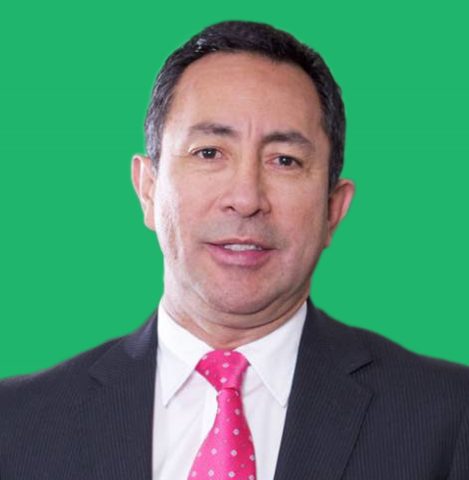
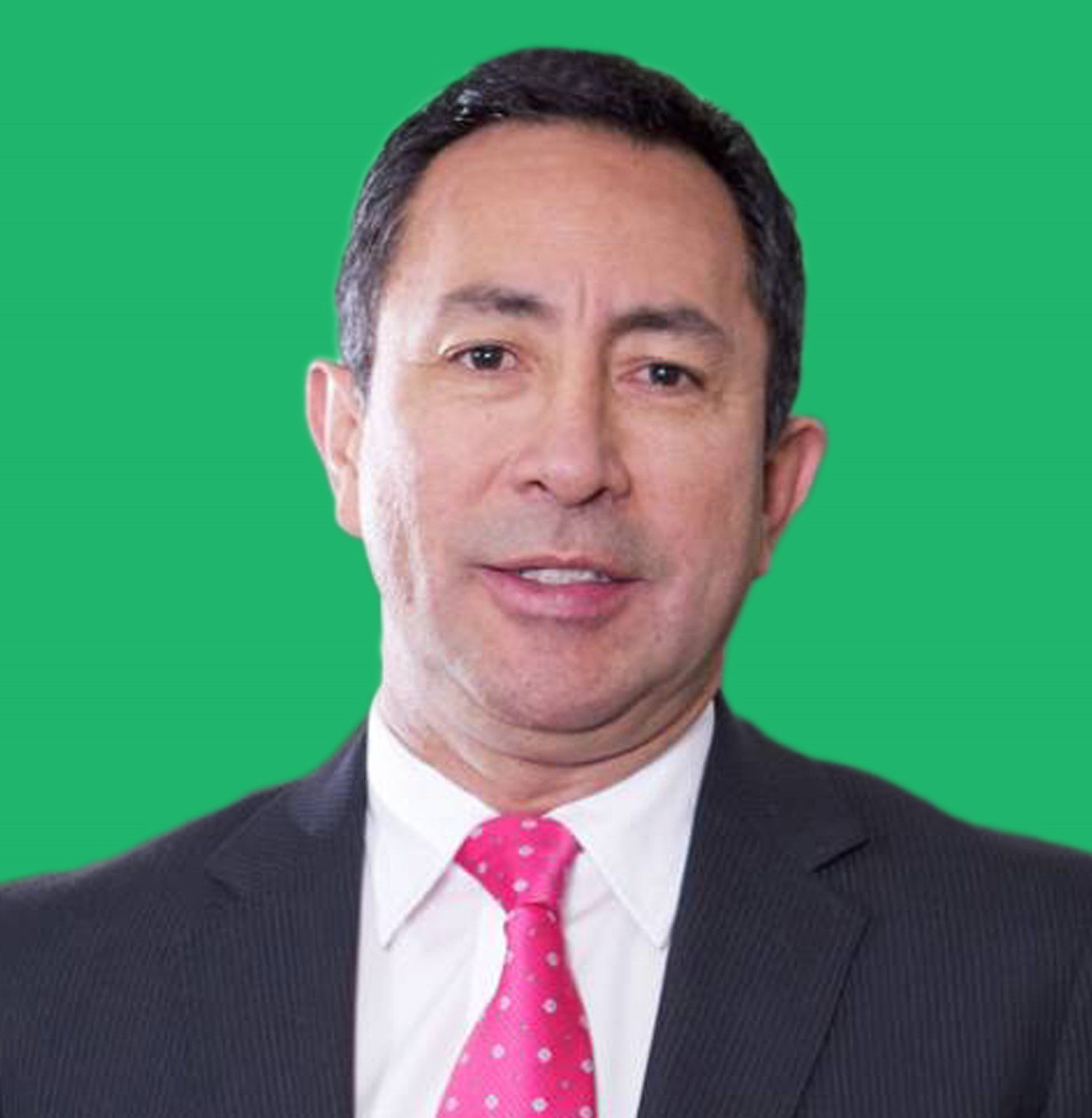
The financial results for the 2025 fiscal year revealed a significant contraction in net income, which fell to $9 trillion COP from the $14.9 trillion COP reported in 2024. Roa attributed this decline primarily to the volatility of international crude prices. He noted that the average price of Brent crude dropped from $80 USD per barrel to $68 USD per barrel over the period. According to company data, every $1 USD drop in the price of Brent corresponds to a reduction of approximately $500 billion COP in net profit and $700 billion COP in EBITDA. Despite the lower earnings, the company maintained a production level of 745,000 barrels per day and achieved a reserve replacement rate of 121%, the highest in five years.
Governance issues remained the primary focus of the assembly. Minority shareholders expressed concern over the legal challenges facing Roa, who is currently under investigation by the Fiscalía General de la Nación for alleged influence peddling. Additionally, the Consejo Nacional Electoral (CNE) has raised accusations regarding the alleged violation of spending caps during the presidential campaign of Gustavo Petro, which Roa managed. Angela Maria Robledo, Chair of the Board of Directors, defended the decision to retain Roa, stating that the board has activated a evaluation protocol while respecting the constitutional principle of the presumption of innocence.
Shareholders Erupt In Anger At CEO Ricardo Roa:
Abuchean a Ricardo Roa en asamblea de Ecopetrol
“¡Fuera, fuera!”: Este es el momento del tenso abucheo de los accionistas al presidente de la empresa
Videos: Néstor Gómez pic.twitter.com/uyjh4chpl2
— EL TIEMPO (@ELTIEMPO) March 27, 2026

“Ecopetrol is listed on the New York Stock Exchange; we are governed by the strict regulations of US federal agencies. Agencies like OFAC and the SEC could intervene in the company and could even accelerate the payment of financial obligations, which would be extremely grave for Ecopetrol,” stated Martín Ravelo, President of the USO.
The Unión Sindical Obrera (USO), the primary labor union representing nearly one-third of the company’s workforce, has issued an ultimatum for Roa’s removal. Martin Ravelo, president of the USO, warned that the union will initiate a national strike and affect crude production if Roa is not aparted from his position by Monday, March 30. Ravelo expressed concern that Ecopetrol, which is subject to the regulations of the Securities and Exchange Commission (SEC) and the Office of Foreign Assets Control (OFAC), could face federal intervention. He highlighted that Ecopetrol’s current debt has reached $30 billion USD, exacerbated by rising interest rates, and warned that the company lacks the cash flow to respond to potential demands for early repayment of international obligations.
President Gustavo Petro responded to the union’s concerns via social media, stating that the executive branch will take measures to shield the company’s financial future. Petro emphasized the importance of maintaining investment during periods of high oil prices to prepare for future market downturns. He also criticized past administrations for failing to invest sufficiently in clean energy during previous price cycles. In contrast, Ravelo called for the board to maintain its independence from political influence, noting that four of the nine board members have already left formal records supporting Roa’s departure.
Ecopetrol also addressed the national gas supply, with Roa announcing that new regasification alternatives at Puerto Bahía and on the Pacific coast are expected to begin operations in the second half of 2026. These projects are intended to contribute between 186 and 430 Gbtud to the national grid. A third regasification facility in Coveñas is projected to start operations in 2029 with a capacity of 400 Gbtud. Despite these operational plans, the immediate focus of the international investment community remains fixed on the board’s upcoming meeting on Monday, where the leadership deadlock must be resolved to avoid a potential halt in national production.
Headline photo: Former Senator Jorge Robledo admonishes the Ecopetrol board of directors at the March 2026 shareholders’ meeting.
