Login
Login
New Roadmap Outlines What's Next for NFC on iPhone
Apple could benefit from a new wave of NFC technology upgrades after the NFC Forum this week published a roadmap outlining faster data transfers, new security standards, and expanded capabilities.
The NFC Forum is the global standards body for Near Field Communication technology. Apple is a board member of the organization. The latest multi-year Technology Roadmap identifies six development priorities that will shape future NFC standards.
One of the most significant changes outlined is work toward substantially faster NFC data rates, up to eight times higher than current levels. The roadmap also places emphasis on improving NFC reader mode interoperability through end-to-end application testing.
The roadmap continues to highlight multipurpose tap functionality, which would allow a single NFC tap to support multiple actions depending on context. The NFC Forum says this would enable readers to request specific credentials needed for a given action.
The NFC Forum said it is beginning work on next-generation NFC wireless charging specifications, with goals that include higher power levels and support for devices with multiple charging receivers. While NFC charging is currently limited to low-power accessory use, expanded standards could influence future devices.
Security enhancements are another major focus, with plans to publish the first NFC Controllers Security Profile, establishing baseline security requirements for NFC hardware. The roadmap includes work toward future-proofing NFC protocols against post-quantum computing threats and strengthening protection against relay-based attacks.
Digital keys remain an active area of development as well, with plans to explore new digital key experiences to support a wider range of industry requirements.
The NFC Forum last published a technology roadmap in 2023, with several goals delivered as part of NFC Release 15 in June 2025.
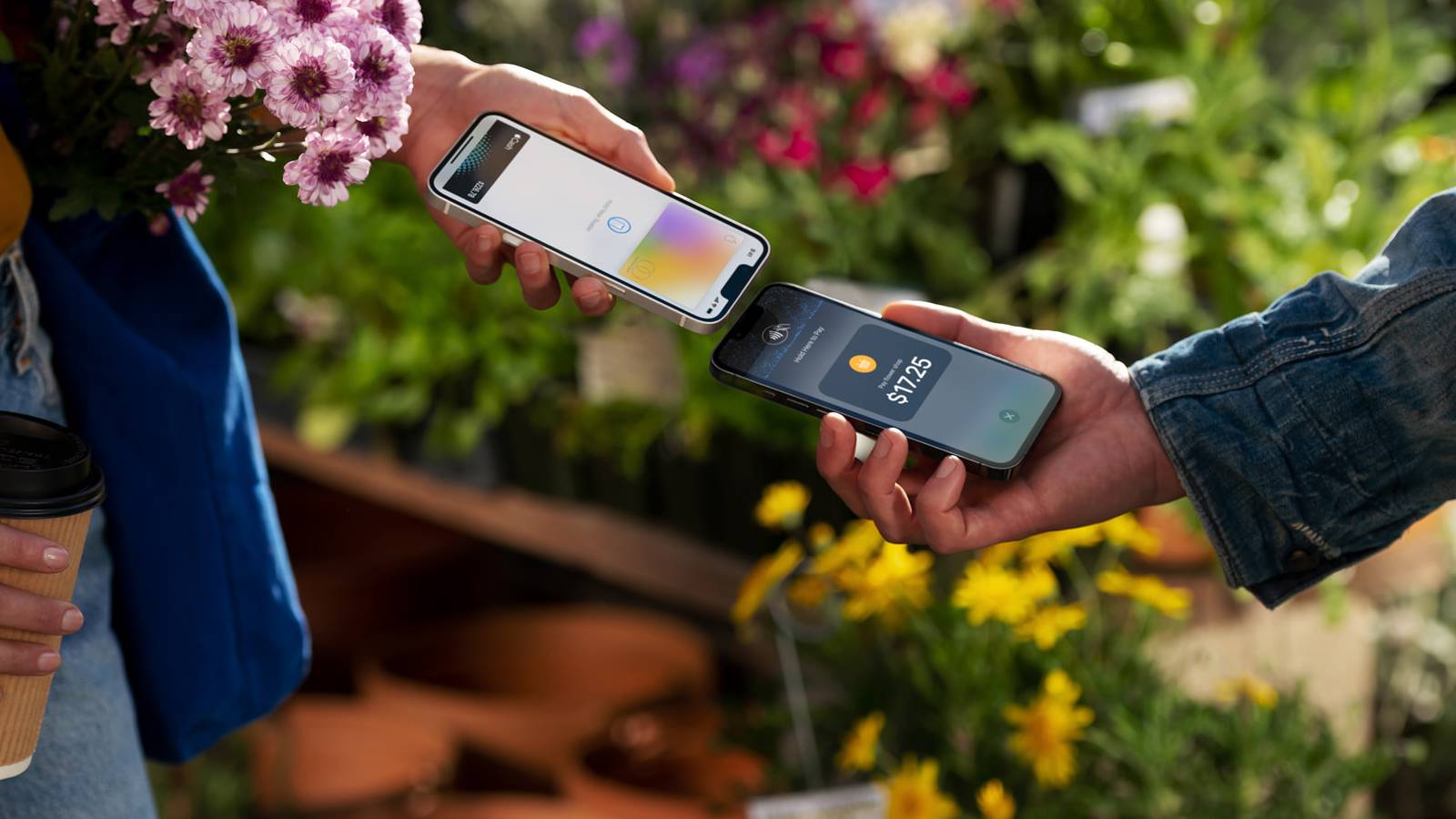
Last year, Apple expanded its use of NFC notably by rolling out Tap to Pay on iPhone in many new countries, allowing merchants to accept contactless payments directly on an iPhone without additional hardware using the device's NFC capabilities. At the same time, under the European Union's regulatory regime, Apple continued to open broader third-party access to the iPhone's NFC chip so that third-party developers can use NFC for contactless transactions, enabling Apple Pay competitors such as Curve and PayPal to offer NFC-based payment options on iOS in Europe.
This article, "New Roadmap Outlines What's Next for NFC on iPhone" first appeared on MacRumors.com
Discuss this article in our forums
The NFC Forum is the global standards body for Near Field Communication technology. Apple is a board member of the organization. The latest multi-year Technology Roadmap identifies six development priorities that will shape future NFC standards.
One of the most significant changes outlined is work toward substantially faster NFC data rates, up to eight times higher than current levels. The roadmap also places emphasis on improving NFC reader mode interoperability through end-to-end application testing.
The roadmap continues to highlight multipurpose tap functionality, which would allow a single NFC tap to support multiple actions depending on context. The NFC Forum says this would enable readers to request specific credentials needed for a given action.
The NFC Forum said it is beginning work on next-generation NFC wireless charging specifications, with goals that include higher power levels and support for devices with multiple charging receivers. While NFC charging is currently limited to low-power accessory use, expanded standards could influence future devices.
Security enhancements are another major focus, with plans to publish the first NFC Controllers Security Profile, establishing baseline security requirements for NFC hardware. The roadmap includes work toward future-proofing NFC protocols against post-quantum computing threats and strengthening protection against relay-based attacks.
Digital keys remain an active area of development as well, with plans to explore new digital key experiences to support a wider range of industry requirements.
The NFC Forum last published a technology roadmap in 2023, with several goals delivered as part of NFC Release 15 in June 2025.
Last year, Apple expanded its use of NFC notably by rolling out Tap to Pay on iPhone in many new countries, allowing merchants to accept contactless payments directly on an iPhone without additional hardware using the device's NFC capabilities. At the same time, under the European Union's regulatory regime, Apple continued to open broader third-party access to the iPhone's NFC chip so that third-party developers can use NFC for contactless transactions, enabling Apple Pay competitors such as Curve and PayPal to offer NFC-based payment options on iOS in Europe.
Tag: NFC
This article, "New Roadmap Outlines What's Next for NFC on iPhone" first appeared on MacRumors.com
Discuss this article in our forums