
Reading view

Apple Said to Cut iPhone Air Production Amid Underwhelming Sales

Apple plans to cut production of the iPhone Air amid underwhelming sales performance, Japan's Mizuho Securities believes (via The Elec).
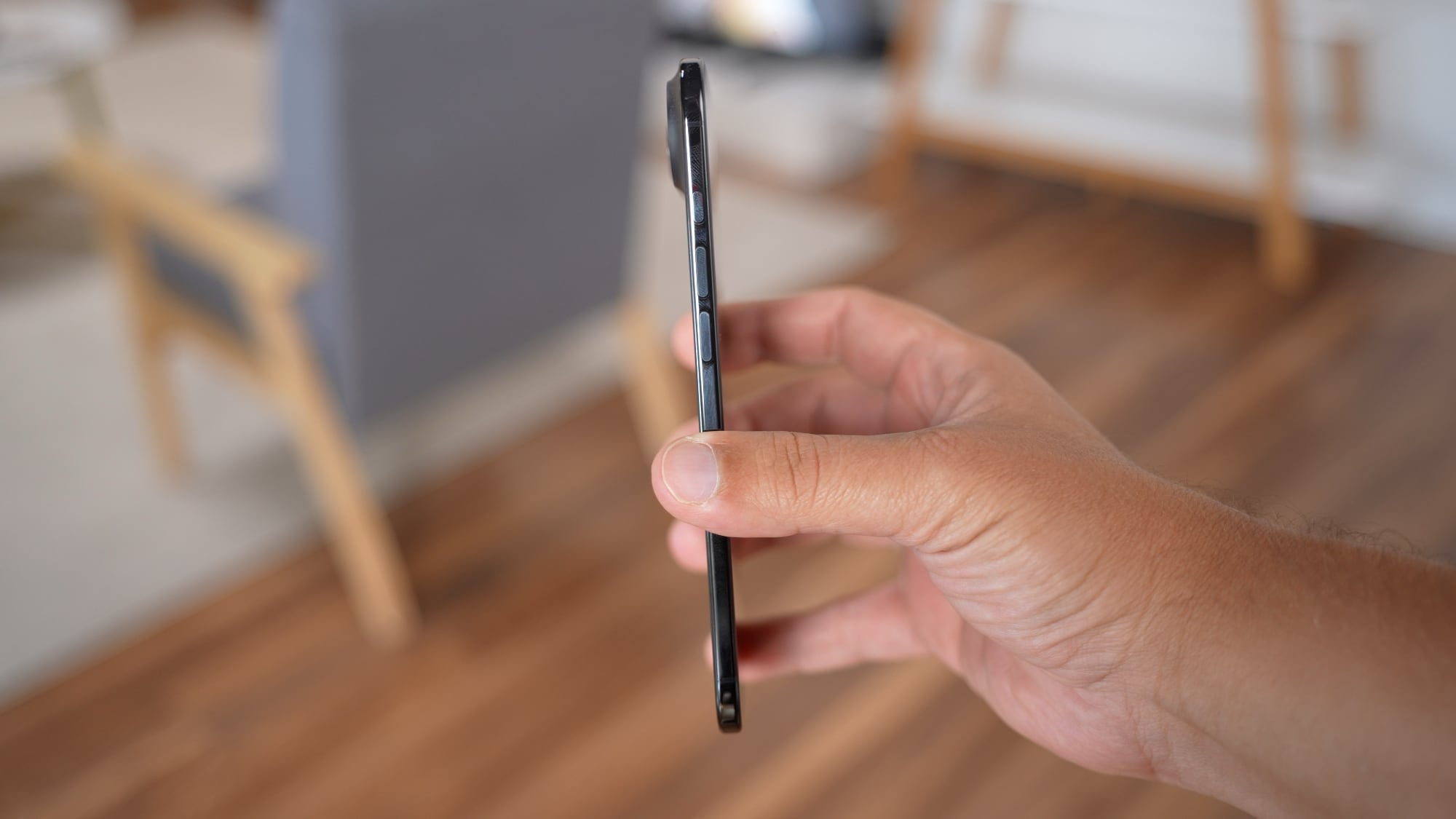

The Japanese investment banking and securities firm claims that the iPhone 17 Pro and ‌iPhone 17 Pro‌ Max are seeing higher sales than their predecessors during the same period last year, while the standard iPhone 17 is a major success, performing significantly better than the iPhone 16.

The ‌iPhone Air‌ is apparently the outlier; Apple plans to reduce production by one million units this year. Meanwhile, Apple plans to increase production of all other models by two million units. The overall production forecast of the ‌iPhone 17‌ series this year has also been increased from 88 million units to 94 million units for the start of 2026.

A separate report earlier today claimed that Samsung has canceled plans to release a successor to its own ‌iPhone Air‌ rival, the Galaxy S25 Edge, due to low sales. Nevertheless, the ‌iPhone Air‌ reportedly sold out within hours in China, despite lower than expected sales in western countries last month.

The same report from Mizuho Securities today revealed details about Apple's first foldable iPhone and other future devices.
Related Roundup: iPhone Air
Tag: Mizuho
Buyer's Guide: iPhone Air (Buy Now)

This article, "Apple Said to Cut iPhone Air Production Amid Underwhelming Sales" first appeared on MacRumors.com

Discuss this article in our forums
  •  

EU Didn't Stop Apple From Including Charger With M5 MacBook Pro

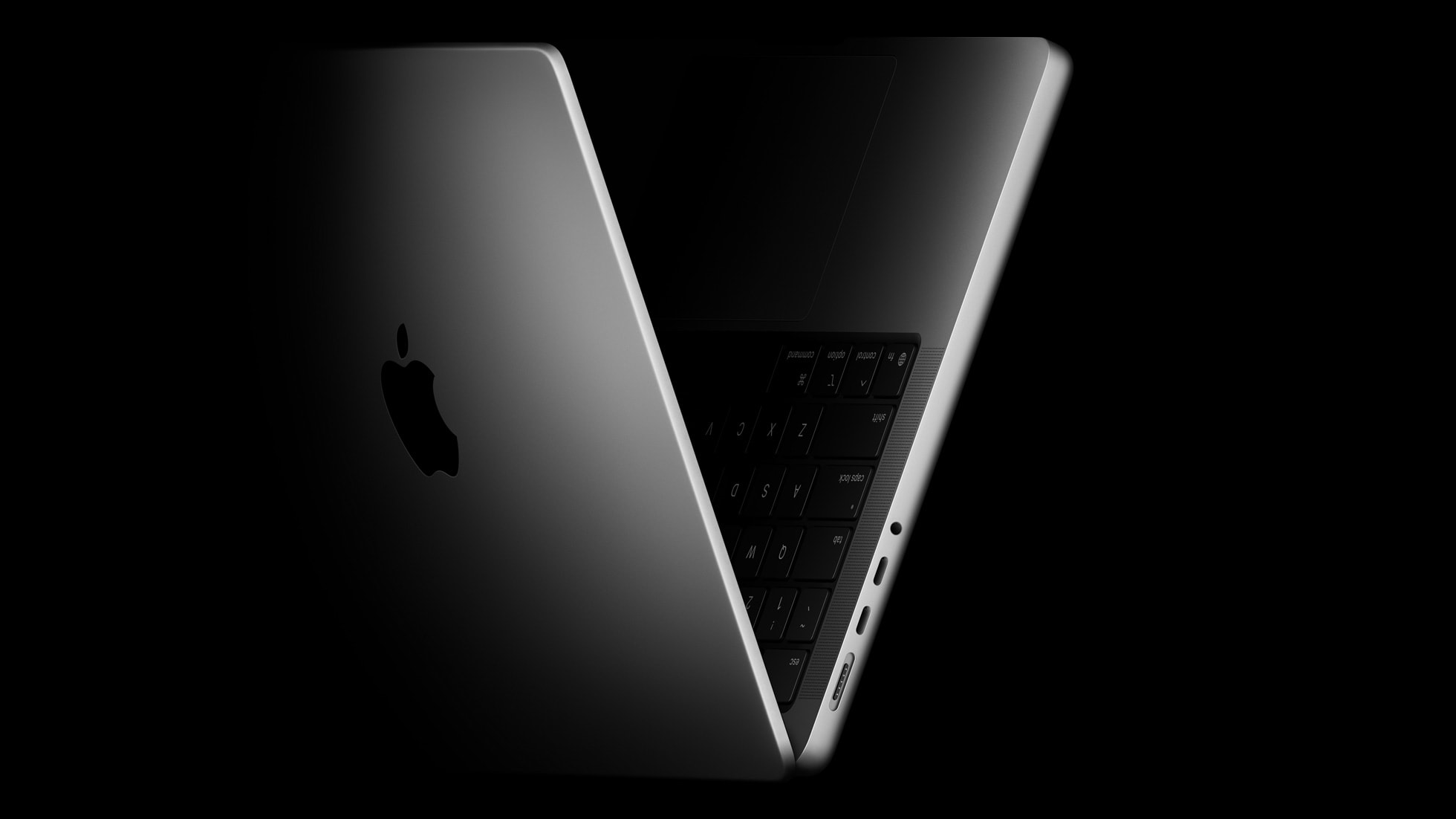
Apple's new M5 MacBook Pro will ship without a power adapter in the box in the United Kingdom and European Union, prompting online confusion that the change was mandated by EU law — a claim that is incorrect.


Apple quietly updated its online store following the launch of the M5 ‌MacBook Pro‌ to note that customers in the UK and EU who purchase the new 14-inch model will no longer receive a charging brick by default. The laptop still includes a MagSafe 3 cable, but buyers must purchase a compatible USB-C power adapter separately. The change does not apply to other markets such as the United States, where a 70W USB-C Power Adapter remains included at no extra cost.

The omission led some observers to suggest that the decision was required under new European environmental regulations. Some claimed that the European Union had banned manufacturers from including power adapters with new electronics in order to reduce electronic waste, but this is not the case.

The confusion appears to stem from the EU's 2022 Common Charger Directive, legislation designed to standardize charging ports and give consumers flexibility when purchasing new devices. The directive requires that all smartphones, tablets, and laptops sold within the EU use USB-C for wired charging. It also stipulates that consumers must be offered the option to buy a device without a charger to limit unnecessary e-waste.

The law "ensures that consumers will be able to purchase new electronic devices without having to obtain a new charger each time," but it does not prevent manufacturers from supplying one. In practice, this means companies must provide a version of each product that can be purchased without an adapter, while retaining the freedom to include a charger or offer it free of charge.

Apple's decision to remove the charger entirely from the EU boxes therefore goes beyond what the law requires. The company could, for example, offer customers the option to include a charger at checkout for no additional cost, as long as it also sells a version without one. The lack of charger in the UK is even more unnecessary, since it is not part of the European Union.

The move to charge separately for adapters is therefore a business choice by Apple, not a legal necessity. The company's approach simplifies logistics and packaging, avoiding the need for separate SKUs in Europe, but it also shifts the cost to customers who do not already own a compatible charger.

Apple has historically argued that omitting power bricks from its packaging is part of a wider environmental effort. The company first removed the charger from iPhone boxes in 2020, citing the environmental benefits of smaller packaging and fewer redundant accessories. Similar reasoning has since extended to other product lines. By reducing the size and weight of shipments, Apple says it can cut carbon emissions and limit use of resources across its supply chain.

The M5 ‌MacBook Pro‌ continues to support both ‌MagSafe‌ and USB-C charging. Customers can use existing 67W, 96W, or 140W USB-C adapters to charge the device, depending on the configuration. Apple sells its own USB-C power adapters separately, and the company's online product pages now prominently note that "power adapter sold separately" for the affected regions.

Pricing adjustments partly offset the omission in some regions, although shifts in currency exchange rates likely also factored into Apple's pricing changes as is common. In several European countries, the new 14-inch ‌MacBook Pro‌ is approximately €100 cheaper than its predecessor, but the UK model retains the same starting price.
Related Roundup: MacBook Pro
Buyer's Guide: MacBook Pro (Buy Now)
Related Forum: MacBook Pro

This article, "EU Didn't Stop Apple From Including Charger With M5 MacBook Pro" first appeared on MacRumors.com

Discuss this article in our forums

  •  
❌