Reading view

M4 iPad Air: What's New and When It's Coming

Apple is planning to hold an "Experience" on March 4 for select members of the media, and in the days before the event, we're expecting several product refreshes. The iPad Air is one of the new devices that could get an update, so we thought we'd highlight what's coming.


Design and Display


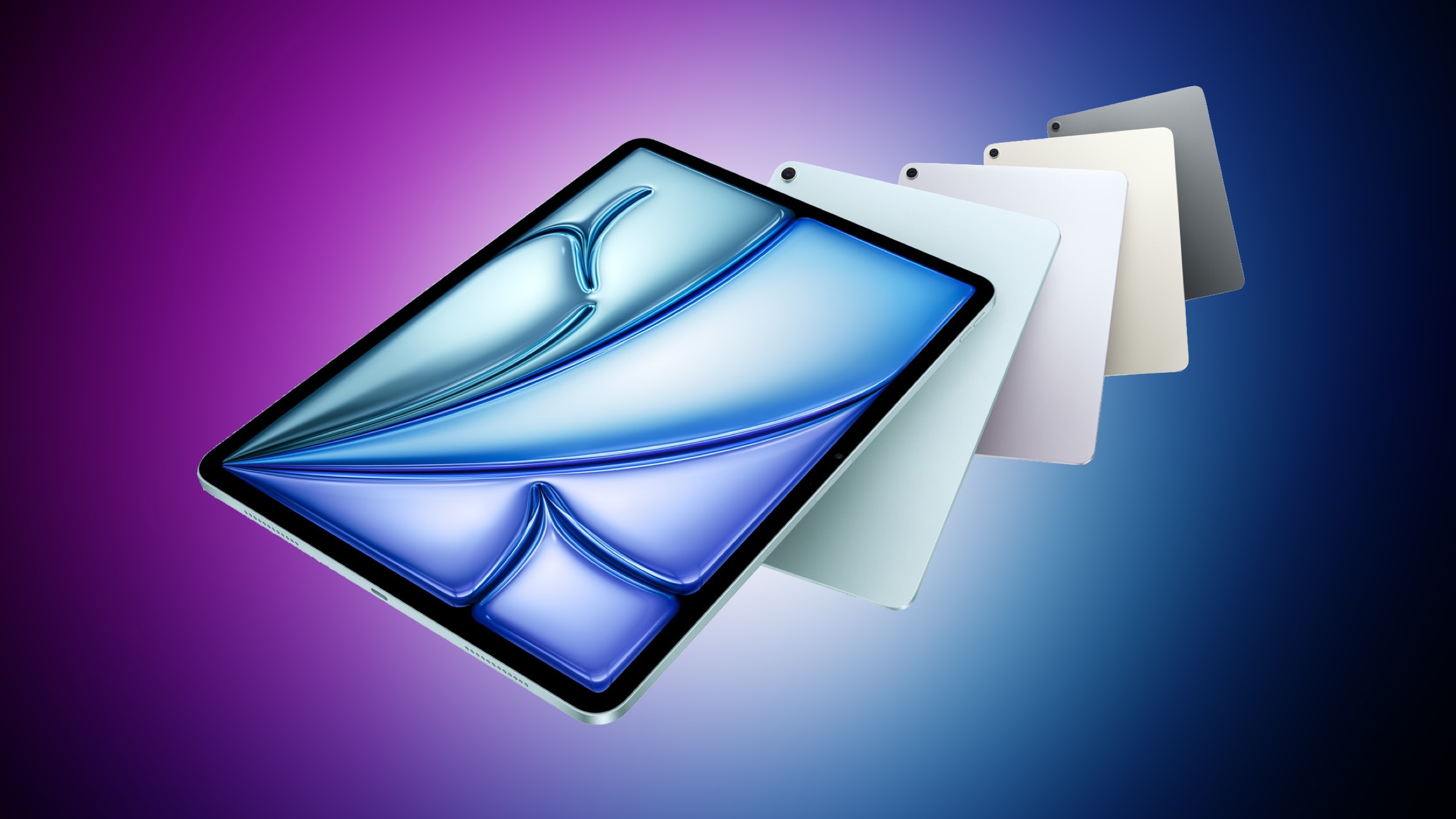
There are no design changes rumored for the ‌iPad Air‌, so we can expect the same 11-inch and 13-inch size options.

The ‌iPad Air‌ is thicker and heavier than the iPad Pro, and it uses a standard LED display instead of OLED technology. The ‌iPad Air‌ will eventually be upgraded to OLED, but for now, the higher-end display technology will remain limited to the ‌iPad Pro‌. The ‌iPad Air‌ also doesn't support ProMotion, and there's no sign that Apple is planning to add it.

The ‌iPad Air‌ will continue to feature USB-C, a Touch ID top button, and the same front and rear cameras.

It's possible there will be a new color option, but it's not guaranteed with a minor refresh. No new accessories are rumored, and it will continue to work with the Magic Keyboard and the Apple Pencil Pro.

M4 Chip


Apple has been updating the ‌iPad Air‌ with an M-series chip that's a generation behind the chip in the ‌iPad Pro‌. Since the ‌iPad Pro‌ was updated in October 2025 with the M5, the ‌iPad Air‌ is set to get the M4 chip.

The M3 in the current ‌iPad Air‌ and the M4 chip are both built on a 3-nanometer process, but the M4 has an updated process that brings speed and efficiency improvements.

There are up to 10 CPU cores instead of 8, the Neural Engine is faster, and there's more memory bandwidth. The GPU is also more power efficient for potential battery gains. The M4 CPU is up to 30 percent faster than the M3 CPU, while the GPU is up to 21 percent faster.

The ‌iPad Air‌ already supports Apple Intelligence, and the next-generation model will continue to do so. Apple increased the RAM in ‌iPad Pro‌ models with higher storage tiers, but there's no word on whether that same change will come to the ‌iPad Air‌. Current models feature 8GB RAM, the minimum for ‌Apple Intelligence‌.

Charging


The ‌iPad Pro‌ gained faster charging with the M5 update, and that's something that could trickle down to the ‌iPad Air‌.

N1 Networking Chip


The ‌iPad Air‌ is likely to adopt the N1 networking chip that Apple first introduced in the iPhone 17 models.

The N1 chip is an Apple-designed Wi-Fi and Bluetooth chip that offers connectivity and efficiency improvements compared to the third-party chips that Apple has used in previous devices. The N1 supports the latest Wi-Fi 7 and Bluetooth 6 technology.

The current ‌iPad Air‌ offers Wi-Fi 6E support, so the next-generation model could see faster Wi-Fi speeds on compatible networks with Wi-Fi 7.

Apple Modem


Apple used the C1X in the M5 ‌iPad Pro‌, and the cellular versions of the ‌iPad Air‌ will get that same modem chip. The C1X is an upgraded variant of the C1, Apple's first in-house modem chip.

It offers performance on par with Qualcomm chips, though 5G connectivity is limited to sub-6GHz with no support for mmWave 5G. That's not an issue on the iPad, because the current version of the ‌iPad Air‌ doesn't support mmWave.

Apple's modem chips are much more power efficient than Qualcomm modem chips, and are able to better integrate with other ‌iPad‌ components.

Pricing


There are no rumors of a price increase, so the 11-inch model is expected to continue to start at $599, while the 13-inch model will start at $799.

Launch Date


The ‌iPad Air‌ could come out as soon as next week, ahead of Apple's March 4 Special Experience.
Related Roundup: iPad Air
Buyer's Guide: iPad Air (Don't Buy)
Related Forum: iPad

This article, "M4 iPad Air: What's New and When It's Coming" first appeared on MacRumors.com

Discuss this article in our forums

  •  

YouTube's More Affordable Premium Lite Plan Gets New Perks

YouTube today updated its Premium Lite subscription plan with new features, including background play and downloads. Subscribers will be able to watch most videos ad-free offline and in the background.


Prior to now, downloads and background play were features that were limited to the more expensive Premium plan. YouTube Premium Lite is priced at $7.99 per month in the U.S., while YouTube Premium is priced at $13.99 per month.

YouTube Premium Lite removes ads from most, but not all videos, and it does not include ad-free access to the YouTube Music app. Most non-music content is ad-free with YouTube Premium Lite, though Shorts still have ads.

YouTube Premium removes ads from all videos, including music content, plus it has extra features like jump ahead, queuing, and continue watching.

YouTube says that background play and downloads are rolling out to Premium Lite subscribers starting today, but it may take a few weeks for everyone to get access to the new features.
Tag: YouTube

This article, "YouTube's More Affordable Premium Lite Plan Gets New Perks" first appeared on MacRumors.com

Discuss this article in our forums
  •  

iPhone 18 Pro and Pro Max Expected to Feature Smaller Dynamic Island

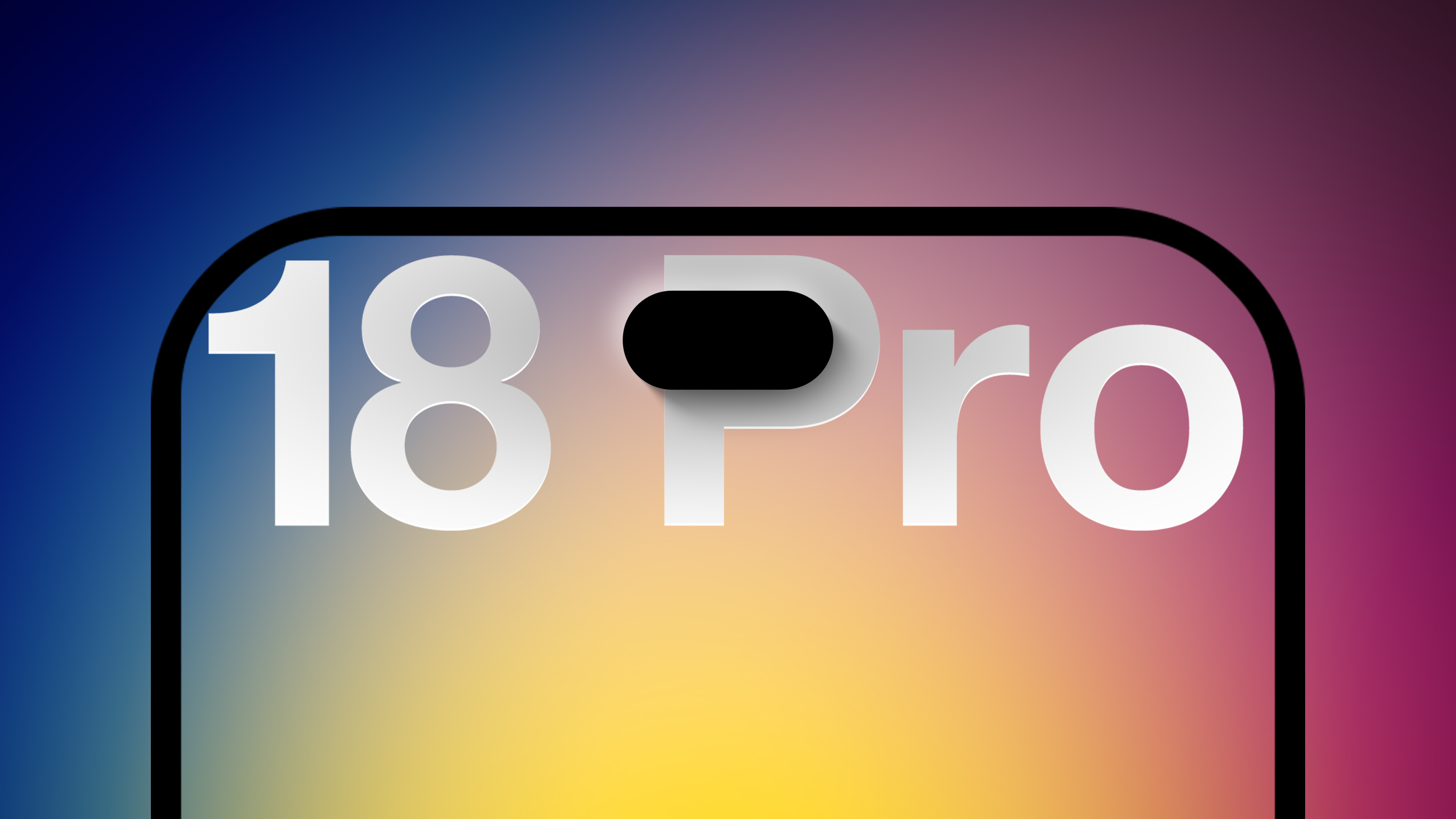
The iPhone 18 Pro and Pro Max will have a smaller Dynamic Island, according to Bloomberg. Over the past year, there have been mixed rumors about whether the ‌iPhone 18‌ Pro models will continue to feature a ‌Dynamic Island‌ or have a hole punch camera with under screen Face ID and no ‌Dynamic Island‌, but the latest information suggests we're not getting rid of the ‌Dynamic Island‌ just yet.


Along with Bloomberg, several prominent leakers on Weibo and other social media sites have said Apple will make the Dynamic Island smaller, but won't eliminate it.

We heard the same rumors about a smaller iPhone 17 Pro ‌Dynamic Island‌ last year, but the ‌Dynamic Island‌ ultimately ended up being the same size. Rumors about the ‌Dynamic Island‌ have picked up in late 2025 and early 2026, and when we see a deluge of differently-sourced rumors about the same feature in the months leading up to a new iPhone's launch, those rumors are typically accurate.

Most of the ‌iPhone 18‌ Pro rumors about under-display Face ID and no ‌Dynamic Island‌ circulated earlier in 2025, so Apple either considered the feature for the 18 Pro lineup and pushed it back, or those rumors were just guessing. There also may have been confusion over what's moving under the display and what's not.

To implement a smaller ‌Dynamic Island‌, Apple is rumored to be putting the ‌Face ID‌ dot illuminator under the display, and rumors suggest the company is also implementing new camera miniaturization technology that could cut down on the size of the front-facing camera. The front-facing camera, ‌Face ID‌ dot projector, and infrared camera are expected to be housed in the ‌Dynamic Island‌, and won't be under the display.

Apple does eventually want to create an ‌iPhone‌ that's a slab of glass with no cutouts, and we may see that for the 20th anniversary iPhone planned for 2027, but it won't happen in fall 2026 with the ‌iPhone 18‌ Pro models.
Related Roundup: iPhone 18
Related Forum: iPhone

This article, "iPhone 18 Pro and Pro Max Expected to Feature Smaller Dynamic Island" first appeared on MacRumors.com

Discuss this article in our forums
  •  

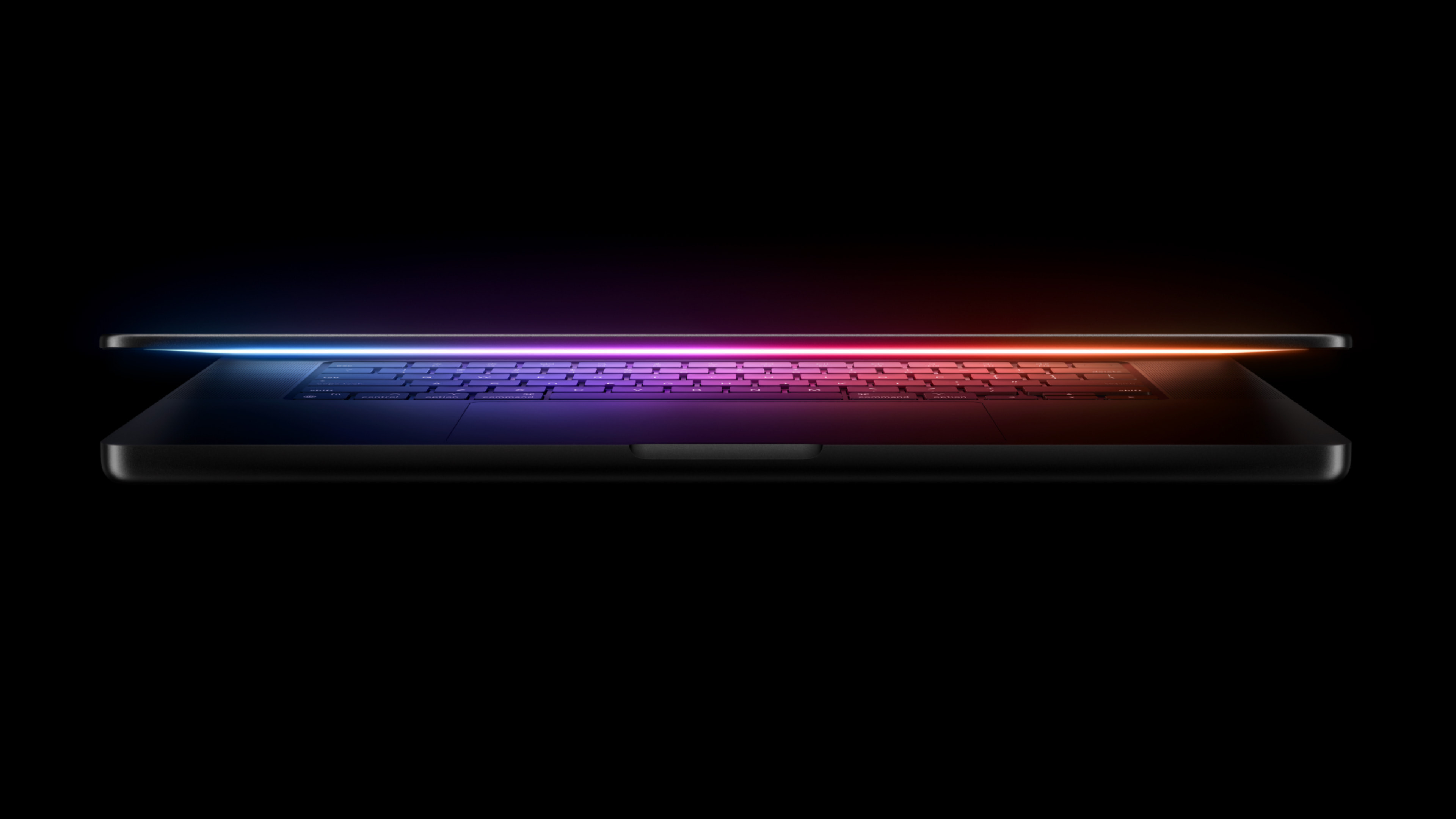
Touchscreen OLED MacBook Pro Coming in 2026 With Dynamic Island and Redesigned macOS Controls

The rumored touchscreen OLED MacBook Pro that Apple has in development will adopt the iPhone's Dynamic Island and a hole-punch camera, reports Bloomberg.


The ‌Dynamic Island‌ will replace the notch, leaving more available screen space for content. As with the ‌iPhone‌'s ‌Dynamic Island‌, the Mac ‌Dynamic Island‌ will be interactive and it will contextually expand based on the app or Mac feature in use.

Apple is updating macOS to make it more touch friendly. Users will be able to tap or click on-screen elements, and controls will change based on input method. If a user taps on a menu bar item, for example, it will display a larger set of controls optimized for touch. Touch-based options will be integrated throughout macOS, and it will support iPad features like pinch gestures for zooming in or out and fast scrolling.

The new ‌MacBook Pro‌ will be the first Mac that supports touch gestures on the display, despite Apple's insistence over the years that it would not bring touch-based technology to the Mac. Apple did experiment with an OLED Touch Bar in prior ‌MacBook Pro‌ models, but ultimately removed it after it proved to be unpopular. Apple apparently is not going to advertise the ‌MacBook Pro‌ as a touch-first device like the ‌iPad‌, and will let customers use touch and mouse gestures interchangeably for all functions.

Along with a touchscreen and OLED display technology, the ‌MacBook Pro‌ could have an updated design with a slimmed-down chassis, but it will look a lot like the current ‌MacBook Pro‌. Apple is not removing the keyboard or the trackpad, and sizes aren't expected to change. Apple is planning for OLED versions of both the 14-inch and 16-inch ‌MacBook Pro‌ models.

Apple plans to update the ‌MacBook Pro‌ with M5 Pro and M5 Max chips this spring, but the OLED ‌MacBook Pro‌ models will adopt the M6 Pro and M6 Max chips, built on Apple's new 2-nanometer process. The OLED ‌MacBook Pro‌ models are expected to launch toward the end of 2026, so Apple is planning for two ‌MacBook Pro‌ refreshes in 2026.
Related Roundup: MacBook Pro
Buyer's Guide: MacBook Pro (Caution)
Related Forum: MacBook Pro

This article, "Touchscreen OLED MacBook Pro Coming in 2026 With Dynamic Island and Redesigned macOS Controls" first appeared on MacRumors.com

Discuss this article in our forums
  •  

Apple Now Blocks 18+ App Downloads in Australia, Brazil, and Singapore Without Age Assurance

Apple today provided an update on its age assurance tools for developers in Brazil, Australia, Singapore, Utah, and Louisiana. Developers in these areas will face new age assurance and parental consent obligations, and Apple's APIs will help them meet these upcoming requirements.


As of February 24, Apple is blocking users in Australia, Brazil, and Singapore from downloading apps rated 18+ unless they have been confirmed to be adults through an App Store age confirmation process that uses "reasonable methods." Age confirmation is done automatically through the ‌App Store‌, but developers may also need to independently confirm their users are adults with the Declared Age Range API.

In Brazil, apps that have loot boxes will have their age rating adjusted to 18+ in the Brazilian storefront, as Brazil's new age-related app store laws prevent apps from offering loot boxes to children. Developers can see a user's age group when the user or user's parent opts to share it, with Apple including a new signal about the method of age assurance.

In Utah and Louisiana, there are upcoming regulations that require developers to establish a user's age with the Declared Age Range API to restrict children from downloading apps that are not age appropriate. Apple has updated the API to help developers determine whether age-related regulatory requirements apply to a user, and whether the user is required to share age range. There's also a new notice if an app is required to get a parent or guardian's permission for significant app updates for an app downloaded by a child.

In some cases, developers are required to inform parents when apps receive a major update with new functionality, and the parents have to provide permission for the child to use the app, even if permission was previously granted.

Utah's ‌App Store‌ Accountability Act requirement starts on May 6, 2026, while Louisiana's House Bill 570 begins on July 1, 2026, and both laws are applicable only to new Apple Accounts.

Several countries and U.S. states have started implementing strict child protection laws, some of which require app store operators like Apple to confirm user age and obtain parental consent before minors are allowed to download apps.

Developers can face fines for not complying with age assurance requirements. In Utah, for example, parents can recover damages of up to $1,000 per violation, while Louisiana can fine developers up to $10,000 per violation after a 45-day grace period.

Apple could also be fined millions of dollars for non-compliance in Brazil, Australia, and Singapore, where there are now platform-level requirements.

Apple fought against platform-level legislation because of the privacy issues raised by the age verification process. Apple does not want to verify age through methods like ID submission due to data collection concerns, and the company also does not want to share age information from every user with developers.
This article, "Apple Now Blocks 18+ App Downloads in Australia, Brazil, and Singapore Without Age Assurance" first appeared on MacRumors.com

Discuss this article in our forums
  •  

1Password Getting More Expensive Starting in March

Popular password management app 1Password is set to get more expensive, with prices increasing on March 27, 2026. In an email sent out to customers today, 1Password said subscription prices will be going up $12 per year.


The individual plan will be $47.88, up from $35.88, while the family plan will be $71.88, up from $59.88. Pricing per month for the individual plan works out to $3.99 (up from $2.99), while the family plan will be $5.99 per month (up from $4.99).

1Password said that it needs to update its pricing to continue investing in new features and security updates.
Since 2005, 1Password has been on a mission to make security simple, reliable, and accessible for everyone. As the way people work and live online has evolved, so has 1Password.

More recently, we've invested significantly in new features that make 1Password even more powerful and effortless to use, helping protect what matters most to you, including:

  • Automatic saving of logins and payment details

  • Enhanced Watchtower alerts

  • Faster, more secure device setup

  • AI-powered item naming

  • Expanded recovery options

  • Proactive phishing prevention


While 1Password has grown substantially in value and capability, our pricing has remained largely unchanged for many years. To continue investing in innovation and the world-class security you expect, we're updating pricing for [Individual/Family] plans, starting March 27, 2026.

Subscribers can expect the new pricing to take effect at their next renewal on or after March 27, 2026. Subscription renewals that happen before March 27 will have the current pricing.

In some locations, such as Europe, 1Password plans will be automatically canceled if customers do not approve the price increase.

Apple offers a free alternative to 1Password with the built-in Passwords app that it debuted as part of iOS 18, but the app uses iCloud and is limited to Apple devices and Windows PCs with the ‌iCloud‌ for Windows app. For those that need cross-platform support for use with Android devices, third-party apps like 1Password are the only option.
This article, "1Password Getting More Expensive Starting in March" first appeared on MacRumors.com

Discuss this article in our forums

  •  

Apple Releases Second macOS Tahoe 26.4 Public Beta

Apple today provided public beta testers with the second releases of upcoming macOS Tahoe 26.4, tvOS 26.4, and watchOS 26.4 updates for testing purposes. The public betas comes a day after Apple provided the beta to developers, and a week after Apple seeded the first betas.


After signing up for beta testing on Apple's beta site, public beta testers can download the updates using the Software Update section in the settings app for each update.

‌macOS Tahoe‌ 26.4 includes several new features. The Compact tab layout has been reimplemented in Safari for those who missed having the option in earlier versions of ‌macOS Tahoe‌, and there is a new Charge Limit feature that lets Mac users select a maximum charge level that ranges from 80 percent to 100 percent.

Apple silicon Mac users will see now see warnings about apps that are still using Rosetta 2, because Apple is phasing out Rosetta after macOS 27. ‌macOS Tahoe‌ is also the final version of macOS that will run on Intel-based Macs, and Apple is working to remove all lingering Intel features.

We could see additional features in upcoming versions of ‌macOS Tahoe‌ 26.4, such as new emoji characters. Apple is expected to test the update for the next several weeks, with a launch planned for the spring.
Related Roundup: macOS Tahoe
Related Forum: macOS Tahoe

This article, "Apple Releases Second macOS Tahoe 26.4 Public Beta" first appeared on MacRumors.com

Discuss this article in our forums
  •  

What to Expect From the iPhone 17e Launching in March 2026

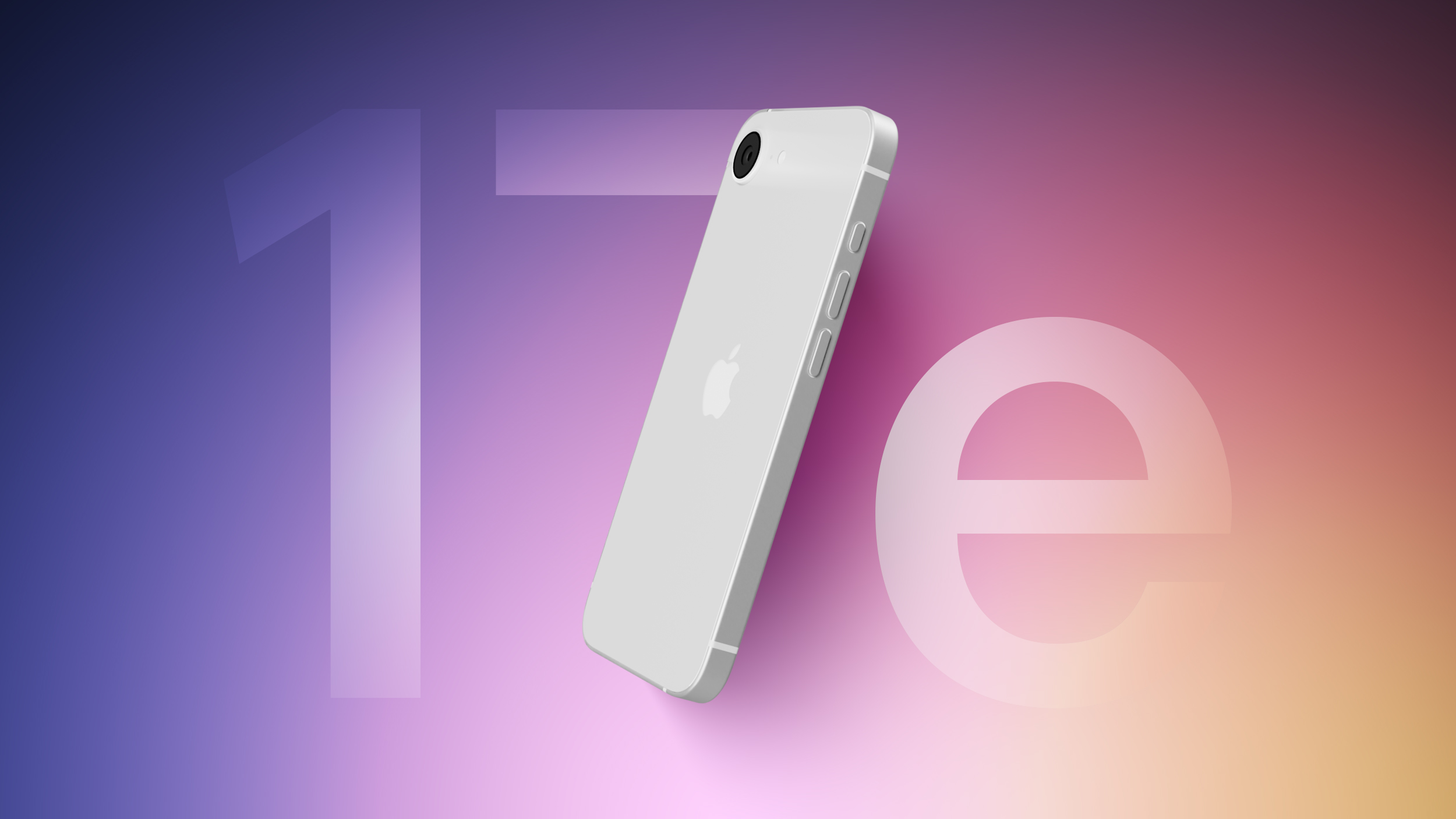
We've got just over a week to go until Apple's "Special Experience" on March 4, and we're expecting to see the iPhone 17e announced during the week of the event. The ‌iPhone‌ 17e will be the first update to the new low-cost iPhone 16e that Apple unveiled in February 2025.


Design


The ‌iPhone‌ 17e will look a lot like the ‌iPhone 16e‌, featuring the same 6.1-inch display size, single-lens rear camera, and black and white color options.

Display


The ‌iPhone‌ 17e is expected to feature the same display panel as the ‌iPhone 16e‌, which means it will be limited to a 60Hz refresh rate. Apple brought 120Hz ProMotion refresh rates to the standard iPhone 17 in 2025, but the same technology is not expected for the more affordable ‌iPhone‌ 17e.

The ‌iPhone‌ 17e will continue to be Apple's only new release ‌iPhone‌ without 120Hz support.

120Hz refresh rates provide video improvements and smoother scrolling when viewing webpages.

The ‌iPhone 16e‌ does not have always-on display technology, and that's not likely to change with the ‌iPhone‌ 17e. To support always-on, the ‌iPhone‌ 17e would need an OLED display with 1-nit minimum brightness, which is limited to Apple's more expensive iPhones. HDR and brightness are also lacking compared to Apple's flagship lineup.

Dynamic Island


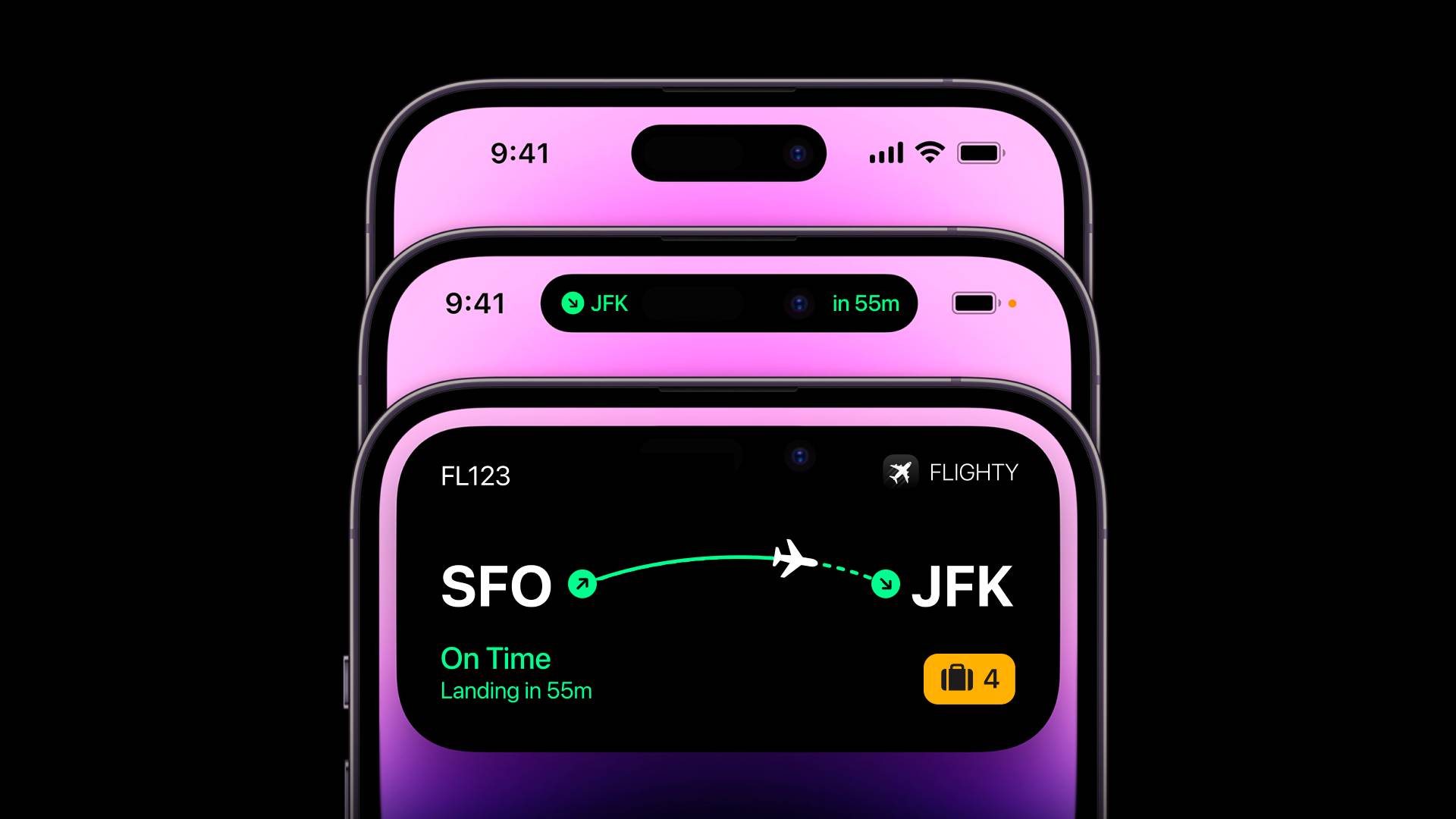
The ‌iPhone 16e‌ uses the notch that Apple has eliminated in its newer flagship iPhones, but the ‌iPhone‌ 17e could eliminate it. Some rumors suggest that the ‌iPhone‌ 17e will have a Dynamic Island instead of a notch, giving it an updated look.


The ‌Dynamic Island‌ is a pill-shaped cutout on the ‌iPhone‌'s display that houses the TrueDepth camera system and the front-facing camera. It takes up less display area than the notch, and it is better integrated into the ‌iPhone‌.

While some rumors indicate we could get a ‌Dynamic Island‌, other rumors suggest the ‌iPhone‌ 17e will continue to use a notch, so the ‌Dynamic Island‌ upgrade isn't a guarantee.

A19 Chip


The ‌iPhone‌ 17e will use Apple's A19 chip, which is the same chip that's in the ‌iPhone 17‌. The A19 chip is built on an upgraded N3P 3-nanometer process, offering a 5 to 10 percent performance improvement over the A18 chip.

Apple could be planning to use a downclocked version of the A19 chip in the ‌iPhone‌ 17e, and if that's the case, its performance won't quite match the ‌iPhone 17‌'s performance.

The A18 chip that Apple used in the ‌iPhone 16e‌ had a 4-core GPU instead of a 5-core GPU like the version from the iPhone 16, so the ‌iPhone‌ 17e could get a similar GPU downgrade.

Aside from the improved CPU and GPU, the A19 has an updated display engine, image signal processor, and Neural Engine for improved AI performance. Every GPU core features a Neural Accelerator to boost the performance of local AI models.

We are expecting the ‌iPhone‌ 17e to continue to include 8GB RAM like the ‌iPhone 16e‌. Apple's other models have 12GB.

MagSafe Compatibility


The ‌iPhone 16e‌ does not have a magnetic ring for MagSafe charging, but the ‌iPhone‌ 17e is expected to get a ‌MagSafe‌ upgrade.

Apple's iPhones have used ‌MagSafe‌ since the ‌iPhone‌ 12, so there are a wide array of ‌MagSafe‌ cases and accessories. The ‌iPhone 16e‌ is not compatible with these accessories, which is a major limitation.

Since it doesn't have ‌MagSafe‌, the ‌iPhone 16e‌ is limited to 7.5W wireless charging speeds. ‌MagSafe‌ would upgrade that to at least 15W. The current ‌iPhone 17‌ models can charge at 25W over ‌MagSafe‌, though the iPhone Air is limited to 20W.

Camera


The ‌iPhone‌ 17e is expected to have a single 48-megapixel Wide Angle camera at the back, with no upgrade rumored. The ‌iPhone 16e‌ doesn't have a Camera Control button, and there's no sign that Apple plans to bring it to the ‌iPhone‌ 17e, either.

The ‌iPhone 17‌ models got an upgraded 18-megapixel Center Stage front-facing camera, but rumors suggest the ‌iPhone‌ 17e will continue to use the same 12-megapixel front-facing camera as the ‌iPhone 16e‌.

Modem


The ‌iPhone‌ 17e will adopt Apple's C1X modem, the modem chip that Apple first debuted in the ‌iPhone Air‌. The C1X modem is faster and more efficient than the C1 modem that Apple used in the ‌iPhone 16e‌.

Apple says the C1X modem is up to 2x faster than the C1, and it is far more energy efficient than Qualcomm modems.

N1 Chip


Apple could update the ‌iPhone 17‌ models with Apple's Wi-Fi and Bluetooth "N1" networking chip, bringing speed and efficiency improvements, plus Thread support. Leaked Apple code suggests the chip will not be included in the ‌iPhone‌ 17e in order to keep costs down, but recent rumors indicate Apple plans to include it.

Pricing


The ‌iPhone 16e‌ is priced starting at $599, and no price changes are expected for the ‌iPhone‌ 17e.

Launch Date


Apple is holding a "Special Experience" event on March 4, and we are expecting the ‌iPhone‌ 17e to launch during that same week.
This article, "What to Expect From the iPhone 17e Launching in March 2026" first appeared on MacRumors.com

Discuss this article in our forums
  •  

Apple Launches New 'Sales Coach' App

Apple today debuted a new Sales Coach app for the iPhone and the iPad, replacing the former SEED app. Designed for Apple Store and Apple Authorized Service Provider (AASP) employees, Sales Coach provides training resources and information useful for Apple device sales.


Sales Coach is available for ‌Apple Store‌ and AASP employees worldwide, and Apple has released it as an update to the former SEED app. Those who have the SEED app will see it change to Sales Coach when installing the latest update. Sales Coach is not a publicly available app.

Compared to the SEED app, Sales Coach adopts Apple's updated Liquid Glass design, and it will include a new AI chatbot that will answer product-related questions. The chatbot can be accessed through an upcoming "Ask" tab, and it is similar to the chatbot in the Apple Support app. Employees will be able to get instant information on specific ‌iPhone‌ capabilities, details on how different software features work, and more, across all of Apple's products.

Apple doesn't appear to have rolled out the chatbot just yet, but we learned about it when we we first shared details about the Sales Coach app earlier this month. Sales Coach is also available on the web at salescoach.apple.com.
This article, "Apple Launches New 'Sales Coach' App" first appeared on MacRumors.com

Discuss this article in our forums
  •  

Everything New in iOS 26.4 Beta 2

Testing on the iOS 26.4 update is continuing, and Apple released the second beta today. The main new feature is an expansion of RCS encryption testing, but there are a few other small tweaks.


End-to-End Encryption RCS Testing


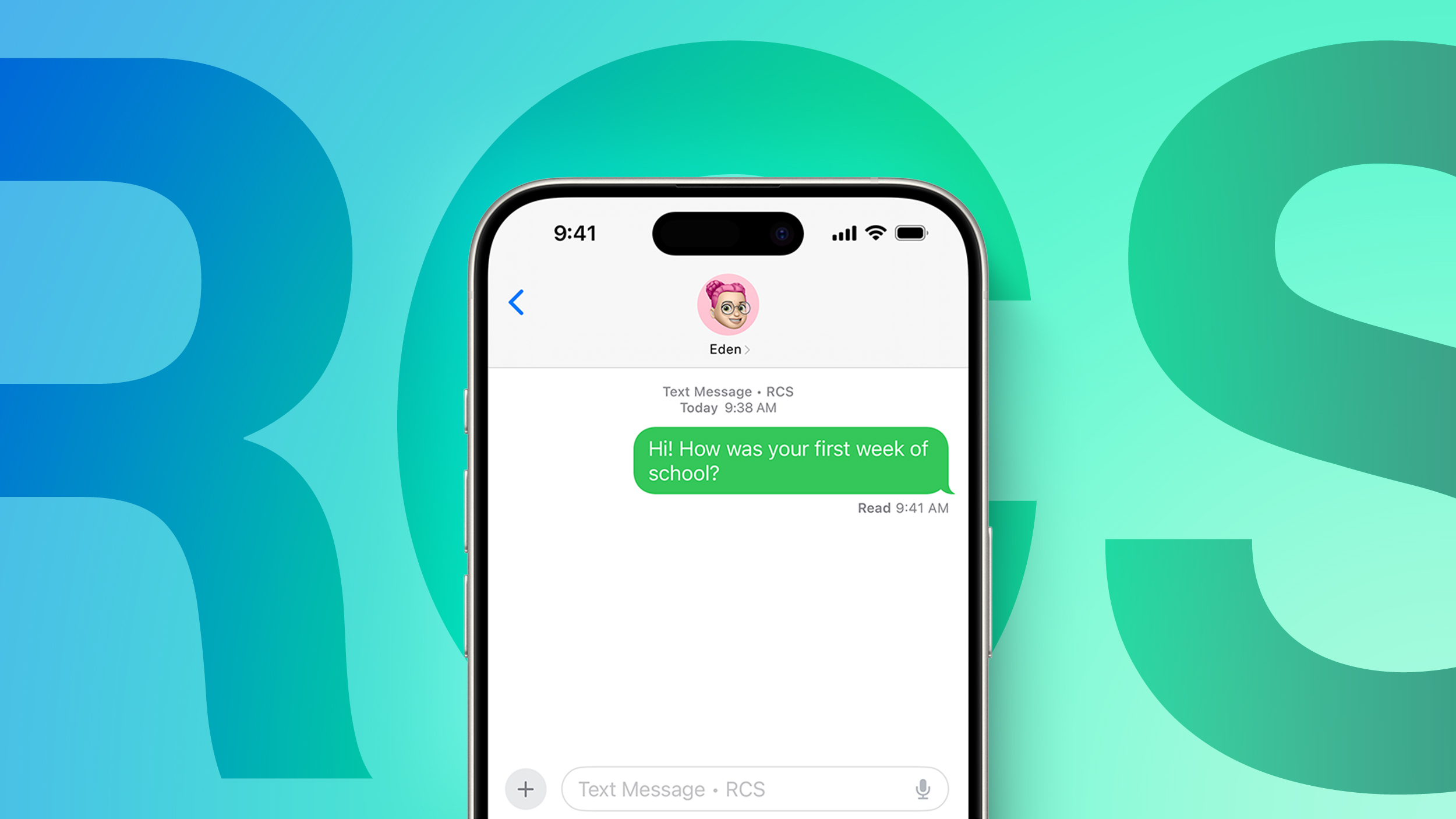
With the second beta of iOS 26.4, Apple is testing end-to-end encryption for text messages sent between iPhones and Android devices.


End-to-end encrypted messages can now be sent to an Android user, and if encryption is enabled, there will be a lock icon on the message. Encrypted conversations are not available for all devices or carriers during the texting period. iOS users will need to have iOS 26.4, and Android users need the latest version of Google Messages.

Apple does not plan to implement end-to-end ‌RCS‌ encryption in iOS 26.4, but it will come later this year.

Home Screen


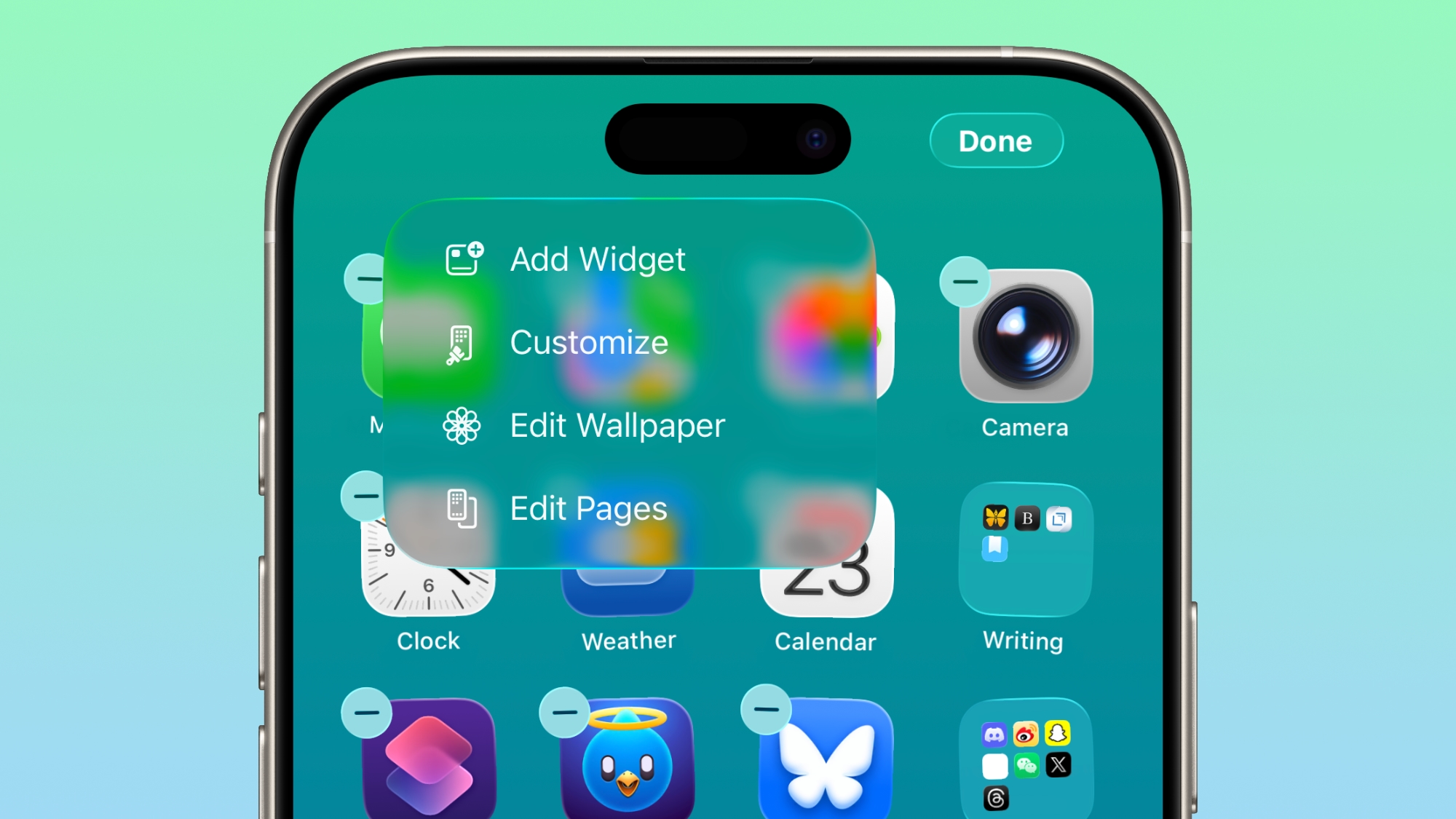
The "Edit" menu on the Home Screen uses more transparent Liquid Glass.


Games App


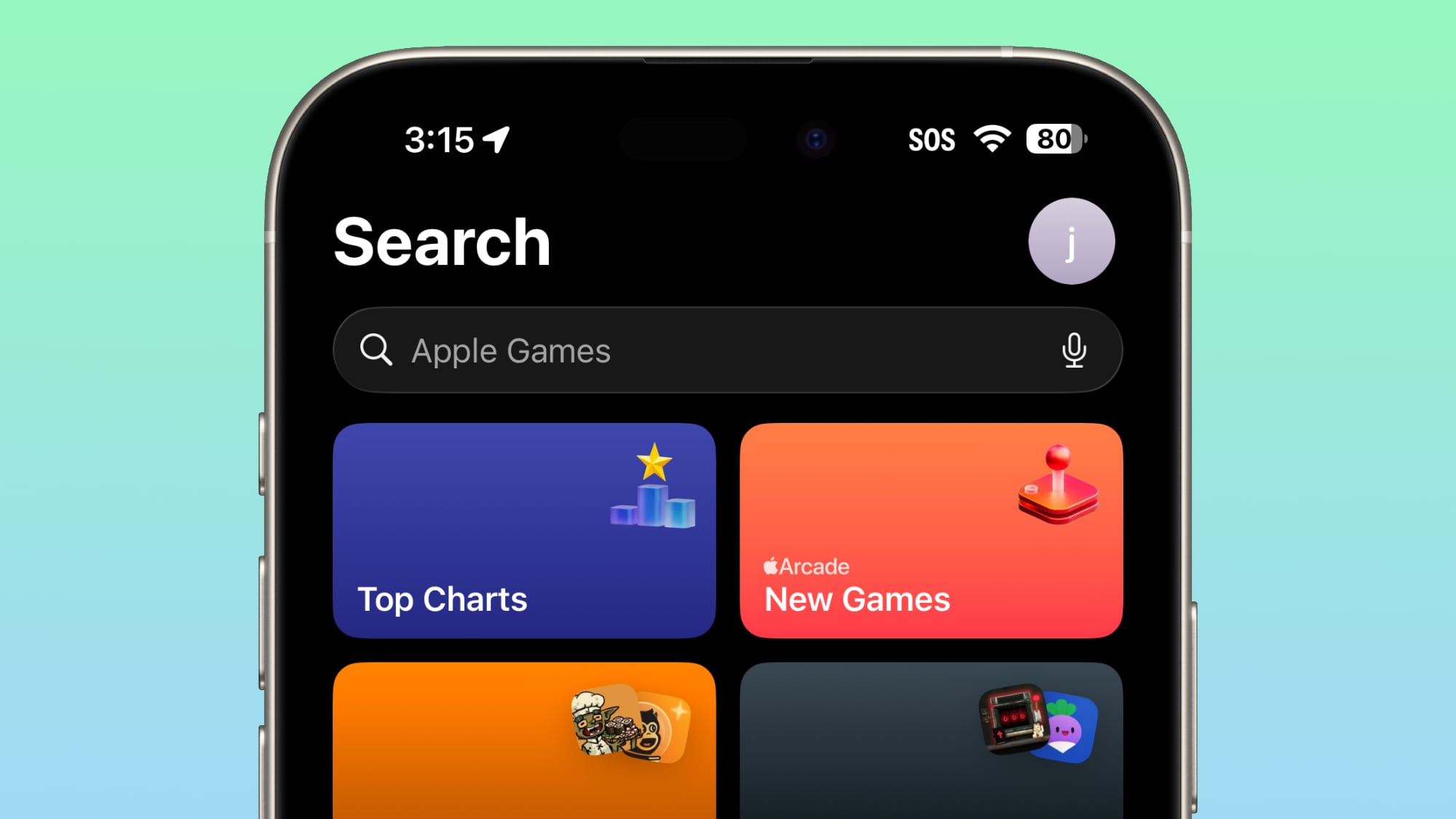
In the Games app, the search bar has moved from the bottom of the display to the top of the display.


App Store and Apple Music


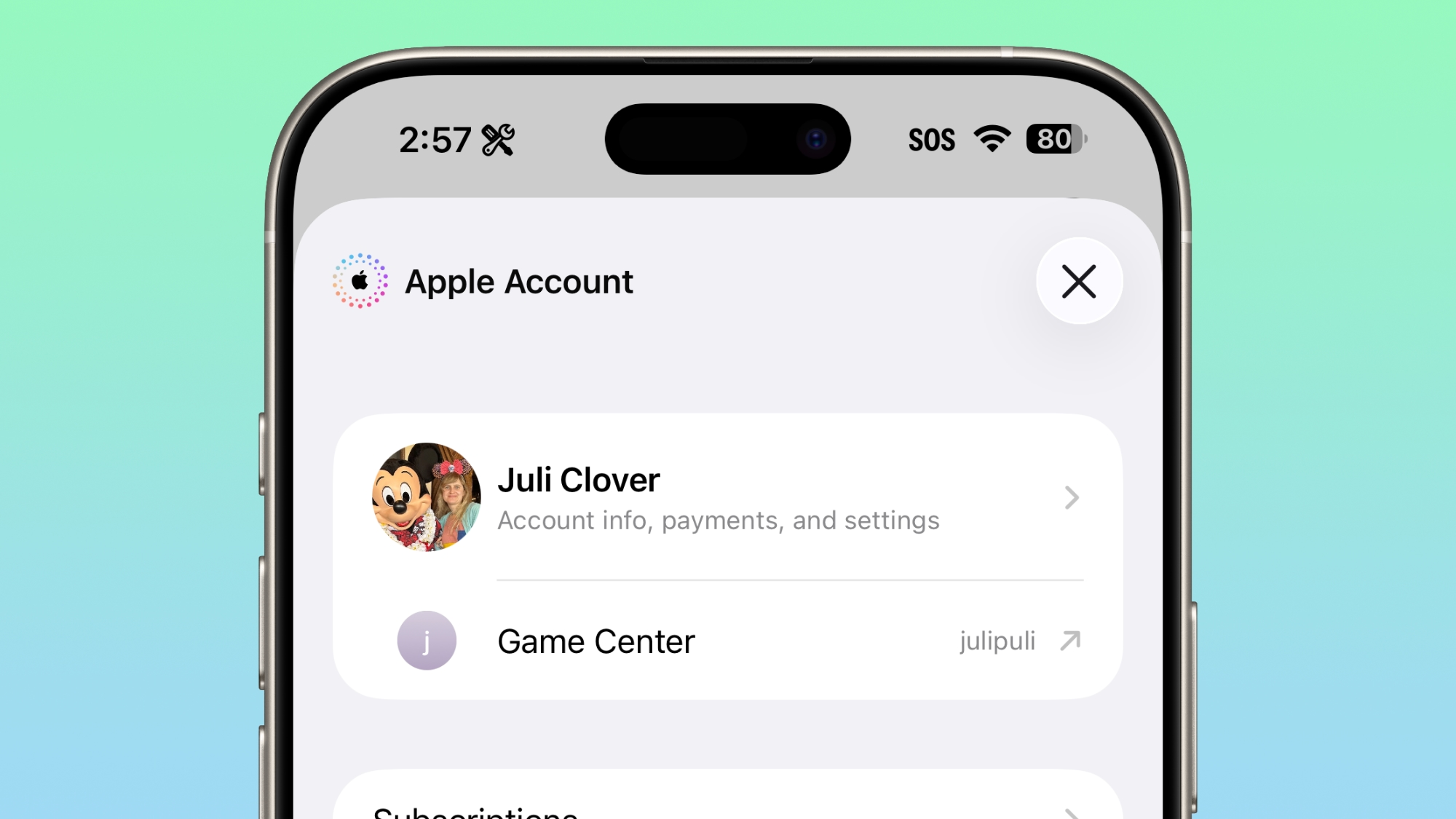
For the account hub options for the App Store and Apple Music, the "Apple Account" wording is now left aligned and has the same rainbow logo as the Apple Account in the Settings app


Accessibility


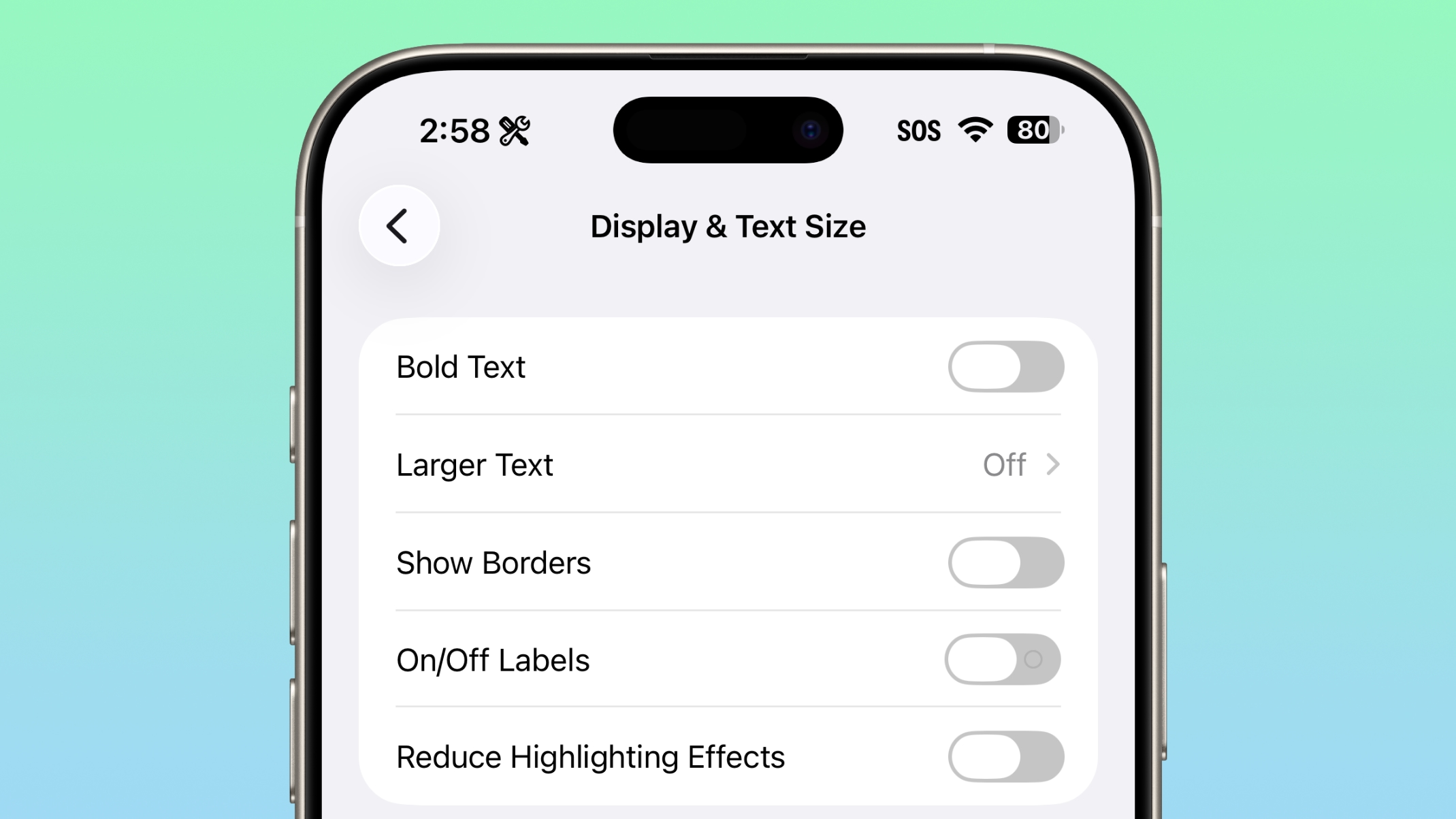
Under the Display and Text size section of Accessibility, there's a new "Reduce Highlighting Effects" option.


Software Build Numbers


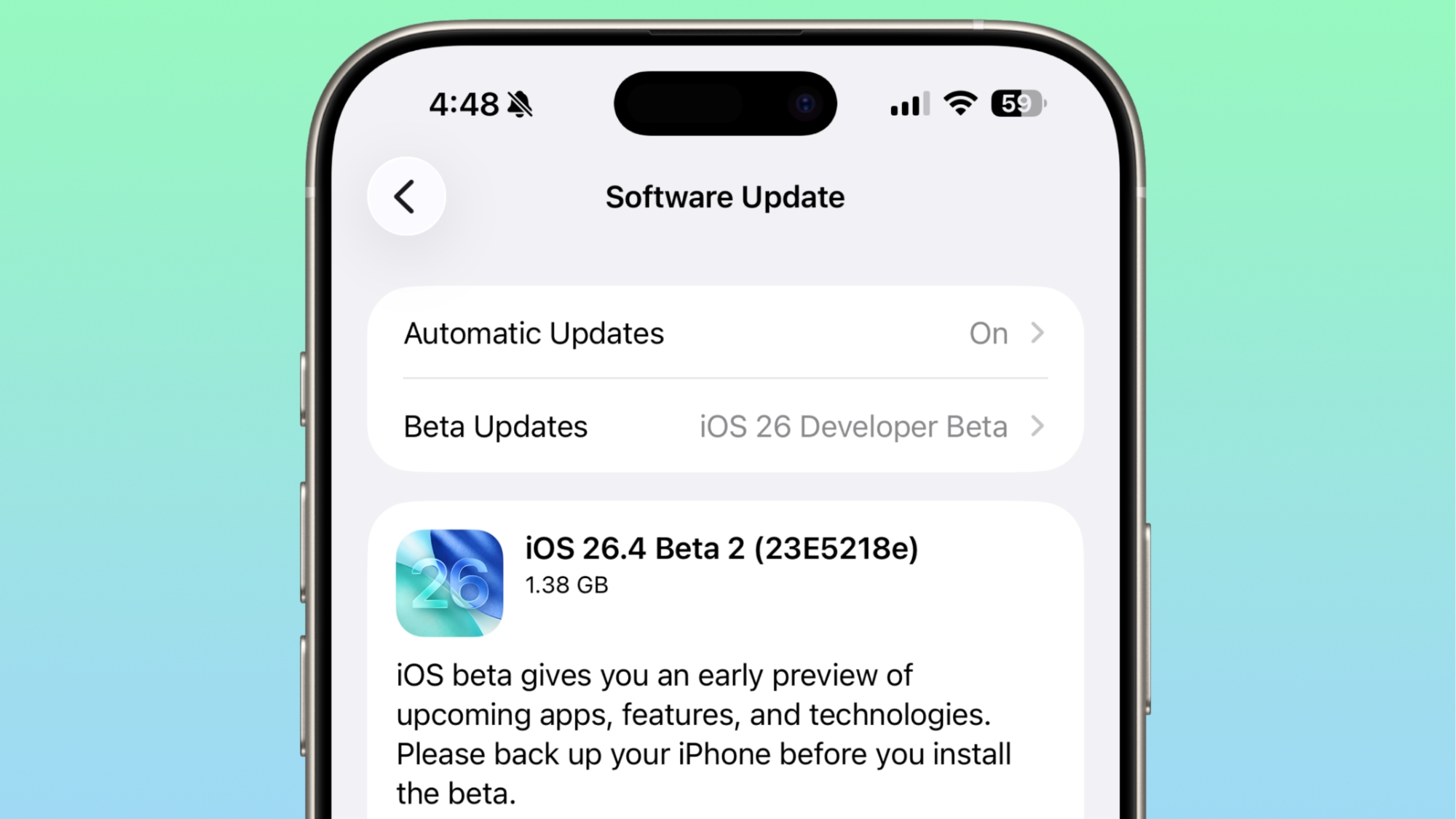
When you're updating to a new iOS update in iOS 26.4, you can tap on the name to see the build number.

Beta Updates


Apple made a change to how betas work in iOS 26.4. If you are have betas toggled on but don't install any betas for a four month period, Apple will automatically switch you to the public release audience.


No Emoji


There are still no new emoji characters, despite signs of them found in the code in the first beta of iOS 26.4.

Playlist Playground


Playlist Playground is still limited to the U.S. and not available in Europe and other countries.

More New Features


We have a list of all the new features that were found in the first beta in our iOS 26.4 feature guide.
Related Roundups: iOS 26, iPadOS 26
Related Forum: iOS 26

This article, "Everything New in iOS 26.4 Beta 2" first appeared on MacRumors.com

Discuss this article in our forums
  •  
❌