Login
Login
iFixit Tears Down the iPhone 17e, Discovers MagSafe Upgrade Path for iPhone 16e Owners
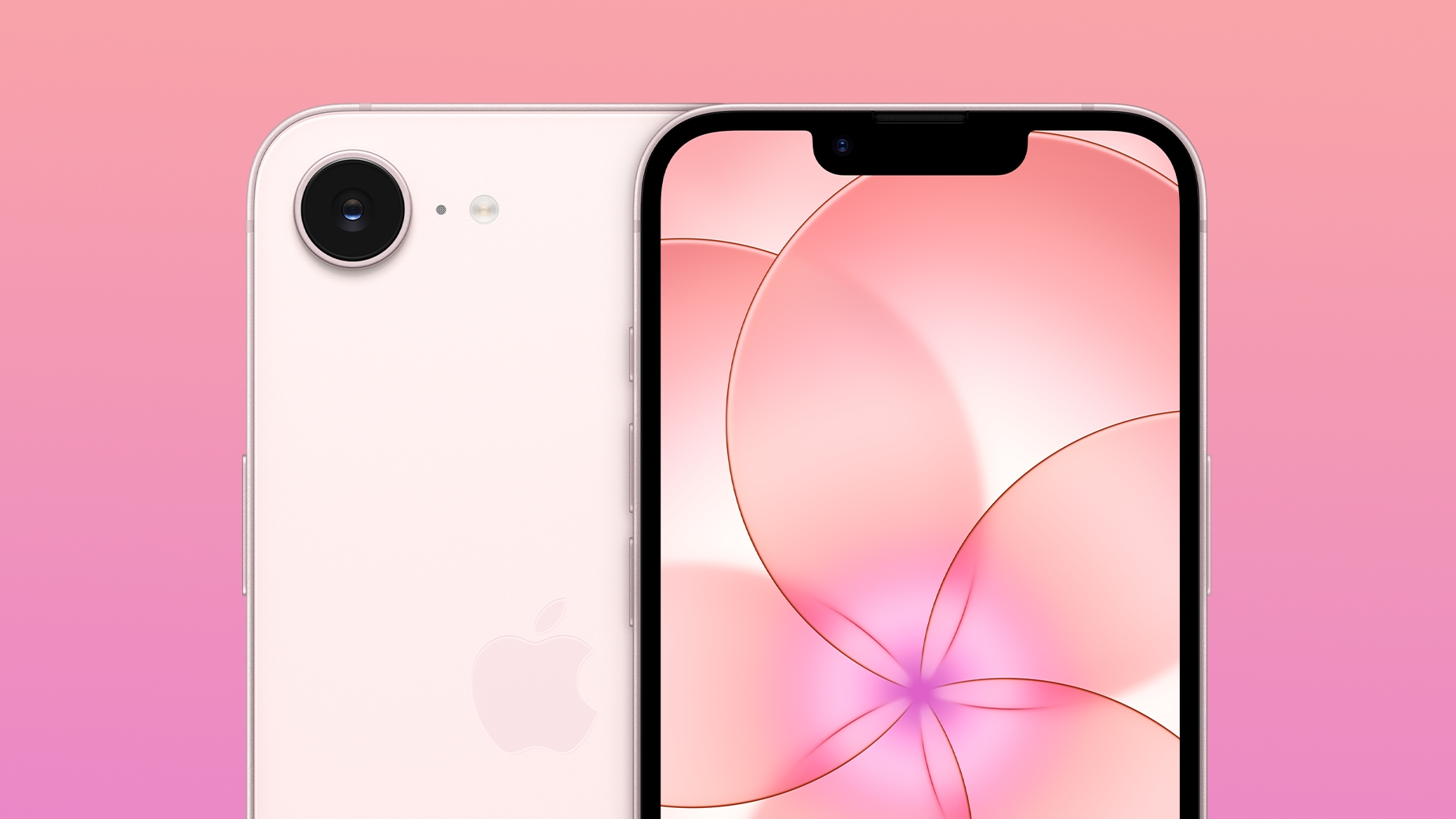
Repair site iFixit today took apart the iPhone 17e, which is the new low-cost iPhone that Apple launched last Wednesday. The iPhone 17e is almost identical to the iPhone 16e in design, but it does include a MagSafe back panel that supports MagSafe and faster Qi charging than the iPhone 16e.
When disassembling the iPhone 17e, iFixit found that the MagSafe panel for the device is the same size as the panel for the 16e, and the two are interchangeable. You can take a back panel from an iPhone 17e and put it on an iPhone 16e, adding MagSafe to an iPhone 16e.
That could be good news for iPhone users who bought an iPhone 16e and don't want to upgrade just to get MagSafe. iPhone 16e customers may be able to get their hands on an iPhone 17e back panel to make a MagSafe swap, which iFixit says is a big win for repairability. There was a downside with the MagSafe swap because the iPhone 16e doesn't have the built-in software that recognizes MagSafe accessories to provide animations, and it's not yet clear if it charges at the full 15W.
"Cross-compatibility matters," said iFixit. "It makes repairs easier, parts easier to source, and upgrades cheaper."
Apple made day one manuals available for the iPhone 17e, so iFixit knew the front and back panels both come off. The battery can be swapped without having to go through the display, though there's still adhesive to deal with. The iPhone 17e continues to use adhesive for the battery that can be removed with an electrical pulse, which makes battery replacements simpler.
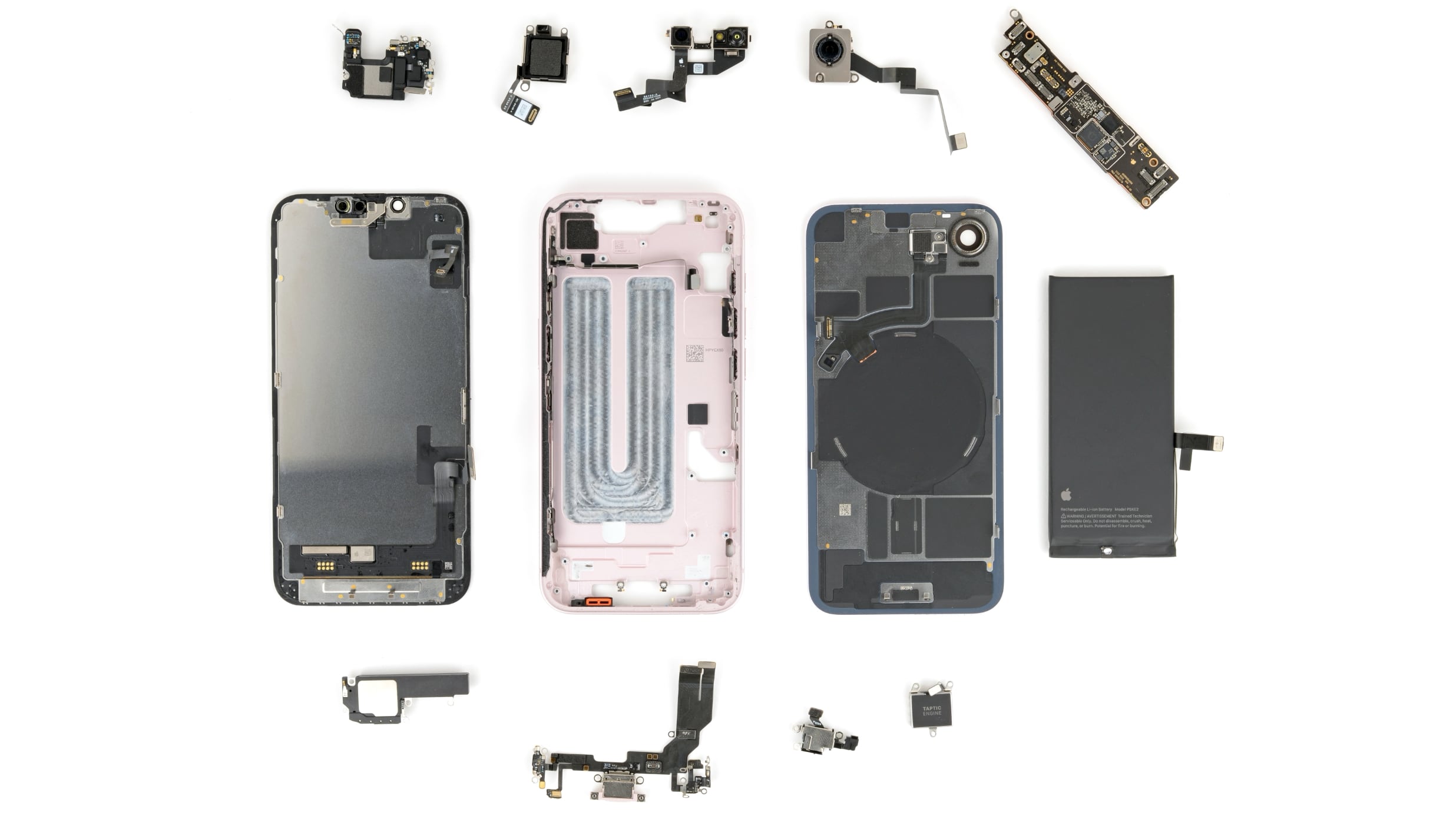
Aside from the MagSafe update, the other notable change in the iPhone 17e is the A19 System on Chip that replaces the A18. Apple also swapped out the C1 modem for the new, faster C1X modem, and there's more starting internal storage at 256 GB.
iFixit found that like the MagSafe module, almost all components inside the iPhone 17e and iPhone 16e were interchangeable. It's possible to take an iPhone 16e logic board and put it into an iPhone 17e chassis, with almost no issues registering parts. The TrueDepth camera for Face ID didn't work when swapped from iPhone to iPhone.
While iFixit was happy with the dual entry design and the battery adhesive that releases electrically, the site found the USB-C port was too buried behind components, which will make DIY repairs daunting for people. Apple fixed the USB-C accessibility issue in its main flagship models, but has not made the port easier to get to in the "e" models.
Despite these issues, iFixit awarded points for the parts interchangeability because there's more salvage value and more refurbishment potential. iFixit gave the iPhone 17e a provisional repairability score of 7 out of 10. That's the same score the iPhone 16e got last year, and the same score the iPhone 17 earned.
This article, "iFixit Tears Down the iPhone 17e, Discovers MagSafe Upgrade Path for iPhone 16e Owners" first appeared on MacRumors.com
Discuss this article in our forums
When disassembling the iPhone 17e, iFixit found that the MagSafe panel for the device is the same size as the panel for the 16e, and the two are interchangeable. You can take a back panel from an iPhone 17e and put it on an iPhone 16e, adding MagSafe to an iPhone 16e.
That could be good news for iPhone users who bought an iPhone 16e and don't want to upgrade just to get MagSafe. iPhone 16e customers may be able to get their hands on an iPhone 17e back panel to make a MagSafe swap, which iFixit says is a big win for repairability. There was a downside with the MagSafe swap because the iPhone 16e doesn't have the built-in software that recognizes MagSafe accessories to provide animations, and it's not yet clear if it charges at the full 15W.
"Cross-compatibility matters," said iFixit. "It makes repairs easier, parts easier to source, and upgrades cheaper."
Apple made day one manuals available for the iPhone 17e, so iFixit knew the front and back panels both come off. The battery can be swapped without having to go through the display, though there's still adhesive to deal with. The iPhone 17e continues to use adhesive for the battery that can be removed with an electrical pulse, which makes battery replacements simpler.
Aside from the MagSafe update, the other notable change in the iPhone 17e is the A19 System on Chip that replaces the A18. Apple also swapped out the C1 modem for the new, faster C1X modem, and there's more starting internal storage at 256 GB.
iFixit found that like the MagSafe module, almost all components inside the iPhone 17e and iPhone 16e were interchangeable. It's possible to take an iPhone 16e logic board and put it into an iPhone 17e chassis, with almost no issues registering parts. The TrueDepth camera for Face ID didn't work when swapped from iPhone to iPhone.
While iFixit was happy with the dual entry design and the battery adhesive that releases electrically, the site found the USB-C port was too buried behind components, which will make DIY repairs daunting for people. Apple fixed the USB-C accessibility issue in its main flagship models, but has not made the port easier to get to in the "e" models.
Despite these issues, iFixit awarded points for the parts interchangeability because there's more salvage value and more refurbishment potential. iFixit gave the iPhone 17e a provisional repairability score of 7 out of 10. That's the same score the iPhone 16e got last year, and the same score the iPhone 17 earned.
Related Roundup: iPhone 17e
Buyer's Guide: iPhone 17e (Buy Now)
Related Forum: iPhone
This article, "iFixit Tears Down the iPhone 17e, Discovers MagSafe Upgrade Path for iPhone 16e Owners" first appeared on MacRumors.com
Discuss this article in our forums