Reading view

Spigen's New AirPods Pro 3 Case Is Modeled After the Original Macintosh Mouse

Accessory maker Spigen this week expanded its lineup of case options that are designed to look like vintage Apple Macs. The clever new Classic LS AirPods Pro 3 Case resembles a the iconic Apple Macintosh mouse, so it goes well with Spigen's Mac-style iPhone cases.
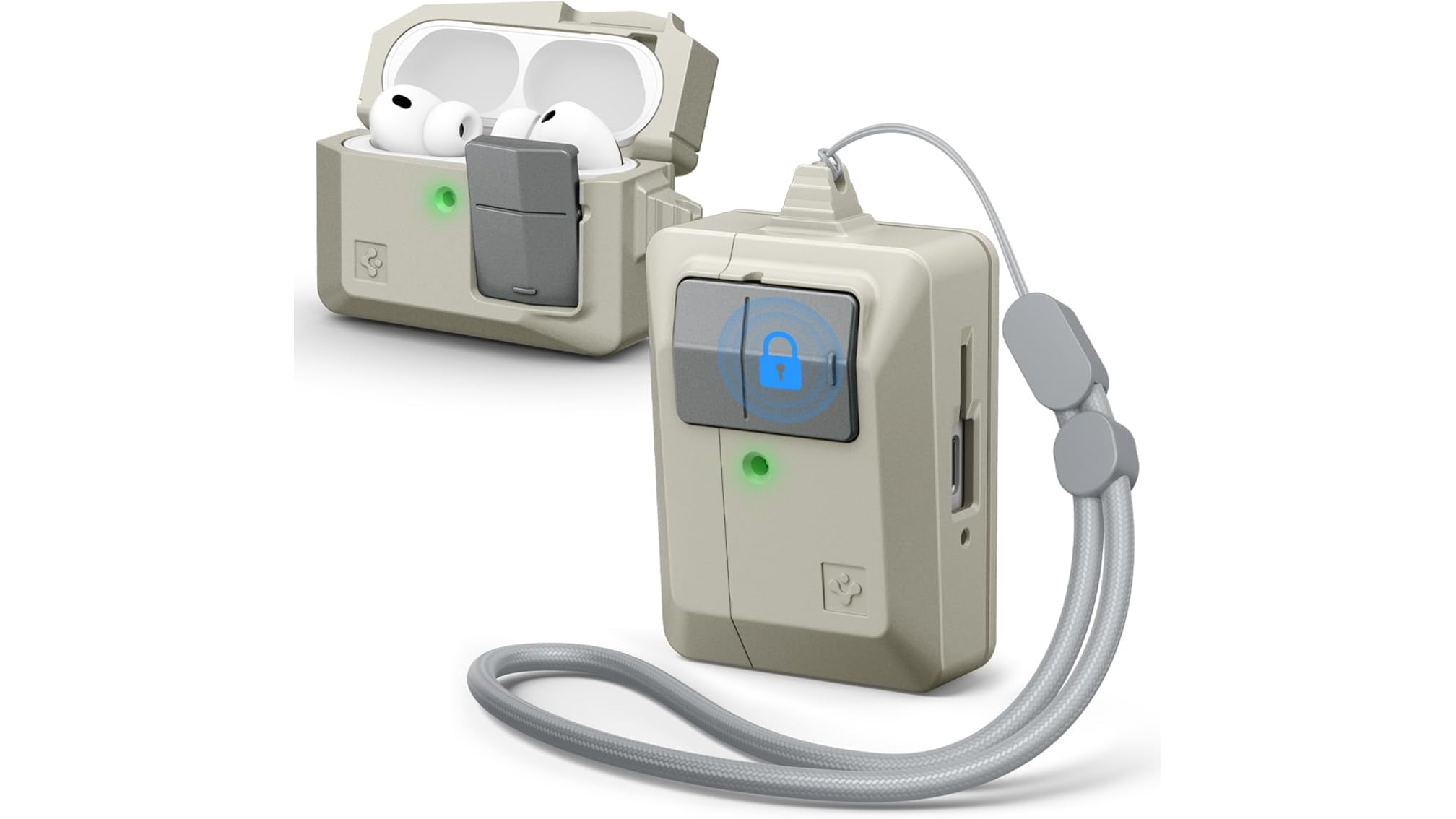

Priced at $25 from Amazon, the case features the stone color that was used for the Classic Macintosh, along with a gray mouse button. The mouse button is actually a lock that secures the two halves of the AirPods case together when it's closed.

Spigen says that the lock clip buttons are meant to mirror the tactile feel and iconic look of the classic Macintosh mouse. There's a dual material design that includes a polycarbonate interior and a TPU exterior to protect the AirPods, and Spigen added a lanyard to make the accessory easy to carry.

To get to the ‌AirPods Pro 3‌, you can push on the button to cause the top of the case to swing open. The AirPods are able to wirelessly charge while the case is on, and it has a cutout for a wired USB-C connection. The LED that's on the AirPods case is able to shine through the mouse cover, and it looks like the power light from the original Macintosh mouse.

Spigen also introduced the Classic LS MagFit Card Holder, which joins the Classic LS iPhone 17 Pro and Pro Max cases that Spigen released in January 2026. The $30 Classic LS Card Holder was inspired by the Macintosh 128K, featuring a floppy disk-style accent, vintage keyboard details with a "Hello" engraving, and an Apple-like Spigen logo.
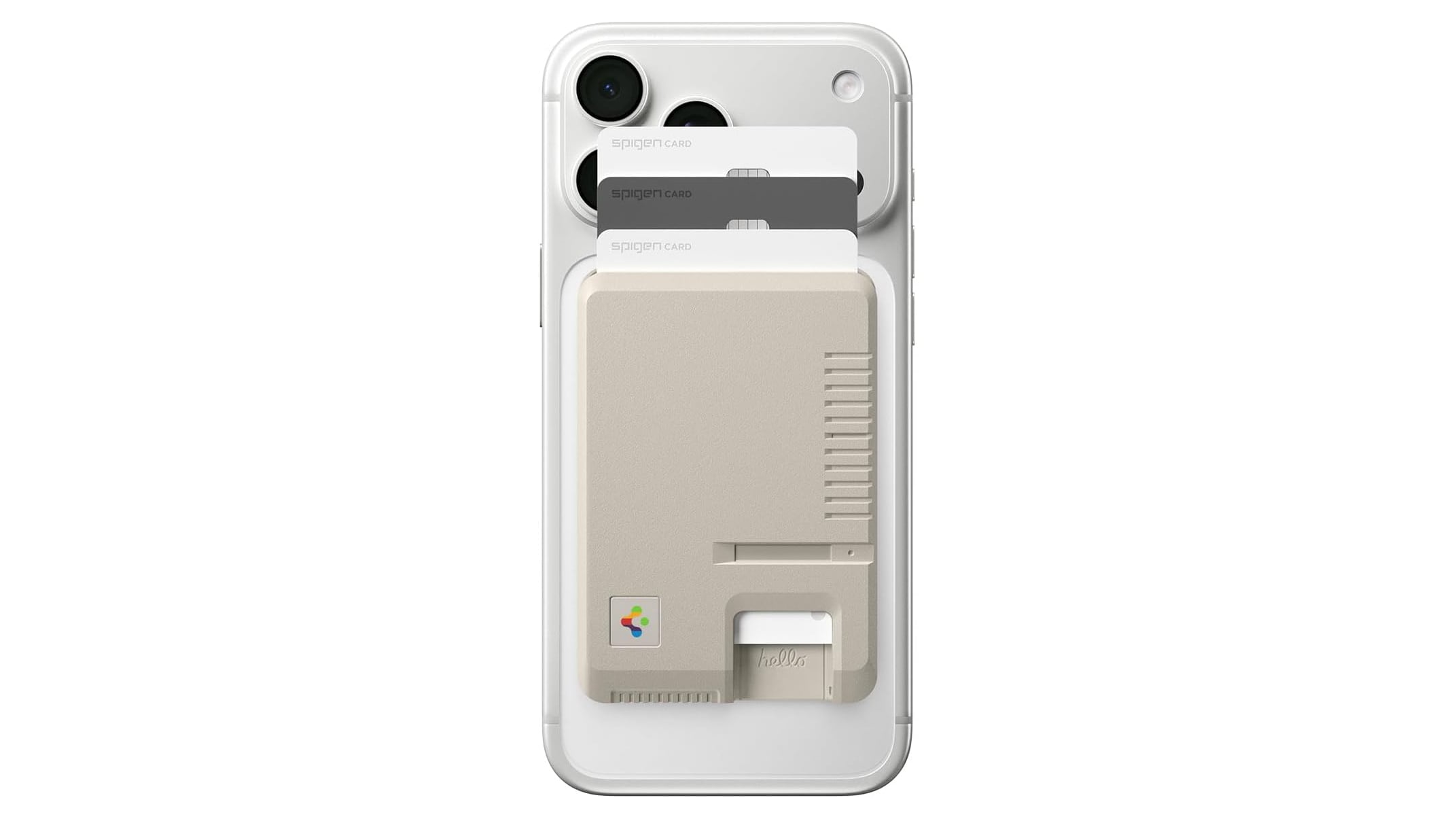

According to Spigen, the Card Holder has a strong magnet that ensures a secure attachment to MagSafe-compatible devices and cases. It is able to hold up to three cards, with an open cutout design at the bottom to push them out for easy access. The Card Holder is compatible with all MagSafe iPhones, including the iPhone 12 and later.


Spigen's classic Mac series also includes a lanyard and a set of cases for the ‌iPhone 17 Pro‌ models, with info available on the Spigen website.
Related Roundup: AirPods Pro 3
Buyer's Guide: AirPods Pro (Buy Now)
Related Forum: AirPods

This article, "Spigen's New AirPods Pro 3 Case Is Modeled After the Original Macintosh Mouse" first appeared on MacRumors.com

Discuss this article in our forums
  •  

iFixit Tears Down the iPhone 17e, Discovers MagSafe Upgrade Path for iPhone 16e Owners

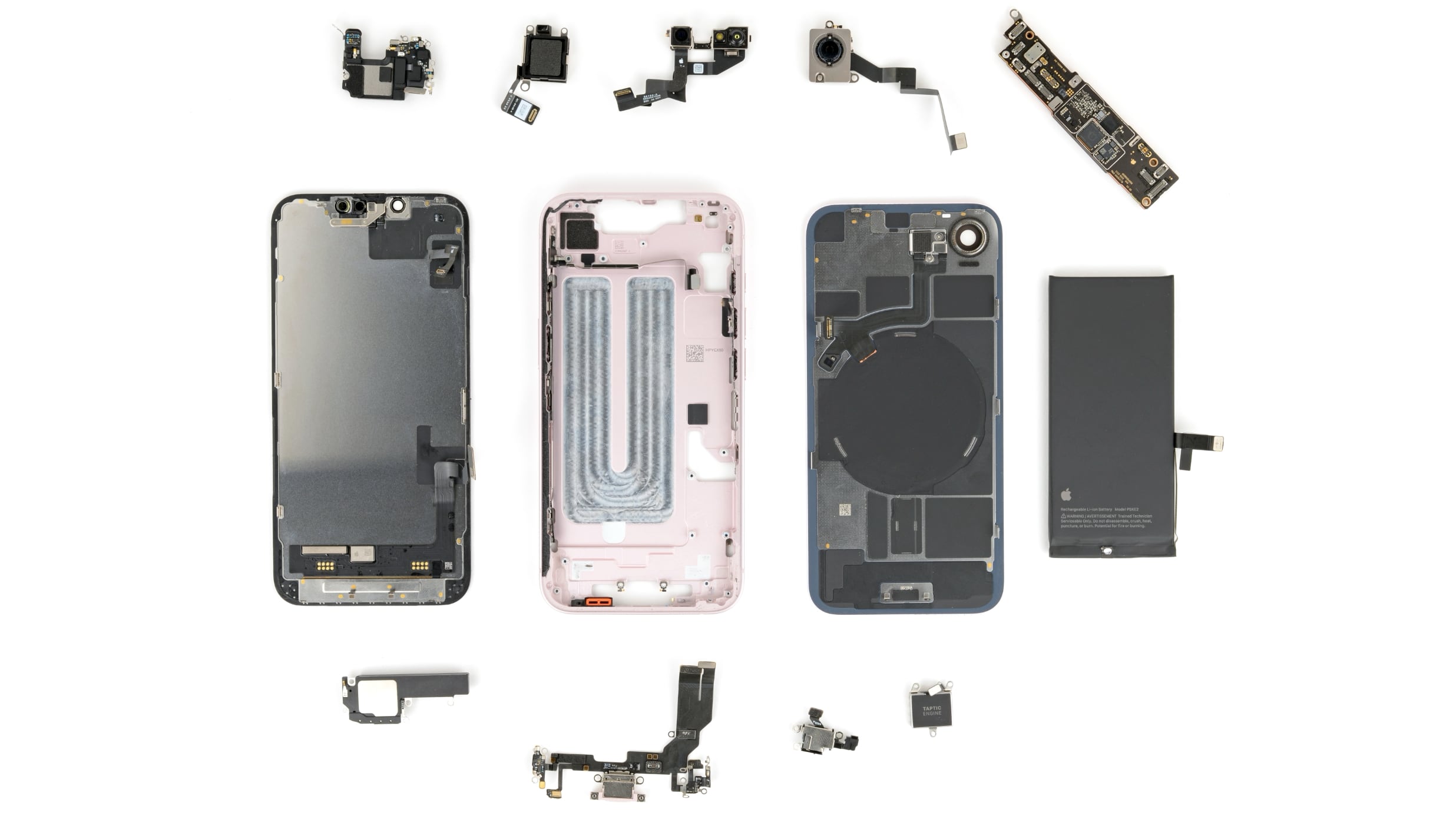
Repair site iFixit today took apart the iPhone 17e, which is the new low-cost iPhone that Apple launched last Wednesday. The ‌iPhone 17e‌ is almost identical to the iPhone 16e in design, but it does include a MagSafe back panel that supports ‌MagSafe‌ and faster Qi charging than the iPhone 16e.


When disassembling the ‌iPhone 17e‌, iFixit found that the ‌MagSafe‌ panel for the device is the same size as the panel for the 16e, and the two are interchangeable. You can take a back panel from an ‌iPhone 17e‌ and put it on an iPhone 16e, adding ‌MagSafe‌ to an iPhone 16e.

That could be good news for iPhone users who bought an iPhone 16e and don't want to upgrade just to get ‌MagSafe‌. iPhone 16e customers may be able to get their hands on an ‌iPhone 17e‌ back panel to make a ‌MagSafe‌ swap, which iFixit says is a big win for repairability. There was a downside with the ‌MagSafe‌ swap because the iPhone 16e doesn't have the built-in software that recognizes ‌MagSafe‌ accessories to provide animations, and it's not yet clear if it charges at the full 15W.

"Cross-compatibility matters," said iFixit. "It makes repairs easier, parts easier to source, and upgrades cheaper."

Apple made day one manuals available for the ‌iPhone 17e‌, so iFixit knew the front and back panels both come off. The battery can be swapped without having to go through the display, though there's still adhesive to deal with. The ‌iPhone 17e‌ continues to use adhesive for the battery that can be removed with an electrical pulse, which makes battery replacements simpler.


Aside from the ‌MagSafe‌ update, the other notable change in the ‌iPhone 17e‌ is the A19 System on Chip that replaces the A18. Apple also swapped out the C1 modem for the new, faster C1X modem, and there's more starting internal storage at 256 GB.

iFixit found that like the ‌MagSafe‌ module, almost all components inside the ‌iPhone 17e‌ and iPhone 16e were interchangeable. It's possible to take an iPhone 16e logic board and put it into an ‌iPhone 17e‌ chassis, with almost no issues registering parts. The TrueDepth camera for Face ID didn't work when swapped from iPhone to iPhone.

While iFixit was happy with the dual entry design and the battery adhesive that releases electrically, the site found the USB-C port was too buried behind components, which will make DIY repairs daunting for people. Apple fixed the USB-C accessibility issue in its main flagship models, but has not made the port easier to get to in the "e" models.

Despite these issues, iFixit awarded points for the parts interchangeability because there's more salvage value and more refurbishment potential. iFixit gave the ‌iPhone 17e‌ a provisional repairability score of 7 out of 10. That's the same score the iPhone 16e got last year, and the same score the iPhone 17 earned.
Related Roundup: iPhone 17e
Buyer's Guide: iPhone 17e (Buy Now)
Related Forum: iPhone

This article, "iFixit Tears Down the iPhone 17e, Discovers MagSafe Upgrade Path for iPhone 16e Owners" first appeared on MacRumors.com

Discuss this article in our forums
  •  

Apple Studio Display XDR Hands-On: Better Than the Pro Display XDR in Almost Every Way

Apple replaced the $4,999+ Pro Display XDR with the better, more affordable Studio Display XDR, so we thought we'd pick one up to test out and compare to the now-discontinued Pro Display XDR.


The ‌Studio Display‌ XDR is the same size as the ‌Studio Display‌ at 27 inches, and it has the same 5K resolution. It's smaller than the 32-inch Pro Display XDR that had a 6K display, and that's probably going to be a major downside for people who prefer larger display sizes. A 32-inch display size works well for a single monitor setup, but 27 inches feels comparatively smaller and is better for multi-display setups.

Apple designed the Pro Display XDR with the same perforated, vented back panel that it used for the Mac Pro, and in comparison, the ‌Studio Display‌ XDR is plainer because it adopts the ‌Studio Display‌ look.

With those downsides out of the way, almost every other ‌Studio Display‌ XDR feature is an improvement over the Pro Display XDR. It uses a mini-LED panel with 2,304 local dimming zones (the Pro Display XDR was limited to 576 local dimming zones). It's brighter than the Pro Display XDR, with deeper blacks, better contrast, and improved HDR. The display is bright enough to match the mini-LED MacBook Pro, and it's really the only display that pairs well with Apple's high-end notebook.

The ‌Studio Display‌ XDR also supports a variable refresh rate from 47Hz to 120Hz, which Apple calls Adaptive Sync. It's not as noticeable as it is on a smaller display, but you can tell a difference when gaming, scrolling quickly, or using the ‌Studio Display‌ XDR next to another display that doesn't support a 120Hz refresh rate.

While the Pro Display XDR didn't come with a camera or speakers, the ‌Studio Display‌ XDR does. It has a 12-megapixel Center Stage camera for video calls and a six-speaker audio system that's ideal for most things you want to do on a Mac.

There are two Thunderbolt 5 ports, one upstream and one downstream, so you can daisy-chain multiple displays together. 140W passthrough charging is available, and there are also two USB-C ports for connecting peripherals.

The Pro Display XDR did not have dual Thunderbolt ports for daisy-chaining displays, so the addition of an extra Thunderbolt port adds more setup versatility.

The ‌Studio Display‌ XDR is a solid upgrade over most displays, and there are very few monitors on the market that can match what Apple is offering. Given the $3,299 price point and the focus on professional use, the ‌Studio Display‌ XDR isn't for the average Mac user. The standard ‌Studio Display‌ is better suited to more casual use, and most people can even get away with a cheaper 4K display from a third-party manufacturer.
Related Roundup: Studio Display
Buyer's Guide: Displays (Buy Now)
Related Forum: Mac Accessories

This article, "Apple Studio Display XDR Hands-On: Better Than the Pro Display XDR in Almost Every Way" first appeared on MacRumors.com

Discuss this article in our forums
  •  

Apple TV Releasing Comedy Film Starring Keanu Reeves Next Month

Apple today shared a trailer for "Outcome," a dark comedy film starring Keanu Reeves, Jonah Hill, Cameron Diaz, David Spade, Martin Scorsese, and others. The original film will be available to stream on Apple TV starting Friday, April 10.

Keanu Reeves and Jonah Hill in "Outcome"

In the film, Keanu Reeves plays Reef Hawk, a Hollywood star who is being extorted with a video that would damage his reputation. With the support of his lifelong friends Kyle (Diaz) and Xander (Matt Bomer), and his crisis lawyer Ira (Hill), Reef tries to make amends with anyone he could have possibly wronged in hopes of identifying the blackmailer.

Watch the trailer for "Outcome" on YouTube below.


Apple TV has more than a dozen other new series and films coming this year.

In the U.S., Apple TV is priced at $12.99 per month or $129 per year, with a free one-week trial available for new subscribers. Apple TV is also included in Apple One and Peacock bundles, with all of the options outlined on Apple's website.

You can stream Apple TV in the Apple TV app, which is available on the iPhone, iPad, Mac, Apple TV 4K, Apple Vision Pro, Android, PlayStation, Xbox, Roku, Amazon Fire TV, select smart TVs, on the web at tv.apple.com, and more.
Related Roundup: Apple TV
Buyer's Guide: Apple TV (Don't Buy)

This article, "Apple TV Releasing Comedy Film Starring Keanu Reeves Next Month" first appeared on MacRumors.com

Discuss this article in our forums

  •  

iPhone 19e Could Feature 120Hz ProMotion Display

Apple's iPhone 19e could come with an LTPO OLED display that would bring 120Hz ProMotion technology to its most affordable iPhone for the first time, based on a new report out of Asia.


According to ZDNet Korea, the fourth-generation model in Apple's entry-level e-series – expected to arrive in early 2028 – could adopt a low-temperature polycrystalline oxide (LTPO) panel, making the display technically capable of dynamically adjusting its refresh rate between 1Hz and 120Hz. It's the same underlying panel technology used across the current iPhone 17 lineup and the iPhone Air.

The recently launched iPhone 17e uses a 60Hz low-temperature polycrystalline silicon (LTPS) TFT panel, and the report suggests next year's iPhone 18e will use the same technology. That's despite the fact that you can find 120Hz screens on competing Android phones at similar price points.

The shift in 2028 is said to depend in part on Apple's development of a next-generation "LTPO+" display technology, which incorporates oxide semiconductors in both switching and drive transistors, and is said to use a lot less battery power.

Apple reportedly plans to reserve LTPO+ for its higher-end models in 2028, including new versions of the iPhone Air and its upcoming foldable iPhone, which would free up standard LTPO panels for the rest of the lineup. But if the new technology isn't ready in time, it could delay the trickle-down of LPTO panels to the 19e, so nothing's for certain yet.

Apple first adopted LPTO+ (also known as LPTO3) in the Apple Watch Series 10 in 2024, with panels supplied by LG Display. This likely gave Apple the confidence to scale the technology to iPhone-sized displays, and the company has a track record of testing new display technologies in the Apple Watch before bringing them to the iPhone.

A previous report suggested Apple was considering adopting the new display architecture for at least one model in its 2027 iPhone lineup, but the ZDNet Korea report suggests Apple has moved away from the idea because the technology is not quite ready for mass production.
Related Roundup: iPhone 17e
Buyer's Guide: iPhone 17e (Buy Now)

This article, "iPhone 19e Could Feature 120Hz ProMotion Display" first appeared on MacRumors.com

Discuss this article in our forums

  •  

Apple Watch AFib History Feature Launches in Mainland China

Apple today launched its atrial fibrillation history feature for Apple Watch in mainland China.


Since 2022, Apple Watch in the U.S. has supported AFib History, which allows users diagnosed with atrial fibrillation to view an estimate of how frequently their heart is in this type of irregular rhythm.

The feature analyzes pulse rate data collected by a photoplethysmography (PPG) sensor to identify episodes consistent with AFib and provides the user with a retrospective estimate of AFib burden (a measure of the amount of time spent in AFib during past Apple Watch wear). Apple says the feature is intended for individuals aged 22 years or older who have been diagnosed with atrial fibrillation by a physician.

Capabilities like ECG and AFib tracking are typically classified as medical or quasi-medical functions, requiring approval from China's National Medical Products Administration (NMPA), hence the delayed launch.

ECG, Irregular Heart Rhythm Notifications, and AFib History are features that can be used by Apple Watch owners in over 150 countries worldwide. Apple maintains a dedicated list of Apple Watch feature availability on its website.
Related Roundup: Apple Watch 11
Tag: China
Buyer's Guide: Apple Watch (Neutral)

This article, "Apple Watch AFib History Feature Launches in Mainland China" first appeared on MacRumors.com

Discuss this article in our forums

  •  

OpenProject integration app for Nextcloud released in version 3.0.0

We’re excited to announce the release of OpenProject integration app versions 3.0.0 and 2.11.2 for Nextcloud! ✨

What’s new

This release focuses on improving compatibility with newer Nextcloud versions, enhancing reliability, and smoothing out the overall collaboration experience.

Support for Nextcloud 33

Version 3.0.0 introduces support for Nextcloud 33, including necessary adjustments to breaking changes in the Files frontend API.

Note

This is a breaking change update. Please ensure compatibility before upgrading.

Improvements

  • Added debug logging for OpenProject API requests to simplify troubleshooting

Bug fixes

  • Fixed handling of projects with unknown parent projects
  • Ensured HTTPS is enforced for Nextcloud base URLs in OpenProject API requests
  • Resolved broken guest access to Talk rooms for Nextcloud 32 and above

Update recommendation

We recommend updating via the Nextcloud App Store to take advantage of the latest fixes and improvements.

Thank you

A big thank you to the Nextcloud team for the continued collaboration and partnership! 🚀

  •  
❌