Reading view

Apple's Low-Cost Colorful MacBook: All the Rumors

Apple has been developing a more affordable version of the MacBook, and it's rumored to be launching in under two weeks. This is going to be one of Apple's most unique Macs, because there hasn't really been anything quite like it before.

We've rounded up everything we know about the low-cost MacBook ahead of its March debut.

Design


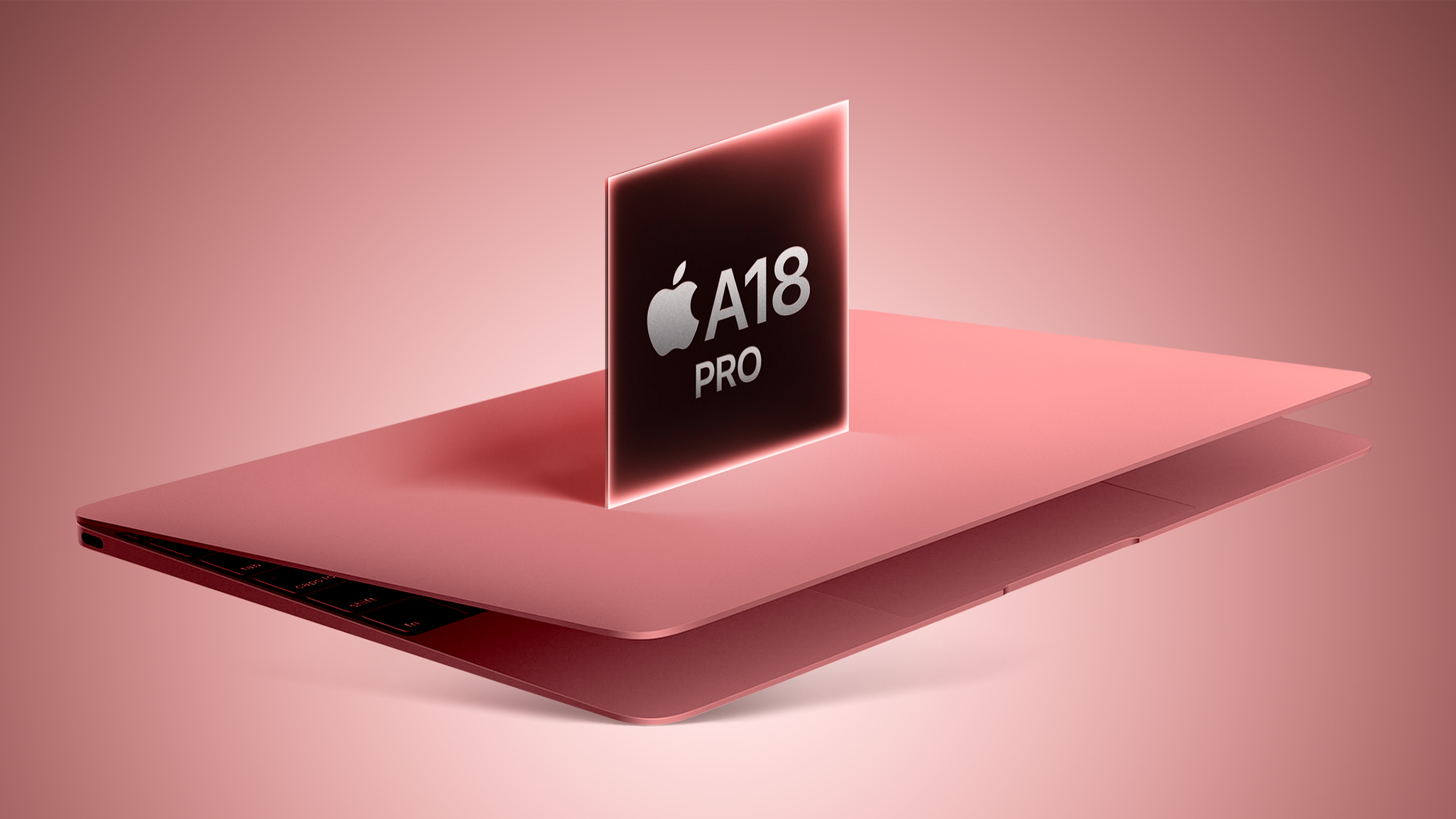
Rumors about the MacBook's design make it sound a lot like the MacBook Air. It will have an aluminum chassis in various colors, and a 12.9-inch or 13-inch display, depending on the rumor.

It's possible the low-cost MacBook will have a thin and light design because it's going to use a lower power A-series chip that doesn't require a lot of heat dissipation, but that's not yet confirmed. Apple used to have a 12-inch MacBook with a thin design and a low-power Core M chip, and it's been suggested that this new MacBook could be something of a revival of that machine.

Thinner and lighter typically means more expensive with Apple products, so a super slim design might not be what Apple is optimizing for. Making the low-cost MacBook thinner than the ‌MacBook Air‌ could just confuse the MacBook lineup.

With the low-cost iPad, Apple keeps the price down by using older display technology that's not as thin, so we could see that same strategy with the low-cost MacBook. A thicker chassis and a super efficient chip could mean a long battery life, which would be ideal for an educational environment.

Colors


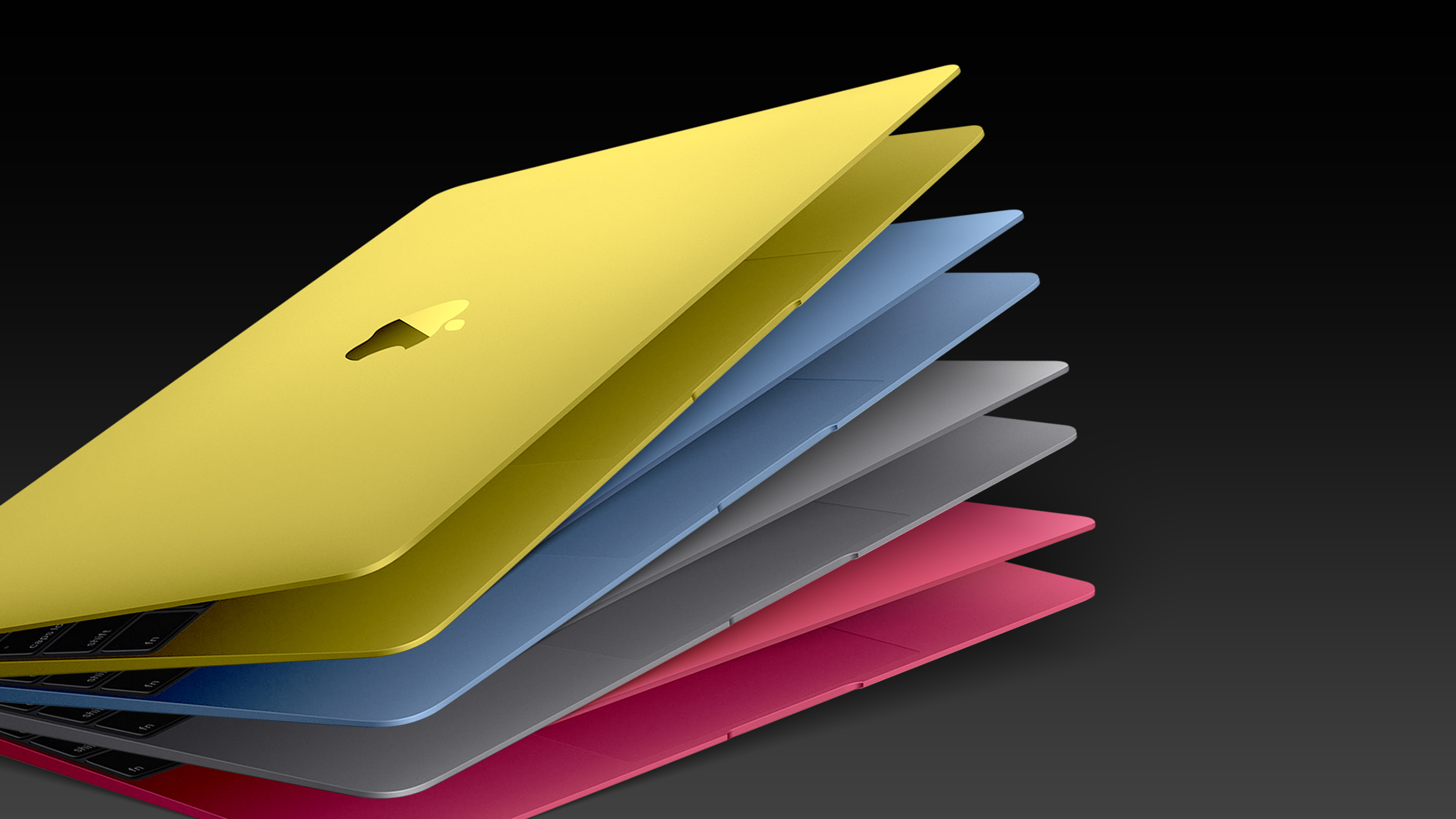
The MacBook is going to come in a selection of fun colors, and Apple has tested light yellow, light green, blue, pink, silver, and dark gray, according to Bloomberg. Not all of those colors are likely to ship, but it sounds like we'll get at least four of them.

Apple analyst Ming-Chi Kuo thinks the MacBook will come in yellow, silver, blue, and pink, which would be the same colors that Apple offers for the ‌iPad‌.

A-Series Chip


The most consistent rumor we've heard about the MacBook is its planned chip. Rather than an M-series Mac chip, Apple is planning to use an A-series chip. The low-cost MacBook is expected to use the A18 Pro chip, which Apple first debuted in the iPhone 16 Pro.

The A18 Pro uses a second-generation 3-nanometer process. It has a 6-core CPU with four performance cores and two efficiency cores, along with a 6-core GPU and a 16-core Neural Engine for AI-based tasks. In Geekbench benchmarks, the A18 Pro has an average single-core score of 3451, and a multi-core score of 8572. For comparison, the M4 iPad Pro earns a single-core score of 3694 and a multi-core score of 13732 (Apple's next ‌MacBook Air‌ is going to use the M4 chip).

The A18 Pro outperforms the M1, which is the chip that Apple kept around in a lower-cost version of the ‌MacBook Air‌ for several years. An A18 MacBook wouldn't be too far off from the M4 Mac/‌iPad‌ chips in terms of single-core performance, but there would be a difference in multi-core performance.

A MacBook with the A18 chip would be more than powerful enough for day-to-day use like web browsing, document creation, watching videos, and even light photo and video editing. It won't be ideal for system-intensive games or tasks like 4K video editing and 3D rendering, but it will do almost everything an iPhone or ‌iPad‌ can do.

Apple is developing the low-cost MacBook with students in mind, and it sounds like it will be the Apple equivalent of the affordable Chromebook PCs that are often used by students.

RAM


Macs start with 16GB RAM, but the ‌iPhone 16‌ Pro has 8GB RAM, the minimum for Apple Intelligence. We can expect an A18 Pro MacBook to have at least 8GB RAM so it can support ‌Apple Intelligence‌, but it's possible Apple will give it the 16GB that all Macs have.

Storage


The ‌MacBook Air‌ starts with 256GB of storage, but Apple could possibly launch the low-cost MacBook with 128GB.

Ports


The A18 Pro chip in the ‌iPhone 16‌ Pro models doesn't support Thunderbolt, so the MacBook will be limited to USB-C (10GB/s) and won't offer Thunderbolt speeds. That will limit display connectivity, so it's likely the A18 Pro MacBook will only support a single external display.

Naming


It's not really clear what Apple will name the low-cost Mac notebook. We have the ‌MacBook Air‌ and the MacBook Pro, so it's entirely possible it will be called "MacBook." Apple has used the MacBook name multiple times in the past, and it's not in use at the moment.

Price


Pricing on the ‌MacBook Air‌ starts at $999, and the low-cost MacBook is expected to be priced much lower.

Apple probably won't want to undercut its ‌iPad‌ pricing by too much. The low-cost ‌iPad‌ with A16 chip starts at $349, and the iPad Air with M2 chip starts at $599. A price between $599 and $799 could make the most sense because it wouldn't be as expensive as the ‌MacBook Air‌ or ‌iPad Pro‌, but would come in at or just over the ‌iPad Air‌'s cost.

$599 would be on par with some of the highly rated Chromebook options that people often purchase for school use, while a $699 or $799 price would be in the same general pricing area, but a little more of a premium price tag. $599 is also the cost of the iPhone 16e, Apple's most affordable ‌iPhone‌ that uses a slightly less powerful A18 chip.

Launch Date


Rumors suggest that the low-cost MacBook will be introduced at or just before Apple's March 4 Special Experience that's taking place in New York, London, and Shanghai. Apple could announce the MacBook in a press release ahead of the experience.

Select members of the media have been invited to the mini event, and it's likely to provide them with a chance to try the new MacBook and other new devices.
This article, "Apple's Low-Cost Colorful MacBook: All the Rumors" first appeared on MacRumors.com

Discuss this article in our forums

  •  

Jony Ive's First OpenAI Device Will Be Smart Speaker With Camera, 2027 Launch Planned

OpenAI is working on several AI hardware devices in partnership with former Apple designer Jony Ive, and the first product that comes out could be a smart speaker. The company is developing a smart speaker, a smart lamp, and considering AI glasses, according to The Information, with the speaker set to come out in early 2027.


OpenAI's smart speaker has an integrated camera and it is designed to learn information about who is using it and what's around them. It will include a facial recognition feature similar to Face ID, and users will be able to use the speaker to make purchases. The speaker will have AI integration, so users can ask it questions and make requests.

In an internal presentation, OpenAI employees were told that the speaker would observe users and suggest actions to help them achieve goals, such as suggesting an early bedtime ahead of a morning meeting.

Apple is working on a similar home hub device that's set to come out this year. The home hub will include an integrated camera and speaker for video calls and controlling smart home products, plus it will have deep integration with the updated version of Siri that Apple is developing.

OpenAI is planning to price the speaker between $200 and $300, with a launch planned for February 2027 at the earliest. OpenAI is exploring a smart lamp and smart glasses, but those products won't be ready until 2028 or later. With the exception of the speaker, OpenAI's hardware development is in the early stages and other products could be canceled.

Jony Ive has been working with OpenAI since OpenAI acquired Ive's hardware firm io in May 2025. Ive and OpenAI CEO Sam Altman have shared some details on their AI hardware work, suggesting that there was an established prototype in November 2025. At the time, Ive and Altman said the device would be "peaceful" and an "active participant" that's not annoying. The duo also described the device as a product that would "make people feel joy."

Additional rumors about OpenAI's plans came following an employee meeting, where Ive and Altman said they didn't want a device with a screen. The device, which is presumably the speaker that The Information says is in development, was described as pocket-sized and contextually aware of the user's surroundings. Altman told employees it's "the coolest piece of technology that the world will have ever seen."

While Altman and Ive have promised the next big thing after the iPhone, there is some internal tension at OpenAI. Ive's LoveFrom design company has remained separate from OpenAI, but LoveFrom is providing hardware designs to OpenAI. It's up to OpenAI's hardware and software engineers to actually make the products that LoveFrom comes up with.

OpenAI employees have apparently complained about LoveFrom's secrecy and slow speed when it comes to design revisions. Former Apple designer Evans Hankey is leading industrial design, and Ive is said to be making the final call on almost all design choices. Other former Apple employees working at OpenAI on hardware include Tang Tan and Scott Cannon, plus Eddy Cue's son Adam Cue is working on OpenAI software.
This article, "Jony Ive's First OpenAI Device Will Be Smart Speaker With Camera, 2027 Launch Planned" first appeared on MacRumors.com

Discuss this article in our forums
  •  

iPhone's Emergency SOS via Satellite Feature Helped Rescue Skiers Caught in Lake Tahoe Avalanche

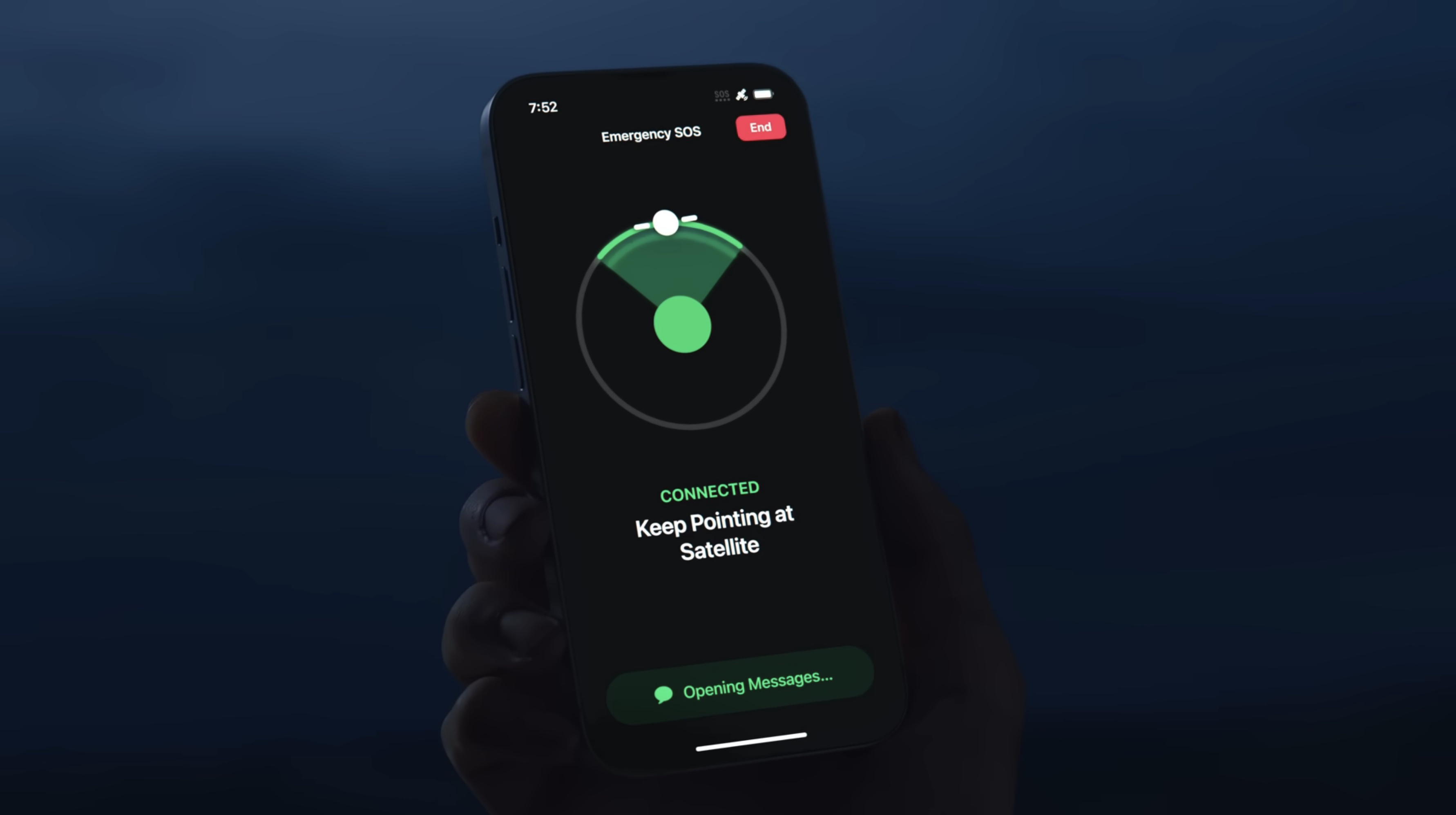
Six skiers who survived the avalanche near Lake Tahoe on Tuesday used the Emergency SOS via satellite feature on the iPhone to get help, reports The New York Times. Emergency SOS via satellite lets ‌iPhone‌ users communicate with emergency responders via text when a cellular or Wi-Fi connection is not available.


The skiers were able to stay connected to the Nevada County Sheriff's Office for several hours while rescue efforts were coordinated. "One of my personnel was communicating with one of the guides over a four-hour period, giving information back to the Nevada sheriff's office and coordinating what rescues could be permitted," said Don O'Keefe, law enforcement chief for California's Office of Emergency Services.

Emergency SOS via satellite is available on the ‌iPhone‌ 14 and later, as well as the Apple Watch Ultra 3. Apple offers the functionality for free.

Emergency SOS via satellite has been credited with helping people in multiple off-grid emergencies, from car accidents to wild fires. The feature works in Australia, Austria, Belgium, Canada, France, Germany, Ireland, Italy, Japan, Luxembourg, Mexico, the Netherlands, New Zealand, Portugal, Spain, Switzerland, the U.K., and the U.S.
This article, "iPhone's Emergency SOS via Satellite Feature Helped Rescue Skiers Caught in Lake Tahoe Avalanche" first appeared on MacRumors.com

Discuss this article in our forums
  •  

Google Chrome Gets Built-In Split View and PDF Annotations

Google has added three new features to the Chrome desktop browser, including split view for multitasking, PDF annotations, and a Save to Google Drive option.


Split view for Chrome is a built-in tool that supports using two tabs at the same time side-by-side. Google says that it provides a more streamlined, flexible way to work. There is a split view icon in Chrome that can be clicked to enter the new view.

With PDF annotations, the Chrome PDF Viewer can be used to highlight text, insert signatures, and add notes.

The Save to Google Drive feature is meant to make it easier for users to locate their downloads. PDFs can be saved to Google Drive from Chrome without redownloading and re-uploading them. Google Drive has a "Saved from Chrome" folder for downloaded files.
This article, "Google Chrome Gets Built-In Split View and PDF Annotations" first appeared on MacRumors.com

Discuss this article in our forums

  •  

Apple TV Sports Content Including F1, MLS, and Friday Night Baseball Coming to Bars and Restaurants

Apple has inked a deal with EverPass Media to bring Apple TV sports content to EverPass customers in the United States. EverPass is a company that bundles premium sports content for restaurants, hotels, casinos, sports bars, and other businesses that want to air sporting events.


EverPass will now be able to offer Formula 1, Major League Soccer, and Major League Baseball content to its customers at no additional cost through the main EverPass Core content package. That package also includes Paramount+'s UEFA Champions League, Prime Video's Thursday Night Football, NBA, WNBA and more.

The deal includes all-access coverage of every F1 Grand Prix, including practice, qualifying, and Sprint sessions. For MLS, EverPass customers will be able to show enhanced feature matches every weekend during the regular season, plus MLS All-Star Game, Leagues Cup, MLS Cup, and pre-and post-match programming. Also included is Friday Night Baseball, with two MLB Friday night games per week.

‌Apple TV‌ sporting content will be available through EverPass alongside NFL Sunday Ticket, Peacock Sports Pass, Prime Video sports content, and Paramount+.
This article, "Apple TV Sports Content Including F1, MLS, and Friday Night Baseball Coming to Bars and Restaurants" first appeared on MacRumors.com

Discuss this article in our forums
  •  

iPhone 16e Long-Term Review: What to Know Before the iPhone 17e Launches

As we approach the launch of the iPhone 17e, MacRumors videographer Dan Barbera decided to take a look back at the iPhone 16e. He goes over what it's been like using Apple's budget ‌iPhone‌ over the past 12 months, and whether it's worth choosing over one of Apple's more expensive models.


The ‌iPhone 16e‌ is $599, so it's $200 cheaper than the iPhone 17. ‌iPhone 16e‌ buyers didn't miss much in terms of performance or battery life compared to those who bought Apple's more expensive iPhones, but the device does only have a single camera, which is one of the main downsides.

There's a single-lens 48-megapixel Wide Angle lens, so no Telephoto and no Ultra Wide lens, which also means no macro support. The other major feature that's missing is MagSafe, which is majorly inconvenient since ‌MagSafe‌ charging is so prevalent. There's no Camera Control button, but that's easy to do without.

Apple used an older design for the ‌iPhone 16e‌, so it still has a tired-looking notch instead of the Dynamic Island, and it only comes in black or white so there are no fun colors to choose from. Other than the camera, design, and ‌MagSafe‌ shortcomings, the ‌iPhone 16e‌ is remarkably similar to Apple's other iPhones and you're not going to notice much in the way of day-to-day differences between the ‌iPhone 16e‌ and a higher-end model.

We definitely don't recommend buying an ‌iPhone 16e‌ right now, but the ‌iPhone‌ 17e that's going to launch very soon will absolutely be worth considering over Apple's more expensive flagship iPhones.

Rumors suggest the ‌iPhone‌ 17e is going to solve some of the problems that we had with the ‌iPhone 16e‌. It could get a ‌Dynamic Island‌ for the first time, adding all of the ‌Dynamic Island‌ features like Live Activities, and it's supposedly going to be updated with ‌MagSafe‌. We're also expecting Apple's upgraded C1X modem and the same A19 chip that's in the ‌iPhone 17‌.

As long as you don't mind the lack of extra cameras, the ‌iPhone‌ 17e, like the ‌iPhone 16e‌, is going to be a very competitive ‌iPhone‌ that gives you a lot of performance for the money. If you've been waiting to upgrade from an older device, the ‌iPhone‌ 17e has the potential to be a very good buy.
Related Roundup: iPhone 16e
Buyer's Guide: iPhone 16e (Don't Buy)
Related Forum: iPhone

This article, "iPhone 16e Long-Term Review: What to Know Before the iPhone 17e Launches" first appeared on MacRumors.com

Discuss this article in our forums

  •  

Apple Sued by West Virginia for Allegedly Allowing CSAM Distribution Through iCloud

West Virginia's Attorney General JB McCuskey today announced a lawsuit against Apple, accusing the company of knowingly allowing iCloud to be used to distribute and store child sexual abuse material (CSAM). McCuskey says that Apple has opted to "do nothing about it" for years.


"Preserving the privacy of child predators is absolutely inexcusable. And more importantly, it violates West Virginia law. Since Apple has so far refused to police themselves and do the morally right thing, I am filing this lawsuit to demand Apple follow the law, report these images, and stop re-victimizing children by allowing these images to be stored and shared," Attorney General JB McCuskey said.

According to the lawsuit [PDF], Apple has described itself as the "greatest platform for distributing child porn" internally, but it submits far fewer reports about CSAM than peers like Google and Meta.

Back in 2021, Apple announced new child safety features, including a system that would detect known CSAM in images stored in iCloud Photos. After backlash from customers, digital rights groups, child safety advocates, and security researchers, Apple decided to abandon its plans for CSAM detection in ‌iCloud Photos‌.

"Children can be protected without companies combing through personal data, and we will continue working with governments, child advocates, and other companies to help protect young people, preserve their right to privacy, and make the internet a safer place for children and for us all," Apple said when announcing that it would not implement the feature.

Apple later explained that creating a tool for scanning private ‌iCloud‌ data would "create new threat vectors for data thieves to find and exploit."

West Virginia's Attorney General says that Apple has shirked its responsibility to protect children under the guise of user privacy, and that Apple's decision not to deploy detection technology is a choice, not passive oversight. The lawsuit suggests that since Apple has end-to-end control over hardware, software, and cloud infrastructure, it is not able to claim to be an "unknowing, passive conduit of CSAM."

The lawsuit is seeking punitive damages and injunctive relief requiring Apple to implement effective CSAM detection measures.

Apple was also sued in 2024 over its decision to abandon CSAM detection. A lawsuit representing a potential group of 2,680 victims said that Apple's failure to implement CSAM monitoring tools has caused ongoing harm to victims. That lawsuit is seeking $1.2 billion.
This article, "Apple Sued by West Virginia for Allegedly Allowing CSAM Distribution Through iCloud" first appeared on MacRumors.com

Discuss this article in our forums
  •  

MLS 2026 Season Begins February 21 on Apple TV With Free Access for Subscribers

The 31st Major League Soccer season is set to begin on Saturday, February 21, with games set to be available through the Apple TV subscription service. ‌Apple TV‌ subscribers in more than 100 countries can access MLS matches with no blackouts and no additional fees.


Apple used to charge $14.99 per month or $99 for the MLS Season Pass, but the Season Pass was removed for the 2026 season to give all ‌Apple TV‌ subscribers access for free. MLS is aiming to expand its fanbase and make content easier to access through its partnership with Apple.

Apple says that MLS on ‌Apple TV‌ will include Walmart Saturday Showdown, which spotlights a featured matchup during the Saturday slate of matches throughout the regular season. It will include enhanced production that's designed to "help viewers feel more connected to the match," with Shot on iPhone moments captured with dynamic angles. This week's Saturday Showdown will feature LAFC vs Miami at the LA Memorial Coliseum. The game is set to begin at 9:30 p.m. Eastern Time.

All 30 MLS teams will take the pitch on February 21 and February 22 for MLS is Back Weekend. 13 of 15 season openers are scheduled for Saturday, with two games on Sunday. The season will begin with St. Louis facing off against Charlotte at 2:30 p.m. Eastern Time. A full schedule can be found on the MLS website.

Soccer fans can keep up to date with scores, stats, and standings throughout the MLS season with the Apple Sports app. The app offers Live Activities for all MLS matches, with live scores and play-by-play information. Apple will also have special curated playlists on Apple Music, dedicated Matchday Guides in Apple Maps, an MLS hub in the Apple Podcasts app, and MLS info in Apple News.
This article, "MLS 2026 Season Begins February 21 on Apple TV With Free Access for Subscribers" first appeared on MacRumors.com

Discuss this article in our forums
  •  

iOS 26.4 Beta Tidbits: Hidden Features You May Have Missed

There is a long list of new features in the iOS 26.4 beta, many of which we highlighted yesterday, but we've since discovered several other smaller changes that Apple made in the software.


Health App


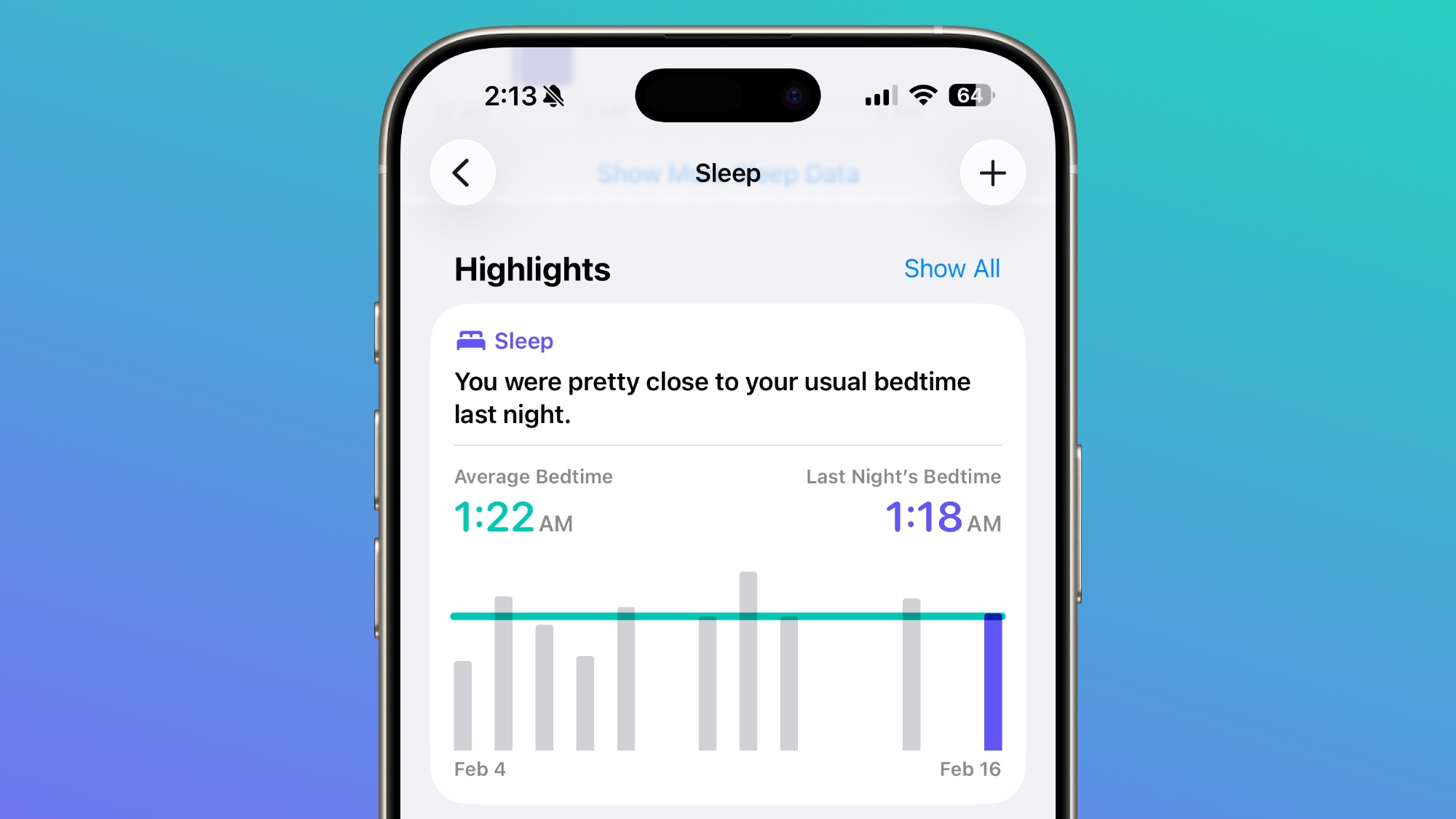
iOS 26.4 includes a new Average Bedtime metric for the sleep section of the Health app, providing a better idea of how bedtime can impact sleep quality.


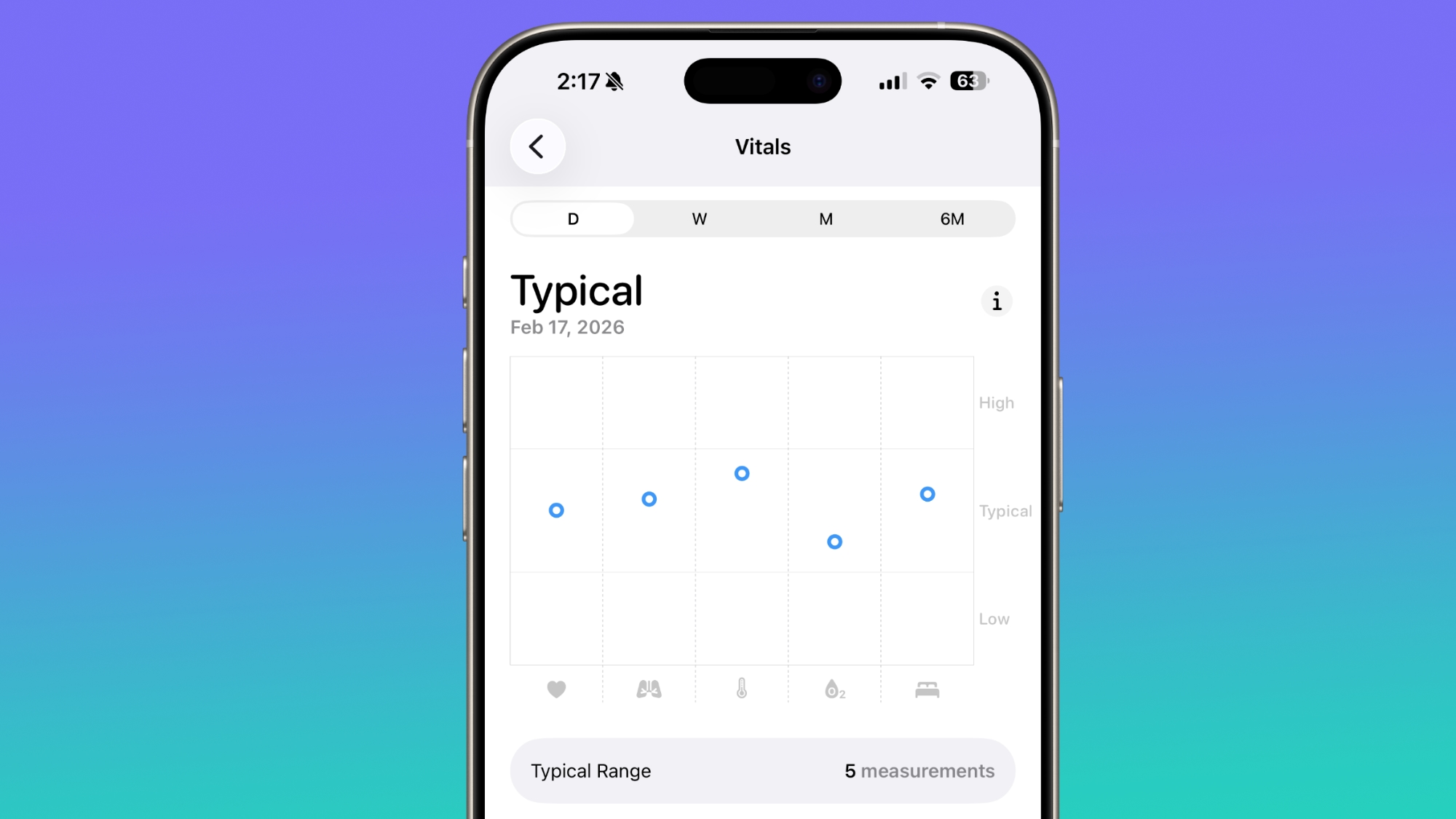
Apple also updated the Vitals section of the Health app in the U.S., and now includes blood oxygen level on the line graph overview that's available each day. In iOS 26.3 and earlier versions of iOS 26, there was a section for the blood oxygen level, but the graph did not include a blood oxygen measurement.


Camera


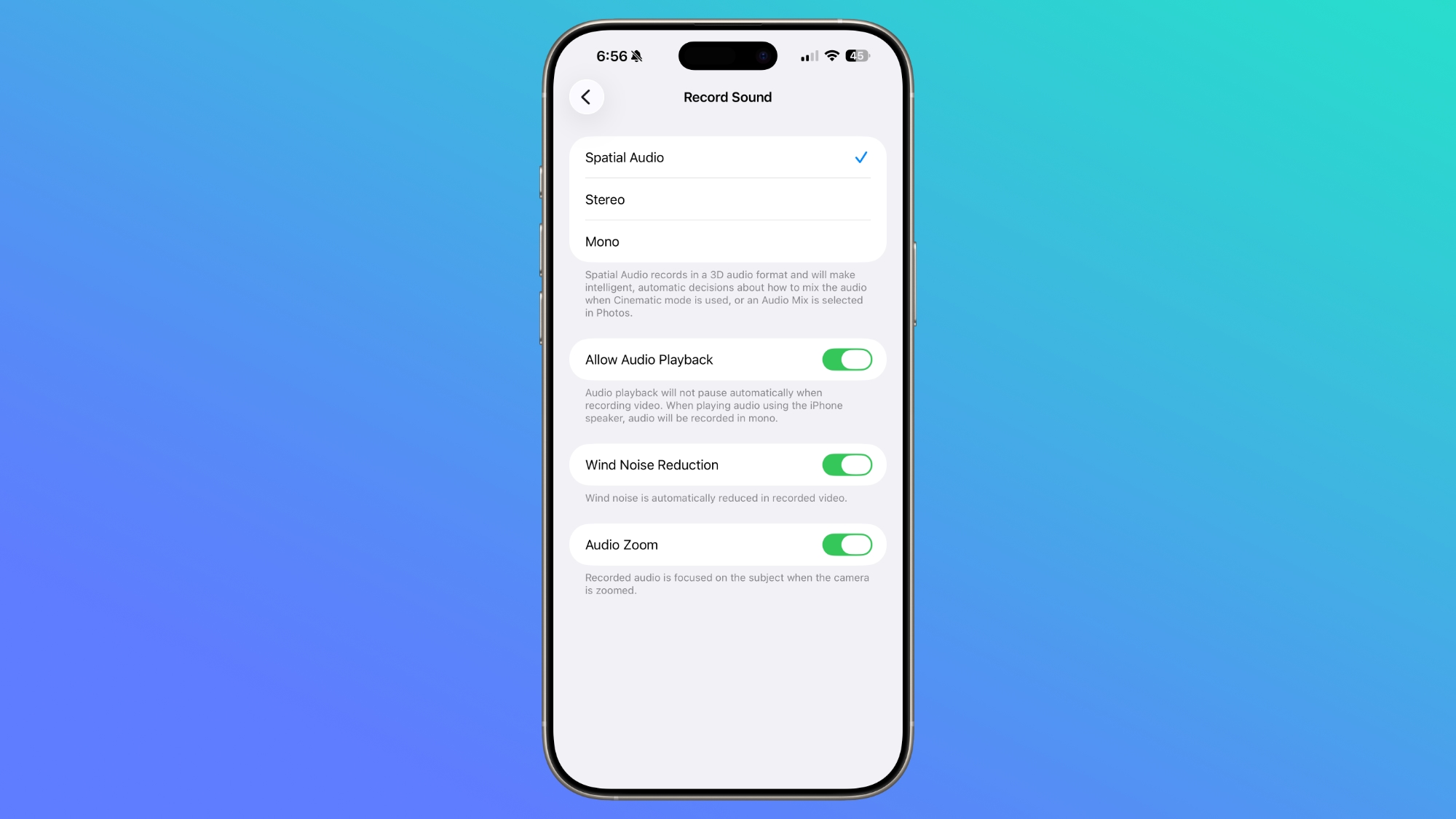
In the Settings section of the Camera app, there is a new "Audio Zoom" option. The feature causes recorded audio to focus on the subject when the camera is zoomed while recording a video. It can be turned on or off, depending on the audio settings you prefer.


CarPlay


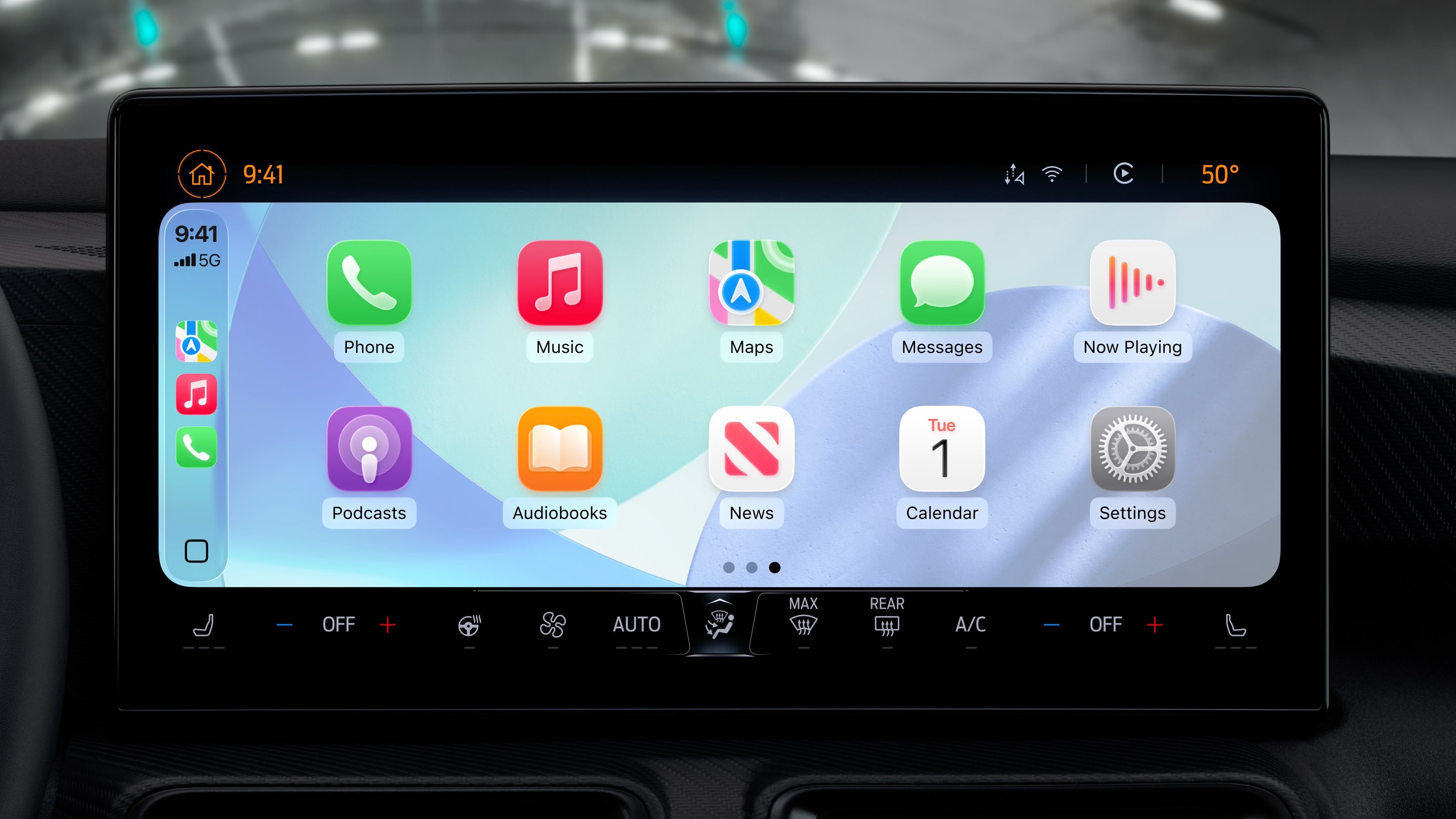
We found mentions of Apple TV support for CarPlay, indicating that Apple will eventually allow users to watch Apple TV content through their car's dashboard when the vehicle is not in motion.


At WWDC 2025, Apple said that it would add support for AirPlaying video content to a CarPlay display, and it appears that feature could come in the near future.

Apple Music


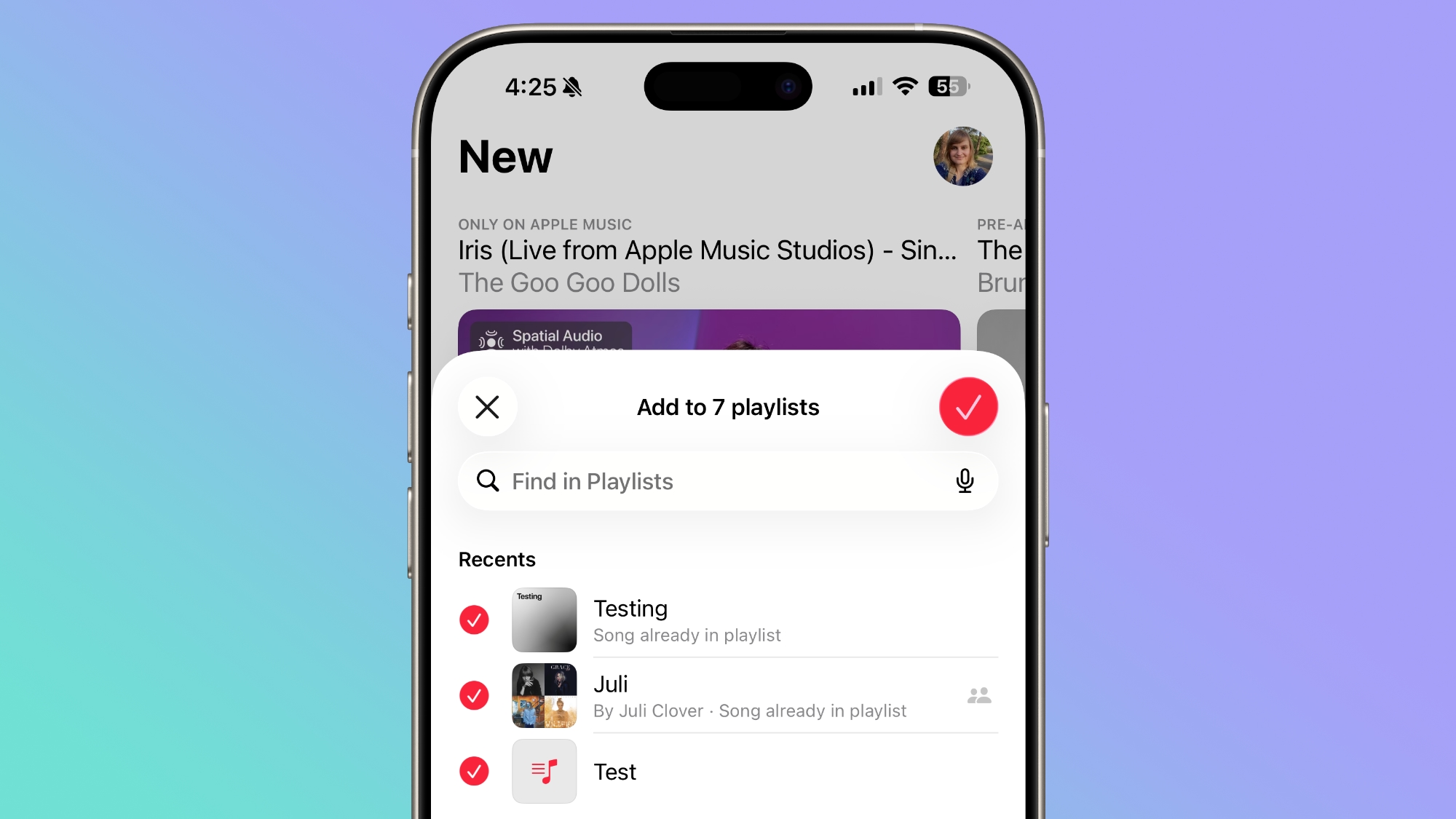
A song can be added to multiple playlists at the same time in the Apple Music app. In the add to playlist interface, there is a list button, and tapping it allows you to select multiple playlists at the same time.


Hotspot Data


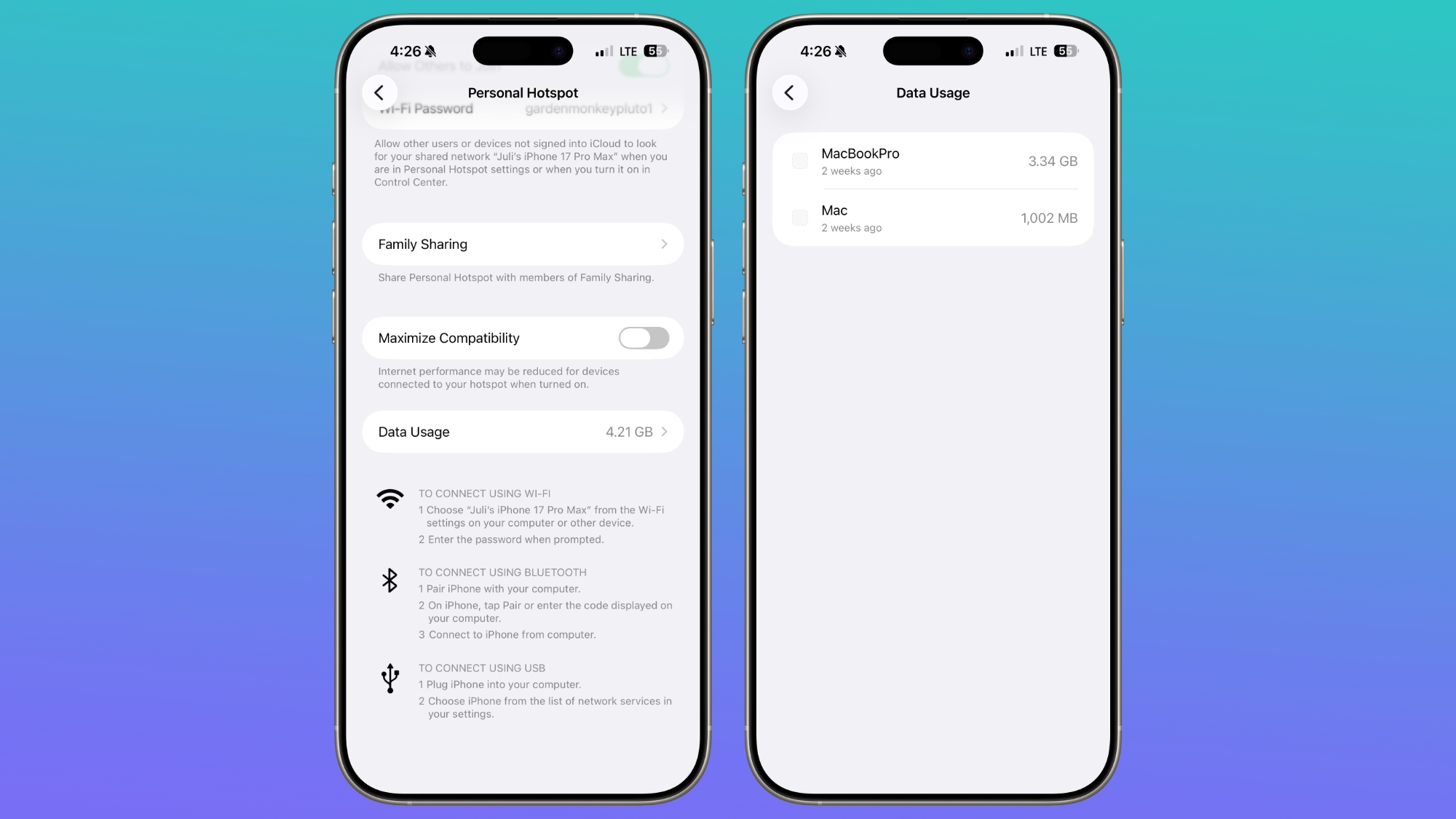
Apple moved the location of hotspot data usage. Rather than having data usage metrics tucked away under Cellular, you'll see how much data you've used right in the Personal Hotspot section.


Live Captions


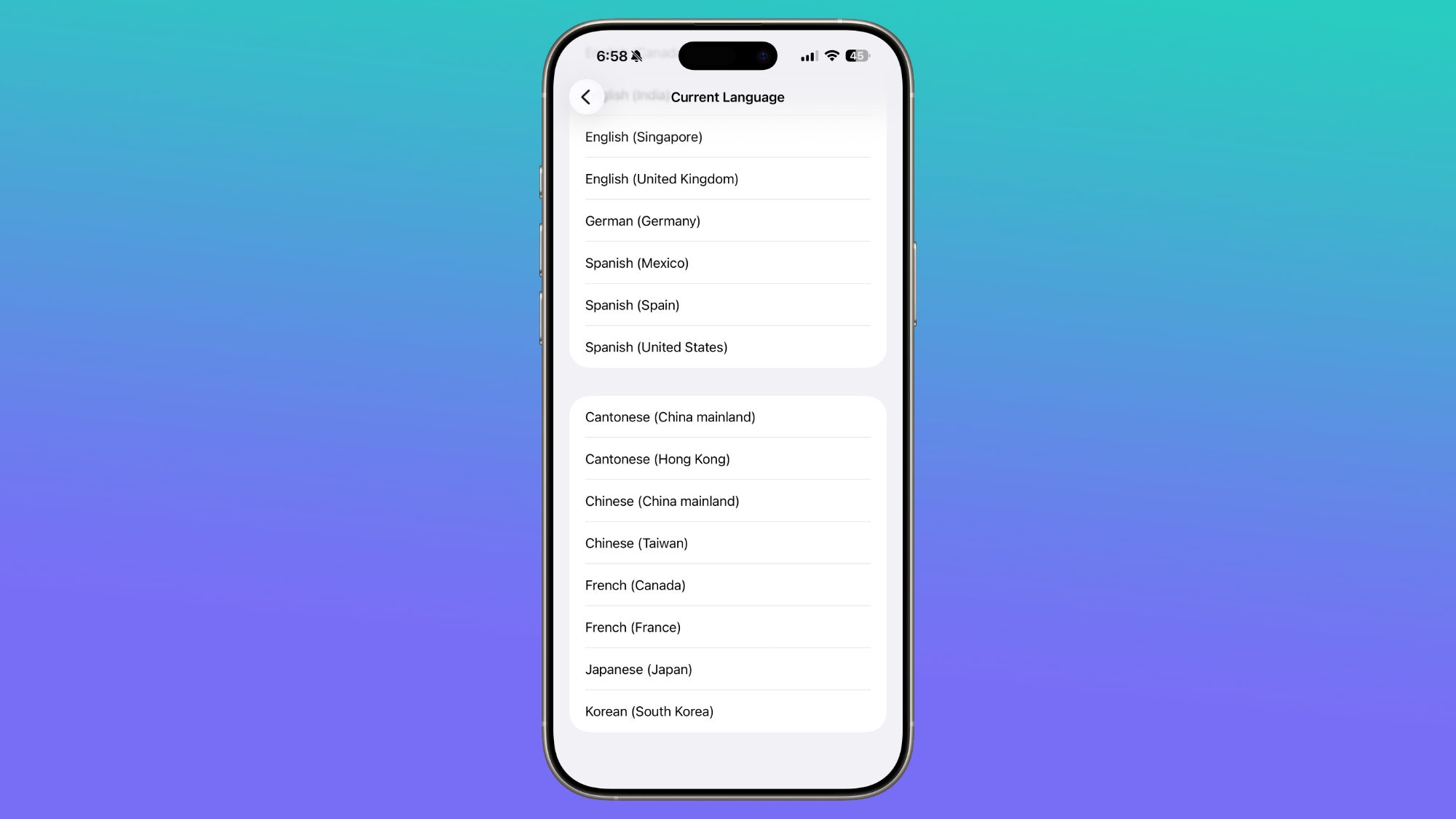
Chinese (Taiwan) is a new language option for Live Captions in the Accessibility section.


Passcode Settings


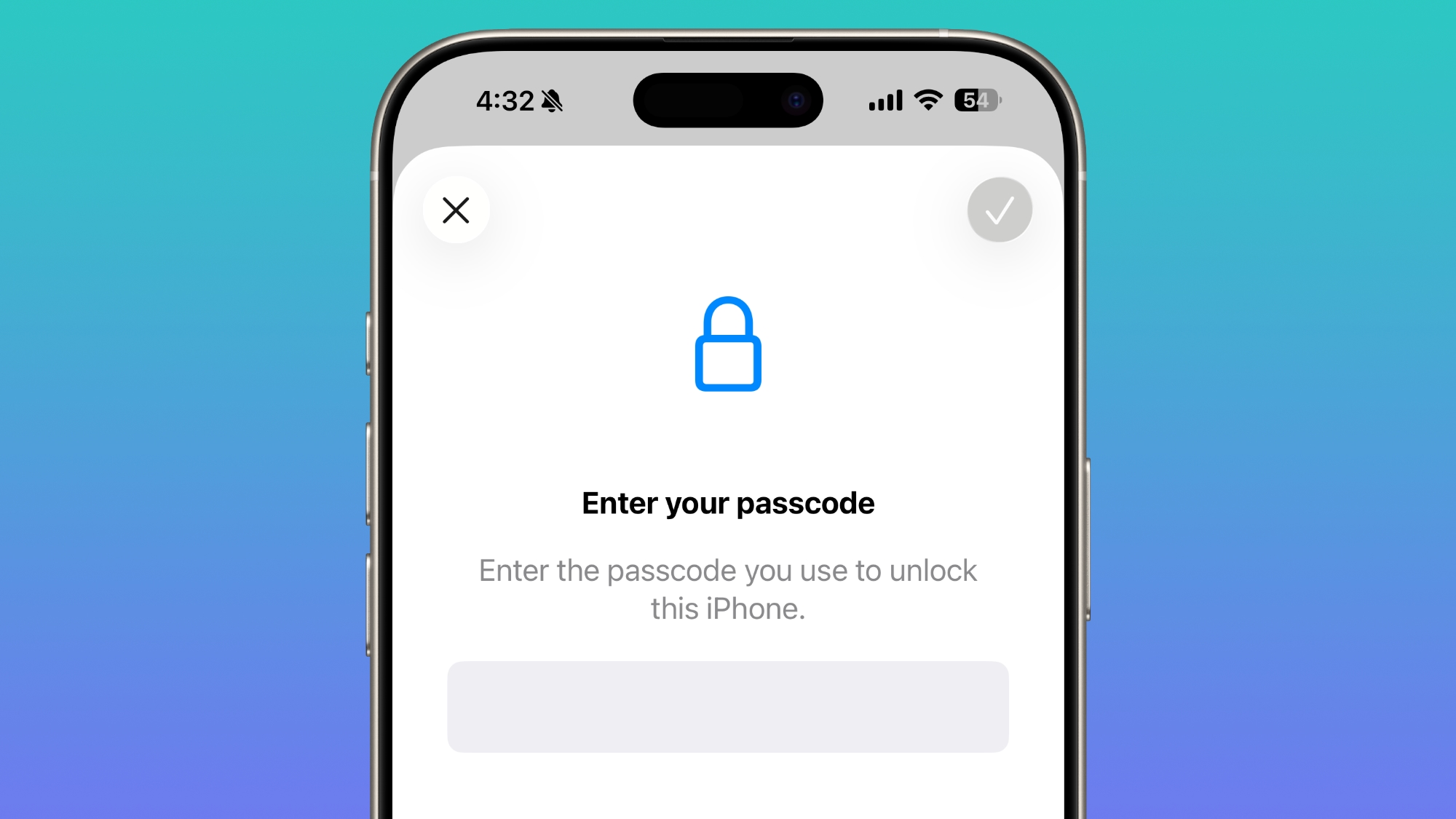
In the Face ID and Passcode section of the Settings app, when you enter a passcode to access your options, the text is now center aligned instead of left aligned.


Shortcuts


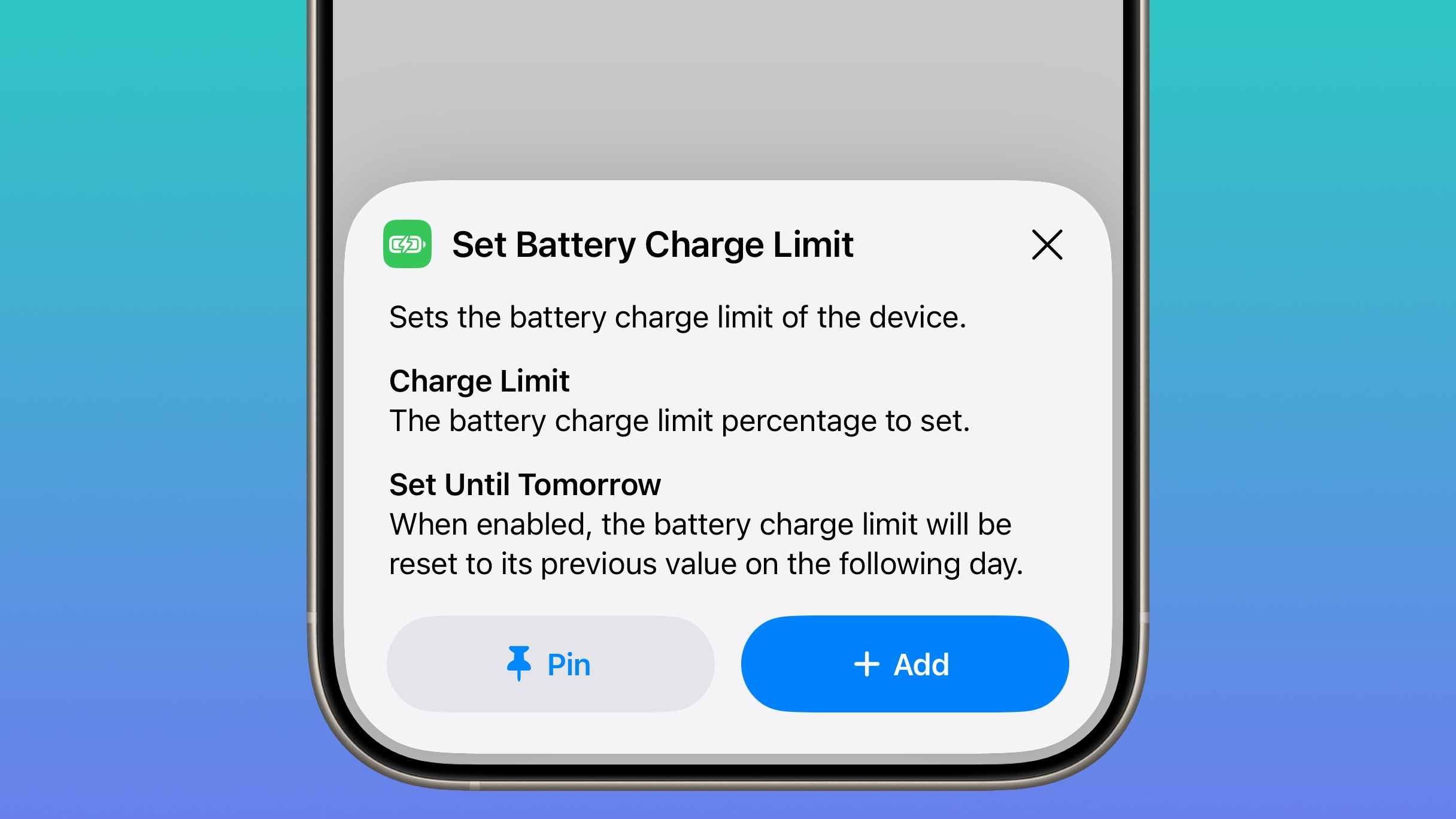
Apple added a Set Charge Limit action to the Shortcuts app. It sets a battery charge limit for the iPhone.


Read More


For more on all of the new features in iOS 26.4, we have a dedicated iOS 26.4 features guide.
Related Roundups: iOS 26, iPadOS 26
Related Forum: iOS 26

This article, "iOS 26.4 Beta Tidbits: Hidden Features You May Have Missed" first appeared on MacRumors.com

Discuss this article in our forums
  •  

Claude Sonnet 4.6 Brings Improved Coding, Computer Use, and Office Tasks

Anthropic today updated its Sonnet model to version 4.6, and the company says it is the most capable Sonnet model to date with upgrades across coding, computer use, long-context reasoning, agent planning, knowledge work, and design.


Claude Sonnet 4.6 is the default for users who have Free and Pro plans, and it has an updated 1M token context window.

Sonnet 4.6 improves consistency and instruction following for coding, it's better at computer use tasks, and it can complete office tasks that previously required an Opus model. Sonnet 4.6 has human-level capability for tasks like navigating a complex spreadsheet or filling out a multi-step web form.

According to Anthropic, Sonnet 4.6 has a "a broadly warm, honest, prosocial, and at times funny character, very strong safety behaviors, and no signs of major concerns around high-stakes forms of misalignment." It offers Opus-level intelligence at a more affordable price point, so it is practical for a wider range of tasks. Opus 4.6 is still the better option for agentic coding, agentic code use, and multidisciplinary reasoning, but Sonnet 4.6 offers measurable improvements over Sonnet 4.5.

Claude 4.6 is available as of today for all Claude plans, and Anthropic has also provided file creation, connectors, skills, and compaction to free users.
This article, "Claude Sonnet 4.6 Brings Improved Coding, Computer Use, and Office Tasks" first appeared on MacRumors.com

Discuss this article in our forums
  •  

iOS 26.4 Beta Launches Without Apple Intelligence Siri Features

The first beta of iOS 26.4 is available to developers and public beta testers, and the software includes no new Siri features. There were expectations of at least some new Apple Intelligence ‌Siri‌ capabilities because of how long the delays have been and persistent rumors suggesting Apple was targeting an iOS 26.4 release, but we'll have to wait longer for ‌Siri‌ updates.


After Apple announced a delay for the ‌Apple Intelligence‌ version of ‌Siri‌ in March 2025, Bloomberg's Mark Gurman said that Apple had set an internal launch target for iOS 26.4. He repeated the iOS 26.4 timeline in several subsequent reports, and even at the end of January, he suggested that Apple would unveil the more personalized version of ‌Siri‌ in February.

Apple seemed to be aiming for an iOS 26.4 launch until right before the first beta came out, because just last week, Gurman said the ‌Siri‌ update wouldn't be coming in iOS 26.4 after all. Apple apparently ran into development issues and the new version of ‌Siri‌ has reportedly been delayed until iOS 26.5 or iOS 27.

Gurman said the ‌Siri‌ features will be spread across several upcoming iOS releases. Some or all of the new ‌Siri‌ features could be introduced in iOS 26.5, or Apple might wait for iOS 27, which will be previewed in June 2026 at WWDC.

Apple first showed off the ‌Apple Intelligence‌ version of ‌Siri‌ at the 2024 Worldwide Developers Conference, and it was supposed to come in iOS 18. Apple had to upgrade ‌Siri‌'s architecture to make the promised functionality work, and so far, that's taken over a year.

‌Siri‌ is apparently taking too long to respond to requests, and some queries aren't processed properly, which is what led to the iOS 26.4 ‌Siri‌ delay. Engineers are apparently using iOS 26.5 for further ‌Siri‌ testing right now, so some functionality could come in that update. There's still a possibility that new ‌Siri‌ features will be introduced in a later iOS 26.4 beta, but that's not guaranteed.

Apple has been working to add personalization, onscreen awareness, and the ability for ‌Siri‌ to do more in and between apps. Not all of the features are working reliably and Apple is said to be having continual issues with accuracy.

After the report about the missed iOS 26.4 timeline, Apple confirmed to CNBC that the new version of ‌Siri‌ would still be coming at some point in 2026. Apple has never given a timeline more specific than 2026, so there hasn't been a second actual delay, just a disappointment based on rumors of an iOS 26.4 launch.

Since it's only February, Apple has until December to meet the 2026 launch target that it publicly promised. Even if the new ‌Siri‌ features are delayed until iOS 27, Apple will still meet its goal. Gurman claims that Apple executives are reluctant to push the new ‌Siri‌'s debut beyond spring 2026, so an iOS 26 launch could still happen.
Related Roundups: iOS 26, iPadOS 26
Related Forum: iOS 26

This article, "iOS 26.4 Beta Launches Without Apple Intelligence Siri Features" first appeared on MacRumors.com

Discuss this article in our forums
  •  

Android-to-iPhone AirDrop Transfers Now Supported on Pixel 9

Google is expanding its cross-platform file sharing feature to additional Android devices, allowing them to transfer files to an iPhone using the AirDrop protocol. AirDrop support for Quick Share is coming to the Pixel 9, Pixel 9 Pro, Pixel 9 Pro XL, and Pixel 9 Pro Fold over the next few days.


Google announced Quick Share compatibility with AirDrop back in November, but the feature was initially limited to the newest Pixel 10 devices.

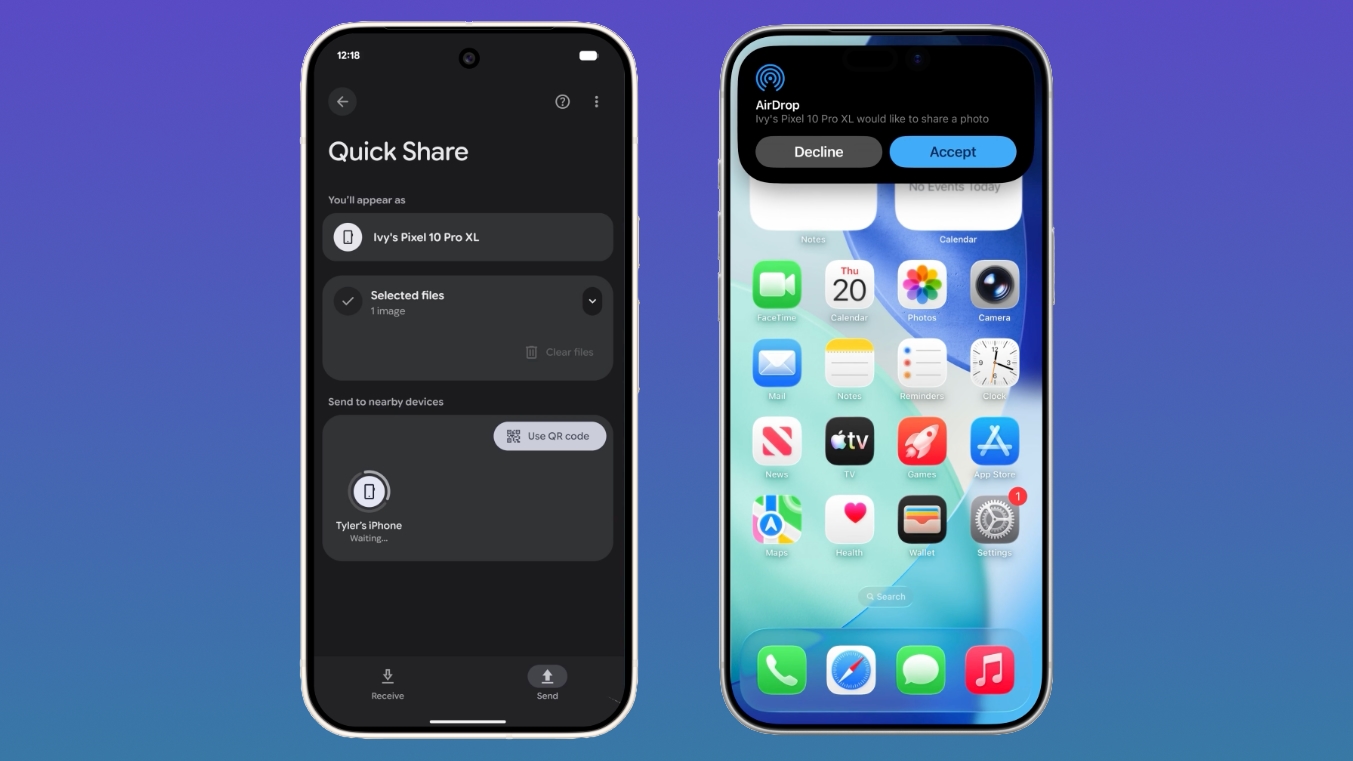
With AirDrop interoperability, Pixel 9 and Pixel 10 devices can transfer files to an ‌iPhone‌, iPad, or Mac, and it works the same way as Apple device to Apple device AirDrop transfers. No internet connection is required.

To accept files from a Pixel smartphone, Apple device users need to change their AirDrop visibility to "Everyone for 10 Minutes." With the setting enabled, a file coming from an Android user looks identical to an AirDrop file from an ‌iPhone‌, with the same notification and option to accept. Files are saved in the appropriate location, with a photo going to the Photos app or a document going to the Files app.

To receive files from an Apple user, the Pixel user will also need to turn on the Everyone for 10 minutes setting or enter into Receive mode on the Quick Share page. Files are saved in the Files app.

According to Google, Quick Share and AirDrop interoperability was designed with a multi-layered security approach to ensure a safe sharing experience regardless of platform. There's a secure sharing channel, built-in platform protections for Android and iOS, and a consent requirement before a file is received.

Connections between devices are direct and peer-to-peer, so data is not routed through a server. For file transfers in both directions, the Apple device or the Pixel device displays the other person's device name for verification purposes.
This article, "Android-to-iPhone AirDrop Transfers Now Supported on Pixel 9" first appeared on MacRumors.com

Discuss this article in our forums
  •  

iOS 26.4 Adds Average Bedtime Metric and Restores Blood Oxygen to Health App Vitals Graph

In iOS 26.4, Apple added an Average Bedtime metric to the Sleep section of the Health app, letting users better monitor how bedtime impacts sleep quality.


Under a new Sleep Highlight, Apple lists the time that you went to bed and the time that you usually go to bed based on averages over a two-week period.

In iOS 26.3, Apple displayed average sleep time over the past seven days. That highlight still exists, but it is now supplemented with the daily bedtime readout.

Apple also updated the Vitals readout in the U.S., and it once again lists blood oxygen level on the line graph overview that's available each day. In iOS 26.3 and earlier versions of iOS 26, there was a section for the blood oxygen level, but the graph did not include a blood oxygen measurement.


Blood oxygen was available as a separate metric in the Vitals section, but it is now visible in the Vitals overview. The Vitals feature did not fully support blood oxygen because of Apple's ongoing legal dispute with Masimo. Masimo accused Apple of infringing on Masimo patents related to blood oxygen sensing, and it secured an import ban from the U.S. International Trade Commission.

Apple had to remove blood oxygen sensing from the Apple Watch starting in early 2024 to be able to continue to sell the Apple Watch in the U.S., but Apple was able to re-add it in August 2025 with blood oxygen readouts available only on the iPhone. There is still no option to measure blood oxygen with the Apple Watch and see the results directly on the wrist in the U.S.

iOS 26.4 is available to developers and public beta testers, with a public launch planned for spring.
Related Roundups: iOS 26, iPadOS 26
Related Forum: iOS 26

This article, "iOS 26.4 Adds Average Bedtime Metric and Restores Blood Oxygen to Health App Vitals Graph" first appeared on MacRumors.com

Discuss this article in our forums
  •  

Apple Removes iTunes Movies and TV Shows Apps in tvOS 26.4

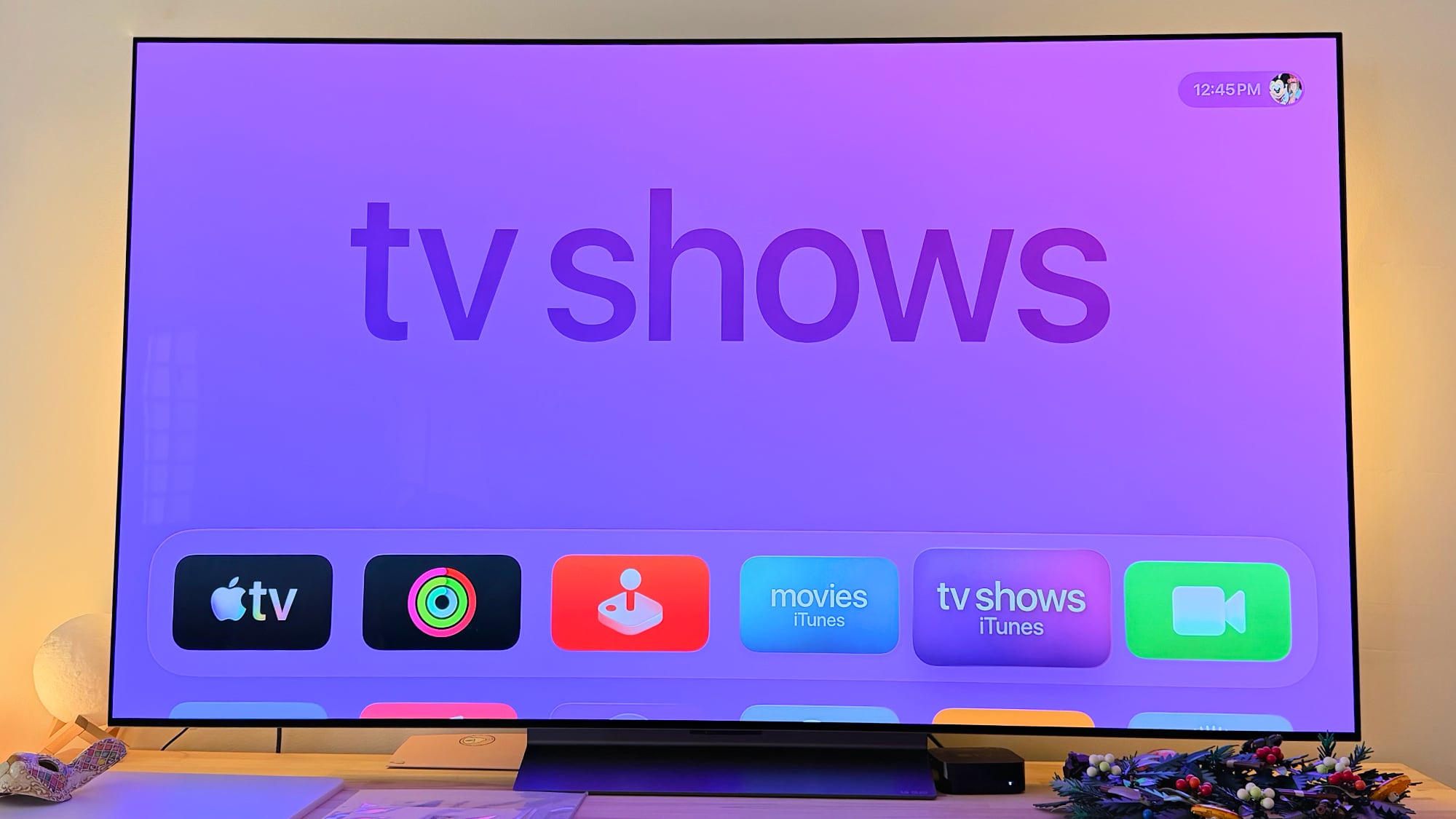
With tvOS 26.4, Apple has removed the dedicated iTunes Movies and iTunes TV Shows apps that listed content available for purchase. Buying movies and TV shows can be done through the Apple TV app instead.


Apple started phasing out the iTunes Movies and iTunes TV Shows apps back in 2023, redirecting users to the ‌Apple TV‌ app for purchases. The apps remained available until now to provide customers with instructions on where to find their content, and to provide access to the iTunes Wish List.

Apple removed the TV Shows and Movies section in the iPhone and iPad TV app with the launch of iOS 17.2 and iPadOS 17.2, and eliminated iTunes wishlists in those updates. tvOS 17.2 also got rid of wish lists. After customer complaints, wishlist options were returned, but Apple again started warning about the end of wishlists last week.

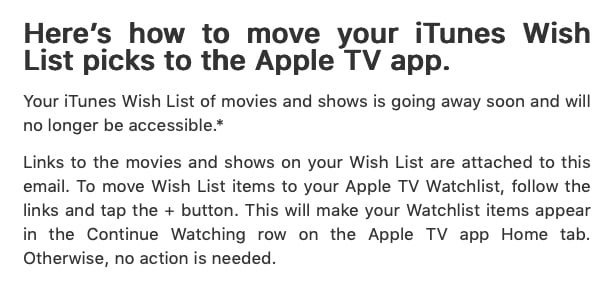
Customers that still have an iTunes Wish List with movies and TV shows have received emails letting them know the feature is being removed. The emails include links to migrate those lists to the ‌Apple TV‌ watchlist feature as an alternative.


Apple has been working to consolidate all movie and TV show viewing and buying to the TV app, so it's all in one place. There is no longer any iTunes-related app on the ‌Apple TV‌, but the ‌iPhone‌ still has an iTunes Store option for purchasing music.

Apple has also updated the ‌Apple TV‌ Audio Format settings in tvOS 26.4. Dolby Atmos immersive audio has been replaced with Spatial Audio, and there is an option to convert to Dolby Digital 5.1, select Stereo Only, or turn on Auto mode. There's also a Continuous Audio Connection option for HDMI output.

tvOS 26.4 is available to developers and public beta testers at the current time, with a release planned for spring.
Related Roundup: Apple TV
Buyer's Guide: Apple TV (Don't Buy)

This article, "Apple Removes iTunes Movies and TV Shows Apps in tvOS 26.4" first appeared on MacRumors.com

Discuss this article in our forums
  •  

Apple Working on Three AI Wearables: Smart Glasses, AI Pin, and AirPods With Cameras

Apple is speeding up its work on three AI wearable devices, reports Bloomberg. Apple is developing AI smart glasses, a wearable AI pin or pendant, and AI AirPods, all of which will connect to the iPhone and will interface with the smarter version of Siri that's in the works.


Cameras will be integrated into all three products to allow the AI to "see" around the wearer and answer questions about the wearer's surroundings.

Smart Glasses


Apple's smart glasses will compete with the Meta Ray-Bans, as previously rumored. Apple recently provided its hardware engineering team with prototypes, and it is targeting a 2027 launch. Production on the glasses could begin as soon as December 2026.

  • Cameras: Apple's smart glasses will have an advanced camera system with a high-resolution camera that's able to capture photos and videos, as well as a second camera that provides visual information to ‌Siri‌ and environmental context. The second camera will be able to interpret the user's surroundings and measure distance, similar to LiDAR on the ‌iPhone‌. Apple wants to make its glasses stand out from Meta's with a higher-end camera.

  • No display: Apple's AI glasses will not include a display in the lens.

  • Voice-based interface: Users will be able to ask ‌Siri‌ questions and take actions with voice commands.

  • Capabilities: The AI glasses will support interacting with ‌Siri‌, making phone calls, listening to music, taking photos, and capturing video. Users will be able to look at an object and ask questions about it and get detailed navigation directions when walking. The glasses could have a version of Visual Intelligence, able to read physical text like event dates and then add that information to the calendar. Context-aware reminders are a possibility, as is live translation.

  • Build quality: Apple is focusing on build quality as a way to differentiate the Apple Glasses from Meta's Ray-Bans. Apple considered partnering with an existing glasses brand and tested embedding hardware in off-the-shelf frames, but it has decided to develop its own frames in-house. Apple is using high-end materials "including acrylic elements" for a "premium feel."

  • Design options: The Apple glasses will come in multiple sizes and colors. More styles could come over time.

  • Embedded battery: The latest prototypes have a battery and all components embedded in the frame, and Apple is aiming for the glasses to serve as an all-day AI companion.


AI Pin


Apple's work on the AI pin is apparently in the early stages, and it's possible that it could still be canceled. If work continues, the AI pin could launch as soon as 2027.

  • Cameras: The AI pin will have a lower-resolution camera to provide the AI with visual insight, but it won't be able to take photos or videos. The camera is always-on, recording what's around the wearer.

  • Microphone: There is an included microphone for speaking with ‌Siri‌. Bloomberg says some Apple employees think of the AI pin as the "eyes and ears" of the ‌iPhone‌.

  • iPhone accessory: Apple plans to market the AI pin as an ‌iPhone‌ accessory and not a standalone product.

  • Dedicated chip: There is a dedicated chip in the AI pin, but it is similar to an AirPods chip and not very powerful. The ‌iPhone‌ will handle most of the processing.

  • Speaker: The pin could include a speaker for back-and-forth conversations with ‌Siri‌, but Apple has not decided whether to add this functionality.

  • Clip or pendant: The AI pin could attach to a shirt or a bag with a clip, and there's also a hole in the pin that can be used to attach it to a necklace.


AirPods


There have been multiple reports of Apple's work on AirPods with cameras, and development is at a later stage than the AI pin. AirPods with cameras are planned for as early as this year.

Like the AI pin, the AirPods will have a low-resolution camera that's designed for information, not for photo capture.

Siri


Though ‌Siri‌ has been delayed and new Apple Intelligence features did not come in the first beta of iOS 26.4, Apple is still working on a chatbot version of ‌Siri‌ for iOS 27.

The chatbot version of ‌Siri‌ will rely on Google-developed AI models.

Future Devices


In the future, Apple is planning to develop smart glasses with an augmented reality display, but that device is several years away.

Apple is working on a home hub smart display that could come later this year, and an updated version with a bigger screen and a robotic arm that could launch in 2027. There's a new version of the HomePod in the works, and a "compact indoor sensor for home security and automation."
This article, "Apple Working on Three AI Wearables: Smart Glasses, AI Pin, and AirPods With Cameras" first appeared on MacRumors.com

Discuss this article in our forums
  •  

Apple Releases First macOS Tahoe 26.4 Public Beta

Apple today provided public beta testers with the first release of an upcoming macOS Tahoe 26.4 update for testing purposes. The public beta comes a day after Apple provided the beta to developers.


After signing up for beta testing on Apple's beta site, public beta testers can download the updates using the Software Update section in the System Settings app.

‌macOS Tahoe‌ 26.4 includes several new features. The Compact tab layout has been reimplemented in Safari for those who missed having the option in earlier versions of ‌macOS Tahoe‌, and there is a new Charge Limit feature that lets Mac users select a maximum charge level that ranges from 80 percent to 100 percent.

Apple silicon Mac users will see now see warnings about apps that are still using Rosetta 2, because Apple is phasing out Rosetta after macOS 27. ‌macOS Tahoe‌ is also the final version of macOS that will run on Intel-based Macs, and Apple is working to remove all lingering Intel features.

We could see additional features in upcoming versions of ‌macOS Tahoe‌ 26.4, such as new emoji characters. Apple is expected to test the update for the next several weeks, with a launch planned for the spring.
Related Roundup: macOS Tahoe
Related Forum: macOS Tahoe

This article, "Apple Releases First macOS Tahoe 26.4 Public Beta" first appeared on MacRumors.com

Discuss this article in our forums
  •  

iOS 26.4 and iPadOS 26.4 Public Beta Now Available

Apple today provided public beta testers with the first releases of upcoming iOS 26.4, iPadOS 26.4, tvOS 26.4, and watchOS 26.4 updates for testing purposes. The public betas come a day after Apple provided the betas to developers.


Anyone can download and install public betas, and all that's required is to sign up on Apple's beta site. Once you've opted in, the software can be downloaded through the Software Update section in the Settings app on each device.

iOS 26.4 and iPadOS 26.4 include a long list of new features, though the first betas do not include new Siri capabilities. Rumors suggest Apple has pushed the new, Apple Intelligence version of ‌Siri‌ back, so we may or may not see updated ‌Siri‌ functionality in these betas.

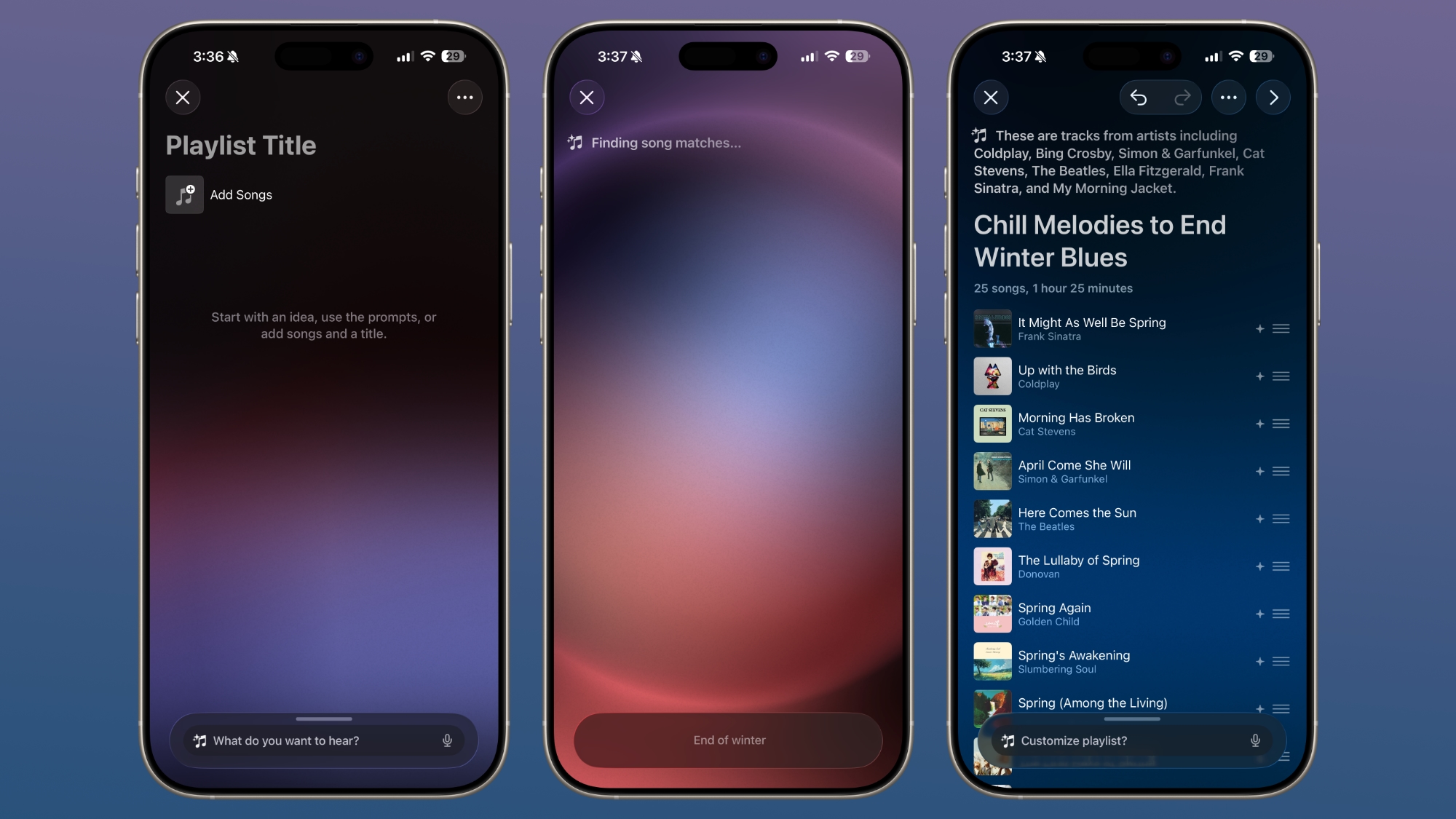
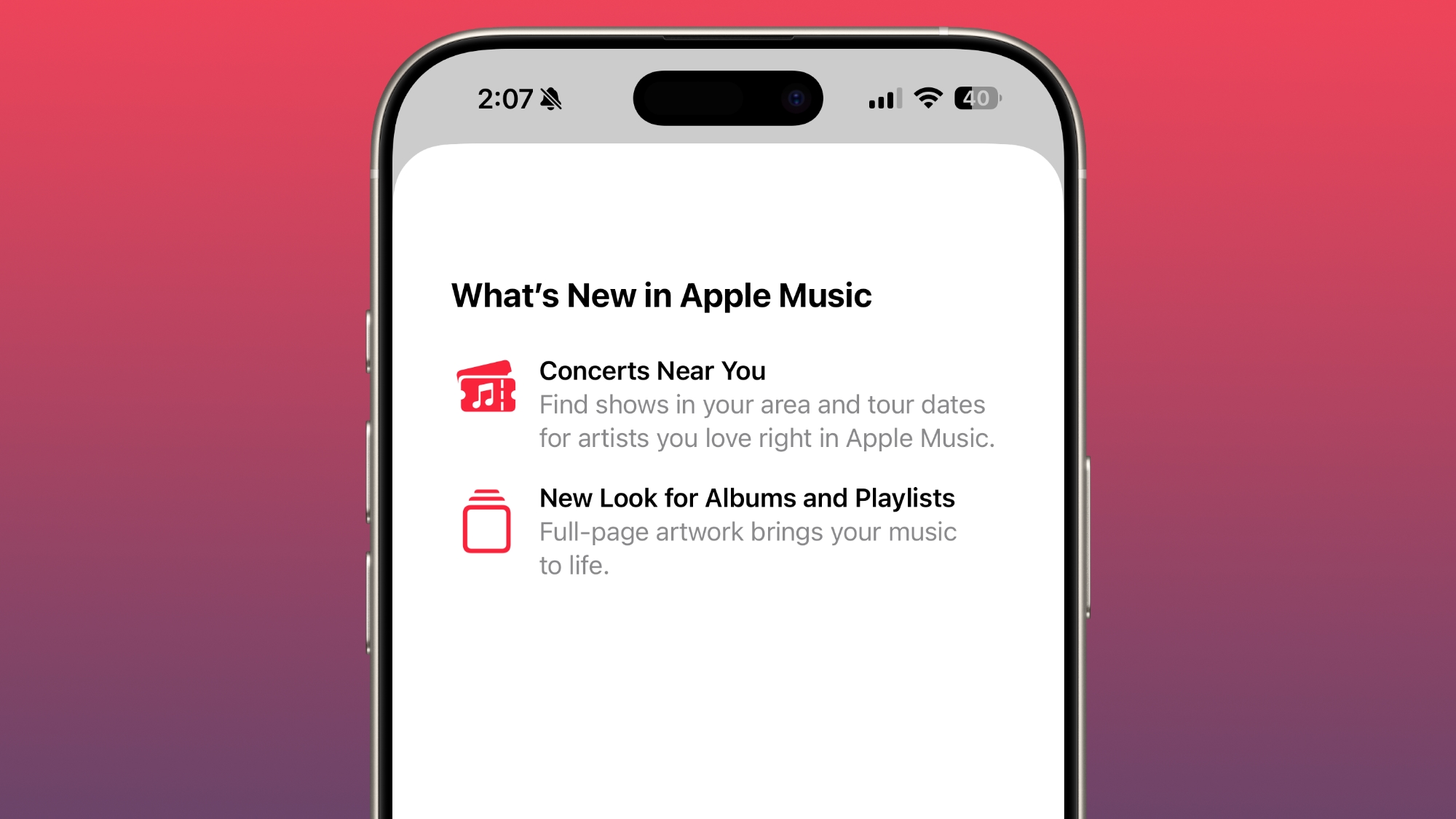
Apple added a new Playlist Playground feature to Apple Music, allowing users to generate playlists with a text-based prompt. Users can create playlists based on an idea, mood, feeling, time period, and more. ‌Apple Music‌ also features a Concerts Near You feature and an updated look for albums and playlists with full-page artwork.

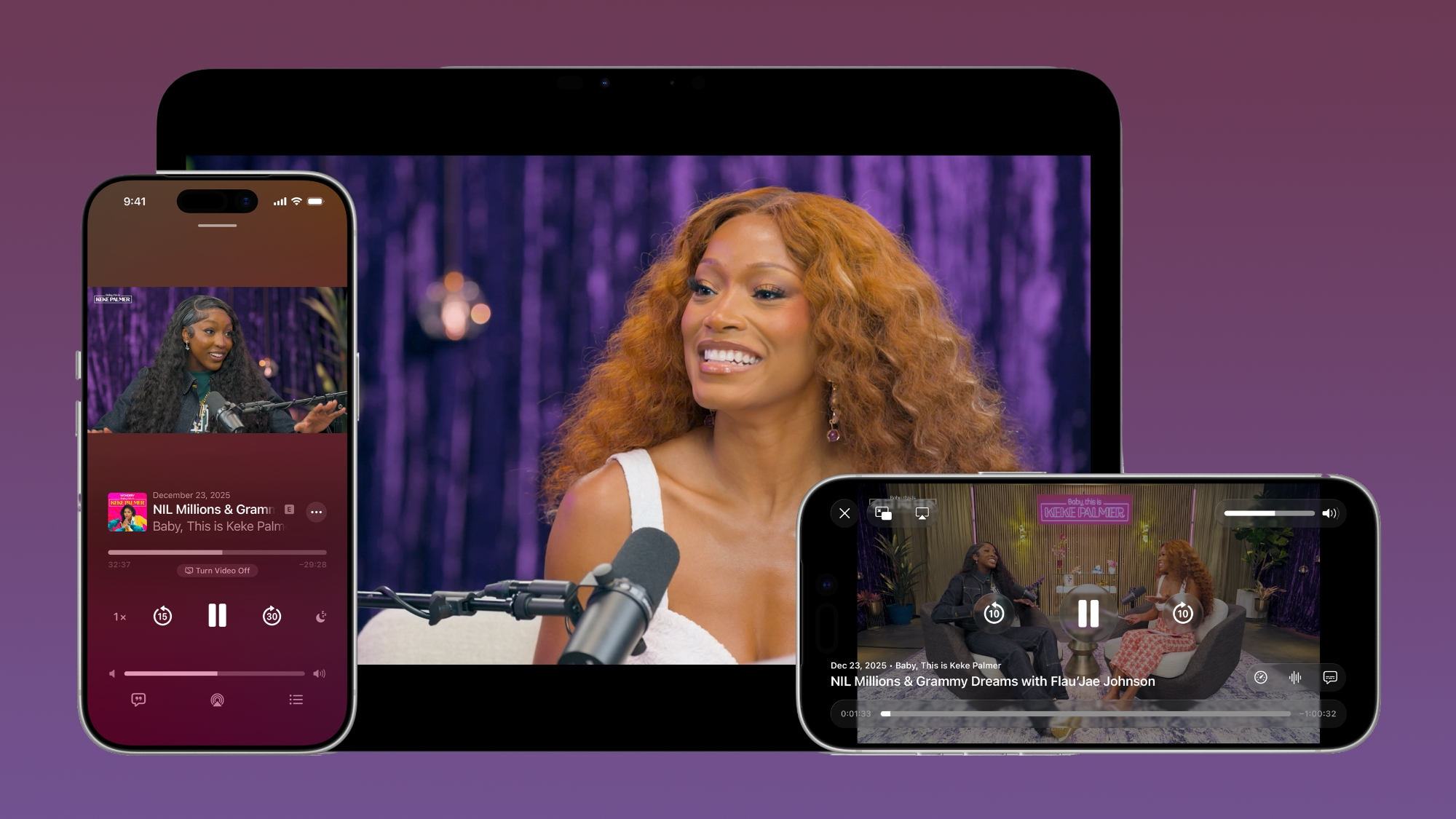
Apple Podcasts includes native video podcast streaming capabilities. The feature uses HLS streaming to provide a high-quality viewing experience, and video podcasts are being more deeply integrated into the Podcasts app.

Apple is testing end-to-end encryption (E2EE) for RCS messages. The beta is limited to iPhone-to-iPhone ‌RCS‌ messages when iMessage is turned off, but eventually, E2EE will be available for iPhone to Android text message conversations. Encrypted ‌RCS‌ and iMessage conversations feature a lock icon in iOS 26.4.

Other new features include an updated Apple Account hub for the App Store and ‌Apple Music‌, an ambient music widget, and a compact tab bar option in Safari in iPadOS 26.4. All of the changes that we've found in the beta so far are listed in our iOS 26.4 feature guide.
Related Roundups: iOS 26, iPadOS 26
Related Forum: iOS 26

This article, "iOS 26.4 and iPadOS 26.4 Public Beta Now Available" first appeared on MacRumors.com

Discuss this article in our forums

  •  

Everything New in iOS 26.4 Beta 1

Apple today provided developers with the first beta of an upcoming iOS 26.4 update, which adds quite a few new features to the iPhone. There's a video podcasts feature, updates to Stolen Device Protection, end-to-end encryption for RCS messages, an Apple Music tool for generating playlists, and much more.


We've rounded up everything we've found that's new in the first beta of iOS 26.4. The beta is limited to developers right now, but Apple should release a public beta in the next couple of weeks. iOS 26.4 is expected to launch this spring.

Playlist Playground


‌Apple Music‌ has a new Playlist Playground feature that lets users create a playlist with a text-based prompt.


In the ‌Apple Music‌ app, there's an option to type in an idea and get automatic song suggestions for a playlist. Apple has some pre-set suggestions that include "morning coffee music," "hip-hop party songs," and "disco songs that defined the 1970s," but you can type in any idea, mood, or feeling.

From there, the Playlist Playground feature will automatically generate a list of 25 songs, along with a custom title. Playlists that you create can be customized further with additional text prompts, and you can select a cover and a description.

Apple Music


‌Apple Music‌ features a "Concerts Near You" feature that helps you find shows in your area and tour dates for artists that you're a fan of.


Apple has redesigned albums and playlists, adding full-page artwork.

Apple Podcasts


With iOS 26.4, Apple is adding video podcast capabilities to the Apple Podcasts app. The feature uses HTTP Live Streaming (HLS) to provide podcast creators with "unprecedented control and monetization opportunities" while also providing a high-quality viewing experience.


The iOS 26.4 Podcasts app will let users switch between watching and listening to shows, with videos able to be downloaded for offline viewing. HLS ensures smooth playback regardless of network connection, so videos will work on Wi-Fi or cellular. Apple says that the new video episodes will integrate with existing ‌Apple Podcasts‌ features, including personalized recommendations and editorial suggestions in the New and Category sections.

Stolen Device Protection


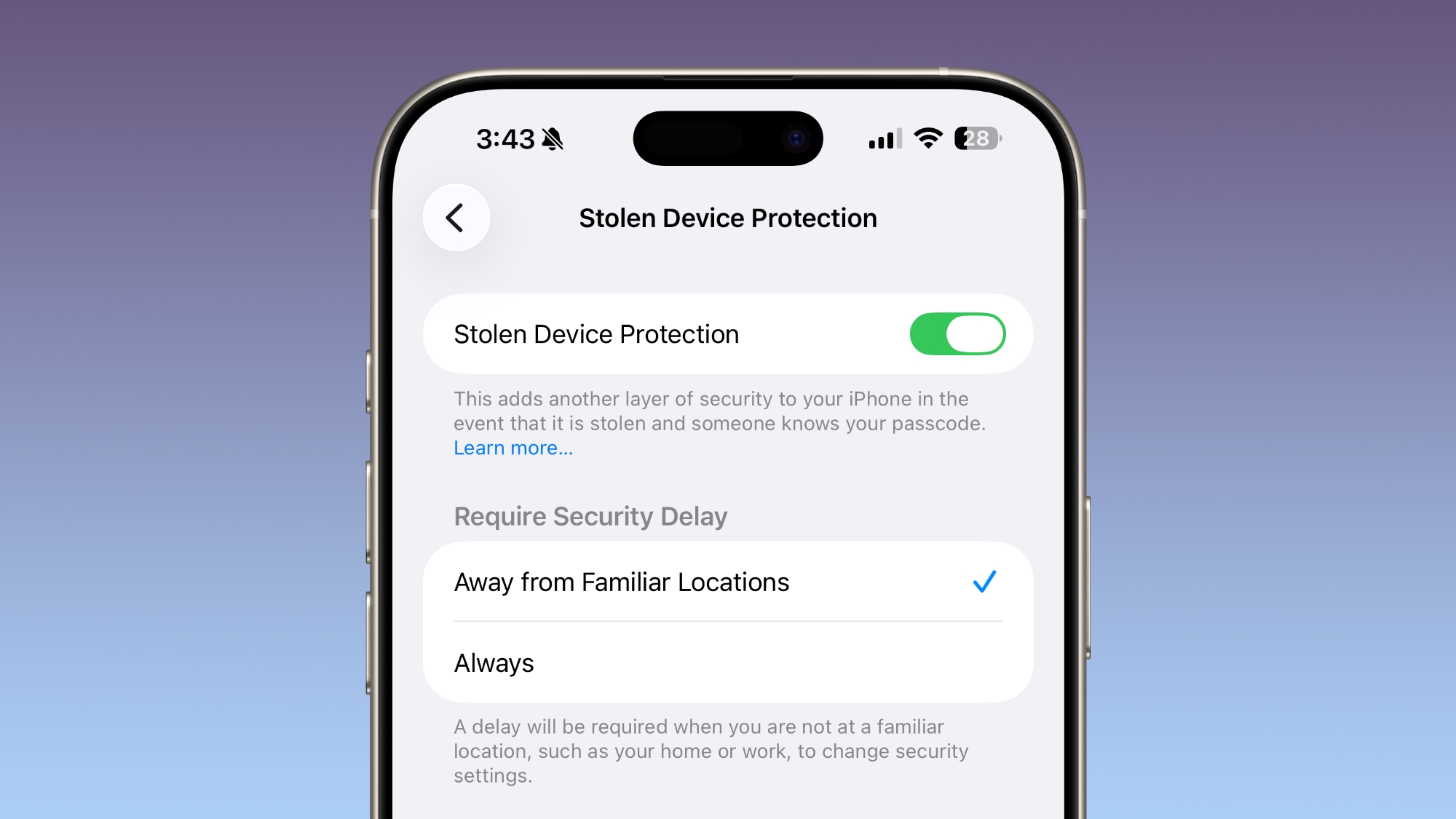
Stolen Device Protection is now enabled by default for all ‌iPhone‌ users, rather than being an opt-in feature.


Apple implemented Stolen Device Protection back in 2023 after reports about a new ‌iPhone‌ theft method. Thieves would spy on an intended victim to learn their passcode, then steal the target's ‌iPhone‌. With the passcode, criminals were able to empty bank accounts, access passwords, and turn off Find My.

Stolen Device Protection requires additional authentication through Face ID or Touch ID to access certain ‌iPhone‌ features like the Passwords app, Lost mode in ‌Find My‌, Safari purchases, and more. Some features are disabled entirely without authentication, while others have a one-hour security delay.

End-to-End RCS Encryption for Messages


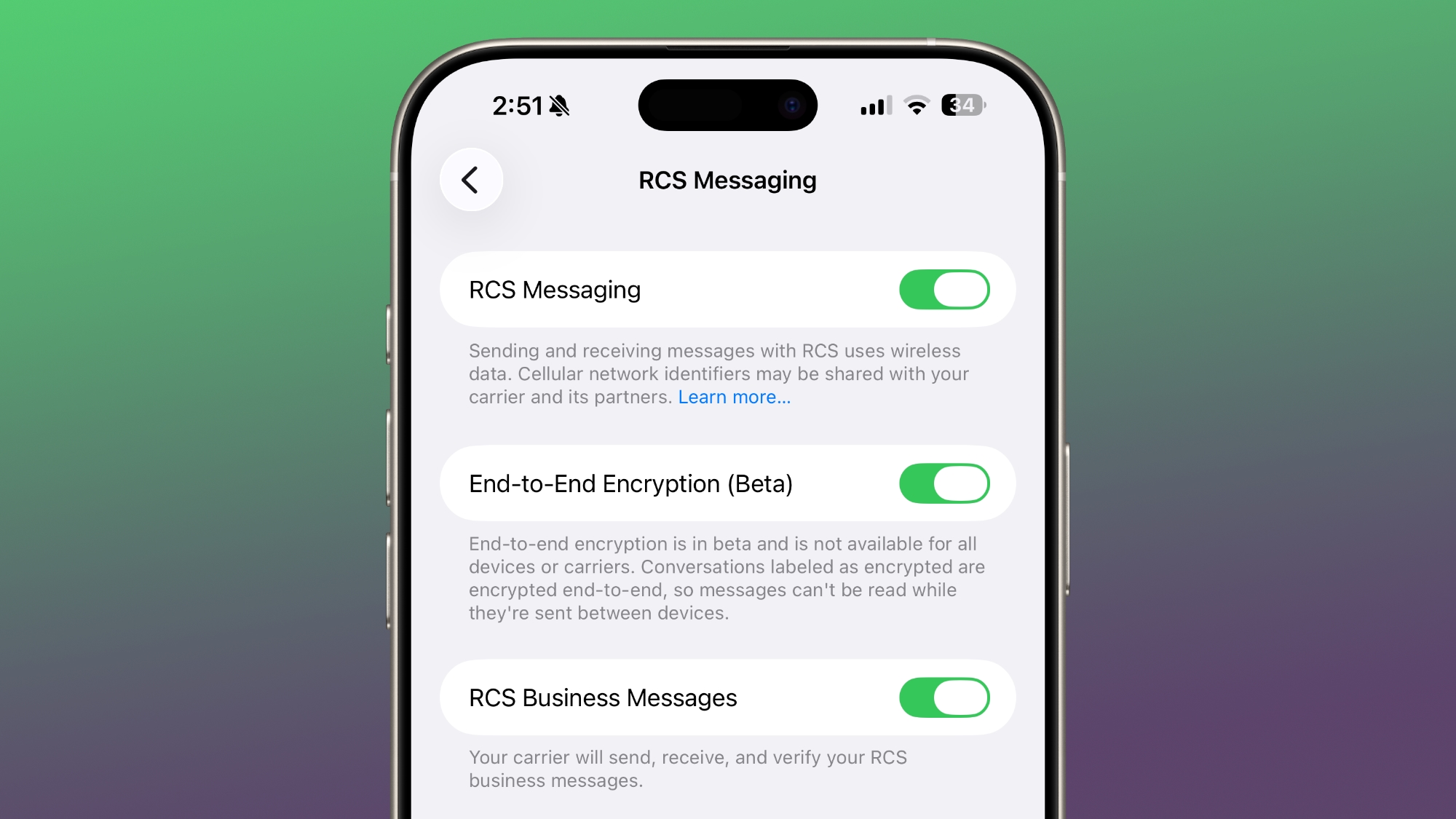
With iOS 26.4, iPadOS 26.4, and macOS Tahoe 26.4, Apple is testing end-to-end encryption (E2EE) for ‌RCS‌ messages, a security feature that is not currently available for cross-platform messaging.


Apple has been working with the GSM Association to implement E2EE for ‌RCS‌ messages. iMessage, the messaging protocol for sending texts between iPhones, has long supported end-to-end encryption. ‌RCS‌ messages between Android devices have also featured E2EE, but there was no full encryption for Android to ‌iPhone‌ (or vice versa) communications. With the addition of E2EE for ‌RCS‌, messages between ‌iPhone‌ users and Android users will eventually be just as secure as iMessage.

Messages sent by ‌RCS‌ that have end-to-end encryption will feature a lock icon in the conversation interface. As of right now, Apple is testing iPhone-to-iPhone ‌RCS‌ encryption, with the feature set to roll out for ‌iPhone‌ and Android conversations in a future iOS 26 update.

Messages that feature E2EE will feature a lock icon in the conversation UI, both for iMessages and ‌RCS‌ Messages.

Messages App


There are new animations in the Messages app for actions like launching a new conversation.

Apple Account Unified Design


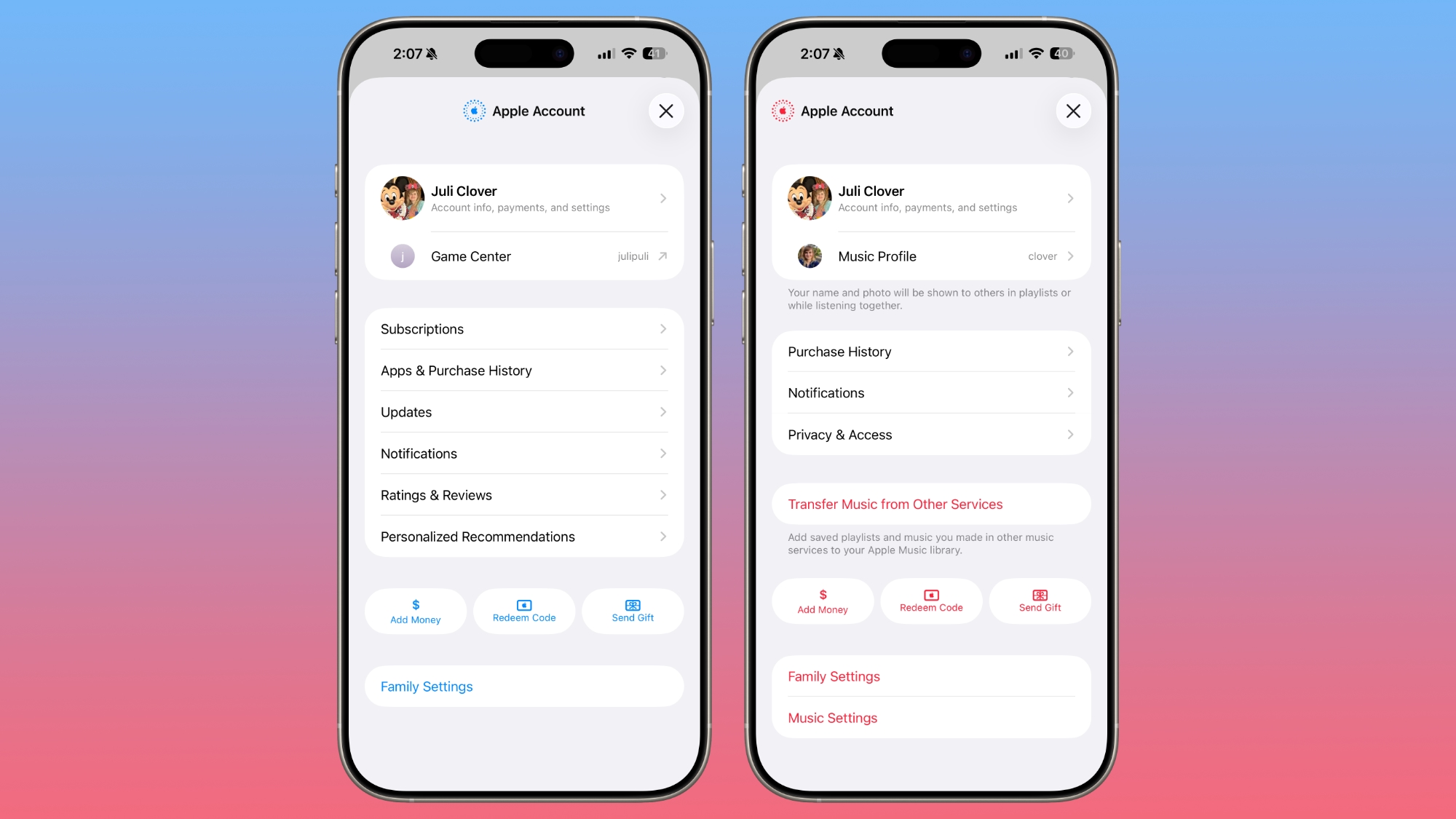
In the App Store, ‌Apple Music‌, and other apps that have user settings, there is a new unified Apple Account hub that replaces the existing profile feature.


It offers largely the same functionality as the prior profile settings for each app, but there is a new unified design.

The ‌App Store‌ merges apps and purchase history, and has a dedicated section for app updates. It now takes two taps to get to app updates rather than having them available at the bottom of the profile page.

The ‌App Store‌'s navigation bar also no longer features Search as a separate button, and the search bar itself is at the top when tapped rather than the bottom.

Ambient Music Widget


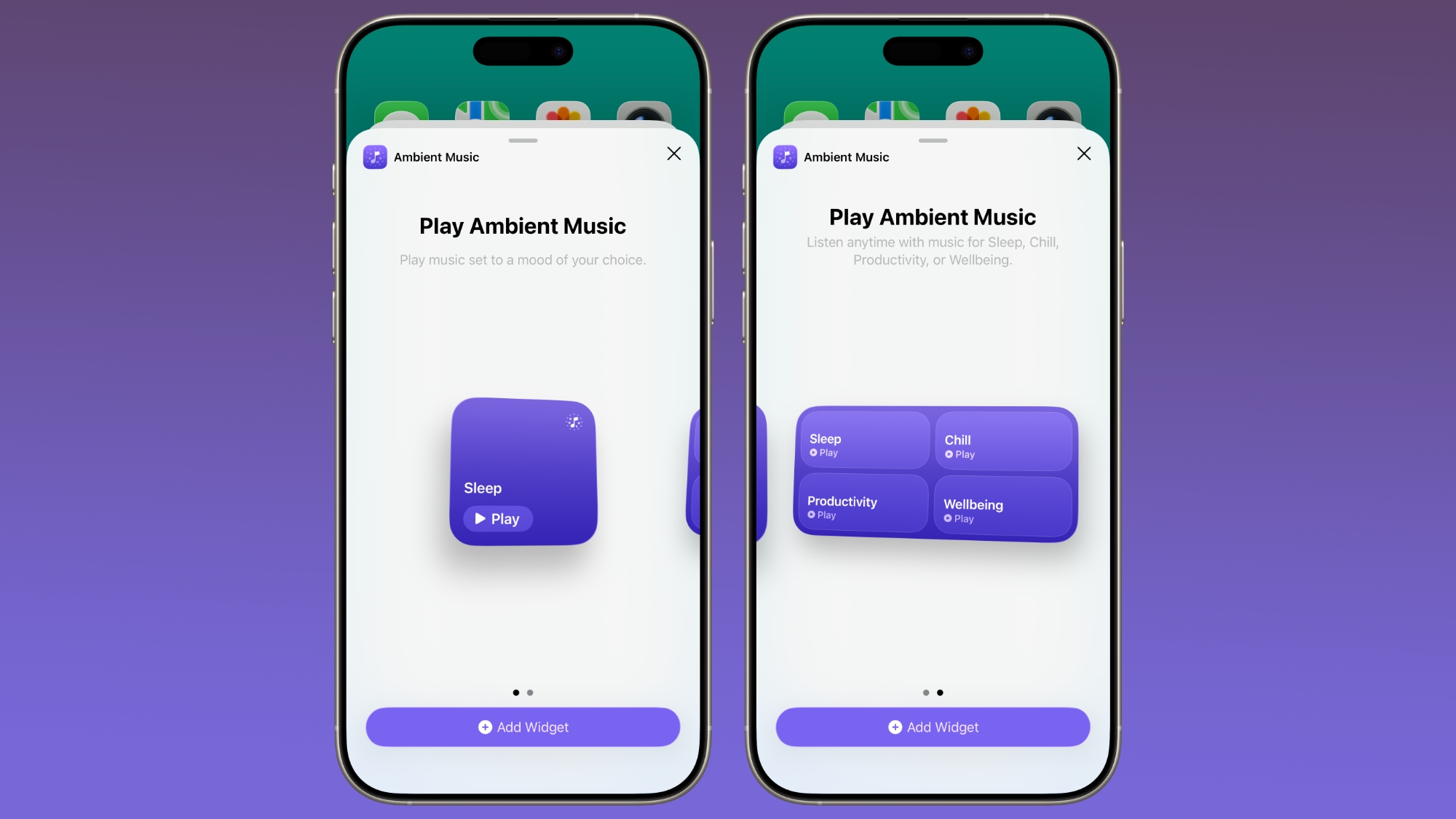
There is a new Ambient Music widget for the Home and Lock Screen. It supports playing different built-in ambient music options for sleep, productivity, wellbeing, and more.


Wallpaper and Watch Face Gallery


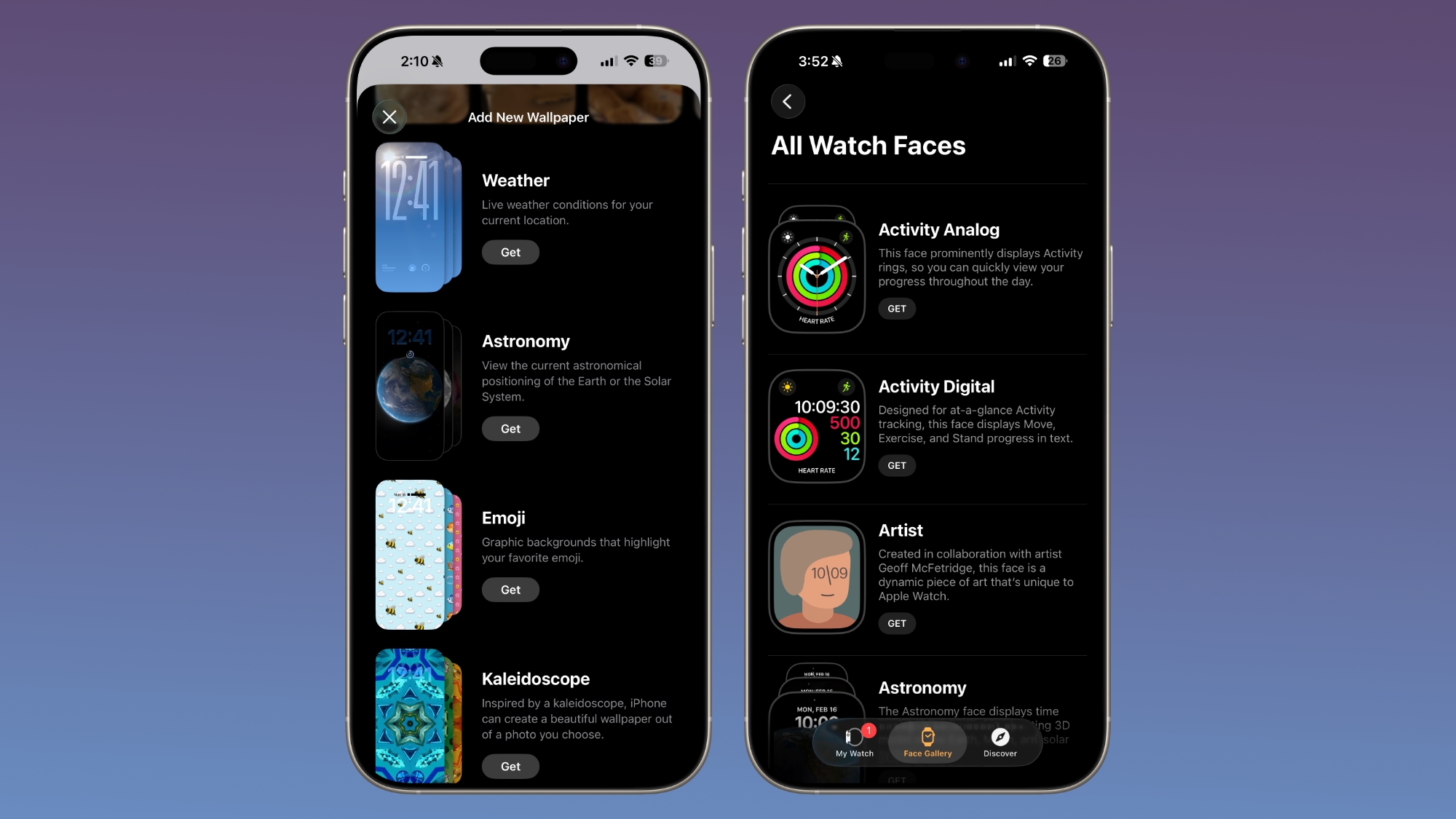
The Wallpaper Gallery has an updated design that allows Wallpapers from each category like Weather, Astronomy, Emoji, Colors and More to be downloaded to the ‌iPhone‌.


The Watch Face Gallery in the Apple Watch app also features the same design change.

Freeform Creator Studio


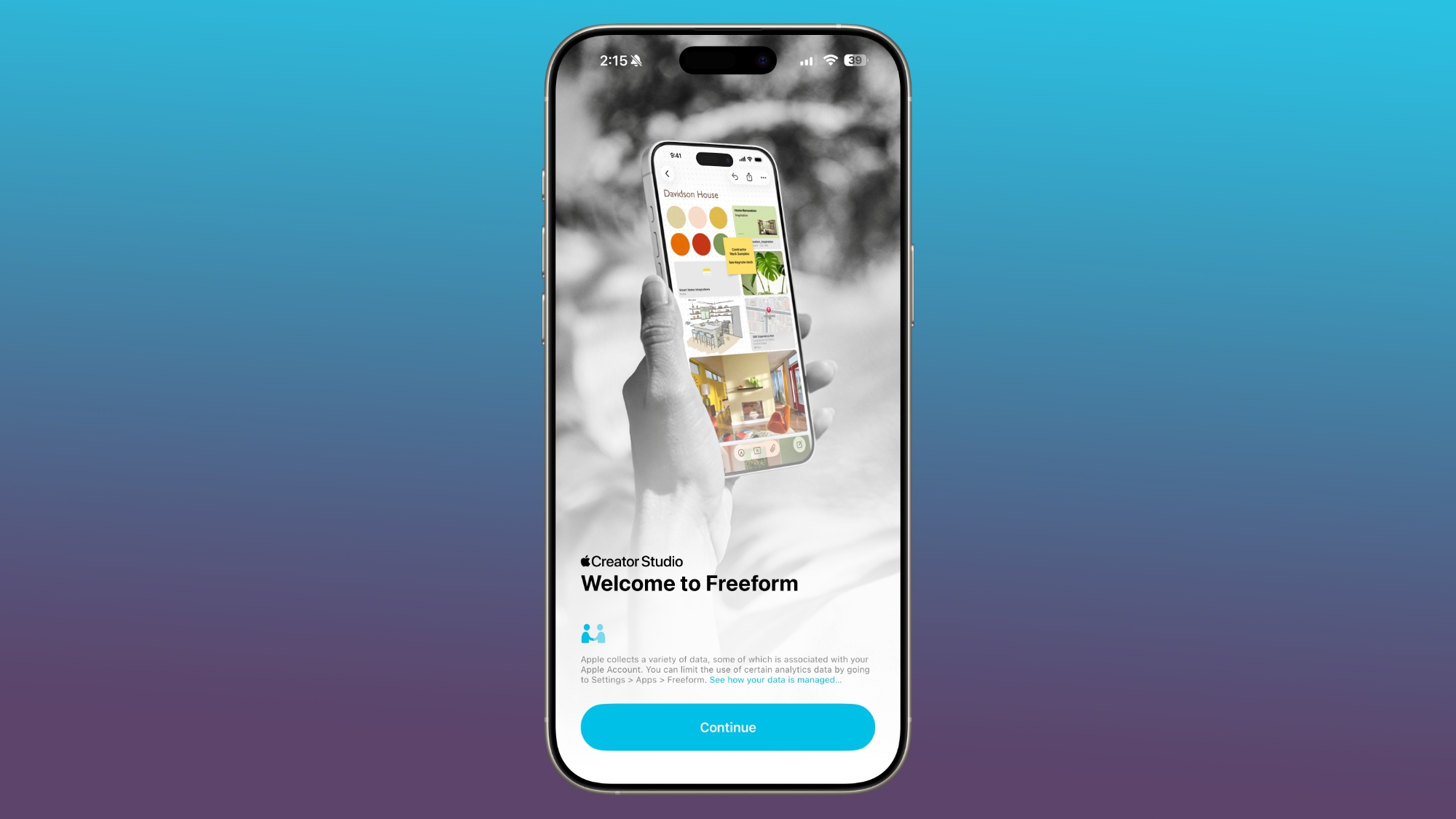
Freeform Creator Studio is live in iOS 26.4, allowing Creator Studio subscribers to access new Freeform features. Creator Studio for Freeform adds a dedicated Content Hub that houses the Freeform shape options.


Creator Studio users will be able to access free, high-quality content like graphics, photos, and illustrations that are not available to non-subscribers, plus there are AI capabilities for creating and editing images.

When Creator Studio launched, Apple said the premium content and features in Freeform would be coming to the Apple Creator Studio subscription later this year.

Freeform also has a new icon.

Reminders


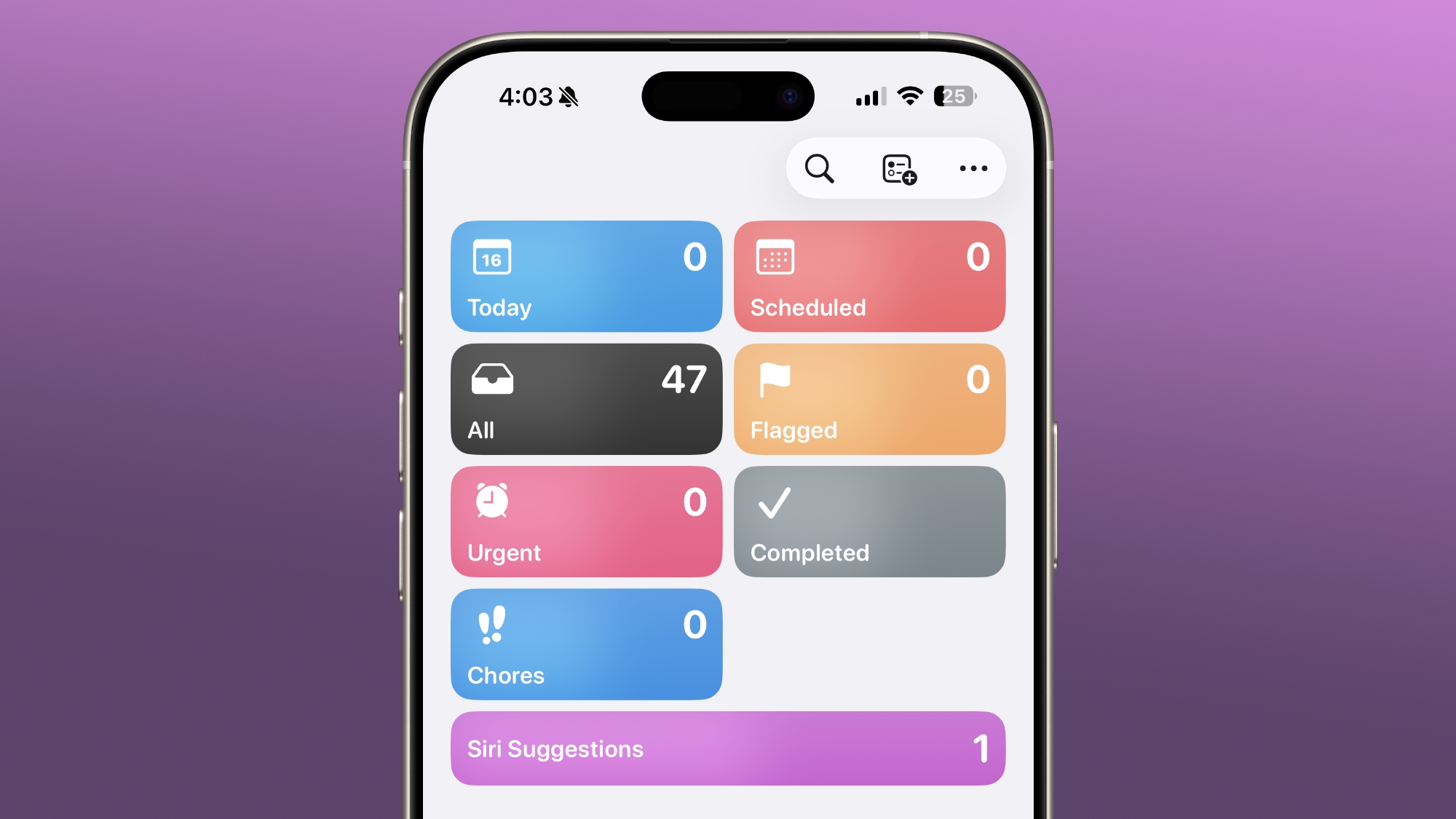
The Reminders app has a new "Urgent" section. Reminders that have Urgent toggled on during creation will show up here. Urgent ensures that reminders have an accompanying alarm so you get a clear warning when a reminder is due.


iCloud Web Settings


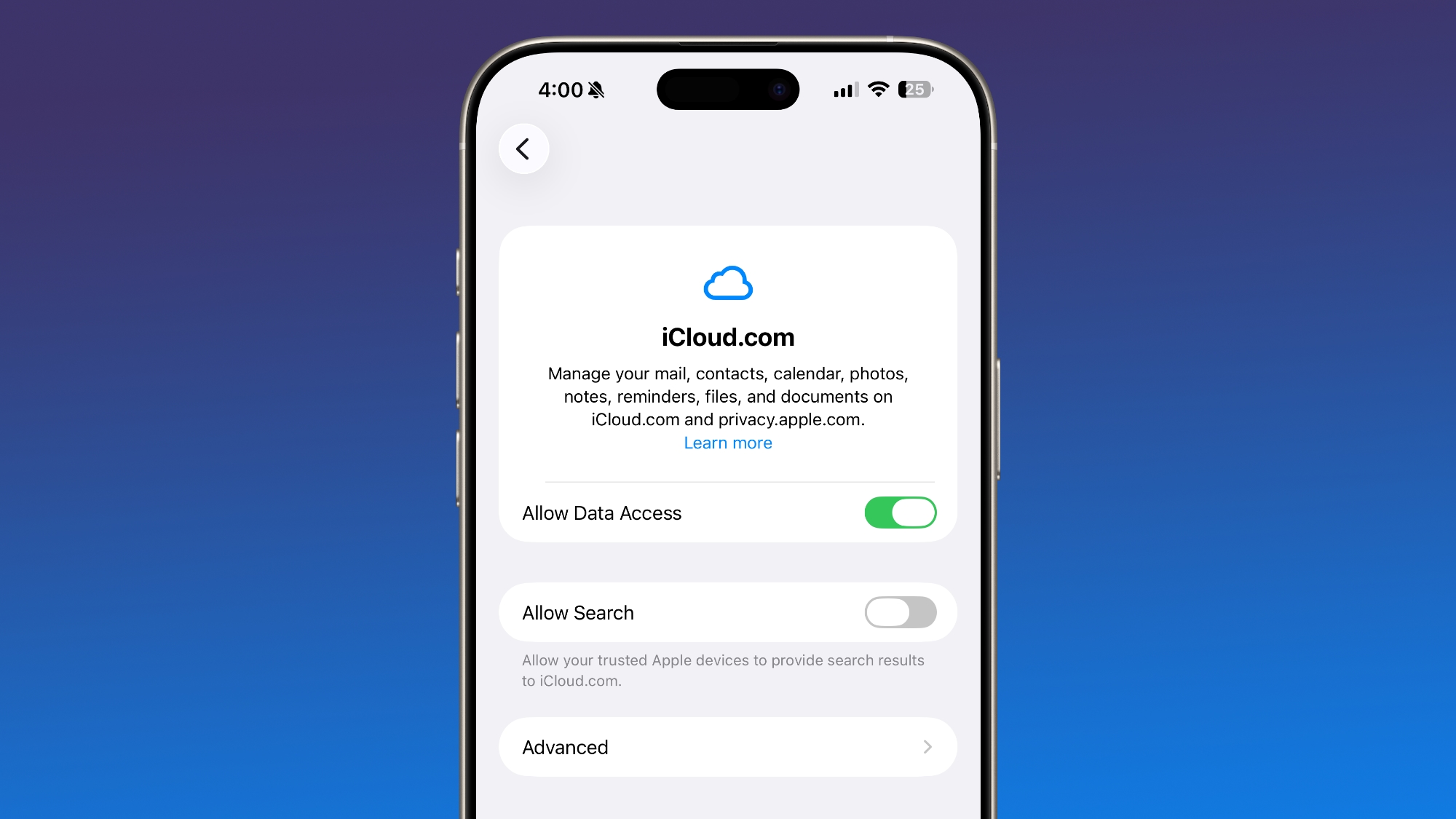
In the iCloud section of the Settings app, there's now an "iCloud.com" option if you scroll all the way to the bottom of the interface. It replaces the simple "Access ‌iCloud‌ Data on the Web" toggle that was previously available.


The setting includes a new "Allow Search" toggle that lets trusted Apple devices provide search results to iCloud.com.

New Emoji


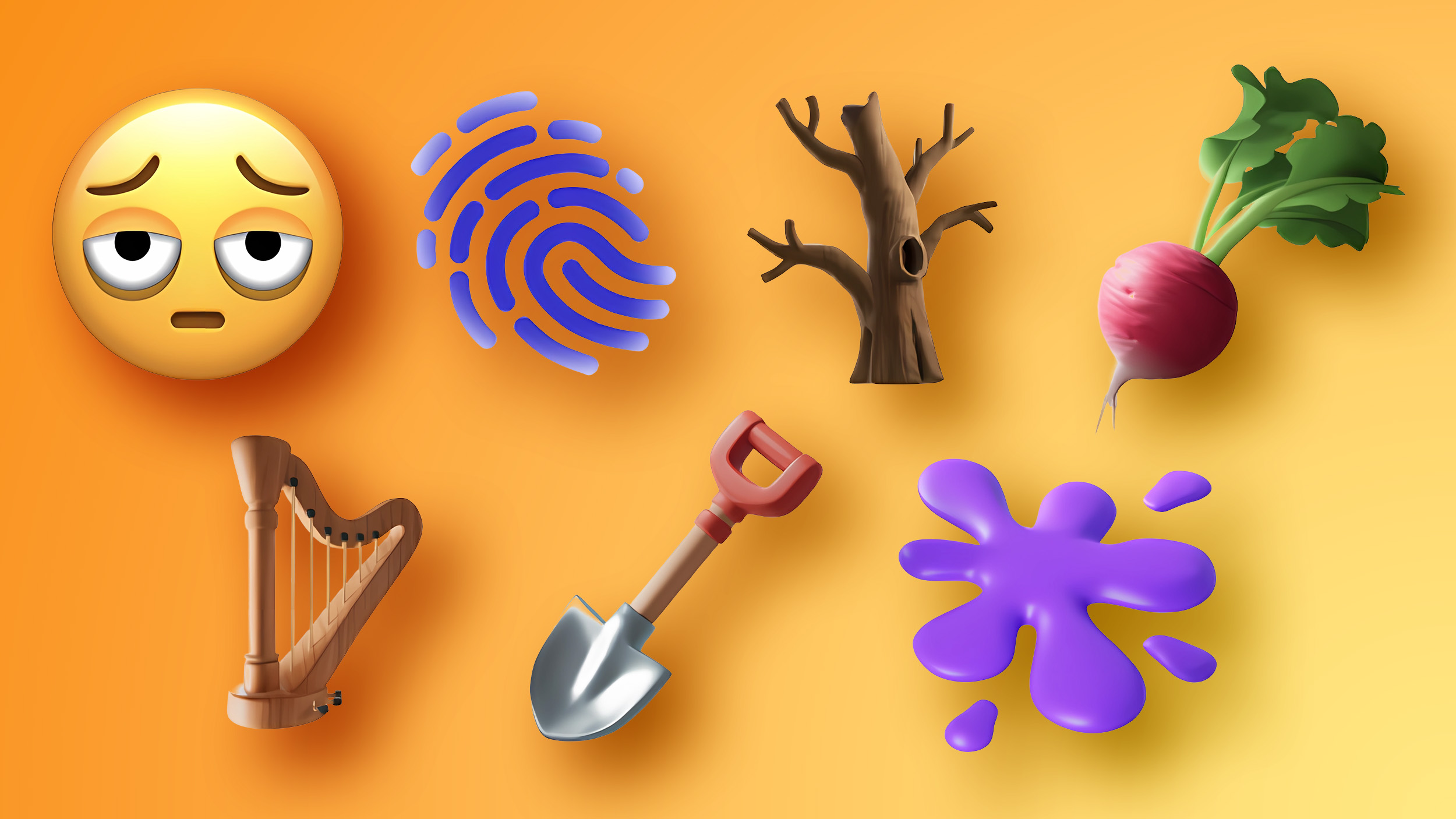
There aren't new emoji in iOS 26.4, but code suggests that new characters will be introduced in a future beta. There are references to new emoji, and we are expecting several new emoji options.


Emoji characters that are coming include trombone, treasure chest, distorted face, hairy creature (aka Bigfoot or Sasquatch), fight cloud, apple core, orca, landslide, and ballet dancers.

Notification Forwarding for Third-Party Devices (EU)


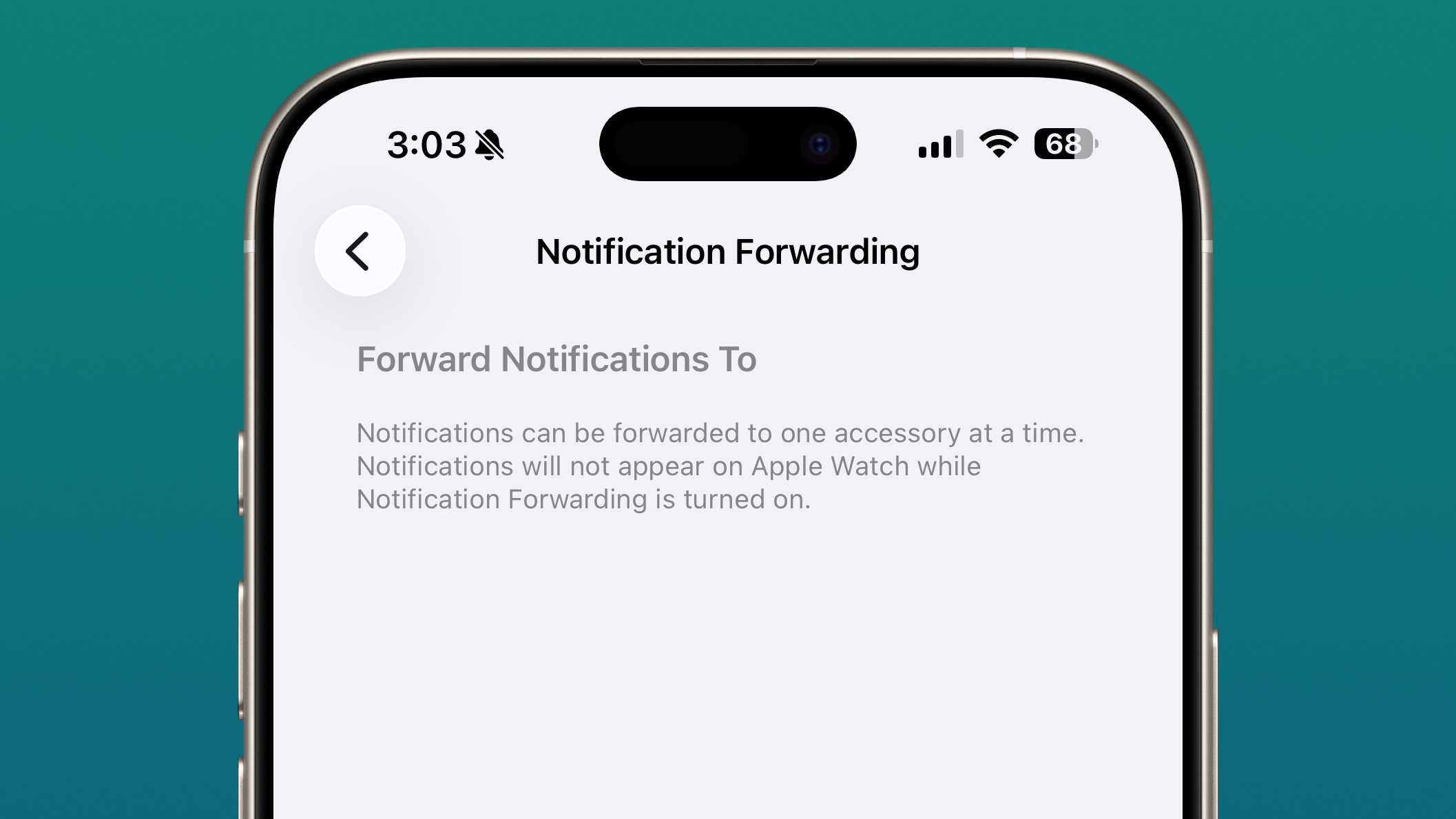
In the iOS 26.3 beta, Apple tested a new "Notification Forwarding" setting that allows incoming notifications on an ‌iPhone‌ to be forwarded to a third-party wearable device like an Android smartwatch, but it was not included in the launch version of the software. It is back in the iOS 26.4 beta.


Notifications can only be forwarded to a single device at a time, so if Notification Forwarding is enabled with a third-party wearable, the Apple Watch won't be able to receive and display notifications.

Apple is adding notification forwarding to address antitrust complaints suggesting that third-party wearables should have the same access to notifications and other features as the Apple Watch. It is limited to the European Union.

Proximity Pairing - EU Only


In the iOS 26.3 beta, Apple also tested other Europe-only changes for third-party wearables, which were shared by the European Commission, such as Proximity Pairing.

Proximity pairing allows third-party devices to pair with an iOS device in an AirPods-like one-tap way by bringing an accessory close to an ‌iPhone‌ or an iPad. Proximity Pairing was not enabled in iOS 26.3, and it too may come in iOS 26.4.
This article, "Everything New in iOS 26.4 Beta 1" first appeared on MacRumors.com

Discuss this article in our forums
  •  

Apple Brings iPhone-Style Battery Charge Limits to the Mac in macOS Tahoe 26.4

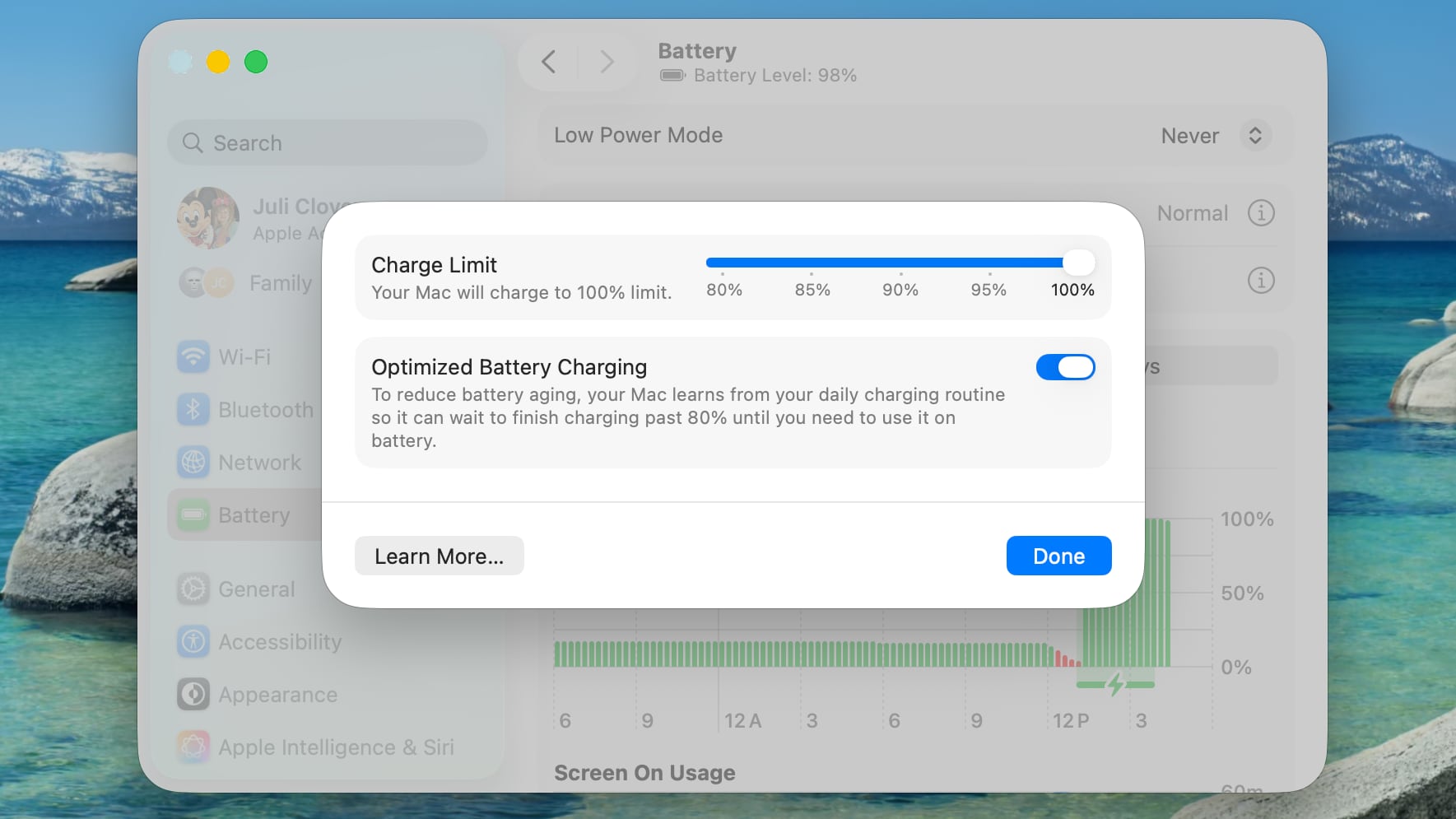
The macOS Tahoe 26.4 beta that Apple released today includes a Charge Limit feature for the Mac. There is a new slider bar that lets Mac users select a charge level from 80 percent to 100 percent.


The Charge Limit is a setting that's available in addition to Optimized Battery Charging, and it can prevent a Mac from ever charging to 100 percent.

Apple's existing Optimized Battery Charging feature keeps a Mac from charging to 100 percent until it's needed for use, with the option using your daily charging routine to determine when to charge to full. While Optimized Battery Charging can help preserve battery life, it still regularly allows a Mac to charge to 100 percent.

The new Charge Limit feature is a hard restriction that keeps a Mac's battery at 80 percent, 85 percent, 90 percent, 95 percent, or 100 percent, giving users more control over the Mac's maximum charging level. Keeping a Mac's battery at 80 percent could increase battery longevity by preserving battery health over time.

Charge Limit can be enabled by opening up the System Settings app, going to Battery, and clicking on the "i" button next to Charging.

Apple's iPhones have had a charge limit feature since the iPhone 15 lineup launched in 2023.
Related Roundup: macOS Tahoe
Related Forum: macOS Tahoe

This article, "Apple Brings iPhone-Style Battery Charge Limits to the Mac in macOS Tahoe 26.4" first appeared on MacRumors.com

Discuss this article in our forums
  •  

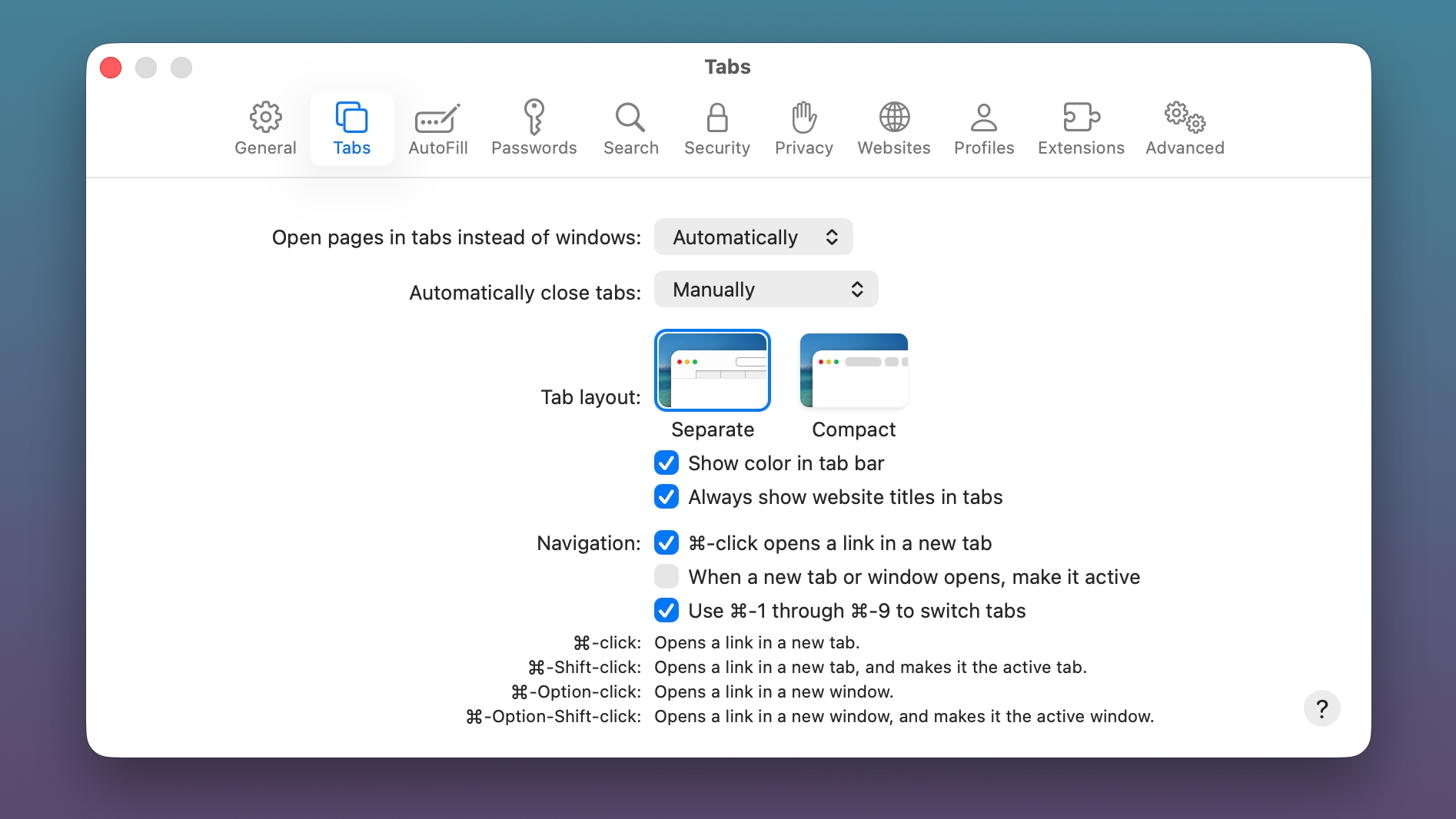
Compact Safari Tab Bar Returns in macOS Tahoe 26.4 and iPadOS 26.4

The macOS Tahoe 26.4 and iPadOS 26.4 betas that Apple released today reintroduce a compact Safari Tab Bar option for those who prefer that view option.


Apple removed the compact tab bar option with the launch of ‌macOS Tahoe‌ and iPadOS 26, but there were Mac and iPad users who missed it.

The Safari app on Mac and the Safari section of the Settings app on ‌iPad‌ both now feature an option to toggle on the Compact Tab Bar as an alternative to the standard Separate Tab Bar.

‌macOS Tahoe‌ 26.4 and iPadOS 26.4 are limited to developers right now, but Apple should release public betas soon. The software is expected to launch in the spring.
Related Roundup: macOS Tahoe
Related Forum: macOS Tahoe

This article, "Compact Safari Tab Bar Returns in macOS Tahoe 26.4 and iPadOS 26.4" first appeared on MacRumors.com

Discuss this article in our forums
  •  
❌