Reading view

Android-to-iPhone AirDrop Transfers Now Supported on Pixel 9

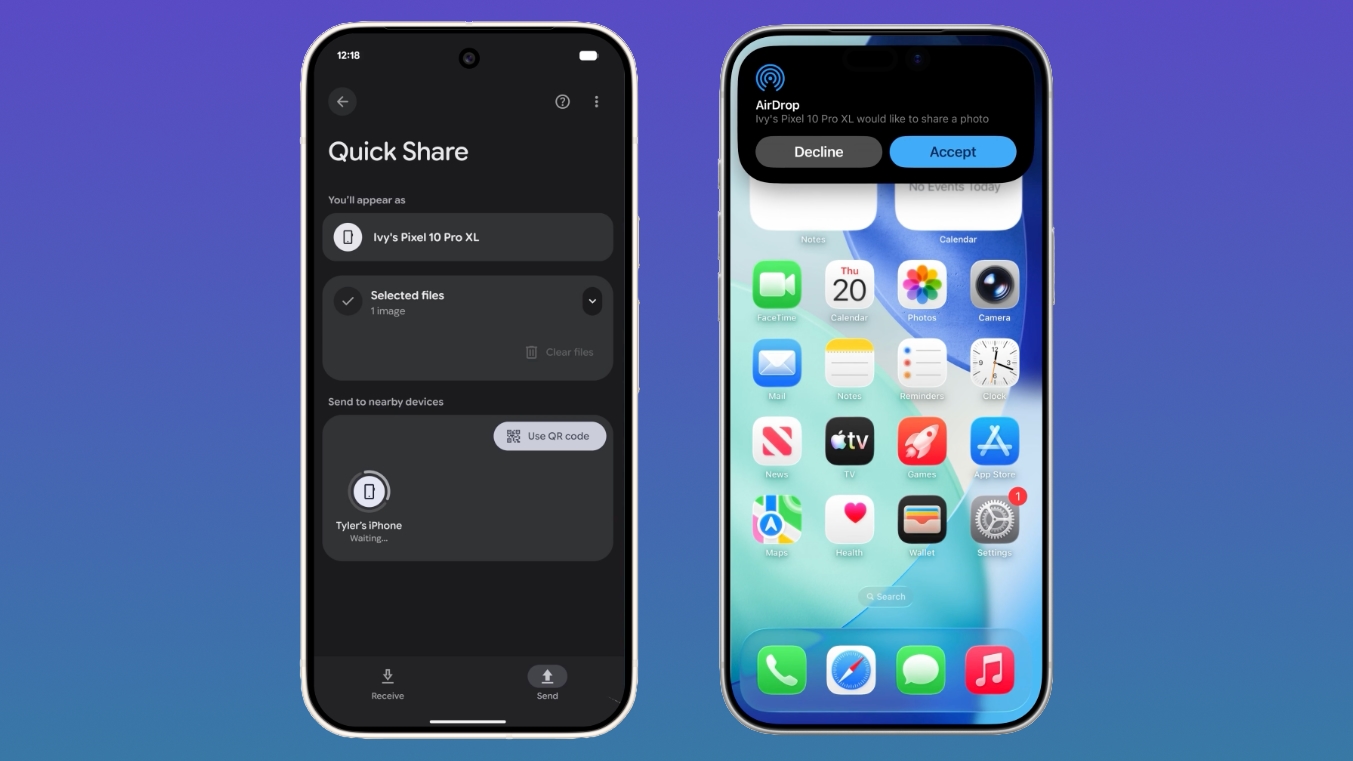
Google is expanding its cross-platform file sharing feature to additional Android devices, allowing them to transfer files to an iPhone using the AirDrop protocol. AirDrop support for Quick Share is coming to the Pixel 9, Pixel 9 Pro, Pixel 9 Pro XL, and Pixel 9 Pro Fold over the next few days.


Google announced Quick Share compatibility with AirDrop back in November, but the feature was initially limited to the newest Pixel 10 devices.

With AirDrop interoperability, Pixel 9 and Pixel 10 devices can transfer files to an ‌iPhone‌, iPad, or Mac, and it works the same way as Apple device to Apple device AirDrop transfers. No internet connection is required.

To accept files from a Pixel smartphone, Apple device users need to change their AirDrop visibility to "Everyone for 10 Minutes." With the setting enabled, a file coming from an Android user looks identical to an AirDrop file from an ‌iPhone‌, with the same notification and option to accept. Files are saved in the appropriate location, with a photo going to the Photos app or a document going to the Files app.

To receive files from an Apple user, the Pixel user will also need to turn on the Everyone for 10 minutes setting or enter into Receive mode on the Quick Share page. Files are saved in the Files app.

According to Google, Quick Share and AirDrop interoperability was designed with a multi-layered security approach to ensure a safe sharing experience regardless of platform. There's a secure sharing channel, built-in platform protections for Android and iOS, and a consent requirement before a file is received.

Connections between devices are direct and peer-to-peer, so data is not routed through a server. For file transfers in both directions, the Apple device or the Pixel device displays the other person's device name for verification purposes.
This article, "Android-to-iPhone AirDrop Transfers Now Supported on Pixel 9" first appeared on MacRumors.com

Discuss this article in our forums

  •  

iOS 26.4 Adds Average Bedtime Metric and Restores Blood Oxygen to Health App Vitals Graph

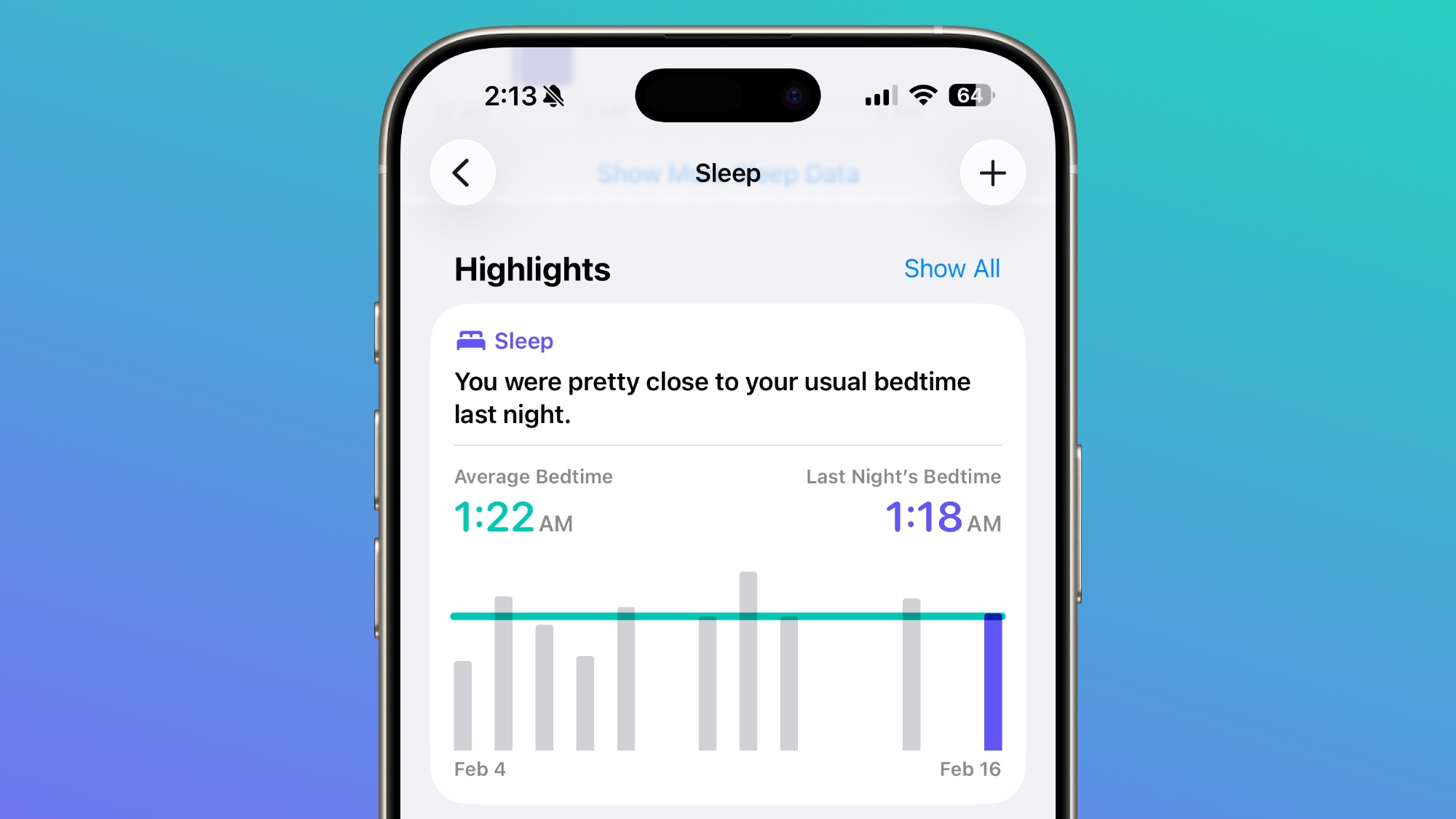
In iOS 26.4, Apple added an Average Bedtime metric to the Sleep section of the Health app, letting users better monitor how bedtime impacts sleep quality.


Under a new Sleep Highlight, Apple lists the time that you went to bed and the time that you usually go to bed based on averages over a two-week period.

In iOS 26.3, Apple displayed average sleep time over the past seven days. That highlight still exists, but it is now supplemented with the daily bedtime readout.

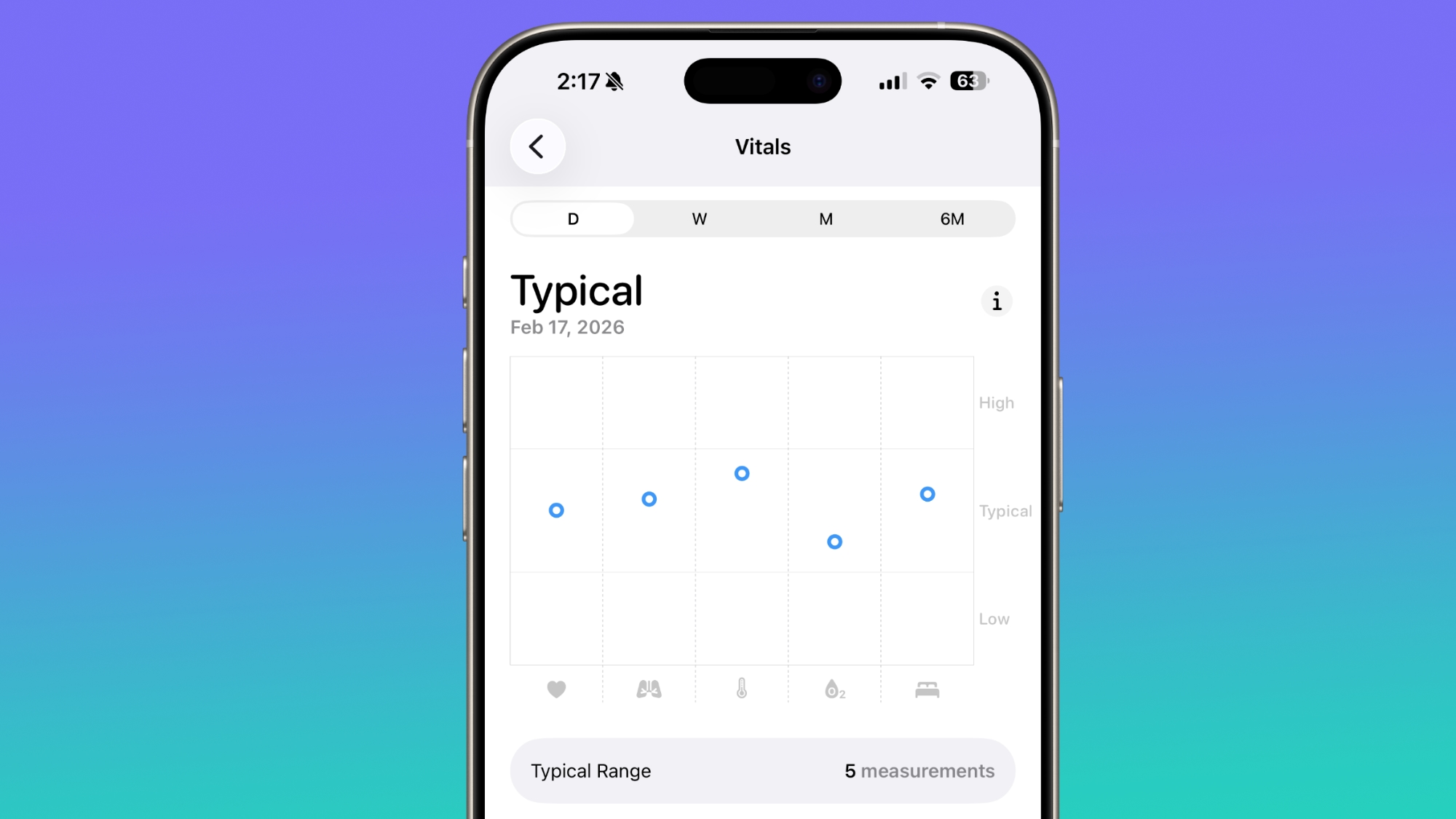
Apple also updated the Vitals readout in the U.S., and it once again lists blood oxygen level on the line graph overview that's available each day. In iOS 26.3 and earlier versions of iOS 26, there was a section for the blood oxygen level, but the graph did not include a blood oxygen measurement.


Blood oxygen was available as a separate metric in the Vitals section, but it is now visible in the Vitals overview. The Vitals feature did not fully support blood oxygen because of Apple's ongoing legal dispute with Masimo. Masimo accused Apple of infringing on Masimo patents related to blood oxygen sensing, and it secured an import ban from the U.S. International Trade Commission.

Apple had to remove blood oxygen sensing from the Apple Watch starting in early 2024 to be able to continue to sell the Apple Watch in the U.S., but Apple was able to re-add it in August 2025 with blood oxygen readouts available only on the iPhone. There is still no option to measure blood oxygen with the Apple Watch and see the results directly on the wrist in the U.S.

iOS 26.4 is available to developers and public beta testers, with a public launch planned for spring.
Related Roundups: iOS 26, iPadOS 26
Related Forum: iOS 26

This article, "iOS 26.4 Adds Average Bedtime Metric and Restores Blood Oxygen to Health App Vitals Graph" first appeared on MacRumors.com

Discuss this article in our forums

  •  

Apple Removes iTunes Movies and TV Shows Apps in tvOS 26.4

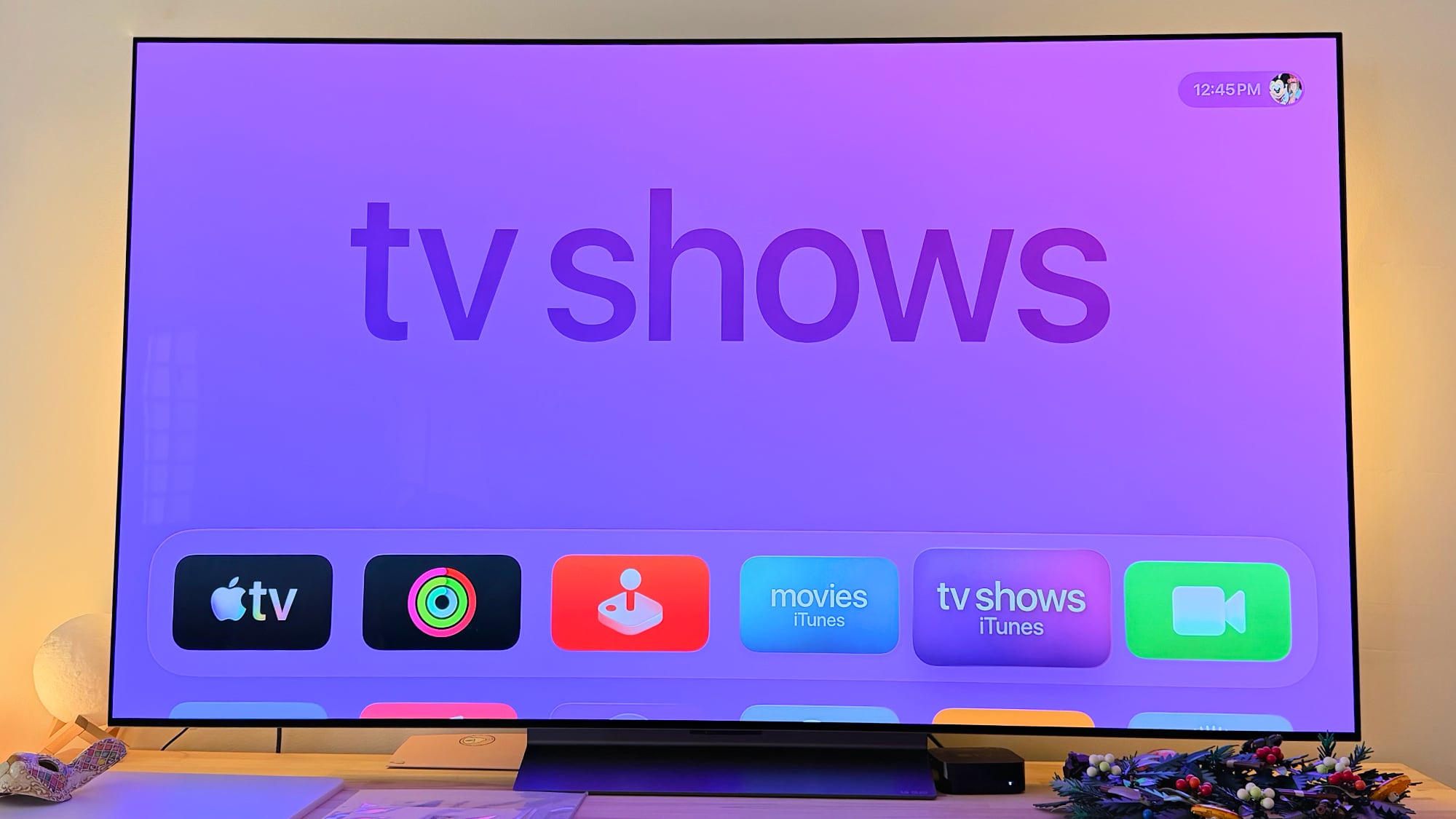
With tvOS 26.4, Apple has removed the dedicated iTunes Movies and iTunes TV Shows apps that listed content available for purchase. Buying movies and TV shows can be done through the Apple TV app instead.


Apple started phasing out the iTunes Movies and iTunes TV Shows apps back in 2023, redirecting users to the ‌Apple TV‌ app for purchases. The apps remained available until now to provide customers with instructions on where to find their content, and to provide access to the iTunes Wish List.

Apple removed the TV Shows and Movies section in the iPhone and iPad TV app with the launch of iOS 17.2 and iPadOS 17.2, and eliminated iTunes wishlists in those updates. tvOS 17.2 also got rid of wish lists. After customer complaints, wishlist options were returned, but Apple again started warning about the end of wishlists last week.

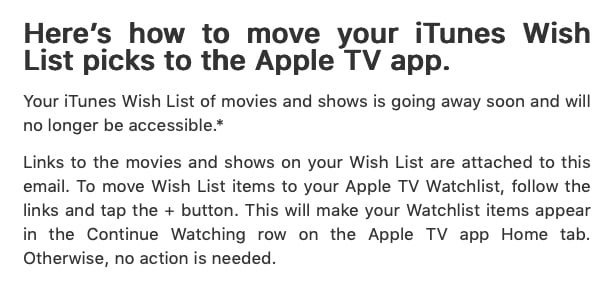
Customers that still have an iTunes Wish List with movies and TV shows have received emails letting them know the feature is being removed. The emails include links to migrate those lists to the ‌Apple TV‌ watchlist feature as an alternative.


Apple has been working to consolidate all movie and TV show viewing and buying to the TV app, so it's all in one place. There is no longer any iTunes-related app on the ‌Apple TV‌, but the ‌iPhone‌ still has an iTunes Store option for purchasing music.

Apple has also updated the ‌Apple TV‌ Audio Format settings in tvOS 26.4. Dolby Atmos immersive audio has been replaced with Spatial Audio, and there is an option to convert to Dolby Digital 5.1, select Stereo Only, or turn on Auto mode. There's also a Continuous Audio Connection option for HDMI output.

tvOS 26.4 is available to developers and public beta testers at the current time, with a release planned for spring.
Related Roundup: Apple TV
Buyer's Guide: Apple TV (Don't Buy)

This article, "Apple Removes iTunes Movies and TV Shows Apps in tvOS 26.4" first appeared on MacRumors.com

Discuss this article in our forums

  •  

Apple Working on Three AI Wearables: Smart Glasses, AI Pin, and AirPods With Cameras

Apple is speeding up its work on three AI wearable devices, reports Bloomberg. Apple is developing AI smart glasses, a wearable AI pin or pendant, and AI AirPods, all of which will connect to the iPhone and will interface with the smarter version of Siri that's in the works.


Cameras will be integrated into all three products to allow the AI to "see" around the wearer and answer questions about the wearer's surroundings.

Smart Glasses


Apple's smart glasses will compete with the Meta Ray-Bans, as previously rumored. Apple recently provided its hardware engineering team with prototypes, and it is targeting a 2027 launch. Production on the glasses could begin as soon as December 2026.

  • Cameras: Apple's smart glasses will have an advanced camera system with a high-resolution camera that's able to capture photos and videos, as well as a second camera that provides visual information to ‌Siri‌ and environmental context. The second camera will be able to interpret the user's surroundings and measure distance, similar to LiDAR on the ‌iPhone‌. Apple wants to make its glasses stand out from Meta's with a higher-end camera.

  • No display: Apple's AI glasses will not include a display in the lens.

  • Voice-based interface: Users will be able to ask ‌Siri‌ questions and take actions with voice commands.

  • Capabilities: The AI glasses will support interacting with ‌Siri‌, making phone calls, listening to music, taking photos, and capturing video. Users will be able to look at an object and ask questions about it and get detailed navigation directions when walking. The glasses could have a version of Visual Intelligence, able to read physical text like event dates and then add that information to the calendar. Context-aware reminders are a possibility, as is live translation.

  • Build quality: Apple is focusing on build quality as a way to differentiate the Apple Glasses from Meta's Ray-Bans. Apple considered partnering with an existing glasses brand and tested embedding hardware in off-the-shelf frames, but it has decided to develop its own frames in-house. Apple is using high-end materials "including acrylic elements" for a "premium feel."

  • Design options: The Apple glasses will come in multiple sizes and colors. More styles could come over time.

  • Embedded battery: The latest prototypes have a battery and all components embedded in the frame, and Apple is aiming for the glasses to serve as an all-day AI companion.


AI Pin


Apple's work on the AI pin is apparently in the early stages, and it's possible that it could still be canceled. If work continues, the AI pin could launch as soon as 2027.

  • Cameras: The AI pin will have a lower-resolution camera to provide the AI with visual insight, but it won't be able to take photos or videos. The camera is always-on, recording what's around the wearer.

  • Microphone: There is an included microphone for speaking with ‌Siri‌. Bloomberg says some Apple employees think of the AI pin as the "eyes and ears" of the ‌iPhone‌.

  • iPhone accessory: Apple plans to market the AI pin as an ‌iPhone‌ accessory and not a standalone product.

  • Dedicated chip: There is a dedicated chip in the AI pin, but it is similar to an AirPods chip and not very powerful. The ‌iPhone‌ will handle most of the processing.

  • Speaker: The pin could include a speaker for back-and-forth conversations with ‌Siri‌, but Apple has not decided whether to add this functionality.

  • Clip or pendant: The AI pin could attach to a shirt or a bag with a clip, and there's also a hole in the pin that can be used to attach it to a necklace.


AirPods


There have been multiple reports of Apple's work on AirPods with cameras, and development is at a later stage than the AI pin. AirPods with cameras are planned for as early as this year.

Like the AI pin, the AirPods will have a low-resolution camera that's designed for information, not for photo capture.

Siri


Though ‌Siri‌ has been delayed and new Apple Intelligence features did not come in the first beta of iOS 26.4, Apple is still working on a chatbot version of ‌Siri‌ for iOS 27.

The chatbot version of ‌Siri‌ will rely on Google-developed AI models.

Future Devices


In the future, Apple is planning to develop smart glasses with an augmented reality display, but that device is several years away.

Apple is working on a home hub smart display that could come later this year, and an updated version with a bigger screen and a robotic arm that could launch in 2027. There's a new version of the HomePod in the works, and a "compact indoor sensor for home security and automation."
This article, "Apple Working on Three AI Wearables: Smart Glasses, AI Pin, and AirPods With Cameras" first appeared on MacRumors.com

Discuss this article in our forums

  •  

Apple Releases First macOS Tahoe 26.4 Public Beta

Apple today provided public beta testers with the first release of an upcoming macOS Tahoe 26.4 update for testing purposes. The public beta comes a day after Apple provided the beta to developers.


After signing up for beta testing on Apple's beta site, public beta testers can download the updates using the Software Update section in the System Settings app.

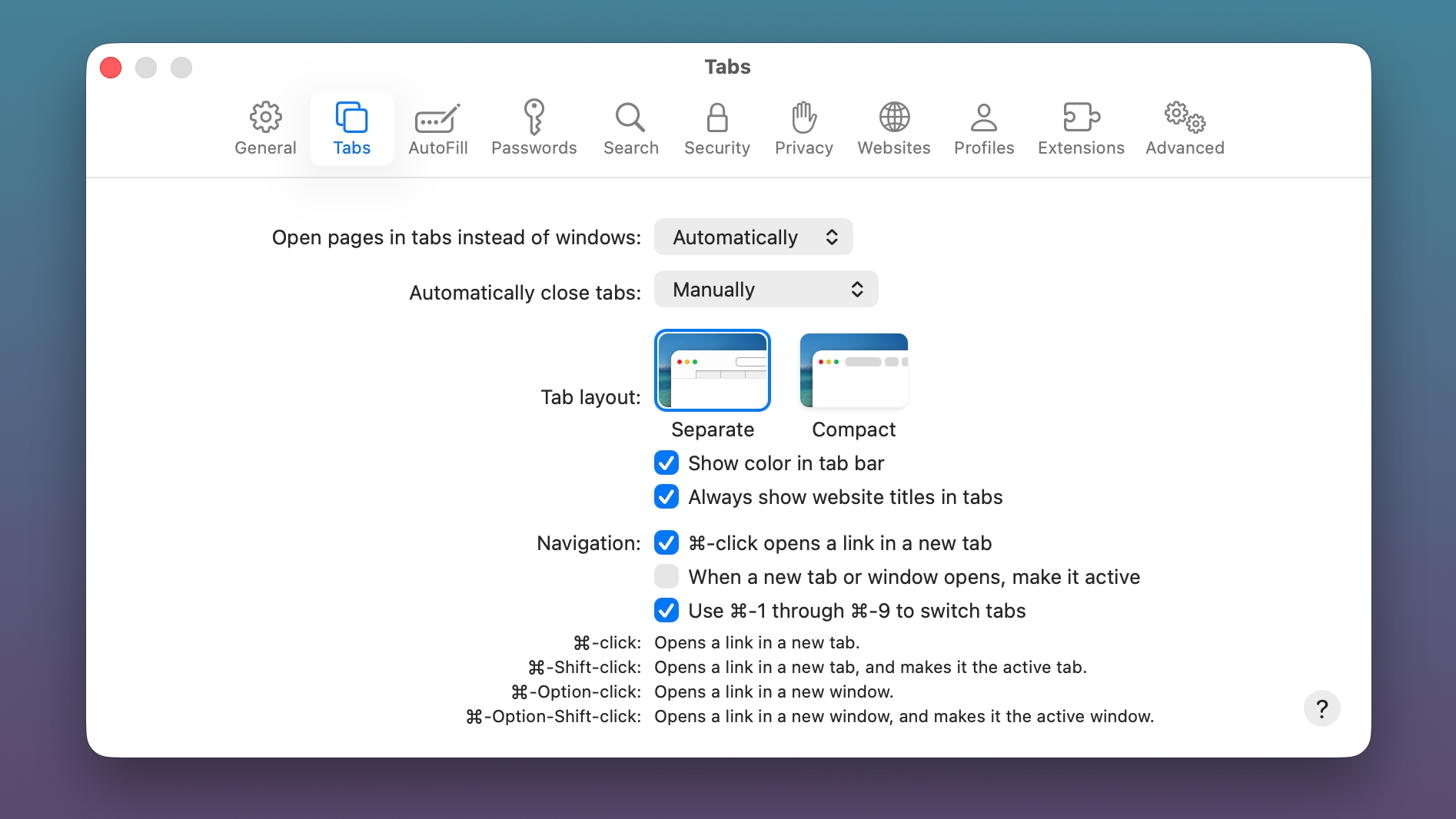
‌macOS Tahoe‌ 26.4 includes several new features. The Compact tab layout has been reimplemented in Safari for those who missed having the option in earlier versions of ‌macOS Tahoe‌, and there is a new Charge Limit feature that lets Mac users select a maximum charge level that ranges from 80 percent to 100 percent.

Apple silicon Mac users will see now see warnings about apps that are still using Rosetta 2, because Apple is phasing out Rosetta after macOS 27. ‌macOS Tahoe‌ is also the final version of macOS that will run on Intel-based Macs, and Apple is working to remove all lingering Intel features.

We could see additional features in upcoming versions of ‌macOS Tahoe‌ 26.4, such as new emoji characters. Apple is expected to test the update for the next several weeks, with a launch planned for the spring.
Related Roundup: macOS Tahoe
Related Forum: macOS Tahoe

This article, "Apple Releases First macOS Tahoe 26.4 Public Beta" first appeared on MacRumors.com

Discuss this article in our forums

  •  

iOS 26.4 and iPadOS 26.4 Public Beta Now Available

Apple today provided public beta testers with the first releases of upcoming iOS 26.4, iPadOS 26.4, tvOS 26.4, and watchOS 26.4 updates for testing purposes. The public betas come a day after Apple provided the betas to developers.


Anyone can download and install public betas, and all that's required is to sign up on Apple's beta site. Once you've opted in, the software can be downloaded through the Software Update section in the Settings app on each device.

iOS 26.4 and iPadOS 26.4 include a long list of new features, though the first betas do not include new Siri capabilities. Rumors suggest Apple has pushed the new, Apple Intelligence version of ‌Siri‌ back, so we may or may not see updated ‌Siri‌ functionality in these betas.

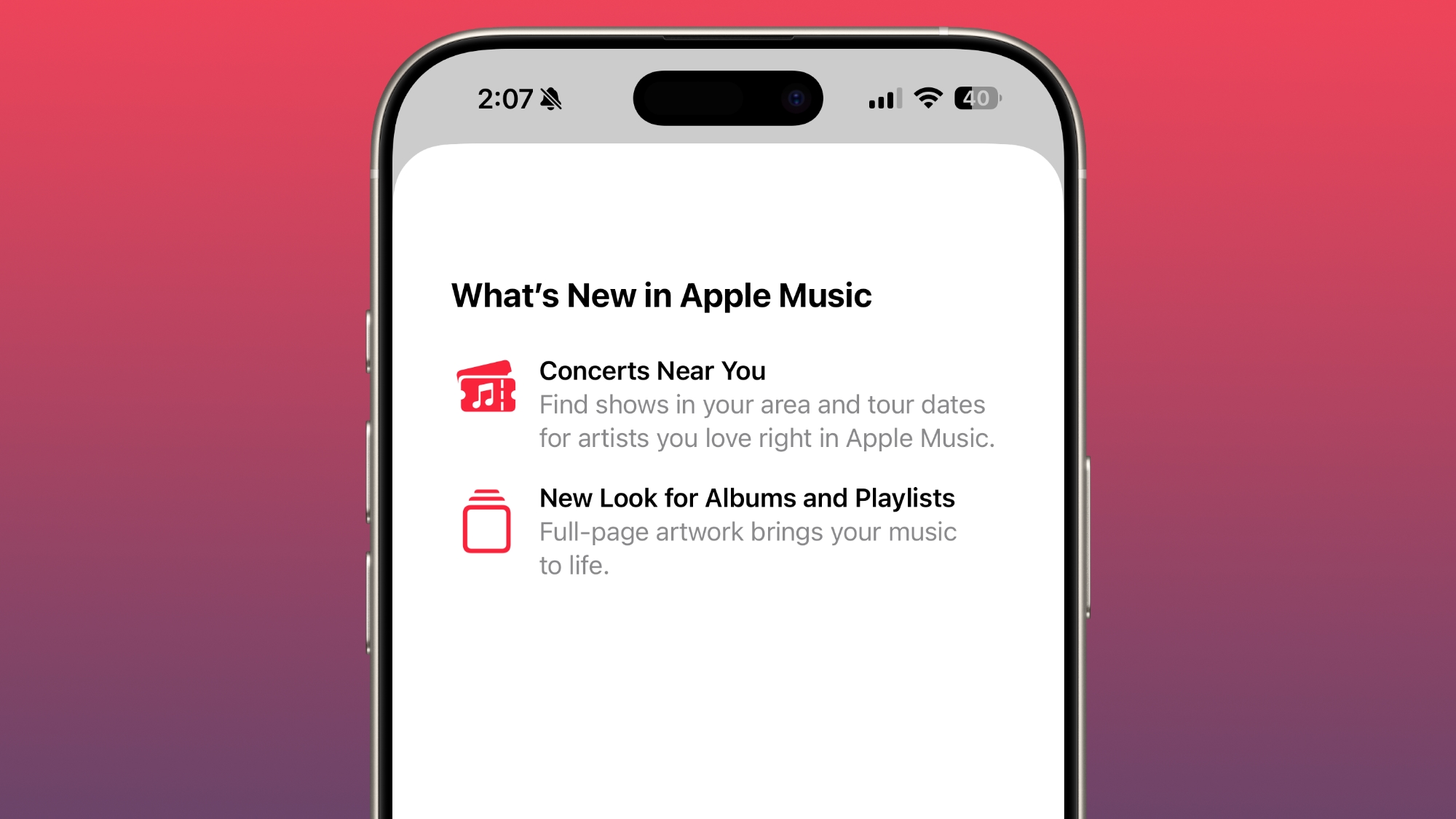
Apple added a new Playlist Playground feature to Apple Music, allowing users to generate playlists with a text-based prompt. Users can create playlists based on an idea, mood, feeling, time period, and more. ‌Apple Music‌ also features a Concerts Near You feature and an updated look for albums and playlists with full-page artwork.

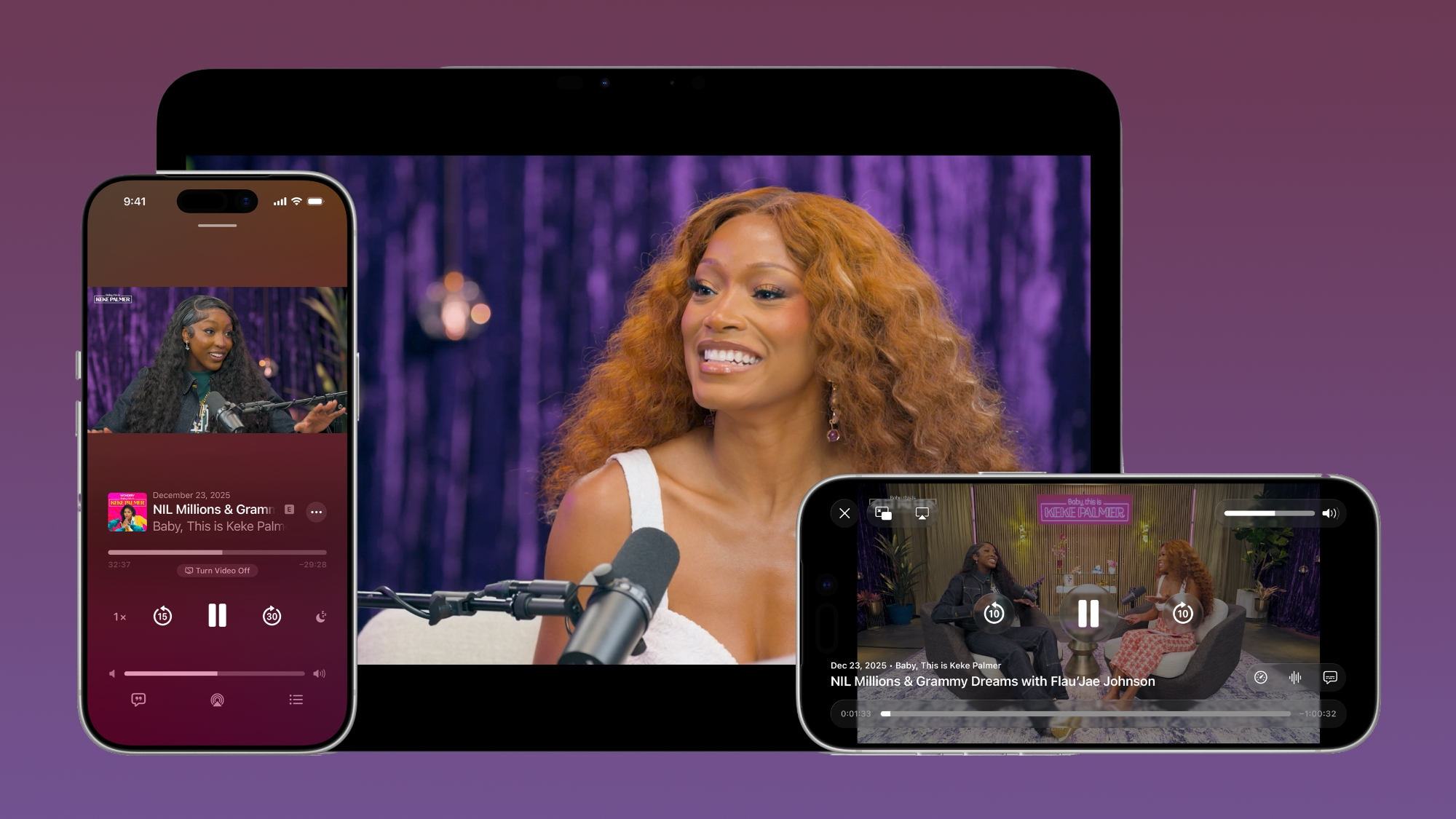
Apple Podcasts includes native video podcast streaming capabilities. The feature uses HLS streaming to provide a high-quality viewing experience, and video podcasts are being more deeply integrated into the Podcasts app.

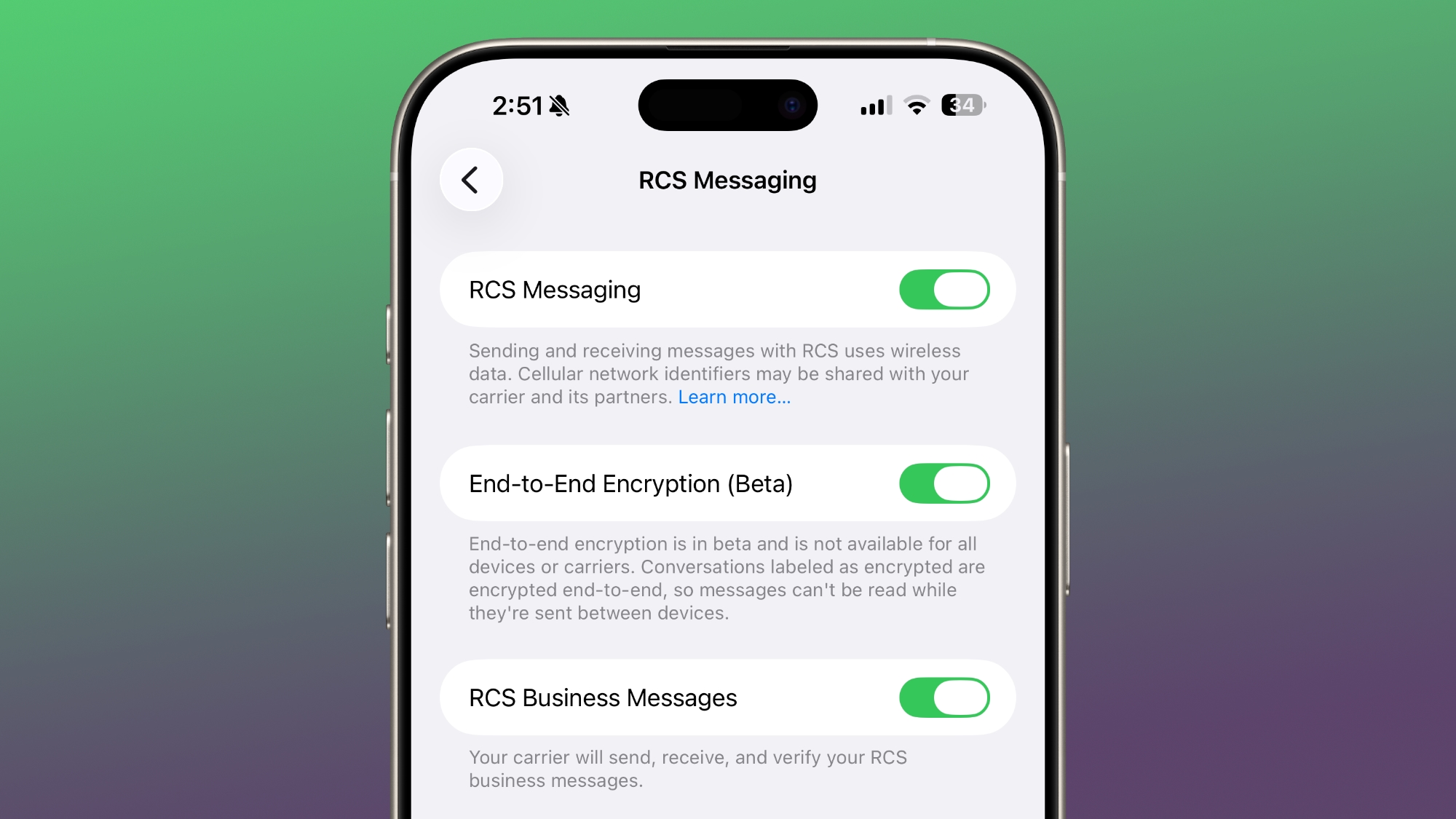
Apple is testing end-to-end encryption (E2EE) for RCS messages. The beta is limited to iPhone-to-iPhone ‌RCS‌ messages when iMessage is turned off, but eventually, E2EE will be available for iPhone to Android text message conversations. Encrypted ‌RCS‌ and iMessage conversations feature a lock icon in iOS 26.4.

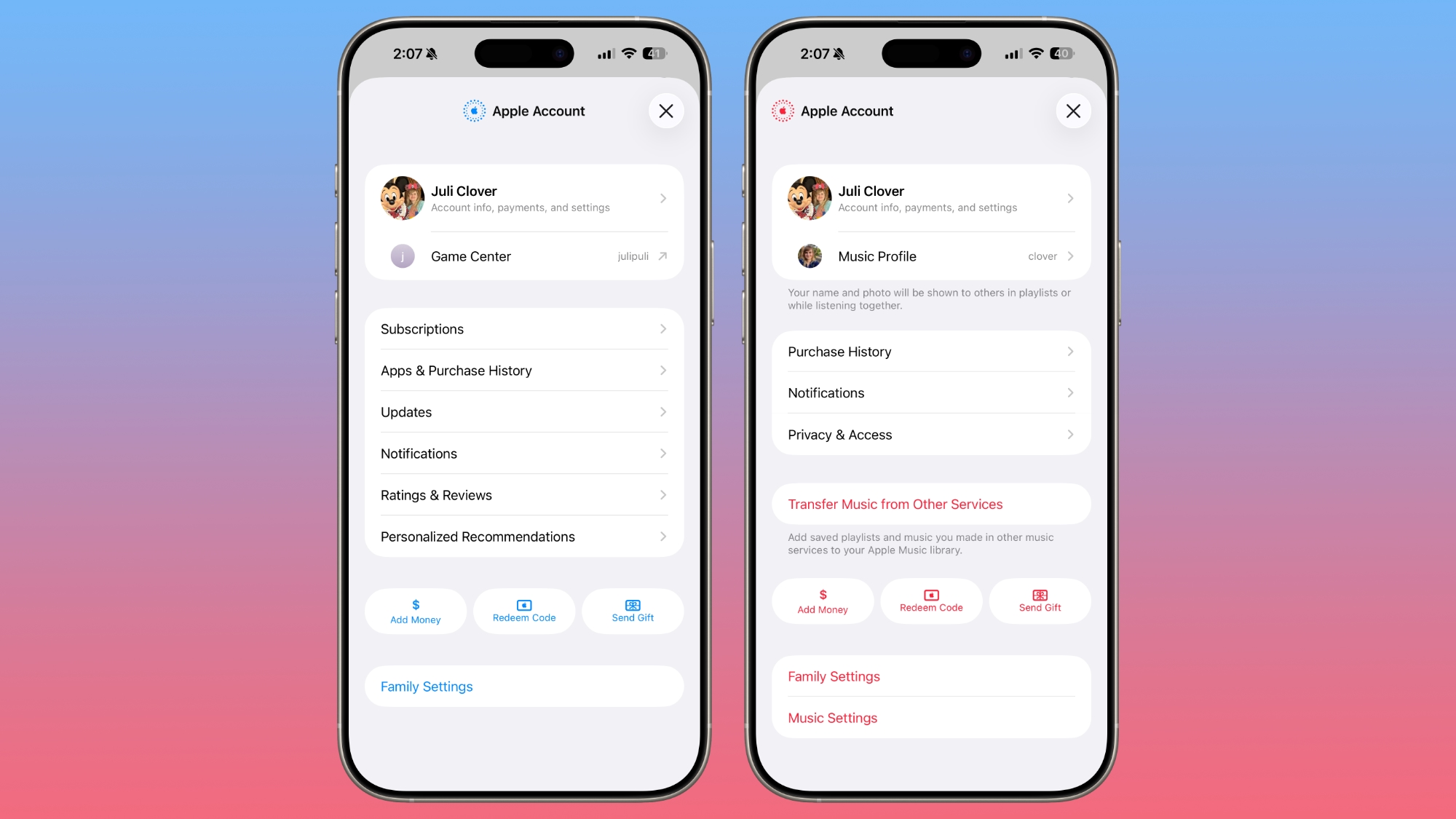
Other new features include an updated Apple Account hub for the App Store and ‌Apple Music‌, an ambient music widget, and a compact tab bar option in Safari in iPadOS 26.4. All of the changes that we've found in the beta so far are listed in our iOS 26.4 feature guide.
Related Roundups: iOS 26, iPadOS 26
Related Forum: iOS 26

This article, "iOS 26.4 and iPadOS 26.4 Public Beta Now Available" first appeared on MacRumors.com

Discuss this article in our forums

  •  

Everything New in iOS 26.4 Beta 1

Apple today provided developers with the first beta of an upcoming iOS 26.4 update, which adds quite a few new features to the iPhone. There's a video podcasts feature, updates to Stolen Device Protection, end-to-end encryption for RCS messages, an Apple Music tool for generating playlists, and much more.


We've rounded up everything we've found that's new in the first beta of iOS 26.4. The beta is limited to developers right now, but Apple should release a public beta in the next couple of weeks. iOS 26.4 is expected to launch this spring.

Playlist Playground


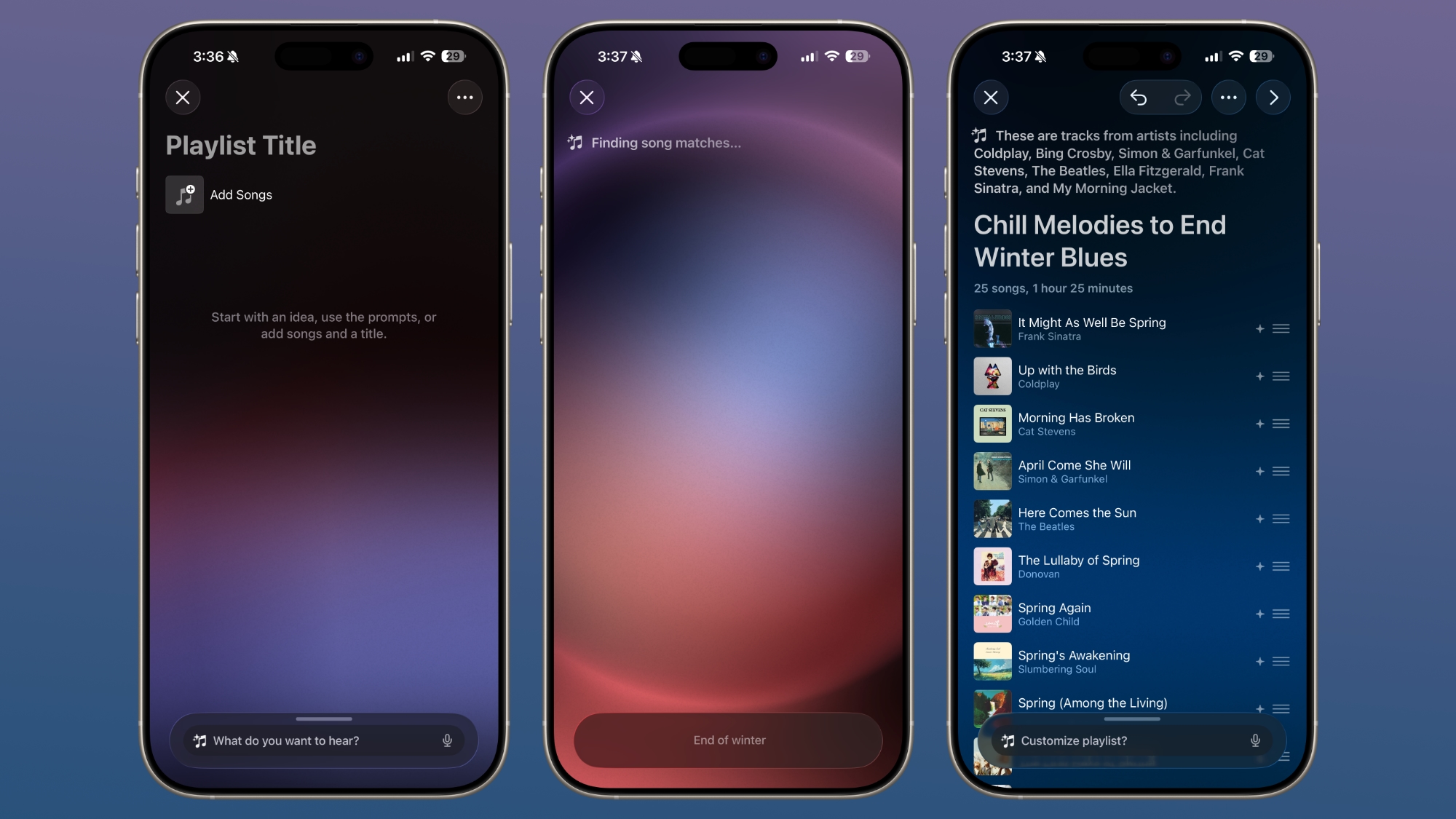
‌Apple Music‌ has a new Playlist Playground feature that lets users create a playlist with a text-based prompt.


In the ‌Apple Music‌ app, there's an option to type in an idea and get automatic song suggestions for a playlist. Apple has some pre-set suggestions that include "morning coffee music," "hip-hop party songs," and "disco songs that defined the 1970s," but you can type in any idea, mood, or feeling.

From there, the Playlist Playground feature will automatically generate a list of 25 songs, along with a custom title. Playlists that you create can be customized further with additional text prompts, and you can select a cover and a description.

Apple Music


‌Apple Music‌ features a "Concerts Near You" feature that helps you find shows in your area and tour dates for artists that you're a fan of.


Apple has redesigned albums and playlists, adding full-page artwork.

Apple Podcasts


With iOS 26.4, Apple is adding video podcast capabilities to the Apple Podcasts app. The feature uses HTTP Live Streaming (HLS) to provide podcast creators with "unprecedented control and monetization opportunities" while also providing a high-quality viewing experience.


The iOS 26.4 Podcasts app will let users switch between watching and listening to shows, with videos able to be downloaded for offline viewing. HLS ensures smooth playback regardless of network connection, so videos will work on Wi-Fi or cellular. Apple says that the new video episodes will integrate with existing ‌Apple Podcasts‌ features, including personalized recommendations and editorial suggestions in the New and Category sections.

Stolen Device Protection


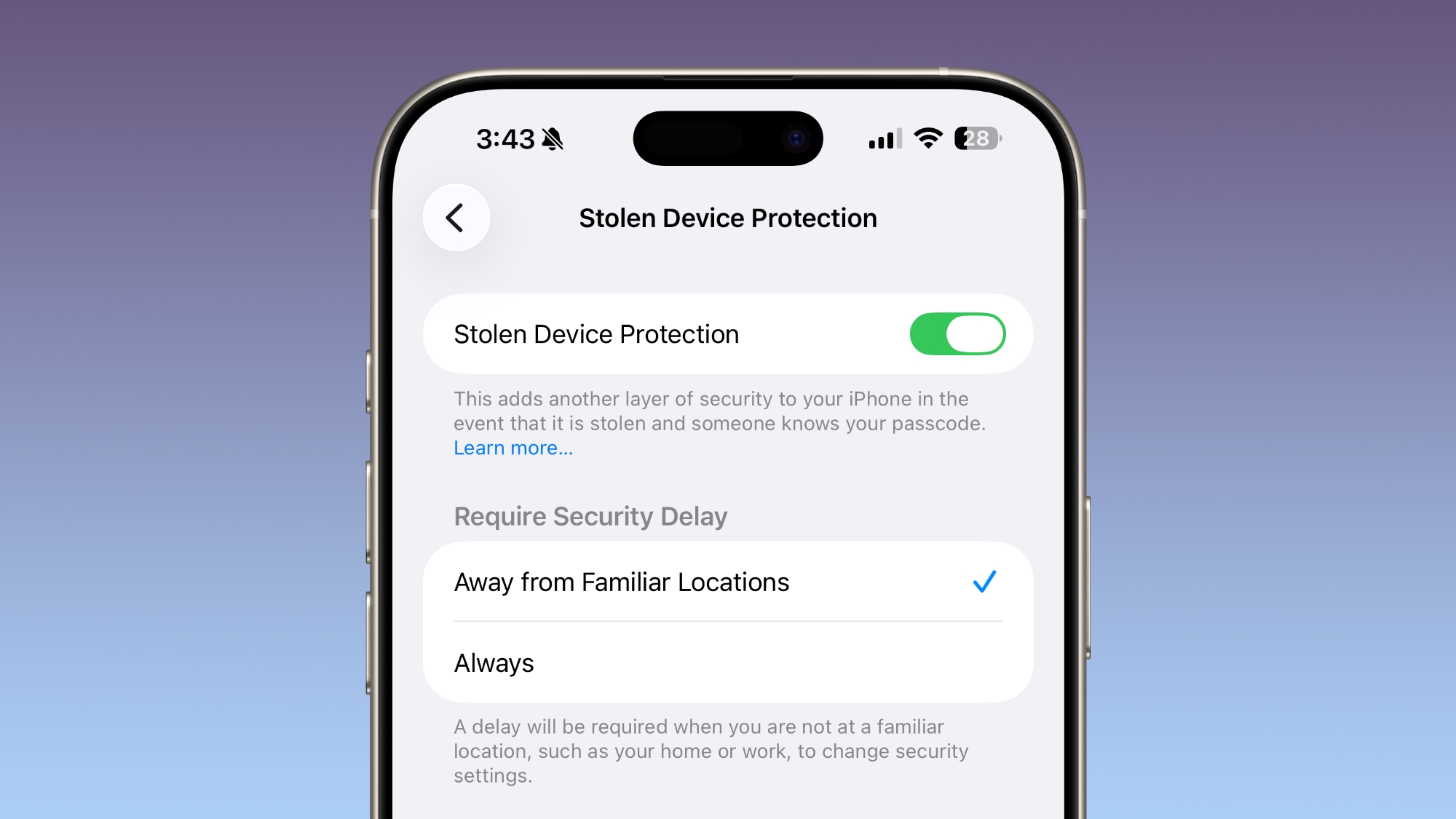
Stolen Device Protection is now enabled by default for all ‌iPhone‌ users, rather than being an opt-in feature.


Apple implemented Stolen Device Protection back in 2023 after reports about a new ‌iPhone‌ theft method. Thieves would spy on an intended victim to learn their passcode, then steal the target's ‌iPhone‌. With the passcode, criminals were able to empty bank accounts, access passwords, and turn off Find My.

Stolen Device Protection requires additional authentication through Face ID or Touch ID to access certain ‌iPhone‌ features like the Passwords app, Lost mode in ‌Find My‌, Safari purchases, and more. Some features are disabled entirely without authentication, while others have a one-hour security delay.

End-to-End RCS Encryption for Messages


With iOS 26.4, iPadOS 26.4, and macOS Tahoe 26.4, Apple is testing end-to-end encryption (E2EE) for ‌RCS‌ messages, a security feature that is not currently available for cross-platform messaging.


Apple has been working with the GSM Association to implement E2EE for ‌RCS‌ messages. iMessage, the messaging protocol for sending texts between iPhones, has long supported end-to-end encryption. ‌RCS‌ messages between Android devices have also featured E2EE, but there was no full encryption for Android to ‌iPhone‌ (or vice versa) communications. With the addition of E2EE for ‌RCS‌, messages between ‌iPhone‌ users and Android users will eventually be just as secure as iMessage.

Messages sent by ‌RCS‌ that have end-to-end encryption will feature a lock icon in the conversation interface. As of right now, Apple is testing iPhone-to-iPhone ‌RCS‌ encryption, with the feature set to roll out for ‌iPhone‌ and Android conversations in a future iOS 26 update.

Messages that feature E2EE will feature a lock icon in the conversation UI, both for iMessages and ‌RCS‌ Messages.

Messages App


There are new animations in the Messages app for actions like launching a new conversation.

Apple Account Unified Design


In the App Store, ‌Apple Music‌, and other apps that have user settings, there is a new unified Apple Account hub that replaces the existing profile feature.


It offers largely the same functionality as the prior profile settings for each app, but there is a new unified design.

The ‌App Store‌ merges apps and purchase history, and has a dedicated section for app updates. It now takes two taps to get to app updates rather than having them available at the bottom of the profile page.

The ‌App Store‌'s navigation bar also no longer features Search as a separate button, and the search bar itself is at the top when tapped rather than the bottom.

Ambient Music Widget


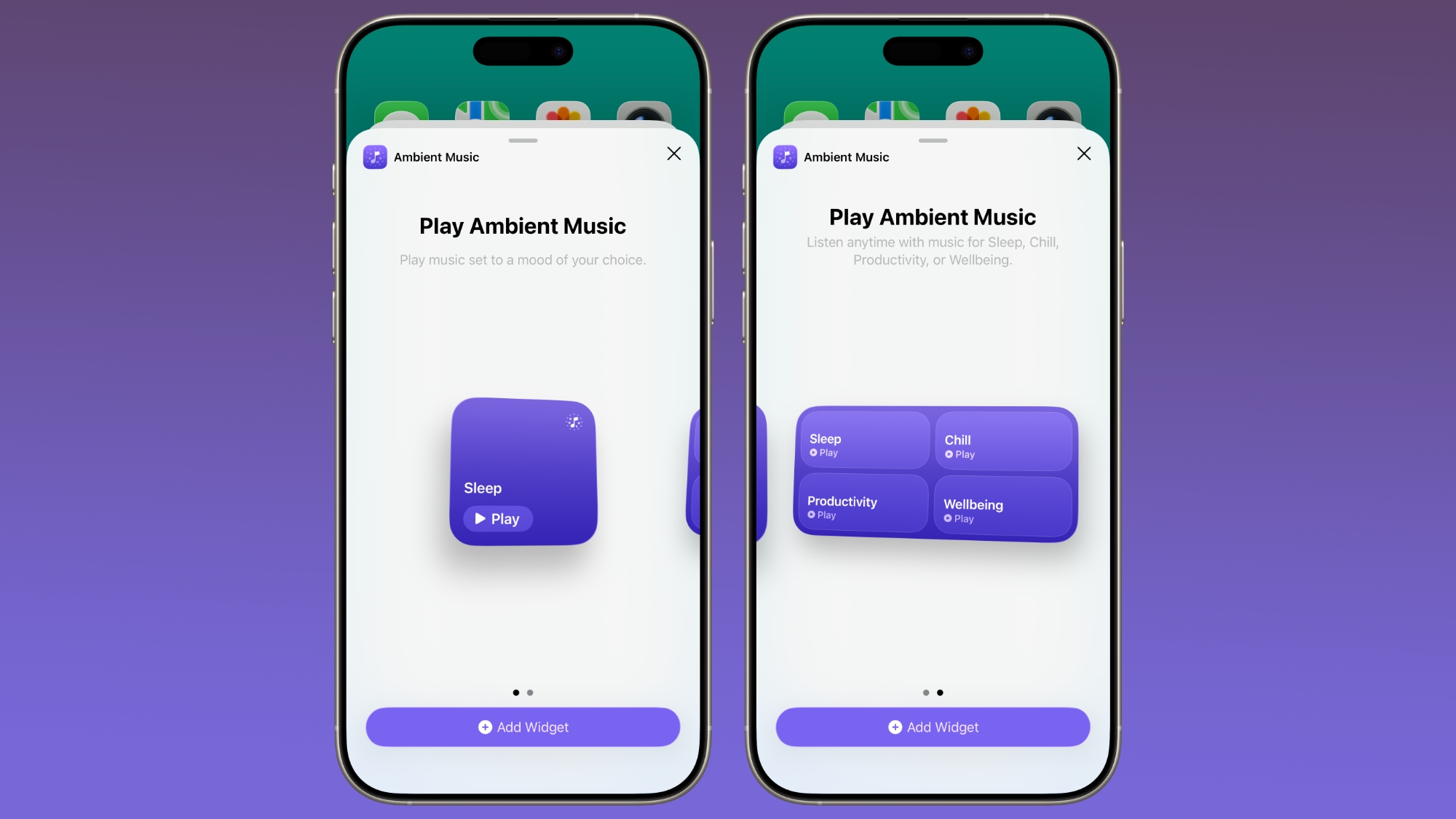
There is a new Ambient Music widget for the Home and Lock Screen. It supports playing different built-in ambient music options for sleep, productivity, wellbeing, and more.


Wallpaper and Watch Face Gallery


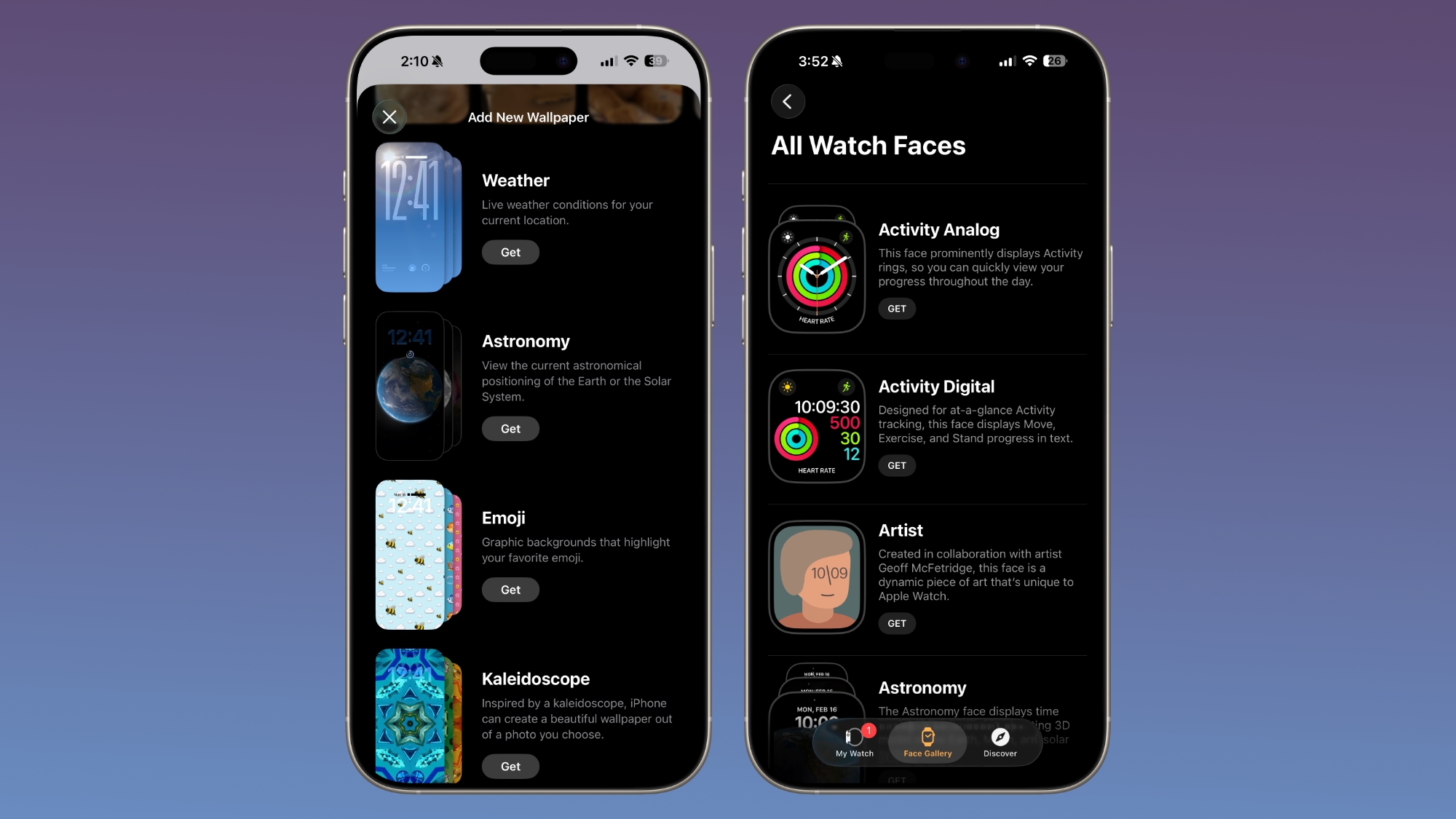
The Wallpaper Gallery has an updated design that allows Wallpapers from each category like Weather, Astronomy, Emoji, Colors and More to be downloaded to the ‌iPhone‌.


The Watch Face Gallery in the Apple Watch app also features the same design change.

Freeform Creator Studio


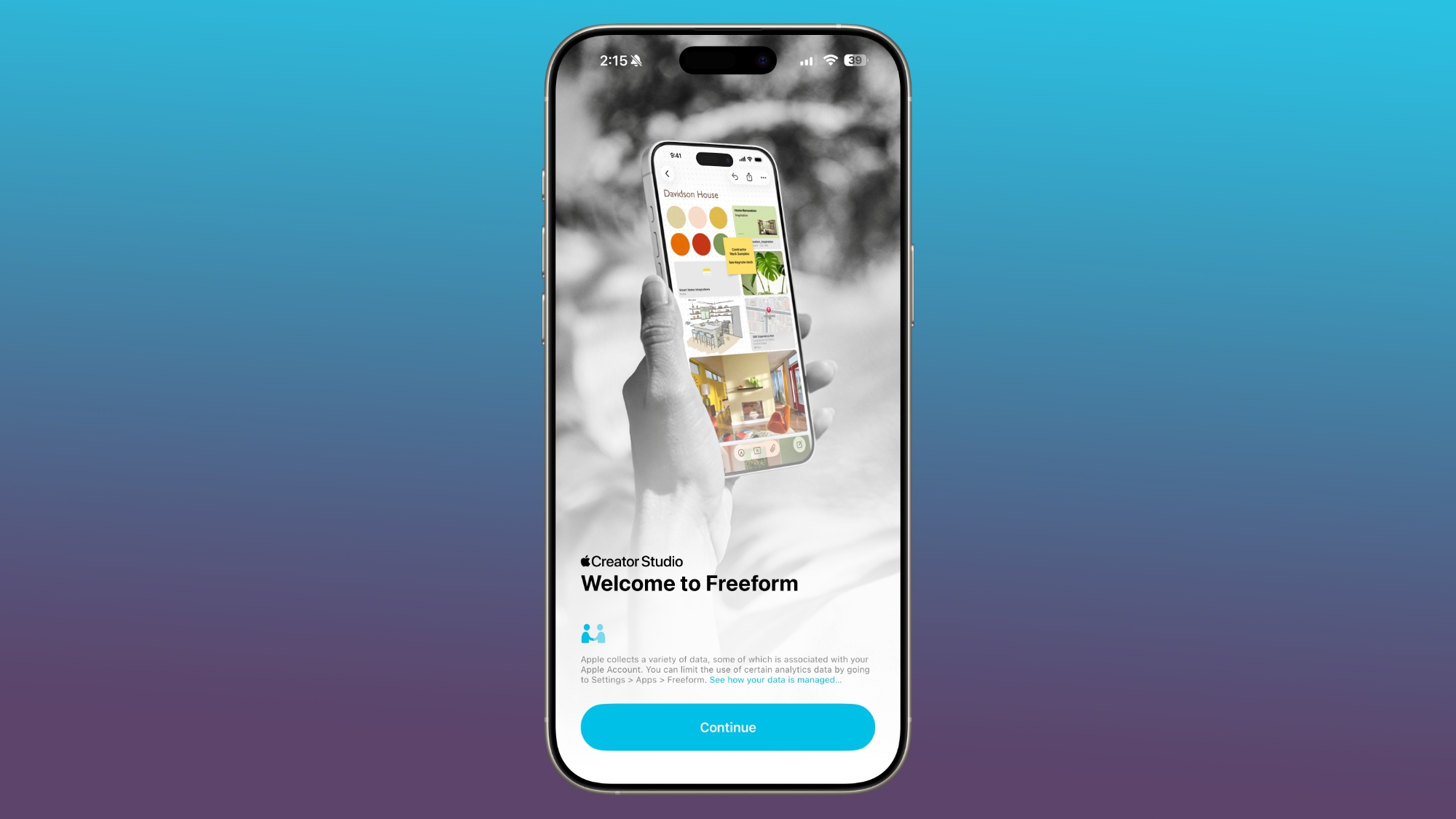
Freeform Creator Studio is live in iOS 26.4, allowing Creator Studio subscribers to access new Freeform features. Creator Studio for Freeform adds a dedicated Content Hub that houses the Freeform shape options.


Creator Studio users will be able to access free, high-quality content like graphics, photos, and illustrations that are not available to non-subscribers, plus there are AI capabilities for creating and editing images.

When Creator Studio launched, Apple said the premium content and features in Freeform would be coming to the Apple Creator Studio subscription later this year.

Freeform also has a new icon.

Reminders


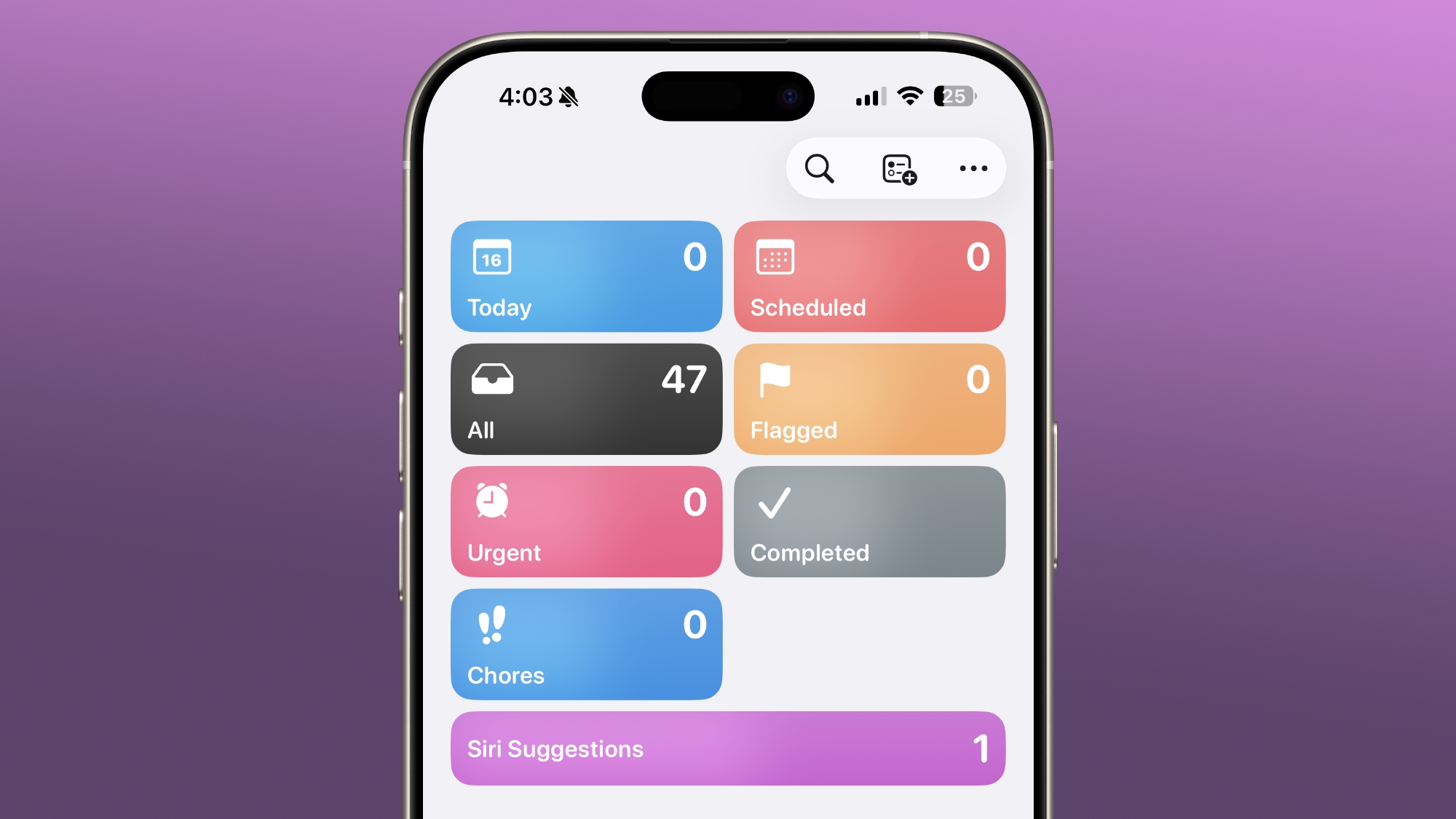
The Reminders app has a new "Urgent" section. Reminders that have Urgent toggled on during creation will show up here. Urgent ensures that reminders have an accompanying alarm so you get a clear warning when a reminder is due.


iCloud Web Settings


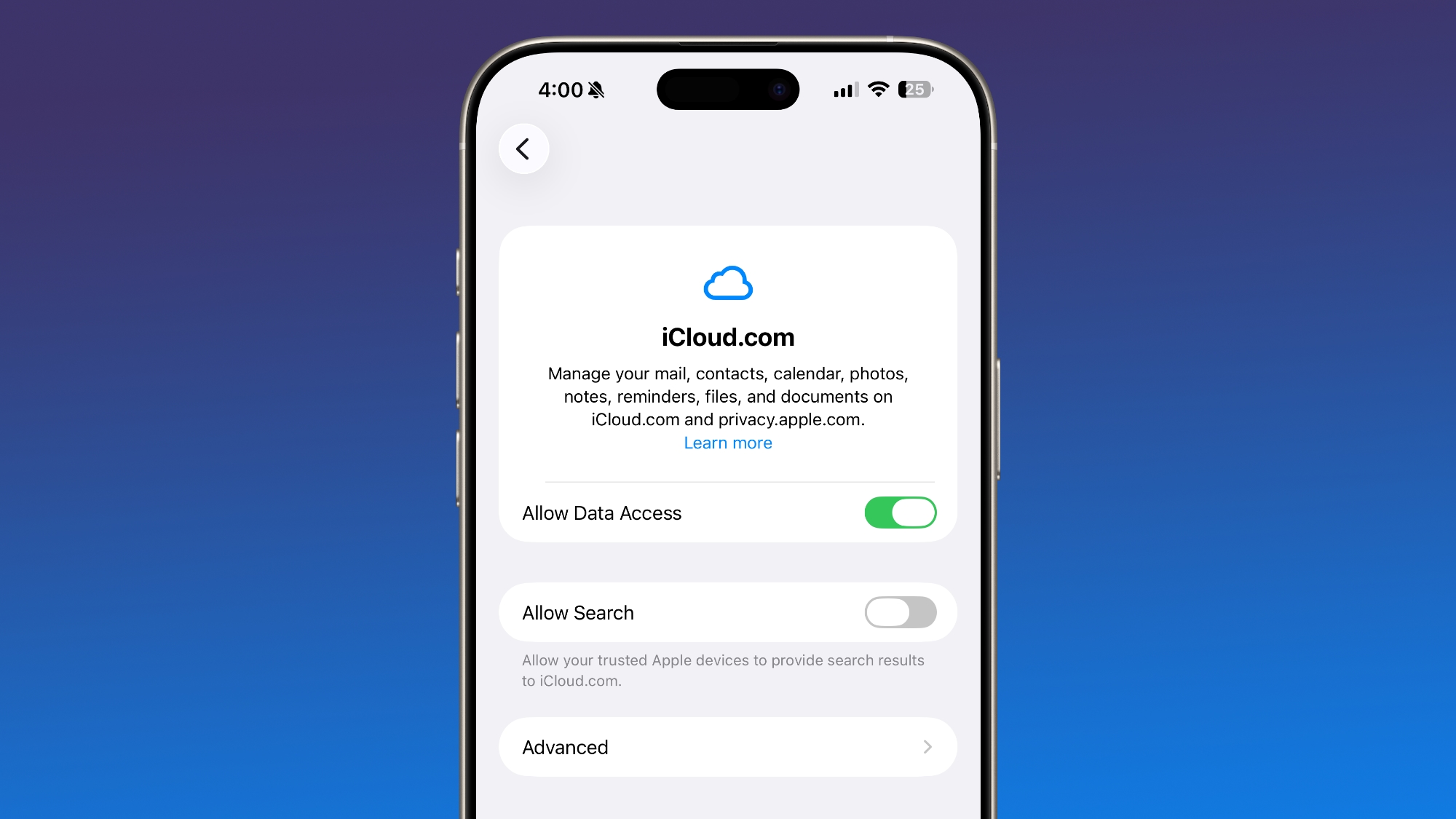
In the iCloud section of the Settings app, there's now an "iCloud.com" option if you scroll all the way to the bottom of the interface. It replaces the simple "Access ‌iCloud‌ Data on the Web" toggle that was previously available.


The setting includes a new "Allow Search" toggle that lets trusted Apple devices provide search results to iCloud.com.

New Emoji


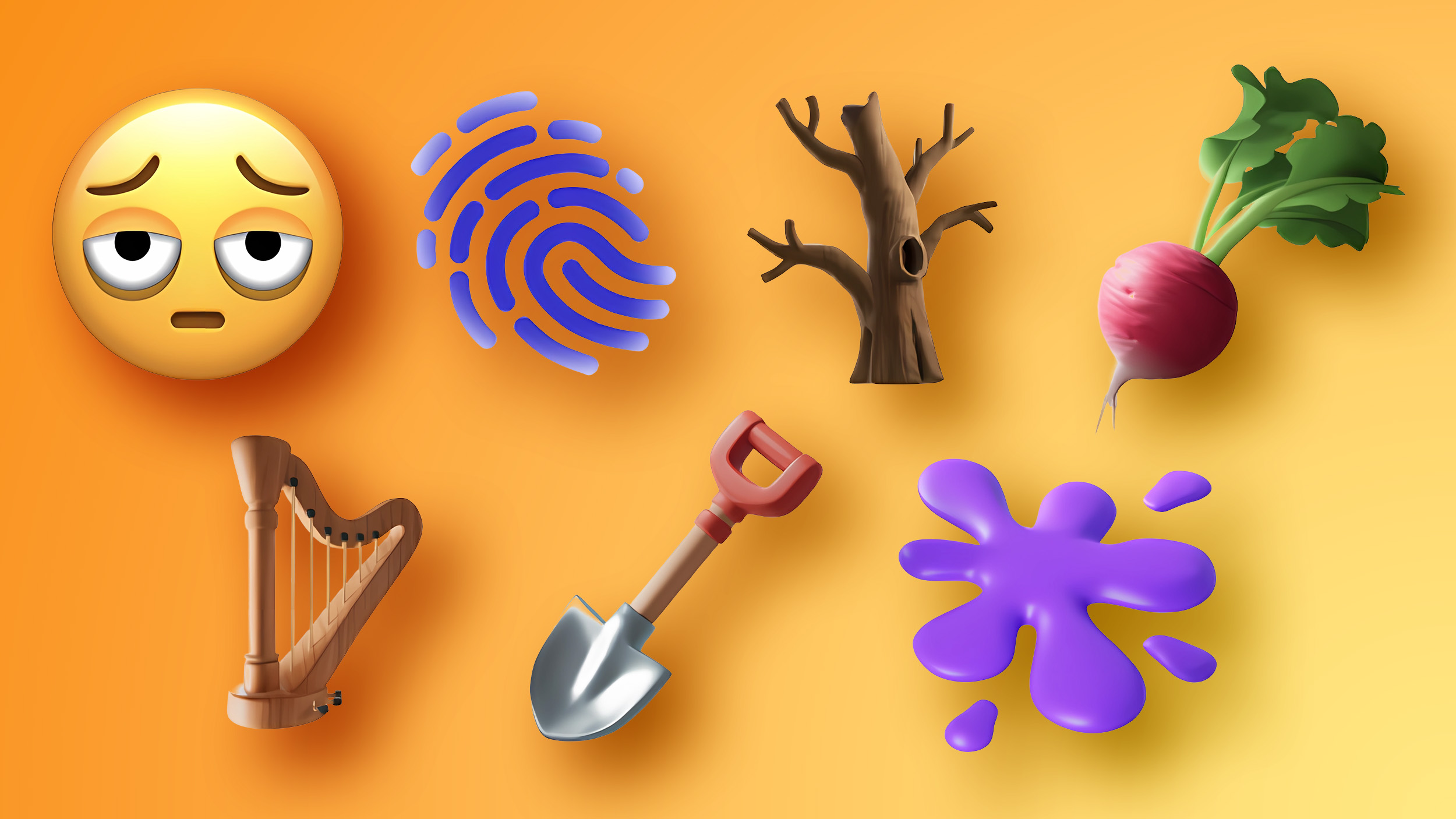
There aren't new emoji in iOS 26.4, but code suggests that new characters will be introduced in a future beta. There are references to new emoji, and we are expecting several new emoji options.


Emoji characters that are coming include trombone, treasure chest, distorted face, hairy creature (aka Bigfoot or Sasquatch), fight cloud, apple core, orca, landslide, and ballet dancers.

Notification Forwarding for Third-Party Devices (EU)


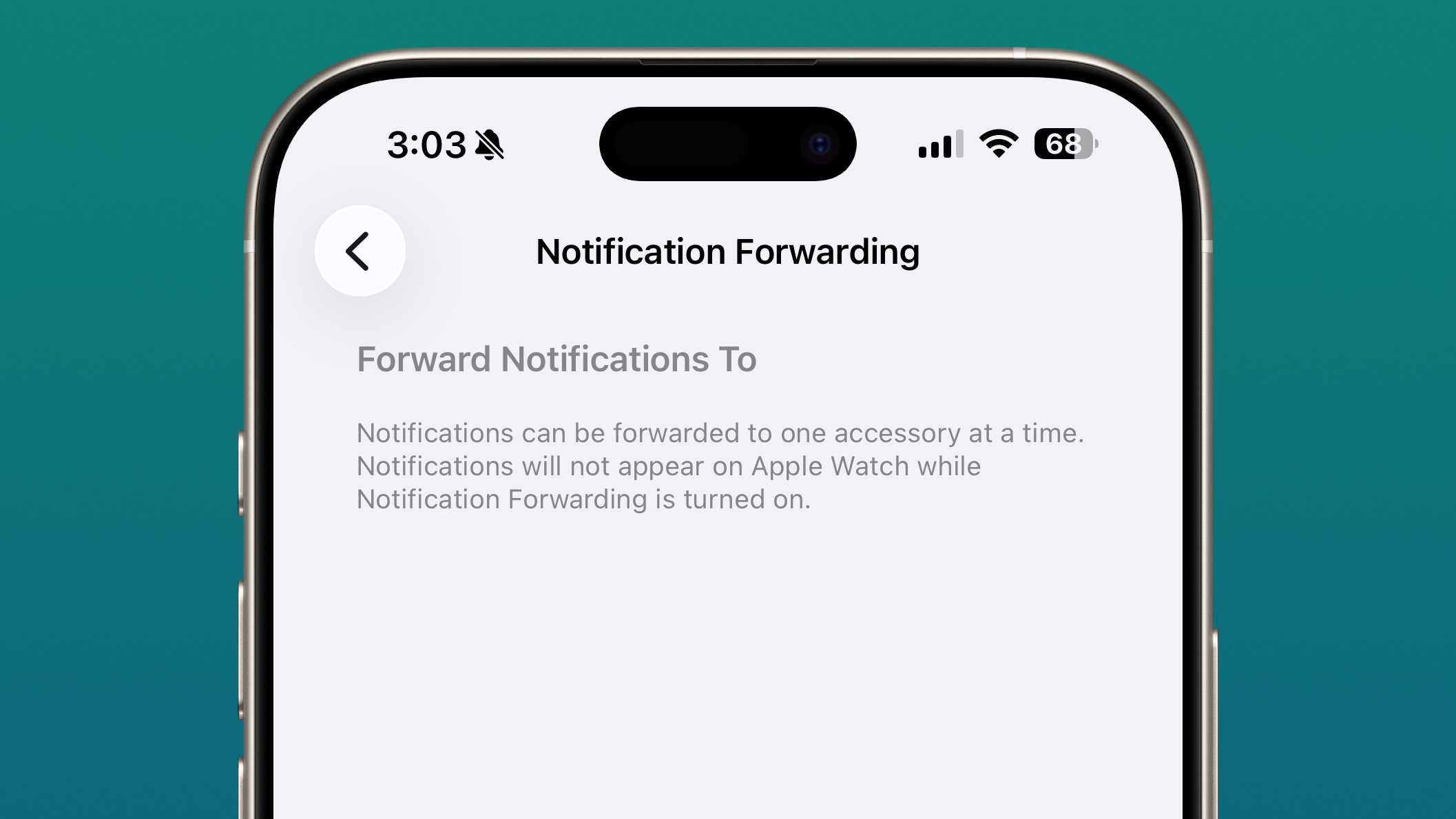
In the iOS 26.3 beta, Apple tested a new "Notification Forwarding" setting that allows incoming notifications on an ‌iPhone‌ to be forwarded to a third-party wearable device like an Android smartwatch, but it was not included in the launch version of the software. It is back in the iOS 26.4 beta.


Notifications can only be forwarded to a single device at a time, so if Notification Forwarding is enabled with a third-party wearable, the Apple Watch won't be able to receive and display notifications.

Apple is adding notification forwarding to address antitrust complaints suggesting that third-party wearables should have the same access to notifications and other features as the Apple Watch. It is limited to the European Union.

Proximity Pairing - EU Only


In the iOS 26.3 beta, Apple also tested other Europe-only changes for third-party wearables, which were shared by the European Commission, such as Proximity Pairing.

Proximity pairing allows third-party devices to pair with an iOS device in an AirPods-like one-tap way by bringing an accessory close to an ‌iPhone‌ or an iPad. Proximity Pairing was not enabled in iOS 26.3, and it too may come in iOS 26.4.
This article, "Everything New in iOS 26.4 Beta 1" first appeared on MacRumors.com

Discuss this article in our forums

  •  

Apple Brings iPhone-Style Battery Charge Limits to the Mac in macOS Tahoe 26.4

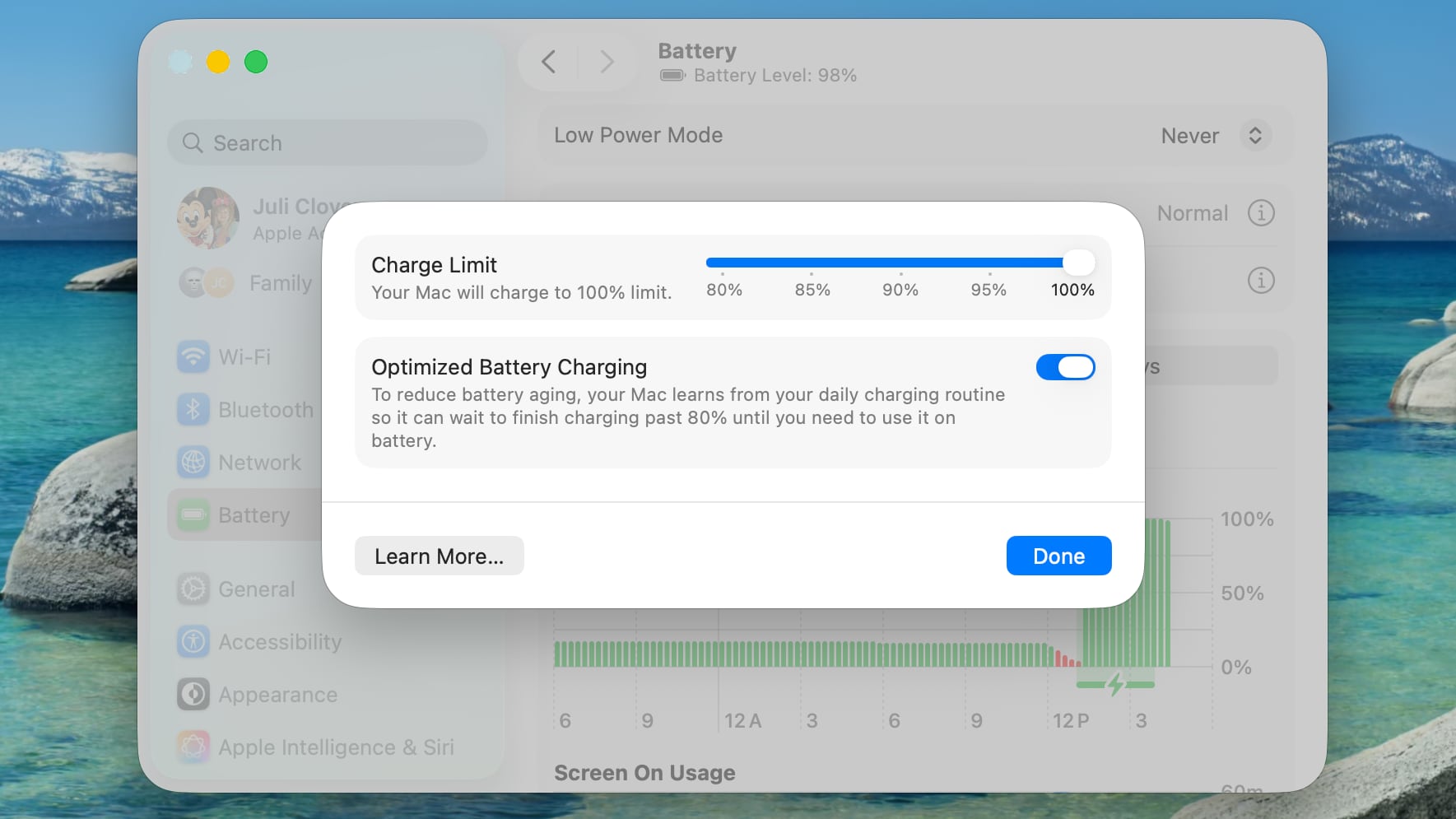
The macOS Tahoe 26.4 beta that Apple released today includes a Charge Limit feature for the Mac. There is a new slider bar that lets Mac users select a charge level from 80 percent to 100 percent.


The Charge Limit is a setting that's available in addition to Optimized Battery Charging, and it can prevent a Mac from ever charging to 100 percent.

Apple's existing Optimized Battery Charging feature keeps a Mac from charging to 100 percent until it's needed for use, with the option using your daily charging routine to determine when to charge to full. While Optimized Battery Charging can help preserve battery life, it still regularly allows a Mac to charge to 100 percent.

The new Charge Limit feature is a hard restriction that keeps a Mac's battery at 80 percent, 85 percent, 90 percent, 95 percent, or 100 percent, giving users more control over the Mac's maximum charging level. Keeping a Mac's battery at 80 percent could increase battery longevity by preserving battery health over time.

Charge Limit can be enabled by opening up the System Settings app, going to Battery, and clicking on the "i" button next to Charging.

Apple's iPhones have had a charge limit feature since the iPhone 15 lineup launched in 2023.
Related Roundup: macOS Tahoe
Related Forum: macOS Tahoe

This article, "Apple Brings iPhone-Style Battery Charge Limits to the Mac in macOS Tahoe 26.4" first appeared on MacRumors.com

Discuss this article in our forums

  •  

Compact Safari Tab Bar Returns in macOS Tahoe 26.4 and iPadOS 26.4

The macOS Tahoe 26.4 and iPadOS 26.4 betas that Apple released today reintroduce a compact Safari Tab Bar option for those who prefer that view option.


Apple removed the compact tab bar option with the launch of ‌macOS Tahoe‌ and iPadOS 26, but there were Mac and iPad users who missed it.

The Safari app on Mac and the Safari section of the Settings app on ‌iPad‌ both now feature an option to toggle on the Compact Tab Bar as an alternative to the standard Separate Tab Bar.

‌macOS Tahoe‌ 26.4 and iPadOS 26.4 are limited to developers right now, but Apple should release public betas soon. The software is expected to launch in the spring.
Related Roundup: macOS Tahoe
Related Forum: macOS Tahoe

This article, "Compact Safari Tab Bar Returns in macOS Tahoe 26.4 and iPadOS 26.4" first appeared on MacRumors.com

Discuss this article in our forums

  •  

Apple Music 'Playlist Playground' in iOS 26.4 Creates Playlists From Text Prompts

The iOS 26.4 update that Apple is beta testing includes a new "Playlist Playground" feature in the Apple Music app that's designed to let users create a playlist with a text-based prompt.


In the ‌Apple Music‌ app, there's an option to type in an idea and get automatic song suggestions for a playlist. Apple has some pre-set suggestions that include "morning coffee music," "hip-hop party songs," and "disco songs that defined the 1970s," but you can type in any idea, mood, or feeling.

From there, the Playlist Playground feature will automatically generate a list of 25 songs, along with a custom title. Playlists that you create can be customized further with additional text prompts, and you can select a cover and a description.

The Playlist Playground is available in the iOS 26.4 beta, and you can get to it by opening up ‌Apple Music‌, tapping into the Library, and tapping on the "+" button to create a new playlist. If it doesn't show up, you may need to restart your device or the ‌Apple Music‌ app.

Playlists can be shared and displayed on your profile, similar to standard playlists.

iOS 26.4 is limited to developers right now, but Apple will likely release a public beta in the near future. The software will launch in the spring.
Related Roundups: iOS 26, iPadOS 26
Related Forum: iOS 26

This article, "Apple Music 'Playlist Playground' in iOS 26.4 Creates Playlists From Text Prompts" first appeared on MacRumors.com

Discuss this article in our forums

  •  

Three New Apple Home Products Rumored for 2026

Apple has a long list of new products rumored for 2026, including a series of home products that will see the company establishing more of a presence in the smart home space. Robots are on the horizon for 2027, but the 2026 releases will be a little tamer.


HomePod mini


We're expecting a new HomePod mini 2 to launch at any time. Apple isn't going to update the device's design, but we could get new colors. The ‌HomePod mini‌ 2 will have an updated S-series chip based on the Apple Watch Series 10 chip, and there's a possibility for sound improvements and improved real-time computational audio. Apple will also likely upgrade to Bluetooth 5.3 for connectivity improvements, and it could get a second-generation Ultra Wideband chip.

The current ‌HomePod mini‌ is $99, and that's not expected to change.

Home Hub


Apple has been working on a home hub that will serve as a centralized location for all members of the family to control smart home devices, make calls, listen to music, get information like the weather, use Siri, view photos, see a family calendar, and more.

Rumors suggest the home hub will have presence sensors to detect when someone is in the room, and an included camera could be able to tell who is speaking to it so that it can pop up a personalized selection of apps and features for each user.

The home hub is expected to have Face ID, built-in speakers, and support for Apple Intelligence thanks to an A18 chip. While there won't be a dedicated App Store, the home hub will run Apple apps like Safari, Apple Music, Notes, Calendar, Photos, and Apple News.

There are two separate models, including one that's designed to be mounted on the wall and one that has a speaker base that looks like a ‌HomePod mini‌.

Security Camera and Doorbell Camera


Apple is designing its own indoor security cameras that will connect to Apple Home and interface with the home hub. We've also heard rumors of a potential doorbell camera with ‌Face ID‌ that would be able to connect to a door lock.

Any Apple-designed cameras will feature HomeKit Secure Video with end-to-end encryption, but little else is known at this time. There has been mixed information on when we might see Apple's security cameras, but they could come as early as 2026.

Launch Timing


The ‌HomePod mini‌ and home hub are expected early in the year, likely before WWDC. The cameras, if we get them in 2026, will likely come late in the year. Prior rumors suggested that Apple would release the home hub around the time that the new version of ‌Siri‌ launches. The smarter ‌Siri‌ was expected in iOS 26.4, but it may now be pushed back to iOS 26.5.

Read More


For more on what to expect from Apple in 2026, we have a dedicated Apple Products guide that lists all of the devices on the horizon. We update it regularly, so it's a useful guide to bookmark and check every now and then to keep up to date with Apple's plans.
This article, "Three New Apple Home Products Rumored for 2026" first appeared on MacRumors.com

Discuss this article in our forums

  •  

Is Apple Phasing Out the iWork Brand?

With the launch of the Creator Studio subscription app offering, Apple may be phasing out the iWork branding that it has used since 2005 for Pages, Keynote, and Numbers.


Apple today removed the iWork section on its website, and the URL now redirects to a more generic "apps" page that features Creator Studio, Apple Arcade, Apple Invites, Image Playground, and other Apple apps.

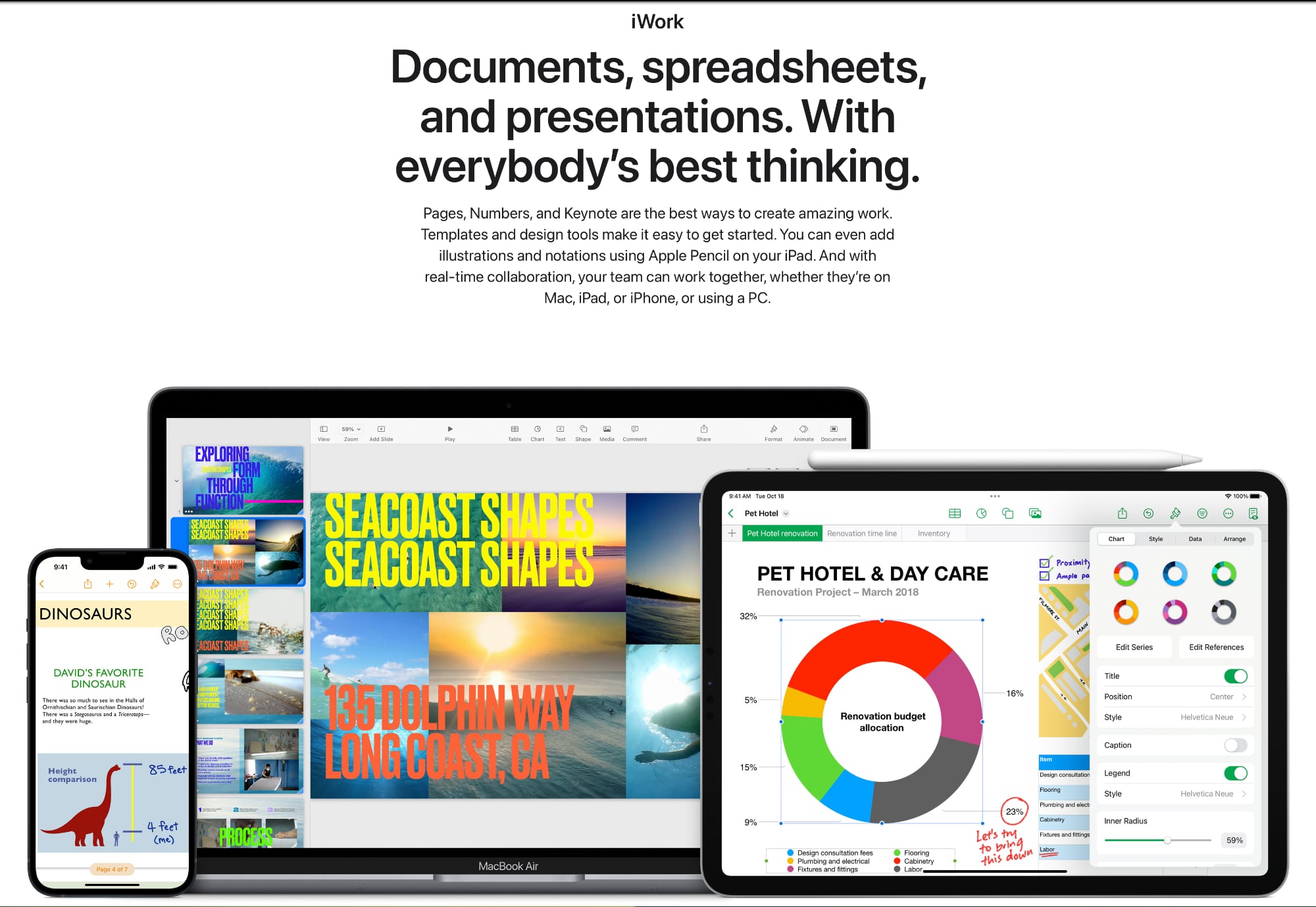
The iWork page that Apple removed was dedicated solely to Pages, Numbers, and Keynote, featuring information on each app along with a link. Apple's apps page offers some of the same information in a dedicated productivity section, but with additional details on the premium features included in Pages, Numbers, and Keynote with Apple Creator Studio.

The apps page does not mention the iWork branding at all, suggesting that Apple is no longer referring to the three productivity apps using that term and is instead going to advertise them as Apple Creator Studio apps.

Apple's now-removed iWork page

It's not clear if Apple is going to phase out "iWork" entirely, and the term is still used across different support documents and guides. It may take time to completely eliminate the all-in-one branding that Apple has used for Pages, Numbers, and Keynote for more than 20 years, or it could still be used in some limited situations.

Apple introduced Keynote as a standalone app in 2003, and added Pages in January 2004. A year later, both apps were bundled together under the iWork '05 name, with the software priced at $79. Apple said iWork was a successor to AppleWorks, an office suite that included a word processing app, a database, a drawing app, and a spreadsheet app. The iWork apps were designed from the ground up, and were essentially the Mac equivalent to Microsoft Office.

In 2007, iWork '08 gained the Numbers app, and in 2009, iWork '09 included an iWork.com service for sharing documents online (discontinued in 2012 in favor of iCloud). When iWork '09 came out, Apple started selling the apps for $20 each, later adding them to the Mac App Store when it launched in 2011. iOS versions of the iWork apps came in 2010 with the launch of the first iPad, with Apple charging $9.99 each.

Apple redesigned the iWork apps for Mac and iOS in 2013, and started offering them for free to Mac buyers. Pages, Keynote, and Numbers remain free today, though there are now upgraded features accessible only through the Apple Creator Studio subscription.

Apple Creator Studio is priced at $12.99 per month, and in addition to the iWork apps, it includes access to Final Cut Pro, Logic Pro, Pixelmator Pro, Motion, Compressor, and MainStage. For Numbers, Pages, and Keynote, Apple Creator Studio adds a content hub with Apple-curated royalty-free photos, premium templates, and themes. There's also a tool to remix image creations right in a document, and a Super Resolution tool for upscaling images.

In addition to iWork, Apple has been phasing out other "i" branding terms over the last several years. iBooks and iPhoto are now Apple Books and Photos, respectively, while iTunes has been separated into Apple Music, Apple TV, and Apple Podcasts. Apple still uses "i" branding for iMovie, ‌iCloud‌, iPhone, ‌iPad‌, and iMac.
Tag: iWork

This article, "Is Apple Phasing Out the iWork Brand?" first appeared on MacRumors.com

Discuss this article in our forums

  •  

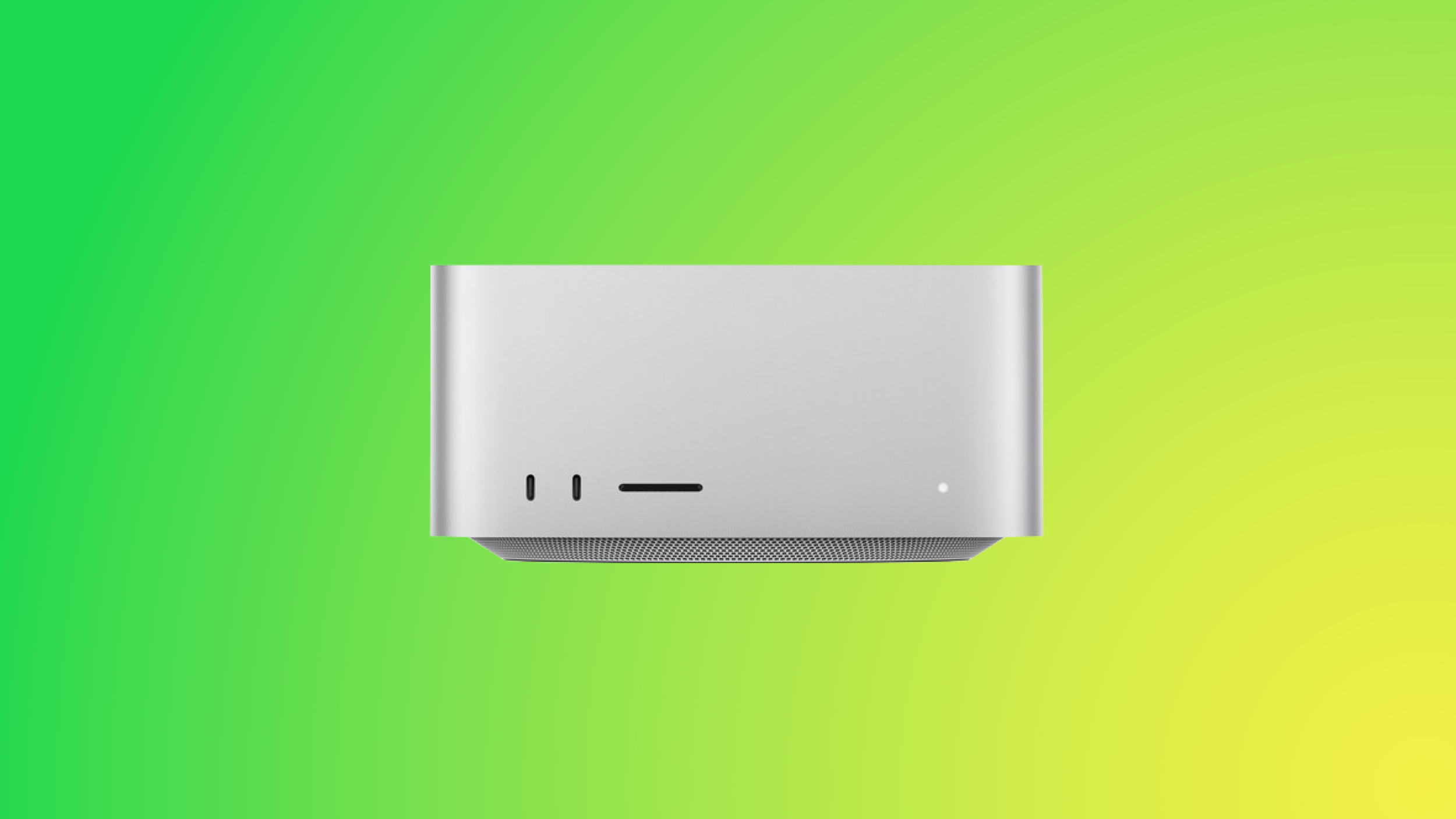
What's Next for the Mac Studio

Apple is working on an updated version of the Mac Studio, and the new machine is expected to launch in the first half of 2026. We've rounded up what we know about the next-generation ‌Mac Studio‌ so far.


Design


We're not expecting Apple to redesign the ‌Mac Studio‌, and there haven't been rumors of a design update. The ‌Mac Studio‌ will continue to have an Apple TV or Mac mini-like squircle design with rounded corners.

The ‌Mac Studio‌ is a much more compact desktop than the Mac Pro, measuring in at 3.7 inches tall and 7.7 inches wide. Apple has apparently put the ‌Mac Pro‌ on the backburner, and the ‌Mac Studio‌ is seen as the future of Mac desktop computing.

M5 Max and M5 Ultra Chips


We're expecting the ‌Mac Studio‌ to adopt M5 Max and M5 Ultra chips. The M5 Max chip will offer much faster CPU and GPU performance than the M5 chip that came out last October, and the M5 Ultra will double the M5 Max performance.

Signs of the M5 Max and M5 Ultra chips were spotted in the recent iOS 26.3 release candidate.

Faster SSD


The M5 MacBook Pro models were updated with a faster SSD, so the ‌Mac Studio‌ and other Macs coming in 2026 could get the same refresh.

Studio Display 2


Apple debuted the first Studio Display alongside the ‌Mac Studio‌, and there is a new Studio Display 2 rumored to be coming this year. We could get the new display alongside the new ‌Mac Studio‌.

The Studio Display 2 is expected to look like the current model, but it could get a faster 90Hz refresh rate, a mini-LED display, and an A19 chip.

Pricing


There haven't been rumors of pricing increases for the ‌Mac Studio‌, so it could continue to start at $1,999.

Release Timing


Last weekend, Bloomberg's Mark Gurman said that new ‌Mac Studio‌ models "shouldn't arrive too long after the spring Mac refresh," which is expected to include new ‌MacBook Pro‌ models.

New ‌MacBook Pro‌ models could come as early as the week of March 2, so the ‌Mac Studio‌ will come sometime after that date.
Related Roundup: Mac Studio
Buyer's Guide: Mac Studio (Neutral)
Related Forum: Mac Studio

This article, "What's Next for the Mac Studio" first appeared on MacRumors.com

Discuss this article in our forums

  •  

Apple Wins Third Jury Trial Against Optis, Avoiding Hundreds of Millions in Patent Damages

Apple did not infringe on any patents owned by Texas-based company Optis Wireless, a jury ruled today. In a verdict shared by Reuters, the jury decided that Apple did not infringe any of the five LTE patents that Optis sued over back in 2019. If Optis had won, Apple could have faced hundreds of millions in damages.


Optis Wireless initially won $506 million from Apple in a 2020 jury trial, but the damages were thrown out after Apple appealed because the jury didn't calculate damages with an understanding of fair and reasonable essential patent (FRAND) terms. A second jury trial was held in 2021 to recalculate damages, and the jury awarded Optis $300 million. Apple again appealed, and the appeals court vacated the $300 million verdict because the district court provided the jury with incorrect instructions.

Apple and Optis were sent back to court for a third jury trial, which leads to today's verdict. With the jury finding in Apples favor, Apple owes Optis nothing. In a statement to Reuters, Apple said it was pleased the jury rejected Optis's infringement claims.
"We thank the jury for their time, and we're pleased they rejected Optis' false claims. Optis makes no products, and its sole business is to sue companies, which it has done repeatedly to Apple in an attempt to obtain an excessive payout."

Optis is likely to appeal the ruling, sending it back to the appeals court again. Apple is also fighting Optis in the UK, where a UK court ordered Apple to pay $502 million. Apple appealed the decision and the UK Supreme Court will hear the case in June 2026.
This article, "Apple Wins Third Jury Trial Against Optis, Avoiding Hundreds of Millions in Patent Damages" first appeared on MacRumors.com

Discuss this article in our forums

  •  

Apple Confirms Revamped Siri is Still Coming in 2026

Apple is still planning to launch the smarter, more capable version of Siri in 2026, the company told CNBC today. Apple's statement comes just a day after Bloomberg reported Apple is having issues with the updated version of ‌Siri‌, leading to potential delays of the feature.


Apple initially intended to launch the Apple Intelligence-powered version of ‌Siri‌ in spring 2025, but right around when a debut was expected in March 2025, Apple said that Siri wasn't ready and needed more time. Later in the year, Apple said that it would launch its Siri update in 2026.

Though Apple never gave a timeline more specific than "2026," Bloomberg said the company was aiming to include Siri in iOS 26.4, an update planned for spring 2026. Bloomberg's latest report suggests the ‌Siri‌ functionality will not be ready in time to be included in iOS 26.4, so the new features could be pushed to iOS 26.5 or iOS 27.

Apple may miss its internal target for the 2026 ‌Siri‌ launch, but since the company never publicly gave timing beyond 2026, there's no actual delay yet. Apple has until December 2026 to launch ‌Siri‌ within the timeframe that it promised in summer of 2025.

Back in June 2024, Apple previewed three new ‌Siri‌ features, including onscreen awareness, personal context, and the ability to do more in and between apps. Apple has since started working on additional ‌Siri‌ features like image generation and a tool for searching the web.

In Apple's testing, ‌Siri‌ apparently sometimes doesn't process queries properly, and can take too long to respond to requests. Features are not working as intended, so ‌Siri‌'s new capabilities could roll out across several updates. We could still get one or two new ‌Siri‌ features in iOS 26.4, with other features set to come in future updates slated for 2026. There are still several iOS 26 updates planned for 2026, and iOS 27 will launch in September 2026.

Apple provided CNBC with a statement because the company's stock dropped five percent today, both due to the ‌Siri‌ delay rumors and FTC scrutiny over Apple News.

Apple is likely to release the first beta of iOS 26.4 later this month, giving us more insight into the ‌Siri‌ launch situation.
Related Roundups: iOS 26, iPadOS 26
Tag: Siri
Related Forum: iOS 26

This article, "Apple Confirms Revamped Siri is Still Coming in 2026" first appeared on MacRumors.com

Discuss this article in our forums

  •  

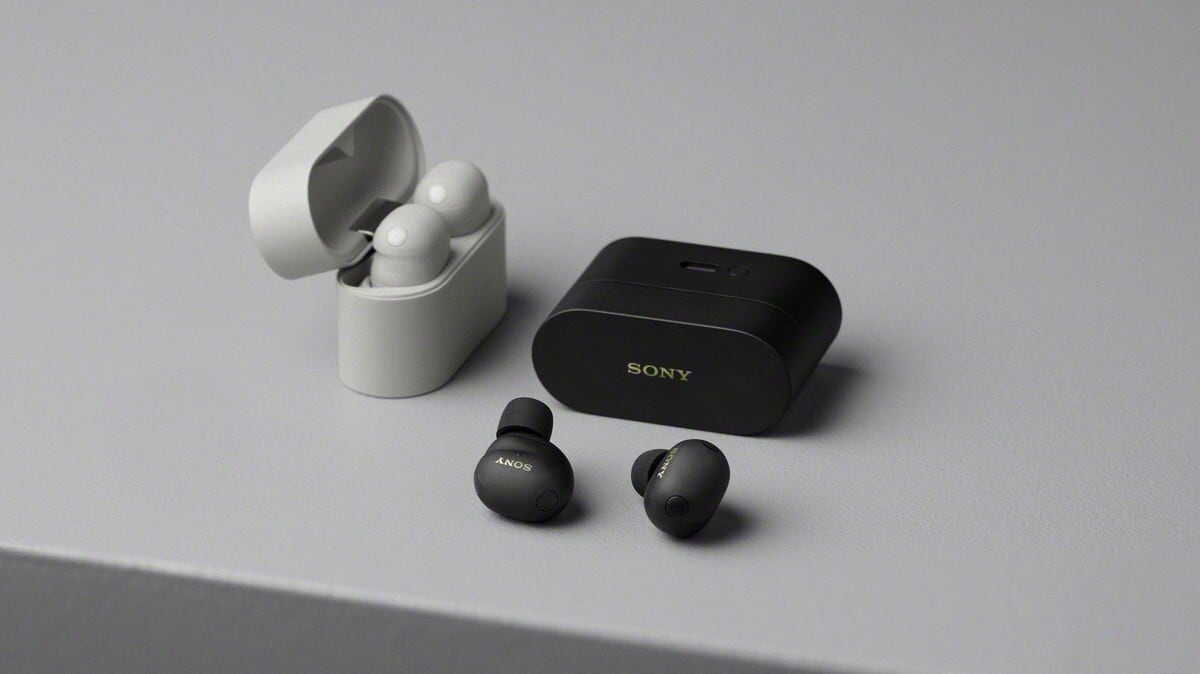
Sony Launches $330 WF-1000XM6 Earbuds to Take on AirPods Pro 3

Sony today announced a new set of earbuds that are designed to compete with the AirPods Pro 3. The $330 WF-1000XM6 Truly Wireless Earbuds feature Active Noise Cancellation with a 25 percent reduction in noise compared to the prior-generation XM5 earbuds, with improved performance in the mid-to-high frequency range that's common in everyday environments.


The earbuds use Sony's HD Noise Canceling Processor QN3e with an adaptive noise canceling optimizer and four microphones on each earbud to detect sound to cut out. The earbuds analyze external noise and wearing conditions in real time to improve noise canceling performance.

Sony's XM6 earbuds are smaller than the ‌AirPods Pro 3‌ because there is no stem, and they include noise isolating silicone ear tips with a USB-C charging case. Sony redesigned the earbuds with a more ergonomic shape that's meant to follow the natural curves of the inner ear to reduce discomfort, and the XM6 is 11 percent slimmer than the XM5. The updated design also reduces internal noises like footsteps and chewing sounds.

The battery in the XM6 earbuds lasts for up to eight hours, and the charging case provides an additional 24 hours.

More processing power delivers better sound, and Sony says the earbuds have a new driver unit that combines different materials on the dome and the edge. The soft edge offers deep bass, while the rigid dome provides clear and extended high frequencies. Sony is also using AI to restore compressed files in real time to improve sound quality.

For phone calls, there are two microphones and a bone conduction sensor on each side, with the earbuds using AI beamforming to isolate and capture the wearer's voice even in crowded environments.

Sony offers Adaptive Sound Control, Auto Play, multi-device support, and integrated voice assistance, with Google Gemini Live built in.

Reviews suggest the WF-1000XM6 earbuds are almost on par with the ‌AirPods Pro 3‌ when it comes to noise cancellation. According to SoundGuys, the XM6 had an 88 percent average reduction in loudness across all frequencies, just behind the 90 percent average of the ‌AirPods Pro 3‌. Passive isolation was better than the ‌AirPods Pro 3‌ passive sound reduction.

Engadget felt that Sony's earbuds struggled with human voices and had fit issues, but The Verge said the earbuds tuned out conversations better than other ANC earbuds, including the ‌AirPods Pro 3‌.

TechRadar said the ‌AirPods Pro 3‌ had noticeably better ANC, Business Insider preferred the XM6 noise canceling, and CNET said the XM6 offered better sound quality than the ‌AirPods Pro 3‌.

Sony's new earbuds are available from the Sony website for $330.
Tag: Sony

This article, "Sony Launches $330 WF-1000XM6 Earbuds to Take on AirPods Pro 3" first appeared on MacRumors.com

Discuss this article in our forums

  •  

Apple Releases New Beta Firmware for AirPods Pro 2, AirPods Pro 3 and AirPods 4

Apple today released new beta firmware for the AirPods Pro 2, AirPods Pro 3, and AirPods 4. The firmware is limited to developers at the current time, and it has a build number of 8B5034f.


Apple is not testing any iOS updates right now, so it is unclear what's in the AirPods firmware beta.

With iOS 26, iPadOS 26, and macOS Tahoe, Apple added a beta firmware update installation option that's available from the AirPods settings interface when the AirPods are connected to an iPhone, iPad, or Mac, which facilitates beta testing.

Developers can use the beta option to turn on beta downloads.
This article, "Apple Releases New Beta Firmware for AirPods Pro 2, AirPods Pro 3 and AirPods 4" first appeared on MacRumors.com

Discuss this article in our forums

  •  

Apple Releases Safari Technology Preview 237 With Bug Fixes and Performance Improvements

Apple today released a new update for Safari Technology Preview, the experimental browser that was first introduced in March 2016. Apple designed ‌Safari Technology Preview‌ to allow users to test features that are planned for future release versions of the Safari browser.


‌Safari Technology Preview‌ 237 includes fixes and updates for Accessibility, CSS, DOM, HTML, Networking, Rendering, SVG, Web API, Web Authentication, Web Extensions, Web Inspector, and WebRTC.

The current ‌Safari Technology Preview‌ release is compatible with machines running macOS Sequoia and macOS Tahoe, the newest version of macOS.

The ‌Safari Technology Preview‌ update is available through the Software Update mechanism in System Preferences or System Settings to anyone who has downloaded the browser from Apple’s website. Complete release notes for the update are available on the Safari Technology Preview website.

Apple’s aim with ‌Safari Technology Preview‌ is to gather feedback from developers and users on its browser development process. ‌Safari Technology Preview‌ can run side-by-side with the existing Safari browser and while it is designed for developers, it does not require a developer account to download and use.
This article, "Apple Releases Safari Technology Preview 237 With Bug Fixes and Performance Improvements" first appeared on MacRumors.com

Discuss this article in our forums

  •  

Why Apple's iOS 26.4 Siri Upgrade Will Be Bigger Than Originally Promised

In the iOS 26.4 update that's coming this spring, Apple will introduce a new version of Siri that's going to overhaul how we interact with the personal assistant and what it's able to do.

The iOS 26.4 version of ‌Siri‌ won't work like ChatGPT or Claude, but it will rely on large language models (LLMs) and has been updated from the ground up.

Upgraded Architecture


The next-generation version of ‌Siri‌ will use advanced large language models, similar to those used by ChatGPT, Claude, and Gemini. Apple isn't implementing full chatbot interactions, but any upgrade is both better than what's available now and long overdue.

Right now, ‌Siri‌ uses machine learning, but it doesn't have the reasoning capabilities that LLM models impart. ‌Siri‌ relies on multiple task-specific models to complete a request, going from one step to another. ‌Siri‌ has to determine the intent of a request, pull out relevant information (a time, an event, a name, etc), and then use APIs or apps to complete the request. It's not an all-in-one system.

In iOS 26.4, ‌Siri‌ will have an LLM core that everything else is built around. Instead of just translating voice to text and looking for keywords to execute on, ‌Siri‌ will actually understand the specifics of what a user is asking, and use reasoning to get it done.

LLM Improvements


‌Siri‌ today is usually fine for simple tasks like setting a timer or alarm, sending a text message, toggling a smart home device on or off, answering a simple question, or controlling a device function, but it doesn't understand anything more complicated, it can't complete multi-step tasks, it can't interpret wording that's not in the structure it wants, it has no personal context, and it doesn't support follow-up questions.

An LLM should solve most of those problems because ‌Siri‌ will have something akin to a brain. LLMs can understand the nuance of a request, suss out what it is someone actually wants, and take the steps to deliver that information or complete the requested action.

We already know some of what LLM ‌Siri‌ will be able to do because Apple described the Apple Intelligence features it wants to implement when iOS 18 debuted.

Promised Siri Apple Intelligence Features


Apple described three specific ways that ‌Siri‌ will improve, including personal context, the ability to see what's on the screen to know what the user is talking about, and the capability to do more in and between apps.

‌Siri‌ will understand pronouns, references to content on the screen and in apps, and it will have a short-term memory for follow-up requests.

Personal Context


With personal context, ‌Siri‌ will be able to keep track of emails, messages, files, photos, and more, learning more about you to help you complete tasks and keep track of what you've been sent.

  • Show me the files Eric sent me last week.

  • Find the email where Eric mentioned ice skating.

  • Find the books that Eric recommended to me.

  • Where's the recipe that Eric sent me?

  • What's my passport number?


Onscreen Awareness


Onscreen awareness will let ‌Siri‌ see what's on your screen and complete actions involving whatever you're looking at. If someone texts you an address, for example, you can tell ‌Siri‌ to add it to their contact card. Or if you're looking at a photo and want to send it to someone, you can ask ‌Siri‌ to do it for you.

Deeper App Integration


Deeper app integration means that ‌Siri‌ will be able to do more in and across apps, performing actions and completing tasks that are just not possible with the personal assistant right now. We don't have a full picture of what ‌Siri‌ will be capable of, but Apple has provided a few examples of what to expect.

  • Moving files from one app to another.

  • Editing a photo and then sending it to someone.

  • Get directions home and share the ETA with Eric.

  • Send the email I drafted to Eric.


Bigger Than Promised Update


In an all-hands meeting in August 2025, Apple software engineering chief Craig Federighi explained the ‌Siri‌ debacle to employees. Apple had attempted to merge two separate systems, which didn't work out.

There was one system for handling current commands and another based on large language models, and the hybrid approach was not working due to the confines of the current ‌Siri‌ architecture. The only way forward was to upgrade to the second-generation architecture built around a large language model.

In the August meeting, Federighi said Apple had successfully revamped ‌Siri‌, and that Apple would be able to introduce a bigger upgrade than it promised in iOS 18.

"The work we've done on this end-to-end revamp of ‌Siri‌ has given us the results we needed," Federighi told employees. "This has put us in a position to not just deliver what we announced, but to deliver a much bigger upgrade than that we envisioned."

Adopting Google Gemini


Part of Apple's problem was that it was relying on AI models that it built in-house, and that were not able to match the capabilities of competitors. Apple started considering using a third-party model for ‌Siri‌ and other future AI features shortly after delaying ‌Siri‌, and in January, Apple announced a multi-year partnership with Google.

For the foreseeable future, Apple's AI features, including the more personalized version of ‌Siri‌, will use a custom model Apple built in collaboration with Google's Gemini team. Apple plans to continue work on its own in-house models, but for now, it will rely on Gemini for many public-facing features.

‌Siri‌ in iOS 26.4 will be more similar to Google Gemini than ‌Siri‌ today, though without full chatbot capabilities. Apple plans to continue to run some features on-device and use Private Cloud Compute to maintain privacy. Apple will keep personal data on-device, anonymize requests, and continue to allow AI features to be disabled.

What's Not Coming in iOS 26.4


‌Siri‌ is not going to work as a chatbot, so the updated version will not feature long-term memory or back-and-forth conversations, plus Apple plans to use the same voice-based interface with limited typing functionality.

Apple's Embarrassing Siri Delay


In what became an infamous move, Apple went all-in showing off a smarter, Apple Intelligence-powered version of ‌Siri‌ when it introduced iOS 18 at the 2024 Worldwide Developers Conference. Apple said these features would come in an update to iOS 18, but right around when launch was expected, Apple admitted that ‌Siri‌ wasn't ready and would be delayed until spring 2026.
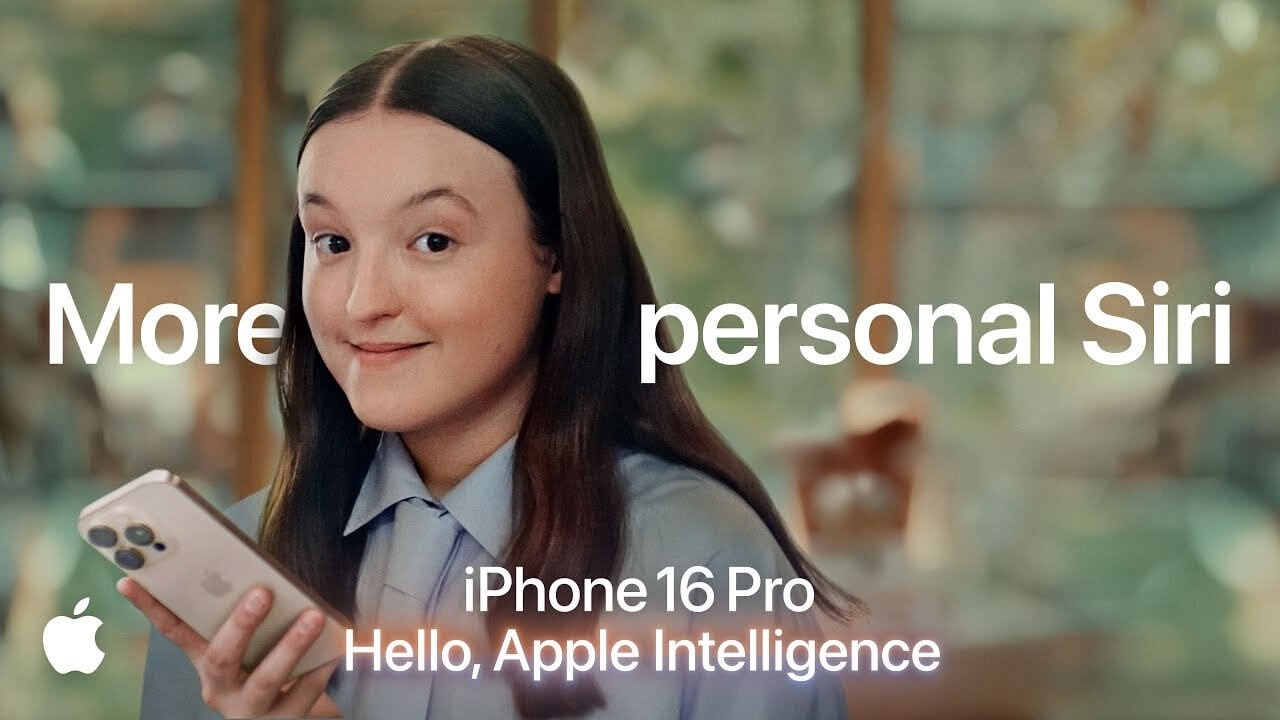


Apple executives went on a press tour to explain the ‌Siri‌ shortcomings after WWDC 2025, promising bigger and better things for iOS 26, and explaining what went wrong. The ‌Apple Intelligence‌ ‌Siri‌ features we saw at WWDC 2024 were actually implemented and weren't faked, but ‌Siri‌ wasn't working as well as expected behind the scenes and Apple was dealing with quality issues.

Since Apple advertised the new ‌Siri‌ features with the iPhone 16, some people who bought the iPhone because of the new functionality were upset about the delay and sued. Apple was able to quietly settle the case in December 2025, so most of the ‌Siri‌ snafu has been resolved.

Internal Restructuring


The misstep with ‌Siri‌'s debut and the failure of the hybrid architecture led Apple to restructure its entire AI team. Apple AI chief John Giannandrea was removed from the ‌Siri‌ leadership team, with Vision Pro chief Mike Rockwell taking over instead.

Apple CEO Tim Cook was no longer confident in Giannandrea's ability to oversee product development, and Giannandrea is set to retire in spring 2026. Rockwell reports to Federighi, and Federighi told employees that the new leadership has "supercharged" ‌Siri‌ development. Federighi has apparently played an instrumental role in changing Apple's approach to AI, and he is making the decisions that will allow the company to catch up to rivals.

Apple has struggled with retaining AI employees amid the ‌Siri‌ issue and recruitment strategies from companies like Meta. Meta poached several key AI engineers from Apple, offering pay packages as high as $200 million. At Apple's August all-hands meeting, Cook and Federighi aimed to reassure employees that AI is critically important to the company. "There is no project people are taking more seriously," Federighi said of ‌Siri‌.

Cook said that Apple will "make the investment" to be a leader in AI.

iOS 26.4 Siri Launch Date


Apple has promised that the new version of ‌Siri‌ is coming in spring 2026, which is when we're expecting iOS 26.4. Testing on iOS 26.4 should begin in late February or early March, with a launch to follow around the April timeframe.

LLM Siri Compatibility


The new version of ‌Siri‌ will presumably run on all devices that support ‌Apple Intelligence‌, though Apple hasn't explicitly provided details. Some new ‌Siri‌ capabilities may come to older devices as well.

iOS 27 Chatbot Upgrade


Apple plans to upgrade ‌Siri‌ even further in the iOS 27 update, turning Siri into a chatbot. ‌Siri‌ will work like Claude or ChatGPT, able to understand and engage in back and forth conversation.

Details about the ‌Siri‌ interface and how a chatbot version of ‌Siri‌ will work are still in short supply, but iOS 26.4 will be a stop on the path to a version of ‌Siri‌ able to actually function like products from Anthropic and OpenAI.
This article, "Why Apple's iOS 26.4 Siri Upgrade Will Be Bigger Than Originally Promised" first appeared on MacRumors.com

Discuss this article in our forums

  •  

iPhone Air Review: Four Months Later, is Apple's Thinnest iPhone Worth $999?

It's been four months since the iPhone Air came out, and it hasn't exactly been a resounding success. Sales are reportedly so low that Apple is delaying the next-generation model. MacRumors videographer Dan Barbera shares what it's been like using Apple's thinnest and lightest iPhone on a daily basis over the last few months.


With its super thin design, the ‌iPhone Air‌ still impresses even months later. It's much lighter than the other ‌iPhone‌ models, and a pleasure to use because of it. The ‌iPhone Air‌ is Apple's best one-handed smartphone, plus it impresses everyone who tries it out.

The frosted glass texture is attractive, and thanks to that titanium frame, it's durable. The glass resists fingerprints, plus it's not slippery, so it can be used without a case. That's a good thing, since a case tends to ruin the ultra thin feel. The ‌iPhone Air‌ is all glass, though, so it's still breakable if dropped and AppleCare+ is recommended.

The ‌iPhone Air‌ has the smallest battery in the iPhone 17 lineup, and there was a lot of concern that it wouldn't last all day. As long as you're not using it for high-end gaming, the battery is totally fine. Dan hasn't had a problem with battery life for day-to-day activities like browsing social media, YouTube, navigating, and using CarPlay.

If you're someone who only uses the Wide camera on the ‌iPhone‌, you might not miss the Ultra Wide or Telephoto lenses, but having only a single-lens rear camera is one of the ‌iPhone Air‌'s major downsides. You get 1x and 2x zoom, but no 0.5x mode, no macro lens, and no 5x telephoto lens. It's definitely a dealbreaker for some people.

There's also only a single speaker, and while it's fine for use in quiet rooms, if you like to use your ‌iPhone‌ for things like listening to music in the shower, it might not be good enough.

The biggest thing wrong with the ‌iPhone Air‌ is the price tag. Sure, it's light, thin, and has an impressive design, but it's $999. For $200 less, you can get the standard ‌iPhone 17‌ with two cameras and near identical performance, and for $100 more, you can get the iPhone 17 Pro, which has three cameras and faster performance. The only sacrifice is thinness, and it's clear that most people aren't willing to pay more to lose features for a thin and light design.

At this point, it's not entirely clear when a new ‌iPhone Air‌ is coming out. Rumors originally suggested we'd get the second-generation model in the fall of 2026, but sales were below expectations, so Apple is holding back on a new model to make some changes.

The next ‌iPhone Air‌ could have a second camera and display improvements like a smaller Dynamic Island to make it more appealing, with a potential launch happening in spring 2027.
Related Roundup: iPhone Air
Buyer's Guide: iPhone Air (Buy Now)

This article, "iPhone Air Review: Four Months Later, is Apple's Thinnest iPhone Worth $999?" first appeared on MacRumors.com

Discuss this article in our forums

  •  
❌