Reading view

Apple Releases First iOS 26.2 and iPadOS 26.2 Public Betas

Apple today provided public beta testers with the first releases of upcoming iOS 26.2, iPadOS 26.2, tvOS 26.2, and watchOS 26.2 updates for testing purposes. The public betas come two days after Apple provided the betas to developers.


After signing up for beta testing on Apple's beta site, public beta testers can download the updates using the Software Update section in the Settings app on each device.

iOS 26.2 adds a Liquid Glass slider for the Lock Screen, allowing you to customize the translucency of the clock. Alongside watchOS 26.2, the update changes labeling for the Sleep Score feature, adjusting numbers to better reflect sleep quality.

AirPods Live Translation is available in the European Union with iOS 26.2, and in the Reminders app, there's an option to have an alarm go off when a reminder is due. Apple also added new features to Podcasts, Passwords, Freeform, and more, with a full list of new additions available in our iOS 26.2 feature guide.
Related Roundups: iOS 26, iPadOS 26
Related Forum: iOS 26

This article, "Apple Releases First iOS 26.2 and iPadOS 26.2 Public Betas" first appeared on MacRumors.com

Discuss this article in our forums

  •  

First macOS Tahoe 26.2 Beta Now Available to Developers

Apple today provided the first beta of an upcoming macOS Tahoe 26.2 update to developers for testing purposes, with the update coming a few days after the launch of macOS Tahoe 26.1.


Developers can download the macOS Tahoe 26.2 update by opening up the System Settings app, selecting the General category, and then choosing Software Update. Beta Updates will need to be enabled, and a free developer account is required.

Apple released the first iOS 26.2 and iPadOS 26.2 betas earlier this week, so we have an idea of a few features that are in macOS Tahoe 26.2.

The Reminders app will gain an option to have an alarm go off when a reminder is due, the News app has some design updates, and Apple is adding new features to the Podcasts app. The new additions to iOS 26.2 can be found in our iOS 26.2 feature guide.

The beta is available to developers right now, but a public beta is expected later this week. We'll likely see Apple release macOS Tahoe 26.2 right around mid-December given past launch timelines.
Related Roundup: macOS Tahoe 26
Related Forum: macOS Tahoe

This article, "First macOS Tahoe 26.2 Beta Now Available to Developers" first appeared on MacRumors.com

Discuss this article in our forums

  •  

Apple's 2026 Smart Home Revamp: All the Rumors

It's been over a decade since Apple's HomeKit smart home platform launched, and it is overdue for an update. ‌HomeKit‌ and the Home app can no longer keep up with AI-powered solutions from other companies like Google and Amazon, but that's set to change with a smart home revamp that Apple has planned for 2026.


Home Hub


Apple is working on a home hub or "command center" that will serve as a centralized location for controlling smart home products, listening to music, making video calls, getting the weather, looking things up with Siri, displaying photos, making notes, viewing calendar events, and more.

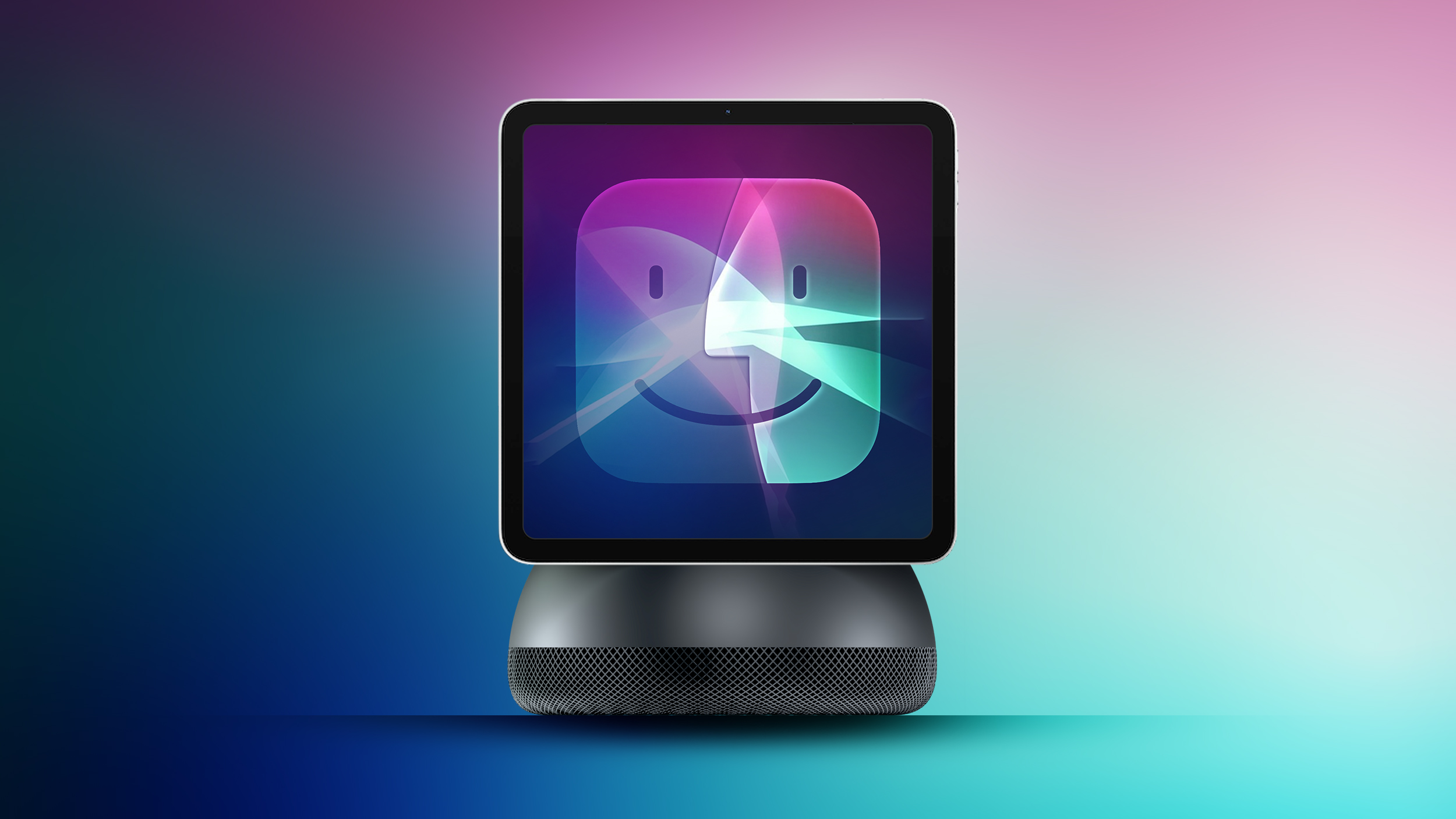
The device has an all-display design that resembles an iPad, with a 7-inch display. It's said to be similar in size and shape to two iPhones placed side-by-side, but Apple is designing two variants. The first version is designed to be mounted on a wall, while the second version has a speaker base that looks similar to a HomePod mini and can be placed on a desktop or countertop.

The home hub will have its own operating system, and while there won't be an App Store, Apple apps will be available as widgets.

Built-in sensors will be able to determine when someone is near the home hub, and the features displayed will change based on presence. If no one is by the hub, it might show information like the time and temperature, but if someone approaches, it could shift to an interface for adjusting the temperature.

Presence detection will enable features like turning on the lights when someone enters the room, and it might also be able to tell one person from another. The home hub will play music, and it does have a camera that can be used for video calls.

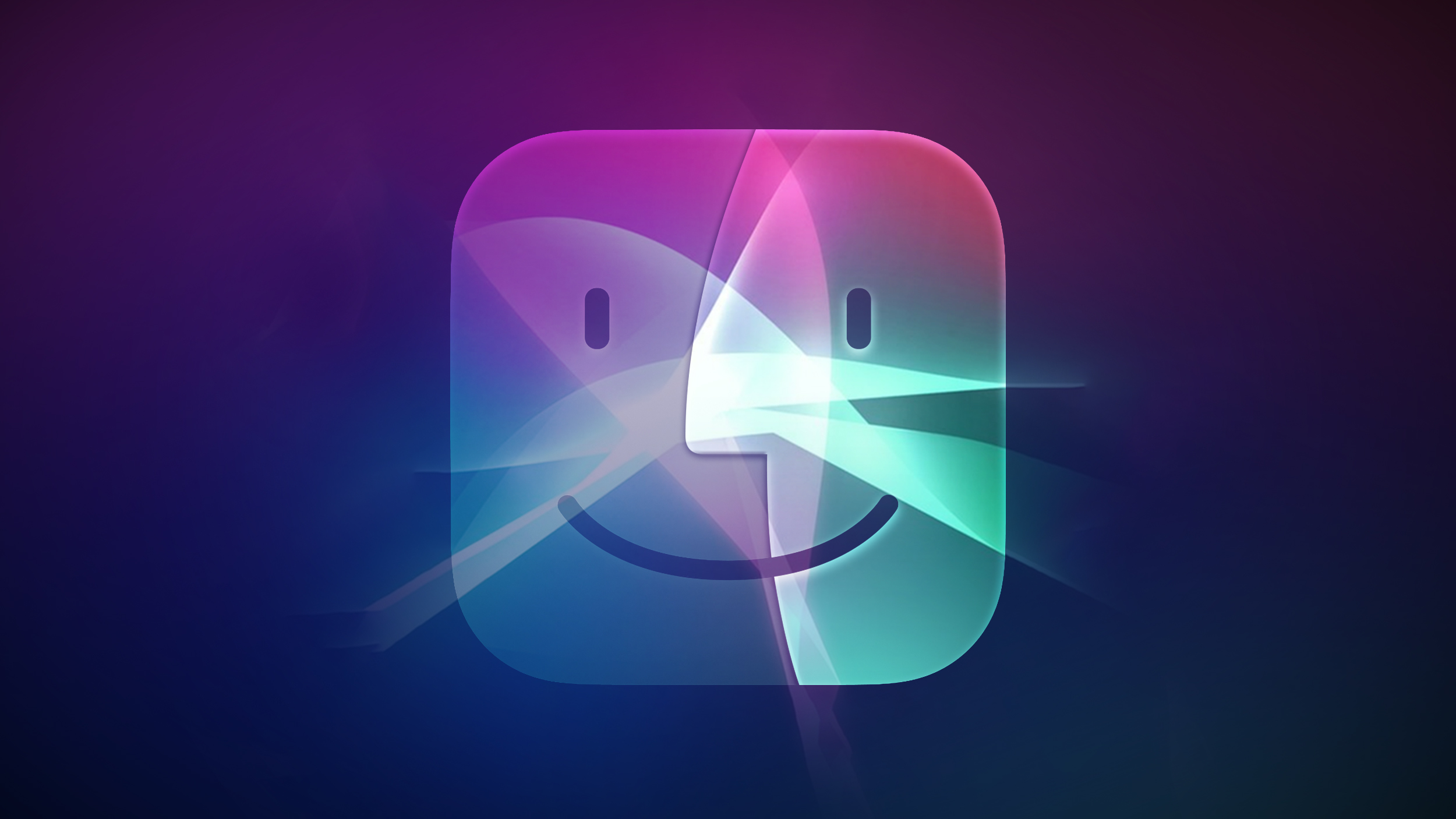
Touch-based interactions will be available for widgets, but the hub will be heavily reliant on ‌Siri‌ voice commands. ‌Siri‌ could have a personified look on the hub, with one design described as a version of the Mac Finder icon.

While screen-based smart home devices like the Echo Show are available for under $200, Apple could price the home hub somewhere around $350. Price could vary for the version with the speaker base and the wall mounted version without it.

Apple is aiming to launch the home hub sometime in the March to April 2026 timeframe.

LLM Siri


Apple has held off on launching the home hub because it is waiting to debut the smarter, more capable version of ‌Siri‌ that's been in the works since Apple Intelligence features launched in iOS 18. The original plan was for a better version of ‌Siri‌ to come out in an iOS 18 update, but Apple decided ‌Siri‌ just wasn't good enough to do what it wanted.
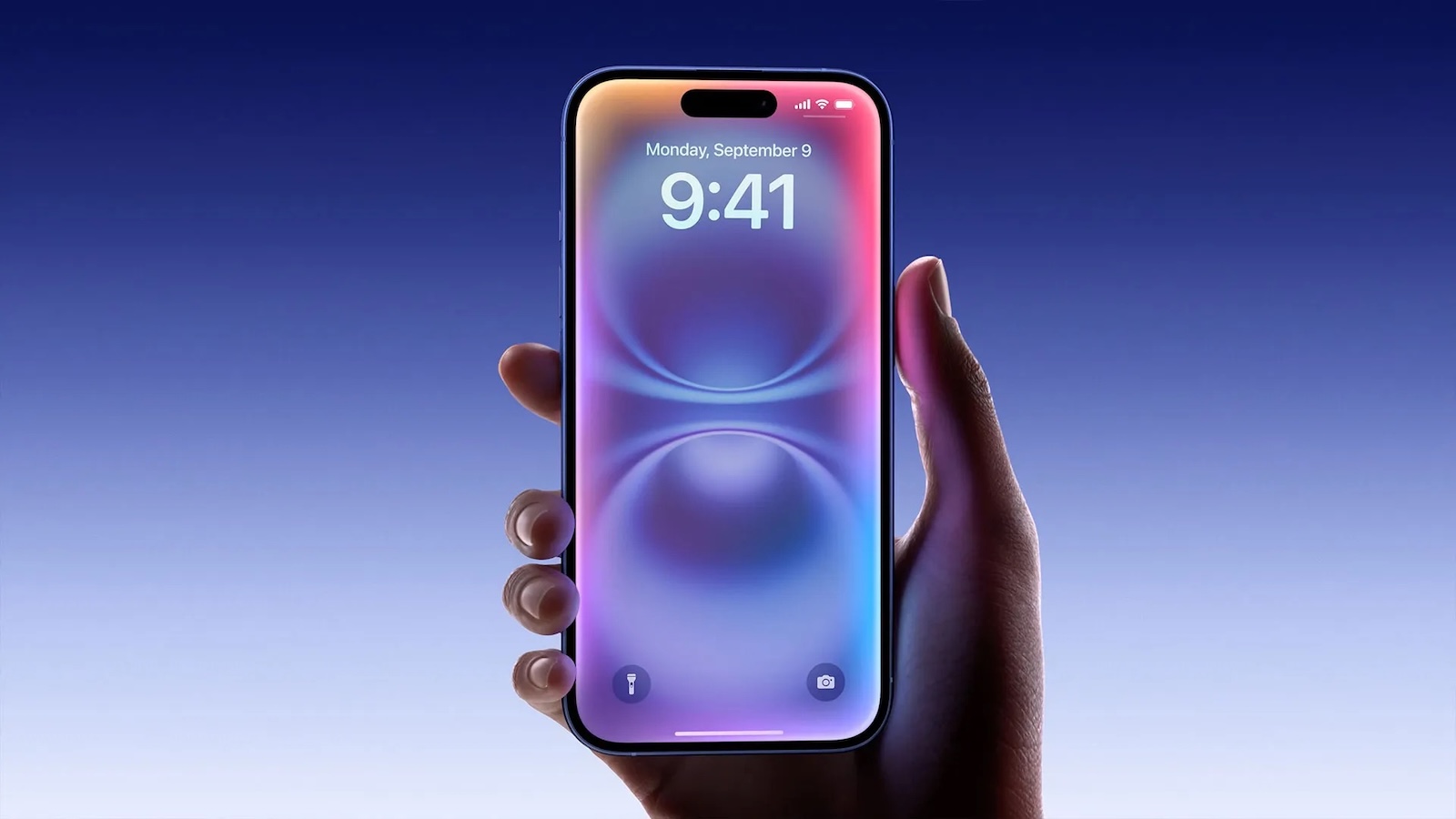

‌Siri‌ was delayed so Apple could overhaul the underlying architecture that powers the personal assistant. The new ‌Siri‌ will be more similar to ChatGPT or Claude than the ‌Siri‌ of today, incorporating large language models to answer complex queries and complete more complicated tasks.

Here's what Apple originally promised ‌Siri‌ would be able to do with ‌Apple Intelligence‌:

Personal Context


With personal context, ‌Siri‌ will be able to keep track of emails, messages, files, photos, and more, learning more about you to help you complete tasks and keep track of what you've been sent.

  • Show me the files Eric sent me last week.

  • Find the email where Eric mentioned ice skating.

  • Find the books that Eric recommended to me.

  • Where's the recipe that Eric sent me?

  • What's my passport number?


Onscreen Awareness


Onscreen awareness will let ‌Siri‌ see what's on your screen and complete actions involving whatever you're looking at. If someone texts you an address, for example, you can tell ‌Siri‌ to add it to their contact card. Or if you're looking at a photo and want to send it to someone, you can ask ‌Siri‌ to do it for you.

Deeper App Integration


Deeper app integration means that ‌Siri‌ will be able to do more in and across apps, performing actions and completing tasks that are just not possible with the personal assistant right now. We don't have a full picture of what ‌Siri‌ will be capable of, but Apple has provided a few examples of what to expect.

  • Moving files from one app to another.

  • Editing a photo and then sending it to someone.

  • Get directions home and share the ETA with Eric.

  • Send the email I drafted to Eric.


This summer, Apple software engineering chief Craig Federighi said that transitioning ‌Siri‌ to new architecture was a success, and that the personal assistant is going to be an even bigger update than expected.

"The work we've done on this end-to-end revamp of ‌‌Siri‌‌ has given us the results we needed," Federighi told employees. "This has put us in a position to not just deliver what we announced, but to deliver a much bigger upgrade than that we envisioned."

Apple decided to use AI technology from Google, so ‌Siri‌ will in part be powered by a Google Gemini model that Google designed for Apple. ‌Siri‌ will be as capable as Gemini since it is using the same underlying technology, but Apple will run the model on its own Private Cloud Compute server with no information provided to Google.

The new version of ‌Siri‌ is expected to be ready for an iOS 26.4 update planned for the same March or April timeframe rumored for the home hub.

HomePod mini and Apple TV


We're supposed to be getting updated versions of the ‌HomePod mini‌ and the Apple TV at some point between now and early 2026.
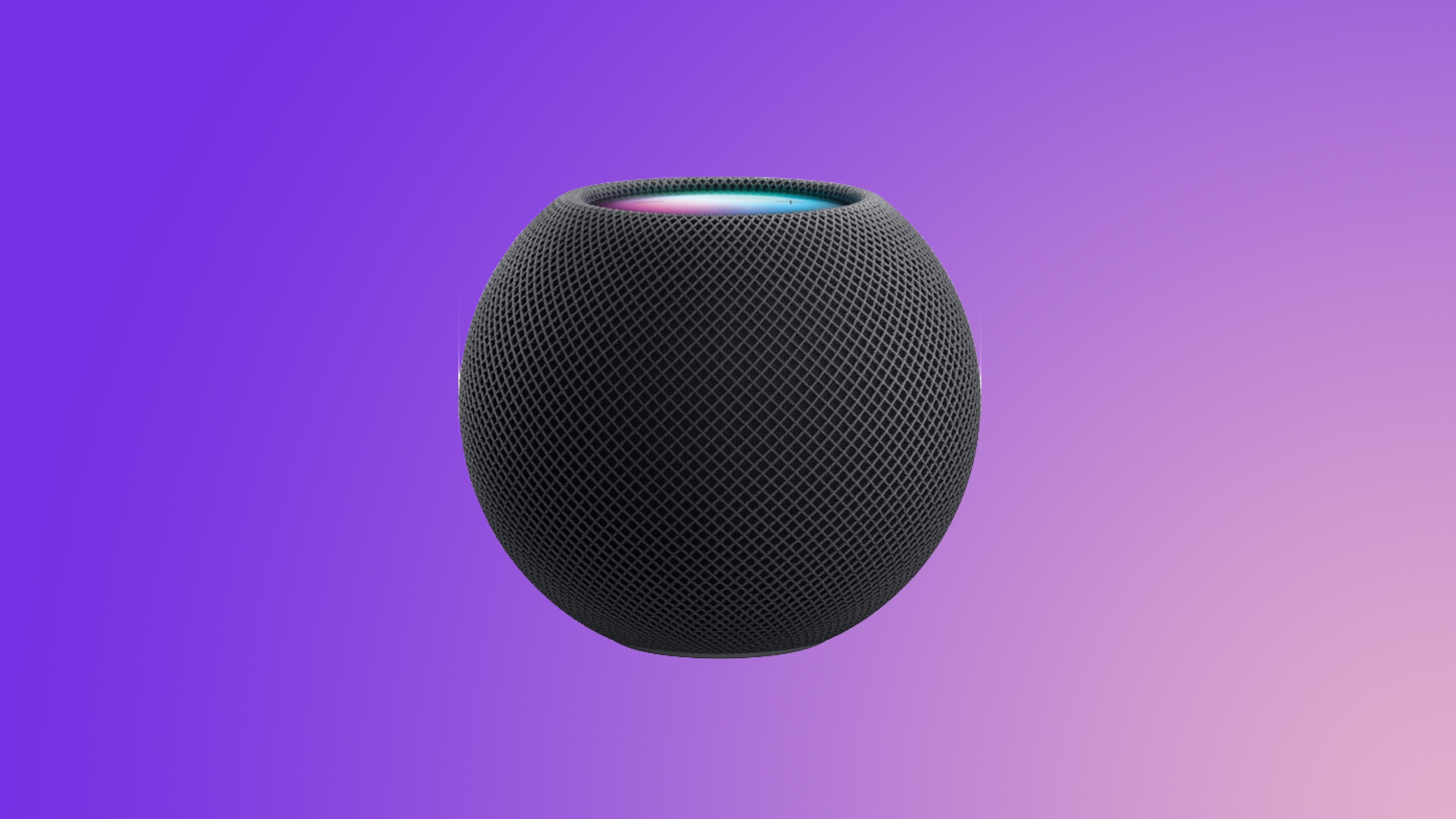

Both devices will get chip upgrades, and in the case of the ‌Apple TV‌, it could gain support for some ‌Apple Intelligence‌ features. New Apple-designed networking chips will be included, but neither device is going to get a design update.

The ‌HomePod mini‌ and the ‌Apple TV‌ are linked to Apple's smart home platform and serve as smart home hubs for Matter, the cross-platform protocol that opens up the number of smart home accessories that are compatible with ‌HomeKit‌.

Apple Security Cameras


Rumors suggest that Apple is designing its own indoor security cameras that will connect to ‌HomeKit‌ and interface with the planned home hub.

Cameras designed directly by Apple would offer unique integrations with Apple devices, and would offer greater privacy than competing devices because of Apple's dedication to privacy and security. The first cameras could come out as soon as late 2026, and we could see other accessories like doorbells follow.

Read More
More on Apple's plans for the smart home hub can be found in our Apple Hub guide, while details on ‌Siri‌ can be found in our LLM Siri guide.
This article, "Apple's 2026 Smart Home Revamp: All the Rumors" first appeared on MacRumors.com

Discuss this article in our forums

  •  

iOS 26.2 Adds Safari Search Engine Choice Screen in Japan Ahead of New Law

With iOS 26.2, Apple is adding a prompt that allows iPhone users in Japan to select a preferred search engine. As noted on Reddit, the option to choose a search engine comes up after installing iOS 26.2 for the first time.


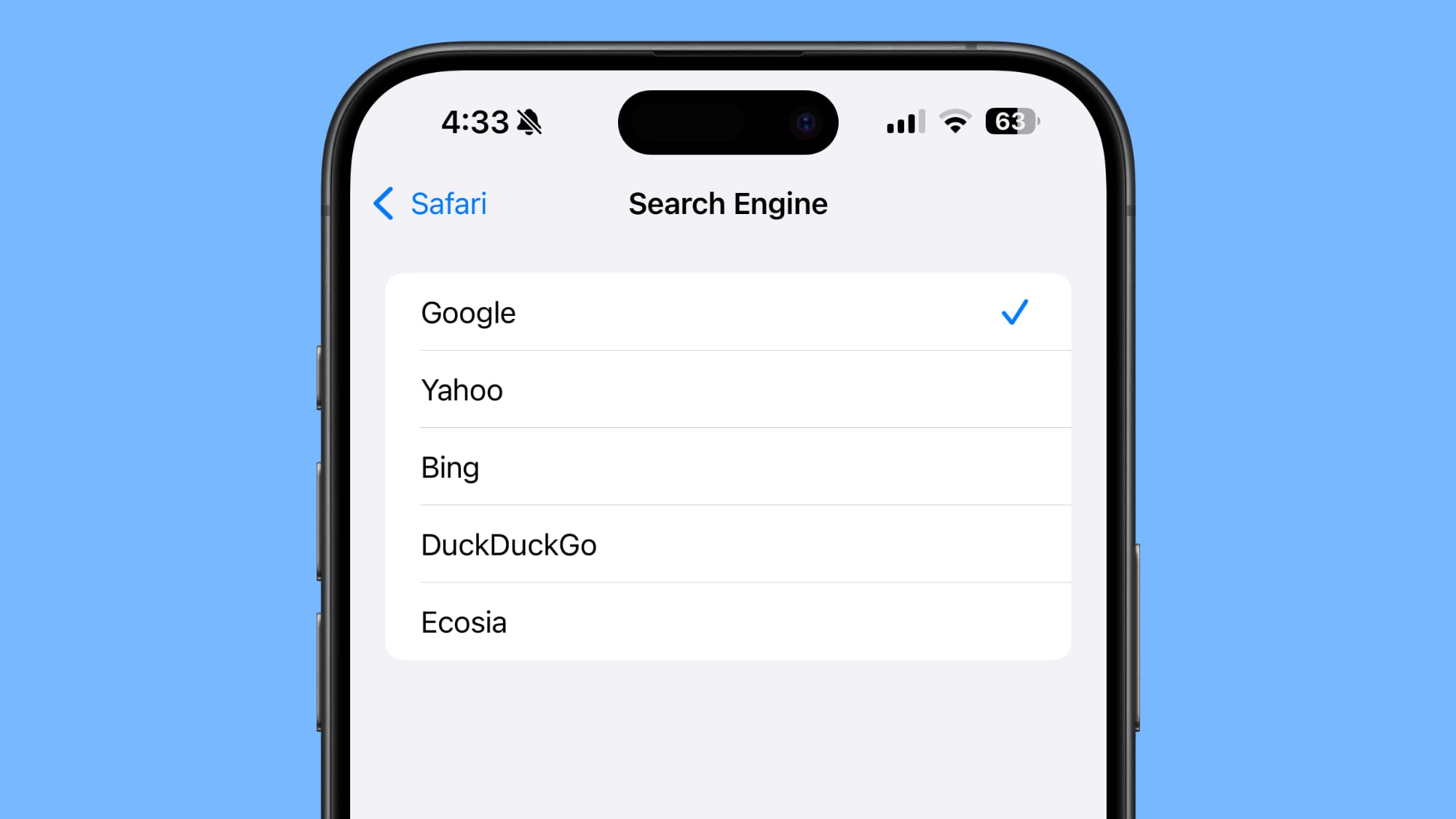
‌iPhone‌ users in Japan can select from Bing, Google, DuckDuckGo, Yahoo Japan, or Ecosia, the same options available globally in the Safari settings. In most other countries, Google is the default search engine and there is no prompt to choose a different option when the ‌iPhone‌ first starts up.

While ‌iPhone‌ users outside of Japan can choose one of the other options, doing so requires going into the Safari section of the Settings app to make a change. According to court documents, Google pays Apple roughly $20 billion per year to be the default search engine on Apple devices, which helps to explain why Apple does not offer an up-front choice in most countries.

Japan recently established guidelines that say Apple has to present a neutral choice screen for selecting a search engine during initial setup, hence the new functionality. While Google is the dominant search engine in many countries, Yahoo Japan is widely used in the country.

iOS 26.2 also appears to include support for installing alternative app marketplaces in Japan, which is also required by the Japan Fair Trade Commission's Mobile Software Competition Act. Japan's new rules go into effect on December 18, 2025, which is around the time that iOS 26.2 will see a public launch.
Tag: Japan

This article, "iOS 26.2 Adds Safari Search Engine Choice Screen in Japan Ahead of New Law" first appeared on MacRumors.com

Discuss this article in our forums

  •  

Apple's New Siri Will Be Powered By Google Gemini

The smarter, more capable version of Siri that Apple is developing will be powered by Google Gemini, reports Bloomberg. Apple will pay Google approximately $1 billion per year for a 1.2 trillion parameter artificial intelligence model that was developed by Google.


For context, parameters are a measure of how a model understands and responds to queries. More parameters generally means more capable, though training and architecture are also factors. Bloomberg says that Google's model "dwarfs" the parameter level of Apple's current models.

The current cloud-based version of Apple Intelligence uses 150 billion parameters, but there are no specific metrics detailing how the other models Apple is developing measure up.

Apple will use Gemini for functions related to summarizing and multi-step task planning and execution, but Apple models will also be used for some ‌Siri‌ features. The AI model that Google is developing for Apple will run on Apple's Private Cloud Compute servers, so Google will not have access to Apple data.

Gemini uses a Mixture-of-Experts architecture, so while it has over a trillion total parameters, only a fraction of them are activated for each query. The architecture allows for a large total compute capacity without racking up significant processing costs.

Apple weighed using its own AI models for the LLM version of ‌Siri‌, and also tested options from OpenAI and Anthropic, but it decided to go with Gemini after deciding Anthropic's fees were too high. Apple already has a partnership with Google for search results, with Google paying Apple around $20 billion per year to be the default search engine option on Apple devices.

Though Apple is planning to rely on Google AI for now, it plans to continue working on its own models and will transition to an in-house solution when its LLMs are capable enough. Apple is already working on a 1 trillion parameter cloud-based model that could be ready as soon as 2026. Apple is unlikely to publicize its arrangement with Google while it develops in-house models.

Apple was meant to debut an updated version of ‌Siri‌ in iOS 18, but deficiencies required the company to overhaul the underlying ‌Siri‌ architecture and significantly delay the rollout. The smarter ‌Apple Intelligence‌ ‌Siri‌ is expected to be introduced in an iOS 26.4 update that's coming in spring 2026.

‌Siri‌ will be able to answer more complex queries and complete more complicated tasks in and between apps. It will be closer in function to Claude and ChatGPT, though Apple is not planning a dedicated chatbot app.
This article, "Apple's New Siri Will Be Powered By Google Gemini" first appeared on MacRumors.com

Discuss this article in our forums

  •  

Google Agrees to Make Major Play Store Changes to Settle Epic Games Antitrust Lawsuit

Google has proposed sweeping changes to its Play Store and Android to end an ongoing antitrust dispute with Epic Games. The two companies filed a joint settlement agreement with the court last night, and if approved, Apple will be left as the only company embroiled in a public antitrust fight with Epic.


Google will allow Android app developers to use alternative payment methods in apps or through external links instead of forcing them to use Google Play Billing. Google is supporting Registered App Stores, which are alternative app stores that can be easily installed alongside Google Play. ‌Epic Games‌ would be a Registered App Store, able to be installed on Android devices to offer its own catalog of app titles.

As for fees, Google will charge a maximum of 9 percent or 20 percent based on transaction type and date of install, with the lowered fees applicable worldwide instead of solely in the United States. Google can charge a fee for transactions completed using alternative payment methods, and it is also able to charge an additional fee for transactions processed by Google Play Billing.

The wording around fees is complicated and could be somewhat open to interpretation for virtual items in games, plus it applies to new app installs, not existing app installs. Google can charge a 20 percent fee for in-game purchases providing more than a de minimis gameplay advantage, which would presumably be things like power ups, items that increase experience, or loot boxes.

Google can only charge a 9 percent fee for items that do not affect gameplay, such as additional levels, events, or Fortnite skins that are considered cosmetic. The 9 percent maximum fee is also applicable to in-app subscriptions, non-game app purchases, or up front app and game purchases. In a situation where there's a mixed bundle that includes in-game items like weapons and in-game skins, Google can charge the higher 20 percent rate. Google told The Verge that it would also charge a five percent fee for apps that choose to use the Google Play Billing system, which would be in addition to the 9 to 20 percent fee.

To simplify, the base fee for all apps will be 9 percent, while fees for games will range from 9 percent to 20 percent. Developers will pay another five percent if using Google Play Billing. For alternative app stores, Google is able to charge reasonable fees that cover operational costs, but nothing additional. ‌Epic Games‌ will be able to create an ‌Epic Games‌ Store on Android, paying minimal fees to Google, which is what the company set out to do when it initially filed lawsuits against Apple and Google back in 2020. ‌Epic Games‌ CEO Tim Sweeney said that Google's proposal is "awesome" and a "comprehensive solution that stands in contrast to Apple's model of blocking all competing stores."

Google has made an awesome proposal, subject to court approval, to open up Android in the US Epic v Google case and settle our disputes. It genuinely doubles down on Android's original vision as an open platform to streamline competing store installs globally, reduce service fees… https://t.co/Q6E4XE3ych

— Tim Sweeney (@TimSweeneyEpic) November 5, 2025

Google agreed not to enter into agreements that would see apps launch "first or exclusively" on Google Play, and it will not require an app to provide the same features on Google Play that it does on another app store. Developers are also free to communicate with customers about cheaper prices available outside of the Google Play Store.

It's possible that Google's settlement with ‌Epic Games‌ could impact the eventual outcome of the ‌Epic Games‌ v. Apple case. Apple and Google have charged developers similar fees historically, and there is inevitable change coming to the ‌App Store‌ ecosystem.

There are important differences between the two legal disputes, however, so what's going on with Google is not directly applicable to Apple. In Epic v. Apple, Apple largely won the case. The judge did not find that Apple had a monopoly, and Apple was only required to allow developers to link to web-based purchase options.

In Epic v. Google, Google lost. If Google didn't settle with Epic, it was going to be forced to make Play Store changes anyway. A jury decided that Google abused its power by operating an app store monopoly and charging developers exorbitant fees. Google has also always allowed for sideloading on Android devices and has been more open to it, even though it isn't as easy as it will be in the future.

Apple has consistently opposed sideloading and will not likely make the same concessions that Google made without being forced into it.

In Epic v. Apple, Apple is currently fighting an injunction requiring it to allow developers to link to outside purchase options in apps in the U.S. Apple is currently not allowed to collect fees on purchases made through in-app links, an order that came after the court found that Apple had willfully violated the original order requiring links by controlling the appearance of links and charging high fees.

The court is planning to review the proposed Epic v. Google settlement on November 6.
This article, "Google Agrees to Make Major Play Store Changes to Settle Epic Games Antitrust Lawsuit" first appeared on MacRumors.com

Discuss this article in our forums

  •  

Google Adds 'AI Mode' Button to Chrome for iPhone and iPad

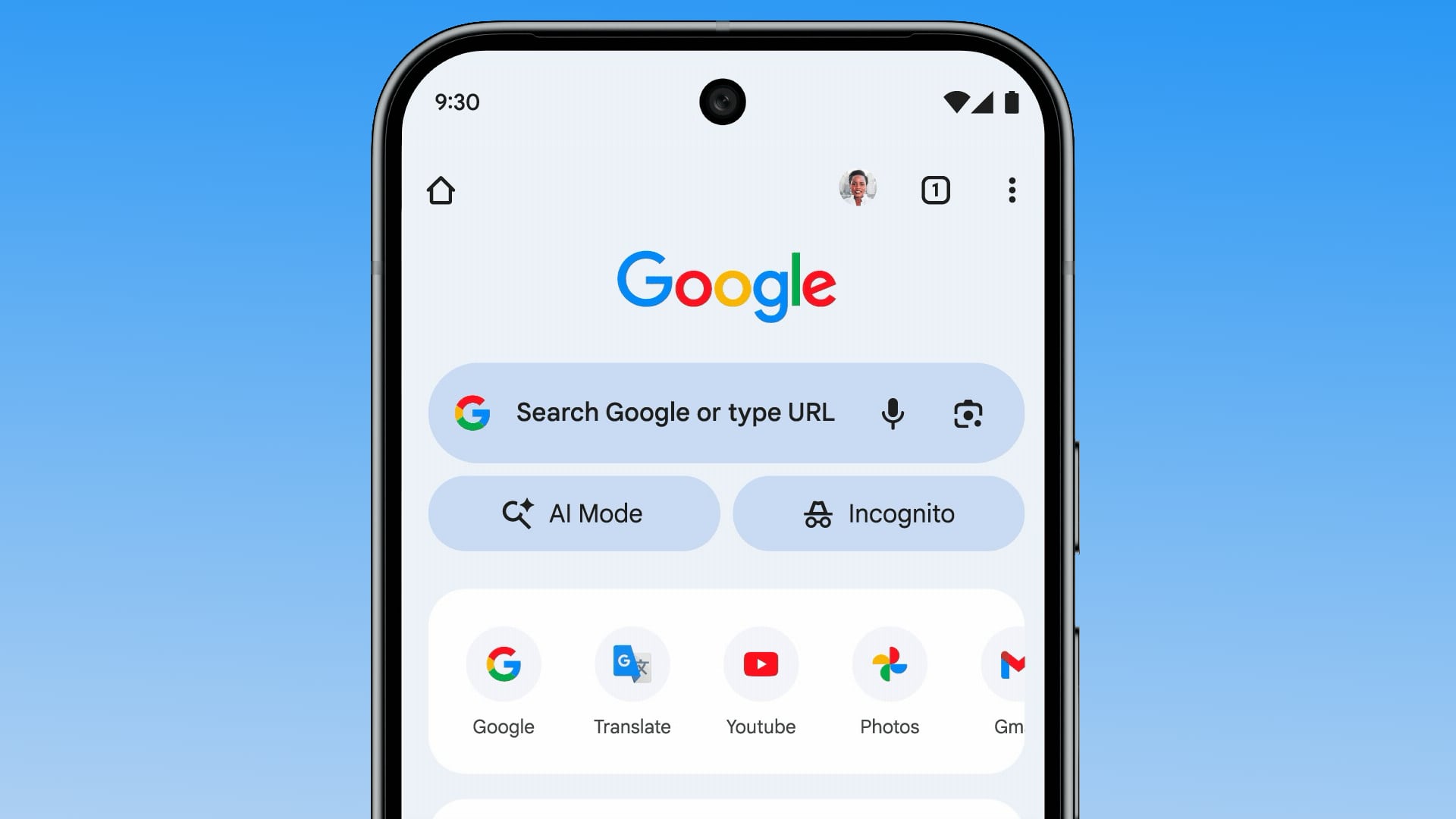
Google is updating the Chrome app for the iPhone and the iPad with a dedicated "AI Mode" button that matches functionality found in the desktop version of Chrome. AI Mode is located under the Google search bar, next to an Incognito Mode button.


The AI Mode option provides quicker access to Chrome's Gemini-powered AI search feature. Google says that AI Mode lets users ask more complex, multi-part questions, and follow up on answers.

Chrome users in the United States will see the AI Mode button in the Chrome apps for ‌iPhone‌, ‌iPad‌, and Android as of today, with Google planning to expand it to additional countries in the near future.
Tags: Chrome, Google

This article, "Google Adds 'AI Mode' Button to Chrome for iPhone and iPad" first appeared on MacRumors.com

Discuss this article in our forums

  •  
❌