
❌

Reading view

Kuo: Apple's Vision Pro Successors Off the Table as Focus Shifts to Smart Glasses

Incoming Apple CEO John Ternus signed off on a major revision of Apple's Vision Pro and smart glasses plans, consolidating Apple's work in the category.


According to Apple analyst Ming-Chi Kuo, Ternus nixed plans for a second Vision Pro and a lighter Vision Air. Kuo says there are only two smart glasses products in development, including the AI smart glasses that Apple is creating to rival the Meta Ray-Bans and a display-equipped set of AR smart glasses.

"I think removing the Vision Pro line was the right call, as Apple shifts resources toward smart glasses with greater mass-market potential," writes Kuo. Kuo says that the Vision products roadmap that he shared in June 2025 is no longer a useful reference because of the major changes that Apple has made to its plans over the last year. Kuo's product timeline originally featured seven products, but now it features just two that are still relevant.

Kuo believes the AI smart glasses will ship in 2027, while the display-equipped augmented reality glasses with "optical waveguides" won't come out until 2029 at the earliest. Optical waveguides pair a micro-display with waveguides that guide the image to the user's eyes. Lenses remain transparent, so the virtual content looks like it's overlaid on the real world view.

Bloomberg's Mark Gurman weighed in on Kuo's report and said the Vision Air was discontinued in October 2025, the display glasses meant to pair with a Mac were sunset in January 2025, and AI smart glasses will launch at the end of 2027.

While Kuo does not believe Apple is working on any version of a Vision Pro, Gurman claims Apple has a Vision Pro 2 "in testing" but the category is "on ice." Earlier this week, Gurman also said Apple is working on a cheaper, lighter Vision Pro, but the device is unlikely to launch before late 2028 or 2029.

John Ternus is set to take over as Apple's CEO on September 1, 2026. Current Apple CEO Tim Cook will remain on as Executive Chairman.
Related Roundup: Apple Vision Pro
Buyer's Guide: Vision Pro (Neutral)
Related Forum: Apple Vision Pro

This article, "Kuo: Apple's Vision Pro Successors Off the Table as Focus Shifts to Smart Glasses" first appeared on MacRumors.com

Discuss this article in our forums

  •  

MacBook Neo is So Popular That Apple Reportedly Doubled Production

On an earnings call in late April, Apple's CEO Tim Cook said that customer response to the MacBook Neo was "off the charts," and the popularity of the laptop has reportedly led the company to significantly boost production.


Apple supply chain analyst Ming-Chi Kuo this week said he believes that MacBook Neo shipments to Apple were doubled from an initial target of 5 million units to 10 million units in 2026 at some point after the laptop launched in March.

Apple was very optimistic about the MacBook Neo before announcing it, but the company still "undercalled" the level of enthusiasm that the laptop would generate, according to Cook. He said that MacBook Neo demand exceeded Apple's expectations and helped to drive a record number of first-time Mac buyers last quarter.

New figures from market research firm IDC support Apple's claim that the MacBook Neo is selling well, and the Windows PC industry has taken notice. For example, Dell recently introduced a redesigned XPS 13 laptop from $699 and said it has features "you won't find on a MacBook Neo," such as a touch screen and a backlit keyboard.

"Apple's MacBook Neo is a capable machine, and its arrival confirms that there's real appetite for premium quality at accessible prices," admitted Dell.

With a starting price of $599 in the U.S., or $499 for college students, the MacBook Neo is Apple's most affordable MacBook ever. Powered by the iPhone's A18 Pro chip, the laptop is available in colorful finishes like Citrus and Blush.

A second-generation MacBook Neo is expected to be released next year with an A19 Pro chip and 12GB of RAM.
Related Roundup: MacBook Neo
Buyer's Guide: MacBook Neo (Buy Now)
Related Forum: MacBook Neo

This article, "MacBook Neo is So Popular That Apple Reportedly Doubled Production" first appeared on MacRumors.com

Discuss this article in our forums
  •  

iPhone 18 Pro's Camera Upgrade Will Cost Apple 50% More

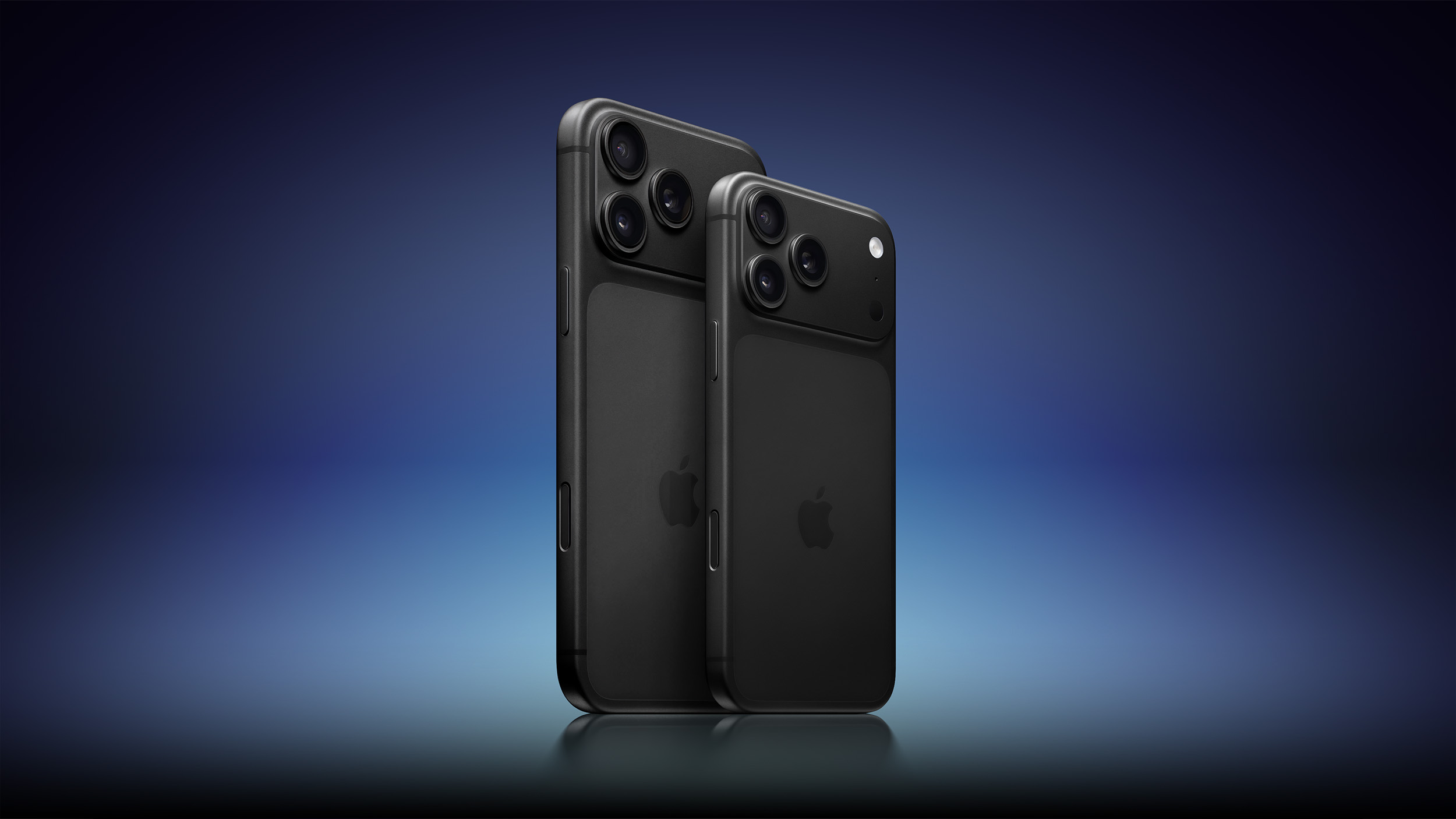
The iPhone 18 Pro and β€ŒiPhone 18 Proβ€Œ Max's all-new variable aperture lens will cost Apple 50% more than the camera unit used in current models, according to supply chain analyst Ming-Chi Kuo.


Variable aperture has been one of the most persistent iPhone camera rumors of the past few years. Kuo first flagged the feature in late 2024, and it has since been corroborated by multiple reports and apparently entered production earlier this year.

Unlike the fixed f/1.78 aperture found on every iPhone Pro from the 14 Pro through to the 17 Pro, a variable aperture will physically adjust the size of the lens opening to control how much light reaches the sensor, offering better exposure control and greater flexibility over depth of field.

Kuo said that the component has an average selling price roughly 50% higher than the seven-element plastic lens Apple currently uses in the iPhone 17 Pro's main camera. Sunny Optical set to supply Apple between 40 and 50% of orders

Sunny Optical has also become a new compact camera module (CCM) supplier for Apple, initially producing the camera for the MacBook Neo. β€ŒMacBook Neoβ€Œ shipments have come in significantly better than expected, with Kuo doubling his 2026 forecast from 5 million to 10 million units, a notable upward revision as the entry-level Mac has materially exceeded early expectations.

Looking further ahead, the 2028 iPhone's ultra wide camera module is expected to move away from flip-chip packaging in favor of an improved COB (chip-on-board) design, with Sunny Optical well positioned to become a supplier at that point. A COB ultra-wide module could be thinner or smaller, leaving more room for other components, or simply deliver better image quality from the same physical footprint.

Beyond Apple, Kuo says Sunny Optical has secured component orders for two OpenAI devices, including a smartphone and a pocket or mobile device.

The β€ŒiPhone 18 Proβ€Œ and β€ŒiPhone 18 Proβ€Œ Max are expected to launch in the fall alongside the first foldable iPhone.
Related Roundup: iPhone 18 Pro

This article, "iPhone 18 Pro's Camera Upgrade Will Cost Apple 50% More" first appeared on MacRumors.com

Discuss this article in our forums

  •  

Report: Intel is Testing Production of Some iPhone, iPad, and Mac Chips

TSMC has been the exclusive supplier of Apple's systems-on-a-chip since 2016, but that 10-year streak could be nearing its end.


Apple supply chain analyst Ming-Chi Kuo today said that Intel has "kicked off" small-scale testing of lower-end iPhone, iPad, and Mac chip fabrication, with production expected to ramp up throughout 2027 and 2028. Kuo did not indicate exactly which of Apple's A-series and/or M-series chips would be manufactured by Intel.

Apple is utilizing Intel's 18A process for these chips, and it is evaluating Intel's other advanced-node technologies, according to Kuo.

By sourcing chips from two suppliers, Apple can negotiate lower costs and bolster supply. In this case, Apple rekindling a partnership with Intel could win it favor with the Trump administration, which wants more U.S. manufacturing. However, Kuo said Taiwan's TSMC will remain responsible for more than 90% of Apple's chip supply.

There is no indication that Intel would play a role in designing the iPhone chips, with its involvement expected to be strictly limited to fabrication. That would differ from the era of Intel Macs, which used Intel-designed processors with x86 architecture. Apple began transitioning away from Intel processors in Macs in 2020.

All in all, these would be Apple-designed chips manufactured by Intel in the U.S., for use in some lower-end iPhone, iPad, and Mac models.

Apple's potential return to Intel has been reported by numerous sources by this point, but an official announcement has still yet to be made.
This article, "Report: Intel is Testing Production of Some iPhone, iPad, and Mac Chips" first appeared on MacRumors.com

Discuss this article in our forums

  •  

OpenAI Reportedly Working on an AI Smartphone to Rival iPhone

OpenAI is working on a smartphone in what appears to be a significant reversal from previous reports that the company had no plans to enter the phone market, according to supply chain analyst Ming-Chi Kuo.


Kuo shared the findings from his latest supply chain checks in a post on X, saying MediaTek and Qualcomm are the chosen chip partners and Luxshare Precision Industry is the exclusive manufacturing partner, with mass production scheduled for 2028. Exact chip specifications and additional suppliers are expected to be finalized by late 2026 or the first quarter of 2027.

Kuo argues that the smartphone remains uniquely positioned for AI agent use because it is the only device that captures a user's full real-time state, including location, activity, communication, and context, which he describes as the most important input for real-time AI agent inference. He claims that AI agents will fundamentally change how people interact with a phone, shifting the focus from launching individual apps to completing tasks through a more continuous, context-aware interface.

He argues that fully controlling both the operating system and the hardware is the only way for the company to deliver a comprehensive AI agent service, and that a subscription-bundled business model could enable OpenAI to build a developer ecosystem around those agents.

Kuo suggests that Luxshare, which has long sought to reduce its dependence on Apple supply chain work, could benefit substantially from an early position in what he frames as the next generation of smartphone hardware.

The development represents a notable reversal in OpenAI's publicly stated hardware strategy. Previous reports have consistently described the company's hardware ambitions as centered on non-phone form factors developed in collaboration with Jony Ive, the former Apple design chief whose startup io Products was acquired by OpenAI for $6.5 billion. Those plans include a smart speaker, which is likely the first product to launch, along with smart glasses, a smart lamp, and potentially earbuds. OpenAI Chief Global Affairs Officer Chris Lehane has said the first hardware announcement is expected in the second half of 2026, with launch around early 2027.

OpenAI CEO Sam Altman posted on X the same day Kuo published his analysis, writing that it "feels like a good time to seriously rethink how operating systems and user interfaces are designed." Such a device would obviously put OpenAI in direct competition with Apple's iPhone.
This article, "OpenAI Reportedly Working on an AI Smartphone to Rival iPhone" first appeared on MacRumors.com

Discuss this article in our forums
  •  

Kuo: iPhone Fold Production Challenges Could Limit Supply Next Year

Apple's highly anticipated foldable iPhone could face supply shortages into 2027 despite a planned launch next year, according to analyst Ming-Chi Kuo.


Kuo said in a new research note:
"Development of the foldable iPhone is behind earlier expectations, but the product is still expected to [sic] announce in 2H26. Due to early-stage yield and ramp-up challenges, smooth shipments may not occur until 2027. With limited supply and expected strong demand, the foldable iPhone could be facing shortages until at least the end of 2026."
The warning suggests Apple's ambitious foldable device will face manufacturing hurdles when it enters mass production. Foxconn was expected to begin limited production of the device before the end of this year, but a dearth of reports on that front could potentially mean that the "iPhone Fold" remains in the design validation stage, where manufacturing consistency issues can still arise.

Kuo's forecast of production challenges is reminiscent of concerns previously raised by Mizuho Securities, which suggested the launch could slip to 2027 if Apple takes longer to finalize design elements like the hinge mechanism. For his part, Kuo appears to be saying that Apple is still on course to announce the device in the fall of 2026, but it could end up shipping the device in large volumes later than planned.

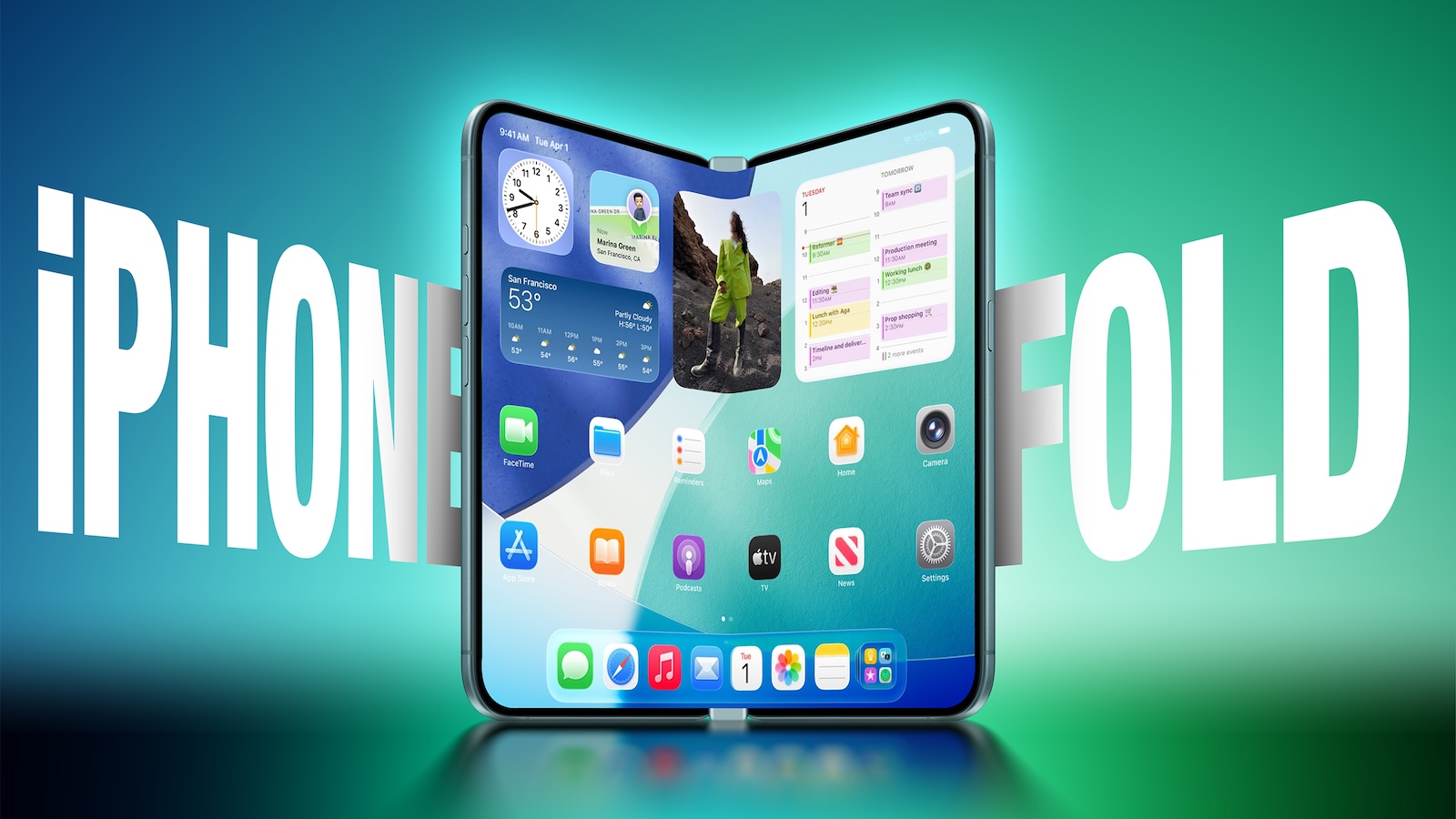
The foldable iPhone is expected to feature a book-style design with an approximately 5.3- to 5.5-inch outer display and a 7.8-inch inner screen. It will reportedly use liquid metal hinges to achieve a virtually crease-free display and is expected to be priced between $2,000 and $2,500, making it Apple's most expensive iPhone ever.
This article, "Kuo: iPhone Fold Production Challenges Could Limit Supply Next Year" first appeared on MacRumors.com

Discuss this article in our forums
  •  

$599 MacBook With iPhone Chip Expected to Enter Production This Year

Apple supply chain analyst Ming-Chi Kuo today reiterated that a more affordable MacBook powered by an iPhone processor is slated to enter mass production in the fourth quarter of 2025, which points towards a late 2025 or early 2026 launch.


Below, we recap the rumors about the lower-priced MacBook so far.

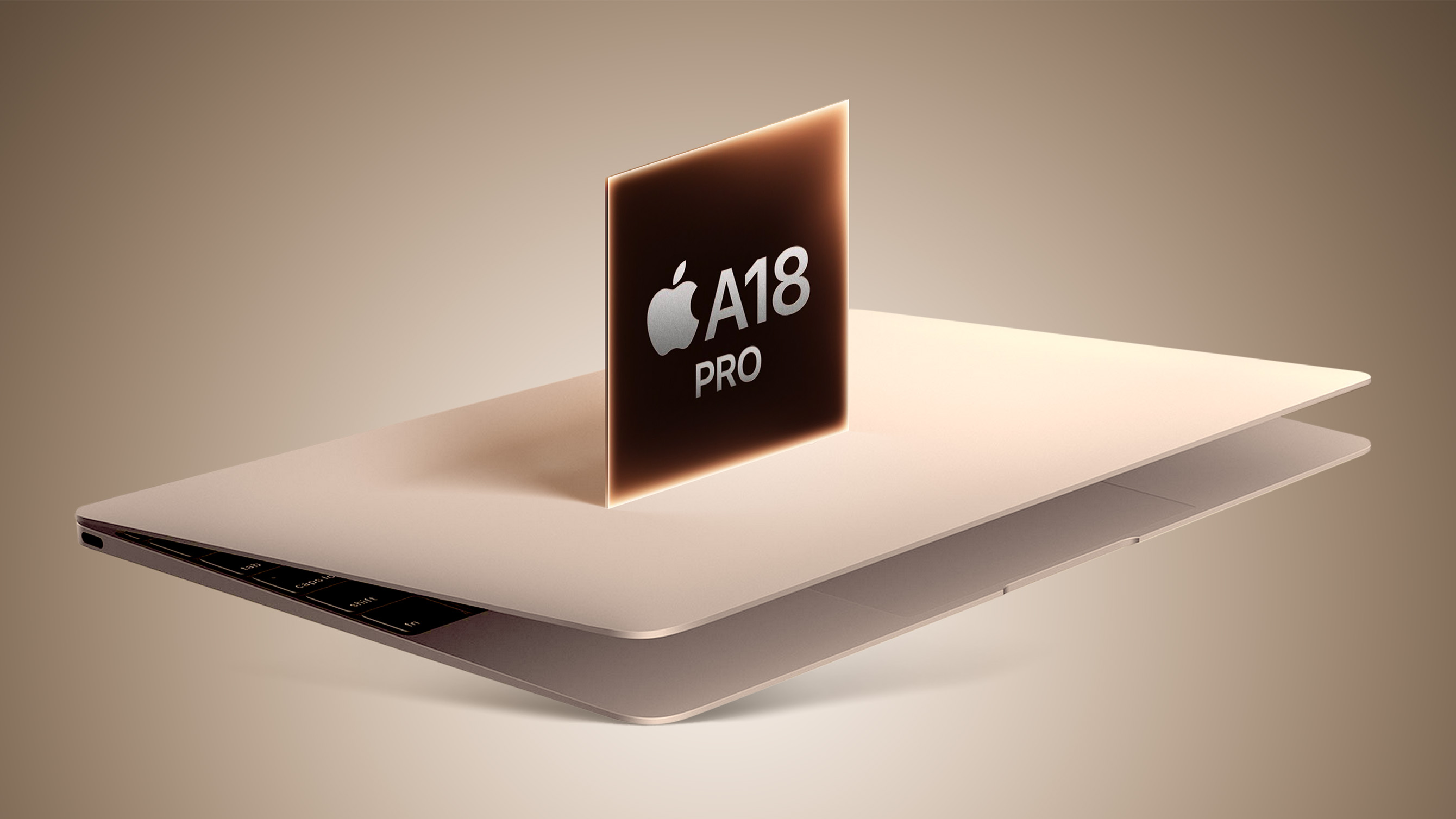
Kuo was first to reveal that Apple is allegedly planning a more affordable MacBook. In late June, he said the laptop would have around a 13-inch display, and an A18 Pro chip. Kuo said potential color options include silver, blue, pink, and yellow, so the laptop could come in bright colors, like 2021-and-newer models of the 24-inch iMac.

This time around, he only mentioned the MacBook will have an unspecific iPhone processor. Apple recently introduced the A19 Pro chip, which has 12GB of RAM, so it will be interesting to see if the lower-cost MacBook uses that chip instead. The entire Mac lineup has started with at least 16GB of RAM since last year, with the only option with 8GB being the MacBook with an M1 chip, which is sold exclusively by Walmart for $599.

The A18 Pro offers similar performance as the M1 chip, so Apple might opt to save the A19 Pro for the second-generation lower-cost MacBook. Kuo anticipates that follow-up model will be released in 2027, with specs still not finalized.

Taiwanese supply chain publication DigiTimes expects the laptop to have a starting price of between $599 and $699 in the United States.

The publication said the lower-cost MacBook will be equipped with a 12.9-inch display, and a version of the A18 Pro chip that debuted in the iPhone 16 Pro models last year. It would become the first Mac to ever use an A-series chip from an iPhone.

The lower-cost MacBook could launch in late 2025 or early 2026, that report said.

Notably, the A18 Pro and A19 Pro lack Thunderbolt support, so the MacBook would likely be equipped with regular USB-C ports. They would look the same as Thunderbolt ports, but data transfer speeds would be limited to up to 10 Gbps. The laptop would natively support only a single external display, but that limitation can be overcome with DisplayLink adapters.

The lower-cost MacBook could have a lot in common with the discontinued 12-inch MacBook, including an ultra-thin and lightweight design. It would slot in below the MacBook Air, which has a slightly larger 13.6-inch display, an M4 chip, and a starting price of $999. However, the latest MacBook Air is sometimes on sale on Amazon for as low as $799.

Apple often announces new Macs in October, so perhaps the lower-cost MacBook will debut next month. Otherwise, March 2026 is the next likely timeframe.
This article, "$599 MacBook With iPhone Chip Expected to Enter Production This Year" first appeared on MacRumors.com

Discuss this article in our forums
  •  

Kuo: OLED MacBook Pro to Feature Touch Screen Display

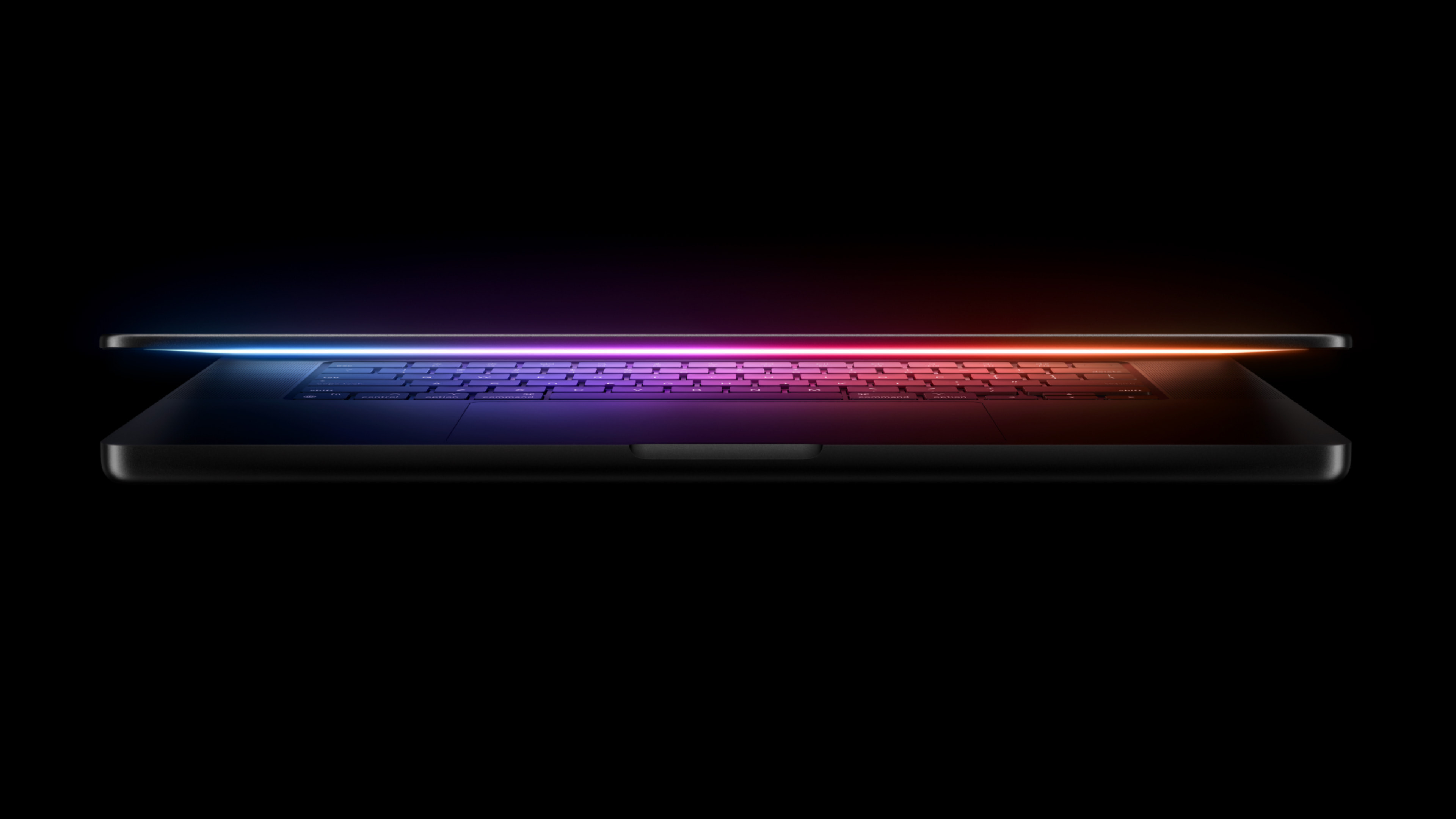
Apple's first OLED MacBook Pro, set to enter mass production next year, will feature a touch screen display, according to Apple analyst Ming-Chi Kuo.


In his latest post on X (Twitter), Kuo writes that Apple's much-rumored OLED MacBook Pro will incorporate a touch panel using on-cell touch technology. On-cell touch technology integrates the touch sensors directly into the display panel's top layer (the "cell") rather than requiring a separate, dedicated touch layer.

Kuo says that the shift "appears to reflect Apple's long-term observation of iPad user behavior, indicating that in certain scenarios, touch controls can enhance both productivity and the overall user experience."

Unsurprisingly, the analyst believes that the recently rumored low-cost MacBook, slated for mass production in the fourth quarter of this year, will not feature a touch panel, though specifications for a second-generation model could include touch support. Kuo anticipates the second-gen affordable MacBook model to arrive in 2027.

According to a recent report by Korea's The Elec, Samsung will supply the displays for Apple's first OLED MacBook Pro. What's less certain right now is the chip architecture that Apple will adopt for its OLED models.

It was previously rumored that MacBook Pro models with M5 chips would launch in late 2025. In July, however, Bloomberg's Mark Gurman reported that Apple was "considering" pushing back the release of the next MacBook Pro models with the M5 series of chips until early 2026.

Gurman has since said he expects the MacBook Pro to gain an OLED display "between the end of 2026 and early 2027."

That would mean Apple updating the MacBook Pro line twice in the same year. However, there is precedent for such a scenario. Apple released models with M2 Pro and M2 Max chips in January 2023, followed by models with M3, M3 Pro, and M3 Max chips in October 2023. So we could get the M5 generation in January 2026, followed by the OLED panel-equipped M6 generation in October 2026.

Either way, the OLED MacBook Pro models are expected to feature more significant changes, including a thinner design and a smaller notch. Apparently we can now add touch screen support to that list, too.
Related Roundup: MacBook Pro
Buyer's Guide: MacBook Pro (Caution)
Related Forum: MacBook Pro

This article, "Kuo: OLED MacBook Pro to Feature Touch Screen Display" first appeared on MacRumors.com

Discuss this article in our forums
  •  

iPhone 18 Rumor Becomes iPhone 19 Rumor Two Days Before iPhone 17

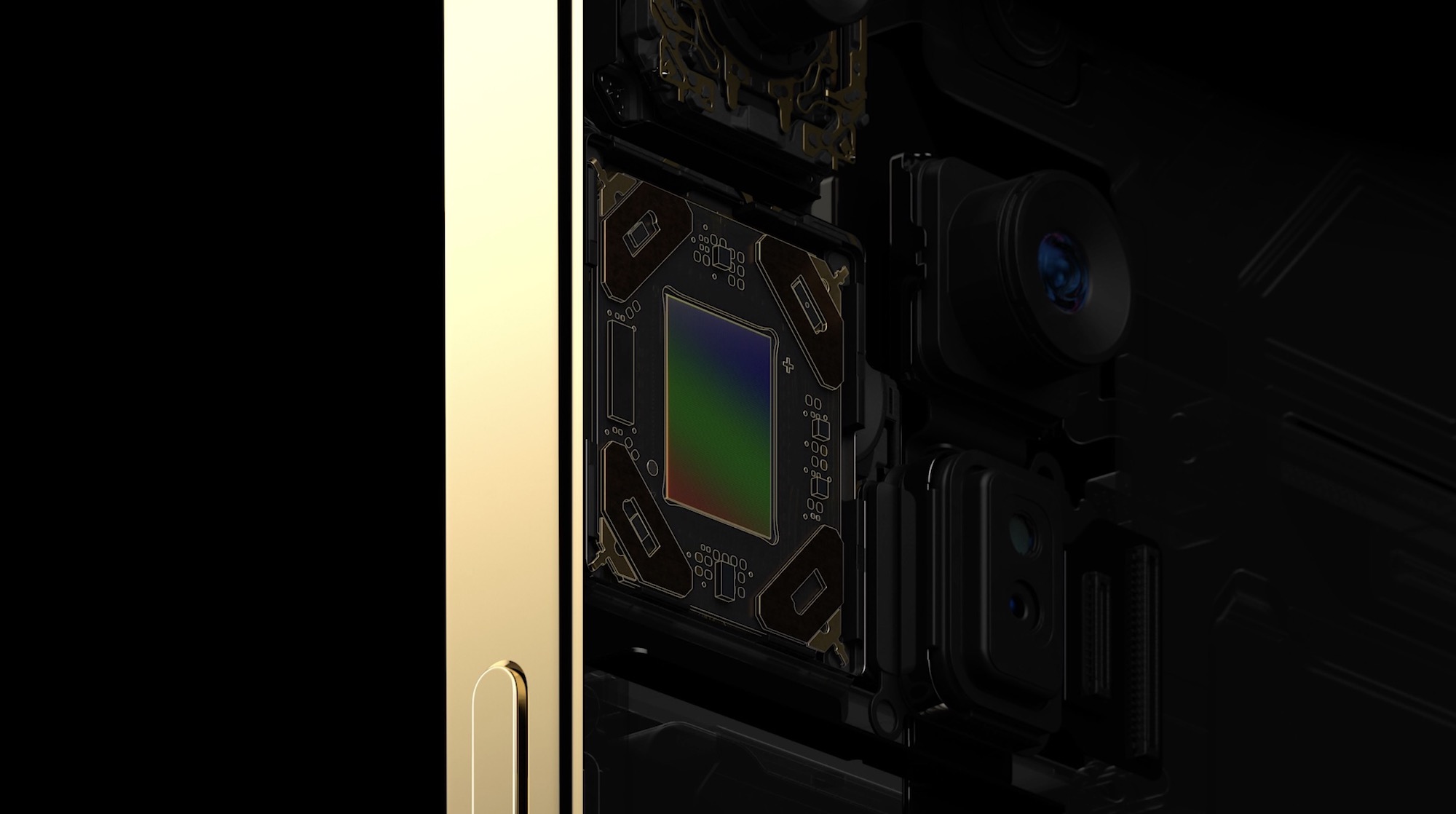
In July 2024, Apple supply chain analyst Ming-Chi Kuo said he expected Samsung to begin shipping 48-megapixel Ultra Wide camera sensors to Apple for iPhones as early as 2026, which is when some iPhone 18 models are expected to be released.


In a follow-up post this weekend, however, Kuo said he now expects the first iPhone models with Samsung's sensor to be released in 2027. In other words, this rumor seemingly now applies to some iPhone 19 models, instead of iPhone 18 models.

It is also possible that Samsung's sensor could debut on the iPhone 18e in early 2027, but the iPhone 16e does not have an Ultra Wide rear camera currently.

Last month, Apple announced Samsung would supply it with iPhone chips manufactured in Texas. According to the Financial Times, the chips in question are three-layer stacked image sensors, which enable higher pixel density and improved low-light performance by vertically stacking multiple sensor layers. Stacked sensor architecture has other benefits too, including higher dynamic range and reduced power consumption.

Sony has long been the exclusive supplier of image sensors for iPhone cameras, so Samsung entering the fray would be notable, whenever that may happen.

For those of you playing along at home, an iPhone 18 rumor has become an iPhone 19 rumor, two days before Apple unveils the iPhone 17. iPhone 20, anyone?
This article, "iPhone 18 Rumor Becomes iPhone 19 Rumor Two Days Before iPhone 17" first appeared on MacRumors.com

Discuss this article in our forums

  •  

Kuo: AirPods Pro 3 Coming Soon, But Bigger Upgrade Arriving Next Year

Apple plans to release AirPods Pro 3 this year, according to supply chain analyst Ming-Chi Kuo.


All signs point towards Apple unveiling the AirPods Pro 3 during its iPhone 17 event on Tuesday, September 9. However, Kuo did not provide a specific timeframe beyond the second half of 2025, which lines up with previous rumors.

Kuo did not mention any new features that are planned for the AirPods Pro 3. However, Bloomberg's Mark Gurman recently reported that the AirPods Pro 3 will likely have the same heart rate monitoring feature that Apple introduced on the Powerbeats Pro 2 earlier this year, along with a significantly smaller charging case.

When both Powerbeats Pro 2 earbuds are placed in the ears, and heart rate monitoring is active, Apple says LED optical sensors pulse at over 100 times per second to measure heart rate via blood flow. The feature integrates with popular fitness apps to collect data during workouts and sync it to Apple's Health app on the iPhone.

The feature is based on the Apple Watch's heart rate sensing technology. If someone is wearing both Powerbeats Pro 2 and an Apple Watch, Apple says apps default to using Apple Watch heart rate data, and that will likely apply to the AirPods Pro 3 too.

Beyond heart rate monitoring, it is likely that the next AirPods Pro will feature improved sound quality, increased active noise cancellation, design changes, and more.

AirPods Pro 2 debuted at the iPhone 14 event in September 2022, and they were updated with a USB-C charging case and a few other tweaks in September 2023.

Interestingly, Kuo said that Apple plans to update the AirPods Pro again next year, with a "more significant" hardware upgrade in the form at least one tiny infrared camera. A leaker on Chinese platform Weibo subsequently claimed that these will be a higher-end version of the AirPods Pro 3, rather than AirPods Pro 4. That would make sense, given the long three-year gap between the first, second, and third AirPods Pro generations.

Kuo previously said AirPods with infrared cameras could be controlled with in-air gestures, and provide an enhanced spatial audio experience with Apple's Vision Pro headset.

"For example, when a user is watching a video with Vision Pro and wearing this new AirPods, if users turn their heads to look in a specific direction, the sound source in that direction can be emphasized to enhance the spatial audio/computing experience," he said.
Related Roundup: AirPods Pro
Related Forum: AirPods

This article, "Kuo: AirPods Pro 3 Coming Soon, But Bigger Upgrade Arriving Next Year" first appeared on MacRumors.com

Discuss this article in our forums

  •  
❌