Login
Login
Windows PC Industry Reacts to Apple's Most Affordable MacBook Ever
A few months ago, Apple released the MacBook Neo, its most affordable MacBook ever. At the time, an ASUS executive admitted that the laptop came as a "shock" to the Windows PC industry, which is now in the process of responding.

Acer today introduced a Swift Air 14 laptop, with U.S. pricing starting at $699. By comparison, the MacBook Neo starts at $599 with a 256GB SSD and 8GB of RAM, or at $499 for college students and educational staff. However, the MacBook Neo costs an equal $699 when configured with a doubled 512GB of storage and a Touch ID button.
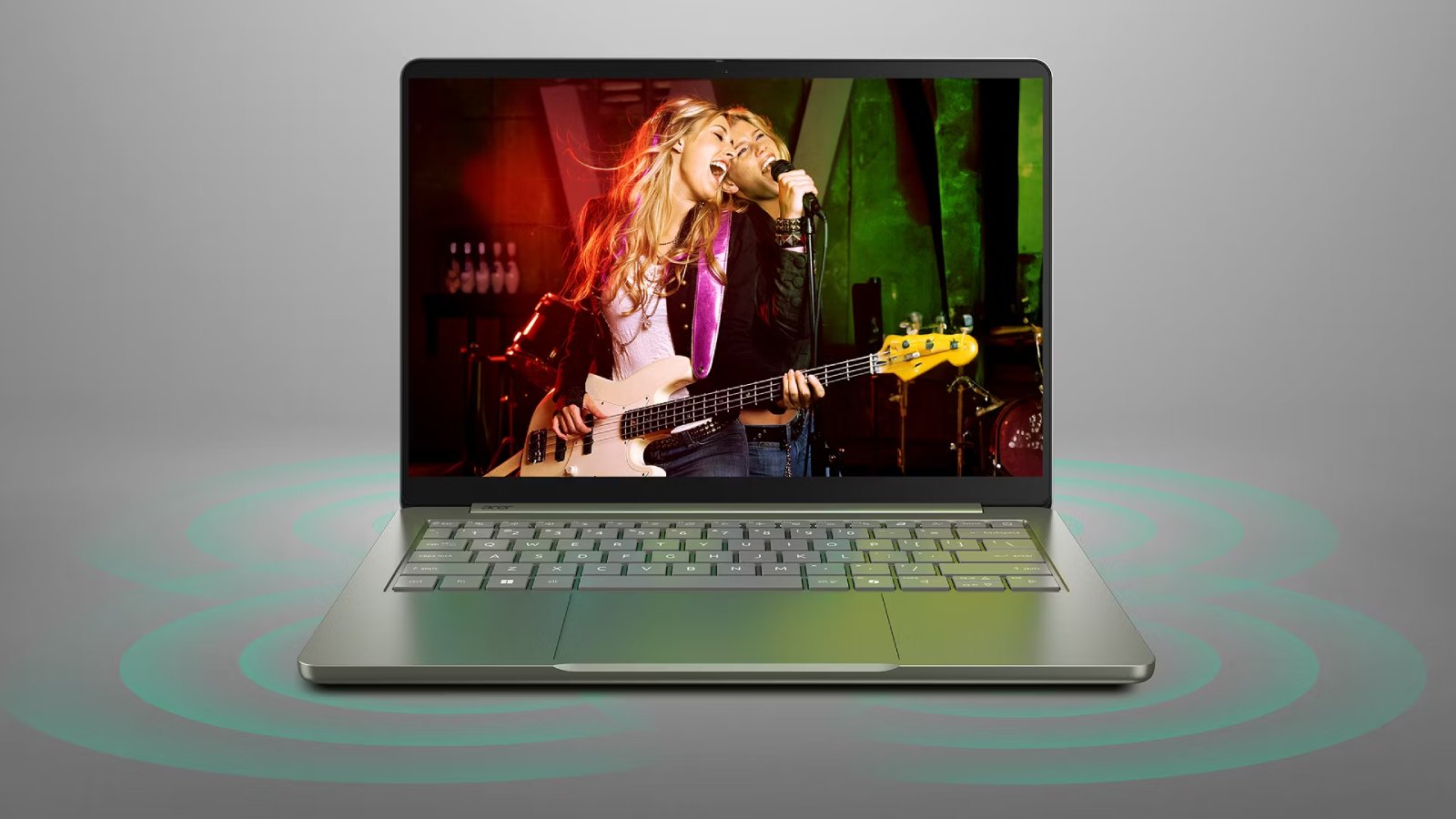
Powered by a new Intel Core Series 3 processor, the Swift Air 14 features a 14-inch display with a 120Hz refresh rate and a resolution of 1,920 × 1,200 pixels, up to a 512GB SSD, up to 16GB of RAM, an all-aluminum enclosure, and quad speakers with DTS:X Ultra audio. Like the MacBook Neo, the laptop supports Wi-Fi 6E.
 Acer's Swift Air 14
The laptop is equipped with two Thunderbolt 4 ports, a USB-A port, and a 3.5mm headphone jack, and Acer says a 70 Wh battery provides up to 19 hours of battery life for video playback and up to 16 hours of battery life for web browsing.
Like the MacBook Neo, the Swift Air 14 is available in colorful finishes, including sage green, frost blue, blossom pink, and lilac purple.
Acer said the Swift Air 14 will be available in North America starting in August.
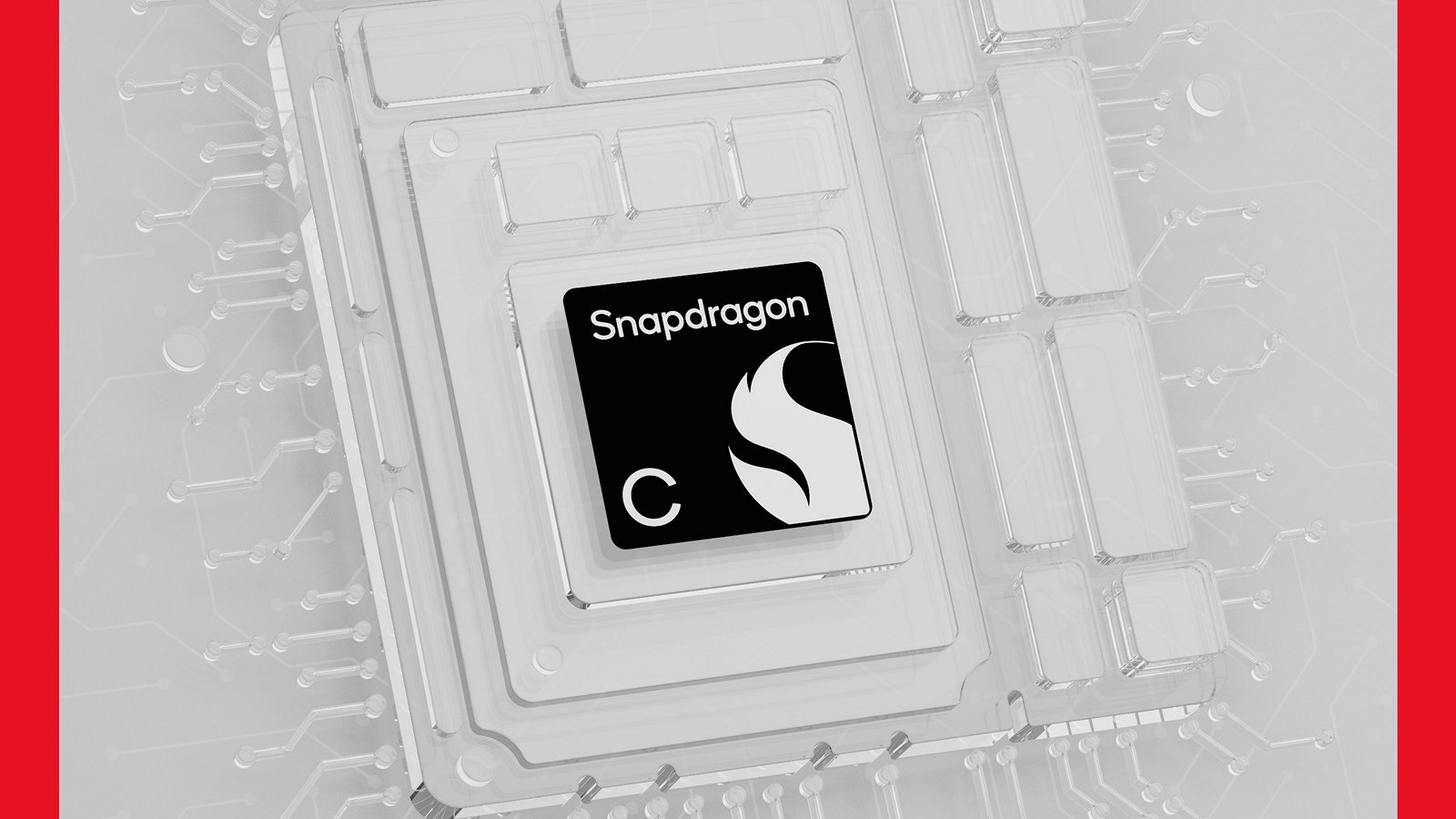
Meanwhile, Qualcomm this week announced the Snapdragon C, a new processor designed for "entry-tier laptops" priced at "$300 and up." Qualcomm said the processor delivers "responsive everyday performance" with "breakthrough power efficiency." The first laptops powered by the Snapdragon C are expected to launch later this year, with committed brands including Acer, HP, and Lenovo, according to Qualcomm.
 Qualcomm's Snapdragon C processor
Indeed, Acer has previewed the Aspire Go 15, the first laptop powered by the Snapdragon C processor. The laptop will have an "affordable" price point, but Acer did not provide specific pricing or a release date. Key specs include a 15.6-inch display with a resolution of 1,920 × 1,080 pixels, up to a 512GB SSD, up to 8GB of RAM, a 1080p webcam, two speakers, two USB-C ports, one USB-A port, one HDMI port, and a 3.5mm headphone jack.
Acer said the Aspire Go 15 is made from 100% recyclable materials and has some components made from recycled plastic, so it sounds like the laptop will not have an all-aluminum enclosure like the MacBook Neo and the Swift Air 14.
Finally, ASUS commented on the MacBook Neo again during its annual shareholders meeting today. According to Taiwan's Economic Daily News, ASUS's chairman Jonney Shih said that the company can learn from Apple's cost-efficient strategy with the MacBook Neo and views it as an opportunity. Stay tuned, he said.
On an earnings call last month, Apple's CEO Tim Cook said that customer response to the MacBook Neo had been "off the charts" since its launch.
Apple was very optimistic about the MacBook Neo before announcing it, but the company still "undercalled" the level of enthusiasm that the laptop would generate, according to Cook. He said that MacBook Neo demand exceeded Apple's expectations and helped to drive a record number of first-time Mac buyers last quarter.
"We could not be happier with how things are going at the moment," said Cook.
As for the Windows PC industry, perhaps not so much.
This article, "Windows PC Industry Reacts to Apple's Most Affordable MacBook Ever" first appeared on MacRumors.com
Discuss this article in our forums
Acer today introduced a Swift Air 14 laptop, with U.S. pricing starting at $699. By comparison, the MacBook Neo starts at $599 with a 256GB SSD and 8GB of RAM, or at $499 for college students and educational staff. However, the MacBook Neo costs an equal $699 when configured with a doubled 512GB of storage and a Touch ID button.
Powered by a new Intel Core Series 3 processor, the Swift Air 14 features a 14-inch display with a 120Hz refresh rate and a resolution of 1,920 × 1,200 pixels, up to a 512GB SSD, up to 16GB of RAM, an all-aluminum enclosure, and quad speakers with DTS:X Ultra audio. Like the MacBook Neo, the laptop supports Wi-Fi 6E.
Acer's Swift Air 14The laptop is equipped with two Thunderbolt 4 ports, a USB-A port, and a 3.5mm headphone jack, and Acer says a 70 Wh battery provides up to 19 hours of battery life for video playback and up to 16 hours of battery life for web browsing.
Like the MacBook Neo, the Swift Air 14 is available in colorful finishes, including sage green, frost blue, blossom pink, and lilac purple.
Acer said the Swift Air 14 will be available in North America starting in August.
Meanwhile, Qualcomm this week announced the Snapdragon C, a new processor designed for "entry-tier laptops" priced at "$300 and up." Qualcomm said the processor delivers "responsive everyday performance" with "breakthrough power efficiency." The first laptops powered by the Snapdragon C are expected to launch later this year, with committed brands including Acer, HP, and Lenovo, according to Qualcomm.
Qualcomm's Snapdragon C processorIndeed, Acer has previewed the Aspire Go 15, the first laptop powered by the Snapdragon C processor. The laptop will have an "affordable" price point, but Acer did not provide specific pricing or a release date. Key specs include a 15.6-inch display with a resolution of 1,920 × 1,080 pixels, up to a 512GB SSD, up to 8GB of RAM, a 1080p webcam, two speakers, two USB-C ports, one USB-A port, one HDMI port, and a 3.5mm headphone jack.
Acer said the Aspire Go 15 is made from 100% recyclable materials and has some components made from recycled plastic, so it sounds like the laptop will not have an all-aluminum enclosure like the MacBook Neo and the Swift Air 14.
Finally, ASUS commented on the MacBook Neo again during its annual shareholders meeting today. According to Taiwan's Economic Daily News, ASUS's chairman Jonney Shih said that the company can learn from Apple's cost-efficient strategy with the MacBook Neo and views it as an opportunity. Stay tuned, he said.
On an earnings call last month, Apple's CEO Tim Cook said that customer response to the MacBook Neo had been "off the charts" since its launch.
Apple was very optimistic about the MacBook Neo before announcing it, but the company still "undercalled" the level of enthusiasm that the laptop would generate, according to Cook. He said that MacBook Neo demand exceeded Apple's expectations and helped to drive a record number of first-time Mac buyers last quarter.
"We could not be happier with how things are going at the moment," said Cook.
As for the Windows PC industry, perhaps not so much.
Related Roundup: MacBook Neo
Buyer's Guide: MacBook Neo (Buy Now)
Related Forum: MacBook Neo
This article, "Windows PC Industry Reacts to Apple's Most Affordable MacBook Ever" first appeared on MacRumors.com
Discuss this article in our forums