Reading view

Samsung Set to Beat Apple to AI Smart Glasses With July Launch

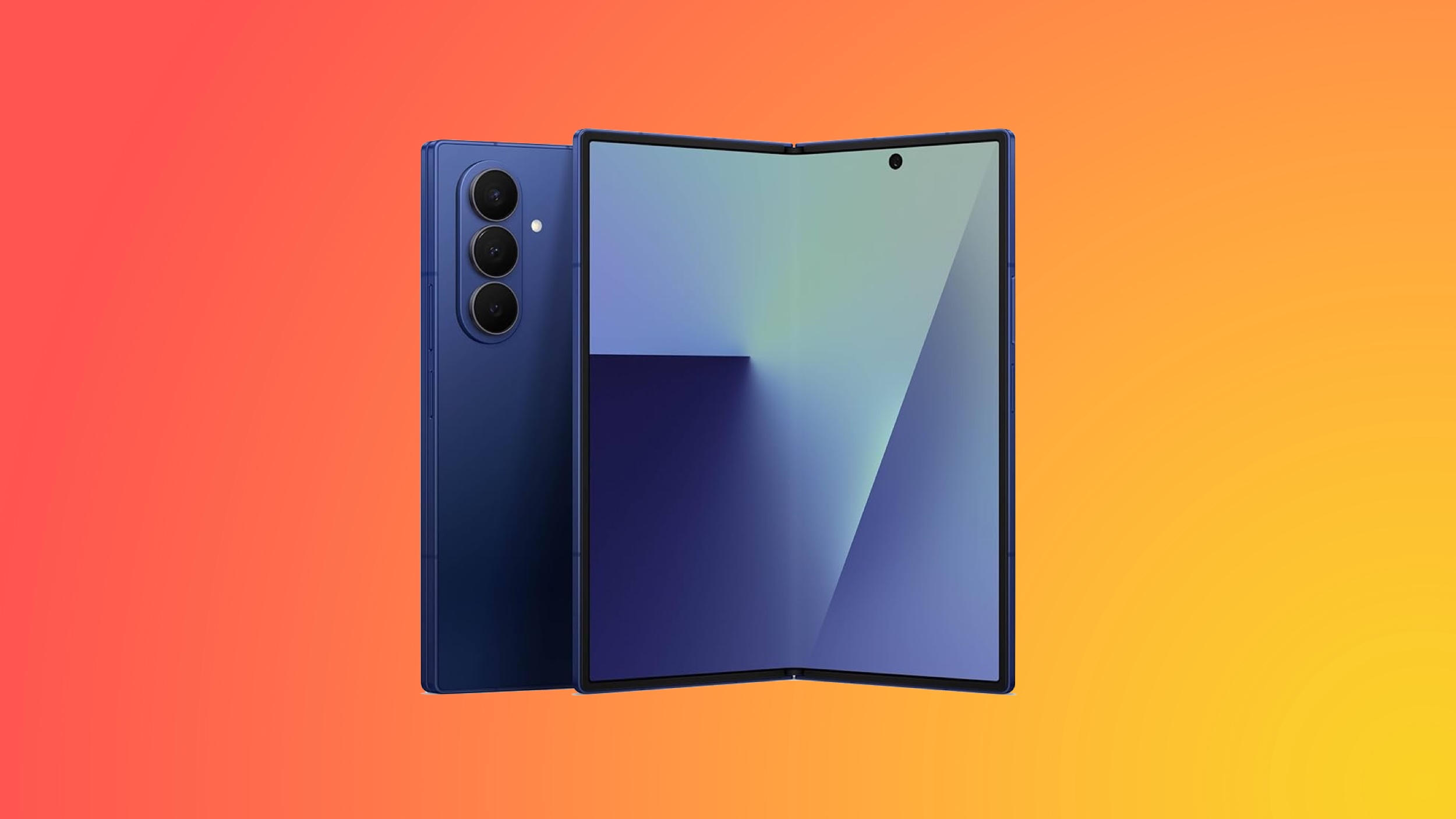
Samsung is planning a Galaxy Unpacked event for July, and the company plans to introduce new foldable smartphones and AI "Galaxy Glasses," according to Seoul Economic Daily.


Samsung's event will take place on July 22, so it will debut new Galaxy Z Fold8 and Z Flip8 foldable smartphones just weeks ahead of when Apple's first foldable iPhone is introduced, plus it will beat Apple to AI glasses.

Apple has been racing to develop its own smart glasses to compete with the Meta Ray-Ban AI glasses, but rumors suggest Apple won't launch the glasses until 2027. There is a chance Apple will preview the glasses in 2026, but there's no certainty yet.

Samsung is working with eyewear company Gentle Monster for its AI glasses, and the wearable will run Google's Android XR operating system with Gemini integration. The glasses will feature a high-definition camera, speakers, and a microphone, similar to the Meta Ray-Bans, and there will be no built-in display. AI integration will be a main selling point, with Gemini able to use video captured by the wearer to answer queries. Samsung will link the glasses to Galaxy smartphones and its SmartThings home appliance ecosystem.

The glasses that Samsung is working on sound similar to everything rumored for Apple's own AI glasses. Apple's glasses will rely on Siri, and will include cameras to feed visual information to the AI. Speakers and microphones will be included, but no display is expected for the first version.

Samsung is also planning for a Fold Wide, or a foldable smartphone that's similar to the dimensions that Apple plans to use for its foldable iPhone. Samsung's foldables to date have been taller than they are wide, but Apple is planning for a wider, iPad-like 4:5 aspect ratio.

After Samsung's event, Apple will unveil its next smartphones at its traditional September event. Dates are not known at this time.
Tag: Samsung

This article, "Samsung Set to Beat Apple to AI Smart Glasses With July Launch" first appeared on MacRumors.com

Discuss this article in our forums
  •  

Samsung's U.S. Price Increases Add to Concerns About Rising Apple Device Costs

Samsung raised the prices of several of its smartphones and tablets in the United States overnight, likely due to increasing costs caused by ongoing memory shortages.


As shared by PhoneArena, the 512GB Galaxy Z Flip increased by $80 from $1,219.99 to $1,299.99, while the S25 Edge and S25 FE went up $80 and $40, respectively. Samsung did not increase the cost of its current-generation S26 smartphones because those were priced higher than the prior-generation models from launch, but the company did also increase the cost of the 512GB and 1TB Galaxy Z Fold 7 earlier this month.

Samsung's tablet prices increased for the full U.S. lineup, including the latest Galaxy Tab S11 and the Galaxy Tab S11 Ultra models. The base models are $100 more expensive at $900 for the S11 and $1,299 for the S11 Ultra, while higher-end models went up even more. The 1TB S11 Ultra is now $1,899.99, which is a $280 increase.

Samsung didn't comment on the price increase, but the quiet price hike suggests that Samsung is going to need to charge more for upcoming devices that are coming out later this year.

As a major smartphone manufacturer, Samsung has not been able to weather rising costs without raising prices, and that could be a sign that Apple's upcoming devices could also be more expensive than they would have been without hardware shortages.

The MacBook Air and MacBook Pro models that came out earlier this year are more expensive than their predecessors, though Apple increased storage to justify the price hike.

Apple already removed the 512GB RAM upgrade for the Mac Studio, and started charging $400 more for the 256GB RAM upgrade. Apple also recently stopped accepting orders for some ‌Mac Studio‌ and Mac mini configurations with higher amounts of RAM. For machines still in stock, shipping times are extraordinarily high.

Hardware makers like Apple are dealing with high demand for memory and storage, which has been caused by demand from artificial intelligence data centers. Manufacturers are prioritizing AI chip production over chips designed for consumer products because large data center contracts are more profitable. Chipmakers like Samsung, TSMC, and SK Hynix are unable to keep up with demand even while operating at full capacity, and the lack of supply mixed with rising demand has led to price hikes.

During Apple's January earnings call, Tim Cook said that memory costs didn't impact the company's gross margin in the first fiscal quarter of the year, but would have a "bit more of an impact" during the second fiscal quarter. Apple is set to hold its Q2 earnings call on April 30.

Cook said that Apple is looking at a "range of options" to deal with rising prices over the long term if needed, and Apple is seeking supplier price cuts in other areas to offset the increase. Apple apparently agreed to pay Samsung twice as much for LPDDR5X memory chips for ongoing iPhone 17 production.

Apple analyst Ming-Chi Kuo said in January that he expects Apple to keep iPhone 18 starting prices flat despite having to pay more for components. He said Apple could absorb the costs to gain market share, and make up some of the money on its services side. Apple plans to launch a new foldable iPhone this year, and its rumored $2,000+ price tag could also pad Apple's margins.

Apple has been planning M5 updates for the ‌Mac Studio‌ and the ‌Mac mini‌, and it is unknown how the memory shortages and long shipping times for current machines will impact those plans.
Tag: Samsung

This article, "Samsung's U.S. Price Increases Add to Concerns About Rising Apple Device Costs" first appeared on MacRumors.com

Discuss this article in our forums

  •  

Samsung to Discontinue Galaxy Z TriFold After Just Three Months

Samsung is set to discontinue the Galaxy Z TriFold globally after just three months on sale (via Bloomberg).


The company will start by ceasing sales of the device in Korea, where it has been on sale since December. Samsung plans to discontinue the device in the United States once it clears its inventory.

Samsung's website already lists the TriFold as "sold out," but customers are still able to buy the device at Samsung stores. It launched in the United States in January and costs $2,899.

The Galaxy Z TriFold is Samsung's first smartphone that has a larger total display area thanks to folding twice, featuring a 10-inch display when opened and a 6.5-inch cover screen when closed, with "minimized creasing." A third of the display is just 3.9mm thick when the smartphone is unfolded.

It contains a 5,600 mAh three-cell battery system with one battery behind each display panel, making it the largest battery that Samsung has used in a smartphone to date. There are three cameras on the rear of the device, including a 200-megapixel wide angle camera, a 12-megapixel ultra wide camera, and a 10-megapixel telephoto camera with 3x optical zoom. There is a 10-megapixel selfie camera on the cover screen and another on the main screen.

Samsung touted unique capabilities for the Galaxy Z TriFold, such as using three different portrait-sized apps side-by-side, watching full-screen content, vertical tablet-style reading, two differently sized hinges that work together with a dual-rail structure, and an alarm that alerts the user if it's folded incorrectly.
This article, "Samsung to Discontinue Galaxy Z TriFold After Just Three Months" first appeared on MacRumors.com

Discuss this article in our forums
  •  

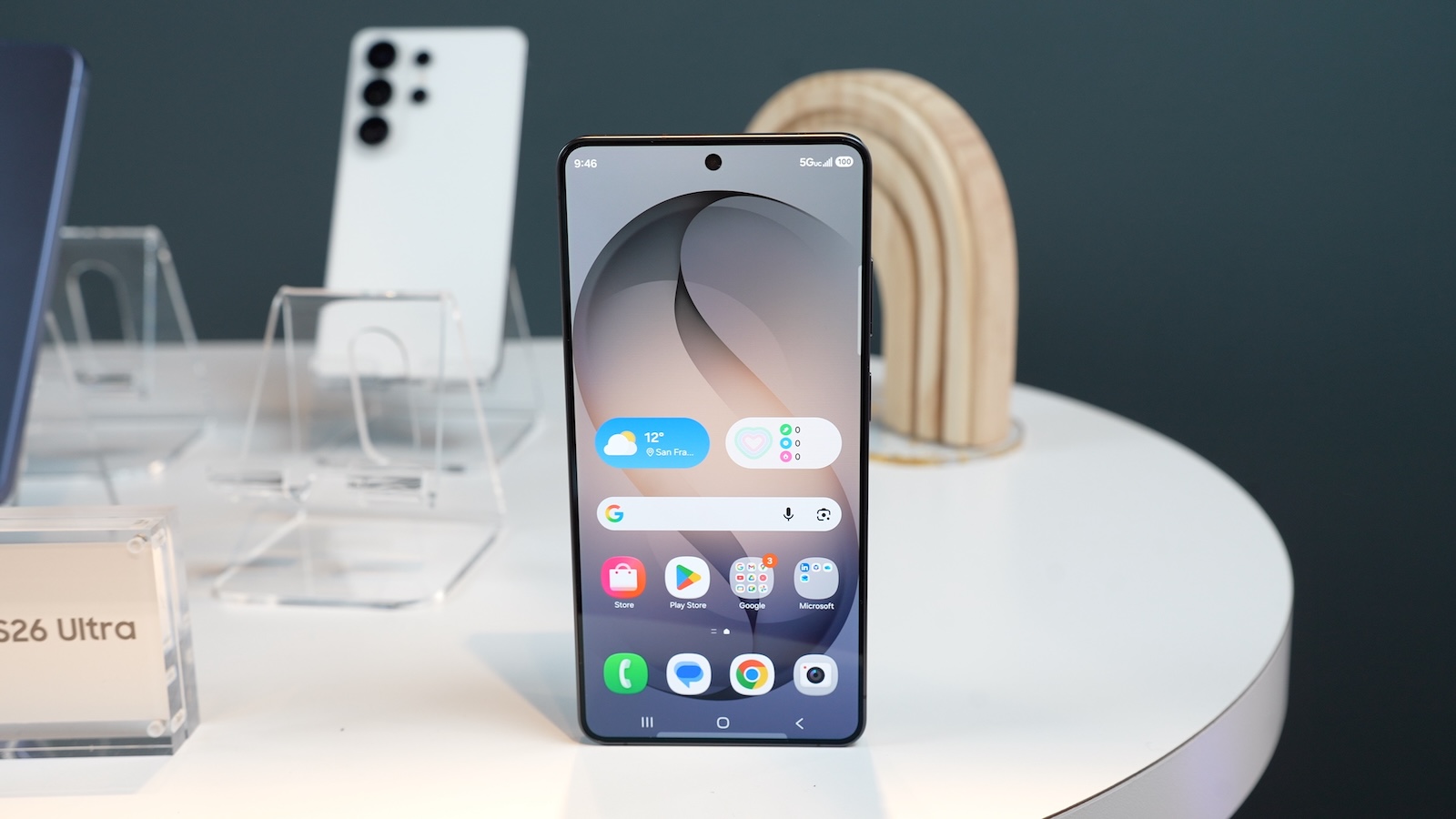
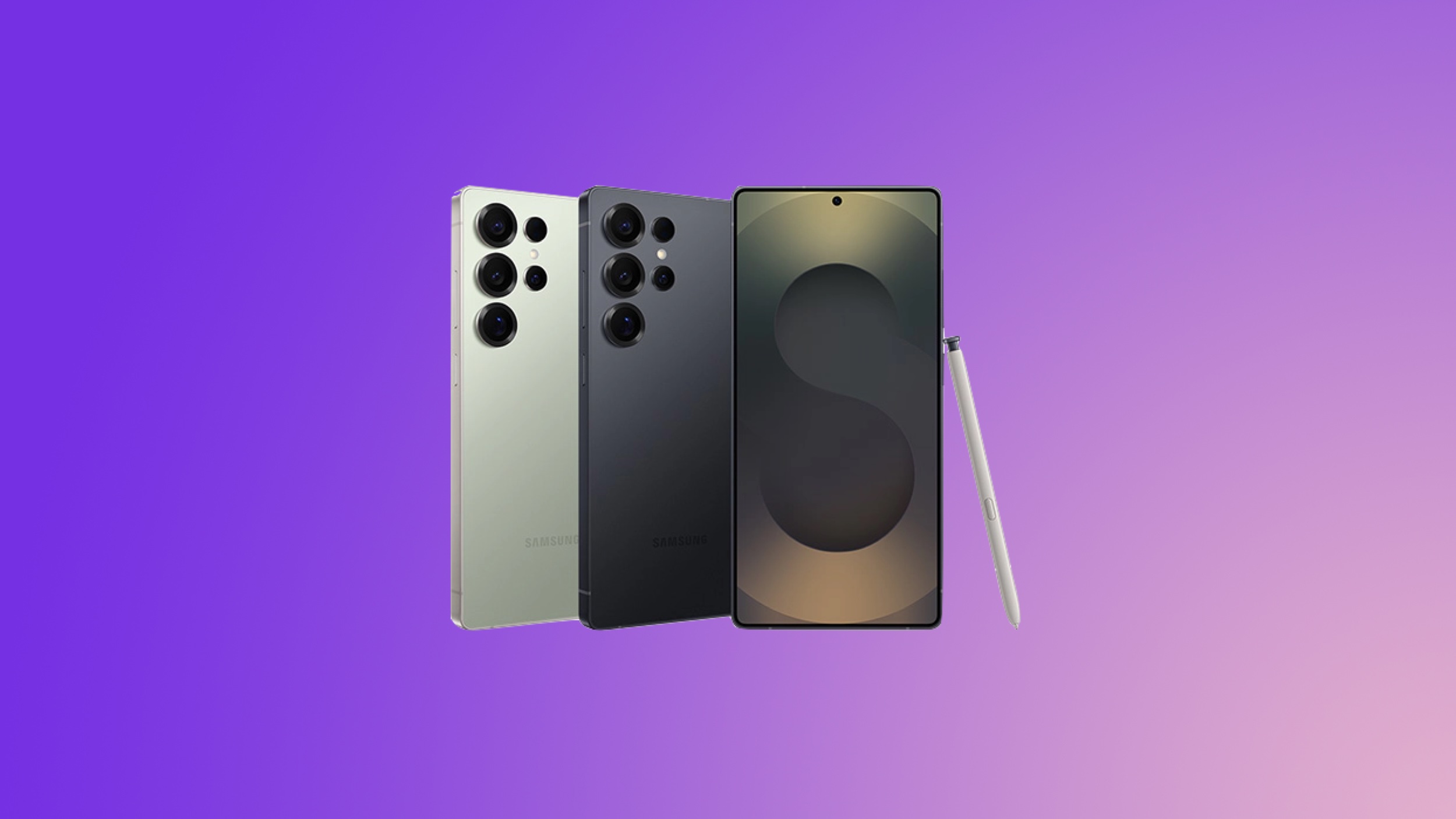
Samsung Launches Galaxy S26 Ultra With Built-In Privacy Display and New AI Features

Samsung today announced its newest flagship smartphones, the Galaxy S26, S26+, and S26 Ultra. Samsung's latest devices are focused on AI, and Samsung says they have the most "intuitive, proactive, and adaptive Galaxy AI features" to date.


The 6.3-inch Galaxy S26 is Samsung's smallest and most affordable smartphone, followed by the 6.7-inch Galaxy S26+. The 6.9-inch Galaxy S26 Ultra is the high-end model. All three devices feature OLED displays, but only the Ultra works with the S Pen stylus.


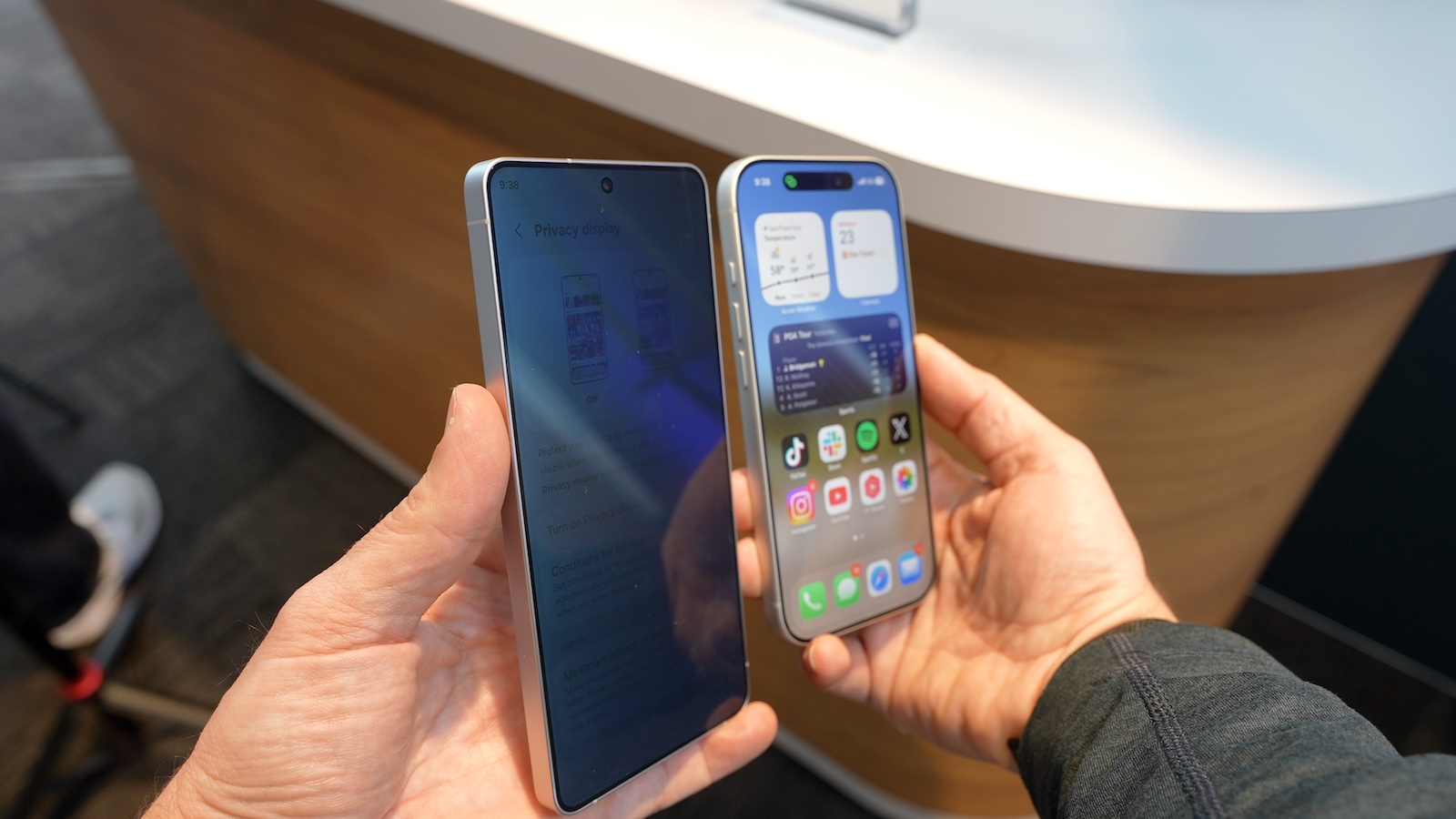
New to the Galaxy S26 Ultra is a built-in "Privacy Display" that makes it harder to view what's on the screen when looking at the phone from a side angle. It's clear when looking at it head on, but someone sitting next to you will have a hard time seeing your phone's display. Privacy Display works at the pixel level, controlling how pixels disperse light. It can be set to activate only for certain apps or situations like entering a PIN, and there are partial and maximum privacy options.


Samsung's Galaxy S26 Ultra has the best camera lineup, featuring a 200-megapixel wide lens, a 50-megapixel ultra wide lens, and two telephoto lenses. The 10-megapixel telephoto lens has 3x optical zoom, while the 50-megapixel telephoto lens features 5x optical zoom and 10x "optical quality" zoom.

There's a new Nightography feature for clearer video in low lighting conditions, and several AI photo features. Photo Assist lets users describe the change they want to make to a photo, from restoring missing elements to removing objects. It can also change a photo from day to night, or change a person's outfit.

Creative Studio uses sketches, photos, or prompts to create and edit AI-generated visuals like stickers, wallpapers, and invitations.


The smartphones use Qualcomm's Snapdragon 8 Elite Gen 5 chip, which Samsung says is 19 percent faster than the prior-generation CPU in the Ultra. The GPU is 24 percent faster, and there's a 39 percent improvement in neural processing. The Ultra model also includes an updated vapor chamber with thermal material at the sides of the processor to better dissipate heat. Samsung says the processor also includes a "ProScaler" feature that improves image scaling for photos and videos.

Most models feature 12GB RAM, though the 1TB Ultra model has 16GB. Samsung added faster charging, and the device is able to charge to 75 percent in 30 minutes. Wireless charging at up to 25W is supported.


Along with the previously mentioned photo editing AI features, there are several other AI additions.

  • Now Nudge - Now Nudge offers suggestions to help users avoid distractions. If someone asks for photos from a recent event, the Galaxy S26 can automatically suggest them so there's no need to switch apps and search for them.

  • Now Brief - Samsung's daily AI-powered briefing is more proactive and more personalized, and it is able to surface reminders for important events based on personal context.

  • Circle to Search - Circle to Search supports improved multi-object recognition so it can identify and locate multiple items in an image.

  • Call Screening - Call screening detects unknown callers and asks them why they called, summarizing the information.

  • Privacy Alerts - Machine learning notifies users when apps with device admin privileges unnecessarily try to access sensitive data.

  • Private Album - With private album, users can hide select photos and videos without creating a separate folder or signing into a Samsung account.

  • Bixby - Bixby serves as a conversational device agent that can adjust settings or help users with troubleshooting.

  • Other chatbots - Galaxy users can choose other chatbots like Gemini and Perplexity, which can be activated with a button press or voice prompt.

  • Background processing - The Galaxy S26 series can handle multi-step tasks in the background, which allows AI agents to complete tasks while the user does something else.


Samsung also introduced the Galaxy Buds4 and Buds4 Pro, which are designed to be used with the Galaxy S26 devices. The Galaxy Buds4 earbuds feature an updated fit and improved sound quality. The Buds4 Pro include Active Noise Cancellation, upgraded Adaptive EQ, an option for accepting or declining calls with head gestures, and support for activating AI agents.

Pre-orders for the new Samsung smartphones are available starting today, with a launch to follow on March 11. The Galaxy S26 starts at $899.99, the Galaxy S26+ starts at $1,099.99, and the Galaxy S26 Ultra starts at $1,299.99. The Galaxy Buds4 are also available for pre-order starting today.

Note: MacRumors is an affiliate partner with Samsung. When you click a link and make a purchase, we may receive a small payment, which helps us keep the site running.
Tag: Samsung

This article, "Samsung Launches Galaxy S26 Ultra With Built-In Privacy Display and New AI Features" first appeared on MacRumors.com

Discuss this article in our forums
  •  

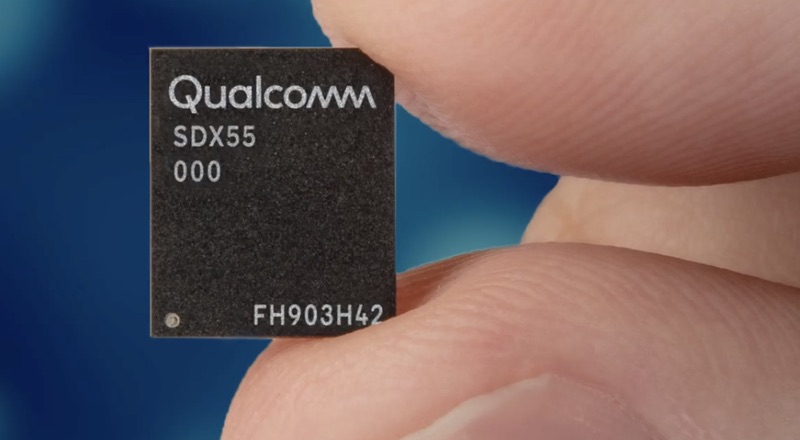
UK Case Claiming Qualcomm Inflated iPhone Prices to Be Withdrawn

A major UK consumer lawsuit alleging that Qualcomm inflated iPhone prices through its patent licensing practices will be withdrawn with no payment (via Reuters).


The lawsuit raised on behalf of 29 million UK smartphone buyers will be withdrawn following an agreement with the British consumer association Which?, which had filed the case seeking £480 million in compensation for consumers who purchased Apple or Samsung devices since 2015.

Which? alleged that Qualcomm abused a dominant market position by requiring manufacturers to obtain a license for its standard essential patents before purchasing chipsets. The lawsuit claimed this policy compelled Apple and Samsung to pay royalties even when Qualcomm chips were not used in their devices, thereby increasing the cost of smartphones sold to consumers.

The case had already proceeded to trial last year before the UK Competition Appeal Tribunal, but the tribunal had not yet issued a ruling. Which? said it will now apply to withdraw the case after concluding the tribunal would likely determine that Qualcomm did not coerce Apple or Samsung into licensing agreements or impose unfair terms. The organization also said it believed the tribunal would find Qualcomm's practices did not violate competition law or lead to higher smartphone prices.

The withdrawal represents the latest development in a long-running series of disputes involving Qualcomm's patent licensing model and Apple's reliance on the company's cellular technology. Starting with the C1 modem in the iPhone 16e, Apple is now transitioning away from Qualcomm modems to its own custom cellular chips.
This article, "UK Case Claiming Qualcomm Inflated iPhone Prices to Be Withdrawn" first appeared on MacRumors.com

Discuss this article in our forums
  •  

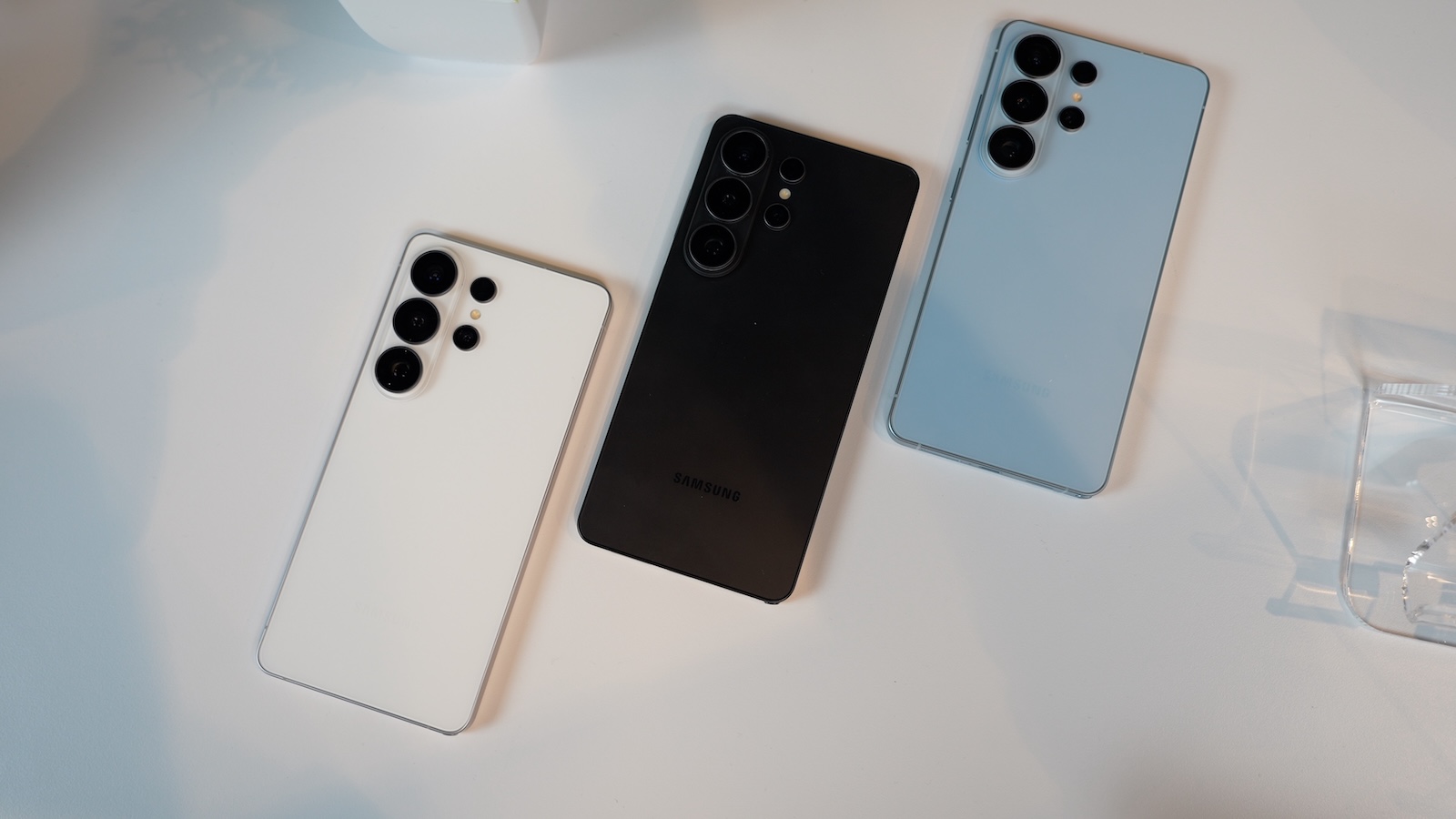
Samsung Planning to Follow iPhone 18 Pro's Variable Aperture Camera

Samsung is planning to follow Apple in adding a variable aperture to its smartphone cameras, Korea's ET News reports.


A variable aperture allows the camera to adjust the amount of light that reaches the sensor. This means that in dark environments, the aperture can be opened to receive more light, while in light environments, it can be closed to prevent over-exposure. It also should provide users with greater control over depth of field, which refers to how sharp a subject appears in the foreground compared to the background.

The iPhone 18 Pro and ‌iPhone 18‌ Pro Max are now widely expected to feature an upgraded main camera with a variable aperture. In December 2024, Apple supply chain analyst Ming-Chi Kuo was first to say that that the main rear camera on both ‌iPhone 18‌ Pro models will offer variable aperture. A more recent report from October 2025 said Apple was moving ahead with plans to bring the technology to next-generation iPhones and was discussing components with suppliers.

Apple has never used a variable aperture on an iPhone camera before. The main cameras on all of the ‌iPhone‌ 14 Pro through iPhone 17 Pro models have a fixed aperture of ƒ/1.78, and the lens is always fully open and shooting with this aperture. Samsung Electronics previously brought a variable aperture camera to its Galaxy S9 and Galaxy S10 models in 2018 and 2019, but due to increased thickness and high price, it dropped the feature in 2020.

In light of Apple's plans, Samsung has reportedly asked multiple camera module partners to develop variable apertures and provide samples. The feature is in early development and final installation has not yet been confirmed, but there is said to be a "strong will" to introduce it.

Samsung apparently sees adding a variable aperture as "necessary to increase camera competitiveness," replacing software correction with physical hardware. The company hopes that in investing in variable aperture camera technology, thickness can be reduced and costs will reduce over time. Apple's first variable aperture camera is expected to arrive in the ‌iPhone 18‌ Pro models in the fall.
This article, "Samsung Planning to Follow iPhone 18 Pro's Variable Aperture Camera" first appeared on MacRumors.com

Discuss this article in our forums
  •  

Report: OLED MacBook Pro to Launch This Year

Apple's first MacBook Pro models with OLED displays will launch in the fourth quarter of 2026, according to Korea's The Elec.


Samsung Display will reportedly begin mass production of eighth-generation OLED displays for the device in May. Samsung is planing to ship two million of these displays to Apple by the end of the year. The panel will be sent to Foxconn from the third quarter of 2026 for assembly into the final machines.

Some components for the device are said to still be in development, since Apple has been changing the design of some parts to reduce manufacturing costs. China's BOE is also hoping to supply Apple with OLED displays for the ‌MacBook Pro‌, but only unit with Samsung displays will be available this'd s year.

The fourth quarter of 2026 runs from October to December. The OLED ‌MacBook Pro‌ is expected to feature 14- and 16-inch display size options, M6-series chips, and the first complete redesign of the device since 2021.
Related Roundup: MacBook Pro
Buyer's Guide: MacBook Pro (Caution)
Related Forum: MacBook Pro

This article, "Report: OLED MacBook Pro to Launch This Year" first appeared on MacRumors.com

Discuss this article in our forums
  •  

Samsung SmartThings for iPhone Gets Siri Shortcuts Support and Enhanced Apple Watch Features

Samsung today updated its SmartThings app for the iPhone, adding several new features for those who own Samsung products or devices connected to the SmartThings ecosystem. Samsung says that the changes are helpful for households with both Galaxy and Apple devices.


Device groups created in the SmartThings app are available, and those groups can be viewed and controlled with the accompanying SmartThings Apple Watch app. Apple Watch users can view their full SmartThings device list, send commands, and trigger routines from the wrist.

SmartThings is also gaining support for Siri Shortcut controls of SmartThings Routines. With this capability, SmartThings automations can be launched with ‌Siri‌ voice commands. The automations work similarly to HomeKit automations, so users can do things like create a "Good Morning" routine that turns on the lights, opens the blinds, and starts the coffee machine, or a "Leaving Home" routine that locks the doors, turns off the lights, and activates a home alarm.

The app already supported Live Activities, but it is expanding to support up to five recently used devices at a glance, including air conditioners, robot vacuums, air purifiers, dehumidifiers, and more.

The SmartThings app can be downloaded from the App Store for free. [Direct Link]
Tag: Samsung

This article, "Samsung SmartThings for iPhone Gets Siri Shortcuts Support and Enhanced Apple Watch Features" first appeared on MacRumors.com

Discuss this article in our forums
  •  

Samsung Reportedly Gives Up on Super Thin Smartphones Amid Low Sales

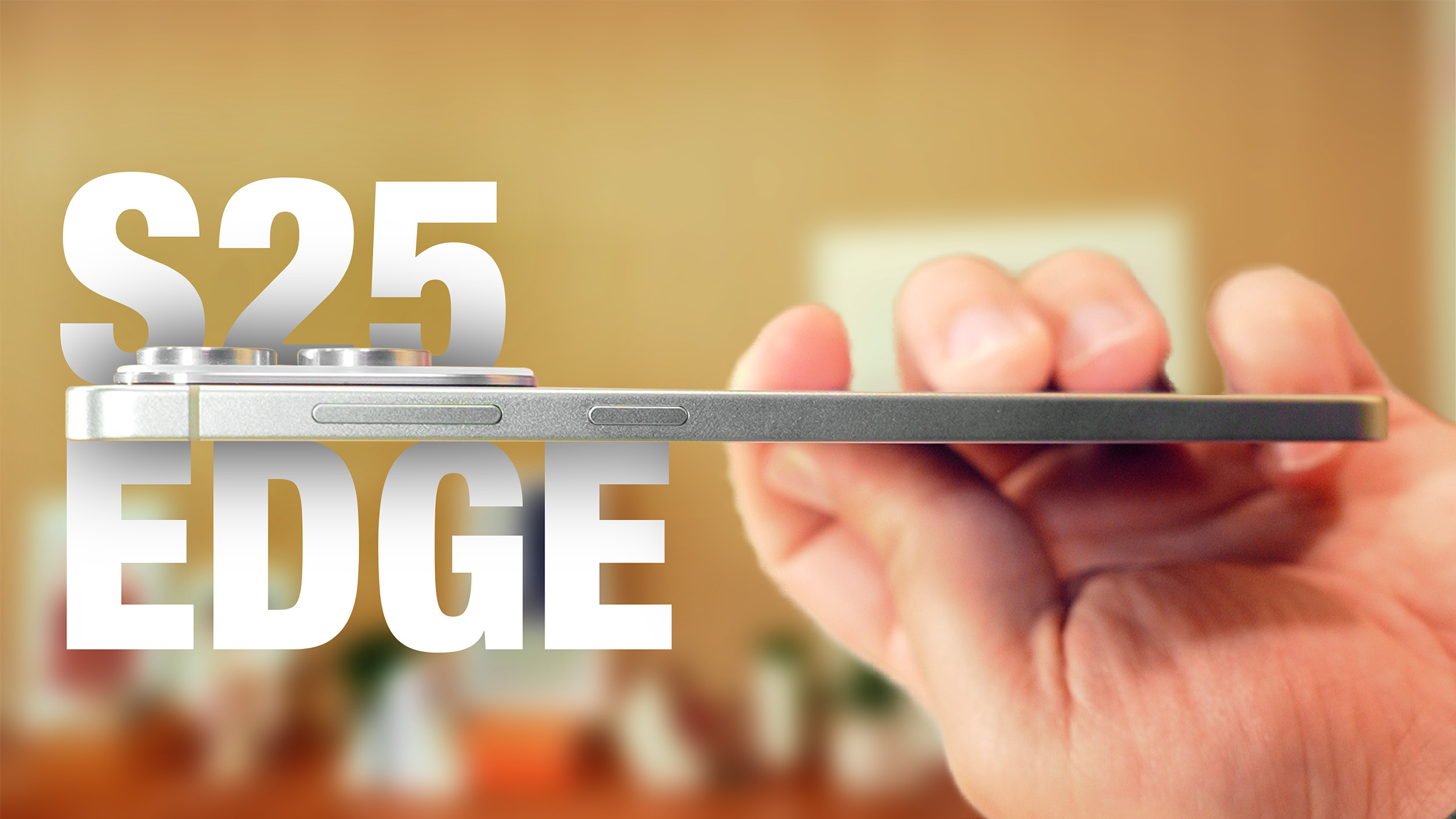
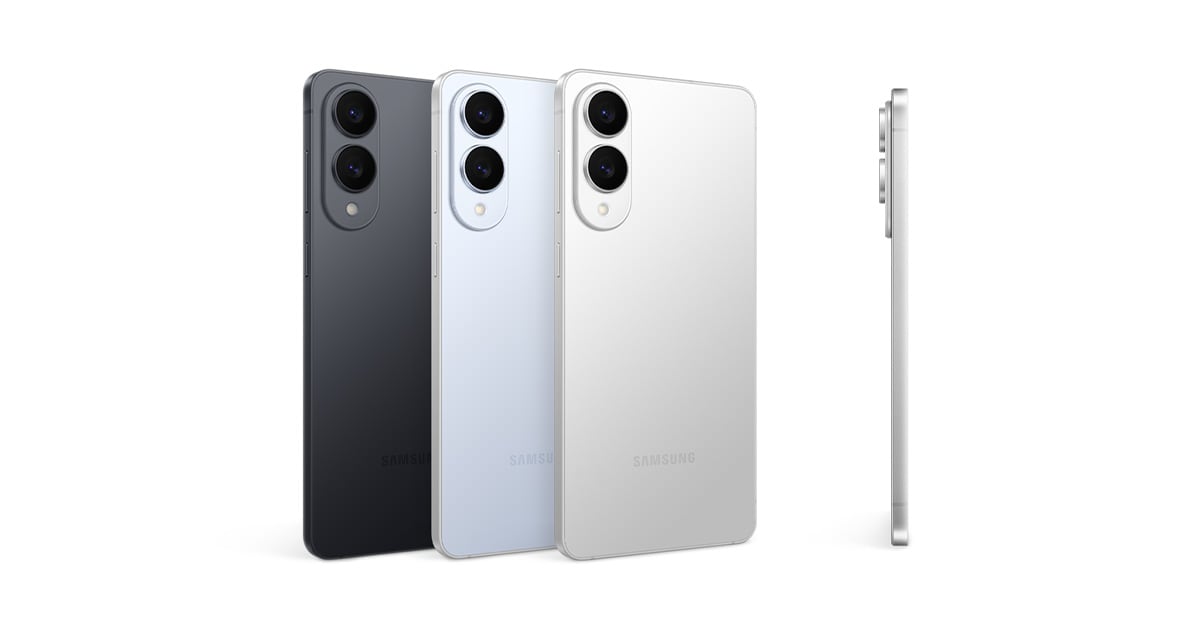
Samsung has abruptly canceled development of its planned Galaxy S26 Edge smartphone after disappointing sales of the ultra-thin Galaxy S25 Edge, which rivals the iPhone Air, Korea's NewsPim claims.


Samsung apparently halted work on the Galaxy S26 Edge this week, informing employees internally that the product line would be discontinued. Internal discussions in September shifted priorities toward the more conventional "Plus" form factor after confirming that consumer demand for ultra-slim flagships was weaker than expected.

The Galaxy S25 Edge features a thin 5.5mm profile and a 3,900mAh battery, but its high price and reduced battery capacity drew criticism. Samsung's leadership reportedly decided to focus on models with broader consumer appeal rather than pursue niche thin designs that compromise durability, battery life, and other features.

The decision comes less than five months after the Galaxy S25 Edge debuted in May, following an ambitious effort to establish a new class of ultra-slim flagship devices positioned between the standard Galaxy S and the Ultra model. The original plan to revive the "Edge" brand, once associated with Samsung's curved-display models, was intended to replace the Plus series as a sleeker, trend-driven option.


Samsung will apparently instead add a Galaxy S26 Plus model to its 2026 lineup, reverting to the company's traditional three-tier structure of base, Plus, and Ultra variants. Despite the cancellation, development of the Galaxy S26 Edge was already complete. Development of the S26 Plus is expected to begin before the end of the third quarter of 2025.

The atmosphere inside the company is said to be "chaotic" and "embarrassed" following the sudden lineup revision. Samsung reportedly plans to sell through existing inventory of the Galaxy S25 Edge and cease further production once stock is depleted.

If true, the news may not bode well for Apple's ‌iPhone Air‌, which could be facing similar challenges in the market. Last month, Apple analyst Ming-Chi Kuo noted that the ‌iPhone Air‌ was the only model of the four new iPhones that was readily available at launch, suggesting lower than expected demand.


Tag: Samsung

This article, "Samsung Reportedly Gives Up on Super Thin Smartphones Amid Low Sales" first appeared on MacRumors.com

Discuss this article in our forums

  •  

iPhone 18 Rumor Becomes iPhone 19 Rumor Two Days Before iPhone 17

In July 2024, Apple supply chain analyst Ming-Chi Kuo said he expected Samsung to begin shipping 48-megapixel Ultra Wide camera sensors to Apple for iPhones as early as 2026, which is when some iPhone 18 models are expected to be released.


In a follow-up post this weekend, however, Kuo said he now expects the first iPhone models with Samsung's sensor to be released in 2027. In other words, this rumor seemingly now applies to some iPhone 19 models, instead of iPhone 18 models.

It is also possible that Samsung's sensor could debut on the iPhone 18e in early 2027, but the iPhone 16e does not have an Ultra Wide rear camera currently.

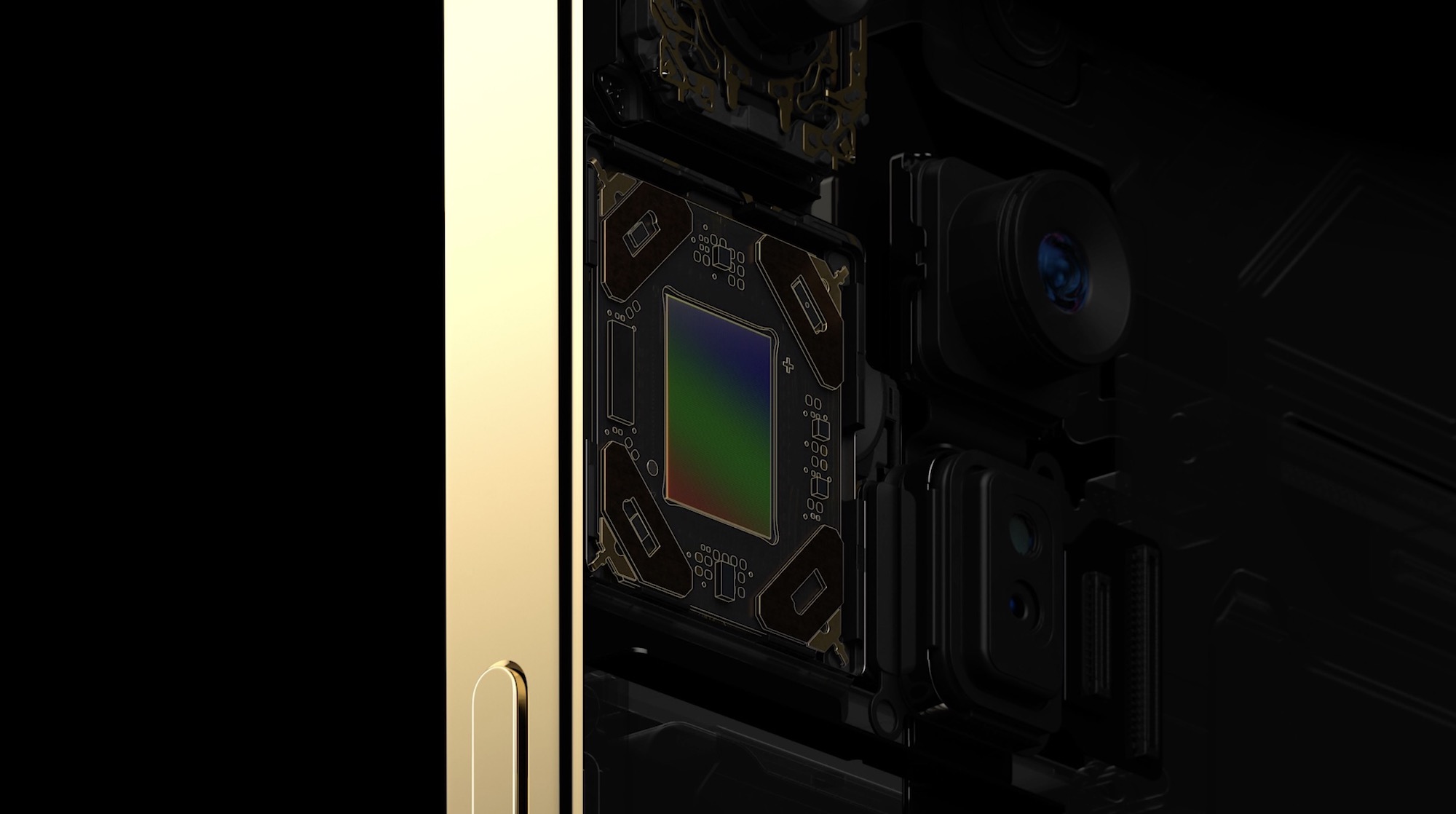
Last month, Apple announced Samsung would supply it with iPhone chips manufactured in Texas. According to the Financial Times, the chips in question are three-layer stacked image sensors, which enable higher pixel density and improved low-light performance by vertically stacking multiple sensor layers. Stacked sensor architecture has other benefits too, including higher dynamic range and reduced power consumption.

Sony has long been the exclusive supplier of image sensors for iPhone cameras, so Samsung entering the fray would be notable, whenever that may happen.

For those of you playing along at home, an iPhone 18 rumor has become an iPhone 19 rumor, two days before Apple unveils the iPhone 17. iPhone 20, anyone?
This article, "iPhone 18 Rumor Becomes iPhone 19 Rumor Two Days Before iPhone 17" first appeared on MacRumors.com

Discuss this article in our forums

  •  
❌