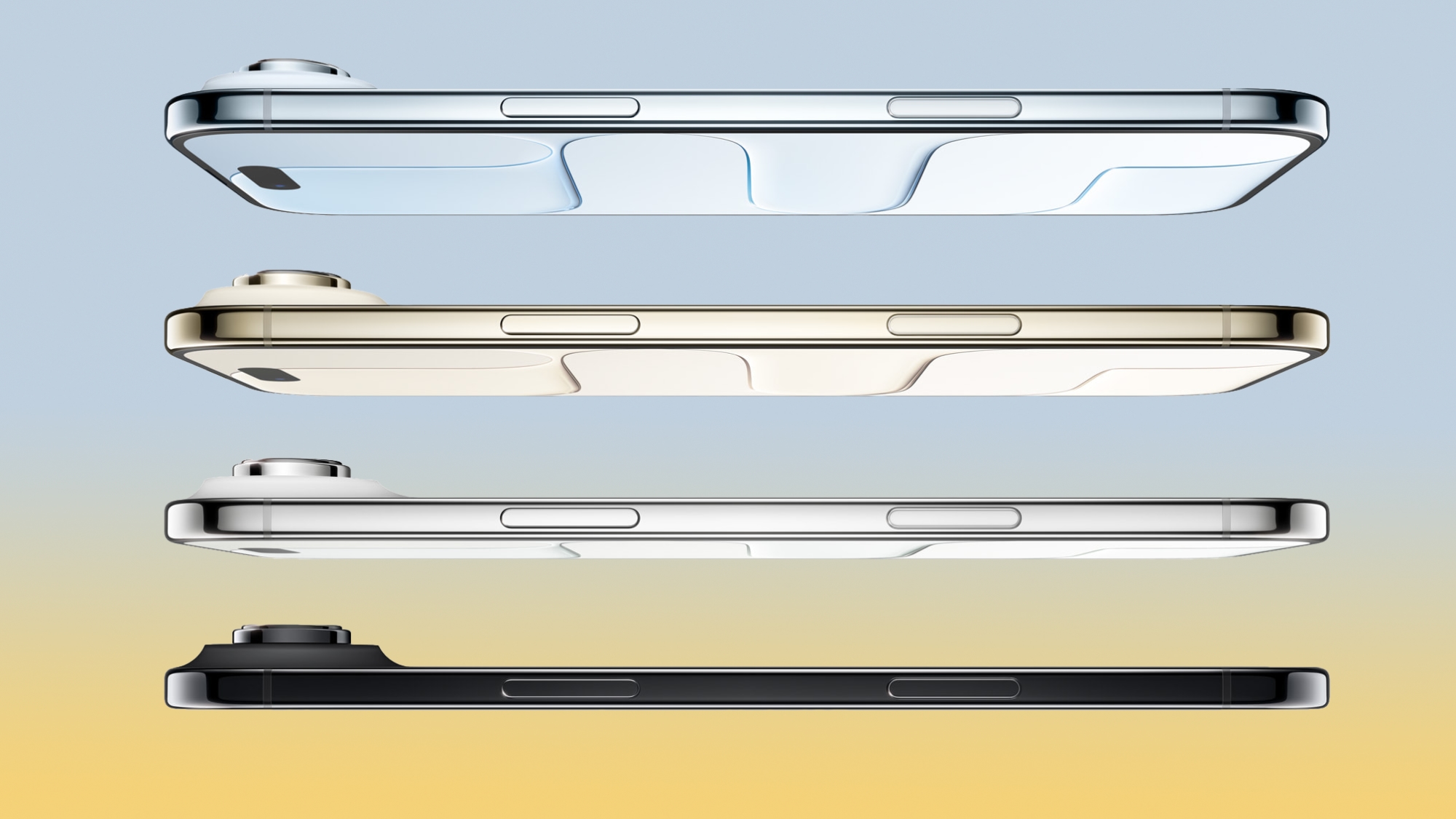
With an ultra-thin design that measures just 5.6mm at its thinnest point, Apple's new iPhone Air tops the iPhone 6 as the thinnest iPhone ever released.
With a 6.9mm frame, the iPhone 6 was prone to bending, although the most egregious examples were often seen in YouTube videos that used excessive force.
The big question: Will the iPhone Air bend?
In a video that Apple provided to Tom's Guide, Apple subjected the iPhone Air to a machine that simulated "130 pounds of pressure" on the middle of the device. The publication said the video shows the device "springs back remarkably well and doesn't show any lasting curve from the experience." You can watch it for yourself in their report.
It appears the iPhone Air should be bend-proof in most if not all real-world scenarios, but we still have to wait for independent, third-party tests.
It does seem pretty safe to say that the iPhone Air will not bend in the same way the iPhone 6 did, and a big reason for that is the device has a titanium frame, whereas the iPhone 6 was made with aluminum. Apple said the iPhone Air "exceeds" its "stringent bend strength requirements," and touted it as the most durable iPhone ever.
The report also includes a few other durability test videos from Apple, including one that tests the Ceramic Shield 2 front cover on iPhone 17 models, which is promised to offer 3× better scratch resistance compared to the previous generation. Another video subjects the iPhone 17 Pro to simulated drop tests. Unsurprisingly, given these videos are from Apple, the results are favorable. Real-world tests will confirm things soon.
The first reviews of the iPhone 17 Pro and iPhone 17 Pro Max have now been published by selected media outlets and YouTube channels, offering a closer look at the device ahead of Friday's launch.
The iPhone 17 Pro models feature one of the biggest design changes to the device in years, moving to an aluminum unibody frame and a full-width rear camera plateau. New color options include Silver, Deep Blue, and Cosmic Orange.
A completely new front-facing camera features an 18-megapixel square sensor, facilitating automatic rotation and Center Stage. There is also a 48-megapixel telephoto camera for the first time, enabling 4x and 8x optical zoom.
The A19 Pro chip enables better performance with Neural Accelerators. A vapor chamber cooling system is built-in for even better heat dissipation.
Other new features include noticeably longer battery life, an improved anti-reflective coating, Ceramic Shield 2, a brighter display, Genlock support, and more.
The two key advantages the Pro models have over the ultra-thin iPhone Air include roughly 20% to 40% longer battery life, and a Telephoto rear camera with 4x and 8x optical zoom. The devices also have an Ultra Wide camera, if you use it.
The iPhone 17 Pro and 17 Pro Max can be pre-ordered now. Below, we have rounded up some of the reviews.
This results in a longer battery life for the iPhone 17 Pro according to our battery drain test, reaching a time of 15 hours and 32 minutes. That's a marked improvement over the iPhone 16 Pro’s average run of 14 hours and 7 minutes.
I'm also seeing solid all-day battery life with my real world use. Most of my time on the phone has been spent surfing the web, taking tons of photos with all its cameras, watching videos on YouTube, and getting in a few sessions with Diablo Immortal and Age of Origins throughout my day. I've made a point to not top off its battery during the day, only to find it at about 20% battery life by the end of the night.
CNET took a closer look at the new Telephoto camera:
I thought I'd notice the difference between 4x and 5x, but unless I had the phones side-by-side, I was unaware. The 17 Pro Max's telephoto images are brighter and have better details and resolution than ones from the 16 Pro, which is likely the result of the larger sensor.
And similar to the wizardry Apple uses to make 2x photos look good, the telephoto camera is able to achieve 8x images. Telephoto images at 4x taken under good lighting (like a nice sunny day) can stand toe-to-toe with images from the main camera. But when I took telephoto images in less than ideal lighting, the 4x images held up OK, whereas the 8x images had more noise and softness.
I played one of the most demanding games on the iPhone right now—Assassin's Creed Mirage—and performance was significantly smoother than when I played it on the iPhone 16 Pro last year. The iPhone 17 Pro still got hot, but the heat was spread out over the entire back of the phone, so it didn't feel as uncomfortable to hold while gaming (unlike the iPhone 17 and Air). I maxed out the graphical settings, and the frames per second were noticeably more stable, and I rarely saw stutters at all.
Engadget said the A19 Pro's Neural Accelerators make a meaningful difference to AI tasks:
I do want to commend Apple for the improved performance in Image Playground and Genmoji. It used to take ages for AI-generated pictures or emoji to appear (especially those based on a picture of someone in my photo album), but on the iPhone 17 Pro I was able to get several options in succession before things slowed down. Pictures where I opted to use ChatGPT’s more realistic styles took a lot longer, but by and large I saw a marked improvement in speed here. Those neural accelerators in the A19 Pro’s six-core GPU are certainly pulling their weight.
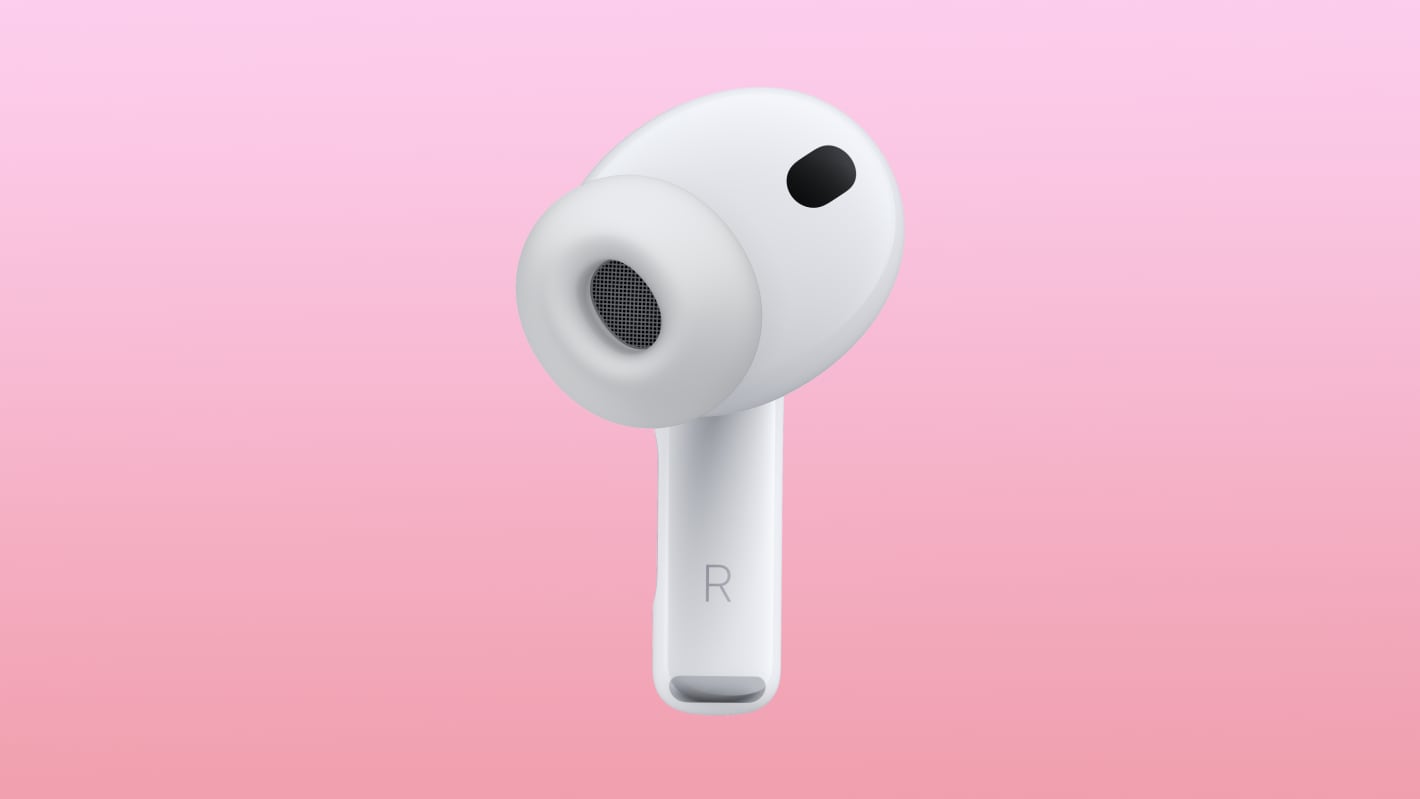
The AirPods Pro 3 use an Acoustic Seal Test to check the fit of ear tips, according to a new Apple support document. Apple says that the Acoustic Seal Test will ensure that you're using the proper ear tip size for the best sound quality and noise cancellation.
The AirPods Pro 1 and the AirPods Pro 2 have an Ear Tip Fit Test, but Apple updated the process for the AirPods Pro 3. Apple suggests starting with the medium size ear tip. If you can't achieve a good seal, switch to the larger tip. If the ear tip feels too large, switch to a smaller tip.
Apple designed new foam-infused silicone ear tips for the AirPods Pro 3, which it says are softer and less stiff than the AirPods Pro 2 ear tips. AirPods Pro 3 ear tips come in five sizes, including XXS, XS, S, M, and L. XXS is new for this generation.
For heart rate sensing, the AirPods Pro 3 need skin contact. Apple warns that the best ear tip size for heart rate sensor accuracy could differ from the best size for acoustic seal. The AirPods Pro 3 should be positioned toward your face at a 45-degree angle, with the heart rate sensor resting against the ear.
If heart rate recordings seem inconsistent, Apple recommends trying a different ear tip size.
The Acoustic Seal Test can be initiated by connecting the AirPods Pro 3 to an iPhone with iOS 26 or an iPad with iPadOS 26, going to the AirPods Settings, and selecting the Acoustic Seal Test option.
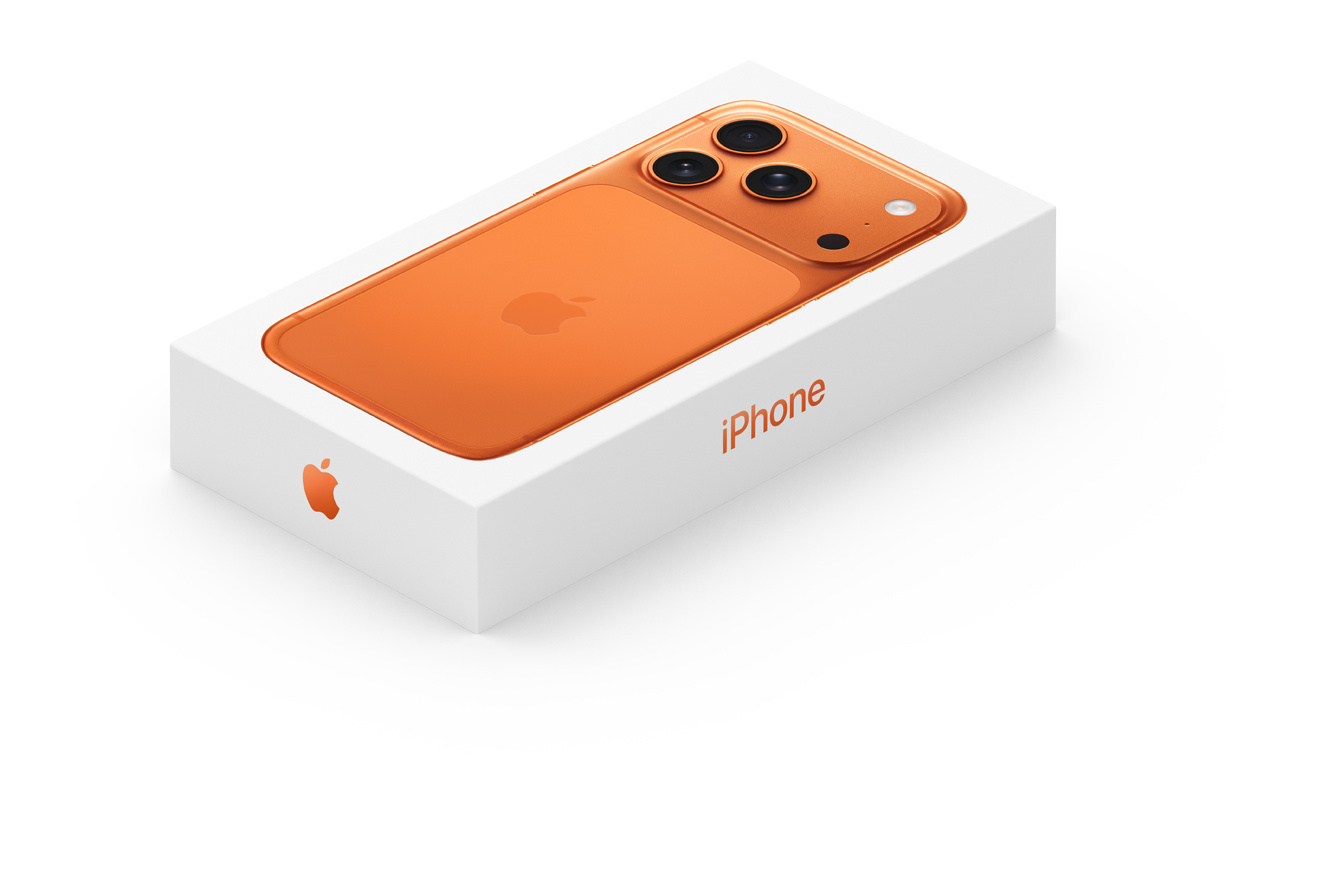
T-Mobile President Jon Freier today shared real-world photos of Apple's boxes for the iPhone Air, iPhone 17 Pro, and iPhone 17 models, which launch on Friday.
Apple has typically included iPhone box renders in its product environmental reports, but it did not do so for the latest models. However, Apple's iPhone Upgrade Program page does offer some images of the boxes, which we have shared below.
Are you the type of person who collects Apple boxes, or do you get rid of them right away?
Last week, we listed eight new AirPods Pro 3 features, including a U2 chip in the charging case. The addition of the U2 chip has been receiving a lot of attention since then, so we wanted to single out its inclusion and discuss it in more detail.
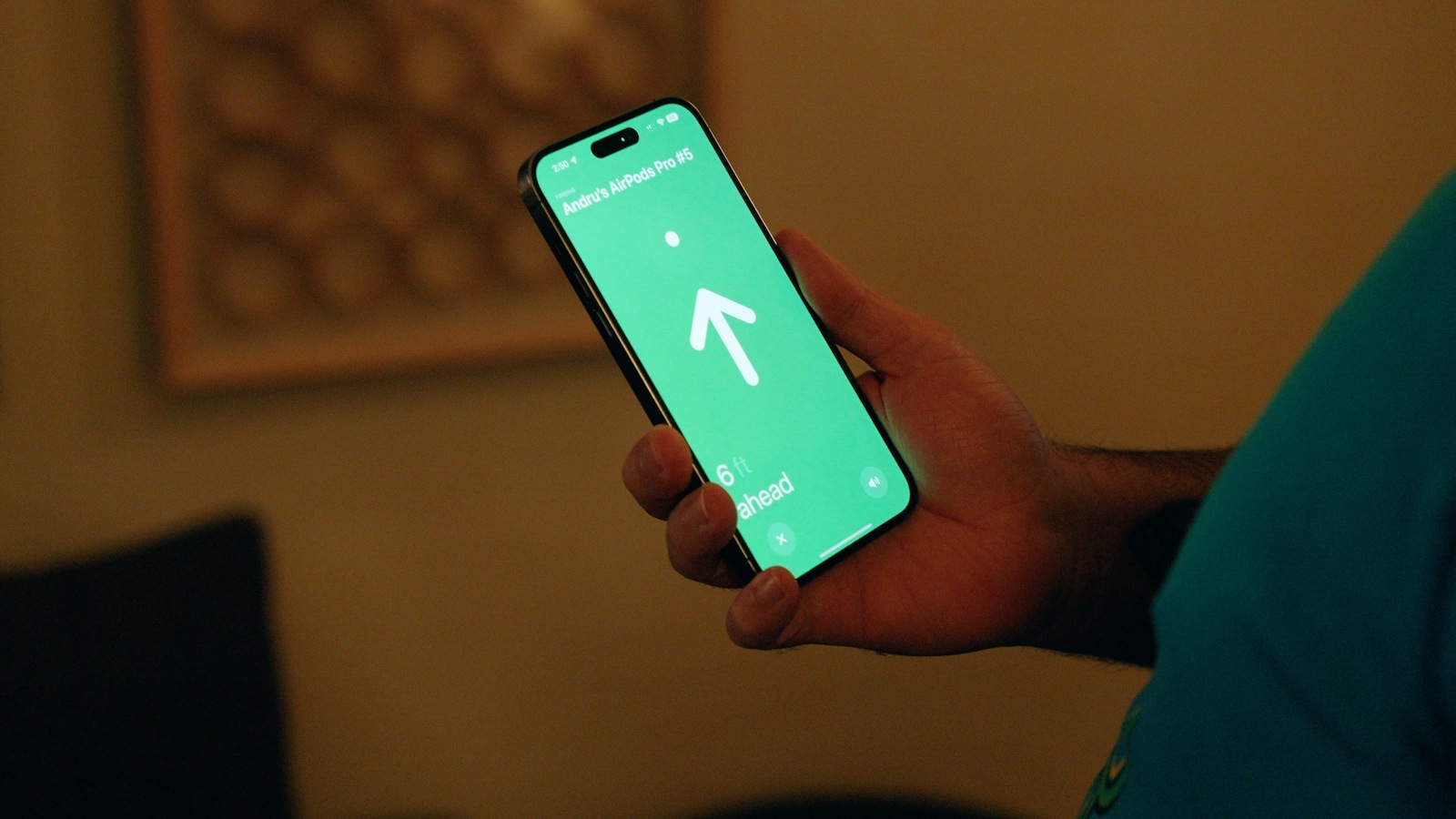
Apple's second-generation Ultra Wideband chip debuted a few years ago, in all iPhone 15 models and the Apple Watch Ultra 2. The chip enables a location-tracking range of up to 200 feet/60 meters, which is up to 3× longer range compared to Apple's first-generation U1 chip in the AirPods Pro 2 charging case, AirTag, and more.
Accordingly, the main benefit of the U2 chip in the AirPods Pro 3 case is up to 3× longer range compared to the U1 chip in the AirPods Pro 2 case, so you can locate the case with the Find My app's Precision Finding feature at longer distances, in the unfortunate event that you lose or misplace your AirPods Pro 3 somewhere around you.
The long-rumored AirTag 2 is also expected to be equipped with the U2 chip.
AirPods Pro 3 are available to pre-order now, and they launch on Friday.
iPhone 17, iPhone 17 Pro, iPhone 17 Pro Max, and iPhone Air pre-orders began on Friday in the U.S. and many other countries. iPhone 17 Pro Max delivery estimates quickly slipped beyond the Friday, September 19 launch day for those who had yet to place an order, and now the rest of the new models have started to follow suit.
As of shortly after 11:30 a.m. Pacific Time today, select iPhone 17, iPhone 17 Pro, and iPhone Air configurations on Apple's online store in the U.S. are facing an additional 1-3 week shipping delay beyond launch day, with delivery estimates pushing into late September to mid-October. However, for some configurations, delivery or in-store pickup at select Apple Store locations on launch day is still an option at the time of writing.
We do not know how much supply Apple has for each new iPhone configuration, but if extended delivery estimates generally align with strong demand, then Cosmic Orange for the Pro models and Cloud White for the iPhone Air are proving to be especially popular color options so far. For the regular iPhone 17, Sage and Black are in demand.
On a related note, there is some good news for customers who placed a pre-order as soon as possible on Friday, as some customers who initially received a September 25 delivery estimate have now seen their orders bumped up to September 19.
Need help with making your pre-order decision? Check out our helpful buyer's guide below:
The latest iPhone 17, iPhone 17 Pro, iPhone 17 Pro Max, and iPhone Air models are equipped with Apple's all-new N1 chip for Wi-Fi 7, Bluetooth 6, and Thread connectivity. However, the chip has a Wi-Fi 7 bandwidth limitation.
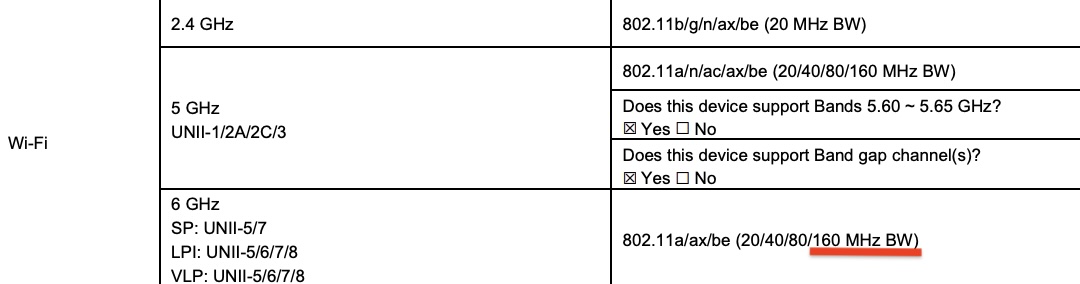
According to FCC documents reviewed by MacRumors, the N1 chip in all of the new iPhone models supports up to 160 MHz channel bandwidth for Wi-Fi 7, short of the standard's 320 MHz maximum. This limitation means the devices cannot achieve the peak theoretical speeds possible with Wi-Fi 7, but real-world performance is typically already bottlenecked by internet service providers and other factors.
For the vast majority of customers, this is a non-issue, but some iPhone users had wantedto know if the N1 chip offered 160 MHz or 320 MHz channel bandwidth for Wi-Fi 7, so we combed through FCC documents to find the answer.
FCC document showing Wi-Fi specs for iPhone 17 Pro Max
Wi-Fi 7 is still very fast. The standard allows for data transmission over the 2.4GHz, 5GHz, and/or 6GHz bands simultaneously, with a compatible router, resulting in faster speeds, lower latency, and more reliable connectivity.
All of the iPhone 16 models — excluding the iPhone 16e — also support Wi-Fi 7 with up to 160 MHz channel bandwidth. Those devices are equipped with a Broadcom chip for wireless networking, though, leading to hopes that Apple's N1 chip might raise the limit to 320 MHz. Evidently, that is not the case.
There are other benefits, though. Apple said the N1 chip improves the overall performance and reliability of features like Personal Hotspot and AirDrop, and it also contributes to power efficiency improvements in the latest iPhone models.
Below, we have recapped eight new features coming with the AirPods Pro 3, which are available to pre-order now, ahead of a Friday, September 19 launch.
2× more active noise cancellation: Apple says the AirPods Pro 3 offer up to 2× more active noise cancellation than the AirPods Pro 2, and up to 4× more than the original AirPods Pro. In fact, the AirPods Pro 3 offer the best active noise cancellation of any in-ear wireless headphones, according to Apple.
Improved sound quality: AirPods Pro 3 feature a new acoustic architecture, with next-generation Adaptive EQ, that "transforms the bass response, widens the soundstage so users hear every instrument, and brings vivid vocal clarity to higher frequencies across music, shows, and calls," according to Apple.
Longer battery life per charge: Apple says AirPods Pro 3 offer up to 8 hours of listening time on a single charge, with Active Noise Cancellation enabled. That is up from 6 hours with the AirPods Pro 2. On the other hand, the AirPods Pro 3 charging case offers up to 24 hours of total listening time with Active Noise Cancellation enabled, whereas the AirPods Pro 2 case provides up to 30 hours of total listening time with Active Noise Cancellation enabled.
Heart rate monitoring during workouts: Like the Powerbeats Pro 2, the AirPods Pro 3 feature a heart rate sensor that shines pulsating infrared light to measure light absorption in blood flow. AirPods Pro 3 users can track their heart rate and calories burned, close their Move ring, and earn awards for 50 different workout types in the Fitness app on an iPhone, with no Apple Watch required.
Improved fit: Apple says AirPods Pro 3 are the "most secure and best-fitting AirPods ever." The earbuds are slightly smaller, and the external design of each ear tip was "aligned to the center of the body for increased stability."
Improved water resistance: AirPods Pro 3 have IP57-rated sweat and water resistance, up from IP54 for the AirPods Pro 2. By definition, an IP57 rating means the AirPods Pro 3 could withstand temporary immersion in up to one meter of water, but Apple's marketing only promises that they "can handle the sweatiest workouts and even a sudden downpour."
U2 chip: No, the AirPods Pro 3 do not come with a free U2 album, but the charging case does feature Apple's second-generation Ultra Wideband chip, presumably for longer location-tracking range in the Find My app.
XXS ear tip option: AirPods Pro 3 come with new XXS silicone ear tips, along with the same XS, S, M, L sizes included with the AirPods Pro 2. Apple says the tips are now infused with foam for greater passive noise isolation.
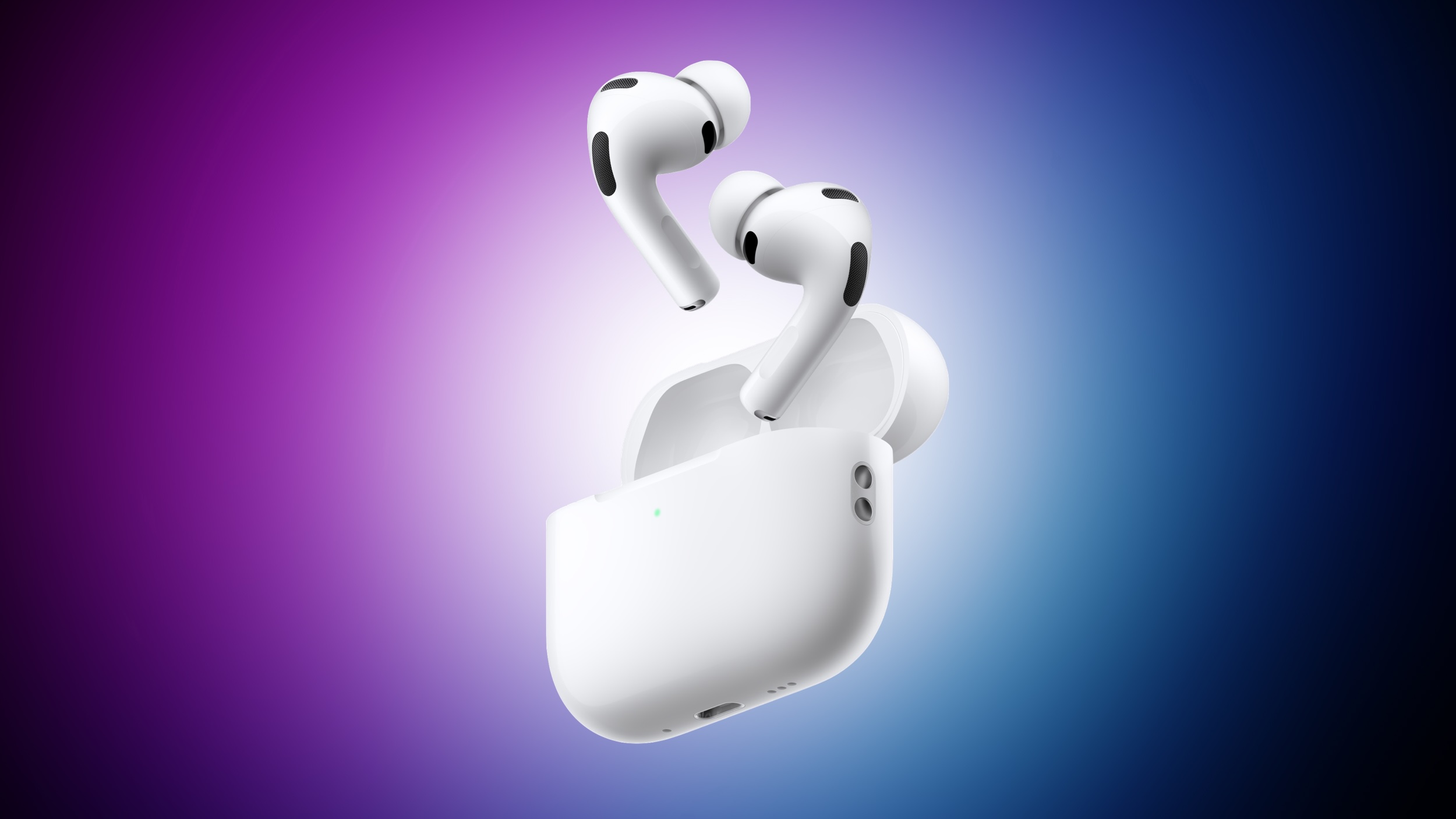
The AirPods Pro 3 have an updated design that Apple says is more ergonomic, and new ear tips that are supposed to be better at eliminating ambient sound.
Apple included new ear tips that fuse a thin layer of soft foam microspheres to a silicone shell for better passive noise isolation.
The ear tips come in five sizes, including XXS, XS, S, M, and L, The smaller XXS size wasn't available with the AirPods Pro 2.
The new foam ear tips, the wider range of size options, improved computational audio, and the design changes to make the earbuds fit more ergonomically in the ear all help to make the AirPods Pro 3 2x better at Active Noise Cancellation than the AirPods Pro 2.
Apple is still selling the AirPods Pro 3 for $249, but there is no longer a USB-C charging cable inside, so the company is saving a bit of cash with this model. The AirPods Pro 3 are available for pre-order and will launch on Friday, September 19.
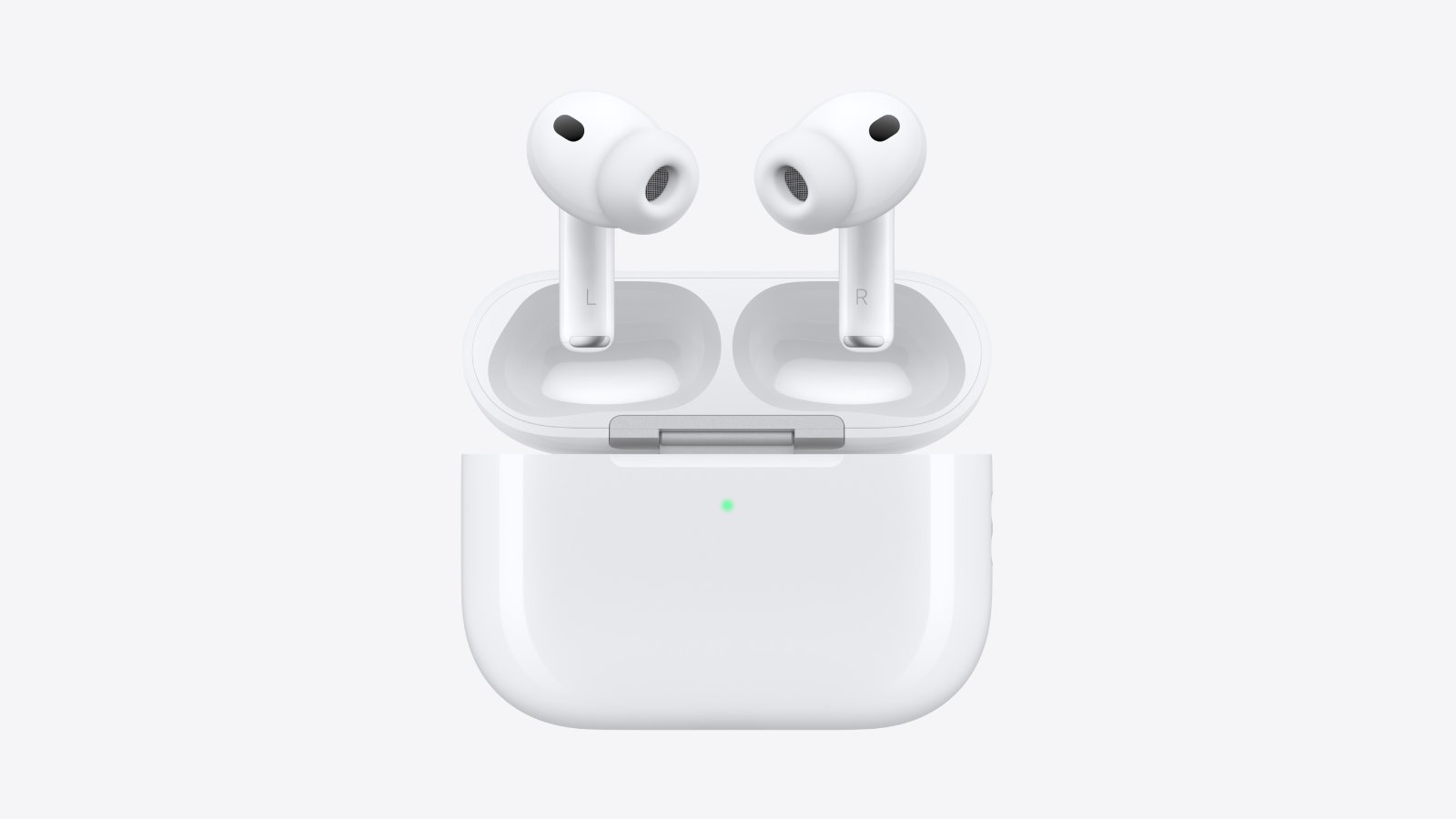
Apple tweaked the design of the AirPods Pro 3, changing the fit of the tips in the ears and bringing some updates to the case. On the whole, the AirPods Pro 3 look a lot like the AirPods Pro 2, but there are some differences to be aware of.
Earbud Design
Apple reengineered the AirPods Pro 3 using more than 10,000 ear scans and more than 100,000 hours of user research.
Apple says internal architecture was revamped to make each AirPod slightly smaller, and the external geometry of the ear tip was aligned to the center of the body to improve stability. Basically, the ear tips are now rotated inward.
The shape is meant to better fit into the ear canal, improving sound isolation and ensuring that the AirPods Pro stay in place during workouts.
When it comes to actual size, there are a couple changes. The AirPods Pro 3 are the same height as the AirPods Pro 2, so the stem isn't any shorter. Width is now 19.2mm, down from 21.8mm, so they're a little bit slimmer. They're also deeper, though, measuring 27mm, up from 24mm. Weight increased too, so the AirPods Pro 3 are 5.55 grams, while the AirPods Pro 2 were 5.3 grams.
Charging Case
There were rumors that Apple would slim down the AirPods Pro 3 Charging Case, like it did with the AirPods 4 Charging Case last year.
That didn't happen. The AirPods Pro 3 Charging Case is actually larger than before. It measures in at 1.86 inches tall (up from 1.78 inches), 2.45 inches wide (up from 2.39 inches), and 0.86 inches deep (up from 0.85 inches). It's not as heavy, weighing 1.55 ounces, down from 1.79 ounces.
AirPods Pro 2 on left, AirPods Pro 3 on right
The case for the AirPods Pro 3 has an attachment point for a lanyard, along with a capacitive pairing button and an invisible LED that only shows up when the case is opened or charging.
Battery life for the earbuds themselves is up, but the charging case doesn't last as long. Apple says it provides up to 24 hours of charging time, but the AirPods Pro 2 case provided up to 30 hours of listening time.
You can pre-order the AirPods Pro 3 now, and the earbuds will launch on September 19. Pricing is still $249.
 Login
Login









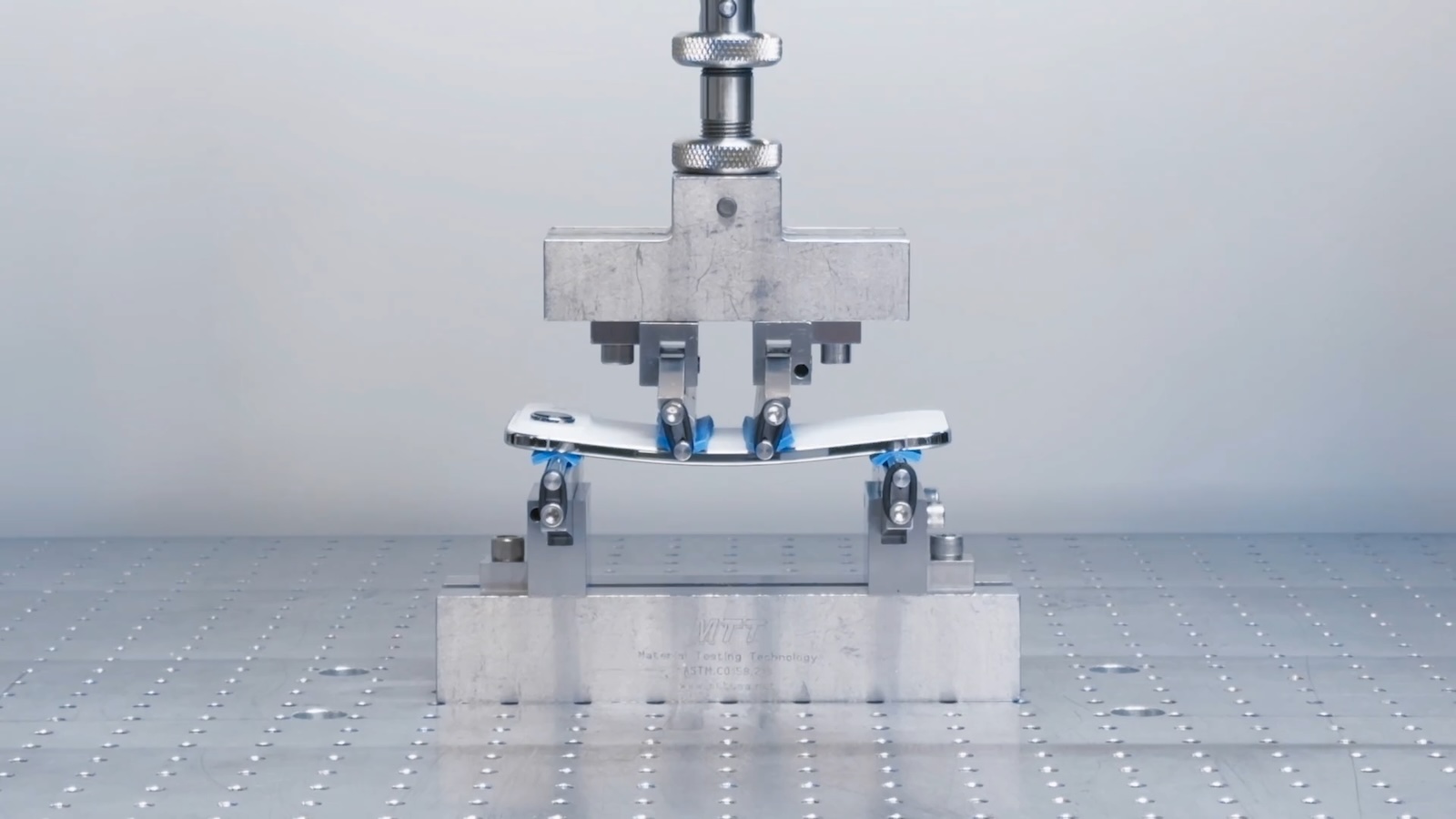

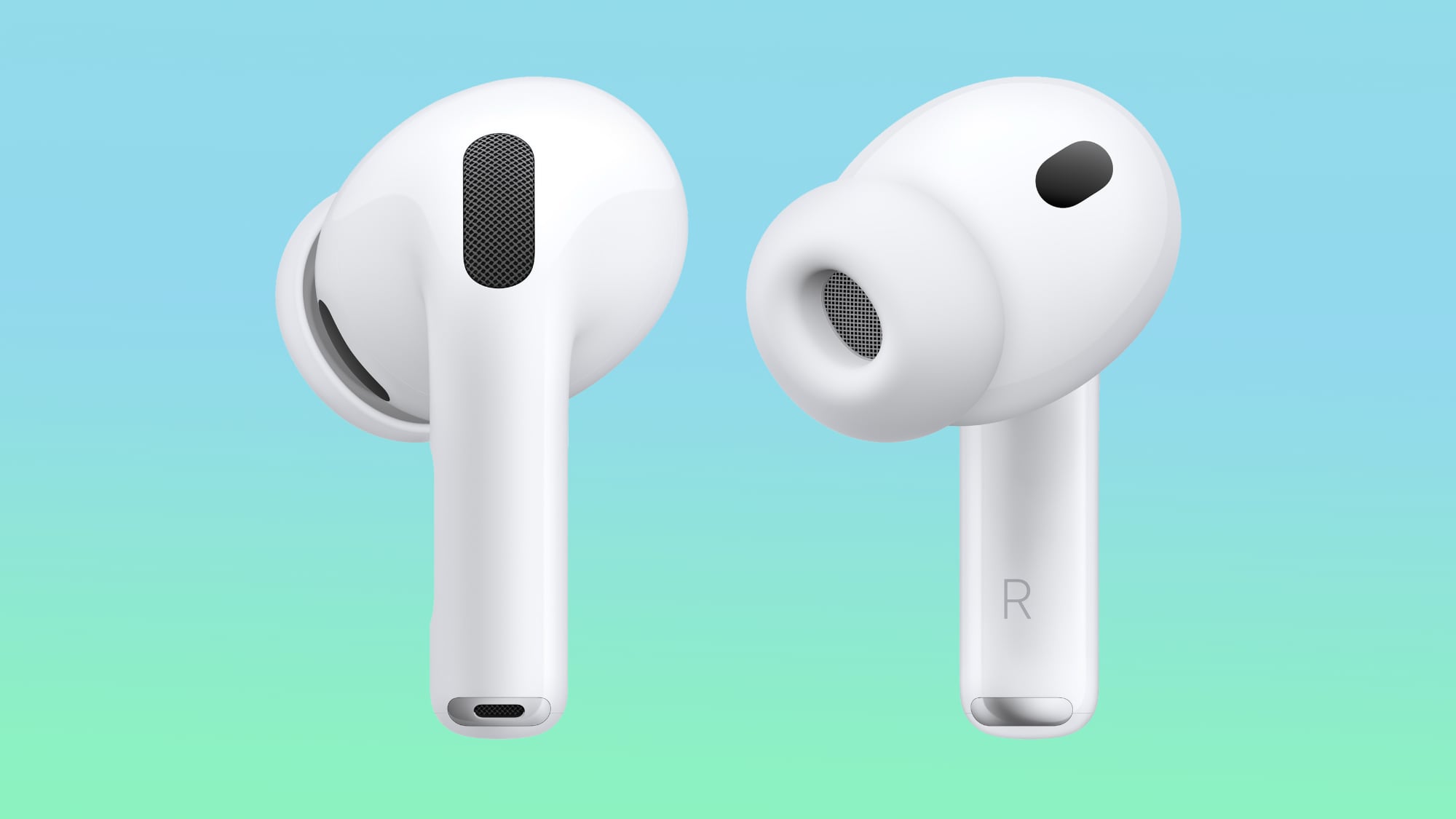
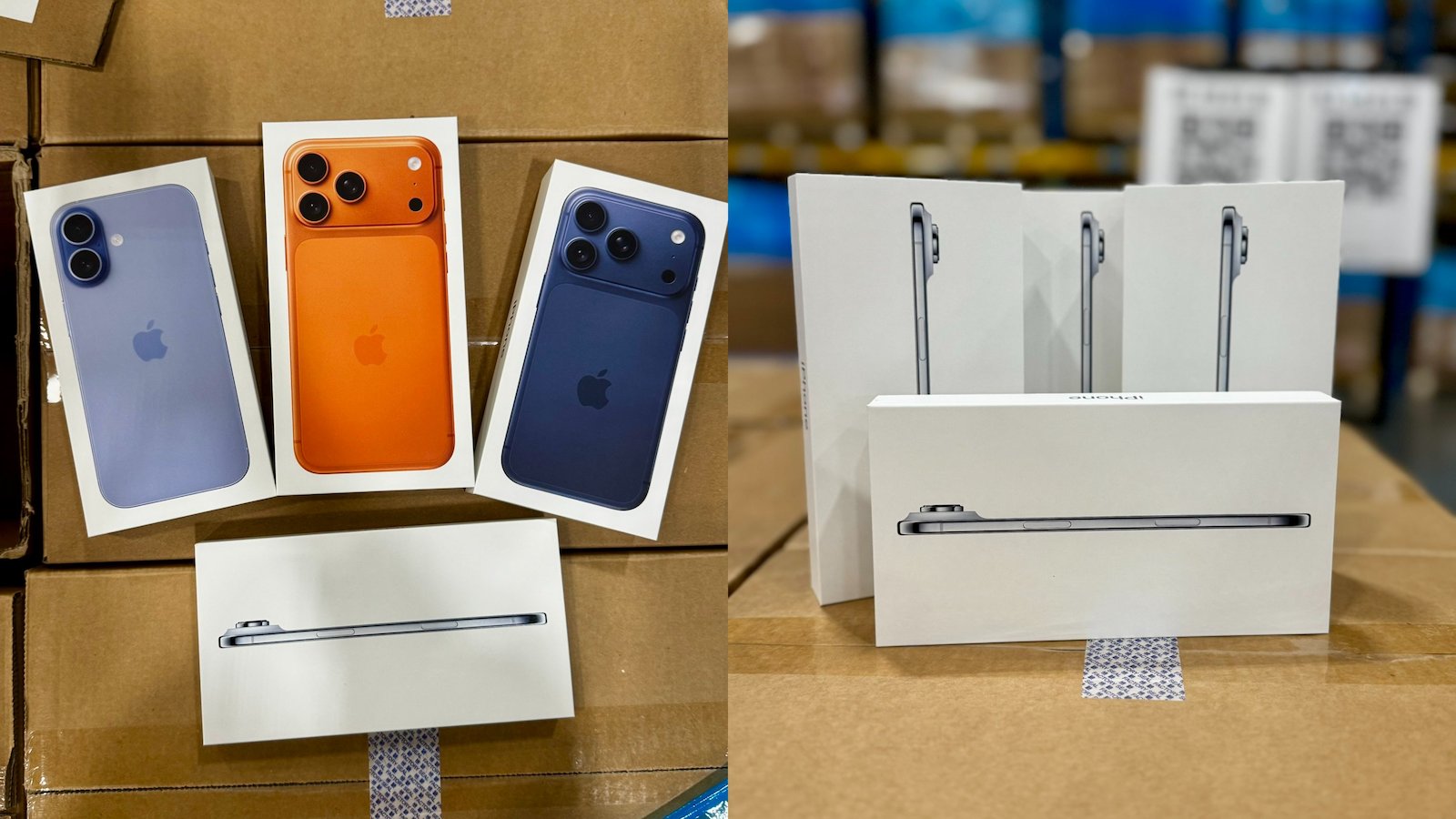 Image Credit: Jon Freier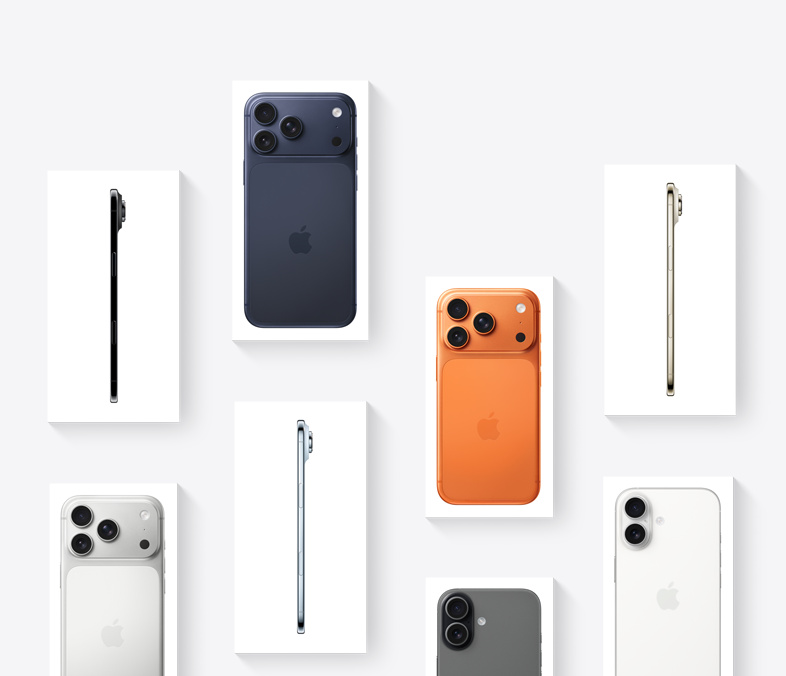
 FCC document showing Wi-Fi specs for iPhone 17 Pro Max