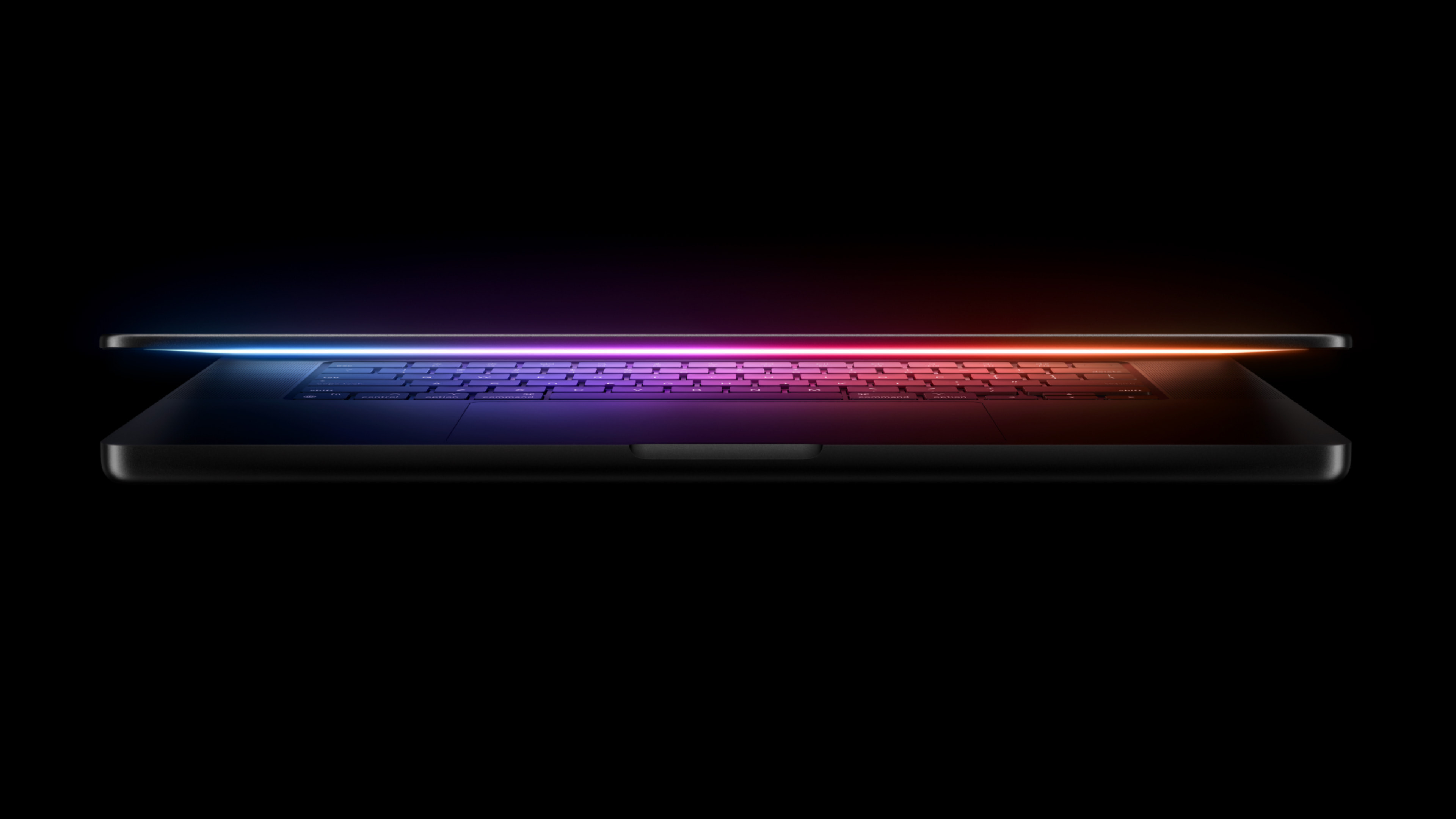
Apple refreshed the 14-inch and 16-inch MacBook Pro with M5 Pro and M5 Max models in March 2026, but depending on your needs and interests, you might want to skip this generation because there's something better in the works.
The M5 Pro and M5 Max MacBook Pro models have faster chips, but the same design that Apple has used since 2021. An updated design with new display technology and faster performance is coming in late 2026 or early 2027.
OLED Touchscreen Display
The next MacBook Pro that comes out will be the first with an OLED display, according to rumors. iPhones have used OLED for years, and Apple launched a larger-screened OLED device with the M4 iPad Pro in 2024.
OLED has benefits over the mini-LED display in current MacBook Pro models. Pixels can be lit individually for deeper blacks, brighter colors, and no bloom from surrounding pixels. There can be power savings when compared to mini-LED displays, response times are quicker, and viewing angles are better. OLED brightness can be an issue compared to LEDs, but as OLED technology has improved, so has brightness. The combination of true black and vivid color is ideal for HDR content.
Along with OLED, the next MacBook Pro is expected to have touchscreen capabilities.
Apple said repeatedly that the Mac wouldn't get a touchscreen, but Apple's position has shifted. Multiple rumors suggest that touch capabilities are coming, making the Mac more like an iPad. Touch-based controls will be available alongside traditional mouse and keyboard input options.
Design Update
Some rumors suggest the OLED MacBook Pro will be thinner, and since Apple hasn't updated the MacBook Pro design since 2021 and this is a major technology shift, some kind of design refresh is likely. Sizes will stay the same, and Apple isn't removing the keyboard or trackpad.
Instead of a notch, the OLED MacBook Pro is expected to have a Dynamic Island that takes up less screen space. The Dynamic Island will be interactive, and it will contextually expand based on the app or Mac feature in use.
2nm Chip
The OLED MacBook Pro models will be the first to use Apple's 2-nanometer chip technology that's supposed to be coming in the M6-series chips.
The change in node size is expected to bring faster speeds with reduced power consumption and higher transistor density. Performance per watt will improve, and the 2nm chips will use GAA nanosheet transistors instead of FinFET. TSMC says the new transistor technology will bring improved performance and lower power consumption.
Cellular Connectivity
There have been rumors that 5G could come to Macs, and if that's Apple's plan, it would make a lot of sense to offer it in the OLED MacBook Pro.
Ultra Branding
OLED touch displays will be limited to the highest-end 14-inch and 16-inch MacBook Pro models because of the cost, and Apple might even use new "Ultra" branding.
It's possible the OLED M6 model will be sold alongside the existing M5, M5 Pro, and M5 Max models rather than replacing them, and if that's the case, we're likely looking at a serious price increase. Apple could also refresh the entire line with M6 chip variants, reserving the OLED display for the most expensive models.
If you don't care about OLED display technology or a touchscreen and want something lower-cost, you're probably not going to want to hold off on purchasing.
First-Generation Tech
Some of Apple's first-generation Macs can have more problems than expected, which was the case with the 2016 transition to the butterfly keyboard.
If you don't want to get AppleCare+ and are concerned about first-generation problems, the M5 Pro and M5 Max MacBook Pro models are a safer bet.
Launch Date
The OLED MacBook Pro could come as soon as late 2026, but it's looking more like Apple will hold it until early 2027. Apple is facing chip shortages that will require it to hold the MacBook Pro for longer to build up stock.
Apple is facing over 30 lawsuits from people who claim to have been stalked using Apple AirTags. The filings come after an AirTaglawsuit from 2022 (Hughes v. Apple) failed to get class certification.
In each filing, Apple is accused of releasing the AirTag while being aware that it could be "purchased and used by abusive, dangerous individuals, to track, coerce, control, and otherwise endanger and abuse innocent victims."
Further, the lawsuits say that Apple knew adequate safeguards were not in place when the AirTag launched in 2021, and Apple is aware that "AirTags remain a profound risk" to people like the plaintiffs. Apple reportedly received more than 40,000 stalking reports between April 2021 and April 2024, and Apple internal documents sourced from the original lawsuit show the company knew its safeguards would only "deter as opposed to prevent malicious use." The company also acknowledged that it "should have consulted domestic abuse organizations on the unwanted tracking policy before shipping."
Multiple news reports of AirTags being used for stalking are referenced, including cases that ended in murder. The lawsuits claim that AirTags "revolutionized the scope, breadth, and ease of location-based stalking."
While there are other tracking options on the market, the AirTag uses the Find My network that leverages any nearby device to relay the AirTag's location back to its owner.
Apple has put multiple anti-stalking measures in place, including cross-platform notifications that let potential stalking victims know that an unknown AirTag is following them, but the plaintiffs don't feel that Apple's protections are adequate. The lawsuit cites the 4-to-8-hour delay before a notification is received, and notes that originally, AirTags didn't send a notification to potential stalking victims until 72 hours had passed.
One of the ways an AirTag alerts users to its presence is by playing a sound, but the speaker can be removed. Sellers on sites like eBay even offer modified silent AirTags.
Each lawsuit includes the personal story of the plaintiff involved and all of whom claim to have been stalked using an AirTag. Plaintiffs are seeking compensatory damages, punitive damages, attorney's fees, and an order preventing Apple from engaging in the unlawful business practices alleged in the filings.
The judge overseeing the 2022 AirTag lawsuit denied class certification because of the difference in state laws and the individual nature of each stalking incident. The plaintiffs were advised to file individual lawsuits within 28 days of the class certification denial.
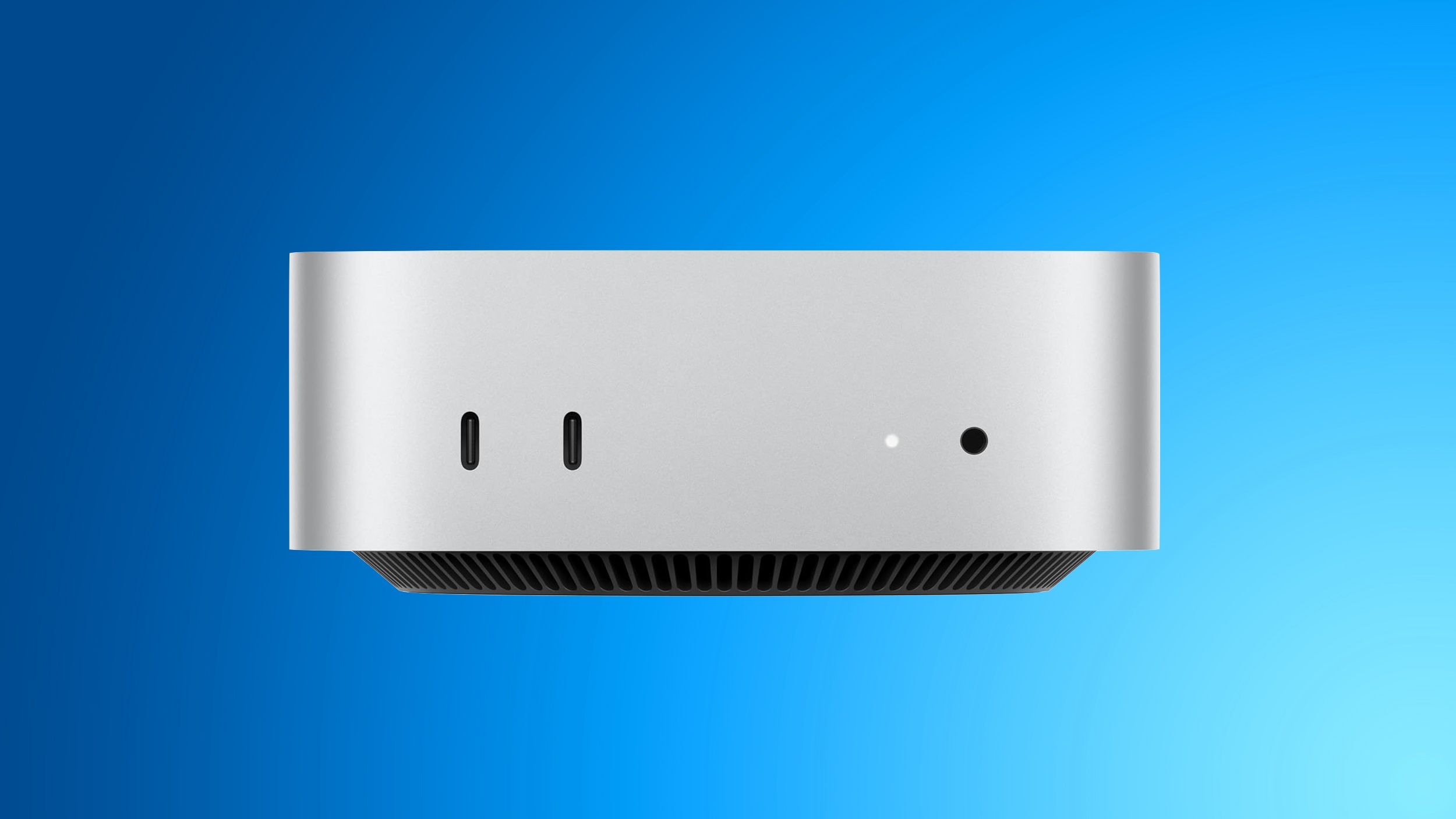
Apple this week stopped offering a 256GB storage option for the Mac mini worldwide. As a result, the desktop computer now has a higher starting price.
In the U.S., for example, the Mac mini now starts at $799 with the M4 chip, 16GB of RAM, and 512GB of storage, whereas it previously started at $599 with the M4 chip, 16GB of RAM, and 256GB of storage.
While the 512GB configuration always started at $799, customers who want a new Mac mini from Apple for $599 no longer have such an option.
Mac mini models with the M4 Pro chip already had a minimum of 512GB of storage, so there are no pricing changes for those configurations.
The base Mac mini with 256GB of storage had already been unavailable to order since last week, but it has now been removed from Apple's configurator entirely. We have reached out to Apple for comment and will update this story if we hear back.
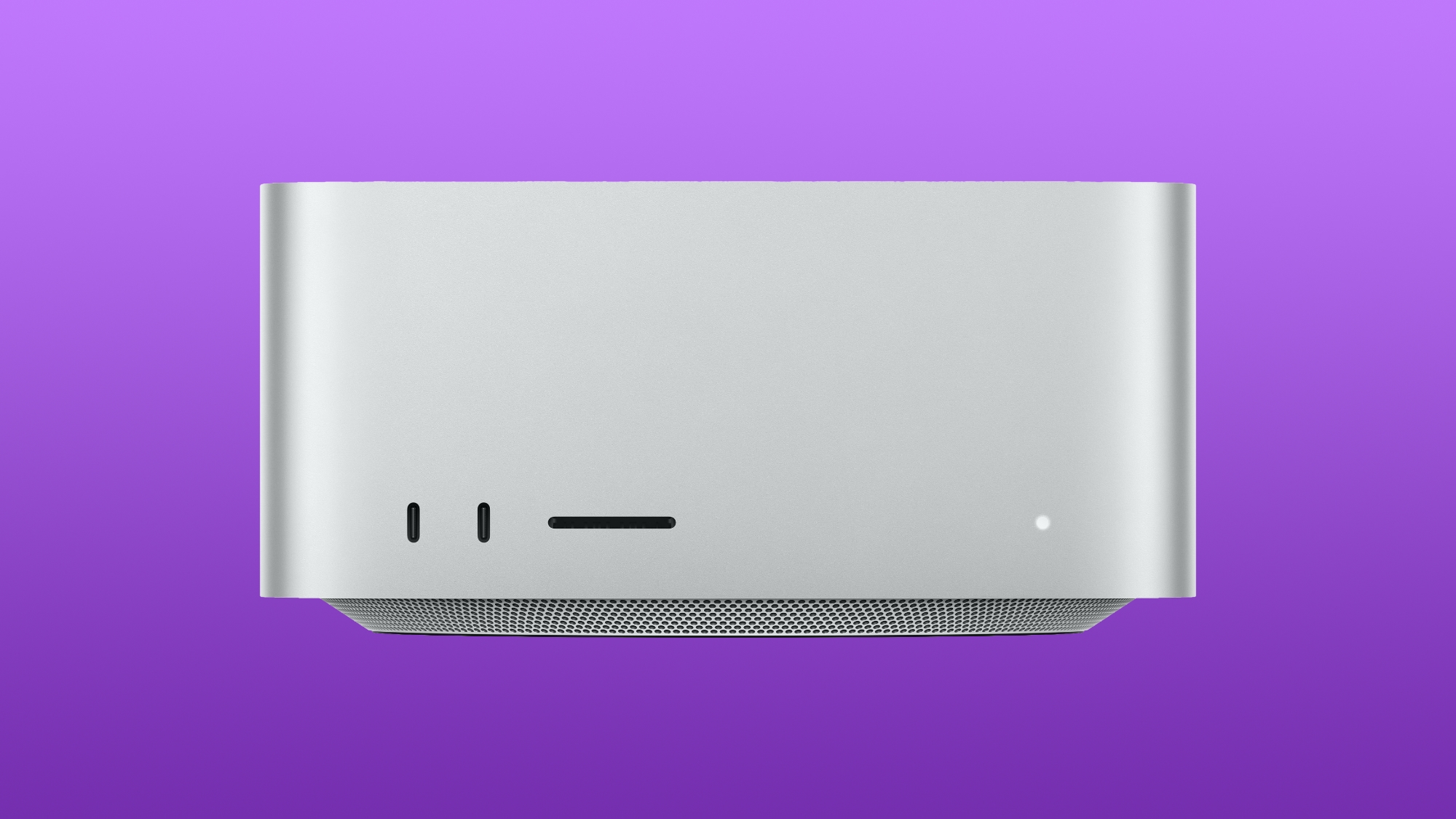
On an earnings call this week, Apple CEO Tim Cook acknowledged that Mac mini and Mac Studio supply is constrained, and he said it may take "several months" for Apple to achieve supply-demand balance. He said both of these Macs are "amazing platforms for AI and agentic tools," resulting in higher-than-expected demand.
These changes to Mac mini and Mac Studio configurations are occurring amid a global memory chip shortage, driven by companies building out AI server facilities. Cook said Apple is expecting "significantly higher memory costs" in the current quarter, and tight availability of RAM is likely forcing Apple to make tough business decisions.
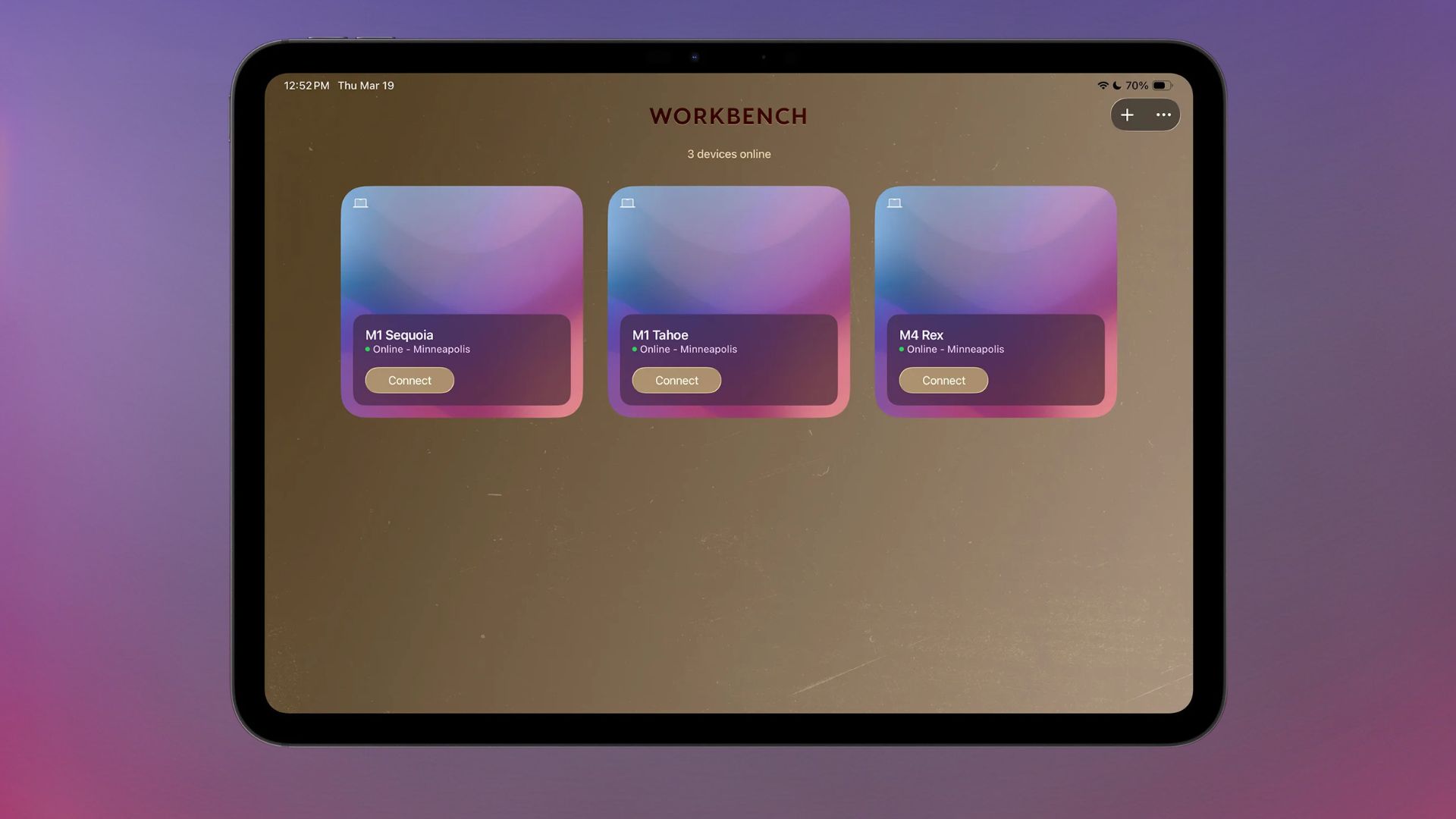
For this week's giveaway, we've teamed up with Astropad to offer MacRumors readers a chance to win a Mac mini to use with Astropad's new Workbench app. For those unfamiliar with Astropad, it is the company behind Astropad Studio and Luna Display. Astropad Studio lets you use an iPad as a drawing tablet connected to a Mac and Luna Display turns an iPad into a secondary display for a Mac, so Workbench is a natural evolution of Astropad's existing products.
The Mac mini has become the must-have platform for local agentic AI, and Astropad Workbench is the perfect companion app. Workbench is a remote desktop app for the Mac, and Astropad built it for use with AI. Workbench uses the LIQUID engine that Astropad designed for Luna Display and Astropad Studio.
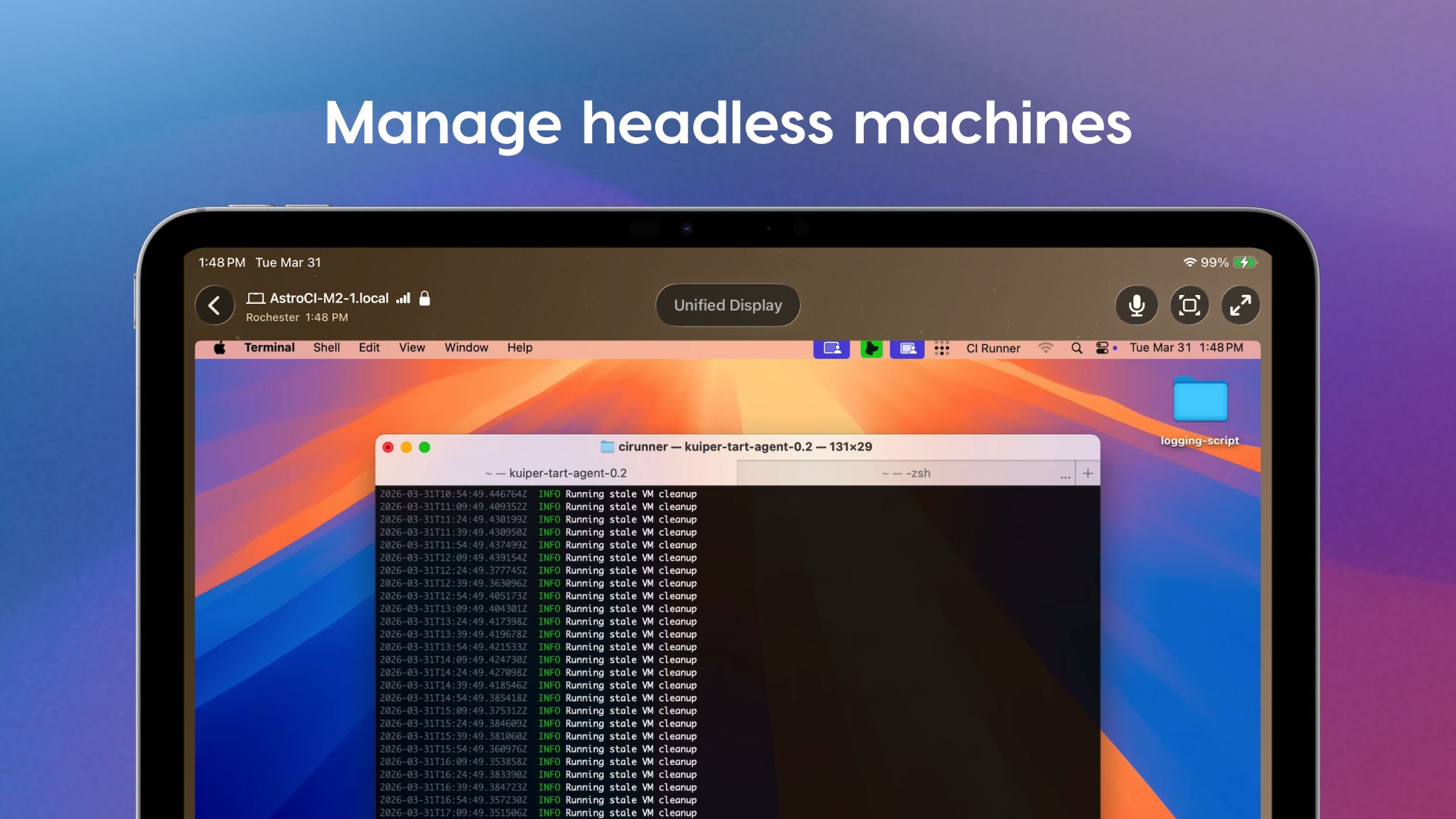
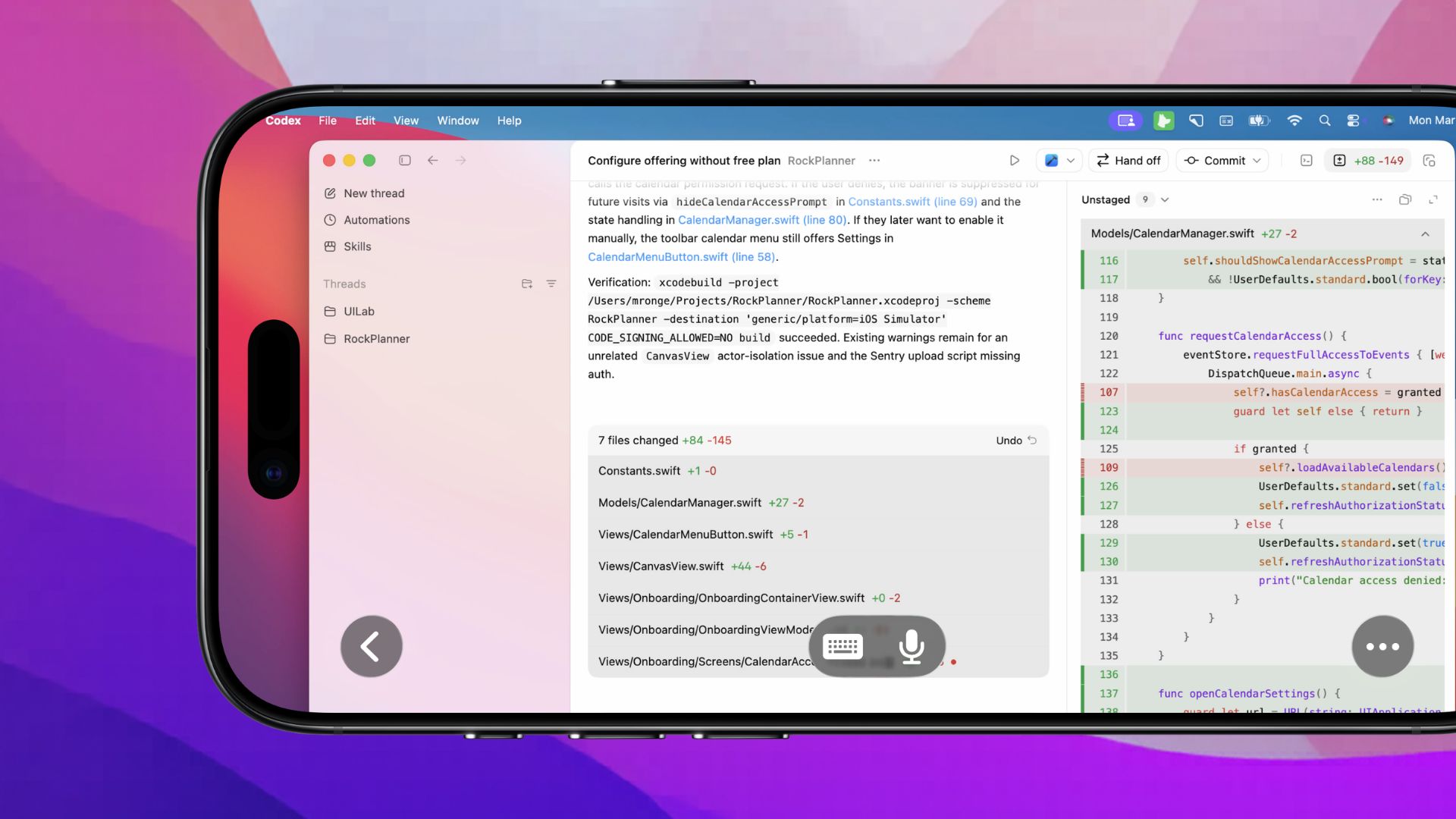
Using Workbench, you can control your AI agents remotely on an iPhone, making it ideal for people who have set up a Mac mini as a personal server for OpenClaw and other agentic AI platforms. Workbench can be used to check logs and verify agent work, restart failed tasks, or reconnect to long-running jobs. Workbench is more full-featured than options like Remote Control for Claude Code, because Anthropic's tool only provides terminal access, while Workbench offers access to your full desktop.
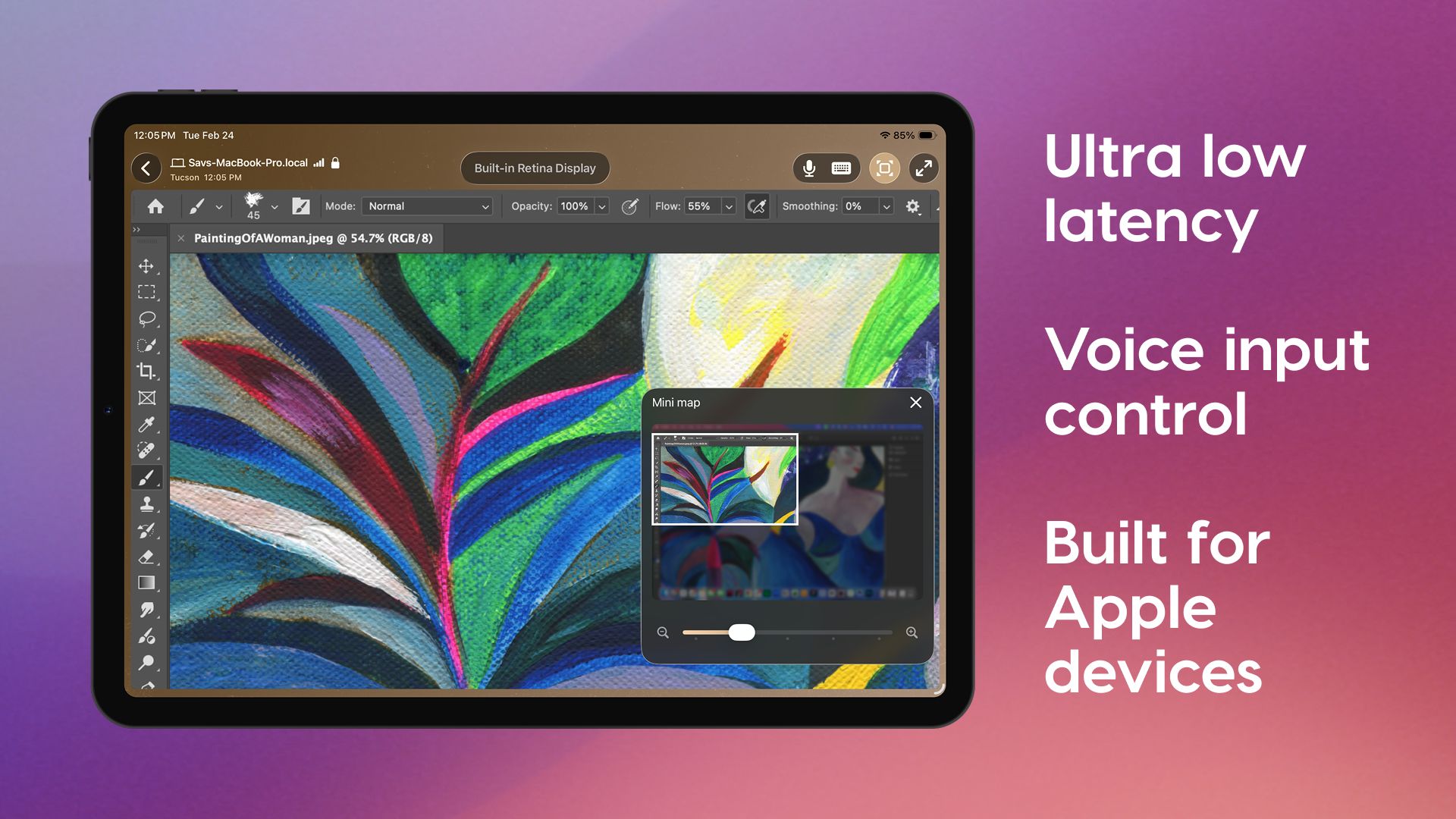
Workbench lets you monitor your AI agents from anywhere with no need to be tied to a desk. Astropad has native apps for Mac, iPhone, and iPad, so you can interface with your Mac desktop from an iPhone or iPad no matter where you are. There are even tools for quickly switching between multiple Macs connected to a Workbench account.
The app supports high-fidelity streaming with a unified virtual display for multiple monitors, low latency, voice dictation, and multiple control options, including gestures, keyboard input, mouse, and Apple Pencil. For large desktops, there's a mini-map that helps with navigation.
Setup is simple thanks to a global relay network across 11 regions, with no network configuration required. End-to-end encryption protects your data, and no display recordings are captured and saved.
Workbench requires macOS 15 or later, iPadOS 26 or later, and iOS 26 or later. It will work best on Apple silicon Macs, with limited support on Intel Macs.
Workbench is free to use for 20 minutes each day, with an unlimited paid plan available for $10 per month or $50 per year.
Astropad is giving away a 16GB Mac mini with a 512GB SSD. To enter to win, use the widget below and enter an email address. Email addresses will be used solely for contact purposes to reach the winner(s) and send the prize(s). You can earn additional entries by subscribing to our weekly newsletter, subscribing to our YouTube channel, following us on Twitter, following us on Instagram, following us on Threads, or visiting the MacRumorsFacebook page.
Due to the complexities of international laws regarding giveaways, only U.S. residents who are 18 years or older, UK residents who are 18 years or older, and Canadian residents who have reached the age of majority in their province or territory are eligible to enter. All federal, state, provincial, and/or local taxes, fees, and surcharges are the sole responsibility of the prize winner. To offer feedback or get more information on the giveaway restrictions, please refer to our Site Feedback section, as that is where discussion of the rules will be redirected.
Astropad Workbench Giveaway
The contest will run from today (May 1) at 9:00 a.m. Pacific Time through 9:00 a.m. Pacific Time on May 8. The winner will be chosen randomly on or shortly after May 8 and will be contacted by email. The winner will have 48 hours to respond and provide a shipping address before a new winner is chosen.
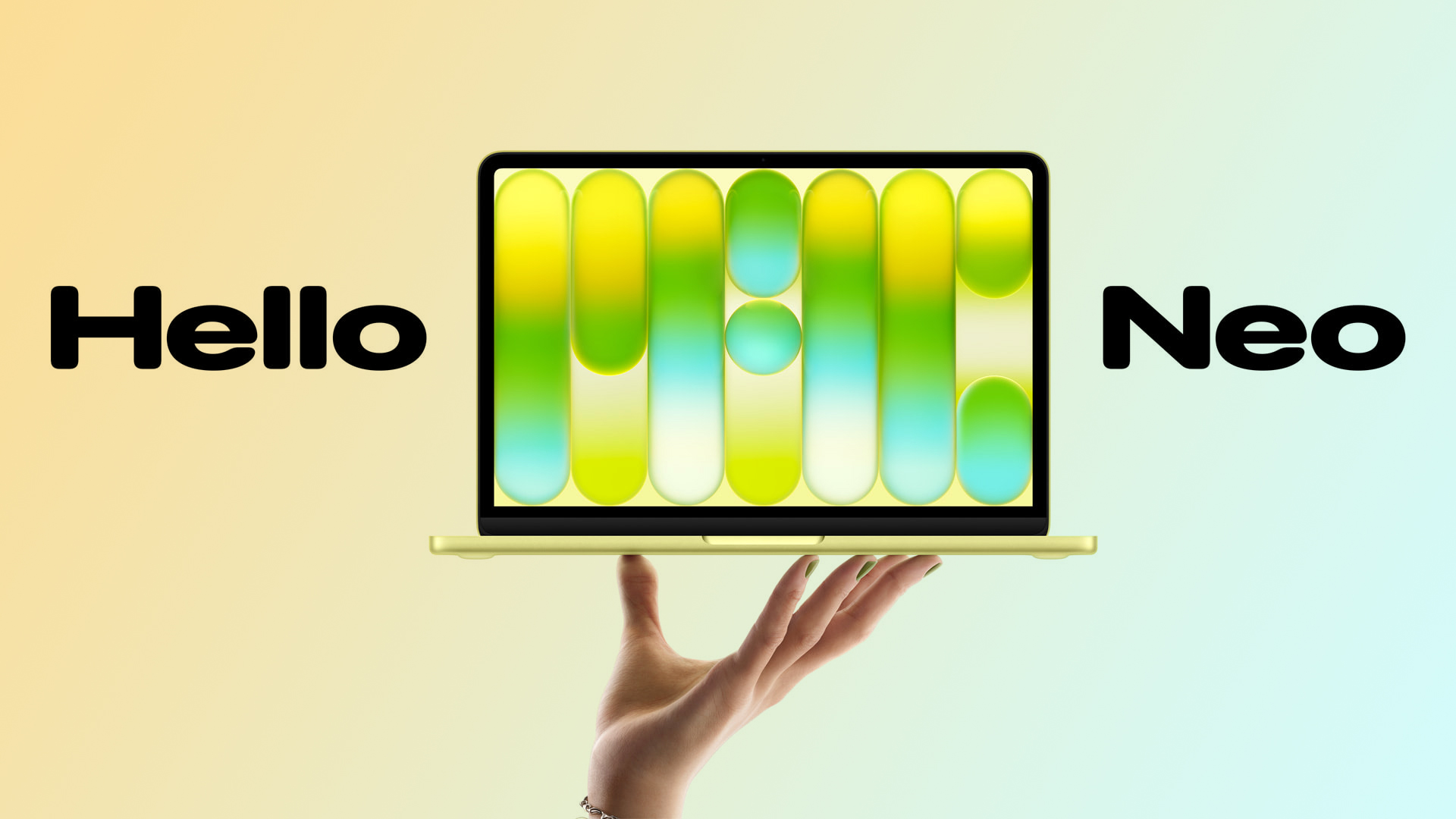
Apple's most affordable MacBook ever appears to be a resounding hit with customers, based on comments shared by CEO Tim Cook this week.
On an earnings call on Thursday, Cook said that customer response to the MacBook Neo has been "off the charts" since the laptop was unveiled in March.
"We could not be happier with how things are going at the moment," he said.
Apple was very optimistic about the MacBook Neo before announcing it, but the company still "undercalled" the level of enthusiasm that the laptop would generate, according to Cook. He said that MacBook Neo demand has exceeded Apple's expectations and helped to drive a record number of first-time Mac buyers last quarter.
"We're very focused on customers new to the Mac and customers that have been holding on to their Mac a very long period of time," said Cook.
As a result of high demand, Cook added that the MacBook Neo is currently "supply constrained." For orders placed today, Apple's online store in the U.S. currently shows a 2-3 week delivery estimate for all configurations of the laptop.
Apple released the MacBook Neo on March 11, following a week of pre-orders. In the U.S., pricing starts at just $599 for the general public and an even lower $499 for college students and qualifying educational staff. Powered by a version of the iPhone 16 Pro's A18 Pro chip, the laptop is available in Citrus, Blush, Indigo, and Silver finishes.
A new entry-level iPad 12 with Apple Intelligence support likely remains months away, based on a comment shared by an Apple executive this week.
On an earnings call on Thursday, Apple's CFO Kevan Parekh said that the company's iPad revenue in the March-June quarter will face a "difficult compare" due to the the launch of the entry-level iPad 11 with the A16 chip in March 2025.
Parekh is essentially saying that Apple's year-over-year iPad revenue growth might be impacted in the current quarter, likely due to the company having no plans to update the entry-level iPad this quarter like it did in the year-ago quarter. If an iPad 12 were to be coming this quarter, this "difficult compare" remark would have been unlikely.
In short, do not expect an iPad 12 to be released during Apple's current fiscal quarter, which runs through June 27. That seemingly rules out a product announcement at the WWDC 2026 conference taking place from June 8 through June 12.
Here is Parekh's full comment:
We expect our June quarter total company revenue to grow by 14 to 17 percent year-over-year, which comprehends our best view of constrained supply. On iPad, keep in mind, we face a difficult compare driven by the launch of the A16-powered iPad in the prior year.
While it appears that an iPad 12 will not be released through June, a launch later this year is still possible. In March, Bloomberg's Mark Gurman said an entry-level iPad with an A18 chip was "ready to go" and "still coming this year."
An earlier report from Macworld's Filipe Espósito claimed that the iPad 12 will actually have an A19 chip, so we will have to see which report turns out to be accurate. In any case, both the A18 and A19 chips are compatible with Apple Intelligence, which is something that the current iPad base model with an A16 chip lacks.
Apple Intelligence is already available on all other current-generation iPad models, including the iPad mini, iPad Air, and iPad Pro.
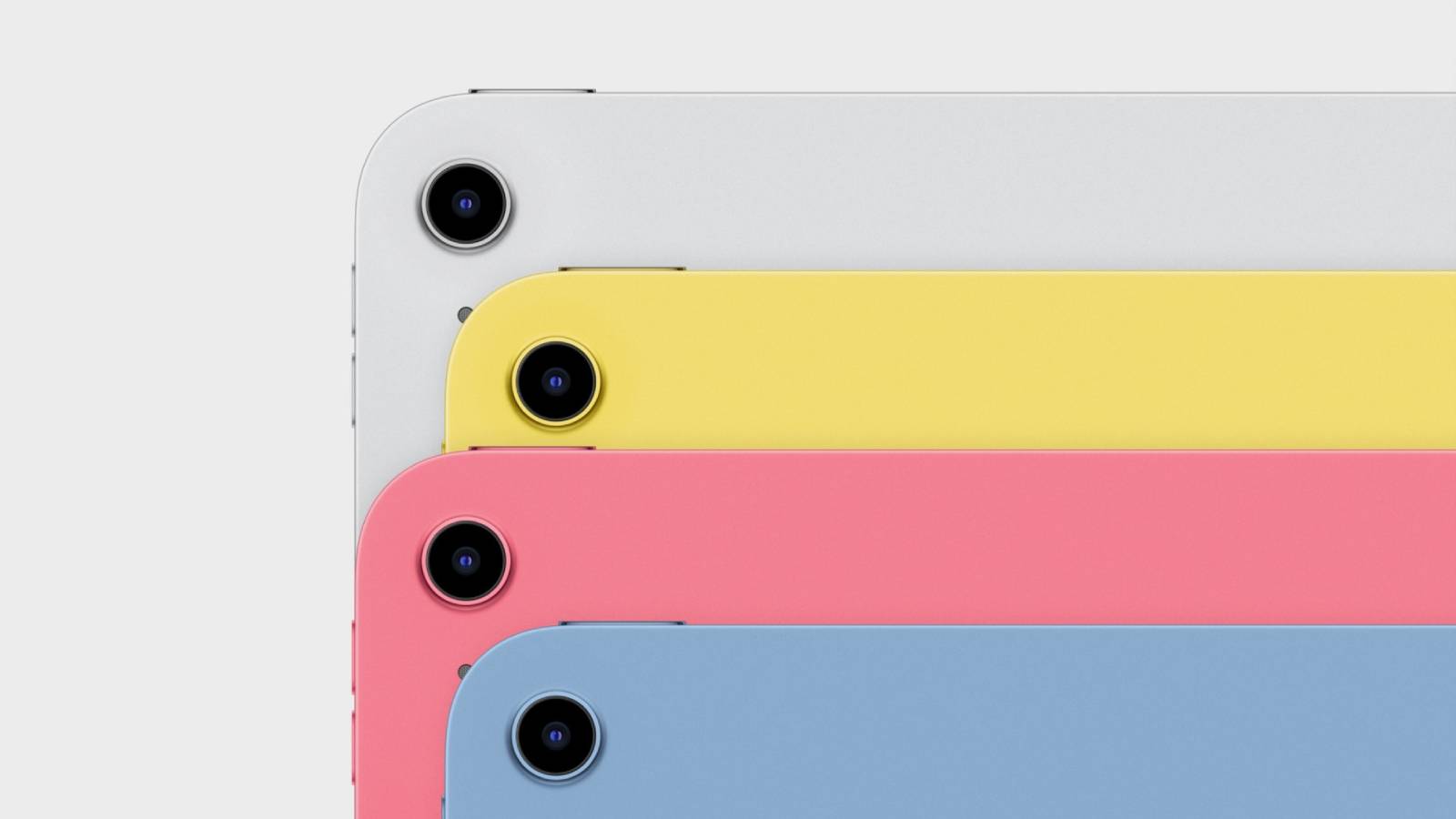
No other major changes have been rumored so far for the iPad 12, so we expect the device to have the same overall design as the current model. In the U.S., the device currently starts at $349 and is available in pink, yellow, blue, and silver.
A Weibo leaker today suggested that Apple's iPhone Air 2 may be the only next-generation ultra-thin flagship smartphone from a major brand, after the original model's poor sales performance appears to have led competing manufacturers to abandon plans for their own follow-up products.
The leaker known as "Digital Chat Station" today posted on Weibo, claiming that the iPhone Air barely surpassed 700,000 unit activations even after multiple rounds of price reductions. The post also noted that an unspecified domestic Chinese ultra-thin device managed only 50,000 activations, and that the rival's planned follow-up now looks "highly precarious" and is in all likelihood going to be scrapped. The leaker concluded that the iPhone Air 2 may end up as the sole ultra-thin flagship of the next generation.
The device's poor reception has reverberated across the industry. Xiaomi reportedly planned a "true Air model" to rival Apple's offering, while Vivo targeted thinness within its mid-range S series. Both companies are said to have halted related projects. Samsung similarly cancelled the Galaxy S26 Edge after the Galaxy S25 Edge sold poorly.
Despite all of this, a separate leaker claimed last month that Apple will push ahead with at least two generations of the device regardless of sales performance. Reports are now aligned around a spring 2027 launch, with the delay attributed both to poor sales of the original and to Apple's new split launch strategy, which moves the standard iPhone 18, iPhone 18e, and iPhone Air 2 to a spring window while reserving fall 2026 for the iPhone 18 Pro, iPhone 18 Pro Max, and foldable iPhone. Reports from Nikkei Asia, Bloomberg's Mark Gurman, and The Information all point to an early 2027 release.
Apple is said to be significantly revising the iPhone Air 2 to address the main criticisms of the original. The Information reported that Apple is considering adding a second rear camera, likely an Ultra Wide lens to complement the existing 48-megapixel Fusion camera, along with lower pricing. Other rumored changes include reduced weight, vapor chamber cooling, and increased battery capacity. Apple is believed to have requested an ultra-thin Face ID module from suppliers to free up internal space for the additional camera. According to The Elec, Apple also plans to bring a thinner, brighter Samsung OLED technology called CoE (Color Filter on Encapsulation) to the iPhone Air 2, after debuting it first on the foldable iPhone.
MacRumors is pleased to announce our Seventeenth Annual MacRumors Blood Drive, throughout the month of May 2026. Let's save lives together by encouraging donations of blood, platelets, and plasma, and signing up as bone marrow and organ donors. While most blood drives are specific to a geographic location, our blood drive is online and worldwide. Anyone can participate.
Over the past 16 years, MacRumors Blood Drives have recorded donations of 1,795 units of blood, platelets, and plasma, cheered for donors, and celebrated new signups for the bone marrow and organ donor registries. We've heard from hundreds of forum members who donate or whose lives were saved by the donations of strangers.
This year's featured donor is user m53rd. Not only is he a blood donor, registered as an organ donor, and registered as a bone marrow donor, but he's already been an organ donor, having donated a kidney and then 60% of his liver to people in need. It's a magnificent example how a single person can save many lives.
Whether you're a regular donor or someone overcoming apprehension to donate for the very first time, we welcome and congratulate you.
How to participate in the MacRumors Blood Drive
If you are an eligible donor, schedule a blood, platelet, or plasma donation (FAQ) at any donation center near you. Post in the MacRumors 2026 Blood Drive! thread to tell us about it. Also post if you sign up for the bone marrow registry (FAQ) or register as an organ donor. We'll add all registrants to our Honor Roll.
Not everyone is eligible to donate blood, due to their health status or based on risk factors that result in deferrals (see LGBTQ+ donor information). If you aren't eligible to donate blood, please encourage a friend or relative to make a donation, and let us know. If they donate, you'll both be added to our Honor Roll.
Share our #MacRumorsBloodDrive message with friends, relatives, and followers. Help us thank the forum members who post in the MacRumors 2026 Blood Drive! thread.
After the MacRumors Blood Drive ends on May 31, continue recording your blood, platelet, and plasma donations, from June 2026 through next April 2027, on our Team MacRumors 2026-2027 page (instructions). We'll tally your donations and count them for the MacRumors 2027 Blood Drive next May.
During today's earnings call for the second fiscal quarter of 2026, Apple CEO Tim Cook said that the Mac mini and Mac Studio could be hard to get for months to come.
"We think, looking forward, that the Mac mini and Mac Studio may take several months to reach supply demand balance," Cook said.
Apple underestimated demand for the Mac mini and the Mac Studio. "Both of these are amazing platforms for AI and agentic tools and the customer recognition of that is happening faster than what we had predicted, and so we saw higher than expected demand," Cook said.
Shipping delays for the Mac mini and the Mac Studio have been increasing over the last few months, and the waits for some models stretch into months. Apple stopped selling the Mac Studio with 512GB RAM entirely, and it stopped accepting orders for some models with higher amounts of RAM. As of last week, the base Mac mini was listed as "Currently Unavailable" from Apple's online store because it is out of stock.
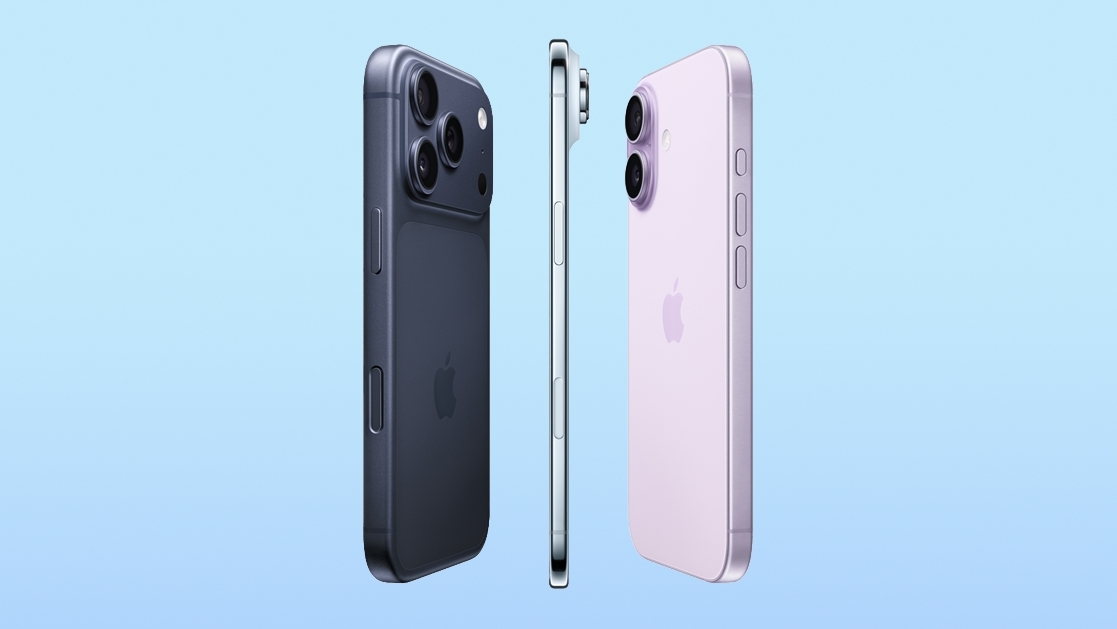
Apple's iPhone 17 models are its most popular iPhones to date, Apple CFO Kevan Parekh told the Financial Times. Both Parekh and Apple CEO Tim Cook attributed Apple's stellar Q2 2026 performance to iPhone sales.
"The iPhone 17 family is now the most popular line-up in our history... we believe we gained market share during the quarter," said Parekh. Cook told Reuters that iPhone demand was "off the charts," and that supply was constrained despite the impressive sales.
"And there's just a little less flexibility in the supply chain at the moment for getting more parts," Cook said. Apple's iPhone sales were held back by the A19 and A19 Pro chips that it gets from TSMC, as TSMC also manufactures AI chips.
Parekh said that memory had an "increasing impact" between the first and second quarters of 2026.
Issues with chip supply and increasing problems acquiring RAM could potentially have an impact on the iPhone 18 lineup that Apple is expected to introduce this September. The lineup will include Apple's first foldable iPhone.
At a time when children are increasingly indoors – absorbed by screens, separated from the street and distanced from the spontaneous rituals of neighborhood play – a new exhibition by the Banco de la República has launched at the Museo de Arte Miguel Urrutia (MAMU), and one that asks a deceptively simple question: what happened to playing outside with friends?
Having opened on April 23 at El Parqueadero and second floor of MAMU, Francis Alÿs, juegxs de niñxs 1999–2025 brings together 27 video works from the Belgian-born, Mexico-based artist’s celebrated long-running series documenting children’s games across the world.
Curated by Cuauhtémoc Medina and Virginia Roy, the exhibition proposes something more than nostalgia. It invites viewers to see play as a form of social architecture – a place where children create rules, resolve disputes and build entire worlds from whatever their environment offers.
Games, the curators suggest, are “social laboratories in miniature.”
For more than two decades, Francis Alÿs has traveled across cities, villages and conflict zones filming children at play. What began in 1999 evolved into an audiovisual archive spanning more than 50 short films across five continents, 27 of which are included in the Bogotá exhibition.
Children jump across hopscotch grids in Afghanistan, toss bones in India, spin tops in Mexico and invent rhythmic contests in narrow urban streets. One of the featured Colombian works, Trompos de semilla, Arara, Colombia, 2025, was filmed in the Amazon with support from Banco de la República’s Cultural Center in Leticia, capturing children in the Arara community playing with spinning tops made from seeds.
The games are simple, but the implications are not.
On the screen there are adults directing the action, no digital interfaces, no organized sports structures. Instead, children improvise with what is at hand – sticks, stones, crates, seeds, chalk, bottle caps – creating systems of cooperation and competition, rules and rebellion.
That act of invention lies at the center of Alÿs’s fascination.
Born in Belgium in 1959, Alÿs grew up with the image of Children’s Games (1560), the iconic painting by Pieter Bruegel the Elder depicting hundreds of children absorbed in play across a town square. According to the exhibition guide, the work became a lifelong reference point—an early visual map of how play reveals the structure of society itself.
Alÿs studied architecture at the Istituto Universitario di Architettura di Venezia before moving to Mexico in 1986 as part of an aid project to help install aqueducts in Oaxaca. He later settled in Mexico City’s historic center, where he developed the poetic and political language that would define his career.
His practice – spanning video, painting, installation and performance – often addresses borders, migration, urban fragility and the absurd mechanics of social order. Power dynamics, the commercialization of public space and the erosion of civic community remain central artistic preoccupations.
In Juegxs de niñxs those themes emerge quietly but powerfully.
Alÿs is not merely documenting childhood. He is observing how public life functions – and how children, often without adult mediation, rehearse the structures of society through play.
The exhibition reveals how games create temporary communities. They teach negotiation, competition, fairness and exclusion. They reflect both freedom and hierarchy. In some videos, the children play in ordinary neighborhoods filled with laughter and routine. In others, games unfold beside military checkpoints or in areas shaped by poverty, displacement and war.
Play persists, but never outside history.
The multi-screen installation at MAMU emphasizes these contrasts, showing both the universality of childhood and the inequalities that define it. Similar games appear across radically different geographies, suggesting what the curators describe as a kind of underground cosmopolitan culture of childhood – one that challenges the rigid identities of the adult world.
At the same time, the exhibition reflects on disappearance.
Traditional street games, some with roots stretching back to ancient Mesopotamia, are becoming less visible. Urban traffic has overtaken streets once used as playgrounds. Safety concerns have limited unsupervised outdoor play. Screens and digital entertainment increasingly dominate leisure time. Public space itself has become more regulated, commercialized and less available for improvisation.
Alÿs’s work does not romanticize the past, but it does capture transient moments of celebration.
What looks ordinary today – a spinning top, a hopscotch square, a game played with stones – may one day become a contemporary hieroglyph, evidence of how communities once formed themselves in public space.
As curator Cuauhtémoc Medina notes, games are not eternal. Their disappearance may signal something larger about the transformation of humanity itself.
If all the world’s a street, Alÿs has chosen not to place these collaborative works on the market, underscoring their documentary and communal nature. For the multi-medium storyteller, games, like art, are not commodities, but shared records of our collective experience.
This Bogotá presentation marks the exhibition’s fifth international stop following showings in Mexico City, Antwerp, Guadalajara and Santiago de Chile. In 2024, Alÿs also presented the project at the Barbican Art Gallery under the title Ricochets, marking the first time his work was shown in the United Kingdom.
At MAMU, the museum becomes more than a gallery – it becomes a space to reconsider childhood, the city and the fragile public spaces where both are formed.
Museo de Arte Miguel Urrutia. Calle 11 No.4-21.
Admission is Free.
Haram football in Mosul, Iraq, 2017. Photograph: Francis Alÿs
 Login
Login









![Francis Alÿs, Children’s Game #29: La roue [The Wheel], Lubumbashi, Democratic Republic of the Congo, 2021. Courtesy Photo: © Francis Alÿs](https://thecitypaperbogota.com/wp-content/uploads/2026/04/La_roue-2021-STILL-5-1-650x464.jpg)