
Reading view

Tecnoglass Cuts 2026 EBITDA Guidance as US Aluminum Tariffs Hit Colombian Window Exports

New 10% tariff on finished aluminum windows forces EBITDA revision of ~$50M

Barranquilla-based window and architectural glass manufacturer Tecnoglass, Inc. (NYSE: TGLS) has revised its full-year 2026 financial guidance following the April 2 announcement of updated US trade policy that introduced a 10% tariff on finished aluminum window products imported into the United States.

The company stated that its first quarter 2026 performance was in line with internal expectations, supported by continued order activity and a record project backlog. Those results, the company indicated, support the continuation of its previously stated expectation of strong double-digit full-year revenue growth. However, the tariff development — which was not incorporated into the original 2026 guidance issued February 26, 2026 — required a revision to Adjusted EBITDA projections.

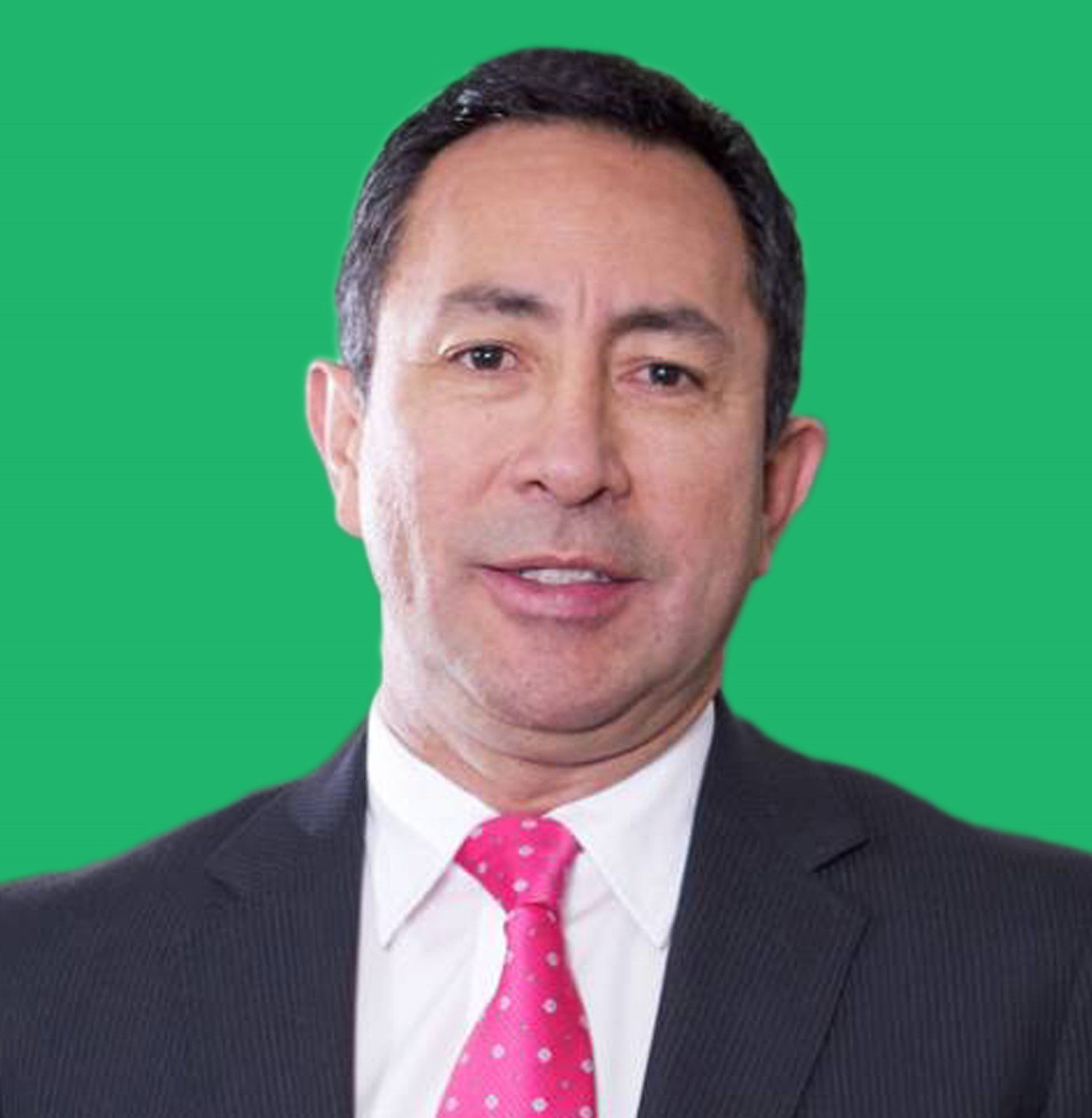
“We are executing at a high level to start 2026, with first quarter performance in line with our expectations and continued strength across our residential and commercial platforms. Our record backlog and strong order activity provide excellent visibility, and we continue to gain market share supported by our differentiated vertically integrated model and industry-leading cost structure. The developments in U.S. trade policy applicable to aluminum-containing imports do not reflect any change in our competitive positioning or underlying demand environment. We have proactively restructured our supply chain over the past several years to significantly reduce raw material tariff exposure, and our platform remains advantaged within our industry,” said CEO José Manuel Daes.

Tecnoglass is now guiding for full-year 2026 Adjusted EBITDA in the range of $225 million USD to $245 million USD. The updated range reflects an estimated net incremental impact of approximately $50 million USD compared to the midpoint of the company’s previously stated guidance, attributable to the newly applied 10% tariff on certain finished aluminum window imports into the US market.

The April 2 White House announcement updated Section 232 metals tariffs on steel, aluminum, and copper imports, and expanded the applicability of those tariffs to finished goods and certain derivative products containing those metals. The action affects Tecnoglass and other aluminum window exporters that ship products into the United States.

In response, Tecnoglass says it has implemented pricing adjustments effective on orders placed beginning in early May, the benefit of which is expected to materialize in the second half of 2026. The company is also advancing operational efficiency measures including logistics improvements, increased automation, and workforce adjustments. The revised guidance also accounts for the potential effect of sustained elevated aluminum prices in the second half of the year.

“The developments in US trade policy applicable to aluminum-containing imports do not reflect any change in our competitive positioning or underlying demand environment. We have proactively restructured our supply chain over the past several years to significantly reduce raw material tariff exposure.” – CEO José Manuel Daes

Santiago Giraldo, Chief Financial Officer of Tecnoglass, added, “The change to our full year 2026 Adjusted EBITDA expectations is entirely a result of the revised U.S. tariff framework, which was not contemplated in our original guidance. We have already announced pricing actions that will start with orders in early May, and we are advancing additional efficiency initiatives, including automation and logistics optimization, to further mitigate the anticipated net impact of tariffs disclosed today. These actions, combined with our strong margin profile and disciplined cost management, position us to partially offset the tariff impact as we move through the year and fully neutralize it in 2027. Our updated outlook reflects this discrete policy-driven headwind and does not change our confidence in the trajectory of the business. We remain well positioned to drive growth, expand margins over time, and continue delivering industry-leading financial performance.”

A more comprehensive update, including first quarter results and a full restatement of 2026 guidance, is expected in early May.

Tecnoglass operates a 5.8 million square foot vertically integrated manufacturing complex in Barranquilla, Colombia, and counts the United States as its dominant market, representing approximately 95% of total revenues. The company describes itself as the second-largest glass fabricator serving the US market and the largest architectural glass transformation company in Latin America. Its products have been specified for notable projects including One Thousand Museum and Paramount in Miami, Salesforce Tower in San Francisco, and Aeropuerto Internacional El Dorado in Bogotá.
 

  •  

Aris Mining Posts 36% Year-Over-Year Gold Production Increase at Colombia Operations in Q1 2026

Higher grades at Segovia drive output and revenue gains

Vancouver-based Aris Mining Corporation (TSX: ARIS; NYSE: ARIS) reported preliminary first-quarter 2026 gold production of 74,300 ounces from its two underground mines in Colombia, representing a 6% increase over the fourth quarter of 2025 and a 36% increase compared to the same period a year earlier.

The company said it sold 74,800 ounces of gold during the quarter at an average realized price exceeding $4,860 USD per ounce, generating gold revenue of more than $360 million USD. That figure marks a 20% increase from Q4 2025 revenue of $301 million USD and more than double the $154 million USD reported in Q1 2025. The company reported a cash balance exceeding $470 million USD as of March 31, 2026, an increase of approximately $80 million USD from the end of the previous quarter.

“We expect Q1 2026 gold revenue to exceed $360 million, a significant increase from $154 million in Q1 2025 and $301 million in Q4 2025, driven by higher gold prices and increased ounces sold.” — Neil Woodyer, Chair and CEO, Aris Mining Corporation

The production gains were concentrated at Aris Mining’s Segovia operation in the department of Antioquia, which produced 66,600 ounces during the quarter, up from 63,100 ounces in Q4 2025 and 47,500 ounces in Q1 2025. The year-over-year increase of 40% at Segovia was driven primarily by a notable improvement in ore grade. The average gold grade processed rose to 12.41 grams per ton from 9.37 grams per ton a year earlier, a 32% increase, while the volume of ore processed increased 5% to 175,000 tons. Recovery rates held at 95.3%, compared to 96.1% in both the prior quarter and Q1 2025.

The higher grades offset a decline in throughput compared to Q4 2025, when the mine processed 201,000 tons at an average grade of 10.10 grams per ton. Aris Mining completed installation of a second mill at Segovia in June 2025, increasing processing capacity by 50% to 3,000 tons per day, and the company has indicated that the ramp-up at the operation is continuing.

At the Marmato mine in the department of Caldas, production totaled 7,800 ounces in Q1 2026, an increase from 6,700 ounces in Q4 2025 and 7,200 ounces in Q1 2025. Marmato processed 77,000 tons of ore at an average grade of 3.53 grams per ton during the quarter, compared to 75,000 tons at 3.12 grams per ton in Q4 2025. Recovery rates at Marmato declined slightly to 89.6% from 90.8% in the prior quarter.

Consolidated Production Summary

Gold production and sales Q1 2026 Q4 2025 Q1 2025
Segovia (koz) 66.6 63.1 47.5
Marmato (koz) 7.8 6.7 7.2
Total production (koz) 74.3 69.9 54.8
Total sales (koz) 74.8 71.7 54.3

Growth Outlook

Neil Woodyer, the company’s chair and CEO, said production growth in 2026 is expected to be weighted toward the second half of the year. The company is building a new bulk mine and carbon-in-pulp (CIP) processing plant at Marmato, with first gold expected in Q4 2026. At steady state, the expanded Marmato operation is expected to produce approximately 200,000 ounces per year.

Together, the Segovia and Marmato expansions are expected to increase Aris Mining’s annual gold production to approximately 500,000 ounces. The two mines produced a combined 257,000 ounces in 2025.

Beyond its operating mines, Aris Mining is advancing the Soto Norte gold project in the department of Santander, Colombia, where environmental studies are being finalized for submission in Q2 2026 to initiate the licensing process. The company also holds the Toroparu gold project in Guyana, where a prefeasibility study is underway and a construction decision is expected in early 2027. These projects form part of Aris Mining’s longer-term objective of reaching approximately 1 million ounces of annual gold production, though that target includes estimates from a preliminary economic assessment for Toroparu that the company has cautioned are based on inferred mineral resources and are speculative in nature.

The company expects to report full Q1 2026 financial and operating results on or about May 6, 2026. The quarterly results contained in the April 7 announcement are preliminary and may differ from final figures.

Aris Mining is listed on the Toronto Stock Exchange and the New York Stock Exchange under the ticker symbol ARIS. Company filings are available through SEDAR+ and the US Securities and Exchange Commission.

  •  

Ecopetrol Shareholders Loudly Heckle CEO Ricardo Roa at Annual Meeting as Leadership Dispute & Corruption Scandal Roils The Petroleum Company

Governance concerns and profit drops dominate shareholder assembly.

The Ecopetrol (NYSE: EC, BVC: ECOPETROL) General Shareholders’ Meeting concluded at the Corferias convention center in Bogotá, marked by a decline in annual profits and an intensifying debate regarding the continuity of the company’s president, Ricardo Roa. During the assembly, shareholders approved a dividend of $121 COP per share for minority holders and a total payment of $4 trillion COP to the Colombian government, which serves as the majority shareholder. The government’s payout is scheduled for distribution in two installments, to be completed by June 30, 2026.

Click on above image to view shareholder meeting
Embattled Ecopetrol CEO Ricardo Roa was appointed to the position by Colombian President Gustavo Petro after managing his political campaign. (photo: Ecopetrol)

The financial results for the 2025 fiscal year revealed a significant contraction in net income, which fell to $9 trillion COP from the $14.9 trillion COP reported in 2024. Roa attributed this decline primarily to the volatility of international crude prices. He noted that the average price of Brent crude dropped from $80 USD per barrel to $68 USD per barrel over the period. According to company data, every $1 USD drop in the price of Brent corresponds to a reduction of approximately $500 billion COP in net profit and $700 billion COP in EBITDA. Despite the lower earnings, the company maintained a production level of 745,000 barrels per day and achieved a reserve replacement rate of 121%, the highest in five years.

Governance issues remained the primary focus of the assembly. Minority shareholders expressed concern over the legal challenges facing Roa, who is currently under investigation by the Fiscalía General de la Nación for alleged influence peddling. Additionally, the Consejo Nacional Electoral (CNE) has raised accusations regarding the alleged violation of spending caps during the presidential campaign of Gustavo Petro, which Roa managed. Angela Maria Robledo, Chair of the Board of Directors, defended the decision to retain Roa, stating that the board has activated a evaluation protocol while respecting the constitutional principle of the presumption of innocence.

Shareholders Erupt In Anger At CEO Ricardo Roa:

🚨Abuchean a Ricardo Roa en asamblea de Ecopetrol

“¡Fuera, fuera!”: Este es el momento del tenso abucheo de los accionistas al presidente de la empresa 🔽

Videos: Néstor Gómez pic.twitter.com/uyjh4chpl2

— EL TIEMPO (@ELTIEMPO) March 27, 2026

“Ecopetrol is listed on the New York Stock Exchange; we are governed by the strict regulations of US federal agencies. Agencies like OFAC and the SEC could intervene in the company and could even accelerate the payment of financial obligations, which would be extremely grave for Ecopetrol,” stated Martín Ravelo, President of the USO.

The Unión Sindical Obrera (USO), the primary labor union representing nearly one-third of the company’s workforce, has issued an ultimatum for Roa’s removal. Martin Ravelo, president of the USO, warned that the union will initiate a national strike and affect crude production if Roa is not aparted from his position by Monday, March 30. Ravelo expressed concern that Ecopetrol, which is subject to the regulations of the Securities and Exchange Commission (SEC) and the Office of Foreign Assets Control (OFAC), could face federal intervention. He highlighted that Ecopetrol’s current debt has reached $30 billion USD, exacerbated by rising interest rates, and warned that the company lacks the cash flow to respond to potential demands for early repayment of international obligations.

President Gustavo Petro responded to the union’s concerns via social media, stating that the executive branch will take measures to shield the company’s financial future. Petro emphasized the importance of maintaining investment during periods of high oil prices to prepare for future market downturns. He also criticized past administrations for failing to invest sufficiently in clean energy during previous price cycles. In contrast, Ravelo called for the board to maintain its independence from political influence, noting that four of the nine board members have already left formal records supporting Roa’s departure.

Ecopetrol also addressed the national gas supply, with Roa announcing that new regasification alternatives at Puerto Bahía and on the Pacific coast are expected to begin operations in the second half of 2026. These projects are intended to contribute between 186 and 430 Gbtud to the national grid. A third regasification facility in Coveñas is projected to start operations in 2029 with a capacity of 400 Gbtud. Despite these operational plans, the immediate focus of the international investment community remains fixed on the board’s upcoming meeting on Monday, where the leadership deadlock must be resolved to avoid a potential halt in national production.

Headline photo: Former Senator Jorge Robledo admonishes the Ecopetrol board of directors at the March 2026 shareholders’ meeting.

  •  

Leaked Internal Documents Point to Possible $42 Million USD Corrupt Deal Inside Ecopetrol

Ricardo Roa was appointed CEO of Ecopetrol after serving as Colombian President Gustavo Petro’s campaign manager. The Presidential campaign is also under investigation for campaign finance violations.

The controversy surrounding the filing of charges against Ricardo Roa Barragán, president of Colombia´s oil and energy company, Ecopetrol, has taken a new turn following the leak of an internal report suggesting that more than $42 million USD may have been transferred to a private company based in the British Virgin Islands.

According to disclosed information, “the media outlet 6AM W obtained documents showing the link between the USD 42 million payment made by Ecopetrol and a company connected to Serafino Iácono,” as stated by the outlet itself.

It is important to recall that on March 11, Colombia’s Attorney General’s Office (Fiscalía General de la Nación – FGN) formally charged Ricardo Roa Barragán with the alleged crime of influence peddling by a public official. According to the accusation, the executive allegedly intervened to favor a third party (Serafino Iácono) in the assignment of a gasification project in exchange for personal benefits. The FGN stated that Roa “ordered that a specific person be assigned to a gasification project in exchange for a reduction in the price of an apartment” located in northern Bogotá. During the hearing, the executive did not accept the charges.

Regarding the leaked documents, 6AM W reports that the published material “is a memorandum produced following a communication between the lawyers of Miller & Chevallier, hired by Ecopetrol, and Charles Cain, head of the Anti-Corruption Unit for Foreign Operators at the US Securities Exchange Commission (SEC).” This suggests that the document is an internal Ecopetrol report produced in 2024.

Additionally, the report includes references to an “audit commissioned by Ecopetrol to Control Risks, which identifies Iácono as a possible beneficiary of the alleged irregular payment of $42 million USD made through a purchase option” of power generation plants linked to the company Genser, associated with the businessman.

The leaked documents can be accessed through the Caracol Radio website via “Las contradicciones de Ecopetrol y Serafino Iácono en el caso del apartamento de Roa y Termomorichal.”

For his part, Serafino Iácono issued a statement, published by La República via the social network X, in which he affirms that since April 7, 2017, he has had no relationship with the company and that the transaction in question took place in 2023, after his departure.

At this stage, although the information has been reported by the media, judicial decisions remain under the authority of Colombia’s Attorney General’s Office, which is leading the proceedings against Ricardo Roa. Iacono said that he would be filing suit against Control Risks, and hired well-known Colombian lawyer Jaime Lombana Villalba to begin the process.

For further context, readers are encouraged to consult the article “Colombia’s Top Prosecutor Charges Ecopetrol President in Alleged Influence-peddling Case,” published by Finance Colombia.

Beyond the communications previously issued and reported by Finance Colombia in the aforementioned article, no new official statements have been released by Ecopetrol’s board of directors since March 12, prior to the information leak. Finance Colombia has reached out to Iacono for comment and will report any additional information.

  •  
❌