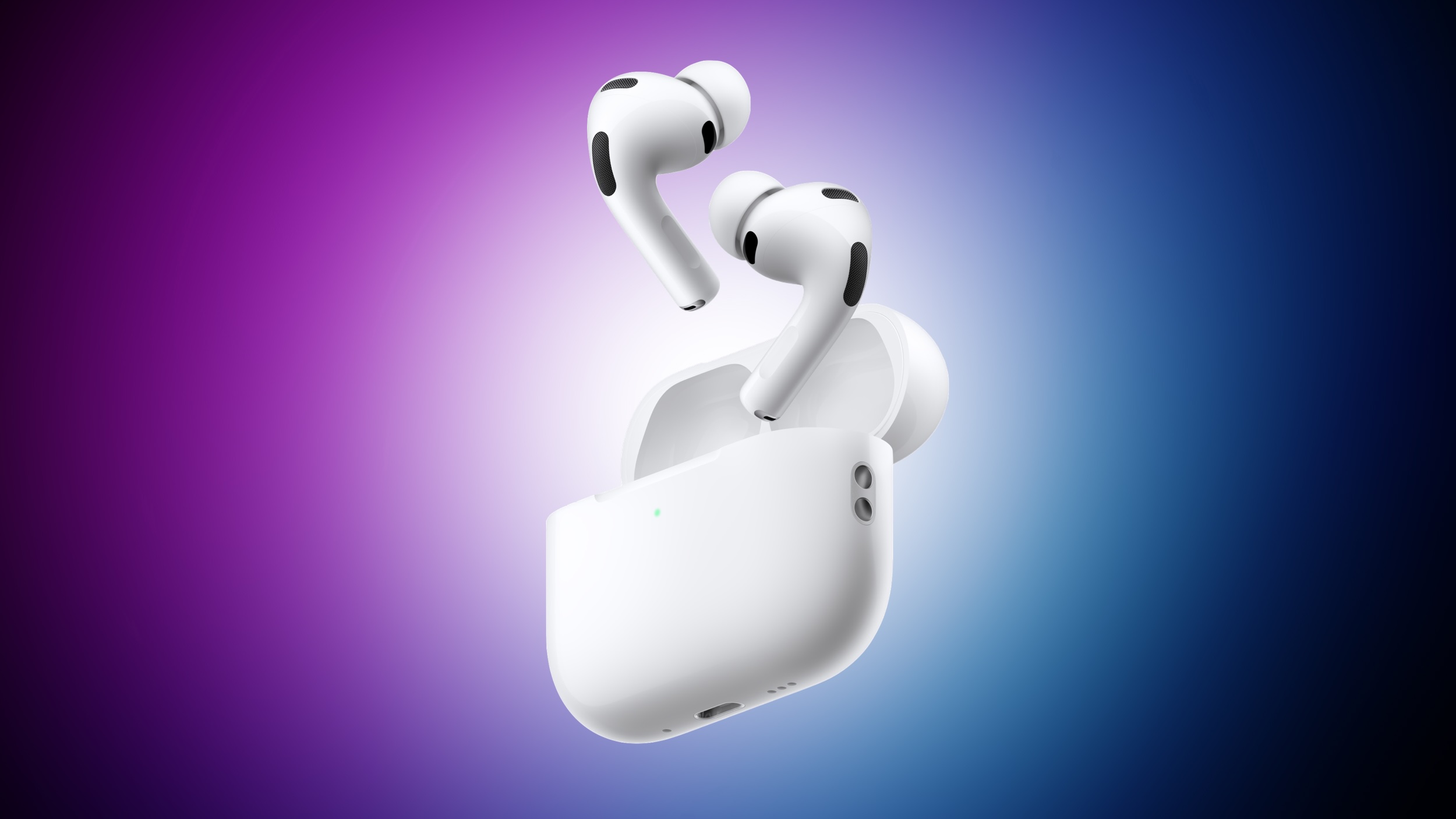
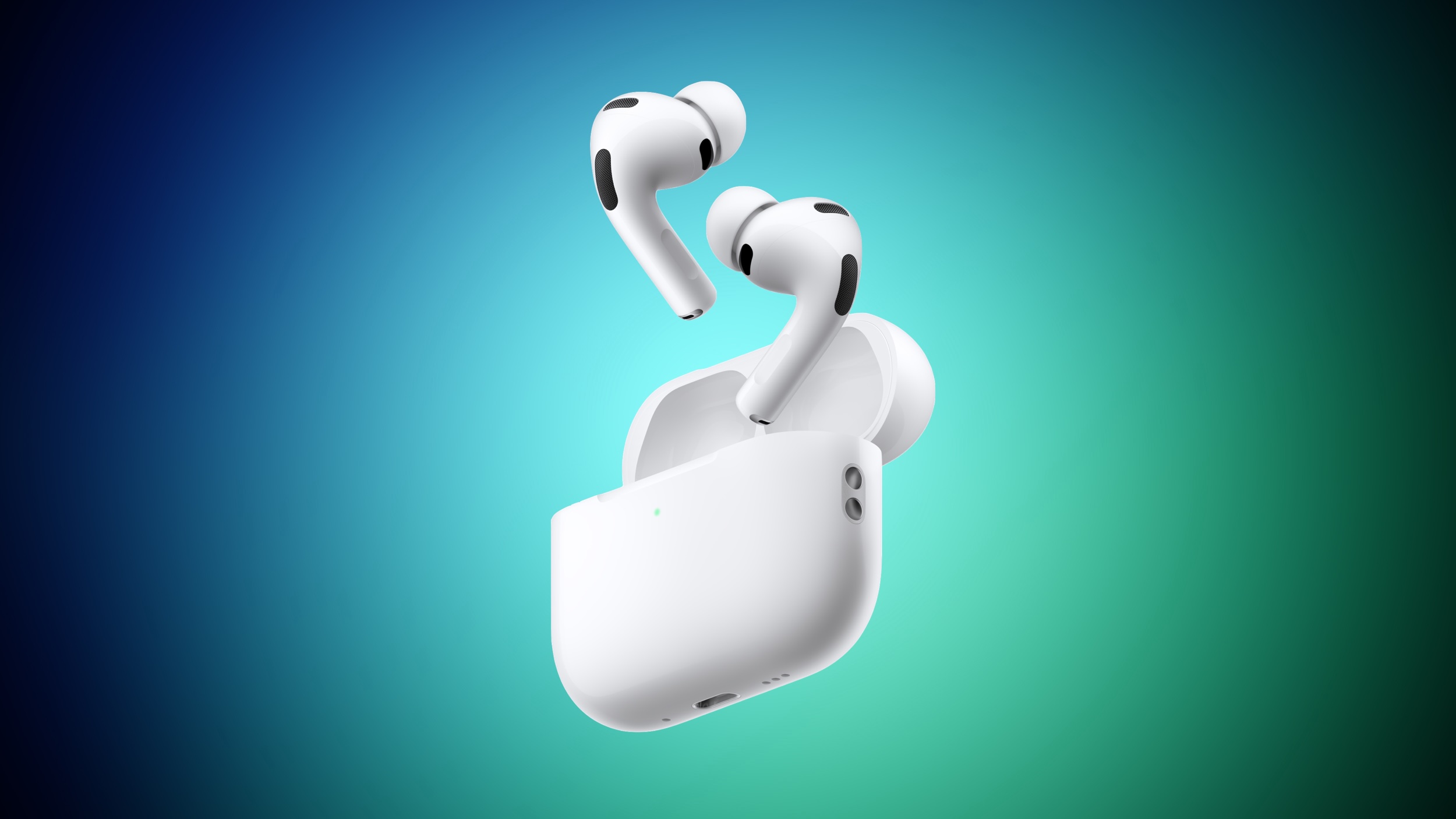
Below, we have recapped eight new features coming with the AirPods Pro 3, which are available to pre-order now, ahead of a Friday, September 19 launch.
2× more active noise cancellation: Apple says the AirPods Pro 3 offer up to 2× more active noise cancellation than the AirPods Pro 2, and up to 4× more than the original AirPods Pro. In fact, the AirPods Pro 3 offer the best active noise cancellation of any in-ear wireless headphones, according to Apple.
Improved sound quality: AirPods Pro 3 feature a new acoustic architecture, with next-generation Adaptive EQ, that "transforms the bass response, widens the soundstage so users hear every instrument, and brings vivid vocal clarity to higher frequencies across music, shows, and calls," according to Apple.
Longer battery life per charge: Apple says AirPods Pro 3 offer up to 8 hours of listening time on a single charge, with Active Noise Cancellation enabled. That is up from 6 hours with the AirPods Pro 2. On the other hand, the AirPods Pro 3 charging case offers up to 24 hours of total listening time with Active Noise Cancellation enabled, whereas the AirPods Pro 2 case provides up to 30 hours of total listening time with Active Noise Cancellation enabled.
Heart rate monitoring during workouts: Like the Powerbeats Pro 2, the AirPods Pro 3 feature a heart rate sensor that shines pulsating infrared light to measure light absorption in blood flow. AirPods Pro 3 users can track their heart rate and calories burned, close their Move ring, and earn awards for 50 different workout types in the Fitness app on an iPhone, with no Apple Watch required.
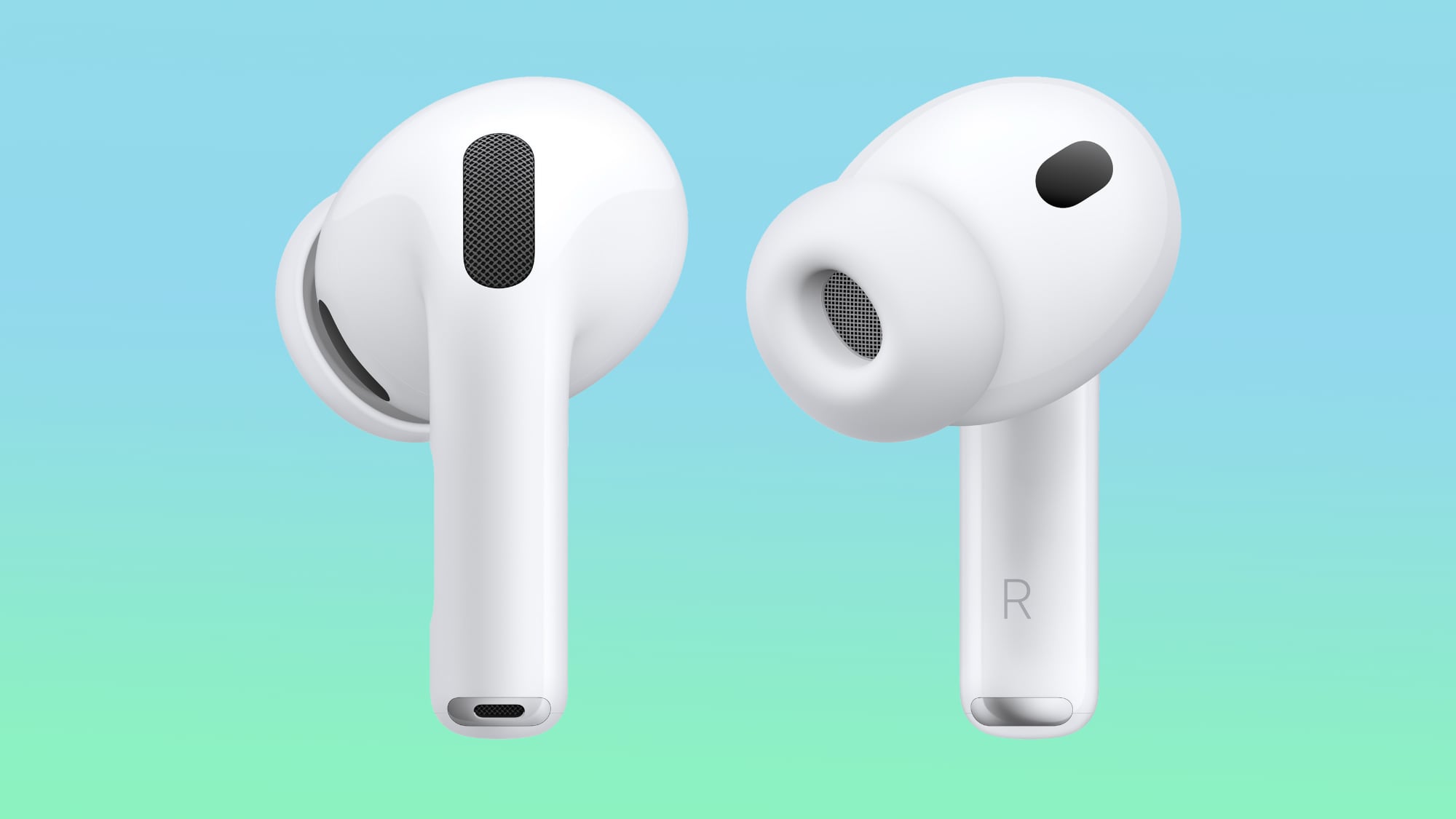
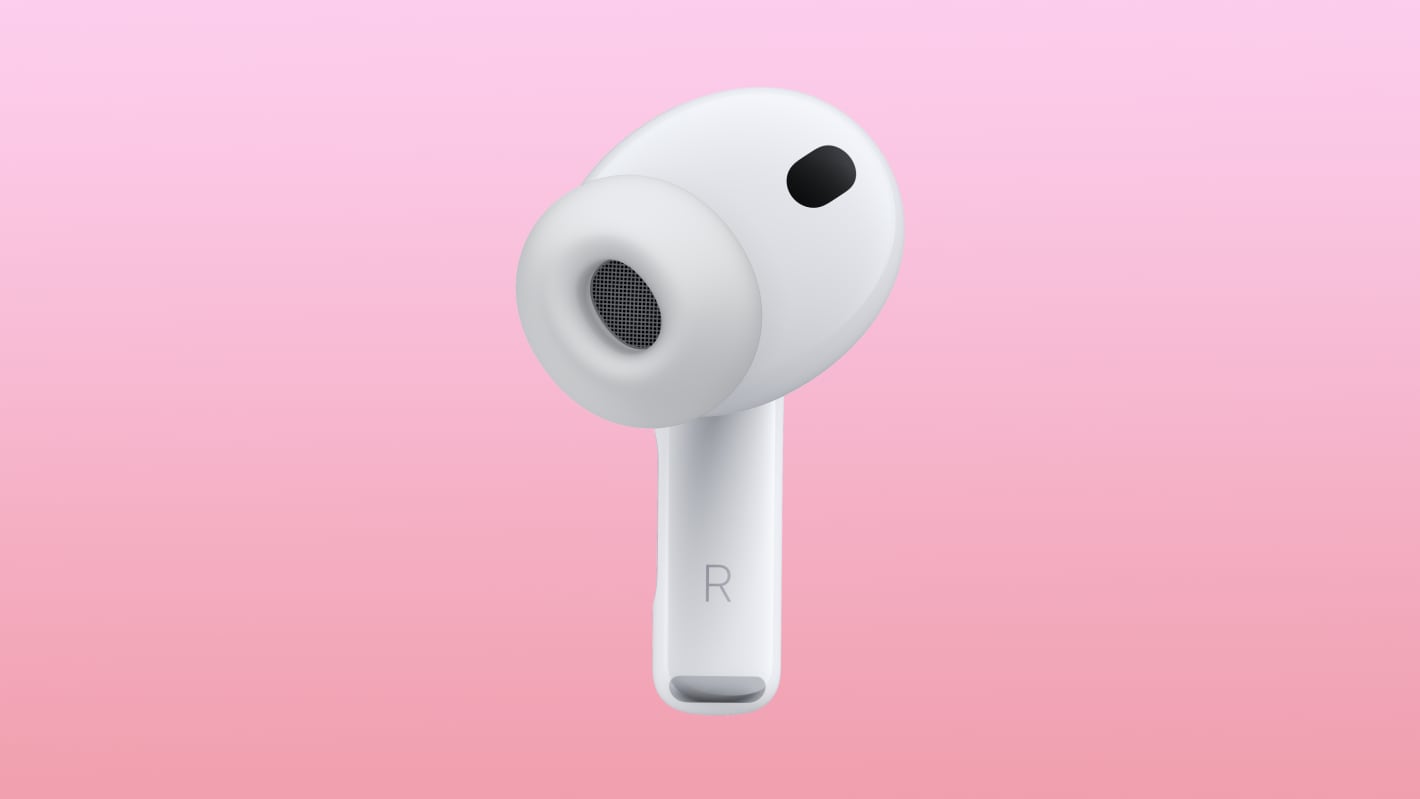
Improved fit: Apple says AirPods Pro 3 are the "most secure and best-fitting AirPods ever." The earbuds are slightly smaller, and the external design of each ear tip was "aligned to the center of the body for increased stability."
Improved water resistance: AirPods Pro 3 have IP57-rated sweat and water resistance, up from IP54 for the AirPods Pro 2. By definition, an IP57 rating means the AirPods Pro 3 could withstand temporary immersion in up to one meter of water, but Apple's marketing only promises that they "can handle the sweatiest workouts and even a sudden downpour."
U2 chip: No, the AirPods Pro 3 do not come with a free U2 album, but the charging case does feature Apple's second-generation Ultra Wideband chip, presumably for longer location-tracking range in the Find My app.
XXS ear tip option: AirPods Pro 3 come with new XXS silicone ear tips, along with the same XS, S, M, L sizes included with the AirPods Pro 2. Apple says the tips are now infused with foam for greater passive noise isolation.
The AirPods Pro 3 have an updated design that Apple says is more ergonomic, and new ear tips that are supposed to be better at eliminating ambient sound.
Apple included new ear tips that fuse a thin layer of soft foam microspheres to a silicone shell for better passive noise isolation.
The ear tips come in five sizes, including XXS, XS, S, M, and L, The smaller XXS size wasn't available with the AirPods Pro 2.
The new foam ear tips, the wider range of size options, improved computational audio, and the design changes to make the earbuds fit more ergonomically in the ear all help to make the AirPods Pro 3 2x better at Active Noise Cancellation than the AirPods Pro 2.
Apple is still selling the AirPods Pro 3 for $249, but there is no longer a USB-C charging cable inside, so the company is saving a bit of cash with this model. The AirPods Pro 3 are available for pre-order and will launch on Friday, September 19.
Apple tweaked the design of the AirPods Pro 3, changing the fit of the tips in the ears and bringing some updates to the case. On the whole, the AirPods Pro 3 look a lot like the AirPods Pro 2, but there are some differences to be aware of.
Earbud Design
Apple reengineered the AirPods Pro 3 using more than 10,000 ear scans and more than 100,000 hours of user research.
Apple says internal architecture was revamped to make each AirPod slightly smaller, and the external geometry of the ear tip was aligned to the center of the body to improve stability. Basically, the ear tips are now rotated inward.
The shape is meant to better fit into the ear canal, improving sound isolation and ensuring that the AirPods Pro stay in place during workouts.
When it comes to actual size, there are a couple changes. The AirPods Pro 3 are the same height as the AirPods Pro 2, so the stem isn't any shorter. Width is now 19.2mm, down from 21.8mm, so they're a little bit slimmer. They're also deeper, though, measuring 27mm, up from 24mm. Weight increased too, so the AirPods Pro 3 are 5.55 grams, while the AirPods Pro 2 were 5.3 grams.
Charging Case
There were rumors that Apple would slim down the AirPods Pro 3 Charging Case, like it did with the AirPods 4 Charging Case last year.
That didn't happen. The AirPods Pro 3 Charging Case is actually larger than before. It measures in at 1.86 inches tall (up from 1.78 inches), 2.45 inches wide (up from 2.39 inches), and 0.86 inches deep (up from 0.85 inches). It's not as heavy, weighing 1.55 ounces, down from 1.79 ounces.
AirPods Pro 2 on left, AirPods Pro 3 on right
The case for the AirPods Pro 3 has an attachment point for a lanyard, along with a capacitive pairing button and an invisible LED that only shows up when the case is opened or charging.
Battery life for the earbuds themselves is up, but the charging case doesn't last as long. Apple says it provides up to 24 hours of charging time, but the AirPods Pro 2 case provided up to 30 hours of listening time.
You can pre-order the AirPods Pro 3 now, and the earbuds will launch on September 19. Pricing is still $249.
While the AirPods Pro 2 included a USB-C charging cable in the box, the AirPods Pro 3 unveiled on Tuesday come without one, according to Apple's website.
The case for the AirPods Pro 3 can be wirelessly charged with MagSafe, Qi, and Apple Watch chargers, so a charging cable is not strictly required.
AirPods Pro 3 also ship without a charger, but that has been the case since the original AirPods Pro launched in 2019, so that is no surprise.
In the U.S., AirPods Pro 3 are priced at $249, just like the AirPods Pro 2 were. However, while there was no price increase, Apple is now poised to earn some extra revenue from additional sales of USB-C charging cables.
AirPods Pro 3 are available to pre-order now, and they launch on Friday, September 19. Read our coverage of Apple's announcement to learn about new features, including improved sound quality, increased active noise cancellation, longer battery life, better fit, in-ear heart rate monitoring during workouts, and much more.
Apple made the visionOS 26 release candidate available to Vision Pro developers on Tuesday, and one of the more interesting additions in this version is a new Jupiter environment.
Apple previewed the Jupiter environment for WWDC attendees in June, but this is the first time that Vision Pro owners have been able to try it out for themselves in the comfort of their own home.
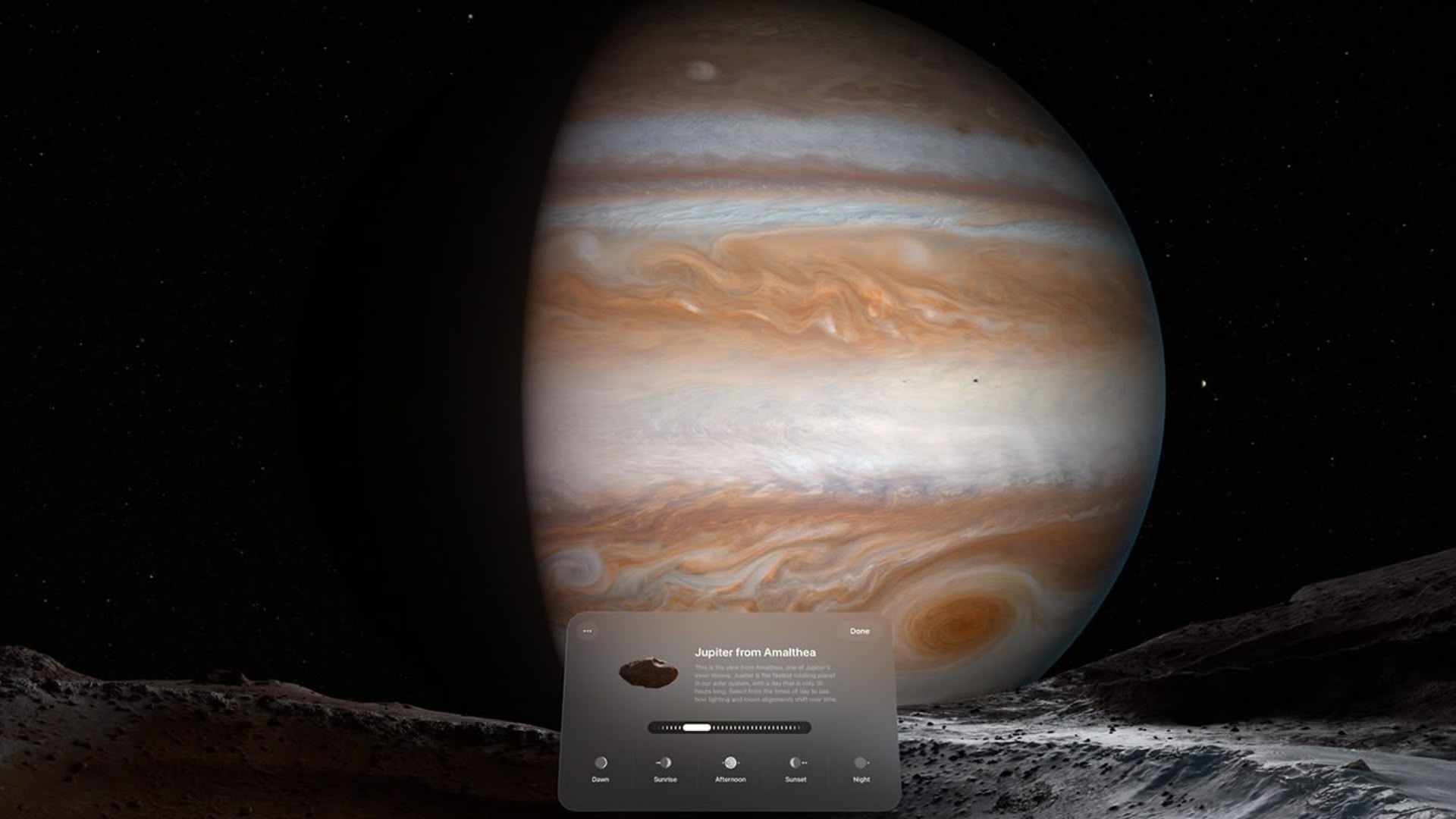
In visionOS 26, the Morning Light environment has made way for Jupiter, which needs to be downloaded first to experience it.
Jupiter is the fastest rotating planet in our solar system, with a day that is only 10 hours long, and Apple gives you a taste of it thanks to a new "Explore Jupiter" option that makes this Environment more interactive than others.
Your actual perspective in the environment is from one of Jupiter's inner moons called Amalthea, and you can speed up time to watch the sunlight break across Jupiter as enormous storms swirl across its surface.
A new interface lets you select from the times of day to see how lighting and moon alignments shift over time. Options include Dawn, Sunrise, Afternoon, Sunset, and Night. There's also a slider that you can use to cycle through the time of day.
However, if you just sit and watch the scene at normal pace, you can actually see Jupiter's Great Red Spot – the largest and longest-lasting storm in our solar system – ever-so-gradually swirling in the distance. It's pretty spectacular.
In case you were wondering how realistic the planet is portrayed, the imagery Apple has used is from NASA, so it's as authentic as one can hope for. It's an interesting new take on the Environment concept, and one that Apple is likely to explore further in future updates.
visionOS 26 is scheduled to be released to the public on Monday, September 15.
While the iPhone 18 Pro and iPhone 18 Pro Max are still a year away, there are already a few rumors about the devices that offer an early look ahead.
If you are skipping the iPhone 17 Pro and want to know about what to expect from the iPhone 18 Pro models, we have recapped a few of the key rumors below.
Under-Screen Face ID
In April 2023, display industry analyst Ross Young shared a roadmap showing that iPhone 17 Pro models would feature under-display Face ID. In May 2024, however, Young said he heard this change had been delayed until 2026. If so, that means that under-screen Face ID could debut on the iPhone 18 Pro and iPhone 18 Pro Max next year.
In May 2025, The Informationalso reported that the iPhone 18 Pro models would likely be equipped with under-screen Face ID.
Variable Aperture
The main 48-megapixel Fusion camera on both iPhone 18 Pro models will offer variable aperture, according to analyst Ming-Chi Kuo.
With variable aperture, users would be able to control the amount of light that passes through the camera's lens and reaches the sensor. The main cameras on all of the iPhone 14 Pro through iPhone 17 Pro models have a fixed aperture of ƒ/1.78, and the lens is always fully open and shooting with this widest aperture. With the iPhone 18 Pro models, users would be able to manually change the aperture, according to this rumor.
A variable aperture on iPhone 18 Pro models should provide users with greater control over depth of field, which refers to how sharp a subject appears in the foreground compared to the background. However, given that iPhones have smaller image sensors due to size constraints, it is unclear exactly how meaningful this improvement would be.
Bloomberg's Mark Gurman incorrectly reported that the iPhone 17 Pro models would feature a "variable aperture system," a few days before Apple's event.
2nm A20 Pro Chip and Apple's C2 Modem
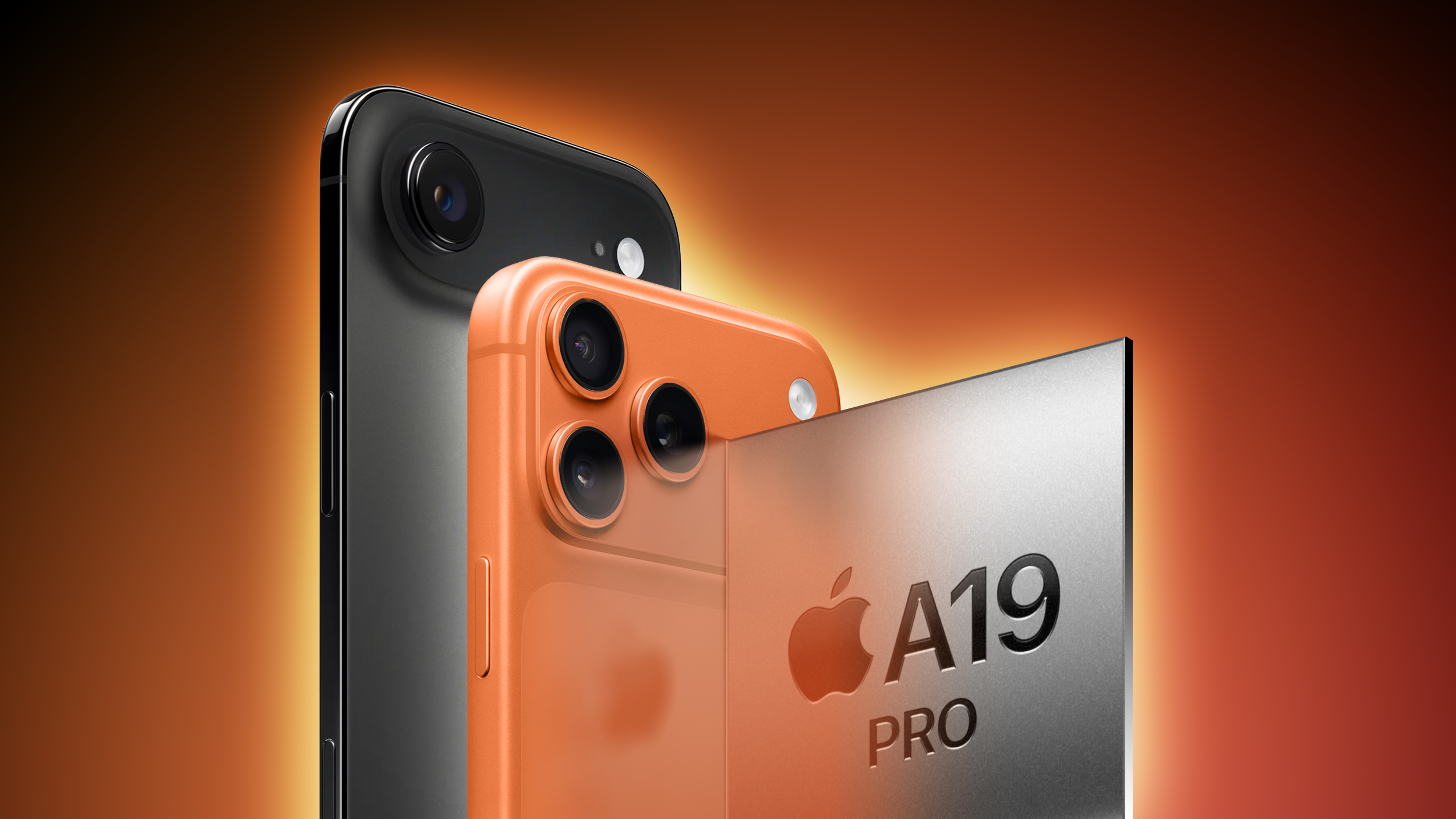
iPhone 18 Pro models are expected to have an A20 Pro chip fabricated with TSMC's latest 2nm process, which could deliver significant performance improvements, and Apple's power-efficient C2 modem for cellular connectivity.
Based on these early results — which are unconfirmed — the A19 Pro chip across the Pro models and the iPhone Air appears to deliver up to 13% to 15% faster multi-core CPU performance compared to the A18 Pro chip in the iPhone 16 Pro models.
On the graphics side, the A19 Pro offers more significant improvements. Based on early Metal scores in the Geekbench 6 database — also unconfirmed — the full 6-core GPU variant of the chip in the iPhone 17 Pro models is up to 40% faster than the A18 Pro's 6-core GPU. In the iPhone Air, the A19 Pro chip has a reduced 5-core GPU, and one early Metal score shows it as being around 15% faster than the A18 Pro's 6-core GPU.
In its iPhone 17 Pro press release, Apple said the A19 Pro delivers up to 40% better "sustained" performance compared to the A18 Pro:
When paired with the Apple-designed vapor chamber, A19 Pro enables iPhone 17 Pro and iPhone 17 Pro Max to deliver up to 40 percent better sustained performance than the previous generation — ideal for gaming, video editing, and running large local language models. The 6-core CPU is the fastest CPU in any smartphone, and the 6-core GPU architecture includes Neural Accelerators built into each GPU core, a larger cache, and more memory than A18 Pro.
It is not entirely clear if that claim refers to CPU or GPU performance.
On its iPhone 17 Pro product page, Apple provides more realistic comparisons. There, it says the A19 Pro offers up to 20% faster CPU performance compared to the two-year-old A17 Pro chip in the iPhone 15 Pro models. That means the A19 Pro would offer sub-20% performance gains over the A18 Pro, so the Geekbench results showing a 13% to 15% year-over-year boost in CPU performance will likely prove to be accurate.
As always, benchmark results and real-world performance are not completely analogous.
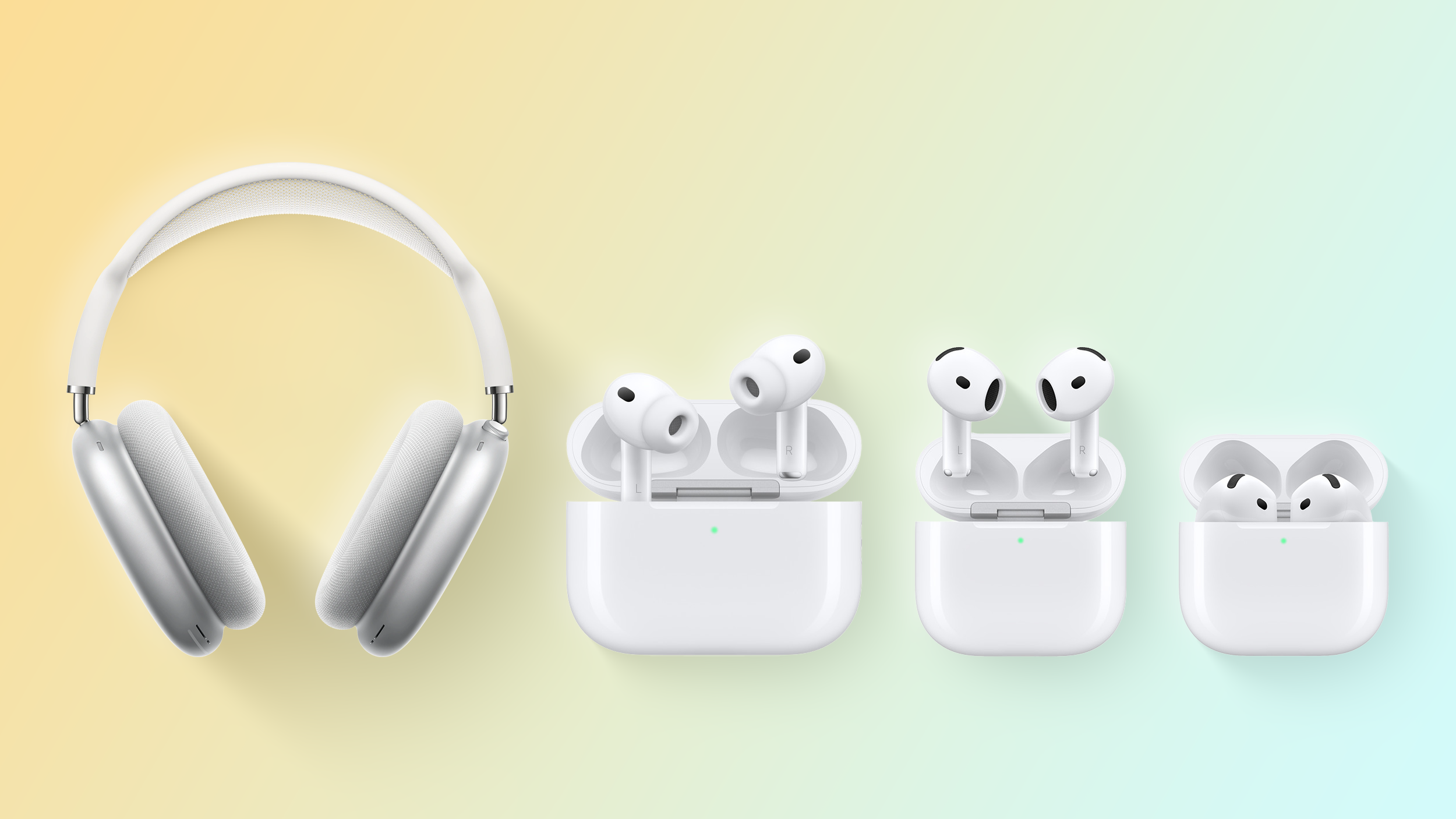
Apple announced third-generation AirPods Pro on Tuesday at its "Awe dropping" event, and the company has discontinued AirPods Pro 2 to make room for them in its new-look lineup.
Here's how Apple's AirPods offering looks like now:
AirPods 4 – $129
AirPods 4 with Active Noise Cancelation – $179
AirPods Pro 3 – $249
AirPods Max – $549
AirPods Pro 3 have the same $249 price tag as the previous generation model, so users will be getting several new features and enhancements for the same outlay.
These include up to 2x better Active Noise Cancellation (ANC), up to 8 hours of listening time with ANC on a single charge, a new design, built-in heart rate sensing, foam-infused ear tips, Live Translation, and more.
Apple has started accepting pre-orders for AirPods Pro 3. The new devices will be delivered to customers starting on Friday, September 19. Will you be getting a pair? Let us know in the comments.
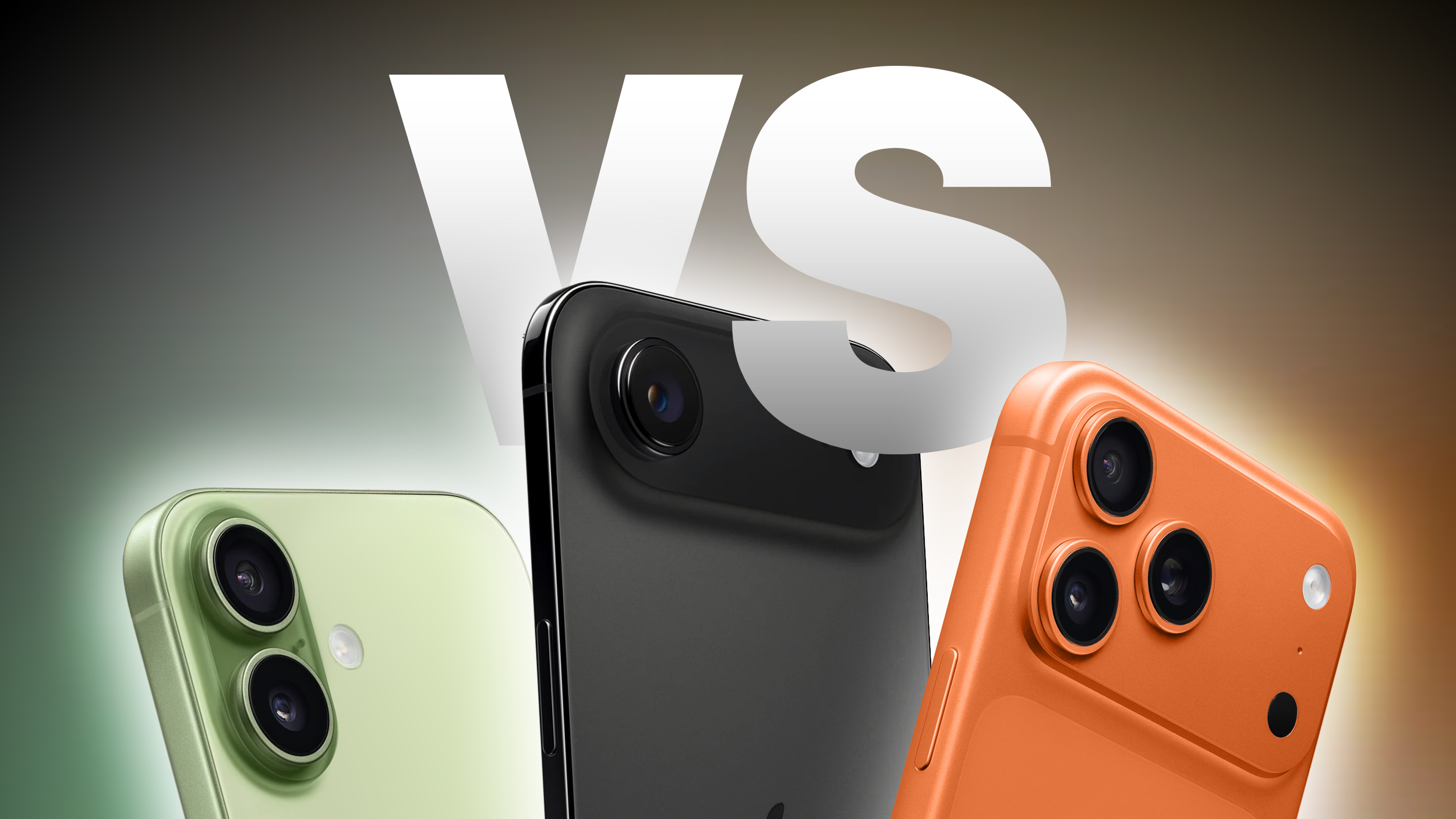
Apple's four new iPhones launch later this month, with more differences between the latest models than ever before.
Instead of the familiar split between standard and Pro models, Apple has introduced the new iPhone Air, expanded the feature gap between tiers, and refined each model to serve a clearer audience. The result is a four-device family that ranges from the affordable and practical iPhone 17 to the feature-packed iPhone 17 Pro Max, with distinct trade-offs in size, materials, camera hardware, and battery life along the way. All models share Apple's latest A19 chip platform, meaning performance is fairly consistent across the board, but their designs, display sizes, and camera features are more specialized than ever before.
This guide offers a detailed look at every difference—dimensions, design, cameras, battery life, and pricing—so you can make an informed choice. Whether you prioritize design, photography, or battery life, this year's iPhones are no longer one-size-fits-all devices, and understanding the lineup is key to choosing the best model for you and your budget.
Sizes and Weights
iPhone 17
iPhone Air
iPhone 17 Pro
iPhone 17 Pro Max
Height
5.89 inches (149.6 mm)
6.15 inches (156.2 mm)
5.91 inches (150.0 mm)
6.43 inches (163.4 mm)
Width
2.81 inches (71.5 mm)
2.94 inches (74.7 mm)
2.83 inches (71.9 mm)
3.07 inches (78.0 mm)
Depth
0.31 inches (7.95 mm)
0.22 inches (5.64 mm)
0.34 inches (8.75 mm)
0.34 inches (8.75 mm)
Weight
6.24 ounces (177 grams)
5.82 ounces (165 grams)
7.27 ounces (206 grams)
8.22 ounces (233 grams)
Designs
iPhone 17
iPhone Air
iPhone 17 Pro
iPhone 17 Pro Max
Anodized aluminum frame
Polished titanium frame
Anodized aluminum unibody
Anodized aluminum unibody
Camera plateau
Camera plateau
Camera plateau
Ceramic Shield front
Ceramic Shield front and back
Ceramic Shield front and back
Ceramic Shield front and back
6.3-inch display
6.5-inch display
6.3-inch display
6.9-inch display
Available in White, Black, Mist Blue, Sage, and Lavender
Available in Cloud White, Space Black, Sky Blue, and Light Gold
Up to 50% charge in 20 minutes with 40W adapter or higher
Up to 50% charge in 30 minutes with 20W adapter or higher, or 30W adapter or higher paired with MagSafe Charger
Up to 50% charge in 20 minutes with 40W adapter or higher
Up to 50% charge in 20 minutes with 40W adapter or higher
Camera Hardware
iPhone 17
iPhone Air
iPhone 17 Pro
iPhone 17 Pro Max
Dual rear cameras
Single rear camera
Triple rear cameras
Triple rear cameras
48-megapixel ultra wide camera
48-megapixel ultra wide camera
48-megapixel ultra wide camera
48-megapixel telephoto camera
48-megapixel telephoto camera
0.5x, 1x, and 2x optical zoom options
1x and 2x optical zoom options
0.5x, 1x, 2x, 4x, and 8x optical zoom options
0.5x, 1x, 2x, 4x, and 8x optical zoom options
LiDAR Scanner
LiDAR Scanner
True Tone flash
True Tone flash
Adaptive True Tone flash
Adaptive True Tone flash
Camera Features
iPhone 17
iPhone Air
iPhone 17 Pro
iPhone 17 Pro Max
Macro photography
Macro photography
Macro photography
Spatial photos
Spatial photos
Spatial photos
ProRAW
ProRAW
Cinematic mode
Cinematic mode
Cinematic mode
ProRes video recording
ProRes video recording
ProRes RAW
ProRes RAW
Academy Color Encoding System
Academy Color Encoding System
Apple Log 2 video recording
Apple Log 2 video recording
Genlock support
Genlock support
Macro video recording, including slo‑mo and time‑lapse
Macro video recording, including slo‑mo and time‑lapse
Macro video recording, including slo‑mo and time‑lapse
Slo‑mo video support up to 1080p at 240 fps
Slo‑mo video support up to 1080p at 240 fps
Slo‑mo video support for 1080p up to 240 fps and 4K Dolby Vision up to 120 fps
Slo‑mo video support for 1080p up to 240 fps and 4K Dolby Vision up to 120 fps
Other Differences
iPhone 17
iPhone Air
iPhone 17 Pro
iPhone 17 Pro Max
A19 chip
A19 Pro chip
A19 Pro chip
A19 Pro chip
5-core GPU
5-core GPU
6-core GPU
6-core GPU
8GB memory
12GB memory
12GB memory
12GB memory
Stereo speakers
Mono speaker
Stereo speakers
Stereo speakers
Studio-quality four-mic array
Studio-quality four-mic array
USB-C (USB 2)
USB-C (USB 2)
USB-C (USB 3 for up to 20x faster transfers)
USB-C (USB 3 for up to 20x faster transfers)
256GB or 512GB storage
256GB, 512GB, or 1TB storage
256GB, 512GB, or 1TB storage
256GB, 512GB, 1TB, or 2TB storage
Pricing
256GB
512GB
1TB
2TB
iPhone 17
$799
$999
iPhone Air
$999
$1,199
$1,399
iPhone 17 Pro
$1,099
$1,299
$1,499
iPhone 17 Pro Max
$1,199
$1,399
$1,599
$1,999
Which One Should You Choose?
Apple's latest iPhone lineup is more segmented than ever, with clear distinctions in size, design, and hardware to suit different needs. All four models share the same core performance, so your choice comes down to priorities like design, camera versatility, and price.
iPhone 17: Best for those who need a good, practical all-round iPhone at an affordable price.
iPhone Air: Best for those who want the thinnest and lightest iPhone in a groundbreaking new premium design with a medium-sized display, but are willing to accept noticeable compromises on camera features, battery life, charging speed, and speakers.
iPhone 17 Pro: Best for those who want the versatile new 48-megapixel telephoto camera and a large range of additional camera features and hardware in a smaller package, along with better mics and faster USB speeds.
iPhone 17 Pro Max: Best for "pro" users who need the rich feature set of the iPhone 17 Pro, but with the largest possible display, battery life, and storage.
The iPhone 17 should be the default option for most users, with the ability to move up to the Air as a design-led option, the Pro as a creator-focused device, and the Pro Max delivering everything in the largest format.
Pre-orders of the new iPhone lineup open on Friday, September 12, with launch on Friday, September 19.
Apple has added a "groundbreaking" new memory security feature to its new iPhone 17 lineup called Memory Integrity Enforcement (MIE), which the company describes as "the most significant upgrade to memory safety in the history of consumer operating systems."
The new security feature targets spyware tools like Pegasus that exploit vulnerabilities to hack targeted devices. According to Apple, MIE provides comprehensive, always-on memory-safety protection covering the kernel and over 70 userland processes, built on the Enhanced Memory Tagging Extension (EMTE).
The new feature is supported by the new A19 and A19 Pro chips found across the iPhone 17 lineup as well as the iPhone Air. Apple says it has also added memory safety improvements for older hardware that doesn't support the new memory tagging features. In addition, Apple is making EMTE available to all Apple developers in Xcode as part of the new Enhanced Security feature that the company released earlier this year during WWDC.
The approach includes mitigation for Spectre V1 attacks that Apple claims works with "virtually zero CPU cost," addressing performance concerns that have plagued similar security features in the past. Apple says these changes make "mercenary spyware" significantly more expensive to develop, and present a major challenge to the surveillance industry.
Based on our evaluations pitting Memory Integrity Enforcement against exceptionally sophisticated mercenary spyware attacks from the last three years, we believe MIE will make exploit chains significantly more expensive and difficult to develop and maintain, disrupt many of the most effective exploitation techniques from the last 25 years, and completely redefine the landscape of memory safety for Apple products.
For in-depth information about the new MIE security feature, readers should refer to Apple's Security Research blog.
Apple has announced Final Cut Camera 2.0, adding ProRes RAW recording and genlock sync support for the iPhone 17 Pro and iPhone 17 Pro Max. The free app update makes Apple's high-end iPhone 17 models the first smartphones that can shoot ProRes RAW.
ProRes RAW captures unprocessed data straight from the camera sensor, giving editors more flexibility when color grading and adjusting footage later. The format also takes up less storage space than other RAW video formats while maintaining quality.
The 2.0 update adds open gate recording, which uses the full camera sensor to capture more of the scene than standard 4K. The extra footage makes it easier to crop, stabilize, or change aspect ratios without losing image quality.
Meanwhile, Genlock support lets multiple iPhone 17 Pro devices record in perfect sync with each other and with professional cameras. The feature eliminates the need to manually align footage frame-by-frame during editing. Blackmagic Design's Camera ProDock already works with the new genlock feature.
The app now also supports manual controls for the redesigned front camera on all iPhone 17 models. The square sensor is larger than before and can shoot horizontal or vertical video without rotating the phone.
Additional new features for Final Cut Camera 2.0 mentioned by Apple include:
Support for Apple Log 2, giving users the ability to record in an even wider color gamut in ProRes or HEVC with iPhone 17 Pro. Users can apply the Log 2 LUT in Final Cut Pro for iPad and Mac to view and edit their footage with the vibrancy of the original scene.
The ability to enable Timecode with options like Time of Day, Record Run, or external timecode for precise identification of footage during post-production.
Support for video capture using the new 200 mm Telephoto camera using ProRes up to 4K60 fps on iPhone 17 Pro for even more framing options.
Elsewhere, Final Cut Pro 11.2 and Final Cut Pro for iPad 2.3 will add tools specifically for editing iPhone ProRes RAW footage, including exposure and color temperature controls.
Final Cut Camera 2.0 will be available later this month as a free download or update on the App Store. Final Cut Camera 2.0 requires iPhone Xs or later running iOS 18.6 or later, with some features requiring iOS 26 or iPhone 17 Pro.
 Login
Login