Normal view

Colombia’s Armed Forces confirm over 50 dead in FARC dissident clashes in Guaviare

Colombia’s Armed Forces and regional authorities are struggling to verify the full scale of a bloody confrontation between rival FARC dissident factions in the remote southeastern department of Guaviare after clashes reportedly left more than 50 combatants dead.

The fighting, described by officials as one of the deadliest episodes this year involving former Revolutionary Armed Forces of Colombia (FARC) splinter groups, erupted in rural areas near the departmental capital San José del Guaviare between forces loyal to two dissident commanders known by their war aliases “Calarcá” and “Iván Mordisco.”

According to a communiqué released by the faction aligned with Calarcá, the confrontation began when approximately 250 fighters allegedly under the command of Néstor Gregorio Vera Fernández, alias Iván Mordisco, launched a surprise assault on a dissident encampment in the hamlet of La Siberia.

The clashes were reported in the rural sectors of Barranco Colorado, Charras and Trocha Ganadera, cattle farming regions with limited state presence.

The Calarcá faction claimed that a combat column belonging to the Isaías Carvajal Front had been resting overnight when it was attacked before dawn.

“In an act of legitimate self-defense, our units broke the siege, inflicting the first enemy casualties,” the group said in the statement, which was circulated through clandestine channels on Thursday.

“After three hours of combat, the enemy withdrew leaving fifty dead on the battlefield and carrying away a large number of wounded,” the communiqué added.

Colombia’s Army confirmed that troops from Brigade 22 remain deployed in the rural outskirts of San José del Guaviare, the epicenter of the fighting, but authorities acknowledged that they have been unable to fully enter the conflict zone due to difficult terrain and the continued presence of heavily armed illegal groups.

Defense Minister Pedro Sánchez confirmed the clashes took place in the Barranco Colorado sector, more than 100 kilometers east of San José del Guaviare, but refrained from confirming casualty figures. Minister Sánchez did, however, claim that the official statement amounted to a “confession and public admission” of an “atrocious crime”. Sánchez also warned that the reported deaths of underage combatants would constitute a grave violation of international humanitarian law and Colombian criminal legislation, further intensifying scrutiny over forced recruitment of children by FARC dissidents.

Officials said access to the region is severely restricted, with many areas reachable only through jungle tracks and river routes. Colombia’s forensic authorities, including Medicina Legal, have yet to recover or identify bodies from the battlefield.

Regional authorities convened an extraordinary security council meeting on Wednesday amid fears that the violence could intensify ahead of Colombia’s presidential election scheduled for May 31.

San José del Guaviare Mayor Willy Rodríguez told Caracol Radio that preliminary reports suggested “dozens” may have died, though he cautioned that authorities had not yet independently verified the numbers.

“We are receiving alarming information from residents in the rural areas, but the Armed Forces still have not been able to fully enter and confirm the situation,” Rodríguez said.

Governor Yeison Rojas joined police and military commanders in emergency deliberations as intelligence agencies attempted to establish the true scale of the confrontation.

The dissident faction loyal to Calarcá accused Iván Mordisco of provoking the conflict and described the elusive guerrilla commander as “a mentally disturbed individual with ideological shortcomings and psychopathic tendencies.”

The statement also claimed the group seized a significant cache of weapons during the battle, including four machine guns, 49 assault rifles, two Dragunov sniper rifles and more than 10,000 rounds of ammunition.

The faction further stated that two of its own fighters were killed and three wounded, while also claiming to have captured “a female prisoner of war.”

“We inform the Colombian people that this tragic event, occurring four days before an electoral contest, was not initiated by us,” the communiqué concluded. “It was an act of legitimate self-defense.”

The confrontation underscores the growing fragmentation and territorial disputes among Colombia’s remaining armed groups following the 2016 peace accord between the Colombian government and the FARC guerrillas.

Iván Mordisco, once considered one of the most powerful dissident commanders operating outside the peace agreement, has become a central figure in the collapse of President Gustavo Petro’s “Total Peace” negotiations with illegal armed groups.

Security analysts warn that Guaviare, a historic stronghold for the former FARC insurgency and a major coca-producing region, has increasingly become the scene of violent turf wars involving rival dissident fronts competing for narcotics routes, extortion rackets and territorial control.

The latest bloodshed also raises concerns over the deteriorating security situation in Colombia’s southeastern departments  just days before Colombians vote in a presidential election, May 31.

San José del Guaviare, long considered a strategic stronghold in Colombia’s anti-narcotics campaign, hosts one of the country’s largest counterinsurgency and anti-drug military bases, including a fleet of Black Hawk helicopter gunships used in jungle operations against armed groups and cocaine trafficking networks. The region has also historically maintained the presence of U.S. military personnel and advisers supporting intelligence, surveillance and counternarcotics missions in southeastern Colombia.

As of Thursday, Colombia’s Attorney General’s Office, National Forensic Institute – Medicina Legal – and Armed Forces had yet to issue a definitive death toll.

Colombia’s Three Presidential Front-Runners Draw Divergent Maps for Foreign Capital, Security, and Rule of Law

25 May 2026 at 22:03

Colombians face three sharply different futures in May 31 vote

Colombia votes on May 31 with its presidential race concentrated around three candidates whose platforms diverge on nearly every dimension of economic and security policy relevant to foreign investors. For corporate executives, institutional investors, and multinational operations with Colombian exposure, the choice between senator Iván Cepeda, senator Paloma Valencia, and defense attorney Abelardo de la Espriella carries direct, measurable implications for the regulatory environment, foreign direct investment (FDI) conditions, energy sector licensing, and geopolitical alignment through at least 2030.

No candidate is projected to clear the 50%-plus-one threshold required to win outright on May 31, making a runoff election on June 21 the expected outcome. The question that will determine the direction of that runoff — and by extension the next administration — is which of the two opposition candidates finishes second.

Click above to play the video!

A Race Reshaped by Late Polling

The final-week polling picture shifted substantially, and the trajectory matters as much as the snapshot. The CONDOR weighted aggregate — which incorporates surveys from six polling firms and applies greater weight to more recent data — placed the race as of May 23 at: Cepeda 36.3%, De la Espriella 29.1%, Valencia 16.7%.

Invamer, one of Colombia’s most established polling firms, surveyed 3,800 respondents across 152 municipalities between May 13 and May 20, registering Cepeda at 44.6%, De la Espriella at 31.6%, and Valencia at 14.0%. The Centro Nacional de Consultoría (CNC) published a survey conducted May 22 and 23 showing Cepeda at 33.4%, De la Espriella at 30.9%, and Valencia at 12.6%.

Comparing those figures to the Fundación Génesis Crea survey from May 4 through May 11 — which placed Cepeda at 35.1%, Valencia at 25.4%, and De la Espriella at 21.6% — indicates a multi-poll trend of De la Espriella gaining approximately nine to ten percentage points in three weeks while Valencia shed a comparable share. AS/COA’s poll tracker confirms the directional consistency across firms.

Atlas Intel, which published figures more favorable to De la Espriella, is currently under investigation by Colombia’s Consejo Nacional Electoral (CNE) for potential methodology violations and could face suspension of its operations. Those figures are treated with caution in this analysis.

Runoff modeling diverges between firms. Fundación Génesis Crea showed Valencia defeating Cepeda 49.1% to 44.7% in a second-round matchup — meaning she was the stronger opposition candidate in that scenario. The Guarumo/Ecoanalítica survey found Cepeda losing all hypothetical runoff scenarios, including against De la Espriella. Two minor candidates — former senator Clara López and former Chocó governor Luis Gilberto Murillo — withdrew and endorsed Cepeda before the first round, a consolidation that appears to have had limited effect on his polling numbers.

Finance Colombia reported in May that the campaign has been marked by an unusual absence of traditional televised debates. Cepeda declined to participate in events organized by major media outlets, stating that proposed formats lacked neutrality. Former Bogotá Mayor Claudia López, herself a candidate, said publicly that Cepeda’s refusal was motivated by an unwillingness to defend his record as the architect of President Gustavo Petro‘s Paz Total security negotiation strategy.

Security Policy: The Three Approaches to Armed Groups

Public security is the top voter concern heading into the election. InSight Crime documented that the Ejército de Liberación Nacional (ELN) launched a major offensive against FARC dissident factions in Norte de Santander in early 2025, resulting in mass civilian casualties in the Catatumbo region. In Chocó and Antioquia, the ELN and the Autodefensas Gaitanistas de Colombia (AGC), commonly known as the Clan del Golfo, are competing for control of illegal gold mining corridors and drug trafficking routes. In Cauca, FARC dissident factions have established territorial control in areas where state presence has collapsed.

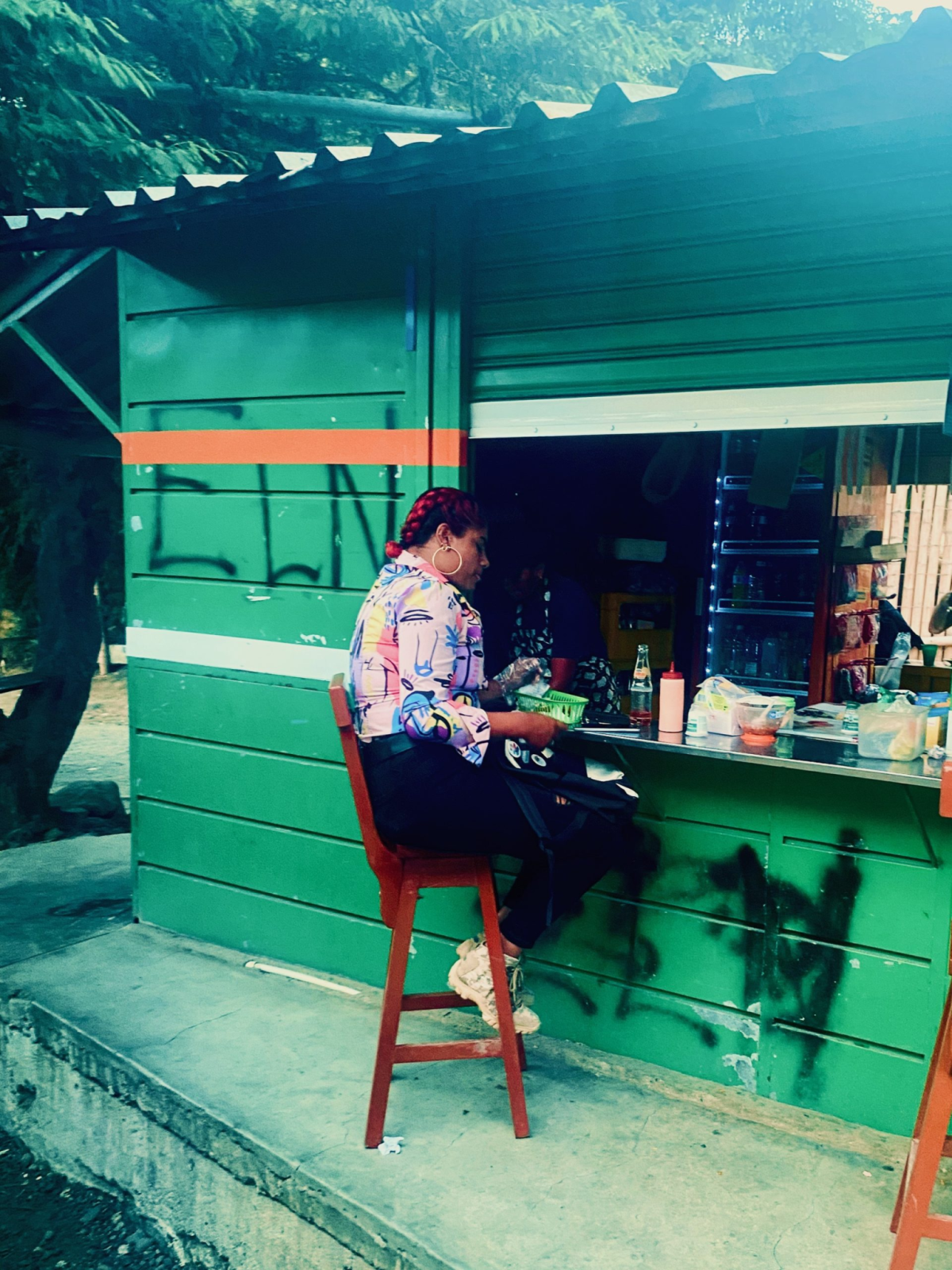
Grafiti of the ELN and ex-FARC Mafia near Corinto, Cauca (Credit: Henry Shuldiner)Cepeda’s approach to security is defined by his role as the principal legislative architect of Paz Total. As chair of the Senate‘s peace commission, he designed the framework that extended negotiating status to the ELN, FARC dissident groups, and the Clan del Golfo. His stated rationale is that targeting the financial leadership of drug networks rather than foot soldiers produces more durable results — a position that has academic backing in narcotics policy literature. In practice, Paz Total produced ceasefires that were repeatedly violated, and security indicators in conflict-affected departments deteriorated during the Petro administration. A Cepeda presidency is expected to continue the negotiated settlement model, with the military operating under political constraints.

Valencia’s security platform is based on reinstating Seguridad Democrática, the doctrine associated with former president Álvaro Uribe’s administrations from 2002 to 2010. The core elements are expanded military presence in rural conflict zones, dismantling of rural criminal networks, and resumption of extradition agreements with the United States — which Petro suspended, effectively shielding cartel leadership from US federal prosecution. The Uribe-era approach resulted in measurable reductions in homicide rates, forced displacement, and ELN and FARC territorial control, though human rights organizations documented serious abuses by security forces during that period.

De la Espriella has stated explicitly that his government would have no peace process. He advocates for a model similar to El Salvador’s under President Nayib Bukele: mass incarceration, construction of high-security prison facilities, classification of guerrilla and cartel organizations as foreign terrorist organizations, and broad military offensives. He has not detailed how such operations would be financed or how the mass detention model would interact with Colombia’s Constitutional Court, which has repeatedly constrained executive security powers.

For the armed groups operating in Norte de Santander and Cauca, the historical record indicates that Colombia’s criminal organizations respond more acutely to sustained, institutionally grounded military pressure and functioning extradition pipelines than to political rhetoric. By that measure, Valencia’s platform — which rebuilds the institutional security apparatus incrementally — represents a more structurally credible threat to the ELN and the Estado Mayor Central (EMC) FARC dissidents. For the Clan del Golfo leadership, extradition to the United States has historically been the principal deterrent, and Valencia’s program explicitly restores it.

Business Climate and Employment Conditions

The Petro administration enacted a series of minimum wage increases totaling more than 60% over four years — including a 16% increase for 2023, the largest single-year hike in Colombian history, and a 23.78% increase for 2026 — restructured labor regulations to expand premium pay requirements for night, weekend, and holiday shifts, and raised corporate tax rates to fund social spending programs. The Asociación Nacional de Empresarios de Colombia (ANDI) characterized the regulatory environment as adverse to private investment. Finance Colombia tracked a material decline in FDI in the extractive sector over the same period.

Cepeda supported those labor and fiscal reforms throughout their legislative passage. His platform extends the Petro model: increased state social spending, continued land redistribution programs, and maintenance of the current wage and labor cost structure. For companies with established Colombian operations, the regulatory environment is manageable; for companies evaluating market entry or operational expansion, the cost structure adds friction.

Valencia’s economic program emphasizes corporate stability and private sector investment as the primary mechanisms of job creation. Her vice-presidential running mate, Juan Daniel Oviedo — former director of DANE, Colombia’s national statistics agency — represents a technocratic orientation focused on reducing structural market distortions, streamlining public procurement, and scaling back state administrative overhead. Oviedo’s appointment is a direct signal to the business community that economic management would be data-driven rather than ideologically directed. Oviedo also publicly identifies as a member of the LGBTQ+ community, a departure from the traditional social conservatism of Centro Democrático.

De la Espriella’s economic orientation is pro-business with protectionist elements. His vice-presidential candidate, José Manuel Restrepo — who served as Colombia’s Finance Minister and Commerce Minister — provides institutional credibility on fiscal and trade policy. Restrepo’s presence on the ticket signals commitment to fiscal discipline and regulatory reduction in the extractive and commercial sectors. De la Espriella’s personal style, however, introduces operational uncertainty; his campaign has generated multiple high-profile controversies, including a public altercation with Caracol Noticias journalist María Lucía Fernández during a live broadcast and a formal apology following misconduct allegations by journalist Laura Rodríguez of Piso 8 FM.

Foreign Investment, Oil, and Mining

Ecopetrol holds a 31.5% stake in the Gunflint oil field in the Gulf of Mexico.

Ecopetrol holds a 31.5% stake in the Gunflint oil field in the Gulf of Mexico.

The extractive sector is the most consequential economic policy dimension for international capital. Ecopetrol (NYSE: EC; BVC: ECOPETROL) — Colombia’s state-controlled energy company and the largest corporation in the country — has operated under exploration restrictions during the Petro administration, which has opposed new fossil fuel contracts on climate grounds.

Cepeda’s position extends the Petro framework: mandatory transition away from fossil fuels, heavy restrictions or outright prohibitions on new oil and gas exploration contracts, and stringent environmental licensing requirements for open-pit mining operations. Foreign investment would be directed by policy toward green hydrogen, ecotourism, and smallholder agriculture. For the multinational oil majors with Colombian operations and for institutional investors in the mining sector, a Cepeda presidency represents a continuation of the current constraints and, in some contract scenarios, an accelerated wind-down of Colombian portfolios.

In a related development, Finance Colombia reported in May that Ecopetrol’s president, Ricardo Roa, has been formally charged in connection with alleged campaign spending violations during Petro’s 2022 presidential campaign. The case will be inherited by whoever takes office in August.

Valencia’s position is that hydrocarbon revenues are essential to Colombia’s macroeconomic stability and that the country cannot exit the sector before alternative revenue structures exist. Her platform actively encourages FDI in petroleum exploration, is open to regulated fracking, and commits to clearing the environmental licensing backlog that has stalled multiple large-scale gold and copper mining projects. For energy and mining companies currently blocked by administrative delays, this represents the most direct path to project advancement.

De la Espriella’s position goes further: essentially deregulating the environmental licensing process for major extraction projects on the grounds that Colombia’s economic sovereignty takes precedence over environmental restrictions he characterizes as externally imposed. The practical constraint is whether a De la Espriella administration would have the institutional coherence and congressional support to deliver regulatory rollback, given that his movement has no established political party structure and entered the race through an independent signature campaign.

Foreign Policy: Washington Alignment vs. Multipolar Strategy

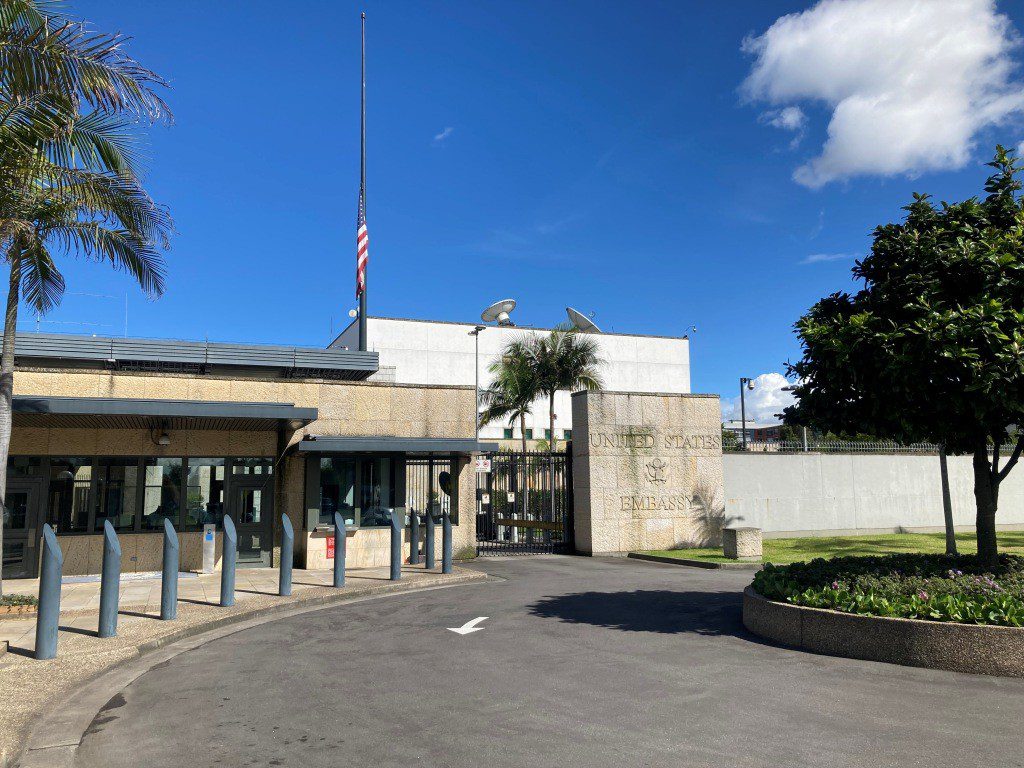
The US Embassy in Bogotá is said to be the 3rd largest US mission in the world (photo: Loren Moss)

The US Embassy in Bogotá is said to be the 3rd largest US mission in the world (photo: Loren Moss)

Colombia’s relationship with the United States deteriorated materially under Petro, who aligned Colombia with Venezuela’s Nicolás Maduro, pursued closer ties with China and Russia, and suspended extradition agreements. US counternarcotics cooperation was strained throughout the period.

Cepeda is committed to what he describes as a multipolar foreign policy — maintaining functional diplomatic channels with Washington and Brussels while deepening strategic and commercial relationships with China and Russia. His alignment with regional left-of-center governments in Mexico, Brazil, and Bolivia would position Colombia as part of a Latin American bloc that has grown increasingly skeptical of US regional leadership. For US companies operating in Colombia, this trajectory does not mean immediate operational disruption, but it reduces Colombia’s utility as a reliable counterpart on security cooperation, counter-narcotics intelligence sharing, and trade dispute resolution.

Valencia positions a return to the Western alignment as a core objective. She would prioritize restoring the US-Colombia relationship, reinforcing the bilateral Free Trade Agreement, and reestablishing intelligence-sharing mechanisms that were reduced under Petro. Her framing positions Colombia as a democratic anchor in a region experiencing authoritarian pressures.

De la Espriella takes the most explicit pro-US position in the race. La Silla Vacía reported that De la Espriella or entities linked to his campaign donated more than $90,000 USD to the US Republican Party, a fact that raises questions about the nature and expectations of those relationships. He has publicly aligned himself with the populist right in the United States, takes a hostile posture toward China, Russia, and Venezuela, and has characterized his security approach as consistent with a transactional alliance with Washington focused on counter-narcotics enforcement and cartel designation as foreign terrorist organizations.

“Ese pisco robó a 200 mil colombianos.” — Claudia López, former Mayor of Bogotá, referring to presidential candidate Abelardo de la Espriella’s legal representation of DMG pyramid scheme founder David Murcia Guzmán, during a presidential campaign event.

Corruption and Judicial Independence

All three candidates have stated commitments to fighting corruption, though their approaches and focal points differ in ways that are material to the institutional environment for business operations.

Cepeda’s legislative record includes serious, documented work investigating paramilitary infiltration of Colombia’s political institutions — the period known as parapolítica — and pursuing accountability for those cases. His blind spot, his critics argue, is corruption within the current administration. When Ecopetrol’s Ricardo Roa was formally charged in connection with Petro’s 2022 campaign, the response from the Pacto Histórico coalition was subdued. Cepeda has been Álvaro Uribe’s primary judicial antagonist in the Senate; a Cepeda administration would offer no institutional protection to Uribe and would be expected to support the full progress of judicial proceedings against him. For left-wing politicians facing legal exposure, including former Medellín mayor Daniel Quintero, a Cepeda administration would be expected to be more receptive to amnesty frameworks.

Valencia’s approach to anti-corruption is structural rather than prosecutorial: strengthening the independence of the Contraloría General de la República and the Fiscalía General de la Nación, implementing digital transparency in public procurement, and reducing informal executive influence over judicial processes. She would be expected to apply political and rhetorical pressure on behalf of Uribe — her political mentor and a close ally — though her legislative track record indicates a degree of institutional independence from Centro Democrático party orthodoxy.

De la Espriella’s anti-corruption rhetoric centers on severe criminal penalties for corrupt officials. The credibility of that position is complicated by his professional history, which is examined in detail below.

De la Espriella’s Legal Career: The Documented Record

De la Espriella’s campaign has faced sustained scrutiny over his client history as one of Colombia’s highest-profile criminal defense attorneys. The record is documented in reporting by El Colombiano, El Espectador, and the investigative outlet Corrupción al Día.

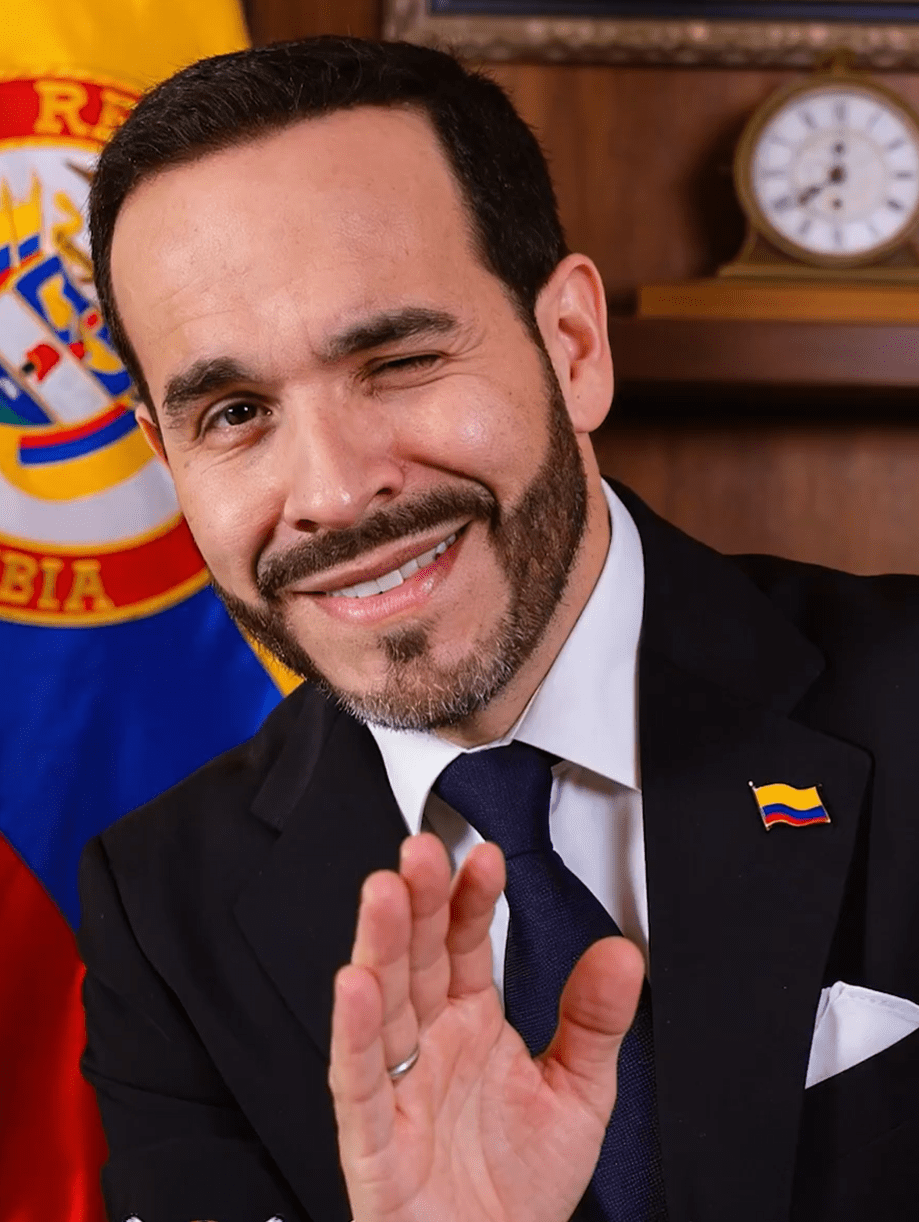
Abelardo de la Espriella (screen capture from Twitter video)

Abelardo de la Espriella (screen capture from Twitter video)

His documented client roster includes Salvatore Mancuso, the former supreme commander of the Autodefensas Unidas de Colombia (AUC) paramilitary network; multiple legislators convicted in the parapolítica scandal, which established systematic infiltration of Colombia’s congress by paramilitary organizations; David Murcia Guzmán, the operator of the DMG pyramid scheme that defrauded an estimated 200,000 Colombian investors; the Nule Primos, convicted of large-scale public contract fraud; and Álex Saab, the Colombian businessman extradited to the United States on charges of acting as the primary money launderer for the Maduro government in Venezuela. According to Corrupción al Día, De la Espriella’s legal fees from Saab reportedly reached $12 million USD and included private aircraft travel.

De la Espriella’s response to this line of criticism rests on due process principles: that every accused person is entitled to vigorous legal defense regardless of the charges, and that his ability to navigate Colombia’s criminal code at its most complex levels demonstrates the expertise required to enforce the law from the executive branch. The argument has legal validity as a principle. The specific issue for foreign compliance officers and US government counterparts is the Saab representation: the same Nicolás Maduro whose regime De la Espriella’s campaign now characterizes as an ideological enemy received legal services from De la Espriella’s firm when the representation was commercially available.

The Fiscalía investigated De la Espriella in connection with alleged paramilitary links in 2009 and again in 2012; both investigations were dismissed for insufficient evidence, and he carries no convictions or active investigations on those matters.

Cepeda’s Family History and Ideological Background

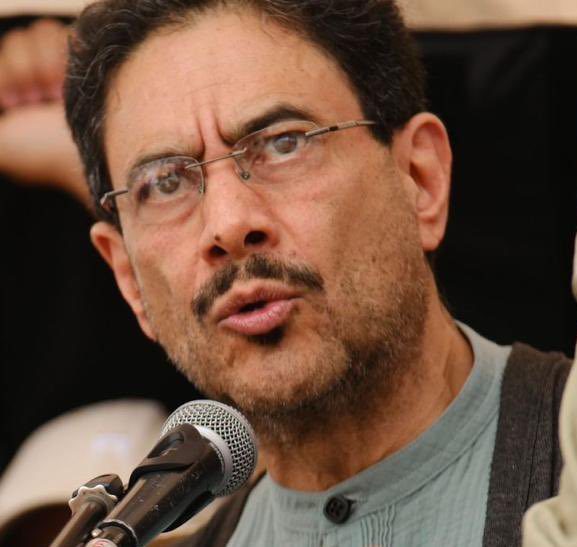
Iván Cepeda (from Twitter)

Iván Cepeda (from Twitter)

Critics of Iván Cepeda, including Enrique Gómez of the Salvación Nacional party, have argued that his family background constitutes evidence of structural alignment with guerrilla movements. The record on this point merits examination.

Cepeda is the son of Manuel Cepeda Vargas, who served as Secretary-General of the Colombian Communist Party and as a senator for the Unión Patriótica (UP), a left-wing political movement that was systematically exterminated by a combination of state actors and paramilitary organizations during the 1980s and 1990s. Manuel Cepeda Vargas was assassinated on August 9, 1994. The Inter-American Court of Human Rights subsequently found the Colombian state responsible for his murder. The FARC-EP named its Frente Urbano Manuel Cepeda Vargas — an urban front operating within the Bloque Occidental — in the elder Cepeda’s honor.

The Fundación Paz y Reconciliación (PARES) has documented that Iván Cepeda’s relationship with his father’s political positions was more complex than the family lineage alone suggests. After studying in Bulgaria in 1981, Cepeda broke from his father’s Soviet-oriented communist framework and aligned with democratic leftists including Bernardo Jaramillo Ossa, who publicly rejected the FARC’s armed strategy. Cepeda has repeatedly stated his repudiation of the FARC’s use of his father’s name. No documented evidence connects him to operational coordination with current armed groups.

What the family history does establish is the ideological framework through which Cepeda processes security policy: a belief, grounded in personal and political experience, that the Colombian state’s institutional violence has been as destructive as guerrilla violence, and that negotiated settlements are structurally preferable to military solutions. That framework generates Paz Total. It also generates a posture toward ELN and FARC dissident negotiators that prioritizes process continuity over verified compliance — a disposition that armed groups have demonstrably exploited to maintain territorial and operational positions while negotiation frameworks provided legal cover.

Paloma Valencia (image Twitter)

Paloma Valencia (image Twitter)

Valencia and the Uribe Question

The comparison to former president Iván Duque (2018–2022) comes up regularly in discussions of Valencia’s political independence. Duque, who had limited independent political standing before Uribe selected him, was perceived throughout his term as governing within constraints set by his patron — a dynamic that Colombian political cartoonists characterized as ventriloquism.

Valencia’s profile differs materially. She is the granddaughter of former Colombian president Guillermo León Valencia, carries her own political lineage, and has served in the Senate for over a decade, building positions on agrarian reform, judicial modernization, and indigenous land rights that have placed her at variance with standard Centro Democrático positions on those issues. She won the Gran Consulta por Colombia primary on March 8 with more than 45% of the vote — over 3.2 million Colombians — establishing a democratic mandate distinct from any party endorsement.

She would be expected to use institutional and rhetorical channels to support Uribe in the ongoing judicial proceedings against him, and to apply pressure on the trajectory of those cases. Whether that constitutes political interference with judicial independence or normal advocacy within democratic norms is a question on which observers disagree. What the legislative record does not support is the characterization of Valencia as incapable of independent governance.

Press Freedom and the Media Environment

Press freedom carries an indirect but measurable correlation with rule-of-law quality, which in turn affects operational risk for companies that rely on regulatory predictability and transparent legal processes.

Cepeda has maintained a posture toward critical media that mirrors President Petro’s practice of characterizing adversarial outlets as acting in the interests of economic elites. Under Petro, this produced a systematic exclusion of critical media from official information flows and persistent rhetorical delegitimization of independent journalism, though the press remained legally free to operate. A Cepeda administration would be expected to continue this pattern.

Valencia’s background in Colombia’s traditional political and intellectual establishment, combined with a decade in a party that has faced sustained critical coverage from Colombia’s major outlets, points toward a conventional institutional relationship with the press — adversarial at times, but within professional norms.

De la Espriella’s conduct during the campaign provides direct evidence of his approach. He publicly called Caracol Noticias journalist María Lucía Fernández “ignorant” in a live interview. He issued a formal apology after journalist Laura Rodríguez of Piso 8 FM made allegations of inappropriate conduct. His campaign strategy has drawn comparisons to the approach of Argentine president Javier Milei and US president Donald Trump in its use of direct digital channels to circumvent traditional media while publicly attacking outlets that publish critical coverage. The press would remain legally protected under a De la Espriella administration, but the operational environment for investigative journalism would be hostile.

The Ideological Spectrum: Market Liberalism to State Direction

The question of which candidate is most aligned with free-market principles requires a distinction that the international business press frequently elides: the difference between economic deregulation and political authoritarianism. These can, and in this election do, exist independently.

De la Espriella’s platform is often described in international coverage as the most pro-market. His deregulation proposals for the extractive sector and his corporate tax rhetoric support that reading in the economic domain. His security platform, however, involves a substantial expansion of state coercive power: mass detention operations, a mega-prison construction program, and the suspension of standard due process protections to facilitate rapid incarceration of criminal suspects. The Cato Institute‘s framework of economic freedom as inseparable from civil liberties would categorize a state powerful enough to detain people without standard procedural protections as a state that represents an institutional risk to property rights and contract enforcement as well.

Valencia’s platform, anchored by Oviedo’s technocratic program of structural market reform — reduced administrative barriers, streamlined procurement, smaller state overhead, maintained civil liberties — represents the closest approximation to coherent market liberalism available in this field. It does not carry the rhetorical force of De la Espriella’s deregulation proposals, but it has more institutional grounding.

Cepeda’s platform is the furthest from market liberalism by any standard measure: state-directed investment allocation, wealth redistribution through tax and transfer mechanisms, state expansion in healthcare and pension administration, and agrarian land redistribution. His program is continuous with the Petro administration’s economic framework.

Minor Candidates: The Rest of the Ballot

Claudia López, senator of Colombia. (Credit: Patty Suescún)

Claudia López, senator of Colombia. (Credit: Patty Suescún)

Several other candidates remain on the ballot and are drawing small but potentially consequential vote shares in a first round where the margin between second and third place could be narrow.

Claudia López, former mayor of Bogotá running under the Con Claudia Imparables coalition, positions herself as a progressive centrist with a documented anti-corruption record. Her polling has not broken 3.5% in major surveys, and her high polarization ratings from her mayoral term limit her growth ceiling. Her attacks on De la Espriella during the campaign — she publicly called him a “defender of the mafia” in reference to his client history — have been among the most pointed in the race, and factually grounded on the public record.

Sergio Fajardo, making his third consecutive presidential run under Dignidad y Compromiso, continues to represent a technocratic, education-focused centrism grounded in his work transforming Medellín in the early 2000s. He has not broken 3.5% in any major poll in this cycle.

Roy Barreras, running under La Fuerza de la Paz following his Frente por la Vida primary victory, is one of the most experienced political operatives in Colombia, having been part of multiple coalition governments across ideological lines over two decades. He polls below the threshold for meaningful first-round impact.

Miguel Uribe Londoño, running under Partido Demócrata, represents a younger-generation conservative platform emphasizing fiscal discipline and private sector growth, broadly consistent with Valencia’s program. He also polls below 3.5%.

Carlos Caicedo, running on a regionalist platform emphasizing decentralization away from Bogotá, draws support primarily from the Costa Caribe. His structural argument about Colombia’s administrative over-centralization is substantively grounded, though his national profile is insufficient to affect the first-round outcome.

Investment Implications

For international capital with Colombian exposure, the three-way race produces three materially different operational scenarios.

A Cepeda victory — which remains the single most likely first-round outcome based on available polling — would signal continuity of the Petro-era regulatory framework: sustained capital outflow pressure, high corporate tax rates, no new fossil fuel exploration contracts for Ecopetrol (NYSE: EC; BVC: ECOPETROL) or private operators, continued labor cost escalation, and a foreign policy trajectory away from Washington. Colombian equity valuations would be expected to remain under pressure. The mining licensing backlog would continue to accumulate. A Cepeda administration would not replicate Venezuela’s economic trajectory — Colombia’s independent central bank, Banco de la República, its functioning constitutional court, and its institutional depth provide meaningful buffers — but the investment headwinds would be structural rather than cyclical.

A Valencia victory would represent the sharpest regulatory reversal available in this field. Ecopetrol exploration contracts would be expected to advance. The mining licensing backlog would be addressed. US bilateral relations would be restored, reactivating security intelligence cooperation and trade facilitation mechanisms. The Colombian peso would be expected to strengthen as country risk premium declined. The path to that outcome now requires her to either close the gap significantly on De la Espriella in the first round or rely on runoff polling that showed her as the stronger second-round candidate — data that predates the most recent polling shift.

A De la Espriella victory introduces the widest distribution of possible outcomes. The upside scenario involves Restrepo managing fiscal and trade policy competently, genuine regulatory rollback in the extractive sector, aggressive extradition resumption, and security operations that reduce the physical risk premium in conflict-affected departments including Cauca, Norte de Santander, and Chocó. The downside scenario involves recurring crises generated by De la Espriella’s personal conduct, conflicts of interest arising from his former client relationships, and authoritarian security measures that attract international human rights attention and complicate bilateral relationships. Restrepo’s presence on the ticket reduces the probability of the downside scenario but does not eliminate it.

The current polling trend indicates that right-wing voters are consolidating around De la Espriella at Valencia’s expense. Whether that consolidation produces a runoff between De la Espriella and Cepeda — and whether the runoff produces a left or right-wing government — remains uncertain. What the polling data does not support is the scenario, widely assumed until recently, of a Cepeda-Valencia runoff in which Valencia was positioned as the structurally stronger opposition candidate.

Subscribe to Finance Colombia to remain updated on key developments and impartial analysis.


Explosive Drone Deactivated Near Bogotá’s El Dorado International Airport

Colombian authorities have seized and safely deactivated a commercial drone carrying improvised explosive materials just 5.4 kilometers from Bogotá’s El Dorado International Airport and the nearby Military Air Transport Command (CATAM), raising fresh security concerns in the capital three weeks before the country’s May 31 presidential election.

The discovery marks a significant escalation from recent unauthorized drone sightings that twice forced temporary flight suspensions at El Dorado, Colombia’s busiest airport, and highlights growing fears that tactics once largely confined to conflict zones in the southwest and Catatumbo region are now reaching the capital.

According to preliminary police and military reports, the device was located in the locality of Kennedy, near the Río Bogotá, after a security alert issued by prosecutors in Popayán, Cauca, prompted specialized units of the Colombian Air Force (FAC) and National Police to track suspicious coordinates in southern Bogotá.

Authorities found what appeared to be a makeshift encampment before locating the commercial drone, its battery and an explosive charge separated from the fuselage.

Anti-explosives officers later confirmed the device had been modified with a non-conventional fiber-optic guidance system, a method increasingly used by illegal armed groups to evade electronic signal jammers designed to disable unmanned aircraft.

Investigators said the drone carried approximately 258 grams of C4 explosive material inside a PVC tube fitted with an improvised detonator.

The device was safely neutralized by National Police explosives experts and transferred to the Attorney General’s Office – Fiscalía General – for forensic analysis and the opening of a criminal investigation.

Authorities have not publicly identified those responsible or confirmed the intended target, but officials noted the location placed the drone within minutes of both El Dorado International Airport and CATAM, one of Colombia’s most strategic military aviation facilities.

Security analysts say the use of fiber-optic spools as a guidance mechanism resembles tactics recently documented in Catatumbo and southwestern Colombia, particularly among the National Liberation Army (ELN) guerrilla and FARC dissident factions under the command of alias “Iván Mordisco.”

A similar drone equipped with the same system was discovered in Popayán on April 25 during a wave of attacks blamed on FARC dissidents in Cauca, while another was found the same day in Villavicencio, the departmental capital of Meta.

The appearance of such devices in Bogotá has raised alarm among security officials, particularly given the proximity to civilian and military aviation infrastructure.

Pilots and aviation experts warn that even small commercial drones can cause catastrophic damage if they collide with an aircraft during takeoff or landing. A drone carrying explosives near an airport runway significantly increases the potential for a large-scale tragedy.

The discovery also comes at a politically sensitive moment, with Colombia entering the final weeks before its presidential election on May 31, as security and public order remain dominant campaign issues amid rising violence in the departments of Antioquia, Chocó, and Norte de Santander.

The leftist government of President Gustavo Petro has faced intense criticism over deteriorating security conditions, particularly following road bombing attributed to illegal armed groups in Cauca, Valle del Cauca, Nariño and Catatumbo, where the use of drones for surveillance and attacks has become increasingly common.

Last month, drone sightings near El Dorado airport twice forced authorities to suspend all air operations, disrupting domestic and international flights and exposing vulnerabilities near the country’s principal air gateway.

On April 30, Aerocivil halted airport operations after the Colombian Aerospace Force confirmed the presence of a drone in the Engativá district near the airport perimeter. Two aircraft were forced to carry out missed approaches, including an international LATAM Airlines Boeing 787 arriving from Santiago, Chile, while another domestic flight was diverted to Armenia, Quindío.

Just two days earlier, on April 28, another drone was detected near El Dorado, triggering a 45-minute suspension of takeoffs and landings while military personnel deployed anti-drone systems and visual searches.

Defense Minister Pedro Sánchez later confirmed that operations had been temporarily canceled because of the possible drone sighting, although no confirmed target was found.

Aerocivil has repeatedly warned that unauthorized drone activity near airports represents a grave threat to aviation safety and can result in criminal prosecution.

Thursday’s discovery, however, suggests the threat may extend far beyond operational disruption.

For Bogotá, the concern is no longer simply rogue recreational drones interfering with airport traffic, but the possibility that explosive-equipped devices linked to Colombia’s armed conflict are now within reach of the nation’s capital – and its most critical infrastructure.

U.S. Issues Strong “Do Not Travel” Advisory for Southwestern Colombia

29 April 2026 at 13:51

The United States has updated a “do not travel” warning for large parts of southwestern Colombia after a wave of terrorist attacks have left over 20 people dead, underscoring growing international concern over the country’s deteriorating security situation and prompting regional authorities to demand stronger support from the leftist government of President Gustavo Petro.

The U.S. Department of State maintained most of Colombia at Level 3 – “Reconsider Travel” – citing crime, terrorism, civil unrest, kidnapping and natural disasters, but reinforced its Level 4 advisory for several conflict-hit regions, including the departments of Arauca, Cauca, Valle del Cauca and Norte de Santander.

Under the latest guidance, Americans are advised not to travel to Cauca, excluding the departmental capital Popayán, and Valle del Cauca, excluding Cali, due to crime and terrorism.

Norte de Santander and Arauca remain under the same highest warning level, while travel within 10 kilometers of the Colombia-Venezuela border is also strongly discouraged because of kidnapping risks, armed conflict and the possibility of detention.

“Do not travel to these areas for any reason,” the State Department said in its advisory, adding that violent crime, armed robbery and murder remain common, while terrorist groups continue to operate in remote and rural zones.

The warning was reinforced by a U.S. Embassy security alert issued in Bogotá on April 27, following 26 separate attacks across southwestern Colombia during the weekend of April 25. The attacks targeted transportation corridors, military installations and police stations, with authorities confirming at least 20 deaths and dozens of injuries.

Police and military facilities are frequent targets of armed groups, and the State Department warned that attacks in Colombia have included car bombs, grenades, truck bombs, explosive devices placed on roads and buildings, and even drones carrying explosives.

Illegal armed groups, including dissident factions of the former Revolutionary Armed Forces of Colombia (FARC), narcotrafficking organizations and other insurgent groups, have expanded their territorial presence in recent years, particularly in remote areas where coca cultivation, illegal mining and strategic trafficking corridors overlap.

The deadliest recent attack occurred near the El Túnel sector in Cajibío, Cauca, along the Pan-American Highway, where an explosive device detonated against civilian vehicles, killing 20 civilians and injuring over 50 more. Authorities attributed the bombing to FARC dissidents under command of alias “Iván Mordisco”.

The attack shocked the country and intensified criticism of President Gustavo Petro’s “Total Peace” policy, which seeks negotiated settlements with illegal armed groups but has faced mounting scrutiny as violence worsens in several regions.

In response, the Cauca governor’s office declared three days of official mourning. Authorities described the bombing as an “atrocious and unjustifiable” act and ordered flags to be flown at half-mast across public institutions and schools as a tribute to the victims.
The government also called for national unity and a stronger institutional response to confront armed violence in one of Colombia’s most volatile departments.

In neighboring Valle del Cauca, Governor Dilian Francisca Toro said she respected the U.S. warning but urged foreign governments and the media not to define the entire region by recent attacks.
“We ask that our region not be stigmatized,” Toro said, insisting that Valle del Cauca remains open to visitors and that violence does not represent the department’s cultural, economic and social identity.
At the same time, she sharply criticized the national government’s security response after attacks in Cali and Palmira, calling for “real, sustained and effective support” through more troops, stronger intelligence operations and direct action against criminal structures operating in the region.

Following an explosion near the Agustín Codazzi Engineers Battalion in Palmira, Toro announced an investment of nearly 70 billion pesos ($17 million) to strengthen police communications infrastructure, expand surveillance camera networks and improve secure transport corridors across municipalities.

In Cali, Mayor Alejandro Eder said an attempted attack against the Pichincha Battalion involved explosive gas cylinders, one of which failed to detonate while another exploded inside a minibus.

Authorities activated a citywide security operation and Eder offered a reward of up to 50 million pesos for information leading to the capture of those responsible. “We cannot allow terrorism to regain ground in our city,” Eder said.

Colombia reels from worst terrorist attack in decades as Petro celebrates birthday

27 April 2026 at 13:18

Colombians are expressing outrage and grief after a bombing attributed to dissident factions of the former FARC killed 20 people and left injured 46, marking the country’s deadliest attack in over a decade.

The blast on Saturday afternoon tore through a stretch of the Pan-American Highway near Cajibío, in the southwestern department of Cauca, leaving mangled vehicles, a massive crater, and scenes of devastation that authorities described as among the most brutal assaults on civilians in recent memory.

Departmental governor Octavio Guzmán said the explosion, which injured at least 36 people, including children, was the “most ruthless attack against the civilian population in decades,” adding that several vehicles were overturned by the force of the blast.

Military officials said attackers blocked traffic with a bus and another vehicle before detonating explosives as cars and buses were stranded along the highway, a vital artery linking Colombia’s southwest with the cities of Popayán and Cali.

The attack, attributed to a FARC dissident faction led by Iván Mordisco, came amid a surge of violence across southwestern Colombia, with authorities reporting at least 26 attacks over a two-day period in Cauca and neighbouring Valle del Cauca. Incidents included explosions, arson attacks on vehicles, and assaults on security forces in cities such as Cali, Palmira, and Jamundí.

But as the country mourns, President Gustavo Petro faced mounting criticism after posting images of himself celebrating his birthday, prompting accusations of insensitivity and a lack of leadership during a national crisis.

Late on Saturday evening, Petro shared a photograph on social media showing himself alongside three friends, all wearing Hawaiian-style flower garland necklaces, accompanied by a message marking his birthday on April 19. “Surrounded by love and bonds of affection,” Petro wrote. “We are an army of Quixotes doing the impossible and achieving the impossible.”

The post, which appeared hours after reports of the deadly attack emerged, sparked immediate backlash from political leaders and the public, many of whom questioned the president’s priorities at a moment of national mourning.

Senator Juan Manuel Galán criticized the timing of the message, writing on social media: “19 people murdered in Cajibío, Cauca, the country bleeding, the Pan-American highway turned into tragedy… but the priorities of Gustavo Petro were clear: the country in mourning and he showing us how he celebrated his birthday.”

Presidential hopeful Paloma Valencia travelled to Palmira to meet with victims’ families and express solidarity. “We are with the people who are afraid, who are mourning their loved ones, who need to feel safe again. Petro should be here,” she said.

The criticism underscores deep tensions surrounding Petro’s security strategy, particularly his “Total Peace” policy aimed at negotiating with illegal armed groups. Critics argue the approach has failed to contain violence in regions such as Cauca, where armed groups linked to narcotics trafficking and illegal mining continue to operate with increasing intensity.

Saturday’s bombing, one of the most lethal attacks since the 2016 peace accord with the FARC, has renewed fears about Colombia’s security trajectory and the resilience of dissident factions that refused to demobilise.

Images from the scene showed debris scattered across the highway, shattered vehicles, and a large crater where the explosion occurred. Authorities confirmed that 15 women and five men were among the dead, while several of the injured remained in critical condition.

For residents of the region, the attack has deepened a sense of vulnerability and abandonment.

“Cauca cannot continue to face this barbarity alone,” Governor Guzmán said, calling for greater national support and a stronger security response.

As Colombia approaches a general election on May 31, the attack also reveals the extent to which  the state remains unable to protect civilians, let alone presidential candidates opposed to the failed security policies of the country’s first leftist administration. “Petro: You are simply a disgrace. Show some empathy. Show some respect,” noted Paloma Valencia from Palmira.


FARC dissident ‘Iván Mordisco’ alive but wounded after major military bombardment

30 March 2026 at 18:32

Colombia’s security forces believe FARC dissident leader Iván Mordisco is alive but seriously wounded following a major aerial bombardment in the remote department of Vaupés, dealing a significant blow to one of the country’s most powerful armed groups.

Uncertainty over the fate of Mordisco — whose real name is Néstor Gregorio Vera Fernández — mounted over the weekend after the military reported six people killed in the strike, raising expectations that the elusive commander might be among the dead.

But Colombia’s forensic authority, Instituto Nacional de Medicina Legal, confirmed on March 29 that none of the bodies recovered from the operation corresponded to the rebel leader.

“After concluding forensic studies on six bodies received on March 28, it was determined that they correspond to four women and two men,” the agency said in a statement, adding that Mordisco was not among them.

Authorities said two of the women have yet to be formally identified. One of the victims is believed to have been a minor, aged between 16 and 17, according to officials.

The bombardment — one of the most powerful in recent months — targeted a jungle encampment linked to the dissident group’s Amazonas Bloc, considered part of Mordisco’s inner security ring. The operation combined air-to-ground strikes with a ground assault by elite units from Colombia’s military.

According to the armed forces, the offensive forms part of a broader escalation of operations against dissident factions that rejected the 2016 peace agreement with the FARC and resumed armed activity.

Military intelligence cited by local media indicates Mordisco was present in the area at the time of the attack and may have escaped wounded. Authorities say he is now “on the move” as troops attempt to close in on his location.

The head of Colombia’s Armed Forces, General Hugo Alejandro López Barreto, said the operation had “significantly affected the logistical and criminal capabilities” of the group, noting that weapons, explosives, communications equipment and computers were seized.

Among the items recovered were a pair of glasses resembling those used by Mordisco — a recurring detail in previous operations where the rebel leader narrowly escaped capture.

Security forces have since launched a large-scale containment operation in Vaupés, deploying troops, aircraft and surveillance drones in an effort to prevent his escape. “The objective is to establish a cordon — no one enters, no one leaves,” a security source said.

Mordisco, regarded as the top commander of the so-called Estado Mayor Central (EMC), has long been one of Colombia’s most wanted men. Authorities have placed a reward of 5 billion pesos (about $1.3 million) for information leading to his capture, while the United States has offered up to $5 million.

Despite sustained military pressure, he has repeatedly evaded capture. Officials say he has survived at least a dozen prior bombardments.

The latest operation follows a series of blows against his network earlier this month, including the arrest of several relatives and close associates in different parts of the country.

Government figures show that of 18 major operations carried out against illegal armed groups under President Gustavo Petro, 12 have targeted structures linked to the EMC.

The offensive comes as Petro’s “Total Peace” security strategy has stalled with illegal armed groups, including the National Liberation Army (ELN) guerrilla.

A confirmed injury or eventual capture of Mordisco would represent a major symbolic and operational victory for the government, potentially weakening one of the most hardline factions still engaged in conflict.

For now, uncertainty over his movements remains. While authorities have ruled out his death, the extent of his injuries — and his ability to continue commanding operations — is still unclear.

What is evident is that Colombian forces believe they are closer than ever to their target.

Editorial: Gustavo Petro’s “Total Peace” Has Led to Total Chaos in Colombia

23 March 2026 at 21:44

Colombia’s President Gustavo Petro ran for president on a campaign promising Paz Total—Total Peace. He promised to give the FARC dissidents, the vicious ELN guerillas, and mafias like the Clan del Golfo a good talking to, and with that, they will just lay down their weapons and become model citizens. Petro promised that through dialogue with bloodthirsty kidnappers and extortionists, they would be willing to stop being bloodthirsty kidnappers and extortionists; as if they are just misunderstood little muffins who only need a hug.

Nubia Carolina Córdoba, governor of Chocó, Colombia (photo from her Twitter account)

Nubia Carolina Córdoba, governor of Chocó, Colombia (photo from her Twitter account)

According to figures compiled by the Universidad Externado and reported by The City Paper Bogotá, Colombia has recorded 40,663 homicides during the first three years of the Petro presidency. Over 400 human rights defenders have been slaughtered between 2022 and 2025 according to the United Nations Office of the High Commissioner on Human Rights. Human Rights Watch reports that the ELN and FARC dissidents have expanded their territories by up to 55%. They are taking back over Colombia.

Under Gustavo Petro’s watch, Colombia has returned to the Institute for Economics and Peace’s Global Terrorism Index top ten list of countries impacted by terrorism, along with Total Peace destinations like Democratic Republic of Congo, Somalia, and Syria. Just this past week, a Clan del Golfo poster was put up within walking distance from the Aeropuerto Internacional José María Córdova just outside of Medellín. This Total Peace nonsense is a failure.

Right now, in the neglected Pacific department of Chocó, the ELN has kidnapped whole communities. Petro ran a campaign promising that he was going to embrace these historically neglected communities—places like Chocó, Nariño, La Guajira, and Norte de Santander—but insecurity is increasing. Chocó’s governor, Nubia Carolina Córdoba, says 6,047 people are trapped inside of their homes because the ELN has announced an illegal armed curfew in the municipality of Bajo Baudó. Most of these people are already poor, and now they have been kidnapped en masse by this guerilla group that operates with impunity because Gustavo Petro coddles them with “dialogue.”

According to Governor Córdoba, they attacked the police station in the village of Santa Rita using grenades attached to drones. It has gotten so bad that Colombia has restricted the entry of drones into the country. These people are calling out for help, but the president insists on talking as the ELN grows and continues to menace the police forces, the Colombian military, and, most importantly, the innocent public.

There is currently public disorder where belligerents have completely blocked the roads in the north of Antioquia, in the region called Bajo Cauca, and also in the neighboring department of Córdoba. The city of Caucasia is under curfew. Antioquia’s Governor, Andrés Rendón, has urgently called on the national government to stop the talk and take action. Groups are attacking ambulances and burning people’s motorcycles as they try to get by the roadblocks, regardless of the emergency.

Governor Rendón stated: “There can be no dialogue amidst blockades and human rights violations. It’s been seven days now with the Bajo Cauca region paralyzed and the country held hostage by chaos.” He called on the Fiscalía General de la Nación to bring those responsible to justice and challenged the Minister of Defense, Pedro Sánchez, to order the immediate reopening of the roads. “We’re not talking about small-scale miners here; behind this are criminal structures, as everyone knows, that finance themselves through illegal mining and move billions of pesos,” Rendón added, demanding full authority against the criminals who use communities as a shield.

El gobernador de Antioquia, @AndresJRendonC, se pronunció sobre la situación de orden público en el Bajo Cauca, en medio de los bloqueos que ya completan varios días y afectan la movilidad y la seguridad en la región. @GobAntioquia pic.twitter.com/4SPQgTa68r

— MiOriente (@MiOriente) March 22, 2026

The current situation with these organized criminal groups—whether regular mafias like the Clan del Golfo or murderous Marxist guerillas like the ELN and the FARC dissidents—is reminiscent of a classroom where a substitute teacher has lost all control. Petro promised Total Peace, but the result has been Total Chaos. Investors do not want to deal with this mess. While the Petro government claims they want tourism to be a major economic driver, road blocks make many areas look like scenes out of Mad Max: Road Warrior. Whole zones of the Pacific coast are unsafe even for residents, met with pure impotence from the regime.

Ten years ago, it was safe to drive from Medellín to the beachside town of Coveñas in Sucre, but that is no longer the case. While it remains safe to visit Colombia for business or tourism in major hubs like Bogotá, Medellín, Santa Marta, or the San Andrés islands, the long-term outlook is concerning. My hope is that Colombians choose a future leader serious about law and order as a prerequisite for human rights. It is not only the government that we need to protect human rights from; those who kill, steal, kidnap, and forcibly recruit children are violating those rights as well.

Colombian anti-explosives experts inspect propaganda by the Clan del Golfo mafia group just minutes away from Medellin's international airport in March, 2026 (image from Facebook).

Colombian anti-explosives experts inspect propaganda by the Clan del Golfo mafia group just minutes away from Medellin’s international airport in March, 2026 (image from Facebook).


Colombia – Ecuador rift widens over cross-border bombings

17 March 2026 at 18:40

President Gustavo Petro accused Ecuador on Monday of carrying out bombing raids inside Colombian territory, sharply escalating a diplomatic and trade dispute that has been simmering since January.

Petro said “27 charred bodies” have been found near the border and suggested the attacks could not have been carried out by illegal armed groups, though he presented no evidence to support the claim.

“Ecuador is bombing us, and these are not illegal armed groups,” Petro said during a televised cabinet meeting, warning of a serious breach of sovereignty.

Ecuador’s President Daniel Noboa swiftly rejected the accusation.

“President Petro, your statements are false; we are acting within our own territory,” Noboa said, adding that Ecuadorian forces were targeting “narco-terrorist structures” operating near the border.

Petro said a bomb believed to have been dropped from an aircraft had been discovered near the frontier, reinforcing what he described as a pattern of cross-border strikes.

“A bomb has appeared, dropped from a plane… very close to the border with Ecuador,” Petro said. “We must investigate thoroughly, but this supports my suspicion that Ecuador is bombing us.”

He added that “many explosions” had been reported and said his government would soon release an audio recording allegedly originating from Ecuador.

In a post on social media platform X, Petro said the bombings did not appear to come from Colombian armed forces or illegal groups, which he argued lack the capability to carry out aerial attacks. “The explanation (from Ecuador) is not credible,” he wrote, without specifying when or where the deaths occurred.

Ecuador doubles down

Noboa, facing a surge in organized crime violence at home, has adopted an aggressive military strategy that includes aerial bombardments of suspected cartel camps near the Colombian border.

His government says the operations are conducted strictly within Ecuadorian territory and are often aimed at groups with Colombian origins, including FARC dissidents. “Together with international cooperation, we continue this fight, bombing locations used as hideouts by these groups, many of them Colombian,” Noboa said in a statement.

He also accused Colombia of failing to control its side of the border, allowing criminal organizations to spill into Ecuador.

The latest confrontation comes against the backdrop of a worsening trade dispute that began in January when Ecuador imposed a 30% “security tariff” on Colombian imports, citing Bogotá’s alleged inaction against narcotrafficking.

The tariff was later increased to 50%.

Colombia retaliated with tariffs on 73 products, suspended electricity exports to Ecuador, and imposed restrictions on bilateral trade, deepening tensions between the neighboring countries.

Ecuador responded by raising fees on the transport of Colombian crude through one of its main pipelines.

Despite early attempts to contain the fallout, relations have steadily deteriorated, culminating in the current exchange of accusations.

Risk of escalation

Petro’s latest claims mark the most serious rupture yet, raising the specter of a cross-border military incident between the two countries, which share a long and porous frontier plagued by drug trafficking and illegal mining.

The Colombian president said he had appealed to Donald Trump to intervene diplomatically.“I asked him to act and call the president of Ecuador because we do not want to go to war,” he said.

The involvement of the United States adds another layer of complexity. Ecuador recently deepened security cooperation with Washington, including the establishment of a new FBI office and joint operations targeting organized crime. Earlier this month, Ecuadorian and U.S. forces conducted strikes on a camp linked to the Comandos de la Frontera, a dissident faction of the FARC guerrilla.

The Colombia–Ecuador border has long been a strategic corridor for cocaine trafficking, with armed groups exploiting weak state presence on both sides. While the border itself is not disputed, diverging security strategies have increasingly brought Bogotá and Quito into conflict.

Petro’s government has prioritized negotiations with armed groups under its “Total Peace” policy, while Noboa has pursued a hardline military crackdown.

For now, the allegations from Casa de Nariño remain unverified, but the political damage is done – and one further miscalculation could carry deep consequences far beyond the shared border.

Suspected drone attack disrupts high-level visit to Colombia’s Hidroituango

Colombia’s security forces alerted late Sunday Medellín Mayor Federico Gutiérrez and Antioquia Governor Andrés Julián Rendón to cancel a planned visit to the Hidroituango hydroelectric complex for Monday, March 2, after intelligence warnings of a possible drone attack and credible terrorist threat.

The visit, which included a press conference expected to draw around 100 journalists, was intended to showcase progress at the country’s largest hydroelectric project, now reported to be 95% complete. Instead, regional officials said army security recommendations prompted an abrupt suspension after the detection of unauthorized drone activity over the area.

“The recommendation of the National Army is that the trip be postponed given the detected presence of large, unauthorized drone overflights,” the Antioquia governor’s office said in a statement, adding that the devices were believed to be operated by the 36th Front of dissident Revolutionary Armed Forces of Colombia (FARC) guerrilla.

Officials said the threat was not speculative. Security teams warned that an attack could materialise during the public event, raising concerns not only for the two high-profile politicians but also for members of the press corps and technical staff.

Rendón told Caracol Radio that the drones had been observed manoeuvring persistently over the precise location where the press conference was scheduled to take place. The activity coincided with a recent military operation in the nearby municipality of San Andrés de Cuerquia, where troops seized a drone, explosives, detonators, radios and military-style clothing from the same dissident group.

“All of this is highly coincidental,” Rendón said, adding that authorities were analyzing whether the overflights formed part of reconnaissance ahead of a planned attack.

Gutiérrez said armed groups were seeking to destabilize the country and disrupt key infrastructure. “These terrorist groups want to shut down the country, to generate damage,” he said, pointing to ongoing threats against Empresas Públicas de Medellín (EPM), the state-owned utility responsible for the project.

The cancelled visit had both symbolic and operational significance. In addition to reviewing construction progress and the installation of four turbines, officials were expected to outline new revenue flows generated by the project for Medellín and the wider Antioquia department.

Hidroituango has long been a flagship infrastructure initiative, though it has also faced years of engineering setbacks, financial strain and political scrutiny.

The press event has been rescheduled to take place in Medellín’s La Alpujarra administrative complex under heightened security.

The incident underscores growing concern over the rapid adoption of drones by illegal armed groups. Once limited to reconnaissance, commercially available drones modified to carry explosives are now being used in targeted attacks across conflict-prone regions of the country, including the southwest departments of Nariño, Cauca and Valle del Cauca.

According to military data, more than 400 drone-related attacks have been recorded in Colombia over the past two years, reflecting a sharp escalation in both frequency and sophistication. Analysts say such devices offer armed groups a low-cost, high-impact means of striking military, civilian and infrastructure targets while reducing direct exposure.

Recent attacks in Antioquia highlight the trend. In rural Segovia, a drone-delivered explosive killed three members of a family and displaced more than 100 households amid clashes between FARC dissidents and the Gulf Clan criminal group last week. In Ituango, the nearrest municiplity to the power-generating damn, another drone attack targeted a fuel station using improvised explosives.

On Saturday, in southern Bolívar, a military helicopter was struck in a drone attack attributed to the National Liberation Army (ELN) guerrilla, leaving 14 soldiers injured. Colombian military officials say some armed groups may have received external training in the use of drones for covert operations.

Colombia’s armed forces are moving to adapt to the emerging threat, announcing last October the creation of a specialized “Drone Battalion” aimed at strengthening aerial surveillance and counter-drone capabilities. However, security experts warn that defending against small, low-flying devices — some costing as little as US$600 — remains a significant challenge, particularly in mountainous terrain like that surrounding Hidroituango.

The alleged plot has also raised concerns about a possible shift in targeting strategy by armed groups, from rural security forces to high-profile political figures and critical infrastructure ahead of the May 31 presidential elections.

While no attack ultimately took place, authorities say the decision to cancel the visit reflects the seriousness of the threat.

For now, officials are treating the incident as a direct warning of how Colombia’s long-running conflict is evolving – increasingly shaped by technology, and capable of reaching beyond traditional conflict zones into strategic economic and political targets.

UN report warns Colombia faces worsening human rights crisis

26 February 2026 at 14:14

Colombia is at risk of sliding back into one of the darkest chapters of its recent history, according to a stark new report by the United Nations, which warns that escalating violence, territorial control by illegal armed groups and political instability are eroding hard-won human rights gains.

The annual assessment by the Office of the High Commissioner for Human Rights paints a troubling picture of 2025: a country where armed actors have deepened their grip over rural regions, civilians are increasingly trapped in conflict zones, and the implementation of the 2016 peace accord is under growing strain.

At the heart of the report lies a central warning — Colombia faces the “possibility of reverting” to pre-peace agreement levels of violence, particularly in territories where the state remains weak or absent.

Armed groups expand control

Across large swathes of the country — from the Catatumbo in Norte de Santander to the Pacific coast — non-state armed groups and criminal organizations have consolidated control over vulnerable populations, imposing what the report describes as “illegal armed governance”.

The criminal groups mentioned- Clan del Golfo, ELN, FARC dissidents – are responsible for a wide range of abuses: forced displacement, confinement, selective killings, sexual violence and the recruitment of children. Entire communities, especially Indigenous and Afro-Colombian populations, are subjected to coercion and forced participation in illicit economies. “Afro-descendant communities, particularly in regions such as Chocó, continue to face severe human rights violations due to the presence and social control exercised by non-state armed groups,” claims the report.

Even in areas where a single armed group dominates and overt violence is less visible, the UN notes that civilians live under strict systems of control, with basic freedoms curtailed and fear pervasive.

The UN documented 53 verified massacres in 2025, leaving 174 victims, the vast majority attributed to armed groups fighting over control of illegal economies such as drug trafficking.

The report also highlights a disturbing increase in indiscriminate attacks, including the use of explosives and drones in populated areas. Cities such as Cali were directly affected, with civilian casualties mounting as conflict spills into urban spaces.

In one incident in the southern department of Huila, a motorcycle bomb targeting a police station killed civilians and injured dozens, underscoring the growing risks faced by ordinary Colombians.

Child Recruitment

One of the report’s most alarming findings is the worsening situation for children.

The UN verified 150 cases of child recruitment in 2025, though it warns this represents only a fraction of the true scale due to underreporting and fear of retaliation. Armed groups are increasingly using social media platforms to lure minors, glamorising violence and illegal economies.

In some cases, children recruited into armed groups were later killed during military operations, raising further concerns about protection mechanisms.

Schools have also become battlegrounds. Armed groups have occupied educational spaces, disrupted classes and used them as recruitment grounds, particularly among Indigenous communities at risk of cultural and physical extinction.

Gender-based violence

The report details systematic patterns of sexual violence, exploitation and coercion, particularly against women and girls in conflict zones.

Armed groups have imposed control over reproductive rights, restricted access to healthcare and, in some cases, forced pregnancies. Girls are often recruited through manipulation and emotional coercion, only to face abuse, forced labour and sexual violence once under the control of armed actors.

Indigenous, Afro-descendant and migrant women are disproportionately affected, facing layered vulnerabilities exacerbated by institutional absence.

Pre-Election violence

As Colombia moves through a politically sensitive period, the report identifies a sharp rise in preelectoral violence.

The killing of the right-wing presidential candidate Miguel Uribe Turbay in August 2025 marked a dramatic escalation, while the UN recorded 18 assassinations and 126 attacks or threats against political leaders and candidates.

Nearly 650 municipalities were classified as high-risk zones by Colombia’s Ombudsman, raising concerns about the integrity of democratic participation.

The report also points to a surge in digital harassment. “Violence has also extended into the digital space, with an increase in hate speech and discriminatory discourse on social media platforms.”

Humanitarian conditions have deteriorated significantly. According to UN data, mass forced displacement rose by 85% compared with 2024, driven largely by clashes between armed groups. In Catatumbo alone, nearly 90,000 people were displaced, alongside a wave of killings, kidnappings and child recruitment.

Confinement — where communities are effectively trapped by armed actors — has also increased, restricting access to food, healthcare and livelihoods, particularly in departments such as Chocó and Cauca.

Despite these challenges, the report acknowledges partial progress in implementing the 2016 Final Accord with the ex-Revolutionary Armed Forces of Colombia (FARC) guerrilla.

While land reform initiatives have advanced, delays in formal land titling and uneven territorial implementation continue to limit impact of the 2016 agreement. The killing of 45 former FARC combatants in 2025 — a 36% increase from the previous year — highlights ongoing security gaps in reintegration efforts. “The United Nations Verification Mission documented the continued killing of former FARC, underscoring persistent security risks despite a peace agreement.”

A recurring theme throughout the United Nations report is the insufficient presence of the state in conflict-affected regions. It warns that weak institutional reach continues to limit protection for civilians and the effective implementation of security and development policies. The report also notes that “coca cultivation rose by 3% to 262,000 hectares in 2024,” although growth has slowed for a third consecutive year, cautioning that underfunded substitution programmes risk undermining efforts to transition to legal economies.

In many cases, responses by security forces have been too slow or insufficient to prevent abuses or protect communities.

A critical moment for Colombia

The UN concludes that Colombia stands at a pivotal juncture.

Without stronger coordination, sustained investment and a renewed focus on protecting civilians, the country risks undermining nearly a decade of peacebuilding.

“The persistence of violence and the strengthening of armed groups continue to gravely affect the civilian population,” the United Nations warns — a stark signal that security conditions are deteriorating across Colombia. As the country enters a polarised election season, the report suggests the stakes are no longer confined to preserving the 2016 peace accord, but to preventing a broader erosion of state authority and civilian protections in territories most at risk.

As Fighting Engulfs Briceño, Colombia, Schools Forced to Close

26 January 2026 at 23:12

The school year had barely begun when gunfire forced children in rural northern Colombia to cower under their desks in fear and silence.

On the same day students were returning to classrooms after the Christmas and New Year holidays, fighting between illegal armed groups erupted near Briceño, in the northeast of Antioquia. By nightfall, schools were shut, a rural health post had closed, and families were sheltering under their beds as rifle fire echoed through nearby hills.

Local authorities say at least 28 rural school sites have been forced to close, cutting off education for some 375 children who now remain at home under a temporary non-attendance model. In several villages, students had already arrived at their classrooms when the clashes began, leaving teachers scrambling to keep children indoors and away from windows as shots rang out nearby.

“For these children, school should be a place of safety,” said Mayor Noé de Jesús Espinosa. “Instead, it has become another place of fear.”

Fighting between Clan del Golfo (Gulf Clan) and the 36th Front of FARC dissidents has now drawn-in the state’s security forces. The violence has also shut down the health center in the village of El Roblal, leaving residents without medical care at a time when movement between villages has become too dangerous.

Across at least ten rural communities, daily life has ground to a halt. Public transport and cargo services have been suspended, cutting off supplies of food and medicine. Roughly 500 people are now confined to their homes, many lying on the floor or hiding beneath their beds to protect themselves from bullets and explosive shockwaves.

“In some houses, entire families are sleeping under their beds,” Espinosa said. “They don’t know when the shooting will start again.”

Fear has already driven at least 23 families to flee their homes. Carrying only what they could gather in minutes, they arrived in Briceño’s town center seeking refuge with relatives and friends. Municipal officials are now coordinating emergency aid, while warning that more displacement is likely if the fighting continues.

The violence is rooted in a territorial dispute over the Cauca River canyon, a strategic corridor connecting Antioquia’s Bajo Cauca region with the west of the department. Military intelligence and local sources say the escalation follows an order by alias “Gonzalito,” identified as a senior commander of the Clan del Golfo, to eliminate alias “Primo Gay,” leader of the dissident 36th Front, and seize control of the area.

For residents, however, the strategic calculations of armed groups mean little. What they feel is the constant fear — the uncertainty of whether children can return to school, whether the sick can reach a clinic, and whether families will be forced to flee again.

Army units from the Fourth Brigade are advancing cautiously toward villages such as El Roblal, slowed by the presence of improvised explosive devices and suspected minefields planted along rural paths. The risk has made it difficult for troops — and humanitarian assistance — to reach many isolated communities.

Antioquia Governor Andrés Julián Rendón has urged the national government to maintain a permanent military presence in the area, warning against further troop withdrawals.

“Peasant communities in Antioquia’s most remote regions deserve to live without fear,” Rendón said, recalling that promises made last year to keep troops in Briceño were later reversed.

The trauma is not new. In October, more than 2,000 people — roughly a quarter of Briceño’s population — were forced to flee 18 rural villages after threats from armed groups. Many slept for days in the town’s main square and urban school, unsure if they would ever return home.

As indiscriminate violence once again targets the country’s most vulnerable and forces families to lock themselves inside their homes, residents fear the humanitarian crisis will deepen across Antioquia, just months before Colombians are due to cast their votes in the May 31 presidential election.

Colombia records 40,663 murders under Petro, surpassing Santos and Duque

9 December 2025 at 21:00

Colombia has recorded 40,663 homicides during the first three years of President Gustavo Petro’s government, surpassing the totals reported under the administrations of Iván Duque and Juan Manuel Santos, according to a report published Tuesday by the Centro de Paz y Seguridad of Universidad Externado. The report documents killings between August 2022 and August 2025, a period that encompasses Petro’s “Total Peace” agenda with illegal armed groups. According to the data, Colombia registered a 7.59% increase in homicides compared with the same timeframe under Duque, who reported 37,795 cases, while Santos’ second term saw 36,646.

“During the first three years of Gustavo Petro’s administration, violence did not decrease under the banner of ‘Paz Total’. On the contrary, homicides continued to rise,” the study states. Petro’s annual average now stands at 13,554 murders per year, compared with 12,598 under Duque and 12,215 under Santos. Nationally, investigators estimate one person is killed every 39 minutes, a faster rate than during the two previous governments.

The findings, compiled by researchers Andrés González Díaz, Diego Rodríguez Pinzón and Carolina Saldaña, present a wide set of indicators showing the acceleration of lethal violence. Monthly murders during Petro’s term average 1,130 cases — compared with 1,050 under Duque — while daily homicides rose from 34.5 to 37 per day.

The authors also document a territorial reconfiguration of violence. Their analysis identifies rapidly shifting hotspots driven by disputes among armed groups, expanding drug economies and the weakening of state authority in several regions.

The study found the Caribbean region registered the steepest increases, displacing historically violent departments in the southwest. Six departments account for the largest share of the national rise when compared with Duque’s tenure, including Bolívar with 870 homicides, Magdalena: (811), Atlántico: (803) and Santander (530).

Researchers said these spikes coincide with the emergence of new criminal alliances, intensified disputes over drug-trafficking corridors and the collapse of informal ceasefires amid the government’s stalled negotiations with armed groups.

In Catatumbo, one of Colombia’s most unstable border regions, killings rose sharply due to clashes between the National Liberation Army (ELN) and FARC dissidents. “The increase in violence in Norte de Santander — 141 additional homicides — reflects escalating confrontations, particularly in Tibú, Ocaña, El Tarra and Cúcuta,” the report said. Rising attacks on social leaders and former FARC peace signatories further contributed to what analysts describe as an “acute humanitarian risk.”

Bogotá becomes a “critical node”

Despite being the country’s most heavily policed territory, Bogotá recorded one of the most significant increases in homicide volume. Murders rose from 3,198 to 3,427, an increase of 229 cases (7.16%), making the capital the single largest contributor to the regional rise in central Colombia.

The department of Cundinamarca added 139 cases, rising from 1,111 to 1,250 homicides (+12.51%), while Boyacá registered the steepest proportional jump in the region — +17%, from 247 to 289 cases — despite being one of the country’s historically safest departments.

The report concludes that identifying and intervening in these “critical territorial nodes” is essential to reversing the national upward trend. It also adds that the shifting geography of violence reflects a broader proliferation of armed groups and illicit economies fueled by kidnapping, drug trafficking and illegal mining, during Petro’s final months in office.

Child Recruitment in Colombia Surges 300 Percent Warns UNICEF

21 November 2025 at 12:48

Every 20 hours, somewhere in Colombia, a child vanishes into the ranks of an illegal armed group. That is the grim calculation released this week by UNICEF and the United Nations, which warn that the forced recruitment of minors has surged to levels not seen in decades, undermining Colombia’s efforts to contain its internal conflict.

The report, published on World Children’s Day and marking the anniversary of the 1989 Convention on the Rights of the Child, claims that more than 1,200 children and adolescents have been recruited in the last five years. According to the U.N., the practice has risen 300 percent since 2019, with a steep 64 percent jump between 2023 and 2024 alone. In the first ten months of 2025, Colombia’s Ombudsman’s Office registered 162 new cases – though the numbers is likely much higher.

“These numbers should horrify us,” said Tanya Chapuisat, UNICEF’s representative in Colombia. “They are not just statistics. They are children taken from their homes, their schools, their communities — used to carry weapons, gather intelligence, or exploited in ways no child should ever face.”

For many families, reporting a child’s disappearance is unthinkable. Fear of retaliation is overwhelming, particularly in remote Indigenous and Afro-Colombian territories where state institutions are scarce and illegal armed groups exert full control. “What is happening is extremely serious,” said Iris Marín, Colombia’s national ombudsman. “Parents tell us, ‘If I report it, they will come back for my other children.’ How can any mother step forward under such threats?”

That silence means most cases remain unrecorded – one reason the United Nations insists its figure of 1,200 children over five years represents only “a fraction” of a crisis spreading across some of Colombia’s most isolated and neglected regions.

At the center of the surge is the Estado Mayor Central (EMC), the largest faction of FARC dissidents, under command of alias ‘Iván Mordisco’. The EMC controls drug-trafficking corridors in the southwest and along of the porous 1,800-kilometer border with Venezuela. According to the U.N., the group is responsible for roughly 40 percent of all verified child recruitment cases, using minors to transport weapons, staff checkpoints, cultivate coca crops, and, increasingly, to fight. Girls face even greater risks: many are subjected to sexual violence or forced relationships with combatants. Others are killed for attempting to flee.

Unlike earlier periods of the conflict, today’s recruitment crisis is driven less by ideology than by the expansion of lucrative criminal economies – cocaine trafficking, illegal mining, extortion – that demand a steady supply of young, disposable labor. Children living in deep poverty are easily coerced with promises of money, food, or protection. Others are abducted outright.

The departments with the highest number of cases – Cauca, Nariño, Chocó, Arauca and Norte de Santander – are also those where the state is weakest and armed groups have consolidated territorial control. The Pacific coast, plagued by violent disputes between the National Liberation Army (ELN) guerrilla and Gulf Clan cartel, has seen a particularly sharp spike. In Cauca alone, authorities have recorded 37 minors forcibly recruited this year. Antioquia registered 20 cases; Chocó 16; Nariño 13; Huila 11; and Norte de Santander 8. Indigenous and Afro-Colombian communities account for more than half of all victims in the last two years.

UNICEF and the Canadian Government, which co-sponsored this year’s report, called for urgent action not only from the state but from schools, civil society and the private sector. “The State must strengthen prevention and protection,” Ms. Chapuisat said. “Schools and employers must create more opportunities. The best way to prevent recruitment is to allow children to enjoy their rights.”

Canada’s Ambassador to Colombia, Elizabeth Williams, said the rising figures reflect a crisis too often hidden from national debate. “No child should be forced into war – not for ideology, not for economics,” she said. “We cannot allow this to remain invisible.”

To pierce that silence, UNICEF and the Canadian Embassy launched a new campaign, “Desarma tu Indiferencia” – “Disarm Your Indifference.” The initiative highlights what recruitment leaves behind: the empty desk in a classroom, the bed that stays cold at dawn, the household routines quietly abandoned. The campaign’s message is blunt: child recruitment is neither inevitable nor distant, and ending it requires collective and sustained attention.

For thousands of families in some of Colombia’s hardest-hit conflict zones, the suffering remains intensely personal. “Parents live in permanent uncertainty,” Ms. Chapuisat said. “They do not know if their children are alive, if they have eaten, if they will ever return home.”

❌