
❌

Reading view

iPhone 18 Pro May Drop Rear Two-Tone Appearance for a Unified Look

Apple's iPhone 18 Pro models could drop the current two-tone look of the rear casing found on the iPhone 17 Pro in favor of a more seamless aesthetic, if a Chinese leaker is reporting correct information.


On existing iPhone 17 Pro models, Apple has used a glass cutout at the back for MagSafe charging, and there is a color difference between the aluminum frame of the iPhone 17 Pro and the Ceramic Shield 2 cutout, giving the iPhone 17 Pro models a two-tone look.

That's set to change for the iPhone 18 Pro and iPhone 18 Pro Max, according to known Weibo-based leaker Instant Digital. For the next-generation models, Apple has apparently updated the back-glass "replacement process" to minimize the color difference between the glass and the aluminum frame, resulting in a more unified appearance.

The claim could well dovetail with a separate rumor, also originating out of China, that said the Ceramic Shield will feature a "slightly transparent design." The latter description came in September courtesy of leaker Digital Chat Station, who also said the iPhone 18 Pro models will feature an otherwise similar design to the iPhone 17 Pro models.

Instant Digital, the author of today's rumor, has accurately leaked Apple information before, such as the Yellow finish for the iPhone 14 and iPhone 14 Plus, and the Apple Watch Ultra 2's Titanium Milanese Loop. However, the account does not have a perfect track record.

The iPhone 18 Pro and iPhone 18 Pro Max are reported to feature A20 Pro chips, fabricated with TSMC's latest 2nm process, and Apple's C2 modem rather than a Qualcomm modem. Both models are expected to launch alongside Apple's first foldable iPhone in September 2026.
Related Roundup: iPhone 18
Related Forum: iPhone

This article, "iPhone 18 Pro May Drop Rear Two-Tone Appearance for a Unified Look" first appeared on MacRumors.com

Discuss this article in our forums
  •  

Report: Apple Considers Adding Second Camera to Delayed iPhone Air 2

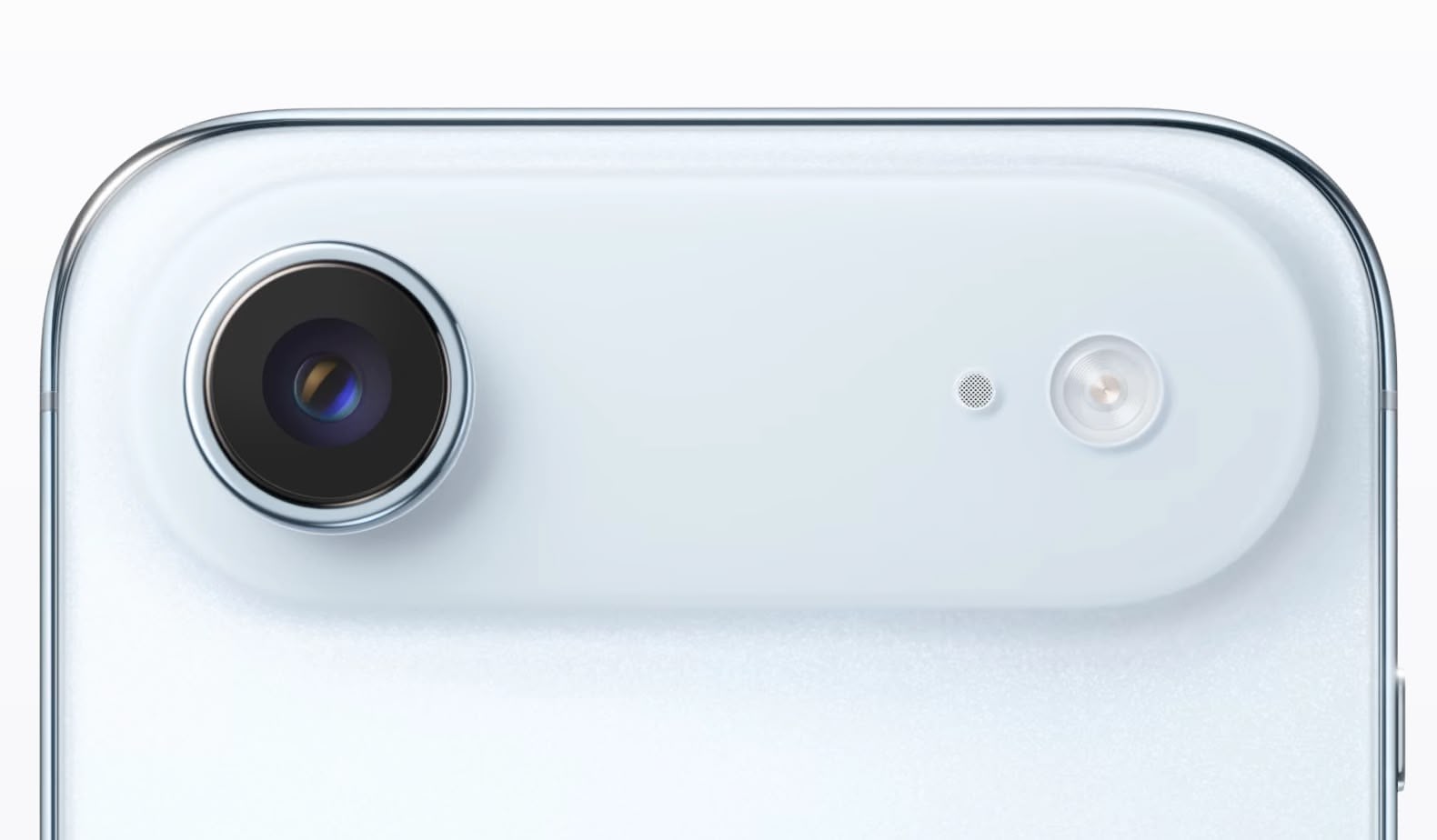
Apple's reported delay of the second-generation iPhone Air will be used to work on a redesign of the device that could include a second rear camera, according to a news brief from The Information.


A redesign that includes a second camera is said to be one way that Apple thinks it can address user complaints that the iPhone Air, while an impressive design feat, has led to too many hardware compromises, especially given the high price tag.

Apple priced it starting at $999, and that appears to have put off customers, leading to reports of poor sales and manufacturing cuts. The β€ŒiPhone Airβ€Œ is only $100 cheaper than the $1,099 iPhone 17 Pro, which has a triple-lens rear camera and much better battery life. Adding a second camera to the ultra-slim device would also make it look more feature-equivalent to the standard iPhone 18 and therefore more appealing to consumers.

Citing people with knowledge of the matter, the report claims that some Apple engineers want to release the redesigned version with a second camera in spring 2027, which is when Apple is expected to release the regular iPhone 18 and iPhone 18e, as part of a new split launch cycle. The iPhone 18 Pro, iPhone 18 Pro Max, and an all-new foldable iPhone are expected to launch in fall 2026, which was when the iPhone Air 2 was originally expected. The Information reported on the delay earlier this week.

The report seemingly corroborates a leak out of China last week that claimed Apple's second iPhone Air model is in development and could feature two rear cameras instead of one, with a 48MP Fusion Ultra Wide camera joining the existing 48MP Fusion Main camera. Multiple technologies are housed in the plateau of the iPhone Air to maximize space for the battery, so Apple would presumably need to redesign the internals considerably to fit in another camera.

Previous reports have said Apple's work on a second-generation version of the β€ŒiPhone Airβ€Œ is aimed at reducing the weight, adding vapor chamber cooling, and improving the battery capacity.
Related Roundup: iPhone Air
Buyer's Guide: iPhone Air (Buy Now)

This article, "Report: Apple Considers Adding Second Camera to Delayed iPhone Air 2" first appeared on MacRumors.com

Discuss this article in our forums
  •  

Apple Debuts iPhone Pocket, a Limited Edition iPod Sock-Style Accessory

Apple has teamed up with Japanese fashion house ISSEY MIYAKE to launch iPhone Pocket, a 3D-knitted limited edition accessory designed to carry an iPhone, AirPods, and other everyday items.


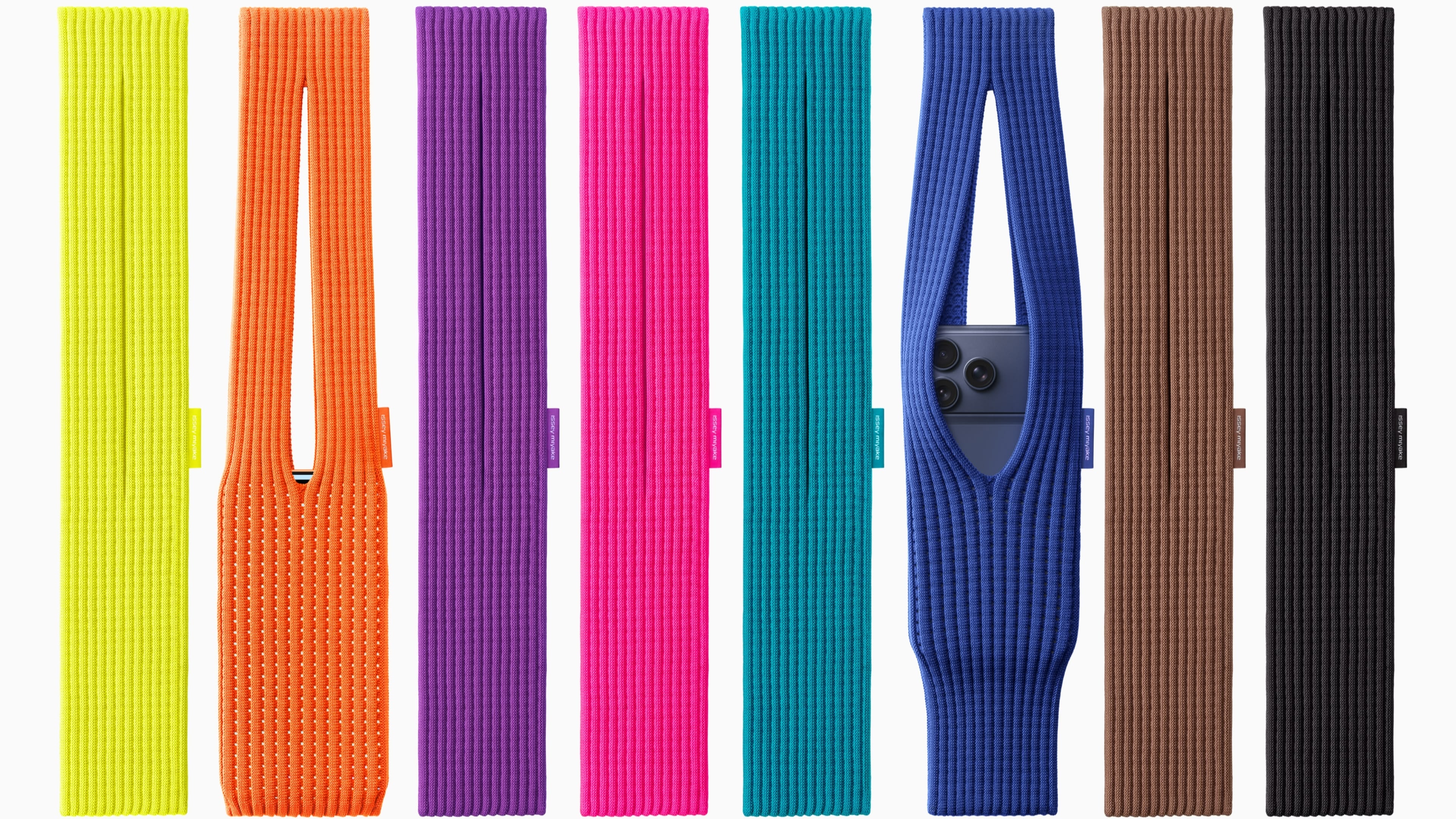
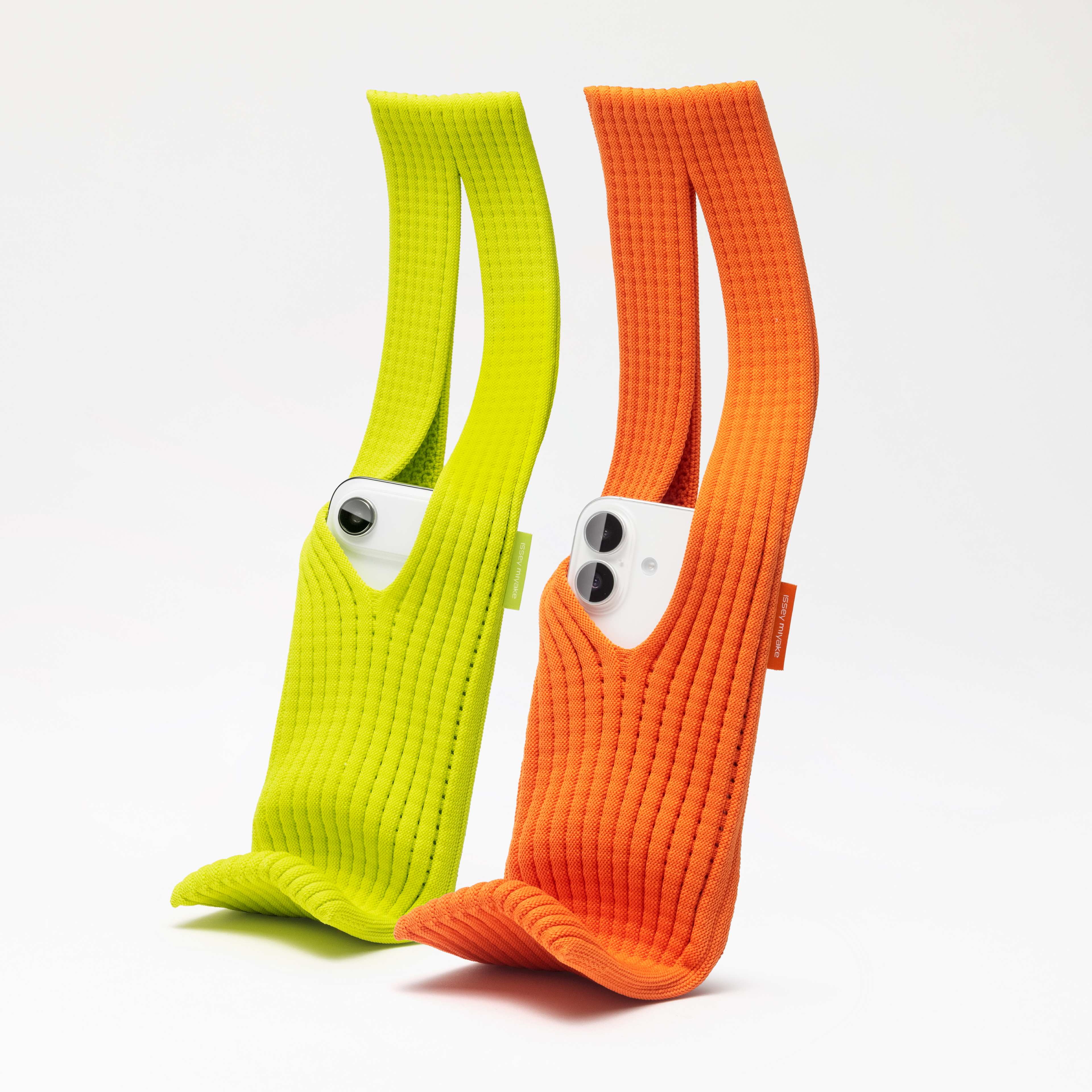
The accessory is like a stretchy pocket, not unlike an iPod Sock, but elongated to form a strap made of a ribbed, elastic textile that fully encloses an iPhone yet allows you to glimpse the display through its open structure. ISSEY MIYAKE's design director Yoshiyuki Miyamae said it is inspired by the concept of "a piece of cloth," and described it as exploring "the joy of wearing iPhone in your own way." (For what it's worth, the brand's founder designed Steve Jobs' iconic black mock-turtleneck.)


iPhone Pocket comes in two versions. There's a short strap design available in eight colors for $149.95, and a long strap design in three colors for $229.95. The short strap comes in lemon, mandarin, purple, pink, peacock, sapphire, cinnamon, and black, while the long strap comes in sapphire, cinnamon, and black. Both lengths fit any iPhone model.

Apple says the color palette was created to mix and match with all iPhone models, and that the iPhone Pocket can be worn in a variety of ways – handheld, tied onto bags, or worn directly on the body.
"Apple and ISSEY MIYAKE share a design approach that celebrates craftsmanship, simplicity, and delight," said Molly Anderson, Apple's vice president of Industrial Design. "This clever extra pocket exemplifies those ideas and is a natural accompaniment to our products. The color palette of iPhone Pocket was intentionally designed to mix and match with all our iPhone models and colors β€” allowing users to create their own personalized combination. Its recognizable silhouette offers a beautiful new way to carry your iPhone, AirPods, and favorite everyday items."

The limited-edition release will be available from November 14 on Apple's online store in France, Greater China, Italy, Japan, Singapore, South Korea, the UK, and the U.S. It will also be available to buy at 10 flagship Apple Store locations worldwide, including Apple Regent Street in London, Apple SoHo in New York, and Apple Ginza in Tokyo.
This article, "Apple Debuts iPhone Pocket, a Limited Edition iPod Sock-Style Accessory" first appeared on MacRumors.com

Discuss this article in our forums
  •  

iPhone 18 Lineup Said to Feature 24MP Front-Facing Cameras

All flagship models in Apple's next-generation iPhone 18 lineup will be equipped with a 24-megapixel front facing camera, up from 18 megapixels on iPhone 17 models, according to the latest JP Morgan equity research report seen by MacRumors.


A 24-megapixel front-facing camera was rumored for all iPhone 17 models by multiple sources, but ultimately the rumor never came to pass.

That said, the 18-megapixel front-facing camera found on all iPhone 17 models is still a significant update, so a jump to 24 megapixels would certainly be noteworthy, assuming the report is correct. It would mean that the iPhone 18, iPhone 18 Pro, iPhone 18 Pro Max, iPhone Air 2, and Apple's first foldable iPhone would be able to deliver sharper, more detailed selfies and improved portrait accuracy.

Apple calls its selfie camera on iPhone 17 devices the "Center Stage" front camera, and it has the first square camera sensor on an iPhone. The square sensor provides a wider field of view that can capture more detail, so you can now take a portrait or landscape selfie while holding your phone vertically.

The JP Morgan report also indicates that Apple's foldable iPhone will feature an industry-first 24-megapixel under-screen camera integrated into the device's inner display. Meanwhile, the budget second-generation iPhone 17e and third-generation iPhone 18e will both reportedly continue to use a 12-megapixel front-facing camera.

Starting in 2026, Apple will reportedly split its iPhone lineup between fall and spring launches. The second-generation iPhone Air, iPhone 18 Pro, iPhone 18 Pro Max, and a foldable iPhone will launch in the second half of 2026, while the standard iPhone 18 and the iPhone 18e won't launch until spring 2027.
Related Roundup: iPhone 18
Related Forum: iPhone

This article, "iPhone 18 Lineup Said to Feature 24MP Front-Facing Cameras" first appeared on MacRumors.com

Discuss this article in our forums

  •  

iPhone Fold to Feature Industry-First 24MP Under-Display Camera

Apple's first foldable iPhone will feature an industry-first 24-megapixel under-screen camera built into the inner display, according to the latest JP Morgan equity research report seen by MacRumors.


We've previously heard rumors that Apple will use an under-display camera for the book-style foldable's inner display, but this is the first reference to the camera's proposed megapixel count.

Under-display camera technology has been used on some Android phones, but they tend to have lower resolution sensors (4 or 8 megapixels, for example) because the image quality suffers due to being behind display layers.

The jump to a 24-megapixel camera (with six plastic lens elements, per the report) would therefore be a significant technological advance, potentially resulting in clearer, sharper images with more detail. The detail suggests Apple has achieved a breakthrough in greatly improving light transmittance and image quality compared to previous designs.

However, the JP Morgan forecast also suggests Apple has made some compromises to keep the foldable device compact, such as a lack of LiDAR and optical image stabilization.

Apple's foldable iPhone is expected to include a dual-lens rear camera, with a front-facing camera for both folded and unfolded states, according to Apple analyst Ming-Chi Kuo. Bloomberg's Mark Gurman recently corroborated reports that the device will have four cameras consisting of one front camera, one inner camera, and two rear cameras. Prolific Weibo-based leaker Digital Chat Station claims that the rear dual lenses will be 48 megapixels each.

Other sources have claimed that the inner display features an under-screen camera, while the outer display – in the device's folded state – will have a punch-hole camera. Apple is reportedly relying on Touch ID integrated into the side button instead of Face ID for biometric authentication.

Gurman has said he expects the device to be launched next year in the fall season. However, Japan's Mizuho Securities banking firm has suggested a postponement to 2027 could still happen because of Apple taking longer to decide on key design elements such as the hinge.
This article, "iPhone Fold to Feature Industry-First 24MP Under-Display Camera" first appeared on MacRumors.com

Discuss this article in our forums

  •  

iPhone 18 Pro Said to Feature Smaller Display Hole for Front Camera

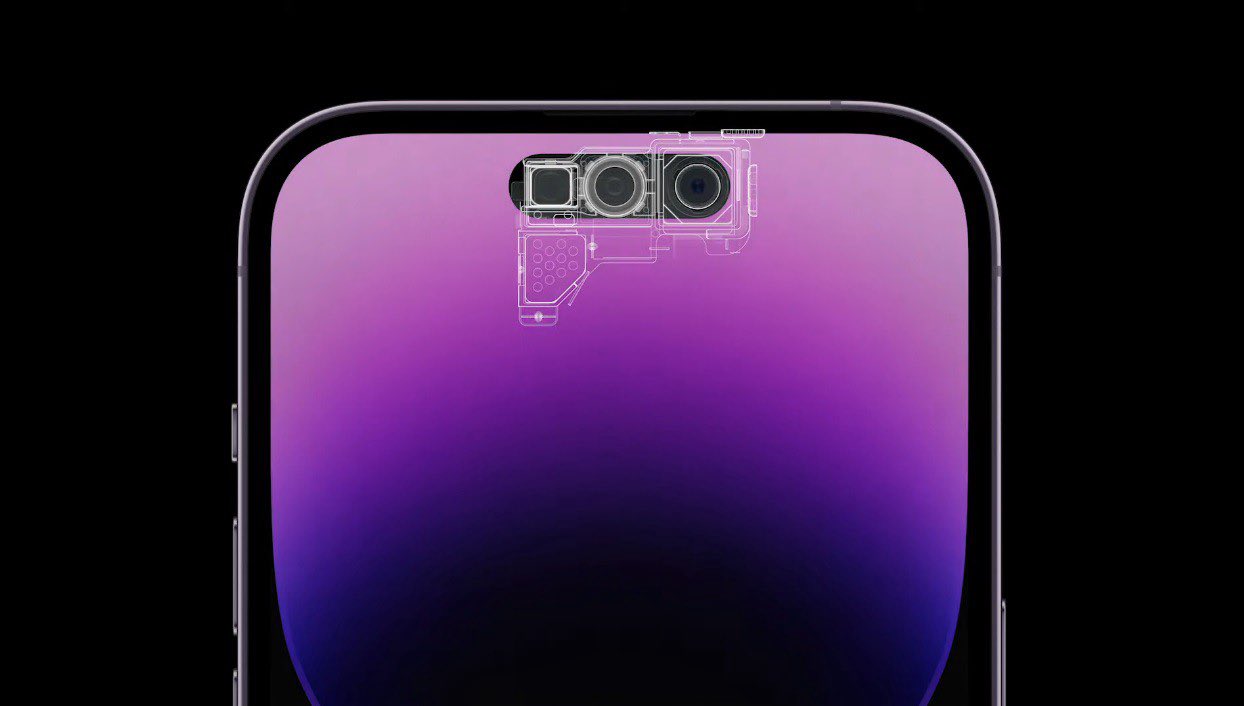
Apple is testing new camera miniaturization technology to reduce the size of the front-facing camera on next year's iPhone 18 Pro models, claims a Chinese leaker.


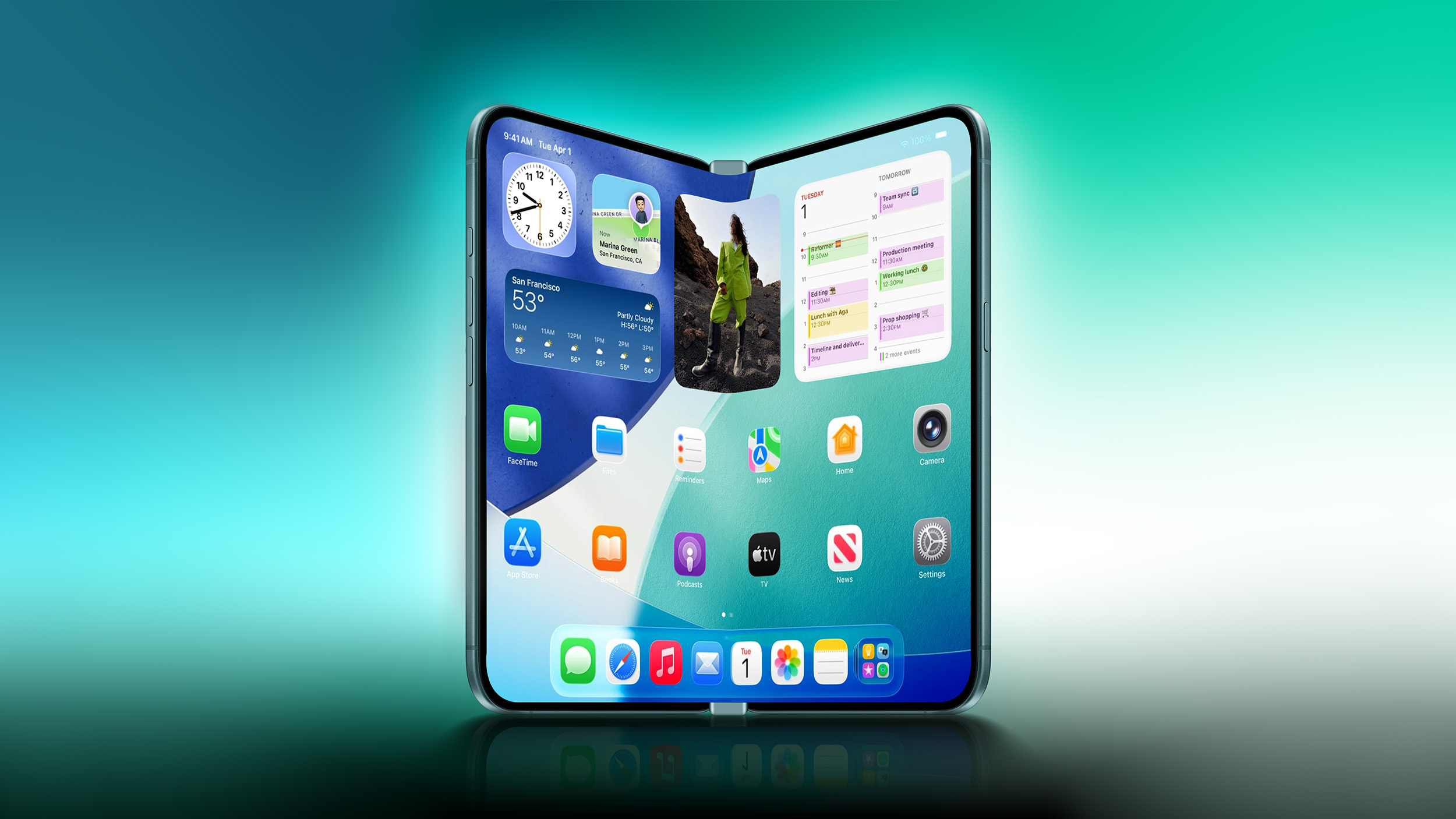
According to Digital Chat Station, a Weibo account with more than three million followers, Apple is testing a single HIIA (hole-in-active-area) hole punch for the front-facing camera, which is currently located within the Dynamic Island.

HIAA is a display manufacturing technique developed by Samsung and other display makers that integrates front-facing cameras into OLED panels without taking up too much of the active screen. The technique involves precisely drilling a small hole within the active pixel area using laser micro-drilling, resulting in a single ultra-compact aperture opening.

This isn't the first time Digital Chat Station has claimed Apple is testing HIAA technology for the iPhone 18 Pro models. Back in May, they said Apple was using it in conjunction with under-display Face ID technology. These comments came on the back of a report by The Information that also said under-screen Face ID was on the cards, and that Apple intends to position the pinhole for the front-facing camera in the top-left corner of the screen.

Today's report, however, is more ambiguous. The leaker says that as a result of using HIAA technology, the device's "screen shape will change" owing to the smaller camera hole design, but it's not entirely clear if this means the front camera will move position, or that it will remain part of a smaller Dynamic Island. There is also no mention of under-display Face ID.

More recent reports appear to corroborate claims that the iPhone 18 Pro models will have a smaller Dynamic Island, so this could be a better interpretation of Digital Chat Station's latest information.

In addition to Apple's use of HIAA, the leaker reiterated other previously shared details, including Apple's use of a rear lens with variable aperture, the same camera plateau design as the iPhone 17 Pro, and a "transparent design" for the Ceramic Shield area for MagSafe charging. Lastly, the iPhone 18 Pro Max is said to feature a "steel-shell battery" – likely a reference to a stainless steel vapor chamber cooling system that has previously been rumored.

The iPhone 18 Pro, iPhone 18 Pro Max, the next iPhone Air, and a foldable iPhone are all expected to come out in September 2026, while the iPhone 18 and iPhone 18e could follow in spring 2027, as part of a new split-cycle launch strategy for Apple.
Related Roundup: iPhone 18
Related Forum: iPhone

This article, "iPhone 18 Pro Said to Feature Smaller Display Hole for Front Camera" first appeared on MacRumors.com

Discuss this article in our forums
  •  

Apple to Remove iPhone-Apple Watch Wi-Fi Sync in EU With iOS 26.2

Apple in iOS 26.2 will disable automatic Wi-Fi network syncing between iPhone and Apple Watch in the European Union to comply with the bloc's regulations, suggests a new report.


Normally, when an iPhone connects to a new Wi-Fi network, it automatically shares the network credentials with the paired Apple Watch. This allows the watch to connect to the same network independently – for example, when the iPhone isn't nearby – without the user needing to enter the password manually.

The feature's removal appears to be Apple's response to the European Commission's Digital Markets Act (DMA) interoperability requirements, which Apple has publicly criticized on more than one occasion. Under the DMA, regulators want Apple to open iPhone Wi-Fi hardware access to third-party accessories by the end of 2025.

The year-end compliance deadline coincides with next month's release of iOS 26.2. But rather than comply with the requirement, Apple is apparently disabling the feature entirely for EU users. Apple reportedly confirmed the decision to French publication Numerama.

In terms of the practical impact, it's likely to be limited for most users. Apple Watch will surely still connect to Wi-Fi networks when the paired iPhone is nearby, but users may be required to manually connect to Wi-Fi by typing in the password when the iPhone is out of range. Afterwards, the Wi-Fi network's credentials will presumably be stored on the watch.

Apple has previously warned that complying with EU interoperability requirements could give "data-hungry companies" access to sensitive information, including notification content and complete Wi-Fi network histories. Apple has explicitly called out Meta for making multiple unreasonable interoperability requests under the DMA that if allowed could compromise user security and privacy.

Apple filed an appeal against the interoperability rules at the EU's General Court in Luxembourg on May 30, targeting the Commission's March decision that requires Apple to make iOS more compatible with rival products including smartwatches, headphones, and VR headsets.
This article, "Apple to Remove iPhone-Apple Watch Wi-Fi Sync in EU With iOS 26.2" first appeared on MacRumors.com

Discuss this article in our forums
  •  

iOS 26.1: Bring Back the Tap-to-Stop Alarm Button

Apple has changed how you dismiss iPhone alarms in iOS 26.1, and your morning muscle memory may have needed tweaking as a result. By default, the Clock app now requires a slide gesture to stop an alarm from the Lock Screen, replacing the previous tap-to-stop button that was redesigned in iOS 26. Snoozing still works with a simple tap, but turning off an alarm entirely demands the extra swipe motion.


The change appears designed to prevent accidental dismissals when you're reaching for your phone in the morning. By requiring a more deliberate action, you're less likely to silence your alarm when you meant to hit snooze. If you don't like the change, you can revert the alarm interface back to the previous Stop button by following these steps.
  1. Open the Settings app on your iPhone.

  2. Tap Accessibility.

  3. Under "Physical and Motor," tap Touch.

  4. Swipe to the bottom of the menu and toggle on Prefer Single-Touch Actions.
The change will take effect the next time you set an alarm. If you want to revert back to the slider, simply toggle off Prefer Single-Touch Actions.
This article, "iOS 26.1: Bring Back the Tap-to-Stop Alarm Button" first appeared on MacRumors.com

Discuss this article in our forums

  •  

2026 iPhone Air Could Feature Two Rear Cameras, Says Leaker

Apple's second iPhone Air model is in development and could feature two rear cameras instead of one, according to a Chinese leaker with sources within Apple's supply chain.


The Weibo-based account "Digital Chat Station" claims that Apple is evaluating a dual-lens setup for the next version of its ultra-thin iPhone, with a 48MP Fusion Ultra Wide camera joining the existing 48MP Fusion Main camera, similar to the base iPhone 17.

However, the leaker says that the second-generation device will keep the distinctive horizontal camera plateau, suggesting the second lens will sit alongside the existing one, unlike the dual-lens vertical arrangement on the iPhone 17.

Multiple technologies are housed in the plateau of the iPhone Air to maximize space for the battery, so Apple would presumably need to redesign the internals considerably to fit in another camera. Apple will reportedly continue to focus on making the device ultra-thin and lightweight.


Apple will release a second-generation iPhone Air alongside the iPhone 18 Pro, iPhone 18 Pro Max, and its first foldable iPhone in the second half of 2026, according to industry analyst Ming-Chi Kuo. Apple also plans to launch a third iPhone Air model with a larger display in the second half of 2027. That said, the first-generation device has apparently not been selling well outside of China, so Apple's plans could change.

Digital Chat Station has a decent track record for Apple rumors. They accurately revealed that the β€ŒiPhoneβ€Œ 15 and β€ŒiPhoneβ€Œ 15 Plus would feature a slightly smaller 48-megapixel sensor than the β€ŒiPhoneβ€Œ 15 Pro and β€ŒiPhoneβ€Œ 15 Pro Max, as well as the display panel design of the β€ŒiPhoneβ€Œ 12 back in 2020.
Related Roundup: iPhone Air
Buyer's Guide: iPhone Air (Buy Now)

This article, "2026 iPhone Air Could Feature Two Rear Cameras, Says Leaker" first appeared on MacRumors.com

Discuss this article in our forums

  •  

iPhone Fold: Launch, Pricing, and What to Expect From Apple's Foldable

Apple is expected to launch a new foldable iPhone next year, based on multiple rumors and credible sources. The long-awaited device has been rumored for years now, but signs increasingly suggest that 2026 could indeed be the year that Apple releases its first foldable device.


Below, we've collated an updated set of key details that have been leaked about Apple's foldable iPhone so far.

Overall Design

Book-Style

According to Bloomberg's Mark Gurman, Apple's foldable iPhone is similar in style to Samsung's Galaxy Z Fold, which uses a book-style folding mechanism, rather than the clamshell design of the Samsung Galaxy Z Flip. Industry analyst Ming-Chi Kuo expects the foldable β€ŒiPhoneβ€Œ to measure between 9 and 9.5 mm when folded, and around 4.5 to 4.8 mm when unfolded. More recently, Weibo-based leaker Instant Digital has said that the foldable iPhone will have a thickness of at least 4.8mm.

Display Sizes

Dual Screens

When folded, users will interact with a 5.5-inch outer display that is similar to a typical iPhone screen, while unfolding it will reveal a larger 7.8-inch iPad-style screen. The inner display is said to be virtually crease-free, thanks to Apple's use of a metal plate that can disperse and control the stress generated by bending the display. These dimensions have been corroborated by two reputable sources. According to one rumor, the inner folding display will be approximately the size of a piece of A6 paper and will use a 2,713 x 1,920 resolution, while the outer display will use a 2,088 x 1,422 resolution.

Chassis and Hinge

Durable Materials

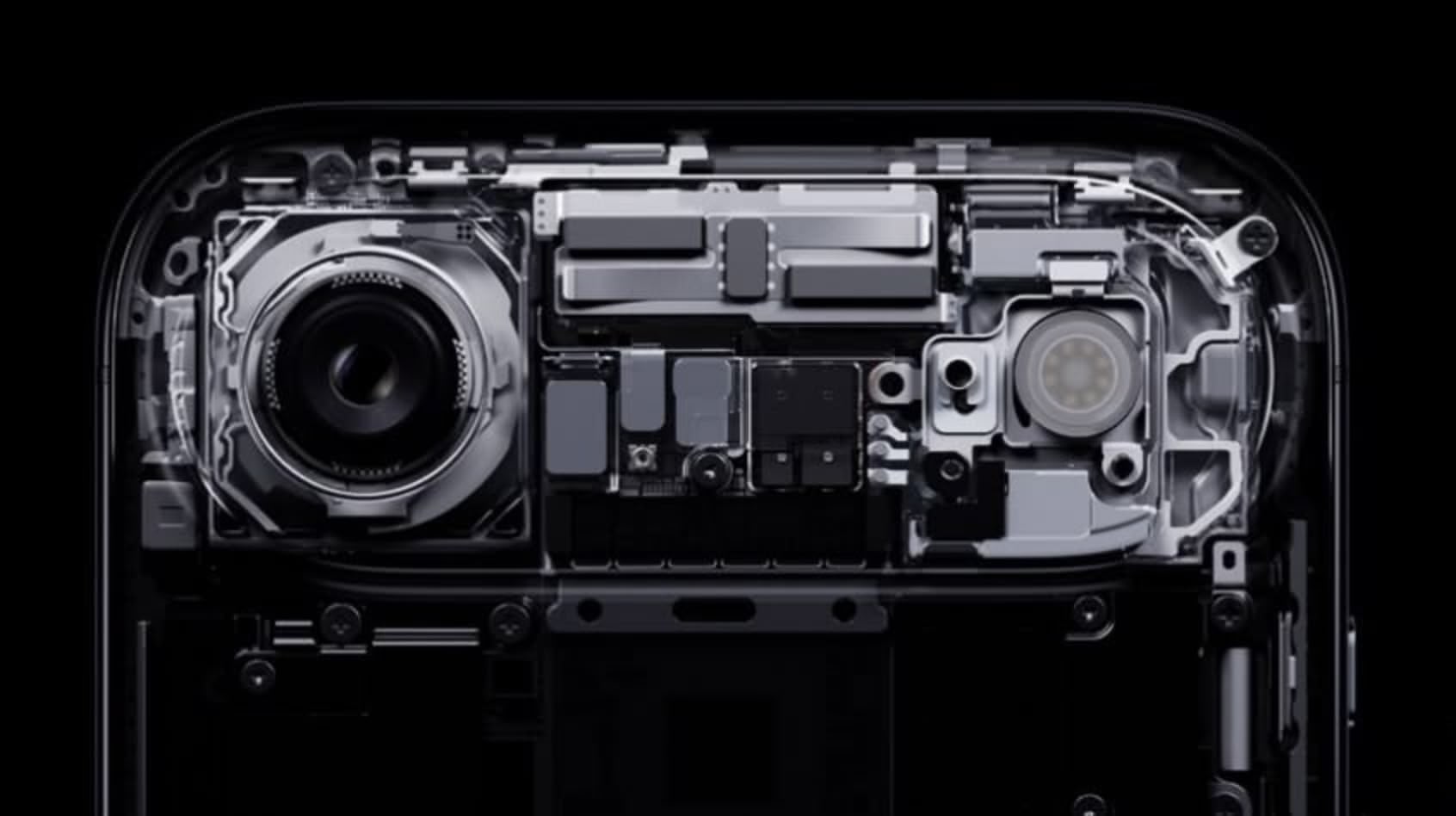
The foldable iPhone reportedly has a titanium chassis, with the hinge constructed from a combination of titanium and stainless steel, according to Kuo. Apple is said to be using liquid metal in the hinges to improve durability and help eliminate screen creasing. Liquid metal, manufactured using a die-casting process, has been chosen by Apple to address these two common issues with foldable devices, according to the analyst. The frame itself will use a titanium alloy to prevent bending issues – a solution that has worked well for Apple's new ultra-thin iPhone Air. However, analyst Jeff Pu believes that Apple is using aluminum and titanium, whereas Kuo believes a mix of stainless steel and titanium has been chosen.

Cameras

Front and Rear

The foldable iPhone is expected to include a dual-lens rear camera, with a front-facing camera for both folded and unfolded states, according to Kuo. Bloomberg's Mark Gurman recently corroborated reports that the device will have four cameras consisting of one front camera, one inner camera, and two rear cameras. Prolific Weibo-based leaker Digital Chat Station claims that the rear dual lenses will be 48 megapixels each. Other sources have claimed that the inner display features an under-screen camera (USC), while the outer display – in the device's folded state – will have a punch-hole camera.

Authentication

Touch ID

Kuo believes the phone will forgo Face ID authentication, and instead use a Touch ID side button as a means to save precious internal space, and Bloomberg's Mark Gurman recently corroborated the rumor. Apple has previously integrated Touch ID into the side button of the iPad, iPad Air, and iPad mini.

Cellular Connectivity

C2 Modem

The foldable iPhone will use Apple's second-generation C2 modem for cellular connectivity, according to Bloomberg's Mark Gurman. Apple debuted its custom-designed C1 modem in the iPhone 16e earlier this year, followed by the C1X featured in the iPhone Air, as part of a multi-year plan to transition away from Qualcomm modems. Gurman says the foldable device will not have a physical SIM slot.

Battery Life

High-Density Cells

Apple is putting a heavy focus on improving power efficiency by slimming down key components like the display driver to make room for more battery cells, according to a Korean blog that has leaked accurate details about unreleased products before. The phone will reportedly use high-density battery cells. Expect the C2 modem to be faster overall, and for it to gain mmWave support in the United States. Further power efficiency improvements are likely too.

Color Options

Black and White

Apple is currently only testing variations of black and white for the folding phone with suppliers, according to Bloomberg's Mark Gurman, although he says that Apple's plans could evolve before the device launches.

Pricing

Premium Segment

Multiple reports have suggested the foldable iPhone will be priced between $2,000 and $2,500 in the United States, which could make it the most expensive iPhone ever. Meanwhile, analysts at investment banking firm UBS believe the phone will be between $1,800 and $2,000. However, Kuo recently claimed that the hinge is expected to carry an average selling price (ASP) of approximately $70 to $80 when mass production begins – well below the market expectation of $100 to $120 or higher. Kuo attributed the cost decline to "assembly design optimization" and Foxconn's influence in production scaling. Whether the reduction in hinge price will reduce retail price or simply bolster Apple's margins is an open question. Regardless of the price, the foldable is expected to tap into Apple's loyal fanbase, some of whom will view it as a "must-have device" if its quality meets expectations.

Launch Date

Late 2026

According to industry analyst Jeff Pu, the device entered the New Product Introduction (NPI) phase at Foxconn in March. Foxconn is expected to officially start producing Apple's foldable iPhone early in the fourth quarter (October), and a recent report has suggested Apple is already stockpiling components for pre-production. An exact launch date is currently unknown, but both Kuo and Pu say mass production is planned for the second half of 2026. Bloomberg reporter Mark Gurman has said he expects the device to be launched next year in the fall season. However, Japan's Mizuho Securities banking firm has suggested a postponement to 2027 could still happen because of Apple taking longer to decide on key design elements such as the hinge.
This article, "iPhone Fold: Launch, Pricing, and What to Expect From Apple's Foldable" first appeared on MacRumors.com

Discuss this article in our forums
  •  

Canva Relaunches Affinity as Free All-in-One Design App

After acquiring Serif last year, Canva has overhauled its Affinity design suite, consolidating three creative tools into a single free app for Mac and Windows.


The newly launched Affinity by Canva unifies vector, photo, and layout capabilities that were previously spread across separate Designer, Photo, and Publisher apps. So instead of juggling multiple apps, users can now switch between the three modes through dedicated Vector, Pixel, and Layout tabs within one interface.

The redesigned app includes a customizable workspace where creators can mix tools from different studios, rearrange panels, and save multiple setups for specific project types. Custom configurations can also be shared with teams and communities for standardizing workflows.

Following Canva's 2024 acquisition of Serif, the integration brings some other changes that might give longtime Affinity users pause. Everyone now needs a Canva account to access the software, but signing up is free. Canva premium subscribers also get AI tools directly within Affinity, including Generative Fill, Expand & Edit, and Remove Background features.

In a clear bid to rival Adobe, Canva's decision to ship the app for free is likely to be a welcome surprise for users who feared a subscription model was looming. "There's no catch, no stripped-back version, and no gotchas," said Ash Hewson, CEO of Affinity, commenting on the launch. But while Affinity insists the core app will remain free without restrictions, the account requirement and AI upsells signal a freemium approach. Whether longtime users will appreciate trading a one-time purchase for ongoing Canva integration remains to be seen.

An iPad version is planned for release next year, and existing Affinity V2 license holders can continue using their purchased software if they prefer to stick with the older model without the Canva integrations. Affinity can be downloaded from the Affinity Studio website.
This article, "Canva Relaunches Affinity as Free All-in-One Design App" first appeared on MacRumors.com

Discuss this article in our forums

  •  

Apple Stockpiling Parts for Foldable iPhone Ahead of 2026 Launch

Apple is building up inventory for its first foldable iPhone in preparation for the device's launch next year, claims a Chinese leaker with proven sources within Apple's supply chain.


According to Weibo-based account Fixed Focus Digital, Apple is now stockpiling key components for its long-rumored foldable iPhone, which we are tentatively referring to as "iPhone Fold." The leaker did not elaborate, but Apple is likely securing supplies of advanced parts including foldable OLED displays, titanium frames, and complex hinge assemblies that reportedly combine several materials.

The move suggests Apple is entering the crucial pre-production phase, where suppliers begin ramping output ahead of full mass production. Some of these components may have long lead times and high failure rates, so early stock-building helps reduce risk and smooth the eventual launch pipeline.

Apple's foldable iPhone is reportedly similar in style to Samsung's Galaxy Z Fold, which uses a book-style folding mechanism, rather than the clamshell design of the Samsung Galaxy Z Flip.

When folded, users will interact with a 5.5-inch outer display that is similar to a typical iPhone screen, while unfolding it will reveal a larger 7.8-inch iPad-style screen. The inner display is said to be virtually crease-free, with some sources claiming it features an under-screen camera. The outer screen is said to have a punch-hole camera, while authentication is handled by Touch ID integrated into the side button, rather than Face ID. There's also a dual-lens camera on the rear.

According to analyst Jeff Pu, the frame is made from a mix of titanium and aluminum. Apple analyst Ming-Chi Kuo has also said Apple is using multiple materials, but he believes the main ones are titanium and stainless steel. Kuo also believes some hinge components will be made from Liquidmetal for further durability.

The foldable β€ŒiPhoneβ€Œ is rumored to be as thin as 4.5mm when opened up, which would make it even thinner than the β€ŒiPhone Air, so titanium is likely being used to prevent bending issuesβ€Œ. With display and mechanical engineering challenges unlike any current iPhone, Apple's logistical groundwork hints that its first foldable device may finally be nearing reality. The β€ŒiPhone Foldβ€Œ is expected to be part of the iPhone 18 lineup, launching in September 2026.
This article, "Apple Stockpiling Parts for Foldable iPhone Ahead of 2026 Launch" first appeared on MacRumors.com

Discuss this article in our forums
  •  

Could Apple's Rumored Budget MacBook Still Debut Before Year's End?

Apple this month updated the 14-inch MacBook Pro, iPad Pro, and Vision Pro with its next-generation M5 chip, but there's one rumored new Apple product in particular that many will still be hoping to see before the holidays.


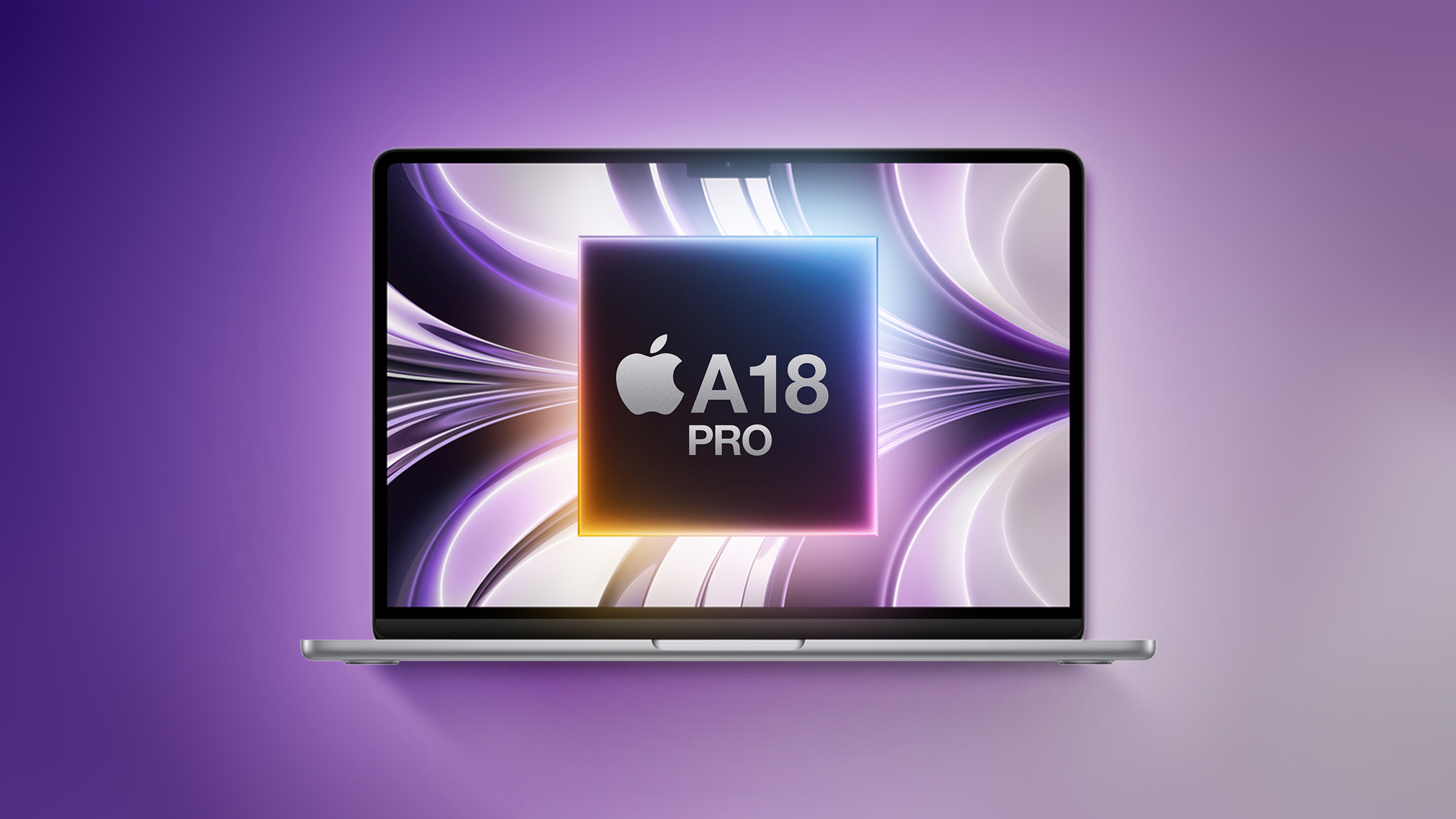
Back in June, industry analyst Ming-Chi Kuo reported that Apple is developing a "more affordable" 13-inch laptop to compete with Chromebooks and drive MacBook purchases. Kuo did not mention pricing, but he said that the new MacBook would use an A18 Pro chip, which debuted in the iPhone 16 Pro last year.

Using an iPhone chip would be a major divergence from Apple's usual strategy of using M-series chips in its Macs, but it makes sense from both a cost and performance perspective. The A18 Pro chip is around 40% slower than Apple's M4 chip, but its multi-core CPU performance is virtually identical to the M1 chip in the 2020 MacBook Air, and it even outperforms the M1 chip for graphics.

In August, DigiTimes reported that the low-cost MacBook will start between $599 and $699. The current 13-inch MacBook Air starts at $999 in the U.S., but Apple still sells the M1-powered 2020 MacBook Air for $649 through Walmart, so Apple could be eyeing the new machine as a like-for-like, budget-range replacement.

One thing to bear in mind is that the A18 Pro chip lacks Thunderbolt support, so the new MacBook would likely be equipped with regular USB-C ports. But that's unlikely to be a deal-breaker for customers seeking the most affordable Mac they can get their hands on. It's also unclear how much RAM would be included in the rumored MacBook, since the A18 Pro chip only has 8GB of RAM, whereas all current MacBook Air and MacBook Pro models have a minimum of 16GB of RAM.

Apart from the internal specs, Kuo said the device is expected to have an ultra-thin and lightweight design, and that it could come in silver, blue, pink, and yellow finishes.

The analyst said the new MacBook would enter mass production toward the end of the fourth quarter of 2025 or early in the first quarter of 2026. DigiTimes reported that final assembly would take place in the fourth quarter, with the laptop becoming commercially available in late 2025 or early 2026, similar to Kuo's launch estimation.

The timelines suggest the device could still be announced before the year's end. That said, it's not clear whether Apple has any more announcements planned for 2025, though it isn't unusual for the company to announce new products in late October and even into November.
This article, "Could Apple's Rumored Budget MacBook Still Debut Before Year's End?" first appeared on MacRumors.com

Discuss this article in our forums

  •  

Microsoft's Clippy Returns as Easter Egg in 'Humanist AI' Copilot Update

Microsoft's Clippy has been resurrected for a cameo appearance in the company's latest Copilot update, which broadly aims to make its AI assistant more friendly, warm, and human-centered in its interactions.


Microsoft's Copilot Fall Release introduces Mico – an animated orb that serves as the voice mode's visual companion. Mico (its name a nod to Microsoft Copilot) listens, reacts, and changes colors based on the user's interactions, with the aim of giving the AI chatbot a cuter, more approachable presence.

That said, Microsoft's attempt to soften its AI offering could backfire if users tap Mico repeatedly – the action briefly turns Mico into Clippy (officially named Clippit), the animated paperclip assistant that first appeared in Office 97 and became a fixture on both Windows and Mac versions of Office throughout the late 90s and early 2000s.

As irritating as it was iconic, the polarizing helper was retired by Microsoft with Office 2007, but it clearly hasn't given up on the character-driven assistant approach, just now with better graphics and modern AI capabilities.

Note that Mico is optional, and users can interact with Copilot without the character.

Mico launches alongside several other Copilot features including Real Talk mode, which offers an AI that "challenges assumptions with care, adapts to your vibe, and helps conversations spark growth and connection." There's also a new group chat system supporting up to 30 participants and a Learn Live mode designed to guide students through concepts as a Socratic tutor. The Copilot Mode in Edge browser has also been expanded.

Hint - Mico on mobile can turn into clippy pic.twitter.com/0grwDoXcaR

β€” TestingCatalog News (@testingcatalog) October 23, 2025

The new features are available now in the U.S. and "rolling out fast" across the UK and Canada, with a broader rollout happening in the next few weeks, according to the company. You can learn more about the latest Copilot announcements on Microsoft's website.

The Copilot app is available for iOS and Mac, and users also have the option of accessing the AI features by visiting copilot.microsoft.com in Edge or another browser.
This article, "Microsoft's Clippy Returns as Easter Egg in 'Humanist AI' Copilot Update" first appeared on MacRumors.com

Discuss this article in our forums

  •  

Microsoft Edge 'Copilot Mode' Brings More AI to Your Browser Tabs

Microsoft has launched new features for its AI "Copilot Mode" in Edge, following a raft of recent new offerings from competing browsers.


First announced in July, Copilot Mode brings a chat interface to each Edge tab where users can ask questions, search, or enter URLs directly. The mode can also analyze content across all open tabs simultaneously, meaning users are able to compare products or summarize information from multiple windows.

Two new preview features are rolling out to U.S. users. Copilot Actions adds agentic capabilities, letting the AI handle tasks like unsubscribing from emails or making reservations. Actions also includes voice capabilities, allowing users to speak to their browser to open web pages or ask Copilot to find specific topics within articles.

Meanwhile, the Journeys feature organizes browsing history by topic and suggests next steps, making it easier to resume research sessions. It can also group past browsing sessions thematically. So, for example, if a user was researching TVs the previous day, Journeys can organize that session and help pick up where they left off with suggestions for related content.

Copilot Mode can access the user's browsing history to provide better responses, but only with user permission. This is supposed to give the AI more context when answering questions or making suggestions based on past activity.


Companies are in a race to lace AI through every product, and browsers have not been spared, with similar announcements for Perplexity's Comet, Opera's Neon, Dia browser, and most recently, OpenAI's ChatGPT Atlas.

Users can activate Copilot Mode by downloading the latest version of Edge and toggling it on through Microsoft's website. U.S.-based users can also opt into the Actions and Journeys preview.
This article, "Microsoft Edge 'Copilot Mode' Brings More AI to Your Browser Tabs" first appeared on MacRumors.com

Discuss this article in our forums

  •  

Apple Hosts Unusual Colorado Event to Showcase Latest Hardware

Apple has invited a group of social media influencers to Colorado this week for an unusual event involving group hiking, trail running, and other outdoor activities designed to showcase the company's recently launched iPhone 17 Pro Max, AirPods Pro 3, and Apple Watch Ultra 3.


An invitation was shared on X (Twitter) by photographer Johnny Hawk, featuring a simple message: "Hi Johnny. We're so excited to welcome you to Colorado. Please enjoy this bag of essentials to use during your time here. See you soon!" The card is accompanied by a black backpack emblazoned with Apple's logo and a white flask.

When news of the mysterious Colorado gathering first surfaced, there was some speculation online that it might relate to Apple's anticipated October product refresh, which is expected to include new iPad Pro models with M5 chips and an updated Vision Pro, with potentially other updates also coming. Apparently, that's not the case at all.

The Rocky Mountain gathering appears to be just another aspect of Apple's marketing campaign for its been-and-gone iPhone 17 fall event. In follow-up posts on X and Instagram, Hawk revealed that he had been brought to Colorado's rugged terrain by Apple to test how the new iPhones, AirPods, and Apple Watch perform in demanding outdoor conditions.


Apple has occasionally held regional events for influencers to preview products in unique settings, but these have usually occurred in major metropolitan centers like New York City. So far we've not heard rumors of anything in that vein taking place this month.
This article, "Apple Hosts Unusual Colorado Event to Showcase Latest Hardware" first appeared on MacRumors.com

Discuss this article in our forums
  •  

Adding BlackBerry-Style Keys to Your iPhone Just Got More Affordable

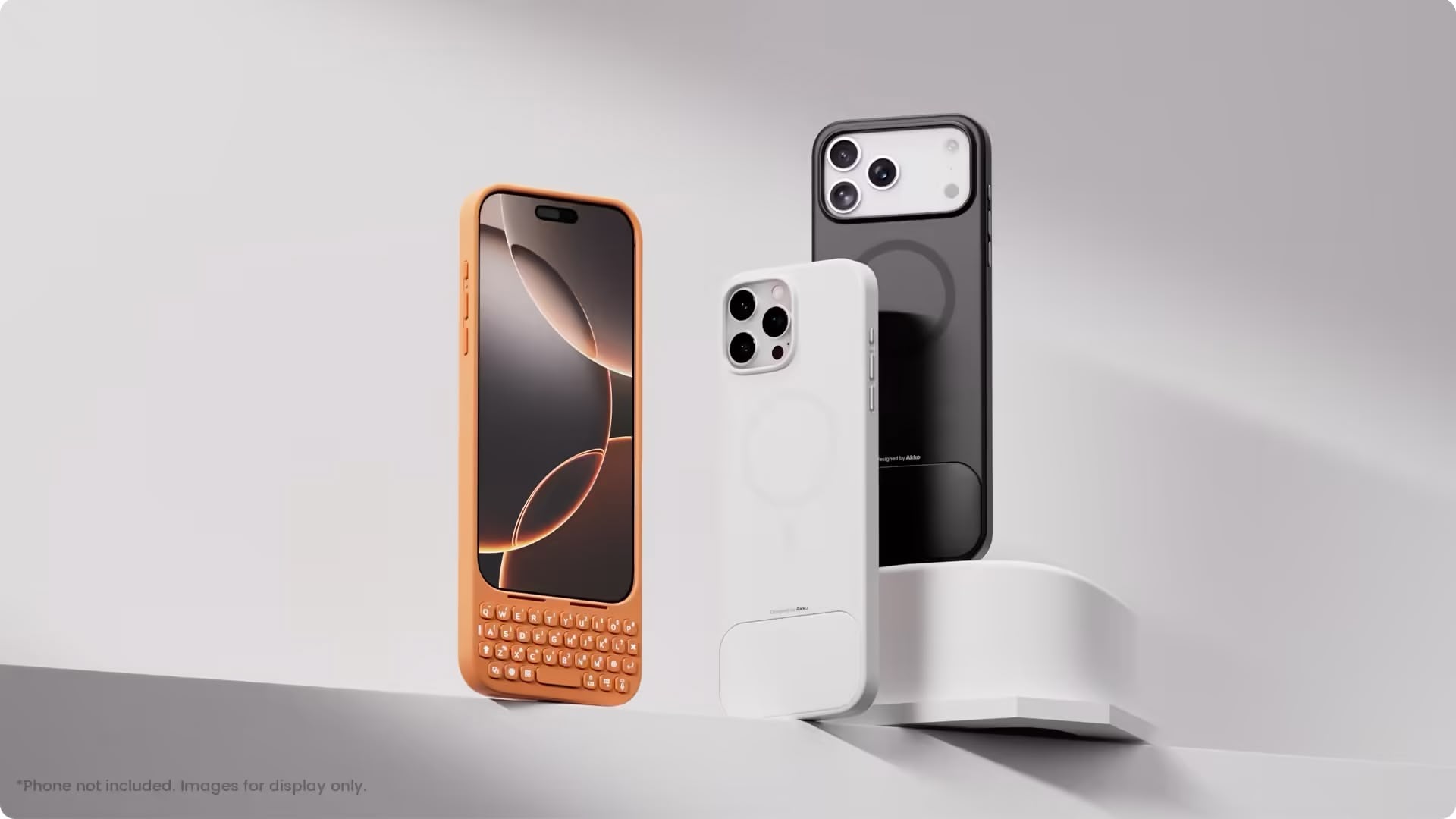
Keyboard manufacturer Akko has just launched an iPhone keyboard case called MetaKey, proving that BlackBerry nostalgia is alive, well, and willing to add inches to your smartphone's length.


Like Clicks' cases, the MetaKey case connects via USB-C and adds a QWERTY keyboard to the bottom of the iPhone. However, priced at $59.99, it's half the cost of the Clicks keyboard case, which launched in January 2024 at $139.

The case features backlit keys and includes shortcuts for common tasks like accessing Siri, triggering voice-to-text, and entering numbers. There's also a unique scrolling mode that converts the top two rows of keys into large scroll buttons for browsing social media.

One of the practical challenges of these sort of keyboard cases is that they can be top-heavy. To address this, the MetaKey includes a removable 9-gram weight that attaches to the back of the keyboard to improve balance while typing.

MagSafe-compatible and with a USB-C passthrough port for charging, the MetaKey is currently available for the iPhone 16 Pro Max in black, white, and pink. An iPhone 17 Pro Max version is also available in black, orange, pink, blue, lavender, sage, and white, though some of these are currently out of stock.

For what it's worth, Clicks recently launched similar cases for iPhone 17 and iPhone 17 Pro starting at $139, with a 17 Pro Max version at $159.

The physical keyboard case category is undoubtedly niche, but the MetaKey's lower price might appeal if you want to try out the concept without committing to Clicks' premium pricing.
This article, "Adding BlackBerry-Style Keys to Your iPhone Just Got More Affordable" first appeared on MacRumors.com

Discuss this article in our forums

  •  

AI Browser Dia Launches Publicly on Mac

The Browser Company's Dia app is now open to anyone on Mac. It's the first time the AI-powered browser has been widely available since its beta launch in June.


Following on from Opera's Neon, which arrived last month, Dia is another AI-first browsing experience that's centered around tab-based chat functionality. The browser includes Skills, which are a mix of user-created and built-in shortcuts for everyday tasks like planning, learning, writing, and coding. Current Skills include summarization, fact-checking, browsing history analysis, outlining, and productivity planning.

Users can mention tabs in any chat query, add attachments to conversations, and personalize Dia with Memory, which helps the browser understand preferences over time. Meanwhile, students get dedicated tools that turn notes, lectures, and readings into flashcards, quizzes, and custom study guides.

Dia requires macOS 14 or later running on Apple silicon. The Browser Company offers both free and Pro ($20/month) tiers. Free users get access to all core features including chat, custom Skills creation, tab mentions, attachments, and Memory personalization, while Pro subscribers receive unlimited chat usage within the terms of service, plus a 14-day trial period.


Acquired by Atlassian for $610 million last month, the Browser Company says it is resuming weekly updates, and plans to bring Arc browser features to Dia. October's releases include more powerful memory of user tabs, redesigned Dia Skills, and Arc's Focus Mode (CMD-S). Dia is available to download directly from the company's website.
This article, "AI Browser Dia Launches Publicly on Mac" first appeared on MacRumors.com

Discuss this article in our forums

  •  

iOS 26: Keep AirPods Connected When You Get in Your Car

If you wear AirPods during your commute but don't want your podcast or music suddenly blasting through the car speakers when you start the engine, there's a new setting in iOS 26 that can ensure it doesn't happen.


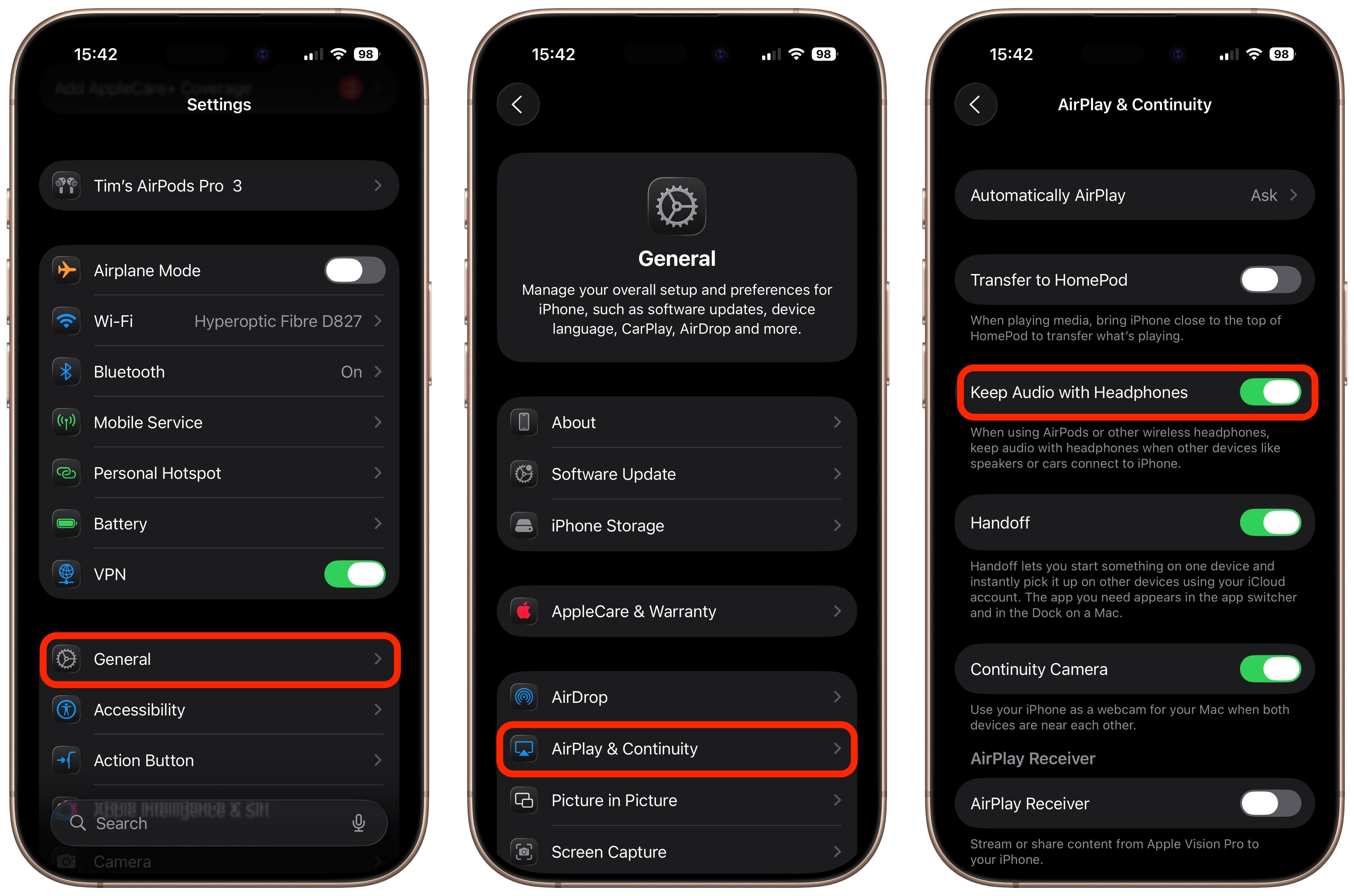
Apple has thoughtfully added a new "Keep Audio with Headphones" setting that prevents your iPhone from automatically switching audio to CarPlay or other Bluetooth speakers when you're already listening through AirPods. Here's how to toggle it on.

How to Keep Audio in Your AirPods


  1. Open the Settings app on your iPhone.

  2. Tap General.

  3. Select AirPlay & Continuity.

  4. Toggle on Keep Audio with Headphones.
settings

With the setting enabled, your music, podcasts, or calls will continue playing in your AirPods even after your iPhone connects to your car's Bluetooth system. Note that you can always manually switch to car speakers through Control Center or CarPlay if needed.

The feature also works with other wireless headphones, plus it's useful beyond in-car scenarios, since it stops audio from jumping to nearby Bluetooth speakers in your home, too.
This article, "iOS 26: Keep AirPods Connected When You Get in Your Car" first appeared on MacRumors.com

Discuss this article in our forums
  •  

Apple Modifies In-Store MagSafe Stands to Prevent iPhone 17 Marks

Apple has quietly added a protective silicone ring to its in-store MagSafe charging stands following reports of marks appearing on some iPhone 17 series display models, according to Consomac.


The apparent move comes after Apple last month confirmed that worn MagSafe chargers in retail stores were causing what appeared to be scratches on the iPhone 17 Pro and iPhone 17 Pro Max. There have also been reports of the marks appearing on iPhone Air models.

Apple said the marks were actually material transfer from the stand to the phone, and could be removed with cleaning. The company also noted that other models like the iPhone 16 were affected by the problem.

It's currently unclear whether the in-store display change is localized to France, where the Consomac report originates, or if it's just a snapshot of a more widespread rollout to Apple retail stores in other countries.


Separately, Apple has addressed concerns about scratching on the camera plateau area of the iPhone 17 Pro models, saying the edges have similar characteristics to aluminum cases on other Apple devices, like MacBooks, and may show normal wear and tear over time.

(Thanks, Sylvain!)
Related Roundup: iPhone 17 Pro
Related Forum: iPhone

This article, "Apple Modifies In-Store MagSafe Stands to Prevent iPhone 17 Marks" first appeared on MacRumors.com

Discuss this article in our forums
  •  
❌