Login
Login
Colombia Tightens Rules for Bringing Drones into the Country Over Security Concerns
Drones may now be seized upon a traveler’s entry into Colombia, unless specific conditions are met.
Colombia has modified the rules for bringing drones and their spare parts into the country for security reasons. The measure was established through Resolution 000242 of 2025 issued by the Dirección de Impuestos y Aduanas Nacionales (DIAN) and has been in effect since January 11, 2026.
The regulation was adopted “with the objective of preventing the illegal entry of unmanned aircraft systems (UAS/drones) and mitigating the risks associated with their misuse.” According to the DIAN in a press release, the provisions aim to “strengthen national security against the possible use of these devices in criminal activities, such as indiscriminate attacks against security forces and the civilian population.”
Under the directive, drones may enter the country through two mechanisms. The first is by submitting an Advance Import Declaration (Declaración Anticipada de Importaciones, by its Spanish name), which must be filed five calendar days before travel through the Customs Services (Servicio de Aduanas) section of the official DIAN website at www.dian.gov.co. The second option is to complete DIAN Form 530 upon arrival in the country.
In both cases, travelers must present the original purchase invoice, declare the intended use of the drone, and pay the corresponding import taxes, regardless of the price already paid for the equipment in the country of purchase. In some cases, DIAN may also request an inspection of the device.
The regulation establishes that drones or their parts may only enter the country if they comply with this standard import procedure.
Another key aspect of the resolution is that drones may only enter Colombia through two authorized entry points: the port of Cartagena and El Dorado International Airport in Bogotá. If a drone is brought into the country through any other location, customs authorities may seize it.
DIAN also clarified that travelers should “refrain from bringing this type of merchandise under the traveler import modality.” If they attempt to do so, customs authorities will require the change of modality so that the device can be processed through ordinary import procedures, provided that the arrival occurred through the authorized entry points. Entry through other locations is not permitted and could result in the seizure of the merchandise.
Additionally, the resolution states that drones cannot enter the country through postal shipments or express courier services, meaning international deliveries of these devices may be subject to confiscation.
Retail companies may continue selling drones in the Colombian market, provided they comply with import procedures and pay the applicable taxes. However, these requirements may lead to delays and additional costs for final consumers.
According to the magazine Cambio Colombia, the measure responds to the growing use of drones in criminal activities. These “recreational or productive technologies have begun appearing in high-risk scenarios such as illegal surveillance, the transport of explosives, criminal intelligence operations, and even attacks against security forces.”
Defense Minister, Major General (ret.) Pedro Arnulfo Sánchez Suárez, confirmed that 162 drone attacks against security forces were recorded in the country during the past year. According to the minister, the resolution will make it possible to “know exactly who is purchasing drones and what their intended purpose and use are. This will allow us to protect the population and prevent a tool designed for progress and development from being used to kill Colombians.”
In general terms, Resolution 000242 establishes three main rules for bringing drones into Colombia:
- Mandatory advance declaration for importers, including travelers.
- Restriction of entry to two authorized points: the port of Cartagena and El Dorado International Airport in Bogotá.
- A total ban on postal or express courier shipments of drones.
Additionally, drones that weigh more than 250 grams or are used for professional activities must be registered with Aerocivil, Colombia’s civil aviation authority. Failure to register the device or operating it without authorization may result in fines.
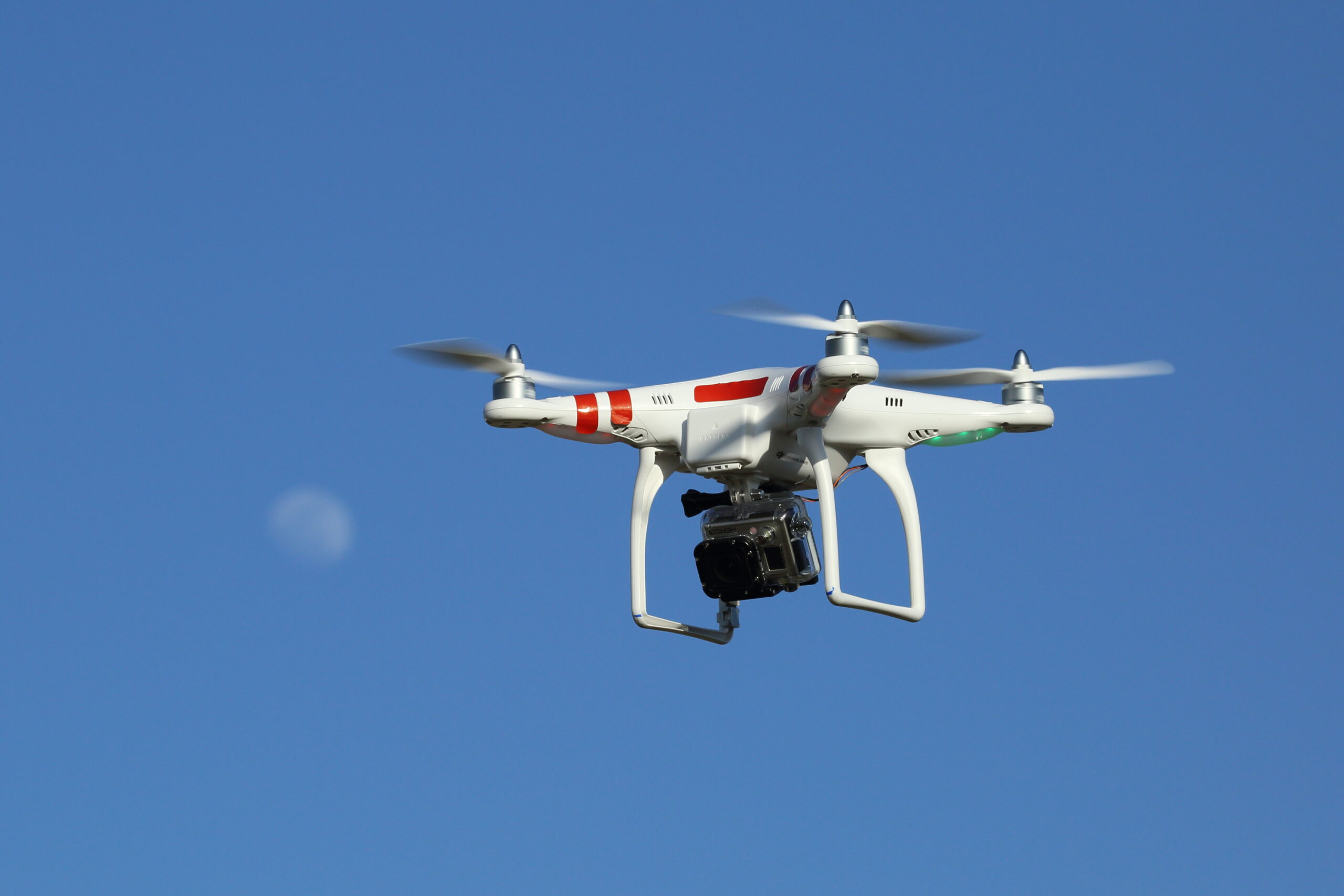
Above photo: DJI drone courtesy DJI