Login
Login
Meta Plans 'Name Tag' Facial Recognition for Ray-Ban Smart Glasses
Meta plans to add a facial recognition feature to its Ray-Ban smart glasses as soon as this year, reports The New York Times ($).
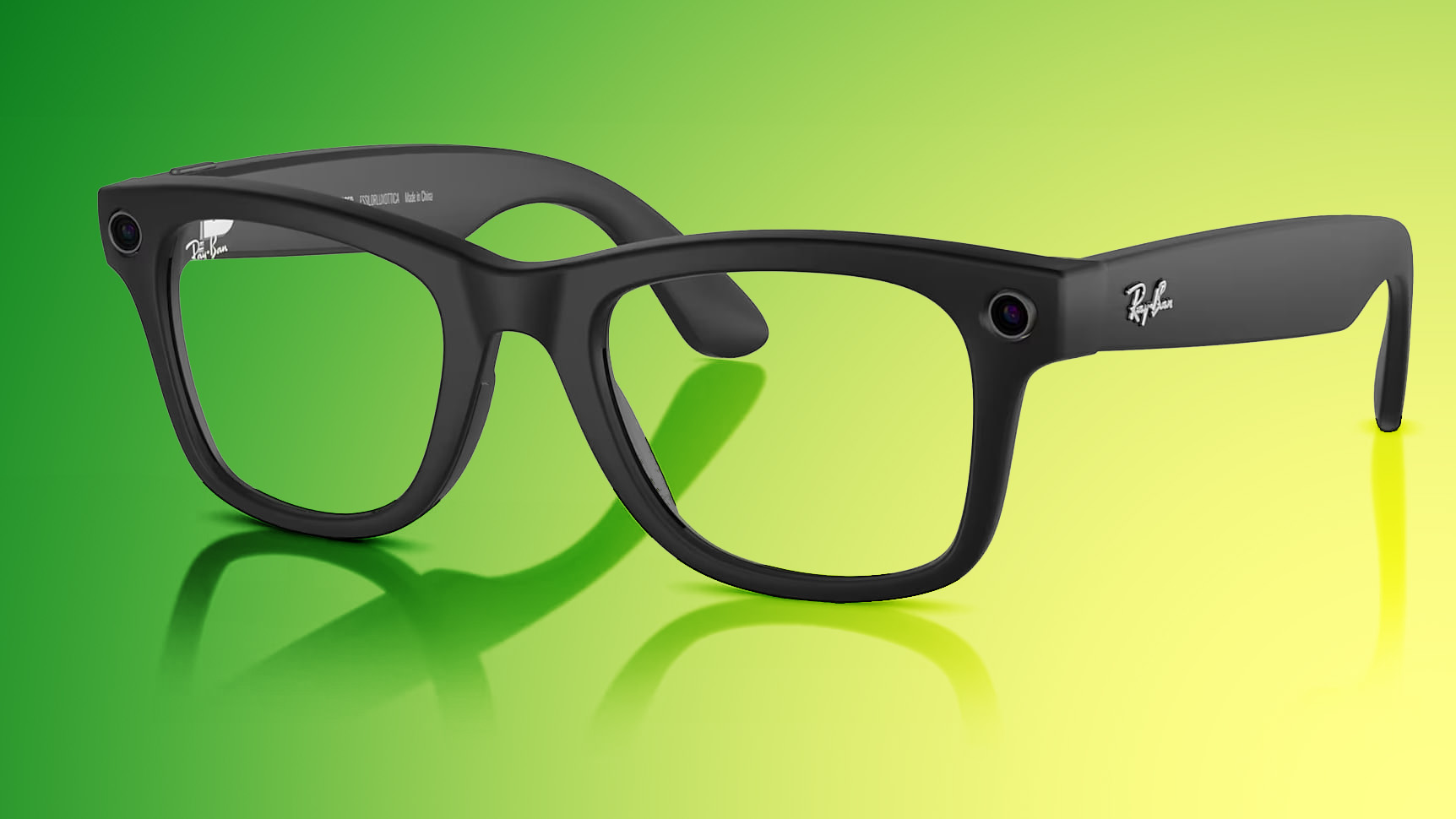
According to people involved in the plans who spoke to the publication, the feature is internally called "Name Tag," and would let wearers identify people and get information about them via Meta's artificial intelligence assistant. Mark Zuckerberg reportedly wants the feature to differentiate the devices and to make the AI assistant in the glasses more useful.
According to an internal document seen by NYT, Facebook's parent company has been in discussions since early last year about releasing the feature, which carries obvious civil liberty and privacy risks. Based on the document, dated to last May, the company originally planned to release Name Tag to attendees of a conference for the blind – which did not happen – before releasing it to the general public.
The internal memo also said the "political tumult" in the United States was good timing for the feature's release. NYT quoting from the document out of Meta's Reality Labs:
This isn't the first time it has considered adding facial recognition to a consumer product either. Technical challenges and ethical concerns reportedly prevented the feature from making it into Meta's first version of its Ray-Ban smart glasses, which have proven successful since they debuted in 2021. EssilorLuxottica, which works with Meta to make the glasses, said this week that it sold more than seven million units in 2025.
Meta is still said to be exploring who should be recognizable through the technology. Possible options reportedly include recognizing people a user knows via a Meta platform, and identifying people whom they may not know but who have a public account on a Meta site like Instagram. What Name Tag reportedly won't allow users to do is look up literally anyone they encounter.
In a statement given to NYT, Meta said:
Meta is apparently also working on so-called "super-sensing" glasses that continually run cameras and sensors to keep a record of someone's day.
According to a Bloomberg report last year, Apple is planning to launch a set of smart glasses by the end of this year. The glasses will be comparable to Meta's Ray-Bans and Google's Android XR glasses, "but better made."
Apple's smart glasses are expected to include cameras, microphones, and AI capabilities, and will have the ability to take photos, record video, provide translations, give turn-by-turn directions, and more. However, they won't have augmented reality capabilities.
This article, "Meta Plans 'Name Tag' Facial Recognition for Ray-Ban Smart Glasses" first appeared on MacRumors.com
Discuss this article in our forums
According to people involved in the plans who spoke to the publication, the feature is internally called "Name Tag," and would let wearers identify people and get information about them via Meta's artificial intelligence assistant. Mark Zuckerberg reportedly wants the feature to differentiate the devices and to make the AI assistant in the glasses more useful.
According to an internal document seen by NYT, Facebook's parent company has been in discussions since early last year about releasing the feature, which carries obvious civil liberty and privacy risks. Based on the document, dated to last May, the company originally planned to release Name Tag to attendees of a conference for the blind – which did not happen – before releasing it to the general public.
The internal memo also said the "political tumult" in the United States was good timing for the feature's release. NYT quoting from the document out of Meta's Reality Labs:
The plan is a turnaround for the company – five years ago, Facebook shut down its facial recognition system for tagging people in photos on its social network, citing a need to find "the right balance" for a technology that raises privacy and legal concerns.
"We will launch during a dynamic political environment where many civil society groups that we would expect to attack us would have their resources focused on other concerns."
This isn't the first time it has considered adding facial recognition to a consumer product either. Technical challenges and ethical concerns reportedly prevented the feature from making it into Meta's first version of its Ray-Ban smart glasses, which have proven successful since they debuted in 2021. EssilorLuxottica, which works with Meta to make the glasses, said this week that it sold more than seven million units in 2025.
Meta is still said to be exploring who should be recognizable through the technology. Possible options reportedly include recognizing people a user knows via a Meta platform, and identifying people whom they may not know but who have a public account on a Meta site like Instagram. What Name Tag reportedly won't allow users to do is look up literally anyone they encounter.
In a statement given to NYT, Meta said:
"We're building products that help millions of people connect and enrich their lives. While we frequently hear about the interest in this type of feature – and some products already exist in the market – we're still thinking through options and will take a thoughtful approach if and before we roll anything out."Meta's smart glasses have already been used to identify people in public. In 2024, two Harvard students used Ray-Ban Meta glasses alongside the facial recognition service PimEyes to identify strangers on the Boston subway, and later posted a video of the experiment that went viral. Meta responded by emphasizing that the glasses included a small white LED on the top-right corner of the frame to signal when recording is taking place.
Meta is apparently also working on so-called "super-sensing" glasses that continually run cameras and sensors to keep a record of someone's day.
According to a Bloomberg report last year, Apple is planning to launch a set of smart glasses by the end of this year. The glasses will be comparable to Meta's Ray-Bans and Google's Android XR glasses, "but better made."
Apple's smart glasses are expected to include cameras, microphones, and AI capabilities, and will have the ability to take photos, record video, provide translations, give turn-by-turn directions, and more. However, they won't have augmented reality capabilities.
Tags: Apple Smart Glasses, Meta
This article, "Meta Plans 'Name Tag' Facial Recognition for Ray-Ban Smart Glasses" first appeared on MacRumors.com
Discuss this article in our forums