
Reading view

MacBook Neo Outsold Every Other Mac in Its Debut Quarter

Apple shipped 1.1 million MacBook Neo units in the first quarter of the year, according to IDC, making it one of the strongest Mac debut performances in recent memory (via TechCrunch).
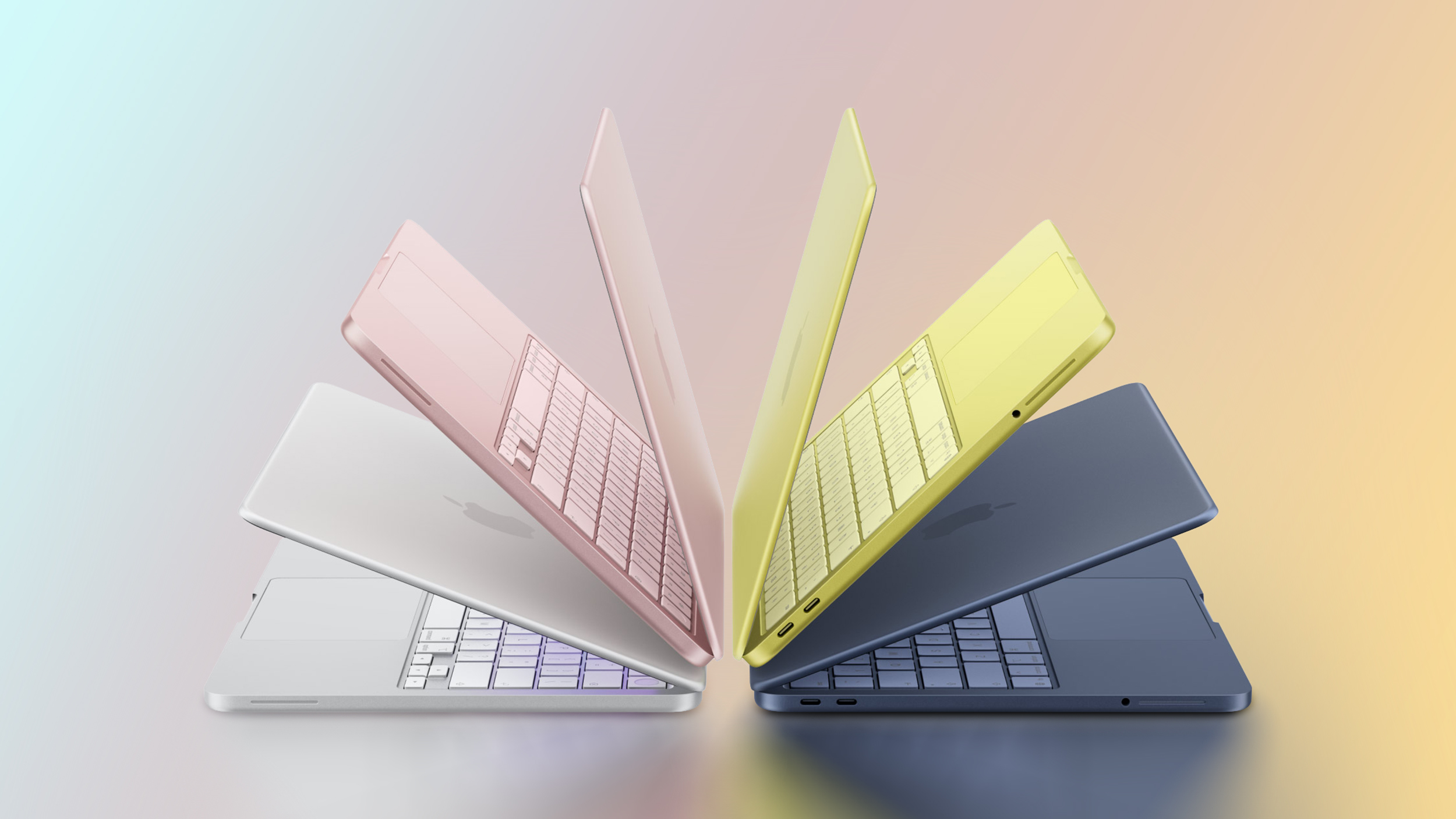

The figure is particularly striking given that the laptop was only available for roughly three weeks of the period, having gone on sale in mid-March. Shipments began spiking from early April, suggesting the March tally understates underlying demand. By comparison, the M5 MacBook Air shipped over 900,000 units in its debut quarter, while the M5 MacBook Pro shipped 550,000.

Apple introduced the ‌MacBook Neo‌ in early March with a starting price of $599, which is roughly 45% below the entry-level ‌MacBook Air‌. The laptop features an aluminum chassis and a 13-inch Liquid Retina display, but uses an A18 Pro chip rather than an M-series processor, along with 8GB of RAM, to reach the lower price point.

Of the units shipped globally during the quarter, 44% went to the U.S., while India accounted for approximately 18,000 shipments despite the short availability window, with retailers reportedly struggling to secure adequate inventory.

Counterpoint Research said that the ‌MacBook Neo‌'s significance extends beyond its early sales, noting that it is helping Apple compete in lower-priced notebook segments where Macs have historically had little presence.

Although it is still early, the MacBook Neo launch stands out as one of Apple's most strategically important recent Mac releases, especially as the wider PC market deals with rising memory costs and "shrinkflation," while Apple is expanding its reach.


The ‌MacBook Neo‌ could eventually help Apple grow its share of the $400 to $699 notebook market from about 2% to around 15%. IDC believes the opportunity extends to consumer and small-business laptop segments beyond first-time buyers. The ‌MacBook Neo‌'s popularity could also displace some older models, including the M1, M2, and M3 ‌MacBook Air‌, which have historically driven volume in markets like India when sold at discounted prices during sales events.

The launch is already prompting responses from rivals. Dell this week unveiled a new XPS 13 laptop starting at $699, aimed at the same segment, citing the ‌MacBook Neo‌'s arrival as evidence of strong demand for premium-quality laptops at accessible prices. IDC forecasts a "very big spike" in ‌MacBook Neo‌ shipments in the current quarter as Apple works through supply constraints and expands availability.
Related Roundup: MacBook Neo
Buyer's Guide: MacBook Neo (Buy Now)
Related Forum: MacBook Neo

This article, "MacBook Neo Outsold Every Other Mac in Its Debut Quarter" first appeared on MacRumors.com

Discuss this article in our forums

  •  

Apple Tops Global Smartphone Market for First Time in a Q1

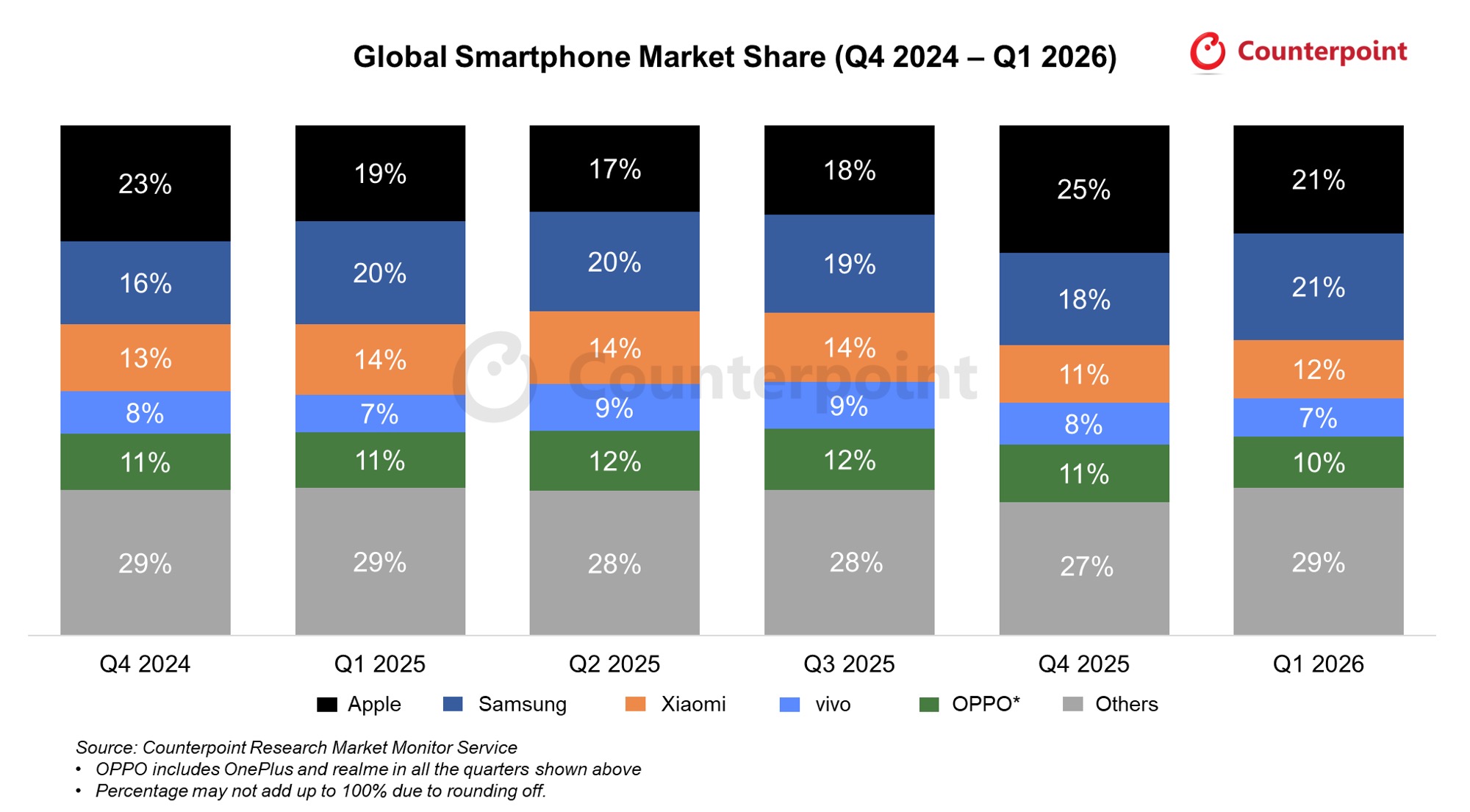
Apple finished as the world's number one smartphone brand by shipments in the first quarter of 2026, according to new data from Counterpoint Research. It's the first time the company has ever led the market in a Q1.


Apple captured 21 percent of global shipments and grew 9 percent year-over-year, even as the overall market contracted 3 percent. Samsung came in a close second, also at 21 percent on roughly flat shipments, followed by Xiaomi at 12 percent, OPPO at 10 percent, and vivo at 7 percent. Meanwhile, Xiaomi's shipments fell 19 percent year-over-year, while OPPO and vivo declined 4 percent and 2 percent, respectively.

Apple's brand-level milestone follows Counterpoint's earlier finding that the iPhone 17 was the best-selling smartphone model in the world in Q1, during which the iPhone 17 series swept the top three spots in the firm's Global Handset Model Sales Tracker. During Apple's April 30 earnings call, CEO Tim Cook said the ‌iPhone 17‌ family was the most popular lineup in Apple's history.

Apart from sustained iPhone 17 demand, Counterpoint credits Apple's brand-level performance to its proactive supply chain management as well as improved sales in China. The firm said Apple's ability to maintain premium pricing and protect margins also helped it weather the ongoing memory chip shortage a lot better than its rivals.


Shortages of DRAM and NAND memory continue to weigh on the market as a whole, as chipmakers prioritize AI data center customers over smartphone manufacturers. Cook has said memory shortages and rising costs will have more of an impact on Apple later in 2026. Counterpoint expects the rest of the year to impact most brands similarly, with the memory crisis potentially stretching all the way into late 2027.
This article, "Apple Tops Global Smartphone Market for First Time in a Q1" first appeared on MacRumors.com

Discuss this article in our forums
  •  

Apple Grew U.S. iPhone Sales While Broader Smartphone Market Declined in Q1

Apple's smartphone sales increased 1.3 percent year-over-year in the United States during the first quarter of 2026, according to data shared by Counterpoint Research. Apple saw a sales increase while the broader U.S. smartphone market experienced a 5.7 percent decline during the same time period.


Android device sales declined 14.4 percent, while Apple's market share grew 4 percent year-over-year. iPhone 17 performance is part of the reason Apple outperformed the market, but Counterpoint says the company was also helped by a later launch of Samsung's Galaxy S26 series in March.

Apple's market share increased at all three major U.S. carriers, while Android saw a decline. The iPhone made up 75 percent of sales at Verizon, AT&T, and T-Mobile, while Android devices made up 25 percent.

Counterpoint expects Apple to continue to draw users to iOS because it maintained pricing with the iPhone 17e and even increased storage, while smartphone makers with slimmer hardware margins have had to raise prices.
If Apple can avoid significant price increases and continue to outpace its peers in promotional dollars, it will be tough for Android OEMs to keep up in the year ahead.

During Apple's April 30 earnings call, CEO Tim Cook said the ‌iPhone 17‌ family was the most popular lineup in Apple's history. Cook said information from IDC indicated Apple gained market share during the quarter.

Cook also said iPhone demand was off the charts, leading to supply constraints during the quarter. Apple was having trouble getting the A19 and A19 Pro chips manufactured by TSMC due to demand for TSMC's AI server chips.

According to Cook, memory shortages and rising costs will have more of an impact on Apple later in 2026. Apple is expecting "significantly higher" memory costs and plans to look at a "range of options" for mitigation. Cook declined to provide insight into how Apple plans to deal with the problem, and he did not comment on whether Apple will raise prices.
This article, "Apple Grew U.S. iPhone Sales While Broader Smartphone Market Declined in Q1" first appeared on MacRumors.com

Discuss this article in our forums
  •  

Apple Bucks China's Smartphone Slump With 23% Sales Jump

Apple saw a 23% year-over-year increase in iPhone sales in China during the first nine weeks of 2026, significantly outperforming a broader market decline driven by weak demand and rising component costs, according to Counterpoint Research.


China smartphone sales apparently fell by 4% year-over-year in the first nine weeks of 2026. Within this environment, Apple emerged as the fastest-growing major vendor, with iPhone sales rising 23% compared to the same period in 2025. Counterpoint attributed Apple's impressive performance partly to a combination of e-commerce discounts and the inclusion of the standard iPhone 17 in government subsidy programs aimed at stimulating consumer electronics purchases.

Counterpoint noted that the rising cost of memory components has been passed on to vendors, forcing several Android brands to adjust pricing strategies. Chinese smartphone makers OPPO and vivo have announced notable price increases for some existing models, with those changes set to take effect this month.

In contrast, Apple has not announced any comparable price increases and is unlikely to follow competitors in raising prices, instead absorbing some of the margin pressure from higher component costs to maintain pricing stability. The firm added that Apple's control over its supply chain leaves it better positioned than rivals to withstand rising memory costs.

Rising memory prices are expected to persist throughout 2026. The research firm expects China's smartphone market to remain under pressure in the coming months, with potential improvement in June driven by the country's mid-year "618" shopping festival. Counterpoint's findings are based on its China Weekly Smartphone Sell-Out Tracker, which monitors retail sales across the market.
This article, "Apple Bucks China's Smartphone Slump With 23% Sales Jump" first appeared on MacRumors.com

Discuss this article in our forums
  •  

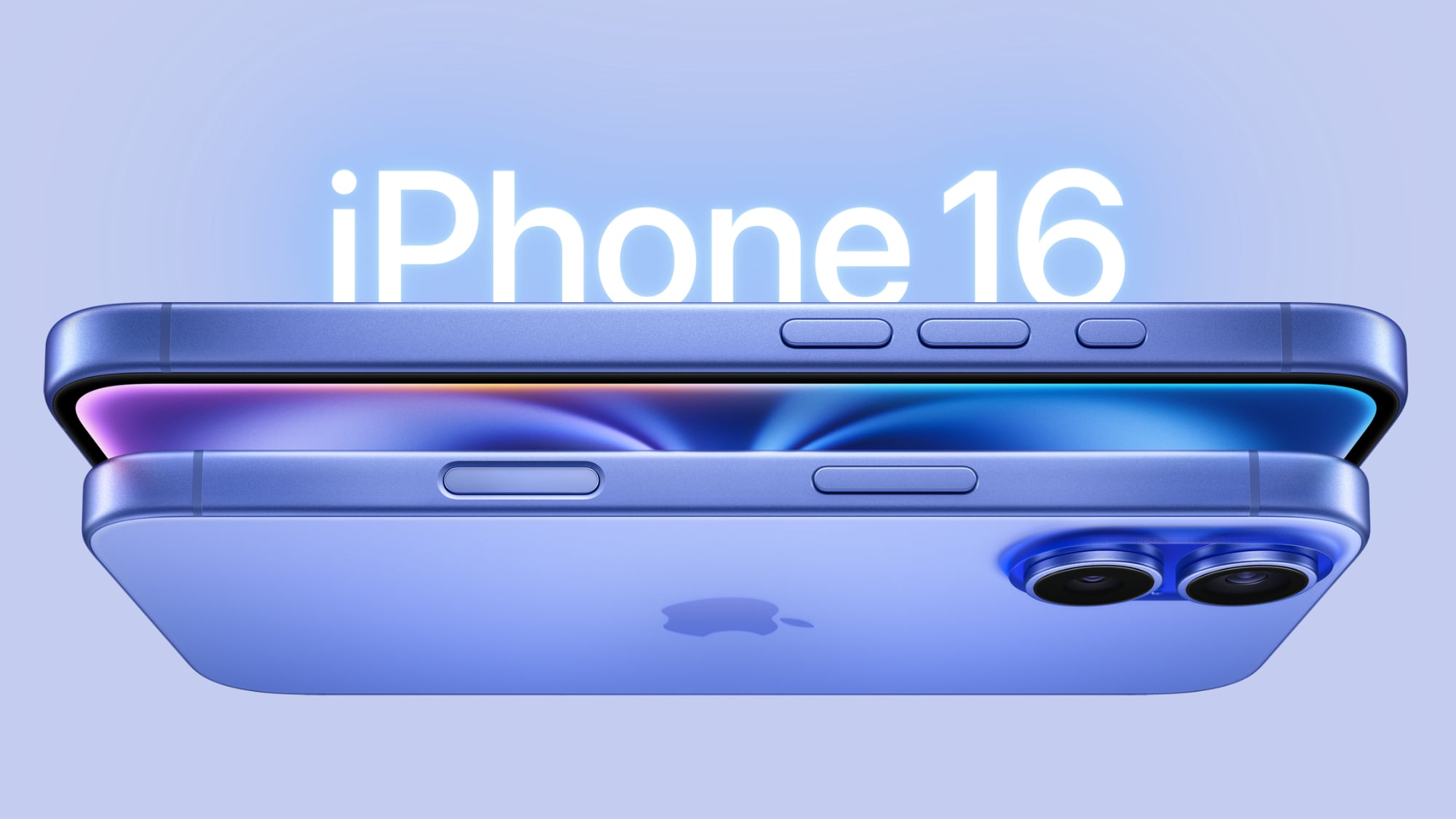
iPhone 16 Was World's Best-Selling Smartphone in Q3 2025

Apple led global smartphone sales with the iPhone 16 in the third quarter of 2025 while simultaneously accelerating demand for the iPhone 17 lineup and expanding its promotional footprint in the United States, according to new analyses from Counterpoint Research.


Counterpoint Research's Global Monthly Handset Model Sales Tracker shows that the ‌iPhone 16‌ was the best-selling smartphone worldwide during the third quarter of 2025. Well into its second year of life, the device's sustained performance is attributed to continued demand among users upgrading from older iPhone generations, expanded carrier promotions in developed markets, and the broad appeal of the standard ‌iPhone‌ configuration in regions where ultra-premium models represent a smaller share of total volume.

Alongside the ‌iPhone 16‌'s continued leadership, Counterpoint says the iPhone 17 Pro Max entered the quarterly global top-10 list and became the best-selling smartphone in September 2025, despite "limited availability towards the end of the quarter." According to the firm, demand for the ‌iPhone 17 Pro‌ and ‌iPhone 17 Pro‌ Max was strengthened by a large cohort of users who purchased iPhones during the COVID-19 period and returned for major upgrades this year. New features such as a 48-megapixel telephoto camera with 8x optical zoom and a vapor-chamber cooling system represent one of Apple's most substantial year-over-year camera and thermal architecture revisions and contributed materially to monthly sales growth.

The same dataset indicates that, while Apple maintained its position at the top of the global rankings with the ‌iPhone 16‌ and expanded momentum with the ‌iPhone 17 Pro‌ Max, Samsung increased its presence in the top-10 list to five positions, all from the Galaxy A series.

A separate Counterpoint analysis of the global foldable smartphone sector shows that the premium market segment where Apple has not yet entered continued to grow at a materially faster pace than the broader industry. The firm reports that global foldable shipments increased 14% year-over-year in the third quarter of 2025, which is the highest quarterly shipment volume ever recorded for the category.

Counterpoint attributes much of this performance to Samsung's Galaxy Z 7 series, especially the Galaxy Z Fold 7, which generated "exceptionally strong consumer response" due to a slimmer and lighter enclosure, reduced crease visibility, and an upgraded hinge mechanism designed for improved durability. While Apple has not released a foldable ‌iPhone‌, rumors suggest that the company will debut such a device as soon as next year.

Meanwhile, Counterpoint's U.S. Weekly Smartphone Promotions Index shows that Apple intensified its promotional activity in response to unusually early and aggressive Pixel 10 discounts led by Google. Apple finished the period overtaking Google.
This article, "iPhone 16 Was World's Best-Selling Smartphone in Q3 2025" first appeared on MacRumors.com

Discuss this article in our forums
  •  
❌