Apple is working on an updated version of the Mac Studio, and the new machine is expected to launch in the first half of 2026. We've rounded up what we know about the next-generation Mac Studio so far.
Design
We're not expecting Apple to redesign the Mac Studio, and there haven't been rumors of a design update. The Mac Studio will continue to have an Apple TV or Mac mini-like squircle design with rounded corners.
The Mac Studio is a much more compact desktop than the Mac Pro, measuring in at 3.7 inches tall and 7.7 inches wide. Apple has apparently put the Mac Pro on the backburner, and the Mac Studio is seen as the future of Mac desktop computing.
M5 Max and M5 Ultra Chips
We're expecting the Mac Studio to adopt M5 Max and M5 Ultra chips. The M5 Max chip will offer much faster CPU and GPU performance than the M5 chip that came out last October, and the M5 Ultra will double the M5 Max performance.
The M5 MacBook Pro models were updated with a faster SSD, so the Mac Studio and other Macs coming in 2026 could get the same refresh.
Studio Display 2
Apple debuted the first Studio Display alongside the Mac Studio, and there is a new Studio Display 2 rumored to be coming this year. We could get the new display alongside the new Mac Studio.
There haven't been rumors of pricing increases for the Mac Studio, so it could continue to start at $1,999.
Release Timing
Last weekend, Bloomberg's Mark Gurman said that new Mac Studio models "shouldn't arrive too long after the spring Mac refresh," which is expected to include new MacBook Pro models.
New MacBook Pro models could come as early as the week of March 2, so the Mac Studio will come sometime after that date.
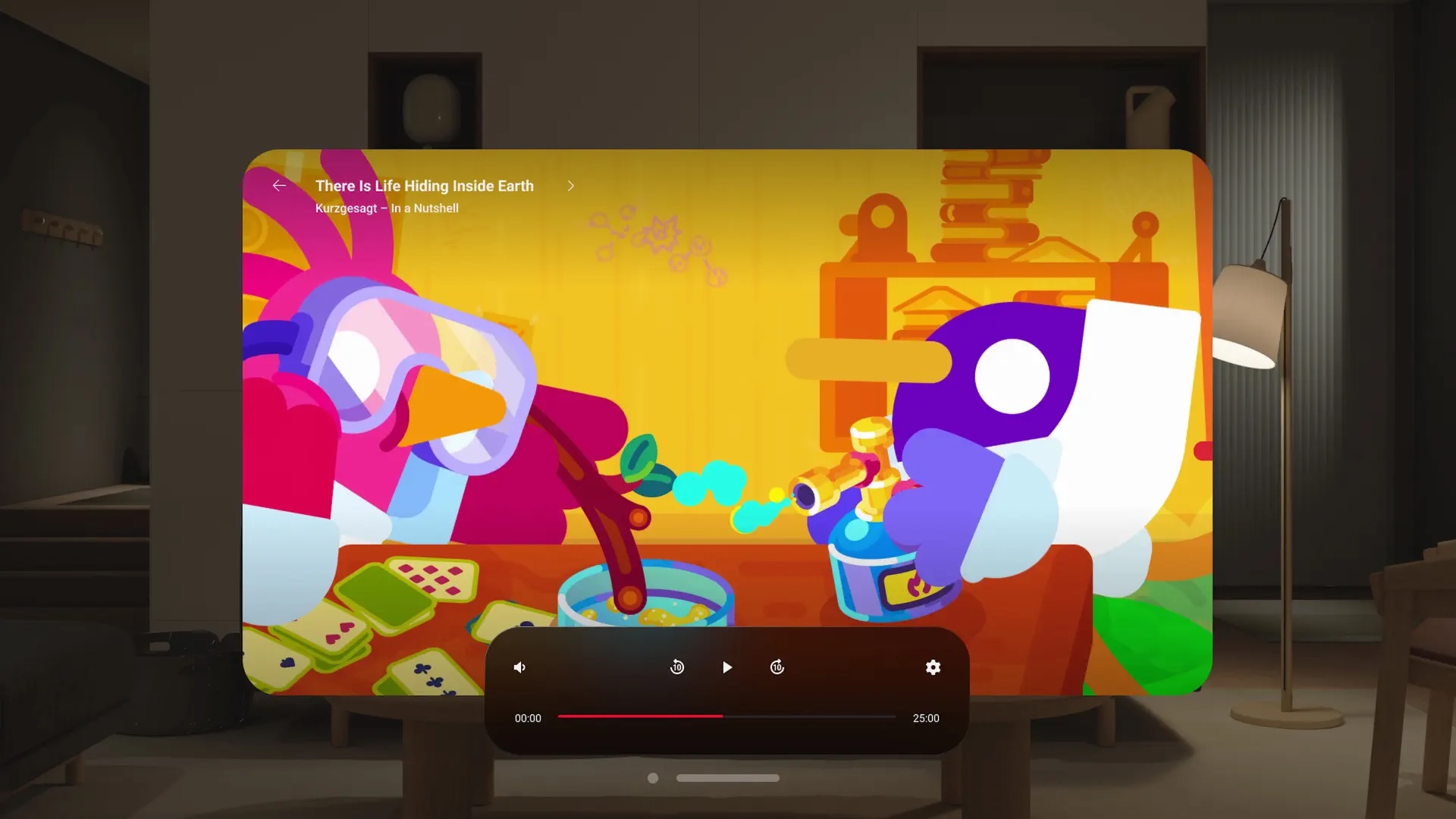
Starting today, an official YouTube app is available on the Apple Vision Pro, allowing you to watch videos on a theater-sized screen with immersive visionOS Environments.
Every video on YouTube is available in the new, standalone visionOS app, including standard videos, 180° videos, 360° videos, and YouTube Shorts. And on the newer Apple Vision Pro with the M5 chip, you can even watch YouTube videos in 8K.
Apple Vision Pro users can access their YouTube subscriptions, playlists, watch history, and more.
It was already possible to watch YouTube videos via the Safari browser on the Apple Vision Pro, but there was no official YouTube app on the device until now. A third-party YouTube app called "Juno" was available on visionOS in 2024, but it was quickly removed from the App Store because it was deemed to be violating YouTube's Terms of Service.
The official YouTube app is available in the visionOS App Store. The app is compatible with Apple Vision Pro models with the M2 chip and the M5 chip.
OpenProject 17.1 has been released and introduces several major improvements across the platform. In this article, we highlight the most important changes and what they mean for your daily work. We will summarize the most important changes in this blog article and, as always, please see our release notes that contain all changes, features and bug fixes.
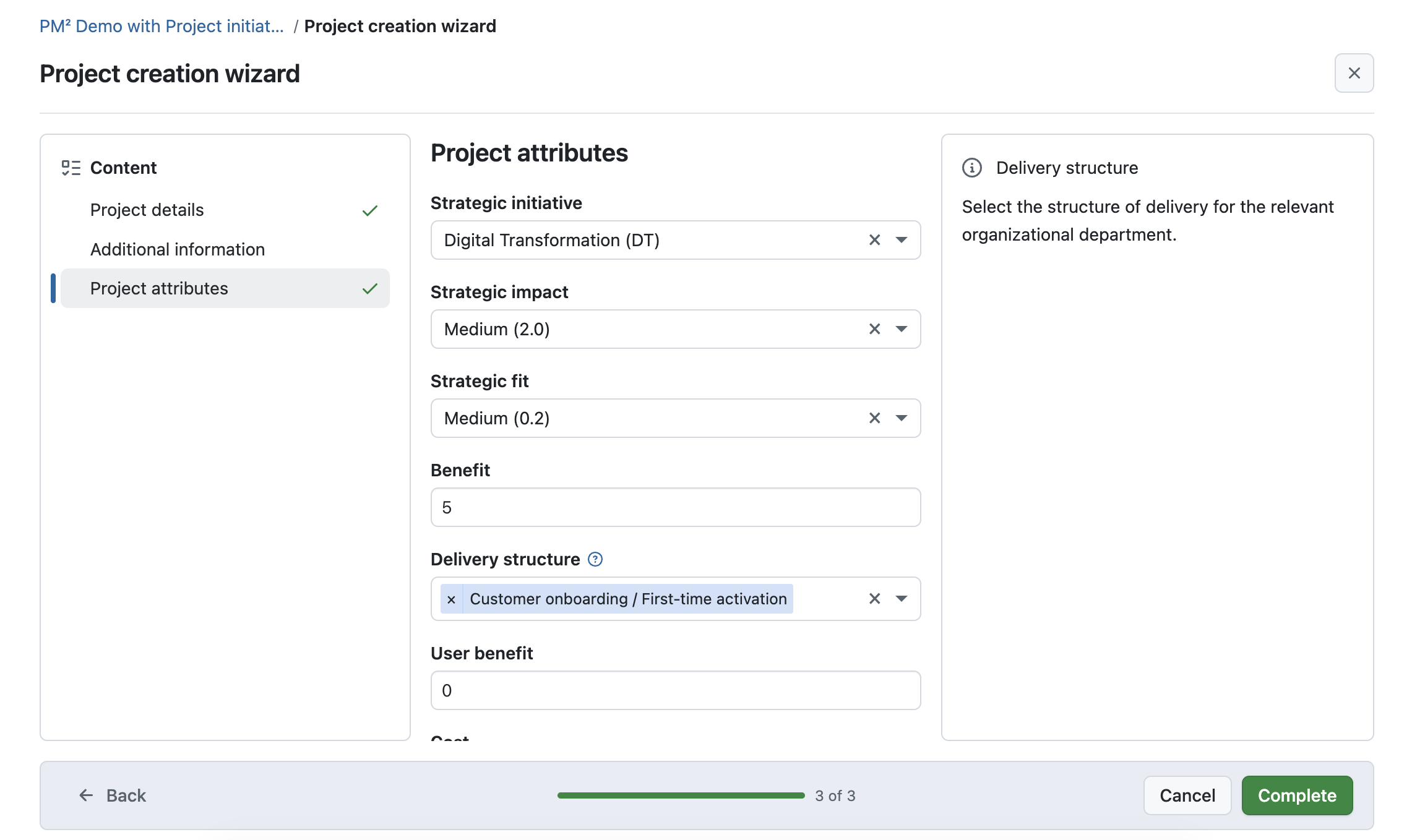
Starting new projects often involves more than just creating a project space. In many organizations, project initiation includes collecting key information, aligning stakeholders, and requesting formal approval before work can begin.
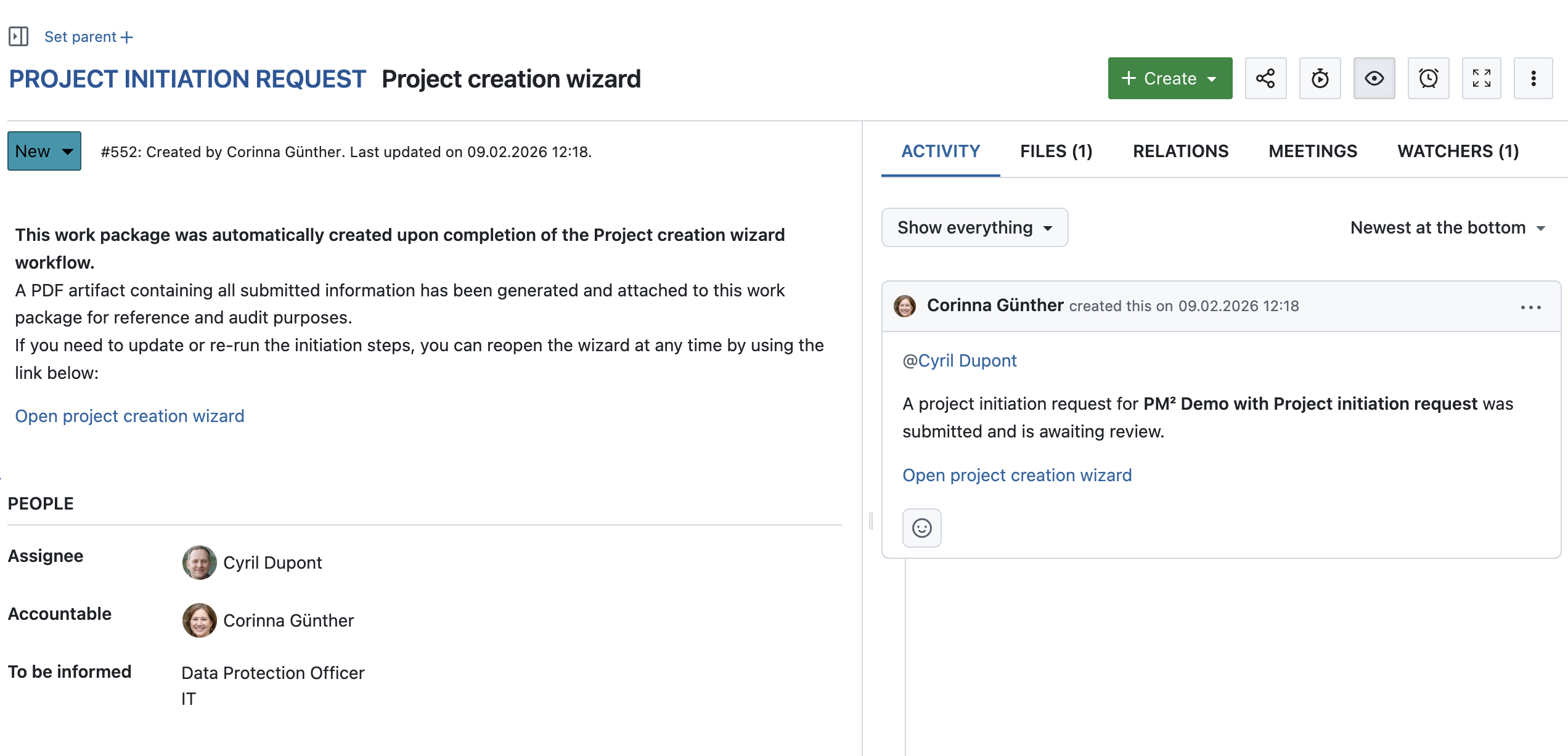
With OpenProject 17.1, automated project initiation requests help structure this process in a dedicated workflow. Instead of coordinating project details via emails, spreadsheets, or meetings, teams can collect all required information directly within OpenProject and track the initiation status transparently.
Project initiation requests are based on predefined templates and guide requesters through the necessary input. This makes project intake more consistent and reduces back-and-forth between project requesters, project managers, and decision-makers.
Once submitted, OpenProject automatically creates a work package with all relevant information as well as a PDF artifact. This way, initiation requests can be reviewed, discussed, and approved in a structured way before the project moves forward.
This feature is particularly useful for organizations with standardized project processes, governance requirements, or approval workflows. It supports a clear separation between requesting, reviewing, and starting projects, while keeping all information in one place.
Automated project initiation requests are available as an Enterprise add-on in the Premium plan. See our pricing page and contact us for more information on upgrading to a higher plan.
Smarter meeting workflows with work package outcomes and more
Meetings are most effective when decisions and action items are clearly captured and followed up on. With OpenProject 17.1, meeting workflows have been improved to help teams turn discussions into concrete next steps and keep recurring meetings better connected.
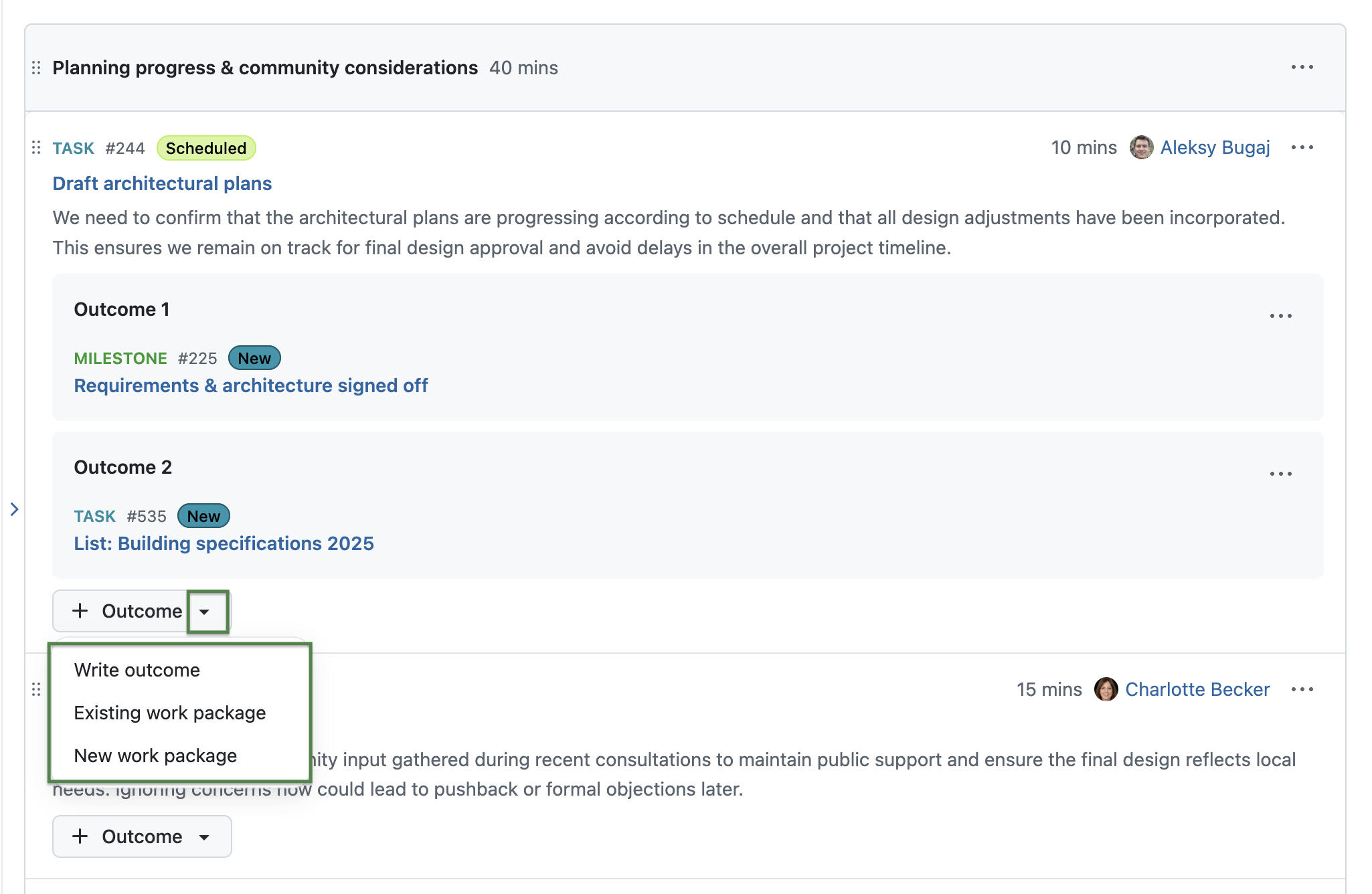
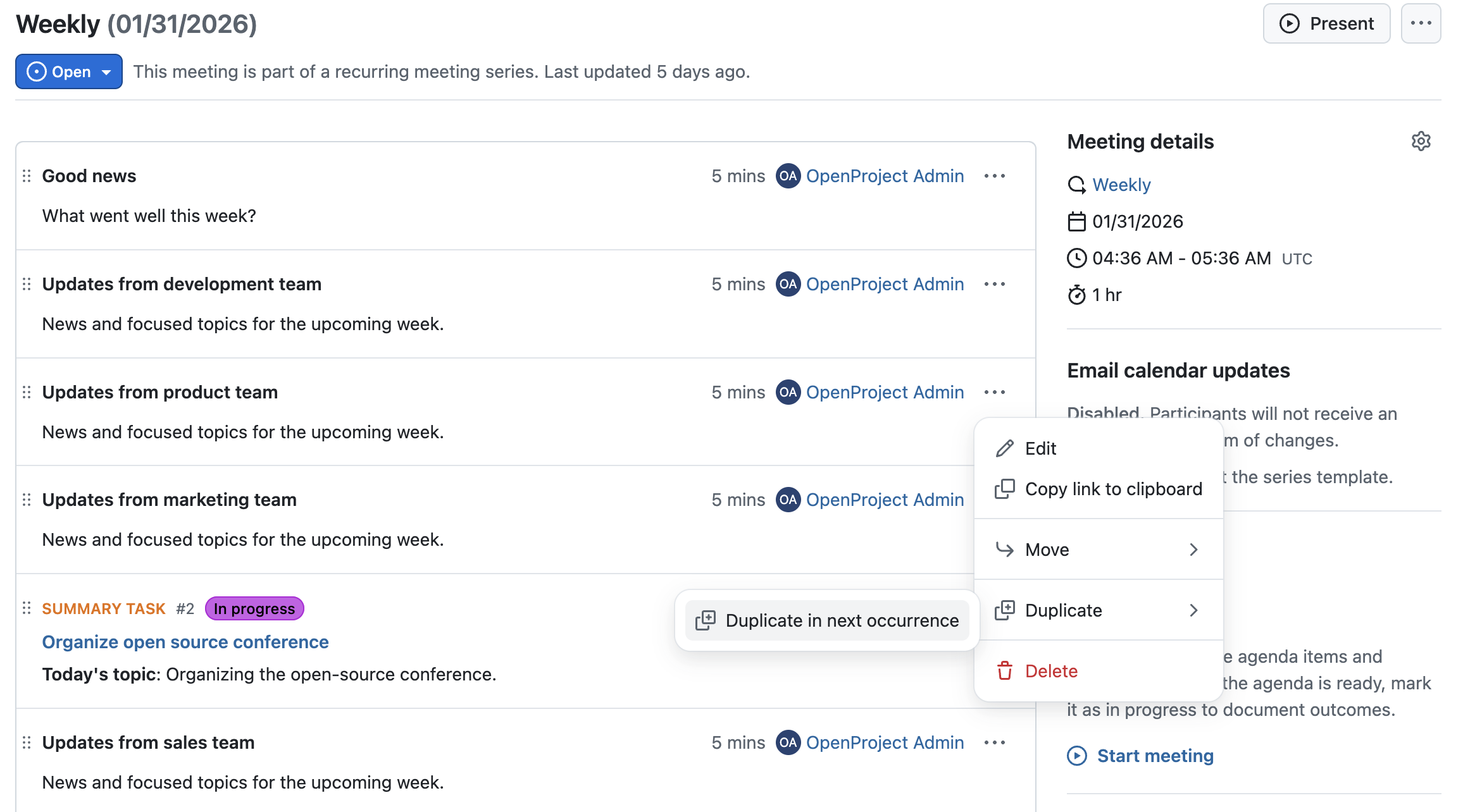
One of the great improvements is that meeting outcomes can now be directly created as work packages. Instead of manually transferring notes or action items after a meeting, teams can immediately turn agreed outcomes into tasks and assign responsibilities. This helps ensure that decisions made in meetings lead to actual progress.
For recurring meetings, agenda items and outcomes can now be copied to the next occurrence. This makes it easier to continue discussions, revisit open points, or carry forward unfinished items without recreating content from scratch.
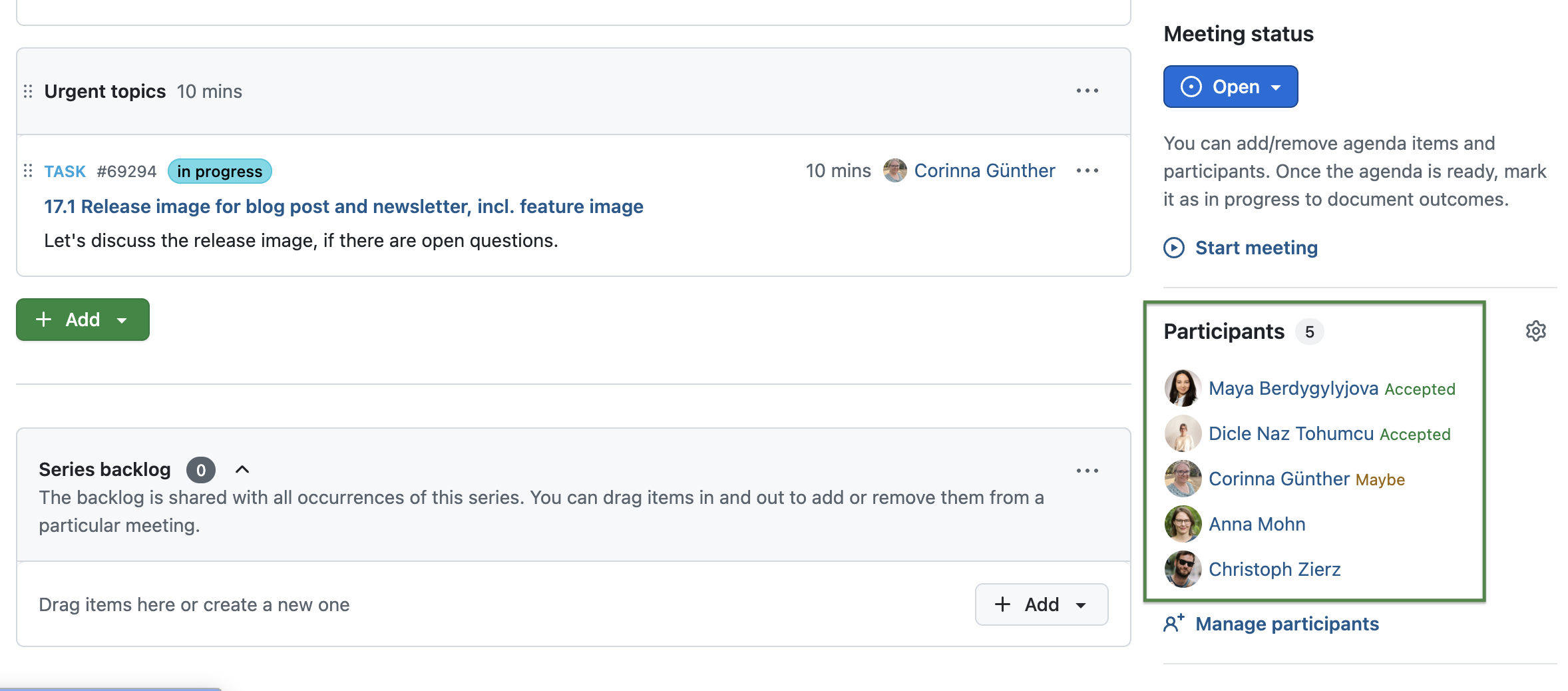
OpenProject 17.1 also improves calendar integration for meetings. Participant responses such as accepted, declined, or tentative are now visible directly in the meeting sidebar. These responses are collected from calendar invitations, for example when an ICS event is sent by email or downloaded and shared, giving organizers a clearer overview of who plans to attend.
Together, these improvements make meetings more actionable, better connected to ongoing work, and easier to manage across recurring sessions and external calendars.
Attribute highlighting released to Community edition
At OpenProject, we remain committed to our Community and are convinced that the continuous development of the OpenProject Community Edition benefits everyone. That’s why we regularly release Enterprise add-ons for the Community version. With OpenProject 17.1, we are releasing attribute highlighting for our Community, so that it’s no longer an Enterprise add-on.
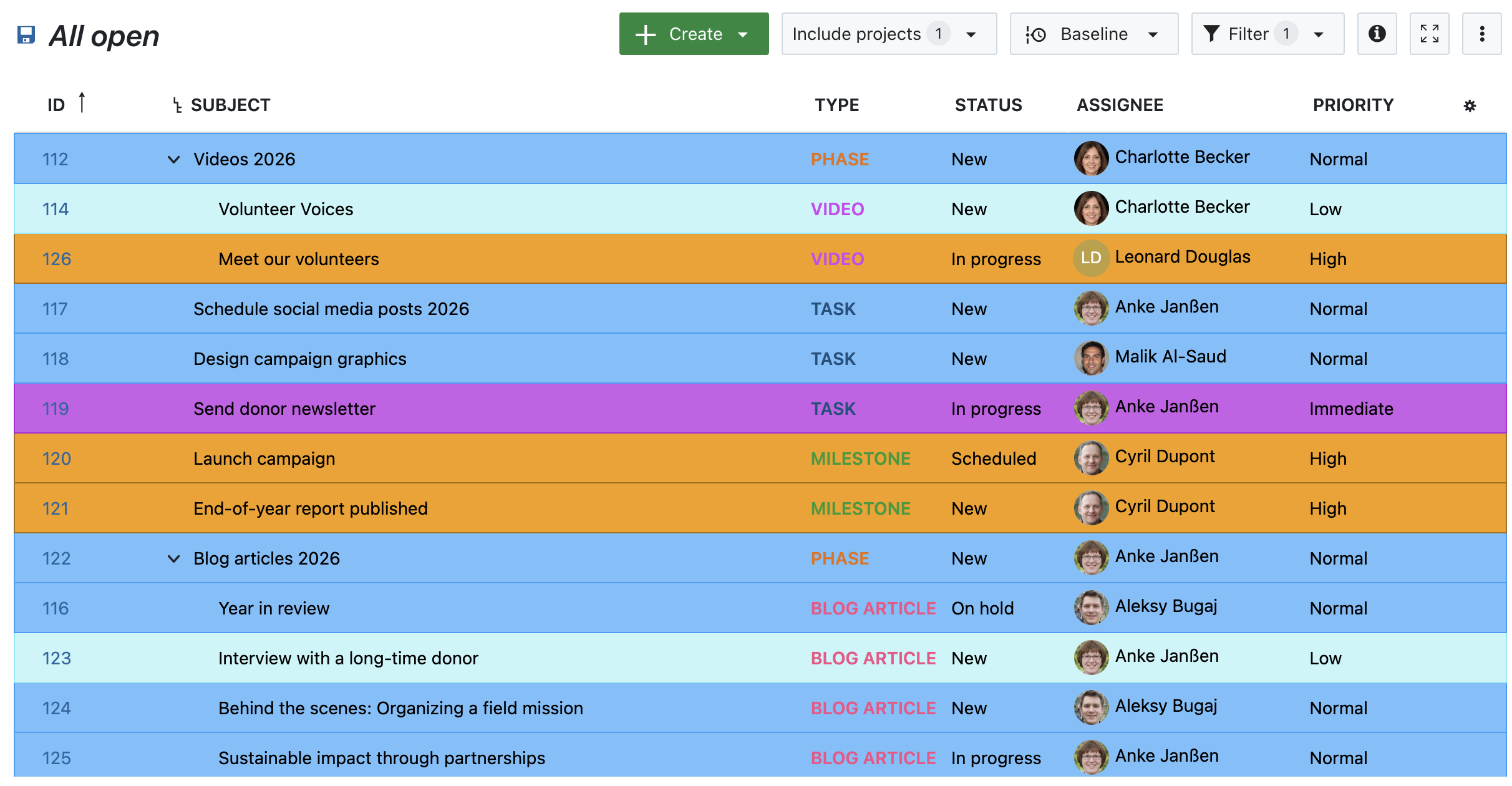
Depending on which attributes you want to highlight – and which colors you choose – your work package table looks different. Here’s an example of a work package table highlighted by Priority:
OpenProject 17.1 offers more features and updates. To keep this article concise, here is a quick look at some additional improvements worth highlighting:
Enable a warning before opening external links in user-provided content (Enterprise add-on)
To improve security awareness, OpenProject 17.1 introduces an optional warning before opening external links that were added by users. This helps teams better assess potential risks when leaving OpenProject, especially in environments with many collaborators or external contributors. Available as Enterprise add-on in the Premium plan.
Read more about capturing external links in OpenProject.
Show short and weight values for Hierarchy and Weighted item list fields (Enterprise add-on)
Hierarchy and Weighted item list custom fields now display their short and weight values more clearly. This makes it easier to understand priorities and calculations at a glance, especially when working with structured data or aggregated values in larger projects.
Note
Hierarchy fields are available as Enterprise add-ons in the Basic plan and weighted item list fields are available as Enterprise add-on in the Premium plan. Read more about custom fields in OpenProject.
Improved performance and UX/UI updates
OpenProject 17.1 includes further performance improvements, bug fixes and UX/UI refinements across the application. The Activity tab has been optimized to load faster and provide a smoother experience, especially in projects with a large amount of activity.
In addition, several areas have been updated to use the Primer design system, including the Access tokens section in account settings, the Backlogs administration page, and the password confirmation dialog. These changes improve visual consistency and usability while keeping existing workflows intact.
OpenProject 17.1: Migration, installation, updates and support
You will find more information about all new features and changes in our Release notes and in the OpenProject Documentation.
If you need support, you can post your questions in the Community Forum, or if you are eligible for Enterprise support, please contact us and we will be happy to support you personally.
New to OpenProject? To test all features of OpenProject 17.1 right away, create a 14 days free trial instance for our OpenProject Enterprise cloud.
Prefer to run OpenProject 17.1 in your own infrastructure? Here you can find the Installation guidelines for OpenProject.
A very special thank you goes to Helmholtz-Zentrum Berlin, City of Cologne, Deutsche Bahn and ZenDiS for sponsoring released or upcoming features. Your support, alongside the efforts of our amazing Community, helps drive these innovations. Also a big thanks to our Community members for reporting bugs and helping us identify and provide fixes. Special thanks for reporting and finding bugs go to Johannes Baumgarten, Lea Fuchs, Александр Татаринцев, Stefan Weiberg, and Natalie Stettner.
Last but not least, we are very grateful for our very engaged translation contributors on Crowdin, who translated quite a few OpenProject strings! This release we would like to particularly thank the following users:
arnegronkjaer, for a great number of translations into Danish.
Would you like to help out with translations yourself? Then take a look at our translation guide and find out exactly how you can contribute. It is very much appreciated!
As always, we welcome any feedback on this release.
Apple's next-generation AirPods Pro will feature cameras to see around a user, according to the leaker and prototype collector known as "Kosutami."
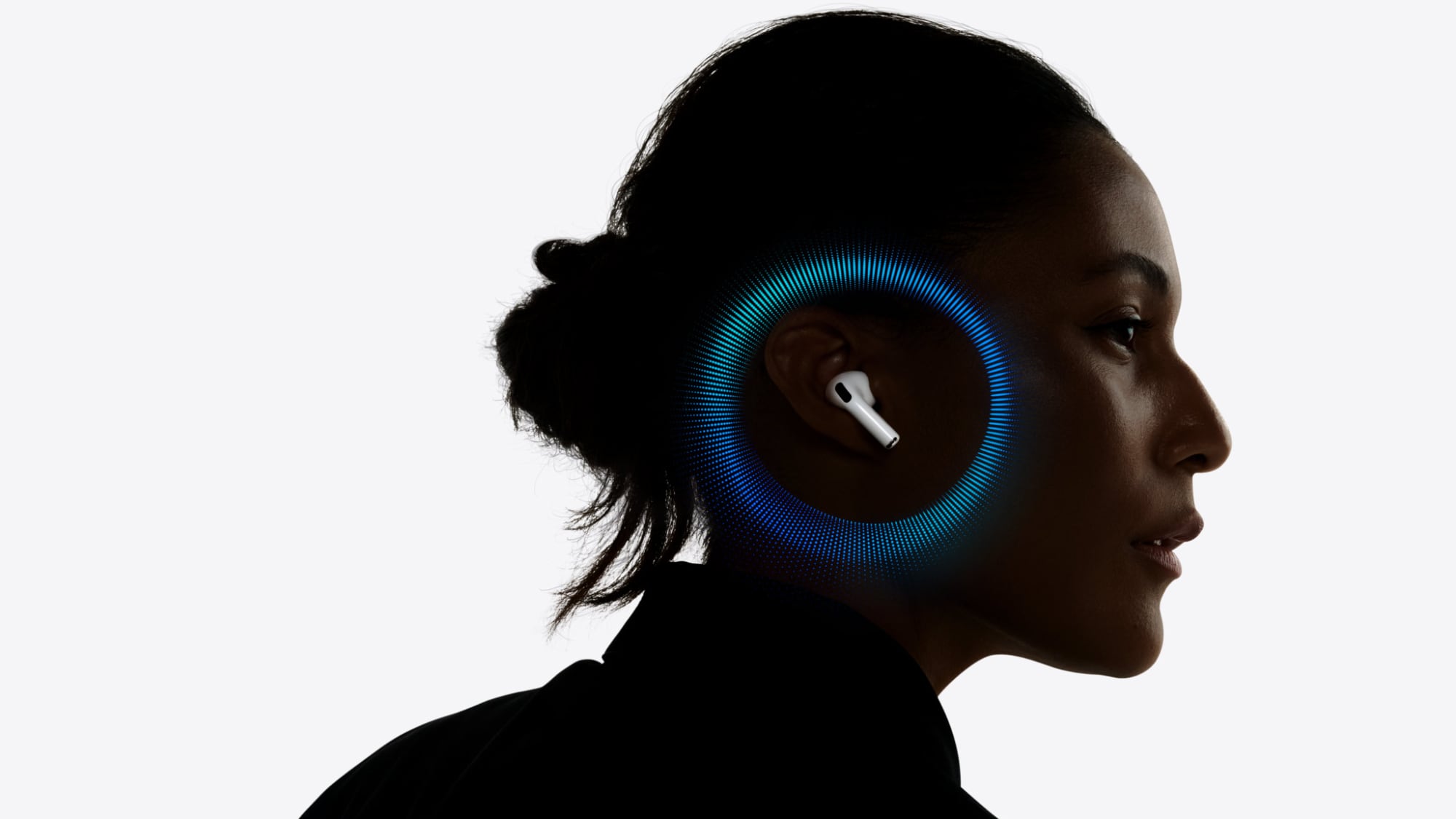
In a new post on X, Kosutami said that the next AirPods Pro will be able to see around the wearer, presumably via cameras in each earbud. Supply chain analyst Ming-Chi Kuo said that the 2026 AirPods Pro will feature a "more significant" hardware upgrade in the form at least one tiny infrared camera. He previously said AirPods with infrared cameras could recognize hand gestures and provide an enhanced spatial audio experience with Apple's Vision Pro headset.
Kosutami added that the new AirPods Pro will be available at the same $249 price as the current model. This contrasts with previous rumors suggesting that the next AirPods Pro would be a secondary version of AirPods Pro 3 this year, sitting in the lineup alongside the current model.
The Chinese leaker known as "Instant Digital" corroborated the rumors about new AirPods Pro featuring infrared cameras for gesture controls, with some additional details and clarifications. Rather than being a new generation, the 2026 AirPods Pro will apparently be a pricier, high-end variant of the AirPods Pro 3 introduced in 2025, suggesting that both models will ultimately be on sale alongside each other. It is worth noting that Apple offers two version of the AirPods 4 at $129 and $179 price points, so this is a highly plausible move.
The current AirPods lineup has offerings priced at $129, $179, $249, and $549. An additional product between the $249 AirPods Pro 3 and $549 AirPods Max seems possible, especially given the rise of higher end Bluetooth earbuds from the likes of Bang Olufsen, Bowers & Wilkins, and Bose.
Regardless, back in September 2025, Kuo reported that Apple is planning to introduce a successor to the AirPods Pro 3 in 2026. This would be somewhat unusual since Apple normally waits around three years to make major changes to the AirPods' hardware. AirPods Pro 2 debuted at the iPhone 14 event in September 2022, and they were updated with a USB-C charging case and a few other tweaks in September 2023. Otherwise, Apple has waited about three years to update all of its AirPods models.
Whether they are a new, high-end version of the AirPods Pro 3 or full-fledged AirPods Pro 4, launch timing is currently unclear, but Apple typically announces new AirPods in the second half of the year. The original AirPods, AirPods Pro 2 and their subsequent USB-C revision, AirPods 4, and AirPods Pro 3 were all announced at Apple's annual iPhone event in September.
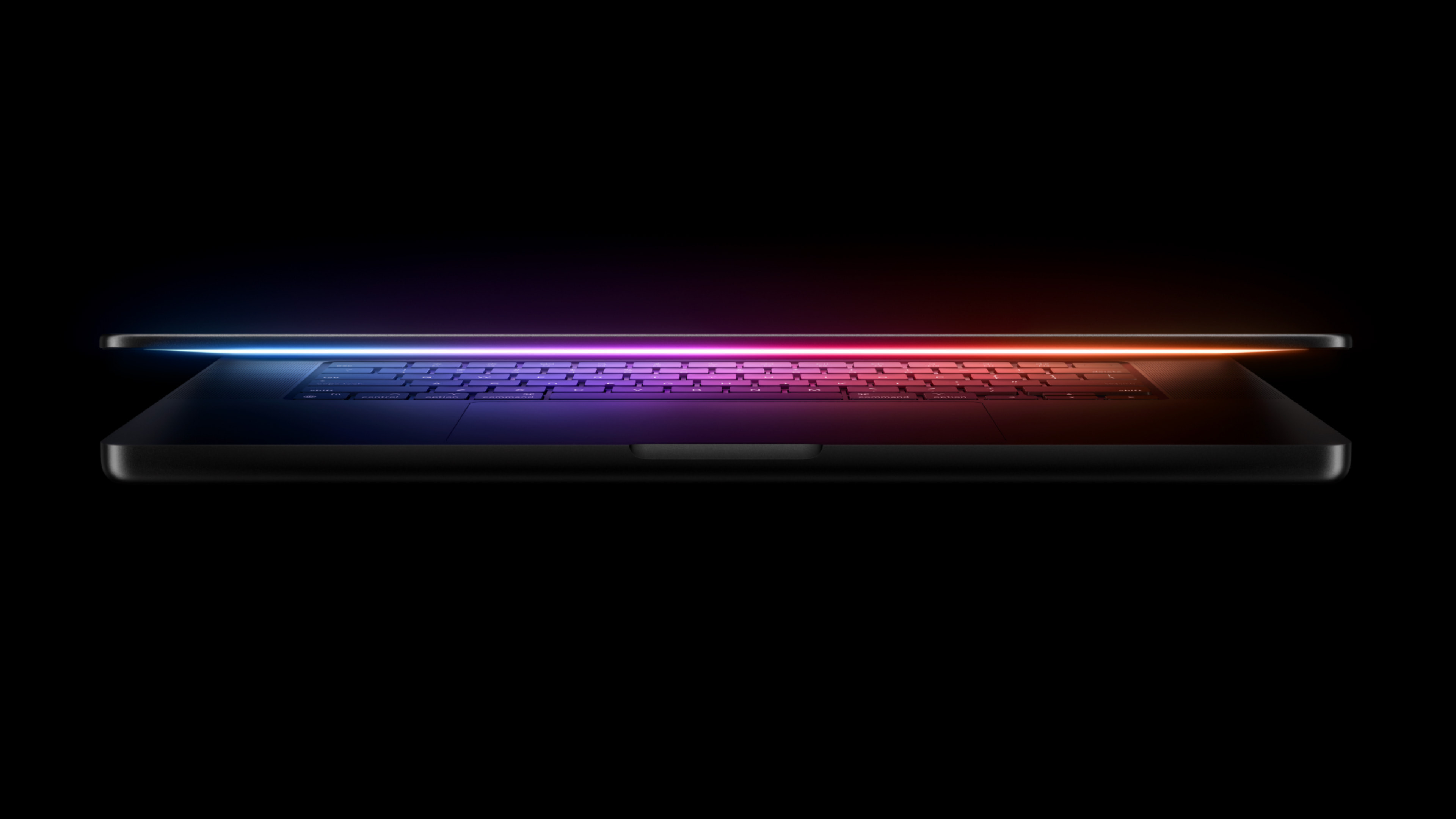
New MacBook Pro models with the M5 Pro and M5 Max chips could arrive as soon as Monday, March 2, according to Bloomberg's Mark Gurman.
In today's "Power On" newsletter, Gurman said that the release of new MacBook Pro models is tied to the release of macOS Tahoe 26.3. The launch is said to be slated for as early as the week of March 2. He added that the M4 Pro and M4 Max models on sale today remain in short supply, indicating that the launch of new models is close.
Updated Mac Studio models "shouldn't arrive too long after the spring Mac refresh," according to Gurman. A new Studio Display and Mac mini continue to be on Apple's roadmap for this year, along with an all-new low-cost MacBook powered by an iPhone chip. The most significant Mac launch this year will be overhauled MacBook Pro models with OLED displays and touch support.
Apple is planning to launch new iPad and iPad Air models in the near future, Bloomberg's Mark Gurman reports.
Writing in today's "Power On" newsletter, Gurman explained that updated iPads are "coming soon," including a new entry-level iPad and a new iPad Air. Both devices are not expected to feature design changes or major enhancements, instead focusing on new chips. The 12th-generation iPad is set to feature the A18 chip, while the eighth-generation iPad Air will apparently feature the M4 chip. The iPad mini is said to be the only new iPad set to get a bigger upgrade this year, moving to an OLED display.
The new chip is perhaps most significant for the iPad, which will facilitate Apple Intelligence support on the device for the first time. Apple announced the 11th-generation iPad in March 2025 with the A16 chip, which does not support Apple Intelligence, despite the technology being widely available across Apple's other devices at that time.
The iPad saw strong sales over the holidays, largely driven by the entry-level model. Apple purportedly plans to market the new model heavily to enterprise customers.
Apple today shared an ad that shows how the upgraded Center Stage front camera on the latest iPhones improves the process of taking a group selfie.
"Watch how the new front facing camera on iPhone 17 Pro takes group selfies that automatically expand and rotate as more people come into frame," says Apple. While the ad is focused on the iPhone 17 Pro and iPhone 17 Pro Max, the regular iPhone 17 and the iPhone Air have the same Center Stage front camera with this functionality.
Apple provided more details in its iPhone 17 press releases last year:
Users no longer have to rotate their iPhone to take a landscape selfie — they can now take photos and videos in portrait or landscape while holding their iPhone vertically, enabling a more comfortable, secure grip and centred gaze. For group shots, Center Stage for photos uses AI to automatically expand the field of view and can rotate from portrait to landscape to include everyone in the frame.
All four of the latest iPhone models are equipped with an 18-megapixel Center Stage front camera with a square image sensor.
It's been four months since the iPhone Air came out, and it hasn't exactly been a resounding success. Sales are reportedly so low that Apple is delaying the next-generation model. MacRumors videographer Dan Barbera shares what it's been like using Apple's thinnest and lightest iPhone on a daily basis over the last few months.
With its super thin design, the iPhone Air still impresses even months later. It's much lighter than the other iPhone models, and a pleasure to use because of it. The iPhone Air is Apple's best one-handed smartphone, plus it impresses everyone who tries it out.
The frosted glass texture is attractive, and thanks to that titanium frame, it's durable. The glass resists fingerprints, plus it's not slippery, so it can be used without a case. That's a good thing, since a case tends to ruin the ultra thin feel. The iPhone Air is all glass, though, so it's still breakable if dropped and AppleCare+ is recommended.
The iPhone Air has the smallest battery in the iPhone 17 lineup, and there was a lot of concern that it wouldn't last all day. As long as you're not using it for high-end gaming, the battery is totally fine. Dan hasn't had a problem with battery life for day-to-day activities like browsing social media, YouTube, navigating, and using CarPlay.
If you're someone who only uses the Wide camera on the iPhone, you might not miss the Ultra Wide or Telephoto lenses, but having only a single-lens rear camera is one of the iPhone Air's major downsides. You get 1x and 2x zoom, but no 0.5x mode, no macro lens, and no 5x telephoto lens. It's definitely a dealbreaker for some people.
There's also only a single speaker, and while it's fine for use in quiet rooms, if you like to use your iPhone for things like listening to music in the shower, it might not be good enough.
The biggest thing wrong with the iPhone Air is the price tag. Sure, it's light, thin, and has an impressive design, but it's $999. For $200 less, you can get the standard iPhone 17 with two cameras and near identical performance, and for $100 more, you can get the iPhone 17 Pro, which has three cameras and faster performance. The only sacrifice is thinness, and it's clear that most people aren't willing to pay more to lose features for a thin and light design.
At this point, it's not entirely clear when a new iPhone Air is coming out. Rumors originally suggested we'd get the second-generation model in the fall of 2026, but sales were below expectations, so Apple is holding back on a new model to make some changes.
The next iPhone Air could have a second camera and display improvements like a smaller Dynamic Island to make it more appealing, with a potential launch happening in spring 2027.
With Superbowl weekend about to kick off, we take a look at the best places to watch the big game as well as where to get involved with local American Football clubs.
Football that you play with your feet and a ball reigns supreme in Colombia, but there’s also plenty of support for the types of football that you play with your hands and an egg. We’ve covered Aussie Rules football and Rugby Union before, but with the Superb Owl between Seattle Seahawks and New England Patriots coming up on Sunday, it’s time to look at the USA’s favourite sport in Colombia’s capital.
Bulldogs DC are one of the Colombian flag football teams in the capital
There’s a Colombian element this time around too, with star cornerback Christian Gonzalez lining up in the Patriots’ backfield. Born in Texas to a Caleño family, he went 15th in the 2023 draft and anchors pass coverage for New England.
He retains a great love for Colombia, saying that he’ll have mixed feelings if his country of birth and country of descent meet in this year’s World Cup in North America.
The game kicks off at 18:30 Colombian time, pretty much perfect for Sunday evening viewing. The pregame show by Green Day will be popular in Colombia, but it’s halftime that will draw all eyes to the screen.
Puerto Rican megastar Bad Bunny is scheduled to play and he hasn’t held back in commenting on ICE actions across mainland USA. He said “ICE out” while accepting an award at the Grammys, adding “We’re not savage, we’re not animals, we’re not aliens. We are humans and we are Americans.” That has made him the highest profile US Latino speaking out on the issue.
Watching is easy, but playing is certainly possible, with a wealth of clubs throughout la nevera and elsewhere in Colombia. We spoke to local organiser Javier Zuleta about how local American Football works and how to get involved, whether that’s full kit or flag.
Where to watch
This is by no means an exhaustive list – the match will be widely shown around Bogotá. However, it’s a Sunday night, and that means there will be a limited number of places open anyway, so it pays to check ahead. If you’re looking for a proper atmosphere, these places will sort you out on Sunday evening.
All these venues are running DAZN and Gamepass, so you won’t have to deal with dodgy streams or any sort of hiccups. All should feature a mixed crowd of Americans watching their home sport and Colombian fans of the NFL, making for a different atmosphere than you might previously have experienced.
International Centre
Superbowl party at the Meeting House
Meeting House
Closest to the centre, by the centro comercial San Martín at Calle 32 #6b-43 (3rd floor), the Meeting House offers a huge screen, plenty of tables and a long bar. They expect to busy, so reserve here to assure yourself of a place at the party.
They have a large terrace/patio for smoking, as well as activities such as Beer Pong if you’re not glued to the halftime show or Bad Bunny’s been cancelled. Expect a lively party atmosphere.
There’s a range of offers on cocktails and the full kitchen menu, with picadas probably as a special offer as well for the extra-hungry. Both bottled and draft beer is available as well as a range of spirits. They have pitchers up to a whopping 5 litres to make sure you’ve no chance of going thirsty.
Teusaquillo
Shots Lab
Shots Lab has plenty of screens for the Superbowl in Bogotá
Open from 3pm, the Shots Lab at Calle 45 #20-20 has a plethora of screens across three areas for your viewing pleasure. The early start means you can make sure you get a good seat and the number of screens means you’re assured of a good view wherever you are.
The owner is a Saints fan, so it’s pretty neutral. There’s two indoor spaces as well as an open-air patio which is cooler if it’s crowded and a dartboard if the game turns into a blowout. Rock music provides a solid backdrop.
They are running all their usual menu, as well as offers on cubetazos up until kick off o clock. Águila, Póker and Andina are at six for COP$25,000 while Club Colombia is at COP$30,000. They have an extensive menu and a good range of both beers and spirits.
Zona T
Irish Pubs
The Usaquén, Quinta Camacho and Zona T are your best bets here. They will have the games on at all locations with a dependable selection of beers and food. Best one for atmosphere is probably the Zona T where there are offers on nachos and wings with beer on a 100 inch screen.
Gigante is the craft beer option that stands out
Gigante
If you’re looking for craft beer while watching the match, this is your best bet. Owner Will Catlett serves up his own Gigante brews made locally. A California native, he’ll be backing fellow NFC West team the Seahawks.
Unsurprisingly, the screen is, well, gigante and there’s plenty of space inside to make sure you can see it. It’s conveniently located right in the heart of the Zona T at Carrera 14A #83-44.
Litre-and-a-half beer pitchers at COP$50,000 are a great deal, with 2×1 cocktails on a slew of options if you don’t want to chug the beers. Also at COP$50,000 are beer plus food (hamburger or choripan) combos to help make sure your stomach’s lined.
Wherever you end up, watching the Superbowl in Bogotá is great if you know what you’re doing. And why not consider popping along to check out some of the local teams’ training sessions – they’re friendly, welcoming and always looking for new members.
Apple today released watchOS 11.6.2 for the Apple Watch Series 6 through Series 10, Apple Watch SE 2, and Apple Watch Ultra and Ultra 2.
"This update provides important bug fixes and is recommended for all users," says Apple.
watchOS 11.6.2 will only appear on Apple Watch models that have not already been updated to watchOS 26 or later. There are no specific details available yet beyond Apple's vague release notes, so it is unclear what exactly the update includes.
Update: Apple says watchOS 11.6.2 "addresses a cellular network issue for Series 6, Series 7, Series 8, Series 9, Series 10, SE 2, Ultra, and Ultra 2 when establishing a connection to emergency services in Australia."
Japanese blog Mac Otakara today shared some alleged details about the iPhone 17e and iPad 12, which are both expected to be released within the next few months.
In February 2025, Apple discontinued the iPhone SE and released a new entry-level iPhone 16e. The device features a 6.1-inch OLED display, an A18 chip, Apple Intelligence, a single 48-megapixel rear camera, an Action button, a USB-C port, and more. The iPhone 17e would be the follow-up, spec-bumped model.
According to the report, which cites "reliable sources," the iPhone 17e will have a similar overall design as the iPhone 16e. While some previous rumors indicated that the iPhone 17e would have a Dynamic Island, the report said this information is not true and that the device will continue to have a notch like the iPhone 16e.
The publication expects three key upgrades for the iPhone 17e:
A19 chip: This one is no big surprise, but the iPhone 17e is expected to be powered by Apple's A19 chip, up from the A18 chip in the iPhone 16e. This upgrade will result in faster performance and power efficiency improvements.
C1X modem: Apple says its second-generation C1X modem for 5G and LTE is up to twice as fast as its first-generation C1 modem in the iPhone 16e. Apple also says the C1X is the most power-efficient modem in an iPhone to date.
N1 chip: Like the iPhone Air, the report said the iPhone 17e will be equipped with Apple's N1 chip for Wi-Fi, Bluetooth, and Thread. In the iPhone Air, the N1 chip supports Wi-Fi 7 and Bluetooth 6, and Apple says the chip improves the overall performance and reliability of features like Personal Hotspot and AirDrop.
As for the iPad 12, the report said that device will likely have a similar design as the iPad 11, but with a newer A18 chip that supports Apple Intelligence. That means the iPad 12 would have 8GB of RAM, up from 6GB in the iPad 11.
A separate report from Macwelt, available in English on Macworld, cites a source who said that Apple plans to announce the iPhone 17e with a press release on an unusual date: Thursday, February 19. The publication agreed that the iPhone 17e will not have a Dynamic Island, but they do expect the device to feature MagSafe, as previously rumored.
MagSafe: Unlike the iPhone 16e, the iPhone 17e will reportedly feature MagSafe for up to 20W-25W magnetic wireless charging. The iPhone 16e is limited to Qi wireless charging at up to 7.5W speeds. You would also be able to magnetically attach accessories like Apple's MagSafe Wallet to the back of the iPhone 17e.
Macwelt added that the iPhone 17e will still have a single rear camera.
Apple announced the iPhone 16e on Wednesday, February 19 last year, so the iPhone 17e would be unveiled exactly one year later if this rumor is accurate. It is quite uncommon for Apple to unveil new products on a Thursday, but anything is possible.
No other major changes have been rumored so far, so the iPhone 17e's overall design and other specs should be similar to the iPhone 16e. In the U.S., the iPhone 16e starts at $599, but there is no word yet on how much the iPhone 17e will cost.
A broad new smartphone test has found that Apple devices lead the industry for battery life, with the iPhone 17 Pro Max ranking as the longest-lasting phone tested and Apple tied as the top overall brand.
CNET this week published the results of a large-scale battery-life comparison based on testing conducted throughout 2025 across 35 smartphones sold in the United States. According to the report, Apple and OnePlus ranked as the two brands with the strongest battery performance overall, based on averaged results from multiple battery benchmarks.
The top-performing individual device in the testing was Apple's iPhone 17 Pro Max, which finished first overall despite not having the largest battery capacity among the tested phones. It has a battery capacity of 5,088 mAh, and its extended battery life is largely attributed to silicon efficiency and software optimization.
The iPhone 17 tied for second place alongside the OnePlus 15. The iPhone 17 achieved this ranking despite having the smallest battery capacity among the top-performing phones. The Poco F7 Ultra placed third, while the iPhone 17 Pro placed fourth in the overall rankings.
CNET's methodology included standardized tests using two benchmarks designed to minimize real-world variability. The first involved streaming video over Wi-Fi at full brightness for three hours, while the second was a 45-minute endurance test that included gaming, video streaming, social media scrolling, and a video call. Results from both tests were averaged to determine final rankings.
The iPhone 17 Pro Max again ranked first in the endurance benchmark, followed by the iPhone 17, iPhone 17 Pro, and iPhone 16e. The publication noted that Google's Pixel 10 and Pixel 10 Pro Fold also performed well in this specific test, along with Motorola's Razr.
The experiment also compared battery life across smartphone brands by averaging results from companies for which at least three models were tested. Apple and OnePlus ranked first and second respectively in overall brand battery performance. Motorola and Samsung followed in third and fourth place, while Google ranked fifth.
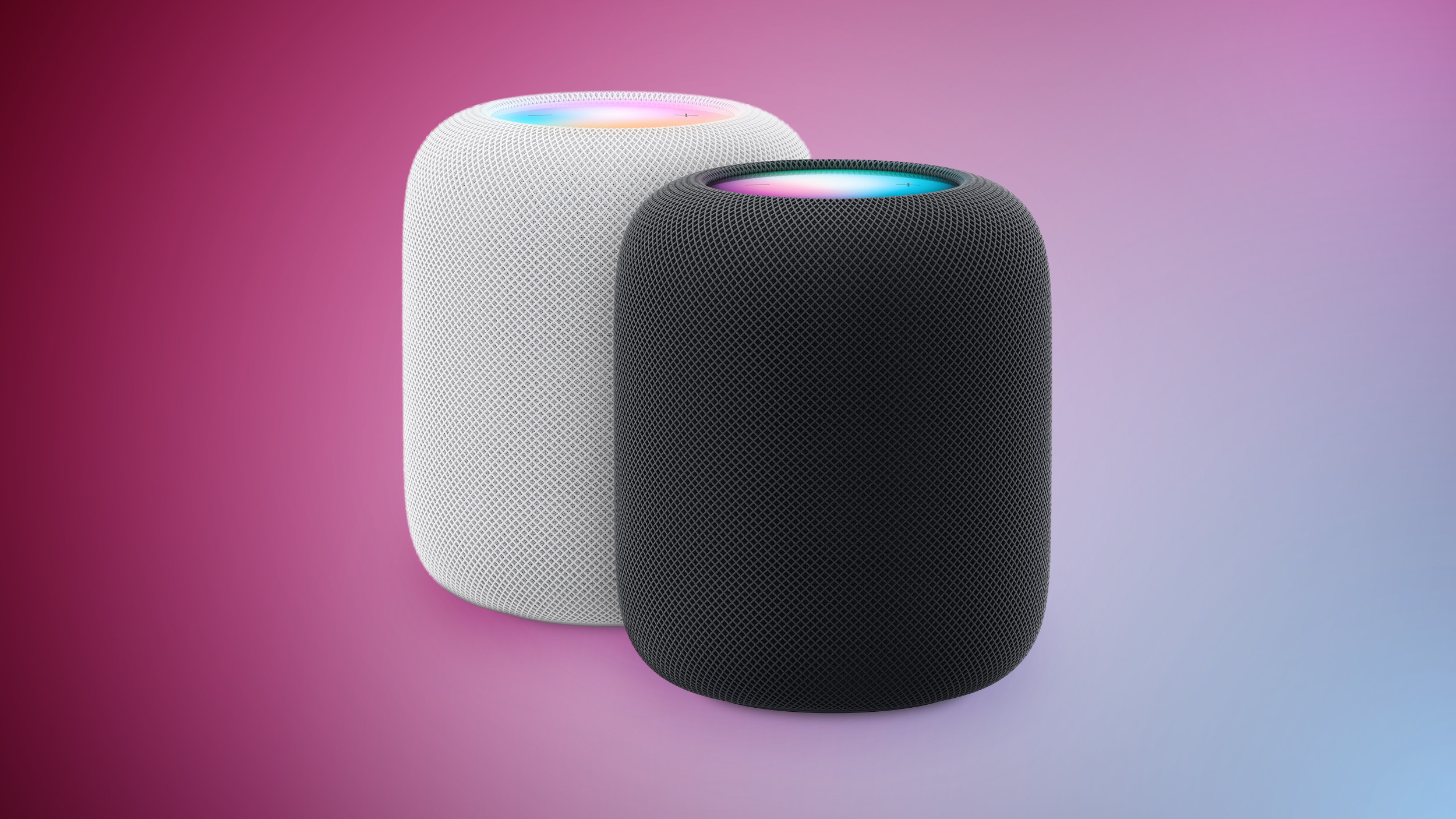
Apple's second-generation HomePod is now over three years old, with no sign of a refresh or third-generation model on the horizon.
The original HomePod was announced at WWDC in 2017 and launched in 2018 after a heavily delayed release. The device was met with mixed reviews; critics praised its outstanding sound quality but pointed out its high price, missing features, and limited functionality compared to rivals.
Apple dropped its price from $349 to $299 in April 2019 and, in March 2021, the company announced that it was discontinuing the first-generation HomePod, instead shifting its focus to the HomePod mini, which launched the previous year. The decision left a gap in Apple's product lineup for a full-sized smart speaker until the company introduced the second-generation model via a press release on January 18, 2023. It launched on February 3, 2023.
The second-generation HomePod looks virtually identical to the original, although it is 0.2 inches shorter and has a larger edge-to-edge LED touchscreen on top. It also boasts a range of upgrades and changes compared to its 2018 predecessor, including the S7 chip, a U1 ultra wideband chip, a removable power cable, a temperature and humidity sensor, and sound recognition. However, it features two fewer microphones and horn-loaded tweeters.
Apple is widely rumored to be planning a wave of new smart home devices, including a home security camera, over the next few years, but it is not clear if the HomePod is part of that. Apple appeared to be exploring a new HomePod with a touchscreen display at the top of the device around 2024, ostensibly proven by leaked prototype images, but there have been no further reports of such a device or any third-generation HomePod for over a year.
Rumors about Apple's plans for the smart home now center on an all-new smart home hub device, which has been described as a HomePod with a square iPad-like 7-inch screen and an A18 chip, with support for the next-generation version of Siri. It is expected to launch this year. A new HomePod mini is also rumored to be released this year.
New M5 Pro and M5 Max MacBook Pro models are slated to launch in the near future, according to information shared with MacRumors by an Apple Premium Reseller.
The third-party Apple retailer said that MacBook Pro stock is very low currently because there is an imminent new product introduction. Apple typically coordinates supply with retail stores ahead of a new model launch to avoid leaving resellers with too many outdated machines.
Over the weekend, Bloomberg said that the new MacBook Pros are going to launch alongside macOS Tahoe 26.3 during the February/March timeframe, and we are getting closer to the software's release date. Today's Xcode 26.3 release candidate launch also suggests that a debut isn't far off.
It's atypical for Apple to introduce an Xcode release candidate without also providing iOS and macOS release candidates, and we haven't seen the iOS 26.3 or macOS 26.3 RCs yet. Holding back a macOS release candidate is sometimes an indication that the RC contains information that Apple doesn't want to leak. If the M5 Pro and M5 Max MacBook Pro models are going to come out alongside macOS Tahoe 26.3, it's possible that the macOS Tahoe 26.3 RC includes new model identifiers that would give away the upcoming launch.
Apple has most commonly held macOS release candidates for a few days to a week. Prior to when new M3 Macs came out in October 2023, for example, Apple provided the iOS 17.1 and accompanying Xcode release candidate on October 17, but held the macOS 14.1 release candidate. New Macs were introduced on October 23, and then the macOS 14.1 RC came out on October 24. Apple followed the same pattern ahead of the first M1 Macs in November 2020, and the M2Mac mini in October 2022. In each case, Apple held the macOS RC while launching the iOS and Xcode RCs.
What's different in this situation is that we haven't seen the iOS 26.3 RC either, so the hold time is less clear. Apple could debut new MacBook Pro models as soon as tomorrow, then release both RCs. There's also a possibility we have to wait a week or two before new MacBook Pro models come out, especially if the RCs aren't quite ready to go and another beta update is planned.
It's not entirely clear why Apple released the Xcode 26.3 RC now instead of holding it, but it does include agentic coding tools that Apple worked with Anthropic and OpenAI to implement, so Apple may have committed to a specific schedule for the functionality.
All signs suggest that we're going to get the M5 Pro and M5 Max MacBook Pro models soon. Apple already released the standard 14-inch M5 MacBook Pro, but higher-end 14-inch and 16-inch models have yet to be refreshed.
The reseller that spoke to MacRumors also said that HomePod mini supplies are drying up with many models sold out, but there is no official word on whether that's because of supply chain issues or because of an imminent update. HomePod mini stock has been dwindling since October 2025, so stock continuing to be low doesn't give us new information on the HomePod mini 2, unfortunately.
Apple's first MacBook Pro models with OLED displays will launch in the fourth quarter of 2026, according to Korea's The Elec.
Samsung Display will reportedly begin mass production of eighth-generation OLED displays for the device in May. Samsung is planing to ship two million of these displays to Apple by the end of the year. The panel will be sent to Foxconn from the third quarter of 2026 for assembly into the final machines.
Some components for the device are said to still be in development, since Apple has been changing the design of some parts to reduce manufacturing costs. China's BOE is also hoping to supply Apple with OLED displays for the MacBook Pro, but only unit with Samsung displays will be available this'd s year.
The fourth quarter of 2026 runs from October to December. The OLED MacBook Pro is expected to feature 14- and 16-inch display size options, M6-series chips, and the first complete redesign of the device since 2021.
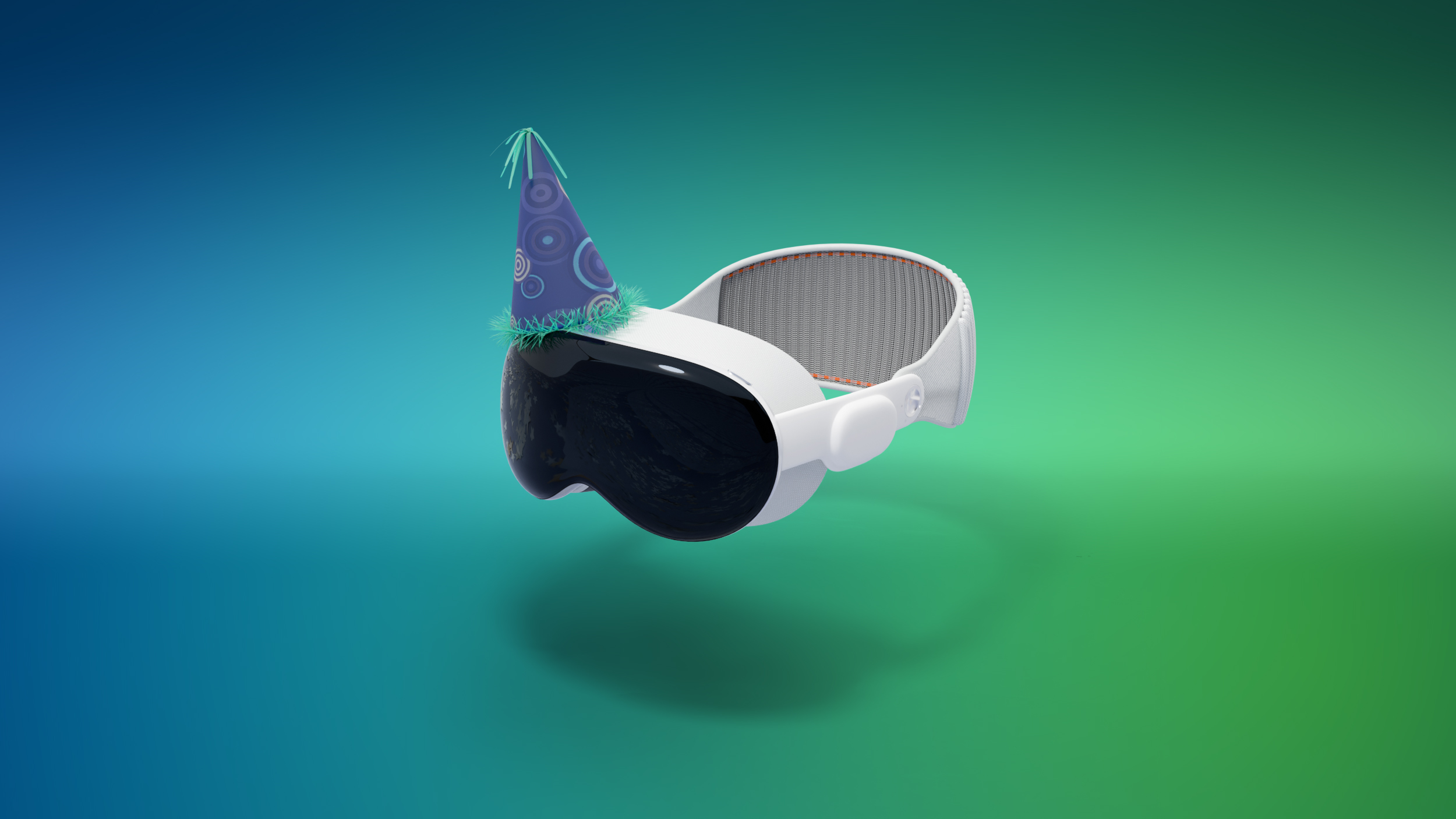
Apple's original Vision Pro spatial computing headset launched two years ago today.
Apple's work on a head-mounted device was the subject of rumors for many years before the Vision Pro's announcement. By the early 2020s, those reports had converged around the idea that Apple was preparing a high-end mixed-reality headset positioned as a new form of general-purpose computer.
Apple finally revealed the Apple Vision Pro in June 2023 during its annual Worldwide Developers Conference (WWDC), marking the company's first major new hardware platform announcement since the Apple Watch. In its initial announcement, Apple described Vision Pro as its first "spatial computer," introducing visionOS, a new operating system designed around three-dimensional app windows controlled by eye tracking, hand gestures, and voice input. The device combined dual micro-OLED displays with a total of roughly 23 million pixels, advanced sensor arrays, and custom silicon, including the M2 chip and a dedicated R1 chip for real-time sensor processing. Apple also announced a starting price of $3,499 in the United States and said the product would launch in early 2024.
The Vision Pro launched in the United States on February 2, 2024. Initial reviews broadly praised the visual quality, eye- and hand-tracking accuracy, and technical ambition of the product, while also noting its high price, physical weight, limited battery life, and a comparatively small library of software designed specifically for spatial computing. Following the launch, Apple gradually expanded Vision Pro availability to additional countries and continued to update visionOS with new features in 2024 and 2025.
The headset was never expected to be mass-market from day one, according to Apple. Even so, enthusiasm reportedly cooled far faster than anticipated. The latest report on the matter was published earlier this month by the Financial Times, claiming that the Vision Pro is still failing to catch on.
Roughly a year and a half after the initial release, Apple introduced an updated Vision Pro model featuring the M5 chip, representing the first hardware revision of the device. The M5 chip enabled 10% more rendered pixels, a refresh rate of up to 120Hz, better responsiveness, and up to an extra hour of battery life. Apple also introduced a counterweighted Dual Knit Band designed to improve comfort.
Reports suggest that there are now no Apple Vision headsets in active development, with the company's focus pivoting decisively to smart glasses. Soon after launch, Apple was believed to have shifted focus to a lower-cost "Vision Air," designed to bring spatial computing to a wider audience through a lighter and cheaper headset, while also planning a redesigned Vision Pro 2 for later in the decade.
By mid-2024, that plan appeared to change and the company's once-ambitious multi-year roadmap for the Vision Pro is said to have unraveled. A report from The Information said Apple had suspended development of the redesigned Vision Pro, redirecting resources toward the cheaper model, which itself later slipped amid cost and design challenges.
Supply-chain reports suggested Apple was winding down production of the first-generation Vision Pro due to weak demand and excess inventory, with the company pivoting to a chip refresh to use up stockpiled components. A year later, Bloomberg reported that Apple also paused work on the lower-cost headset, shifting its focus toward smart glasses, potentially leaving no next-generation headset hardware in active development.
What’s coming for Colombia in 2026? A new president, a return to the world cup and all the usual sports, music and culture are ahead. There’s also plenty of uncertainty for now.
Just like the high mountains, Colombia’s future is clouded in fog
It had seemed that the only big political news of the year would be the election cycle and incoming president. However, all that changed on the first weekend of the year as the US military captured Nicolás Maduro in Venezuela and brought him to face charges in New York.
Then at the end of January, the Corte Constitucional blocked president Petro’s economic emergency declaration, plunging the country into another round of uncertainty. While the court deliberates, the country’s businesses will have to wait to see what’s ahead. Meanwhile, minimum salary workers can celebrate their first COP$2,000,000 paychecks.
#LaCorteInforma | La Corte suspende provisionalmente el Decreto 1390 de 2025 “Por el cual se declara el Estado de Emergencia Económica y Social en todo el territorio nacional”, mientras se profiere una decisión de fondo.
February won’t let up as Petro’s off to Washington at the start of the month to meet Donald Trump in what could be a tense meeting. While both sides have cooled their rhetoric, there’s plenty of unpredictability in both camps. This is perhaps best illustrated by Petro having to be granted a 5-day visa just to visit, Trump having cancelled his last one.
It’s anyone’s guess how that might end, with Petro currently blocking the release of coca growing figures and denying the reliability of foreign sources. In the best case scenario, Colombians can hope for no additional tariffs, military guarantees and cooperation and an easing on visas.
This is a year with big events set to dominate after a relatively quiet 2025 still managed to contain plenty of shocks and surprises. As ever, Colombia seems set to live in interesting times. We’ll be here throughout the year to keep you up to speed on what’s going on and why, from entertainment to hard news.
Another big election
Expect Colombians to grumble as they are called up for compulsory vote counting duty. There will be two sets of elections this year, with voting for the Senate and House of Representatives taking place first on the 8th of March. There will also be voting for candidates in blocks on that day.
The election is tighter than the estrecho de Magdalena
After that, it’s the presidential race on the 31st of May with a likely run off between the top two candidates around three weeks later. The last four elections have all featured second rounds and no candidate looks capable of registering more than half the initial vote.
As with many presidential systems, there’s an enormous gap between winners being declared and them arriving in office. Pleasingly, this takes place on national days: the Senators and Representatives won’t arrive until Colombian Independence (20th July) and the president takes over on the anniversary of the Batalla de Boyacá (7th August).
The presidential runners and riders are in a very crowded field right now, but that will thin out until the 13th March, the final deadline for candidacies. The 8th March vote for various lists of candidates is especially important for this. The race remains wide open at the moment, with no clear leader and a very good opportunity for someone to come out of nowhere.
Interestingly, there’s a good chance that Colombia will elect its first ever female and/or LGBTQI president, with Vicky Dávila, Paloma Valencia, Daniel Oviedo and Claudia López all potentially already in the mix or capable of putting together a big surge.
On the loosely defined left, Iván Cepeda is the official candidate for Pacto, having won out in the internal poll. Luis Murillo is also in the hunt, with Roy Barreras and the formerly-discredited Medellín mayor Daniel Quintero as outsiders. Cepeda will absolutely dominate the leftist vote and is very likely to make the second round as a result.
A rally by presidential candidate Iván Cepeda in Neiva, Huila
A host of candidates on the nominal right are standing, with former journalist Dávila and Centro Democrático heavyweight Valencia in the ‘Gran Consulta’ block which defines itself as centrist but would be considered by many to be at least right-leaning.
The wildcards here are Abelardo de la Espriella, a tough on crime former lawyer who led the field in gathering public nominations at over 5 million and serial candidate and former Medellín mayor Sergio Fajardo who narrowly failed to make the second round last time around.
Harder to pin down are candidates such as Claudia López and Juan Daniel Oviedo. They could surprise some people with a strong spring surge, especially if they can channel a dislike of established parties. However, López has baggage from her time as Bogotá mayor and Oviedo is in the ‘Gran Consulta’, meaning he’ll struggle to stay in the race.
Tying up loose ends
Elsewhere in the political landscape are other issues that could do with being resolved before the change in head of state. Paz Total is nowhere near happening, with a number of talks deadlocked or non-existent, the economic emergency is currently frozen and Venezuelan relations remain unclear.
The sun is setting on Petro’s presidency
If the economic emergency goes ahead, there will be increased IVA (VAT or Sales Tax) on a range of things including online gambling, liquor and wine. There will also be a dramatic change in importation limits, with a limit of USD$50 for tax-exempt gifts.
The ELN have asked to get back to the table, perhaps sensing that a possible right-wing government might not be quite so favourably disposed to their antics. Petro himself seems to have lost patience though, dismissing the request out of hand due to their recent attacks on Colombian army members.
Inflation will probably remain high and base interest rates are now in double digits as a result. However, the economy is chugging along decently and consumer spending remains strong. The minimum wage increase will likely help that continue and with a weakening dollar, prices may start to stabilise.
Whatever happens in Venezuela will have a big impact in Colombia. If the country opens up again, it’s entirely possible that some of the three million or so Venezuelans in the country may return. That will ease pressure in the labour market, increase trade flows and please a certain type of politician.
If Delcy Rodríguez stays in office with US support, things may be a lot more complicated. There’s not much love for the Venezuelan regime in Colombian political circles, meaning trade may not take off and there is likely to be limited cooperation on regional matters.
Ecuadorian relations also are heading in a downward spiral, with Noboa and Petro currently engaged in a tit-for-tat trade war and imposing hefty tariffs on each other. That’s choking trade across the border and affecting cooperation on cross-border security issues.
If there is a change in government, there might be more serious attempts to investigate a range of overhanging scandals such as the peculiar case of Laura Sarabia, currently ambassador to the UK and Juliana Guerrero’s and others’ mysterious qualifications.
With six months more in office, Petro has plenty of time to address these scandals or start new ones. Expect his twitter account to get even more heated between March and June as he gets involved in the election. He’s also likely to continue the ministerial merry-go-round which is past 60 changes already.
His approval ratings upon leaving office are likely to be higher than either of his two immediate predecessors. After a sharp post-election fall, he’s stayed consistently relatively popular by Colombian presidential standards and showing an uptick in recent months. For all the mutterings of doom when he came in, he’ll leave office in a relatively good position.
Big issues in Bogotá
Mayor Gálan is halfway through his tenure and has little to show for it so far. He’s managed to keep things ticking over but has not made big changes, nor has much of a legacy as things stand. The Metro was his inheritance and will be inaugurated under the next mayor, so he could do with something big this year. Trouble is, there’s nothing on his books for now.
A long-term boon but short-term disruption
Transport is perhaps the biggest issue, with the Metro still firmly on track. Gálan deserves credit for this, as the project has not been without problems and has endured meddling from the Palacio Nariño. Regiotram to the westerly satellite towns is also still on the way.
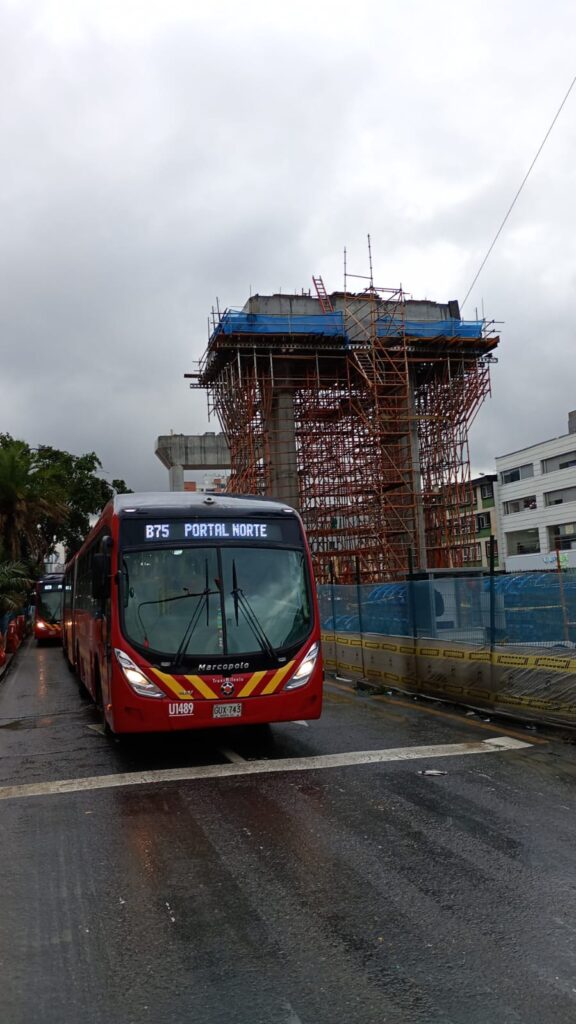
On the other hand, there will be even more disruption in the short term thanks to the Metro works, and road quality is awful. Road traffic incidents are stubbornly high, with nearly 500 deaths predicted over 2026.
Prices have been hiked to COP$3,550 on the Transmilenio and SITP for 2026, despite Gálan’s earlier pledge not to do so. The mayor says it’s unavoidable due to the minimum wage rise. Petro has responded by refusing to fund a new fleet of electric buses.
Water rationing was an issue this time last year, but it seems unlikely to return for the short term, thanks to the unseasonal levels of rain we’ve had over the holiday period. An El Niño event is predicted for the year but there’s little sign of it so far.
Crime is nominally coming down, but few believe the official figures. Perceptions of crime remain high and most Bogotanos feel unsafe in the city. It’s not hard to see why – it feels like there are more and more chirretes around and fewer police.
One thing that is always in view is rubbish, with big piles over much of the city. Some of this is from an increase in fly-tipping, some from a faulty collection system struggling to keep up and others from a simple breakdown in civic values.
A succession of Bogotá mayors have avoided the issue after Petro got into hot water in his time in office, but things are coming to a head now. It’s becoming a public health problem with rats frequently seen even in midday as well as a simple blight on the city.
Entertainment
Peso Pluma has pulled out of Festival Estéreo Picnic 2026, but la Tigresa del Oriente has joined, which is probably a win. The best event in Bogotá, and by extension Colombia, remains a top-drawer festival with genuine international heavyweights which is well worth getting tickets for if you’re in town.
With a lineup boasting Tyler, The Creator, The Killers and Deftones, the festival is a viable cultural tourism draw if you’re visiting. Prices are competitive with North American and European fests and experiencing a Latin American festival environment is something most music fans should relish.
FEP2026 is the bigger event, but little sister Cordillera offers a more Latin experience
Balancing FEP2026 is Festival Cordillera 2026 in September, which offers a different attraction: the chance to see what (loosely defined) contemporary Latin music sounds like. The event focuses almost exclusively on Latin talent from across the musical spectrum, giving you the opportunity to explore a soundscape you may not know too much about.
Sadly, those two mega-festivals are helping sound the death knell for Rock al Parque. It hasn’t really recovered post-COVID and has been poorly managed by the alcaldía. Hopefully it can find its feet again, and the offshoots (salsa al parque, rap al parque etc) are all still strong and accessible.
Flying under the radar last year was Colombia’s first ever board games convention, Ludotopia. Given the enormous success of the event, it’s likely to run again. In other boardgaming news, Wingspan will launch an Americas expansion featuring a bevy of local aves, illustrated by Colombian lead designers Ana Maria Martínez and Natalia Rojas.
Filbo from 21 April- 5 May is the nation’s keystone for literary events, accessible and open to all with a strong focus on education as usual. The country of invitation this year is India, a welcome departure from the usual Latin or European focus and sure to open up exciting new possibilities.
Ludotopia was a smash hit in 2025
Geekfest SOFA will be in October, which has turned into an absolute juggernaut of an event. Crowds will be intense in the daytime weekends, so try and make it there on weekdays or in the evenings if you’re going. Comic Con is much quieter but lacks the joyfulness of SOFA, being much more commercial in nature.
Colombian sporting specials in 2026
Colombia have a reasonably straightforward World Cup group and will be aiming high. Head coach Nestor Lorenzo has turned dressing room morale around 180° and taken los cafeteros to a runner’s up spot in the last Copa América.
With Colombia currently ranked 13th by FIFA, they are expected to do well and will be seen as a team to beat. Matching the 2014 run to the quarter-finals will be no easy task, but achievable. Surpassing it would be a real upset but it’s a funny old game and anything could happen. The squad is well built for tournament football, with key players such as James capable of burning bright for a few weeks.
A hotly contested capitalino derby on the way to Santa Fe’s championship
There’s also plenty to keep an eye on in domestic football, with Falcao returning to Millonarios. That didn’t go fantastically well in the 2024 apertura, as city rivals Santa Fe knocked them out and went to lift the trophy. El Tigre didn’t take that well at all, throwing his toys out of the pram in a charged presser after the match. Santa Fe went on to win the Supercup at the start of this year.
After working wonders with Wrexham, Hollywood superstar Ryan Reynolds will be hoping to do similar for Inter de Bogotá. Previously known as La Equidad, the team changed name after being acquired by Reynolds’ investment vehicle. The actor has already donned the jersey and may appear at games in 2026.
In non-traditional sport, Cricket Colombia are celebrating their recent designation as an official sport in the country. They’re getting things kicked off with the Barranquilla Cricket tournament from February 20-22 seeing regional teams from Santa Marta, Bogotá, Cali and Medellín fighting it out to decide national supremacy. Cartagena, Santa Marta and Barranquilla are also hosting a women’s competition as the sport grows in the country.
Egg-chasers are spoilt for choice with Gaelic football in the capital as well as Aussie Rules, American football and rugby across the country. With the Superbowl coming up, if you are inspired, get in touch with the American football leagues across the country.
The Colombian women’s sevens are currently competing in the SVNS championship in Dubai and making a good account of themselves. The Toucans are punching above their weight with limited resources available to them.
AFL in Colombia continues to build momentum, and Gaelic football is becoming a bigger deal as well, with the Bogotá Beithigh practising on a more consistent basis in partnership with Colombia rugby to help build their profile.
What’s most likely to happen in Colombia in 2026?
Well, frankly put, the most likely thing is a big surprise in Colombia in 2026. Unexpected events seem to happen with regularity, so there’s every chance something comes out of leftfield. Plenty of things popped up in 2025 that we hadn’t seen coming this time last year.
The news rolls like the mountains of the macizo colombiano
Having said that, there are some good bets to lay: the economy should continue strengthening and the dollar exchange should ease back in the direction of COP$3,000 (which remains a long way off). There definitely will be a new president, even if it’s a continuity candidate and we will see changes in the Senate.
The big cultural events of 2026 in Colombia look like they’ll all be roaring successes as usual, as the country shows no sign of slowing down.
It’s unlikely that any of the peace processes will come to a conclusion and depressingly likely that they will face more turmoil if certain candidates take over in the Palacio de Nariño. While we can all hope that things will improve in the capital, there’s currently no sign that will happen. On the other hand, steady progress will continue on existing projects.
En fin, it’s likely to be six months of the usual turmoil and drama, culminating in two huge events: May-June’s presidential elections and the fortunes of the footballers in North America at the World Cup in July. Then we’ll face the remainder of the year watching what the president does in his or her first months. Whatever happens, there’ll be plenty going on in Colombia in 2026.
Apple is planning to launch new MacBook Pro models with M5 Pro and M5 Max chips alongside macOS 26.3, according to Bloomberg's Mark Gurman.
"Apple's faster MacBook Pros are planned for the macOS 26.3 release cycle," wrote Gurman, in his Power On newsletter today.
"I'm told the new models — code-named J714 and J716 — are slated for the macOS 26.3 software cycle, which runs from February through March," he explained.
macOS 26.3 remains in beta testing, but the update should be coming soon, with a wide release expected in February. Gurman was careful to also mention March, but this seems rather unlikely, unless the macOS 26.3 beta testing cycle drags on longer than expected, or the new MacBook Pro models are tied to macOS 26.3.1 or later.
As of now, we expect the macOS 26.3 Release Candidate to be seeded in the first half of February, so a new MacBook Pro announcement could be just around the corner.
In October, AppleInsider's Marko Zivkovic was first to report that MacBook Pro models with M5 Pro and M5 Max chips were "expected to ship with macOS 26.3," so this rumor has now been shared by multiple sources.
Beyond the M5 Pro and M5 Max chips, no major changes are expected for these models.
In late 2026 or in 2027, the MacBook Pro is expected to receive a major redesign, with rumored features including an OLED display with touch capabilities, M6 Pro and M6 Max chips, a thinner design, and built-in cellular connectivity.
Petro’s emergency order has been put on hold while the constitutional court examines its legality further. What does this mean for your pocket and the country’s future?
More money in your pocket?
For the first time in Colombian history, the constitutional court on Thursday overruled a presidential order and temporarily negated Gustavo Petro’s declaration of an economic emergency. He had done that in order to get his budget through, essentially bypassing the need to get it through parliament. That’s now been put on hold.
The decree hasn’t actually been struck down, just paused while the court makes a decision on the constitutionality of the order. This means weeks of uncertainty while they deliberate. The decision was taken 6-2 with two abstentions, meaning that there’s a clear majority in favour of negation at this point.
#LaCorteInforma | La Corte suspende provisionalmente el Decreto 1390 de 2025 “Por el cual se declara el Estado de Emergencia Económica y Social en todo el territorio nacional”, mientras se profiere una decisión de fondo.
Petro’s declaration of economic, social and ecological emergency was known officially as Decreto 1390 of 22 December 2025. No measures deriving from the decree can be implemented yet, although it will stay formally on the books for now, until the final decision is taken on whether it can stand.
Predictably, he’s reacted furiously to the news, saying that the public should decide. He claims it’s a political decision aimed at protecting the establishment and countering his progressive aims. Furthermore, he says that the court has not properly studied the executive’s arguments.
Cuando desde hace décadas la Corte Constitucional prohibió suspender provisionalmente un decreto de emergencia, la actual Corte Constitucional, sin estudiar nuestras razones, decidió hacerlo.
Se trata literalmente de prejuzgar, pero además se hace por dos razones: por que es un…
Even more provocatively, he’s presenting this as a rupture of constitutional order. This should not be taken lightly: he’s essentially arguing for fewer checks and balances on the presidential office. This is a common theme in caudillo politics and one that many in Latin America will recognise.
The large increase in the minimum salary is being dragged into the argument in what appears to be an attempt to win support for the president’s emergency measures. The latter is a dry matter that few take interest in and the former is something that everyone can see and many support.
While there is little to no chance of the minimum salary increase being revoked, it does stir emotions more effectively than a constitutional affair that many take no interest in. He’s also making the argument that this is class war and the working people should not have to bear the cost of the deficit.
His controversial sidekick Armando Benedetti, currently Interior Minister after a string of previous positions has also come out swinging, saying that the court does not have the right to overrule the head of state and that they are protecting the megarich.
No hay derecho. Al suspender provisionalmente la Emergencia Económica se está protegiendo a los megarricos. pic.twitter.com/0UlK6Elzti
While the ruling by the Corte Constitucional is unprecedented, it was not a big shock. Petro was quite clearly playing politics with the decree and is now dealing with the consequences. It was seen in December as an unusual and authoritarian move which had a good chance of being denied. A freeze was always likely, with full rejection absolutely possible.
The court justified its decision by arguing that the financial problems the country has are not exceptional circumstances that demand emergency measures, such as COVID-19 or a natural disaster. Rather, they are structural problems that require a regular solution.
More tellingly, the tribunal noted that the motivation behind the decree was not clearly defined and likely political. It went on to point out formal irregularities and problems with the legal design of the decree.
There had been significant pushback from elected officials to the plan, with 17 departmental governors refusing to implement decree 1474, a follow-on from the economic emergency decree, claiming it was potentially unconstitutional and that this would put them at financial risk if it failed.
This opens serious questions as to the limits on the president’s power, the position of the constitutional court and the viability of future tax reforms. It also sets the clock ticking for a decision, as the Senate and House elections are coming up fast, on March 8th. If this matter is not resolved by the time presidential elections are happening, things will get complicated.
So what does it mean for my pocket?
In the short term, all the planned tax hikes are frozen. That means there likely won’t be price drops, just that some things that were set to rise significantly won’t do so. In fact, as inflation remains high, expect plenty of sticker shock anyway.
Some booze, yesterday
Full-rate IVA (VAT or sales tax) was due to go onto liquor and wine, so it’s good news for rum drinkers, winos and aguardiente fans. Gamblers, too, have a reprieve as there will also be no IVA increase for online betting. Finally, smokers won’t see extra taxes on tobacco consumption.
The planned USD$50 limitation on tax-exempt gifts won’t go into effect, making buying from overseas relatively cost-effective for a while longer.
The wealth tax will stay where it is for now, with the bar remaining at COP$3.6bn and progressive rates not coming into play. However, those in debt with local tax revenue authority DIAN will not see a reduction in either interest payments or penalties for late payment.
Elsewhere in the economy, the bankers have avoided a 15% extra supertax and there will be no new charges levied on natural resource extraction. The latter were in any case only designed to be temporary.
It’s technically possible, but very unlikely, that monies already gathered will be returned. The corte constitucional has traditionally avoided retroactive economic decisions, preferring to rule in favour of protecting the state’s finances. That means some COP$800bn that has been collected will stay in limbo for now but almost certainly be unfrozen whatever happens.
What happens next?
Immediately, political and economic uncertainty, as this is only a temporary suspension to revise the legal position. That means weeks more of companies not knowing where they stand for the medium term and politicians taking the opportunity to grandstand and indulge themselves.
There are two paths from here: either the court decides that the economic emergency declaration was valid, in which case we simply revert to the original measures set out in the decree, or it is struck down and everything is up in the air.
Petro is correct when he points out that this will mean he has to borrow more to finance the running of the state, which will increase the national debt. The deficit also still stands and continues to grow, meaning in turn so does the debt. This is long-term unsustainable.
Somewhere down the line, a Colombian president will have to do something to address the deficit the country has been running for years since the collapse of the natural resource boom. However, Duque’s attempt to reform the tax system was met with massive protests and Petro has fared no better while also increasing spending.
There are no signs that any of the candidates in this year’s election are likely to fare any better. Expect to see plenty of grandiose plans and vague suggestions but little fine detail in any manifestos. Quite simply, running on a platform of promising to increase taxation is a death knoll for any candidate.
All of the measures that could be taken are politically poisonous. Cutting spending is hard to do once people have become accustomed to it, stealth taxes abound and business rates are already high. A more progressive income taxation system would need to involve widening the tax base, which will mean more voters paying tax for the first time.
For many regular folk, just keeping their head above water is already hard enough without extra costs suddenly appearing. They won’t vote for more taxes, or even any taxes, as many are simply not taxed directly. At the same time, without significant natural resources popping up, the only way out of the middle-income trap is tax reform.
There’s also the question of the role played by the constitutional court. While nominally independent, it is supported or decried by all sides of the political spectrum depending on who it’s perceived to favour at any one point. There are already calls to ignore it in the name of the ‘people’s will’, conveniently undefined. Expect those to grow in number.
Where will Colombia go in the short term? Probably nowhere, as kicking the can down the road is still possible for a few years more. It’s likely that state spending will slow down, minor budgetary changes will get through and the country will muddle along.
Having already lost investment grade status after Duque’s botched reform, the country hasn’t much to lose for now. There are also promising economic signs, meaning that strong GDP growth could alleviate the situation considerably. However, the national debt will be hanging like the sword of Damocles over future presidents.
Apple today shared a short film to usher in the Chinese New Year, aka Lunar New Year, which begins February 17 and will be celebrated through March 3.
"A girl, a talking dog, and a meticulously thought out scheme make up this heartwarming tale about finding family," says Apple. "Apple joins forces with director Bai Xue for an imaginative blend of cinematography and stop-motion to usher in Chinese New Year."

 Login
Login