Login
Login
iOS 27 Rumored to Include Split-Screen App Adaptation Feature
Apple is working on a split-screen app landscape adaptation feature for iOS 27, according to a known leaker.
In a new post on Weibo, the leaker known as "Fixed Focus Digital" said Apple is developing a "Parallel View" capability for iOS, aimed at solving the platform's longstanding weakness with large-screen and landscape layouts. Parallel View is a feature in Huawei's HarmonyOS that automatically adapts smartphone apps for wide displays at the system level, without requiring developers to redesign their apps.
Fixed Focus Digital appears to be using the term as a reference point for the type of solution Apple is pursuing, rather than suggesting Apple is directly replicating Huawei's implementation. The leaker pointed to iPadOS as Apple's own existing example of the approach, noting that Apple already handles landscape adaptation at the system level on the iPad. iOS has never had an equivalent mechanism.
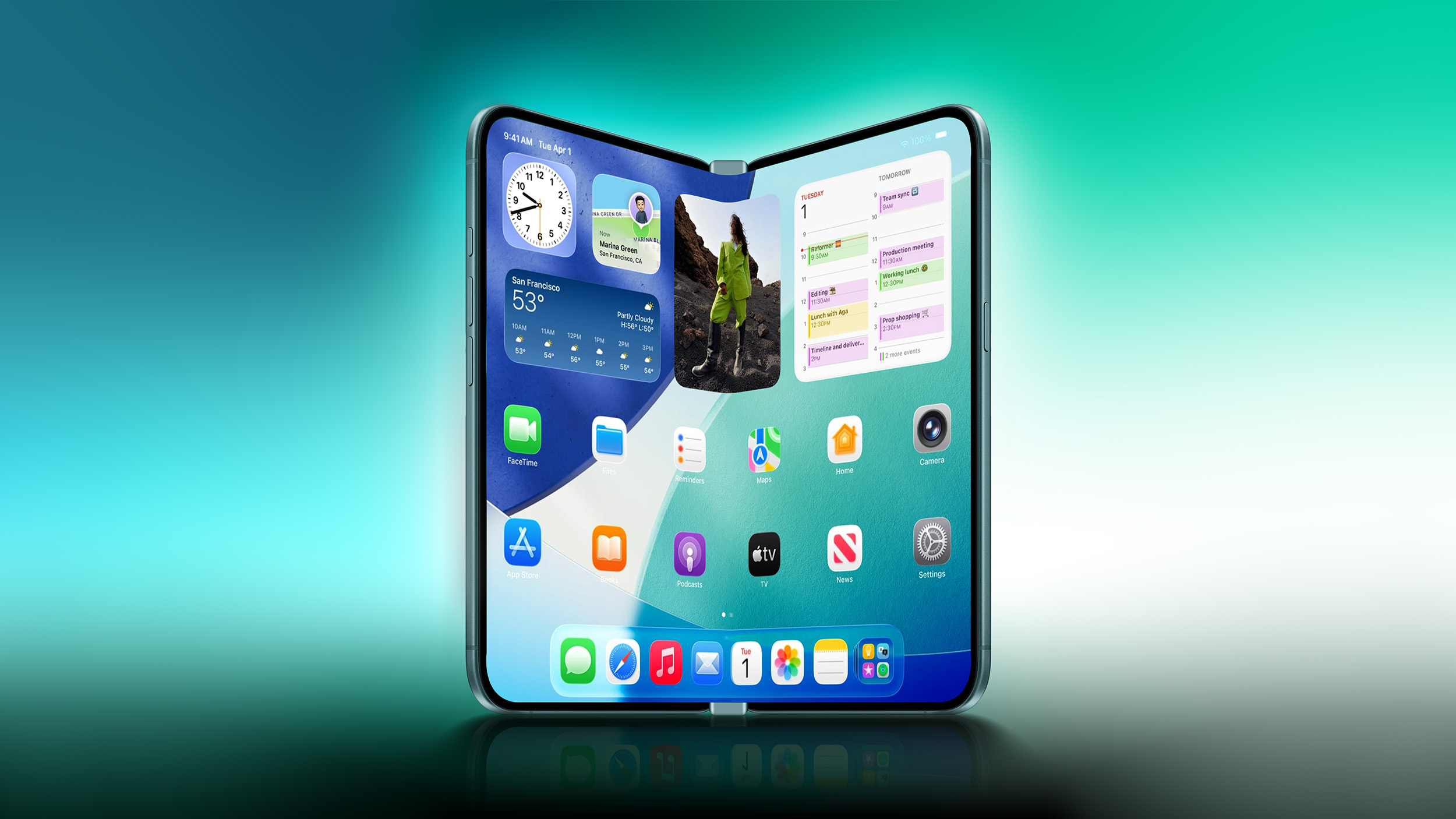
The feature appears to be aimed squarely at the foldable iPhone, whose 7.8-inch inner display will expose a fundamental limitation of iOS: virtually every iPhone app is designed for a tall, narrow screen. Without a system-level solution, those apps would appear letterboxed on the larger display. Fixed Focus Digital acknowledged that iOS is "indeed excellent" while noting its large-screen adaptation has consistently fallen short.
The claim corroborates earlier reporting from Bloomberg's Mark Gurman, who reported in March that iOS 27 would support two apps side-by-side on the foldable iPhone's inner display, with an iPad-like layout and left-side navigation bars in supported apps.
Apple is expected to unveil iOS 27 at WWDC 2026 later this month, ahead of a fall release alongside the iPhone 18 Pro models and the foldable iPhone.
This article, "iOS 27 Rumored to Include Split-Screen App Adaptation Feature" first appeared on MacRumors.com
Discuss this article in our forums
In a new post on Weibo, the leaker known as "Fixed Focus Digital" said Apple is developing a "Parallel View" capability for iOS, aimed at solving the platform's longstanding weakness with large-screen and landscape layouts. Parallel View is a feature in Huawei's HarmonyOS that automatically adapts smartphone apps for wide displays at the system level, without requiring developers to redesign their apps.
Fixed Focus Digital appears to be using the term as a reference point for the type of solution Apple is pursuing, rather than suggesting Apple is directly replicating Huawei's implementation. The leaker pointed to iPadOS as Apple's own existing example of the approach, noting that Apple already handles landscape adaptation at the system level on the iPad. iOS has never had an equivalent mechanism.
The feature appears to be aimed squarely at the foldable iPhone, whose 7.8-inch inner display will expose a fundamental limitation of iOS: virtually every iPhone app is designed for a tall, narrow screen. Without a system-level solution, those apps would appear letterboxed on the larger display. Fixed Focus Digital acknowledged that iOS is "indeed excellent" while noting its large-screen adaptation has consistently fallen short.
The claim corroborates earlier reporting from Bloomberg's Mark Gurman, who reported in March that iOS 27 would support two apps side-by-side on the foldable iPhone's inner display, with an iPad-like layout and left-side navigation bars in supported apps.
Apple is expected to unveil iOS 27 at WWDC 2026 later this month, ahead of a fall release alongside the iPhone 18 Pro models and the foldable iPhone.
Related Roundup: iOS 27
Tag: Fixed Focus Digital
This article, "iOS 27 Rumored to Include Split-Screen App Adaptation Feature" first appeared on MacRumors.com
Discuss this article in our forums