
Reading view

iPhone Fold Will Be eSIM-Only, But Chinese Users May Have Other Ideas

Apple's first foldable iPhone will reportedly drop the physical SIM card slot in favor of eSIM technology, according to a well-known Chinese leaker posting on Weibo today.
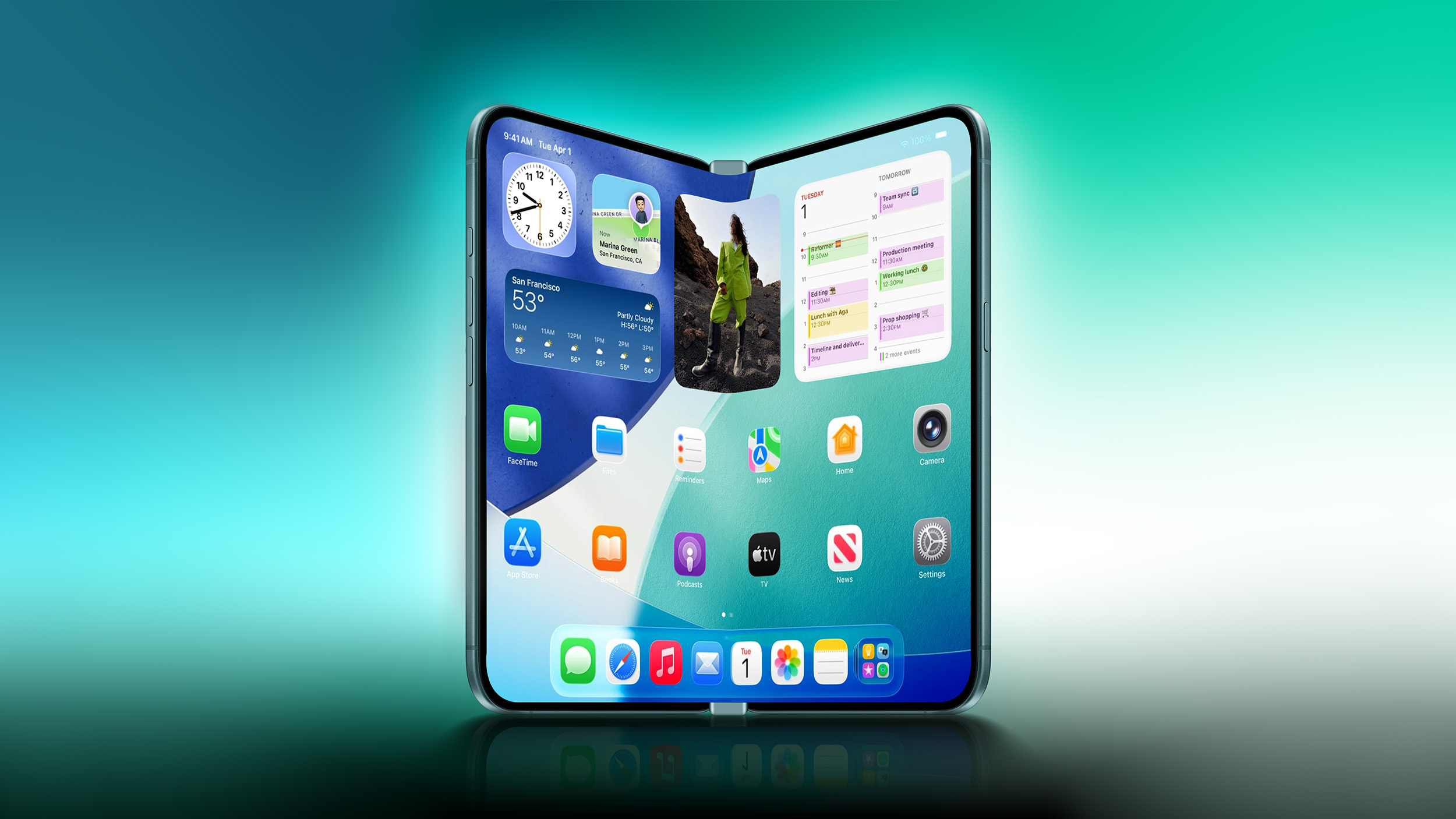

Apple is expected to introduce the device late next year or in early 2027, based on multiple reports. The so-called "iPhone Fold" is rumored to feature a 5.5-inch outer display and a book-style design that opens to reveal a roughly 7.8-inch inner screen reminiscent of an iPad mini.

Bloomberg's Mark Gurman has described the foldable as "super thin and a design achievement," comparing it to "two titanium iPhone Airs side by side." Internal volume will therefore be tightly constrained.

"It's highly likely that the foldable iPhone will come without a SIM card slot, supporting eSIM only," said leaker Instant Digital, echoing earlier expectations from Gurman and analyst Ming-Chi Kuo.

Instant Digital also highlighted the current shortcomings of eSIM in mainland China, where users strongly prefer physical SIM activation and dual-SIM slots. China's fast-moving resale and device-trial culture makes quick SIM transfers essential, meaning an eSIM-only foldable would rely heavily on seamless carrier provisioning.

Apple is aware of the hurdles. The iPhone Air, which adopted an eSIM-only design for similar space-driven reasons, depends on dedicated support from China Mobile, China Telecom, and China Unicom. It allows up to two active eSIMs, but activation still requires an in-store visit.

Globally, iPhone Air sales have undershot expectations, to say the least. Many consumers have focused less on its thin profile and more on the trade-offs it introduced, such as reduced battery life and a single rear camera. In China, the eSIM limitation will have surely added another layer of hesitation.

The foldable iPhone is rumored to introduce several new technologies, including a 24-megapixel under-display camera and a crease-free inner panel. Apple will be banking on these advances to overcome concerns about usability, especially in markets where eSIM adoption lags.

Reports suggest the device could cost between $2,000 and $2,500 in the United States, suggesting it could be the most expensive iPhone to date.
This article, "iPhone Fold Will Be eSIM-Only, But Chinese Users May Have Other Ideas" first appeared on MacRumors.com

Discuss this article in our forums

  •  

iPhone Fold to Feature Industry-First 24MP Under-Display Camera

Apple's first foldable iPhone will feature an industry-first 24-megapixel under-screen camera built into the inner display, according to the latest JP Morgan equity research report seen by MacRumors.


We've previously heard rumors that Apple will use an under-display camera for the book-style foldable's inner display, but this is the first reference to the camera's proposed megapixel count.

Under-display camera technology has been used on some Android phones, but they tend to have lower resolution sensors (4 or 8 megapixels, for example) because the image quality suffers due to being behind display layers.

The jump to a 24-megapixel camera (with six plastic lens elements, per the report) would therefore be a significant technological advance, potentially resulting in clearer, sharper images with more detail. The detail suggests Apple has achieved a breakthrough in greatly improving light transmittance and image quality compared to previous designs.

However, the JP Morgan forecast also suggests Apple has made some compromises to keep the foldable device compact, such as a lack of LiDAR and optical image stabilization.

Apple's foldable iPhone is expected to include a dual-lens rear camera, with a front-facing camera for both folded and unfolded states, according to Apple analyst Ming-Chi Kuo. Bloomberg's Mark Gurman recently corroborated reports that the device will have four cameras consisting of one front camera, one inner camera, and two rear cameras. Prolific Weibo-based leaker Digital Chat Station claims that the rear dual lenses will be 48 megapixels each.

Other sources have claimed that the inner display features an under-screen camera, while the outer display – in the device's folded state – will have a punch-hole camera. Apple is reportedly relying on Touch ID integrated into the side button instead of Face ID for biometric authentication.

Gurman has said he expects the device to be launched next year in the fall season. However, Japan's Mizuho Securities banking firm has suggested a postponement to 2027 could still happen because of Apple taking longer to decide on key design elements such as the hinge.
This article, "iPhone Fold to Feature Industry-First 24MP Under-Display Camera" first appeared on MacRumors.com

Discuss this article in our forums
  •  

iPhone Fold: Launch, Pricing, and What to Expect From Apple's Foldable

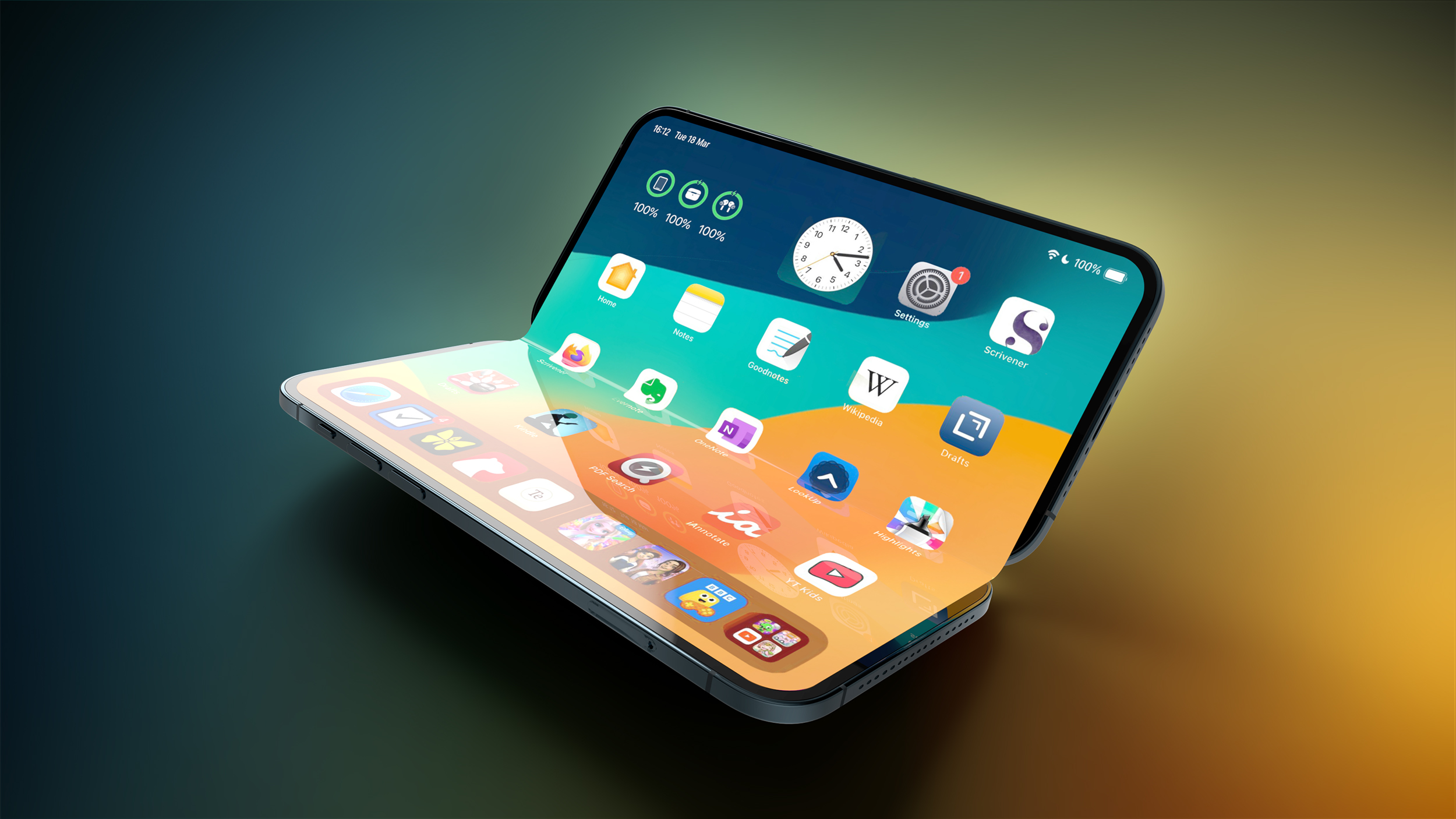
Apple is expected to launch a new foldable iPhone next year, based on multiple rumors and credible sources. The long-awaited device has been rumored for years now, but signs increasingly suggest that 2026 could indeed be the year that Apple releases its first foldable device.


Below, we've collated an updated set of key details that have been leaked about Apple's foldable iPhone so far.

Overall Design

Book-Style

According to Bloomberg's Mark Gurman, Apple's foldable iPhone is similar in style to Samsung's Galaxy Z Fold, which uses a book-style folding mechanism, rather than the clamshell design of the Samsung Galaxy Z Flip. Industry analyst Ming-Chi Kuo expects the foldable ‌iPhone‌ to measure between 9 and 9.5 mm when folded, and around 4.5 to 4.8 mm when unfolded. More recently, Weibo-based leaker Instant Digital has said that the foldable iPhone will have a thickness of at least 4.8mm.

Display Sizes

Dual Screens

When folded, users will interact with a 5.5-inch outer display that is similar to a typical iPhone screen, while unfolding it will reveal a larger 7.8-inch iPad-style screen. The inner display is said to be virtually crease-free, thanks to Apple's use of a metal plate that can disperse and control the stress generated by bending the display. These dimensions have been corroborated by two reputable sources. According to one rumor, the inner folding display will be approximately the size of a piece of A6 paper and will use a 2,713 x 1,920 resolution, while the outer display will use a 2,088 x 1,422 resolution.

Chassis and Hinge

Durable Materials

The foldable iPhone reportedly has a titanium chassis, with the hinge constructed from a combination of titanium and stainless steel, according to Kuo. Apple is said to be using liquid metal in the hinges to improve durability and help eliminate screen creasing. Liquid metal, manufactured using a die-casting process, has been chosen by Apple to address these two common issues with foldable devices, according to the analyst. The frame itself will use a titanium alloy to prevent bending issues – a solution that has worked well for Apple's new ultra-thin iPhone Air. However, analyst Jeff Pu believes that Apple is using aluminum and titanium, whereas Kuo believes a mix of stainless steel and titanium has been chosen.

Cameras

Front and Rear

The foldable iPhone is expected to include a dual-lens rear camera, with a front-facing camera for both folded and unfolded states, according to Kuo. Bloomberg's Mark Gurman recently corroborated reports that the device will have four cameras consisting of one front camera, one inner camera, and two rear cameras. Prolific Weibo-based leaker Digital Chat Station claims that the rear dual lenses will be 48 megapixels each. Other sources have claimed that the inner display features an under-screen camera (USC), while the outer display – in the device's folded state – will have a punch-hole camera.

Authentication

Touch ID

Kuo believes the phone will forgo Face ID authentication, and instead use a Touch ID side button as a means to save precious internal space, and Bloomberg's Mark Gurman recently corroborated the rumor. Apple has previously integrated Touch ID into the side button of the iPad, iPad Air, and iPad mini.

Cellular Connectivity

C2 Modem

The foldable iPhone will use Apple's second-generation C2 modem for cellular connectivity, according to Bloomberg's Mark Gurman. Apple debuted its custom-designed C1 modem in the iPhone 16e earlier this year, followed by the C1X featured in the iPhone Air, as part of a multi-year plan to transition away from Qualcomm modems. Gurman says the foldable device will not have a physical SIM slot.

Battery Life

High-Density Cells

Apple is putting a heavy focus on improving power efficiency by slimming down key components like the display driver to make room for more battery cells, according to a Korean blog that has leaked accurate details about unreleased products before. The phone will reportedly use high-density battery cells. Expect the C2 modem to be faster overall, and for it to gain mmWave support in the United States. Further power efficiency improvements are likely too.

Color Options

Black and White

Apple is currently only testing variations of black and white for the folding phone with suppliers, according to Bloomberg's Mark Gurman, although he says that Apple's plans could evolve before the device launches.

Pricing

Premium Segment

Multiple reports have suggested the foldable iPhone will be priced between $2,000 and $2,500 in the United States, which could make it the most expensive iPhone ever. Meanwhile, analysts at investment banking firm UBS believe the phone will be between $1,800 and $2,000. However, Kuo recently claimed that the hinge is expected to carry an average selling price (ASP) of approximately $70 to $80 when mass production begins – well below the market expectation of $100 to $120 or higher. Kuo attributed the cost decline to "assembly design optimization" and Foxconn's influence in production scaling. Whether the reduction in hinge price will reduce retail price or simply bolster Apple's margins is an open question. Regardless of the price, the foldable is expected to tap into Apple's loyal fanbase, some of whom will view it as a "must-have device" if its quality meets expectations.

Launch Date

Late 2026

According to industry analyst Jeff Pu, the device entered the New Product Introduction (NPI) phase at Foxconn in March. Foxconn is expected to officially start producing Apple's foldable iPhone early in the fourth quarter (October), and a recent report has suggested Apple is already stockpiling components for pre-production. An exact launch date is currently unknown, but both Kuo and Pu say mass production is planned for the second half of 2026. Bloomberg reporter Mark Gurman has said he expects the device to be launched next year in the fall season. However, Japan's Mizuho Securities banking firm has suggested a postponement to 2027 could still happen because of Apple taking longer to decide on key design elements such as the hinge.
This article, "iPhone Fold: Launch, Pricing, and What to Expect From Apple's Foldable" first appeared on MacRumors.com

Discuss this article in our forums

  •  

Apple Stockpiling Parts for Foldable iPhone Ahead of 2026 Launch

Apple is building up inventory for its first foldable iPhone in preparation for the device's launch next year, claims a Chinese leaker with proven sources within Apple's supply chain.


According to Weibo-based account Fixed Focus Digital, Apple is now stockpiling key components for its long-rumored foldable iPhone, which we are tentatively referring to as "iPhone Fold." The leaker did not elaborate, but Apple is likely securing supplies of advanced parts including foldable OLED displays, titanium frames, and complex hinge assemblies that reportedly combine several materials.

The move suggests Apple is entering the crucial pre-production phase, where suppliers begin ramping output ahead of full mass production. Some of these components may have long lead times and high failure rates, so early stock-building helps reduce risk and smooth the eventual launch pipeline.

Apple's foldable iPhone is reportedly similar in style to Samsung's Galaxy Z Fold, which uses a book-style folding mechanism, rather than the clamshell design of the Samsung Galaxy Z Flip.

When folded, users will interact with a 5.5-inch outer display that is similar to a typical iPhone screen, while unfolding it will reveal a larger 7.8-inch iPad-style screen. The inner display is said to be virtually crease-free, with some sources claiming it features an under-screen camera. The outer screen is said to have a punch-hole camera, while authentication is handled by Touch ID integrated into the side button, rather than Face ID. There's also a dual-lens camera on the rear.

According to analyst Jeff Pu, the frame is made from a mix of titanium and aluminum. Apple analyst Ming-Chi Kuo has also said Apple is using multiple materials, but he believes the main ones are titanium and stainless steel. Kuo also believes some hinge components will be made from Liquidmetal for further durability.

The foldable ‌iPhone‌ is rumored to be as thin as 4.5mm when opened up, which would make it even thinner than the ‌iPhone Air, so titanium is likely being used to prevent bending issues‌. With display and mechanical engineering challenges unlike any current iPhone, Apple's logistical groundwork hints that its first foldable device may finally be nearing reality. The ‌iPhone Fold‌ is expected to be part of the iPhone 18 lineup, launching in September 2026.
This article, "Apple Stockpiling Parts for Foldable iPhone Ahead of 2026 Launch" first appeared on MacRumors.com

Discuss this article in our forums

  •  

Launch of Apple's First Foldable iPhone Could Be Delayed

The launch of Apple's first foldable iPhone could be delayed to 2027, according to Japan's Mizuho Securities (via The Elec).


The investment banking and securities firm suggested that a potential postponement could be due to Apple taking longer to decide on key design elements such as the hinge. The device is expected to feature a 7.58-inch inner display and a 5.38-inch outer display.

The report added that expected production of display panels for the foldable ‌iPhone‌ have now decreased from 13 million to nine million units. A launch in 2026 is still said to be possible, but if it goes ahead as planned, device production in the first year of release may lag behind panel production by as much as five to seven million units.

The firm corroborated reports that Apple plans to delay the launch of the iPhone 18 to the spring of 2027, launching alongside the ‌iPhone‌ 18e. The iPhone Air 2, ‌iPhone 18‌ Pro, and ‌iPhone 18‌ Pro Max are scheduled to launch in the fall of 2026, likely alongside the first foldable ‌iPhone‌ if it is not delayed.

Further in the future, Apple is apparently developing new technology for the ‌iPhone‌ 19 lineup, treating the model as a special release due to it falling upon the 20th anniversary of the ‌iPhone‌. Moreover, Apple will apparently reduce the price of the second foldable ‌iPhone‌, which will likely launch in the fall of 2027 if the first model isn't delayed.

Mizuho Securities also noted that there is now movement in the supply chain to resume work on a 18.9-inch foldable MacBook for release around 2028 or 2029 at the earliest.
This article, "Launch of Apple's First Foldable iPhone Could Be Delayed" first appeared on MacRumors.com

Discuss this article in our forums

  •  

Apple's 2026 Foldable iPhone Rumored to Use Titanium and Aluminum Frame

Apple's upcoming foldable iPhone will have a frame that's made from a mix of titanium and aluminum, analyst Jeff Pu said today in a note shared with investors.


Pu suggested that Apple will expand its use of titanium, with the material set to be used in both the 2026 ‌iPhone‌ Fold and iPhone Air models. This isn't the first time a mixed metal chassis has been rumored for the foldable ‌iPhone‌, because Apple analyst Ming-Chi Kuo said earlier this year that Apple will use multiple materials.

While Pu says Apple is going to use titanium and aluminum, Kuo said that Apple will use titanium and stainless steel. He suggested that the foldable ‌iPhone‌'s hinge will be made from stainless steel and titanium, with the device's frame set to be made from titanium. Kuo also believes some hinge components will be made from Liquidmetal for further durability.

The foldable ‌iPhone‌ is rumored to be as thin as 4.5mm when opened up, which would make it even thinner than the ‌iPhone Air‌. It would need the strength of a titanium frame to prevent bending issues. Apple gave the ‌iPhone Air‌ a titanium frame, and that proved to be a good decision because multiple bend tests show that the titanium Apple used for the ‌iPhone Air‌ is resistant to bending.

Kuo did not mention aluminum as a potential material for the foldable ‌iPhone‌. Pu's wording isn't entirely clear on how Apple will use the two materials, but he's either suggesting that Apple plans to use a titanium and aluminum hybrid compound for the device's frame, or saying Apple will use titanium in some areas and aluminum in other areas.
Additionally, the metal frame will turn favorable on increasing usage of titanium, which will likely be adopted by iPhone 18 Fold (titanium + aluminum) and iPhone 18 Air.

Small amounts of aluminum are often used in titanium alloys, and the two metals can be combined in higher proportions as well. Since titanium is heavier than aluminum, Apple might also be planning to use titanium for the stress bearing parts of the frame and aluminum elsewhere to cut weight.

Apple's foldable ‌iPhone‌ is expected to be part of the iPhone 18 lineup, launching in September 2026. Rumors suggest that the display will be around 5.5 inches in size when closed, unfolding to approximately 7.8 inches when opened up.

More information about the foldable ‌iPhone‌ can be found in our guide.
Related Roundup: iPhone 18
Related Forum: iPhone

This article, "Apple's 2026 Foldable iPhone Rumored to Use Titanium and Aluminum Frame" first appeared on MacRumors.com

Discuss this article in our forums

  •  

2026 Foldable iPhone: All the Leaks So Far

Apple is expected to launch a new foldable iPhone next year, based on multiple rumors and credible sources. The long-awaited device has been rumored for years now, but signs increasingly suggest that 2026 could indeed be the year that Apple releases its first foldable device.


Below, we've collated an updated set of key details that have been leaked about Apple's foldable iPhone so far.

Overall Design

Book-Style

According to Bloomberg's Mark Gurman, Apple's foldable iPhone is similar in style to Samsung's Galaxy Z Fold, which uses a book-style folding mechanism, rather than the clamshell design of the Samsung Galaxy Z Flip. Industry analyst Ming-Chi Kuo expects the foldable ‌iPhone‌ to measure between 9 and 9.5 mm when folded, and around 4.5 to 4.8 mm when unfolded. More recently, Weibo-based leaker Instant Digital has said that the foldable iPhone will have a thickness of at least 4.8mm.

Display Sizes

Dual Screens

When folded, users will interact with a 5.5-inch outer display that is similar to a typical iPhone screen, while unfolding it will reveal a larger 7.8-inch iPad-style screen. The inner display is said to be virtually crease-free, thanks to Apple's use of a metal plate that can disperse and control the stress generated by bending the display. These dimensions have been corroborated by two reputable sources. According to one rumor, the inner folding display will have a 4:3 aspect ratio and use a 2,713 x 1,920 resolution, while the outer display will use a 2,088 x 1,422 resolution.

Chassis and Hinge

Durable Materials

The foldable iPhone reportedly has a titanium chassis, with the hinge constructed from a combination of titanium and stainless steel, according to Kuo. Apple is said to be using liquid metal in the hinges to improve durability and help eliminate screen creasing. Liquid metal, manufactured using a die-casting process, has been chosen by Apple to address these two common issues with foldable devices, according to the analyst.

Cameras

Front and Rear

The foldable iPhone is expected to include a dual-lens rear camera, with a front-facing camera for both folded and unfolded states, according to Kuo. Bloomberg's Mark Gurman recently corroborated reports that the device will have four cameras consisting of one front camera, one inner camera, and two rear cameras. Prolific Weibo-based leaker Digital Chat Station claims that the rear dual lenses will be 48 megapixels each. Other sources have claimed that the inner display features an under-screen camera (USC), while the outer display – in the device's folded state – will have a punch-hole camera.

Authentication

Touch ID

Kuo believes the phone will forgo Face ID authentication, and instead use a Touch ID side button as a means to save precious internal space, and Bloomberg's Mark Gurman recently corroborated the rumor. Apple has previously integrated Touch ID into the side button of the iPad, iPad Air, and iPad mini.

Cellular Connectivity

C1 Modem

The foldable iPhone will use Apple's second-generation C2 modem for cellular connectivity, according to Bloomberg's Mark Gurman. Apple debuted its custom-designed C1 modem in the iPhone 16e earlier this year, as part of a multi-year plan to transition away from Qualcomm modems. Gurman says the foldable device will not have a physical SIM slot.

Battery Life

High-Density Cells

Apple is putting a heavy focus on improving power efficiency by slimming down key components like the display driver to make room for more battery cells, according to a Korean blog that has leaked accurate details about unreleased products before. The phone will reportedly use high-density battery cells – the same ones that Kuo believes will be used in Apple's upcoming ultra-thin iPhone 17 Air. Expect the C2 modem to be faster overall, and for it to gain mmWave support in the United States. Further power efficiency improvements are likely too.

Color Options

Black and White

Apple is currently only testing variations of black and white for the folding phone with suppliers, according to Bloomberg's Mark Gurman, although he says that Apple's plans could evolve before the device launches.

Pricing

Premium Segment

Multiple reports suggest the foldable iPhone will be priced between $2,000 and $2,500 in the United States, which could make it the most expensive iPhone ever. More recently, analysts at investment banking firm UBS believe the phone will be between $1,800 and $2,000. Regardless of the price, the foldable is expected to tap into Apple's loyal fanbase, some of whom will view it as a "must-have device" if its quality meets expectations.

Launch Date

Late 2026

According to industry analyst Jeff Pu, the device entered the New Product Introduction (NPI) phase at Foxconn in March. Foxconn is expected to officially start producing Apple's foldable iPhone late in the third quarter of 2025 (late September), or early in the fourth quarter (October). An exact launch date is currently unknown, but both Kuo and Pu say mass production is planned for the second half of 2026. Bloomberg reporter Mark Gurman has said he expects the device to be launched next year in the fall season.
This article, "2026 Foldable iPhone: All the Leaks So Far" first appeared on MacRumors.com

Discuss this article in our forums

  •  

Foldable iPhone Rumored to Feature Four Cameras, Touch ID, and More

Apple's first foldable iPhone will be equipped with four cameras, and Touch ID instead of Face ID, according to Bloomberg's Mark Gurman.


In his Power On newsletter today, Gurman said the four cameras will consist of one front camera, one inner camera, and two rear cameras.

The latest iPad Air, iPad mini, and entry-level iPad models have Touch ID power buttons, and this feature will likely extend to the foldable iPhone.

The foldable iPhone will use Apple's second-generation C2 modem for cellular connectivity, but it will lack a physical SIM card slot, said Gurman.

Apple is currently testing black and white color options for the foldable iPhone, he added.

Gurman expects the foldable iPhone to have a book-like design, with a large inner display when unfolded. Apple supply chain analyst Ming-Chi Kuo previously said the foldable iPhone will have a 5.5-inch outer display, and a 7.8-inch inner display.

Samsung's Galaxy Z Fold7 has an 8-inch inner screen, and a 6.5-inch outer screen.

Kuo said the foldable iPhone — and Samsung's Galaxy Z Fold8, will feature a "crease-free" inner display. He said Apple will achieve this feat by using a laser-drilled metal display plate, which can disperse the stress generated by bending.

Gurman said Apple recently pivoted from on-cell to in-cell display technology, and he believes this change should help to make the foldable iPhone's crease "less obvious."

He said Apple plans to release the foldable iPhone next year — as widely expected.


This article, "Foldable iPhone Rumored to Feature Four Cameras, Touch ID, and More" first appeared on MacRumors.com

Discuss this article in our forums

  •