Reading view

Candidate guides for the 2026 Colombian elections: Iván Cepeda

Confused about the upcoming Colombian presidential election? We’re here to help you with a set of cheat sheets on the top candidates so you can follow the local news. Today we’re looking at poll leader Iván Cepeda of the Pacto Histórico.

Profile of Iván Cepeda, Colombian presidential candidate for 2026. Photo courtesy of Wikicommons
Iván Cepeda, 2026 Colombian presidential candidate. Photo courtesy of Wikicommons

Who is Iván Cepeda?

Iván Cepeda Castro is a leftist politician who has served in the Colombian senate for the last 12 years. Before that, he was a Congressman for a term. Born in Bogotá to activist politician parents, the family was forced into exile in Soviet Czechia and Cuba in his youth. At 63 years of age, he’s notably older than his main rivals.

His father was assassinated for political reasons in 1994, something that has unsurprisingly contributed enormously to his sociopolitical views. He was a young communist, but long since moved away from that, preferring to concentrate on social analysis, activism and campaigning against rightist corruption.

He represents the Pacto Histórico ruling coalition, meaning that he benefits from the popularity of the current president Gustavo Petro. That’s no surprise, as they’ve been firm friends and comrades for years, with the president supporting his bid.

In comparison to his mentor, Cepeda is far more serious. Petro often plays the cuddly socialist grandpa, going off on tangents about free love and so forth. Cepeda is much more of a hardline Maoist academic who is well up for a long march through the institutions. He lacks the charisma of Petro, coming across more professorial and dry.

Is he polling well?

Very. He’s absolutely nailed on for the second round, with the only real question being how high his vote share is. There is some speculation that he may come second, but more likely he will be comfortably in front of the two rightest candidates.

The trickier part is the second round, when the right will be consolidated behind one person rather than split in two. He’s still often favourite against both Abelardo de la Espriella and Paloma Valencia, but likely prefers the former.

While he’s been out in front all through the campaigning process, he’s not really gone anywhere, simply sitting on 38-43% in every poll. While that’s admirable consistency, it also calls into question his ability to draw in the undecided voters.

He’s a marmite candidate, with very few informed voters neutral on him. Either you think he’s the saviour of the republic who can make Colombia more equal or you think he’s a dangerous revolutionary who will ruin the country. A lot of votes are for him under any circumstance and as many are against him under any circumstance.

What’s his campaign like?

Firmly leftist, unsurprisingly. He’s also leaning heavily into being the continuity candidate for the Petro government. That makes sense, with approval levels riding high after the giant minimum wage increase this year. While that might yet be a problem down the line, it’s electoral dynamite.

However, his campaigning has been rather lacklustre. He’s not a natural orator in the way that Petro is, and he lacks charisma, coming across as a dry theoretical academic. Perhaps aware of this, his team have arranged rallies where he can preach to the converted and otherwise keeping him out of the spotlight.

In reality, much of his campaigning is being done by others. Petro is the key figure here, with the president right up against the line of not technically campaigning. However, the head of state is taking a lot of actions that are clearly designed to help Cepeda, as well as constantly using his pulpit to call for the continuation of his ideas.

Complementing this is an incredibly powerful influencer/social push. Much of this is fairly organic, with Pacto supporters used to activism and intuitively good at promoting their candidate. It fits in well with his man of the people image. The biggest meme is ‘Solo pacto en esta mondá’. Notably, Cepeda himself isn’t the draw, with variations on the phrase namechecking Petro.

Petro is still the main event for leftist politics

Combined with his very loose manifesto (see below), his campaign messaging is basically that only the Pacto will stand up for the people, especially those that have been treated poorly by the state. There’s little in the way of concrete offers, just a call for loyalty.

So what’s in his manifesto then?

You can read it for yourself online, but have a big pot of tea ready: it outdoes Marx and Engels at a whopping 433(!) pages long. A lot of that is AI images, while the actual propuestas are hidden away between rambling discourse, tangential essays, theoretical musings and diary entries. Notably, it is mostly in the past and present tenses.

A recurring theme is the involvement of civil society via what he calls the poder constituyente, especially youth and women’s groups. He claims he will call all political and social actors to the table in a mesa de diálogo nacional aimed at forming concrete proposals.

This will be implemented by a new Alianza Público-Popular which will allow civil groups to directly manage state funds. Both ethnic minority and campesino territories will be recognised and organised. There will be a Banco del Pueblo to improve access to financial instruments for poorer people as well as the unbanked.
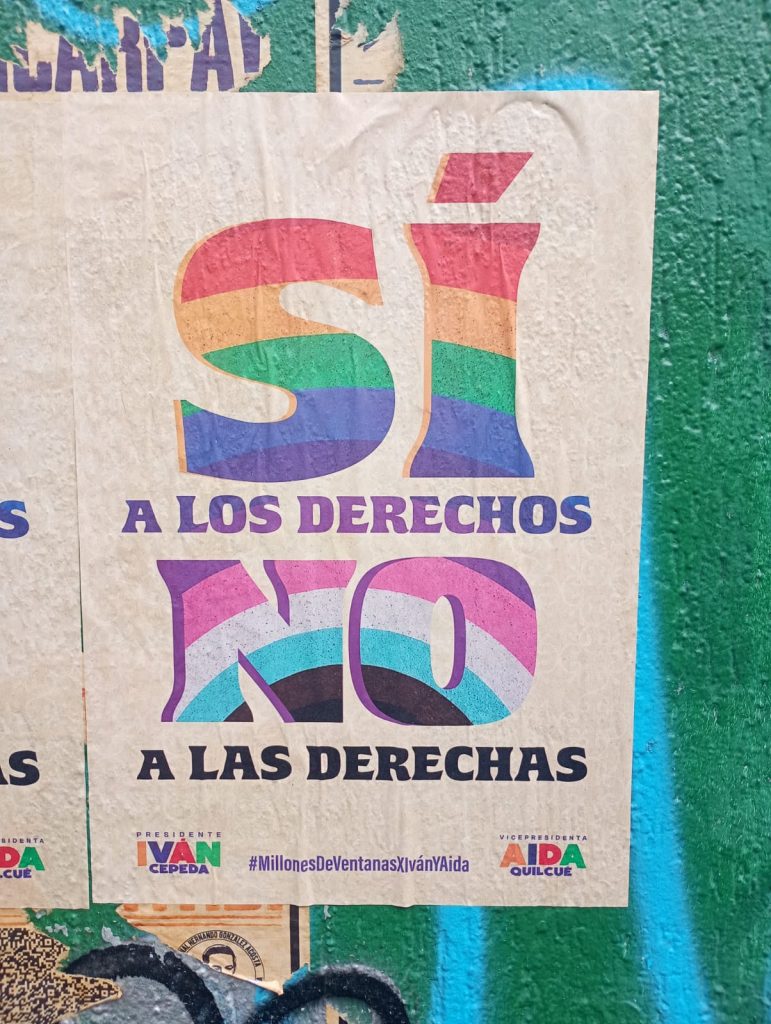
The campaign is feelings-heavy; detail-light

Security is not a priority, but the key aim is to dismantle armed groups that are ‘successors of paramilitaries’. Iván Cepeda will continue the extant peace talks set up by Petro, but with a red line over assassinations of social leaders. Coca farmers will be encouraged to turn away from illegality via crop substitution.

Corruption will be dealt with by the Secretary for Transparency of the Presidency being given full independence and the Fiscalía receiving an Institute for Macrocorruption, as well as beefing up existing systems. Civil society will be encouraged to involve themselves in these processes.

A new Ley de Austeridad Republicana will be brought in to limit state spending via civil servants in an attempt to cut costs. He will reduce the salaries of the president’s office immediately and encourage his ministers to do the same. There will be greater scrutiny of public spending across all levels of the state. Again, no details.

More interesting is the promise to give victims of corruption resources, partially funded by seizure of illegal gains. All of this will be aimed at the parts of the country with the highest rates of corruption and impunity.

Victims of the conflict, meanwhile, will benefit from a new acuerdo nacional which will aim to deliver further reparations. He will also make sure that the 2016 peace agreement is carried out as originally planned, focusing on the Planes de Desarollo con Enfoque Territorial (PDET) for the areas most affected.

International relations will not revolve around the interests of Washington or Miami (?), but rather the national interest. The plan is for autonomy and integration, again involving civil society to work with foreign-based counterparts.

For rural areas, there will be 30,000km of minor roads built to improve connections to far-flung places, known as the vías para la paz. There will also be more rights to participate in politics, defend territory, improve connectivity and services, more land restitution and so on, none of which is clearly defined or detailed in numbers.

Rubbish is on the agenda, unlike any other candidate. He promises to strengthen and enforce recycling schemes and the basura cero initiative. Revitalisation and regrowth of urban areas is also under plan. On transport, he says he will rejuvenate trains as well as sort out the roads.

Quilcué is a key part of the campaign

Who is he running with?

Aida Marina Quilcué Vivas is an Indigenous activist and current senator of the Republic. While she won’t bring any votes with her, this is a huge signal from the Pacto that they are serious about Indigenous representation.

Her selection shows Pacto confidence that they don’t need to reach out and form alliances with other groups. The advantage is that Quilcué and Cepeda will agree on virtually everything, in sharp contrast to Petro and Francia Márquez.

Quilcué has been an active part of the campaign, rallying supporters across the country, especially in rural and Indigneous areas. She’s chastised Abelardo for using the jaguar as a symbol. She’s also clashed with Paloma Valencia over indigenous rights in Cauca.

Is he a communist guerrilla that will expropriate my property?

No, he’s not. He was a young communist, but distanced himself from the party (against the wishes of his family) three and a half decades ago. He’s not a guerilla either and never has been, despite his closeness to M-19. He’s a leftist for sure, but that is not synonymous with communism either in act or desire.

The reason this gets so much traction is that he has certainly been close to guerilla groups, either working with them or in peace talks. He doesn’t help this by his actions, often going out of his way to avoid criticising groups that have a nominally leftist agenda, while specifying that he wants to go after ex-paras.

What’s all this about the Caso Uribe?

Iván Cepeda has been a fierce critic of Álvaro Uribe dating all the way back to when Uribe was in the Casa de Nariño. In many ways, the ex-president has defined Cepeda’s political career as much as Petro, though as sworn enemy rather than comrade. 

Cepeda accused the ex-president of links to paramilitarism, relating to the falsos positivos case and others. After repeated attacks in the Senate, Uribe filed a defamation writ against Cepeda, which was eventually annulled. In turn, Uribe found himself under investigation for allegedly attempting to influence witnesses in that case.

Vindication came last year with a Bogotá court ruling in favour of Cepeda after over a decade of deliberation. However, it was only a partial victory, with the ex-president only being declared guilty of fraude procesal y soborno en actuación judicial.

This means there is absolutely no love lost between the two, with Uribe’s preferred candidate Paloma Valencia and Iván Cepeda frequently clashing in the Senate and in the media. Abelardo de la Espriella also is close to Uribe, having represented him legally.

Any skeletons in his closet?

Yes. He has a habit of ignoring things that aren’t connected to paramilitarism or the peace process, ending up as one of the most absent senators in the last couple of years. He also has habitually evaded making clear statements on his health following his diagnosis of bowel cancer. He claims it is in remission, but rumours swirl that it is not. 

Then there’s the Operation Fénix affair. He was allegedly namechecked in emails found in a raid on a FARC base. It’s never been fully proved or denied, but has always hung over him. Added to the controversy over recent audioclips by guerrillas referring to him as a comrade, it fuels the fire for those who see him as too close to armed groups.

So, can he succeed?

Yes, he can and is probably the favourite at the moment. It would be absolutely shocking were he not to get to the second round and he matches up well with both of the two people he’s likely to face there.

Of the two rightists, he probably wants to see Abelardo against him. While he carries a threat as a markedly anti-establishment candidate in contrast to Cepeda’s life in politics, he will also turn off some of the anti-left candidates, especially those who want someone serious.

Voto en blanco could then become the decider. If we end up with a situation where a high number of voters decide they want neither option, Cepeda is likely in luck. It’s entirely possible that he could win without crossing 50% of the vote.

The popularity of Petro works in his favour, as does the minimum wage issue. Many will want further increases and see him as the best way to get that done. This may not be a vote for him so much as for the Pacto, but they all count.

However, there are no guarantees. He will get very few voters coming across from eliminated candidates. The key battle here will be turnout, which usually increases by 5-10 percentage points for the runoff.

The post Candidate guides for the 2026 Colombian elections: Iván Cepeda appeared first on The Bogotá Post.

  •  

Candidate guides for the 2026 Colombian elections: Paloma Valencia

Confused about the upcoming Colombian presidential election? We’re here to help you with a set of cheat sheets on the top candidates so you can follow the local news. Today we’re looking at Paloma Valencia of the Centro Democrático.

Who is Paloma Valencia?

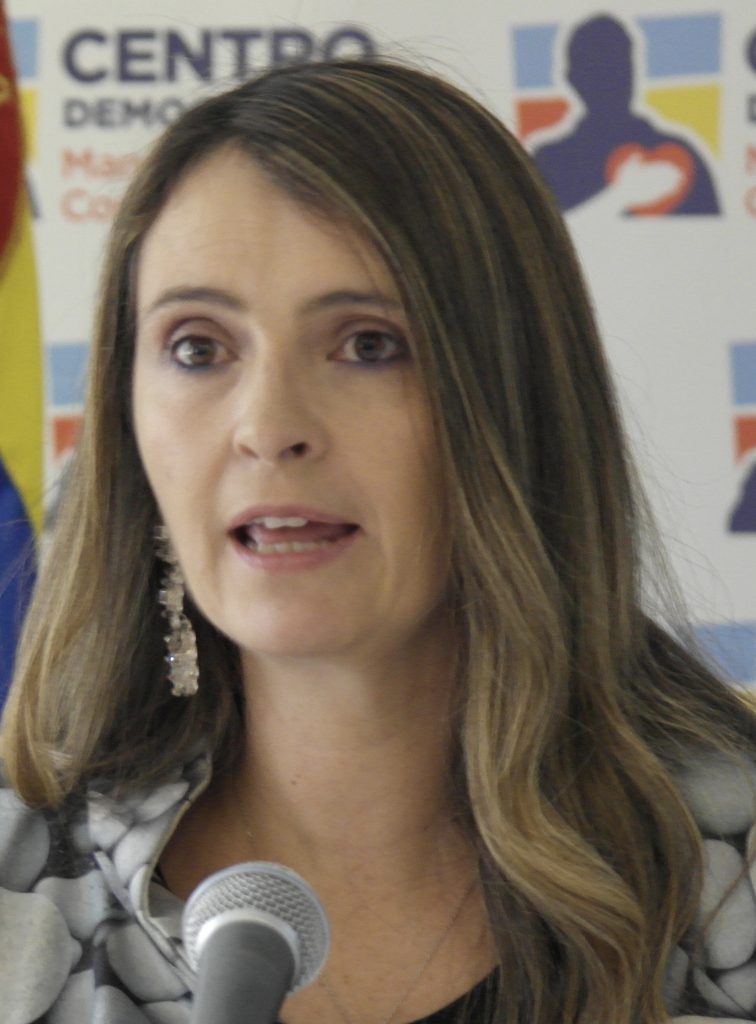
A photo of 2026 Colombian presidential candidate Paloma Valencia from Wikicommons. Used in an article on her candidature for the election.
Paloma Valencia, candidate for the Colombian presidential election 2026. Photo courtesy of Wikicommons

Paloma Susana Valencia Laserna is a conservative politician who has represented the Centro Democrático in the Senate for 12 years. She won her primary battle with three million votes in March, confirming her position as the establishment rightist candidate.

Anti-establishment types, look away now. Her paternal grandfather Guillermo León Valencia was President of the Republic from 1962-66, while her maternal grandfather Mario Laserna Pinzón founded the Universidad de los Andes.

Perhaps not coincidentally, that’s her alma mater, studying economics there before a Master’s in creative writing at New York University. She’s been heavily involved in politics for two decades now, originally as a candidate for Alas Equipo Colombia before jumping ship to the Centro Democrático.

Her faith is deeply important to her, as is tradition. Coming from the circle of the Popayán elite, she is a fairly standard conservative on most cultural and social issues. On the economy, she tacks more to a neoliberal line.

Is she polling well?

Not as well as she would like. While she won comfortably in the March primaries as part of the Gran Consulta por Colombia, she has since fluctuated around 15-25%, usually rising and falling in rhythm with rightist rival Abelardo de la Espriella.

Most recent polling has her in third place a week out from the election, which is a problem. She does outperform Abelardo in head-to-head matchups with Iván Cepeda in most polls, which her messaging will want to lean into over the coming week.

What’s her campaign like?

Centrism, slightly improbably. As one of two rightists in an election with a clearly dominant leftist candidate, two flailing centrists and a host of also-rans, she’s positioning herself as the closest to the centre of the viable options.

That’s her offer

However, she’s firmly of the right, although tempered somewhat by her far more liberal vicepresidential candidate Juan Daniel Oviedo. This is best evidenced by the fact she is very much ‘la que dice Uribe’, clearly having the backing of the controversial yet still influential ex-president.

Her campaign logo features a cross, with religion playing a large role for her stance on many cultural and social issues. She leans heavily into those as a conservative. Colombia Más Grande is the slogan, but they don’t use it particularly well.

If elected, she would be Colombia’s first ever female head of state (with a first ever gay vicepresident too), although she’s not really leant into that much as you might think. As with much else, she’s not managing to cut through particularly well on socials or make a big splash in the national debate.

So what’s in her manifesto then?

You can read it for yourself online, under the name 111puntos. You even get an extra point for free. It’s fairly well presented, laid out and supported, but that’s not necessarily going to win any votes. Overall, other than a massive reliance on AI, there’s no big surprise or radical shakeup here, more a return to the old ways of doing things.

Paloma is certainly no dove when it comes to security and crime, promising a tough line. COP$20tn over four years for the armed forces in order to modernise and rebuild, finishing at 4% of annual GDP destined for the forces. That includes recruiting 30,000 more military personnel and the same number of police officers.

The rest of the money will go on increasing pay, conditions and so forth as well as a big push on tech. Drones are the centrepiece for investment, but cyberdefence is also highlighted as an area that needs urgent investment. 

Slightly more old-school is her plan to militarise key transportation routes immediately. More of the same with coca farms: more spraying that allegedly won’t affect ecosystems or people, combined with subsidies for substitution. The fact that neither of those things have worked for decades isn’t stopping her.

On the other side of the coin, Paloma Valencia promises zero impunity: “el que la hace, la paga”. That means more powers to seize illicit gains and more prison sentences for those found guilty of corruption, reducing the number of casa por carcel sentences. 22,000 more penitentiary places and 19,000 more prisoners.

There will be 50 new casas de justicia and mobile courts to tour the country visiting rural locations that are currently not served by the legal systems. All of this is working towards an aim to get congestion in the system from 48% down to 0. Ominously, there’s also a promise of a law to “regulate protest and punish vandalism”.

New laws on corruption are to be brought in, mostly focused around greater transparency using tech. That means blockchain to record transactions and deals as well as AI to analyse potential discrepancies. There will be greater enforcement of existing regulations and a guardian of public integrity to oversee processes.

On the economy, it’s all about recovering confidence from the international market. That will be done by getting infrastructure and mining production back up to pre-pandemic levels (6%+), USD$10mn more in exports and growth over five percent annually.

More FDI to the tune of USD$2bn annually, 25% of GDP to go into internal investment and reducing the deficit by COP$50tn. How is she going to pay for all this? With, err, tax cuts for homeowners and businesses, efficiency savings of 25% and debt refinancing. Good luck with all that.

She’s the only candidate to really take the healthcare crisis seriously. First up is a promise to resolve 10 million blocked prescriptions, appointments and so on in the first 100 days. She plans to send doctors to patients in rural areas, not the other way round.

This will be paid for by a COP$9tn investment. A third of that is destined for delivery of outstanding operations and prescriptions, the rest for paying accumulated state debt to healthcare operators. Many taxpayers won’t like the latter.

Energy faces a similar situation: paying off state debts to operators within the first three months. The goal here is to avoid blackouts and brownouts in the short term, while putting in place structures to avoid the same issues over the long term.

Turning on the taps for both oil and gas lies at the heart of this plan, with a reboot of exploration and extraction projects. Partly, this is to attract AI database and server investment. There’s also support for renewables and alternatives, but it seems more of an afterthought.

Her plan on international relations is to ride two horses. Free competition with China and more co-operation on infrastructure and exports from Colombia. At the same time, leadership in Donald Trump’s Shield of the Americas project while guaranteeing that only the Colombian Armed Forces will operate in national territory.

There will be 187,000 free school places for talented children, 150,000 grants for vulnerable children and 10 public superschools. ICETEX loans, in line with other countries, will only be repayable when you have a salary. COLFUTURO will be rescued as well. The 16 biggest urban centres will have psycho-social units to look out for vulnerable children.

Businesses employing people under 28 will receive a subsidy of up to 30% of minimum wage for a year. Agricultural workers will receive better lines of credit, three million hectares of land formalised and a million new farming zones designated. Tourism is projected to double, with new routes opened for Asia and Europe.

There is a heavy focus on the grey economy. Informal workers will have access to seed capital, loans, a virtual wallet and a host of other possibilities. The goal is to offer help without persecution.

Pensioners will all be covered unconditionally, regardless of law or budget changes as well as three million vulnerable adults to receive subsidies. Each child born into poverty will have COP$500,000 put aside as seed capital to start saving.

Infrastructure starts off with 35,000km of new roads as well as increased satellite connectivity for marginalised communities. There will be 1 million new homes built, with a quarter of those directly subsidised. A million further homes will receive new or improved potable water access.

Finally, the environment. The brakes will go on for deforestation and the national parks will be protected from guerrilla activity. Local families will be given subsidies in order to protect areas of natural interest. Money generated from mining will be ploughed back into environmental protection.

Who is she running with?

Oviedo has been a key asset for the Paloma Valencia campaign

Juan Daniel Oviedo, former head of DANE and candidate in the last race for Bogotá mayor. In that contest, he managed to force Gustavo Bolívar into third place in a two-horse race, showcasing his impressive campaigning ability. He came second in the Gran Consulta with over a million votes, reinforcing his reputation. 

He’s been more visible than Paloma Valencia for much of the campaign and is much more active than either of the other two undercards. That was the reason he was brought in – to appeal to more liberal voters and to provide an injection of energy on socials. He’s delivered in spades on both accounts.

However, there are a couple of issues here. Firstly, he runs the risk of overshadowing Paloma Valencia with his charisma and presence. Secondly, by joining her campaign he lost some of those centrist voters who saw it as a betrayal to join forces with the Centro Democrático.

They certainly aren’t natural bedfellows, with Oviedo a fair bit left of Valencia on a lot of economic issues. More profound splits are found on social issues. For example, Oviedo is out and proud while Valencia stands against gay adoption and marriage. Awkward at best. 

Why do people say she’s ‘la que dice Uribe’?

Pido respetuosamente votar por Paloma Valencia. pic.twitter.com/HpS5XjGdVw

— Álvaro Uribe Vélez (@AlvaroUribeVel) May 18, 2026
Uribe is still firmly behind Paloma Valencia

That’s a bit unfair on a candidate with a long and storied political career of her own. However, while she isn’t just Uribe’s candidate, she certainly makes a lot of having his passionate backing.

That’s been a mixed blessing for a while now, with Uribe’s influence waning as the years pass. While his candidate won in 2018, they failed to even make the second round in 2014 and 2022 and we could well be on for a repeat of that.

The ex-president certainly casts a long shadow and that’s not always positive, especially with Oviedo also shining bright. Support for Uribe has dwindled over the past two decades, as Colombian demographics change profoundly.

However, Uribe does retain a large swell of support and also commands the biggest party machine of the candidates in the race. The Centro Democrático will be able to make a huge campaigning push on and offline across the entire country, which may be underreported. 

Any skeletons in her closet?

A few, mainly over her combative social media use while in the Senate. Paloma Valencia has largely avoided serious controversy though, with most of her twitterstorms being differences of opinion rather than accusations of impropriety.

She accused now-president Gustavo Petro of corruption in 2018 following the Odebrecht affair. This amounted to grainy footage of him receiving cash at an unknown point. That was archived as being far too flimsy to be evidence of anything at all.

In 2022 she defended the Colombian state’s actions during the armed conflict, saying that while there may have been errors and atrocities, they were legitimate and in defence of the country. That unsurprisingly met with a huge backlash from various quarters.

Una narrativa mucho más constructiva (y verdadera) es: Los para y la guerrrilla fueron y son monstruosos. El Estado cometió errores y atrocidades, pero era legítimo y fundamentalmente estuvo en la defensa de los ciudadanos.

— Paloma Valencia L (@PalomaValenciaL) July 29, 2022
An extraordinary claim from Paloma Valencia here

There is one case hanging over Paloma Valencia still. Her link to Uribe led to her questioning the legitimacy of a key witness in the case against him. In turn, the witnesses defence lawyers filed a defamation case against the senator, over which the Supreme Court has ordered a conciliatory process. That has not yet concluded.

She’s also clashed with Cepeda’s vicepresidential candidate Aida Quilcué over indigenous rights in Cauca. Indeed, she’s gone as far as to suggest splitting the entire department in two, one for Indigenous Colombians only, something many view as racially motivated.

So, can she succeed?

Yes, she can. Next weekend is arguably a harder test for her than a second round would be if she gets through. Similar concerns swirled around her in the Gran Consulta por Colombia, but she ended up sailing through comfortably. 

If she can repeat that trick, she matches up better than anyone else against Iván Cepeda. However, that’s very far from guaranteed, as they’re closely matched. It’s assumed that she’ll gain a lot of Abelardo voters, but that may not be true. The anti-left will flock to her, but the anti-establishment might not.

Her main draw is presenting herself as the only viable sensible candidate. In part that’s with Oviedo on board, in part that both Cepeda and de la Espriella are seen as populist. There’s a lot of centrist voters that will hold their noses and vote for her along those lines.

Having said all that, centrism isn’t in vogue in many places globally and Colombia is no exception. That may block her even getting to a final face-off and her chances of winning rest with anti-Cepeda votes. More than any other candidate, hers would be a loveless victory.

The post Candidate guides for the 2026 Colombian elections: Paloma Valencia appeared first on The Bogotá Post.

  •  

Candidate guides for the 2026 Colombian elections: Abelardo de la Espriella

Confused about the 2026 Colombian presidential elections? We’re here to help you with a set of cheat sheets on the top candidates so you can follow the local news. First we’re looking at Abelardo de la Espriella of Defensores de la Patria.

Who is Abelardo de la Espriella?

Abelardo de la Espriella hails from Montería, which he makes great play of. He was actually born in Bogotá, as well as studying in various universities here. He rose to fame as a defence lawyer, eventually setting up his own firm, De La Espriella Lawyers Enterprise. Their clients have been varied (more of that later).

He has a colourful background alongside his legal activity, releasing two albums of classical and traditional music as well as launching De La Espriella Style, his menswear line. He also has his fingers in other pies, including rum, wine and coffee, several books and a foundation to help impoverished kids.

Abelardo de la Espriella has always loved the limelight

A former atheist, he saw the light in the pandemic and came around to Catholicism, which is convenient for winning votes in a deeply religious country. He holds Italian and US passports. He takes pride in his appearance, often suited and tidily-bearded but switching to sombreros vueltiaos or guayaberas when appropriate.

While he has a varied and successful background in business, he has no experience at all in government, either at local or national level. He is leaning into that, taking the mantle of the outsider candidate and promising to do politics differently. Courting controversy is second nature for this bullish and outspoken candidate.

Is he polling well?

Colombian presidential candidate Abelardo de la Espriella in 2017, courtesy of wikicommons. Photo used in an article describing his candidacy on the Bogotá Post website
Abelardo de la Espriella in 2017. Photo courtesy of wikicommons.

He started strongly towards the end of last year, then seemed to have dipped as we moved into springtime. Since the March elections though, he’s picked up the pace again and is peaking again at just the right time.

He’s now ahead of Paloma again with most pollsters and stands a good chance of making the second round, where he faces a strong challenge against Cepeda. His incredibly divisive rhetoric and persona mean that he doesn’t match up easily in a one-on-one.

Like many populists in the caudillo mould, he splits opinions – while he wins a lot of hearts and minds, so too does he turn a lot of people against him. Very few people are neutral on Abelardo, which means he could struggle to win the more centrist voters, even against Cepeda. Expect voto en blanco to do well if he’s in the second round.

What’s his campaign like?

Pick your adjective depending on how you view him generally: controversial, innovative, problematic, fierce, strong, crass, outspoken. What’s unarguable is that it is very much focused on him, features a lot of show and spin and is extremely light on detail.

Very much in the vein of a Trump or Bukele, two key influences he acknowledges himself, he positions himself as the outsider candidate compared to the professional politicians in the race. This has not only been successful elsewhere, but almost took Rodolfo Hernández to the presidency four years ago.

Interestingly, Abelardo de la Espriella is in one way openly following a very similar line to the leftists he claims to hate. He is courting “los que nunca” against “los que siempre”, fitting his position as the outsider candidate. His promises often revolve directly around shaking everything up.

So what’s in his manifesto then?

You can read it for yourself online, or what is there at least. It’s barely a manifesto and more a collection of ideas, positions and wishes. He focuses heavily on law and order with a generous side serving of efficiency savings. Quite how any of this will get done or whether it’s viable is often unclear.

First thing on the agenda is that he’s tough on crime. He’s proposed 10 megacarceles in the Bukele mould, a ‘primera linea’ of reservists and veterans and a new bloque de búsqueda for barrios. He targets a 30% reduction in gender-based violence and 40% cut in feminicides. That involves an accelerated 24/7 judicial process in 72 hours maximum. 

More widely, he wants to reform and better fund the armed forces in order to both establish state control of territory and enforce the state monopoly on arms. That carries over into his stance on armed groups. He wants to eliminate 330,000 hectares of coca farms using any and all tools available to him. That means spraying, manual elimination, express recuperation of proceeds of crime and so on.

Para cambiar a Colombia primero hay que sobrevivirle a quienes no quieren que cambie. pic.twitter.com/h6Tf8refWr

— De La Espriella Presidente (@AbelardoPTE) May 17, 2026
Abelardo is firmly positioned as a hardliner on crime and security

The mano dura is also set to come down on politicians. He’s fiercely anti-corruption, which he defines broadly. He plans to start with Ecopetrol and then clean out state organisations of their links to “narco-trafficking, corruption and bad management”.

Politicians and administrators that are not corrupt won’t be safe, either. He promises zero tolerance for ineptitude and inefficiency. He wants results within 100 days and those with empty hands will be told to sling their hook. Ambassadors have been told they need to promote the country, not just shoot whisky on the public purse.

Tax avoidance is also on the radar – Abelardo de la Espriella wants to use AI to radically improve DIAN’s processes and deal with widespread avoidance. Subsidies will also be revised to make sure they are going to the right places.

He wants to recover energy self-sufficiency and to restart drilling and exploration as well. Gas is his main focus, although rare earth mining is also highlighted, alongside reform of the costly ElectroCaribe. A main driver is drawing a clear line between legal and illegal mining.

The national budget will also benefit from the efficiency savings – merging or abolishing agencies he sees as redundant such as the Ministerio de Igualdad. That’s part of a shock plan to save around 3.1% of GDP.

With those savings, the aim is to get the deficit to -4.8%(!) within the first year, falling to under 3.5% or lower by 2030. Dovetailing with that is a promise to anchor the debt/GDP ratio at no higher than 55%. All this will require annual growth of at least 3% with 5%+ targeted.

On education, there is to be greater focus on technology, as well as a ‘virtual university’ and free computers in schools. Unsurprisingly, details are limited. A STEM program specifically aimed at girls will be set up to deal with the tech gender gap.

Rural communities are a key part of his voter base and he’s promising 600,000 new jobs outside cities as well as 100,000 young people to receive education on improved farming methods and use of tech. 2 million hectares are to be delivered to the people.

Rounding up, there will be COP$125bn aimed at co-investment or seed capital for creative projects; mass sterilisation of stray animals to reduce populations and 200,000 carers to be given subsidies.

Who is he running with?

José Manuel Restrepo, the closest thing to an aristocrat that a two-century-old republic can have. He claims direct descendency from revolutionary hero Francisco de Paula Santander. In sharp contrast to Abelardo, he’s a classic buttoned-down conservative.

He served under Duque as Ministro de Hacienda following the botched intent at fiscal reform, having previously been at Comercio. Outside of politics he has been rector of three different universities, most notably the Rosario, his alma mater alongside Bath and the LSE. 

However, given that Abelardo de la Espriella loves the limelight, his undercard is not a key part of this campaign. While the other two real candidates have genuinely strong vice-presidential candidates, Abelardo is doing all the heavy lifting himself.

What’s all this El Tigre stuff?

Abelardo understands the importance of branding, and this is a key part of his appeal. He says that the big cat represents courage, ferocity and independence, all of which are qualities he identifies with. In a country where blankets featuring tigers are a staple of many homes, this is a good brand to have.

Dancing tigers, because of course.

Tigre in Colombia can refer to tigers or jaguars, both of which he uses, though the former are more common. That means video screens with dancing tigers on them, tiger-print shoes up for sale and a whole lot more. He’s often to be seen wearing tiger-print clothes.

Cepeda’s running mate Aida Quilcué has publicly asked him to stop using jaguars as part of this, claiming they hold a special significance for Indigenous Colombians. Abelardo de la Espriella has predictably ignored that.

Any skeletons in his closet?

Sort of. There’s certainly a great deal of controversy, but a lot of it he simply leans into and doesn’t see as problematic at all. That’s true of personal attacks on Paloma Valencia,  as well as frequent homophobic and sexist outbursts.

It’s less true of his past as a criminal defence lawyer, an area that often makes him quite touchy. He has represented some pretty shady characters, including Álvaro Uribe himself. Jorge Pretelt and David Guzmán are just two high-profile clients accused of corruption that de la Espriella has defended.

In fairness, his firm has also taken on some genuinely important defences, most notably Natalia de la Ponce and Rosa Elvira Cely. However, even this is disputed, with family members taking to Instagram to dispute his take on that and suggest it was more about financial interest.

Then there’s the outstanding allegations that the firmas he collected in order to be able to run were improperly registered. He won 5 million, more than any other Colombian, of which 3 million were ruled invalid. That still leaves him comfortably over the threshold, but raises questions about his support. 

So, can he succeed?

Yes, he can. It’s nowhere near guaranteed that he’ll make the second round, of course, and he absolutely has the potential to do or say something that will torpedo his campaign. However, he’s a maverick and is campaigning well, which makes him unpredictable.

He is offering easy solutions to complex problems, but that’s often popular with the electorate. Get past the rhetoric and he identifies a lot of key problems and his proposals could be a good thing. He just doesn’t make it clear exactly how this is going to happen.

More to the point, Abelardo de la Espriella represents the outsider position compared to everyone else: he really is not a professional politician like them, for good or for bad. Again, that’s popular with many voters after decades of incompetence from technocrats.

Comparisons with Trump in the USA or Bukele in El Salvador are clichéd, but they stand up. He frequently flirts with sexism and homophobia while mocking opponents, but claims innocence, he promises a hard line on crime and he avoids clarity over his proposals. Both those candidates won comfortably with similar electorates to Colombia.

If he gets to the second round, he could win due to a dislike of the other candidate, as that will almost certainly be Cepeda. In that case, there could be a lot of voters holding their noses to vote either for or against him. At the moment, that’s a coin flip.

The post Candidate guides for the 2026 Colombian elections: Abelardo de la Espriella appeared first on The Bogotá Post.

  •  

Top Stories: MacBook Ultra, Vision Pro, and iPhone Ultra Rumors

It was another jam-packed week of Apple news this week, with fresh rumors on the touchscreen "MacBook Ultra" and the foldable "iPhone Ultra," as well as Apple's 20th-anniversary iPhone coming next year.


This week also saw more word that Apple is shifting focus away from the Vision Pro, so read on below for all the details on these stories and more!

Top Stories


Apple to Launch 'MacBook Ultra' With These Six New Features


While the 14-inch and 16-inch MacBook Pro were just updated with M5 Pro and M5 Max chips last month, bigger changes are reportedly around the corner.


According to Bloomberg's Mark Gurman, the higher-end MacBook Pro models will be receiving a major redesign by early 2027, and he said that Apple might use "MacBook Ultra" branding for them. If so, the MacBook Ultra would likely be a higher-priced model at the top of the MacBook lineup, sitting above the MacBook Pro entirely.

Up to six new features have been rumored so far, including an OLED display, touch capabilities, a Dynamic Island, M6 Pro and M6 Max chips manufactured with TSMC's advanced 2nm process, a thinner design, and built-in cellular connectivity.

Apple Has Given Up on the Vision Pro After M5 Refresh Flop


Apple has all but given up on the Vision Pro after the M5 model failed to revitalize interest in the device, MacRumors has learned. Apple updated the Vision Pro with a faster M5 chip and a more comfortable band in October 2025, but there were no other hardware changes, and consumers still weren't interested.


Apple has apparently stopped work on the Vision Pro and the Vision Pro team has been redistributed to other teams within Apple. Some former Vision Pro team members are working on Siri, which is not a surprise as Vision Pro chief Mike Rockwell has been leading the Siri team since March 2025.

Foldable 'iPhone Ultra' Could Be Missing These 5 Key Features Despite $2,000 Price Tag


Apple's first foldable iPhone, dubbed the "iPhone Ultra," could be missing at least five key features present on the iPhone 18 Pro models despite its $2,000 price point.

Image via Vadim Yuryev

Recent images of dummy models shared by Sonny Dickson and Vadim Yuryev seem to reveal two previously undiscussed missing features of the ‌iPhone Ultra‌: MagSafe and the Action Button. That's in addition to several other features like Face ID and a Telephoto camera lens that have already been rumored for some time to be lacking on the foldable iPhone.

Apple Introduces App Store Monthly Subscriptions With 12-Month Commitment


Apple this week announced the launch of a new subscription option for App Store developers: monthly subscriptions with a 12-month commitment. The new option allows developers to offer subscribers discounted pricing typically associated with an annual subscription but paid on a monthly basis to keep payments more affordable.


This new payment option allows you to offer subscribers more affordable options. People can cancel their subscription at any time, which will prevent the subscription from renewing after they've completed their agreed-to payments to fulfill their commitment.

Notably, the new subscription type will be worldwide except for the United States and Singapore, at least for now.

20th Anniversary iPhone to Feature Custom 'Micro-Curved' OLED Panel


For its 20th-anniversary iPhone, Apple is tapping Samsung to produce a custom micro-curved OLED display that is brighter and thinner than existing panels, according to new supply chain information out of China.


Apple is reportedly considering a radical redesign for the 20th-anniversary iPhone that could feature a completely bezel-less display that curves around all four edges of the device.

To that end, Apple is said to be seeking from Samsung an equal-depth quad-curved panel design that uses "micro-curves" to keep the curve very shallow, as opposed to the aggressively curved "waterfall" edges of some existing Samsung panels.

Apple Shares 'Ted Lasso' Season Four Streaming Date and Teaser Trailer


Apple this week announced that its hit comedy-drama series "Ted Lasso" is returning for a fourth season with a first episode on Wednesday, August 5. One new episode will follow every Wednesday thereafter through October 7.


"Ted Lasso" is one of the most popular shows ever released on the Apple TV streaming service. The eponymous character Ted Lasso, played by Jason Sudeikis, starts off as a small-time football coach from Kansas who is hired to coach a professional soccer team in England, despite having no experience coaching soccer.

MacRumors Newsletter


Each week, we publish an email newsletter like this highlighting the top Apple stories, making it a great way to get a bite-sized recap of the week hitting all of the major topics we've covered and tying together related stories for a big-picture view.

So if you want to have top stories like the above recap delivered to your email inbox each week, subscribe to our newsletter!
This article, "Top Stories: MacBook Ultra, Vision Pro, and iPhone Ultra Rumors" first appeared on MacRumors.com

Discuss this article in our forums

  •  

Top Stories: Tim Cook Stepping Down, iPhone 18 Pro Colors, and More

It wasn't necessarily a surprise given circulating rumors, but the biggest news in the Apple world this week was the announcement that Tim Cook will be stepping down as CEO, with John Ternus taking over the reins as of September 1.


Other recent news included updated details on color options for the iPhone 18 Pro, as well as fresh rumors about the standard iPhone 18 and timing for the launch of the highly anticipated touch screen-equipped MacBook Pro and updated Mac Studio, so read on below for all the details on these stories and more!

Top Stories


Apple CEO Tim Cook Stepping Down, John Ternus Taking Over


Apple CEO Tim Cook is stepping down as chief executive officer, and hardware engineering chief John Ternus is set to take over, Apple announced this week.


Cook will continue on as Apple CEO through the summer, with Ternus set to join Apple's Board of Directors and take over as CEO on September 1, 2026. Cook is going to transition to executive chairman, and he will "assist with certain aspects of the company, including engaging with policymakers around the world."

In an all-hands meeting for Apple employees following the announcement, Cook said that he remains healthy and that he plans to stay in the executive chairman role "for a long time."

Apple's current chip chief Johny Srouji will also be taking on an expanded role as Chief Hardware Officer, adding oversight of the Hardware Engineering group that had reported to John Ternus to his existing responsibilities with Apple's Hardware Technologies group.

iPhone 18 Pro's Four Rumored Colors Revealed, Including 'Dark Cherry'


A source said to be familiar with Apple's supply chain recently revealed the color options Apple is planning for the iPhone 18 Pro and ‌iPhone 18 Pro‌ Max.


The information comes from Macworld, which says the signature new color for this year's Pro models will be Dark Cherry, a deep wine-like red. While other sources had previously reported on a "Dark Red" option, the hue is said to be considerably closer to wine than a brighter red.

According to Macworld's source, Apple has been working on four color options for the ‌iPhone 18 Pro‌ and Pro Max, with the following Pantone codes said to be in use internally:
  • Light Blue (Pantone 2121), resembling the current iPhone 17's Mist Blue

  • Dark Cherry (Pantone 6076), the headline new color

  • Dark Gray (Pantone 426C)

  • Silver (Pantone 427C), similar to the current generation


MacBook Pro With Touch Screen and New Mac Studio Likely 'Postponed'


The global memory chip shortage may result in the next MacBook Pro and Mac Studio models launching later than expected, according to the latest rumor.


Bloomberg's Mark Gurman has repeatedly stated that 14-inch and 16-inch MacBook Pro models with a touch screen are slated to launch in late 2026 to early 2027. In his Power On newsletter this week, though, he said to be prepared for the laptops to potentially arrive towards the end of that timeframe due to the chip shortage.

In other words, early 2027 is now more likely than late 2026.

Gurman previously expected a new Mac Studio to launch around the middle of 2026, which pointed towards an announcement around WWDC 2026 in June. However, in his newsletter, he wrote that sources within Apple believe that the next Mac Studio models will not ship until around October this year as a result of the shortage.

Leaker: Apple Downgrading iPhone 18 to Cut Costs


Apple is downgrading the planned specifications of the standard iPhone 18 to cut costs, a leaker claims.


In a new post on Weibo, the user known as "Fixed Focus Digital" said that the ‌iPhone 18‌ features "certain manufacturing downgrades" that bring it more into line with the low-cost iPhone 18e model. The decision is said to be "a cost-cutting measure" that will "effectively bring it in line with the '18e' model."

In follow-up posts, the leaker provided further detail indicating the iPhone 18 is likely to see downgrades to the display and main chip compared to Apple's original plans.

iOS 27 Rumored to Drop Support for These iPhone Models


iOS 27 will be compatible with the iPhone 12 series and newer, according to Instant Digital, a known Apple leaker on the Chinese social media platform Weibo.


If this rumor is accurate, iOS 27 will drop support for the following iPhone models, although they will continue to receive iOS 26 security updates for at least a few years:
  • iPhone 11

  • iPhone 11 Pro

  • iPhone 11 Pro Max

  • iPhone SE (2nd generation)


macOS 27 Will Mark the End of an Era


During its Platforms State of the Union segment at WWDC 2025, Apple revealed that macOS 26 Tahoe is the final major macOS version for Intel-based Macs.


The upcoming macOS 27 release will be compatible with Apple silicon Macs only, meaning that you will need a Mac with an M-series chip or a MacBook Neo with an A18 Pro chip in order to install the software update. macOS 27 should be available in beta starting in June, and the update will likely be widely released in September.

MacRumors Newsletter


Each week, we publish an email newsletter like this highlighting the top Apple stories, making it a great way to get a bite-sized recap of the week hitting all of the major topics we've covered and tying together related stories for a big-picture view.

So if you want to have top stories like the above recap delivered to your email inbox each week, subscribe to our newsletter!
This article, "Top Stories: Tim Cook Stepping Down, iPhone 18 Pro Colors, and More" first appeared on MacRumors.com

Discuss this article in our forums

  •  

Top Stories: Foldable iPhone, iOS 26.5 Beta, Apple's 50th, and More

An incredibly busy March in the Apple world has come to end, punctuated by the company celebrating its 50th anniversary on April 1.


That doesn't mean the news and rumors have stopped, however, as this week saw new discussion of the foldable iPhone, the iPhone 18 Pro, a potential future iMac upgrade, and much more to come throughout the remainder of the year, so read on below for all the details!

Top Stories


Apple Preparing 'Most Significant Overhaul in the iPhone's History'


Bloomberg's Mark Gurman has high expectations for Apple's first foldable iPhone. In his Power On newsletter this week, he said the foldable iPhone will be "the most significant overhaul in the iPhone's history."


"iPhone 4, iPhone 6 and iPhone X were clearly a big deal, but this is a whole new design," he said. Like Samsung's Galaxy Z Fold 7, the foldable iPhone will reportedly open up like a book, providing users with a large inner screen for watching videos, playing games, and multitasking. iOS 27 is expected to be optimized for the foldable iPhone, allowing for apps to be open side-by-side and for other iPad-like multitasking functionality.

We're expecting the foldable iPhone to be unveiled in September alongside iPhone 18 Pro and iPhone 18 Pro Max models, though it may not ship until a few months later.

Everything New in iOS 26.5 Beta 1


Following last week's public release of iOS 26.4 and related updates, this week saw the first developer betas of iOS 26.5, macOS Tahoe 26.5, and more.


While we still haven't seen the revamped Siri powered by Apple Intelligence that had previously been rumored for iOS 26.4 and is now seemingly pushed back until iOS 27, the new update does have some changes and we've recapped all of the ones we've spotted in the first beta.

Apple to Launch These 15+ New Products Later This Year


March was an incredibly busy month for Apple, with the company unveiling more than 10 new products and accessories. We said hello to the MacBook Neo at the start of the month, and we bid farewell to the Mac Pro at the end of it.


Nevertheless, there is still a lot more to come this year.

Beyond the usual annual updates to iPhones and Apple Watches, Apple's all-new smart home hub is finally expected to launch later this year, once the more personalized version of Siri arrives. We are also expecting a foldable iPhone, a MacBook Pro with an OLED display, and long-awaited updates to the Apple TV and HomePods this year.

Check out our full list of everything we're expecting to see through the rest of this year, according to rumors.

Apple Celebrates 50th Anniversary With Employee Gifts, Finale Concert With Paul McCartney at Apple Park


Apple celebrated its 50th anniversary this week, and the company's month-long celebration that saw a variety of events around the world culminated with a major party at Apple Park.


As hinted at by Bloomberg's Mark Gurman over the previous weekend, the Apple Park celebration was highlighted by a concert by Paul McCartney. Apple employees also received commemorative t-shirts, enamel pins, and limited-edition posters to mark the milestone anniversary.

iPhone 18 Pro's Smaller Dynamic Island Revealed


New images of an alleged iPhone 18 Pro prototype and screen protectors have emerged from multiple sources, adding weight to earlier reports that Apple plans to significantly shrink the Dynamic Island later this year.


An X user called @earlyappleleaks recently shared an image purportedly showing a prototype ‌iPhone 18 Pro‌ with a noticeably smaller ‌Dynamic Island‌. In the picture, the flashlight of another iPhone is held over the corner of the display, revealing a small circular punch-hole cutout under the display, which is presumably a relocated Face ID sensor.

Apple Reportedly Planning to Launch iMac With OLED Display


Apple is preparing to launch an iMac featuring an OLED panel with higher brightness, according to ZDNet Korea.


Apple has apparently requested that Samsung Display, LG Display, and other suppliers produce 24-inch OLED panel samples suitable for a future ‌iMac‌ model using their mass-production facilities. This would be the biggest ever OLED display offered on an Apple device.

Specifically, Apple asked suppliers for 24-inch OLED panels with 600 nits of brightness and around 218 pixels-per-inch (PPI). By comparison, the current ‌iMac‌ features a 24-inch LCD display with 500 nits of brightness and 218 PPI.

MacRumors Newsletter


Each week, we publish an email newsletter like this highlighting the top Apple stories, making it a great way to get a bite-sized recap of the week hitting all of the major topics we've covered and tying together related stories for a big-picture view.

So if you want to have top stories like the above recap delivered to your email inbox each week, subscribe to our newsletter!
This article, "Top Stories: Foldable iPhone, iOS 26.5 Beta, Apple's 50th, and More" first appeared on MacRumors.com

Discuss this article in our forums

  •  

Top Stories: Mac Pro Discontinued, iOS 26.4 Out Now, WWDC 2026 Announced, and More

It was a busy week in the Apple world, with Apple announcing the discontinuation of the Mac Pro, releasing iOS 26.4 and other updates, and officially announcing dates for this year's Worldwide Developers Conference.


This week also saw the AirPods Max 2 become available to order while we heard some fresh details about upcoming Apple hardware, so read on below for all the details!

Top Stories


Apple Confirms Mac Pro Is Dead, No Future Models Planned


It shouldn't be much of a surprise considering it hadn't been updated in three years and there have been no rumors of anything coming in the future, but it was still a bit sad to see Apple officially discontinue the Mac Pro this week. And yes, Apple's infamous $700 kit to add wheels to the Mac Pro has also been put out to pasture.


Arriving 20 years ago as an Intel-based upgrade to the PowerPC-driven Power Mac G5, the Mac Pro evolved from a traditional tower workstation to a compact cylindrical form factor and back again over the years, but while it was intended to serve the high-end professional market, it was never upgraded as frequently as other Macs and its role has largely been usurped by the Mac Studio that carries a much lower starting price.

Apple Releases iOS 26.4 and iPadOS 26.4 With New Emoji, Playlist Playground, Purchase Sharing Changes and More


Apple this week released iOS 26.4 and related operating system updates, delivering several improvements but not the revamped Siri we'd been hoping would make an appearance in these releases. That major revamp now looks like it may not come until iOS 27.


iOS 26.4 does bring a number of new features like the AI-driven Playlist Playground in Apple Music, eight new emoji characters, concert listings in Apple Music, CarPlay enhancements, and more.

Alongside iOS 26.4, other releases included macOS Tahoe 26.4 with the return of the compact tab bar option for Safari and a new battery charge limit setting, plus tvOS 26.4 with a new Genius Browse content discover feature, subtitle styling, and more.

Apple Announces WWDC 2026 Will Take Place June 8 to 12


Apple has officially announced that its annual developer conference will take place during the usual timeframe, kicking off with a keynote on Monday, June 8, and running through Friday, June 12.


WWDC will be a hybrid event again this year, with developers able to attend virtual sessions and labs free of charge. There is a lottery, however, for developers to enter for a chance to attend the Monday keynote sessions in person at Apple Park.

We're expecting to see Apple unveil significant AI advancements this year after a number of delays, and the company has confirmed that those advancements will be a major focus of WWDC.

AirPods Max 2 Now Available for Pre-Order With First Deliveries as Soon as April 1


Apple this week began accepting pre-orders for the AirPods Max 2 headphones that were introduced on March 16. In the U.S., Apple's online store intially listed a delivery timeframe of April 1 to April 3, although orders placed today may arrive a few days later than that.


Priced at $549, the ‌AirPods Max 2‌ feature the same design as the original AirPods Max, but Apple updated the over-ear headphones with an H2 chip that adds new capabilities already offered by other AirPods models. Amazon is already offering small discounts on select colors.

The AirPods Max 2 aren't the only new audio product launched by Apple in the past week, as the company's Beats brand also released new special-edition Nike Powerbeats Pro 2 featuring Nike's signature neon green-yellow "Volt" color.

New Apple TV and HomePod Mini Remain 'Ready' to Launch


Apple has unveiled quite a few new products this month, but the wait continues for the next-generation Apple TV 4K and HomePod mini models.


In his Power On newsletter this week, Bloomberg's Mark Gurman said new versions of the Apple TV and HomePod mini have been "ready" since last year, but he reiterated that Apple has held off on releasing them until the more personalized version of Siri and other Apple Intelligence upgrades are released later this year. In a live Q&A on Thursday, Gurman indicated that a new full-size HomePod is in the same predicament.

Apple Unveils 'Apple Business' All-in-One Platform


Apple this week announced Apple Business, a new all-in-one platform that unifies device management, productivity tools, and customer outreach features.


Rolling out on April 14, the service is designed to be a consolidated replacement for several of Apple's existing business-focused offerings, including Apple Business Essentials, Apple Business Manager, and Apple Business Connect. It provides organizations with a single interface to manage devices, employees, communications, and customer engagement across Apple's ecosystem.

The effort will also bring ads to Apple Maps, starting "this summer" in the United States and Canada.

Apple Reportedly Preparing 'Biggest Set of iPhone Revamps' Ever


Apple is working on "the biggest set of iPhone revamps in the product's history," according to the latest word from Bloomberg's Mark Gurman.


In an in-depth profile of Apple's hardware engineering chief John Ternus, who is widely considered to be the leading candidate to become Apple's next CEO whenever Tim Cook steps down, Gurman said Ternus is "overseeing the biggest set of iPhone revamps in the product's history, including a foldable model this year and a version with an edge-to-edge screen that could arrive as early as 2027, for the device's 20th anniversary."

MacRumors Newsletter


Each week, we publish an email newsletter like this highlighting the top Apple stories, making it a great way to get a bite-sized recap of the week hitting all of the major topics we've covered and tying together related stories for a big-picture view.

So if you want to have top stories like the above recap delivered to your email inbox each week, subscribe to our newsletter!
This article, "Top Stories: Mac Pro Discontinued, iOS 26.4 Out Now, WWDC 2026 Announced, and More" first appeared on MacRumors.com

Discuss this article in our forums

  •  

Festival Estéreo Picnic 2026: Anto<3 bring the energy

What does the name Anto<3 mean, and why is it written like that? Find out all about one of Festival Estéreo Picnic 2026’s most dynamic acts.

Anto<3 are all over the place both orthographically and musically, but in a good way. This is as Gen Z as it comes, gleefully mashing up sounds and styles in an explosion of energy, chaos and unfiltered reality. They’ll definitely start Festival Estéreo Picnic 2026 on the front foot with a shot of adrenaline to the heart.

This is full-throttle music that is relentless and breathless. Explicit and provocative lyrics take you through whirlwind mini-stories told in an effects-heavy style, underpinned by complex, energetic and throbbingly insistent rhythms.

2022’s Regañada

Charismatic singer Antonia Broderick and producer Samuel Huertas take time out to talk to us about their upcoming show at Festival Estéreo Picnic 2026. It’s immediately clear where the energy comes from – Broderick’s eyes dart around while Huertas has a laid-back drawl.

Their opinions on playing the country’s biggest music fest illustrate their personalities well. Broderick leaps in to say “So fucking excited, honestly. I think it’s going to be a really great moment for everyone,” while Huertas adds “Of course, we’ve been here as audience members too, so that’s cool, because it’s from here.”

Broderick’s take on their music is simply to reel off a list of adjectives: “ Intense, punky, hardcore, free, vulnerable.” Some of that might seem contradictory, but that’s part of the point of the band. Trying to pigeonhole them is a fool’s errand, constantly getting lost as they flit seamlessly and effortlessly between genres.

Huertas tells us that fusion is key to their sound, saying that they have “Electronica with Colombian things – a lot of trap and reggaeton, I don’t know what more. Rock, also, and emo?” The former are clear in the beats while the latter two often come through in the lyrics, with candid expressions of sadness and allusions to depression alongside a celebration of vice and hedonism.

He also has time for more classic sounds, even if repurposed and refashioned for a 2026 audience. “We also have like cumbia, but mixed with new genres. Some of our songs are really traditional, which is cool.” It’s not the first thing you’ll hear, but it comes out on repeat listens.

Playing with the idea of romance, they gleefully announce their new single: the charmingly named Romantikunt. It’s a bold name, to be sure, illustrative of how few fucks they give as to what others may think. Broderick seems to relish anglo-saxon words, liberally dropping ‘fucks’ throughout her songs.

And that iconoclastic, playful band name? It comes from the delightfulness of a peck on the cheek, as Broderick explains “The name is because I love the emoticon, it’s like a heart and I think I’m really romantic. It’s basically Anto-heart, but more cool.”

It’s a name that encapsulates the band: it’s Gen Z already-ironic emoticons, tells you they don’t give a fuck about classic forms and is jarring to see, while adding that twist of sugar that sweetens the message just enough to make Anto<3 fun.

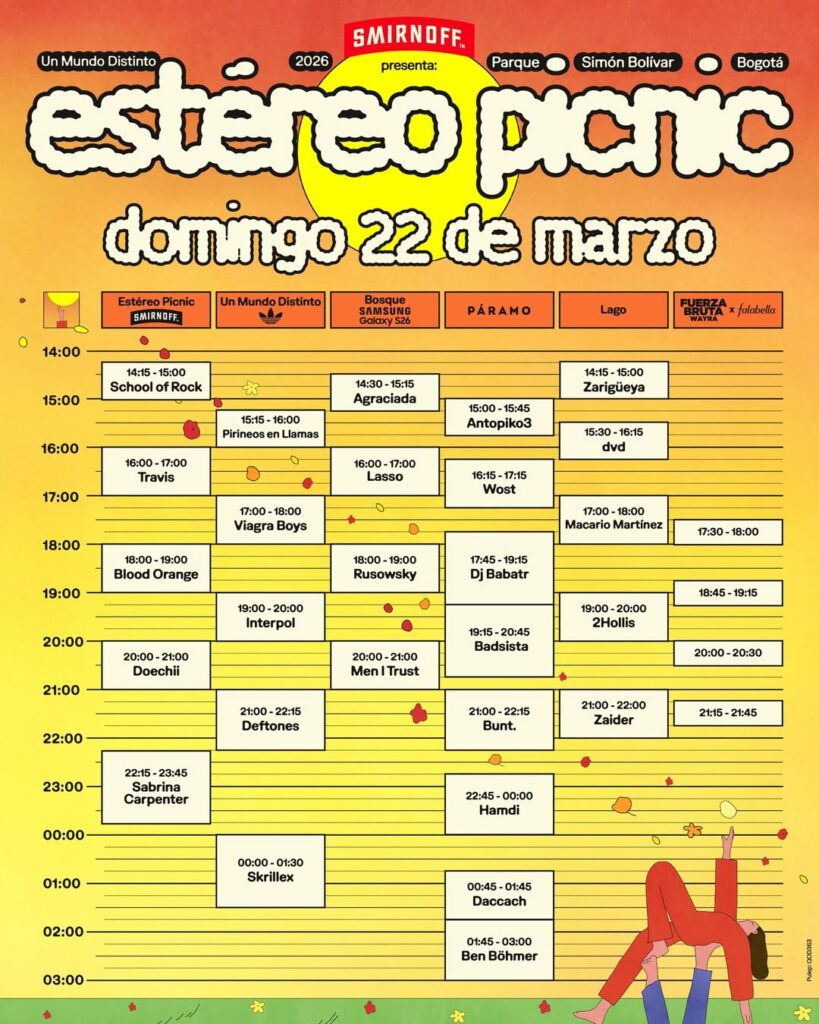
Anto<3 play the Páramo stage at 3pm on Sunday March 22 at Festival Estéreo Picnic 2026

The post Festival Estéreo Picnic 2026: Anto<3 bring the energy appeared first on The Bogotá Post.

  •  

Festival Estéreo Picnic 2026: Brave New Mundo Distinto

Colombia’s premier music event kicks off today, with top tier talent throughout the bill. Who’s on and what do you need to know about Festival Estéreo Picnic 2026? 

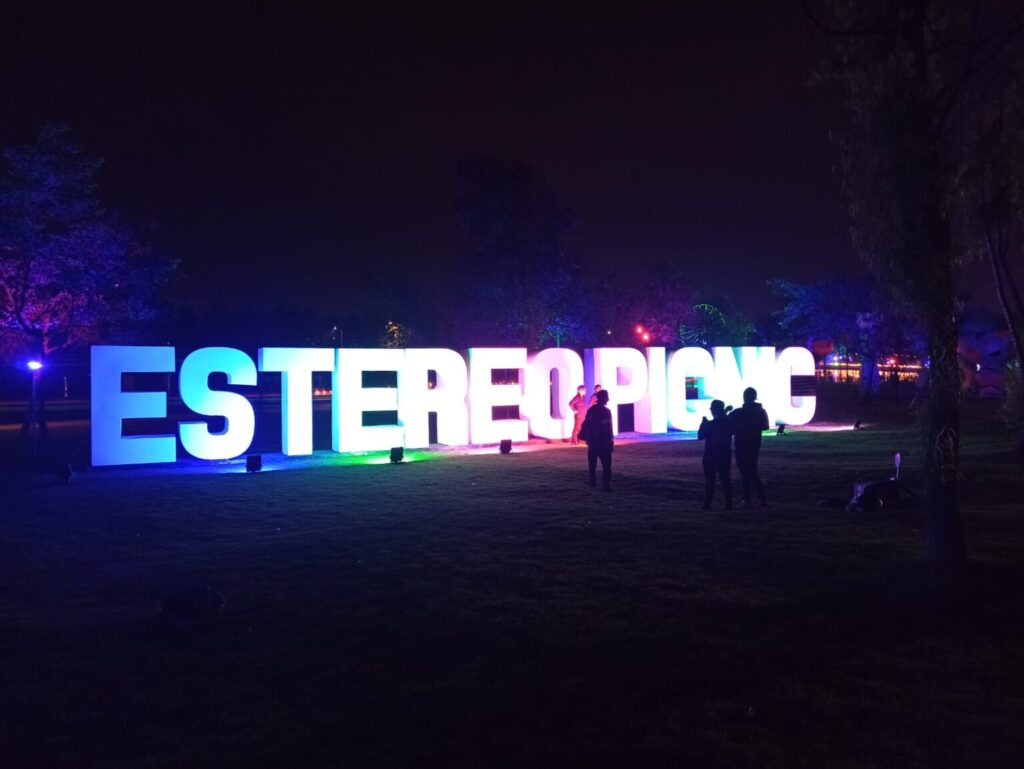
Festival Estéreo Picnic 2026 is here at last! By far the most high-profile event in the Bogotá musical calendar, the festival has gone from strength to strength since its return to the heart of the capital and this year is certainly no exception. The sun has even come out to say hello for Friday at least.

With music event tourism growing in popularity, Festival Estéreo Picnic 2026 is a reason to visit Bogotá for many, with floods of foreign tourists coming in from Latin America and beyond, eager to check out what a contemporary Latin music festival looks like and how rolos party.

Our guide will let you in on some talent you might not have heard of on the bill as well as give you an idea of what the festival itself is like. Whether that’s eating and drinking, transportation or even what to wear, we’ve got you covered.

How to get around Festival Estéreo Picnic 2026

First time at Festival Estéreo Picnic? First time at a major Latin event? Don’t worry, it’s a well-oiled machine that is easy to deal with. All basic transactions are done via a cashless wristband that you can pick up onsite. The system is easy to charge, use and even reclaim outstanding balance from.

Bands are usually timed so that you can flip back and forth between the two main stages (Festival Estereo Picnic and Mundo Distinto) and catch everyone as long as you don’t need to be right at the front for everyone. Getting around is usually pretty easy, with big wide paths and wheelchair access relatively well set up.

Estéreo Picnic is definitely the main stage, facing in reverse to the Rock al Parque setup, but Mundo Distinto pushes it close as a strong second stage. Many years it sees the best performances, with the likes of Fatboy Slim and Limp Biskit ripping it up in recent years.

However, for true music geek points you’ll want to get to Lago (behind the second stage) and Bosque (to the left of main stage) for smaller bands and a more intimate atmosphere. When well-supported locals are onstage, this is a lively place to be.

There’s even a beach! Sort of.

As well as the bands on the open air stages there are also a triptych of tents. These feature a range of cabaret artists – expect burlesque, drag and the like – and a revolving lineup of mostly local DJs. These are great places to dip into if you’re left cold by the stages, but expect a fierce heat inside.

In terms of refreshments you should have no problems. There’s a decent dedicated eating area and unless you go at the absolute peak time you should have no trouble finding seats. Prices are towards the higher end of Bogotá, but not at all crazy.

Offerings are similar to what you might expect to find in a food court at a mall: a bunch of big and big-ish chains plus a few smaller outlets. Vegans are usually catered to by either NoPollo or Stankov. There’ll be a craft beer stall somewhere plus a BBC van.

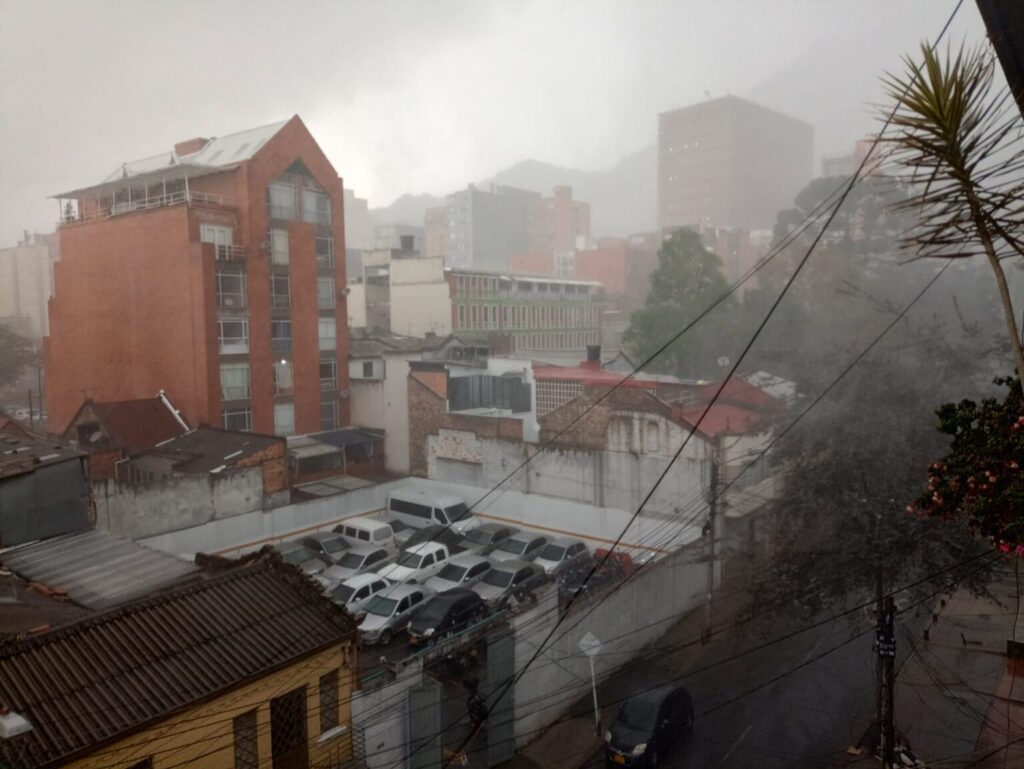
This is Bogotá, so make sure you pack waterproofs and suncream porque sí. You probably need at least one of them and possibly both. If you turn up in the late afternoon you can get away without the cream, but remember people burn fast at altitude.

Decent hiking waterproofs aren’t high fashion but they are very practical and with La Niña refusing to clear off, likely to be necessary. Even if you avoid the actual rainy spells, there’s a good chance of muddy patches that can quickly ruin nice trainers.

El mundo distinto is set to be sunny for the start of the weekend

If you find yourself with a long time between bands or needing a rest, there are chill out zones to relax with as well as a market featuring stalls usually run by independent brands. There will also be plenty of megacorps trying to flog stuff all over the park.

This year, it’s a three-day event. That seems like a good move, concentrating quality into a long weekend rather than stretching things over four days. Adult tickets start at COP$523,000 for a single day and are available online via Ticketmaster here

Finally, toilets. Yes, it’s a festival, but no, they aren’t bad. Men and women are neatly separated, but make sure you bring a pack of tissues as paper is usually in short supply. The area is nice and large so no risk of anything horrible happening.

Who to watch at Festival Estéreo Picnic 2026?

Friday

Friday’s lineup starts strong

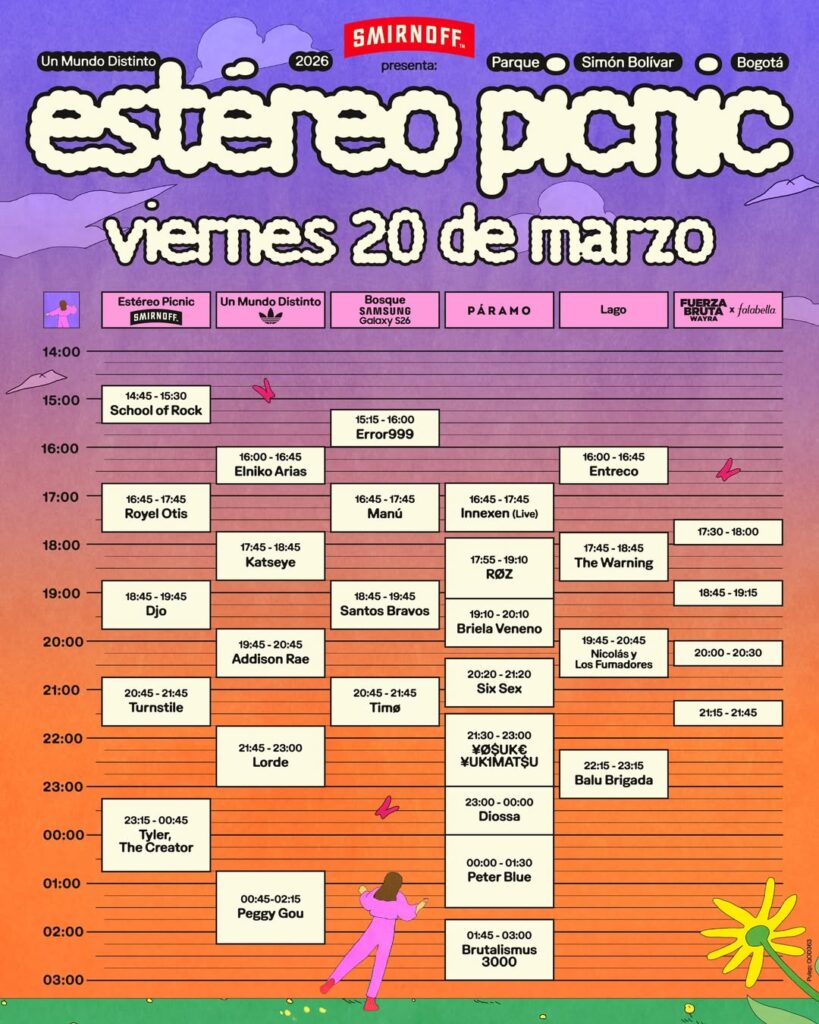
Get onsite early to check out Entreco opening the Lago stage at 4pm on the way in. They’re queer-punk iconoclasts from Cali with a long history. The crowd might be small, but the performance will be big, with plenty of charisma on stage. Manú is then over at the Bosque for some more introspective pop.

Djo and Katseye arrived at the airport together this week and they play joined at the hip – the latter on the second stage for sundown, with the former taking over on the main stage after an hour.

Then things get complicated. Six Sex will be on a minor stage, Bogotá rockcito mainstays Nicolás y los Fumadores are at the Lago and Addison Rae lights up the second stage. Digital Nuclear Transistor is worth catching in the tents if you’re a fan of dark techno.

And then Turnstile arrive at the main stage for what will be a crushing moshpit. They’re on at the right time in the right place: it’ll be intense, just as it was when they played here a few years back.

With probably the strongest single-day lineup, there’s only one place to be to see out the day as Tyler, the Creator takes to the stage at 23:15. Lorde is the warm-up on the second stage if you don’t want to be pushing to the front for the headliner.

Saturday

Old favourites return on Saturday

After Friday’s fun and games, you might be tempted to arrive late on the following afternoon. That would be a shame, because there’s some fine acts early doors. Machaka from Ecuador is an interesting take on Latin pop, Kabinett is wildly inventive alternative electronica and 31 minutos is a puppet show. Yes really, and it’ll be huge.

Perhaps one of the most Latin experiences you can have is on today: La Tigresa del Oriente. An octagenarian balladeer that defies all comparison and most description, look her up to get an idea of what’ll happen. Aora tent at 7pm, it’ll be something special.

After that, you have Tom Morello continuing to rage against the machine, but still having an early night and The Killers, who have been here before and always turn in a big set. Swedish House Mafia close out the second stage and that is likely to be bouncing, with Festival Estéreo Picnic always loving this type of slot.

Sunday

Sunday finishes on a high

The day kicks off with an absolute riot of local talent from early on, with Anto<3, Agraciada Pirineos en Llamas and Zarigüeya all opening stages. All four are exciting young Colombian talent that reward those getting onsite to see them.

Unlike anything else on the bill, Zarigüeya is proudly political without tubthumping and blending carranga rhythms into a smooth smorgasbord of styles.

Latin American maximalism is represented by Agraciada, who teams that visual style with soulful, delicate minimalist harmonies.

Anto<3, meanwhile, are a very different proposition entirely. That’s Gen Z Latin hyperpop that’s bouncy, energetic and sultry all at once.

Macario Martínez is a Mexican viral sensation tipped to make it big while booking Travis to play Colombia early afternoon this close to the rainy season is frankly tempting fate. Then there’s the mystery of pop pixie Sabrina Carpenter, a ray of upbeat pop among an array of darker and more aggressive acts.

Those are Interpol, Deftones and Skrillex, giving a very turn of the century feel to the end of the festival. Interpol will sound like they always do, serviceable, but the other two are more interesting. 

Deftones are back on track after some rocky years, gaining near-universal acclaim for this tour as more people re-evaluate their position as nu-metal pioneers. Skrillex, meanwhile, dug a furrow all of his own as the DJ metalheads love and metalhead DJs love. He’ll lean more into the former than latter to close out Festival Estéreo Picnic 2026.

The post Festival Estéreo Picnic 2026: Brave New Mundo Distinto appeared first on The Bogotá Post.

  •  

Top Stories: AirPods Max 2, iOS 27 and iPhone Fold Rumors, and More

Just when you thought Apple was done with product announcements for a little while, this week saw one last drop with the AirPods Max 2 making their appearance.


This week also saw fresh rumors about iOS 27 coming later this year while an iOS 26.4 release looks to be right around the corner, and Apple kicked off a series of events around the world in celebration of the company's upcoming 50th anniversary, so read on below for all the details on these stories and more!

Top Stories


Apple Announces AirPods Max 2 With H2 Chip and More


In a surprise move, Apple this week unveiled AirPods Max 2, with key upgrades including the H2 chip, increased active noise cancellation, improved sound quality, and features such as Adaptive Audio, Conversation Awareness, Voice Isolation, and Live Translation.


The new AirPods Max have the same overall design as the previous generation, with most of the new features coming from the upgrade to the H2 chip, but they do bring a nice set of audio improvements and a new Camera Remote function for the Digital Crown. If you're a current AirPods Max owner and are considering an upgrade, be sure to check out our buyer's guide comparing the two generations.

AirPods Max 2 will be available to order starting Wednesday, March 25, with a launch to follow sometime in early April.

iOS 27 Will Reportedly Be Like Mac OS X Snow Leopard


In his Power On newsletter this week, Bloomberg's Mark Gurman reiterated that iOS 27 will be similar to 2009's Mac OS X Snow Leopard, in the sense that one of Apple's biggest priorities is bug fixes for improved performance and stability.


That isn't to say, however, that the update will be completely devoid of new features, as we have already heard about a number of them that are in the works beyond the significant revamp to Siri that has been repeatedly pushed back. Perhaps most notable for those who dislike the Liquid Glass redesign that arrived in iOS 26, Apple is said to be aiming to include a system-wide slider to allow users to adjust the Liquid Glass effect.

Here Are Apple's Release Notes for iOS 26.4


Apple this week seeded the release candidate versions of upcoming iOS 26.4 and related updates to developers and public beta testers, representing the final versions that will be provided to the public if no additional bugs are found.


Apple shared full release notes for iOS 26.4 as part of the seeding, revealing a few previously unknown changes including a fix for a keyboard accuracy bug and a change to App Store Family Sharing that will allow adults in a group to use different payment methods.

iOS 26.4 also includes support for AirPods Max 2, so the update will definitely be released by the time those arrive in early April, but the iOS 26.4 public release could come as soon as next week.

iPhone Fold: 5 Things We've Learned About Apple's Foldable


It's been a big couple of weeks for foldable iPhone rumors. In case you missed any of them, we've recapped five recent rumors that we previously covered. It sounds like display production for the device may be about to get underway as Apple looks toward a launch later this year, potentially as late as December.


In other foldable smartphone news, Samsung is discontinuing its Galaxy Z TriFold after just three months on the market. The innovative device unfolds twice to reveal a massive 10-inch inner display.

Apple Kicks Off 50th Anniversary With Surprise Alicia Keys Concert in New York


As part of its upcoming 50th anniversary celebration, Apple is hosting gatherings "around the world" throughout the month of March to celebrate human creativity and ingenuity.


The series kicked off with a surprise concert by Alicia Keysat Apple's retail store overlooking the main concourse at New York City's iconic Grand Central Terminal, with MacRumors in attendance for the event.

Tim Cook then traveled to China for a performance by Li Yuchun at the company's Taikoo Li store in Chengdu, with events in additional countries planned for the next few weeks.

Apple CEO Tim Cook Responds to Retirement Rumors


After a flurry rumors late last year going back and forth about whether his retirement as Apple CEO might be imminent, Tim Cook addressed the rumors in an interview with Good Morning America's Michael Strahan earlier this week.


While Cook referred to the idea as "a rumor," he did not explicitly confirm or deny that he will be stepping down as CEO any time soon, though he did say "I can't imagine life without Apple."

In a separate brief interview with Nikias Molina at the Alicia Keys concert, Cook reiterated that Apple still sees a long life ahead for the iPhone, even as rumors have suggested the company is looking to integrate its technology into other personal devices like augmented-reality glasses and an AI-powered pendant that will be able to gather information from the world around you. "There's so much left that we can do with the iPhone," said Cook. "I think it's going to continue to be the center of people's digital lives."

MacRumors Newsletter


Each week, we publish an email newsletter like this highlighting the top Apple stories, making it a great way to get a bite-sized recap of the week hitting all of the major topics we've covered and tying together related stories for a big-picture view.

So if you want to have top stories like the above recap delivered to your email inbox each week, subscribe to our newsletter!
This article, "Top Stories: AirPods Max 2, iOS 27 and iPhone Fold Rumors, and More" first appeared on MacRumors.com

Discuss this article in our forums

  •  

Festival Estéreo Picnic 2026: Agraciada is happy to be here

Mixing Latin American maximalist visuals with a sensitive minimalist sound, Agraciada is set to light up Festival Estéreo Picnic 2026.

Huilense popster Agraciada in person screams Latin American maximalism with her outfit. Musically, though, she’s more introspective and sensitive with a deep groundswell of emotion eddying through her songs in the tradition of melancholic Latin crooners. She’s set to bring something different to Festival Estéreo Picnic 2026.

This clash of flamboyance and melancholy would be reminiscent of Morrissey were she not so easy to talk to and such pleasant company. Born Georgina Rojas Vargás, she explains where the dualism of visual maximalism and musical minimalism comes from. 

“It depends on the day,” she says with regard to her flamboyant outfit and stuffed toy. “Sometimes you have to do something a bit special. The visual identity is very important for me, the maximalism. That has a lot to do with my day-to-day life too.”

She warms to the theme, explaining that when it comes to music she thinks less can be more. “I consider myself very sensitive, it’s part of my personality. I perceive everything as very intense and music permits me to express that.”

Her music is very traditional in terms of emotion and emphasis, with a heavy focus on loss, melancholy and sadness as well as dreams of love. While there’s a lot going on, it’s muted rather than flashy, allowing the vocals to take centre stage. 

In the Latin tradition, it’s gentle and soulful with stripped back wistful harmonies. “I consider my music very melancholic,” she says, continuing “there’s the romanticism of salsa and ranchera as well as other traditional genres in Colombia and Mexico particularly. It’s a very Latin American mix.”

Pressed for a personal recommendation, she says that “Calor de corazón shows the intensity of my personality.” She recommends listening in 5.1 surround sound for the full effect of the aural soundscape to reach and envelop you.

She’s looking forward to being onstage at Festival Estéreo Picnic 2026 as she loves performing. “For me art is like a service, I’m inviting the audience to share something very personal from me.” She’s been in Bogotá more than enough time to pick up the accent, so she knows just how big a stage this is.

It’ll be a big affair as well – she’s turning up with full musical support. “There will be 15 musicians on stage with me, because they’re my friends and we want to put something a bit different on stage. That includes two pianos.”

Agraciada is a bundle of contrasts that triggers lots of emotions through her gentle, softcore delivery. It’s perfect music both for a warm Bogotá afternoon at Festival Estéreo Picnic 2026 or in a nice cosy bar elsewhere in la nevera.

Agraciada plays the Bosque stage on Sunday March 22 at 14:30 as part of Festival Estéreo Picnic 2026.

The post Festival Estéreo Picnic 2026: Agraciada is happy to be here appeared first on The Bogotá Post.
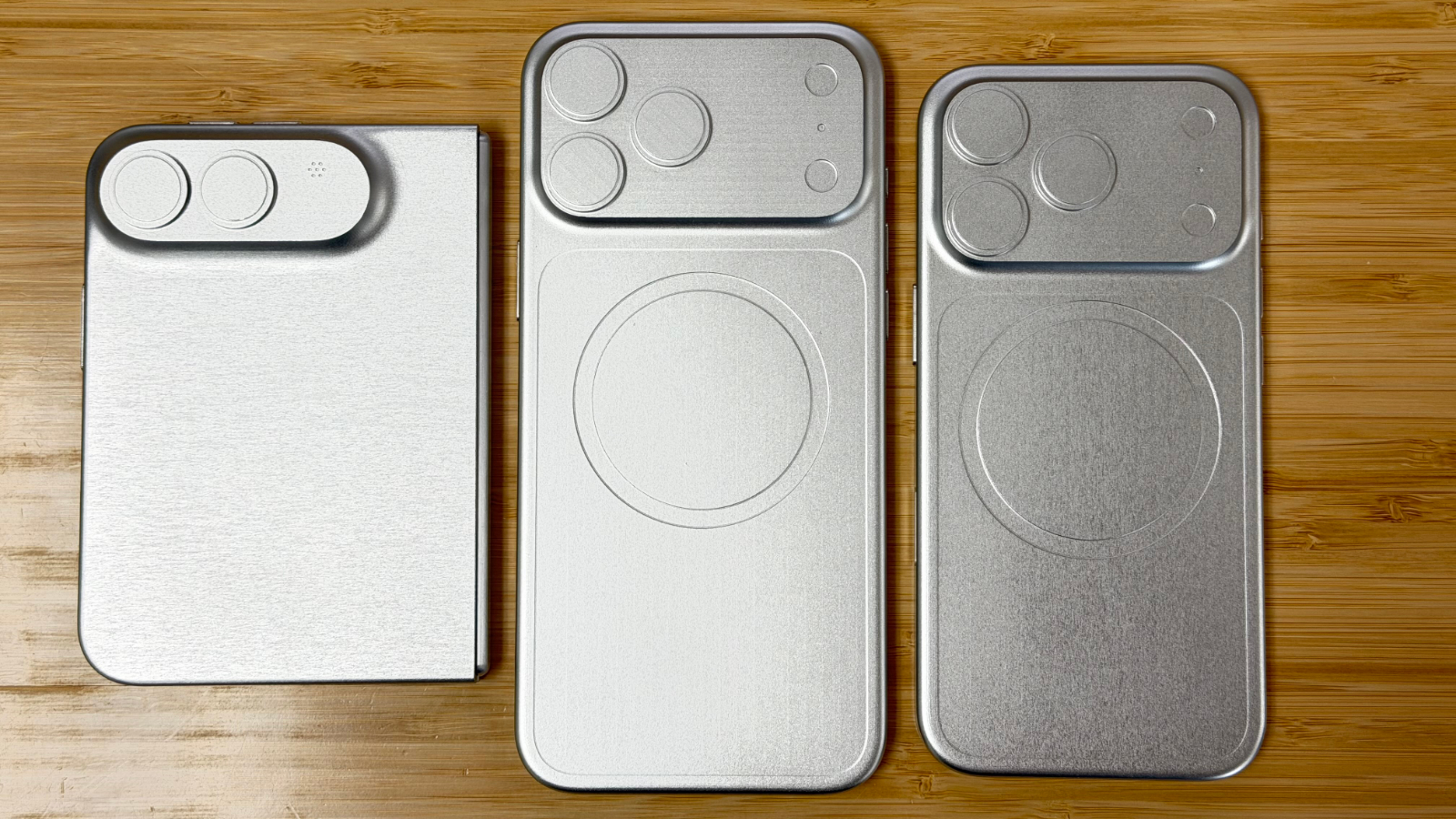
  •  

Festival Estéreo Picnic 2026: Zarigüeya – Proudly political

Singer-songwriter Zarigüeya is on a learning curve at Festival Estéreo Picnic 2026, but she’s sure of her principles. Find out why she’s not on the world’s biggest music streamer.

Colombian singer-songwriter Zarigüeya at a promotional event for Festival Estéreo Picnic 2026. She is in a red phone box drinking through a straw.
Sara at the Festival Estéreo Picnic press event

Singer Sara Puentes Umbarila is performing at Festival Estéreo Picnic 2026 with a musical style that’s markedly different to much of the bill.

Known as Zarigüeya, she combines a range of musical influences with an unapologetically political stance. This isn’t party politics though, instead being about principles and philosophy.

It’s not easy finding Zarigüeya online, and she readily explains why. “I’m really hard to find because I’m not on Spotify. I was, but then I took my music out of the platform. It was a political decision, because I found out the owner was investing in war and on top of that they don’t pay the artists well. So I prefer not to be part of that.”

It’s a principled stand of the type that used to be normal in music but is becoming less commonplace. “I know it’s important for artists to be easy to find, but I don’t care.” A sentiment that might resonate with the likes of Tom Morello on the bill.

Not being on Spotify means more promotion the old-fashioned way – making good music and playing it live. And there’s no bigger stage than Festival Estéreo Picnic 2026. “I’m here to learn, basically, she says, adding “I feel good, a little bit shy, anxious  but I know it’s going to be really fun and special to have this chance to share this music in places where I usually wouldn’t go.”

Making the effort to find her music (on pretty much any other platform) is well worth it though. She has a beguilingly soft voice that underpins deep lyrics. While she’s certainly part of the well established Latin tradition of a singer with a guitar, there’s a lot more to her music, blending a rainbow range of rhythms and styles.

She returns again to the theme of learning as she explains how her songs differ. “I’m still figuring things out after three years as a songwriter, so I have my band and I also play alone.” That adds to the sense of whimsy that permeates her sound – as comfortable with full backing or going solo.

Carranga pops up often in descriptions of Zarigüeya and it is a part of the mix, but she draws from lots of sources. “I mean, I love carranga, it’s one of my favorite genres, but this is not intended to be 100% carranga.”

“This is music, you have a little bit of many different rhythms. It has a clear carranga inspiration but not in all the songs. Three or four have a strong influence, but many are just whatever comes [to me] in the moment, not on a strict schedule.”

It’s no surprise that this isn’t just a musical basis. “One of my biggest influences is Violeta Parra cause she has an amazing voice, she had a very free spirit and also was always trying to find songs in the fields, in the mountains, in the people. And also she was really political in her songs which is something I admire.”

It’s a departure from much of the bill, for sure. “[The audience] can expect to see something different from the rest of the lineup, because of the music and also the vibe of the show. I like to talk a lot and be very narrative.” Adding to that is a multimedia experience, with a friend illustrating live on stage and her own art also prominent as a backdrop.

Festival Estéreo Picnic 2026 isn’t her usual scene, so it’s a special opportunity. “I go to other places usually, other kinds of festivals. So in all senses it’s new to me. It’s challenging and confronting to be part of this. I was not looking for it but I think I will learn a lot.” As will you if you get to her set on Sunday, or further down the line.

Zarigüeya plays the Lago stage at 14:15 on Sunday afternoon at Festival Estéreo Picnic 2026.

The post Festival Estéreo Picnic 2026: Zarigüeya – Proudly political appeared first on The Bogotá Post.

  •  

Colombian elections 2026: Winners and Losers after March Madness

Colombia kicked off its electoral year with the Senate and House elections last weekend, alongside consultas for presidential runs. Who’s come out ahead?

The Colombian elections of 2026 started last week, with the Senate and Cámara finalising their seats for the next parliament. The presidential elections will take place at the end of May, with a second round in June if necessary.

The new Senate layout. Photo courtesy of the registraduría.

The presidential elections also had a hand in last week’s results, with consultas to decide on who would represent groups of candidates with similar politics. That saw Claudia López, Roy Barreras and Paloma Valencia take the honours in their respective consultas.

When all was said and done, the results showed that traditional parties and candidates had generally performed poorly, with new candidates doing well and a difference in the traditional balance of power.

So, a week on and with the dust having settled as final results come in from all over the country, who’s up and who’s down after the first Colombian elections of 2026?  

Winners

It was a good day for the government, with the Pacto Histórico gaining seats and a low turnout for the leftist consulta. The Centro Democrático, too, had a good afternoon. Paloma won her consulta handily and the party overall also gained seats in borth houses.

Pacto Historico

The governing party had a spectacular Sunday, simply said. They increased their presence in both chambers and became the largest single party to boot. The Senate remains without a clear majority, but they are in a very strong position indeed, even without the former FARC combatientes’ curules.

On top of that, other results largely went their way. The leftist consulta that Cepeda was blocked from running in was a washout as the Pacto told their supporters to stay away. Prominent critics of the party from other parties such as Robledo, Miranda, Betancourt and Juvinao all crashed out as well.

While an overall majority in either house is far from within their grasp, the Senate now leans slightly more left than right, with left and centre-left senators adding up to 53. On top of that, after an often rocky government, it’s clear that they haven’t lost their base, indeed even expanding.

Paloma Valencia

A fortnight ago, Paloma Valencia’s campaign seemed to be stuttering. She was polling in single figures for first round intentions for the presidency and making few public appearances other than the mass debates for the Gran Consulta por Colombia. There was even a worry that she might suffer an upset in that consulta.

Fast forward to today and it’s a very different picture indeed. The latest polling shows her rocketing in popularity, now standing at around 20%. That’s because she picked up over three million votes in that consulta.

Then she picked the runner up in that race as her VP ticket, a smart move on her side to try and attract voters more in the centre as well as boost her in the capital. It’s not a landslide move, but it’s canny and the presidential race will likely come down to small margins. 

Juan Daniel Oviedo

Technically a loser, in the sense that he was a clear second to Valencia in the Gran Consulta. However, he picked up over a million votes, paying off his mortgage and significantly outperforming expectations. He also opened the door for some new paths in his political adventure. 

It had looked like his next step was to concentrate on a tilt for Bogotá mayor, having come in second last time around after another strong campaign. He then pulled a remarkable volte-face, accepting Valencia’s offer to run on her ticket.

That’s a move that puts him potentially in a different league than before, very much on the national stage now. It’s come at an enormous reputational price though, with many that voted for him feeling betrayed as he runs on a rightist ticket. He can claim that it’s centrist as much as he likes, but few see it that way.

Influencers

Electorates worldwide are losing patience with technocrats and politics as usual. That’s as true in Colombia as anywhere else, with a number of influencers running and doing fairly well. This is a trend that has been open for a while and shows no sign of slowing down.

Former adult actress Amaranta Hank won a spot for the Pacto Historico, while the White Elephant took a seat for the Partido Verde, having started out as a content creator looking to expose corruption and poor spending practices.

Safety

Despite fears of electoral violence and a turbulent run-up to election day, it was a relatively calm Sunday in the end. There was an attack on a voting centre in Meta, plus another couple of issues elsewhere, but overall it was a good sign for the upcoming presidential elections.

Losers

There were plenty of losers last week, with several high-profile candidates for the presidential race crashing out in their consultas. That saw Vicky Dávila unconvincingly claiming she wasn’t a loser and Enrique Peñalosa falling at the first hurdle again among others.

Farewell, too, for some familiar faces. Ingrid Betancourt failed to make the cut for Senate, losing her seat alongside her party. Jorge Robledo, the leftmost critic of Petro did likewise. Miguel Polo Polo unsurprisingly lost his seat as an Afro-Colombian representative, replaced by a principled lawyer, which delighted many.

In general, old parties and old faces fared poorly, with incumbency working against many. A striking exception to that was the party for ex-FARC combatants, Comunes. To their surprise, but no one else’s, they failed to meet the threshold for representation.

Roy Barreras

Standing in the leftwing consulta, Roy won in the sense that he saw off the threat from controversial former Medellín mayor Daniel Quintero. However, the Pacto campaign to not vote in consultas laid his lack of support bare.

Viejos Verdes

The Partido Verde managed to limit their losses in terms of seats, remaining at a similar level as before. However, there has been a significant change in who takes those curules. They had an open list, meaning that no-one was assured of a place.

Voters made it clear that they wanted to see new blood, with government critics Katherine Miranda and Cathy Juvinao voted out, along with Inti Asprilla and Angelica Lozano. 

The old Frente Nacional

For much of the last century, the Liberales and Conservadores absolutely dominated Colombian politics. For most of this century they’ve avoided running viable presidential candidates, preferring to hold their power in the Senate, Cámara and local politics. 

This time out they have taken a big hit in both houses, losing five seats between them and no longer being in the top level of voting blocs. Due to the fragmented nature of the parliament, they retain some kingmaking powers, but are a shadow of what they once were.

A big question now looms for both parties ahead of next year’s local elections. Just as the Pacto will feel they can make some big gains there, so too will the Liberales and Conservadores worry they might take more damage.

Claudia López

The former Bogotá mayor faced no real opposition in her consulta, sailing through with over 90% of the vote. However, that was 90% of not very much and she failed to get voters out to show support in the way that Valencia and Oviedo did. She faces an uphill slog from here.

Sergio Fajardo and Abelardo de la Espriella

Neither of this pair were in consultas, instead going to the second round. That’s meant they’ve been kept out of the headlines and lost momentum as well as having some unfortunate results.

The scale of the turnout for Valencia shows she’s a viable contender to Aspriella on the right and her leap in polling is matched by a significant downturn for el tigre. For Fajardo, it’s even worse: voters are largely abandoning the centre and technocratic politicians.

Trust in the system

 With the governing party repeatedly questioning the openness and fairness of the elections, this was rough. There have been a number of reports coming out questioning the practices of various voting centres and plenty of allegations, particularly from the left.

On top of that, a couple of candidates were arrested on voting day with big bags of cash that were allegedly to be used in vote-buying. While corruption in electoral processes is likely nowhere near as widespread as many claim, it’s clearly still an issue, especially in rural zones.

Centrist politics

Other than Juan Daniel Oviedo, centrists had a bad day at the polls, especially the centre-right. While the Centro Democrático and Pacto Historico gained votes on the flanks of both right and left, parties close to the centre lost out. 

Cambio Radical took a big hit, as did the conservatives, with Abelardo de la Espriella’s new Salvación Nacional party gaining three seats from literally nowhere. The partido de la U also lost a seat while Ahora! won another two seats. Poor turnout for the centrist consulta also means there seems to be little support on the presidential level.

What happens next?

The presidential election on May 31 is now very much the focus of attention. Iván Cepeda still leads the polls comfortably, with Paloma Valencia and Abelardo de la Aspriella splitting the rightwing vote at the moment. However, with over two months of campaigning time ahead, there is plenty of time for everything to change.

Gustavo Petro has shown little sign of intending to follow the guidelines on not campaigning, making references to Oviedo and Valencia as well as thinly-disguised references to Cepeda and so on. Expect this to continue and ever more strongly worded warnings from the registraduría to be ignored.

It’s also likely that there will be ever more rhetoric over electoral fraud, with the Pacto campaign leaning heavily into that already and working on raising awareness of the issue ahead of the voting for the first round.

There’s currently a very good chance that the presidential campaigns will get pretty ugly, with lots of negative campaigning and attack ads. There is no love lost between the candidates and plenty of bad blood on all sides. We’ll keep you up to date with things as the campaigns develop.

The post Colombian elections 2026: Winners and Losers after March Madness appeared first on The Bogotá Post.

  •  

Top Stories: Apple's 50th Anniversary, New and Upcoming Products, and More

After Apple's big week of announcements, this week saw all of the new products officially become available, so reviewers and general users alike are now getting their hands on them and putting them through their paces.


Apple also started ramping up plans for celebrating the company's 50th anniversary coming up on April 1, with Tim Cook sharing a letter addressing the milestone and the company even hosting a brief musical appearance by Alicia Keys at its Grand Central Terminal store in New York City, so read on below for all the details on these stories and more!

Top Stories


Apple Announces 50th Anniversary Plans


Apple this week announced that it plans to celebrate its 50th anniversary, which is on April 1. Ahead of the big date, Apple CEO Tim Cook shared a "50 Years of Thinking Different" letter.


"While Apple is known for looking forward, this milestone offers a special moment to reflect on the journey that has brought the company here, to celebrate the people and communities who have thought different with us, and to honor the enduring values that continue to guide our work," said Apple, in a press release.

Apple has also launched a new "Hello Apple" account on Instagram where it will share company news, stories, product marketing, and more, while journalist David Pogue has just released a new book chronicling the history of Apple over its first 50 years. And on Friday, Apple hosted a surprise musical appearance by Alicia Keys at its Grand Central Terminal store as part of the anniversary celebration.

Apple Released Seven New Products This Week


As of Wednesday, the seven new Apple products that were announced last week became available at Apple Stores and started arriving to customers.


The colorful MacBook Neo and all of the other new products are on display at most Apple Store locations around the world. Apple Stores have inventory of the new products for both walk-in customers and Apple Store pickup, but availability varies, so make sure to see if your local store has stock via Apple's online store.

Apple Could Launch Three New 'Ultra' Devices This Year


Apple is planning to launch at least three new "Ultra"-class devices this year, according to Bloomberg's Mark Gurman.


While it is unclear whether the new products will carry the "Ultra" name, Apple is planning to launch at least three such devices this year: Apple's first foldable iPhone with an expected price tag of at least $2,000, higher-end AirPods Pro equipped with infrared cameras, and a premium MacBook Pro with touchscreen OLED display that may sit above the current MacBook Pro models in the lineup.

Everything New in iOS 26.4 Beta 4


Apple is continuing to test the iOS 26.4 beta, and the latest update became available for developers and public beta testers earlier this week.


As testing goes on, there are fewer new features in each beta, but this week’s release adds new emoji characters and support for the new iPhone 17e and M4 iPad Air, and makes a few other changes.

Apple 'HomePad' to Offer Magnetic Snap-to-Wall Feature and More


Apple's upcoming "HomePad" will offer a magnetic snap-to-wall feature and more, according to the leaker and prototype collector known as "Kosutami."


In a post on X this week, Kosutami said that one of the HomePad prototypes features a MagSafe-like snap-to-wall capability, along with doorbell integration. It is said to be heavily reliant on Apple Intelligence.

With Apple's ongoing delays for the enhanced Siri powered by Apple Intelligence, it appears the HomePad may not launch until this fall. Updated Apple TV and HomePod models may also be waiting for the upgraded Siri.

iPhone Fold to Feature iPad-Style Multitasking and Layouts


While Apple's upcoming foldable iPhone will run iOS and not iPadOS, it will function as more of a hybrid device, according to Bloomberg's Mark Gurman.


The iPhone Fold will reportedly be able to run two iPhone apps side by side on the large internal display, which will be roughly the size of an iPad mini display. Apple is also revamping its apps to support sidebars for this mode, and third-party developers will be able to adapt their apps to use them as well. The iPhone Fold will, however, lack the more extensive multitasking capabilities of iPadOS and will not be able to directly run iPad-optimized apps.

MacRumors Newsletter


Each week, we publish an email newsletter like this highlighting the top Apple stories, making it a great way to get a bite-sized recap of the week hitting all of the major topics we've covered and tying together related stories for a big-picture view.

So if you want to have top stories like the above recap delivered to your email inbox each week, subscribe to our newsletter!
This article, "Top Stories: Apple's 50th Anniversary, New and Upcoming Products, and More" first appeared on MacRumors.com

Discuss this article in our forums

  •  

Colombian elections 2026: What’s at stake this weekend?

Colombia goes off to the polls for the first time tomorrow – but what’s at stake in the first Colombian election of 2026, how does it all work and why are there claims of fraud?

National elections are taking place in Colombia in 2026, with the first taking place tomorrow morning, Sunday 8th March. This returns representatives for both houses of parliament as well as eliminating some candidates for the presidential elections coming in May.

Colombians in the 2022 elections. Photo courtesy of Angela Forero-Aponte

Oversight is carried out by the CNE (Consejo Nacional Electoral). In order to do this over the vast territory and number of stations, over 800,000 citizens are selected to be vote-counters. This is similar to jury duty in other countries and is compensated with a day off as well as a compulsory day of training a couple of weeks beforehand.

As the electorate is growing, there are now some 13,000 voting sites across the country, most with multiple voting tables. Colombians have to vote where their cédula is registered, so don’t be surprised to see some people trekking to other cities if they forgot to update their registration.

Borders will close, along with various road closures within city limits and ciclovía cancelled to allow for ease of transport to voting stations. There will also be a dry law enacted from this afternoon and you can expect a heightened police and military presence.

This is the first year in which the parties representing demobilised ex-FARC combatants do not receive guaranteed seats and is also the first time the leftist bloc is coming in as incumbents rather than opposition. 

With plenty of rhetoric and conflict in the run up to the election as well as the unusual political situation of the country, these are particularly hard elections in Colombia to call. While the upcoming presidential elections in May are the bigger deal, this round will give some insight into how that might go.

What’s on the table in the Colombian elections 2026?

Both houses of parliament will be fully elected, which means 103 senators and 183 representatives for the lower house, known as the Cámara de Representantes. The key difference in choice here is whether you vote regionally or nationally.

The Senate is voted for on a national basis, with all candidates open to all voters. Of the 103 curules, a straight 100 are chosen by the electorate as a whole, while Indigenous communities select a further two and the runner-up in the presidential election will receive the final seat.

The Cámara is regionally organised, with residents of the capital voting for Bogotá-based candidates and so on. Bogotanos have 18 representatives in total, whereas departments are guaranteed a minimum of two seats. Like the Senate, there are also seats set aside for special groups: afro-Colombians, Indigenous Colombians and conflict victims.

Just in case you thought there was enough on the plate, there are further considerations at stake. To avoid spreading the vote, various presidential candidates with similar positions group together for a preliminary vote. The losers in each consulta will drop out on Monday. This year there are three on the voting card.

They are leftist, rightist and centrist. Ex-mayor of Bogotá Claudia López is nailed on for the latter and ex-mayor of Medellín Daniel Quintero is likely to win the former. The rightist consulta is more open, with Paloma Valencia of the centro democrático leading polls but Juan Daniel Oviedo and Juan Galán eyeing the outside chance of an upset.

While there is a diverse group of parties, they hang together in loose blocs roughly delineated as government, opposition and neutral. With the government only controlling 34 curules and the opposition 24, the neutrals are incredibly important for horse-trading.

This will be a huge litmus test for the ruling leftist bloc. They will lose their guaranteed  Comunes seats, so any further losses will be highly problematic. On the other hand, gaining curules would be a huge shot in the arm in terms of public support, hence why they are campaigning in places like Huila, outside of their traditional strongholds.

Continuity candidate for presidency Iván Cepeda continues to lead polling by a healthy amount, but is closer to Petro’s numbers in 2018 than 2022, which will be a concern. A good performance tomorrow will help him out considerably.

Within the consultas, Paloma Valencia’s support will be the big question. She’s likely to win, but the percentages will be a big sign as to whether she can truly challenge Abelardo de la Espriella for the rightwing vote. 

The most likely outcome is that there will be little change in the makeup of the Senate, with neither the government nor opposition likely to take outright control or make large gains. Whichever of those two groups increases their representation will quickly turn it into a sign that they are on the right track and use that as support for their presidential campaign.

What’s the background to these elections?

The run-up to the first Colombian elections of 2026 has seen a lot of criticism of the system, almost all of it coming from the national government. President Gustavo Petro has been front and centre on this issue, repeatedly questioning the neutrality of the elections.

Petro’s concerns rest on the fact that Thomas Greg and Sons handle the software used in the election system, a firm that he’s clashed with repeatedly, especially over Colombian passport printing.

He says that the systems are opaque and he has not received answers from the CNE or Registraduria over various concerns he has. However, both groups, along with Colombia’s neutral election observers MOE have been clear about the processes.

Online, there are hundreds of posts claiming that a key part of the alleged fraud will be in the reports made by the jurados. This echoes previous elections, where there was a flurry of images purporting to show electoral forms that had been altered. With AI entering the scenario, expect more of this from midday or so tomorrow onwards.

Voy a escribir porqué los escrutinio son opacos y vulnerables al fraude en las elecciones.

No porque crea que nuestro proyecto democrático vaya a perder sino porque es mi deber como jefe del estado al menos informar sobre uno de los peores riesgos de la democracia hasta ahora…

— Gustavo Petro (@petrogustavo) March 1, 2026
The President has issued dozens of tweets claiming electoral fraud

Of course, Petro is only claiming that electoral fraud exists against him, not in the multiple occasions in which he’s won at the voting urns. This is a well established populist tactic – calling elections into doubt before they happen. It’s likely to rally his turnout and provide an excuse if results are bad.

There is little credibility to most of the vote rigging claims. Colombia does indeed have some serious problems around corruption and influence buying, but this tends to be concentrated in rural zones in the periphery of the country. It’s also worth noting that these seats return candidates from across the political spectrum.

A lot of electoral impropriety is very hard to prove – the machines that promise to deliver blocks of votes are well-versed in legal limits and plausible deniability. Offering someone some free gifts in return for ‘support’, for example, is widespread and while dubious hard to prove in court.

It goes without saying that political attacks on the CNE are particularly unhelpful, especially in what is still a very charged political atmosphere nationwide. The assassination of presidential pre-candidate Miguel Uribe last year was a shock to a country that has a long history of political violence.

Concerns remain over both electoral safety and fraud in much of the country, with over 200 municipios at high risk of fraud and/or violence. 39 of those are classed as very high risk and only 167 at very low risk, mainly in the Andino region. 

How does the system work?

Every Colombian over the age of majority (18) and with a correctly registered cédula ciudandanía can vote. In return, each voter gets a half day off work. Non-citizens are not eligible to vote in national elections, but holders of resident visas will be able to vote in next year’s local elections.

The polls are open from 8am until 4pm and counting is usually very fast with the first results coming in before sundown tomorrow. Due to the PR system (see below), final results for some more isolated zones will come through in the week. 

Land and fluvial borders will be closed for Colombian nationals tomorrow morning, although foreigners can cross. From this afternoon until early on Monday morning, ley seca will apply, meaning no alcohol sales in bars, restaurants or shops. That applies for everyone, so no representation or boozing for foreign residents.

Some parties run a closed list system, meaning you simply vote for them, whereas others have open lists, meaning you vote for the party and can also vote for your preferred candidate within the party. For closed lists, the party will simply enter their candidates in the order they’ve given up to their limit of seats, with an open list it will be done in order of preference.

There’s also the curious option of voto en blanco. Different from a spoiled vote, which is simply disregarded, this is an active protest. If it ranks highest in any race, then a rerun of the election must take place within a month with entirely new candidates and/or party lists. 

A smidgen under 50% turnout is common for house elections, with higher figures expected for the presidential elections later this year. The Colombian parliament is a bicameral system with the Senate acting as the upper and more powerful house and the Cámara the lower house.

Most parties do not really have well-defined manifestos as such, although better-funded candidates will give a range of positions on matters. In general, there will simply be slogans and general aims that give voters an idea of where their candidates stand.

The post Colombian elections 2026: What’s at stake this weekend? appeared first on The Bogotá Post.

  •  

Top Stories: Apple Event on March 4, iOS 26.4 Beta, and More

It looks like our first major Apple product announcements of 2026 are right around the corner, with Apple announcing a "special Apple Experience" for members of the media scheduled for March 4 where we're expecting to see them get hands-on time with several newly announced products.


In other Apple news this week, the first betas of iOS 26.4 and related updates include some new features and enhancements, while we heard a bit more about the iPhone 18 Pro and Pro Max coming later this year, so read on below for all the details on these stories and more!

Top Stories


Apple Announces Special Event in New York, London, and Shanghai on March 4


Apple this week invited members of the media to a "special Apple Experience" taking place simultaneously in New York, London, and Shanghai on Wednesday, March 4.


Rather than a traditional Apple event, it sounds like these "experiences" will be opportunities for the media to get hands-on time with a variety of products being announced at the start of or slightly before the event time.

It actually sounds like we may be getting several days of press release announcements in the first part of the week, culminating in the media experiences on Wednesday. While we don't know exactly what products will be announced that week, there are a host of new products expected in the near future including the iPhone 17e, M5 Pro and M5 Max MacBook Pro models, new iPads, and more.

Everything New in iOS 26.4 Beta 1


Following last week's release of iOS 26.3, Apple this week seeded the first betas of iOS 26.4 and related updates.


While it doesn't include the more personalized Siri we had been hoping for, there are a bunch of changes and new features in the update.

One of the more interesting changes being prepped for in the release is support for CarPlay video over AirPlay, which will allow users to stream Apple TV and other video content to their car's infotainment screen while their vehicle is parked.

Five iPhone 18 Pro Features Revealed in New Report


While the iPhone 18 Pro and Pro Max should have very similar designs to their predecessors, they are likely to be getting an array of new features and upgrades to attract customers.


Research analyst Jeff Pu recently outlined five upgrades he's expecting to see in the new models, and we've recapped a full list of ten reasons why you might want to wait for the new models if you're considering buying now.

Apple Reveals How Many iPhones Are Running iOS 26


With the transition to the controversial new Liquid Glass design in iOS 26, some users appear to have been holding off on upgrading, but new data released by Apple last week suggests the impact is relatively small.


Apple adoption data shows roughly the same share of devices are running iOS 26 at this point as were running iOS 18 a year ago, although the company did wait three weeks longer to release data this year. So while it appears adoption is lagging a bit this year, it's not a massive difference.

Toyota Rolling Out Apple Wallet Car Keys on iPhone


Toyota, the world's largest car manufacturer, is finally rolling out support for Apple's digital car key feature, allowing users to lock, unlock, and start compatible vehicles from the Wallet app on their iPhone or Apple Watch.


Signs of the impending support were discovered back in December, and we've seen our first report of vehicles in the wild supporting it with the new 2026 RAV4.

Apple Launching New 'Sales Coach' App


Apple plans to launch a rebranded "Sales Coach" app on the iPhone and iPad later this month, according to a source familiar with the matter.


"Sales Coach" will arrive as an update to Apple's existing "SEED" app, and it will continue to provide sales tips and training resources to Apple Store and Apple Authorized Reseller employees around the world. For example, there are articles and videos highlighting everything from reasons to upgrade to a newer iPhone to popular iPad features.

MacRumors Newsletter


Each week, we publish an email newsletter like this highlighting the top Apple stories, making it a great way to get a bite-sized recap of the week hitting all of the major topics we've covered and tying together related stories for a big-picture view.

So if you want to have top stories like the above recap delivered to your email inbox each week, subscribe to our newsletter!
This article, "Top Stories: Apple Event on March 4, iOS 26.4 Beta, and More" first appeared on MacRumors.com

Discuss this article in our forums

  •  

Rain, rain, go away

2026 has started off unusually wet, with downpours in Bogotá and floods elsewhere in Colombia. What’s going on and how can you help?

While this is meant to be the dry season for most of Colombia, it’s instead been raining heavily. Vast swathes of the Caribbean region have flooded, and in Bogotá, it’s led to collapses in the traffic systems. That’s led to an emergency declaration by the president and frantic relief efforts (links at article end).

Heavy floods have left much of Córdoba underwater. Photo courtesy of UNGRD

Colombian president Gustavo Petro has declared a state of emergency yet again to address the situation in the northern department of Córdoba and elsewhere. While the emergency measures were declared for Córdoba, this was later extended to 22 departments, underlining the severity of the situation.

Within the capital, flash floods have swamped roads and forced traffic to grind to a halt as well as collapsing roofs and flooding buildings. Luckily, Bogotá has so far escaped the levels of damage seen elsewhere in the nation.

Barrios such as Nicolás de Federman have been hit by hailstorms heavy enough to resemble a blizzard, leaving them carpeted in white as though snowed in while the autopista norte has been forced to close as it resembles a swamp.

One silver lining to the rainclouds is that the reservoirs will be nice and full, alleviating fears that Bogotá will be forced to return to water rationing, as happened in 2024. That will be little comfort to many who have lost everything in the floods.

Why is it raining so much?

Heavy rain has persisted through year start

Colombia’s weather monitors, IDEAM, have explained that there are four main factors: the Madden and Julian wave; high Amazonian humidity; a lack of winds to move that humidity and la Niña-esque conditions.

All put together, these four factors combine to make a perfect storm and unseasonably high January rainfall levels. That’s continued into February and with March and April around the corner there is little relief in sight.

That’s led to half the country being put on alert for potential floods and high precipitation, which leads to all sorts of other trouble such as landslides. Colombia’s disaster relief agency UNGRD is underprepared currently, having endured corruption scandals recently.  

This is meant to be the dry season, too. Bogotá in particular is meant to receive heavy rain October-December and April, not January and February. In fact, these months are normally characterised by blazing sunshine, clear skies and hot temperatures.

Adding to the confusion is the fact that we’re supposed to be heading into an El Niño cycle, meaning dry weather and lower rainfall than expected. Instead, we’ve had the precise opposite so far. While Colombia is the world’s rainiest country, it’s not meant to fall in January and February, at least not in the north.

Floods in the Caribbean

The rains have been annoying and disruptive in Bogotá, but other parts of the country have faced genuine devastation. First among those is the department of Córdoba, which has suffered widespread floods. However, over half the country has been affected.

The capital of Córdoba, Montería, is the worst hit major city in the country, with thousands of people evacuated in the city and surrounds. Over a quarter of a million people have been directly affected by the rains nationally.

Sadly, politics have come into play here too, with Petro clashing with regional governor Erasmo Zuleta over the management of the department. The pair have had a lot of differences over the years. He also said he was initially unable to land in Córdoba due to the risk of an attack.

Rivers across Colombia are full and at risk of flooding

More reasonable are Petro’s claims that the situation has been exacerbated by water management systems such as reservoirs. These have diverted normal water flows and critically diminished the region’s ability to handle pressure from unusual weather patterns. Zuleta’s response is that the national government oversees the Urrá hydro plant.

The worst affected regions are on the Caribbean coast, with Uraba Antioqueño, La Guajira and Sucre joining Córdoba, but the Amazon and Pacific regions have also seen unusually high rainfall for the start of the year.

There has been flooding in Medellín, as well as the risk of landslides in hillside comunas, while coastal cities such as Cartagena have had heavy downpours and storms, affecting much-needed tourism income in high season as beaches close.

Even when the rains stop, the long term effects will take years to overcome. Already, bad actors are starting to take advantage of the situation, with desperate houseowners paying through the nose for boaters to rescue their belongings before thieves arrive.

Fields that are now underwater will take an age to fully drain and even longer to recover from the damage currently being wrought upon them. Thousands upon thousands of hectares of farmland will be unusable for the near future.

With what looks like a fraught year ahead for Colombia, this is an unwanted extra pressure to deal with and exposes the fragility of infrastructure in the face of increased climate change pressure. Whoever wins the next election, investment will be needed to avoid similar problems going forward. 

The Cruz Roja Colombiana are taking donations of clothes and building materials at their Salitre centre (Av.68 #68b-31), and you can donate money directly on this link. The local government in Bogotá is also organising donation drives on this link.

The post Rain, rain, go away appeared first on The Bogotá Post.

  •  

Why You Should Check Out Festival Estéreo Picnic 2026 in Bogotá

Festival Estéreo Picnic 2026 is nearly here, and is a great way to find out more about Latin music alongside serious international superstars

Festival Estéreo Picnic 2026 is only a few weeks away now, with artists including Tyler, the Creator and Sabrina Carpenter topping a typically star-studded bill on the 20th-22nd of March. Having cemented its place in the centre of Bogotá, the event continues to be the biggest draw in town.

Festival Estéreo Picnic 2026 in Bogotá is just a few weeks away

This year, it’s a three-day event. That seems like a good move, concentrating quality into a long weekend rather than stretching things over four days. Adult tickets start at COP$523,000 for a single day and are available online via Ticketmaster here

Full fest regular passes are at COP$1,413,000 and Sat-Sun at COP$939,000. VIP rates are significantly higher, with a full 3 day pass clocking in at COP$2,899,000. Prices will increase in the coming weeks.

Cultural tourism is now a heavyweight part of the sector and is rapidly diversifying away from purely traditional events like Barranquilla Carnival. That means a lot more travellers timing trips to coincide with festivals like Estéreo Picnic.

It’s easy to see why. Not only do you get a stellar international lineup, but also a peek at the flow of a Latin crowd. With prices competitive compared to North America and Europe, it’s a good way to see international stars along with your holiday.

What is Festival Estéreo Picnic in Bogotá like?

In a word: fantastic. Since the move back to the heart of the city, everything now flows pretty much seamlessly. Considering the size of the event, this is quite an achievement. It’s a cashless wristband affair, meaning you don’t have to worry about carrying too much cash.

There’s two big stages as well as a frequently interesting third stage set behind the second stage, often home to some of the more quirky and/or local acts. Hometown hip-hoppers La Etnnia’s set in 2024 was emblematic of that.

Of course, you’ll find getting to the front tricky with thousands of people in front of you, but there’s no VIP barriers to contend with and good views of most stages across the site. Bands are timed to avoid clashes, so you should be able to catch everyone on your list, even if from far away and there’s little dead time to contend with.

There’s even a (sort of) beach!

Food and drink is reasonably priced: you won’t be able to find a corrientazo bargain, but neither is it airport pricing. There’s a wide selection of local chains and some internationals with all tastes catered for, usually including fully vegan stands. The park’s normal drinking water fountains keep running through the festival too, with long lines.

If you’re getting tired after hours in a field, there are lots of seated spaces or grass to lie on, as well as tents in which to keep warm or shelter from rain. If you find yourself between bands, there’s a wide selection of shops and stalls to peruse. If things are really going south, there are dedicated chill-out spots and medical support.

Who’s headlining Festival Estéreo Picnic 2026 in Bogotá?

Festival Estéreo Picnic 2026 will be starting off front foot forward, with Tyler, The Creator headlining Friday night. Kiwi popster Lorde is the undercard here, with Turnstile bound to attract a big audience, given how much of a rock city Bogotá is.

On Saturday night, traditionally the biggest party of the weekend, the festival is going back to a tried and trusted favourite: The Killers. They’ve played Colombia a half dozen times over the past decade, so this isn’t breaking new ground, but will be popular.

There’s plenty of international quality down the bill on the middle day too, with Swedish House Mafia likely to go down an absolute storm, The Whitest Boy Alive popular and Tom Morello guaranteed to make a political statement.

For the final night, there’s a mix of contemporary talent and big name legends. Sabrina Carpenter ticks the first box, while Skrillex, Deftones and Interpol tick the latter. Scottish Britpop survivors Travis are timing things perfectly for a rendition of Why Does It Always Rain On Me.

Who else should I check out at Festival Estéreo Picnic 2026?

So, there’s plenty of well-known names you’ll recognise from international charts, but what about the local and Latin talent? After all, you can catch many of the big names around the world, but this might be your only chance to check out local talent.

These bands are usually scheduled earlier in the day, giving you the perfect excuse to rock up early and miss the queues for peaktime entrance around 6pm. Sadly, the local scene isn’t always the best attended, meaning that it’ll be easy to get up nice and close for most of these bands.

Nicolás y los Fumadores are as classic rolo rockcito as they come and command a strong following in the capital. 80s-infused Pirineos en Llamas are popping over from Medellín. Up-and-coming popster Manú is touring last year’s album, while Zarigüeya mix pop with carranga rhythms.

Viral Mexican sensation Macario Martínez is a young version of the classic Latin pop-rock crooners of yesteryear.  From Quito is Machaka, highlighting Ecuadorian and wider Latin culture via tropipop. Spain is represented by Guitarricadelafuente and Judeline.

Cult kitsch octogenarian Peruvian legend La Tigresa Del Oriente plays the cabaret tent. It’s hard to describe precisely what she’s like, as she ploughs her own furrow, but this will be packed and spectacular. FEP fixture La Ramona will also play there. DJs such as Briela Veneno, Babath and Silvia Ponce are also onsite for electronica fans.

You need to see La Tigresa to understand her

The post Why You Should Check Out Festival Estéreo Picnic 2026 in Bogotá appeared first on The Bogotá Post.

  •  

Colombian Elections 2026: How do they work?

Colombia is off to the polls in a little under a month, but what’s at stake and what could happen? And why can’t you have a drink while watching results roll in?
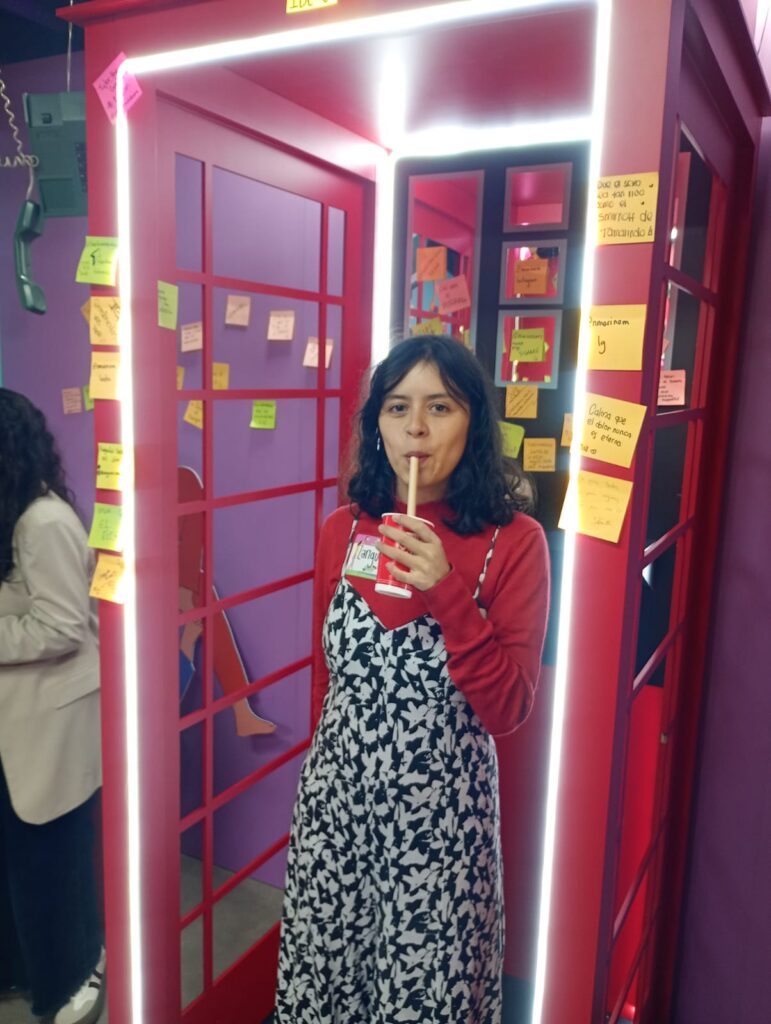
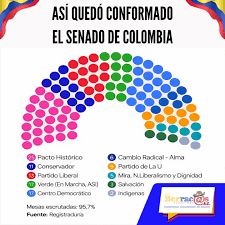
Sunday March 8th will be the first of three elections in Colombia. Photo: Element5 Digital on Unsplash

Every Colombian over the age of majority (18) and with a correctly registered cédula ciudandanía can vote. In return, each voter gets a half day off work. Non-citizens are not eligible to vote in national elections, but holders of resident visas will be able to vote in next year’s local elections.

The polls are open from 8am until 4pm and counting is usually very fast with the first results coming in just an hour or so later. Due to the PR system (see below), final results come through in the week. 

Land and fluvial borders will be closed for Colombian nationals on the day of the election, although foreigners can cross. From the Saturday afternoon before voting until the Monday morning, ley seca will apply, meaning no alcohol sales in bars, restaurants or shops. That applies for everyone, so no representation or boozing.

Oversight is carried out by the CNE (Consejo Nacional Electoral). In order to do this over the vast territory and number of stations, over 800,000 citizens are selected to be vote-counters. This is similar to jury duty in other countries and is compensated with a day off as well as a compulsory day of training a couple of weeks beforehand.

As the electorate is growing, there are now some 13,000 voting sites across the country, most with multiple voting tables. Colombians have to vote where their cédula is registered, so don’t be surprised to see some people trekking to other cities if they forgot to update their registration.

Some parties run a closed list system, meaning you simply vote for them, whereas others have open lists, meaning you vote for the party and can also vote for your preferred candidate within the party. For closed lists, the party will decide who enters congress, with an open list it will be done in order of preference.

A smidgen under 50% turnout is common for house elections, with higher figures expected for the presidential elections later this year. The Colombian parliament is a bicameral system with the Senate acting as the upper and more powerful house and the Cámara the lower house.

Most parties do not really have well-defined manifestos as such, although better-funded candidates will give a range of positions on matters. In general, there will simply be slogans and general aims that give voters an idea of where their candidates stand.

Who’s up for election?

With a PR system in place there are a plethora of parties to peruse. The country was dominated for decades by the Conservadores and Liberales and both remain strong across the country. In recent years they’ve been joined by the Centro Democrático as the third force. Expect all three to do well.

Mid-level parties include the likes of the right-wing Cambio Radical, particularly strong on the Caribbean, centrist (and not ecologically centred) Alianza Verde and ex-president Santos’ centrist partido de la U. The last election saw the leftist Colombia Humana rocket up to join these blocs.

Then there are the smaller parties, often operating essentially as almost one-man-bands. These usually have an enormous amount of support in a particular area or for a certain candidate but fail to translate this to a wider audience. It’s common to see them banding together, as with the governing coalition Pacto Histórico.

Finally, there are guaranteed seats in both the Senate and Cámara for certain groups and people. This year sees the Comunes party no longer receiving an automatic five seats in both houses that they had in the last two votes as part of the peace process. 

If you are a fan of PR, this system allows a diverse number of voices to be heard and limits the power of government, especially when there is opposition to their plans. For those more cynically-minded, it is a way to make sure that little gets done and few significant bills are passed.

There’s also the curious option of voto en blanco. Different from a spoiled vote, which is simply disregarded, this is an active protest. If it ranks highest in any race, then a rerun of the election must take place within a month with entirely new candidates and/or party lists. 

Colombian Senate Elections 2026

The Senate now has 103 seats (known as curules) and is the upper house in the bicameral system. Of those, a straight 100 are chosen by the electorate as a whole, while Indigenous communities select a further two and the runner-up in the presidential election will receive the final seat.

The voting list for elections in Colombia in 2026
The tarjetón for voting in the Senate. Photo courtesy of the Registraduría via Facebook

The Senate currently boasts a whopping 17 parties, but only six of those have double figure representation with the Conservadores’ 15 being the biggest single group. 26 parties are running 1,000 candidates between them this time. Voting is done on a national basis and tallied up across the territory, meaning this takes a little while to work out.

While there is a diverse group of parties, they hang together in loose blocs roughly delineated as government, opposition and neutral. With the government only controlling 34 curules and the opposition 24, the neutrals are incredibly important for horse-trading.

This will be a huge litmus test for the ruling leftist bloc. They will lose their guaranteed  Comunes seats, so any further losses will be highly problematic. On the other hand, gaining curules would be a huge shot in the arm in terms of public support, hence why they are campaigning in places like Huila, outside of their traditional strongholds.

The most likely outcome is that there will be little change in the makeup of the Senate, with neither the government nor opposition likely to take outright control or make large gains. Whichever of those two groups increases their representation will quickly turn it into a sign that they are on the right track and use that as support for their presidential campaign.

Cámara de Representantes election Colombia 2026

The lower chamber, too, is also up for election. It is significantly larger, with 188 seats and 23 parties. The government is also in a minority here and relies on support from independents to get things done. There are over 2,000 candidates representing nearly 500 parties, or listas of similar candidates.

The key difference in voting here is that it is largely territorial, with 161 seats divided between the departments and Bogotá, DC. The latter returns the most seats, with 18, closely followed by Antioquia with one fewer. Colombians living abroad and voting in embassies get one between them

However, these are not equal, as departments receive at least two seats, meaning Vaupés gets one representative for every 20,000 or so people, while the national average is more like 300,000. Changes in population have led to odd situations like Caldas returning more representantes (5) than Cauca (four) despite only having ⅔ of its population.

Then there are the special seats. Again, the Comunes party will lose their five extra seats in this term and it is also the last election to feature the 16 seats reserved for conflict victims. Colombians of Afro descent get two seats, while Indigenous Colombians and raizales from San Andres and Providencia have one apiece and the VP runner-up rounds it out.

Consultas for the presidential election

Just in case you thought there was enough on the plate, there are further considerations at stake. To avoid spreading the vote, various presidential candidates with similar positions group together for a preliminary vote. The losers in each consulta will drop out on March 9th. This year there are three on the voting card.

The voting list for consultas in Colombia elections 2026
The tarjetón for voting in the Senate. Photo courtesy of the Registraduría via Facebook

The biggest of these with 9 names is the Gran Consulta Por Colombia, which stretches the credibility of political similarity. It’s nominally centrist but features prominent rightists Vicky Dávila and Paloma Valencia alongside traditional centre voices such as Enrique Peñalosa and Juan David Oviedo. The latter is also the Centro Democrático candidate. 

The leftist consulta is under intense scrutiny as candidate Iván Cepeda, currently leading the polls, was blocked from taking part. That led to further withdrawals and angry denunciations from Cépeda and sitting president Gustavo Petro. Roy Barreras is now the favourite to win this five person race.

Then there’s a centrist competition between former Bogotá mayor Claudia López and little-known candidate Leonardo Huerta. López is the clear favourite here after perennial runner Sergio Fajardo chose to go directly to the first round of presidential voting.

At the moment, the presidential campaign is very unclear. Iván Cepeda leads polling and is extremely unlikely not to make the second round. Who joins him is hard to see at this point, so the consultas will trim that field significantly.

While the Senate and Cámara will be decided by mid-March, this is only the first lap of the field for the presidential candidates. Some will fall out, others will consolidate their position and things will start changing throughout the spring until the May 31st first round.

The post Colombian Elections 2026: How do they work? appeared first on The Bogotá Post.

  •  

Top Stories: iOS 26.3 and 26.4 Features, Foldable iPhone Details, and More

The iOS 26.3 release looks to be right around the corner with a highly anticipated iOS 26.4 update following right behind, so Apple software rumors were big in the news this week.


Hardware wasn't left out, however, as we're still awaiting a few early-year launches like the M5 Pro and M5 Max MacBook Pro, while we're also looking further down the road at major new products coming later in the year like the first foldable iPhone, so read on below for all the details on these stories and more!

Top Stories


iOS 26.3 and iOS 26.4 Will Add These New Features to Your iPhone


While the iOS 26.3 Release Candidate is now available to beta testers ahead of a public release, the first iOS 26.4 beta is likely still at least a week away. Following beta testing, iOS 26.4 will likely be released to the general public in March or April.


Be sure to check out our recap of known or rumored iOS 26.3 and iOS 26.4 features so far so you're ready for the updates!

First Foldable iPhone Design Details Revealed


Apple's first foldable iPhone will feature relocated volume buttons, an all-black camera plateau, a smaller Dynamic Island, and more, according to design leaks from a known Weibo leaker.


A separate leaker has indicated the foldable iPhone could feature the biggest-ever iPhone battery and eclipse rival devices, checking in at over 5,500 mAh in size. That would make it the largest capacity of any current or previous ‌iPhone‌, as the iPhone 17 Pro Max has the biggest battery to date at 5,088 mAh.

Apple's CarPlay Ultra to Expand to These Vehicle Brands Later This Year


Last year, Apple launched CarPlay Ultra, the long-awaited next-generation version of its CarPlay software system for vehicles. Nearly nine months later, CarPlay Ultra is still limited to Aston Martin's latest luxury vehicles, but that should change fairly soon.


In May 2025, Apple said many other vehicle brands planned to offer CarPlay Ultra, including Hyundai, Kia, and Genesis, and in his Power On newsletter this week, Bloomberg's Mark Gurman said he was told that CarPlay Ultra will come to at least one major new Hyundai or Kia vehicle model "in the second half of this year."

It is unclear if he is referring to Hyundai's upcoming IONIQ 3, as previously reported, or if it will be a different model.

Apple Changes How You Order a Mac


Apple recently updated its online store with a new ordering process for Macs, including the MacBook Air, MacBook Pro, iMac, Mac mini, Mac Studio, and Mac Pro.


There used to be a handful of standard configurations available for each Mac, but now you must configure a Mac entirely from scratch on a feature-by-feature basis. In other words, ordering a new Mac now works much like ordering an iPad.

New MacBook Pros Reportedly Launching Alongside macOS 26.3


Apple is planning to launch new MacBook Pro models with M5 Pro and M5 Max chips alongside macOS 26.3, according to Bloomberg's Mark Gurman.


"Apple's faster MacBook Pros are planned for the macOS 26.3 release cycle," wrote Gurman, in his Power On newsletter this week. "I'm told the new models — code-named J714 and J716 — are slated for the macOS 26.3 software cycle, which runs from February through March," he explained.

This comes as third-party retailers are seeing stock of the existing models dwindle.

Apple Gives Final Warning to Home App Users


In 2022, Apple introduced a new Apple Home architecture that is "more reliable and efficient," and the deadline to upgrade and avoid issues is fast approaching.


In an email this week, Apple gave customers a final reminder to upgrade their Home app by February 10, 2026. Apple says users who do not upgrade may experience issues with accessories and automations, or lose access to their smart home in the app entirely. In addition, users who do not upgrade will miss out on newer features like robot vacuum cleaner support, and they will not receive important security fixes and performance improvements.

MacRumors Newsletter


Each week, we publish an email newsletter like this highlighting the top Apple stories, making it a great way to get a bite-sized recap of the week hitting all of the major topics we've covered and tying together related stories for a big-picture view.

So if you want to have top stories like the above recap delivered to your email inbox each week, subscribe to our newsletter!
This article, "Top Stories: iOS 26.3 and 26.4 Features, Foldable iPhone Details, and More" first appeared on MacRumors.com

Discuss this article in our forums

  •  
❌