
Reading view

iPad Demand Surges as Apple Strengthens Grip on Tablet Market

Apple expanded its lead in the global tablet market in late 2025 as overall shipments rebounded, according to new research from Omdia.
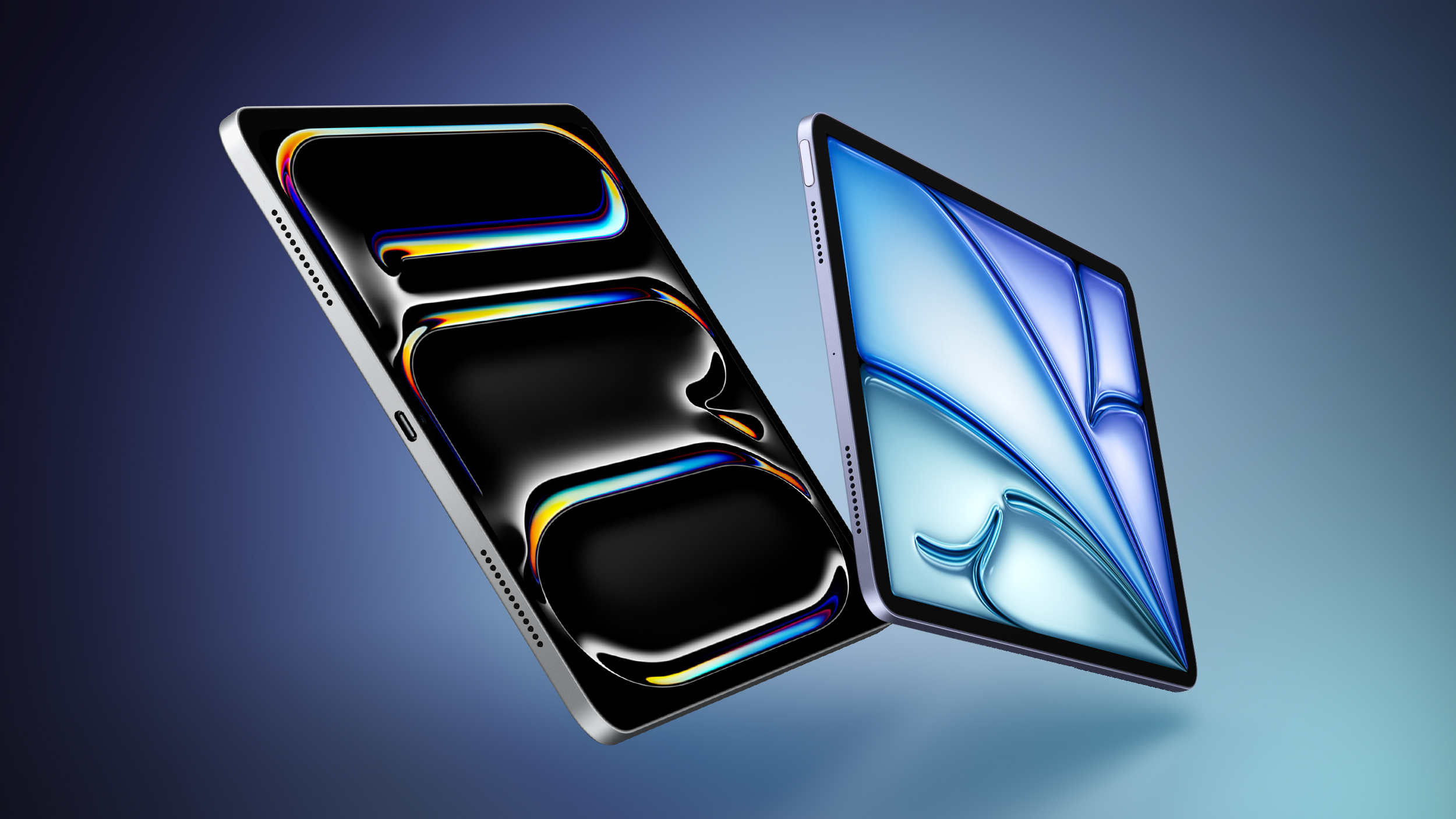

Global tablet shipments reportedly reached 162 million units in 2025, representing 9.8% year-over-year growth. The research firm said the strongest momentum occurred during the holiday quarter, when shipments reached 44 million units, also up 9.8% compared to the same quarter a year earlier. Omdia described the annual total as the highest shipment volume recorded since the surge in demand seen in 2020, partly caused by anticipation of memory supply constraints.

Apple was a key contributor to the market's late-year growth. Omdia says that Apple shipped 19.6 million iPads in the fourth quarter of 2025, representing a 16.5% year-over-year increase. The firm said this performance was driven by strong demand for the 11th-generation iPad and the M5 iPad Pro.

The fourth-quarter results increased Apple's market share to 44.9%. This placed Apple well ahead of other tablet vendors during the holiday quarter, with Samsung at 14.7%, Lenovo at 8.8%, Huawei at 6.9%, and Xiaomi at 6.4%. Other manufacturers collectively accounted for the remaining 18.3% of shipments.

The report also highlighted changes in how tablets are expected to be positioned in the coming years, including greater emphasis on ecosystem integration and artificial intelligence features:

On the product side, we expect a shift in how tablets are positioned and marketed, with vendors framing them as ecosystem-centric devices in a more controlled demand environment. This includes the introduction of cross-OS functionality and a focus on AI-driven experiences. Recent examples include Lenovo's Qira, which operates across Windows and Android to deliver a more seamless user experience and reduce friction between AI assistants. In addition, the collaboration between Apple and Google to use Gemini for future Apple Intelligence features represents a positive step forward for the generative AI ecosystem across its device portfolio, including iPads.


Regional performance varied across the year. Omdia said Central and Eastern Europe recorded the fastest growth in 2025, followed by Asia Pacific. All regions experienced double-digit growth except North America, where vendor and retail discounting helped offset an otherwise declining trend during the holiday season.
Tag: Omdia

This article, "iPad Demand Surges as Apple Strengthens Grip on Tablet Market" first appeared on MacRumors.com

Discuss this article in our forums
  •  

iPhone 17 Pro Max vs. Android Battery Life: New Test Reveals Winner

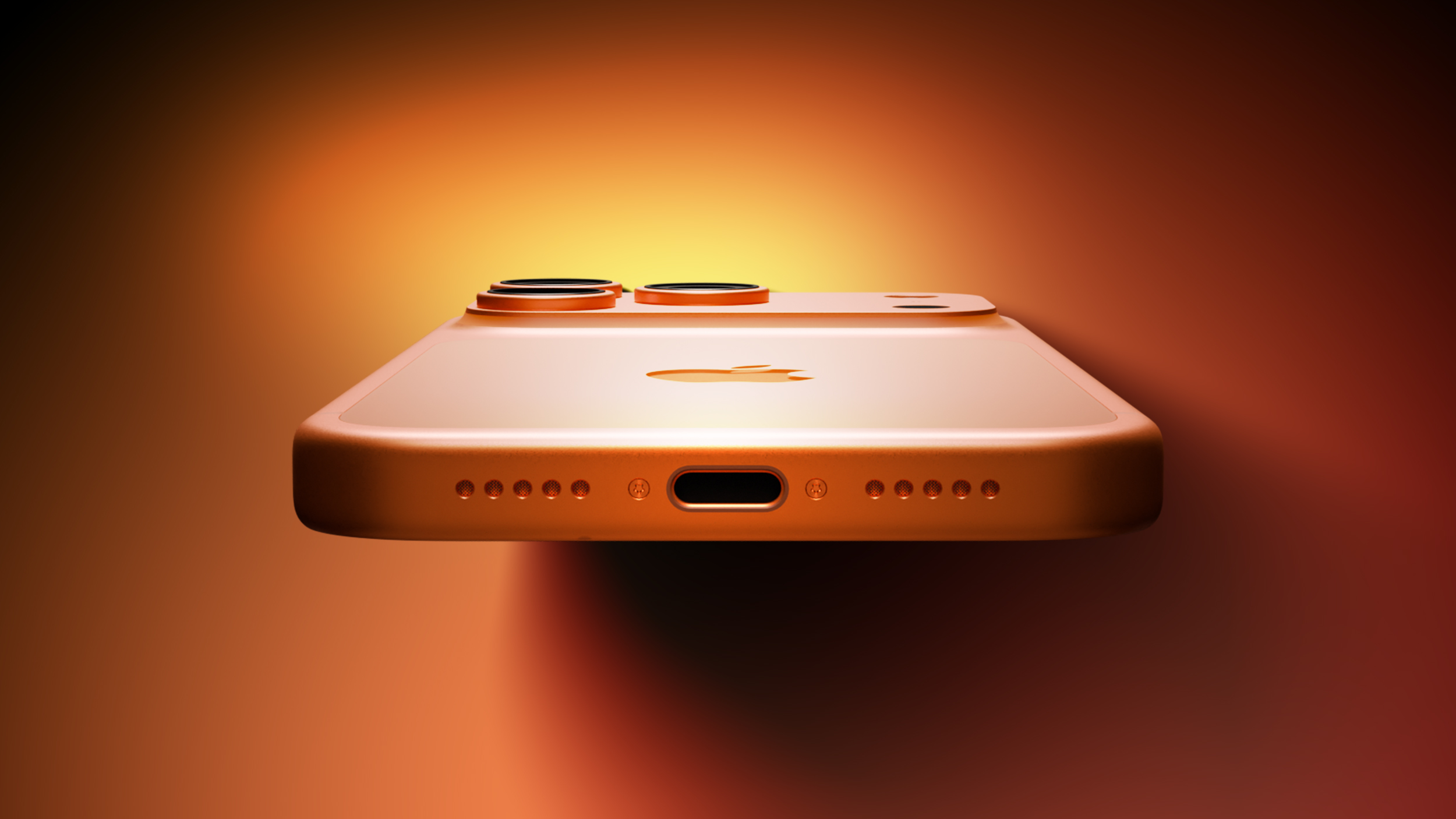
A broad new smartphone test has found that Apple devices lead the industry for battery life, with the iPhone 17 Pro Max ranking as the longest-lasting phone tested and Apple tied as the top overall brand.


CNET this week published the results of a large-scale battery-life comparison based on testing conducted throughout 2025 across 35 smartphones sold in the United States. According to the report, Apple and OnePlus ranked as the two brands with the strongest battery performance overall, based on averaged results from multiple battery benchmarks.

The top-performing individual device in the testing was Apple's ‌iPhone 17 Pro‌ Max, which finished first overall despite not having the largest battery capacity among the tested phones. It has a battery capacity of 5,088 mAh, and its extended battery life is largely attributed to silicon efficiency and software optimization.

The iPhone 17 tied for second place alongside the OnePlus 15. The ‌iPhone 17‌ achieved this ranking despite having the smallest battery capacity among the top-performing phones. The Poco F7 Ultra placed third, while the ‌iPhone 17 Pro‌ placed fourth in the overall rankings.

CNET's methodology included standardized tests using two benchmarks designed to minimize real-world variability. The first involved streaming video over Wi-Fi at full brightness for three hours, while the second was a 45-minute endurance test that included gaming, video streaming, social media scrolling, and a video call. Results from both tests were averaged to determine final rankings.

The ‌iPhone 17 Pro‌ Max again ranked first in the endurance benchmark, followed by the ‌iPhone 17‌, ‌iPhone 17 Pro‌, and iPhone 16e. The publication noted that Google's Pixel 10 and Pixel 10 Pro Fold also performed well in this specific test, along with Motorola's Razr.

The experiment also compared battery life across smartphone brands by averaging results from companies for which at least three models were tested. Apple and OnePlus ranked first and second respectively in overall brand battery performance. Motorola and Samsung followed in third and fourth place, while Google ranked fifth.
Related Roundups: iPhone 16e, iPhone 17, iPhone 17 Pro
Related Forum: iPhone

This article, "iPhone 17 Pro Max vs. Android Battery Life: New Test Reveals Winner" first appeared on MacRumors.com

Discuss this article in our forums
  •  

Apple Hoping to Outdo Rivals With Tougher Display for Foldable iPhone

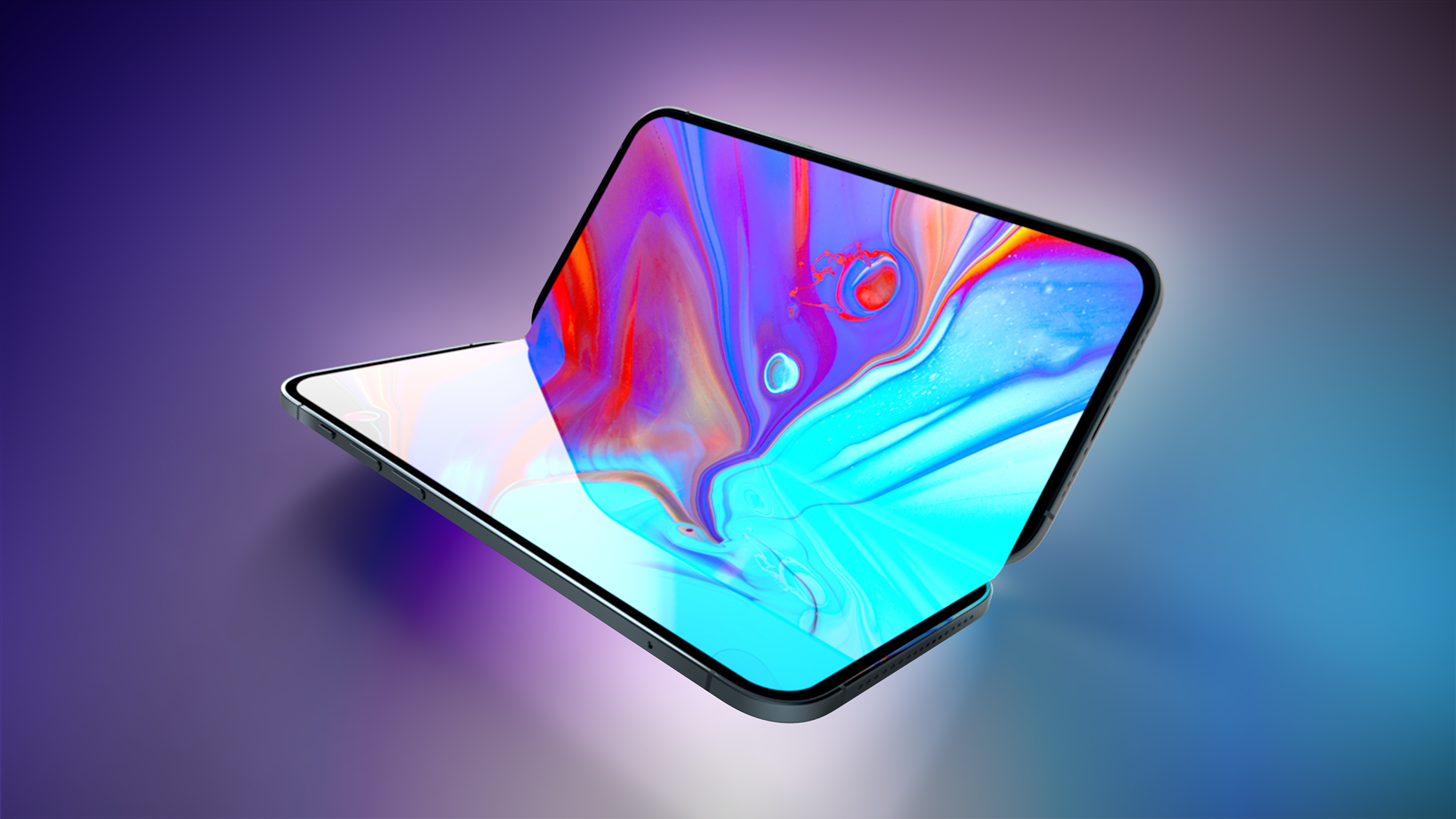
Apple is reportedly evaluating a tougher display film technology for its first foldable iPhone as it tests materials that could differentiate the durability and feel of the screen from rival devices.


According to a new supply chain report from The Elec, Apple is evaluating transparent polyimide film as a protective layer that would sit on top of the ultra-thin glass used in the foldable display. The report says the company is currently testing two options for this outer film: polyethylene terephthalate (PET) and clear polyimide (CPI).

Most of today's foldable displays use ultra-thin glass to improve clarity and rigidity, but the glass still requires a flexible polymer film on top to prevent scratches and damage. This is the layer that users actually touch, making it a key factor in overall durability and feel.

Samsung currently uses PET film as the protective layer on top of the ultra-thin glass in its Galaxy Z Fold and Galaxy Z Flip devices. The Elec says Apple's evaluation of CPI is rooted in a wish to differentiate its approach. CPI is more expensive than PET, but has better surface hardness and scratch resistance.

Kolon Industry has apparently emerged as a potential supplier of the material. The company previously built a mass production line for CPI film after anticipating strong demand from upcoming foldable devices. China-based Lens Technology is expected to supply the ultra-thin glass for the foldable ‌iPhone‌ and will handle bonding the final protective film to the glass.

The final decision on the protective film is expected to be made soon as Apple continues testing remaining components of the first foldable ‌‌iPhone‌‌. Other rumors suggest that the device will feature a 7.8-inch crease-free inner display, a 5.5-inch cover display, ‌Touch ID‌, two rear cameras, the A20 chip, and the "C2" modem. It is expected to launch alongside the iPhone 18 Pro and ‌‌iPhone 18‌‌ Pro Max later this year.
This article, "Apple Hoping to Outdo Rivals With Tougher Display for Foldable iPhone" first appeared on MacRumors.com

Discuss this article in our forums
  •  

Six New Leagues Coming to Apple Sports

Following today's update, Apple plans to add support for six new soccer leagues to the next version of the Sports app, MacRumors has discovered.


Earlier today, Apple released version 3.7 of the Sports app, introducing support for every PGA and LPGA tournament, with live leaderboards, round-by-round scorecards for every golfer, and real-time updates in the app, widgets, and Live Activities. The app already supported the NFL, MLB, NBA, NHL, Premier League, NASCAR, F1, and more. The update also expanded the soccer lineup with support for Copa del Rey, Coppa Italia, Coupe de France, and DFB-Pokal. In addition, tennis coverage now supports real-time stats, making it easier to keep up with the action.

Backend code spotted by MacRumors reveals what's next for Apple Sports in version 3.8. Apple is planning to add support for six South American soccer leagues, including Brazil Serie A, Argentina Primera A, Colombia Primera Liga, Ecuador Serie A, Peru Primera Division, and Chile Primera Division.

The Apple Sports app launched in 2024, offering an easy way to see live scores and statistics. It is available on the iPhone in the U.S., the UK, Canada, France, Germany, Ireland, Italy, Portugal, Spain, the Netherlands, Sweden, Norway, Finland, Denmark, and other select European countries.
This article, "Six New Leagues Coming to Apple Sports" first appeared on MacRumors.com

Discuss this article in our forums
  •  

HomePod 2 Now Over 3 Years Old, With No Sign of New Model

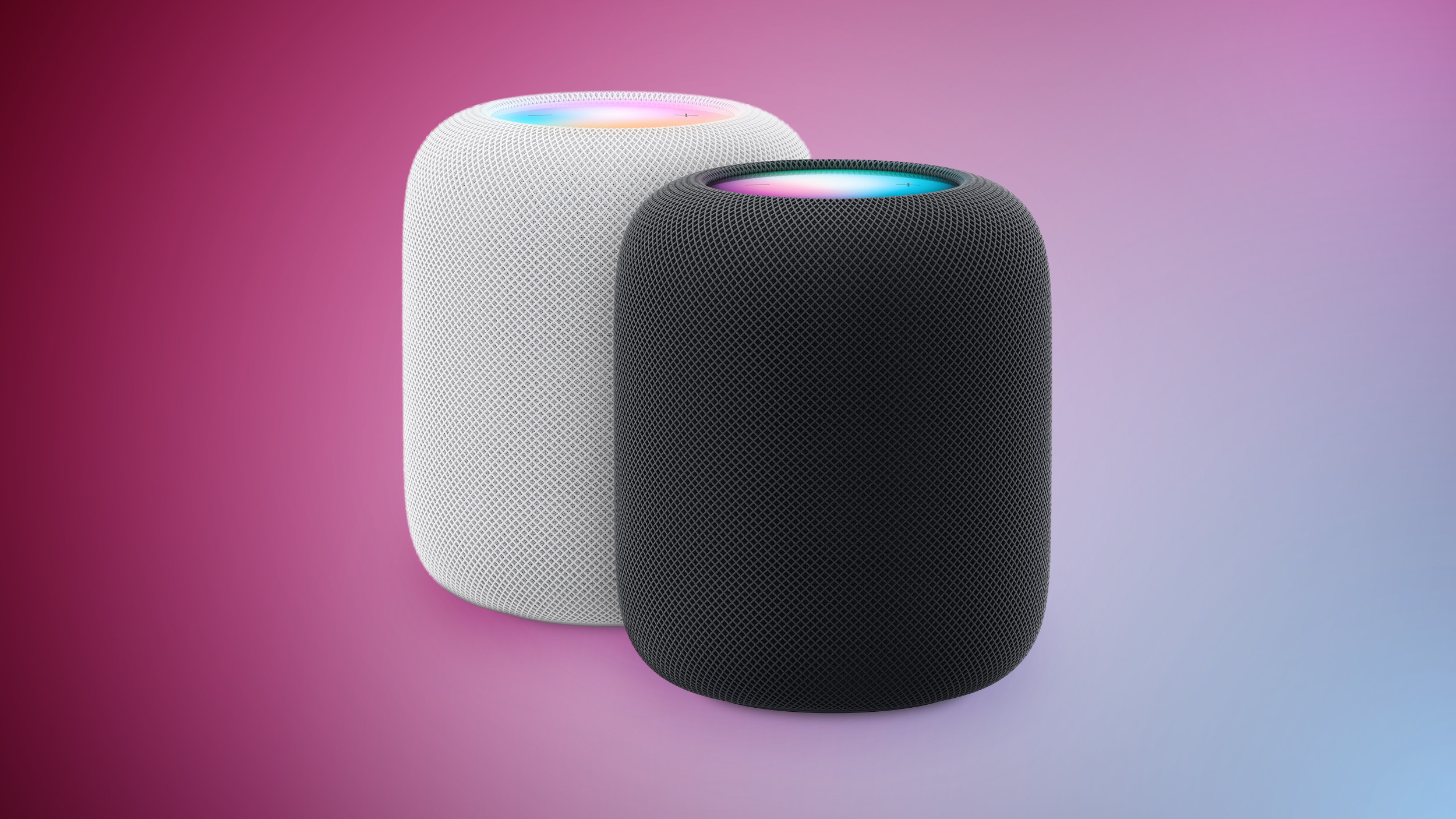
Apple's second-generation HomePod is now over three years old, with no sign of a refresh or third-generation model on the horizon.


The original ‌HomePod‌ was announced at WWDC in 2017 and launched in 2018 after a heavily delayed release. The device was met with mixed reviews; critics praised its outstanding sound quality but pointed out its high price, missing features, and limited functionality compared to rivals.

Apple dropped its price from $349 to $299 in April 2019 and, in March 2021, the company announced that it was discontinuing the first-generation ‌HomePod‌, instead shifting its focus to the HomePod mini, which launched the previous year. The decision left a gap in Apple's product lineup for a full-sized smart speaker until the company introduced the second-generation model via a press release on January 18, 2023. It launched on February 3, 2023.

The second-generation ‌HomePod‌ looks virtually identical to the original, although it is 0.2 inches shorter and has a larger edge-to-edge LED touchscreen on top. It also boasts a range of upgrades and changes compared to its 2018 predecessor, including the S7 chip, a U1 ultra wideband chip, a removable power cable, a temperature and humidity sensor, and sound recognition. However, it features two fewer microphones and horn-loaded tweeters.

Apple is widely rumored to be planning a wave of new smart home devices, including a home security camera, over the next few years, but it is not clear if the ‌HomePod‌ is part of that. Apple appeared to be exploring a new ‌HomePod‌ with a touchscreen display at the top of the device around 2024, ostensibly proven by leaked prototype images, but there have been no further reports of such a device or any third-generation ‌HomePod‌ for over a year.

Rumors about Apple's plans for the smart home now center on an all-new smart home hub device, which has been described as a ‌HomePod‌ with a square iPad-like 7-inch screen and an A18 chip, with support for the next-generation version of Siri. It is expected to launch this year. A new ‌HomePod mini‌ is also rumored to be released this year.
Related Roundup: HomePod
Buyer's Guide: HomePod (Neutral)

This article, "HomePod 2 Now Over 3 Years Old, With No Sign of New Model" first appeared on MacRumors.com

Discuss this article in our forums
  •  

Apple Sports Now Supports Golf and More

The Apple Sports app now supports men's and women's golf, along with improvements to soccer and tennis coverage.


Version 3.7 of the app introduces support for every PGA and LPGA tournament, with live leaderboards, round-by-round scorecards for every golfer, and real-time updates in the app, widgets, and Live Activities. The app already supported the NFL, MLB, NBA, NHL, NASCAR, F1, Premier League, and more.

Golf fans can follow along as each tournament unfolds with access to live scores for all official PGA Tour and LPGA Tour events, including the majors, starting this weekend with the PGA’s WM Phoenix Open.

Fans can track their favorite players through each event with hole-by-hole results and individual scorecards alongside live leaderboards, plus scores from every round during each tournament throughout the year.


Apple has also expanded the soccer lineup with support for Copa del Rey, Coppa Italia, Coupe de France, and DFB-Pokal. In addition, tennis coverage now supports real-time stats, making it easier to keep up with the action.

The Apple Sports app launched in 2024, offering a convenient way to glance at live scores and statistics. It is available on the iPhone in the U.S., the UK, Canada, France, Germany, Ireland, Italy, Portugal, Spain, the Netherlands, Sweden, Norway, Finland, Denmark, and select other European countries.
This article, "Apple Sports Now Supports Golf and More" first appeared on MacRumors.com

Discuss this article in our forums
  •  

Apple Teaching Swift and Robotics Across Its India Supply Chain

Apple today announced a new Education Hub in Bengaluru as part of an expanded effort to provide technical training and skills development for employees across its supply chain in India.


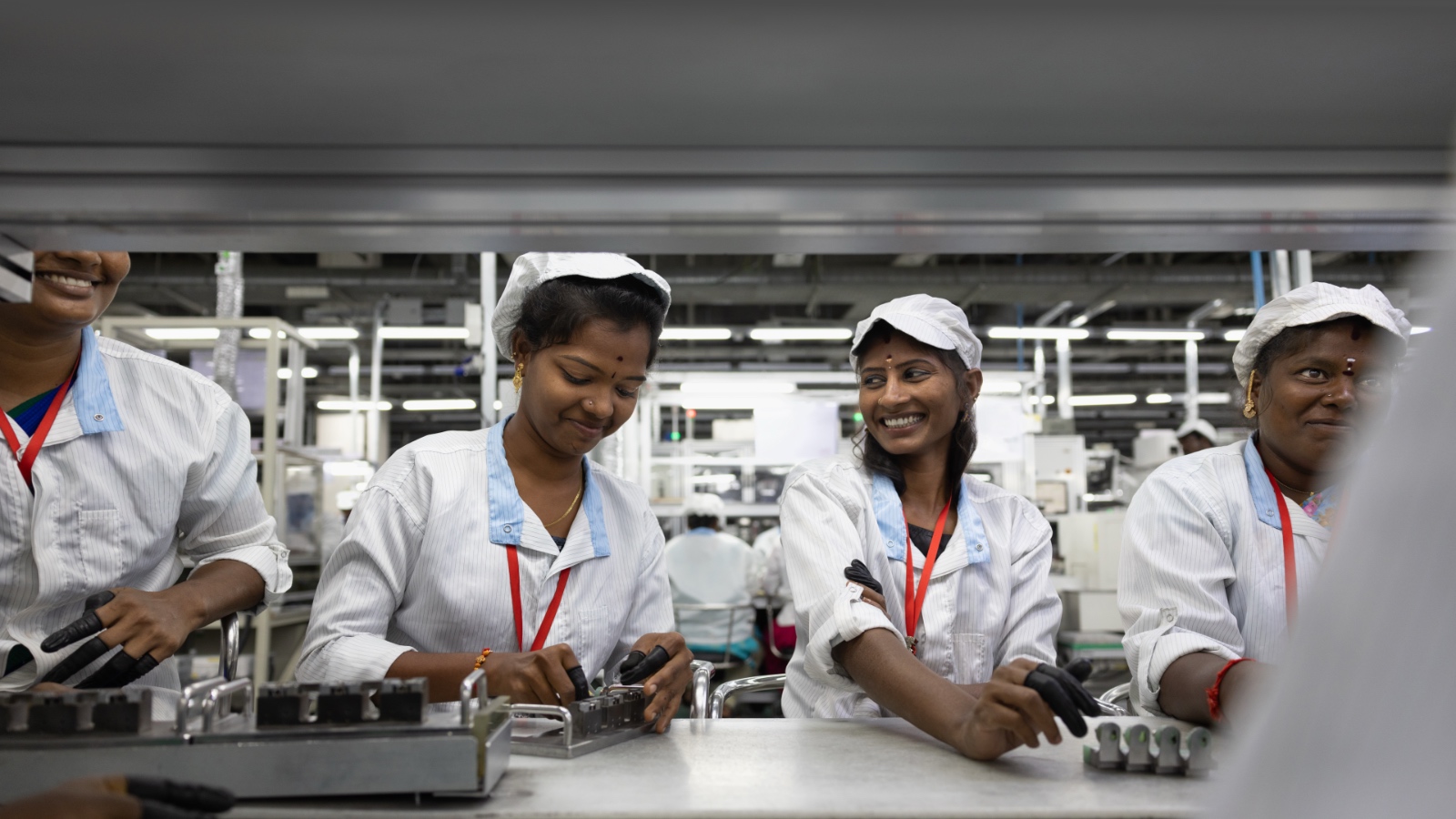
Apple said the new Apple Education Hub in Bengaluru will serve as a centralized training and coordination facility for supplier employees in India, marking the company's first education hub of its kind in the country. The hub will begin offering courses in March and operates in collaboration with Manipal Academy of Higher Education, which will provide faculty and curriculum support focused initially on digital literacy and Swift programming.

In parallel with the Bengaluru hub, Apple is broadening its suite of development courses at more than 25 supplier facilities across the country. The updated curriculum will be introduced starting with Tata Electronics and is designed to cover digital literacy, Swift coding, robotics, automation technology, and smart manufacturing practices. Apple said these offerings are funded through its global $50 million Supplier Employee Development Fund, which supports education and skills training initiatives across the company's supply chain.


The same spirit of innovation that drives our products also guides our commitment to supporting people across our global supply chain. We are thrilled to expand our technical training courses in India, giving thousands of employees the opportunity to learn valuable new skills and explore new paths for career growth.


The company said the new courses build on an existing portfolio of more than 75 programs currently available to supplier employees in India. The offerings span technical skills, professional development, health education, and rights awareness training, which Apple says are designed to ensure workers are informed about workplace standards and protections. Apple works with international organizations and local partners to deliver these programs.

Apple's expanded training effort also includes plans to scale its robotics education program, which launched in India in December 2024. The initiative focuses on training factory educators in dedicated robotics labs, after which those educators adapt the material and conduct hands-on sessions within their own facilities. Apple said it plans to extend the robotics program to additional supplier sites in India later this year.

Apple also announced plans to grow its Vocational Education for Persons with Disabilities program in India. The program recently launched with Salcomp and seeks to provide employment and professional development opportunities for people with disabilities within Apple's supply chain, as well as improve safety, accessibility, and inclusivity practices at manufacturing facilities. To date, the program has supported more than 18,000 supplier employees around the world and builds on Apple's partnership with Enable India.
Tag: India

This article, "Apple Teaching Swift and Robotics Across Its India Supply Chain" first appeared on MacRumors.com

Discuss this article in our forums
  •  

New Roadmap Outlines What's Next for NFC on iPhone

Apple could benefit from a new wave of NFC technology upgrades after the NFC Forum this week published a roadmap outlining faster data transfers, new security standards, and expanded capabilities.


The NFC Forum is the global standards body for Near Field Communication technology. Apple is a board member of the organization. The latest multi-year Technology Roadmap identifies six development priorities that will shape future NFC standards.

One of the most significant changes outlined is work toward substantially faster NFC data rates, up to eight times higher than current levels. The roadmap also places emphasis on improving NFC reader mode interoperability through end-to-end application testing.

The roadmap continues to highlight multipurpose tap functionality, which would allow a single NFC tap to support multiple actions depending on context. The NFC Forum says this would enable readers to request specific credentials needed for a given action.

The NFC Forum said it is beginning work on next-generation NFC wireless charging specifications, with goals that include higher power levels and support for devices with multiple charging receivers. While NFC charging is currently limited to low-power accessory use, expanded standards could influence future devices.

Security enhancements are another major focus, with plans to publish the first NFC Controllers Security Profile, establishing baseline security requirements for NFC hardware. The roadmap includes work toward future-proofing NFC protocols against post-quantum computing threats and strengthening protection against relay-based attacks.

Digital keys remain an active area of development as well, with plans to explore new digital key experiences to support a wider range of industry requirements.

The NFC Forum last published a technology roadmap in 2023, with several goals delivered as part of NFC Release 15 in June 2025.

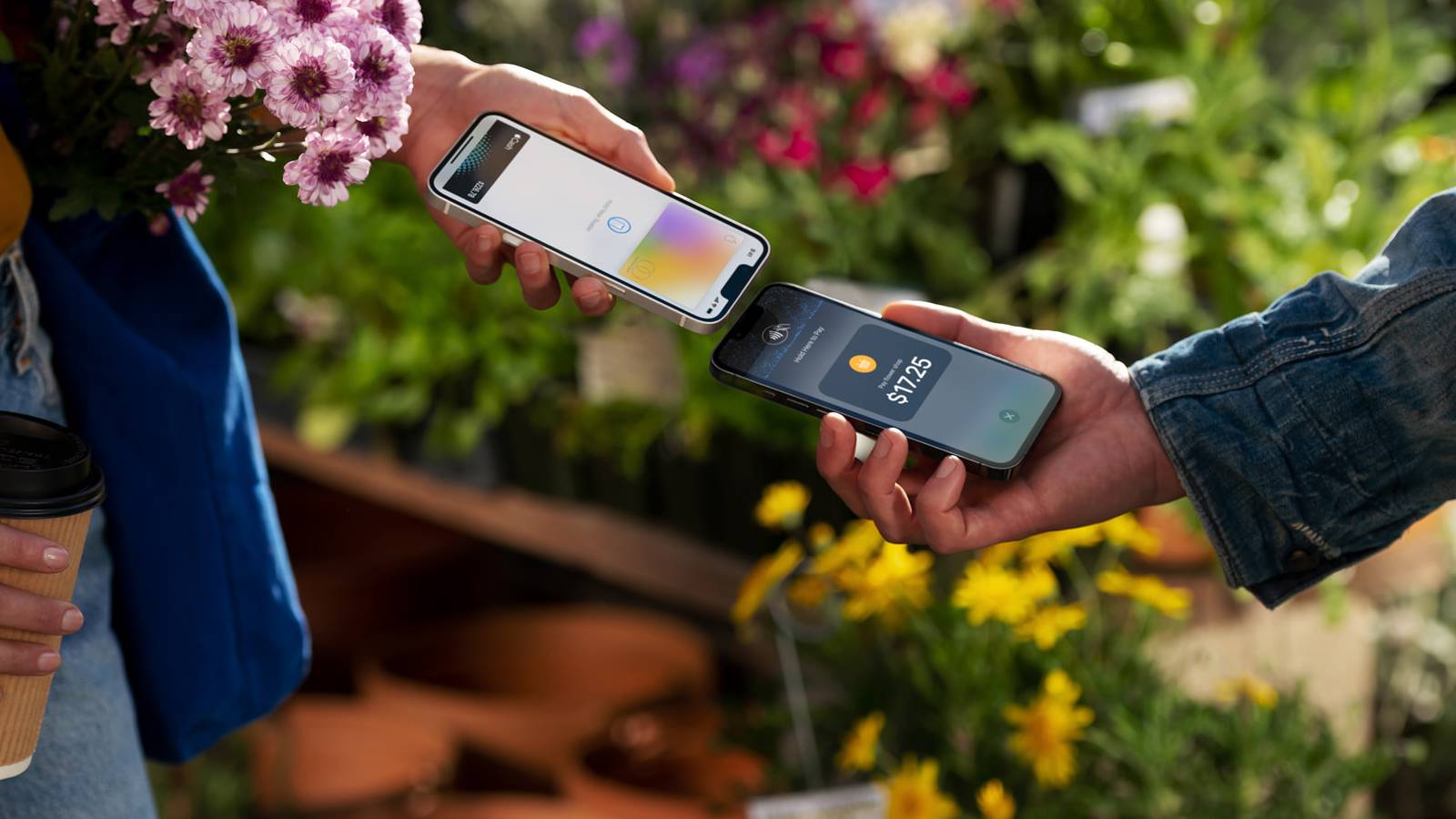
Last year, Apple expanded its use of NFC notably by rolling out Tap to Pay on iPhone in many new countries, allowing merchants to accept contactless payments directly on an ‌iPhone‌ without additional hardware using the device's NFC capabilities. At the same time, under the European Union's regulatory regime, Apple continued to open broader third-party access to the ‌iPhone‌'s NFC chip so that third-party developers can use NFC for contactless transactions, enabling Apple Pay competitors such as Curve and PayPal to offer NFC-based payment options on iOS in Europe.
Tag: NFC

This article, "New Roadmap Outlines What's Next for NFC on iPhone" first appeared on MacRumors.com

Discuss this article in our forums
  •  

Apple Seemingly Avoiding Latest Chip Tech for New iPhones and Macs

Apple is expected to use TSMC's base 2-nanometer N2 process rather than the newer N2P variant for its upcoming A20 and M6 chips, according to the China Times.


Apple is rumored to launch the A20 chip with new iPhone models in the fall, and the M6 family of Apple silicon chips in redesigned MacBook Pro models featuring OLED displays later this year. The latest report claims that the company will not move to TSMC's most advanced 2-nanometer manufacturing variant for these chip generations.

TSMC's 2-nanometer family marks the company's transition from FinFET transistors to gate-all-around technology, which is intended to improve power efficiency and performance scaling as chip densities increase. TSMC previously said that its base N2 process will enter mass production in 2026, followed by enhanced variants including N2P and A16 in the second half of the year.

N2P is positioned as a higher-performance version of N2, while A16 is designed for high-power and high-complexity chips, particularly for AI applications and data centers. The performance difference between N2 and N2P is expected to be modest. N2P offers roughly a 5% performance gain at the same power level, but comes at a higher manufacturing cost, which helps explain why Apple is expected to remain on N2 for its A- and M-series chips this year.

Competitors including Qualcomm and MediaTek are expected to adopt N2P for their flagship mobile chips in order to reach higher peak clock speeds. TSMC apparently expects the 2-nanometer generation to have a long lifecycle and potentially scale beyond its 3-nanometer family. Companies including AMD, Google, and Amazon are expected to adopt 2-nanometer processes for future CPUs, GPUs, and AI chips.

Supply availability is also thought to be a factor. Demand for 2-nanometer manufacturing has apparently exceeded expectations, with much of the initial N2 capacity already reserved by leading customers such as Apple. This early capacity allocation reduces the need for Apple to move to N2P simply to secure production volume for future A-series and M-series chips.

Crucially, since N2P only begins mass production in the second half of the year, it likely does not leave enough time for Apple to introduce chips made with the newer technology to its devices. N2 chips are already in production.
This article, "Apple Seemingly Avoiding Latest Chip Tech for New iPhones and Macs" first appeared on MacRumors.com
  •  

Report: OLED MacBook Pro to Launch This Year

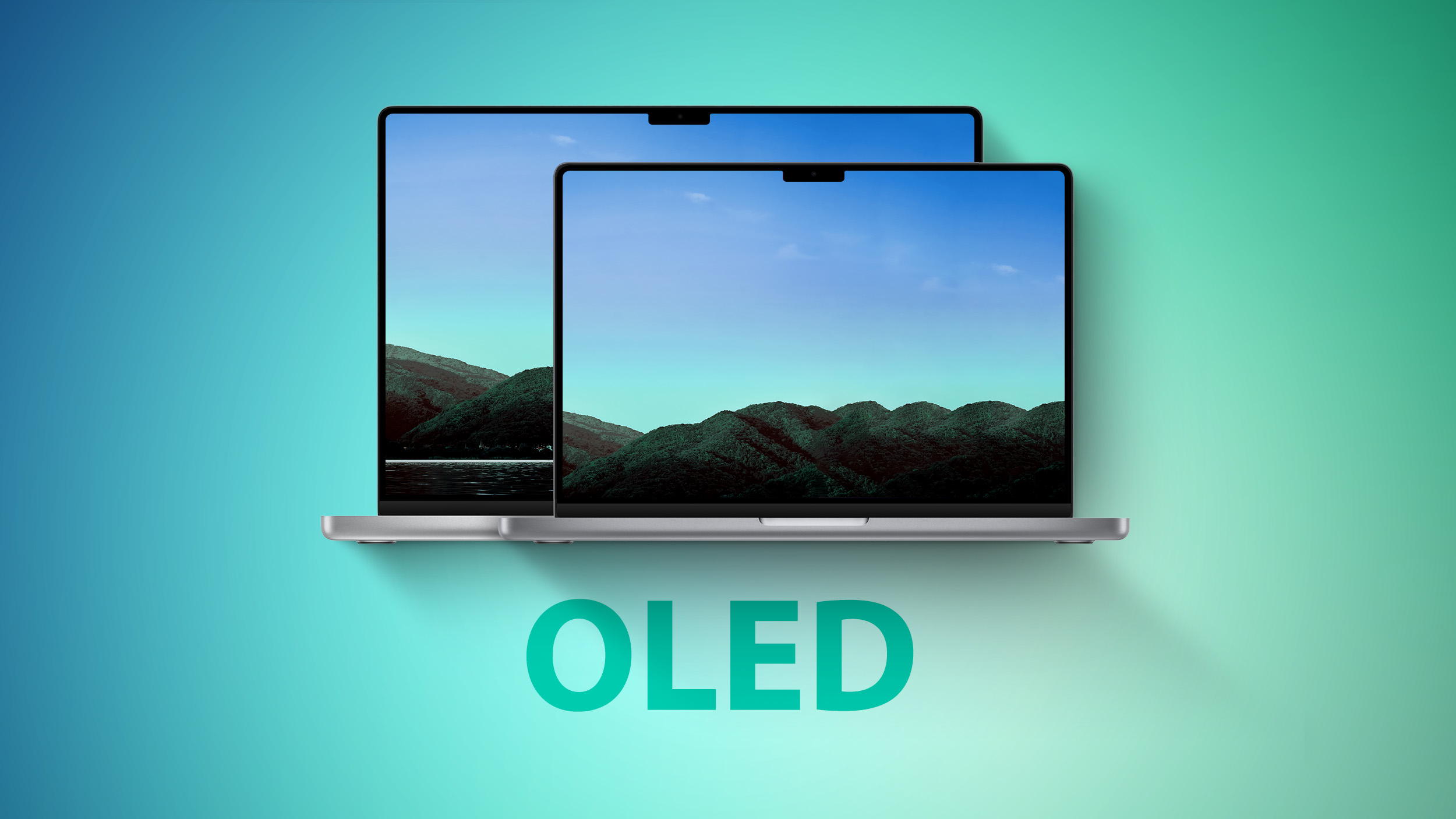
Apple's first MacBook Pro models with OLED displays will launch in the fourth quarter of 2026, according to Korea's The Elec.


Samsung Display will reportedly begin mass production of eighth-generation OLED displays for the device in May. Samsung is planing to ship two million of these displays to Apple by the end of the year. The panel will be sent to Foxconn from the third quarter of 2026 for assembly into the final machines.

Some components for the device are said to still be in development, since Apple has been changing the design of some parts to reduce manufacturing costs. China's BOE is also hoping to supply Apple with OLED displays for the ‌MacBook Pro‌, but only unit with Samsung displays will be available this'd s year.

The fourth quarter of 2026 runs from October to December. The OLED ‌MacBook Pro‌ is expected to feature 14- and 16-inch display size options, M6-series chips, and the first complete redesign of the device since 2021.
Related Roundup: MacBook Pro
Buyer's Guide: MacBook Pro (Caution)
Related Forum: MacBook Pro

This article, "Report: OLED MacBook Pro to Launch This Year" first appeared on MacRumors.com

Discuss this article in our forums
  •  

First Foldable iPhone Design Details Revealed

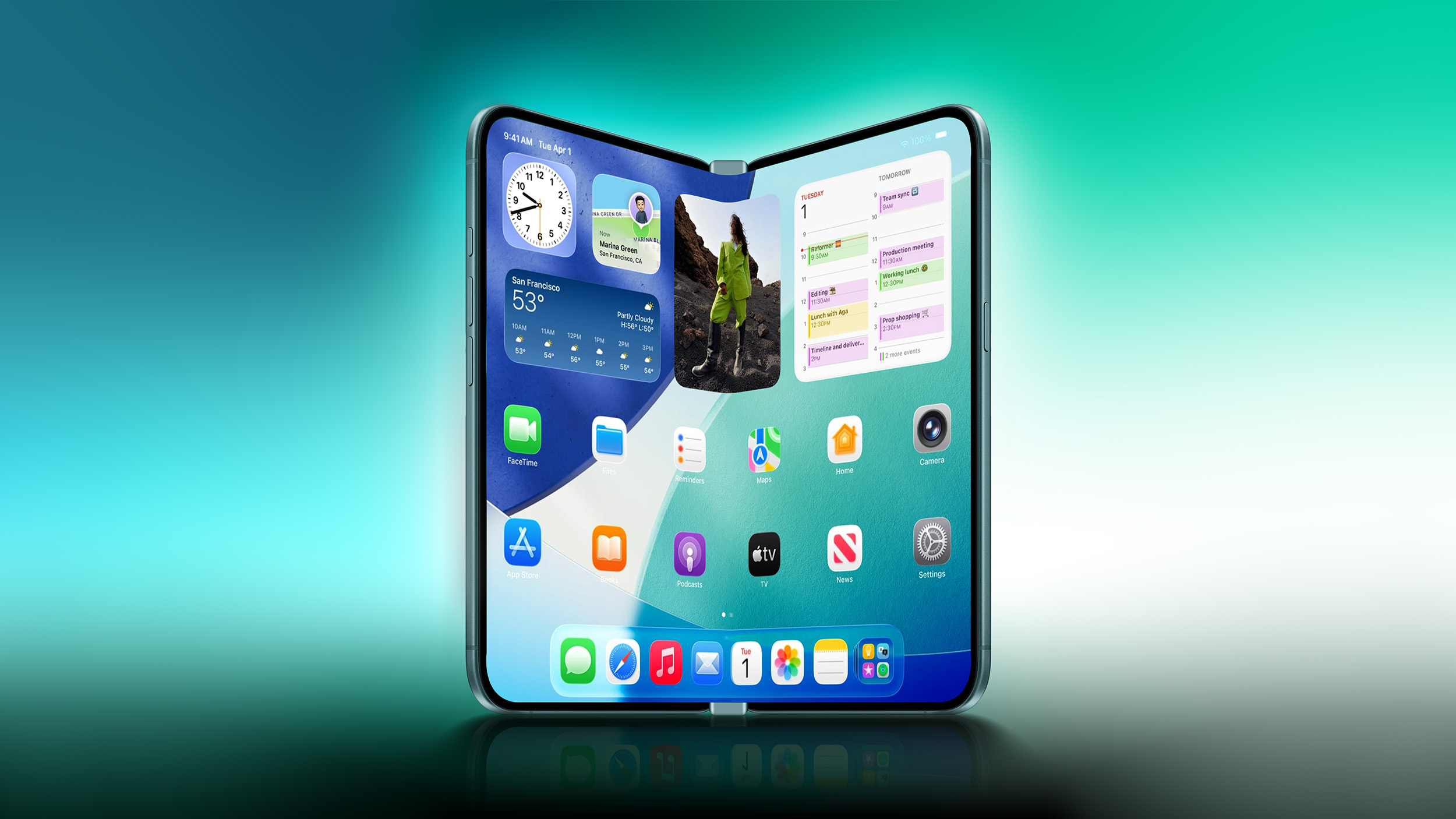
Apple's first foldable iPhone will feature relocated volume buttons, an all-black camera plateau, a smaller Dynamic Island, and more, according to design leaks from a known Weibo leaker.


The user known as "Instant Digital" today claimed to share several key details about the design of the foldable ‌iPhone‌:


  • The volume buttons will be located on the top edge of the device, aligned to the right, similar to the iPad mini.

  • The Touch ID power button and Camera Control continue to be located on the right edge of the device, just like other recent iPhones.

  • The left side of the device is smooth and does not have any buttons.

  • The front-facing cameras feature a single punch-hole design, resulting in a smaller ‌Dynamic Island‌.

  • The back left of the device features an ‌iPhone‌ Air-style camera plateau, containing two horizontally arranged cameras, the microphone, and the flash. Unlike the iPhone Air, the camera plateau appears to be completely black and not match the color of the device's body.

  • The only "confirmed" color option is said to be white, but a single additional color is expected to be available upon launch, giving customers just two choices.


The motherboard is apparently located on the right side of the device. As to not run cables across the screen to the left side for the volume buttons (where they are located on all other ‌iPhone‌ models), Apple is said to have decided to run them directly upwards, which maximizes internal space.

The internal structure purportedly features an innovative stacked design, with the space being almost entirely dedicated to the display and battery. It is also said to feature the biggest battery ever used in an ‌iPhone‌.

Instant Digital has a good track record for Apple rumors and has provided some strikingly accurate information, such as the imminent launch of 2023's Yellow iPhone 14, the frosted back glass of the ‌iPhone‌ 15 and ‌iPhone‌ 15 Plus, the Apple Watch Series 9 as a minor refresh, spatial video capture on the ‌iPhone‌ 15 Pro, the iPad Air and iPad Pro's move to a landscape front-facing camera, the M4 ‌iPad Pro‌'s nano-texture display option, the iPhone 16 Pro's battery capacities, and continued Apple Watch band compatibility through the Apple Watch Series 10.

For the iPhone 17 Pro alone, the leaker reported the device's 256GB base storage configuration and its improved telephoto camera, as well as its improved battery life, thermal design, and display brightness. As a result, their reports are worth taking seriously.

Other rumors suggest that Apple's first foldable ‌iPhone‌ will feature a 7.8-inch crease-free inner display, a 5.5-inch cover display, ‌Touch ID‌, two rear cameras, the A20 chip, and the "C2" modem. It is expected to launch alongside the iPhone 18 Pro and ‌iPhone 18‌ Pro Max later this year.
This article, "First Foldable iPhone Design Details Revealed" first appeared on MacRumors.com

Discuss this article in our forums
  •  

Apple Vision Pro Launched Two Years Ago Today

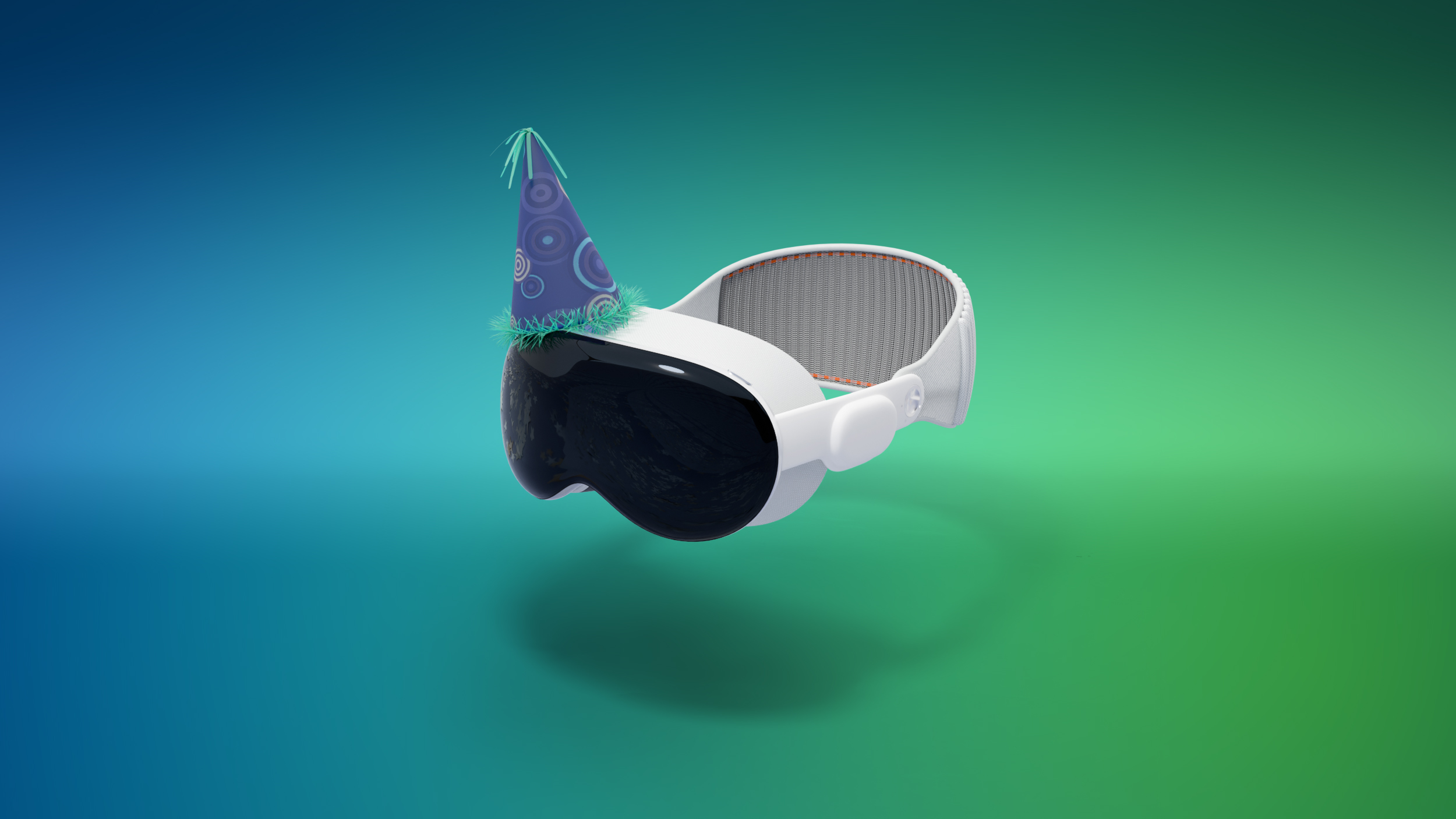
Apple's original Vision Pro spatial computing headset launched two years ago today.


Apple's work on a head-mounted device was the subject of rumors for many years before the Vision Pro's announcement. By the early 2020s, those reports had converged around the idea that Apple was preparing a high-end mixed-reality headset positioned as a new form of general-purpose computer.

Apple finally revealed the Apple Vision Pro in June 2023 during its annual Worldwide Developers Conference (WWDC), marking the company's first major new hardware platform announcement since the Apple Watch. In its initial announcement, Apple described Vision Pro as its first "spatial computer," introducing visionOS, a new operating system designed around three-dimensional app windows controlled by eye tracking, hand gestures, and voice input. The device combined dual micro-OLED displays with a total of roughly 23 million pixels, advanced sensor arrays, and custom silicon, including the M2 chip and a dedicated R1 chip for real-time sensor processing. Apple also announced a starting price of $3,499 in the United States and said the product would launch in early 2024.

The Vision Pro launched in the United States on February 2, 2024. Initial reviews broadly praised the visual quality, eye- and hand-tracking accuracy, and technical ambition of the product, while also noting its high price, physical weight, limited battery life, and a comparatively small library of software designed specifically for spatial computing. Following the launch, Apple gradually expanded Vision Pro availability to additional countries and continued to update visionOS with new features in 2024 and 2025.

The headset was never expected to be mass-market from day one, according to Apple. Even so, enthusiasm reportedly cooled far faster than anticipated. The latest report on the matter was published earlier this month by the Financial Times, claiming that the Vision Pro is still failing to catch on.

Roughly a year and a half after the initial release, Apple introduced an updated Vision Pro model featuring the M5 chip, representing the first hardware revision of the device. The M5 chip enabled 10% more rendered pixels, a refresh rate of up to 120Hz, better responsiveness, and up to an extra hour of battery life. Apple also introduced a counterweighted Dual Knit Band designed to improve comfort.

Reports suggest that there are now no Apple Vision headsets in active development, with the company's focus pivoting decisively to smart glasses. Soon after launch, Apple was believed to have shifted focus to a lower-cost "Vision Air," designed to bring spatial computing to a wider audience through a lighter and cheaper headset, while also planning a redesigned Vision Pro 2 for later in the decade.

By mid-2024, that plan appeared to change and the company's once-ambitious multi-year roadmap for the Vision Pro is said to have unraveled. A report from The Information said Apple had suspended development of the redesigned Vision Pro, redirecting resources toward the cheaper model, which itself later slipped amid cost and design challenges.

Supply-chain reports suggested Apple was winding down production of the first-generation Vision Pro due to weak demand and excess inventory, with the company pivoting to a chip refresh to use up stockpiled components. A year later, Bloomberg reported that Apple also paused work on the lower-cost headset, shifting its focus toward smart glasses, potentially leaving no next-generation headset hardware in active development.
Related Roundup: Apple Vision Pro
Buyer's Guide: Vision Pro (Buy Now)
Related Forum: Apple Vision Pro

This article, "Apple Vision Pro Launched Two Years Ago Today" first appeared on MacRumors.com

Discuss this article in our forums
  •  

Apple's Smart Glasses Plans Already Triggering Industry Changes

Apple's rumored plan to enter the smart glasses market by late 2026 is already reshaping the global AR optics supply chain, according to DigiTimes.


According to the paywalled report, demand for smart glasses from the likes of Meta is rising steadily, but the industry now expects Apple's equivalent product to act as the primary catalyst for large-scale commercialization. Multiple suppliers across Taiwan's optical sector have apparently increased capital expenditure to expand capacity and shift research priorities toward AR technologies, citing Apple's expected requirements.

For example, Kinko Optical has positioned itself as a key supplier by opening a new AR, VR, and MR research center, backed by an investment of about $5.6 million. Kinko is currently the only Taiwanese company developing both nanoimprint optical waveguides and optical engines at the same time, technologies that are essential to modern AR glasses designs. Joint development projects with clients are expected to begin in 2026, aligning with the rumored launch timelines of major new products from brands like Apple.

Other Taiwanese suppliers are moving in the same direction. Asia Optical is accelerating development of AR, VR, and metalens products and has partnered with Singapore-based MetaOptics to co-develop metalens technology. JMO Corp. has already entered AR glasses supply chains, while Aiimax Innovation has completed metalens samples now undergoing brand certification.

Samsung has already announced plans to launch AR glasses in 2026, while Apple is expected to introduce its first smart glasses by the end of the year. Apple's entry is expected to increase volumes, stabilize supply chains, and lower component costs, prompting Taiwanese suppliers to position themselves more aggressively as the market for smart glasses expands.
This article, "Apple's Smart Glasses Plans Already Triggering Industry Changes" first appeared on MacRumors.com

Discuss this article in our forums

  •  

Apple's Foldable iPhone Rumored to Feature Unrivaled Battery Life

Apple's first foldable could feature the biggest ever iPhone battery and eclipse rival devices, according to a known leaker.


In a new post, the Weibo user known as "Fixed Focus Digital" says that the foldable's battery could be over 5,500 mAh in size, which would make it the largest capacity of any current or previous ‌iPhone‌. The iPhone 17 Pro Max has the biggest ‌iPhone‌ battery to date at 5,088 mAh.

Competing foldables already on the market feature a noticeably smaller battery than the rumored size. The Google Pixel 10 Pro Fold has a battery capacity of 5,015 mAh, while the Samsung Galaxy Z Fold 7 has a 4,400 mAh battery. As a result, any foldable smartphone from Apple with a battery over 5,500 mAh in size would be class-leading.

Last year, the leaker known as "yeux1122" said that Apple was testing a battery for the device in the 5,400–5,800 mAh range, citing supply chain sources. A March report from the same Korean account claimed that Apple has placed a heavy focus on improving power efficiency while slimming down key components of its foldable ‌iPhone‌, with battery life said to be a key priority for the company. Separately, Apple analyst Ming-Chi Kuo said the device will use high-density cells to deliver superior battery life.

Apple's first foldable ‌iPhone‌ is rumored to feature a 7.8-inch crease-free inner display, a 5.5-inch cover display, Touch ID, two rear cameras, the A20 chip, and the "C2" modem. It is expected to launch alongside the iPhone 18 Pro and ‌iPhone 18‌ Pro Max later this year.
This article, "Apple's Foldable iPhone Rumored to Feature Unrivaled Battery Life" first appeared on MacRumors.com

Discuss this article in our forums
  •  

Retail Accessories Apple Won't Sell You Now Available via New Site

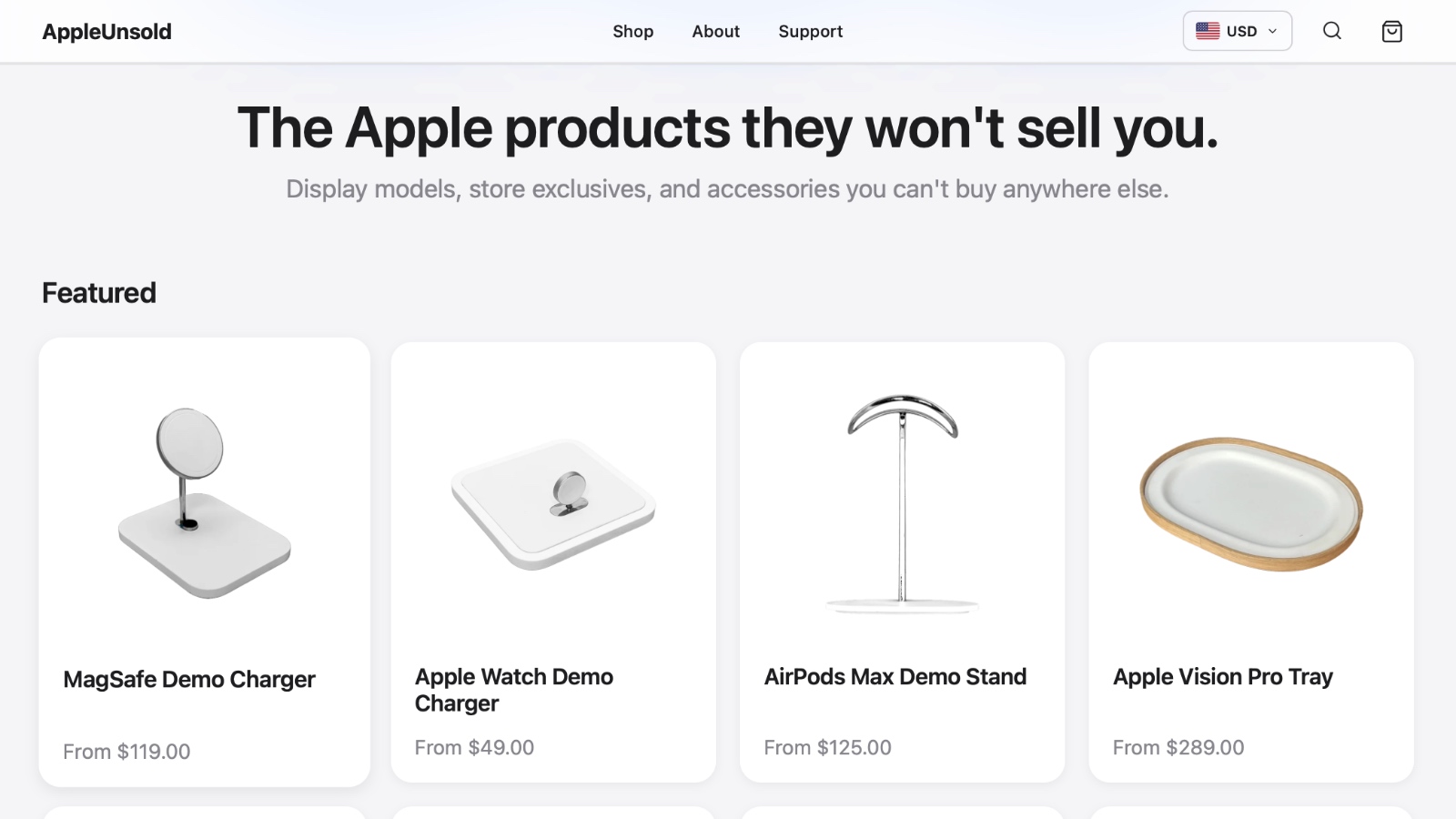
A newly surfaced resale operation is seemingly offering Apple Store–exclusive display accessories to the public for the first time, potentially giving consumers access to Apple-designed hardware that the company has historically kept confined to its retail environments.


Apple designs a range of premium MagSafe charging stands, display trays, and hardware systems exclusively for displays in its global retail stores. They have never been made available through Apple's online store or physical retail locations.

"AppleUnsold" surfaced this week as an Australia-based seller that has begun offering ‌Apple Store‌ display hardware for sale through both an independent website and an eBay storefront. From company's website:

AppleUnsold exists because too many people were asking the same question: "Where can I buy that?" The store display stands, retail accessories, Genius Bar tools and employee gear, and until now, the answer was always the same: you can't. Despite large demand, Apple simply won't sell them. That's where we come in. Display models, store exclusives and Apple-only equipment are exactly what we specialise in.

We give you access to products you simply can't find anywhere else. Every item is genuine Apple, carefully inspected and graded before listing.


Items currently offered or previously listed for sale include iPhone ‌MagSafe‌ demo chargers, Apple Watch charging docks, AirPods Max display stands, Apple Pencil trays, iPad ring stands, and display trays designed for Apple Vision Pro. The catalog also extends beyond presentation hardware to include diagnostic cables and service-related accessories, such as Apple Watch restore docks and HomePod debugging cables, which are typically reserved for ‌Apple Store‌ back-of-house use or authorized service environments.

AppleUnsold says on its website that all items are genuine Apple products and that inventory consists of both new and used hardware. The company also notes that supply is limited and dependent on availability, with many items frequently selling out.

The seller originally operated exclusively through eBay and continues to maintain a presence there alongside its standalone storefront. The AppleUnsold eBay account shows a 100% positive feedback rating based on a limited number of completed transactions. Customer feedback on specific listings includes confirmations that purchased items appear to be authentic Apple hardware.

Apple's retail fixtures and internal tools are not authorized for consumer resale, and the company treats such hardware as proprietary retail property. Historically, Apple has taken action to restrict unauthorized sales of internal-use products, and it is not clear where AppleUnsold is sourcing stock from or how its business model works.
Tag: Retail

This article, "Retail Accessories Apple Won't Sell You Now Available via New Site" first appeared on MacRumors.com

Discuss this article in our forums

  •  

The MacRumors Show: Apple Launches AirTag 2 and Creator Studio

On this week's episode of The MacRumors Show, we discuss Apple's newly launched AirTag 2 and Apple Creator Studio.


Earlier this week, Apple announced the second-generation ‌AirTag‌, marking the first major update to its item tracker since the product's introduction in 2021, with improvements focused on tracking range, audio output, and device support rather than changes to its physical design.

The new ‌AirTag‌ uses a second-generation Ultra Wideband chip that extends Precision Finding range by up to 50%, adds support for Precision Finding on compatible Apple Watch models for the first time, and includes an upgraded Bluetooth specification designed to improve general tracking range. Apple also says the built-in speaker is up to 50% louder, making it easier to locate items in noisy environments.


Externally, the ‌AirTag‌ remains visually similar to the original and continues to use a replaceable CR2032 coin battery with more than a year of battery life, while Apple has made a significant number of internal changes. The second-generation ‌AirTag‌ is priced the same as before at $29 for a single unit or $99 for a four-pack, is compatible with existing ‌AirTag‌ accessories, and requires devices running iOS 26.2.1 or later.

Apple also launched Creator Studio, a new all-in-one subscription aimed at content creators. For $12.99 per month, or $129 per year, Creator Studio provides access to Final Cut Pro, Logic Pro, Pixelmator Pro, Motion, Compressor, and MainStage, consolidating tools for video editing, music production, image editing, and live performance. The bundle replaces Apple's long-standing one-time purchase model for these apps with a subscription approach, while keeping standalone versions available for users who do not want access to the full package.

Beyond bundling existing apps, Creator Studio introduces a set of AI-powered features that are exclusive to subscribers. These include transcript and visual search in Final Cut Pro, enhanced beat detection and new dynamic titles, AI-assisted session players and harmonic analysis in Logic Pro, and new design and warp tools in Pixelmator Pro, which is now available on iPad for the first time. The subscription also unlocks premium AI features in Apple's free productivity apps, including Keynote, Pages, and Numbers, with Freeform support coming later.

Creator Studio is available now via the App Store, with a one-month free trial for all users and a three-month trial for customers who purchase a qualifying new Mac or ‌iPad‌. The subscription supports Family Sharing for up to six people, and features discounted pricing for students and educators.

The MacRumors Show has its own YouTube channel, so make sure you're subscribed to keep up with new episodes and clips.


You can also listen to ‌The MacRumors Show‌ on Apple Podcasts, Spotify, Overcast, or your preferred podcasts app. You can also copy our RSS feed directly into your podcast player.


If you haven't already listened to the previous episode of The MacRumors Show, catch up to hear our discussion about Apple's plan to turn Siri into a chatbot with iOS 27, alongside plans for new hardware such as an AI pin.

Subscribe to ‌The MacRumors Show‌ for new episodes every week, where we discuss some of the topical news breaking here on MacRumors, often joined by interesting guests such as Kayci Lacob, Kevin Nether, John Gruber, Mark Gurman, Jon Prosser, Luke Miani, Matthew Cassinelli, Brian Tong, Quinn Nelson, Jared Nelson, Eli Hodapp, Mike Bell, Sara Dietschy, iJustine, Jon Rettinger, Andru Edwards, Arnold Kim, Ben Sullins, Marcus Kane, Christopher Lawley, Frank McShan, David Lewis, Tyler Stalman, Sam Kohl, Federico Viticci, Thomas Frank, Jonathan Morrison, Ross Young, Ian Zelbo, and Rene Ritchie.

‌The MacRumors Show‌ is on X @MacRumorsShow, so be sure to give us a follow to keep up with the podcast. You can also head over to The MacRumors Show forum thread to engage with us directly. Remember to rate and review the podcast, and let us know what subjects and guests you would like to see in the future.
This article, "The MacRumors Show: Apple Launches AirTag 2 and Creator Studio" first appeared on MacRumors.com

Discuss this article in our forums
  •  

Apple Explains How Gemini-Powered Siri Will Work

Apple CEO Tim Cook yesterday reiterated the structure of its partnership with Google to use Gemini AI models for the next generation version of Siri.


During the company's Q1 2026 earnings call yesterday, Apple CEO ‌Tim Cook‌ and CFO Kevan Parekh were asked several questions about Apple Intelligence and the company's recently announced deal with Google to power the personalized version of ‌Siri‌ using Gemini.


We basically determined that Google's AI technology would provide the most capable foundation for AFM (Apple Foundation Models), and we believe that we can unlock a lot of experiences and innovate in a key way due to the collaboration. We'll continue to run on the device and run in Private Cloud Compute and maintain our industry-leading privacy standards in doing so. In terms of the arrangement with Google, we're not releasing the details of that.


That description closely matches language from Apple and Google's earlier joint announcement, which said that ‌Apple Intelligence‌ would continue to operate on Apple hardware and Private Cloud Compute.

Cook also addressed Apple's own artificial intelligence development efforts, noting that the company continues to build its own technology alongside the Gemini partnership, but clarified that those efforts do not replace Google's role in the personalized ‌Siri‌ system.


You should think of it as a collaboration. And we'll obviously independently continue to do some of our own stuff, but you should think of what is going to power the personalized version of Siri as a collaboration with Google.


When asked about monetization and return on investment, Cook framed ‌Apple Intelligence‌ as a feature integrated across Apple's platforms rather than a discrete revenue driver.

We're bringing intelligence to more of what people love and we're integrating it across the operating system in a personal and private way, and I think that by doing so, it creates great value, and that opens up a range of opportunities across our products and services. And we're very happy with the collaboration with Google as well, I should add.


Neither Cook nor Parekh disclosed how many users currently have access to ‌Apple Intelligence‌ features or whether those capabilities are driving hardware upgrades. Apple previously acknowledged that ‌Apple Intelligence‌ is limited to devices with sufficient memory and processing capacity, which constrains availability somewhat.
This article, "Apple Explains How Gemini-Powered Siri Will Work" first appeared on MacRumors.com

Discuss this article in our forums
  •  

The MacRumors Show: Apple's Upcoming Siri Chatbot and AI Pin

On this week's episode of The MacRumors Show, we discuss Apple's plan to turn Siri into a chatbot with iOS 27, alongside plans for new hardware such as an AI pin.


Apple reportedly plans to turn Siri into a chatbot that will rival Anthropic's Claude, Google's Gemini, and OpenAI's ChatGPT later this year. Apple's chatbot will apparently be able to search the web, generate content like images, help with coding, summarize information, and analyze uploaded files.

It will be able to leverage personal data on a user's device to complete tasks, and it will result in a much improved search feature. Apple is also said to be designing a feature that will let the ‌Siri‌ chatbot view open windows and on-screen content, as well as adjust device features and settings.

‌Siri‌ will integrate directly into all Apple apps, including Photos, Mail, Messages, Music, and TV, and it will be able to access and analyze content in the apps to respond to queries and requests. There will be voice and typed interface options.

Apple plans to power the chatbot with a custom model based on Google Gemini. It may even run on Google's servers. The ‌Siri‌ chatbot will purportedly be the key new feature in iOS 27, iPadOS 27, and macOS 27.

In related news, Apple is said to be working on a small, wearable AI pin equipped with standard and wide-angle cameras to capture photos and videos, a speaker, microphones, and a physical control button. The pin is said to be similar in size to an AirTag, with a thin, flat, circular disc shape and an aluminum and glass design.

This week also saw rumors that Apple's smart home hub device will tout a robotic swiveling base, with a heavy emphasis on AI features. It is expected to finally be released in the spring, following a heavily delayed launch.

The MacRumors Show has its own YouTube channel, so make sure you're subscribed to keep up with new episodes and clips.


You can also listen to ‌The MacRumors Show‌ on Apple Podcasts, Spotify, Overcast, or your preferred podcasts app. You can also copy our RSS feed directly into your podcast player.


If you haven't already listened to the previous episode of The MacRumors Show, catch up to hear our discussion about CES 2026, Apple Creator Studio, and the confirmation that Google Gemini will power the next-generation version of ‌Siri‌.

Subscribe to ‌The MacRumors Show‌ for new episodes every week, where we discuss some of the topical news breaking here on MacRumors, often joined by interesting guests such as Kayci Lacob, Kevin Nether, John Gruber, Mark Gurman, Jon Prosser, Luke Miani, Matthew Cassinelli, Brian Tong, Quinn Nelson, Jared Nelson, Eli Hodapp, Mike Bell, Sara Dietschy, iJustine, Jon Rettinger, Andru Edwards, Arnold Kim, Ben Sullins, Marcus Kane, Christopher Lawley, Frank McShan, David Lewis, Tyler Stalman, Sam Kohl, Federico Viticci, Thomas Frank, Jonathan Morrison, Ross Young, Ian Zelbo, and Rene Ritchie.

‌The MacRumors Show‌ is on X @MacRumorsShow, so be sure to give us a follow to keep up with the podcast. You can also head over to The MacRumors Show forum thread to engage with us directly. Remember to rate and review the podcast, and let us know what subjects and guests you would like to see in the future.
This article, "The MacRumors Show: Apple's Upcoming Siri Chatbot and AI Pin" first appeared on MacRumors.com

Discuss this article in our forums

  •  

Apple Raised UK Banking Costs, Lawsuit Alleges

A new UK class action lawsuit against Apple seeks billions in damages by alleging that the company unlawfully restricted competition in contactless payments on the iPhone through Apple Pay, The Guardian reports.


The proposed opt-out collective action filed this week in the UK alleges that Apple abused its position in the market by limiting access to the ‌iPhone‌'s near-field communication (NFC) technology and charging fees to banks for the use of ‌Apple Pay‌. The claim seeks up to £1.5 billion (approximately $2 billion) in damages on behalf of an estimated 50 million UK consumers.

The complainant argues that ‌Apple Pay‌ has effectively been the only contactless mobile payment option available to ‌iPhone‌ users in the UK since its launch in 2015. According to the filing, Apple declined to grant third-party developers access to the ‌iPhone‌'s NFC hardware and Secure Element, preventing rival wallets from operating on equal terms and leaving banks and card issuers with no alternative but to participate in ‌Apple Pay‌ if they wished to offer mobile contactless payments to ‌iPhone‌ users.

The case heavily focuses on fees Apple reportedly charges issuing banks for ‌Apple Pay‌ transactions, commonly cited in industry reporting as approximately 0.15% of the transaction value in the UK. These fees are allegedly not consistent with industry norms and were only possible because Apple restricted competition on its platform. The suit further contends that banks passed the costs of those fees on to consumers through higher charges across a wide range of financial products, including current accounts, credit cards, savings accounts, and mortgages.

Around 98% of UK consumers hold accounts with banks that support ‌Apple Pay‌ and were therefore exposed to higher costs regardless of whether they personally used the service. On that basis, the claim seeks damages on a population-wide basis. The average payout per affected consumer would be relatively modest, estimated at roughly £26 to £35 if the claim were successful.

In a statement, Apple said that the lawsuit was "misguided and should be dismissed," adding:


Apple Pay is a seamless and secure way for users to make contactless payments, and one of many payment options available to consumers. Apple does not charge fees to consumers or merchants for using Apple Pay, and banks see meaningful benefits from offering Apple Pay to their customers - most notably fraud reduction.


Apple also emphasized changes to its platform that have occurred since the period covered by the claim. The company said it has recently expanded access to key technologies, including NFC and the Secure Element, allowing third-party developers to offer contactless payments within their own apps in the UK.

The claim has been lodged with the Competition Appeal Tribunal, which must determine whether the case can proceed as a collective action.
This article, "Apple Raised UK Banking Costs, Lawsuit Alleges" first appeared on MacRumors.com

Discuss this article in our forums

  •  

iOS 26 Shows Unusually Slow Adoption Months After Release

iOS 26 is showing unusually slow adoption among iPhone users months after release, according to third-party analytics.


Usage data published by StatCounter (via Cult of Mac) for January 2026 indicates that only around 15 to 16% of active iPhones worldwide are running any version of ‌iOS 26‌. The breakdown shows iOS 26.1 accounting for approximately 10.6% of devices, iOS 26.2 for about 4.6%, and the original iOS 26.0 release at roughly 1.1%. In contrast, more than 60% of iPhones tracked by StatCounter remain on iOS 18, with iOS 18.7 and iOS 18.6 alone representing a majority of active devices.

Historical comparisons highlight how atypical this adoption curve appears. StatCounter data from January 2025 shows that roughly 63% of iPhones were running some version of iOS 18 about four months after its release. In January 2024, iOS 17 had reached approximately 54% adoption over a similar timeframe, while iOS 16 surpassed 60% adoption by January 2023.

Based on those figures, ‌iOS 26‌ adoption appears to be running at less than one-quarter of the rate achieved by recent predecessors during the same post-release window. StatCounter derives its estimates from web traffic analytics, tracking operating system versions via page impressions across its global network of participating websites.

In the first week of January last year, 89.3% of MacRumors visitors used a version of iOS 18. This year, during the same time period, only 25.7% of MacRumors readers are running a version of ‌iOS 26‌. In the absence of official numbers from Apple, the true adoption rate remains unknown, but the data suggests a level of hesitation toward ‌iOS 26‌ that has not been seen in recent years.

Unlike many previous releases, ‌iOS 26‌ introduces Liquid Glass as a fundamental visual overhaul, replacing large portions of the traditional opaque interface with translucent layers, blurred backgrounds, and dynamic depth effects across system elements. Upon its announcement at WWDC last year, the redesign received mixed reviews, which could be a contributing factor to hesitation around upgrading.

Likewise, Apple now continues to support older operating systems with security updates, allowing users to remain on iOS 18 without immediate pressure to update or forfeit critical patches. This makes it much easier for users to remain on older software.
Related Roundups: iOS 26, iPadOS 26
Related Forum: iOS 26

This article, "iOS 26 Shows Unusually Slow Adoption Months After Release" first appeared on MacRumors.com

Discuss this article in our forums

  •  
❌