Reading view

Apple Could Reverse Controversial Clear Case Design With iPhone 18 Pro

Images of third-party clear cases for the iPhone 18, iPhone 18 Pro, and ‌iPhone 18 Pro‌ Max suggest there is a chance Apple may revert back to a more familiar MagSafe ring design, and away from the controversial opaque white panel introduced on last year's iPhone 17 Pro cases.
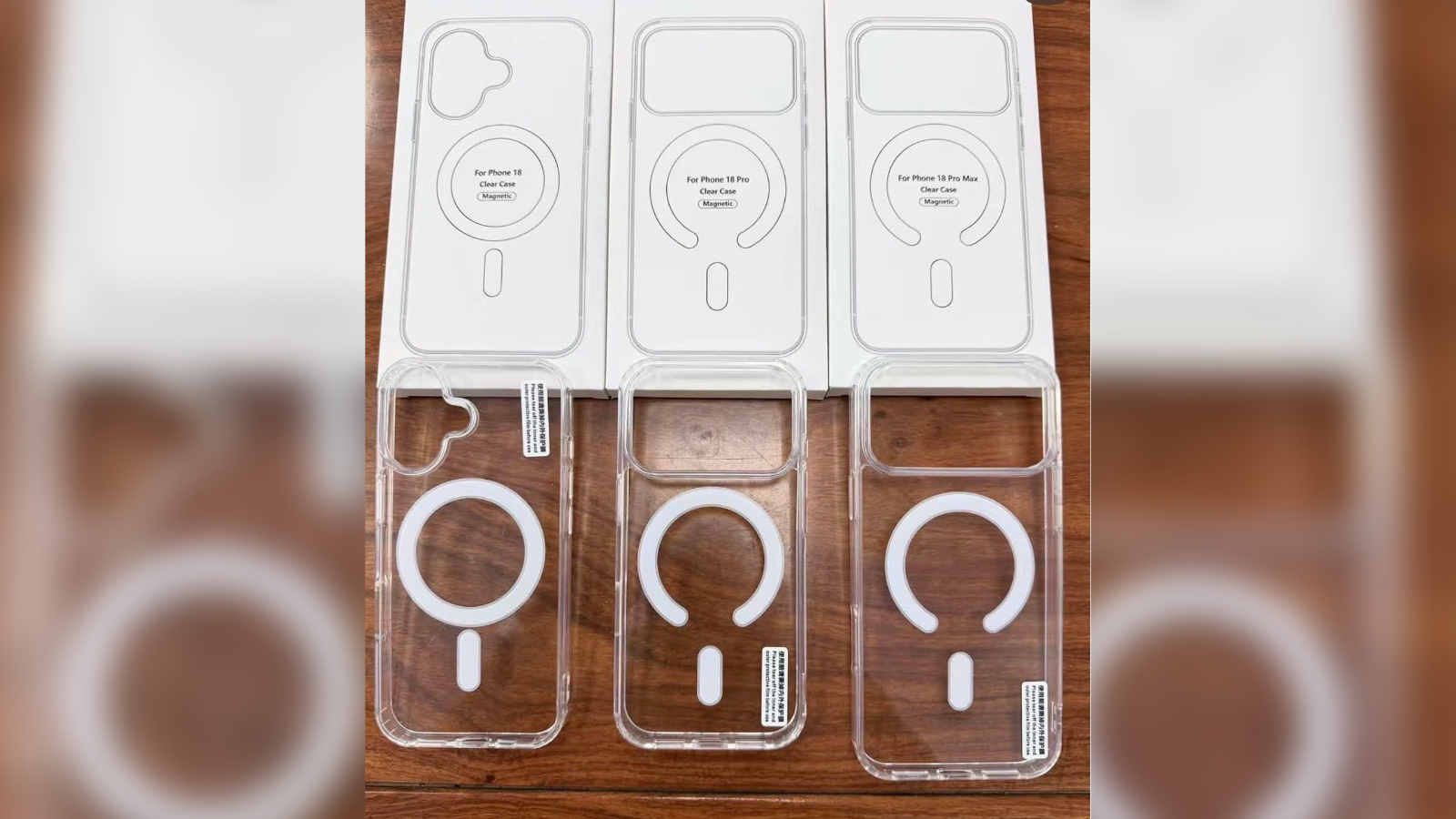

The images have been circulating on Chinese social media and were spotted by MyDrivers. Where the iPhone 17 Pro clear case drew considerable criticism for replacing the traditional circular ‌MagSafe‌ magnet array with a large opaque white rectangle that covered most of the case's back panel, the cases shown here return to a more open horseshoe or ring-style ‌MagSafe‌ design, leaving the majority of the case genuinely transparent.

If the design is an accurate reflection of Apple's first-party case plans, it would represent a meaningful course correction from a design that many buyers felt made Apple's own "clear" case a misnomer. Accessory manufacturers commonly produce cases ahead of Apple announcements using anticipated details sourced from the supply chain.
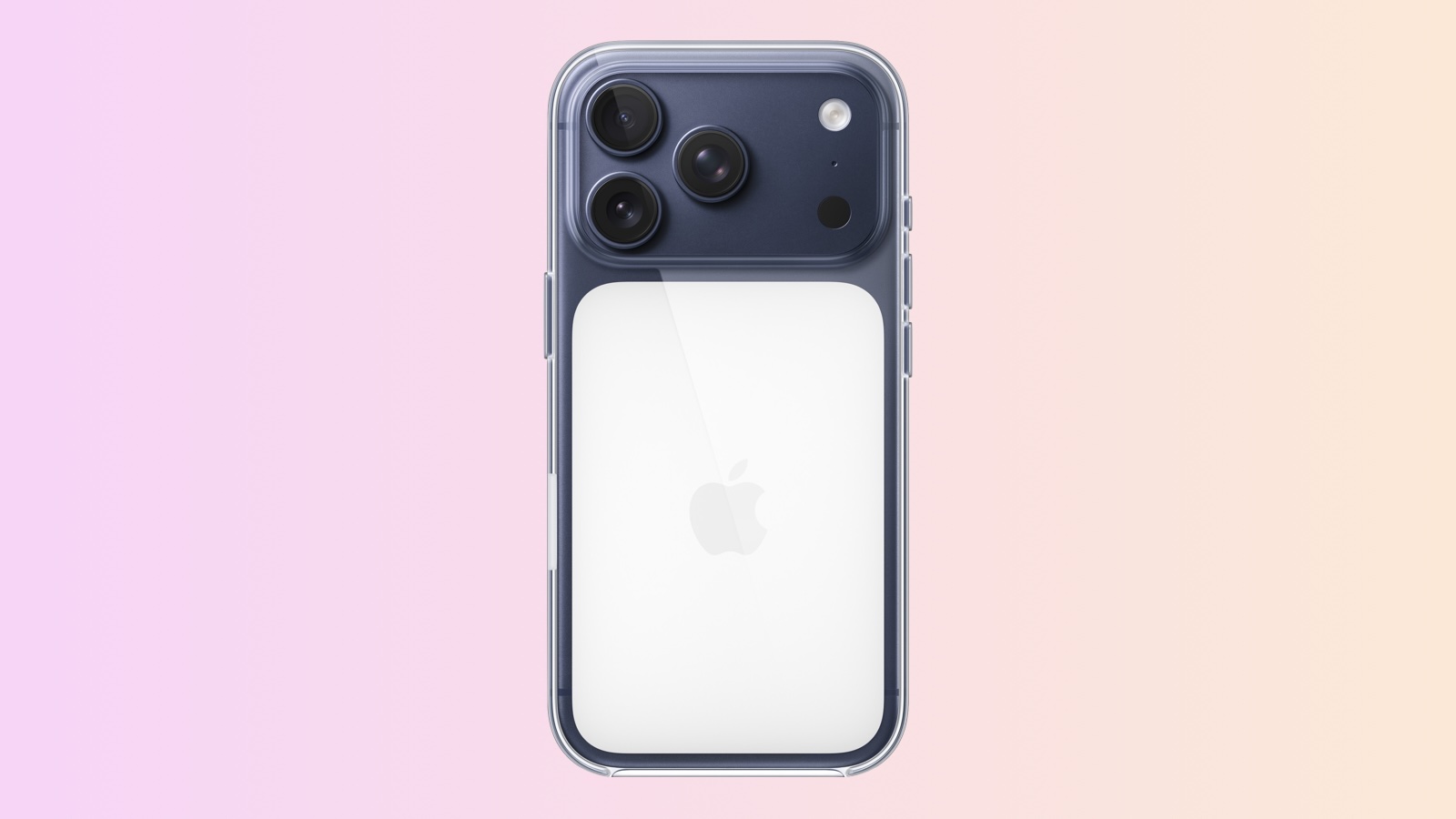
‌iPhone 17 Pro‌ Clear Case

The ‌iPhone 17 Pro‌ Clear Case redesign proved to be highly polarizing at launch. The ‌iPhone 17 Pro‌'s Apple logo shifted to a lower position on the rear panel to sit centered within the new rectangular glass section below the camera plateau. As reported ahead of the device's launch, that placement would have been obscured by the traditional circular ‌MagSafe‌ design, prompting Apple to replace the ring entirely with a large opaque white rounded rectangle bearing a centered Apple logo. The result covered most of the lower three-quarters of the case, and forum discussions and reviews described the white panel as a "deal breaker" for some buyers who wanted to show off the color of their phone.

The open horseshoe design suggested by the ‌iPhone 18 Pro‌ cases takes a different approach seen on some other third-party cases, with a break in the ring at the bottom allowing the Apple logo to remain visible through the case without requiring the large opaque panel. The third-party cases shown in the images are clearly trying to emulate Apple's first-party accessories, and given the negative reaction to Apple's clear cases last year, it wouldn't be surprising if the company opted to move to this design.

Beyond this detail, the replica cases reflect design details consistent with existing rumors about the new models. The standard ‌iPhone 18‌ case features a cutout suggesting a vertical dual-camera layout, in line with reports that the base model will retain a broadly similar rear design to its predecessor. The ‌iPhone 18 Pro‌ and ‌iPhone 18 Pro‌ Max cases both show large horizontal camera plateau cutouts consistent with the design established on the ‌iPhone 17 Pro‌ models.

The ‌iPhone 18 Pro‌ and ‌iPhone 18 Pro‌ Max are expected to be announced alongside the first foldable iPhone in the fall. The ‌iPhone 18‌ is likely set to follow in the spring with the iPhone 18e and iPhone Air 2.
Related Roundups: iPhone 18, iPhone 18 Pro
Related Forum: iPhone

This article, "Apple Could Reverse Controversial Clear Case Design With iPhone 18 Pro" first appeared on MacRumors.com

Discuss this article in our forums
  •  

Apple's iPhone 18 Modem Switch Comes With a Quiet Privacy Benefit

Rumors suggest Apple plans to expand Apple-designed modems to the entire iPhone 18 lineup, ending support for Qualcomm modems. The transition will bring speed and efficiency improvements, along with a little-known privacy benefit.


In iOS 26.3, Apple added a Limit Precise Location setting that cuts down on the amount of location data that's available to mobile networks, improving user privacy.

Mobile networks determine your location using information from cellular towers that a device connects to, but with Limit Precise Location enabled, some of the data typically provided to mobile networks is restricted. Instead of seeing location down to a street address, carriers may be limited to the neighborhood where a device is located.

The problem is that this feature is currently only available on devices with an Apple-designed C1 or C1X modem, which includes the iPhone Air, iPhone 16e, iPhone 17e, and M5 iPad Pro. Devices with Qualcomm modems like the iPhone 17 Pro models do not have the Limit Precise Location setting.

With the iPhone 18 Pro models and the iPhone Fold expected to use Apple modem technology, this is likely a privacy option that is set to expand to the full iPhone lineup.

Reducing location precision does not impact signal quality or user experience, nor does it affect the precision of location data provided to emergency responders during an emergency call. It is only meant to limit the location data given to cellular carriers, and it is distinct from location data shared with apps through Location Services.

While Apple's next set of iPhones will all likely have the new privacy feature, carriers do have to implement support. So far there are a limited number of carriers that have added the feature, but if it expands to the entire iPhone lineup and there is customer demand, it could see more widespread adoption.

In the United States, only Boost Mobile supports limiting precise location data, but EE, BT, and Sky all support it in the UK, while carriers in Austria, Germany, Denmark, Ireland, and Thailand have also adopted support and all of these carriers have the setting turned on by default. Users on a physical SIM or eSIM from any carrier in the EU or UK can also manually turn the setting on. A full list of supported carriers and regions is available on Apple's website.

The C2 modem that Apple is rumored to be working on is more capable than the C1 or C1X, and it will offer similar performance to Qualcomm's newest modems. It is expected to support mmWave 5G, which is not a feature of the C1 or C1X.
Related Roundups: iPhone 18, iPhone 18 Pro, iPhone Fold
Related Forum: iPhone

This article, "Apple's iPhone 18 Modem Switch Comes With a Quiet Privacy Benefit" first appeared on MacRumors.com

Discuss this article in our forums
  •  

The MacRumors Show: Is Apple Downgrading iPhone 18 Due to Memory Shortage?

On this week's episode of The MacRumors Show, we talk through how the global memory shortage is forcing Apple's hand across multiple key products, killing configurations, delaying launches, and prompting spec decisions that would have seemed unlikely a year ago.


The pressure originates outside Apple's control. JPMorgan analysis cited by the Financial Times found that memory could account for as much as 45% of an iPhone's component costs by 2027, up from around 10% today. Companies like Nvidia are reportedly outbidding consumer electronics makers for limited DRAM supply from Samsung, SK Hynix, and Micron, while cloud firms are locking in capacity with multi-billion-dollar upfront commitments. Apple, which buys memory for roughly 250 million iPhones per year, has shifted from a position where it could dictate terms to one where it must compete for supply, and component prices are being driven up as a result.

The consequences are already visible in the Mac lineup. Apple last week removed the Mac mini's 256GB storage option, pushing its starting price from $599 to $799. Days later, it eliminated Mac mini models with 32GB and 64GB of RAM and stripped the M3 Ultra Mac Studio to a single 96GB configuration, with delivery estimates for remaining Studio models at 9 to 10 weeks. The ‌Mac Studio‌ had already lost its 512GB memory option in March, and multiple configurations became entirely unavailable in April. On Apple's April 30 earnings call, CEO Tim Cook acknowledged that both machines would be "hard to get for months to come" and said Apple expects "significantly higher memory costs" in the current quarter.

The MacBook Neo was sold out through April and Cook described demand on the earnings call as "off the charts." The ‌MacBook Neo‌ uses binned A18 Pro chips, adopting manufacturing rejects from the iPhone 16 lineup with one GPU core disabled, repurposed rather than discarded to keep costs low enough to hit the $599 price point.

Apple's initial production target is believed to be about five to six million units, but demand has since pushed the company to instruct suppliers to prepare for at least 10 million. TSMC's N3E production lines, where the A18 Pro was made, are now running at maximum capacity, with AI-related orders consuming much of the available output. A fresh manufacturing run for the A18 Pro would yield fully functional chips rather than defective ones, raising the per-unit cost before any expedited manufacturing premium is applied.

Apple is now said to be weighing up its options for the ‌MacBook Neo‌. The company is purportedly considering cutting the 256GB entry-level model, which would push the effective starting price up by $100 without changing any existing configuration's price, the same mechanism used with the ‌Mac mini‌. Separately, Apple may be considering new color options to soften any price increase.

Upcoming products are apparently being reshaped too. Weibo leaker "Fixed Focus Digital" has claimed in a series of posts that the standard iPhone 18 is being downgraded as a cost-cutting measure, with both display and chip specifications affected. Most recently, the leaker said certain parts are interchangeable between the ‌iPhone 18‌ and the lower-cost iPhone 18e. For context, iPhone 17 and iPhone 17e differ meaningfully: the standard model has a larger ProMotion display, Dynamic Island, Ultra Wide camera, five-core GPU, and significantly better battery life, but it looks like there could be fewer differences with the next generation.

A follow-up post framed the new split launch strategy, under which the ‌iPhone 18‌ ships in spring 2027 rather than alongside the Pro models in the fall, as a deliberate commercial mechanism to smooth out demand. By extending the ‌iPhone 17‌'s flagship run, Apple is also said to be creating conditions under which a lower-specced successor will be more palatable. The split launch itself has been widely reported since last year, with Ming-Chi Kuo and Nikkei among those to have corroborated it.

The launch of the rumored all-new high-end MacBook Pro or "MacBook Ultra" with an OLED display and touchscreen has also apparently slipped. Bloomberg's Mark Gurman has said early 2027 is now looking more likely than late 2026 due to Apple's constrained memory supply.

The MacRumors Show has its own YouTube channel, so make sure you're subscribed to keep up with new episodes and clips.


You can also listen to ‌The MacRumors Show‌ on Apple Podcasts, Spotify, Overcast, or other podcast apps. You can also copy our RSS feed directly into your player.


If you haven't already listened to the previous episode of The MacRumors Show, catch up to hear our answers to your listener questions about the future of Apple's product lineup, the software and services shaping the ecosystem, and our own personal histories with the company and its devices.

Subscribe to ‌The MacRumors Show‌ for new episodes every week, where we discuss some of the topical news breaking here on MacRumors, often joined by interesting guests such as Kayci Lacob, Kevin Nether, John Gruber, Mark Gurman, Jon Prosser, Luke Miani, Matthew Cassinelli, Brian Tong, Quinn Nelson, Jared Nelson, Eli Hodapp, Mike Bell, Sara Dietschy, iJustine, Jon Rettinger, Andru Edwards, Arnold Kim, Ben Sullins, Marcus Kane, Christopher Lawley, Frank McShan, David Lewis, Tyler Stalman, Sam Kohl, Federico Viticci, Thomas Frank, Jonathan Morrison, Ross Young, Ian Zelbo, and Rene Ritchie.

‌The MacRumors Show‌ is on X @MacRumorsShow, so be sure to give us a follow to keep up with the podcast. You can also email us at podcast@macrumors.com or head over to The MacRumors Show forum thread. Remember to rate and review the podcast, and let us know what subjects and guests you would like to see in the future.
Related Roundup: iPhone 18
Related Forum: iPhone

This article, "The MacRumors Show: Is Apple Downgrading iPhone 18 Due to Memory Shortage?" first appeared on MacRumors.com

Discuss this article in our forums

  •  

iPhone 18 Could Come With 12GB of RAM

Apple's standard iPhone 18 could feature 12GB of memory for the first time, according to analyst Dan Nystedt.


In a new post on X, Nystedt said that the standard ‌iPhone 18‌ will match the 12GB of RAM Apple gave the iPhone 17 Pro and ‌iPhone 17 Pro‌ Max last September. It would mark the first time the entry-level iPhone model has shipped with that much memory.

This rumor making the rounds again, add 12GB of RAM. https://t.co/vP14mEn5le

— Dan Nystedt (@dnystedt) April 24, 2026


Nystedt also flagged an earlier rumor claiming that Apple has secured TSMC's first 2nm chip production run for the A20 chip set to power the ‌iPhone 18‌ lineup. According to that report, TSMC's 2nm process delivers 15% better computing performance than 3nm, with no loss in power efficiency. The iPhone 17 series uses TSMC's N3P ‌3nm‌ node.

The jump to 12GB of RAM on the base model is likely tied to Apple Intelligence. Apple is expected to introduce expanded AI features with iOS 27, which the company is set to announce at WWDC on June 8. On-device AI workloads are memory-intensive, and keeping the entry-level iPhone capable of running ‌Apple Intelligence‌ in full would give Apple reason to push the standard model's memory up to par with last year's Pro tier.

The ‌iPhone 18‌ is not expected to launch alongside the iPhone 18 Pro this fall. Apple is reportedly planning to delay the standard model until early 2027, alongside the iPhone 18e and a second-generation iPhone Air, while the Pro models and the long-anticipated foldable iPhone will ship in the usual fall time frame.
Related Roundup: iPhone 18
Related Forum: iPhone

This article, "iPhone 18 Could Come With 12GB of RAM" first appeared on MacRumors.com

Discuss this article in our forums
  •  

Leaker: Apple Downgrading iPhone 18 to Cut Costs

Apple is downgrading the planned specifications of the standard iPhone 18 to cut costs, a leaker claims.


In a new post on Weibo, the user known as "Fixed Focus Digital" said that the ‌iPhone 18‌ features "certain manufacturing downgrades" that bring it more into line with the low-cost iPhone 18e model. The decision is said to be "a cost-cutting measure."

Apple has apparently chosen to implement new cost-control strategies for the device, including specific downgrades to manufacturing processes, chips, memory, and more. The move will "effectively bring it in line with the '18e' model."

With the iPhone 17e and iPhone 17, the biggest differences are the Dynamic Island, display size, ProMotion, brightness, the front facing camera, the Ultra Wide camera, and battery life. It is not clear which key differentiators will remain between the two devices in their next iterations.


The leaker apparently "confirmed" and verified the information using multiple sources. They noted that the information originates from the same source who correctly confirmed that the ‌iPhone 17e‌ would continue to feature a "notch," contrary to false reports that the device would have a ‌Dynamic Island‌.

The standard ‌iPhone 18‌ is expected to launch months after the iPhone 18 Pro models as part of an all-new split launch strategy. Apple's usual fall iPhone announcement is expected to include the ‌iPhone 18 Pro‌, ‌iPhone 18 Pro‌ Max, and the so-called foldable "iPhone Ultra." The iPhone 18e, ‌iPhone 18‌, and iPhone Air 2 will likely follow in the spring of 2027.


Related Roundup: iPhone 18
Related Forum: iPhone

This article, "Leaker: Apple Downgrading iPhone 18 to Cut Costs" first appeared on MacRumors.com

Discuss this article in our forums
  •  

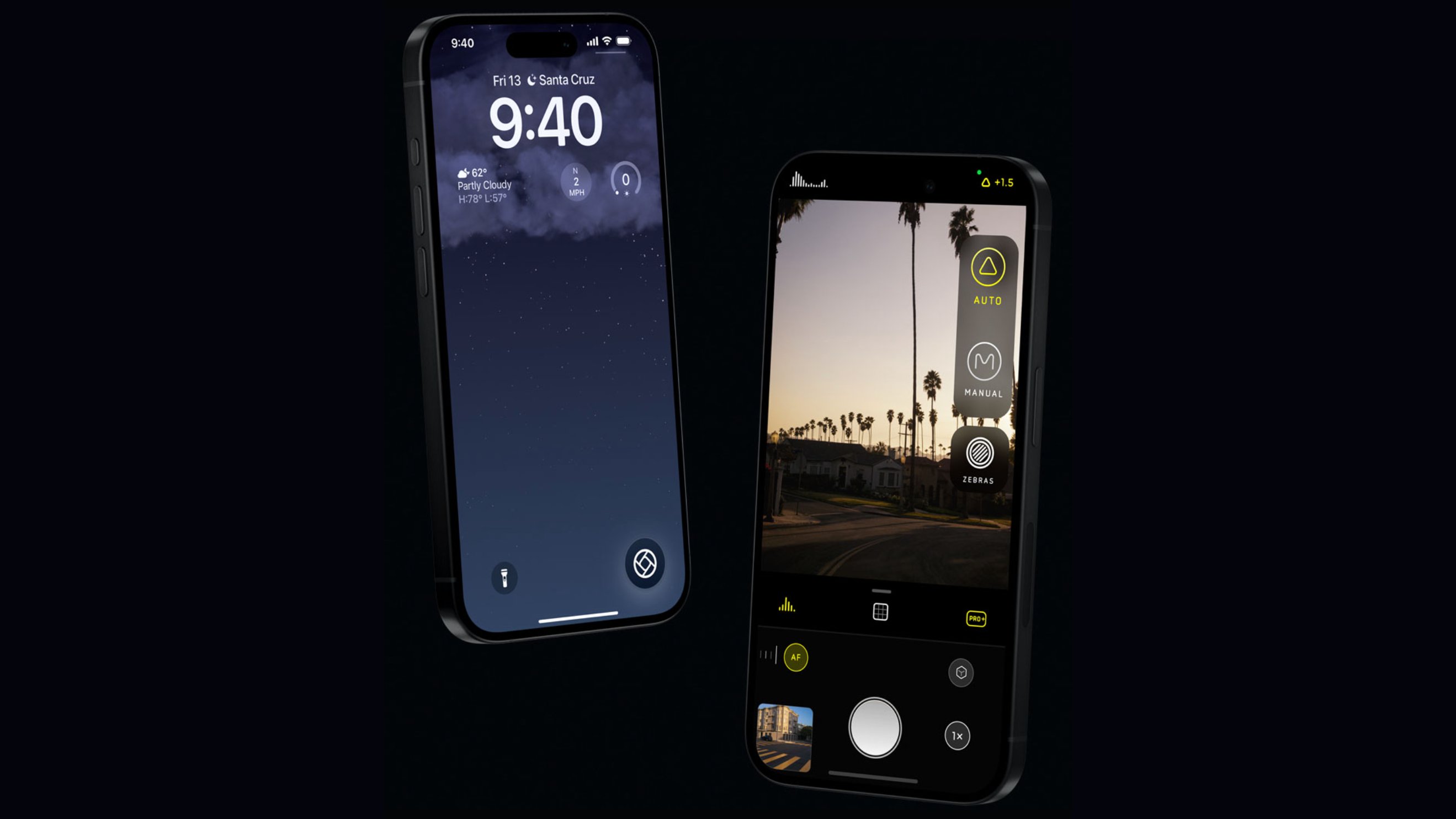
Apple Wanted to Buy Halide to Boost iPhone 18 Pro's Camera App—Now There's a Lawsuit

Apple's plans to enhance the iPhone 18 Pro's Camera app led it to consider acquiring Halide, but the talks ultimately collapsed and were followed by a fierce legal dispute between the startup's co-founders, according to The Information reports.


In the summer of 2025, Apple reportedly held discussions to acquire Lux Optics, the developer behind the popular iPhone camera apps Halide, Kino, and Spectre. The company concluded that it could get a better offer from Apple in the future following updates to the app. Two months after the talks concluded without a deal, Apple set about recruiting Lux's co-founder and designer Sebastian de With.

Lux CEO and co-founder Ben Sandofsky is said to have fired de With in December over financial misconduct. de With announced that he had joined Apple's design team in January.

Sandofsky has now filed a lawsuit in the California Superior Court of Santa Cruz against de With, accusing him of improperly using more than $150,000 in Lux company funds to pay for personal expenses since 2022, as well as providing confidential material and source code from Lux to Apple.

During the discussions to acquire Lux, Apple employees purportedly told the startup that its intellectual property was a major consideration in evaluating the company. Apple apparently wanted to acquire Lux to bolster the built-in Camera app, which is said to be "top priority for the company right now." The ‌iPhone 18 Pro‌ will "match professional-grade cameras in terms of certain advanced features," necessitating an upgrade of the built-in Camera app. Apple is not named as a defendant in the case and it is not accused of any wrongdoing.

de With's legal representatives say that the lawsuit is meritless and deny that he "used, transferred, or disclosed any Lux intellectual property" as part of his new job at Apple. They added that the lawsuit was only filed after de With raised concerns with Sandofsky about financial irregularities at Lux and had requested access to its financial records and payments, suggesting that it was a "retaliatory response to those efforts and an attempt to avoid scrutiny of that conduct."
Related Roundups: iPhone 18, iPhone 18 Pro
Related Forum: iPhone

This article, "Apple Wanted to Buy Halide to Boost iPhone 18 Pro's Camera App—Now There's a Lawsuit" first appeared on MacRumors.com

Discuss this article in our forums
  •  

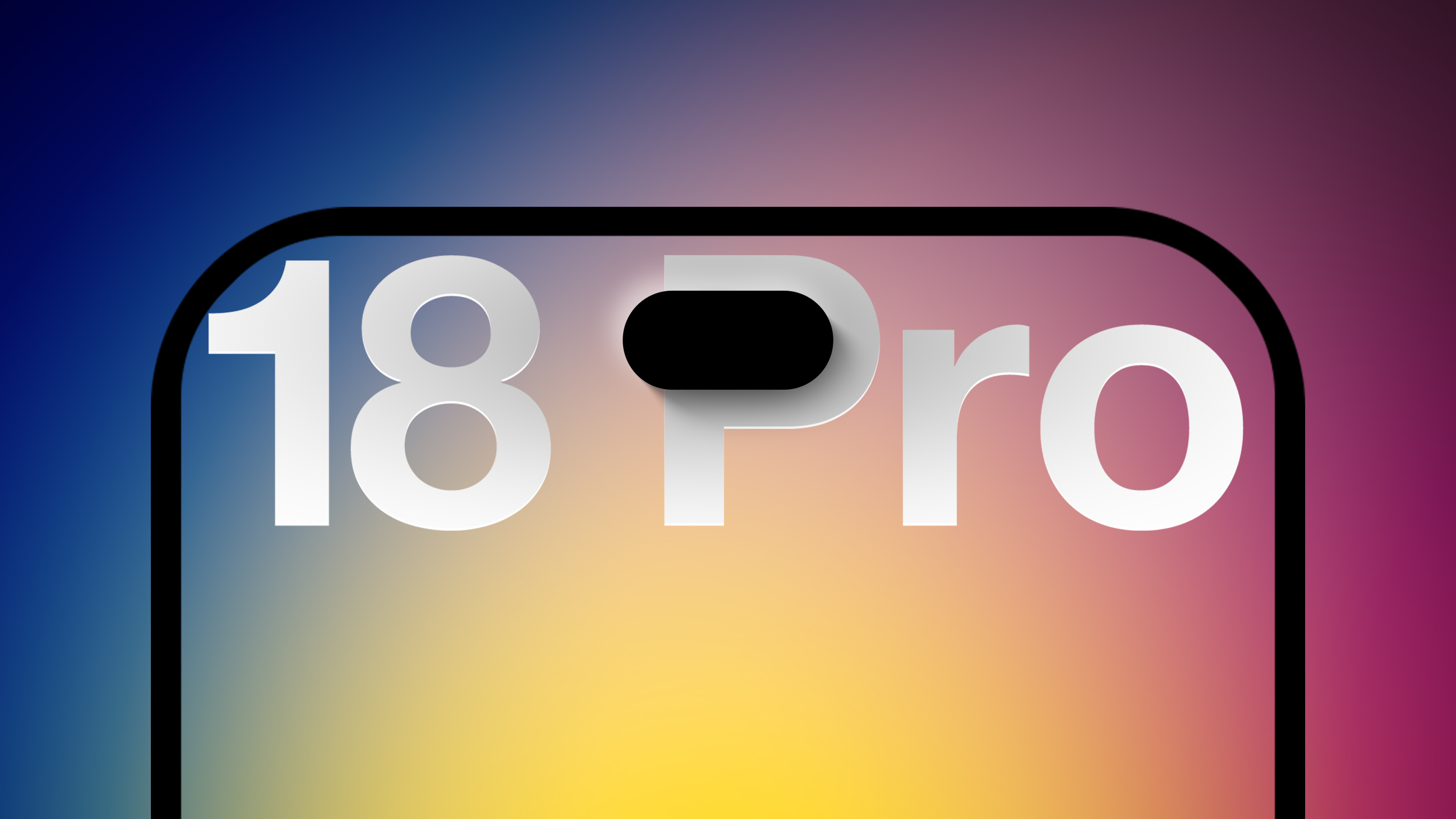
iPhone 18 Pro and Pro Max Expected to Feature Smaller Dynamic Island

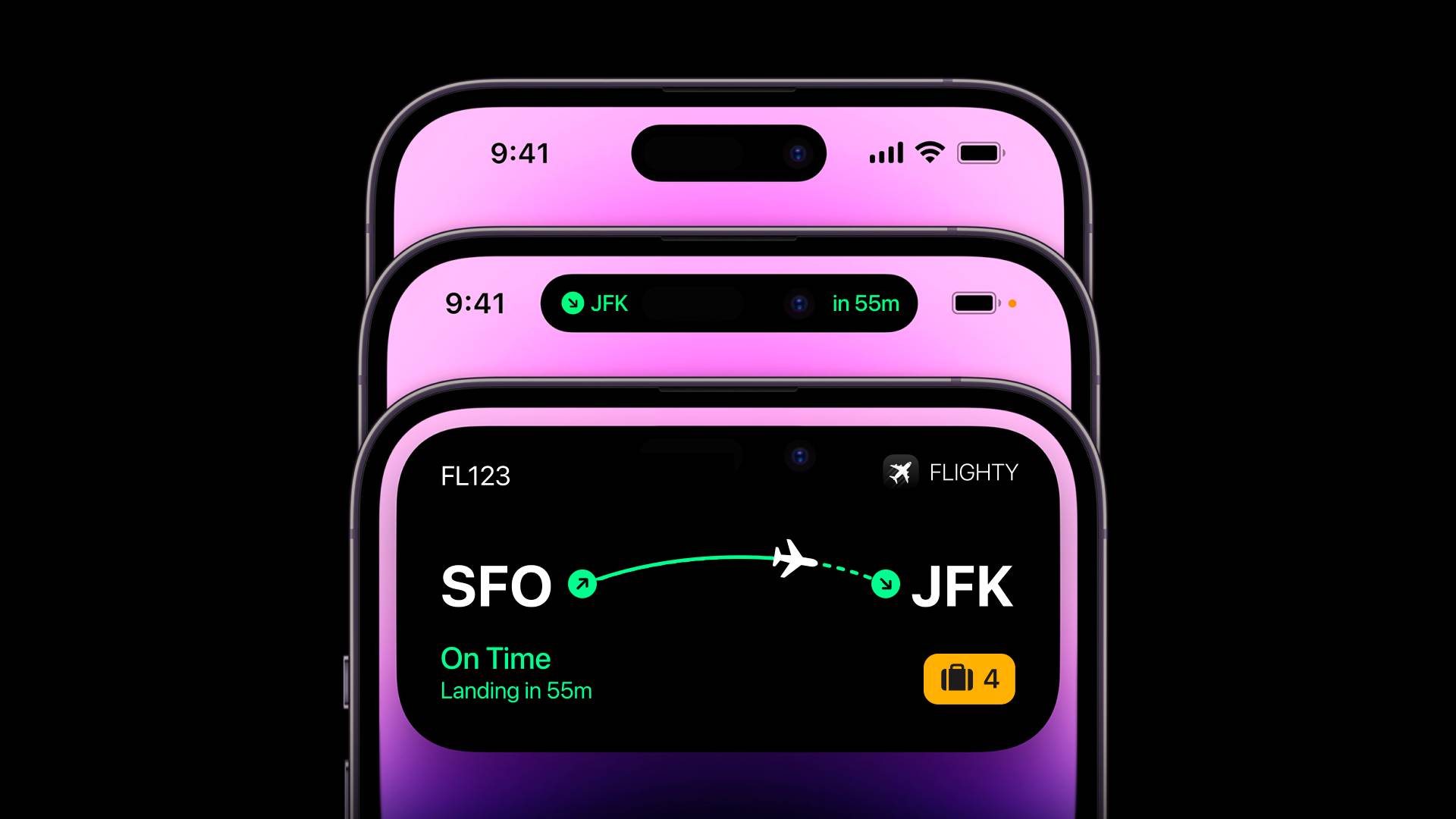
The iPhone 18 Pro and Pro Max will have a smaller Dynamic Island, according to Bloomberg. Over the past year, there have been mixed rumors about whether the ‌iPhone 18‌ Pro models will continue to feature a ‌Dynamic Island‌ or have a hole punch camera with under screen Face ID and no ‌Dynamic Island‌, but the latest information suggests we're not getting rid of the ‌Dynamic Island‌ just yet.


Along with Bloomberg, several prominent leakers on Weibo and other social media sites have said Apple will make the Dynamic Island smaller, but won't eliminate it.

We heard the same rumors about a smaller iPhone 17 Pro ‌Dynamic Island‌ last year, but the ‌Dynamic Island‌ ultimately ended up being the same size. Rumors about the ‌Dynamic Island‌ have picked up in late 2025 and early 2026, and when we see a deluge of differently-sourced rumors about the same feature in the months leading up to a new iPhone's launch, those rumors are typically accurate.

Most of the ‌iPhone 18‌ Pro rumors about under-display Face ID and no ‌Dynamic Island‌ circulated earlier in 2025, so Apple either considered the feature for the 18 Pro lineup and pushed it back, or those rumors were just guessing. There also may have been confusion over what's moving under the display and what's not.

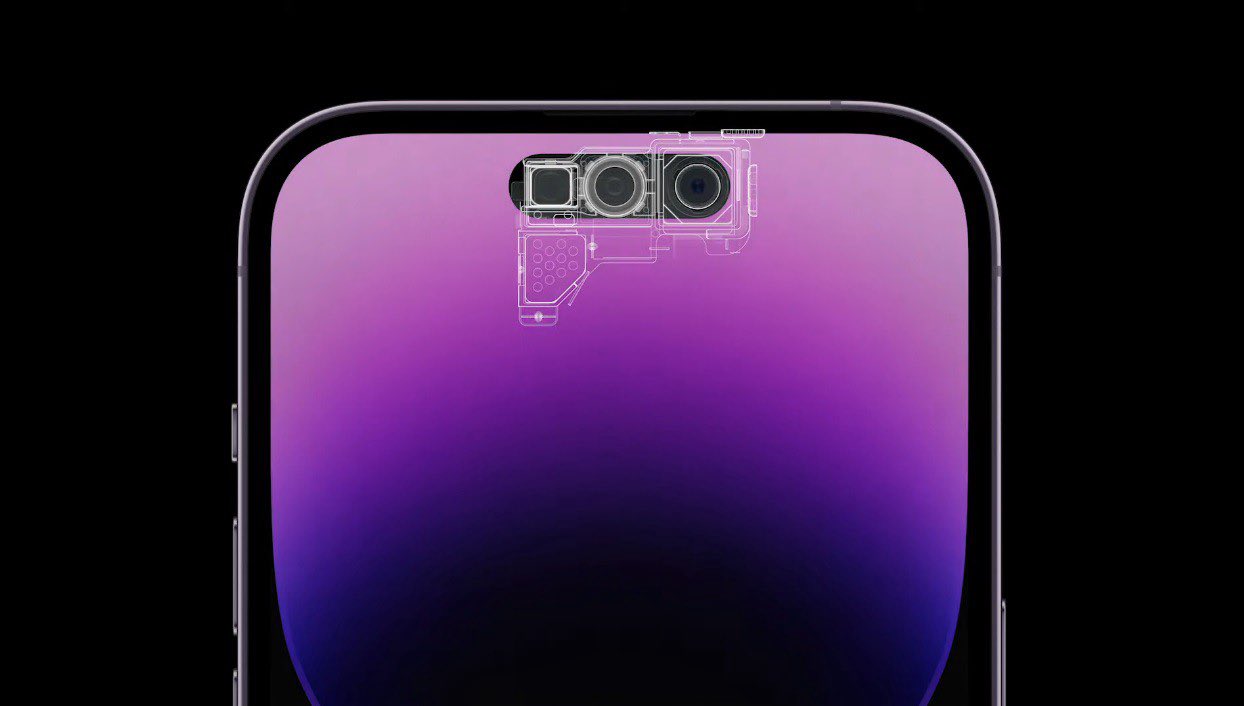
To implement a smaller ‌Dynamic Island‌, Apple is rumored to be putting the ‌Face ID‌ dot illuminator under the display, and rumors suggest the company is also implementing new camera miniaturization technology that could cut down on the size of the front-facing camera. The front-facing camera, ‌Face ID‌ dot projector, and infrared camera are expected to be housed in the ‌Dynamic Island‌, and won't be under the display.

Apple does eventually want to create an ‌iPhone‌ that's a slab of glass with no cutouts, and we may see that for the 20th anniversary iPhone planned for 2027, but it won't happen in fall 2026 with the ‌iPhone 18‌ Pro models.
Related Roundup: iPhone 18
Related Forum: iPhone

This article, "iPhone 18 Pro and Pro Max Expected to Feature Smaller Dynamic Island" first appeared on MacRumors.com

Discuss this article in our forums

  •  

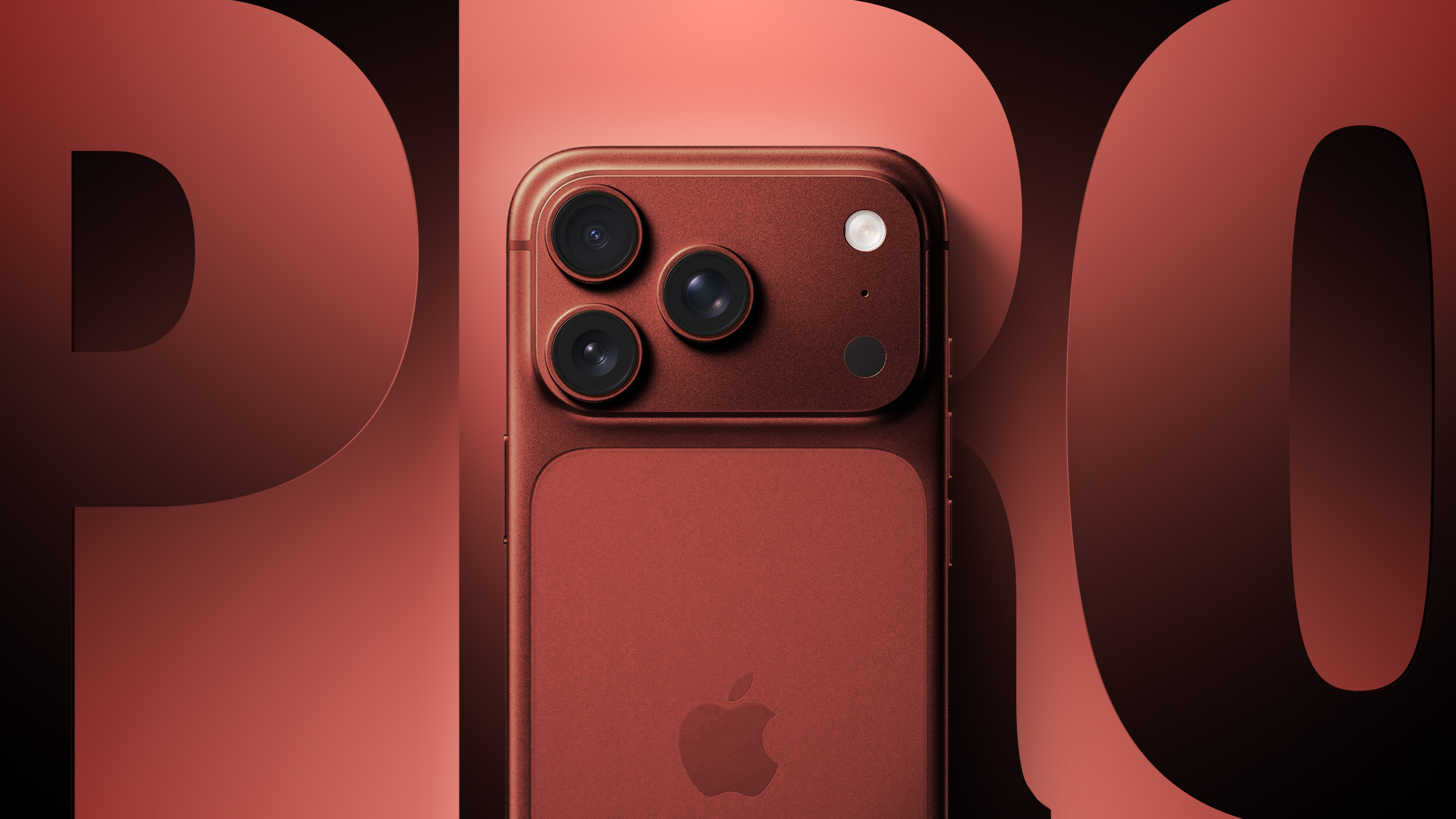
Apple is Testing These iPhone 18 Pro and Foldable iPhone Colors

The special new color that Apple is considering for the iPhone 18 Pro and iPhone 18 Pro Max this year is red, according to Bloomberg's Mark Gurman.


Specifically, he said that Apple is testing a "deep red" finish for the two devices.

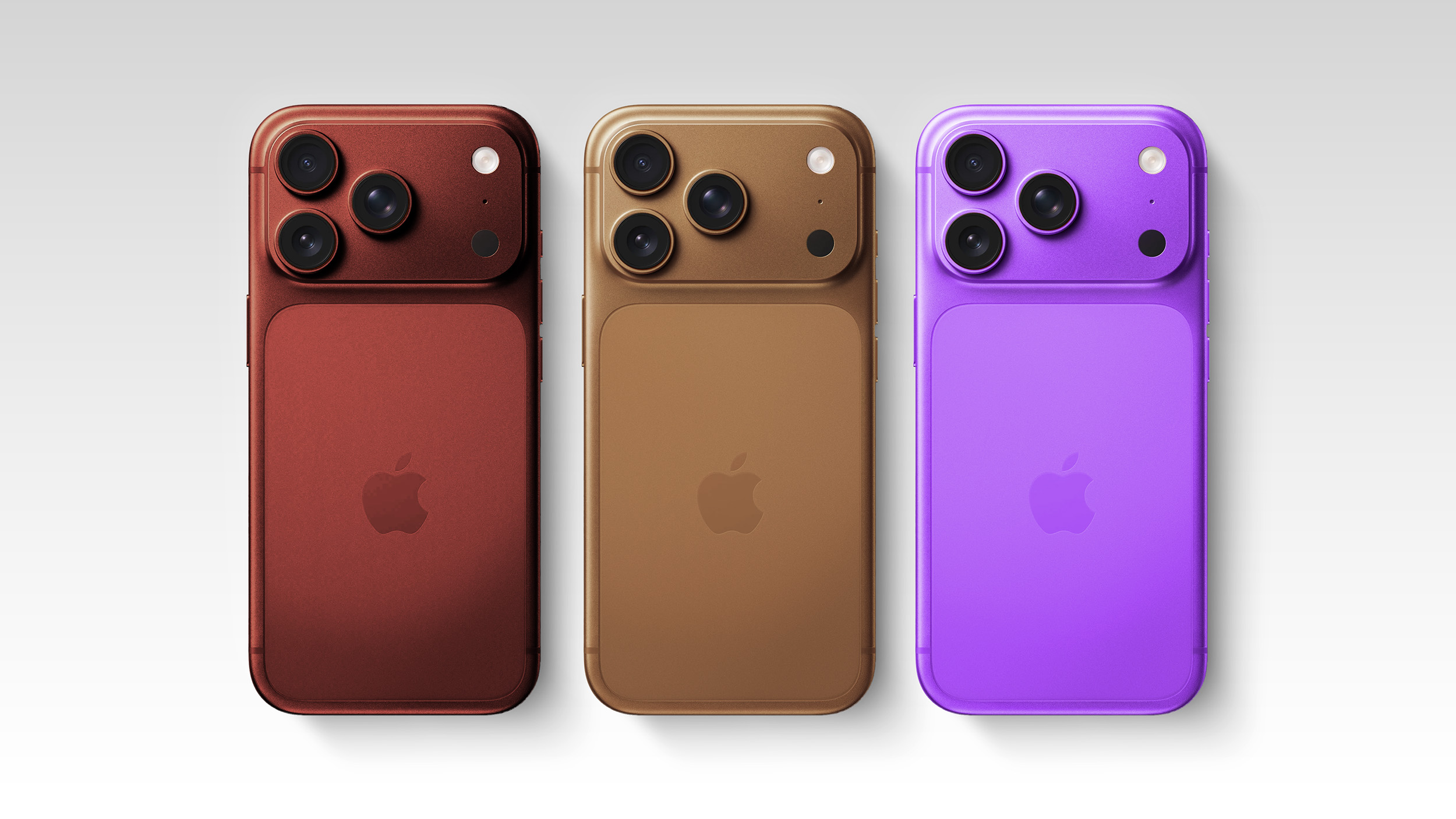
If this rumor materializes, it would be the first time that the Pro and Pro Max models ever come in red, and the iPhone 18 Pro models would be the first iPhone models to be available in red since the iPhone 14 and iPhone 14 Plus in (PRODUCT)RED. However, it sounds like it would be more of a burgundy finish than a bright red.

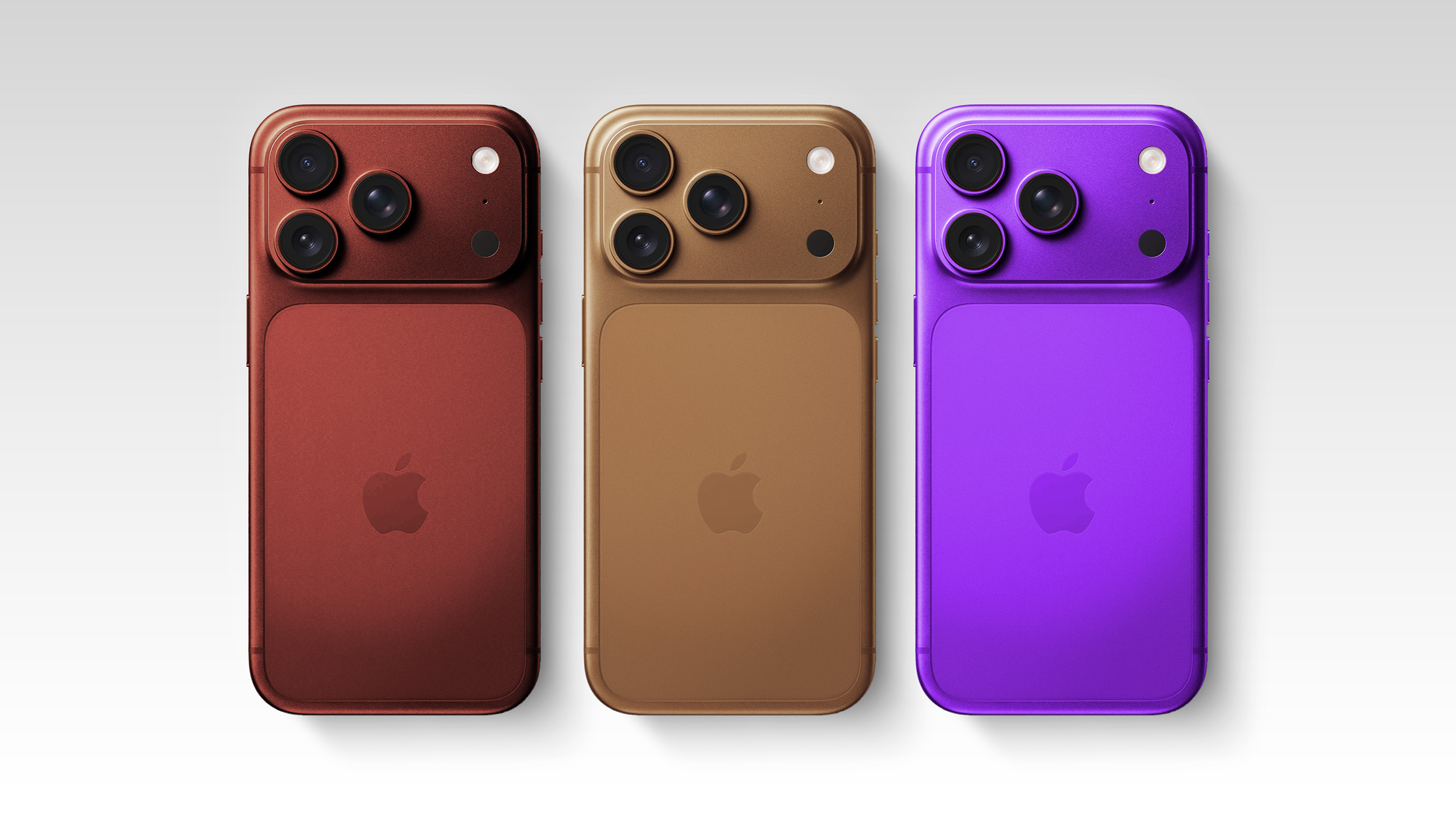
While it was previously rumored that Apple was also considering purple and brown finishes for the iPhone 18 Pro models, Gurman said he believes that those color options are "just variants of the same red idea — given that the tones are fairly similar." In other words, it sounds like those two color options will not actually be offered.

As for the foldable iPhone, Gurman said Apple plans to "stay away from fun colors" and stick to more traditional space gray/black and silver/white finishes.

Apple is expected to unveil the iPhone 18 Pro and foldable iPhone models in September.

Related Roundup: iPhone 18
Related Forum: iPhone

This article, "Apple is Testing These iPhone 18 Pro and Foldable iPhone Colors" first appeared on MacRumors.com

Discuss this article in our forums
  •  

Five iPhone 18 Pro Features Revealed in New Report

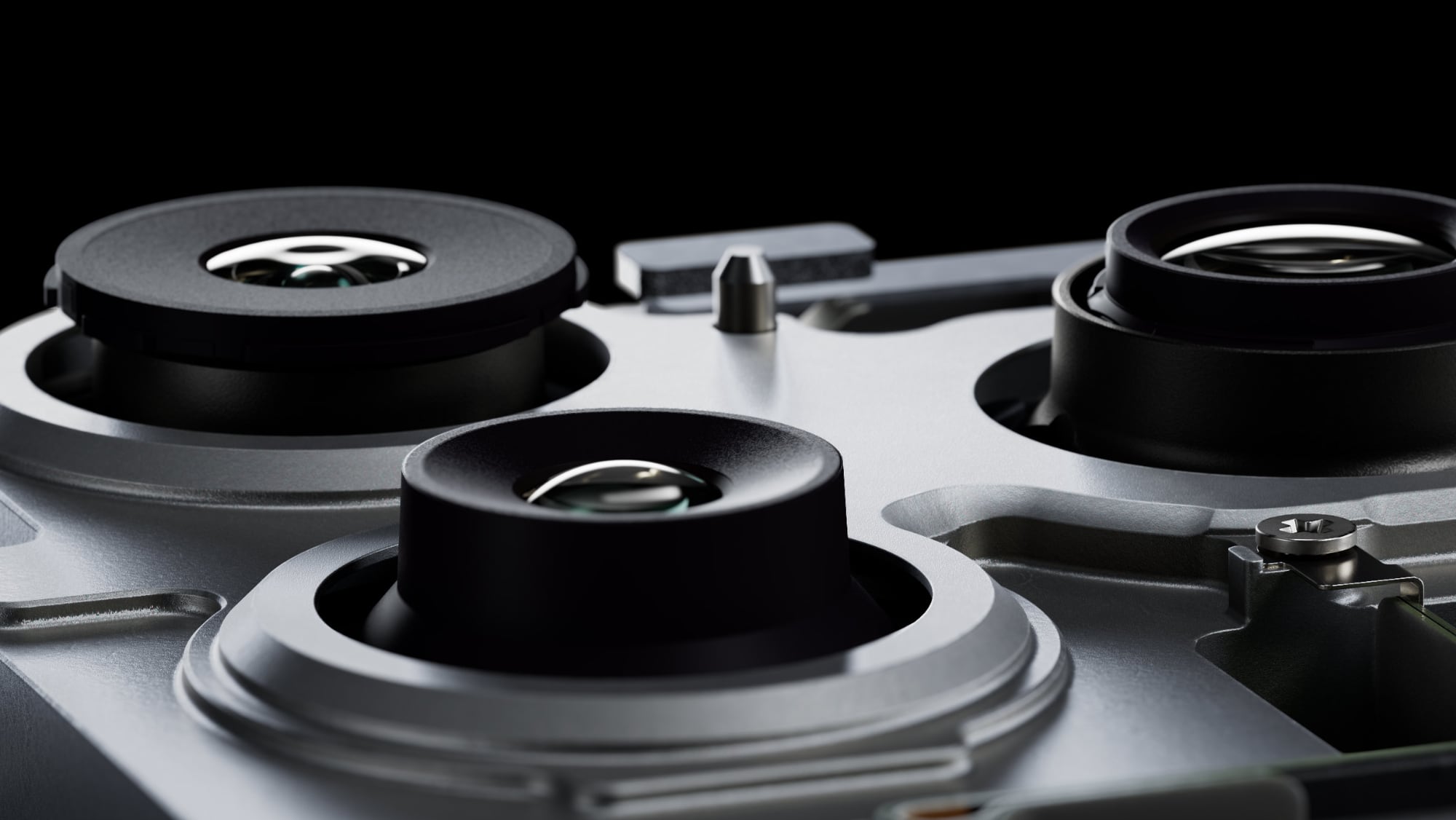
While the iPhone 18 Pro and iPhone 18 Pro Max are still seven months away, an analyst has revealed five new features the devices will allegedly have.

Rumored color options for the iPhone 18 Pro models

In a research note with investment firm GF Securities on Thursday, analyst Jeff Pu outlined the following upgrades for the iPhone 18 Pro models:

  • Smaller Dynamic Island: It has been rumored that Face ID's flood illuminator will be moved under the screen on the iPhone 18 Pro models, paving the way for a smaller Dynamic Island on the devices.

  • Variable Aperture: The main 48-megapixel Fusion camera on both iPhone 18 Pro models is rumored to have a variable aperture, which would allow users to control the amount of light that passes through the camera's lens and reaches the sensor. This would provide greater control over depth of field. However, given that iPhones have smaller image sensors due to smartphone size constraints, it is unclear exactly how meaningful this improvement would be.

  • A20 Pro Chip: Apple's next-generation A20 Pro chip is expected to use TSMC's first-generation 2nm process, whereas the A19 Pro chip is 3nm. With a 2nm architecture and a new packaging design, the A20 Pro chip should deliver solid year-over-year performance and power efficiency gains.

  • N2 Chip: All of the iPhone 17 and iPhone Air models are equipped with an Apple-designed N1 chip that enables Wi-Fi 7, Bluetooth 6, and Thread. Apple says the N1 chip also improves the overall performance and reliability of features like Personal Hotspot and AirDrop. iPhone 18 Pro models are expected to have Apple's next-generation N2 chip, but is not yet known what improvements would come with this upgrade.

  • C2 Modem: Apple's custom C1 cellular modem for 5G and LTE debuted in the iPhone 16e last year, and that was followed by a C1X chip in the iPhone Air. Apple says the C1X modem is up to twice as fast as the C1 modem, and the most power-efficient modem in an iPhone ever. The improvements should continue with Apple's third-generation C2 modem in the iPhone 18 Pro models.

These are only some of the new features and changes planned for the iPhone 18 Pro models, with additional ones outlined in our iPhone 18 roundup.

Apple is expected to release the iPhone 18 Pro models in September.
Related Roundup: iPhone 18
Tag: Jeff Pu
Related Forum: iPhone

This article, "Five iPhone 18 Pro Features Revealed in New Report" first appeared on MacRumors.com

Discuss this article in our forums
  •  

Apple Testing Two Major iPhone 18 Pro Camera Upgrades

Apple is actively testing two major rear camera improvements for the iPhone, according to a reputable leaker.


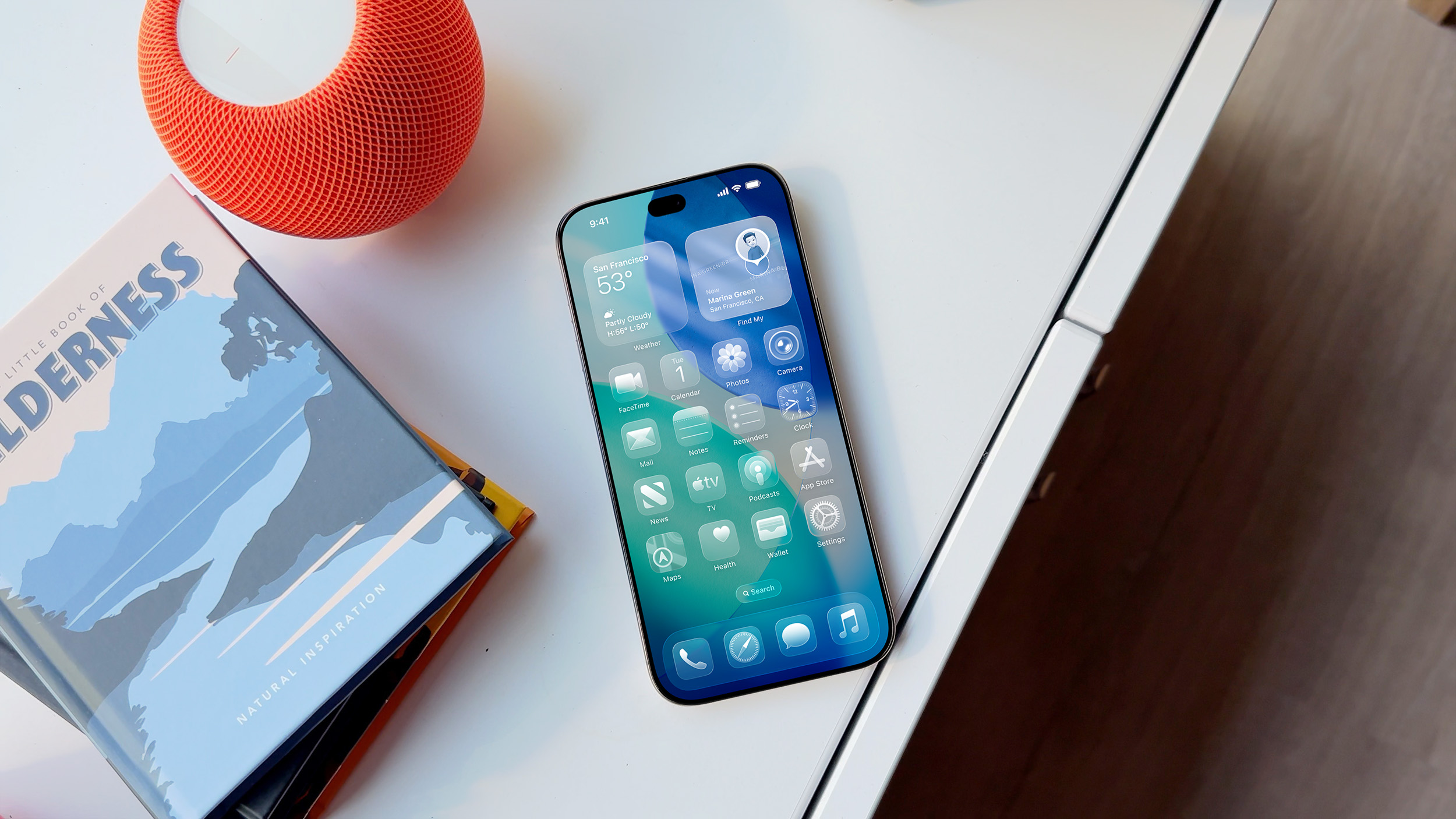
The Weibo user known as "Digital Chat Station" claims that Apple is testing a new main camera for the ‌iPhone‌ with a variable aperture. A variable aperture allows the camera to adjust the amount of light that reaches the sensor. This means that in dark environments, the aperture can be opened to receive more light, while in light environments, it can be closed to prevent over-exposure. It also should provide users with greater control over depth of field, which refers to how sharp a subject appears in the foreground compared to the background.

The claim corroborates a multitude of previous rumors that the iPhone 18 Pro and ‌iPhone 18‌ Pro Max will feature an upgraded main camera with a variable aperture. In December 2024, Apple supply chain analyst Ming-Chi Kuo was first to say that that the main rear camera on both ‌iPhone 18‌ Pro models will offer variable aperture. A more recent report from October 2025 said Apple was moving ahead with plans to bring the technology to next-generation iPhones and was discussing components with suppliers.

Apple has never used a variable aperture on an ‌iPhone‌ camera before. The main cameras on all of the ‌iPhone‌ 14 Pro through iPhone 17 Pro models have a fixed aperture of ƒ/1.78, and the lens is always fully open and shooting with this aperture. Samsung Electronics previously brought a variable aperture camera to its Galaxy S9 and Galaxy S10 models in 2018 and 2019, but due to increased thickness and high price, it dropped the feature in 2020.

Secondly, the leaker reiterated their claim that that Apple is testing a new telephoto camera with a larger aperture for the ‌iPhone 18‌ Pro. The ‌iPhone 17 Pro‌ models feature a telephoto camera with an ƒ/2.8 aperture. While the camera was upgraded to a 48-megapixel sensor, which was a substantial improvement over the 12-megapixel sensor used on previous generations, it retained the same aperture size. A larger aperture on the ‌iPhone‌'s telephoto camera would primarily improve light gathering, noise performance, shutter speed, and background separation.

Other rumors suggest that the ‌iPhone 18‌ Pro models could also gain a teleconverter to increase effective focal length and improve zoom reach, as well as a 24-megapixel front-facing camera. They are expected to launch in the fall alongside the first foldable ‌iPhone‌.
Related Roundup: iPhone 18
Related Forum: iPhone

This article, "Apple Testing Two Major iPhone 18 Pro Camera Upgrades" first appeared on MacRumors.com

Discuss this article in our forums
  •  

What to Expect From the iPhone 18 Pro After the Latest Rumor Reversal

While the iPhone 18 Pro and iPhone 18 Pro Max are not expected to launch for another seven months or so, there are already plenty of rumors about the devices.


It was initially reported that iPhone 18 Pro models would have fully under-screen Face ID, with only a front camera visible in the top-left corner of the screen. However, the latest rumors indicate that the devices will have only partially under-screen Face ID, which will result in a narrower Dynamic Island area.

Below, we have recapped 12 features rumored for the iPhone 18 Pro models, as of February 2026:

  1. The same overall design is expected, with 6.3-inch and 6.9-inch display sizes, and a "plateau" housing three rear cameras

  2. More power-efficient LTPO+ displays

  3. A narrower Dynamic Island, resulting from Face ID being partially under the screen

  4. Variable aperture for at least one rear camera

  5. A20 Pro chip manufactured with TSMC's 2nm process and new packaging technology

  6. A simplified Camera Control button with no swipe gestures

  7. Design changes to the rear Ceramic Shield for MagSafe charging, potentially including a more frosted glass appearance

  8. Apple-designed C1X or C2 modem for 5G/LTE cellular connectivity

  9. Apple-designed N1 chip or newer for Wi-Fi 7, Bluetooth 6, and Thread

  10. Web browsing via satellite

  11. New color options under consideration: burgundy, brown, or purple

  12. iPhone 18 Pro Max may be slightly thicker than the iPhone 17 Pro Max, perhaps to accommodate a larger battery
Bookmark our iPhone 18 roundup to stay on top of future rumors.
Related Roundup: iPhone 18
Related Forum: iPhone

This article, "What to Expect From the iPhone 18 Pro After the Latest Rumor Reversal" first appeared on MacRumors.com

Discuss this article in our forums

  •  

iPhone 18 Pro: Leaker Reveals Alleged Size of Smaller Dynamic Island

For now, rumors have settled on the iPhone 18 Pro and iPhone 18 Pro Max featuring a smaller Dynamic Island, and now a leaker has revealed its alleged size.

iPhone 18 Pro with a smaller Dynamic Island (mockup via Ice Universe)
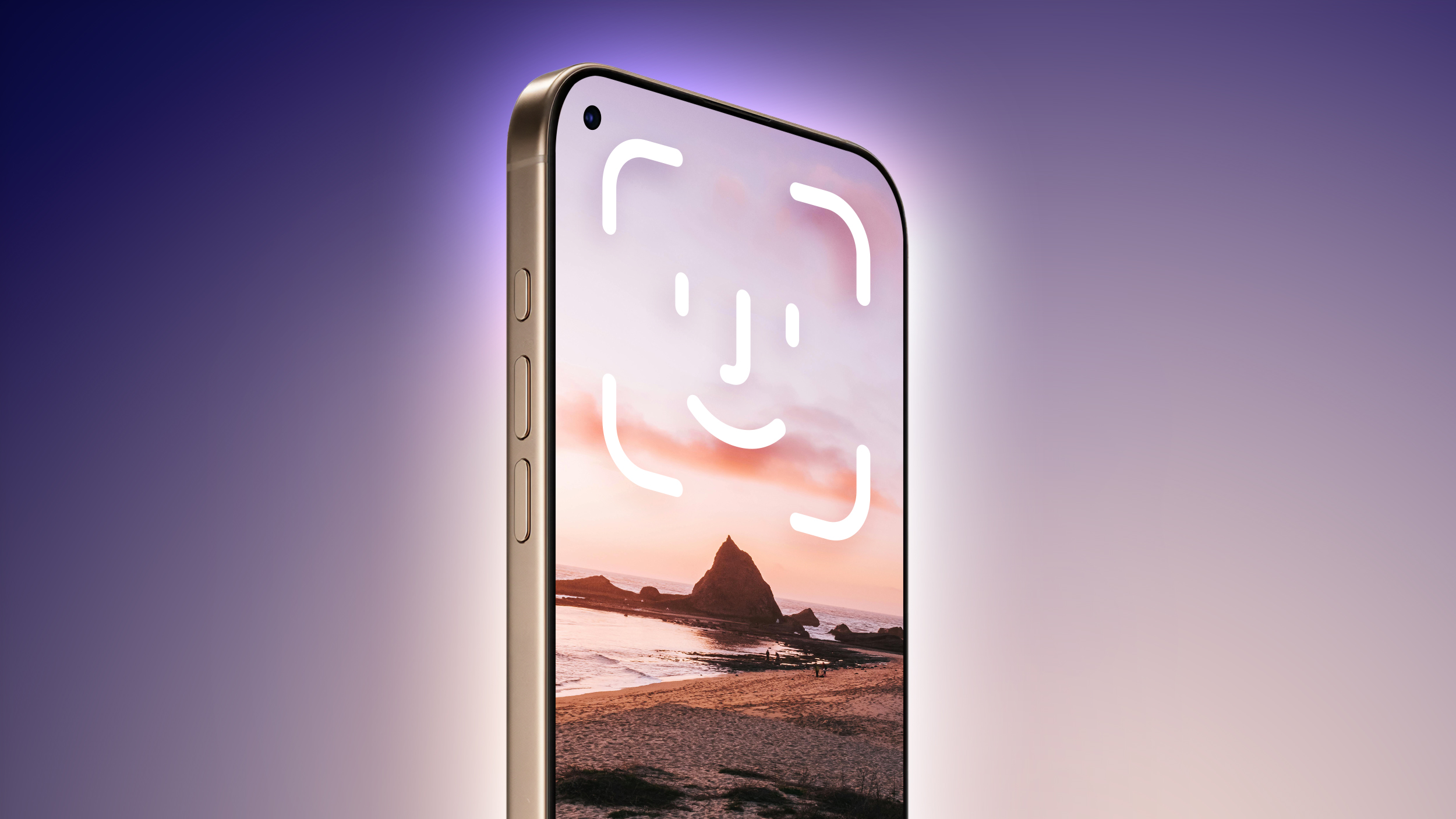
The account "Ice Universe" today claimed the Dynamic Island cutout on the iPhone 18 Pro models will be approximately 35% narrower than it is on the iPhone 17 Pro models. Specifically, they said it will have a width of around 13.5mm, down from around 20.7mm, and they shared the mockup image above to show what it would look like.

These measurements refer to the default size of the Dynamic Island while the iPhone screen is turned on, and this includes the extra black pixels that surround the actual cutouts for Face ID sensors and the front camera. While showing Live Activities and other information, the Dynamic Island temporarily becomes wider.

An earlier report from The Information indicated that the iPhone 18 Pro models will feature under-screen Face ID. As a result, the publication said the devices would have only a hole-punch front camera in the top-left corner of the screen, rather than the current pill-shaped cutout for the front camera and Face ID sensors. However, the latest word is that only Face ID's flood illuminator will be moved under the screen this year, meaning that Apple will only be able to shrink the pill-shaped cutout rather than remove it entirely.

According to display industry expert Ross Young, who has a very good track record, the smaller Dynamic Island will last through at least 2027. So, it could take at least a few more years until the iPhone finally gets a truly seamless display.

"Ice Universe" has leaked some accurate iPhone dimensions in the past, giving them credibility, but they do not have a perfect track record.

Apple is expected to unveil the iPhone 18 Pro models in September.
Related Roundup: iPhone 18
Related Forum: iPhone

This article, "iPhone 18 Pro: Leaker Reveals Alleged Size of Smaller Dynamic Island" first appeared on MacRumors.com

Discuss this article in our forums

  •  

10 Reasons to Wait for This Year's iPhone 18 Pro

Apple's iPhone development roadmap runs several years into the future and the company is continually working with suppliers on several successive iPhone models at the same time, which is why we often get rumored features months ahead of launch. The iPhone 18 series is no different, and we already have a good idea of what to expect for the iPhone 18 Pro and iPhone 18 Pro Max.


One thing worth noting is that Apple is reportedly planning a major change to its iPhone release cycle this year, adopting a two-phase rollout starting with the iPhone 18 series. That means the iPhone 18 Pro, iPhone 18 Pro Max, and iPhone Fold will be released in September 2026, followed by the iPhone 18 and iPhone 18e in spring 2027.


Overall Design

iPhone 17 Pro Style

Rumors suggest the iPhone 18 Pro lineup will largely retain the same design as the iPhone 17 Pro models. The rear camera system will look identical to the current generation, featuring a raised "plateau" with three lenses arranged in a triangle. Display sizes are also expected to remain unchanged, with the iPhone 18 Pro and iPhone 18 Pro Max continuing to use 6.3-inch and 6.9-inch panels, respectively – the same dimensions introduced with the iPhone 16 Pro series. iPhone 18 Pro models could drop the current two-tone look of the rear casing found on the iPhone 17 Pro in favor of a more seamless aesthetic. For the next-generation models, Apple has apparently updated the back-glass "replacement process" to minimize the color difference between the Ceramic Shield 2 glass and the aluminum frame, resulting in a more unified appearance.

Thicker Chassis

Bigger Battery?

According to one rumor, the body of the iPhone 18 Pro Max will be slightly thicker than the iPhone 17 Pro Max, raising the device's weight to around 243 grams. That would make the iPhone 18 Pro Max approximately 3 grams more than the iPhone 14 Pro Max, which is currently the heaviest model Apple has produced. We don't know the exact reason for the alleged thicker design of the iPhone 18 Pro Max, but a larger battery is the most likely cause.

Smaller Dynamic Island

Under-Screen Face ID?

Rumors continue to circulate about whether the iPhone 18 Pro models will introduce under-display Face ID, but reports remain divided on when the technology will actually arrive. The feature would move the TrueDepth camera system beneath the display, eliminating the need for the current Dynamic Island cutout.

According to Wayne Ma of The Information, Apple is targeting a design without a Dynamic Island, replacing it with a single pinhole camera in the upper-left corner of the screen. However, other sources dispute that claim. Display analyst Ross Young believes under-display Face ID is possible for the iPhone 18 Pro, but says a smaller Dynamic Island will still be present. Bloomberg's Mark Gurman has echoed this view, reporting that the new models will feature a slimmed-down Dynamic Island rather than removing it entirely. Apple is also said to be testing new camera miniaturization technology to reduce the size of the front-facing camera currently located within the Dynamic Island.

Meanwhile, Chinese leaker Instant Digital has offered yet another version of events, saying the Dynamic Island will shrink in size, but that under-display Face ID and camera technology won't debut next year. Overall, the consensus suggests Apple may be refining the Dynamic Island before fully transitioning to an all-screen design in future generations.

A20 Pro Chip

2nm Process

The iPhone 18 Pro models will use Apple's A20 chip, based on TSMC's 2nm process for power and efficiency improvements. A move to 2nm fabrication increases transistor density, which will enable higher performance. The A20 series is expected to deliver roughly a 15 percent speed gain and about 30 percent better efficiency compared with the A19 series used in Apple's iPhone 17 models.

Apple's A20 chip will be packaged with TSMC's Wafer-Level Multi-Chip Module (WMCM) technology, suggesting at least some A20 chips will have RAM integrated directly onto the same wafer as the CPU, GPU, and Neural Engine, rather than sitting adjacent to the chip and connected via a silicon interposer. This could contribute to faster performance for both overall tasks and Apple Intelligence, and longer battery life from improved power efficiency.

C2 Modem

Replacing Qualcomm

Apple plans to include its next-generation C2 modem in the iPhone 18 Pro models, according to supply chain analyst Jeff Pu. The chip will succeed the C1 modem, which debuted in the lower-cost iPhone 16e as Apple's first in-house cellular modem, and the C1X modem chip in the iPhone Air, which Apple says is up to 2× faster than the C1. The C2 is expected to bring faster speeds, improved power efficiency, and support for mmWave 5G in the United States – a feature missing from the C1 and C1X.

Apple's modem roadmap is part of a long-term strategy to reduce reliance on Qualcomm, which currently supplies 5G modems for the rest of the iPhone lineup. The company has been working on developing its own cellular chips for years, aiming for deeper integration and greater control over power management and performance.

New Camera Sensor

Samsung-Made

Samsung is working on a new three-layer stacked image sensor, reportedly intended for the iPhone 18. The sensor, referred to as PD-TR-Logic, integrates three layers of circuitry, which would improve camera responsiveness, reduce noise, and increase dynamic range. The leak comes from a source known as "Jukanlosreve," who claims the sensor is being developed specifically for Apple's 2026 iPhone lineup. Sony has long been Apple's sole image sensor supplier, so Samsung's entry would be a big shift in the iPhone's camera supply chain.

Variable Aperture

DSLR-Style

Apple intends to equip this year's iPhone 18 Pro models with a variable aperture lens, according to reports. Weibo-based leaker Digital Chat Station claims the main rear camera – what Apple calls the 48-megapixel Fusion camera – on both iPhone 18 Pro models will offer variable aperture, which would be a first for the iPhone. A variable-aperture system physically adjusts the lens opening, letting more light in for low-light shots or narrowing the opening for brighter scenes and deeper depth of field.

The main cameras on the iPhone 15 Pro, 16 Pro, and 17 Pro all use a fixed ƒ/1.78 aperture, where the lens is permanently set to its widest setting. With a variable lens, the iPhone 18 Pro would allow users to manually shift the aperture, similar to on a DSLR camera. This would mean more control over depth of field, enabling sharper focus on subjects or smoother background blur. Industry analyst Ming-Chi Kuo said in November 2024 that Apple's iPhone 18 Pro models will get the feature.

5G Satellite Internet

Non-Terrestrial Data

According to a report by The Information, Apple plans to add support for 5G networks that operate via satellites rather than Earth-based towers as early as next year. This advancement would allow future iPhones to gain full internet connectivity through satellite, not just limited emergency features.

If Apple meets the 2026 target, the first devices to feature 5G satellite internet would likely be the iPhone 18 Pro, iPhone 18 Pro Max, and the long-rumored foldable iPhone. Apple partners with Globalstar for its iPhone satellite features, but there is currently no service that delivers full 5G satellite internet directly to a smartphone, and the report did not specify who would supply it.

Simplified Camera Control

New Design

Apple is reportedly working to simplify the Camera Control button's design on iPhone 18 models in order to reduce costs. The current Camera Control button on iPhone 17 models uses both capacitive and pressure sensors beneath a sapphire crystal surface. The capacitive layer detects touch gestures, while the force sensor recognizes different pressure levels for taps, presses, and swipes.

However, according to the Weibo-based account Instant Digital, Apple will remove the capacitive sensing layer and retain only pressure sensing recognition in the second iteration to achieve all Camera Control functions on the iPhone 18. The simplified version is not about reducing functionality in the button, but about saving money. The current solution is said to be very expensive for Apple and is generating costly after-sales repairs.

New Colors

Three in Testing

Apple is rumored to be testing three new color options for the iPhone 18 Pro models: burgundy, brown, and purple. A burgundy finish would mark the first time the Pro and Pro Max models have been offered in any shade of red, apart from the lighter (PRODUCT)RED used on earlier devices. The iPhone 14 Pro and iPhone 14 Pro Max were previously available in Deep Purple, and Apple has never released an iPhone in a genuinely brown color.
Related Roundup: iPhone 18
Related Forum: iPhone

This article, "10 Reasons to Wait for This Year's iPhone 18 Pro" first appeared on MacRumors.com

Discuss this article in our forums

  •  

iPhone 18 Pro Leak Adds New Evidence for Under-Display Face ID

Apple is actively testing under-screen Face ID for next year's iPhone 18 Pro models using a special "spliced micro-transparent glass" window built into the display, claims a Chinese leaker.


According to "Smart Pikachu," a Weibo account that has previously shared accurate supply-chain details on Chinese Android hardware, Apple is testing the special glass as a way to let the TrueDepth system's infrared sensors pass through the panel without distortion.

The approach is similar to existing industry techniques that use micro-perforated or nano-patterned glass to selectively improve IR transmission in a localized region above the sensor array.

The report also suggests Apple's work has already prompted related suppliers to accelerate preparation for potential production.

There have been several rumors suggesting the iPhone 18 Pro models will include under-display Face ID, but some disagreement over whether we'll see the technology in 2026. A May report by The Information claimed that iPhone 18 Pro models will have no Dynamic Island with just a pinhole cutout located at the upper left of the display, but other rumors suggest there's still going to be a Dynamic Island.

Analyst Ross Young said that the iPhone 18 Pro models could have under-display Face ID, but that doesn't mean there won't be no Dynamic Island at all. Instead, the pill-shaped hole will be smaller. Bloomberg's Mark Gurman has also spoken of a slimmed down Dynamic Island for the iPhone 18 Pro models.

The new claim of a micro-transparent glass window supports the view that there will be a smaller Dynamic Island that shifts TrueDepth sensing components below the screen while retaining a smaller cutout for the front camera. While Smart Pikachu does not specifically mention the Pro models, supply-chain sources often use "series" loosely when discussing early panel and materials testing, and all previous rumors have related to Apple's high-end models.

Apple is expected to release the iPhone 18 Pro models in September, alongside an all-new foldable iPhone, as part of a new split cycle launch. The regular iPhone 18 and the more affordable iPhone 18e are not expected to debut until early 2027.
Related Roundup: iPhone 18
Related Forum: iPhone

This article, "iPhone 18 Pro Leak Adds New Evidence for Under-Display Face ID" first appeared on MacRumors.com

Discuss this article in our forums

  •  

10 Reasons to Wait for Next Year's iPhone 18 Pro

Apple's iPhone development roadmap runs several years into the future and the company is continually working with suppliers on several successive iPhone models at the same time, which is why we often get rumored features months ahead of launch. The iPhone 18 series is no different, and we already have a good idea of what to expect for the iPhone 18 Pro and iPhone 18 Pro Max.


One thing worth noting is that Apple is reportedly planning a major change to its iPhone release cycle next year, adopting a two-phase rollout starting with the iPhone 18 series. That means the iPhone 18 Pro, iPhone 18 Pro Max, and iPhone Fold will be released in September 2026, followed by the iPhone 18 and iPhone 18e in spring 2027.


Overall Design

iPhone 17 Pro Style

Rumors suggest the iPhone 18 Pro lineup will largely retain the same design as the iPhone 17 Pro models. The rear camera system will look identical to the current generation, featuring a raised "plateau" with three lenses arranged in a triangle. Display sizes are also expected to remain unchanged, with the iPhone 18 Pro and iPhone 18 Pro Max continuing to use 6.3-inch and 6.9-inch panels, respectively – the same dimensions introduced with the iPhone 16 Pro series. iPhone 18 Pro models could drop the current two-tone look of the rear casing found on the iPhone 17 Pro in favor of a more seamless aesthetic. For the next-generation models, Apple has apparently updated the back-glass "replacement process" to minimize the color difference between the Ceramic Shield 2 glass and the aluminum frame, resulting in a more unified appearance.

Thicker Chassis

Bigger Battery?

According to one rumor, the body of the iPhone 18 Pro Max will be slightly thicker than the iPhone 17 Pro Max, raising the device's weight to around 243 grams. That would make next year's iPhone 18 Pro Max approximately 3 grams more than the iPhone 14 Pro Max, which is currently the heaviest model Apple has produced. We don't know the exact reason for the alleged thicker design of the iPhone 18 Pro Max, but a larger battery is the most likely cause.

Smaller Dynamic Island

Under-Screen Face ID?

Rumors continue to circulate about whether the iPhone 18 Pro models will introduce under-display Face ID, but reports remain divided on when the technology will actually arrive. The feature would move the TrueDepth camera system beneath the display, eliminating the need for the current Dynamic Island cutout.

According to Wayne Ma of The Information, Apple is targeting a design without a Dynamic Island, replacing it with a single pinhole camera in the upper-left corner of the screen. However, other sources dispute that claim. Display analyst Ross Young believes under-display Face ID is possible for the iPhone 18 Pro, but says a smaller Dynamic Island will still be present. Bloomberg's Mark Gurman has echoed this view, reporting that the new models will feature a slimmed-down Dynamic Island rather than removing it entirely. Apple is also said to be testing new camera miniaturization technology to reduce the size of the front-facing camera currently located within the Dynamic Island.

Meanwhile, Chinese leaker Instant Digital has offered yet another version of events, saying the Dynamic Island will shrink in size, but that under-display Face ID and camera technology won't debut next year. Overall, the consensus suggests Apple may be refining the Dynamic Island before fully transitioning to an all-screen design in future generations.

A20 Pro Chip

2nm Process

The iPhone 18 Pro models will use Apple's A20 chip, based on TSMC's 2nm process for power and efficiency improvements. A move to 2nm fabrication increases transistor density, which will enable higher performance. The A20 series is expected to deliver roughly a 15 percent speed gain and about 30 percent better efficiency compared with the A19 series used in Apple's iPhone 17 models.

Apple's A20 chip will be packaged with TSMC's Wafer-Level Multi-Chip Module (WMCM) technology, suggesting at least some A20 chips will have RAM integrated directly onto the same wafer as the CPU, GPU, and Neural Engine, rather than sitting adjacent to the chip and connected via a silicon interposer. This could contribute to faster performance for both overall tasks and Apple Intelligence, and longer battery life from improved power efficiency.

C2 Modem

Replacing Qualcomm

Apple plans to include its next-generation C2 modem in the iPhone 18 Pro models, according to supply chain analyst Jeff Pu. The chip will succeed the C1 modem, which debuted in the lower-cost iPhone 16e as Apple's first in-house cellular modem, and the C1X modem chip in the iPhone Air, which Apple says is up to 2× faster than the C1. The C2 is expected to bring faster speeds, improved power efficiency, and support for mmWave 5G in the United States – a feature missing from the C1 and C1X.

Apple's modem roadmap is part of a long-term strategy to reduce reliance on Qualcomm, which currently supplies 5G modems for the rest of the iPhone lineup. The company has been working on developing its own cellular chips for years, aiming for deeper integration and greater control over power management and performance.

New Camera Sensor

Samsung-Made

Samsung is working on a new three-layer stacked image sensor, reportedly intended for the iPhone 18. The sensor, referred to as PD-TR-Logic, integrates three layers of circuitry, which would improve camera responsiveness, reduce noise, and increase dynamic range. The leak comes from a source known as "Jukanlosreve," who claims the sensor is being developed specifically for Apple's 2026 iPhone lineup. Sony has long been Apple's sole image sensor supplier, so Samsung's entry would be a big shift in the iPhone's camera supply chain.

Variable Aperture

DSLR-Style

Apple intends to equip next year's iPhone 18 Pro models with a variable aperture lens, according to reports. Weibo-based leaker Digital Chat Station claims the main rear camera – what Apple calls the 48-megapixel Fusion camera – on both iPhone 18 Pro models will offer variable aperture, which would be a first for the iPhone. A variable-aperture system physically adjusts the lens opening, letting more light in for low-light shots or narrowing the opening for brighter scenes and deeper depth of field.

The main cameras on the iPhone 15 Pro, 16 Pro, and 17 Pro all use a fixed ƒ/1.78 aperture, where the lens is permanently set to its widest setting. With a variable lens, the iPhone 18 Pro would allow users to manually shift the aperture, similar to on a DSLR camera. This would mean more control over depth of field, enabling sharper focus on subjects or smoother background blur. Industry analyst Ming-Chi Kuo said in November 2024 that Apple's iPhone 18 Pro models will get the feature.

5G Satellite Internet

Non-Terrestrial Data

According to a report by The Information, Apple plans to add support for 5G networks that operate via satellites rather than Earth-based towers as early as next year. This advancement would allow future iPhones to gain full internet connectivity through satellite, not just limited emergency features.

If Apple meets the 2026 target, the first devices to feature 5G satellite internet would likely be the iPhone 18 Pro, iPhone 18 Pro Max, and the long-rumored foldable iPhone. Apple partners with Globalstar for its iPhone satellite features, but there is currently no service that delivers full 5G satellite internet directly to a smartphone, and the report did not specify who would supply it.

Simplified Camera Control

New Design

Apple is reportedly working to simplify the Camera Control button's design on iPhone 18 models in order to reduce costs. The current Camera Control button on iPhone 17 models uses both capacitive and pressure sensors beneath a sapphire crystal surface. The capacitive layer detects touch gestures, while the force sensor recognizes different pressure levels for taps, presses, and swipes.

However, according to the Weibo-based account Instant Digital, Apple will remove the capacitive sensing layer and retain only pressure sensing recognition in the second iteration to achieve all Camera Control functions on the iPhone 18. The simplified version is not about reducing functionality in the button, but about saving money. The current solution is said to be very expensive for Apple and is generating costly after-sales repairs.

New Colors

Three in Testing

Apple is rumored to be testing three new color options for the iPhone 18 Pro models: burgundy, brown, and purple. A burgundy finish would mark the first time the Pro and Pro Max models have been offered in any shade of red, apart from the lighter (PRODUCT)RED used on earlier devices. The iPhone 14 Pro and iPhone 14 Pro Max were previously available in Deep Purple, and Apple has never released an iPhone in a genuinely brown color.
Related Roundup: iPhone 18
Related Forum: iPhone

This article, "10 Reasons to Wait for Next Year's iPhone 18 Pro" first appeared on MacRumors.com

Discuss this article in our forums

  •  

iPhone 18 Pro May Drop Rear Two-Tone Appearance for a Unified Look

Apple's iPhone 18 Pro models could drop the current two-tone look of the rear casing found on the iPhone 17 Pro in favor of a more seamless aesthetic, if a Chinese leaker is reporting correct information.


On existing iPhone 17 Pro models, Apple has used a glass cutout at the back for MagSafe charging, and there is a color difference between the aluminum frame of the iPhone 17 Pro and the Ceramic Shield 2 cutout, giving the iPhone 17 Pro models a two-tone look.

That's set to change for the iPhone 18 Pro and iPhone 18 Pro Max, according to known Weibo-based leaker Instant Digital. For the next-generation models, Apple has apparently updated the back-glass "replacement process" to minimize the color difference between the glass and the aluminum frame, resulting in a more unified appearance.

The claim could well dovetail with a separate rumor, also originating out of China, that said the Ceramic Shield will feature a "slightly transparent design." The latter description came in September courtesy of leaker Digital Chat Station, who also said the iPhone 18 Pro models will feature an otherwise similar design to the iPhone 17 Pro models.

Instant Digital, the author of today's rumor, has accurately leaked Apple information before, such as the Yellow finish for the iPhone 14 and iPhone 14 Plus, and the Apple Watch Ultra 2's Titanium Milanese Loop. However, the account does not have a perfect track record.

The iPhone 18 Pro and iPhone 18 Pro Max are reported to feature A20 Pro chips, fabricated with TSMC's latest 2nm process, and Apple's C2 modem rather than a Qualcomm modem. Both models are expected to launch alongside Apple's first foldable iPhone in September 2026.
Related Roundup: iPhone 18
Related Forum: iPhone

This article, "iPhone 18 Pro May Drop Rear Two-Tone Appearance for a Unified Look" first appeared on MacRumors.com

Discuss this article in our forums

  •  

iPhone 18 Lineup Said to Feature 24MP Front-Facing Cameras

All flagship models in Apple's next-generation iPhone 18 lineup will be equipped with a 24-megapixel front facing camera, up from 18 megapixels on iPhone 17 models, according to the latest JP Morgan equity research report seen by MacRumors.


A 24-megapixel front-facing camera was rumored for all iPhone 17 models by multiple sources, but ultimately the rumor never came to pass.

That said, the 18-megapixel front-facing camera found on all iPhone 17 models is still a significant update, so a jump to 24 megapixels would certainly be noteworthy, assuming the report is correct. It would mean that the iPhone 18, iPhone 18 Pro, iPhone 18 Pro Max, iPhone Air 2, and Apple's first foldable iPhone would be able to deliver sharper, more detailed selfies and improved portrait accuracy.

Apple calls its selfie camera on iPhone 17 devices the "Center Stage" front camera, and it has the first square camera sensor on an iPhone. The square sensor provides a wider field of view that can capture more detail, so you can now take a portrait or landscape selfie while holding your phone vertically.

The JP Morgan report also indicates that Apple's foldable iPhone will feature an industry-first 24-megapixel under-screen camera integrated into the device's inner display. Meanwhile, the budget second-generation iPhone 17e and third-generation iPhone 18e will both reportedly continue to use a 12-megapixel front-facing camera.

Starting in 2026, Apple will reportedly split its iPhone lineup between fall and spring launches. The second-generation iPhone Air, iPhone 18 Pro, iPhone 18 Pro Max, and a foldable iPhone will launch in the second half of 2026, while the standard iPhone 18 and the iPhone 18e won't launch until spring 2027.
Related Roundup: iPhone 18
Related Forum: iPhone

This article, "iPhone 18 Lineup Said to Feature 24MP Front-Facing Cameras" first appeared on MacRumors.com

Discuss this article in our forums

  •  

iPhone 18 Pro Said to Feature Smaller Display Hole for Front Camera

Apple is testing new camera miniaturization technology to reduce the size of the front-facing camera on next year's iPhone 18 Pro models, claims a Chinese leaker.


According to Digital Chat Station, a Weibo account with more than three million followers, Apple is testing a single HIIA (hole-in-active-area) hole punch for the front-facing camera, which is currently located within the Dynamic Island.

HIAA is a display manufacturing technique developed by Samsung and other display makers that integrates front-facing cameras into OLED panels without taking up too much of the active screen. The technique involves precisely drilling a small hole within the active pixel area using laser micro-drilling, resulting in a single ultra-compact aperture opening.

This isn't the first time Digital Chat Station has claimed Apple is testing HIAA technology for the iPhone 18 Pro models. Back in May, they said Apple was using it in conjunction with under-display Face ID technology. These comments came on the back of a report by The Information that also said under-screen Face ID was on the cards, and that Apple intends to position the pinhole for the front-facing camera in the top-left corner of the screen.

Today's report, however, is more ambiguous. The leaker says that as a result of using HIAA technology, the device's "screen shape will change" owing to the smaller camera hole design, but it's not entirely clear if this means the front camera will move position, or that it will remain part of a smaller Dynamic Island. There is also no mention of under-display Face ID.

More recent reports appear to corroborate claims that the iPhone 18 Pro models will have a smaller Dynamic Island, so this could be a better interpretation of Digital Chat Station's latest information.

In addition to Apple's use of HIAA, the leaker reiterated other previously shared details, including Apple's use of a rear lens with variable aperture, the same camera plateau design as the iPhone 17 Pro, and a "transparent design" for the Ceramic Shield area for MagSafe charging. Lastly, the iPhone 18 Pro Max is said to feature a "steel-shell battery" – likely a reference to a stainless steel vapor chamber cooling system that has previously been rumored.

The iPhone 18 Pro, iPhone 18 Pro Max, the next iPhone Air, and a foldable iPhone are all expected to come out in September 2026, while the iPhone 18 and iPhone 18e could follow in spring 2027, as part of a new split-cycle launch strategy for Apple.
Related Roundup: iPhone 18
Related Forum: iPhone

This article, "iPhone 18 Pro Said to Feature Smaller Display Hole for Front Camera" first appeared on MacRumors.com

Discuss this article in our forums

  •  

Leaker Outlines Potential New Colors for iPhone 18 Pro

Apple's iPhone 18 Pro models could be available in new rich and warm color option, according to a known leaker.


The Weibo user known as "Instant Digital" today suggested that next-year's ‌iPhone 18‌ Pro models will be available in at least one of the following color options: Coffee, purple, and burgundy.

The iPhone XR, ‌iPhone‌ 11, ‌iPhone‌ 12, ‌iPhone‌ 14, and ‌iPhone‌ 14 Pro were all available in lavender or purple, but there have never been coffee or burgundy iPhones before. A coffee-colored ‌iPhone 18‌ Pro could be a good successor to the gold ‌iPhone‌ XS or the "desert titanium" iPhone 16 Pro.

Coffee sits in the brown family as a deep and earthy shade. Burgundy belongs to the red family, blending rich crimson with traces of brown or purple for a darker, wine-like tone. Purple lies between red and blue, but when muted or darkened, it leans warm.

The leaker added that there will still be no black ‌iPhone 18‌ Pro next year. The iPhone 17 Pro is available in Silver, Deep Blue, and Cosmic Orange. There was no black or gray option for the first time in the device's history.

The ‌iPhone 18‌ Pro models are expected to launch in the fall of next year, featuring the A20 chip made with TSMC's 2nm process, a variable aperture main camera, the C2 modem, a simplified Camera Control, and more.
Related Roundup: iPhone 18
Related Forum: iPhone

This article, "Leaker Outlines Potential New Colors for iPhone 18 Pro" first appeared on MacRumors.com

Discuss this article in our forums

  •  

iPhone 18 Pro Rumored to Support Full 5G Satellite Internet

At least some new iPhone models launching next year may support full 5G satellite internet, according to a report this week from The Information.


"Apple plans to add support in upcoming iPhones as early as next year for 5G networks that aren't tethered to Earth's surface, which includes satellites," the report said. "That would give the iPhone full internet access over satellite," it added.

If the earliest 2026 timeframe is met, that means the iPhone 18 Pro, iPhone 18 Pro Max, and the long-rumored foldable iPhone would likely be the first models to support full 5G satellite internet, followed by the standard iPhone 18 around March 2027.

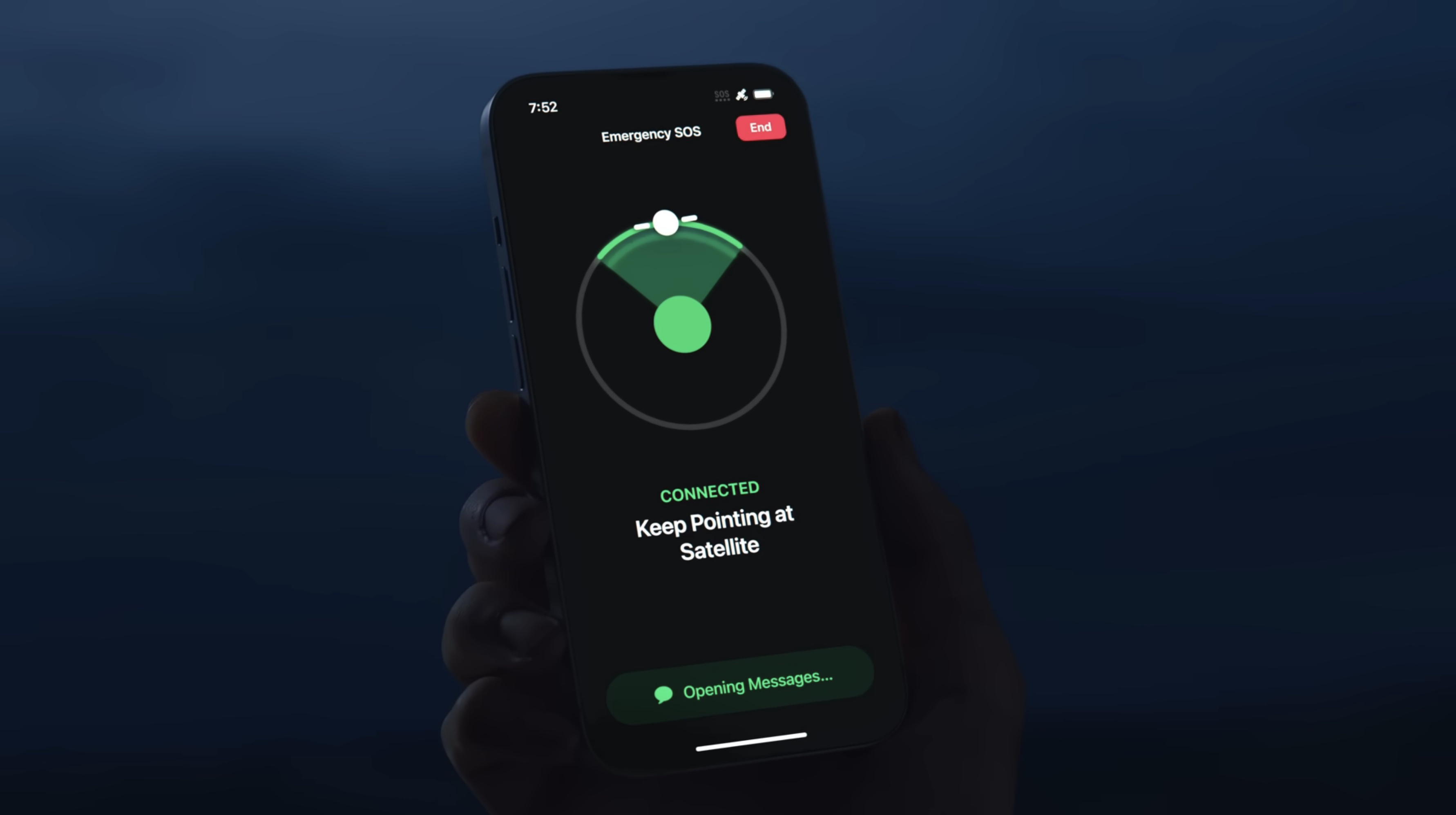
Even if support is added, there is currently no service that delivers full 5G satellite internet directly to a smartphone. Apple's own satellite features on iPhone 14 models and newer are limited to the Emergency SOS feature, the Find My and Messages apps, and roadside assistance, while T-Mobile's Starlink service is also limited to select functions and apps. Both options require you to have a clear view of the sky.

iPhones can already achieve high-speed internet speeds over a satellite connection, when used in conjunction with a Starlink satellite dish, which creates a Wi-Fi network. In the U.S., Starlink charges $50 per month for 50GB of data and $165 per month for unlimited data, while the portable Starlink Mini dish is currently on sale for $299.

The long-term vision is that iPhones would eventually be able to achieve full 5G satellite internet directly, without Starlink hardware.

Apple partners with Globalstar for its iPhone satellite features, while Starlink is offered by SpaceX.

The report outlined four "hints" that suggest a deal between Apple and SpaceX could eventually "be back on the table," despite the fact that Apple and SpaceX's CEO Elon Musk have had a rocky relationship over the years.

Those hints, according to the report:
  • SpaceX recently added support for the same radio spectrum that Apple uses for its iPhone satellite features.

  • Globalstar's executive chairman Jay Monroe has apparently discussed the idea of selling the company for more than $10 billion.

  • Globalstar's most recent quarterly earnings report includes a new warning about how the loss of a major customer — believed to be Apple — would likely have a material adverse impact on its finances.

  • Apple plans to add full 5G satellite internet support to iPhones as early as next year.
However, it remains to be seen if Apple and Musk can truly bury the bad blood between them.
Related Roundup: iPhone 18
Related Forum: iPhone

This article, "iPhone 18 Pro Rumored to Support Full 5G Satellite Internet" first appeared on MacRumors.com

Discuss this article in our forums

  •  
❌