
Normal view

Ecopetrol Posts Q1 EBITDA Gain as Refining Margins Surge, But Governance Crisis and Tax Headwinds Weigh on Net Income

19 May 2026 at 01:22

Refining margin surge cushions revenue drop amid leadership void

Ecopetrol S.A. (NYSE: EC, BVC: ECOPETROL) reported first-quarter 2026 consolidated revenues of 28.6 trillion COP, a decline of 8.7% from 31.4 trillion COP in the year-earlier period, as lower crude oil prices and reduced hydrocarbon production compressed the top line for Colombia’s state-controlled oil and gas company. Against that backdrop, a marked recovery in refining margins and disciplined cost management lifted EBITDA by 1.5% to 13.5 trillion COP, yielding a 47% EBITDA margin and partially offsetting the revenue headwind. At the Q1 2026 average exchange rate of approximately 3,700 COP per USD, the quarter’s revenues translate to roughly $7.73 billion USD and EBITDA to approximately $3.65 billion USD.
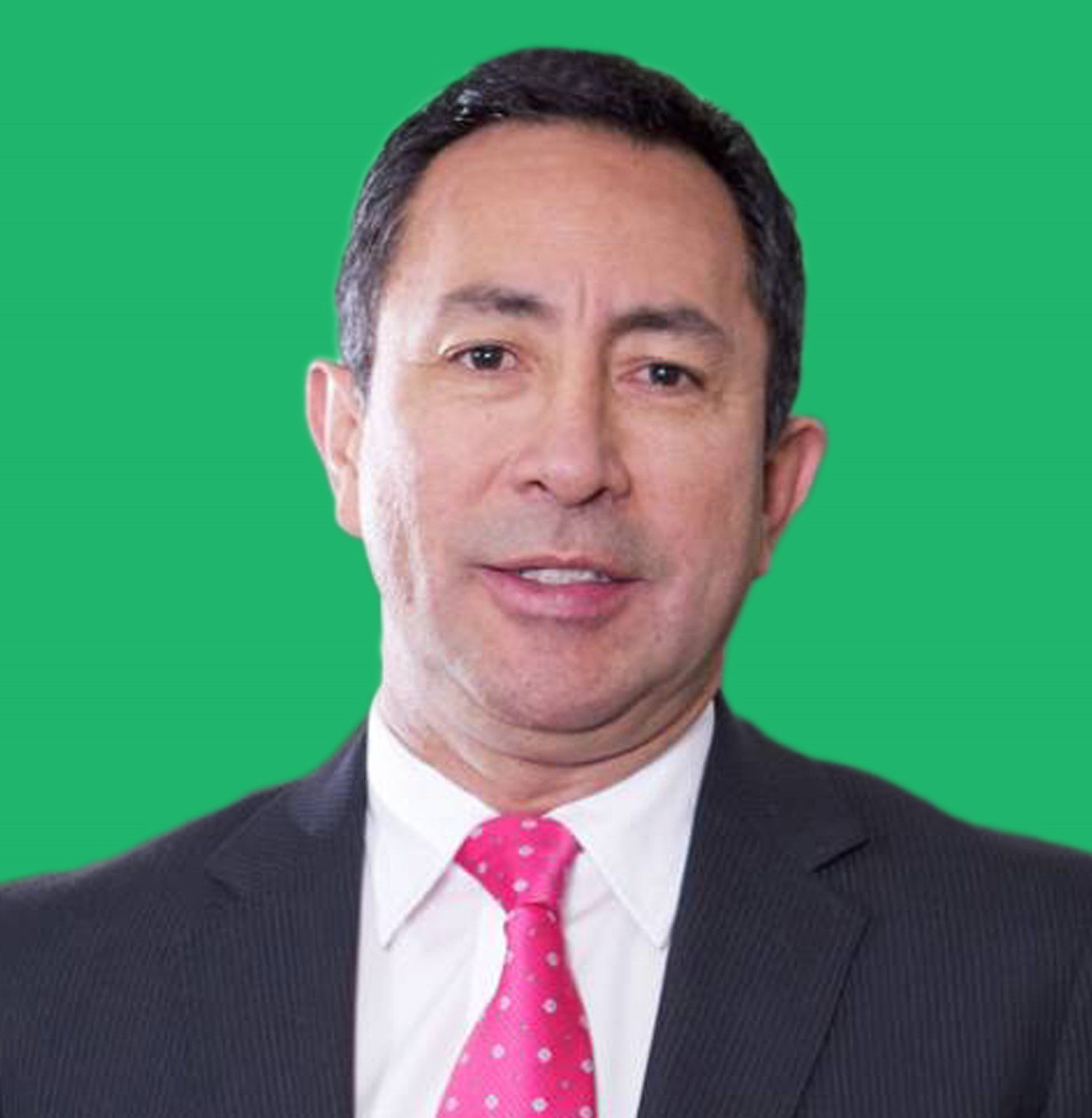
Embattled Ecopetrol CEO Ricardo Roa was appointed to the position by Colombian President Gustavo Petro after managing his political campaign. (photo: Ecopetrol)

Embattled Ecopetrol CEO Ricardo Roa was appointed to the position by Colombian President Gustavo Petro after managing his political campaign. (photo: Ecopetrol)

Net income for the quarter reached 2.9 trillion COP (approximately $784 million USD), down 7.7% year-over-year, reflecting the combined drag of lower revenues, a sharply elevated effective tax rate of 37.1%, and a one-time charge of 1.2 trillion COP for the impuesto al patrimonio — Colombia’s government-mandated wealth levy on large corporations established to fund post-disaster reconstruction measures. The company is also subject to a 10% income tax surcharge applicable for fiscal year 2026, which is embedded in the reported effective rate. The aggregate tax burden absorbed a disproportionate share of operating improvement relative to prior periods, limiting the flow-through of refining gains to the net income line.

Total hydrocarbon production averaged 725.2 thousand barrels of oil equivalent per day (kboed) in Q1 2026, below the 745 kboed recorded in the 2025 annual average cited by management during the March 2026 general shareholders’ meeting. Domestic crude output represented the largest component at approximately 520 thousand barrels per day (kbd). Ecopetrol’s Permian Basin operations in the United States contributed 91.8 kbd, underscoring the continued strategic importance of the international segment. Gas production continued a multi-year declining trend that poses a medium-term domestic supply challenge; management has sought to address this partially through regasification capacity additions at Puerto Bahía and on the Pacific coast, expected to come online in the second half of 2026 with a combined contribution of up to 430 billion BTU per day.

The refining segment delivered the quarter’s most pronounced operational outperformance. Ecopetrol’s domestic refineries, led by Refinería de Cartagena, processed 417.5 kbd of crude throughput. The integrated refining margin rose to $17.3 USD per barrel, a 60% improvement over the same quarter of 2025, driven by favorable differential pricing between domestic crude benchmarks and refined product values alongside ongoing operational efficiency improvements. The Comisión de Regulación de Energía y Gas (CREG) and the Ministerio de Minas y Energía remain central to the regulatory framework governing downstream margins over the medium term.

The balance sheet carries significant structural and contingent risk items of direct relevance to institutional credit and equity holders. Gross debt stood at 108.1 trillion COP (approximately $29.2 billion USD), representing a leverage ratio of 2.3 times trailing EBITDA — a level that leaves limited room for further deterioration before debt covenants or rating agency thresholds become binding. Ecopetrol holds a receivable of 4.2 trillion COP (approximately $1.14 billion USD) from the Fondo de Estabilización de Precios de los Combustibles (FEPC), a government fuel price stabilization mechanism that represents a claim on the Colombian treasury with timing and recovery risk. A dispute with the Dirección de Impuestos y Aduanas Nacionales (DIAN) over value-added tax assessments totals 12.26 trillion COP (approximately $3.31 billion USD) in aggregate, of which 10.22 trillion COP relates to Ecopetrol’s consolidated operations and 2.04 trillion COP to Refinería de Cartagena. Both cases are under administrative and judicial review; no provisions have been recognized in the financial statements pending resolution, but the potential liability represents a material contingency relative to the company’s quarterly net income.

On the corporate development front, Ecopetrol disclosed three significant transactions during or following the quarter. The company agreed to acquire producing assets from Gran Tierra Energy (NYSE: GTE, TSX: GTE) for $92.4 million USD, adding Colombian upstream production inventory in basins where both companies have operated. In Brazil, Ecopetrol launched a tender offer for shares of Brava Energia (BVMF: BRAV3) at 23 BRL per share, seeking to expand its footprint in that country’s oil and gas sector. And in a transaction that would reshape the mid-size independent landscape in Colombia, the company reached an agreement to acquire Parex Resources (TSX: PXT) for $250 million USD; Parex is a Colombia-focused producer with a complementary asset base across the Llanos and other producing basins. Collectively, the three transactions signal that Ecopetrol’s capital allocation strategy under the current government continues to favor upstream consolidation despite the elevated leverage profile.

The exploration portfolio generated positive news announcements. The Copoazú-1 exploratory well, drilled in Colombia’s Llanos foothills region, was confirmed as a commercial discovery, adding to the domestic reserve base. The Sirius offshore project advanced through the Consulta Previa process — a legally mandated prior consultation with indigenous and Afro-Colombian communities required before development of projects in or near their territories — reaching a milestone in community engagement that brings the project closer to formal development sanction. The Agencia Nacional de Hidrocarburos (ANH) oversees the licensing framework within which both projects operate.

“Ecopetrol is listed on the New York Stock Exchange; we are governed by the strict regulations of US federal agencies. Agencies like OFAC and the SEC could intervene in the company and could even accelerate the payment of financial obligations, which would be extremely grave for Ecopetrol.” — Martín Ravelo, President, Unión Sindical Obrera (USO)

The ISA transmission segment, managed through Ecopetrol’s majority stake in ISA — Interconexión Eléctrica S.A., contributed stable regulated cash flows during the quarter. ISA completed 46 transmission reinforcement works across its Latin American concession portfolio. The segment also completed the acquisition of 100% of IE Madeira in Brazil, consolidating its position in that country’s power grid interconnection infrastructure. ISA further submitted a competitive bid for the Río Bueno–Puerto Montt high-voltage transmission line concession in Chile, demonstrating the group’s appetite for long-duration, inflation-linked infrastructure assets across the Andes region. For institutional investors evaluating Ecopetrol as a blended hydrocarbons-and-infrastructure holding, ISA’s consistent cash generation provides partial diversification from crude price volatility, though it does not insulate the consolidated entity from headline governance risk.

The most consequential variable for the investment thesis over the near term is Ecopetrol’s prolonged governance crisis. At the company’s general shareholders’ meeting on March 27, 2026, held at the Corferias convention center in Bogotá, minority shareholders loudly heckled president Ricardo Roa — with audible shouts of “¡Fuera, fuera!” reverberating through the hall — as debate over his leadership erupted into open confrontation. The meeting approved a dividend of 121 COP per share for minority holders and a 4 trillion COP distribution to the Colombian government as majority shareholder, payable in two installments by June 30, 2026. Despite the financial business conducted, governance overshadowed the proceedings.

Roa faces two separate judicial proceedings. The Fiscalía General de la Nación formally charged him in connection with alleged influence peddling related to the purchase of an apartment in northern Bogotá — charges he has denied. Separately, the Consejo Nacional Electoral (CNE) is examining whether campaign spending limits were violated during President Gustavo Petro’s 2022 presidential campaign, which Roa managed — an investigation that Finance Colombia has covered in detail. Angela Maria Robledo, Chair of the Board of Directors, defended the board’s decision to retain Roa at the March assembly, citing the constitutional presumption of innocence. However, four of the nine board members had already formally recorded their support for his removal at that point, exposing a divided governance structure at a time when strategic and operational decisions require unified leadership.

The Unión Sindical Obrera (USO), which represents approximately one-third of Ecopetrol’s workforce, issued a production strike ultimatum timed to a March 30 board meeting. Martín Ravelo, president of the USO, framed the leadership crisis explicitly in terms of US regulatory risk: “Ecopetrol is listed on the New York Stock Exchange; we are governed by the strict regulations of US federal agencies. Agencies like OFAC and the SEC could intervene in the company and could even accelerate the payment of financial obligations, which would be extremely grave for Ecopetrol.” Ravelo further warned that the company’s outstanding international debt — which he placed at approximately $30 billion USD and which is exacerbated by elevated interest rates — left Ecopetrol exposed to potential covenant triggers or early repayment demands in a scenario where the Securities and Exchange Commission (SEC) or the Office of Foreign Assets Control were to take enforcement action.

Following sustained pressure from the USO, minority shareholders, and opposition political figures, Ecopetrol’s board approved an extended leave of absence for Roa beginning April 7, 2026. Under the arrangement, Roa used accrued vacation through May 27, followed by 30 calendar days of unpaid leave beginning May 28, extending his absence through the end of June — a period encompassing Colombia’s presidential first round on May 31 and a potential runoff on June 21. Juan Carlos Hurtado Parra, the company’s executive vice president of hydrocarbons and designated first alternate to the presidency since November 2025, was appointed acting president. Hurtado Parra holds an MBA in International Oil and Gas and brings more than 28 years of energy sector experience to the acting role, having previously served as vice president of exploration, development, and production.

The political calendar creates a structural transition risk that sits above the operational and financial results as the primary concern for long-duration investors. Colombia’s incoming government, to be inaugurated August 7, 2026, is widely expected to appoint a new Ecopetrol board and select a new company president. That transition may bring material shifts in strategic priorities — including the pace of upstream investment, the approach to the FEPC receivable recovery, the trajectory of energy transition spending, and the capital allocation balance between the hydrocarbons segment and the ISA infrastructure platform. The Ministerio de Hacienda y Crédito Público and the Ministerio de Minas y Energía will both play key roles in establishing the post-election policy framework under which Ecopetrol operates. Institutional investors holding exposure to Ecopetrol via NYSE: EC or BVC: ECOPETROL must weigh Q1’s genuine operational improvement — most visibly in refining margins and EBITDA stability — against a governance and policy transition risk profile that is unlikely to be resolved before the August handover.

Ecopetrol’s Cartagena refinery (photo courtesy Ecopetrol)

Tecnoglass Posts Record Q1 Revenue as Aluminum Tariffs and Colombian Wage Costs Compress Margins

19 May 2026 at 00:40

Tariff headwinds compress Tecnoglass margins despite record Q1 sales

Tecnoglass, Inc. (NYSE: TGLS) reported first-quarter 2026 revenue of $249.0 million USD, a 12.0% year-over-year increase and a first-quarter record for the Barranquilla, Colombia-based window and architectural glass manufacturer. Despite the top-line growth, net income fell to $31.9 million USD, or $0.71 per diluted share, from $42.2 million USD, or $0.90 per diluted share, in the same period of 2025, as elevated US aluminum costs linked to import tariffs, mandatory minimum wage increases in Colombia, and a strengthening Colombian peso combined to compress gross margins by 540 basis points to 38.5%.

Multi-family and commercial revenues rose 20.4% year-over-year, driven by continued activity across key markets including geographies beyond Florida, which has historically dominated the company’s US revenue mix. Single-family residential revenues were relatively flat on a year-over-year basis, with management attributing the result to the timing of order conversion into revenue rather than underlying demand, noting that order growth in the segment remained positive into April 2026. On a geographic basis, the US accounted for $237.1 million USD, or approximately 95% of total revenues, up 11.6%. Colombia generated $7.5 million USD, up 17.2%, and other international markets contributed $4.4 million USD, up 27.3%.

Gross profit declined to $95.8 million USD from $97.5 million USD in Q1 2025 despite the higher revenue base. The company cited an unfavorable revenue mix driven by a greater proportion of installation-related revenue, higher raw material costs — with US aluminum tariffs representing an incremental headwind of approximately $6.4 million USD in the quarter — higher salary expenses resulting from annual minimum wage adjustments in Colombia, and the effect of a stronger Colombian peso on costs incurred locally. Pricing actions and operating leverage on higher volume partly offset these pressures.

“We see a clear path to fully offsetting the impact of tariffs in 2027, when full-year pricing across both businesses and incremental automation savings are expected to be realized.” — Santiago Giraldo, Chief Financial Officer, Tecnoglass

Selling, general, and administrative expenses rose to $50.9 million USD, or 20.4% of revenues, from $42.5 million USD, or 19.1%, in Q1 2025. The increase reflected higher personnel costs from annual salary adjustments, peso appreciation, and higher transportation and commission costs tied to revenue growth. The period also included a one-time charge of $2.9 million USD related to Colombia’s *impuesto al patrimonio*, a government-imposed wealth tax levied on large corporations to fund measures addressing recent climate-related events in the country.

Adjusted EBITDA — which excludes non-cash foreign exchange gains and losses, the bad-debt provision, non-recurring charges, and equity-method adjustments related to the company’s joint venture in Vidrio Andino with Saint-Gobain (EPA: SGO) — came in at $61.5 million USD, or 24.7% of total revenues, compared to $70.2 million USD, or 31.6%, in Q1 2025. Adjusted net income was $34.6 million USD, or $0.78 per diluted share, versus $43.1 million USD, or $0.92, in the prior-year quarter.

Cash provided by operating activities was $6.7 million USD, a significant decline from $46.9 million USD in Q1 2025, driven in part by a deliberate build-up of US-sourced aluminum inventories — up $34.3 million USD in the quarter — as part of the company’s tariff mitigation strategy. Capital expenditures of $17.3 million USD reflected scheduled payments tied to previously announced capacity and automation projects. During the quarter, Tecnoglass returned $16.5 million USD to shareholders through share repurchases and paid $6.7 million USD in cash dividends. As of May 7, 2026, approximately $92.5 million USD remained available under the current share repurchase program. The company ended the quarter with total liquidity of approximately $425.0 million USD, comprising $91.1 million USD in cash and cash equivalents and more than $330.0 million USD in revolving credit facility availability, against total debt of $200.3 million USD.

The company’s order backlog reached a record $1.36 billion USD at quarter-end, up 19.1% year-over-year, extending multi-family and commercial pipeline visibility into 2027. Tecnoglass cited continued expansion of its dealer network and showroom footprint as supporting geographic diversification and market share gains, with vinyl product lines identified as an incremental growth driver broadening the company’s addressable market.

José Manuel Daes, chief executive officer, commented on the results: “First quarter results were in line with our expectations, with resilient performance across our key metrics reflecting the continued strength of our vertically integrated business model despite a dynamic cost environment. Demand for our product offerings remains strong, as demonstrated by another quarter of record backlog and healthy order activity, with momentum continuing into the second quarter. Our previously announced pricing actions are now in place, and the broad-based nature of industry cost pressures supports our confidence in executing these increases while preserving our competitive positioning.”

Christian Daes, chief operating officer, addressed the tariff response and the company’s assessment of a potential US manufacturing presence. “Our pricing initiatives and cost mitigation efforts are well underway, including logistics improvements, further automation across our operations, and ongoing supply chain optimization,” he said. “We are also advancing our assessment of a proposed US manufacturing initiative, with a well-located site identified and significant state and local incentives secured that strengthen the project’s potential economics if we decide to move forward based on market demand.”

Santiago Giraldo, chief financial officer, reaffirmed full-year 2026 guidance and outlined the company’s tariff offset timeline. “Based on our strong execution to start the year, we are reiterating our full year revenue outlook in the range of $1.06 billion to $1.13 billion USD and Adjusted EBITDA outlook in the range of $225 million to $245 million USD,” Giraldo said. “This reflects the impact of the recently implemented 10% tariff on finished aluminum window imports as previously disclosed, which is expected to be partly offset in 2026 through pricing actions effective on orders from early May forward, with additional efficiency initiatives from logistics optimization and automation underway and expected to begin contributing benefits by year end. We see a clear path to fully offsetting the impact of tariffs in 2027, when full-year pricing across both businesses and incremental automation savings are expected to be realized.”

On the corporate structure front, Tecnoglass’ board of directors has approved a plan to redomicile the company from the Cayman Islands to the United States, subject to shareholder approval. If approved, the redomiciliation is expected to be completed during Q2 2026. The company stated that the move is intended to simplify its organizational and regulatory structure, improve the tax efficiency of dividend distributions, and expand its potential investor base to include funds and accounts limited to US-domiciled securities. Tecnoglass will retain its Miami, Florida headquarters following the change.

Separately, the company is conducting a feasibility study for a potential new US manufacturing facility. A site meeting project specifications has been identified and substantial state and local tax credits have been secured. The proposed facility is described as highly automated and intended to support future growth while also improving lead times, reducing transportation costs for certain markets, enhancing supply chain efficiency, and enabling the company to compete for Buy America-eligible projects and rapid-turnaround contracts. Tecnoglass expects to complete the purchase of land for the potential facility during Q2 2026, at an estimated cost of $20 million to $25 million USD to be financed through available credit facilities. The company noted that the land purchase does not constitute a commitment to proceed with construction, which would occur in phases contingent on demand, market conditions, and return profiles. The company’s 5.8-million-square-foot vertically integrated manufacturing complex in Barranquilla, Colombia, would continue to serve as its primary production base.

Above photo: Tecnoglass facilities in Barranquilla

Grupo Energía Bogotá and Canada’s La Caisse to Create Brazil’s 5th Largest Power Transmission Platform

19 May 2026 at 00:18

GEB-La Caisse JV to rank among Brazil’s top five power transmitters

Grupo Energía Bogotá (BVC: GEB) and La Caisse, the investment arm of Caisse de dépôt et placement du Québec, have signed a final agreement to merge their respective Brazilian power transmission assets into a single 50/50 jointly controlled platform operating under the name Verene Energia S.A. The transaction was announced May 15, 2026, from Montréal and Bogotá.

The combined entity will consolidate 26 electric transmission concession agreements, more than 9,000 km of transmission lines, and a workforce of over 400 employees across 17 Brazilian states. At that scale, Verene will rank among the five largest power transmission operators in Brazil, a market that has drawn sustained interest from international infrastructure investors as the country advances grid modernization programs.

Verene, which had previously operated as La Caisse’s dedicated transmission platform in Brazil, will continue as the reference vehicle for the combined portfolio. The partners have indicated that the platform will be positioned to pursue acquisitions and network expansions in Brazil’s transmission concession market, with grid modernization and decarbonization cited as the broader policy context driving new investment opportunities.

“By bringing together highly complementary assets under one banner, the partnership establishes Verene as a scaled, business-driven platform with strong financial backing.” — Emmanuel Jaclot, Executive Vice-President and Head of Infrastructure and Sustainability, La Caisse

Grupo Energía Bogotá, headquartered in Bogotá and listed on the Bolsa de Valores de Colombia (BVC: GEB), has operated in Latin America’s energy sector for more than 130 years. The company holds assets in electricity generation, transmission, distribution, and gas transportation and distribution across Colombia, Peru, Brazil, and Guatemala. Its entry into the joint venture contributes its existing Brazilian transmission concessions to the merged platform alongside La Caisse’s Verene assets.

La Caisse manages net assets of 517 billion CAD as of December 31, 2025, on behalf of 48 depositors representing more than six million Quebecers. The fund is active across major financial markets, private equity, infrastructure, real estate, and private credit, and has built a significant infrastructure portfolio in Latin America through investments including the Verene platform.

Juan Ricardo Ortega, president of Grupo Energía Bogotá, described the rationale for the transaction in terms of combining complementary strengths. “By combining our operational expertise and regional market knowledge with the financial strength and global perspective of our partner, we are creating a platform positioned to accelerate growth, expand transmission energy infrastructure, and support Brazil’s energy transition,” he said. “We believe this alliance will generate sustainable value for our stakeholders and contribute to Brazil’s economic and energy development.”

Emmanuel Jaclot, executive vice-president and head of infrastructure and sustainability at La Caisse, framed the deal as a consolidation play. “By bringing together highly complementary assets under one banner, the partnership establishes Verene as a scaled, business-driven platform with strong financial backing,” Jaclot said. “GEB brings more than 130 years of operating heritage and ranks among Latin America’s leading energy infrastructure groups, with deep expertise across the region’s transmission sector. Together, we share a vision to strengthen Verene’s footprint in Brazil through value-creating acquisitions and continued support for the country’s energy transition.”

Financial close is expected by the fourth quarter of 2026, subject to customary closing conditions, regulatory consents, and approvals. BTG Pactual (BVMF: BPAC11) acted as financial advisor to La Caisse, with Pinheiro Neto Advogados serving as legal counsel. Citibank (NYSE: C) advised Grupo Energía Bogotá on the financial side, while Mayer Brown provided legal advice to GEB.

Manufacturing growth points to structural shift in Colombia’s economy

19 May 2026 at 00:01

Colombia’s gross domestic product expanded 2.2% in the first quarter of 2026 compared to the same period of 2025, surpassing prevailing market estimates, according to data released May 16 by the Departamento Administrativo Nacional de Estadística (DANE) and presented by the Ministerio de Comercio, Industria y Turismo. The results reflected positive performance across production, industry, and domestic commerce.

The manufacturing sector was among the quarter’s strongest contributors, posting year-over-year growth of 2.9% and adding 0.3 percentage points to the annual variation in GDP. The sector’s performance placed it among the primary drivers of national economic output for the period.

Within manufacturing, two subsectors recorded particularly pronounced gains. Motor vehicle production expanded 27.8% year-over-year, while metallurgy grew 6.6%. Both categories function as inputs to broader industrial supply chains, and their recovery carries implications for upstream and downstream productive linkages, including employment in skilled manufacturing roles.

“What is notable about the first-quarter results is not solely the magnitude of the growth, but its composition. The performance of sectors such as motor vehicles, metallurgy, and machinery is particularly significant because it demonstrates a recovery of industrial capacities with greater effects on productive linkages, skilled employment, and economic sophistication.” — Diana Marcela Morales Rojas, Minister of Commerce, Industry, and Tourism of Colombia

Separate monthly data from statistical agency DANE’s índice de producción industrial (IPI) showed that real industrial output grew 3.9% in March 2026 compared to March 2025. The expansion was distributed across multiple subsectors, including motor vehicles, metallurgy, machinery and equipment, chemicals, pharmaceuticals, rubber, plastics, and non-metallic minerals, indicating that the manufacturing recovery was not concentrated in a single production category.

Wholesale and retail trade expanded 6.0% in the first quarter, reflecting increased domestic market activity and business commerce. The trade sector’s performance complemented the manufacturing gains and contributed to the overall breadth of the quarter’s expansion.

Not all sectors contributed positively. Construction contracted 5.4% compared to the first quarter of 2025, the weakest result among major economic categories for the period. Public administration, defense, social security, education, and health services grew 5.7%, and reporting by Colombian media citing DANE data indicated that public spending accounted for approximately 46% of total first-quarter growth — a concentration that introduces a structural caveat to the headline figure, as private-sector momentum remains uneven across the economy.

Diana Marcela Morales Rojas, minister of the Ministerio de Comercio, Industria y Turismo, addressed the composition of the results in a statement issued alongside the data release. “What is notable about the first-quarter results is not solely the magnitude of the growth, but its composition,” she said. “The recovery of manufacturing, metallurgical, and industrial production activities demonstrates a greater role for sectors associated with transformation, productive capacity, and value-added generation within the national economic dynamic. The performance of sectors such as motor vehicles, metallurgy, and machinery is particularly significant because it demonstrates a recovery of industrial capacities with greater effects on productive linkages, skilled employment, and economic sophistication. These are meaningful indicators of strengthening of the manufacturing structure and national production.”

The first-quarter data were released as Colombia continues to manage elevated monetary policy rates and fiscal pressures that have weighed on investment activity in recent quarters. The Ministerio de Comercio, Industria y Turismo indicated that the quarter’s results reflect progress on an agenda oriented toward strengthening industry, domestic production, and commercial activity, though the degree to which private-sector industrial recovery can sustain these gains independently of public spending remains a key variable for subsequent quarters.

Headline photo credit: Tecnoglass

Public Debt Markets Adjust Amid Colombia’s S&P Credit Downgrade

27 April 2026 at 22:58

Colombia navigates fiscal challenges following S&P rating revision.

In Colombia’s local fixed-income market, the Títulos de Tesorería (TES) fixed-rate curve appreciated across its entire structure over the last month. As of March, the total balance of TES in circulation stood at 747.9 trillion COP. Despite this positive market valuation, macroeconomic headwinds remain a central concern for the Ministerio de Hacienda y Crédito Público. The fiscal balance of the Gobierno Nacional Central (GNC) reported an accumulated deficit of 1.7% of GDP through February.

These persistent fiscal imbalances were cited as the primary driver behind the recent decision by S&P Global (NYSE: SPGI) to downgrade Colombia’s sovereign credit rating. The administration continues to manage these debt instruments against a backdrop of tight monetary conditions, which remain a primary focus for institutional investors holding Colombian sovereign paper.

Colombian fixed-income markets show valuation gains despite a recent S&P credit downgrade linked to ongoing fiscal imbalances.

The international fixed-income landscape experienced notable shifts between March 25 and April 23, 2026. The yield curve for US Treasury bonds displayed mixed performance, defined by a decrease in short-term rates and an increase in long-term yields. Analysts attribute this volatility primarily to conflicting signals regarding the ongoing conflict in the Middle East.

Economic indicators released by the Bureau of Labor Statistics show that annual consumer inflation, measured by the Consumer Price Index (CPI), accelerated by 0.9 percentage points to reach 3.3% in March. This data triggered a rebound in short-term inflation expectations within the Treasury bond market, while medium and long-term outlooks remained stable. Consequently, the Intercontinental Exchange (NYSE: ICE) MOVE index—which tracks public debt market volatility—and the Cboe (NYSE: CBOE) VIX—which monitors S&P 500 equity volatility—both registered significant declines during the period.

Colombia’s Central Bank Prepares to Raise Policy Rate to an Expected 12.00%

27 April 2026 at 22:47

Central bank hike aims to stabilize inflation amid global volatility.

The upcoming monetary policy meeting of the Banco de la República, scheduled for April 30, takes place as the balance of financial risks has shifted significantly compared to the first quarter of 2026. Analysts from Bancolombia (NYSE: CIB) expect the Junta Directiva to increase the benchmark interest rate by 75 basis points, bringing the policy rate to 12.00%.

The convergence of elevated inflation, recent reversal episodes, and misaligned market expectations has reinforced the perceived need for a restrictive monetary stance. This strategy aims to contain domestic demand while preserving the institutional credibility of the central bank. Unlike previous sessions, the current decision-making process is influenced by a shifting global environment where markets have moved toward a higher-for-longer interest rate scenario amid increased uncertainty.

Recent discussions regarding the participation of the Ministro de Hacienda in the Junta Directiva sessions have introduced an additional element of analysis. However, current assessments suggest this does not alter the fundamental policy diagnosis, and no disruptions to the decision-making process are anticipated. Monetary policy is expected to maintain consistency, with the strategic focus shifting from reaching a contractive level to determining the necessary duration of that posture.

Analysts project Banco de la República will raise rates to 12.00% to combat inflation despite slowing domestic economic growth.

The international economic context provides a mixed backdrop for the Colombian decision. Private sector activity in the US appeared to accelerate in April, following a 1.7% monthly increase in retail sales during March. In contrast, the Eurozone reported a contraction in economic activity during April. Energy markets have also seen volatility, with US crude inventories rising in the second week of April while gasoline stocks saw a significant decline. Furthermore, crude prices surged following reports of new security incidents in the Strait of Hormuz.

Domestically, the Departamento Administrativo Nacional de Estadística reported that the Índice de Seguimiento a la Economía grew by 1.6% in February. While imports maintained growth during the same month, the urban unemployment rate across the 13 primary metropolitan areas continued a downward trend through March 2026. In the fixed income market, the central government reported debt levels at 64.2% of GDP for the first quarter, with internal debt accounting for 71.2% of that total.

Market movements reflected these broader trends as the US Treasury curve saw valuation increases driven by investor caution. In the region, Colombia, Brazil, and Uruguay emerged as the primary beneficiaries of the J.P. Morgan (NYSE: JPM) GBI index rebalancing in March. Locally, fixed-rate Títulos de Tesorería experienced devaluations across the entire curve last week. According to the April Encuesta de Opinión Financiera, these devaluations are expected to persist in the coming months. In currency markets, the COP appreciated last week against a backdrop of global and local factors, while the Euro lost ground against the USD.

Headline photo: Bogotá headquarters of Banco de la República (Banrepublica). Photo credit Juan Enrique Rodríguez, courtesy Banrepublica

European Union Joins ANDICOM 2026 As Guest Of Honor

16 April 2026 at 14:18

EU-Colombia alliance prioritizes digital investment and AI growth.

Colombia’s Centro de Innovación, Productividad y Desarrollo Tecnológico (CINTEL) has announced that the European Union will serve as the guest of honor for the ANDICOM 2026 technology congress. This 41st edition of the regional digital conference is scheduled to take place from September 2 to September 4, 2026, in Cartagena, with preliminary activities beginning on September 1 at the Hotel Faranda Collection.

The European Union currently stands as the largest foreign technology investor in Colombia. According to figures provided by CINTEL, the 27-member economic bloc accounts for 22% of the direct investment in the nation’s tech sector and has been responsible for the generation of approximately 120,000 jobs.

“ANDICOM is a strategic opportunity to strengthen cooperation, drive European investments in the region, and advance a joint agenda that promotes digital transformation.” — François Roudié, European Union Ambassador to Colombia.

“The participation of the European Union in ANDICOM 2026 reflects a shared vision regarding the importance of digital transformation as a driver of economic and social development,” said Manuel Martínez, Executive Director of CINTEL. “This alliance allows us to connect Colombia and Latin America with one of the most advanced ecosystems in the world in terms of innovation, investment, and technological development.”

The 2026 event will center on the theme “Unleashing the Power of AI.” The academic agenda is designed to explore the impact of artificial intelligence on business productivity, national competitiveness, and the digital transformation of public institutions. The primary sessions will be held at the Complejo Las Américas.

François Roudié, the European Union Ambassador to Colombia, noted that the partnership highlights the bilateral commitment to a digital economy that is secure and human-centric. The ambassador emphasized that the conference serves as a strategic platform to strengthen European investments in the region and advance a joint agenda for sustainable growth.

Founded in 1991, CINTEL was recently re-certified as a Centro de Innovación y Productividad by the Ministerio de Ciencia, Tecnología e Innovación (MinCiencias) through a resolution issued in February 2026. The center remains a key component of the Colombian Sistema Nacional de Ciencias, Tecnología e Innovación, focusing on the application of information and communication technologies to improve regional productivity.

Above photo: CINTEL’s Manuel Martinez (left)0 with the EU’s François Roudié.


Medellín Convenes Global Leaders for WOBI AI and Business Transformation Summit

15 April 2026 at 19:14

Medellín AI Summit outlines strategic growth for global investors.

The city of Medellín is scheduled to host the second edition of the “WOBI on AI and Business Transformation” summit on April 28, 2026. The event, which will take place at Plaza Mayor, represents the sixth major collaboration between the Alcaldía de Medellín and WOBI since the partnership began in 2017. This year’s forum focuses on the integration of artificial intelligence into corporate leadership and operational strategy, reinforcing the city’s status as a Special District of Science, Technology, and Innovation.

Martha Lucía Maldonado Nieto, Managing Director of WOBI Colombia, detailed the evolution of the event series, noting that previous editions held between 2017 and 2019 attracted more than 4,300 business owners. “Since last year, we have shifted these digital transformation conversations toward an unavoidable topic: Artificial Intelligence,” Maldonado stated. She emphasized that the summit is designed to analyze how AI supports macro-management themes rather than providing purely technical instruction. “WOBI is not about providing technical content. Our goal isn’t to teach people how to operate a specific AI tool, but rather to support them in their roles as leaders.”

“We are certain that only by sensitizing our leaders will we achieve real changes in organizations.” — María Fernanda Galeano Rojo

The upcoming summit features a lineup of international speakers covering diverse facets of the technology. Terry Gutiérrez, the General Manager for Tesla (TSLA) in Mexico and Latin America, will present on leadership algorithms. Nathan Furr, a professor at INSEAD, is set to discuss using AI to scale business models. Other speakers include marketing expert Giuseppe Stigliano and Andrew Mayne, a former prompt engineer at OpenAI, who will provide insights into the development of ChatGPT. Maldonado noted that the curation of this content is managed by WOBI’s team in New York to identify global trends relevant to executive decision-making.

María Fernanda Galeano Rojo, the Secretary of Economic Development for Medellín, will also address the assembly on the role of “Cities that Think.” Galeano Rojo highlighted the city’s commitment to ensuring high-level technological discourse reaches multiple sectors of the local economy. “We will have 600 leaders, more than 70% of whom will be from our city,” Galeano Rojo said. “At the same time, we will have parallel activities where we will be talking with these same speakers, as well as with entrepreneurs and university students. What we want is for all this knowledge to reach different sectors of our city.”

The event structure has transitioned to a membership model as of 2024, though individual tickets remain available. Maldonado confirmed that the average cost for participation is approximately $1,990,000 COP. The summit aims to build on the success of the inaugural AI edition, which saw 800 attendees from 350 companies and has since been exported to Madrid and Milan. “Artificial Intelligence is not just another trend; it is a new reality,” Maldonado added. “It is going to change and impact us in much the same way that the internet at some point changed the way we function.”

The Secretaría de Desarrollo Económico continues to prioritize digital skills and AI training as part of its broader economic strategy. According to Galeano Rojo, the objective of the Alcaldía de Medellín is to use these international platforms to drive social and organizational transformation. “We are betting on digital skills training and AI training,” she remarked. “We are certain that only by sensitizing our leaders will we achieve real changes in organizations.”

The one-day academic session will begin at 9:00 AM. Key regional entities including Rappi, McKinsey, and Procter & Gamble (PG) were cited as background for the expertise being brought to the stage, reflecting the professional trajectories of the invited speakers.

Aris Mining Completes Underground Connection at Marmato Gold Mine

19 April 2026 at 14:18

Infrastructure Progress Advances Marmato 2026 Gold Production Goals

Aris Mining (TSX: ARIS; NYSE: ARIS) confirmed the completion of an underground infrastructure connection at its Marmato gold mine in Colombia. The development involved connecting a new surface decline to the existing underground mining workings.

This cross-cut connection serves as a technical step for the ongoing expansion project, which includes the construction of a 5,000 tons-per-day carbon-in-pulp (CIP) plant. The company stated that the infrastructure is currently on schedule to support the initiation of gold production in the fourth quarter of 2026.

Neil Woodyer, Chair and CEO of Aris Mining, stated: “The on-schedule connection of the new surface decline to the existing underground development is a major milestone for Marmato and an important step in delivering our expansion plans.”

The Marmato expansion is part of a broader strategy intended to increase the company’s annual gold production. Aris Mining aims to achieve a combined output of approximately 500,000 ounces per year from its Segovia and Marmato operations. The Segovia mine previously expanded its operational capacity following the installation of a second mill in June 2025.

The company maintains a long-term production objective of approximately 1 million ounces of gold annually. This target incorporates potential production from the Toroparu gold project in Guyana, where a prefeasibility study is currently underway. Aris Mining expects a construction decision regarding the Toroparu project in early 2027.

Regarding its portfolio in Colombia, the company is finalizing environmental studies for the Soto Norte gold project. Aris Mining plans to submit these documents for the licensing process during the second quarter of 2026.

Photo (© Loren Moss) illustrative only (Not marmato mine)

Colombia’s Mining Sector Meets This Week To Discuss Structural, Political Headwinds

14 April 2026 at 14:02

Sector adapts to investment decline through secondary asset markets.

The mining industry in Colombia is undergoing a structural transformation as companies prioritize operational efficiency to navigate a challenging economic environment. Recent industry data shows the mining Producto Interno Bruto (GDP) contracted by approximately 8%, while foreign direct investment has experienced a notable downturn. This trend has prompted firms to seek innovative financial strategies to maintain sustainability and competitiveness.

A primary strategy gaining traction is the rotation of underutilized industrial assets. By leveraging industrial auctions, companies are liquidating idle machinery—such as excavators, drilling rigs, and heavy-duty power equipment—to recover capital without the necessity of maintaining internal commercial structures. Superbid, a multinational industrial auction platform, has emerged as a key facilitator for these transactions within the region.

“Asset rotation is becoming a strategic decision to free up capital and improve operations.” — Maria Paula Villa Velez, Superbid

This operational shift toward asset-light business models will be a central topic at MINEXPO Colombia 2026, which is scheduled to take place on April 15 and 16 at Plaza Mayor Medellín. The event serves as a platform for mining producers, suppliers, and investors to discuss strategies for financial optimization and industrial reindustrialization.

The secondary market for industrial equipment has expanded significantly as mining companies divest assets no longer essential to their core operations. This machinery is being repurposed in the infrastructure, construction, and energy sectors, thereby extending the lifecycle of the assets and contributing to circular economy objectives. Market participants have observed increased competition for this equipment, with buyers consistently acquiring assets at market-determined values.

Looking toward the remainder of 2026, industry analysts expect the integration of these efficient asset management models to accelerate, particularly in regions such as Antioquia, where the nexus of mining and infrastructure projects remains a critical economic driver.

“Today the mining sector is understanding that efficiency is not only in producing, but in better managing its resources,” stated Maria Paula Villa Velez, sub-manager at Superbid Medellin. “Asset rotation is becoming a strategic decision to free up capital and improve operations.”

Indicted Ex-Foreign Minister Calls Colombian President Gustavo Petro “Mafia Boss”

10 April 2026 at 15:01

Former Foreign Minister Álvaro Leyva releases another scathing attack on his former boss as he fights charges.

On April 10, former Colombian Foreign Minister Álvaro Leyva Durán released a formal statement responding to his indictment by the Fiscalía General de la Nación. Leyva faces charges related to his 2023 decision to declare a passport procurement tender void, a process that involved the private security printing firm Thomas Greg & Sons. The former official characterized the legal proceedings as a politically motivated maneuver orchestrated from the Casa de Nariño.

The indictment for prevarication centers on Leyva’s intervention in the bidding process, which the Fiscalía interprets as a deliberate breach of administrative law. In his defense, Leyva maintained that his actions were necessary to address irregularities and ensure the application of the Constitución Política de Colombia. He argued that the prosecuting body’s thesis would criminalize the conduct of any public servant who identifies unconstitutional terms in a government contract.

“If that argument is accepted, then any official who declares a bidding process void because they find the terms and conditions unconstitutional or illegal should go to jail.” — Álvaro Leyva Durán, former Minister of Foreign Affairs.

Leyva also directed accusations toward his successor at the Cancillería, Luis Gilberto Murillo. According to the statement, Murillo suspended a subsequent legal bidding process to justify a state of emergency, which Leyva claims led to an unnecessary markup of approximately $30 billion COP. Furthermore, Leyva alleged that software contracts exceeding $10 billion COP were improperly managed and that the funds remain unaccounted for under the current administration.

The former minister’s statement included severe personal and political criticisms of President Gustavo Petro. Leyva alleged a lack of moral conduct by the head of state during international state visits and questioned the president’s sobriety in public settings. The letter further asserted that US authorities are currently investigating potential links between the executive branch and narcotics trafficking organizations.

Regarding the domestic political landscape, Leyva warned of perceived risks to the Colombian electoral process. He alleged that the administration has engaged in the illegal interception of political candidates and intends to undermine the integrity of future vote counts. Leyva concluded by affirming his intention to defend his record and his legal decisions before the Corte Suprema de Justicia.

COMUNICADO pic.twitter.com/7YYhoHJD4B

— Álvaro Leyva Durán (@AlvaroLeyva) April 10, 2026

Finance Colombia translation of Leyva’s recent open letter dated April 10th

Some time ago, I denounced in a public communiqué that Gustavo Petro had woven against me an atrocious persecution, as retaliation for my denunciations of his closeness to the world of drugs—denunciations that have led to the United States having him cornered today. There I warned that, from within the government, intrigues were being made to throw me in prison and that attempts would be made against my life.

Now, months later, the Attorney General’s Office accuses me of malfeasance (prevaricato) because I declared void a passport tender that, according to that same institution, was based on a “catch-all specifications document” (pliego sastre). For the accusing entity, I should not have fulfilled the obligation of applying the Constitution that I myself helped draft and, by seeking equality, I acted with malicious intent. The world turned upside down.

Understand the gravity: if that thesis is accepted, any official who declares a tender void because they find unconstitutional or illegal specifications must go to prison. So, faced with such a thing, the trial is welcome. I will give the battle in the Supreme Court with all my strength. Because I trust its magistrates, because my life has been a permanent struggle for Colombia, and because justice, reason, and the law are with me.

The acquittal will be the logical consequence of the process in which I will prove, with official documents and among other things, the following: that I left in motion a new, clean, and legal tender, which Minister Luis Gilberto Murillo suspended. That he thus justified another manifest urgency, completely unnecessary, and added an overcharge of nearly 30 billion pesos to it. And that he contracted software for more than 10 billion additional pesos, which was pocketed. All by hand-picking. All murky. All without control. Thus, by brute force, the door was opened to the passport debacle of today. I warned Petro of what was coming down on the country. But he kept silent.

Today I feel the pride of having helped unmask the boss of the mafia that has plunged Colombia into its darkest hours. I took office as his Foreign Minister with the hope of change. But then I came to know his life of vice and decadence. I was slow to understand his vileness and, surely, also slow to denounce it. But from my father Jorge Leyva Urdaneta, exiled for opposing the dictatorship, I inherited courage and respect for institutions; from Álvaro Gómez Hurtado, I learned the necessity of a just order; and from Misael Pastrana Borrero, I learned to think about social peace. So, faithful to myself and to the spirit of my mentors, I denounced in various letters the moral, political, and personal degeneration that I came to know in Gustavo Petro. And time has proven me right.

The President is an infamous being: international human trafficking is a scourge of the poor girls of Colombia, and he, in the middle of a state visit, ends up as a customer of a brothel in Lisbon; he claims to be a champion of peace, but full of hatred he violently divides society with his stale, classist, and racist rhetoric; he claims to fight drug trafficking, but he goes out into the public square drugged, drunk on alcohol and sectarianism, to mistreat and insult those who contradict him, while in the United States his ties to narcos are being investigated. And so, from scandal to scandal, the horrible night does not cease: the homeland trampled by its own President is today the object of all the mockery abroad.

Petro knows that the upcoming electoral process resembles the one recently lived in Chile. And, to avoid the same result, he illegally intercepts candidates, seeks to destroy them, and is already trying to cast a mantle of doubt over the vote count. But Colombia deserves a new dawn. And the radical left, which—turned into the President’s hooligan squad—forgives him everything, seems condemned to the desert. We shall see whether, in the future, they also forgive him for being responsible for their possible defeat. For my part, I remain ready for all battles: always embracing justice against oppression, and with the law as my spear, shield, and banner.


Tecnoglass Cuts 2026 EBITDA Guidance as US Aluminum Tariffs Hit Colombian Window Exports

10 April 2026 at 13:07

New 10% tariff on finished aluminum windows forces EBITDA revision of ~$50M

Barranquilla-based window and architectural glass manufacturer Tecnoglass, Inc. (NYSE: TGLS) has revised its full-year 2026 financial guidance following the April 2 announcement of updated US trade policy that introduced a 10% tariff on finished aluminum window products imported into the United States.

The company stated that its first quarter 2026 performance was in line with internal expectations, supported by continued order activity and a record project backlog. Those results, the company indicated, support the continuation of its previously stated expectation of strong double-digit full-year revenue growth. However, the tariff development — which was not incorporated into the original 2026 guidance issued February 26, 2026 — required a revision to Adjusted EBITDA projections.

“We are executing at a high level to start 2026, with first quarter performance in line with our expectations and continued strength across our residential and commercial platforms. Our record backlog and strong order activity provide excellent visibility, and we continue to gain market share supported by our differentiated vertically integrated model and industry-leading cost structure. The developments in U.S. trade policy applicable to aluminum-containing imports do not reflect any change in our competitive positioning or underlying demand environment. We have proactively restructured our supply chain over the past several years to significantly reduce raw material tariff exposure, and our platform remains advantaged within our industry,” said CEO José Manuel Daes.

Tecnoglass is now guiding for full-year 2026 Adjusted EBITDA in the range of $225 million USD to $245 million USD. The updated range reflects an estimated net incremental impact of approximately $50 million USD compared to the midpoint of the company’s previously stated guidance, attributable to the newly applied 10% tariff on certain finished aluminum window imports into the US market.

The April 2 White House announcement updated Section 232 metals tariffs on steel, aluminum, and copper imports, and expanded the applicability of those tariffs to finished goods and certain derivative products containing those metals. The action affects Tecnoglass and other aluminum window exporters that ship products into the United States.

In response, Tecnoglass says it has implemented pricing adjustments effective on orders placed beginning in early May, the benefit of which is expected to materialize in the second half of 2026. The company is also advancing operational efficiency measures including logistics improvements, increased automation, and workforce adjustments. The revised guidance also accounts for the potential effect of sustained elevated aluminum prices in the second half of the year.

“The developments in US trade policy applicable to aluminum-containing imports do not reflect any change in our competitive positioning or underlying demand environment. We have proactively restructured our supply chain over the past several years to significantly reduce raw material tariff exposure.” – CEO José Manuel Daes

Santiago Giraldo, Chief Financial Officer of Tecnoglass, added, “The change to our full year 2026 Adjusted EBITDA expectations is entirely a result of the revised U.S. tariff framework, which was not contemplated in our original guidance. We have already announced pricing actions that will start with orders in early May, and we are advancing additional efficiency initiatives, including automation and logistics optimization, to further mitigate the anticipated net impact of tariffs disclosed today. These actions, combined with our strong margin profile and disciplined cost management, position us to partially offset the tariff impact as we move through the year and fully neutralize it in 2027. Our updated outlook reflects this discrete policy-driven headwind and does not change our confidence in the trajectory of the business. We remain well positioned to drive growth, expand margins over time, and continue delivering industry-leading financial performance.”

A more comprehensive update, including first quarter results and a full restatement of 2026 guidance, is expected in early May.

Tecnoglass operates a 5.8 million square foot vertically integrated manufacturing complex in Barranquilla, Colombia, and counts the United States as its dominant market, representing approximately 95% of total revenues. The company describes itself as the second-largest glass fabricator serving the US market and the largest architectural glass transformation company in Latin America. Its products have been specified for notable projects including One Thousand Museum and Paramount in Miami, Salesforce Tower in San Francisco, and Aeropuerto Internacional El Dorado in Bogotá.


Experience the Pinnacle of Jazz as US Faculty Masters Perform in Medellín April 24th

10 April 2026 at 12:30

Jazz summit fosters US-Colombia cultural and professional ties.

The city of Medellín is preparing for a sophisticated display of cultural diplomacy as the Centro Colombo Americano Medellín and Teatro El Tesoro present Noche de Jazz en El Tesoro. Scheduled for Friday, April 24, at 7:00 p.m., this event serves as a high-profile prelude to International Jazz Day. For the international investment community and expatriate executives, the concert represents more than just a musical performance; it is a testament to the enduring soft-power bridges between the US and Colombia, fostering an environment of innovation and collaborative spirit in the heart of Antioquia.

The performance features the US Jazz Faculty Collective, a premier ensemble directed by Dr. Ryan Middagh. This group highlights the academic and professional excellence of five distinguished jazz educators from the United States. The lineup includes Dennis Wilson, a former Count Basie trombonist and associate professor at the University of Michigan; Dr. Ryan Middagh, the Director of Jazz Studies at the Blair School of Music at Vanderbilt University; Christopher Kozak, an associate professor and jazz director at the University of Alabama; Dr. Marc Widenhofer, a Nashville-based percussionist and faculty member at Vanderbilt University; and Dr. Bruce Dudley, a celebrated pianist and professor at Belmont University.

The Centro Colombo Americano Medellín is the driving force behind this cultural exchange. As a non-profit binational center, the Colombo performs vital work in the region by providing high-quality English language instruction and promoting democratic values through the arts. Their initiatives are critical for the local workforce, equipping Colombian professionals with the linguistic and cultural competencies required to engage with global markets and attract foreign direct investment to the Valle de Aburrá (the greater Medellín metro area).

For those attending, Teatro El Tesoro offers a world-class venue located within the prestigious El Tesoro Parque Comercial shopping center. Tickets are available through Tuboleta. Pricing remains accessible for such a high-caliber performance, with general public tickets starting from $64,000 pesos.

Bancolombia NowCast Index Signals Colombia Economic Slowdown in First Quarter

8 April 2026 at 23:12

Activity cools to 2.1% annual expansion.

Economic activity in Colombia expanded at an estimated annual rate of 2.1% during the first quarter of 2026. According to the latest NowCast report issued by the Grupo Cibest, unit of Bancolombia (NYSE: CIB, BVC: BCOLOMBIA), this outcome reflects a loss of momentum compared to the rolling quarter ended in February. That previous period recorded a growth of 2.2%, which was revised downward by 10 basis points from an initial estimate of 2.3%.

The 2.1% growth rate for the quarter indicates a slowdown relative to both the market consensus average of 2.7% and the internal growth forecast of 3.3% held by the bank. On a month-over-month basis, the seasonally adjusted series of the NowCast index posted a 1.3% contraction in March 2026. When compared to March 2025, economic activity grew by 2% year over year, representing a 50-basis-point decline from the 2.5% reading recorded the previous month.

“Overall, these results suggest that the economy is beginning to lose steam, amid multiple sources of uncertainty.” — NowCast Bancolombia Report

Analysis at the sector level reveals a broadly weaker growth profile, with deceleration appearing across most productive areas. Slower momentum was identified in trade, manufacturing, recreation, real estate, and financial services. Manufacturing expansion cooled to 1.0% in March 2026, while financial services recorded marginal growth of 0.6%. The real estate sector maintained a steady growth rate of 1.9%.

Construction and communications were the only sectors to record negative growth during the period. The construction sector saw a significant downturn, contracting by 2.3% in March 2026 after having posted 1.4% growth in February. The information and communications sector contracted by 0.4%, marking its fourth consecutive month in contractionary territory. Conversely, acceleration was noted in public administration, which grew by 5.1%, agriculture at 3.7%, and mining at 0.8%.

The NowCast family of indicators is prepared by Grupo Cibest through the processing and aggregation of transaction data from the bank’s various payment channels. Using advanced quantitative tools, the index provides high-frequency estimates of Colombian productive activity to complement official data from the Departamento Administrativo Nacional de Estadística. The report was authored by Arturo Yesid González Peña, Head of Quantitative and Analytics, and Sebastián Ospina Cuartas, Data Controller.

The report also incorporates data from the Bloomberg platform and FocusEconomics Consensus Forecasts to provide broader economic context. While the national economy remains in expansionary territory, the analysts suggest that the current results indicate the market is losing steam due to various sources of domestic uncertainty.

S&P Global Ratings Downgrades Colombia to BB- Amid Fiscal Concerns

8 April 2026 at 22:44

Credit downgrade is an indictment of the Petro administration’s fiscal management, including suspension of the fiscal rule.

On April 8, 2026, S&P Global Ratings (NYSE: SPGI) lowered its long-term foreign currency sovereign credit rating on Colombia to BB- from BB and its long-term local currency rating to BB from BB+. The outlook for both ratings is stable, reflecting expectations that the Government of Colombia will gradually reduce its fiscal deficit while sustaining moderate growth in the national gross domestic product.

The rating action follows persistent fiscal imbalances and a policy environment that has become less predictable since the pandemic-related recession. The government decision to suspend the national fiscal rule in 2025 marked a significant shift in the policy framework. Pro-cyclical fiscal policies have provided marginal support for employment and consumption, but have also contributed to higher inflation expectations and a wider current account deficit. S&P expects the general government fiscal deficit to reach 5.6% of the national gross domestic product in 2026, compared to 5.3% in 2025.

“We expect Colombia to have consistently large fiscal deficits over the next few years.” — S&P Global Ratings

Institutional stability remains a key factor in the rating, though challenges persist. A fragmented legislature followed the March 2026 elections, where Pacto Histórico and Centro Democrático emerged with the largest minorities. The upcoming presidential election, scheduled for May 31, 2026, adds further uncertainty. Candidates such as Iván Cepeda of Pacto Histórico, Paloma Valencia, and Abelardo de la Espriella have proposed varying approaches to fiscal consolidation. The new administration will inherit spending pressures related to domestic security, rising healthcare costs, and pension payments linked to minimum wage increases.

The Banco de la República, the independent central bank of the country, has maintained a tight monetary policy to combat inflationary pressures. Annual inflation reached 5.3% in February 2026, prompting the bank to increase reference rates to 11.25%. S&P anticipates that inflation will not return to the target range of 3% +/- 1% until early 2029. While the independent status of the central bank provides a buffer against external shocks, high interest rates and lower-than-expected revenue collections have contributed to the widening deficit since 2024.

Economic growth is projected at 2.5% for 2026, slightly below the 2.6% recorded in 2025. Per capita growth is estimated at $9,900 USD for 2026, with real growth expected to average just above 2% through 2029. Despite being a net energy exporter, the performance of the US economy and international energy prices continue to influence national outcomes. Hydrocarbon exports declined to 35% of goods exports in 2025, down from 67% in 2013, showing some diversification even as the sector remains a primary source of volatility.

Net general government debt is forecast to approach 66% of the national gross domestic product by 2029, rising from 60.4% in 2025. S&P notes that the government interest burden will average 12.3% of general government revenue over the next three years. The shift toward issuing shorter-term debt instruments has reduced reported interest payments but increased vulnerability to interest rate fluctuations. External indicators remain a concern, with narrow net external debt expected to stabilize at 130% of current account receipts through 2029. Foreign direct investment is expected to be the primary source for funding the current account deficit, which is projected to stabilize around 2.6% of the national gross domestic product.

Vise photo credit © Loren Moss

Bancolombia Forecasts April Trading Range Following 2.1% Appreciation of the COP

6 April 2026 at 23:44

Stronger peso and oil prices shift Colombian investment landscape.

The Colombian peso (COP) experienced a 2.1% appreciation during March 2026, driven by a recovery in global oil prices and key domestic developments. According to the latest analysis from Bancolombia (BVC: BCOLOMBIA / NYSE: CIB), the performance of the currency coincided with the results of national legislative elections and recent monetary policy adjustments by the Banco de la República.

Global energy markets recorded a significant increase in crude prices throughout the month. Brent crude rose 63% to end March at $118 USD per barrel, while West Texas Intermediate (WTI) increased 51% to close at $101 USD per barrel. These price movements have been largely attributed to geopolitical tensions in the Middle East, which continue to influence international commodity flows and investor sentiment.

On the domestic front, the Gran Coalición por Colombia primary election recorded a turnout of more than 5 million voters. Market analysts indicated that the high participation rate was viewed as a positive indicator of institutional stability. Simultaneously, the Board of Directors of the Banco de la República increased the national policy interest rate by 100 basis points, bringing the benchmark rate to 11.25%. This decision aligns with regional efforts to manage inflationary pressures through tighter monetary control.

International market conditions also reflect a shift in expectations regarding the Federal Reserve. Due to ongoing conflict in the Middle East and persistent economic indicators, markets currently anticipate that the US central bank will maintain existing interest rates without cuts for the remainder of the year.

Looking forward to April, the research team at Bancolombia—led by Chief Economist Laura Clavijo, Macroeconomic Manager Jose Luis Mojica, and International and FX Analyst Maria Paula Gonzalez—projects that the exchange rate will trade within a range of $3,625 COP to $3,725 COP. This forecast accounts for continued volatility and heightened uncertainty in both global and domestic financial markets.

Bancolombia (photo © Loren Moss)

History Channel Premieres Documentary Highlighting Medellin Social Intervention Program

6 April 2026 at 23:37

Media partnership showcases urban social investment strategies in Colombia.

The History Channel is scheduled to premiere a new documentary titled Parceros on April 29, 2026. The 43-minute production, developed in collaboration with the Alcaldía de Medellín, examines the social challenges facing youth in the city’s communes and the state-led initiatives designed to mitigate the influence of criminal structures.

The documentary focuses on the Parceros program, an initiative managed by the Secretaría de Seguridad y Convivencia of Medellín. The program provides psychosocial support, academic training, and employment pathways for children, adolescents, and young adults at risk of recruitment by organized crime. According to municipal data, approximately 350 criminal groups operate within Medellín, involving an estimated 6,000 to 12,000 individuals. The program has served over 9,000 participants between 2024 and 2025, with a target of reaching 15,000 individuals by the end of the current four-year term.

“When the public sector works hand in hand with social organizations and media with global reach, the impact is multiplied.” — Federico Gutiérrez, Mayor of Medellín.

Federico Gutiérrez, the Mayor of Medellín, stated that the partnership with international media outlets aims to increase the visibility of the city’s social transformation. He noted that the collaboration between the public sector and global organizations facilitates a broader impact for regional infrastructure and social programs. The documentary features Argentine actor and producer Michel Brown, who serves as the primary narrator and interacts with participants to document their transition from informal or illegal activities toward stable employment and entrepreneurship.

The production follows the individual trajectories of three participants: Marcela, Alejandro, and Juan Sebastian. These accounts detail the transition from situations involving homelessness, illegal activities, and exploitation toward roles in municipal security management, private business ownership, and the local tourism sector. Paulina Patiño, director of the Parceros program, indicated that the initiative focuses on building human capital and providing alternatives to the economic incentives offered by local criminal organizations.

Produced by A+E Networks (NYSE: DIS) in association with Loso Producciones and co-produced by Lulo Films, the project reflects a trend of utilizing high-production-value media to document ESG-related social investments in Latin America. Cesar Sabroso, Senior VP of Marketing at A+E Networks Latin America, emphasized the company’s objective to distribute these narratives across the region to highlight successful intervention models.

Medellín continues to be a focal point for international observers due to its ongoing social transformation and its status as a hub for the global creative economy. The documentary intends to provide a technical look at how targeted social spending and public-private partnerships can alter the demographic trajectory of urban centers in Colombia and the broader US interest area.

Headline photo of Medellín’s Comuna 13 (photo © Loren Moss)

FDN Secures Financing for El Campano Solar Project in Cordoba

6 April 2026 at 23:29

Boosting Colombia’s renewable energy capacity and grid reliability.

The Financiera de Desarrollo Nacional (FDN), a member of the Grupo Bicentenario, has announced its participation in the financial closing of the El Campano Solar Park. Located in Chinu, Cordoba, the renewable energy project is designed to strengthen national energy security and support the transition toward cleaner power sources.

The initiative involves the development, construction, and operation of a photovoltaic solar plant with an installed capacity of 128.8 MWdc (99.9 MWac). The facility is scheduled to begin commercial operations by the third quarter of 2027.

The financial structure includes a commitment from the FDN of up to $157.5 billion COP, consisting of senior debt and a bank guarantee. This contribution represents approximately 50% of the total project debt. The total investment for the project is estimated at $453.9 billion COP, utilizing a framework that combines private equity and long-term debt.

“The financial closing of the El Campano Solar Park represents a firm step in the consolidation of a cleaner, more resilient, and sustainable energy matrix for Colombia.” — Rafael Herz, acting president of the FDN

“The financial closing of the El Campano Solar Park represents a firm step in the consolidation of a cleaner, more resilient, and sustainable energy matrix for Colombia,” stated Rafael Herz, acting president of the FDN. “At FDN, we remain committed to mobilizing investment toward strategic projects that not only strengthen the country’s infrastructure but also generate positive environmental and social impacts in the regions.”

Revenue for the El Campano Solar Park is supported by a 15-year energy purchase agreement (PPA) with ISAGEN, a company maintaining a AAA credit rating. The contract operates under a “pay-as-generated” modality. Furthermore, the project is set to receive income via the Cargo por Confiabilidad (Reliability Charge) over a 20-year period, a mechanism intended to ensure long-term financial stability and debt service capacity.

The project is being developed by Atlas Renewable Energy in partnership with ISAGEN (BVC: ISAGEN). This collaboration is part of a broader joint strategy aiming to develop up to 1,000 MW of solar projects in Colombia by 2030.

In addition to its contribution to the Sistema Interconectado Nacional (National Interconnected System), the project is expected to reduce carbon dioxide emissions by approximately 4 million tons over its operational lifespan. This alignment follows national objectives regarding sustainability and climate change mitigation.

According to the FDN, the project integrates environmental, social, and governance (ESG) criteria into the financing decision-making process, focusing on the decarbonization of the economy and regional development.

Ecopetrol Refinances $1.25 Billion USD in Debt and Finalizes State Subsidy Settlement

3 April 2026 at 23:03

Ecopetrol S.A. (BVC: ECOPETROL; NYSE: EC) has entered into a formal payment agreement with the Government of Colombia to settle outstanding balances from the Fuel Price Stabilization Fund, known in Spanish as the Fondo de Estabilización de Precios de los Combustibles (FEPC). The agreement, reached through the Ministerio de Hacienda y Crédito Público and the Ministerio de Minas y Energía, addresses $1.6 trillion COP owed for the first quarter of 2025.

Under the terms of Resolutions 00368 and 00369 issued by the Dirección de Hidrocarburos, the total amount is divided between Ecopetrol S.A., which is owed $1.2 trillion COP, and Refinería de Cartagena S.A.S. (Reficar), which is owed $0.4 trillion COP. The repayment schedule began with a cash transfer of $2.89 billion COP on April 1, 2026. The remaining balance of approximately $1.55 trillion COP is scheduled to be paid on December 15, 2026, through the issuance of Treasury Securities, or Títulos de Tesorería (TES). The Colombian state has acknowledged the financial costs associated with the time elapsed until the final December payment.

“The Ecopetrol Group continues to work in close coordination with the Ministries of Finance and Public Credit and of Mines and Energy — the authorities responsible for fuel pricing policy — in the implementation of payment mechanisms and the reduction of FEPC balances.” — Ecopetrol S.A.

Concurrent with the subsidy settlement, Ecopetrol received authorization from the Ministerio de Hacienda y Crédito Público via Resolution 0666 to execute an external public debt management transaction totaling $1.25 billion USD. The five-year loan was secured through a consortium of international lenders including BBVA (BME: BBVA; NYSE: BBVA), Bank of America (NYSE: BAC), JP Morgan Chase (NYSE: JPM), and Bank of China (HKG: 3988). The credit facility carries a floating interest rate indexed to the Secured Overnight Financing Rate (SOFR) and will be repaid in four equal installments.

The proceeds from the $1.25 billion USD loan are designated for the repayment of existing obligations. Specifically, $1.2 billion USD will be used to settle a 2024 loan previously authorized for the acquisition of the state’s interest in Interconexión Eléctrica S.A. E.S.P. (ISA), while the remaining $50 million USD will be applied to an outstanding balance from a 2025 credit agreement. The loan agreement is governed by the laws of the State of New York and includes standard covenants regarding the borrower’s payment capacity and financial integrity.

These financial maneuvers are intended to optimize the maturity profile of the Ecopetrol Group, which remains responsible for over 60% of hydrocarbon production in Colombia. The company continues to operate integrated systems in transportation, refining, and petrochemicals, with additional international operations in the US Permian basin, the Gulf of Mexico, Brazil, and Mexico.

Four Seasons Expands Colombian Operations with Cartagena Hotel Opening

3 April 2026 at 22:43

New luxury hospitality project strengthens Cartagena’s investment profile.

Four Seasons Hotel and Residences Cartagena officially opened on April 2, 2026, marking the third property for the hospitality brand in Colombia. The project is a joint venture with San Francisco Investments, a subsidiary of the Valorem holding company. Located in the Getsemaní neighborhood, the hotel is situated near the UNESCO World Heritage Site Walled City and the Cartagena Convention Center.

The development involved the multi-year restoration of several historic buildings, including the 1920s-era former Club Cartagena. The architectural and interior design was led by the late François Catroux, with additional technical expertise provided by WATG and Wimberly Interiors. The food and beverage concepts were developed by SBM Interior Design and AvroKO. Landscape architecture for the rooftop and grounds was managed by Enea Garden Design, led by Carolina Jaimes.

“Welcoming a third Four Seasons to Colombia, joining our Bogotá and Casa Medina Bogotá properties, marks an important milestone in the continued expansion of our global portfolio,” said Rainer Stampfer, Four Seasons President of Global Operations, Hotels and Resorts.

The hotel features 131 guest rooms, 27 of which are colonial-style suites located within the heritage wing. These units include preserved architectural elements and custom furnishings designed by Poli Mallarino. The property also contains Private Residences designed by Rodriguez Valencia Arquitectos. The primary presidential suite, known as the Catroux Suite, features a private elevator and a terrace with a Moorish-inspired fountain by María Cecilia Franco Berón.

There are eight dining and drinking venues on the property. The Grand Grill and Bar Lelarge were conceptualized by Major Food Group, focusing on steakhouse traditions and seasonal cocktails. Additional venues include Café Rialto, Pizzeria Della Chiesa, El Aljibe, El Patio del Limonar, and the rooftop sunset lounge, El Palmar. Lighting for these venues was designed by Lang Lighting Design.

Wellness facilities include the Umari Spa, which offers six treatment rooms and uses botanical ingredients derived from the umari plant. For business events and social functions, the hotel provides several spaces, including the Ballroom de la Veracruz, which can host 300 guests and features a centuries-old fresco. The Ballroom Centenario provides views of the Walled City for smaller gatherings of up to 100 people.

Four Seasons Hotels and Resorts is a global hospitality company partially owned by Kingdom Holding Company (TADAWUL: 4280). The company currently operates 136 hotels and 61 residential properties across 47 countries, with more than 60 projects currently in its development pipeline. In Cartagena, the hotel operations are led by General Manager Annie Monnier.

Now Open: Four Seasons Hotel and Residences Cartagena (PRNewsfoto/Four Seasons Hotels and Resorts)

Now Open: Four Seasons Hotel and Residences Cartagena (PRNewsfoto/Four Seasons Hotels and Resorts)

❌