
Normal view

Ecopetrol Posts Q1 EBITDA Gain as Refining Margins Surge, But Governance Crisis and Tax Headwinds Weigh on Net Income

19 May 2026 at 01:22

Refining margin surge cushions revenue drop amid leadership void

Ecopetrol S.A. (NYSE: EC, BVC: ECOPETROL) reported first-quarter 2026 consolidated revenues of 28.6 trillion COP, a decline of 8.7% from 31.4 trillion COP in the year-earlier period, as lower crude oil prices and reduced hydrocarbon production compressed the top line for Colombia’s state-controlled oil and gas company. Against that backdrop, a marked recovery in refining margins and disciplined cost management lifted EBITDA by 1.5% to 13.5 trillion COP, yielding a 47% EBITDA margin and partially offsetting the revenue headwind. At the Q1 2026 average exchange rate of approximately 3,700 COP per USD, the quarter’s revenues translate to roughly $7.73 billion USD and EBITDA to approximately $3.65 billion USD.
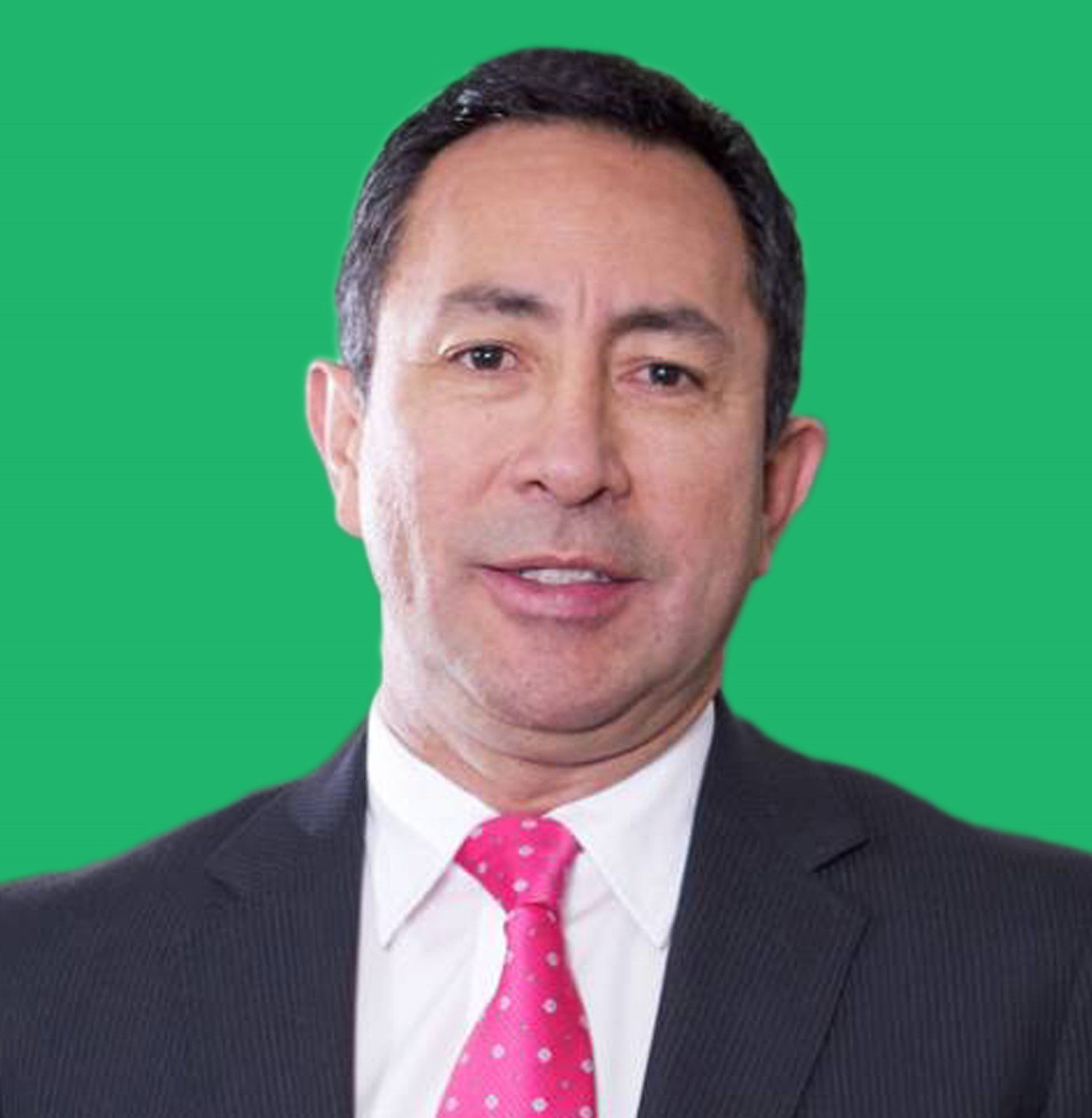
Embattled Ecopetrol CEO Ricardo Roa was appointed to the position by Colombian President Gustavo Petro after managing his political campaign. (photo: Ecopetrol)

Embattled Ecopetrol CEO Ricardo Roa was appointed to the position by Colombian President Gustavo Petro after managing his political campaign. (photo: Ecopetrol)

Net income for the quarter reached 2.9 trillion COP (approximately $784 million USD), down 7.7% year-over-year, reflecting the combined drag of lower revenues, a sharply elevated effective tax rate of 37.1%, and a one-time charge of 1.2 trillion COP for the impuesto al patrimonio — Colombia’s government-mandated wealth levy on large corporations established to fund post-disaster reconstruction measures. The company is also subject to a 10% income tax surcharge applicable for fiscal year 2026, which is embedded in the reported effective rate. The aggregate tax burden absorbed a disproportionate share of operating improvement relative to prior periods, limiting the flow-through of refining gains to the net income line.

Total hydrocarbon production averaged 725.2 thousand barrels of oil equivalent per day (kboed) in Q1 2026, below the 745 kboed recorded in the 2025 annual average cited by management during the March 2026 general shareholders’ meeting. Domestic crude output represented the largest component at approximately 520 thousand barrels per day (kbd). Ecopetrol’s Permian Basin operations in the United States contributed 91.8 kbd, underscoring the continued strategic importance of the international segment. Gas production continued a multi-year declining trend that poses a medium-term domestic supply challenge; management has sought to address this partially through regasification capacity additions at Puerto Bahía and on the Pacific coast, expected to come online in the second half of 2026 with a combined contribution of up to 430 billion BTU per day.

The refining segment delivered the quarter’s most pronounced operational outperformance. Ecopetrol’s domestic refineries, led by Refinería de Cartagena, processed 417.5 kbd of crude throughput. The integrated refining margin rose to $17.3 USD per barrel, a 60% improvement over the same quarter of 2025, driven by favorable differential pricing between domestic crude benchmarks and refined product values alongside ongoing operational efficiency improvements. The Comisión de Regulación de Energía y Gas (CREG) and the Ministerio de Minas y Energía remain central to the regulatory framework governing downstream margins over the medium term.

The balance sheet carries significant structural and contingent risk items of direct relevance to institutional credit and equity holders. Gross debt stood at 108.1 trillion COP (approximately $29.2 billion USD), representing a leverage ratio of 2.3 times trailing EBITDA — a level that leaves limited room for further deterioration before debt covenants or rating agency thresholds become binding. Ecopetrol holds a receivable of 4.2 trillion COP (approximately $1.14 billion USD) from the Fondo de Estabilización de Precios de los Combustibles (FEPC), a government fuel price stabilization mechanism that represents a claim on the Colombian treasury with timing and recovery risk. A dispute with the Dirección de Impuestos y Aduanas Nacionales (DIAN) over value-added tax assessments totals 12.26 trillion COP (approximately $3.31 billion USD) in aggregate, of which 10.22 trillion COP relates to Ecopetrol’s consolidated operations and 2.04 trillion COP to Refinería de Cartagena. Both cases are under administrative and judicial review; no provisions have been recognized in the financial statements pending resolution, but the potential liability represents a material contingency relative to the company’s quarterly net income.

On the corporate development front, Ecopetrol disclosed three significant transactions during or following the quarter. The company agreed to acquire producing assets from Gran Tierra Energy (NYSE: GTE, TSX: GTE) for $92.4 million USD, adding Colombian upstream production inventory in basins where both companies have operated. In Brazil, Ecopetrol launched a tender offer for shares of Brava Energia (BVMF: BRAV3) at 23 BRL per share, seeking to expand its footprint in that country’s oil and gas sector. And in a transaction that would reshape the mid-size independent landscape in Colombia, the company reached an agreement to acquire Parex Resources (TSX: PXT) for $250 million USD; Parex is a Colombia-focused producer with a complementary asset base across the Llanos and other producing basins. Collectively, the three transactions signal that Ecopetrol’s capital allocation strategy under the current government continues to favor upstream consolidation despite the elevated leverage profile.

The exploration portfolio generated positive news announcements. The Copoazú-1 exploratory well, drilled in Colombia’s Llanos foothills region, was confirmed as a commercial discovery, adding to the domestic reserve base. The Sirius offshore project advanced through the Consulta Previa process — a legally mandated prior consultation with indigenous and Afro-Colombian communities required before development of projects in or near their territories — reaching a milestone in community engagement that brings the project closer to formal development sanction. The Agencia Nacional de Hidrocarburos (ANH) oversees the licensing framework within which both projects operate.

“Ecopetrol is listed on the New York Stock Exchange; we are governed by the strict regulations of US federal agencies. Agencies like OFAC and the SEC could intervene in the company and could even accelerate the payment of financial obligations, which would be extremely grave for Ecopetrol.” — Martín Ravelo, President, Unión Sindical Obrera (USO)

The ISA transmission segment, managed through Ecopetrol’s majority stake in ISA — Interconexión Eléctrica S.A., contributed stable regulated cash flows during the quarter. ISA completed 46 transmission reinforcement works across its Latin American concession portfolio. The segment also completed the acquisition of 100% of IE Madeira in Brazil, consolidating its position in that country’s power grid interconnection infrastructure. ISA further submitted a competitive bid for the Río Bueno–Puerto Montt high-voltage transmission line concession in Chile, demonstrating the group’s appetite for long-duration, inflation-linked infrastructure assets across the Andes region. For institutional investors evaluating Ecopetrol as a blended hydrocarbons-and-infrastructure holding, ISA’s consistent cash generation provides partial diversification from crude price volatility, though it does not insulate the consolidated entity from headline governance risk.

The most consequential variable for the investment thesis over the near term is Ecopetrol’s prolonged governance crisis. At the company’s general shareholders’ meeting on March 27, 2026, held at the Corferias convention center in Bogotá, minority shareholders loudly heckled president Ricardo Roa — with audible shouts of “¡Fuera, fuera!” reverberating through the hall — as debate over his leadership erupted into open confrontation. The meeting approved a dividend of 121 COP per share for minority holders and a 4 trillion COP distribution to the Colombian government as majority shareholder, payable in two installments by June 30, 2026. Despite the financial business conducted, governance overshadowed the proceedings.

Roa faces two separate judicial proceedings. The Fiscalía General de la Nación formally charged him in connection with alleged influence peddling related to the purchase of an apartment in northern Bogotá — charges he has denied. Separately, the Consejo Nacional Electoral (CNE) is examining whether campaign spending limits were violated during President Gustavo Petro’s 2022 presidential campaign, which Roa managed — an investigation that Finance Colombia has covered in detail. Angela Maria Robledo, Chair of the Board of Directors, defended the board’s decision to retain Roa at the March assembly, citing the constitutional presumption of innocence. However, four of the nine board members had already formally recorded their support for his removal at that point, exposing a divided governance structure at a time when strategic and operational decisions require unified leadership.

The Unión Sindical Obrera (USO), which represents approximately one-third of Ecopetrol’s workforce, issued a production strike ultimatum timed to a March 30 board meeting. Martín Ravelo, president of the USO, framed the leadership crisis explicitly in terms of US regulatory risk: “Ecopetrol is listed on the New York Stock Exchange; we are governed by the strict regulations of US federal agencies. Agencies like OFAC and the SEC could intervene in the company and could even accelerate the payment of financial obligations, which would be extremely grave for Ecopetrol.” Ravelo further warned that the company’s outstanding international debt — which he placed at approximately $30 billion USD and which is exacerbated by elevated interest rates — left Ecopetrol exposed to potential covenant triggers or early repayment demands in a scenario where the Securities and Exchange Commission (SEC) or the Office of Foreign Assets Control were to take enforcement action.

Following sustained pressure from the USO, minority shareholders, and opposition political figures, Ecopetrol’s board approved an extended leave of absence for Roa beginning April 7, 2026. Under the arrangement, Roa used accrued vacation through May 27, followed by 30 calendar days of unpaid leave beginning May 28, extending his absence through the end of June — a period encompassing Colombia’s presidential first round on May 31 and a potential runoff on June 21. Juan Carlos Hurtado Parra, the company’s executive vice president of hydrocarbons and designated first alternate to the presidency since November 2025, was appointed acting president. Hurtado Parra holds an MBA in International Oil and Gas and brings more than 28 years of energy sector experience to the acting role, having previously served as vice president of exploration, development, and production.

The political calendar creates a structural transition risk that sits above the operational and financial results as the primary concern for long-duration investors. Colombia’s incoming government, to be inaugurated August 7, 2026, is widely expected to appoint a new Ecopetrol board and select a new company president. That transition may bring material shifts in strategic priorities — including the pace of upstream investment, the approach to the FEPC receivable recovery, the trajectory of energy transition spending, and the capital allocation balance between the hydrocarbons segment and the ISA infrastructure platform. The Ministerio de Hacienda y Crédito Público and the Ministerio de Minas y Energía will both play key roles in establishing the post-election policy framework under which Ecopetrol operates. Institutional investors holding exposure to Ecopetrol via NYSE: EC or BVC: ECOPETROL must weigh Q1’s genuine operational improvement — most visibly in refining margins and EBITDA stability — against a governance and policy transition risk profile that is unlikely to be resolved before the August handover.

Ecopetrol’s Cartagena refinery (photo courtesy Ecopetrol)

Colombia’s Foreign Ministry Presents Coffee and Cacao Export Strategy to Bogotá Diplomatic Corps

19 May 2026 at 00:32

Colombia’s coffee-cacao export push generates 100+ tons in foreign sales

Colombia’s Ministerio de Relaciones Exteriores convened ambassadors, international organizations, agricultural producers, and strategic partners in Bogotá on May 15, 2026, to present the Ruta del Café y Cacao, a government-led strategy that uses the diplomatic network to connect Colombian specialty coffee and cacao producers directly with international buyers, importers, and distributors. The session was organized in coordination with the Departamento Nacional de Planeación (DNP), Colombia Compra Eficiente, and the Servicio Nacional de Aprendizaje (SENA), with additional participation from the Agencia de Desarrollo Rural and the Unidad de Implementación del Acuerdo de Paz.

Between 2025 and 2026, the Ruta del Café y Cacao has participated in international trade fairs and multilateral venues in Asia, the Americas, and Europe, generating more than 1,200 commercial contacts and exports exceeding 100 tons. The strategy is coordinated through Colombia Nos Une, a directorate within the Ministerio de Relaciones Exteriores that oversees relations with Colombian communities and commercial networks abroad.

“This strategy is not limited to the promotion of a product. It is a tool of economic diplomacy, productive inclusion, rural development, and peacebuilding.” — Rosa Yolanda Villavicencio Mapy, Minister of Foreign Relations of Colombia

Foreign Minister Rosa Yolanda Villavicencio Mapy used the event to outline the government’s rationale for embedding agricultural trade promotion into foreign policy. “From the Ministry of Foreign Relations, we want economic diplomacy to translate into concrete results for the territories,” she said. “Foreign policy must have the capacity to open opportunities, connect markets, and contribute to the productive development of our communities.” She added that the strategy extends beyond product promotion: “It is a tool of economic diplomacy, productive inclusion, rural development, and peacebuilding.”

Natalia Irene Molina Posso, director general of the Departamento Nacional de Planeación, presented the Café Social program as a related mechanism designed to strengthen small agricultural producers. The initiative links public procurement policy with territorial development and small-scale coffee farming, creating demand channels within Colombia’s public sector for domestically produced specialty coffee.

Gloria Cuartas Montoya, director of the Unidad de Implementación del Acuerdo de Paz, addressed the relationship between coffee and cacao production and post-conflict territorial transformation. “You have all the entities that have been working on the implementation of the Peace Agreement and in the new processes being carried out, so that territorial peace finds in these two [commodity] lines paths of enormous value and projection,” she said. Cuartas also referenced recent engagement in Barcelona, where business operators and organizations expressed interest in awareness-building activities around Colombian coffee and cacao, citing the social and community dimensions behind those products.

A central element of the event was the participation of producers and associations from multiple regions of Colombia, convened by the Ministerio de Relaciones Exteriores through the Colombia Nos Une directorate. The participants included cooperatives and producer groups led by women, former combatants who signed the 2016 Peace Agreement, ethnic communities, and victims of the armed conflict. These groups presented their productive and commercial operations directly to diplomatic delegations attending the event.

The session also included a guided coffee tasting led by SENA’s Escuela Nacional del Café, during which attendees sampled specialty coffee varieties and received information on production processes and the characteristics that differentiate Colombian coffees participating in the Ruta del Café y Cacao. The tasting segment was designed to give diplomatic representatives direct exposure to the product profiles of the producers involved in the strategy.

Photo courtesy of Ministry of Foreign Relations of Colombia

Grupo Energía Bogotá and Canada’s La Caisse to Create Brazil’s 5th Largest Power Transmission Platform

19 May 2026 at 00:18

GEB-La Caisse JV to rank among Brazil’s top five power transmitters

Grupo Energía Bogotá (BVC: GEB) and La Caisse, the investment arm of Caisse de dépôt et placement du Québec, have signed a final agreement to merge their respective Brazilian power transmission assets into a single 50/50 jointly controlled platform operating under the name Verene Energia S.A. The transaction was announced May 15, 2026, from Montréal and Bogotá.

The combined entity will consolidate 26 electric transmission concession agreements, more than 9,000 km of transmission lines, and a workforce of over 400 employees across 17 Brazilian states. At that scale, Verene will rank among the five largest power transmission operators in Brazil, a market that has drawn sustained interest from international infrastructure investors as the country advances grid modernization programs.

Verene, which had previously operated as La Caisse’s dedicated transmission platform in Brazil, will continue as the reference vehicle for the combined portfolio. The partners have indicated that the platform will be positioned to pursue acquisitions and network expansions in Brazil’s transmission concession market, with grid modernization and decarbonization cited as the broader policy context driving new investment opportunities.

“By bringing together highly complementary assets under one banner, the partnership establishes Verene as a scaled, business-driven platform with strong financial backing.” — Emmanuel Jaclot, Executive Vice-President and Head of Infrastructure and Sustainability, La Caisse

Grupo Energía Bogotá, headquartered in Bogotá and listed on the Bolsa de Valores de Colombia (BVC: GEB), has operated in Latin America’s energy sector for more than 130 years. The company holds assets in electricity generation, transmission, distribution, and gas transportation and distribution across Colombia, Peru, Brazil, and Guatemala. Its entry into the joint venture contributes its existing Brazilian transmission concessions to the merged platform alongside La Caisse’s Verene assets.

La Caisse manages net assets of 517 billion CAD as of December 31, 2025, on behalf of 48 depositors representing more than six million Quebecers. The fund is active across major financial markets, private equity, infrastructure, real estate, and private credit, and has built a significant infrastructure portfolio in Latin America through investments including the Verene platform.

Juan Ricardo Ortega, president of Grupo Energía Bogotá, described the rationale for the transaction in terms of combining complementary strengths. “By combining our operational expertise and regional market knowledge with the financial strength and global perspective of our partner, we are creating a platform positioned to accelerate growth, expand transmission energy infrastructure, and support Brazil’s energy transition,” he said. “We believe this alliance will generate sustainable value for our stakeholders and contribute to Brazil’s economic and energy development.”

Emmanuel Jaclot, executive vice-president and head of infrastructure and sustainability at La Caisse, framed the deal as a consolidation play. “By bringing together highly complementary assets under one banner, the partnership establishes Verene as a scaled, business-driven platform with strong financial backing,” Jaclot said. “GEB brings more than 130 years of operating heritage and ranks among Latin America’s leading energy infrastructure groups, with deep expertise across the region’s transmission sector. Together, we share a vision to strengthen Verene’s footprint in Brazil through value-creating acquisitions and continued support for the country’s energy transition.”

Financial close is expected by the fourth quarter of 2026, subject to customary closing conditions, regulatory consents, and approvals. BTG Pactual (BVMF: BPAC11) acted as financial advisor to La Caisse, with Pinheiro Neto Advogados serving as legal counsel. Citibank (NYSE: C) advised Grupo Energía Bogotá on the financial side, while Mayer Brown provided legal advice to GEB.

Manufacturing growth points to structural shift in Colombia’s economy

19 May 2026 at 00:01

Colombia’s gross domestic product expanded 2.2% in the first quarter of 2026 compared to the same period of 2025, surpassing prevailing market estimates, according to data released May 16 by the Departamento Administrativo Nacional de Estadística (DANE) and presented by the Ministerio de Comercio, Industria y Turismo. The results reflected positive performance across production, industry, and domestic commerce.

The manufacturing sector was among the quarter’s strongest contributors, posting year-over-year growth of 2.9% and adding 0.3 percentage points to the annual variation in GDP. The sector’s performance placed it among the primary drivers of national economic output for the period.

Within manufacturing, two subsectors recorded particularly pronounced gains. Motor vehicle production expanded 27.8% year-over-year, while metallurgy grew 6.6%. Both categories function as inputs to broader industrial supply chains, and their recovery carries implications for upstream and downstream productive linkages, including employment in skilled manufacturing roles.

“What is notable about the first-quarter results is not solely the magnitude of the growth, but its composition. The performance of sectors such as motor vehicles, metallurgy, and machinery is particularly significant because it demonstrates a recovery of industrial capacities with greater effects on productive linkages, skilled employment, and economic sophistication.” — Diana Marcela Morales Rojas, Minister of Commerce, Industry, and Tourism of Colombia

Separate monthly data from statistical agency DANE’s índice de producción industrial (IPI) showed that real industrial output grew 3.9% in March 2026 compared to March 2025. The expansion was distributed across multiple subsectors, including motor vehicles, metallurgy, machinery and equipment, chemicals, pharmaceuticals, rubber, plastics, and non-metallic minerals, indicating that the manufacturing recovery was not concentrated in a single production category.

Wholesale and retail trade expanded 6.0% in the first quarter, reflecting increased domestic market activity and business commerce. The trade sector’s performance complemented the manufacturing gains and contributed to the overall breadth of the quarter’s expansion.

Not all sectors contributed positively. Construction contracted 5.4% compared to the first quarter of 2025, the weakest result among major economic categories for the period. Public administration, defense, social security, education, and health services grew 5.7%, and reporting by Colombian media citing DANE data indicated that public spending accounted for approximately 46% of total first-quarter growth — a concentration that introduces a structural caveat to the headline figure, as private-sector momentum remains uneven across the economy.

Diana Marcela Morales Rojas, minister of the Ministerio de Comercio, Industria y Turismo, addressed the composition of the results in a statement issued alongside the data release. “What is notable about the first-quarter results is not solely the magnitude of the growth, but its composition,” she said. “The recovery of manufacturing, metallurgical, and industrial production activities demonstrates a greater role for sectors associated with transformation, productive capacity, and value-added generation within the national economic dynamic. The performance of sectors such as motor vehicles, metallurgy, and machinery is particularly significant because it demonstrates a recovery of industrial capacities with greater effects on productive linkages, skilled employment, and economic sophistication. These are meaningful indicators of strengthening of the manufacturing structure and national production.”

The first-quarter data were released as Colombia continues to manage elevated monetary policy rates and fiscal pressures that have weighed on investment activity in recent quarters. The Ministerio de Comercio, Industria y Turismo indicated that the quarter’s results reflect progress on an agenda oriented toward strengthening industry, domestic production, and commercial activity, though the degree to which private-sector industrial recovery can sustain these gains independently of public spending remains a key variable for subsequent quarters.

Headline photo credit: Tecnoglass

Bogotá Fashion Week Strengthens International Push for Colombia’s Designers

12 May 2026 at 22:04

Under a mirage of glowing escalators inside Bogotá’s Ágora Convention Center, the catwalks of Bogotá Fashion Week opened Tuesday with more than fabrics and silhouettes on display. Behind the runway lights lies a larger ambition: to turn Colombia’s capital into a regional fashion export hub and bring designers from Bogotá’s workshops and popular commercial districts onto the global stage.

Now in its ninth edition, Bogotá Fashion Week (BFW), led by the Cámara de Comercio de Bogotá, has become the city’s main commercial and promotional platform for fashion, bringing together 145 brands, 28 runway shows, more than 80 international buyers and 755 business meetings aimed at strengthening Colombia’s presence in international markets.

For Ovidio Claros Polanco, president of the chamber, the event is no longer simply about showcasing collections, but about transforming fashion into a driver of economic growth and international competitiveness.

“In Bogotá, the fashion sector represents 33% of the city’s economic activity and brings together approximately 35,000 active companies, the majority of them microenterprises,” Claros said. He added that between 220,000 and 250,000 people are directly linked to the industry, with its impact extending into tourism, hotels, gastronomy and transportation.

The strategy, he said, is to move beyond the traditional notion of fashion as an exclusive industry and instead position it as an economic ecosystem capable of generating employment and export opportunities across all levels of the city.

That vision is particularly visible through [PUENTE] Internacional, a program created by the chamber to connect entrepreneurs from Bogotá’s traditional commercial districts such as San Victorino and Restrepo with major global fashion circuits including New York, Madrid, Dubai and Paris.

This year, eight Bogotá-based brands — Alanna, A Modo Mio, C’emadier, Más Cincuenta y Siete by Love Me Jeans, Lorant & Co, Lyenzo, Liza Herrera and Kernel Leather — were selected to present their autumn-winter collections during Fashion Designers of Latin America (FDLA) at New York Fashion Week in February.

The initiative marked one of the strongest international pushes yet for Bogotá’s so-called “popular fashion” sector, traditionally associated with local manufacturing districts rather than luxury runways.

“We are committed to the internationalization of Bogotá’s popular fashion because it is a powerful vehicle for economic growth and job creation,” Claros said. “We want the best of Bogotá’s design talent to arrive in the global capitals of fashion stepping forward with strength.”

The selection process involved curators and industry figures including Albania Rosario, founder of FDLA, José Forteza, former senior editor of Vogue México, Colombian designer Jorge Duque and stylist Estefanía Turbay.

For Albania Rosario, the initiative reflects the growing relevance of Latin American fashion beyond its domestic markets.

“Each of these brands represents not only the excellence of Bogotá’s design, but also the resilient and visionary spirit of our creative community,” Rosario said. “It is a reminder of the transformative power of Latin American fashion on the global stage.”

The international agenda continues well beyond Bogotá Fashion Week. Following the local runway events this week, [PUENTE] designers are scheduled to participate in Pasarela Madrid later in May, followed by Dubai Fashion Week in September, New York Fashion Week’s spring-summer season, and Paris Fashion Week later that month.

Inside Ágora, the business focus is equally visible. Alongside runway presentations from designers such as Kika Vargas, Francesca Miranda and Alejandro Crocker, the event hosts wholesale meetings between Colombian brands and international buyers seeking new suppliers and partnerships.

A multi-brand retail space open to the public and a series of 24 industry talks with more than 60 speakers also seek to bridge the gap between creative design and commercial scalability.

For organizers, integrating districts like San Victorino and Restrepo into this model is essential. Rather than separating emerging luxury labels from mass-market producers, the chamber is pushing for a unified ecosystem where independent designers, small workshops and large buyers operate within the same commercial conversation.

“There is a need to remove the idea that fashion belongs to only a few people,” Claros said. “This belongs to everyone. Countries change through actions like these.”

As Bogotá Fashion Week expands its global ambitions, the challenge will be whether Colombian brands can translate visibility into long-term exports and sustained international demand.

For now, however, the city is betting that fashion — from the ateliers of Chapinero to the workshops of San Victorino — can become one of Bogotá’s strongest international calling cards.

Colombia tributes political legacy of ex-VP Germán Vargas Lleras

11 May 2026 at 20:36

The departure of former Vice President Germán Vargas Lleras’s coffin from Bogotá’s Palacio de San Carlos on Monday morning blended state mourning with unmistakable political symbolism, as Colombia’s political elite gathered to bid farewell to one of the country’s most influential figures.

His daughter, Clemencia Vargas Umaña, attended the ceremony accompanied by her father’s two French bulldogs – Toño and Henry –  adding a deeply personal note to the solemn proceedings before the main funeral mass at 11:00 a.m. inside Bogotá’s Primatial Cathedral of Bogotá. The service marked the conclusion of three days in which the Foreign Ministry headquarters became the center of national political attention.

Vice President Francia Márquez represented the national government in the absence of President Gustavo Petro and delivered one of the most emotional moments of the day when she embraced Clemencia Vargas before the ceremony. Earlier, Márquez had publicly offered condolences to the family, praising Vargas Lleras’ democratic legacy and saying his “democratic work will be remembered.”

Colombia’s VP Francia Márquez and former presidential candidate Juan Carlos Pinzón attended the funeral ceremony. Photo: Richard Emblin

The wake drew figures from across Colombia’s political spectrum, reflecting Vargas Lleras’ decades-long influence. Former presidents Juan Manuel Santos, with whom Vargas Lleras served as vice president, Ernesto Samper, and Iván Duque were present, along with senator Paloma Valencia and former president Álvaro Uribe Vélez, whose attendance underscored the respect afforded to Vargas Lleras despite years of sharp public disputes between the two men.

Vargas Lleras died Friday in Bogotá after a prolonged battle with cancer. He was 64. His death ends a political career spanning more than three decades as senator, minister, vice president, and two-time presidential candidate.

The only daughter of Germán Vargas Lleras, Clemencia Vargas, receives the flag from VP Francia Márquez. Photo: Richard Emblin

Born in Bogotá on February 19, 1962, Vargas Lleras came from one of Colombia’s most prominent political dynasties. His grandfather, former President Carlos Lleras Restrepo, was a leading figure of the Liberal Party.

He built his own career as a city councilman, congressman, minister, and ultimately leader of the Cambio Radical party. His first presidential run came in 2010, where he finished third with nearly 1.5 million votes. Though unsuccessful, the campaign positioned him as a national force.

President Santos later appointed him to his cabinet, and in 2014 selected him as his running mate for reelection. The pair won in the runoff, and Vargas Lleras assumed office as vice president on August 7 that year.

He ran again for president in 2018 under the “Mejor Vargas Lleras” coalition, focusing on infrastructure, housing and administrative reform. He finished fourth in the first round and did not advance to the runoff.

Throughout his career, Vargas Lleras survived two assassination attempts and weathered political scandals, including accusations linked to parapolitics investigations, though he was never formally charged.

In later years, his health increasingly limited his public life. He was diagnosed with a benign meningioma in 2016 after a fainting episode, and in recent years battled cancer while largely stepping back from frontline politics.

Even as his public appearances became rare, his influence endured. Monday’s funeral made clear that, in death as in life, Germán Vargas Lleras remained a central figure in Colombia’s political history.

The flag-draped coffin of former Vice President Germán Vargas Lleras leaves Bogotá’s Primatial Cathedral of Bogotá on May 11. Photo: Richard Emblin

Qatar Airways Set to Operate to Caracas and Bogotá flights

Qatar Airways has affirmed its expansion in the Americas with the launch of new flight operations to Caracas, Venezuela, and Bogotá, Colombia, commencing from 22 July 2026. The service represents a significant milestone for the airline, as Qatar Airways becomes the first Gulf carrier to serve Venezuela, and the first airline to operate flights from the Middle East to Caracas and Bogotá. This expansion underscores the airline’s commitment, announced last year, to strengthening global connectivity for the region.

Qatar Airways flights to Caracas (CCS) and Bogotá (BOG)

Qatar Airways will operate two weekly flights to Caracas and Bogotá, further enhancing connectivity to, and from, the Americas. The flight schedule has been designed to provide smooth onward connections through Hamad International Airport to key markets including Australia, China, Japan, Lebanon, South Korea, and the United Arab Emirates. This offers passengers greater flexibility and seamless transfer options across Qatar Airways’ global network.

Departing every Wednesday and Sunday:

  • Doha (DOH) to Bogotá (BOG) – Flight QR783: Departure 07:30; Arrival 16:05
  • Bogotá (BOG) to Caracas (CCS) – Flight QR783: Departure 17:35; Arrival 20:40
  • Caracas (CCS) to Doha (DOH) – Flight QR783 Departure 22:40; Arrival 19:55 +1

The addition of Caracas and Bogotá marks both the 15th and 16th destinations in the Americas served by Qatar Airways. The airline began serving South America in 2010 with its inaugural flight to Brazil’s São Paulo.


Explosive Drone Deactivated Near Bogotá’s El Dorado International Airport

Colombian authorities have seized and safely deactivated a commercial drone carrying improvised explosive materials just 5.4 kilometers from Bogotá’s El Dorado International Airport and the nearby Military Air Transport Command (CATAM), raising fresh security concerns in the capital three weeks before the country’s May 31 presidential election.

The discovery marks a significant escalation from recent unauthorized drone sightings that twice forced temporary flight suspensions at El Dorado, Colombia’s busiest airport, and highlights growing fears that tactics once largely confined to conflict zones in the southwest and Catatumbo region are now reaching the capital.

According to preliminary police and military reports, the device was located in the locality of Kennedy, near the Río Bogotá, after a security alert issued by prosecutors in Popayán, Cauca, prompted specialized units of the Colombian Air Force (FAC) and National Police to track suspicious coordinates in southern Bogotá.

Authorities found what appeared to be a makeshift encampment before locating the commercial drone, its battery and an explosive charge separated from the fuselage.

Anti-explosives officers later confirmed the device had been modified with a non-conventional fiber-optic guidance system, a method increasingly used by illegal armed groups to evade electronic signal jammers designed to disable unmanned aircraft.

Investigators said the drone carried approximately 258 grams of C4 explosive material inside a PVC tube fitted with an improvised detonator.

The device was safely neutralized by National Police explosives experts and transferred to the Attorney General’s Office – Fiscalía General – for forensic analysis and the opening of a criminal investigation.

Authorities have not publicly identified those responsible or confirmed the intended target, but officials noted the location placed the drone within minutes of both El Dorado International Airport and CATAM, one of Colombia’s most strategic military aviation facilities.

Security analysts say the use of fiber-optic spools as a guidance mechanism resembles tactics recently documented in Catatumbo and southwestern Colombia, particularly among the National Liberation Army (ELN) guerrilla and FARC dissident factions under the command of alias “Iván Mordisco.”

A similar drone equipped with the same system was discovered in Popayán on April 25 during a wave of attacks blamed on FARC dissidents in Cauca, while another was found the same day in Villavicencio, the departmental capital of Meta.

The appearance of such devices in Bogotá has raised alarm among security officials, particularly given the proximity to civilian and military aviation infrastructure.

Pilots and aviation experts warn that even small commercial drones can cause catastrophic damage if they collide with an aircraft during takeoff or landing. A drone carrying explosives near an airport runway significantly increases the potential for a large-scale tragedy.

The discovery also comes at a politically sensitive moment, with Colombia entering the final weeks before its presidential election on May 31, as security and public order remain dominant campaign issues amid rising violence in the departments of Antioquia, Chocó, and Norte de Santander.

The leftist government of President Gustavo Petro has faced intense criticism over deteriorating security conditions, particularly following road bombing attributed to illegal armed groups in Cauca, Valle del Cauca, Nariño and Catatumbo, where the use of drones for surveillance and attacks has become increasingly common.

Last month, drone sightings near El Dorado airport twice forced authorities to suspend all air operations, disrupting domestic and international flights and exposing vulnerabilities near the country’s principal air gateway.

On April 30, Aerocivil halted airport operations after the Colombian Aerospace Force confirmed the presence of a drone in the Engativá district near the airport perimeter. Two aircraft were forced to carry out missed approaches, including an international LATAM Airlines Boeing 787 arriving from Santiago, Chile, while another domestic flight was diverted to Armenia, Quindío.

Just two days earlier, on April 28, another drone was detected near El Dorado, triggering a 45-minute suspension of takeoffs and landings while military personnel deployed anti-drone systems and visual searches.

Defense Minister Pedro Sánchez later confirmed that operations had been temporarily canceled because of the possible drone sighting, although no confirmed target was found.

Aerocivil has repeatedly warned that unauthorized drone activity near airports represents a grave threat to aviation safety and can result in criminal prosecution.

Thursday’s discovery, however, suggests the threat may extend far beyond operational disruption.

For Bogotá, the concern is no longer simply rogue recreational drones interfering with airport traffic, but the possibility that explosive-equipped devices linked to Colombia’s armed conflict are now within reach of the nation’s capital – and its most critical infrastructure.

Drone sighting forces second suspension of flights at Bogotá’s El Dorado Airport in one week

30 April 2026 at 13:38

Colombia’s busiest airport, Bogotá’s El Dorado International Airport, was forced to suspend operations early on Thursday after authorities detected a drone near the runway approach path, marking the second disruption in the same week and raising renewed concerns over aviation security at one of Latin America’s busiest air hubs.

The latest incident occurred at 5:20 a.m. local time when Colombia’s Aerospace Force confirmed the presence of an unauthorized drone in the Engativá district, near the airport’s operational perimeter, according to the Civil Aviation Authority (Aerocivil).

Authorities immediately activated emergency safety protocols, temporarily halting landings and departures while security teams assessed the airspace.

“A drone was detected near El Dorado airport in the Engativá sector. Two aircraft were forced to carry out missed approaches, a standard maneuver that guarantees operational safety,” Aerocivil said in a statement.

One of the affected aircraft was an international LATAM Airlines Boeing 787 Dreamliner arriving from Santiago, Chile, according to local media and flight tracking platform Flightradar24. The aircraft, which had departed Santiago late on Wednesday night and was scheduled to land in Bogotá around 4:30 a.m., was forced to circle above the capital before being cleared to land.

A second domestic Avianca flight also experienced disruption and was diverted to El Edén Airport in Armenia, Quindío, after it was unable to complete its descent into Bogotá.

Aerocivil said normal operations resumed at 5:44 a.m., after authorities secured the area and determined conditions were safe for aircraft movements.

“The improper use of drones near airports represents a serious risk to aviation safety,” the agency said, urging travelers to remain in contact with their airlines regarding possible schedule changes.
The incident follows a similar disruption on Tuesday night, when airport operations were suspended for approximately 45 minutes after another drone was detected flying above El Dorado’s international platform.

That alert was issued at approximately 6:36 p.m., prompting an immediate suspension of takeoffs and landings while anti-drone systems and visual inspections were deployed by aviation authorities and military personnel from CATAM, Bogotá’s military air transport command.
The airport concessionaire Opain and Aerocivil said the inspection protocols were necessary to ensure “an obstacle-free area” before flights could resume.

Defense Minister Pedro Sánchez later confirmed on social media platform X that operations had been halted due to a possible drone sighting and said military anti-drone mechanisms were activated, although no confirmed target was ultimately found.

“The situation was addressed immediately by the aeronautical authorities and the security devices in place, allowing normal operations to continue,” Sánchez said.

The repeated incidents have intensified scrutiny over security vulnerabilities surrounding El Dorado, which handles more than 35 million passengers annually and serves as Colombia’s principal international gateway.

Unauthorized drone activity near airports is prohibited under Colombian aviation regulations because of the risk of collision with commercial aircraft, particularly during takeoff and landing phases when planes are most vulnerable. Pilots and aviation experts warn that even small consumer drones can cause catastrophic damage if they strike engines, cockpits or critical control surfaces.

The back-to-back disruptions have also raised concerns over whether current detection and enforcement systems are sufficient to prevent repeat incursions near strategic infrastructure.
El Dorado has increasingly faced operational pressures in recent months, including weather-related disruptions, runway congestion and recent investigations into near-miss incident on April 19 involving two international flagship carriers.

Thursday’s early-morning shutdown caused delays for both arriving and departing passengers, with travelers reporting uncertainty inside terminals and pilots informing passengers that security protocols, rather than airline operational issues, were behind the disruptions.
Authorities have not yet identified the drone operator involved in either of this week’s incidents, and investigations remain ongoing.

Under Colombian law, unauthorized drone operations near airports can result in significant financial penalties and potential criminal investigations if public safety is endangered.
For now, aviation officials say stricter vigilance is essential.

Bogotá Mayor Galán calls for 8,000 more police after deadly film set attack

21 April 2026 at 11:32

Bogotá’s mayor has called for a major expansion of the city’s police force following a deadly knife attack on a television production set and a separate killing at a public transport station, as authorities warn of shifting patterns of urban crime in Colombia’s capital.

Carlos Fernando Galán said the city requires at least 8,000 additional police officers to effectively confront rising insecurity, after convening an extraordinary security council on Monday with senior officials from law enforcement, the military and prosecutors.

The move follows a shocking outbreak of violence on April 18 during the filming of the television series Sin senos sí hay paraíso in the central Santa Fe locality — an incident that left three people dead and several others injured.

“This is an extremely serious and senseless act of violence that hurts all of Bogotá,” Galán said, expressing solidarity with the victims’ families and the country’s audiovisual sector. “To respond effectively, we must strengthen the police, improve investigations, expand technological capabilities and increase personnel.”

The attack unfolded at approximately 3:30 p.m. in the Los Laches neighborhood, near the eastern edge of Parque Nacional, where a production crew had been filming in a public street close to the Instituto Roosevelt.

According to preliminary findings, a man not affiliated with the production approached the set and, without any prior interaction, attacked a crew member with a sharp weapon.

The sudden assault triggered panic and a rapid escalation of violence. Witnesses said several people at the scene intervened in an attempt to stop the attacker, leading to a chaotic street fight in which multiple individuals were stabbed.

In the ensuing struggle, the assailant managed to inflict severe injuries on several people before being subdued. Three individuals — including the attacker and two members of the production team — were transported to Hospital La Samaritana, where they later died from their wounds.

A fourth person injured in the confrontation was taken to Hospital Universitario San Ignacio. Authorities have not released further details regarding that individual’s condition.

The victims from the audiovisual team were identified as Henry Alberto Benavides Cárdenas, 45, and Nicolás Francisco Perdomo Corrales, 18.

Officials have stressed that the attack does not appear to be linked to robbery or organized crime. Instead, investigators are examining the background of the alleged assailant, who had previously been reported for threats and is believed to have a history of mental health issues — factors now under review by judicial and medical authorities.

The case has rattled Colombia’s cultural sector, which have grown steadily in recent years as Bogotá has positioned itself as a regional hub for film and television production. For many in the sector, the attack represents a deeply unsettling breach of safety for the industry.

Monday’s security meeting also addressed a separate killing that occurred in the city’s public transport system. A 19-year-old man, identified as Freddy Santiago Guzmán, died after being attacked during a robbery at the Minuto de Dios TransMilenio station.

Galán said the two incidents, while distinct, highlight the need for a more robust and coordinated security strategy across the capital. He called on the national government to provide greater support in terms of funding, personnel and institutional backing.

“We will not step back in the fight against crime,” he said. “But Bogotá cannot face this challenge alone.”

Security Secretary César Restrepo warned of what he described as a structural weakness in controlling the circulation of weapons, particularly knives and other bladed instruments.

“More than 10,000 bladed weapons have been seized so far this year,” Restrepo said, adding that the continued flow of such weapons into the city remains a critical concern for authorities.

Officials also pointed to evolving criminal dynamics that are complicating law enforcement efforts. Galán described the emergence of more fluid and decentralized forms of criminal activity, in which individuals come together temporarily to commit specific acts before dispersing.

“We are seeing a kind of ‘freelance’ crime,” he said. “This creates new challenges for intelligence work and policing.”

The extraordinary security council brought together representatives from the police, the army’s 13th Brigade of the Colombian Army and the Fiscalía General de la Nación, as authorities seek to strengthen coordination in response to recent violence.

Police commander Giovanni Cristancho Zambrano said officers had recovered eight stolen vehicles in the past week and urged citizens to report suspicious behaviour, particularly involving occupants of private vehicles, to support preventive action.

The rash of incidents during one weekend in the capital have sharpened concerns over public safety, especially in central districts where commercial, residential and cultural life converge in densely populated areas.

For the city’s growing audiovisual sector, the killings have raised urgent questions about security protocols for productions operating in open urban environments. Messages of mourning circulated widely among industry professionals, reflecting both grief and frustration over the circumstances surrounding the attack.

While city authorities have pledged to reinforce measures across key areas, Galán’s call for thousands more officers reveals the scale of Bogotá’s security needs as it grapples with entrenched crime from micro-trafficking groups and rapidly evolving new forms of urban violence.

Investigations into both incidents remain ongoing, with authorities working to establish the full sequence of events and any underlying factors that may have contributed to the attacks.

Lufthansa and Qatar Airways Narrowly Avert Air Collision Over Bogotá

20 April 2026 at 06:41

A Qatar Airways cargo jet and a Lufthansa passenger plane came within an estimated 200 meters of each other on final approach to Bogotá on Sunday evening, in a near miss that could have resulted in a major airline catastrophe.

The incident unfolded near El Dorado International Airport as both aircraft were being guided toward runway 32L during a late-evening arrival window. According to preliminary information, Qatar Airways cargo flight QTR 8174, operated by a Boeing 777 from São Paulo, was descending to approximately 9,600 feet when it converged with Lufthansa flight DLH 542.

The Lufthansa flight from Frankfurt Airport, operated by a Boeing 787 -900 ‘Dreamliner’ carrying some 270 passengers, had departed at 3:08 p.m. local time and was scheduled to land in Bogotá at 11:51 p.m. local time. As it approached the Colombian capital, the aircraft turning at roughly 9,700 feet, placing it on a dangerously converging path with the Qatar Airways freighter.

The two wide-body aircraft, each spanning more than 60 metres in length, were both landing from the East, and were above the residential neighbourhood of Modelia, according to late-night eyewitness reports.

Under standard air traffic control procedures, aircraft must maintain a minimum vertical separation of 1,000 feet, 0r 300 metres. The apparent compression of that buffer to an estimated 600 feet suggests a significant breakdown in sequencing or communication during the critical end-phase of a flight.

Disaster was averted when the Lufthansa aircraft abruptly climbed to over 12,000 feet, executing what appears to have been an emergency “Go-Around” avoidance manoeuvre. Such actions are typically triggered by onboard collision avoidance systems, which issue automated instructions to pilots when another aircraft is detected at dangerously close range. The manoeuvre forced the passenger flight to abort its initial landing approach before safely completing a second descent into Bogotá. No injuries were reported.

However, the near miss has renewed scrutiny over air traffic control operations in the Colombian capital, following another serious safety incident just two months earlier.

On February 20, a LATAM Airlines flight operated by an Airbus A320 carrying 157 passengers was forced to abort take-off after a military helicopter appeared unexpectedly near the runway at El Dorado International Airport.

According to Colombia’s civil aviation authority, Aerocivil, the aircraft—bound for San Andrés—had been cleared for departure after routine taxi procedures. At 17:04 local time, the plane was authorized for pushback from position C5, and by 17:13 it had been instructed to taxi toward runway 14R.

At 17:36, after receiving clearance for take-off, the crew initiated the departure roll. Moments later, pilots detected a rotary-wing aircraft flying on a parallel trajectory and approaching the runway environment. The unexpected presence of the helicopter forced the crew to execute an aborted take-off, a high-risk manoeuvre at speed, in order to avoid a potential collision.

Aerocivil attributed the incident to interference in the communication frequency of the airport’s north control tower, raising concerns about coordination between different air traffic control sectors. The episode, involving a commercial jet accelerating for departure and an unauthorized or mis-coordinated helicopter movement, has been classified as a serious operational safety event.

Together, the two incidents have cast a spotlight on the operational pressures facing El Dorado International Airport (SKBO), which handles hundreds of daily movements and serves as one of the busiest aviation hubs in Latin America. Bogotá’s high-altitude location—more than 2,600 metres above sea level—combined with surrounding mountainous terrain, requires tightly managed flight paths and precise coordination between controllers and pilots.

Sunday’s late evening incident involving two long-range aircraft is expected to undergo a detailed investigation, including analysis of radar data, cockpit voice recordings and air traffic communications.

On Monday, Colombia’s Aerocivil, affirmed that the event did not constitute a critical safety risk. In an official statement, the authority said runway 32 Right had been temporarily unavailable due to a third aircraft blocking the strip, prompting controllers to redirect incoming traffic—including the Qatar Airways and Lufthansa flights—to runway 32 Left.

Aerocivil said the change in instructions led to a reduction in speed that decreased horizontal separation between the two aircraft during the approach phase. However, it stressed that “controlled and safe vertical separation was maintained at all times.”

According to Aerocivil , the Lufthansa crew’s decision to abort the landing was carried out “independently” and in line with standard global aviation protocols. “This is a normal and standardised procedure in aviation, designed precisely to guarantee safety when visual or distance parameters so require,” the statement said.

The technical analysis, Aerocivil added, confirms that the situation was “an operational event managed under control” and “at no time represented a critical situation or a real risk to air safety for passengers or crew.”

The authority also urged the public and political actors not to “exaggerate or politicise” what it described as a strictly technical matter, warning that reliance on unofficial sources could generate unfounded alarm and affect confidence in Colombia’s aviation sector.

ARTBO Weekend turns 10: Bogotá’s Art Circuits Come of Age

16 April 2026 at 14:19

ARTBO Weekend returns to Bogotá this week with a milestone worth noting – and a programme that suggests the event is no longer content with staying within its traditional comfort zones.

Celebrating its tenth edition from April 16 to 19, the city-wide initiative organized by the Bogotá Chamber of Commerce (CCB) arrives bigger, more dispersed and arguably more ambitious than ever. With over 160 free activities, 86 participating spaces and 280 artists from 27 countries, the numbers alone tell a story of steady expansion. But the real shift this year is geographic.

For the first time, ARTBO Weekend – Fin de Semana – pushes decisively into new territory. The addition of Kennedy, Nogal and Chicó as official circuits marks a deliberate move away from the event’s familiar enclaves. It is, in many ways, a statement about where Bogotá’s art scene is headed – or where it wants to go.

Kennedy stands out. Historically on the fringes of the city’s cultural programming, the district’s inclusion is more than symbolic. The reopening of the Chamber of Commerce’s exhibition space in the area signals a longer-term investment in decentralising Bogotá’s art ecosystem. It also raises a question that has hovered over ARTBO Weekend in recent years: who, exactly, is the event for?

For organisers, the answer has consistently been “everyone.” And, on paper, that commitment holds. Entry remains free across all venues, and the programme spans everything from gallery exhibitions and museum shows to performances, workshops, talks and editorial launches. The addition of complimentary transport routes – the Bus ARTBO – helps bridge the distances between circuits, turning what could be a logistical challenge into something closer to an urban stroll.

Still, navigating ARTBO Weekend requires a degree of planning. Bogotá is not compact, and its art circuits are spread across distinct neighbourhoods, each with its own pace and character. San Felipe, long considered the epicentre of the contemporary gallery scene, remains a reliable starting point, particularly for first-time visitors. Chapinero offers a more eclectic mix, where independent spaces sit alongside institutional venues, while the Centro Histórico provides a slower, more contemplative route through museums and heritage sites.

This year, however, the draw may well lie in the unfamiliar. Kennedy’s circuit promises a different rhythm – less polished, perhaps, but more reflective of the city’s broader social fabric. Chicó and Nogal, by contrast, introduce a more polished, design-forward dimension to the programme, expanding the conversation beyond traditional gallery spaces.

What distinguishes ARTBO Weekend from its larger counterpart, ARTBO, is precisely this sense of movement. There are no booths, no central venue, no singular point of focus. Instead, the city itself becomes the exhibition space, and the act of moving between circuits becomes part of the experience.

That experience is not purely visual. The “Conversaciones” series, curated by Raphael Fonseca of the Denver Art Museum, brings together artists, curators and academics for a series of panel discussions that aim to unpack the themes shaping contemporary art today. With free entry and simultaneous translation, the talks offer a point of entry for audiences looking to engage more deeply with the works on display.

Equally, the Encuentro Editorial continues to carve out a niche within the programme. Focused on independent publishing and the book as an artistic medium, it provides a quieter counterpoint to the busier exhibition circuits. For many, it is here – among the artist books and experimental print projects – that the creative pulse is most tangible.

After a decade, ARTBO Weekend has settled into a rhythm that feels both established and open-ended. It has succeeded in building audiences, supporting local galleries and positioning Bogotá within a wider Latin American art conversation. At the same time, it continues to grapple with the challenges of scale, access and representation that come with growth.

For visitors, the best approach may be to resist the urge to see everything. Pick two or three circuits per day. Use the Bus ARTBO, but don’t be afraid to walk, and take an umbrella for the inclement April weather. Allow time for the unexpected – a performance that spills into the street, a conversation that runs longer than planned, a small space that wasn’t on the map.

Because if ARTBO Weekend has proven anything over the past ten years, it is that Bogotá’s art scene is not confined to a single district, or a single idea of what art should be. It is scattered, evolving and, at its best, deeply connected to the city.

BPrO Hosts CX Summit 2026 in Cartagena to Address AI in Customer Experience & BPO Services

14 April 2026 at 13:13

Digital services now comprise 3.5% of Colombia’s GDP.

The Asociación Colombiana de BPO (BPrO) has scheduled the 2026 CX Summit to take place in Cartagena, Colombia. The event, marking the 25th anniversary of the gremio, will gather more than 1,300 business executives and international specialists to analyze the evolution of the customer experience industry. The summit occurs as Colombia solidifies its position as a regional hub for knowledge-based services, a sector that currently represents approximately 3.5% of the national gross domestic product.

Scheduled for May 6 and 7, 2026, at the Hotel Hilton Cartagena, the conference will operate under the theme The Age of Intelligent CX. Discussions will focus on the integration of artificial intelligence, data analytics, and human empathy within digital economies. According to Ana Karina Quessep, executive president of BPrO, the integration of technology and human talent has become a critical factor for corporate and national competitiveness in demanding global markets.

“The organizations that manage to integrate intelligence, technology, and human talent are those making the difference in increasingly demanding markets.” — Ana Karina Quessep, Executive President of BPrO.

The speaker lineup includes Brad Cleveland, a strategist in customer experience; Tricia Wang, an ethnographer focusing on the intersection of data and human behavior; and Lisa X. Walden, an author specializing in workplace culture. Other confirmed participants include Efrén Martínez and Nicolás Uribe, who will address organizational well-being and digital transformation in Latin America.

On May 5, prior to the main summit, BPrO will host the GBS Experience. This session is designed to examine Colombia’s role as a strategic platform for Global Business Services and shared service centers. In collaboration with Chazey Partners, ProColombia, and Invest in Bogota, BPrO is developing a comprehensive study of the 2026 industry figures. This research aims to serve as the official reference for the Centros de Servicios Compartidos (CSC) and GBS sectors in the country, providing updated data on their economic impact and operational reach.

The event will include networking sessions and a commercial exhibition featuring representatives from the technology, financial, telecommunications, and retail sectors. Registration and the full agenda are available through the official event website. BPrO currently represents over 100 member companies specializing in customer relationship management and the broader service value chain in the US and Latin America.

Indicted Ex-Foreign Minister Calls Colombian President Gustavo Petro “Mafia Boss”

10 April 2026 at 15:01

Former Foreign Minister Álvaro Leyva releases another scathing attack on his former boss as he fights charges.

On April 10, former Colombian Foreign Minister Álvaro Leyva Durán released a formal statement responding to his indictment by the Fiscalía General de la Nación. Leyva faces charges related to his 2023 decision to declare a passport procurement tender void, a process that involved the private security printing firm Thomas Greg & Sons. The former official characterized the legal proceedings as a politically motivated maneuver orchestrated from the Casa de Nariño.

The indictment for prevarication centers on Leyva’s intervention in the bidding process, which the Fiscalía interprets as a deliberate breach of administrative law. In his defense, Leyva maintained that his actions were necessary to address irregularities and ensure the application of the Constitución Política de Colombia. He argued that the prosecuting body’s thesis would criminalize the conduct of any public servant who identifies unconstitutional terms in a government contract.

“If that argument is accepted, then any official who declares a bidding process void because they find the terms and conditions unconstitutional or illegal should go to jail.” — Álvaro Leyva Durán, former Minister of Foreign Affairs.

Leyva also directed accusations toward his successor at the Cancillería, Luis Gilberto Murillo. According to the statement, Murillo suspended a subsequent legal bidding process to justify a state of emergency, which Leyva claims led to an unnecessary markup of approximately $30 billion COP. Furthermore, Leyva alleged that software contracts exceeding $10 billion COP were improperly managed and that the funds remain unaccounted for under the current administration.

The former minister’s statement included severe personal and political criticisms of President Gustavo Petro. Leyva alleged a lack of moral conduct by the head of state during international state visits and questioned the president’s sobriety in public settings. The letter further asserted that US authorities are currently investigating potential links between the executive branch and narcotics trafficking organizations.

Regarding the domestic political landscape, Leyva warned of perceived risks to the Colombian electoral process. He alleged that the administration has engaged in the illegal interception of political candidates and intends to undermine the integrity of future vote counts. Leyva concluded by affirming his intention to defend his record and his legal decisions before the Corte Suprema de Justicia.

COMUNICADO pic.twitter.com/7YYhoHJD4B

— Álvaro Leyva Durán (@AlvaroLeyva) April 10, 2026

Finance Colombia translation of Leyva’s recent open letter dated April 10th

Some time ago, I denounced in a public communiqué that Gustavo Petro had woven against me an atrocious persecution, as retaliation for my denunciations of his closeness to the world of drugs—denunciations that have led to the United States having him cornered today. There I warned that, from within the government, intrigues were being made to throw me in prison and that attempts would be made against my life.

Now, months later, the Attorney General’s Office accuses me of malfeasance (prevaricato) because I declared void a passport tender that, according to that same institution, was based on a “catch-all specifications document” (pliego sastre). For the accusing entity, I should not have fulfilled the obligation of applying the Constitution that I myself helped draft and, by seeking equality, I acted with malicious intent. The world turned upside down.

Understand the gravity: if that thesis is accepted, any official who declares a tender void because they find unconstitutional or illegal specifications must go to prison. So, faced with such a thing, the trial is welcome. I will give the battle in the Supreme Court with all my strength. Because I trust its magistrates, because my life has been a permanent struggle for Colombia, and because justice, reason, and the law are with me.

The acquittal will be the logical consequence of the process in which I will prove, with official documents and among other things, the following: that I left in motion a new, clean, and legal tender, which Minister Luis Gilberto Murillo suspended. That he thus justified another manifest urgency, completely unnecessary, and added an overcharge of nearly 30 billion pesos to it. And that he contracted software for more than 10 billion additional pesos, which was pocketed. All by hand-picking. All murky. All without control. Thus, by brute force, the door was opened to the passport debacle of today. I warned Petro of what was coming down on the country. But he kept silent.

Today I feel the pride of having helped unmask the boss of the mafia that has plunged Colombia into its darkest hours. I took office as his Foreign Minister with the hope of change. But then I came to know his life of vice and decadence. I was slow to understand his vileness and, surely, also slow to denounce it. But from my father Jorge Leyva Urdaneta, exiled for opposing the dictatorship, I inherited courage and respect for institutions; from Álvaro Gómez Hurtado, I learned the necessity of a just order; and from Misael Pastrana Borrero, I learned to think about social peace. So, faithful to myself and to the spirit of my mentors, I denounced in various letters the moral, political, and personal degeneration that I came to know in Gustavo Petro. And time has proven me right.

The President is an infamous being: international human trafficking is a scourge of the poor girls of Colombia, and he, in the middle of a state visit, ends up as a customer of a brothel in Lisbon; he claims to be a champion of peace, but full of hatred he violently divides society with his stale, classist, and racist rhetoric; he claims to fight drug trafficking, but he goes out into the public square drugged, drunk on alcohol and sectarianism, to mistreat and insult those who contradict him, while in the United States his ties to narcos are being investigated. And so, from scandal to scandal, the horrible night does not cease: the homeland trampled by its own President is today the object of all the mockery abroad.

Petro knows that the upcoming electoral process resembles the one recently lived in Chile. And, to avoid the same result, he illegally intercepts candidates, seeks to destroy them, and is already trying to cast a mantle of doubt over the vote count. But Colombia deserves a new dawn. And the radical left, which—turned into the President’s hooligan squad—forgives him everything, seems condemned to the desert. We shall see whether, in the future, they also forgive him for being responsible for their possible defeat. For my part, I remain ready for all battles: always embracing justice against oppression, and with the law as my spear, shield, and banner.


Colombia’s top Catholic leader washes feet of trans women, sex workers during Holy Week rite

9 April 2026 at 15:44

Colombia’s top Catholic official, Bogotá’s Archbishop Luis José Rueda Aparicio, marked Holy Thursday by washing the feet of transgender women and sex workers in the capital, in a gesture aimed at promoting the inclusion of marginalized communities.

Rueda carried out the ritual in the Santa Fe neighborhood, a central red-light area known as a “tolerance zone.” The ceremony was one of the Church’s Holy Week observances and drew community leaders, social organizations and local residents.

The washing of feet is a central rite of Holy Thursday (also known as Maundy Thursday), commemorating the biblical account of Jesus washing the feet of his apostles during the Last Supper. The act symbolizes humility, service and care for others, particularly the most vulnerable.

Rueda kneeled before participants to echo this tradition for the second year in a row. Last April, he performed a similar ceremony paying tribute to Sara Millerey, a trans woman murdered in Medellín earlier that year.

“May no one feel rejected, may no one feel excluded,” Rueda said during the mass he directed prior to the rite. In a statement for Noticias Uno, he added that “what societies do through discrimination is fracture”.

#NoticiasUNO| El Arzobispo Primado de Colombia, monseñor Luis José Rueda, lavó los pies a un grupo de personas de la comunidad trans y de mujeres trabajadoras sexuales en el barrio Santa Fe, zona de tolerancia de Bogotá pic.twitter.com/YpAXvuich2

— Noticias Uno (@NoticiasUno) April 2, 2026

Some participants described the moment as deeply meaningful. 

Valentina Rojas, a transgender woman who took part, said she felt “happy” and “loved” after the ceremony.

The gesture comes amid ongoing tensions within the global Catholic Church over LGBTQ+ rights. 

Pope Leo XIV has recently reiterated that Church teachings on sexuality and marriage are unlikely to shift in the near term, describing such issues as “highly polarizing.” 

Although he has emphasized that all individuals are welcome in the Church, he has ruled out immediate doctrinal changes regarding same-sex relationships or transgender identity.

Featured image: Luis José Rueda

Image credit: Wikimedia Commons

The post Colombia’s top Catholic leader washes feet of trans women, sex workers during Holy Week rite appeared first on The Bogotá Post.

Bogotá’s Museo Santa Clara opens provocative exhibition exploring queer spirituality and colonial memory

9 April 2026 at 10:54

In the gilded stillness of one of Bogotá’s most striking colonial spaces, a new exhibition is quietly unsettling centuries-old certainties. Entonces llamó a un arcángel, the latest show by Colombian artist David Felipe Escobar, opens this week at the Museo Santa Clara, inviting visitors into a dialogue between baroque religious iconography and contemporary queer identities.

The exhibition, which opens on April 9 and runs until June 28, unfolds within the former church of the Real Convento de Santa Clara, a desacralised 17th-century site renowned for its lavish altar pieces and paintings of angels and archangels. Rather than treating these works as static relics, Escobar reactivates them—drawing them into conversation with bodies and identities historically excluded from the narratives they once upheld.

Taking its title from a verse by Saint John of the Cross, the exhibition imagines a meeting point between celestial beings and “queer, disobedient bodies” that exist beyond traditional gender norms. The result is not a confrontation with religious imagery, but a reframing of it—one that suggests ambiguity and fluidity were always present within baroque visual culture.

Indeed, Escobar’s premise rests on a subtle but powerful observation: that angels, often depicted as androgynous figures suspended between heaven and earth, already occupy a space of indeterminacy. By foregrounding this ambiguity, the exhibition reveals latent connections between colonial representations and contemporary non-binary identities, without imposing anachronistic readings onto the past.

The show is organised into two thematic sections. The first, centred on fluid identities in dislocated spaces, physically reshapes the museum environment. Selected paintings of archangels are removed from their traditional placements, disrupting long-standing visual hierarchies within the former temple. This curatorial gesture invites a more intimate engagement with the works, while questioning notions of permanence—both in museography and in gender constructs.

The second section, Una nueva Iglesia, shifts from disruption to speculation. Here, Escobar assembles apocryphal figures alongside materials such as chains and silks, constructing a symbolic space where alternative forms of belief can coexist. It is an imagined sacred realm—one that embraces multiplicity and offers refuge to identities historically marginalised by institutional religion.

Together, these interventions transform the Museo Santa Clara into a site of active reinterpretation. The building itself, once a place of rigid spiritual authority, becomes a stage for reconsidering how the sacred has been represented, contested and lived. In this sense, the exhibition does not position itself in opposition to religion, but rather proposes a space of encounter—where past and present converge to open new possibilities for understanding spirituality.

Born in Bogotá in 1992, Escobar’s practice spans visual art and writing, often exploring the intersections of violence, desire and the divine. A graduate of Parsons School of Design and Hunter College, he has participated in international residencies across Latin America. His literary work includes the novel Soap Bubble (2024) and the poetry collection 7 Iridescent Prayers (2026), further extending his exploration of spiritual and corporeal themes.

As Bogotá’s cultural calendar continues to foreground conversations around memory, identity and inclusion, Entonces llamó a un arcángel stands out for its quiet radicalism—suggesting that even within the most traditional of spaces, new meanings can still emerge.

The exhibition runs from April 9 to June 28, 2026, Tuesday to Sunday, 9:00 a.m. to 4:30 p.m., with a programme of guided tours, workshops and public discussions designed to deepen reflection on the relationships between body, spirituality and diversity. Admission is free.


‘Invisible narco’ who enabled Tren de Aragua’s entry into Bogotá captured in police operation

Colombian authorities have captured the alleged crime boss “Mison,” also known as the “invisible narco”, who played a key role in facilitating the arrival of the Venezuelan criminal group Tren de Aragua in the capital Bogotá

The suspect, also known as “El Viejo,” was detained in Ecuador and handed over to Colombian authorities at the Rumichaca international border crossing under an Interpol notice, in a joint operation with Ecuadorian officials.

In Colombia, he is wanted on charges including aggravated conspiracy, homicide, drug trafficking and illegal weapons possession. A judge has ordered his pre-trial detention.

Authorities say Mison was the leader of “Los Maracuchos,” a criminal network with a strong presence in three Bogotá districts – Kennedy, Santa Fe and Los Mártires. For more than a decade, he allegedly operated under the guise of a nightlife entrepreneur, owning bars, nightclubs and informal rental properties known as “pagadiarios.”

Mayor Carlos Fernando Galán described the arrest as one of the most significant blows to organized crime in the city in recent years, calling the suspect “almost a myth” within criminal circles.

“He appeared to be a businessman in Bogotá’s nightlife economy, but in reality he was a central figure in a complex criminal structure,” Galán said.

According to investigators, the establishments he controlled served as hubs for drug distribution and were linked to serious crimes, including killings and torture. Among the venues identified by authorities are sites known as “Los Potrillos” and “Hotel Negro.”

Police also allege that Mison played a decisive role in enabling the expansion of Tren de Aragua into Bogotá around 2018, exploiting vulnerable migrant populations to recruit and train individuals for criminal activities. The group, which originated in Venezuela, has expanded across Latin America and is increasingly associated with organized crime in Colombia’s urban centers.

Bogotá Police Chief General Giovanni Cristancho said the arrest followed a two-year investigation involving cross-border cooperation. “He maintained a double life as a businessman while coordinating criminal operations,” noted Cristancho. “He was a pioneer in using ‘pagadiarios’ as operational centers to consolidate territorial control.”

Authorities said Mison fled to Ecuador in 2024 following intensified police pressure in Bogotá, where he continued operating under the cover of a merchant until his location was confirmed.

Prosecutors estimate that he accumulated assets worth more than 20 billion pesos (approximately $5 million), including rural properties, vehicles and real estate held through third parties. Officials say he generated monthly criminal revenues of up to 2 billion pesos through drug trafficking, extortion and other illicit activities.

Bogotá Security Secretary César Restrepo said the suspect’s influence extended beyond narcotics, linking him to extortion networks and contract killings.

“This is not a distant trafficker. He directly fueled violence in Bogotá and is responsible for significant harm to victims across the city,” Restrepo said.

Authorities believe the arrest will disrupt criminal structures tied to drug trafficking and urban violence, although they caution that such networks often adapt quickly.

If convicted, Mison could face a prison sentence of up to 32 years.

The operation is the latest in a series of high-profile security actions in Bogotá, as authorities seek to regain control over criminal networks and restore public safety in key areas of the capital.

Mayor Galán said the result demonstrates that sustained investigations and coordinated efforts can weaken organized crime groups.

Scatec Commences Construction of 130 MW Barzalosa Solar Project in Colombia

3 April 2026 at 22:18

Renewable expansion strengthens Colombia energy matrix for investors.

The Norwegian renewable energy company Scatec ASA (OSE: SCATC) has reached financial close and initiated construction on the Barzalosa solar power plant in Colombia. The project, located in the municipio of Nariño within the department of Cundinamarca, has a planned capacity of 130 MWp. Total capital expenditure for the facility is estimated at $121 million USD.

The financing structure for the project is based on a 70% leverage model, utilizing a combination of equity and non-recourse debt. Scatec holds a 65% equity stake in the venture, while Norfund, the Norwegian investment fund for developing countries, provides the remaining 35%. The senior debt was provided by Bancolombia S.A. (NYSE: CIB; BVC: BCOLOMBIA) and the Financiera de Desarrollo Nacional (FDN).

The Financiera de Desarrollo Nacional committed a total of 200,358 million COP to the project. This includes a senior debt facility of up to 164,458 million COP with a term of 18 years, representing approximately 50% of the total project debt. Additionally, the FDN provided a bank guarantee of up to 35,900 million COP to substitute reserve accounts for debt service and operation and maintenance costs. The FDN also acted as a co-structurer for the financial framework of the operation.

“The financing of the Barzalosa project reflects the capacity of the FDN to structure long-term financial solutions that make strategic energy transition projects in Colombia viable,” said Enrique Cadena, Vice President of Structured Finance at the FDN.

The law firm Holland & Knight served as legal counsel to the lenders, Bancolombia and FDN, in the COP 330 billion financing transaction. The legal team was led by partner María Juliana Saa, with support from partner Inés Elvira Vesga and associates Juan Sebastián Parra and Juan Felipe Alonso. Other legal and financial advisors involved in the transaction included Cuatrecasas, which advised the borrower; Brigard Urrutia, which advised FDN regarding the credit facility; and Astris Finance, which provided financial structuring advice.

Revenue for the plant will be supported by a 15-year Power Purchase Agreement (PPA) with BTG Pactual Comercializadora de Energía (BVMF: BPAC11). The agreement covers 85% of the estimated energy production and is denominated in Colombian pesos, with adjustments based on the Producer Price Index. The remaining 15% of production will be sold on the Colombian spot market. The project is also eligible for the Cargo por Confiabilidad (reliability charge) and may access resources from the Inter-American Development Bank and the Climate Investment Funds.

Construction includes the installation of the solar array and the development of a six-kilometer transmission line to connect the plant to the national grid. Scatec is acting as the lead developer and the designated Engineering, Procurement, and Construction (EPC) provider, covering approximately 70% of the capital expenditure. The company will also manage operations, maintenance, and asset management. The Barzalosa plant is expected to reach its commercial operation date in the first half of 2027.

From “Estrato 1” to High-Rise Hotel: Julio Jiménez Transforms Colombian Hospitality Through Faith and Service

30 March 2026 at 23:35

Innovative service models strengthen Bogotá’s tourism infrastructure.

Colombia’s economic landscape is undergoing a profound transformation, driven not only by institutional shifts but by the indomitable spirit of its local entrepreneurs. The story of Julio Jiménez, founder of American Visa Hotel, serves as a powerful testament to the social mobility and resilience defining the country’s modern business narrative. From selling empanadas as a child to managing a diverse portfolio of hospitality and logistics assets, Jiménez embodies the grit that is reshaping the nation’s service sector.

Click above to watch the video!

In this exclusive interview, Loren Moss of Finance Colombia sits down with Jiménez at his newest property, Destino. Their conversation covers a journey of hardship, recovery, and a radical commitment to social responsibility that challenges traditional corporate models. For the international investment community, Jiménez’s trajectory offers a window into the burgeoning mid-market hospitality segments that are being built on authentic local experience and a rigorous focus on consumer security.

This evolution is particularly evident in his recent move to professionalize the transportation industry at El Dorado International Airport. By integrating technology and hospitality standards into the taxi sector, Jiménez is working to eliminate the friction points that historically deter foreign business travelers. It is a narrative of redemption and professionalization that highlights why Colombia continues to maintain its competitive edge in the regional tourism market.

Finance Colombia: I’m here with Julio Jiménez, the founder of American Visa, and here we are in one of his American Visa hotels, ‘Destino.’ And it’s an interesting name that the company has but the most fascinating thing is your history. Tell me how you started in business. Very young, right?

Julio Jiménez: Yes, since I was 8 years old. I had a struggle, grieving when my father separated from my mother. Four brothers stayed practically in one room, in one bedroom. Five people: my mother, my four brothers; struggling a lot, because of the separation. And from there we started working, because since then I started doing business, since I was 8 years old.

Finance Colombia: Wow, and what was your first business?

Julio Jiménez: My first business was to tell the principal of the school where I studied that we didn’t have anything to eat, and she should let us sell some empanadas, we had empanadas for sale and I started selling empanadas in the Cooperative at the age of 8 years old.

Finance Colombia: And that was here in Bogotá?

Julio Jiménez: In Bogotá.

Finance Colombia: Okay, and after that you started to work at the airport, right?

Julio Jiménez: Well, the bad thing about the empanadas was that I stayed with the empanadas until I was 19 years old. I saw money; I didn’t study anymore. I wasn’t inclined to study, I left after 5th grade but I started selling empanadas at the age of 10, 12, 14 years old and I was able to develop my mind, because I had a stand of empanadas in a corner where I was serving 50 people at once.

Finance Colombia: Wow.

Julio Jiménez: Taxi drivers, regular people, would come to my empanadas stand where I had two soda cases, 300 empanadas, butter, dough and a lot of people talked to me at the same time and I didn’t write anything down. I had a mind where… I knew you ate beef, chicken, a Hawaiian and you ate, and you ate… So I talked to 50 people at once and I was able to develop my mind, a photographic memory, a unique memory. Math is adding and subtracting, just that: to add, subtract, divide and multiply, and I developed my mind. After being an empanadas vendor, at the age of 19, I got married. I started gambling, I got addicted to it. When as a child you see money, and you don’t have a guide, a guide on how to manage finances, how to save money well… Money has chased me all my life, the money, the business, but I’ve been a bad administrator. I fell into gambling since I was 12 years old. Problems with ludomania, addiction, ludomania is the game: casino, gambling.

Finance Colombia: Yes, yes.

Julio Jiménez: Only 3 years ago I recovered from gambling. But the issue here that I want to tell you about is that I had many struggles in my life: hardship, hardship and more hardship. But from hardship something good always comes out. The teachings of each mark, of each wound, of each blow. Then I became a taxi driver at 21 years old, and I drove taxis for 14 years. As a taxi driver, I understood and I knew that I was very good with numbers and with the auditory part, and so I had three radio phones in my taxi listening to where they asked for taxis.

Finance Colombia: Yes.

Julio Jiménez: One here, another here, and I went around all of Bogotá driving but also getting to know people and listening. I’ve been very good at listening. I’ve never read, now I’ve read the Bible, but I’ve never read. But I listened, I listened when people get upset, I listened when people have good energy, when people are positive, when they are negative. And all that I learned in my taxi. Until I saw the El Dorado airport. Because of the people I took to the airport. I’d get to the airport, they’d get off my taxi, but someone else would come and say, “Hey, take me to the hotel.” And the hotels I would take them to, 15 years ago… As a taxi driver, they asked me for hotels. I took them to hotels where they gave a commission to the taxi driver, a commission of, I don’t know, at that time it was 30,000 COP, it was 10 USD today. I’d get to the hotels, they gave me my commission, 2 or 3 a day. I wondered, “What do the people that stay at the airport do?” I dared to let go of my taxi, which was what I knew how to do. I know how to do 3 things in life: drive a taxi, sell empanadas and sell hotels. That’s my art, what I learned. I let go of my taxi and I started selling hotels at the airport. I went from a taxi driver, to getting out of it, asking for permission to a hotel at that time, 15 years ago, I said, “Give me a certificate and back me up so I can be at the airport with a sign-”

“When you dedicate yourself to serve, to help, to protect. That is the motto of the American Visa company.” — Julio Jiménez, Founder of American Visa Hotel.

Finance Colombia: ‘And I’ll get you customers.’

Julio Jiménez: Lorenzo you need a hotel, I have a hotel near the airport, I’ll take you, bring you back, give you food, the entire service. And I started, and like me there were already 200 people working in different shifts, it was a closed circle, that business has been there for 40 years, at the airport. It’s called informalism, being touts. Those that when you get off, “I have the Uber, I have the Uber.” In the whole world, even in China, there are airport touts. So I started selling hotels and it turns out that they are talking to the best speaker, because my God gave me a gift to know how to express myself, to know how to convince and I started selling hotels and I sold 15 rooms daily, when I started 15 years ago, and 15 rooms with 50 percent commissions…

Finance Colombia: That’s very profitable.

Julio Jiménez: Profitable, tempting, but there is also indiscipline, because 15 years ago I wasn’t very disciplined. I was still doing drugs, gambling, alcohol, women, treachery, learning. For me it was easy to earn 500 USD a day in commissions but it was also easy to spend them in one hour.

Finance Colombia: Easy come, easy go.

Julio Jiménez: Correct.

Finance Colombia: You still didn’t have discipline to save.

Julio Jiménez: No, I was paving the road, as I always say, I always had that hardship. The ludomania, addiction management, gambling management, emotions management. I was hospitalized for 4 months in a clinic 14 years ago for gambling management. I committed myself for 4 months in a clinic for addiction management because I got obsessed with gambling.

Finance Colombia: And how did you get over that eventually?

Julio Jiménez: Look, I spent 4 months with psychology, psychiatry in the clinic, here in Bogotá, my diagnosis wasn’t bipolar, it wasn’t schizophrenic but it was compulsive gambler, and that is the worst of all.

Finance Colombia: Addicted to dopamine.

Julio Jiménez: To dopamine, serotonin, endorphins. Everything, everything, everything, has to be like this. And the compulsive gambler risks everything, he does not lose, he plays everything. Unfortunately that was almost all of my life. Many pitfalls and many defeats, since very young the money came to my life and I didn’t know how to handle it, then I met the Lord when I met Jesus Christ… 3 years ago I fell to the feet of Jesus before the pandemic. 6 years ago I had a business opportunity, I left the airport when the pandemic came, I started with a small hotel of 12 rooms, the pandemic came and everything broke. When they reopen hotels, it takes me out of the airport. At the airport they did not want to see me because of a betrayal. I set up a business in the airport before the pandemic, a special transport business of white cars (formalized, legal transportation), and the people in the airport with whom I set up the business betrayed me, he remained because he was a lawyer and I had nothing. He ran things there, and they said, “Julio, don’t call us, we will call you.” They removed me from the airport. I went to the transport terminal.

Finance Colombia: In Salitre, yes.

Julio Jiménez: That’s where I worked as a tout. “Hotel, hotel!” It wasn’t the airport but it was a terminal. We start the travel agency American Visa Tours. It still exists. It is a long story, it would take two hours to tell it because it is already edited even for a book, they already made a script of how everything happened. Because the spiritual connection with God was very big because in the terminal when it was closed for the pandemic, the people were thrown outside. A group of foreigners, of Venezuelans, of Colombians, There was no transport, they’d get here and get tossed on the ground. I had a hotel with 12 empty rooms, so what did I do? I had three trucks like this, owed 8 months’ rent. But I wanted to start again.

During that learning lesson there were nights that I went out to hustle, I loaded people from Cúcuta, I arrived and I loaded people in the terminal, “Going to Cúcuta?” in my truck. I put 11 passengers and took them to Cúcuta. I did like 10 trips. And during that time while I offered that illegal transport to Cúcuta, because it had ended, they also asked me about hotels, so I packaged hotel and transport, so I could survive, but in that time I realized that people couldn’t pay. Not for the hotel, or transport, or food. Because they are like refugees, if it’s bad here, it’s worse in Venezuela. So what did we do, what did the Lord do through me? I have an empty hotel, I have a truck to take people, it’s raining, kids are getting wet, the grandparents, the pregnant women… Let’s help them. And on several occasions we opened the hotel doors, which was broke. And we gave them free nights and gifted them a chicken or something to eat.

There, my dear Lorenzo, Heaven’s doors opened, and American Visa started. With that act of faith, of love, I don’t know what happened, God simply made a blessing here because for the past 6 years American Visa, which was born in that hardship, has not stopped receiving blessings. Today we are a hotel chain with 8 hotels. A travel agency, three agencies we own, the restaurant chain the technology company. More than 7 companies.

Finance Colombia: These hotels are beautiful. I think it’s new, it’s like international class. We went, without knowing you, we went to eat in Camelia, your restaurant in route 40, yesterday. It’s good. I’m always here in Bogotá in an event in Corferias. I remember seeing your brand in front of the embassy because you have services, packages, everything included not only for holidays but people who come for business in the embassy, people who are in Corferias because everything here is close to Corferias. What is like, the market or what is the audience or the passengers you aim for? I’m not going to say strategy, but which travelers fit best with what you do?

Julio Jiménez: I learned as a taxi driver that a tourist requires a hotel. Requires a good restaurant and requires security. When the three things are given to a tourist, it turns into an ecosystem. Why not build the ecosystem? Transport, tourism accommodation, restaurants everything they need in one place. That’s what American Visa does. And everyone who arrives at the airport, well now with technology and social media and digital media many people are getting to know us. But my true business, where I started, it was airlines. When they lose a connecting flight, when they cancel a lot of flights, what they do is call American Visa. Because we have restaurants 24 hours, transport 24 hours and everything is ready to see you. From one to a thousand people a day.

Finance Colombia: It has happened to me many times in El Dorado, going back to Rionegro. It has happened to me.

Julio Jiménez: Now with this gigantic ecosystem, here we have over 500 rooms in Bogotá, not only for airlines but also to receive the international agencies that arrive in Bogotá. We receive them 24 hours, we have service in the airport 24 hours 365 days a year in which the first thing you do is to have kind face to greet you and take you to the hotel without cost because it is included in the package. We have a restaurant that works 24 hours so whenever you get there, you’ll find food. We have our agents, language, we have our employees who work here willing to give love.

Finance Colombia: And that is the last thing I wanted to talk to you about, that this moment is my first time to meet you but I have known… We are here recording the ANATO Vitrina Turística event, the most important tourism event in Colombia, and I met people from your American Visa team, and they all have a commitment that they show but apart from that I have heard stories or cases of employees with humble beginnings, a lady whose mother had cancer and she came to you for a loan, and you were like “It’s no trouble.” And when people talk well about you behind your back, that speaks volumes.

Julio Jiménez: Look, the social aspect, when God blesses us, I met the Lord 6 years ago, when we helped those people on the ground, when we gave them shelter and food. God opens the gates of Heaven and the door opens. That also opens my heart. I have a duty, for the 35 years that I spent gambling, to help, to serve and protect. Today my debt is not with the casino nor with their people but with the people who need help. God transformed all of my illness. Because I keep praying every day. I wake up at 3:30 AM to connect with the Lord and to plan my day and I go to bed at 10 or 11 PM planning what business we are going to do. If there is no business, there is no risk. When you fail, it is cowardice. But when you don’t fail you can know for certain that God has picked you up for good. He does not fail. You are the one who fails. If you don’t fail, there will be no failure.

Every business shines, every business prospers, if you put it in God’s hands. And how? With service. thinking that the person who you help, whether good or bad, a believer or not, is a human being, who needs an opportunity. And American Visa is dedicated today to opportunities it is the company of opportunities. We receive people who have been in jail, people who have made mistakes, those who do not know how to read, those who can’t write, those that have many titles and need to be trained because the ego is killing them. Because today the biggest disease in the world is the ego, and depression, anxiety, so here we are about receiving everyone, giving them a hug and finding the wound to heal the soul. When you heal the soul you connect with God.

Finance Colombia: And I believe that also when you come from humble beginnings, you know what’s it like to go hungry, it is different from someone who is born with a silver spoon in their mouth. It is different when you know what’s it like to ask for a chance. when you know how it is to sleep on the floor, like when you were helping them. And helping them without knowing what will happen later, and look at all of this. How many hotels do you have?

Julio Jiménez: Eight hotels. We own three buildings and rent five, we own the transport agencies, American Visa has absorbed the companies that today transport to the most important airport in Colombia, they are from American Visa, of the holding.

Finance Colombia: And that is important because, I’m sorry because I know it is part of your story, but the taxi drivers here in Bogotá have a bad reputation. I wouldn’t say I’m scared, but I look for white cars, because I don’t want to be scammed, to be overcharged because it’s Sunday, or because of a foreign accent, and I look for a reliable transport, reliable people. And if you offer that, how can a traveler get in touch with you? Do you have a website?

Julio Jiménez: Right now, we have just acquired the Taxi Imperial company, who manages the airport. Taxi Imperial.

Finance Colombia: I know them, yes.

Julio Jiménez: American Visa at this moment has strategies… today is February 26, 2026. I ask you that you count 6 months. Give me 6 months my dear Lorenzo, and in 6 months, I’m putting it on the record. What image is the yellow taxi going to have? In 6 months, with the help of our Lord, we plan to transform the yellow transport. You will find the cabins where you will receive a friendly attention, “Where are you going, sir?” I offer you the yellow taxi, or the special service. But the yellow taxi will come out with the predetermined rate so you will see how much the user will pay without surprises. You will have a video camera and audio, if you wish, for security, if you forget an object, if you forget a bag or anything. This project is designed in service of the user. And to improve the image of the taxi driver. But image is improved with proof. And proof will be difficult because it’s a union, I was a taxi driver for 14 years and I charged hard, we are used to charging hard. But if the people who were overcharged paid for a bad service, when you know how much you will pay, with a good service, you will use the service again.

Finance Colombia: I pay more to have no surprises, rather than look for cheap but in the end get surprises.

Julio Jiménez: No, look, I can’t go over the speed limit but I will drive you safely. I’m not going to put reggaeton music, “What music do you want to listen?” I’m going to give you a water bottle, show you the videos that we are going to put in the back, because we are going to have corporate videos about Colombian tourism. We’ll show the hotels, restaurants, travel agencies. Everything you can do in Colombia. We will be professional drivers. Not taxi drivers. Every taxi driver at the airport will be a commercial driver. Selling services, selling a safe package, we are not going to overcharge anymore, we are going to do things well. And that client, we will call them after drop off, Lorenzo is going to his house in Cedritos, in 10 minutes we will call him, “Mr. Lorenzo, how was Mr. Camilo?” “How did he treat you? Would you use the service again?” It’s a post-sale, what we plan to do. That’s why I’m saying, give us 6 months, and you’ll hear about what we did with the yellow taxi in the airport.

Finance Colombia: So in September we are going to do another interview to see how it’s going.

Julio Jiménez: Gladly, I’ll be there to give you the numbers and the statistics of how we did it.

Finance Colombia: Excellent, it’s been an honor. Look, it is impressive what you do here, thanks for your time I know you are very busy in ANATO, we are as well, but what you have done so far is very impressive, I want to see you continue with these successes.

Julio Jiménez: It is for God’s glory, for the inspiration of people to see that all dreams can be fulfilled by faith, by the name of the Lord and in the name of helping society, which is the most important thing because the last thing you think about is in the profit, it will come later. But when you dedicate yourself to serve, to help, to protect. That is the motto of the American Visa company.

Finance Colombia: Well, American Visa, thank you very much.

Julio Jiménez: Thank you Lorenzo, God be with you.

Colombia Concludes Multilateral Diplomatic Event With African Nations

22 March 2026 at 20:15

New Africa initiative drives 112% growth in non-mining exports.

The Ministerio de Comercio, Industria y Turismo (Ministry of Trade, Industry, and Tourism) hosted the first Foro de Reencuentro Económico CELAC–África at the Ágora Convention Center in Bogotá on March 20, 2026. The event, held as part of a broader high-level forum, aimed to strengthen commercial and investment ties between Colombia and the African continent. During the proceedings, officials identified various sectors for potential growth, including jewelry, agricultural machinery, construction materials, software, digital marketing, and food and beverages.

Minister of Trade Diana Marcela Morales Rojas stated that the forum represents a strategic shift toward trade equity and shared economic opportunities. Over the past four years, the Colombian government has sought to diversify its market reach through economic diplomacy, trade missions, and the establishment of new logistical routes to Africa. Data from 2025 indicates that these efforts have resulted in a significant increase in non-mining and non-energy exports to the continent.

“We aim for this forum to mark the beginning of a new stage: one of strategic cooperation, trade with equity, and the construction of shared opportunities.” — Diana Marcela Morales Rojas, Minister of Trade, Industry, and Tourism.

According to ministry figures, non-mining exports to Africa reached $296.5 million USD in 2025, representing a 112% increase compared to 2024. In terms of volume, these shipments totaled 209,273 tons, a 226.8% rise over the previous year. These goods accounted for 46.6% of Colombia’s total exports to the continent, signaling a shift toward a more diversified export basket. Key products driving this growth include coffee, bananas, machinery, paper, and apparel.

The number of Colombian firms participating in this trade has also expanded. In 2025, 165 companies exported non-mining goods to Africa with values exceeding $10,000 USD, up from 145 companies in 2024. This 15.2% growth in participating firms underscores a transition toward higher value-added exports. Vice President Francia Márquez Mina noted that the economies of Latin America and Africa are complementary, offering potential for the development of new value chains and the utilization of strategic mineral reserves necessary for the global energy transition.

A central component of the forum was a business matchmaking event held on March 17 and 18. Preliminary results from the session show expected trade operations totaling $16 million USD. Nicolás Mejía, Vice President of Exports at ProColombia, characterized the results as a validation of the current market diversification plan. Since the beginning of the current administration, the government has implemented the Estrategia África 2022–2026 to strengthen socioeconomic relations with the region.

Through commercial intelligence analysis, the Colombian government has prioritized nine specific markets for its diplomatic and economic deployment: South Africa, Angola, Mozambique, Nigeria, Ghana, Senegal, Egypt, Tunisia, and Algeria. These nations serve as the primary focus for the continued implementation of the 2022–2026 strategy.

Above photo: MinCIT/Ricardo Báez.

❌