 Login
Login
Is Latin America Ready to Abandon Cuba?
Latin America’s left saw Cuba as its lodestar. Now leaders across the spectrum are hesitant to aid a nation in the Trump administration’s cross hairs.

Colombia kicked off its electoral year with the Senate and House elections last weekend, alongside consultas for presidential runs. Who’s come out ahead?
The Colombian elections of 2026 started last week, with the Senate and Cámara finalising their seats for the next parliament. The presidential elections will take place at the end of May, with a second round in June if necessary.
The presidential elections also had a hand in last week’s results, with consultas to decide on who would represent groups of candidates with similar politics. That saw Claudia López, Roy Barreras and Paloma Valencia take the honours in their respective consultas.
When all was said and done, the results showed that traditional parties and candidates had generally performed poorly, with new candidates doing well and a difference in the traditional balance of power.
So, a week on and with the dust having settled as final results come in from all over the country, who’s up and who’s down after the first Colombian elections of 2026?
It was a good day for the government, with the Pacto Histórico gaining seats and a low turnout for the leftist consulta. The Centro Democrático, too, had a good afternoon. Paloma won her consulta handily and the party overall also gained seats in borth houses.
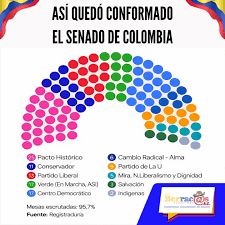
The governing party had a spectacular Sunday, simply said. They increased their presence in both chambers and became the largest single party to boot. The Senate remains without a clear majority, but they are in a very strong position indeed, even without the former FARC combatientes’ curules.
On top of that, other results largely went their way. The leftist consulta that Cepeda was blocked from running in was a washout as the Pacto told their supporters to stay away. Prominent critics of the party from other parties such as Robledo, Miranda, Betancourt and Juvinao all crashed out as well.
While an overall majority in either house is far from within their grasp, the Senate now leans slightly more left than right, with left and centre-left senators adding up to 53. On top of that, after an often rocky government, it’s clear that they haven’t lost their base, indeed even expanding.
A fortnight ago, Paloma Valencia’s campaign seemed to be stuttering. She was polling in single figures for first round intentions for the presidency and making few public appearances other than the mass debates for the Gran Consulta por Colombia. There was even a worry that she might suffer an upset in that consulta.
Fast forward to today and it’s a very different picture indeed. The latest polling shows her rocketing in popularity, now standing at around 20%. That’s because she picked up over three million votes in that consulta.
Then she picked the runner up in that race as her VP ticket, a smart move on her side to try and attract voters more in the centre as well as boost her in the capital. It’s not a landslide move, but it’s canny and the presidential race will likely come down to small margins.
Technically a loser, in the sense that he was a clear second to Valencia in the Gran Consulta. However, he picked up over a million votes, paying off his mortgage and significantly outperforming expectations. He also opened the door for some new paths in his political adventure.
It had looked like his next step was to concentrate on a tilt for Bogotá mayor, having come in second last time around after another strong campaign. He then pulled a remarkable volte-face, accepting Valencia’s offer to run on her ticket.
That’s a move that puts him potentially in a different league than before, very much on the national stage now. It’s come at an enormous reputational price though, with many that voted for him feeling betrayed as he runs on a rightist ticket. He can claim that it’s centrist as much as he likes, but few see it that way.
Electorates worldwide are losing patience with technocrats and politics as usual. That’s as true in Colombia as anywhere else, with a number of influencers running and doing fairly well. This is a trend that has been open for a while and shows no sign of slowing down.
Former adult actress Amaranta Hank won a spot for the Pacto Historico, while the White Elephant took a seat for the Partido Verde, having started out as a content creator looking to expose corruption and poor spending practices.
Despite fears of electoral violence and a turbulent run-up to election day, it was a relatively calm Sunday in the end. There was an attack on a voting centre in Meta, plus another couple of issues elsewhere, but overall it was a good sign for the upcoming presidential elections.
There were plenty of losers last week, with several high-profile candidates for the presidential race crashing out in their consultas. That saw Vicky Dávila unconvincingly claiming she wasn’t a loser and Enrique Peñalosa falling at the first hurdle again among others.
Farewell, too, for some familiar faces. Ingrid Betancourt failed to make the cut for Senate, losing her seat alongside her party. Jorge Robledo, the leftmost critic of Petro did likewise. Miguel Polo Polo unsurprisingly lost his seat as an Afro-Colombian representative, replaced by a principled lawyer, which delighted many.
In general, old parties and old faces fared poorly, with incumbency working against many. A striking exception to that was the party for ex-FARC combatants, Comunes. To their surprise, but no one else’s, they failed to meet the threshold for representation.
Standing in the leftwing consulta, Roy won in the sense that he saw off the threat from controversial former Medellín mayor Daniel Quintero. However, the Pacto campaign to not vote in consultas laid his lack of support bare.
The Partido Verde managed to limit their losses in terms of seats, remaining at a similar level as before. However, there has been a significant change in who takes those curules. They had an open list, meaning that no-one was assured of a place.
Voters made it clear that they wanted to see new blood, with government critics Katherine Miranda and Cathy Juvinao voted out, along with Inti Asprilla and Angelica Lozano.
For much of the last century, the Liberales and Conservadores absolutely dominated Colombian politics. For most of this century they’ve avoided running viable presidential candidates, preferring to hold their power in the Senate, Cámara and local politics.
This time out they have taken a big hit in both houses, losing five seats between them and no longer being in the top level of voting blocs. Due to the fragmented nature of the parliament, they retain some kingmaking powers, but are a shadow of what they once were.
A big question now looms for both parties ahead of next year’s local elections. Just as the Pacto will feel they can make some big gains there, so too will the Liberales and Conservadores worry they might take more damage.
The former Bogotá mayor faced no real opposition in her consulta, sailing through with over 90% of the vote. However, that was 90% of not very much and she failed to get voters out to show support in the way that Valencia and Oviedo did. She faces an uphill slog from here.
Neither of this pair were in consultas, instead going to the second round. That’s meant they’ve been kept out of the headlines and lost momentum as well as having some unfortunate results.
The scale of the turnout for Valencia shows she’s a viable contender to Aspriella on the right and her leap in polling is matched by a significant downturn for el tigre. For Fajardo, it’s even worse: voters are largely abandoning the centre and technocratic politicians.
With the governing party repeatedly questioning the openness and fairness of the elections, this was rough. There have been a number of reports coming out questioning the practices of various voting centres and plenty of allegations, particularly from the left.
On top of that, a couple of candidates were arrested on voting day with big bags of cash that were allegedly to be used in vote-buying. While corruption in electoral processes is likely nowhere near as widespread as many claim, it’s clearly still an issue, especially in rural zones.
Other than Juan Daniel Oviedo, centrists had a bad day at the polls, especially the centre-right. While the Centro Democrático and Pacto Historico gained votes on the flanks of both right and left, parties close to the centre lost out.
Cambio Radical took a big hit, as did the conservatives, with Abelardo de la Espriella’s new Salvación Nacional party gaining three seats from literally nowhere. The partido de la U also lost a seat while Ahora! won another two seats. Poor turnout for the centrist consulta also means there seems to be little support on the presidential level.
The presidential election on May 31 is now very much the focus of attention. Iván Cepeda still leads the polls comfortably, with Paloma Valencia and Abelardo de la Aspriella splitting the rightwing vote at the moment. However, with over two months of campaigning time ahead, there is plenty of time for everything to change.
Gustavo Petro has shown little sign of intending to follow the guidelines on not campaigning, making references to Oviedo and Valencia as well as thinly-disguised references to Cepeda and so on. Expect this to continue and ever more strongly worded warnings from the registraduría to be ignored.
It’s also likely that there will be ever more rhetoric over electoral fraud, with the Pacto campaign leaning heavily into that already and working on raising awareness of the issue ahead of the voting for the first round.
There’s currently a very good chance that the presidential campaigns will get pretty ugly, with lots of negative campaigning and attack ads. There is no love lost between the candidates and plenty of bad blood on all sides. We’ll keep you up to date with things as the campaigns develop.
The post Colombian elections 2026: Winners and Losers after March Madness appeared first on The Bogotá Post.
The Colombian government has formally submitted a technical and scientific dossier to the European Union seeking authorization to market cacay flour as a “Novel Food.” This regulatory category governs the entry of non-traditional food products into the European market.
The submission is the first of its kind for an Amazonian product from Colombia. It follows a 2024 initiative involving the Ministry of Commerce, Industry, and Tourism and the [suspicious link removed]. The process was supported by the Sustainable Forest Territories (Territorios Forestales Sostenibles or TEFOS 3) project, a program funded by the British Embassy and the German Cooperation GIZ.
Diana Marcela Morales Rojas, the Minister of Commerce, Industry, and Tourism, stated that the application positions cacay as a strategic component of the national portfolio of high-value natural ingredients. The technical dossier was structured according to the guidelines of the European Food Safety Authority (EFSA). To meet these standards, Colombia provided evidence of safe historical consumption for at least 25 years, alongside data on nutritional profiles, safety, traceability, and sustainable production processes.
The administrative validation phase is expected to take one month, followed by a technical and scientific evaluation by EFSA that may last up to nine months. Six Colombian companies participated in the drafting of the expediente, providing technical data and validating industrial processes to demonstrate the feasibility of large-scale production under international standards.
“This step positions the cacay as a strategic ingredient within the Colombian portfolio of high-value-added natural products.” — Diana Marcela Morales Rojas, Minister of Commerce, Industry, and Tourism.
The cacay nut, native to the Amazon and Orinoquia regions, produces a seed containing up to 60% oil rich in omega-6 and omega-9. The flour, a byproduct of the oil extraction process, contains approximately 40% protein and high fiber content. Beyond its nutritional applications, the crop is integrated into agroforestry systems aimed at restoring degraded lands and promoting biodiversity.
Currently, the cacay value chain involves more than 500 peasant and indigenous families. If approved, the flour would join Colombia’s non-traditional export basket to Europe, reinforcing a bioeconomy model based on fair trade and the sustainable use of biodiversity.
Colombia has modified the rules for bringing drones and their spare parts into the country for security reasons. The measure was established through Resolution 000242 of 2025 issued by the Dirección de Impuestos y Aduanas Nacionales (DIAN) and has been in effect since January 11, 2026.
The regulation was adopted “with the objective of preventing the illegal entry of unmanned aircraft systems (UAS/drones) and mitigating the risks associated with their misuse.” According to the DIAN in a press release, the provisions aim to “strengthen national security against the possible use of these devices in criminal activities, such as indiscriminate attacks against security forces and the civilian population.”
Under the directive, drones may enter the country through two mechanisms. The first is by submitting an Advance Import Declaration (Declaración Anticipada de Importaciones, by its Spanish name), which must be filed five calendar days before travel through the Customs Services (Servicio de Aduanas) section of the official DIAN website at www.dian.gov.co. The second option is to complete DIAN Form 530 upon arrival in the country.
In both cases, travelers must present the original purchase invoice, declare the intended use of the drone, and pay the corresponding import taxes, regardless of the price already paid for the equipment in the country of purchase. In some cases, DIAN may also request an inspection of the device.
The regulation establishes that drones or their parts may only enter the country if they comply with this standard import procedure.
Another key aspect of the resolution is that drones may only enter Colombia through two authorized entry points: the port of Cartagena and El Dorado International Airport in Bogotá. If a drone is brought into the country through any other location, customs authorities may seize it.
DIAN also clarified that travelers should “refrain from bringing this type of merchandise under the traveler import modality.” If they attempt to do so, customs authorities will require the change of modality so that the device can be processed through ordinary import procedures, provided that the arrival occurred through the authorized entry points. Entry through other locations is not permitted and could result in the seizure of the merchandise.
Additionally, the resolution states that drones cannot enter the country through postal shipments or express courier services, meaning international deliveries of these devices may be subject to confiscation.
Retail companies may continue selling drones in the Colombian market, provided they comply with import procedures and pay the applicable taxes. However, these requirements may lead to delays and additional costs for final consumers.
According to the magazine Cambio Colombia, the measure responds to the growing use of drones in criminal activities. These “recreational or productive technologies have begun appearing in high-risk scenarios such as illegal surveillance, the transport of explosives, criminal intelligence operations, and even attacks against security forces.”
Defense Minister, Major General (ret.) Pedro Arnulfo Sánchez Suárez, confirmed that 162 drone attacks against security forces were recorded in the country during the past year. According to the minister, the resolution will make it possible to “know exactly who is purchasing drones and what their intended purpose and use are. This will allow us to protect the population and prevent a tool designed for progress and development from being used to kill Colombians.”
In general terms, Resolution 000242 establishes three main rules for bringing drones into Colombia:
Additionally, drones that weigh more than 250 grams or are used for professional activities must be registered with Aerocivil, Colombia’s civil aviation authority. Failure to register the device or operating it without authorization may result in fines.
Above photo: DJI drone courtesy DJI
Conservative presidential candidate Paloma Valencia has chosen economist and former statistics chief Juan Daniel Oviedo as her vice-presidential running mate, a move widely interpreted as an effort by the right-wing Centro Democrático to broaden its appeal beyond its traditional conservative base ahead of Colombia’s May 31 presidential election.
The alliance seeks to balance Valencia’s hard-line security message – closely associated with former president Álvaro Uribe Vélez – with Oviedo’s more technocratic and centrist profile, which resonates with younger, urban voters.
Announcing the ticket in the bustling commercial district of San Victorino in central Bogotá, Valencia said the decision followed consultations within the party and with Uribe himself.
“We have reached the conclusion that the best teammate is Juan Daniel Oviedo,” Valencia said. “He obtained a popular backing that excites all of us. He is connecting with many Colombians who did not feel represented.”
The announcement comes just days before the deadline to register presidential tickets with Colombia’s electoral authorities and follows Valencia’s decisive victory in the conservative primary coalition known as “La Gran Consulta,” where she secured more than three million votes. Oviedo finished second with more than one million, quickly emerging as one of the race’s unexpected political figures.
Balancinga new centre
Valencia, a staunch supporter of Uribe’s political project, has repeatedly signaled she will not distance herself from the former president’s ideological influence.
“I’m not going to distance myself from Uribe; I’m going to die a Uribe supporter,” she said in a recent interview with El País, reaffirming her commitment to the security agenda associated with the former two-term president.
Yet her choice of Oviedo indicates an attempt to broaden the coalition’s reach. The economist, who gained national prominence as director of Colombia’s national statistics agency – DANE – is widely viewed as a highly-skilled data-driven analyst with appeal among educated urban voters in their thirties and forties – many of whom supported the Colombian Peace Agreement.
That demographic has traditionally gravitated toward centrist figures such as former Bogotá mayor Claudia López or the moderate political movement associated with Sergio Fajardo.
Oviedo’s presence on the ticket could help the conservative bloc penetrate that electorate while also tempering some of the party’s more polarizing rhetoric.
Beyond Differences
The partnership did not come easily. According to campaign strategists involved in negotiations, several days of discussions were required to reconcile differences between the candidates – particularly regarding Colombia’s peace process.
The Centro Democrático has long been critical of the transitional justice system created by the 2016 accord, especially the Jurisdicción Especial para la Paz (JEP), which has been investigating war crimes committed by ex-FARC and Armed Forces during two decades of the internal conflict.
Oviedo, however, has publicly supported the peace agreement and defended the need for reconciliation. Speaking after accepting the nomination, Oviedo emphasized the importance of political dialogue despite ideological differences.
“This is about listening,” he said. “In this coalition we are capable of recognizing our differences but uniting around a fundamental purpose: looking toward the future and building a country where everyone fits.”
He also highlighted his intention to include diverse sectors of Colombian society, mentioning farmers, informal workers, women and the LGBT community.
Strategic Moves in Gran San
The announcement’s location – San Victorino’s Gran San commercial center, one of Bogotá’s busiest retail hubs- was also symbolic. The district is a bustling marketplace dominated by small traders and informal workers, a constituency both candidates say they want to court.
Valencia described the alliance as a forward-looking project for a country weary of political polarization.
“We have many pains as a nation,” she said during the event. “If we only look backward we will find wounds that still need healing. But we have another option: to look forward toward the future we deserve.”
She also praised Oviedo’s credentials, describing him as a policymaker who understands the deep structural and social challenges facing Colombia. “He likes numbers, he likes studying,” she said. “Government is not about talking nonsense about problems – it’s about understanding them deeply in order to solve them,” she said to waves of applause.
The announcement quickly triggered reactions from across Colombia’s political landscape.
Former Liberal president Ernesto Samper welcomed the decision, arguing that Oviedo’s acceptance of the vice-presidential role signaled an implicit recognition by the right-wing party of the peace process. “The acceptance of Juan Daniel Oviedo demonstrates that the Centro Democrático validates the Havana peace agreement and the continuation of the JEP,” he Samper.
With the campaign entering its decisive phase, the Valencia-Oviedo ticket represents a strategic attempt to unite two currents within Colombia’s conservative electorate: an older security-focused base loyal to Uribe and a younger urban sector seeking pragmatic solutions to the internal conflict.
Whether the combination can bridge Colombia’s ideological divide – or deepen it- will likely shape the tone of the presidential race in the weeks and moths leading to the decisive vote.
Colombia’s high-altitude Sierra Nevada de Santa Marta has become the latest flashpoint in the country’s worsening rural security crisis, after armed clashes between illegal groups left Indigenous communities trapped in the crossfire and triggered a humanitarian evacuation mission.
Authorities confirmed that at least nine wounded civilians, including two minors, were evacuated following heavy fighting between the Clan del Golfo (Gulf Clan) and paramilitary group Autodefensas Conquistadoras de la Sierra Nevada, which are battling for territorial control in the mountainous region.
The fighting first broke out in the foothills near Aracataca, department of Magdalena, and birthplace of Literature Nobel Laurate Gabriel García Márquez. According to local news sources, several indigenous Arhuaco communities reported being trapped by gunfire, and in some cases, used as human shields during the armed confrontations.
Colombia’s human rights ombudsman, the Defensoría del Pueblo, deployed a humanitarian mission to monitor the deteriorating situation and coordinate assistance with Indigenous authorities, regional officials and the armed forces.
The operation succeeded in evacuating nine injured people who had been confined in areas affected by the fighting. Among the wounded are two children, highlighting the vulnerability of civilian populations in the isolated highlands.
The mission was carried out in the Indigenous community of Gunmaku, where Arhuaco traditional authorities accompanied humanitarian teams in assessing the impact of the violence and assisting those affected.
Officials said both armed groups agreed to temporarily respect a humanitarian corridor, allowing rescue teams to reach the injured and transport them to safety.
Despite the evacuation, the Defensoría warned that the situation remains critical.
Preliminary humanitarian reports indicate the disappearance of two women, the killing of a man, and the injury of a child, while many residents remain confined in their communities due to the ongoing clashes.
“We are deeply concerned about the population in Serankua and nearby rural settlements,” stated the ombudsman’s office, referring to communities located high in the Sierra Nevada where access is extremely difficult.
The entity added that the confrontation had been anticipated in earlier early-warning alerts, but the national government failed to fully prevent the escalation.
Rescue operations have been complicated by the region’s extreme geography.
Much of the affected territory lies more than 2,800 metres above sea level, accessible only by footpaths and rugged mountain trails. Helicopter evacuations carried out by the Colombian Army involved considerable risk due to the altitude and lack of landing zones.
Magdalena governor Margarita Guerra Zúñiga confirmed that the military conducted what she described as a “humanitarian extraction” operation, transporting injured civilians to Santa Marta for treatment.
Several evacuees are receiving medical attention and are in stable condition, except for one child who required emergency surgery.
Indigenous leaders are now warning of forced displacement, similar to the humanitarian crisis last year in the mountainous Catatumbo region, Norte de Santander, close to the Venezuelan border.
Protection agencies, such as the Childrens Welfare Agency (ICBF) are calling on armed groups to respect international humanitarian law, particularly the principles of distinction and precaution, which prohibit attacks against civilians or the use of non-combatants as human shields.
Human rights monitors also called for stronger state presence in the Sierra Nevada, warning that ancestral communities remain highly vulnerable to violence and coercion from criminals.
Security analysts claim the clashes are part of a broader territorial struggle for control of drug trafficking routes that extend from La Guajira to the Uraba Gulf, as well as expanding extortion networks along Colombia’s Caribbean coast.
The Clan del Golfo, Colombia’s largest drugs cartel, has expanded operations across the Caribbean in recent years. The group is now competing for more territorial control with the Autodefensas Conquistadoras de la Sierra Nevada, also known as “Los Pachenca”.
The Sierra Nevada — a vast mountainous ecosystem rising from the Caribbean coast to snow-capped peaks — is the spiritual and ancestral home for the Arhuaco, Kogui, Wiwa and Kankuamo peoples.
Community leaders warn that the expansion of armed groups threatens not only civilian lives but also the ecological and cultural balance of the mountain range, which Indigenous “elders” – mamos – regard as the “Heart of the World”.
Humanitarian agencies have urged Colombia’s government to convene the Intersectoral Commission for Rapid Response to Early Warnings (CIPRAT) and strengthen coordination between the Interior Ministry, regional authorities and the Victims’ Unit.
While more army units are being deployed to the area, Indigenous leaders warn that unless the government of President Petro establishes a permanent security and humanitarian presence, the remote communities inside the world’s highest coastal mountain range will find themselves trapped in a conflict that engulfs not only their ancient territories, but also, one of the country’s most recognized tourism destinations.
Colombia’s presidential race entered a decisive new phase this week after Sunday’s inter-party primaries propelled conservative senator Paloma Valencia into the national spotlight and triggered a scramble among political factions to forge alliances ahead of the May 31 election.
Valencia’s commanding performance in the right-wing “La Gran Consulta” primary – where she secured roughly six million votes – has reshaped the political landscape, opening a contest within the conservative bloc while forcing candidates across the spectrum to recalibrate their strategies.
The vote effectively marks the start of Colombia’s election season, in which presidential hopefuls must broaden their appeal beyond ideological bases while navigating a fragmented political field.
For the right, the central challenge is whether it can attract moderate and centrist voters without alienating the hardline supporters who form the backbone of a political base – and party – associated with former president Álvaro Uribe.
Valencia, a senior figure in Uribe’s Democratic Center, emerged from the primaries as one of the leading conservative contenders after her vote total surpassed the turnout achieved by President Gustavo Petro and Vice President Francia Márquez in their coalition primaries ahead of the 2022 election.
For Uribe’s movement, which appeared weakened after the presidency of Iván Duque and several electoral setbacks, the result represents an unexpected demonstration of political resilience.
Yet the surge of security-focused Senator has also intensified competition from the far right.
Barranquilla-based lawyer Abelardo de la Espriella, who had previously dominated opposition to Petro, now faces a rival capable of consolidating support among traditional party structures while courting voters beyond the hard-right.
De la Espriella announced Tuesday that Ivan Duque’s former finance minister José Manuel Restrepo will join his presidential ticket as vice-presidential candidate, a move widely interpreted as an attempt to add economic credibility to a campaign largely driven by security rhetoric.
Political observers on the night of the consulations emphasized that Uribe will play a decisive role in shaping the outcome of any hard-right and center-right alliance.
The former president remains the most influential figure within Colombia’s right-wing political establishment and will act as “kingmaker” when negotiations begin over a possible understanding between Valencia and De la Espriella aimed at consolidating the anti-Petro vote.
Whether such an agreement materializes remains uncertain, as both candidates seek to position themselves as the principal challenger to the left in the first round scheduled for May 31.
Sunday’s primaries also produced a surprise showing from economist Juan Daniel Oviedo, the former head of Colombia’s national statistics agency (DANE), who secured more than one million votes and finished second in La Gran Consulta.
Oviedo has cultivated support among urban and younger voters, particularly in Bogotá, where his technocratic style and socially liberal positions have resonated with diverse constituencies, including large segments of the LGBTQ community.
Yet his unexpectedly strong performance now places him at a political crossroads.
Oviedo is expected to meet Valencia on Thursday to discuss a possible alliance that could include joining her ticket as a vice-presidential candidate.
Such a partnership could help Valencia reach voters beyond the traditional conservative base. But it also carries risks for Oviedo, whose supporters may question a close association with the Uribe-aligned political establishment that has dominated Colombia’s right for more than two decades.
The two politicians differ sharply on several issues, including the 2016 peace agreement with FARC and role of the Special Jurisdiction for Peace (JEP), the transitional justice tribunal created to prosecute war crimes committed during Colombia’s internal conflict.
While Oviedo has defended Juan Manuel Santos’ peace agreement and role of the tribunal, Valencia has long criticized JEP and promoted reforms aimed at limiting its legal authority.
Despite the shifting dynamics on the right, the left retains an important institutional foothold following Sunday’s legislative elections.
Petro’s governing coalition, the Historic Pact, emerged as the largest force in the Senate with 25 of the chamber’s 102 seats, according to official results, though it fell short of an outright majority and will need alliances with other parties in the fragmented legislature.
Within the progressive camp, however, the primaries exposed clear divisions.
Former Senate president and former Ambassador to London Roy Barreras secured just over 200,000 votes in the left-wing primary and publicly blamed Petro for the weak turnout, accusing the president of discouraging supporters from voting on Sunday to cement the official candidacy of hard-left candidate Iván Cepeda.
The primaries also underscored the continued weakness of Colombia’s political center.
Former Bogotá mayor Claudia López won her coalition’s primary but attracted fewer than half a million votes, a disappointing result that leaves her entering the first round of the presidential race with reduced political momentum.
With nearly three months remaining before the first round of voting, the campaign that begins this week bears little resemblance to the one that existed before Sunday’s primaries.
The conservative opposition remains divided but newly energized, the left retains institutional strength despite internal tensions, and the political center faces an uphill battle to remain relevant.
In a race now expected to be decided in two rounds, Colombia’s presidential contest is once again wide open as candidates maneuver to build alliances and capture the pivotal voters who will ultimately decide the country’s political direction.
On March 8, Colombia elected the Congress that will exercise legislative authority during the 2026–2030 term. From more than 3,200 candidates, voters chose the 102 senators (upper house) and 182 members of the House of Representatives (lower house) who will make up the country’s legislative branch.
According to preliminary reports from the Registraduría Nacional del Estado Civil (RNEC), with 98.4% of polling stations counted, equivalent to 19,220,365 votes tallied, the new Congress has been defined electorally, however, it should be noted that these seat projections correspond to the official preliminary count, which still must go through several formal procedures before the final results are certified.
The Pacto Histórico, the party of current President Gustavo Petro, obtained around 22% of the vote (4,402,601), which would allow it to increase its representation from 20 senators in the current legislature to approximately 25 seats in the next term.
In second place is the Centro Democrático, the party of former President Álvaro Uribe, with about 15% of the vote (3,020,459), potentially increasing its representation from 13 to 17 seats.
The Partido Liberal would rank third with 13 seats (2,268,658 votes). It would be followed by the Alianza por Colombia, led by the Green Party, with 10 seats (1,899,096 votes), and the Partido Conservador, also with 10 seats (1,859,493 votes).
Other wins in the Senate include Party of La U (9 seats), Cambio Radical (7), the Ahora Colombia coalition (5), which backs presidential candidate Sergio Fajardo, and Salvación Nacional (4), the movement of presidential candidate Abelardo de la Espriella. The two remaining seats correspond to the special indigenous constituency.
In terms of losses in representation, the Partido Conservador would be the most affected, losing five of its current 15 seats. Cambio Radical would lose four, the Greens three, La U two, while Liberals and Ahora Colombia would each lose one seat.
Among the prominent figures who would be left out of the new Senate is former President Álvaro Uribe, who occupied position number 25 on his party’s list and would not obtain a seat if the Centro Democrático secures only 17 seats. Green Party senator Angélica Lozano, known for promoting legislation related to transparency, would also lose her seat.
Likewise, movements such as the coalition that supported Juan Daniel Oviedo and the Partido Oxígeno, led by former presidential candidate Ingrid Betancourt, who was kidnapped for years by the now-defunct FARC guerrilla group, would fail to surpass the minimum threshold required to obtain Senate representation (3% of the total vote).
On the other hand, the performance of the Salvación Nacional movement, led by presidential candidate Abelardo de la Espriella, stands out. In its first participation in a congressional election, the party would surpass the electoral threshold and secure four senators.
The allocation of seats in the House of Representatives follows a different process from that of the Senate, making it difficult to project the final distribution in the early stages of the vote count.
This is because the calculation is conducted department by department, once the RNEC determines the seat allocation formula and electoral quotient in each of the 32 States and the Capital District of Bogotá.
According to report number 45 from the RNEC, with 99.03% of votes counted, the main parties have obtained the following preliminary nationwide results:
Because the House of Representatives elections involve parties, movements, and coalitions with strong local and regional influence, several smaller political organizations are expected to win seats, as they must surpass regional thresholds rather than a national one.
With the preliminary distribution of seats in both the Senate and the House of Representatives, projections suggest that Colombia’s next president will need to govern through legislative coalitions, as has occurred under President Gustavo Petro and his predecessors.
Presidential candidates Iván Cepeda, of the Pacto Histórico, and Paloma Valencia, of the Centro Democrático, would begin the next political phase with the largest congressional blocs, although neither would have enough seats to govern alone.
Traditional parties such as the Liberal, Conservador, Cambio Radical, and La U, which together could account for more than 40% of the new congress, have not yet decided which presidential candidate they will support, a situation similar to what occurred in the previous election. These parties could therefore become kingmakers, capable of facilitating, or blocking, governability depending on the alliances and coalitions they choose to form.
For that reason, the coming weeks are expected to be marked by intense political negotiations, as presidential contenders attempt to build alliances that would allow them to secure legislative support.
For candidates such as Sergio Fajardo, whose Ahora Colombia coalition would obtain only five senators, or Abelardo de la Espriella, whose Salvación Nacional movement would have four, the challenge will be significantly greater.
Above photo: Polling station during Colombia’s congressional elections. Photo courtesy of the Registraduría Nacional del Estado Civil.
Colombia’s presidential race has entered a new phase following the interparty primaries held on March 8. Three major coalitions selected their candidates ahead of the first round scheduled for May 31: Paloma Valencia (48 years) will represent the right, Claudia López (56) the center, and Roy Barreras (62) a segment of the left.
They will join three candidates who did not participate in the primaries because they already hold the official endorsement of their parties: Iván Cepeda (63) of the Pacto Histórico (left), Sergio Fajardo (69) of Dignidad y Compromiso (center), and Abelardo de la Espriella (47) of the Salvación Nacional (far right).
Beyond their immediate results, Colombia’s interparty primaries typically serve two main purposes: reducing the number of contenders and selecting the flagbearers of each coalition, while also measuring the electoral strength of political figures ahead of potential negotiations among parties and candidates. With 99% of polling stations counted, and preliminary results rapidly released by the Registraduría Nacional del Estado Civil, several political consequences of the vote are already emerging.
The right-wing consultation brought together nine candidates from different center-right and conservative currents. One of its main goals was to secure a strong turnout that could consolidate the sector in public opinion and counter the rise of far-right candidate Abelardo de la Espriella, who seeks to capture a portion of Colombia’s traditional conservative electorate.
The winner was Senator Paloma Valencia, who has campaigned nationwide alongside former President Álvaro Uribe Vélez, the leading figure of the Centro Democrático party.
Although polls had already projected her victory, the surprise was the scale of the result. With 99% of polling stations counted, Valencia secured 3,212,528 votes, representing more than 45% of the total votes cast across the three primaries.
She now faces three major challenges. The first will be unifying the right behind her candidacy and preventing conservative voters from drifting toward De la Espriella. In this context, the selection of her vice-presidential running mate will be crucial.
Among the names circulating is Juan Daniel Oviedo (48), a former Bogotá city councilor who unexpectedly finished second in the consultation with more than 1,200,00 votes, despite his well-known ideological differences with the Uribista movement.
The second challenge is symbolic: no woman has ever reached the second round of Colombia’s presidential election, making it difficult to break that historical barrier even with the political backing of Uribe, who still maintains strong favorability ratings.
Finally, Valencia will attempt to channel the anti-Petro vote, capitalizing on public dissatisfaction with the policies of President Gustavo Petro and his close political ally Iván Cepeda, who currently appears as the frontrunner in most polls for both the first and second rounds.
With 99% of votes counted, the centrist consultation recorded the lowest turnout among the three coalitions. Former Bogotá mayor Claudia López received more than 572,000 votes, representing just 8.14% of the total, well below polling projections that placed her above 12%.
For López, the result follows a long campaign that began more than a year ago, during which she sought to challenge Sergio Fajardo, the former mayor of Medellín who already holds the endorsement of the Dignidad y Compromiso party.
The key question now is her next political move: whether to remain in the presidential race or eventually join forces with Fajardo, whose polling numbers also remain modest, hovering around 5%.
The weak result may reflect the fragmentation of Colombia’s political center, often criticized for positions perceived as moderate or ambiguous. It may also indicate that Juan Daniel Oviedo attracted part of the centrist electorate within the right-wing consultation.
In any case, the outcome suggests the presidential campaign could once again polarize around two main narratives: “with Petro,” led by Iván Cepeda and the Pacto Histórico, or “against Petro,” a space still contested between Paloma Valencia and Abelardo de la Espriella.
In Roy Barreras’s case, two key factors appear to have contributed to his limited result. First was his decision to maintain a primary that many within the left considered unnecessary, given that much of the progressive sector had already rallied behind Iván Cepeda.
Second is his long political trajectory across multiple governments and ideological camps, from the right to the left, which has led some voters to view him as a traditional establishment politician.
With 99% of votes counted, Barreras secured just over 255,000 votes, less than 4% of the total. During the campaign, Barreras had stated he expected to surpass 1,500,000 votes in order to negotiate a stronger position within the left-wing coalition. Following these results, his most likely option may be withdrawing his candidacy and endorsing Cepeda, signaling unity within the progressive camp.
One of the most striking outcomes was the performance of Juan Daniel Oviedo, who finished second among the 18 candidates participating in the primaries with 1,251,428 votes. With this electoral capital, Oviedo has become one of the most sought-after figures for potential alliances.
His political alignment remains uncertain. It is unclear whether he will fully integrate into Paloma Valencia’s campaign and the Centro Democrático, with whom he has ideological differences, or attempt to move closer to the weakened political center.
Unlike many traditional politicians, Oviedo has built a relatively short but distinctive political career based on his technocratic profile, his experience in economic policy, and his attempt to position himself outside the traditional Petro-Uribe political divide.
Meanwhile, journalist Vicky Dávila (52), who has run a campaign with populist elements inspired by figures such as Javier Milei in Argentina and Donald Trump in the United States, received more than 236,000 votes, around 3.3% of the total, leaving her with limited negotiating leverage.
A similar outcome affected Daniel Quintero (45), the former mayor of Medellín, who received just over 226,000 votes (around 3.2%), with his campaign likely hurt by controversies linked to alleged corruption during his administration.
Under Colombia’s electoral law (Law 1475 of 2011), political parties may still modify or withdraw candidates until March 20. After that date, the presidential campaign will move toward the first round scheduled for May 31. If no candidate obtains an absolute majority (50% plus one), the two candidates with the highest vote totals will compete in a runoff election on June 21.
For now, the race appears likely to center on a left-wing coalition led by Iván Cepeda with the backing of President Gustavo Petro, and a divided right contested between Paloma Valencia and the ultraconservative Abelardo de la Espriella.
Above photo: Claudia López, candidate in the centrist primary, casting her vote in Bogotá. Photo courtesy of Claudia López’s campaign team.
Colombian President Gustavo Petro is continuing to make changes to Colombia’s health system through administrative measures, after two attempts to pass a legislative reform were rejected by Congress.
The latest decision is Decree 0182 of 2026, which centralizes the provision of health services in approximately 45% of the country under the administration of Nueva EPS, a mixed public-private company currently under government intervention. As part of the measure, the insurer would receive 2,84 million reassigned members.
According to the government, the decree seeks to modify the flow of resources within the system so that funds would be paid from the government directly to healthcare providers, such as hospitals and clinics. This change would limit the traditional role of the Entidades Prestadoras de Salud (EPS), the system’s intermediaries, whose reduction has been one of the Petro administration’s key policy goals.
President Petro has publicly defended this approach. In a message posted on the social media platform X, he said that EPS entities “devour 70 trillion pesos annually and demonstrably benefit the wealth of their owners.” The president has also blamed these institutions for the crisis affecting the health sector over the past decade, arguing that during that time “the theft of health resources multiplied, and 117 EPS were liquidated to avoid paying their debts.”
The decree has sparked debate in the media. Some reports, including those published by the outlet Infobae after reviewing the official document, described the measure as a “mass transfer of patients and territorial reorganization of the health system.” However, the Ministry of Health rejected that interpretation and clarified that the measure “does not involve an arbitrary transfer of users, but rather a technical step aimed at correcting structural failures in the insurance model”.
In a statement, the ministry explained that “when an EPS lacks operational or financial capacity in a given territory, the state is authorized to adopt temporary mechanisms to ensure healthcare access for users.” The ministry also stated that the goal of the decree is to guarantee effective, fair, dignified and continuous access to healthcare services across the country, particularly in regions where geographic dispersion and low population density have historically complicated service delivery.
The debate comes amid a broader process of administrative interventions within the system. According to reports cited by the newspaper El Colombiano, “over the past three years the government, through the Superintendencia Nacional de Salud, has intervened in seven EPS,” removing their management from private owners and placing them under state-appointed administrators.
The government has used this context to justify administrative measures such as those included in the decree, arguing that several insurers have demonstrated structural operational weaknesses. At the same time, the legislative debate over a comprehensive health reform has not been completely closed. According to the same outlet, the government is still exploring the possibility of reviving the reform bill through an appeal filed by Senator Fabián Díaz. In the meantime, the administration has moved forward with changes through decrees, regulatory resolutions and decisions by the health regulator.
Despite the publication of the decree, its implementation still requires additional administrative steps. According to analysis cited by Infobae, “the transfer of members will not occur automatically, as it depends on the Superintendencia Nacional de Salud issuing administrative acts that update the territorial scope of the EPS”. This means the reorganization of the system could unfold gradually once the required regulatory procedures are completed.
Colombia goes off to the polls for the first time tomorrow – but what’s at stake in the first Colombian election of 2026, how does it all work and why are there claims of fraud?
National elections are taking place in Colombia in 2026, with the first taking place tomorrow morning, Sunday 8th March. This returns representatives for both houses of parliament as well as eliminating some candidates for the presidential elections coming in May.
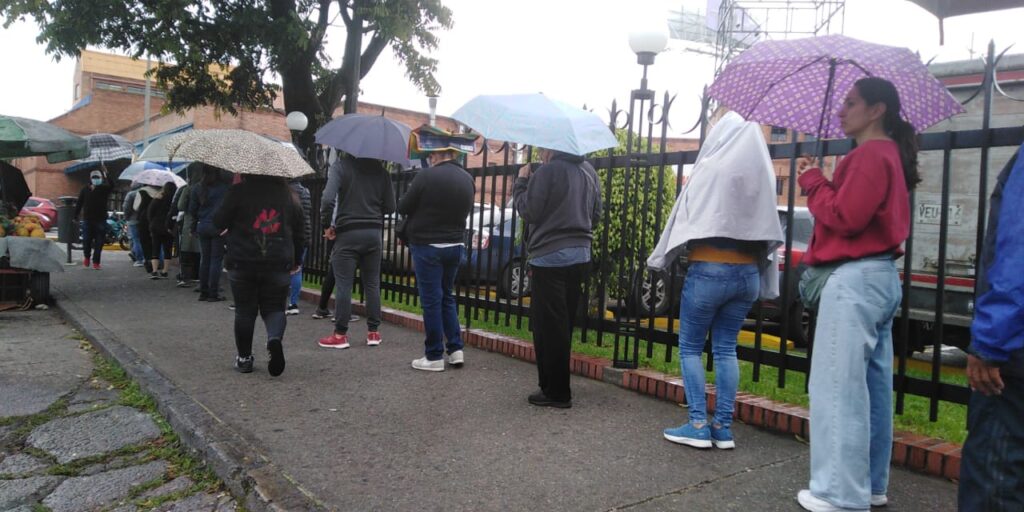
Oversight is carried out by the CNE (Consejo Nacional Electoral). In order to do this over the vast territory and number of stations, over 800,000 citizens are selected to be vote-counters. This is similar to jury duty in other countries and is compensated with a day off as well as a compulsory day of training a couple of weeks beforehand.
As the electorate is growing, there are now some 13,000 voting sites across the country, most with multiple voting tables. Colombians have to vote where their cédula is registered, so don’t be surprised to see some people trekking to other cities if they forgot to update their registration.
Borders will close, along with various road closures within city limits and ciclovía cancelled to allow for ease of transport to voting stations. There will also be a dry law enacted from this afternoon and you can expect a heightened police and military presence.
This is the first year in which the parties representing demobilised ex-FARC combatants do not receive guaranteed seats and is also the first time the leftist bloc is coming in as incumbents rather than opposition.
With plenty of rhetoric and conflict in the run up to the election as well as the unusual political situation of the country, these are particularly hard elections in Colombia to call. While the upcoming presidential elections in May are the bigger deal, this round will give some insight into how that might go.
Both houses of parliament will be fully elected, which means 103 senators and 183 representatives for the lower house, known as the Cámara de Representantes. The key difference in choice here is whether you vote regionally or nationally.
The Senate is voted for on a national basis, with all candidates open to all voters. Of the 103 curules, a straight 100 are chosen by the electorate as a whole, while Indigenous communities select a further two and the runner-up in the presidential election will receive the final seat.
The Cámara is regionally organised, with residents of the capital voting for Bogotá-based candidates and so on. Bogotanos have 18 representatives in total, whereas departments are guaranteed a minimum of two seats. Like the Senate, there are also seats set aside for special groups: afro-Colombians, Indigenous Colombians and conflict victims.
Just in case you thought there was enough on the plate, there are further considerations at stake. To avoid spreading the vote, various presidential candidates with similar positions group together for a preliminary vote. The losers in each consulta will drop out on Monday. This year there are three on the voting card.
They are leftist, rightist and centrist. Ex-mayor of Bogotá Claudia López is nailed on for the latter and ex-mayor of Medellín Daniel Quintero is likely to win the former. The rightist consulta is more open, with Paloma Valencia of the centro democrático leading polls but Juan Daniel Oviedo and Juan Galán eyeing the outside chance of an upset.
While there is a diverse group of parties, they hang together in loose blocs roughly delineated as government, opposition and neutral. With the government only controlling 34 curules and the opposition 24, the neutrals are incredibly important for horse-trading.
This will be a huge litmus test for the ruling leftist bloc. They will lose their guaranteed Comunes seats, so any further losses will be highly problematic. On the other hand, gaining curules would be a huge shot in the arm in terms of public support, hence why they are campaigning in places like Huila, outside of their traditional strongholds.
Continuity candidate for presidency Iván Cepeda continues to lead polling by a healthy amount, but is closer to Petro’s numbers in 2018 than 2022, which will be a concern. A good performance tomorrow will help him out considerably.
Within the consultas, Paloma Valencia’s support will be the big question. She’s likely to win, but the percentages will be a big sign as to whether she can truly challenge Abelardo de la Espriella for the rightwing vote.
The most likely outcome is that there will be little change in the makeup of the Senate, with neither the government nor opposition likely to take outright control or make large gains. Whichever of those two groups increases their representation will quickly turn it into a sign that they are on the right track and use that as support for their presidential campaign.
The run-up to the first Colombian elections of 2026 has seen a lot of criticism of the system, almost all of it coming from the national government. President Gustavo Petro has been front and centre on this issue, repeatedly questioning the neutrality of the elections.
Petro’s concerns rest on the fact that Thomas Greg and Sons handle the software used in the election system, a firm that he’s clashed with repeatedly, especially over Colombian passport printing.
He says that the systems are opaque and he has not received answers from the CNE or Registraduria over various concerns he has. However, both groups, along with Colombia’s neutral election observers MOE have been clear about the processes.
Online, there are hundreds of posts claiming that a key part of the alleged fraud will be in the reports made by the jurados. This echoes previous elections, where there was a flurry of images purporting to show electoral forms that had been altered. With AI entering the scenario, expect more of this from midday or so tomorrow onwards.
Voy a escribir porqué los escrutinio son opacos y vulnerables al fraude en las elecciones.
— Gustavo Petro (@petrogustavo) March 1, 2026
No porque crea que nuestro proyecto democrático vaya a perder sino porque es mi deber como jefe del estado al menos informar sobre uno de los peores riesgos de la democracia hasta ahora…
Of course, Petro is only claiming that electoral fraud exists against him, not in the multiple occasions in which he’s won at the voting urns. This is a well established populist tactic – calling elections into doubt before they happen. It’s likely to rally his turnout and provide an excuse if results are bad.
There is little credibility to most of the vote rigging claims. Colombia does indeed have some serious problems around corruption and influence buying, but this tends to be concentrated in rural zones in the periphery of the country. It’s also worth noting that these seats return candidates from across the political spectrum.
A lot of electoral impropriety is very hard to prove – the machines that promise to deliver blocks of votes are well-versed in legal limits and plausible deniability. Offering someone some free gifts in return for ‘support’, for example, is widespread and while dubious hard to prove in court.
It goes without saying that political attacks on the CNE are particularly unhelpful, especially in what is still a very charged political atmosphere nationwide. The assassination of presidential pre-candidate Miguel Uribe last year was a shock to a country that has a long history of political violence.
Concerns remain over both electoral safety and fraud in much of the country, with over 200 municipios at high risk of fraud and/or violence. 39 of those are classed as very high risk and only 167 at very low risk, mainly in the Andino region.
Every Colombian over the age of majority (18) and with a correctly registered cédula ciudandanía can vote. In return, each voter gets a half day off work. Non-citizens are not eligible to vote in national elections, but holders of resident visas will be able to vote in next year’s local elections.
The polls are open from 8am until 4pm and counting is usually very fast with the first results coming in before sundown tomorrow. Due to the PR system (see below), final results for some more isolated zones will come through in the week.
Land and fluvial borders will be closed for Colombian nationals tomorrow morning, although foreigners can cross. From this afternoon until early on Monday morning, ley seca will apply, meaning no alcohol sales in bars, restaurants or shops. That applies for everyone, so no representation or boozing for foreign residents.
Some parties run a closed list system, meaning you simply vote for them, whereas others have open lists, meaning you vote for the party and can also vote for your preferred candidate within the party. For closed lists, the party will simply enter their candidates in the order they’ve given up to their limit of seats, with an open list it will be done in order of preference.
There’s also the curious option of voto en blanco. Different from a spoiled vote, which is simply disregarded, this is an active protest. If it ranks highest in any race, then a rerun of the election must take place within a month with entirely new candidates and/or party lists.
A smidgen under 50% turnout is common for house elections, with higher figures expected for the presidential elections later this year. The Colombian parliament is a bicameral system with the Senate acting as the upper and more powerful house and the Cámara the lower house.
Most parties do not really have well-defined manifestos as such, although better-funded candidates will give a range of positions on matters. In general, there will simply be slogans and general aims that give voters an idea of where their candidates stand.
The post Colombian elections 2026: What’s at stake this weekend? appeared first on The Bogotá Post.
A total of 3,231 candidates will compete for seats in Colombia’s congress in the legislative elections scheduled for March 8, according to the Registraduría Nacional del Estado Civil (RNEC), the authority responsible for organizing the country’s electoral processes. In total, 102 senators and 182 members of the House of Representatives will be elected.
According to the electoral authority, 1,124 candidates registered for the Senate and 2,107 for the House of Representatives, the two chambers that make up Colombia’s congress.
As the political analysis website Razón Pública explains, Colombia’s electoral system is based on proportional representation, which seeks to reflect the diversity of political opinions within society in the composition of Congress. For the Senate, or upper chamber, voters may cast their ballots for candidates anywhere in the country, as it operates under a national constituency. In contrast, the House of Representatives, or lower chamber, is elected through territorial constituencies by departments, including Bogotá as the Capital District.
According to the RNEC, 41,287,084 citizens are eligible to vote in the upcoming elections, a key figure because it influences how seats are allocated.
In this election, 102 senators will be chosen by popular vote. According to the Senate’s official website, 100 will be elected through a nationwide constituency and the remaining two seats are reserved for indigenous communities, a special constituency established by the 1991 Constitution to guarantee political representation for these groups.
Voters must choose between receiving the national ballot or the Indigenous constituency ballot, but they cannot vote in both.
For the House of Representatives, 182 members will be elected, distributed as follows:
Unlike the Senate, each department receives a specific number of seats based on its population, creating regional electoral dynamics in which local political leadership often plays a key role. In practice, more populous departments hold greater representation than smaller ones.
Both the Senate and the House of Representatives receive one additional seat after the presidential election, allocated to the candidate who obtains the second-highest number of votes.
Colombia’s electoral system is regulated by the Acto Legislativo 001 of 2003 and the Electoral Law, and operates under principles of proportional representation.
First, the valid votes obtained by each party list are counted. Only those lists that surpass a 3% threshold of total valid votes are eligible to participate in the distribution of seats. In the 2022 legislative elections, this threshold exceeded 509,000 votes.
According to projections by the Misión de Observación Electoral (MOE), the threshold for the Senate in the upcoming elections could reach around 600,000 votes.
This threshold is crucial because if, for example, a candidate obtains 450,000 votes but their party fails to pass the threshold, neither the candidate nor the party will secure a seat in Congress.
Among the lists that surpass the threshold, seats are distributed using the D’Hondt method, known in Colombia as the cifra repartidora, which allocates seats proportionally according to the number of votes obtained. In 2022, the seat-allocation quotient was 144,013 votes.
For the House of Representatives, the process is more complex because the threshold and D’Hondt method are applied separately within each department, producing different results across regions.
With closed lists, voters select only the political party or list as a whole, without choosing an individual candidate.
Under the Acto Legislativo 1 of 2003, political parties may register open lists or closed lists. With open lists, voters select a specific candidate within a party’s list. The vote counts both for the political party and for the individual candidate. Seats obtained by the party are then assigned to the candidates who received the highest number of votes, regardless of their initial position on the list.
With closed lists, voters select only the political party or list as a whole, without choosing an individual candidate. Seats are then allocated according to the order predetermined and registered at the start of the campaign by the party.
In the upcoming elections, two of Colombia’s most prominent political forces will present closed lists: the Pacto Histórico, the coalition led by current President Gustavo Petro, and the Centro Democrático, the right-wing party founded by former President Álvaro Uribe Vélez.
Photo courtesy of the National Civil Registry of Colombia,
This Sunday, March 8, 2026, Colombia will hold one of the most significant electoral events of the year’s political calendar. In addition to electing a new congress, voters will participate in the so-called Interparty Primaries, a mechanism through which political parties select their candidates for the presidential election scheduled for May 31.
According to the political analysis website Razón Pública, these consultations seek to “build broad coalitions composed of parties, movements, and independent candidacies.” In practice, they allow different political sectors to determine through open voting who will represent each coalition in the presidential race.
Political parties seek to boost their chances in the presidential race or strengthen their leverage in potential coalition negotiations.
In total, three separate primaries will take place, each with its own ballot. Citizens may participate in only one of them by requesting the corresponding ballot when voting for Congress.
The first is the “Solutions Primary: Healthcare, Security and Education,” made up of parties from the political center. In this contest, former Bogotá mayor Claudia López faces independent lawyer Leonardo Huertas. According to the latest Invamer poll, López is the clear frontrunner, with a projected 92.9% voting preference, compared with her only opponent.
The second consultation represents the political right and includes nine pre-candidates in the so-called “Grand Primary for Colombia.”
Among the contenders are former ministers of previous governments Juan Carlos Pinzón (Defense), Mauricio Cárdenas (Finance), and David Luna (Information Technologies); former Antioquia governor Aníbal Gaviria; former Bogotá mayor Enrique Peñalosa; journalist Vicky Dávila; and three senators representing their respective parties: Juan Manuel Galán (Nuevo Liberalismo), Juan Daniel Oviedo (Con Toda con Colombia), and Paloma Valencia (Centro Democrático).
Polls consistently identify Paloma Valencia as the favorite to win the primary. The Invamer poll projects her with 41.6% of the vote, Atlas Intel 44.4%, and Guarumo-EcoAnalítica 40.6%, while the firm Gad3 also places her first but with a lower estimated vote share of 17%. Valencia has been campaigning nationwide accompanied by former president Álvaro Uribe Vélez, the leading figure of the Centro Democrático, and previously won her party’s internal selection process through a member survey held on December 15.
The third primary corresponds to the coalition known as the “Front for Life,” made up of left-wing candidates, although without the official backing of current President Gustavo Petro, who under Colombian law is prohibited from participating in electoral politics or promoting candidates.
Candidates in this race include Héctor Elías Pineda, a former member of the M-19 guerrilla movement (the same group Petro once belonged to); Edison Lucio Torres of the Partido de los Trabajadores (Worker’s Party); and independent candidate Martha Viviana Bernal.
Former senator Roy Barreras; and embattled former mayor of Medellín Daniel Quintero Calle registered through the Movimiento de Autoridades Indígenas de Colombia. Polls by Guarumo-EcoAnalítica (47.6%) and Invamer (68.1%) place Daniel Quintero as the leading candidate of this Primary. However, the firm Atlas Intel did not measure this coalition, arguing that it did not surpass the statistical threshold required.
According to Razón Pública, “once the March 8 voting concludes, the political landscape will enter a phase of critical decisions. The results will determine alliances and realignments ahead of the presidential first round.”
Across the political spectrum, the winners of each consultation will attempt to consolidate support to compete against other candidates who registered directly without participating in the consultations. These include Abelardo de la Espriella, a conservative lawyer and businessman who registered through citizen signatures; Iván Cepeda, the official candidate of the Pacto Histórico coalition led by President Petro and currently leading voting-intention polls; and Sergio Fajardo, who registered with the party Dignidad y Compromiso.
Under Colombia’s electoral Law (1475 of 2011), political parties may still modify or withdraw candidates until March 20. After that date, the presidential campaign will move toward the first round scheduled for May 31. If no candidate secures an absolute majority of the vote (50% plus one), the two candidates receiving the highest number of votes will compete in a runoff election on June 21, where the candidate with a simple majority will be elected president.
Photos courtesy of the Registraduría Nacional del Estado Civil
President Gustavo Petro has announced the start of a consultation process with ethnic communities to draft a new decree protecting the sacred “Black Line” of the Sierra Nevada de Santa Marta after Colombia’s highest administrative court annulled the previous legal framework governing the ancestral territory.
The announcement came late on March 4 during an interethnic assembly in the Caribbean city of Santa Marta attended by Indigenous authorities, Afro-Colombian representatives and members of Petro’s government.
The process follows a February 12 ruling by the Council of State of Colombia that struck down Decree 1500 of 2018, a measure issued under former president Juan Manuel Santos that formally recognized the “Black Line” as the spiritual and cultural boundary of the ancestral territory of the Sierra Nevada’s Indigenous peoples.
The ruling removed the legal recognition of 348 sacred sites across the mountain range, an area spanning the Caribbean departments of La Guajira, Magdalena Department and Cesar Department.
The court concluded the decree had not complied fully with the constitutional requirement of prior consultation with all ethnic communities potentially affected by the territorial delimitation.
For the Indigenous peoples who inhabit the Sierra Nevada – Arhuaco, Kogi, Wiwa and Kankuamo p – the “Black Line” is far more than a geographic boundary.
It represents a cosmological network of sacred sites connecting coastal lagoons, rivers, glaciers and mountain peaks across what Indigenous leaders describe as the “Heart of the World.”
Through these sites, spiritual elders – known as mamos – maintain rituals they say preserve the balance between humans, nature and the spiritual realm.
“The Sierra is not only a mountain; it is a living being that breathes through its lagoons, its glaciers, its stones and its lines of energy,” Indigenous leaders said following the ruling, warning that removing the decree threatens decades of cooperation between the state and Indigenous authorities.
The now-annulled decree had been the product of years of negotiations between Indigenous authorities and the Colombian government following orders from the Constitutional Court of Colombia to formally recognize ancestral territories and sacred geography.
The mapping of the 348 sites was supported by technical studies conducted by the national mapping agency, the Instituto Geográfico Agustín Codazzi.
For Indigenous leaders, the decree served as the main legal instrument protecting the sacred network from outside interventions, including mining projects, infrastructure development, tourism ventures and energy exploration.
With its annulment, communities fear they are left without an effective legal mechanism to defend the territory and its ecosystems.
The Sierra Nevada is widely regarded by scientists as one of the most biodiverse mountain systems on Earth, rising from sea level to snow-covered peaks in less than 50 kilometres.
Speaking before Indigenous delegates in Santa Marta, Petro said the consultation process would now place communities at the centre of the decision-making process.
“Here a process begins in which you have the word, not the government,” Petro told the assembly. “Now corresponds a process of consultation. The consultation belongs to you. I hope it ends well and quickly so we can issue the decree again.”
The president urged participants to move forward without unnecessary delays while ensuring the key issues are discussed.
“Sometimes our own dialectic of discussion leads us to prolong processes or find contradictions where none exist,” he said.
Petro framed the protection of the Sierra Nevada not only as a territorial matter but also as a message to a world facing increasing geopolitical conflict.
“The Heart of the World must be at peace, because if the Heart of the World is not at peace, humanity will not be at peace,” Petro said. “Today humanity is not at peace – missiles fall everywhere.”
The government says the consultation will include not only the four Indigenous nations of the Sierra but also neighbouring groups such as the Ette Ennaka people and coastal communities including Afro-descendant groups and residents of Taganga.
According to Vice-Minister for Social Dialogue and Human Rights Gabriel Rondón, the current stage is an “intercultural dialogue” designed to define a roadmap toward a new decree that avoids the legal flaws identified by the Council of State.
“The purpose is to start from the beginning, clarify doubts and create a broad path that allows us to agree on a new administrative act without the failures of the previous one,” Rondón said.
Separately, the government confirmed that the nearby Tayrona National Natural Park will reopen to visitors on March 5 after a three-month closure over security concerns with illegal armed groups operating in the Sierra Nevada.
The Ministry of Commerce, Industry and Tourism (MinCIT), said it has mobilised institutional support and technical funding to ensure the park resumes operations with security and sustainability guarantees.
Tourism authorities also announced plans for light infrastructure investments of about COP$2.7 billion to improve visitor facilities and promote Colombia’s network of national parks as leading ecotourism destinations.
Colombia’s transitional justice system has reached a morally charged milestone. The seven former commanders of the Revolutionary Armed Forces of Colombia (FARC-EP) guerrilla have formally accepted responsibility for the recruitment of 18,677 minors during the country’s decades-long internal conflict, acknowledging not only the scale of the practice but also the sexual and reproductive abuses that accompanied it.
The admission, submitted to the Special Jurisdiction for Peace (JEP), marks a shift in tone from earlier, more defensive statements. It comes as the country approaches the tenth anniversary of the 2016 peace agreement, signed between President Juan Manuel Santos and Rodrigo Londoño, and at a moment that has opened a more complex struggle over truth and accountability.
The signatories of the letter are Rodrigo Londoño Echeverry, known by his wartime alias “Timochenko”, along with Pastor Alape Lascarro, Julián Gallo Cubillos, Milton de Jesús Toncel Redondo, Pablo Catatumbo Torres, Rodrigo Granda Escobar and Jaime Alberto Parra Rodríguez.
In a video delivered to the tribunal’s Chamber for Acknowledgment of Truth, the seven former members of the guerrilla’s last Secretariat “ask forgiveness from the victims and society for the recruitment and use of girls and boys,” as well as for “cruel treatment, homicides, sexual, reproductive and prejudice-based violence” inflicted within their ranks.
The language is unusually direct. The tribunal, in turn, has accepted these declarations as “a starting point for designing direct restorative encounters with victims,” emphasizing that the process remains ongoing and conditional. This is not, it insists, “a conclusion but the beginning of a more demanding phase” of recognition.
The figures involved are stark. The JEP has identified 18,677 victims of child recruitment between 1996 and 2016, number that exposes what it calls a “violence that was invisible, even to the state itself.” Prior to the tribunal’s investigation, official records had produced only 387 cases and 45 sentences, five of them acquittals – a gap that hints at the scale of impunity.
The crimes extend far beyond recruitment. The tribunal has organized its findings into five “macro-criminal patterns”: the enlistment of minors, including those under 15; mistreatment, torture and killings within the ranks; sexual violence; reproductive violence, including forced contraception and abortions; and persecution based on sexual orientation or gender identity.
Particularly striking is the acknowledgment of reproductive control. The former commanders concede that the imposition of contraceptive methods and the forced termination of pregnancies constituted forms of violence that “violated the dignity and integrity” of those affected – most of them girls and adolescents. Such practices, long alleged by victims, had previously been downplayed or denied.
The JEP’s statement underscores the scale and diversity of those harmed. More than 11,000 victims are formally accredited in Case 07, including some 2,000 individuals and over 9,000 members of Indigenous and Afro-Colombian communities. For these groups, the consequences were not merely individual but collective. The recruitment of children, the tribunal notes, “aggravated the risk of physical and cultural extinction” for several communities.
The social geography of the crime is also revealing. Recruitment thrived in peripheral regions where state presence was weak and armed actors exercised de facto authority over vulnerable populations. Children were drawn in through coercion, deception or, in some cases, the promise of protection in violent environments. Once inside, many encountered a regime of discipline and control that blurred the line between indoctrination and abuse.
The tribunal is explicit about the enduring damage. Victims, it says, continue to live with “profound emotional, psychological and physical harm,” often compounded by stigma and exclusion. Many are still reconstructing “their life projects and identities,” a process that has stretched into adulthood.
Crucially, the JEP frames the former commanders’ admission not as an act of closure but as an invitation—to victims and to society. In its words, “this is not a point of arrival, but the beginning of an encounter” between those responsible and those who suffered. Whether that encounter leads to reconciliation or renewed grievance remains uncertain.
Under Colombia’s transitional justice model, such acknowledgments carry legal consequences. Full and truthful admissions can lead to alternative sentences for reparations and restorative measures rather than prison. The tribunal is now assessing whether the former commanders’ statements meet that threshold. Victims, for their part, are being asked to “read, listen and weigh” the declarations and decide what they mean for their own processes.
Early reactions have been met with skepticism and resignation. Some victims’ representatives have described the statements as a “first step toward dialogue,” while noting that they fall short of a complete account.
The broader political context complicates matters. Colombia’s security situation has deteriorated in large swathes of the country, with dissident factions and other armed groups recruiting minors even as the state grapples with the legacy of past conflicts. The JEP itself alludes to this continuity, calling on “society as a whole, including new structures of violence,” to ensure non-repetition.
That appeal highlights the paradox at the heart of Colombia’s peace process. The country has made significant strides in uncovering the truth about past atrocities, yet struggles to prevent their recurrence. Transitional justice, in this sense, is both retrospective and urgently contemporary.
The former FARC leaders, for their part, have pledged to remain on the “dialogical and restorative path” and to participate in encounters with victims. They speak of the “deep and lasting damage” caused by their actions and express willingness to contribute to guarantees of non-repetition. Whether these commitments translate into tangible repair will depend on what follows.
For now, the significance of the moment lies less in what has been resolved than in what has been acknowledged. The recruitment of children – once a peripheral issue in public debates – has been placed at the center of Colombia’s reckoning with its violent past.
As the JEP puts it, recognizing these crimes “enables a broader reflection” on how to ensure that childhood is never again sacrificed to war. It is a sober ambition. Colombia has, at last, begun to confront one of the conflict’s darkest truths. Whether it can fully reckon with it remains an open question.
